Public blockchains create a privacy problem. Paying from a visible address can expose its balance, previous transactions and links to other addresses. A shielded Zcash payment hides the sender, recipient and amount from the public record, allowing a customer to pay without handing the merchant or anyone watching the blockchain a searchable trail into their finances.
Zcash block times
Blocks are batches of transactions that miners add to a blockchain, and a payment receives its first confirmation when it appears in one. Cutting Zcash’s target block time would let an exchange or bridge that waits for a fixed number of confirmations release $ZEC in about one-third the time.
At a shop counter, it would still be slower than tapping a card, but the shorter wait makes a direct private payment more practical, in the view of Zcash’s developers.
Producing three times as many blocks would not create three times as much $ZEC, however. The proposal divides the reward paid with each block by three and extends the halving interval from 1.68 million blocks to 5.04 million, leaving issuance over time largely unchanged.
NU7 would also introduce Zcash’s Network Sustainability Mechanism.
Roughly 60% of transaction fees would be temporarily removed from circulation, rather than paid to miners, under ZIP-235. Those coins are intended to return through block rewards beginning in February 2031, adding to miner income as Zcash’s regular issuance falls through successive halvings.
Social media users alleged in September 2026 that U.S. truckers planned to strike over high fuel costs beginning on Oct. 1, leading to food and supply chain shortages.
There was no evidence to support this unfounded rumor.
Searches indicated the claim largely spread because of a video one social media user originallyposted on Sept. 15. Other users then reposted his clip without first looking for credible evidence.
A spokesperson for the Owner-Operator Independent Drivers Association said they had no knowledge of an upcoming strike. We also emailed the International Brotherhood of Teamsters and the man from the video, and will update this article if we receive more information.
In mid-September 2026, social media users alleged U.S. truckers had announced a plan to strike beginning on Oct. 1 to protest record-high diesel fuel costs of more than $6 a gallon. The posts claimed the stoppage of transportation would lead to nationwide food and supply chain shortages.
There was no evidence to support this unfounded rumor. Queries of DuckDuckGo, Google and other search engines found no news media outlets or other authoritative sources reporting about truckers planning to strike. Reddit’s r/Truckers subreddit, a forum with hundreds of thousands of weekly visitors, featured a post with commenters saying they had heard nothing of a strike.
We emailed the Owner-Operator Independent Drivers Association to ask about this rumor. The organization’s website says it has over 150,000 members in the U.S. and Canada operating more than 240,000 trucks and truck fleets. A spokesperson responded, “Our awareness is consistent with yours in that it seems to be social media chatter at this point in time.”
We also emailed the International Brotherhood of Teamsters to ask about the rumor. The labor union has a freight division it says is made up of tens of thousands of Teamsters. We will update this article if we receive a response.
In the video, which ends with a request for users to buy paid subscriptions, a man tells viewers about the purported strike and subsequent food shortages:
In the trucking world, they put out a deal to strike until the fuel prices drop. Shut down Oct. 1. Park it. Stand together. Make their voices heard. Truckers are done.
You know what that means if they do that? Food shortages. Food’s not getting to grocery stores. Nothing’s getting anywhere.
What have I been telling you? Make sure you’ve got enough f***ing food for a month to three months, even six months. S***’s gonna hit the fan. S*** is hitting the fan, currently. And with this deal, this is huge.
A lot of people don’t understand if trucks aren’t moving, you’re not getting anything. Grocery stores aren’t getting a f***ing thing. Nobody’s getting a thing. Just FYI.
That should probably freak you out a little bit because that happened basically during COVID. Remember when you couldn’t find anything in the f***ing stores. This’ll be a lot worse, if it comes to fruition. Just FYI. Please like, share, follow. Share my s***. Subscribe for a buck.
We messaged the man in the video on Facebook and Instagram to ask for evidence, and will update this story if we receive more information.
A TikTok user’s video (archived) also promoted the rumor with the caption “50,000 Truckers Threaten Strike: What It Means For America.” In the video, the user claims, without evidence, that 50,000 truckers “are reportedly said to” no longer drive as of Oct. 1.
The unfounded rumor potentially originated out of a previous strike claim (archived) appearing to pertain to the dates of Oct. 1-10, 2025.
For further reading, we previously reported the truth of a story regarding truckers banding together to save someone from jumping off an overpass.
A member of the legal team for U.S. Rep. Joyce Beatty, an Ohio Democrat who has challenged President Donald Trump’s actions involving the Kennedy Center, wrote in a court declaration that she saw a forklift repeatedly run into pillars at the building.
Rating:
Context
We are unable to determine why the forklift was running into the pillars, and cannot confirm whether it was a malfunction or intentional.
In mid-September 2026, the John F. Kennedy Memorial Center for the Performing Arts in Washington, D.C., announced it would be closing its doors to the public due to financial concerns and renovations. Soon after, U.S. Rep. Joyce Beatty, D-Ohio, a Kennedy Center trustee, filed a motion requesting an emergency hearing for officials to explain the closure.
A claim then spread online that a court document said a legal observer witnessed a forklift ramming into columns at the Kennedy Center columns. Snopes readers sent us the following post (archived), asking whether the forklift was intentionally damaging the building:
We had thought the “safety issues” at the Kennedy Center were caused by the Trump administration. It appears that might be the case. In a sworn declaration filed today, a legal observer said she witnessed a forklift carrying fencing drive to the north side of the building and repeatedly run into and hit the Kennedy Center’s pillars. They had to damage the building to make it unsafe so they could close it for renovations.
A legal observer did indeed write in a court document about witnessing a forklift repeatedly strike the columns of the Kennedy Center on Sept. 16, 2026. Therefore, the claim is true.
We cannot, however, determine why the forklift was ramming into the pillars.
We reached out to the Kennedy Center to learn more about the forklifts at the venue and ask why one was striking the pillars. We will update this post accordingly.
On Sept. 16, the legal team representing Beatty in her case against President Donald Trump, submitted a declaration (archived) to the court describing what a member of their team witnessed. Bridget Kennedy-Bailey of the Washington Litigation Group described her visit to the Kennedy Center on Sept. 16:
I saw a forklift carrying what appeared to be a more permanent form of fencing drive over to the north side of the building. I saw the forklift run into and hit the pillars on the building several times.
Kennedy-Bailey described arriving that morning and being told by an employee that the Kennedy Center was closed for the day and that the order came from “higher-ups.” A public relations representative told her the building was closed for repairs, she said. Kennedy-Bailey also described other forklifts moving white-and-orange gates to the front of the building.
At the bottom of the declaration, Kennedy-Bailey wrote, “I declare under penalty of perjury that the foregoing is true and correct.”
We cannot determine the intention behind the forklift ramming into the pillars until we hear from the Kennedy Center or an employee willing to speak on the record.
The forklift rumor came after a judge said changing the building’s name to include Trump’s name would require congressional approval, while the Trump-appointed board argued that the Kennedy Center’s survival depended on the name change.
Beatty described Trump having a “tantrum” during a closed-door meeting with the trustees on Sept. 15, after the judge blocked his bid to have his name on the Center. “He went into name-calling, from everything from trying to say that I was an obstructionist, I was dumb,” Beatty said on MS NOW.
For further reading, Snopes has covered numerousclaims about the Trump administration’s work on the Kennedy Center.
Sources
Christensen, Laerke. “Did Trump Order That Weeping Willows Be Cut down Outside Kennedy Center?” Snopes, 2 Sept. 2026, https://www.snopes.com//fact-check/weeping-willows-kennedy-center/. Accessed 17 Sept. 2026.
“Declaration of Bridget-Kennedy Bailey.” United States District Court for the District of Columbia, 16 Sept. 2026, https://storage.courtlistener.com/recap/gov.uscourts.dcd.287972/gov.uscourts.dcd.287972.84.1_2.pdf. Accessed 17 Sept. 2026.
Edwards, Jonathan. “Lawmaker Requests Emergency Hearing as Kennedy Center Remains Closed.” The Washington Post, https://www.washingtonpost.com/style/2026/09/16/lawmaker-requests-emergency-hearing-kennedy-center-remains-closed/. Accessed 17 Sept. 2026.
“‘He Went into a Tantrum’: Rep. Joyce Beatty Says She Fought Trump during Kennedy Center Meeting .” YouTube, MSNOW, 15 Sept. 2026, https://www.youtube.com/watch?v=W1qiMzVwsyQ. Accessed 17 Sept. 2026.
Ibrahim, Nur. “Double Rainbow Formed over Kennedy Center on Day Trump’s Name Was Scheduled to Be Removed.” Snopes, 16 June 2026, https://www.snopes.com//fact-check/double-rainbow-kennedy-center-trump/. Accessed 17 Sept. 2026.
Semones, Evan. “Kennedy Center Closes amid Financial Crisis and Trump Name Dispute.” Al Jazeera, https://www.aljazeera.com/news/2026/9/15/kennedy-center-closes-amid-financial-crisis-and-trump-name-dispute. Accessed 17 Sept. 2026.
Musician Macklemore once performed in a Jewish caricature costume that featured antisemitic tropes.
Rating:
Context
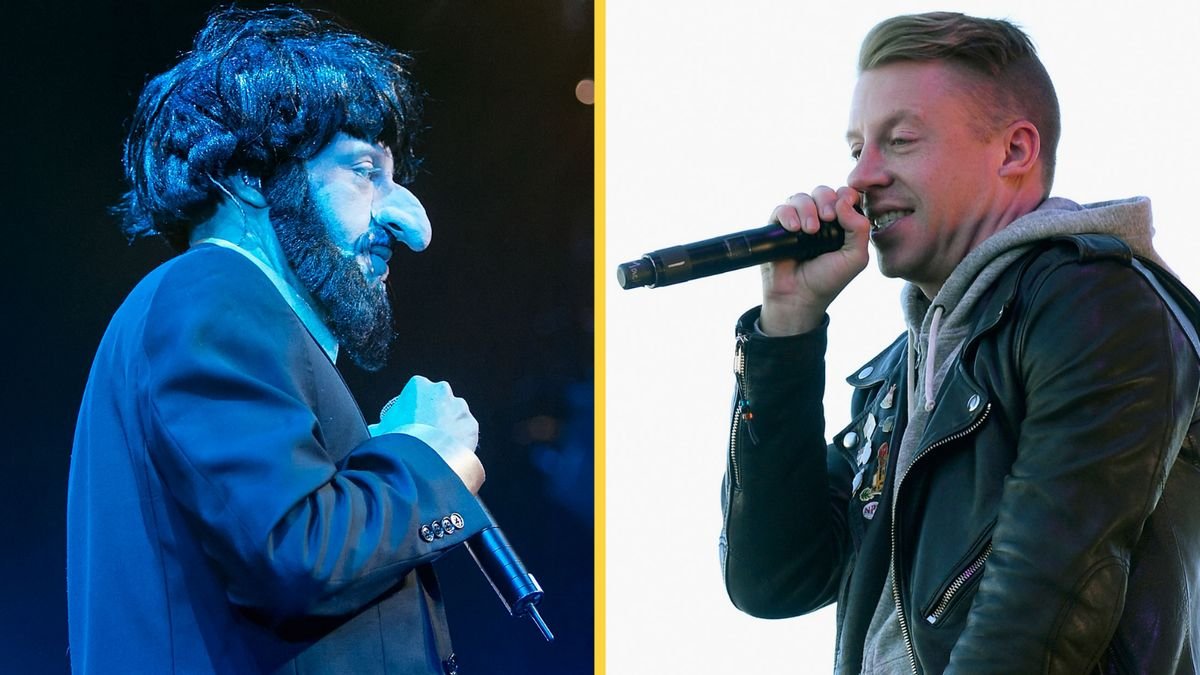
In May 2014, Macklemore performed in a costume that featured several antisemitic tropes: a very large hooked nose, a fake black beard and a black, bowl-cut wig reminiscent of a kippah — a Jewish skullcap. His outfit also resembled the suits some Orthodox Jewish men wear. After experts and Jewish people online pointed out the tropes, Macklemore said in a lengthy post on his website that he did not realize his choice of costume evoked antisemitic imagery and apologized, linking to the Anti-Defamation League’s website. The ADL reportedly welcomed Macklemore’s apology and took him “at his word that he did not have any ill intent.”
Following the removal of musician Macklemore as an opening act on singer-songwriter Ed Sheeran’s tour in September 2026, a rumor spread online claiming Macklemore once performed in an Jewish caricature costume featuring antisemitic tropes. The cancellation of Macklemore’s performances came after he advocated for Palestinian freedom during a concert.
Malina also shared photographs of a man, presumably Macklemore, in an obviously fake black beard and wig in a bowl cut, as well as an exaggeratedly large hooked nose. The man also wore black trousers and a black jacket, reminiscent of suits some Orthodox Jewish men wear. In one of the images, the man made a gesture reminiscent of a Nazi salute.
Meanwhile, several Snopes readers emailed us and searched the website seeking to confirm whether Macklemore had once performed in such a costume.
The claim is true and the photos are authentic. On May 16, 2014, Macklemore, whose real name is Benjamin Hammond Haggerty, performed in this costume at the opening night of an exhibition titled “Spectacle: The Music Video,” at the Museum of Pop Culture in Seattle. (The museum was then known as the EMP Museum.)
While Macklemore was photographed with his arm up while wearing the costume, it’s unclear whether he intentionally made a gesture resembling a Nazi salute, as posts suggested.
Macklemore posted on his website three days later, explaining his costume choice and apologizing.
We reached out to Macklemore for comment on the fact that the photos of his costume resurfaced. We also contacted the Anti-Defamation League, an organization dedicated to fighting antisemitism and extremism, and Malina. We await their responses.
The costume harkens back to some of the most virulent antisemitic tropes in history. One example is appeared in 1893 on the cover of a notorious antisemitic newpaper in France known as La Libre Parole Illustrée, the illustrated supplement of La Libre Parole:
(Albert Esnault, La Libre Parole Illustrée, via Wikimedia Commons)
The newspaper bears the tagline “La France aux Français !” (“France for the French!”), a well-known far-right slogan marking national preference to white Catholics in the country, as well as outspoken racism and antisemitism.
The 19th-century image shows a hand-drawn black-and-white caricature of a man with a torn coat and pockets full of money. The man is gripping the planet with claws growing out his fingers and toes as coins fall out and bills gather in his hands and between his toes. He is wearing a hat reminiscent of the Jewish skullcap — a kippah — and a black beard. He has a large hooked nose and is smiling. The caption reads “leur patrie” (“their fatherland” in French).
The caricature plays on racist stereotypes that Jews do not belong to any country and are loyal only to the global Jewish community (this was before the foundation of Israel in 1948). It also reinforces the prejudicial stereotype that Jews are greedy, appearing poor but secretly rich.
A more recent caricature known as the “Happy Merchant” appeared in the U.S. far-right antisemitic newspaper WAR (White Aryan Resistance) in 1992. The image, attributed to cartoonist Nick Bougas, shows a man with black hair and beard with a hooked nose, a humped back and a seemingly evil smile. He is wearing a kippah and rubbing his hands, as if he were plotting:
(A. Wyatt Mann (Nick Bougas), in WAR newspaper.)
Macklemore apologizes
In his explanation for his choice of costume, Macklemore said he loved to wear costumes and the costume store “usually” sold large noses. He said he chose black hair because it was “the furthest color from my natural hair,” adding he wanted to be unrecognizable.
He said some people told him he looked like The Beatles’ Ringo Starr, while others said he resembled former U.S. President Abraham Lincoln.
“I wasn’t attempting to mimic any culture, nor resemble one,” the singer wrote. “A ‘Jewish stereotype’ never crossed my mind.”
Macklemore ended his post with an apology. “I truly apologize to anybody that I may have offended,” he said. “I hope this better explains the situation and my point of view.”
He added a post-scriptum linking to the website of the ADL, which offers educational material about such tropes.
In response, the ADL reportedly accepted Macklemore’s apology, according to The Guardian.
“We welcome Macklemore’s apology for wearing a costume that, regardless of his motives, reminded many people of an antisemitic caricature,” The Guardian quoted ADL director Abe Foxman as saying. “We take him at his word that he did not have any ill intent and unreservedly accept his apology.”
In the final hour of Netflix’s Monster: The Lizzie Borden Story, the titular murderess, having finally made her peace with the act of violence that has defined her life, turns to the loyal companion who’s been by her side through it all. “Okay,” she says. “Let’s make it mean something.”
Lizzie (Ella Beatty) is talking about her wealth and notoriety, which she wishes to channel into a force for good. In the moment, though, all I could hear was showrunner Ian Brennan muttering that sentiment to himself. The latest addition to his and Ryan Murphy’s murder-verse tries desperately to draw something, anything meaningful out of Borden’s saga, with all the finesse of a college freshman trying to crank out a 15-page term paper in the two hours before deadline — and with all the same power of persuasion.
Monster: The Lizzie Borden Story
The Bottom Line
Lots of killers, tons of filler.
Airdate: Thursday, Sept. 17 (Netflix) Cast: Ella Beatty, Vicky Krieps, Charlie Hunnam, Rebecca Hall, Sarah Paulson, Jessica Barden, Joey Pollari, Billie Lourd Creators: Ryan Murphy, Ian Brennan
As the subtitle indicates, Monster: The Lizzie Borden Story is first and foremost a retelling of the real events you probably first heard of as a playground chant (one whose melody becomes a recurring motif), or perhaps saw depicted in more detail by Chloë Sevigny and Kristen Stewart in 2018’s Lizzie. While the real-life Borden has always denied responsibility for the August 1892 deaths of her father and stepmother, the series wastes no time playing coy; it takes as settled fact that it was indeed Lizzie who wielded the axe.
As for why, there, too, the series has a clear-cut answer: because they’re emotional sadists whose sole pleasures in life are tormenting the help and insulting their daughter. Playing Abby and Andrew, Rebecca Hall and Charlie Hunnam gorge on the scenery like they’re trying to make themselves sick; one dinner sequence even ends with them spewing geysers of vomit. There’s zero nuance to their performances, and also nothing unique about them to make them memorable. But as a way to get you to sympathize with the devilish Ms. Borden, I can’t say their cartoonish villainy is ineffective.
The only real question left is the how, and that too is more or less established in the Max Winkler-directed premiere. Vicky Krieps plays Maggie, a new housemaid who makes an immediate impression on the family with her skill, her work ethic and her anachronistic style (punk shags in Manic Panic shades, literally a century before they’ll be cool). Lizzie falls in love practically at first sight, and Maggie seems charmed right back. Under Maggie’s guidance, the sweet, shy, sheltered girl who’d never so much as heard of la petite mort blossoms into one confident enough to start rattling the gilded cage her parents have trapped her in. At Maggie’s suggestion, she begins to wonder if killing them might not be her only way out.
Then, having put together so many puzzle pieces so quickly, The Lizzie Borden Story finds itself with the problem of having eight hours’ worth of content to fill. I wish I could say that the series has an easy solution for that, too. Instead, it flails about for a number of stalling tactics, none of them particularly satisfying.
One is simply to slow down the pace of the storytelling. Bits of exposition are repeated in rapid succession (“It’s the culmination of my life’s ambitions, really,” says a character of a completed project, and then, a few minutes later, “It’s everything I ever dreamed of, really,” just in case you weren’t paying attention the first time). Lizzie and Maggie indulge in dreamy nature idylls that clumsily evoke historical lesbian dramas like Portrait of a Lady on Fire or Ammonite, only, for some reason, with way less sex. Intriguing tangents are brought up to go nowhere — no sooner has the show finally started to explain why Abby sucks so much than it’s done her off, thus nipping in the bud any interest we might have taken in her.
The other method, more successful at padding that run time but even more annoying in its spirit, is to insist that The Lizzie Borden Story is actually about something much, much bigger than itself. That Borden is in fact part of a whole historical lineage of female killers, all of whose tales are linked together by some lazily nebulous concept of What It Means to Be a Woman in Society, and that there’s therefore something pretty Female Empowering about the fact that Lizzie has decided to axe-murder her parents, if you really think about it.
The show attempts to do all this by braiding Lizzie’s story with those of arguably the only other female killers as famous as she is. In the late 19th century, Lizzie and Maggie spend long hours reading each other the story of Elizabetta Báthory, the 16th-century countess accused of bathing in the blood of virgins. Krieps plays Elizabetta in flashbacks, which adds nothing significant to our understanding of either Elizabetta or Maggie but does provide the actor an opportunity to don another anachronistic hairstyle (this time, it’s severe bangs and tomato-red streaks).
Meanwhile, in the 20th century, Lizzie has in turn captivated Aileen Wuornos (played by Sarah Paulson in a broad performance more suited for Saturday Night Live). The series lavishes much more attention on Aileen than it did Elizabetta — like, to the point where one wonders if what Murphy and Brennan truly wanted was to do Monster: The Aileen Wuornos Story, and were only stopped by the existence of 2003’s Monster, the Aileen Wuornos story. In this Monster’s telling, Aileen worships Lizzie to the point of booking an overnight stay at her old home and hallucinating interactions with her. To this sex worker turned killer of johns, Lizzie is a role model, a spiritual sister, someone who just gets how the pressures of womanhood can drive a gal to violence.
Never mind that none of these three killers have anything in common — not their backgrounds, not their motives, not their methods, not their outcomes. Never mind that The Lizzie Borden Story’s further attempt to reframe Lizzie as not just a self-actualized independent lady but an outright icon of the women’s suffrage movement comes out of nowhere. Or that for a show supposedly so in tune with the struggles of womanhood, it has no sympathy to extend an embittered wife and mother like Abby (who, for all her abuses, was not a literal murderer), and no curiosity to offer a rebel like Maggie (whose goals or desires or even personality traits always seem to be changing at the whims of the plot).
All of these people, you see, are female. For Monster, that’s reason enough to lump them together — even if, in the end, it has nothing more substantial to say than, “Women be choppin’.”
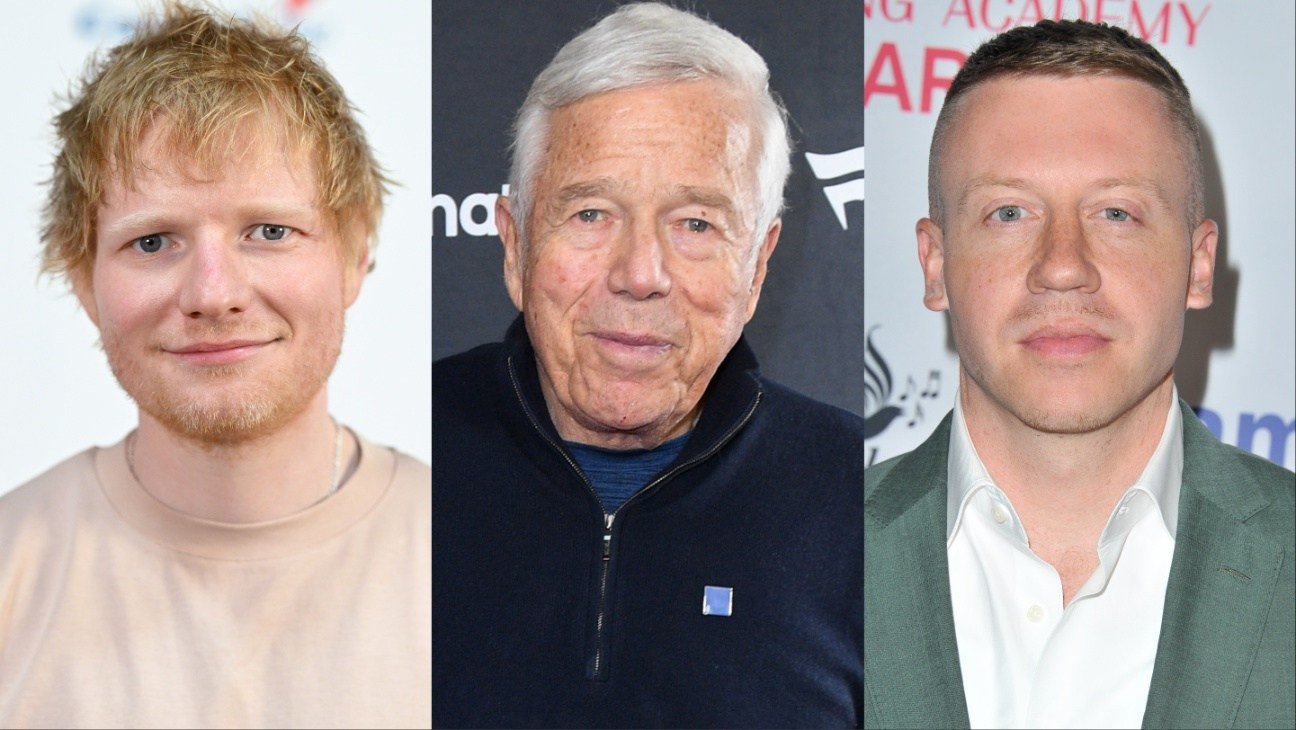
The Macklemore controversy rumbles on, with new reporting alleging that assurances were given to a group of NFL stadium owners that the rapper would not repeat any comments on the issue of Palestine during Macklemore’s second, and ultimately final, stint as the opening act on Ed Sheeran‘s tour.
In a story published in The Wall Street Journal on Wednesday, the newspaper revealed more details of alleged communication between Sheeran, the promoters of Sheeran’s Loop Tour and NFL stadium owners, including New England Patriots and Gillette Stadium owner Robert Kraft, after concerns were raised over Macklemore declaring “Free Palestine” on stage before performing “Hind’s Hall”, his pro-Palestinian song at the MetLife Stadium concert on Sept. 4.
After the incident, the WSJ reports that representatives of Kraft and other NFL stadium owners — including Carolina Panthers owner David Tepper, Atlanta Falcons owner Arthur Blank and Philadelphia Eagles owner Jeffrey Lurie — reached out to Loop Tour promoters Messina Touring Group about Macklemore’s overtly political comments. The owners were alleged to have been told that Macklemore, who was initially set to feature on 10 dates for Sheeran, would not bring up the issue of Palestine again during his performances.
At the Sept. 5 concert at the MetLife Stadium, however, the Grammy-winning artist said: “One of the reasons why I wanted to come on this tour was because I wanted to stand up here on stages and stadiums across America and say two words that are very near and dear to my heart: Free Palestine! I want to say this to all of my Jewish brothers and sisters. Criticism of Israel, criticism of apartheid, being against genocide in no way is a criticism of you.”
Macklemore’s comments on the second of the two Metlife Stadium concerts were picked up by news outlets after the Israeli-American Council petitioned for Sheeran to remove the rapper from his tour. Other pressure groups such as StopAntisemitism and Combat Antisemitism Movement as well as the singer Pink also called for the rapper’s removal.
The WSJ reports that behind the scenes, Kraft and Sheeran had a 40-minute phone call about the Macklemore controversy. Kraft is claimed to have told Sheeran that while he had sympathy for the Palestinian people, Macklemore’s comments in his estimation constituted hate speech, and was not a free speech issue.
After days of media scrutiny and with concerns about the future viability of the Loop Tour without access to NFL stadiums, Messina released a statement on Sept. 14 that Macklemore was dropped from the remaining eight U.S. tour dates. In a statement to Rolling Stone, Messina said: “As the concert promoter for Ed Sheeran’s U.S. Loop Tour, we have been notified by venues on the upcoming U.S. tour dates that they will not allow a concert to take place with Macklemore on the lineup, which would result in the cancellation of the tour and impact hundreds of thousands of fans. After discussions with stakeholders, Macklemore will not be performing on the remaining support dates.”
After being dropped, Macklemore released a lengthy statement about the controversy. “Before I get into it, I want to say something that should be obvious. In this moment I think it matters. I am not a victim,” Macklemore wrote on Instagram. “Ed Sheeran is not a victim. Pink is not a victim. We have careers, money, opportunities, safety and audiences around the world. Whatever consequences any of us face for what we say, we get to go home to our families. The victims are the Palestinian people.”
Sheeran also released a lengthy statement after Macklemore’s removal. “After Macklemore’s performances at my New Jersey shows, venues on my upcoming tour dates communicated that they would pull the shows if he was still supporting. I was informed that this stance was based on how Macklemore conveyed part of his message during his performance, rather than on everything that was said. I spoke with the venues at length all week to try and build a bridge. One of those people was Robert Kraft. I was also involved in direct talks with promoters along with activists on both sides to try and find a mutual resolution for all, but the venue’s and promoter’s decision was final.“
Sheeran then reiterated, “Macklemore coming off tour was the promoter’s decision, it was not mine. Macklemore’s contract for the tour was with the promoter, not me.”
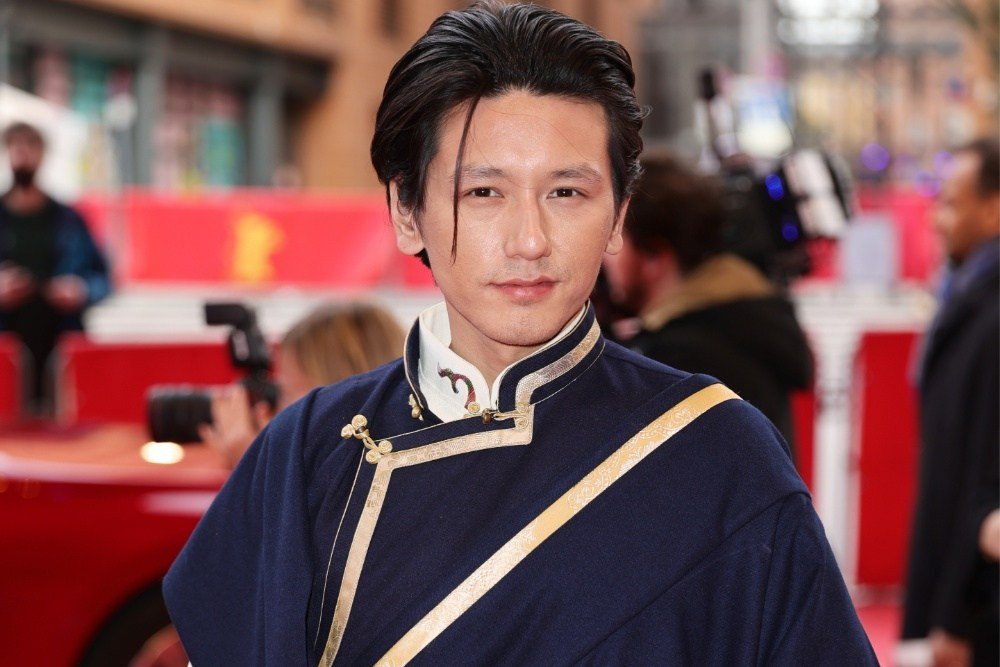
Tenzin Dalha, at the Toronto Film Festival with Jennifer Peedom’s Apple original Film “Tenzing,” has been revealed as the male lead in Bengali-language thriller “Chheledhora,” opposite Swastika Mukherjee.
His casting had been withheld when the Indo-American production was first announced earlier this year, with producers naming only Mukherjee at that point.
“Tenzing,” a gala presentation at TIFF, features Genden Phuntsok as legendary mountaineer Tenzing Norgay, with Tom Hiddleston, Willem Dafoe and Caitríona Balfe also in the cast. A limited theatrical run begins Oct. 9, with global streaming on Apple TV following Oct. 16.
In “Chheledhora,” written and directed by Shieladitya Moulik – whose credits include “Sweater” and “Surjo” – Dalha and Mukherjee anchor a story set off by an act of parental defiance. Mukherjee plays Brishti, a divorced mother who “steals” her own daughter for a birthday outing, only for the child to be genuinely abducted. The discovery then draws a group of deeply flawed adults and their children into an erratic journey through Northeast India, where the youngest characters gradually emerge as the moral compass for the adults around them. Filmed extensively in Arunachal Pradesh’s Ziro Valley, the production combines family drama, thriller elements and dark humor with the cultural texture of India’s Northeast. It is currently in post-production.
“We made a very conscious decision not to announce Tenzin when we first revealed ‘Chheledhora,’” said Ann Mukherjee, founder of Indo-American production company Sita22 Films. “We knew he had this extraordinary international moment ahead of him with ‘Tenzing,’ and TIFF felt like exactly the right time for audiences to discover another side of him. Tenzin possesses a quiet emotional intelligence and restraint that makes him a fascinating counterpoint to Swastika’s tremendous emotional force. Their chemistry is central to the film.”
Mukherjee described “Chheledhora” as a film that makes both a physical and emotional journey into India’s Northeast. “We want to tell stories that are deeply rooted in India but aren’t constrained by conventional ideas of language, geography or identity,” she said.
Dalha said it felt “particularly special” to be discussing one project while at the festival for another. “They are completely different films, yet rooted in human grit, empathy, the lengths to which humans are capable of going for people they love,” he said. “What drew me to ‘Chheledhora’ was Shieladitya’s writing. His understanding of humans as imperfect complex beings and looking at life beyond the dichotomy of individuals as good or bad. He wrote these beautiful broken young adult characters making questionable choices for their loved ones.”
The actor described Mukherjee as “a force of nature in frame and a force of joy on set,” adding that the Arunachal landscape shaped the film’s atmosphere from the outset. “Shooting in Ziro and Arunachal Pradesh provided the perfect backdrop for a thriller, and the weather set the tone right for the ambience,” he said.
The film is produced by Ann Mukherjee for Sita22 Films, with Jitin Hingorani as co-producer and creative producer, Dhanraj Sawant as executive producer and Priyangi Borthakur as supervising producer. Italian cinematographer Vincenzo Condorelli shot the film.
“The idea was never to make a Bengali film that simply happens to travel to the Northeast,” said Hingorani, who also heads content and development at Sita22 Films. “The journey changes these characters, and the Northeast becomes part of the film’s emotional language. Pairing Swastika and Tenzin gives us two performers coming from very different cinematic and cultural energies, and that tension is part of what makes the film so exciting. At Sita22, our mandate is to find stories that can be hyper-local and super-global at the same time, and ‘Chheledhora’ embodies that philosophy beautifully.”
Zach Cregger‘s Resident Evilhas arrived — and the critics are embracing the latest reimaginging on the long-running video game franchise.
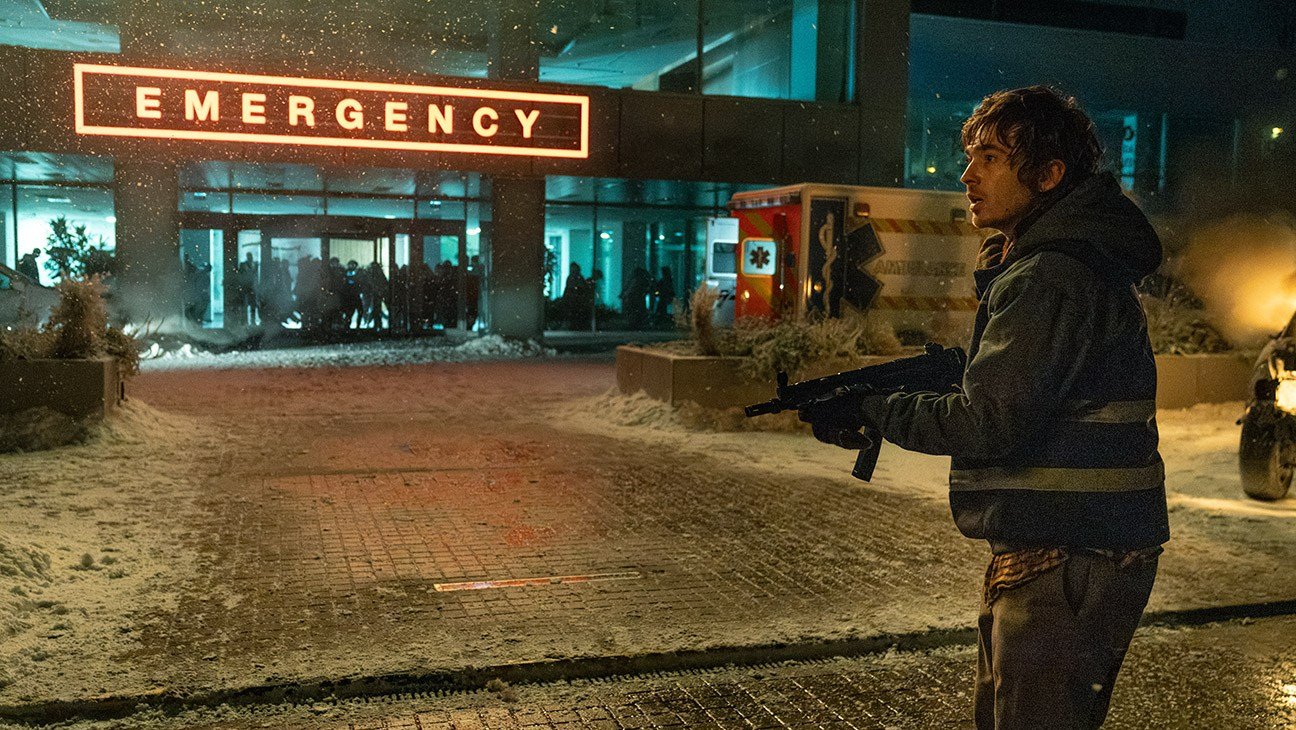
Based on the popular Capcom video games, Resident Evil stars Austin Abrams as Bryan, an outmatched medical courier who becomes trapped in a monster outbreak in Raccoon City during a single night of chaos and has to try to survive.
The Sony Pictures‘ film reunites Abrams with his Weapons director Cregger, who also co-wrote the script. The cast also features Zach Cherry, Kali Reis and Paul Walter Hauser.
While Cregger’s take on Resident Evil is the eighth installment in the live-action franchise, it’s also a reboot and serves as a fresh start.
Speaking with The Hollywood Reporter earlier this week, Cregger defended his decision to scrap the games’ legacy characters. Responding to online pushback, he said, “I know that when you dive into an IP you’re going to get flack, a certain degree, from the fandom. It would be weird if I were shocked that that was happening. But I think that when the people who love these games the way I do see the movie, my hope is that they feel seen and they feel like this movie is paying homage to the games, because it is, it’s obvious.”
As of publication, it has an 96 percent critics score on Rotten Tomatoes and a 91 percent audience score. As the movie enters theaters, THR has rounded up what critics are saying, below.
THR’s Frank Scheck, wrote in his review, “Abrams’ shaggy appeal as the everyman hero who somehow manages to overcome every obstacle thrown in his way, including the most monstrous creatures Cregger and his talented creative team could devise, is a key factor in the film’s success. Filled with baroque gore and wildly imaginative set pieces delivered at a feverish pace, Resident Evil transcends its simplistic premise with the sort of cinematic wit and flair for which the filmmaker has been justly acclaimed.”
IGN’s Tom Jorgensen wrote, “Whatever your idea of what a good Resident Evil movie should be, I have to recommend to the skeptical to put that to one side and lock in for what Zach Cregger delivers with this new adaptation of the Capcom games. With a clear appreciation for odds stacked against the protagonist and all manner of freaky foes to stand against them, Cregger ably adapts the spirit, if not the letter, of the Resident Evil games into a jet-fueled horror experience that has room for lots of tension, some great laughs, and a strong central performance from Austin Abrams.”
He added, “With a tendency towards celebrating the feel of the games and not the specifics of the plot, Resident Evil succeeds in amplifying classic gameplay moments into horror movie beats in a way that goes far beyond simple fan service.”
The New York Times’ Brandon Yu praised the tone, writing, “It’s a thriller that’s as funny as it is jumpy, with a remarkable number of jokes rooted simply in Abrams either shrieking in fear or muttering with incredulity. Cregger weaponizes comedy not only as an irrepressible reflex, but as a tool: If horror is about tension and release, he sees the relief of a laugh the same way he might a scream. But it only works because of Abrams. The movie is essentially a one-man show.”
Meanwhile, YouTube critic Jeremy Jahns said the humor “they could have pulled it back a little bit to make the last act a little smoother.” Overall, however, he added, “I actually really enjoyed it. The nods were there without feeling like nostalgia bait. The vibe, the fish out of water scenario that grows bigger and bigger as the film goes on does decidedly feel like Resident Evil. Also, it is decidedly and works well as a Zach Cregger horror film. I guess these two concepts just work well together. And I thought Austin Abrams did a great job carrying us through it. This movie being a Resident Evil dark horror comedy was a surprise to be sure, but a welcome one.”
Inverse’s Chrishaun Baker explained that the movie, “playfully engages with the first, is totally uninterested in the second, and cashes all in on the third. For a movie and a filmmaker to have spent months at ground zero of a battle over what form video game adaptations should take, it’s ironic that Resident Evil would end up being one of the best video game films ever made. By bucking the cloying attempts at “pleasing fans” that have sunk so many other movies of this kind, Zach Cregger has made the platonic ideal of what a video game movie should be: a cinematic experience that approximates the medium-specific idiosyncrasies of the game, while offering something new and satisfying for fans and newcomers.”
The Guardians’s Jesse Hassenger compared it to Cregger’s prior film, writing, “Weapons had a creepy, evocative aversion to simple metaphorical reads that ultimately increased its effectiveness; the same isn’t quite true here. Resident Evil foregrounds one obvious bit of character change for Bryan, but after doing a great job making us care about him for more than 90 minutes, Cregger seems to abandon him a few steps shy of completing any real journey. Is he awaiting a level up that never arrives? Hard to say. But maybe bringing a video game sensibility to the big screen while keeping any gamer cheesiness on the margins is journey enough.”
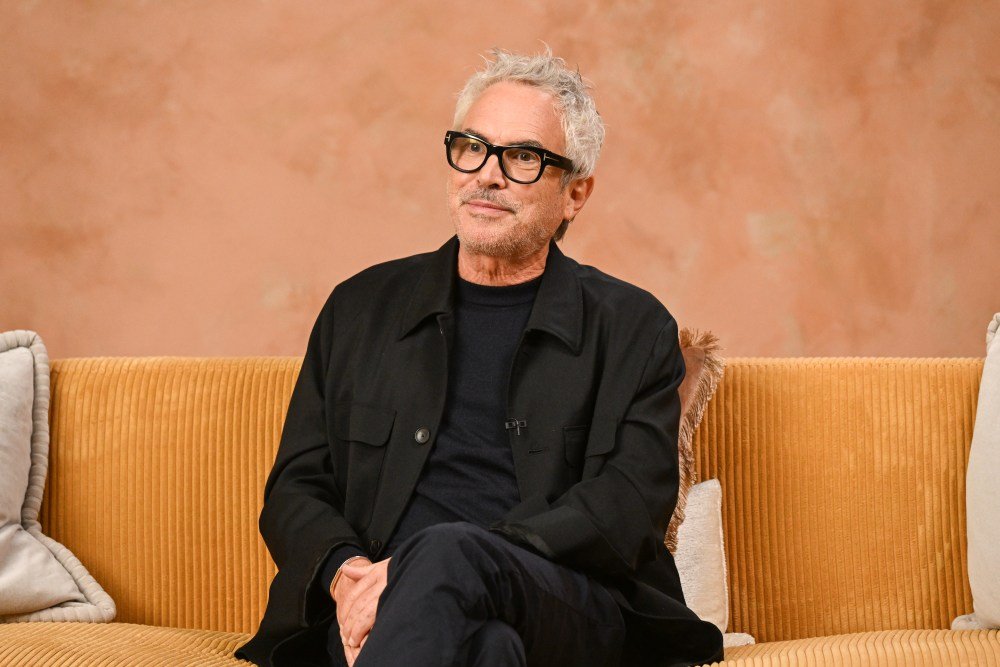
The 31st Busan International Film Festival (BIFF) has announced the first-ever Korea visit by Alfonso Cuarón, alongside a dedicated spotlight on nine films from European women and genderqueer filmmakers.
Cuarón, who has won the Academy Award for best director twice, for “Gravity” (2013) and “Roma” (2018), also holds the Venice Film Festival’s best screenplay prize for “Y Tu Mamá También” (2001) and a Golden Lion for “Roma.” He first caught Hollywood’s attention with “Y Tu Mamá También,” a portrait of youth and desire, before taking “Harry Potter and the Prisoner of Azkaban” (2004) in a moodier, more personal visual direction than the series had gone before, and later used extended long takes in “Children of Men” (2007) to pull audiences directly into a world at war. He is expected to appear at BIFF’s opening ceremony and will sit down for an extended conversation with festivalgoers about the camera language and instincts behind his films. An Imax screening of “Gravity,” co-written with his son, filmmaker Jonás Cuarón, will also be at the festival.
Jonás Cuarón’s latest feature, “Campeón Gabacho,” will have its Asian premiere in the World Cinema section, followed by a post-screening Q&A. Since writing on “Gravity,” the younger Cuarón has built his own filmography with “Desierto” (2015) and “Chupa” (2023). “Campeón Gabacho,” starring Juan Daniel García Treviño, Leslie Grace, Rubén Blades, Eddie Marsan, Rosario Dawson and Cheech Marin, follows a Mexican immigrant building a life in the United States, and was produced by Jonás Cuarón alongside his father and Gabriela Rodriguez under their Esperanto Filmoj banner, with Nicolás Celis also producing.
Elsewhere at the festival, BIFF is showcasing “Europe! Voices of Women+ in Film,” a program run with the European Film Promotion (EFP), spotlighting nine officially selected films through targeted promotion and industry networking. The lineup spans period drama, documentary and contemporary narrative work built around questions of freedom, memory and family, with four of the nine as feature debuts. May el-Toukhy‘s “Woman Unknown,” winner of the Golden Lion at Venice, anchors the group; el-Toukhy became the first Danish woman filmmaker to take that prize, while Mathilde Arcel won the Volpi Cup for best actress in the same film. Also included are Marine Atlan’s debut “La Gradiva,” Pegah Ahangarani’s “Rehearsals for a Revolution,” Sandra Wollner’s “Everytime,” winner of the Un Certain Regard Prize at Cannes, Margherita Ferrari’s debut “Föa – Once Upon a Future,” Isabelle Stever’s “I Rarely Wake Up Dreaming,” Marie Kreutzer’s “Gentle Monster,” Shahrbanoo Sadat’s “No Good Men” and Sarah Arnold’s debut “Too Many Beasts.” Judith Godrèche’s “A Girl’s Story,” part of this year’s gala presentations, joins Angela Schanelec’s “My Wife Cries,” Janay Boulos and Abd Alkader Habak’s “Birds of War,” Jacqueline Lentzou’s “A Day in the Life of Jo: Chapter Phaedra,” winner of the Horizons Award for Best Director at Venice, and Konstantina Kotzamani’s “Titanic Ocean” among the additional selections.
Five directors from the program, el-Toukhy, Godrèche, Ferrari, Lentzou and Kotzamani, will travel to Busan to present their films. Godrèche will also take part in a Cine Class session, “Women, Rewriting the Screen,” and BIFF and EFP will co-host a Talk-to-Talk panel, “Women Directors: Taking the Scene,” bringing together Ferrari, el-Toukhy and Lentzou alongside Iranian director Marjan Khosravi (“Dreams of the Wild Oaks”), Chinese director Michelle Zhou (“Big Little Things”) and Afghan director Zainab Entezar (“771 Days”).
BIFF programmer Seo Seunghee said that in reviewing films for this year’s festival, she noticed European women directors becoming more prominent among the strongest titles under consideration, in both volume and quality. “Moreover, the fact that four of the nine invited films are feature debuts is also an indicator of the generational shift taking place in European cinema,” Seo said. “Our ongoing collaboration with EFP has become a reliable channel for discovering and validating outstanding films and filmmakers, and the results are fully reflected in this year’s lineup.”
EFP managing director Irina Ignatiew-Lemke said the “Europe! Voices of Women+ in Film” initiative lets EFP and its member organizations “join forces to give distinctive European voices greater international visibility.” She added, “Busan is an important platform for bringing these filmmakers and their works into dialogue with audiences and industry professionals in Asia. By combining the festival’s selection with EFP’s targeted promotion and networking, we are proud to support underrepresented voices and create opportunities for the next generation of women+ filmmakers.”
The program runs in collaboration with BIFF, the Sydney Film Festival and Festival do Rio, with support from the Creative Europe – MEDIA Programme of the European Union. This year’s participating national film promotion organizations are Austrian Films, Cinecittà, the Czech Film Center, the Danish Film Institute, German Films and Unifrance, with Cineuropa serving as media partner.
The 31st Busan International Film Festival will run Oct. 6-15 at the Busan Cinema Center and venues throughout Busan, with the 21st Asian Contents & Film Market held Oct. 10-13.
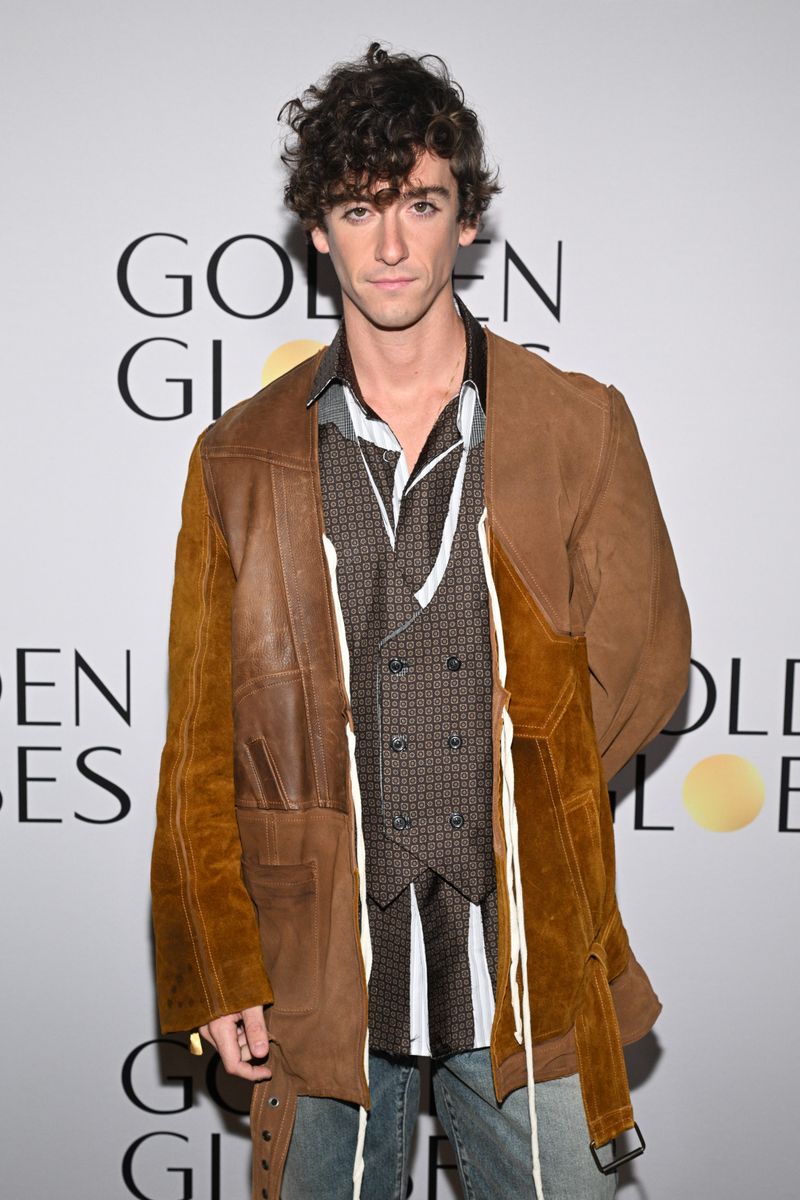
Guitarricadelafuente is bringing his music and acting worlds together with the release of “La nieve,” an original song from La Bola Negra.
You may also like
Continue reading
The Spanish singer-songwriter released the track on September 17 after writing it specifically for Javier Calvo and Javier Ambrossi’s new film, which also marks his acting debut alongside Penélope Cruz, Glenn Close, Miguel Bernardeau, Lola Dueñas and Julio Torres.
The release of “La nieve” adds another milestone to Guitarricadelafuente’s breakout year in music and film.
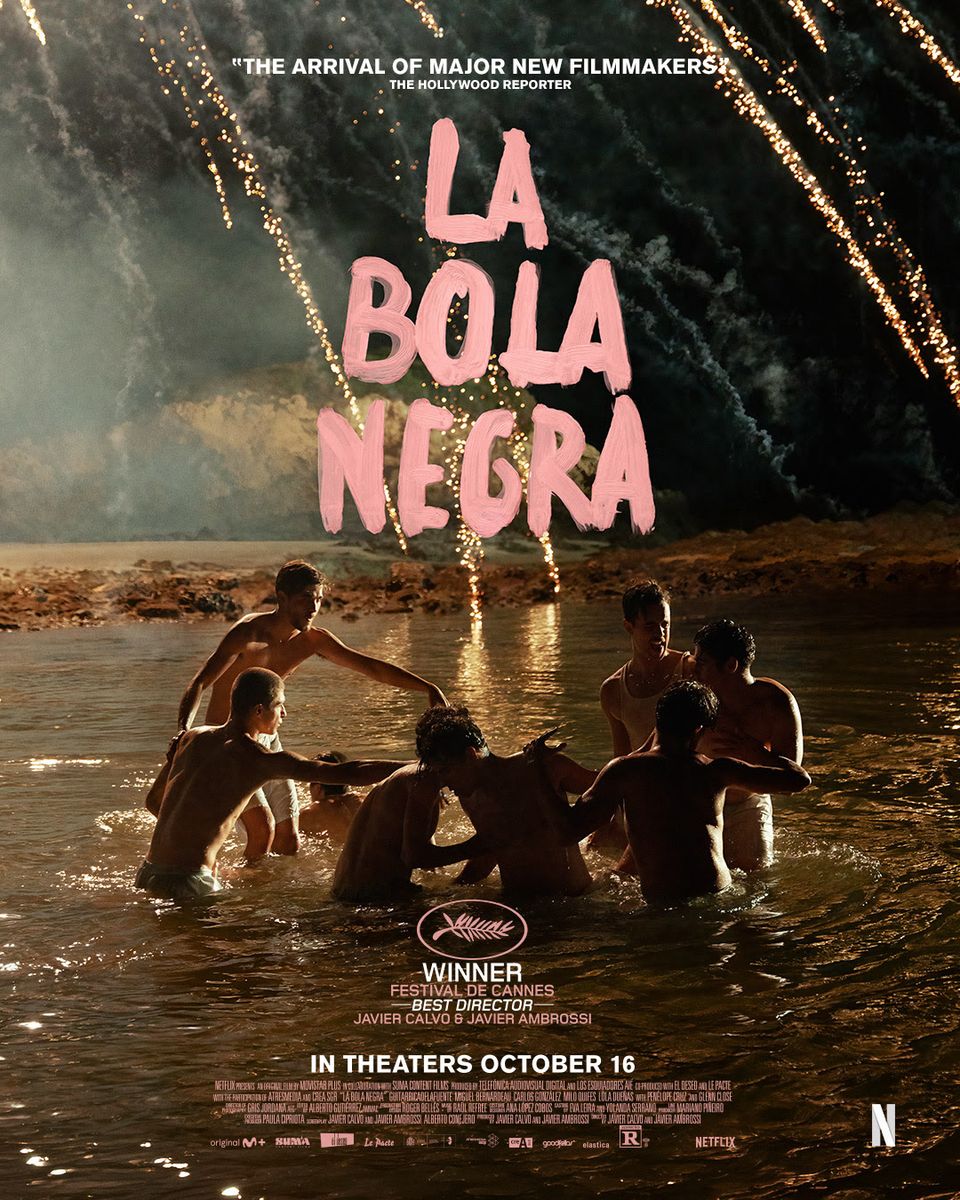
The song arrives as ‘La Bola Negra’ heads into awards season. Spain has selected the film as its official submission for Best International Feature Film at the 2027 Academy Awards, while “La nieve” has separately been submitted and accepted for consideration in the Best Original Song category.
The inspiration behind “La nieve”:
For Guitarricadelafuente, whose real name is Álvaro Lafuente Calvo, the song grew directly out of his experience playing Sebastián.
“I wanted ‘La nieve’ to come from the same emotional place as the characters in the film,” he said in a statement. “I was inspired by Federico Garcia Lorca’s last letter and also by my character, Sebastián. I thought about all of his unspoken feelings, and I had to live in that as an actor first to be inspired to write the song.”
Guitarricadelafuente stars as Sebastián in Javier Calvo and Javier Ambrossi’s La Bola Negra.
The connection to Lorca runs throughout La Bola Negra. The film takes inspiration from the Spanish poet and playwright’s unfinished work of the same name and follows three generations of men across different periods of Spanish history, exploring desire, pain and truths buried by the past.
Guitarricadelafuente plays Sebastián, whose story unfolds in 1937. The role was written with the artist in mind by Calvo and Ambrossi, popularly known as Los Javis.
The Spanish singer-songwriter drew inspiration from his character Sebastián while writing “La nieve.”
From Cannes to the Oscar race:
‘La Bola Negra’ premiered in competition at the Cannes Film Festival, where Calvo and Ambrossi shared the Best Director prize, before continuing its festival run at Telluride and Toronto.
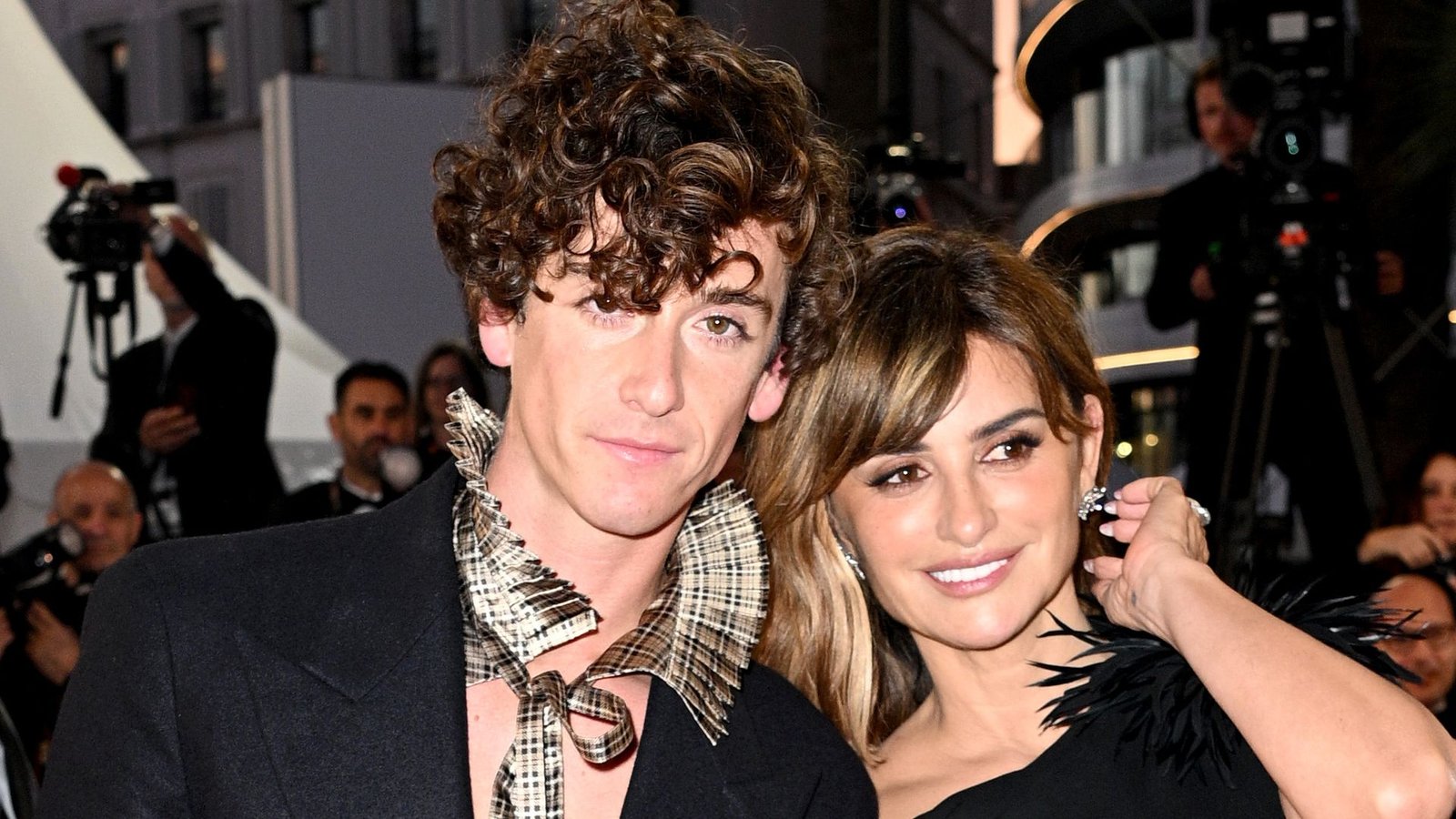
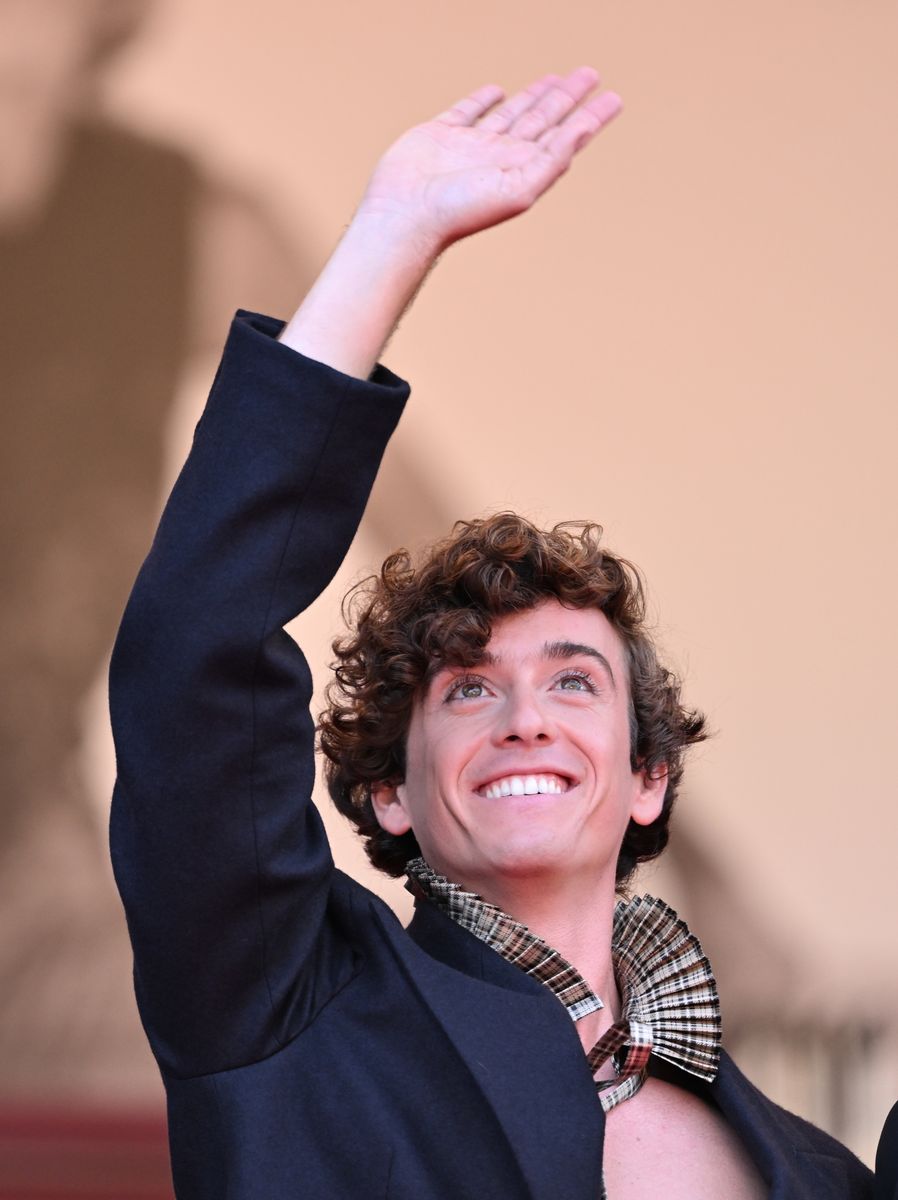
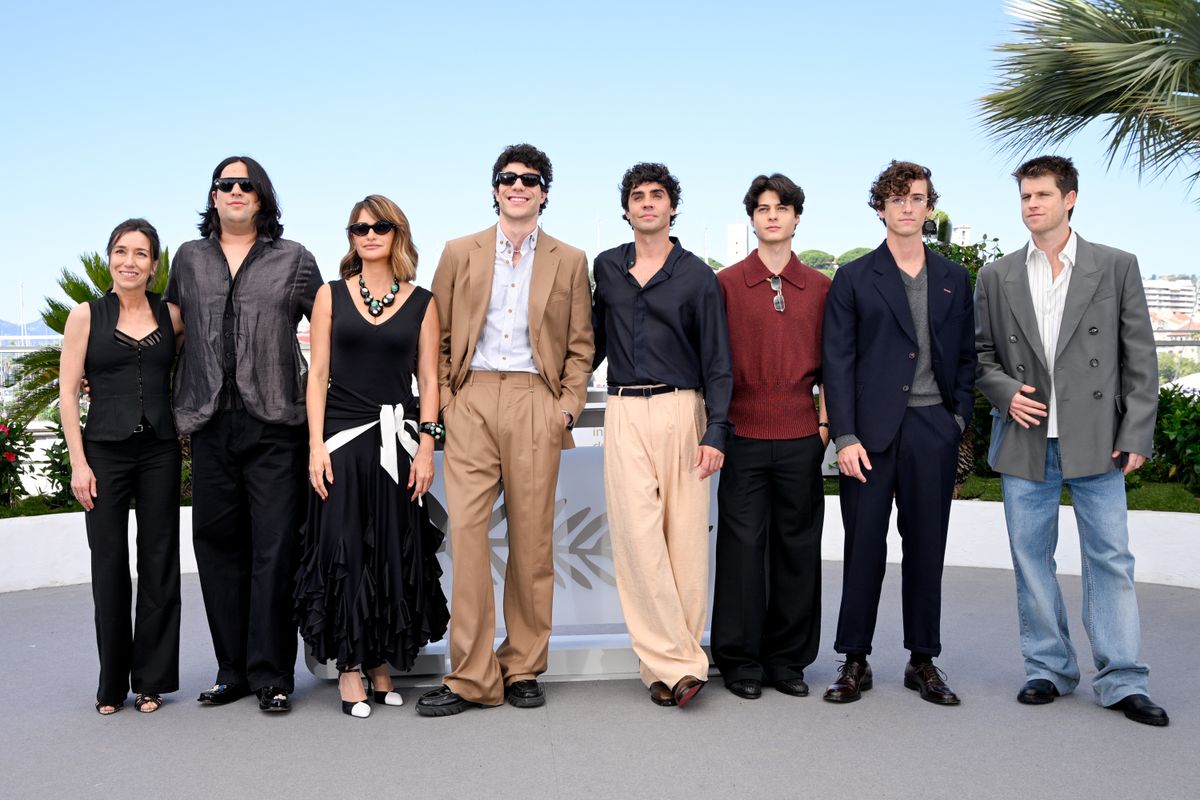
Guitarricadelafuente posed alongside Penélope Cruz, Lola Dueñas, Carlos González, Milo Quifes, Miguel Bernardeau and directors Javier Calvo and Javier Ambrossi at the La Bola Negra photocall during the 2026 Cannes Film Festival.
Now, both the film and Guitarricadelafuente’s music are part of the awards conversation. While “La nieve” being accepted for consideration does not mean it has been shortlisted or nominated, it puts the singer-songwriter in contention for Best Original Song for music born directly from his first acting role.
The latest release adds to a breakout year for Guitarricadelafuente, who made his U.S. television performance debut on Jimmy Kimmel Live! earlier this summer with “BABIECA!” and also performed an NPR Tiny Desk Concert.
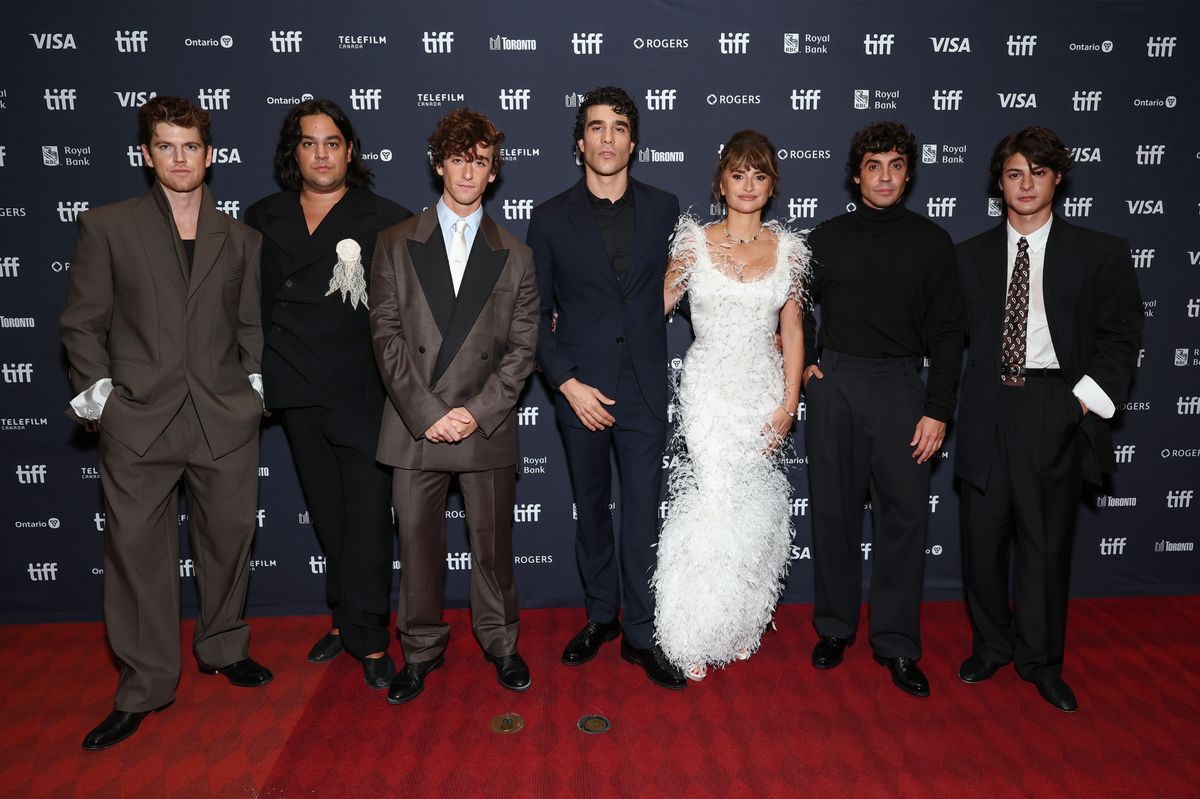
Guitarricadelafuente joined Miguel Bernardeau, Carlos González, directors Javier Calvo and Javier Ambrossi, Penélope Cruz and Milo Quifes at the Canadian premiere of La Bola Negra in Toronto on September 15, 2026.
‘La Bola Negra’ opens in Spain on September 25 and begins its U.S. theatrical run on October 16 before arriving on Netflix in the U.S. and Canada on December 2.