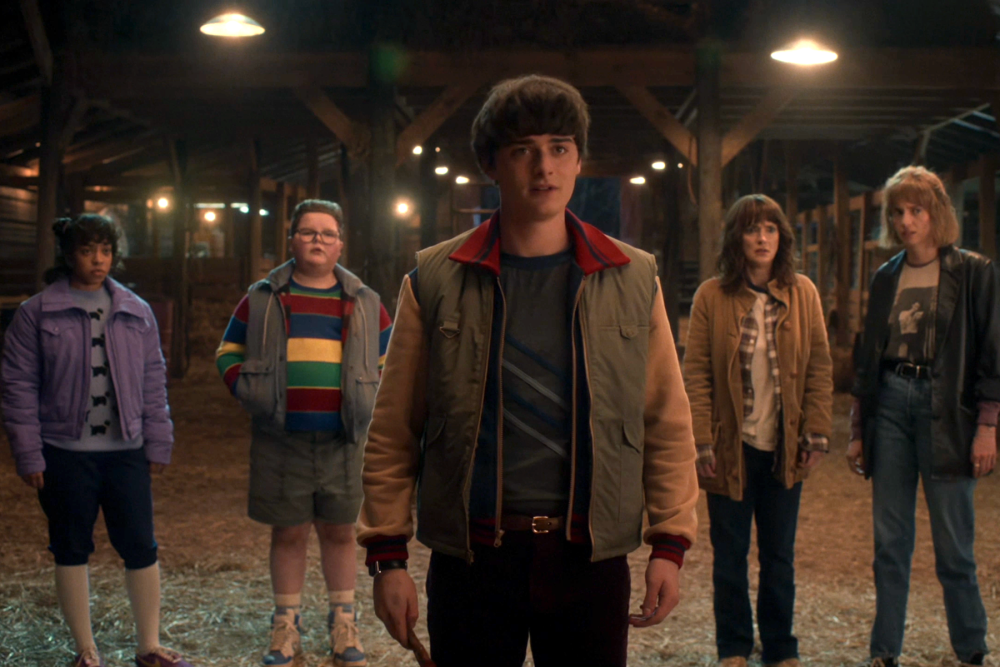
Gen Z is unsubscribing: A study has found that more than half of the younger age demographic cancels and renews streaming subscriptions based on the availability of one TV series or film, and nearly a third won’t pay full price for a game and would rather sample via a gaming platform subscription.
According to the newly released “Generations In Play: 2026 Audience Insights Report,” which was published by Dentsu and IGN Entertainment, 59% of Gen Z users surveyed actively subscribe and unsubscribe to streamers to “chase a single title.” The report asserts this means “platform loyalty is effectively dead.
Additionally, the data finds 62% of Gen Z won’t pay full price for video games, 71% have stopped buying physical music, and 70% no longer by hard copies of TV shows and movies.
A bright spot in the study says Gen Z is the most theatrical generation with 13% more likely to attend opening weekend than older movie-goers.
The findings come from a study that was independently conducted by Kantar and UC Berkeley and included a survey of 6,250 “highly-engaged entertainment consumers” across the US, UK and Australia.
See below for a copy of the full report, followe dby Variety‘s Q&A with Dentsu’s global head of gaming, Brent Koning, which goes into more detail about the findings in the “Generations In Play: 2026 Audience Insights Report.”
The data reveals that Gen Z is 13% more likely to attend opening weekend than older groups. What factors do you think drive this theatrical interest in Gen Z?
The research definitely overturns the conventional wisdom about young audiences. The fact is that Gen Z treats theatrical attendance as a social and communal experience rather than a screen-worshiping exercise. They are thinking about the theatre as part of a longer overall day or evening experience, not simply a one-and-done event.
With 59% of younger viewers subscribing and unsubscribing from streamers to chase specific titles, what should streaming platforms do to adapt to this shift and foster long-term loyalty?
The shift here isn’t necessarily about just creating more, new or original content, because we know that loyalty actually centers on IP that has longevity. “Stranger Things,” “Game of Thrones,” “The Walking Dead”… these are sagas that keep audiences engaged and coming back for more. But we’re also seeing that when IP transitions between formats, it brings audiences with it – so those sagas can be borrowed too.
The report highlights a sharp generational divide in sports consumption. How can sports rights holders and advertisers evolve their strategies to cater to younger audiences?
The generational gap in sports is really about who delivers the content and how. Gen Z wants to watch their golf on YouTube with Good Good, and Manchester United fans of a certain age would rather do a watch along with Mark Goldbridge. Rights holders treating broadcast and creator content as rival channels are kind of missing the point and mis-reading the room. Creator content is the gateway to the sport, not its replacement. You have to build parallel strategies for both, with different creative for each.
The data shows that 62% of respondents, particularly younger consumers, won’t pay full price for games. What do you see as the future for gaming monetization models like subscriptions or freemium approaches?
The question publishers should be asking is how do we convert access into commitment. Subscriptions and free-to-play have become the regular front door nowadays, but what happens after players come through that door is where the new business models lie. Season passes, in-world status, virtual goods… these are the new rules of monetization.
71% of participants reported they no longer buy physical music and 70% said they don’t buy physical copies of TV series and movies, reflecting a major shift to the access economy. What are the long-term implications of this for traditional entertainment distribution models?
Music was the guinea pig! The rest of entertainment is following the same curve but at quite different speeds with some of still living in denial! While gaming and TV are mid-transition, theatrical and live events are the holdouts trying to find some margin in the experiential shift. Distributors can’t compete on catalogue size anymore, so they are trying desperately to be the platform you open first when you have twenty minutes. The home screen is the hottest battleground now.
Leave a Reply