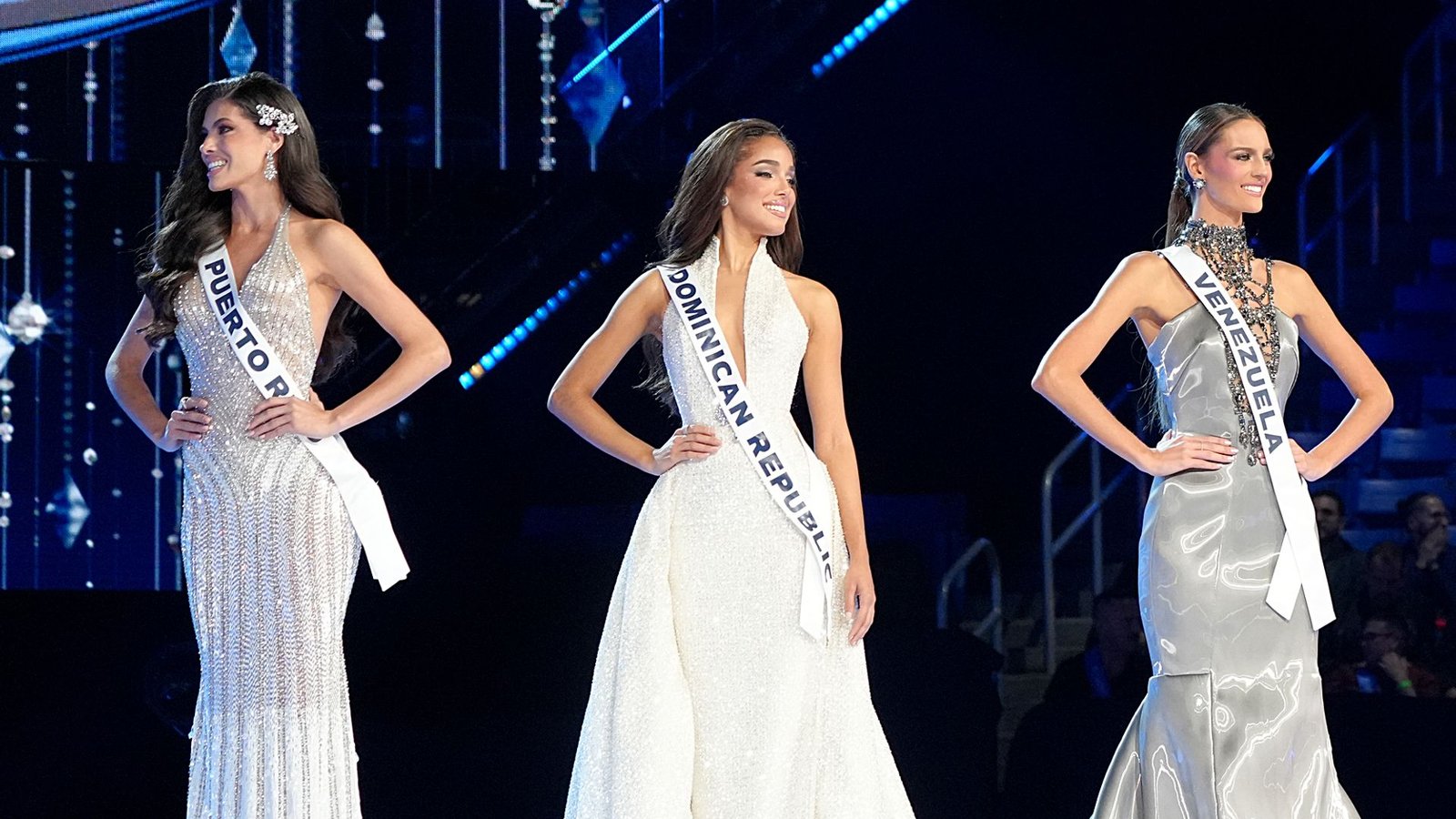
Latin America is once again celebrating a major moment in Miss Universe history. During the 75th edition of the international beauty pageant, held on November 24, 2026, in San Juan, Puerto Rico, three Latina contestants secured the highest placements, reviving one of the competition’s most memorable historical milestones.
Puerto Rico’s Jennifer Barreto took home the coveted crown, followed by the Dominican Republic’s Melissa Núñez as first runner-up and Venezuela’s Clara Vegas as second runner-up.
 © Getty Images
While Latin American contestants have consistently been among the strongest competitors at Miss Universe, seeing three Latina beauty queens occupy the top three positions is considerably rarer.
Before Miss Universe 2026, the last time three representatives of Latin American countries swept the podium was in 2008, when Venezuela, Colombia, and the Dominican Republic dominated the competition in Vietnam.
When was the last all-Latina Miss Universe Top 3 before 2026?
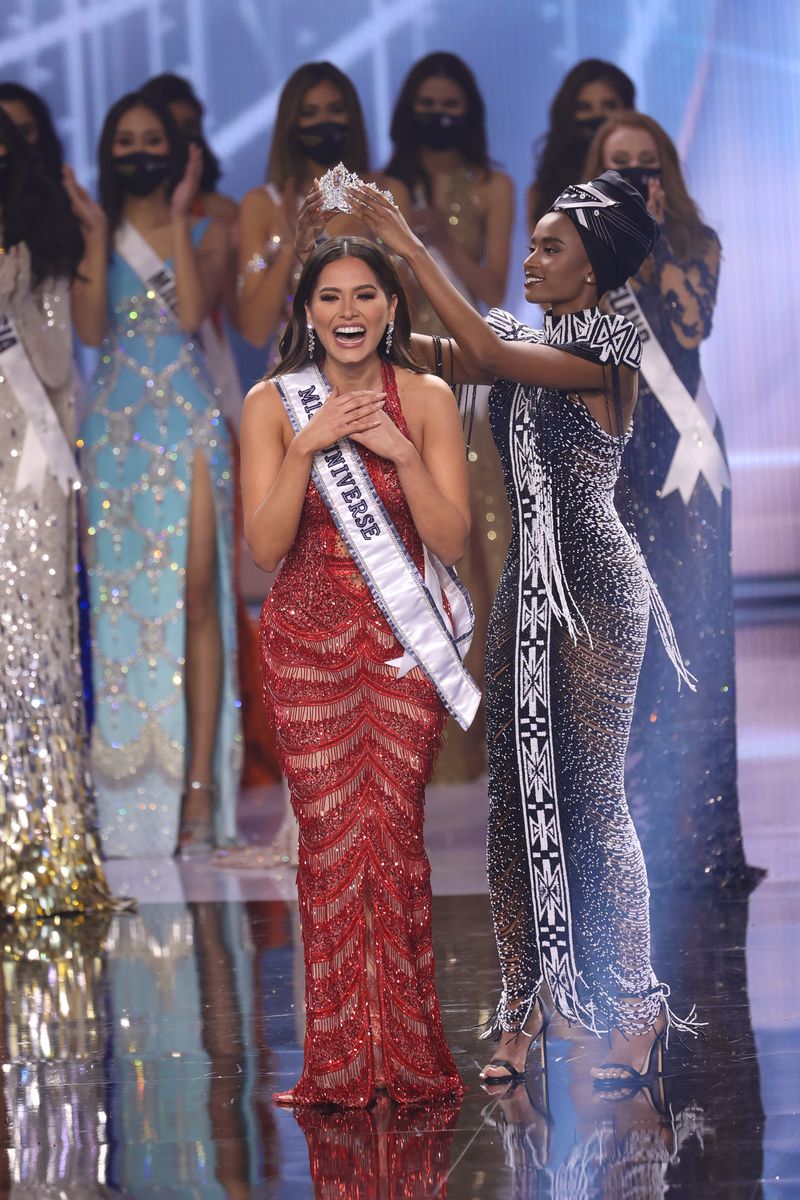
The last all-Latina Miss Universe Top 3 occurred on May 16, 2021, during the 69th edition of the competition. Although officially titled Miss Universe 2020, the pageant was postponed due to the COVID-19 pandemic and eventually took place in Hollywood, Florida.
 © Getty Images
That evening, Mexico, Brazil, and Peru secured the three highest placements, delivering one of Latin America’s strongest performances in recent pageant history.
The three finalists were:
- Mexico: Andrea Meza, Miss Universe 2020.
- Brazil: Julia Gama, first runner-up.
- Peru: Janick Maceta, second runner-up.
The Dominican Republic’s Kimberly Jiménez also made the Top 5, meaning four of the five highest-placing contestants represented Latin America. India’s Adline Castelino completed the group.
 © Getty Images
Andrea Meza’s victory earned Mexico its third Miss Universe crown, following Lupita Jones in 1991 and Ximena Navarrete in 2010.
Miss Universe 2008: Another unforgettable all-Latina Top 3
Longtime beauty pageant fans will also remember Miss Universe 2008, when Latin America delivered an equally impressive performance. The competition took place on July 14, 2008, in Nha Trang, Vietnam, with Venezuela’s Dayana Mendoza emerging victorious.
 © Getty Images
The final results were:
| Placement | Contestant | Country |
| Miss Universe | Dayana Mendoza | Venezuela |
| First runner-up | Taliana Vargas | Colombia |
| Second runner-up | Marianne Cruz | Dominican Republic |
| Third runner-up | Vera Krasova | Russia |
| Fourth runner-up | Elisa Nájera | Mexico |
Much like the 2020 edition, four of the five finalists represented Latin American countries.
Mendoza’s victory became even more significant the following year when Venezuela’s Stefanía Fernández won Miss Universe 2009, securing the first consecutive victories by the same country in the pageant’s history.
 © AFP via Getty Images
How Miss Universe 2026 brought Latin America back to the podium
Fast-forward to 2026, and the similarities are particularly interesting. Venezuela and the Dominican Republic, two of the three highest-placing countries in 2008, returned to the podium alongside Puerto Rico.
Jennifer Barreto’s victory also marked Puerto Rico’s sixth Miss Universe crown and its first since Zuleyka Rivera won in 2006.
 © Getty Images
The 2026 competition delivered another milestone beyond its regional representation. Barreto became the first mother and married woman to win Miss Universe following the organization’s expansion of its eligibility requirements.
For the Dominican Republic, Melissa Núñez’s first runner-up placement brought the country remarkably close to securing its second crown after Amelia Vega‘s historic victory in 2003.
Meanwhile, Clara Vegas continued Venezuela’s longstanding reputation as one of the most competitive nations in international beauty pageants.
 © Getty Images
Latinos Love Miss Universe
Latin America has long maintained a close relationship with beauty pageants. In countries such as Venezuela, Colombia, Mexico, and the Dominican Republic, as well as Puerto Rico, international beauty competitions have become part of popular culture.
National pageants attract considerable attention, while contestants frequently spend months developing their public speaking, stage presence, interview skills, and advocacy platforms.
 © Getty Images
 © Miss Universe
 © Getty Images
Still, winning Miss Universe is increasingly competitive. An entirely Latin American podium is particularly noteworthy when contestants must distinguish themselves among representatives from more than 100 countries and territories, as was the case in 2026.
The results also reflect how the definition of a beauty queen continues to evolve. From Andrea Meza’s background in software engineering to Jennifer Barreto’s professional experience in psychology and social work, Latina titleholders bring accomplishments that extend well beyond the runway.
 © Getty Images
Five years after Mexico, Brazil and Peru dominated the competition, Puerto Rico, the Dominican Republic and Venezuela have given Latin American pageant fans another unforgettable moment.
Leave a Reply