Tag: ABC News

  • Everyone’s going on — and off — GLP-1s. What’s that doing to your health?

    Everyone’s going on — and off — GLP-1s. What’s that doing to your health?

    At a bridal shop in downtown Halifax, Beverley Smith is trying on wedding dresses, but there’s a catch: She’s rapidly losing weight since starting a GLP-1.

    The 32-year-old has already gone on and off several types of these popular medications to manage weight gain and other side-effects linked to polyendocrine metabolic ovarian syndrome (PMOS), but decided to get serious about her health before getting married next summer. 

    She’s lost more than 30 pounds since starting the drug tirzepatide back in March, and says related symptoms — like joint pain — have improved as well.

    Now she’s asking the same question as millions of GLP-1 users around the world: Is it possible to one day stop taking the drug that’s changed life for the better?

    “When you are going off it … do you taper off of it or do you stop abruptly?” Smith wondered. “What is this really going to look like in the long term?”

    As these blockbuster drugs explode in popularity, with more people using them off-label for short-term weight loss, scientists are also striving to find an answer.

    “This is a real-world situation that needs to be studied,” said Dr. Thomas Leung, a clinician-scientist at the University of Pennsylvania, who’s among the researchers doing exactly that.

    WATCH | Researchers concerned about using GLP-1 for crash dieting:

    Researchers worried about use of GLP-1s for crash dieting

    Traditionally, GLP-1s have been seen as long-term, even lifelong, medications used to manage diabetes or tackle obesity. But what about those interested in using them for short-term weight loss? There’s little research on how these drugs work in people without conditions like diabetes or obesity, and even less study on short-term ‘crash’ diets — but doctors do have evidence it’s already having an impact.

    Microdosing, drug cycling and more

    GLP-1 drugs work by suppressing blood sugar, controlling appetite and slowing stomach emptying, all by mimicking their namesake hormone, glucagon-like peptide-1, which is released after you eat. 

    While these medications only became part of the zeitgeist in the last few years — driven by celebrity endorsements, before hitting the mainstream — they’ve been around for more than two decades.

    The earliest forms were studied and approved to treat Type 2 diabetes. Later, options arrived for chronic weight management. What’s relatively new is the myriad ways people are using these medications, often with minimal medical supervision.

    At a private appointment inside Kind Bridal in Halifax, Beverley Smith tries on a wedding dress and discusses alterations to accommodate her ongoing weight loss while using a GLP-1.

    At a private appointment inside Kind Bridal in Halifax, Beverley Smith tries on a wedding dress and discusses alterations to accommodate her ongoing weight loss while using a GLP-1. (Hugo Levesque/CBC)

    Many patients — or as some drugmakers now call them, “customers” — are treating GLP-1s like a yo-yo diet rather than taking them long term to manage chronic health conditions.

    They’re ever easier to get through online pharmacies. And pill forms, versus injections, are becoming more accessible. (Though not yet available in Canada, there is a pill-based form of semaglutide for weight loss — the drug best known by the brand name Ozempic — already approved in the U.S. from drugmaker Novo Nordisk, alongside a pill version of orforglipron from Eli Lilly.)

    Scroll through social media and it’s easy to find a range of short-term uses, from bodybuilders cycling through different types of GLP-1s (and steroids, too) alongside their gym routines to women “microdosing” the drugs off and on to manage menopausal weight gain to brides and grooms doing quick stints to lose weight before their wedding day.

    One recent study from a Danish research team looked at the use of semaglutide for obesity and found roughly half of adults stopped treatment within just 12 months.

    WATCH | How GLP-1s could treat dozens of conditions:

    Ozempic, other GLP-1 drugs may help with dozens of other conditions

    A new study published in the journal Nature Medicine suggests that GLP-1 medications such as Ozempic and Wegovy could have a host of other potential benefits beyond treating obesity, including a reduction in drug and alcohol abuse and Alzheimer’s disease.

    Stop-and-start approach could hinder weight loss

    It’s a trend Dr. Leung, the researcher from the University of Pennsylvania, noticed in his own social circle in recent years, as more of his friends and colleagues wanted to try GLP-1s just to drop a few pounds. 

    Some talked about wanting to shed weight before a vacation or to look good on Instagram or just to feel healthier. The common thread? A desire to go on the meds, then get off them as fast as possible. 

    “No one had really studied what happens when you model what human behaviour is, which is starting and stopping these drugs,” Leung said. “So we’re like, OK, well, obviously you can’t test this in humans. But we can try to do this in mice.”

    Leung and his research team did exactly that, and found cycling overweight mice through GLP-1 use seemed to make the drugs less effective over time. Mice who started and stopped the drugs every two weeks struggled to lose weight compared to mice who stayed on GLP-1s for the entire months-long study. 

    Even after two months of consistent use at the end of the study period, the drug-cycling group remained 20 per cent heavier.

    If that was happening to mice, Leung started to wonder: What’s actually happening inside the bodies of human patients stopping and starting these body-changing drugs?

    WATCH | Is Ozempic the future of addiction treatment?:

    Ozempic: the future of addiction treatment?

    From gambling and alcohol to pornography, Ozempic and GLP-1 drugs could soon be used to cure all manner of addictions. Watch The Ozempic Effect: Beyond the Waistline on CBC Gem.

    ‘Buyer beware’ when using GLP-1s off-label

    Dr. Sean Wharton sees that regularly in his own patients at the Wharton Medical Clinic for weight and diabetes management in Burlington, Ont.

    “People are using it off-label often. Maybe they heard about something on the internet or on Facebook. And if they’re using it in this manner off-label, then it’s … buyer beware,” he said.

    “Because I don’t know what type of negative aspects could potentially happen. There could be mainly positive and no negative aspects, but we don’t exactly know yet.”

    Wharton stressed this growing class of drugs has clear benefits as a long-term treatment for obesity, which has a dangerous domino effect on other health issues, like inflammation and cardiovascular disease, when left untreated. 

    Research also suggests GLP-1s may help curb substance use disorders, cut the severity of sleep apnea or even reduce cancer risk. 

    Dr. Sean Wharton is an internal medicine specialist and clinical researcher in obesity medicine in Toronto. (Craig Chivers/CBC)

    Yet increasingly, these drugs are moving from tested treatment into what Wharton calls the “aesthetic medicine space” for short-term use. And he says the benefits likely vanish when patients rush back off these drugs. 

    “If losing the weight was the reason why your metabolic condition — like your heart failure, your high blood pressure — got better, then regaining the weight usually means that that blood pressure is going to go back up.”

    Last year, one major research review concluded that the “magnitude and consistency” of these kinds of health effects “underscore the physiological consequences of [GLP-1] discontinuation.” 

    A key need, according to that research team, was treatment guidelines to also address how to stop using the drugs.

    What’s the best way to go off these drugs?

    GLP-1 pioneer Dr. Daniel Drucker agrees with that approach. In Toronto, he’s helping lead a randomized controlled trial — the gold standard of health-care research — to find out the best way for people to safely stop taking the drugs that he helped bring to the masses.

    The research team, which includes Wharton and Drucker’s colleague and fellow endocrinologist Dr. Caroline Kramer, is recruiting patients for a 16-week-long study period where they’ll go through regular bloodwork and other metrics to gauge the impact of slowly tapering off a GLP-1 compared to abruptly stopping. 

    “We’re trying to answer a very simple question: If someone wants to know, can they come off the GLP-1 medicines, what is the best way to do it?” Drucker told CBC News inside a lab at Mount Sinai Hospital.

    “Pharmaceutical companies are not good at studying how to stop their medicine,” Drucker said, “but we need to answer that question.”

    GLP-1 researchers Drs. Caroline Kramer (left) and Daniel Drucker are studying the best way to stop using these blockbuster drugs through a trial based out of Mount Sinai Hospital in Toronto.

    GLP-1 researchers Dr. Caroline Kramer, left, and Dr. Daniel Drucker are studying the best way to stop using these blockbuster drugs through a trial based out of Mount Sinai Hospital in Toronto. (Lauren Pelley/CBC)

    Drucker is among those who sees huge potential for GLP-1s as a way to reduce the dire impacts of obesity — a public health crisis so widespread that just this year, the World Health Organization released its first-ever guidelines to manage obesity starting from childhood.

    But tackling long-term medical issues usually requires long-term treatment, he stressed. When you discontinue minoxidil for hair regrowth, for example, hair loss restarts. If you suddenly stop taking statins, cholesterol spikes fast. Why would GLP-1s be any different?

    “There is a lot of stigma around staying on a medicine to control your body weight for long periods of time, but we would never have anyone question if they had MS or Crohn’s or hypertension or high cholesterol,” Drucker said.

    “I could list at least 125 diseases where you take the medication for the rest of your life to control the disease, but for some reason with the GLP-1 medicine, people think, well, you should be able to do this yourself.”

    Short-term use may ’cause more harm than good’

    Kramer said there really hasn’t been research to help show if the cardiovascular benefits of being on a GLP-1 can be maintained by gradually tapering off rather than quickly stopping. 

    The team will also be watching for symptoms and adverse events, given there can be a range of side-effects from common stomach upset to acute pancreatitis to rare reports of vision loss.

    Kramer’s advice for Canadians who want to do a short-term stint on a weight-loss drug before her team’s results come in? 

    “Patients who want to shed, like, three pounds because, ‘I have a wedding in two weeks’ … that is not what the medications were meant for,” she said. 

    “If you are thinking of taking a medication without the proper assessment over a short term … it may cause more harm than good.”

  • Ottawa tables new MAID legislation, excluding people suffering solely from mental illness

    Ottawa tables new MAID legislation, excluding people suffering solely from mental illness

    Text to Speech Icon

    Listen to this article

    Estimated 4 minutes

    The audio version of this article is generated by AI-based technology. Mispronunciations can occur. We are working with our partners to continually review and improve the results.

    The federal government has tabled new legislation that indefinitely excludes people suffering solely from mental illness from qualifying for medically assisted death and opens the door for Canadians to request MAID before they lose the capacity to consent.

    During a news conference on Tuesday, Justice Minister Sean Fraser said the mental illness exclusion came after a period of “rigorous study” by Canadian lawmakers, including via a special parliamentary committee, and review by his own department.

    “This wasn’t a conclusion that we reached out of thin air,” he said.

    The legislation, Bill C-41, would amend the Criminal Code to “clarify that a person cannot receive medical assistance in dying on the basis of a mental illness.”

    WATCH | Fraser on criminal liability for MAID providers:

    MAID providers shouldn’t face criminal liability ‘where safeguards are in place,’ Fraser says

    On Tuesday, the federal government tabled legislation that would allow for people to make advance requests for MAID by amending the Criminal Code. Justice Minister Sean Fraser said that where provincial safeguards are put in place, ‘we don’t think criminal liability should attach to the care provider.’

    It also would allow people to make what’s known as an “advance request” for medically assisted death before losing the capacity to consent due to their health condition.

    But the legislation outlines specific criteria that must be met, including being in “an advanced state of irreversible decline in capability” and “experiencing enduring and intolerable physical or psychological suffering that cannot be relieved through reasonable means.”

    It also states that MAID based on advance requests may only be provided in provinces that have established a “provincial legislated regime” outlining the rules and safeguards around such requests.

    Provinces respond

    Asked whether that would create gaps in access across Canada, Fraser said the federal government decided to allow the provinces “to determine the extent to which they wish to embrace the next frontier on medical assistance in dying.”

    “From my point of view, this is going to be the start of a national conversation that will largely play out at the provincial level around the extent to access,” he said.

    Maddison McKee, a spokesperson for the Alberta government, said the province would “carefully review the proposed [federal] changes and consider what further consultation may be needed in Alberta.”

    “Our priority will continue to be protecting vulnerable Albertans and ensuring appropriate safeguards are in place around consent and patient safety,” McKee said.

    The Department of Health and Community Services in Newfoundland and Labrador said it was reviewing the federal government’s position.

    Saskatchewan’s Ministry of Health said any decision on legislation would be shared publicly with residents and that the province would “continue to work with our health system partners to ensure the provisions of MAID continue to follow appropriate safeguards and quality of care.”

    Ottawa’s plan drew mixed reaction

    When Fraser announced Ottawa’s plans earlier this month, Dying with Dignity Canada — a group that advocates for access to MAID — said it was a “profoundly disappointing day.”

    “Preventing a group of people from having the same access to a legal medical procedure as the rest of the population simply because of their diagnosis violates Charter rights. It is stigmatizing and unconstitutional,” CEO Helen Long said in a written statement.

    The group also said that allowing provinces and territories to decide on whether to allow advance requests risks creating “a patchwork of systems” across Canada, “further increasing inequity in MAID access.”

    WATCH | Some advocates disappointed by mental illness exclusion:

    Advocates disappointed after Ottawa extends MAID exclusion for mental illness

    Helen Long, CEO of Dying with Dignity Canada, which advocates for assisted-dying rules, shares her reaction to the federal government extending the MAID exclusion to those suffering solely from mental illness. She says given the number of delays already with the legislation, it is not a total surprise.

    In a written statement on Tuesday, Inclusion Canada, an organization that supports people with intellectual disabilities, welcomed the mental illness exclusion.

    But the group said it opposes advance requests for MAID because they would leave “consequential judgments about [a person’s] suffering and expressions of refusal to others.”

    It also raised concerns “that discriminatory assumptions about disability, dependence and quality of life could influence those judgments.”

    Canada passed MAID legislation in 2016, but the Superior Court of Quebec struck the law down in 2019 because it was limited to those whose deaths were “reasonably foreseeable.”

    Parliament passed Bill C-7 in 2021 to align with the court’s ruling. A planned expansion of medically assisted death to people suffering only from mental illness was pushed back several times to allow for further study.

    In June, a special parliamentary committee recommended that people suffering solely from mental illness be excluded.

  • Drug-resistant germs are ‘growing threat’ to US, causing more than 50,000 deaths annually: CDC

    Antibiotics have long been used to treat common bacterial infections from strep throat to pneumonia.

    But some germs develop the ability to survive the medications designed to kill them, and they’re an increasing risk to public health, the Centers for Disease Control and Prevention (CDC) warned.

    In a report published Tuesday, the federal health agency said drug-resistant germs are a “growing threat to Americans.”

    Drug-resistant germs, including bacteria and fungi, cause an estimated 9.7 million infections and 50,800 deaths each year in the U.S., the CDC’s report said.

    “Antimicrobial resistance threatens modern medicine and puts millions of Americans at risk every year,” Dr. Erica Schwartz, director of the CDC, said in a press release on Tuesday. 

    Which germs pose the greatest risk

    The CDC classifies drug-resistant germs into three threat levels: “urgent,” “serious” and “concerning.”

    Four germs fall into the “urgent” category, the agency’s highest level of concern. 

    The first is Candida auris, a fungus that can cause anything from mild skin infections to severe, and potentially life-threatening, bloodstream infections. 

    Reported C. auris cases jumped more than 50% from 2022 to 2023, according to the CDC.

    Candida auris.

    BSIP/Universal Images Group via Getty Images

    The fungus primarily affects patients in hospitals and nursing homes who are already seriously ill, and can spread through medical equipment such as breathing tubes or catheters. 

    People can also carry the fungus on their skin without getting sick and spread it to surfaces and objects around them.

    The second is Neisseria gonorrhoeae, a sexually transmitted infection known as gonorrhea. 

    The CDC estimates there were about 787,000 drug-resistant gonorrhea infections in 2023. When left untreated, gonorrhea can lead to pelvic inflammatory disease and infertility.

    “And now we’re at the point where our probably broadest antibiotic class — called carbapenems — some of the bacteria are resistant to,” Daily said. 

    The remaining two urgent threats are carbapenem-resistant Enterobacterales and carbapenem-resistant Acinetobacter, which can cause severe infections and are resistant to some of the strongest antibiotics available.  

    Carbapenem-resistant Enterobacterales are gut bacteria, including E. coli, that caused an estimated 14,878 infections in hospitalized patients and 1,252 deaths in 2023.

    For patients, this resistance can mean fewer effective treatment options, longer hospital stays and an increased risk of life-threatening complications.

    Infections the CDC is monitoring 

    Drug-resistant Neisseria meningitidis, also known as meningococcus, has been newly classified as a serious threat due to its ability to cause meningitis and bloodstream infections.

    Unlike many of the germs listed in the CDC’s report, which mostly spread in hospitals and nursing homes, meningococcus spreads in everyday settings through close contact, such as kissing, sharing drinks or living in close quarters like college dorms. 

    The CDC says this reflects a rise in drug-resistant infections in the community.

    The CDC is also tracking six germs on a watch list, and their full impact isn’t yet known. One example is drug-resistant ringworm, a common fungal skin infection that is becoming harder to treat with standard fungal medications. 

    The CDC says misusing over-the-counter antifungal creams and using steroid-antifungal cream combinations may contribute to resistance. 

    Daily explained that as bacteria develop resistance, scientists must continue finding ways to make antibiotics effective.

    “Since the ’40s, it’s been this arms race, starting with penicillin,” Daily said. “Some bacteria become resistant. Then we modify the antibiotic, so then it can kill the pathogen.”

    Why drug resistance matters 

    Antimicrobial resistance occurs when bacteria and fungi learn to outsmart the drugs used to treat them, leaving healthcare providers with fewer treatment options. 

    “The bacteria are exposed to an antibiotic; they randomly develop mutations. Some are lucky enough to have a mutation that allows them to withstand that antibiotic,” Daily said.

    Patients with weakened immune systems or serious underlying conditions, as well as those with medical devices, such as catheters, face especially high risks. 

    A sign sits outside the Centers for Disease Control and Prevention (CDC) Roybal campus in Atlanta, March 18, 2026.

    Megan Varner/Reuters, FILE

    “People go to the hospital to get better, and sometimes they may acquire from the hospital environment a more resistant bacteria than they came in with,” Daily said.

    Infections commonly picked up in hospitals and other healthcare settings accounted for nearly $12 billion in healthcare costs in 2023, the report found. 

    Prevention efforts work 

    C. diff, a gut infection that causes severe diarrhea and is often triggered by antibiotic use, was downgraded from an urgent threat to a serious threat, the report said.

    Infection rates fell 21% between 2018 and 2020 and rates have remained stable since.

    Still, C. diff caused an estimated 412,504 infections in 2023, and adults aged 65 and older are infected at 4.5 to five times the rate of younger people. 

    Medical illustration depicting Clostridioides difficile bacteria, formerly known as Clostridium difficile, 2019.

    Smith Collection/Gado via Getty Images

    “This data shows both the progress we’ve made and the significant work that remains. High-quality data help drive action, and CDC is committed to providing easily accessible information to help protect people from drug-resistant infections,” Schwartz said in the press release. 

    The CDC says the drop in C. diff shows that infection prevention and more careful antibiotic use can make a difference.

    What people can do to protect themselves 

    Antibiotics should only be used when prescribed by a healthcare professional. They do not work against viruses including those that cause the cold and flu, according to the CDC.

    Washing hands regularly, staying up to date on recommended vaccinations and taking steps to prevent the spread of infections can also help.

    “I always say to my patients, feel free to ask questions if you’re sick or you have an infection in your family,” Daily said. “Absolutely feel free to talk to the doctor.”

    Dr. Tara Howard is a fourth-year dermatology resident and a member of the ABC News Medical Unit.

  • Ebola cases top 10,000 in Democratic Republic of Congo, as countries race to stop spread

    Ebola cases top 10,000 in Democratic Republic of Congo, as countries race to stop spread

    The fast-moving Ebola outbreak in the Democratic Republic of Congo (D.R.C.) has reached 10,000 confirmed cases, government data showed on Tuesday, as health authorities race to slow the spread of the disease in multiple African countries.

    It is the fastest-growing Ebola outbreak in history and nearly half of the 10,060 people confirmed to have the virus have died, according to data from D.R.C.’s Ministry of Health.

    That also makes it the deadliest outbreak of the disease in the country’s history.

    The outbreak declared in May is caused by the rare Bundibugyo virus, for which there is no approved vaccine or treatment.

    Response teams are battling armed conflict, poor roads and violence from residents fuelled by mistrust and misinformation. Those obstacles compound the challenge of persuading people to report symptoms and accept care in communities that have endured years of violence and repeated epidemics.

    Compared to the West Africa Ebola outbreak of 2014-2016 — history’s largest and deadliest, with more than 28,000 cases, including more than 11,000 deaths — this has had at least three times the number of cases and deaths in the time since it was declared.

    It has spread farther across Africa than any previous Ebola outbreak, reaching three regions, with cases recorded in Kenya and Nigeria as well.

    It’s so far been recorded in five countries, including Uganda, which saw 21 cases and three deaths but no new reported cases since late June, and France, a case involving a doctor who returned from D.R.C. and later recovered in hospital.

    Health workers in white plastic protective clothing and clear googles over their eyes stand in a room, closed off with a clear sheet of plastic, as they attend to a patient lying on a bed.

    A health worker attends to an Ebola patient at the Rwampara treatment centre in Ituri, D.R.C., on June 18. (Moses Sawasawa/The Associated Press)

    A recurring problem in the spread in Africa is what appears to be lax surveillance efforts, as most of the first cases were confirmed long after people started showing symptoms or after travelling.

    African health ministers are to hold a virtual summit on Wednesday to strengthen the continent’s collective response.

    “Ebola is crossing borders. Our response must move faster, with stronger co-ordination, greater solidarity and decisive political leadership,” said Dr. Jean Kaseya, head of Africa Centres for Disease Control and Prevention.

    WATCH | D.R.C. children dying from Ebola at higher rates than adults:

    Children bear brunt of DRC’s Ebola outbreak

    Death rates for children much higher than for adults, WHO estimates, while others orphaned.

    Ongoing community spread, many not seeking care

    In D.R.C., the disease has spread to 66 health zones across eight provinces, from three zones when it was first declared in May.

    Responders have told The Associated Press that they’re seeing treatment centres in some of those health zones being overwhelmed, and people still skeptical and violent toward them, and health workers are regularly going on strike to protest delayed or unpaid wages.

    “Some people still don’t seem to understand the seriousness of the situation, even though they are directly exposed to the risk,” said Sephora Bgosi with the Ebola burial team in Ituri province, the epicentre.

    “Ebola disease is extremely dangerous and can be deadly,” said Bgosi.

    About 80 per cent of recorded cases are still coming from outside of monitored contacts, showing there are ongoing chains of transmission that health authorities are not aware of.

    At least 95 per cent of recorded cases are supposed to be coming from known contacts for officials to say the outbreak has largely been brought under control, the African CDC has said.

    At least half of deaths recorded are among people who have not been admitted to treatment centres, a sign that people are still not reporting symptoms at all in many areas.

    At least 2,600 patients have recovered from the disease in D.R.C., bringing rare moments of joy to affected communities. A viral video this week showed health workers in full protective gear dancing as the last two patients were discharged from a treatment centre in Mongbwalu, Ituri province.

    “The outbreak is far from over, but every life saved is worth celebrating,” World Health Organization Director-General Tedros Adhanom Ghebreyesus said of the video.

    Medical workers attacked, health services strained

    In many zones, health workers are battling challenges ranging from basic needs such as adequate vehicles to complex ones like persuading families to release their relatives who are sick with the disease or who have died from it and need to be buried safely.

    Last week at the Nia Nia health zone in Ituri province, some Ebola responders, including surveillance and community engagement officers, went on strike over unpaid bonuses owed since late August, a common trend across many affected localities.

    More than five months since the outbreak was declared, health workers are still being attacked by angry villagers, including on Saturday when a nurse was killed and another health worker severely injured while responding to an Ebola alert in Bafwasende, Tshopo province.

    The outbreak has disrupted essential health services that are already underfunded and overstretched and has shifted attention away from other disease outbreaks the country is battling, such as cholera— with more than 51,000 suspected cases reported in western D.R.C. since the beginning of 2026.

    More pregnant women are dying as they avoid hospitals over fear of infection and isolation, causing maternal mortality to double in some provinces soon after the outbreak was declared.

    It has also disrupted routine health-care services such as childhood vaccinations, interrupted schooling for children where millions are already out of school, caused trauma and stigma for affected families and further stretched the livelihoods of many already struggling with hardship.

    WATCH | How the Ebola outbreak became the deadliest in D.R.C.’s history:

    Ebola outbreak now deadliest in Congo’s history

    The Ebola outbreak in the Democratic Republic of Congo is officially the deadliest in the country’s history, and health officials worry the crisis will only get worse when children return to school.

  • More than 511,000 Ontarians connected to family doctors since 2025: health minister

    More than 511,000 Ontarians connected to family doctors since 2025: health minister

    Text to Speech Icon

    Listen to this article

    Estimated 3 minutes

    The audio version of this article is generated by AI-based technology. Mispronunciations can occur. We are working with our partners to continually review and improve the results.

    Ontario has connected more than 511,000 people to family physicians since it launched its primary health care plan last year, the province’s health minister announced Monday.

    Minister Sylvia Jones said since 2018 more than 20,000 additional physicians have been added to the workforce and there has been a 14 per cent increase in family doctors.

    “We are not stopping there,” she said at a news conference alongside Dr. Jane Philpott, the former federal health minister appointed by the Ontario government in 2024 to lead a primary care action team. “We know there is more work to do.”

    The progress so far means the government is on track to meet its target of ensuring every Ontarian has a primary care provider by 2029, Jones says.

    “Together, we are building a health care system to last,” she said.

    Last year, the Ontario Medical Association said that 2.5 million people across Ontario didn’t have a family doctor.

    The province’s $3.4-billion primary health care plan, which was launched in January 2025, has a goal of closing that gap and connecting every Ontarian to a publicly-funded family physician or primary care team.

    Stethoscope on top of doctor's desk

    Since 2018, Ontario has added roughly 20,000 doctors to the workforce, Health Minister Sylivia Jones said Monday. (Guy Quenneville/CBC)

    In a news release Monday, the province said more than 470,000 people have been cleared from the Health Care Connect waitlist since the start of 2025.

    Jones said as part of its commitments, the province is expanding medical schools in Ontario by adding 340 undergraduate seats and 551 postgraduate positions for a 67 per cent increase in family medicine graduates per year. 

    Jones said the province is also building 18 primary care teaching clinics — one of which has already opened in Brampton to support Toronto Metropolitan University’s new medical school.

    Ontario also took in more than 2,300 nurses and 570 doctors from the U.S. last year and is spending $300 million to expand the workforce by creating up to 170 primary care nurse practitioner seats and 150 physician assistant positions, Jones added.

    The move comes amid layoffs at Ontario hospitals, with several announcing job cuts this year as they try to climb out of financial holes. 

    Earlier this month, St. Joseph’s Health Care London announced it would be letting go of 85 registered nurses, with plans to move them into other positions.

    A couple of weeks prior, the union that represents many workers at Hamilton Health Sciences said they forecasted 413 job cuts — including the reduction of 143 nursing positions and 84 health-care aide roles.

    A call for proposals is currently open with the province looking to see 78 primary care teams created or expanded, which officials say should connect another 600,000 people.

  • Nigeria Ebola patient flown to Switzerland, Congo health worker killed as 4 countries deal with outbreak

    Nigeria Ebola patient flown to Switzerland, Congo health worker killed as 4 countries deal with outbreak

    Officials on opposite sides of the African continent are trying to determine how a woman diagnosed with Ebola in Nigeria’s capital last week contracted the deadly virus without having visited the Democratic Republic of Congo — the epicentre of one of the worst human outbreaks of the virus in history.

    The woman, an Ugandan-born Swiss citizen, was transported on a medical evacuation flight from Abuja to Switzerland on Monday, as questions linger about how she may have contracted the virus while visiting Uganda.

    Meanwhile, a health-care worker in the D.R.C. is dead after being attacked over the weekend, as the outbreak continues to spread and claim more lives.

    D.R.C.’s Health Ministry’s most recent data indicates more than 9,800 cases, including more than 4,700 deaths, have been recorded since the start of the outbreak in May, making it the deadliest Ebola outbreak in the country’s history.

    Here’s a look at the latest developments in the four countries that have been affected by the Ebola outbreak.

    WATCH | DRC children dying from Ebola at higher rates than adults:

    Children bear brunt of DRC’s Ebola outbreak

    Death rates for children much higher than for adults, WHO estimates, while others orphaned.

    Nurse killed in Democratic Republic of Congo

    A nurse was killed and a health worker severely injured after being attacked while responding to an Ebola alert in D.R.C., according to the World Health Organization (WHO).

    It was the latest in a series of attacks on health workers and responders that authorities say is hampering efforts to slow the fastest-growing Ebola outbreak in the world.

    The attack took place Saturday in the town of Bafwasende in the country’s eastern Tshopo province, one of eight provinces affected by the outbreak, WHO Director General Tedros Adhanom Ghebreyesus said in a post on X on Sunday.

    Medical workers clad in yellow protective suits and white hoods, with goggles over their faces, are seen working in a treatment room, behind clear plastic, while a sick man lays on a bed, breathing through an oxygen tube.

    Doctors Without Borders physicians treat a patient inside the Kitatumba Ebola treatment centre in Butembo, D.R.C., on Sept. 23. (Gradel Muyisa Mumbere/Reuters)

    “Everyone working to protect communities from this deadly disease must be able to work in dignity and safety. Healthcare must always be protected,” he said.

    WHO regional director for Africa, Dr. Mohamed Yakub Janabi, also condemned the attack on X.

    “Misinformation and fear must never fuel violence,” he said. Local authorities have not yet commented on the attack or the suspects.

    Last month, a Congolese politician was beaten to death in North Kivu — a war-torn province that that has the second-highest number of confirmed cases but the highest fatality ratio.

    It happened after he publicly defended the government’s response to Ebola. He had been calling on the public to obey response measures, particularly social distancing and handwashing, on a radio show.

    Back in May at the start of the outbreak, two tents at health centres were set alight in two separate attacks in just one week by angry residents.

    There is widespread distrust of the country’s government because of how it has managed past Ebola outbreaks as well as chronic corruption.

    In a positive development, Ghebreyesus shared news from a treatment clinic in Ituri province, which has recorded the highest number of confirmed cases since the outbreak began.

    In a post on X, he shared a video from the community of Mongbwalu showing health workers dancing as they discharged their two remaining patients and noted that no new positive cases had been confirmed at the clinic in the past five days.

    Ebola patient flown from Nigeria to Switzerland

    The Swiss woman being treated for Ebola in Nigeria was medically evacuated to Switzerland with her husband Monday, officials said, as Nigerian authorities continued monitoring 52 people who had been in contact with her.

    Nigerian Health Minister Muhammad Pate said the woman, the country’s first case in the current outbreak, left the capital, Abuja, early Monday with his approval.

    Her condition had improved significantly, and she was stable, conscious and able to communicate, he said.

    “This does not mean she is not still infectious, hence the strict protocols in place,” Pate wrote on X. Her husband, a Swiss diplomat in Nigeria, has shown no symptoms.

    He later confirmed the couple arrived safely in Switzerland and the woman is receiving care in Geneva, while her husband is in isolation at a hospital in Zurich.

    The WHO’s Janabi, said the evacuation was arranged because the couple are Swiss citizens and that Nigerian medical teams had stabilized the woman after treating her through the acute phase of the illness.

    LISTEN | First human clinical trial of new Ebola vaccine underway in Halifax:

    The Current19:31As Ebola spreads, Canadian scientists work on a vaccine

    Switzerland will take over her care and monitor her husband, while Nigeria will continue following 52 other contacts, Janabi said.

    “With the evacuation of the patient and her husband, Nigeria currently has no Ebola cases,” he said, stressing that vigilance remained critical. Pate said containment measures remained in place and urged Nigerians to remain vigilant.

    The woman tested positive after returning to Abuja from Uganda.

    Nigerian authorities said Friday they had yet to establish how she contracted the virus. Switzerland’s Foreign Ministry told The Associated Press that she had not visited D.R.C. and was believed to have been infected while travelling to Uganda with her husband.

    The Africa Centers for Disease Control and Prevention said the first patients in Nigeria and Kenya had both travelled through Uganda’s Entebbe International Airport on Oct. 3.

    People in line at an airport, looking at their phones as they stand next to their suitcases. A large white, vertical banner bears the word "Ebola" in big red letters along with other text explaining the signs, symptoms and how to prevent transmission

    Travellers stand next to a banner displayed by a health screening station at Nigeria’s Murtala Muhammed International Airport, in Lagos, following reports of an Ebola case in the country last week. (Sodiq Adelakun/Reuters)

    Uganda implements quarantine rules

    Uganda says it is investigating ​the Nigerian case, but insists the country remains Ebola-free after declaring an end to its latest outbreak in July.

    But the government is reinforcing border controls to stop the spread of the deadly Ebola virus and now requires citizens returning from neighboring D.R.C. to spend 21 days in quarantine at their own expense, the Health Ministry said Sunday.

    It first established border controls in May, restricting all but essential travellers, including humanitarian workers and truck drivers, subject to screening.

    Travellers with a history of travel to Congo cannot transit through Uganda, including on chartered flights.

    Under the new measures announced Sunday, nonessential Congolese travellers will be returned through the nearest border crossing at their own expense, while those entering illegally face prosecution, the Ugandan ministry said.

    Screening has intensified at Entebbe International Airport and land borders and all arrivals must complete a passenger locator form and undergo health screening, including diplomats and United Nations personnel.

    A woman, wearing a bright red vest, stands beside a man on a motorbike and holds a temperature scanner to his size of his head.

    A Kenyan health worker checks the temperatures of travellers crossing from Uganda to Kenya as part of measures to contain the spread of Ebola virus, in Busia, Kenya, on Oct. 15. (Andrew Kasuku/The Associated Press)

    Kenya clears Ebola patient contacts

    Kenya on Monday released from quarantine the first group of people who came into contact with its index Ebola patient, a milestone in its efforts ‌to contain cases to a single infection cluster.

    The 20 people released completed 21 days of monitoring without developing Ebola symptoms and are in good health, ​the director general in Kenya’s Health Ministry, Patrick ​Amoth, said in a statement.

    Kenya has reported nine Ebola cases so far, two of whom have died. ​The remaining seven patients are stable and receiving treatment, ⁠Amoth said, adding ⁠that 98 others still ‌in quarantine would be released in four waves beginning on Nov. 3.

    “This is a milestone worth celebrating,” Amoth said. “It is also a reminder that the work ⁠is not yet done.”

    Kenya’s first case died in a hospital in Nairobi on Oct. 5, after which eight others fell ill ‌while in quarantine. It announced on Friday that a second person had died.

    Amoth said ⁠those leaving quarantine posed no risk to their families or communities where they live and urged Kenyans to welcome them home. “We cannot afford to drop our vigilance,” he said.

    WATCH | How the Ebola outbreak became the deadliest in D.R.C.’s history:

    Ebola outbreak now deadliest in Congo’s history

    The Ebola outbreak in the Democratic Republic of Congo is officially the deadliest in the country’s history, and health officials worry the crisis will only get worse when children return to school.

  • A new cancer drug costs as much as a home down payment each month. Doctors say that’s greed, not health care

    A new cancer drug costs as much as a home down payment each month. Doctors say that’s greed, not health care

    James Howard thinks most people would say they’re willing to pay any price to stay alive — until they’re asked to put a dollar figure on it.

    “The question that nobody’s ever prepared to ask themselves is how much is your life worth … and how long does that decision take for you,” he said.

    For Howard, the answer is $90,000 a month for a new pancreatic cancer drug he hopes will extend his life.

    Doctors in Vancouver diagnosed Howard with pancreatic cancer in November 2025. He underwent chemotherapy, but the cancer has since metastasized and is now Stage 4.

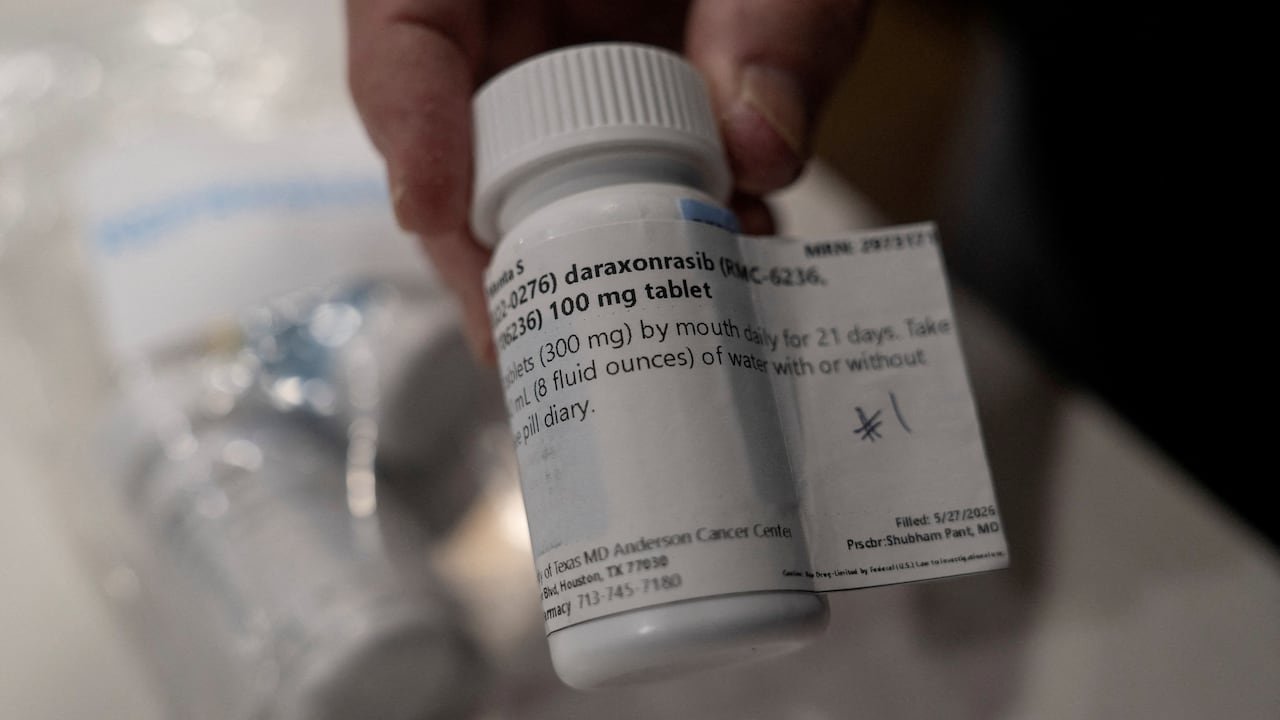
    Earlier this year, he learned about daraxonrasib, a treatment approved by the U.S. Food and Drug Administration (FDA) in August but not yet in Canada. At three doses a day, it costs him about $63,000 US — roughly $90,000 Cdn — a month.

    Howard is far from the only Canadian confronting the soaring cost of new cancer treatments. Oncologists across the country say increasingly expensive drugs — particularly treatments not yet approved or publicly funded in Canada — are forcing some patients to choose between paying enormous sums themselves and going without potentially life-extending medication.

    A slender, bald man sits at the end of dining room table, holding a white pill bottle in his right hand and pouring a pill into the palm of his left hand, with a glass of water on the table in front of him.

    James Howard, seen in his Vancouver home, takes three doses per day of the new pancreatic cancer drug daraxonrasib, which isn’t approved in Canada and that he has to get from the U.S. at a cost of about $90,000 Cdn. a month. (Glen Kugelstadt/CBC News)

    More than two dozen cancer specialists who spoke with CBC News said the trend is putting growing pressure on patients and the public health-care system.

    It’s not that pharmaceutical companies don’t deserve to make money from their products, says Dr. Christopher Booth, a medical oncologist in Kingston, Ont.

    But he says prices have reached a point where profit can come at the expense of patients.

    “Corporate greed is going to harm patients and health systems,” he said.

    An ecosystem that forbids negotiation

    Booth, who is also a health-services researcher at Queen’s University in Kingston, Ont., has been treating patients with pancreatic cancer — one of the most lethal forms of the disease — for more than 20 years.

    He says U.S. drugs like daraxonrasib are approved and funded in an “ecosystem that essentially forbids” negotiation.

    In Canada, Health Canada will give regulatory approval for doctors and hospitals to use a drug and then health authorities will work with the drug companies to determine a price.

    But in the U.S., he says, it’s illegal for the government to negotiate with the pharmaceutical companies when they launch most new drugs — a rule that was eased slightly in the 2022 Inflation Reduction Act — allowing the manufacturers to set their own price.

    The median net price for new drugs launched in the U.S. was more than $250,000 US last year, according to a new report from the Boston-based Institute for Clinical and Economic Review (ICER), up more than 35 per cent from the $190,000 US median three years earlier.

    California-based drug maker Revolution Medicines set its launch price for daraxonrasib at $480,000 US ($675,000 Cdn) annually, or $40,000 for a 30-day supply at wholesale cost.

    WATCH | Trump administration’s deals with drug companies could push up prices for Canadians:

    Trump’s push to cut pharma costs could drive up drug prices in Canada

    New documents reveal the Trump administration is striking deals with pharmaceutical companies to lower drug costs in the U.S. But that could drive up prices in Canada, warn experts.

    Profits over patients

    Booth recalls how he and many of his colleagues were “thrilled” to see a treatment like daraxonrasib, a pill targeting a specific mutation in pancreatic cancer cells, prove effective in clinical trials.

    The research found daraxonrasib halted or reversed tumour progression in nearly a third of patients, compared with about 10 per cent of those given chemotherapy, and increased survival from less than seven months to roughly 13.

    “It was a signal of hope that we finally started to see some progress in this very difficult disease,” Booth told CBC News.

    But the excitement faded when Revolution Medicines announced the price of the drug, marketed as Rasonque.

    LISTEN | Is Canada too reliant on the global supply chain for pharmaceuticals:

    Cost of Living9:13Why is Canada so vulnerable to drug shortages?

    In a statement emailed to CBC News, Revolution Medicines said how much a patient pays out of pocket depends on factors including treatment duration and insurance coverage.

    “Our goal is to establish a price that reflects meaningful therapeutic advancement while supporting patient access and continued scientific innovation,” a spokesperson wrote.

    But doctors whose patients may benefit from daraxonrasib question the price.

    “Sometimes the prices they quote make absolutely no sense,” said Dr. Ramy Saleh, an associate professor of oncology at McGill University who researches early-stage clinical trials.

    “I’m not convinced as an oncologist or a researcher that when a drug is approved that it will cost half a million a year, he said. “I’m pretty sure to produce it is, you know, a fraction of that cost.”

    A corporate sign that reads: Revolution Medicines.

    A Revolution Medicines facility in Redwood City, Calif. The company developed daraxonrasib, a new pancreatic cancer drug that has been approved in the U.S. but not yet in Canada. (Revolution Medicines)

    Dr. Ralph Wong, a senior medical oncologist at CancerCare Manitoba, accuses the company of profiting off the backs of patients like his.

    “I’ve had multiple patients in my practice crying because they can’t access the drug,” he said.

    Wong says it’s “particularly galling” that Revolution Medicines set such a high benchmark price based on its clinical-trial results rather than what he considers a price that would support patient access.

    He and other doctors say they do everything they can to get patients free access through clinical trials or compassionate-access programs.

    But if a drug isn’t approved by Health Canada or covered by public or private insurance, patients can be left to pay for it themselves.

    Revolution Medicines has yet to apply for Canadian approval of daraxonrasib.

    WATCH | Could this medicine help pancreatic cancer patients double their life expectancy:

    Drug doubles survival time for pancreatic cancer patients, trial shows

    An experimental drug, Daraxonrasib, is being hailed as a potential game changer after trial results published in the New England Journal of Medicine found it helped pancreatic cancer patients live twice as long as standard chemotherapy patients.

    ‘Crippling’ cost of longer life

    While wealthy patients may be able to manage the price of a drug like daraxonrasib, Booth said it would be financially “crippling” for many.

    Data from the Patented Medicine Prices Review Board (PMBRB), the arms-length federal agency that regulates patented drug prices, show Canadians are spending more on medications.

    Sales of patented drugs reached $22.1 billion in 2024, up nearly 11 percent in a year, according to the PMPRB’s most recent annual report. Patented medicines accounted for 47 per cent of all spending on medicines. There were 1,137 patented medicines approved for human use in Canada that year.

    And that doesn’t include what some patients pay for medications that aren’t available in Canada.

    For Howard, paying for daraxonrasib is like making a “down payment for a condo every month” for the hope of prolonging his life.

    “It’s not sustainable long term,” he said, especially with all of the hurdles involved in getting the drug, including crossing the border to pick up the prescription at a U.S. postal address.

    “[But] if I can gain a quality of life which allows you to spend more time with family, that’s a significant bonus for me.”

    WATCH | Cancer patients on the hook for tens of thousands of dollars in out-of-pocket expenses:

    Cancer costs Canadian patients $33K on average

    A new report from the Canadian Cancer Society suggests cancer patients are paying tens of thousands of dollars out-of-pocket for expenses including transportation, prescription drugs and medical devices. And those costs make fighting the disease much more difficult.

  • Flu hospitalization rate at highest level for this time of year since 2010 season, but still relatively low

    The flu hospitalization rate in the U.S. is at the highest level for this time of year since the 2010 season, according to an update published Friday from the Centers for Disease Control and Prevention (CDC).

    Positive flu tests, emergency room visits and hospitalizations have been increasing since late August and early September, the CDC data shows.

    The rate of hospitalizations for this week, while still low, is at its highest level since the 2009-10 season, during the H1N1 “swine flu” pandemic.

    Adults above age 65 have the highest rate of hospitalizations followed by adults ages 50-64 and children ages 0-4. 

    Louisiana and Hawaii are reporting “moderate” levels of activity while the remaining states are reporting “low” or “minimal” activity.

    This undated stock photo shows the entrance to a hospital emergency room.

    STOCK PHOTO/Getty Images

    Despite flu activity increasing in various parts of the country, it still remains relatively low throughout the U.S.

    Flu viruses constantly change and the CDC is tracking any notable mutations that may have an impact on illnesses.

    “It is too early to know what viruses may predominate or to say whether there might be implications [for] flu vaccine effectiveness this season,” the CDC says.

    Data from Walgreens suggest that flu activity is tracking about four weeks ahead of recent flu seasons.

    States with some of the highest levels currently include California, Florida, Hawaii, Nevada and Washington, according to the pharmacy company’s data.

    Walgreens uses data including tests, prescription antivirals and over-the-counter cold and flu purchasing trends to predict activity.

    The sale of common cold and flu products is up 17%, cough drops up 13%, tea bags up 18%, and at-home COVID and flu tests up 11% year over year.

    The CDC recommends everyone aged 6 months and older get their annual flu vaccine with adults aged 65 and older eligible for a higher dose version. 

    There are prescription antiviral drugs available that can help treat flu illness — including reducing the severity and length of sickness — which are most effective when started as early as possible during the course of illness.

  • Manitoban denied out-of-province care for rare condition says he’s ‘tortured every single day’

    Manitoban denied out-of-province care for rare condition says he’s ‘tortured every single day’

    Since he was a child, Tomas Ponzilius wanted to be a lawyer, a father and a disability rights advocate. 

    But these days, he spends most of his time in bed in his home in Winnipeg, before the chronic pain he lives with causes him to pass out, he says.

    He’s made two previous requests to get out-of-province treatment, but both were denied, leaving him considering exploring medically assisted dying.

    “I don’t want to die, but I’m being tortured every single day,” the 33-year-old said. “This isn’t a life.”

    Ponzilius has Ehlers-Danlos syndrome, a rare genetic condition that affects connective tissues in the body. It makes the collagen in his body weaker and causes cervical instability, or instability at the part of the spine holding up the head.

    Because of this, he experiences vision and breathing problems, along with extreme pain in his neck.

    Ponzilius said he’s run out of pain medication because he can’t afford it and it’s not covered by the province, and is cutting back on other treatments for the pain that cost $700 per month.

    A man wearing a blue t-shirt sits at a desk looking at a computer screen.

    Ponzilius lives with vision and breathing problems, along with extreme pain in his neck due to Ehlers-Danlos syndrome. (Alicia Wang/CBC)

    He’s asking Manitoba Health to approve his request to go to the U.S. for a cervical fusion, a surgical procedure that would stabilize his neck. It would cost about $200,000, but getting it would be “everything,” he said.

    He acknowledges the cost sounds high, but estimates the social supports he’s forced to rely on because he’s in too much pain to cost $50,000 per year.

    “Our government might say, ‘Well, we need to save money,’” he said. “Actually, your position is that we can cost our system.”

    ‘Left with no pathway’

    In July, his neurosurgeon submitted a letter to the province’s out-of-province referral program.

    It states that the “rarity and complexity” of Ponzilius’s condition means the required surgical expertise for the procedure, and the specialized rehabilitation services he’d need, are not available within Manitoba.

    His request was rejected, with the province saying it needed more proof there wasn’t sufficient care in Manitoba.

    Ponzilius is currently waiting for Manitoba Health to decide on his appeal.

    In the meantime, living with the disease makes it feel like “every single day I wake up, I roll a 20-sided die. I roll too low, I’m dead,” Ponzilius said. “You can’t wait with this.”

    CBC asked the health minister for a response on Ponzilius’s case, but a spokesperson said the province can’t comment while it’s before the appeals board.

    Though Ponzilius was born with Ehlers-Danlos, he was only diagnosed last year, by an American doctor. For most of his life, doctors here couldn’t explain his dislocating shoulders and chronic pain, he said.

    I wanted a childhood.… I wanted my 20s. I could still save my 30s.Tomas Ponzilius

    He’s had several procedures done in Manitoba in an attempt to stabilize his shoulders. The results were meant to last years, but the first lasted five months, the second just two or three weeks. 

    “It is not that we don’t have excellent care in Manitoba, but this is a service gap,” Ponzilius said. “We just don’t have capacity, frankly, in Manitoba and we’re left with no pathway.”

    Referred to U.S. clinic

    Ponzilius was first rejected for out-of-province care last year, when he was referred to see Jan Dommerholt, who owns a Maryland clinic recognized by the non-profit Ehlers-Danlos Society for providing specialized care. 

    Instead, Manitoba Health told him to go to the GoodHope Ehlers-Danlos Syndrome Clinic in Ontario, one of a few clinics in Canada that specializes in the condition.

    In a statement emailed to CBC in response to questions about Ehlers-Danlos in Manitoba, a provincial spokesperson said “established referral pathways are available” to clinics in Canada if Manitoba lacks the specialized care a patient might need.

    But the Ontario clinic told Ponzilius it isn’t accepting out-of-province patients.

    Ponzilius says Manitoba Health should’ve known that. The same information came up in a separate application for out-of-province coverage from a woman with Ehlers-Danlos he spoke with when she applied. She successfully appealed the province’s initial denial of out-of-province care in 2024.

    Ponzilius paid for his visit to the Maryland clinic out of pocket.

    A man wearing a blue sweater and glasses stands against a dark background with his arms crossed.

    Jan Dommerholt owns Bethesda Physiocare, which provides specialized Ehlers-Danlos syndrome care. He says he doesn’t know of any surgeons in Canada who are qualified to perform the procedure Ponzilius would need. (Submitted by Jan Dommerholt)

    Dommerholt said when he saw Ponzilius, he recommended he see a Maryland neurosurgeon who specializes in Ehlers-Danlos to perform the cervical fusion.

    That procedure can normally be done by any neurosurgeon, but Ehlers-Danlos can make the tissues of the body far weaker. 

    “If the surgeon goes in and tries to fix things and there’s nothing to even do stitches in because the tissues are too loose … what are you going to do?” said Dommerholt.

    In its statement, the province said there are neurosurgeons in Manitoba who are trained to “assess and manage complex spinal conditions,” including Ehlers-Danlos syndrome.

    Ponzilius has sent multiple letters to the minister of health asking who those people are, but hasn’t got a response.

    Dommerholt said only a handful surgeons worldwide are qualified, and none are in Canada. 

    Lost faith in system

    That’s also what the non-profit EDS Canada Foundation says.

    Tammy Stadt, the foundation’s resources director, says the province’s request for more proof that Ponzilius can’t get the care he needs in Manitoba places an unfair burden on him.

    “Exhausting other access to care in Canada is very challenging, because a lot of specialists will not take referrals from other provinces,” she said. 

    In denying his request, Manitoba Health told Ponzilius he hadn’t proven the care he needs is “not adequately available in Manitoba or elsewhere in Canada.”

    But Stadt said while a procedure may be performed in-province, that doesn’t mean it’s being done with the right expertise. 

    In the meantime, Ponzilius is waiting for Manitoba Health to decide on his appeal. He thinks it will succeed, citing the 2024 precedent, but says he’s lost faith in the system.

    If he’d had the right interventions, he feels his life could have been different.

    “I wanted a childhood… I wanted my 20s,” he said.

    “I could still save my 30s.”

  • Egg freezing is becoming significantly more popular in Canada

    Egg freezing is becoming significantly more popular in Canada

    U.S. congresswoman Alexandria Ocasio-Cortez, 36, made headlines in August after she decided to publicly document her egg freezing journey online.

    “My hope is that by sharing my experience, it can help others and perhaps normalize not keeping women’s bodies in the shadows,” Ocasio-Cortez said on Instagram. 

    Her decision to freeze her eggs reflects a growing trend marked by women in their 20s and 30s pursuing one or more cycles of the procedure — a trend that doctors are seeing here in Canada, too.

    “We can laud AOC for documenting her egg freezing journey because that was helpful,” said Dr. Rhonda Zwingerman, the chief medical officer at Toronto-based clinic Twig Fertility, because transparency from well-known people can help those considering similar journeys.

    A screenshot of an Instagram reel with a woman wearing a striped shirt looking into the camera. The caption says "Egg freezing Day 5, part 1."

    U.S. congresswoman Alexandria Ocasio-Cortez shared multiple videos on Instagram, documenting her experiences while freezing her eggs. (Instagram/@aoc)

    Over the last decade, egg freezing has become significantly more popular. According to data from the Canadian Fertility and Andrology Society (CFAS), there were 2,663 retrieval cycles for the purpose of freezing, or banking, eggs reported in 2025. Compare that number to 2013, when there were only 217 logged. The number of banked eggs has also shot up. In 2013, some 775 eggs were stored. Last year, there were more than 22,000 reported frozen eggs. 

    There are plenty of reasons behind the surge, experts say, with their patients citing high costs of living, career ambitions or even a lack of a partner as motivations for preserving their fertility. 

    “There is definitely a rise in elective fertility preservation,” CFAS president Dr. Mohamed Bedaiwy told CBC News. (“Elective” refers to procedures taking place for non-medical reasons, unlike those that take place ahead of cancer treatments that put fertility at risk, for example.)

    Across Canada, people are opting to have children later — another reason behind egg freezing. In 1976, the average age of mothers at the time of birth was 26.7. By 2022, the average age at the time of delivery had climbed to 31.6, according to Statistics Canada.

    But even as more people delay pregnancy, their fertile windows remain finite. A woman’s fertility — marked by egg quality and quantity — declines steadily, with a noticeable shift typically occurring at 32 and a faster decline starting at age 35. 

    WATCH | Canadians are having fewer kids than ever:

    Canadians are having fewer kids than ever

    For the second year in a row, Statistics Canada says the country recorded its lowest-ever fertility rate. We break down the stats, including which province is the lowest.

    By freezing eggs, patients keep their options open, Zwingerman told CBC News.

    Despite the surging interest in egg freezing, doctors warn that they can’t guarantee a successful pregnancy down the line, with odds depending on the number of eggs retrieved and the age of the patient at the time of retrieval. 

    “If you’re in your early 30s and you freeze 20 to 25 eggs, there’s about a 75 per cent chance you’ll have a baby,” Zwingerman said.

    “There are many ways to define success,” she said. “To me, it’s successful if you’re able to retrieve somewhere around the number of eggs you anticipate a person should get based on their age.”

    Egg freezing isn’t cheap

    Some patients choose to undergo multiple cycles to increase their chances. Still, a single cycle is expensive — let alone two or three.

    “That’s one of the main barriers,” Bedaiwy said. “Those who can afford it can do it, but those who cannot are deprived of that opportunity.”

    Costs vary from clinic to clinic, but doctors who spoke to CBC News said that one cycle of egg freezing typically costs around $8,000, with another $2,000 to $8,000 for medication. 

    Some clinics, like Zwingerman’s, include a price breakdown on their sites.

    “Depending on the dose of drugs someone needs, an entire cycle with treatment and all of the medication, along with a year of storage, could cost $11,000 to $16,000 ballpark,” Zwingerman said.

    Generally, public funding for fertility treatments, such as IVF, varies from province to province and doesn’t cover elective egg freezing, but sometimes workplace benefits cover a cycle, or at least the medication required. 

    Around the world, patients typically have to foot the bill when underdoing elective egg freezing. But there are signs that that’s changing, at least by some employers in certain industries, like big tech. Several sports bodies, such as Spain’s soccer federation, Chelsea FC women’s team and the WNBA, have introduced measures to cover fertility treatments, including egg freezing. Still, the move isn’t without controversy.

    Beyond costs, Zwingerman said other barriers exist, too, like geography or inflexible work environments. 

    “There are a lot of people who live exceedingly far from a clinic, so I would love to see financial support for those of us with labs in big cities to build outreach facilities further out,” she said.

    For those interested in or simply curious about egg freezing, Zwingerman says booking a consultation at a fertility clinic is a good first step to learn about the procedure and everything it entails. 

    A recent systematic review and meta-analysis found that only about 11 per cent of reported people who froze their eggs had gone back to thaw them. But Zwingerman said she believes that figure will climb in the coming years. 

    “The key is don’t wait,” Zwingerman said. “There are published research papers that show people regret not doing it more than doing it.” 

    WATCH | Here’s why people in B.C. are freeing their eggs:

    Why are more British Columbians freezing their eggs?

    More people are relying on freezing their eggs so they can have children later in life. But at what cost? CBC’s Baneet Braich looks into how egg-freezing works, its challenges, and the growing support offered to people hoping to have a family one day.