Tag: ABC News

  • Regina mom hopes new HIV testing program will help others giving birth

    Regina mom hopes new HIV testing program will help others giving birth

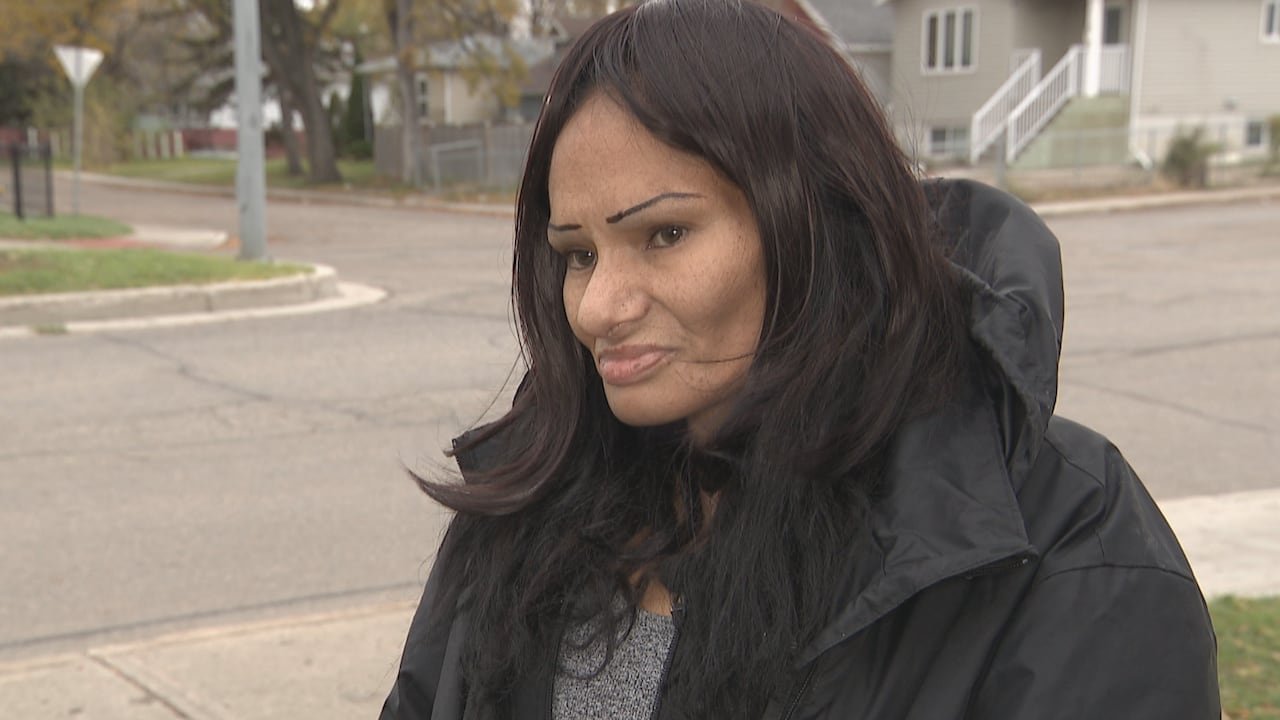
    It was an agonizing wait, Crystal Kay says.

    “I gave natural birth to my kids, right? And there’s blood involved, too. That’s what kind of made me scared to pass it on to them.”

    Kay, who is HIV positive, said she had trouble accessing prenatal care and didn’t know her viral load before giving birth in Regina. She had to wait days to get her results after taking the test in the hospital, she recalled.

    Now, Saskatchewan health-care workers are implementing a new HIV viral load testing program to help mothers like her and their babies.

    The test is called Xpert HIV-1 VL XC, made by Cepheid. It isn’t new, but the way Sask. doctors are using it is.

    It’s typically been used to determine viral loads in people, but now health-care workers are using it to help babies in Sask.

    It can determine the viral load of a mother with HIV on site within about two hours, rather than waiting days for results from a central facility, said Dr. Ninad Mehta, a clinical microbiologist with the Saskatchewan Health Authority. The test provides enough information that an immediate treatment decision can be made.

    Another test is done later to confirm the results.

    The new practice is already in use in hospitals in Regina and Saskatoon, and it’s being rolled out in Melfort and other, more remote communities, Mehta said.

    “Anywhere in the province that will deliver a baby eventually will have this test,” Mehta said.

    A representative of the test manufacturer said Saskatchewan is the first province to use the test in a widespread way — and one of the first in the world to use it to help quickly determine the best treatment for newborns based on viral load data from mothers.

    Kay said she hopes it will help moms avoid going through what she did.

    “It would have helped me then, too,” she said. “Better than waiting for days and days.”

    A man stands in front of a window.

    Dr. Ninad Mehta says the new test is being rolled out to the rest of the province. (University of Saskatchewan)

    Mehta said the test is “a way for us to decentralize some testing and get it closer to the mothers.”

    The program helps health-care workers provide the right care, he said, adding that staff use it as a screening test and also perform a traditional test later.

    “If somebody comes in without prenatal care, while we have some of these tests on site, we can at least help provide the care providers, the physicians and the nurses, with an answer sooner so that they can make decisions about care.”

    Before this, physicians might not initially know the exact viral load of an HIV-positive woman and could risk giving her and her newborn more medication or a longer hospital stay than necessary, out of caution.

    “The fact that we can discharge them sooner so that they can be with their family, they don’t need to get an extra antiviral dosage, those things are important,” Mehta said.

    Saskatchewan health-care workers got special permission to use the new test in 2022 and Health Canada approved it for the rest of the country in 2025.

    Mehta said the new effort has involved a wide range of people, from nurses to lab technicians.

    In a health care setting, gloved hands hold a scanner and a small item.

    A demonstration of the new technology. (Cepheid)

    Dr. Scott Sugden, the senior director of medical affairs at Cepheid Canada, said Saskatchewan’s innovation should help the province’s high HIV rate.

    “Not only were they forerunners, but they’re actually creative and avant-garde thinkers in the way they’re using these tests,” he said.

    The only other similar use he knows of is in Tanzania and Mozambique, Sugden said.

    “I’m happy that people like Dr. Mehta and others are out there trying to find the solution.”

    Lack of prenatal testing, says advocate

    Katelyn Roberts, executive director and co-founder of Sanctum Care Group, said many pregnant women don’t know their HIV viral load — or don’t know they have HIV in the first place — for a variety of reasons.

    “Testing is really important, but not all people have access to testing and not all individuals want to go into health-care settings where testing is available,” she said.

    A woman in a blazer.

    Katelyn Roberts says mothers frequently don’t know their viral loads. (Tammy Zdunich Photography)

    Her group runs Sanctum 1.5, a home specifically for pregnant women who inject drugs.

    “I think what makes women reluctant to engage in health care is actually not the HIV itself. The HIV is really easy to manage. I think it more has to do with the stigma,” she said, adding that resources for pregnant women with HIV have improved.

    In 2024, Saskatchewan had a first-time HIV diagnosis rate three times the national average, second only to Manitoba, according to Statistics Canada.

  • Changes to hepatitis B vaccine recommendations could leave millions of children vulnerable: Study

    Changes to federal hepatitis B vaccination recommendations could lead to more childhood infections and leave up to 1.8 million young adults vulnerable to the virus, a new study finds.

    It comes as health experts raise concerns about the potential long-term impact of changing childhood vaccination recommendations.

    In late 2025, the Centers for Disease Control and Prevention (CDC) removed the universal hepatitis B vaccination recommendation for newborns. That decision, as well as other vaccine changes by the CDC under the Trump administration, have since been placed on pause following legal action. 

    “These findings show why policy makers should re-implement recommendations for universal hepatitis B vaccination at birth,” said corresponding author Dr. Amir Mohareb, an infectious disease physician and clinician researcher at the Center for Global Health at Mass General Brigham, in a press release Monday.

    What is hepatitis B?

    Hepatitis B is a viral infection that attacks the liver and can cause either a short-term illness or a lifelong infection, according to the CDC. 

    Many people have no symptoms while others may experience nausea, abdominal pain or yellowing of the skin and eyes, known as jaundice. 

    Hepatitis B spreads through contact with infected blood and other bodily fluids. 

    Infants are particularly vulnerable to hepatitis B. According to the American Academy of Pediatrics, approximately 90% of babies infected around the time of birth develop chronic hepatitis B.

    Hepatitis B being ready to be administered at the city’s immunization and travel clinic in San Francisco, Calif., September 28, 2009.

    Liz Hafalia/The San Francisco Chronicle via Getty Images

    Chronic hepatitis B can lead to serious complications, including liver damage. 

    “The hepatitis B vaccine can prevent potentially life-threatening chronic liver disease, which can lead to liver cancer,” Dr. Alok Patel, clinical associate professor of pediatrics at Stanford, told ABC News. “Since we started vaccinating at birth in 1991, infant infections have dropped by a reported 99%.”

    Thousands at risk without routine vaccination

    To understand how changes to hepatitis B vaccine recommendations could affect children, researchers from Mass General Brigham used a computer model to follow a hypothetical group of 3.6 million babies born in the United States in 2026 through their first 20 years of life.

    The researchers compared three approaches to hepatitis B vaccination for babies born to moms who test negative for hepatitis B in pregnancy.

    The first followed the longstanding recommendation that all newborns receive their first hepatitis B vaccine dose shortly after birth. The second delayed the first dose until babies were at least 2 months old.

    The third used a strategy called “shared clinical decision-making,” meaning parents and their child’s healthcare provider would discuss whether and when to vaccinate rather than routinely recommending the vaccine at birth for every baby.

    The study, published in the Annals of Internal Medicine, estimated that delaying vaccination until 2 months could increase chronic hepatitis B infections by 19%, while the shared decision-making approach could increase infections by 83% compared with routinely vaccinating all newborns at birth, in 20 years.

    The model also predicted that approximately 232,000 children could remain vulnerable to hepatitis B infection when they reached age 20 under the universal birth dose approach. That number increased to 474,000 when vaccination was delayed and 1.8 million under the shared decision-making approach.

    Importantly, these figures represent children who could still become infected because they lack protection against hepatitis B, not children who have already developed the disease.

    “We found that, even under the most optimistic conditions, the new recommendations could increase childhood hepatitis B infections by more than 80% and would result in more than half of children being susceptible to hepatitis B infection as they enter adulthood,” Mohareb said. 

    If high-risk babies who are born to mothers who test positive for the virus or whose hepatitis B status is unknown were less likely to get a hepatitis B vaccine, the model predicted perinatal infections could double or triple in 20 years compared to keeping the universal vaccine recommendation in place.

    Researchers emphasized that these findings are estimates from a computer simulation, not actual infections. 

    A demonstrator holds a sign outside the Center for Disease Control (CDC) headquarters in Atlanta, Georgia, Dec. 4, 2025.

    Megan Varner/Bloomberg via Getty Images

    Why hepatitis B vaccination at birth matters

    In December 2025, the CDC changed its longstanding recommendation that all newborns receive the hepatitis B vaccine at birth.

    Under the federal guidance at the time, parents of babies born to mothers who test negative for hepatitis B can decide with their health care provider whether to vaccinate at birth or begin the series later.

    Babies born to mothers who have hepatitis B or whose infection status is unknown should still receive the vaccine within 12 hours of birth, the guidance stated.

    In March, a federal judge in Massachusetts judge stayed all votes taken by the members of the CDC’s vaccine advisory committee, which included the removal of the universal recommendation for the hepatitis B shot at birth.

    Currently, the CDC’s website states that all infants should receive the hepatitis B vaccine.

    In response to a request for comment, the Department of Health and Human Services pointed ABC News to a Tuesday post on X from Secretary Robert F. Kennedy Jr.

    “I reject the idea that respecting parents’ choices means abandoning children’s health,” he wrote in part. “Under my leadership, HHS puts informed consent, individual medical circumstances, and conversations between parents and doctors at the center of health decisions.”

    The American Academy of Pediatrics continues to recommend that newborns receive their first hepatitis B vaccine dose within 24 hours of birth followed by additional doses to complete the series.

    Some physicians worry that the federal changes created confusion among parents and lead to fewer children receiving the vaccine.

    “When a recommendation shifts from ‘every baby’ to ‘Let’s discuss it,’ a lot of families hear ‘optional’ or ‘Maybe it was never that important,’” Patel said. 

    Doctors and public health specialists say the vaccine is important even for babies whose mothers test negative for hepatitis B because children may encounter the virus through infected caregivers.

    Physicians also warn that delaying the first dose could make it more difficult for some children to complete the recommended vaccine series.

    “When parents fall off schedule or we lose them to follow-up, vaccination rates are far more likely to decline,” Patel said.

    Another concern is that hepatitis B can remain undetected for years, with serious complications sometimes developing decades after the initial infection.

    “[If] even a small percentage of new babies go without receiving the hepatitis B vaccine … we could potentially have many more preventable cases of chronic liver disease and liver cancer,” Patel said. 

    “Even a small increase in childhood [hepatitis B virus] infections could have large clinical, public health and economic effects,” Mohareb added.

    Betsy-Ann Assoumou, MD, MBA, is a family medicine resident at Cheshire Medical Center/Dartmouth Health in Keene, New Hampshire, and a member of the ABC News Medical Unit.

  • How do B.C.’s major parties plan to tackle toxic drugs and addictions treatment?

    How do B.C.’s major parties plan to tackle toxic drugs and addictions treatment?

    Among the issues differentiating the parties this snap B.C. election are approaches to mental health and addiction supports.

    A decade into an overdose crisis that has claimed the lives of over 18,000 British Columbians, many B.C. families and advocates want policies that will slow the deaths and stop the harm.

    B.C.’s major parties vying for your vote this provincial election cycle have made a range of promises to improve access to mental health supports, and offer a variety of treatment options — some considered controversial.

    Garth Mullins with the Vancouver Area Network of Drug Users says over recent years the conflation of addiction and toxic drugs with the question of public safety has caused evidence-based policies to be walked back.

    “This is a public health issue we’re talking about. With this many dead in the province, the question should be, how are we going to stop the dying?” he said.

    “Instead the question is — how are we going to have less street disorder? Everybody deserves to feel safe, but the people in peril are still us, the drug users.”

    Interior of Alouette Homes, which will provide 18 beds for long-term involuntary care in Maple Ridge, B.C, on Tuesday, June 3, 2025.

    Interior of which will provide 18 beds for long-term involuntary care in Maple Ridge, B.C. (Ben Nelms/CBC)

    The provincial NDP has been in power in B.C. since 2017, one year after a public health emergency was declared.

    On the topic of mental health and addictions, its platform says “we have a lot more work to do, but David Eby’s healthcare plan is improving access to treatment and care for people.”

    It says 860 new addiction treatment beds have been added since 2017, and the number of beds for youth have doubled. The party says wait times for treatment in Vancouver have been cut to one day for urgent cases, and it pledges to bring those same results to the rest of the province.

    The party also says it has expanded access to treatment by making opioid agonist treatment medications free to all B.C. residents.

    The platform says two involuntary care facilities have been opened across B.C., and promises two more facilities are coming.

    Earlier this year, the B.C. Supreme Court ruled that elements of the involuntary care regime that allow forced psychiatric treatment, regardless of a person’s capacity to make health care decisions, are unconstitutional.

    ​
CBC (Unlimited Use)
Image Source (Licensor and T&Cs) *
0 / Unlimited usages
A person drives an electric scooter on a sidewalk in front of Insite Supervised Injection Site, in East Hastings, Vancouver on May 31, 2022.  See man seated and lighting pi

    A person drives an electric scooter on a sidewalk in front of the Insite Supervised Injection Site on East Hastings Street in Vancouver on May 31, 2022. (Justine Boulin/CBC)

    Promises to end safe supply

    The Conservative Party of B.C. has pledged to “end the NDP’s failed ‘safe supply’ experiment and expand access to naloxone.”

    The party’s platform says it would “expand detoxification, clinical treatment, recovery housing and after care” across the province, including building regional capacity for rural and northern communities.

    It says that for people with severe addiction or mental health challenges incapable of caring for themselves or at risk of immediate harm, it would provide “mandatory care.”

    “It is not safe or respectful to leave these individuals to suffer on the streets. They should be off the street and in care until they no longer pose a threat to themselves or others,” it said.

    The party says, if elected, it would amend the Mental Health Act so officers can connect people with mandatory treatment.

    Support for decriminalization

    The B.C. Greens pledge to provide pharmaceutical alternatives to the illicit drug supply, enhance access to supervised consumption sites, and increase access to transitional housing projects.

    It promises to “treat drug use as a health and social issue, not a criminal one, by decriminalizing possession of drugs for personal use.”

    The platform says the B.C. Greens would establish an Independent Office of the Mental Health Advocate to provide oversight to the provincial mental health system.

    And is says it would “create and fund an accessible, voluntary system for mental health and substance use, reducing the use of police and criminal justice resources on healthcare issues.”

    CentreBC, led by Elenore Sturko, pledges to build 1,000 new supportive homes with on-site health care by 2030-31, and intensive housing for people who need the most care.

    It says within 100 days, it would formally ask Ottawa to change the federal prosecution directive so that drug possession in public, and by repeat offenders, is charged.

    Finally, OneBC, led by Dallas Brodie, promises to eliminate safe supply programs, cancel all new drug consumption sites, and turn current sites into drug recovery centres.

    It also pledges to institute “involuntary drug rehab and housing” and roll back “all decriminalization programs.”

    Critic says NDP lacked ‘courage’ to stand by harm reduction policies

    The NDP’s policies to address the toxic drug crisis have undergone major shifts over nine years.

    As overdose deaths climbed, the province introduced a slew of harm reduction policies, including supervised consumption sites and pilot programs that prescribed alternatives to toxic drugs.

    But as those policies were met with public backlash, many were quietly, or loudly, peeled back.

    In 2023, B.C. became the first province to decriminalize possession of small amounts of illicit drugs. Early this year, the province announced it wouldn’t extend its drug decriminalization pilot.

    Mullins said as criticism from the political right, including from the federal Conservatives, reached a fever pitch, the NDP backed down on policies that were working.

    “The NDP had the courage to allow them to happen, but not the courage to implement the things that could save us,” he said.

    Kora DeBeck, a professor of substance use and drug policy at Simon Fraser University, said public support for the policies dropped as frustration with public disorder on B.C. streets mounted.

    “Unfortunately, there was a perception that decriminalization increased street disorder, but there’s really no evidence that I’ve seen that makes that link,” she said.

    “Decriminalization was rolled back, and yet we still have a very pronounced drug use and street disorder scene driven by a lack of housing and the toxic drug supply.”

    • Tell us: What’s one issue you’d like to hear more about from the parties? Click “Join the Conversation” below. On the app?  Tap here .
  • As Christina Applegate reveals MS misdiagnosis, doctor warns of wrong treatment risks

    As Christina Applegate reveals MS misdiagnosis, doctor warns of wrong treatment risks

    After five years of tireless advocacy for those who shared her diagnosis of multiple sclerosis (MS), Christina Applegate has revealed that doctors now believe she was misdiagnosed. 

    “To me it comes as, like, I’m back at square one,” she said of the news.  

    Applegate shared the story in a two-part Tuesday episode of the podcast MeSsy, which she co-hosts with Jamie-Lynn Sigler, who has MS. She had spent some months away from the show, which she explained was partially to process the revelation.

    Audibly emotional at times, Applegate said that while her doctor had congratulated her when revealing she didn’t have MS, she didn’t feel happy — only lost. 

    “You don’t get misdiagnosed and all of a sudden I’m better. I haven’t gotten better … if anything, I’ve gotten worse, in some ways,” she said. 

    “My legs aren’t working, you know, all the same stuff is happening to me.”

    Multiple sclerosis is a complex autoimmune disease of the central nervous system. With MS, the immune system mistakenly attacks the myelin, part of the central nervous system that serves as a protective coating for the nerves. This inhibits the brain and the body from sharing information, resulting in symptoms including numbness, memory issues, fatigue, mobility issues, and sometimes vision loss. 

    A woman in a large black dress and carrying a black cane, poses on a red carpet.

    Applegate arrives for the 29th Screen Actors Guild Awards in Century City, Calif., in February 2023. (Valerine Macon/AFP via Getty Images)

    Dr. Mark Freedman, director of the multiple sclerosis research unit at The Ottawa Hospital, compared it to when the outer rubber part of a wire wears off, exposing the copper inside. 

    “You’ve now got a bare wire, which doesn’t conduct well,” he told CBC News. The nerve is also then more exposed to inflammation in the body, which “can then go after that little wire and cut it and destroy it all together, and then you’ve lost the connection permanently.”

    The disease takes many forms, with some patients experiencing periods of remission and relapse, and others dealing with more consistent progression causing increasing disability. 

    Misdiagnosis is not uncommon globally — one U.S. study from 2019 by researchers at Cedars-Sinai found that the rate of misdiagnosis was nearly one in five patients. A 2024 review looked at studies reporting misdiagnosis rates ranging from five to 41 per cent, and found an estimate of 15 per cent misdiagnosis rate when they pooled six studies.

    ‘Tested for everything’

    Applegate first announced she had MS on social media in August 2021, but it started earlier that year, she said in Tuesday’s podcast episode, when she began to experience numbness in her feet, which slowly moved up her legs. 

    “And then the pain started,” she said. “All that time, I was being tested for everything under the sun.”

    She said she underwent spinal MRIs, brain MRIs and a spinal tap, and that doctors thought she might have a low-grade version of the disease at first. But her symptoms kept getting worse. When doctors found nearly 40 lesions on her brain, she was officially diagnosed with MS.

    “I felt like, ‘OK, I have an answer,’” she said in the podcast episode.

    A blonde-haired woman in a white and black dress poses for a photo.

    Applegate attends the 26th Annual Screen Actors Guild Awards in Los Angeles in January 2020. (Mike Coppola/Getty Images for Turner)

    But a couple years ago, her doctor paused her infusion treatments to see how her B cells would respond. When their levels didn’t change, doctors began to look closer at the diagnosis, including using “new technology that had come out” around brain MRIs, she said. 

    In 2024, the official diagnostic criteria was updated after a committee of experts evaluated new scientific advances — including the use of new tools like advanced MRIs capable of more specific detection.

    Ultimately, it was concluded Applegate didn’t have MS — but she wasn’t given another diagnosis to replace it, leaving her in the dark as to what was causing her ongoing symptoms. 

    “I feel like I let everybody down, you know?” Applegate said tearfully to co-host Sigler, saying she felt like they’d become “the poster children for MS” together. The two started their podcast in 2024, featuring conversations about parenting and ordinary life struggles while dealing with the disease. 

    “It’s like I had a reason … for why my day sucked every day, and now I don’t have a reason. It’s very unnerving.”

    The actress, who stepped away from the screen in 2021 after her diagnosis, is known for roles in movies such as Anchorman: The Legend of Ron Burgundy, and Bad Moms, and for TV roles including her Emmy-nominated turn in Netflix’s Dead to Me. 

    Global rates of MS

    Globally, more than 3.1 million people are living with MS worldwide, according to MS International Federation. Canada has one of the highest rates of the disease in the world, with more than 90,000 Canadians, roughly one in 400, affected by it. Around seven out of 10 cases are among women.

    It can be difficult to diagnose because many conditions have overlapping neurological and physical symptoms — for instance, migraines can also create white spots on an MRI of the brain, and nerve damage from other conditions can create numbness.

    WATCH | Trying TETRIS as a tool for patients with MS:

    This McMaster study has participants with MS play Tetris

    A study that aims to improve balance in people with multiple sclerosis is ongoing at McMaster University in Hamilton. The study has people hooked up to a computer and play classic videogame Tetris with their body.

    Being treated for MS when you don’t actually have it can be risky for patients, Freedman said, as some of the more aggressive MS treatments work by suppressing the immune system, potentially exposing patients to viruses for no reason. 

    “The longer you take them and the older you are, the better the chances you’re gonna have a problem,” he said. 

    In Canada, he says, the misdiagnosis rate is much lower than in the U.S., estimating it at less than five per cent. He puts it down to Canada having a higher number of MS specialists and dedicated MS centres. 

    “What we teach our residents and fellows is if you’re not sure of the diagnosis, you follow up the patients, you repeat testing, you look for the other thing that could look like MS, but you don’t put the label on.”

    In the podcast, Sigler reassured Applegate that her advocacy was still important even if she was misdiagnosed, and admitted that even if Applegate couldn’t feel happy, her first thought on hearing the news had been that one day, her friend might be able to dance again. 

    “I’m going to continue holding in my heart that this is a blessing for you,” Sigler said. 

  • Ontario cancer patients speak out over disappointment with drug funding decision

    Ontario cancer patients speak out over disappointment with drug funding decision

    Sabrina Apitz-Grossman was told 13 months ago that she had about 12 to 18 months to live.

    A rare form of cancer in the 31-year-old’s knee had metastasized, spreading to her lungs. She has undergone radiotherapy, chemotherapy and surgeries, though the synovial sarcoma couldn’t be fully removed.

    Apitz-Grossman’s doctors are recommending a treatment approved in the United States but unavailable in Ontario. She needs it urgently but the Ontario Health Insurance Plan turned her down for out-of-country coverage. An appeal failed, as did an application under a Case-by-Case Review Program to get special permission for the treatment to be administered at the Princess Margaret Cancer Centre in Toronto.

    She is still fighting.

    “I so desperately would love to turn 32,” she said.

    Apitz-Grossman and other Ontarians with Stage 4 cancer told by their doctors that they are good candidates for treatments unavailable in the province were buoyed last month when 37-year-old Alex Shved, in a similar situation, won a court challenge against his OHIP out-of-country denial.

    A man and woman smile while holding two small kids.

    Alex Shved, a 37-year-old father of two young children, took the province to court after his out-of-country cancer treatment request for the Ontario Health Insurance Plan was rejected. (Alex Shved/The Canadian Press/Handout)

    But their hopes were dashed when Health Minister Sylvia Jones responded to the court ruling by changing the rules. 

    Drug treatments will now only be funded out of country if they are already funded within the province but access is temporarily unavailable or delayed, a set of circumstances some patients see as impossibly narrow. The government said it clarified in regulation what was already long-standing policy.

    “We’re protecting Ontario patients and taxpayers from price gouging and protecting their access to life-saving medications that would otherwise only be available in the United States or overseas,” Jones wrote in a statement.

    “This change supports a consistent, fair and transparent approach to funding decisions, protects the integrity of Ontario’s world-class drug approval process and will help avoid up to $5.2 billion in additional costs to Ontario’s health-care system every year.”

    Patient questions cost-saving at cost of saving lives

    Framing the move as a cost-saving measure is not sitting right with Apitz-Grossman. 

    “Are we saying that we could save like 5,000 or more people’s lives, and they’re proud of themselves for not doing that?” she said. “Is this supposed to be good news that we’re not going to save those people, so that we can instead buy a couple more private jets?”

    Ontario Premier Doug Ford came under fire earlier this year for a government purchase of a $29-million private jet and quickly returned it.

    The treatment Apitz-Grossman is seeking, Tecelra, is a personalized therapy made from a patient’s own T-cells, a type of white blood cell. Nearly half of patients in Apitz-Grossman’s situation respond to the treatment, and among those who respond, there is a 90 per cent chance of survival after a year and 70 per cent after two years, according to her oncologist.

    WATCH | How often Ontario turns to international health care:

    This machine helps cancer patients. Why doesn’t Canada have one?

    CBC News has obtained exclusive data showing how often Ontario turns to international healthcare, revealing proton beam therapy as one of the most commonly outsourced treatments. For The National, CBC’s Valérie Ouellet explores why this life-saving cancer therapy isn’t available in Canada and the toll it takes on families.

    But the treatment is costly, at $727,000 US, Apitz-Grossman said. She feels terrible guilt for seeking such a pricey treatment, she said, but she wants to live.

    “There has never been a moment where I have thought to myself, ‘Gosh, I wish that patient who was in the ICU for weeks and who it cost hundreds of thousands of dollars to save, hadn’t been saved,’” Apitz-Grossman said.

    The origin of Jones’ $5.2-billion figure was unclear in her news release, and a government official later explained that it would be the additional cost if the province entirely stopped negotiating prices with drug manufacturers for public coverage in Ontario.

    OHIP’s reason for denying Apitz-Grossman, Shved and others out-of-country drug treatment funding is that routinely paying for such requests while drugs are undergoing review for funding in Ontario would “undermine the incentive structure that encourages manufacturers to participate in Canada’s drug review processes.”

    Some manufacturers have no plans to apply in Canada

    Kevin Nash, 59, has metastatic melanoma and is seeking the same tumour-infiltrating lymphocyte therapy as Shved. Nash’s out-of-country application and subsequent appeal were also denied, and he does not believe the government’s reasoning. 

    “These companies make billions of dollars a year, not a billion, billions of dollars a year,” he said. “Do you think that they care one bit whether Kevin Nash goes to Buffalo for a treatment? That’s so preposterous.”

    In Apitz-Grossman’s case, the manufacturer of Tecelra has said it has no plans to apply for approval in Canada. That means there is no review process in this case to undermine, she noted.

    Holly Wardlow, 61, is in a similar boat, with the government denying coverage through its Case-by-Case Review Program for a medication to treat her rare form of liver cancer because the drug was “expected to be reviewed for public funding in Ontario.”

    That’s despite the manufacturer submitting two letters telling the province it has no plans to apply for approval in Canada.

    “We just thought, ‘Well, this doesn’t make any sense,’” Wardlow said. 

    “We provided evidence that there is not going to be a population-based review. This drug is never going to be approved in Canada, let alone Ontario, because the manufacturer is not going to make an application, and they have evidence of that. And yet they provided the same reason for denying funding.”

    Wardlow and her husband have been paying $78,000 a month for her to receive infusions in Ontario every two weeks, and her tumour has been shrinking with almost no side-effects, she said.

    Their savings have been depleted and they have now started a GoFundMe.

    “I’m getting out there and trying to stay fit, partly because I can, and partly because the weather is beautiful, and partly because I’m thinking ahead that surgery may be possible in the future,” Wardlow said.

  • Prolonged, fragile recovery ahead for soldiers severely burned at CFB Wainwright

    Prolonged, fragile recovery ahead for soldiers severely burned at CFB Wainwright

    Soldiers badly burned when fire engulfed a military training field face a prolonged and fragile recovery that will test the strength of Alberta’s health-care system, warn doctors on the frontline. 

    On Saturday afternoon, a dramatic change in winds at Canadian Forces Base Wainwright sent a low-burning grass fire racing toward soldiers doing live-fire training exercises, killing four and sending 39 to hospital, many of them with serious burns. 

    Doctors who specialize in treating severe burn injuries say the wounded soldiers face long, painful recoveries fraught with threats of infection, complicated wound care, respiratory issues and organ failure. 

    “Patients with large burn injuries will have hospital stays that will be counted not in days or weeks, but in months,” said Dr. Vincent Gabriel, medical director of the Calgary Firefighters Burn Treatment Centre at Foothills Hospital. 

    Scarce resources, few beds

    It’s one of two centres in Alberta that specialize in critical burn care, along with the Edmonton Firefighters Burn Treatment Unit at the University of Alberta Hospital. Each has just eight beds. 

    Gabriel did not speak specifically about the patients from CFB Wainwright, 200 kilometres southeast of Edmonton.

    However, he said such mass burn casualty events can quickly overwhelm resources, raising critical concerns about capacity and care. 

    While Alberta’s burn centres can expand into other areas of the hospital — intensive care units, for example — staffing can only stretch so far, Gabriel said. 

    “Everyone in the burn community comes into this space extremely dedicated to the patient to a fault. But there is an upper limit really to the number of hours per day and how many people we have,” he said. 

    WATCH | Inside the Alberta hospital that cared for the wounded at Wainwright:

    Wainwright Health Centre director describes mass casualty event at hospital | Hanomansing Live

    A lethal fire broke out at CFB Wainwright in Alberta on Saturday. Authorities say four members of the Canadian Armed Forces were killed and dozens more injured. Dr. Cheyanne Vetter, Wainwright Health Centre director, says the rollout plan that night was ‘extremely smooth’ while working with multiple nearby hospitals.

    Treatment of severe burn victims is complex. Along with severe inflammation that strains internal organs, the threat of infection is considered the greatest danger, because the patient’s compromised skin has lost its protective ability. 

    Once patients are intubated to maintain their airways and stabilized with fluids and oxygen, only then can the work of repairing their wounds begin. 

    Treatment of multiple burn victims at once can quickly deplete inventories of specialized equipment and medical supplies, such as surgical instruments, dressings and skin substitutes, Gabriel said.

    “In a mass casualty incident, you may use all of that you have.”

    Managing and sourcing these scarce resources often becomes a national and international effort, he added. 

    Multiple surgeries over many months

    Treatment for patients like Cpl. Sean Hiatt, who suffered burns to around half of his body, will extend far beyond the acute, 24-hour response phase, experts say. It may require months of inpatient treatment, continuous surgical reconstructions and long-term physical therapy.

    Hiatt managed to call his mother before he was taken to hospital in Edmonton, and remains in critical condition. 

    Those who suffer severe burns must endure multiple surgeries over weeks or even months, first to remove the burned tissue, then later to graft skin from other, unburned areas of their bodies.

    WATCH | Sister of wounded soldier say her brother wanted to serve:

    ‘He just wanted to serve his country,’ says sister of injured Wainwright soldier

    Teresa Hiatt, the sister of one of the critically injured soldiers from the fatal CFB Wainwright fire, shares an update on her brother’s health and his time in the military.

    Grafting with the patient’s own skin is the “surgical gold standard,” Gabriel said. 

    Donor skin is also a critical tool, though it is in high demand even on normal days, he added.

    After they leave the hospital, burn patients often require extensive ongoing support as they learn to navigate a “new normal,” Gabriel said.

    “Hospital discharge is by no means the finale in their need for care.”

    A group of people, some in uniform, stand in a dimly lit hospital hallway.

    Emergency crews and military personnel at the Wainwright Health Centre as injured military members are treated after a fire at CFB Wainwright, outside of Wainwright, Alta., on Saturday, Oct. 17, 2026. (John Ulan/The Canadian Press)

    Danielle Fuchko, a burn disaster preparedness expert and clinical nurse educator, said the disaster at Wainwright will strain Alberta’s hospital and surgical capacity for months.

    Her previous research on the triage and treatment of burn injuries has served as a case study of Alberta’s ability to respond to a mass casualty like this one.

    As the only province in Canada with two burn centres verified by the American Burn Association for their specialized care, Alberta is in a strong position, she said.

    However, there are gaps, such as the limited capacity of those units when faced with a large influx of patients.

    “A burn injury is a lifelong injury for these patients,” she said. “This is a really prolonged incident and will require significant resources for months to years to come.” 

    A firefighter with a yellow shirt and orange helmet walks with a hose near a truck.

    Firefighters work along a firewall next to CFB Wainwright, south of the town of Wainwright, Alta, on Monday, Oct. 19, 2026. (Christopher Katsarov/The Canadian Press)

    Burn specialists in Toronto and Hamilton say they are ready to support their Alberta colleagues. 

    Dr. Alan Rogers, a surgeon at the Ross Tilley Burn Centre at Toronto’s Sunnybrook Health Sciences Centre, has said the hospital is ready to take patients if needed, and could send temporary skin from its frozen tissue bank.

    Dr. Marc Jeschke, director of the burn program for Hamilton Health Sciences, said the devastating fire at Wainwright shows the need for more capacity in the system.

    Burn care medical experts from across Canada ran a mass casualty exercise just weeks ago, he said, and discovered there are only 46 burn beds in hospitals nationwide.

    “This is a tragedy … but this will not be the last time.” 

  • Problem gambling jumps, suicides triple in Ontario after expansion of online casinos

    Problem gambling jumps, suicides triple in Ontario after expansion of online casinos

    Text to Speech Icon

    Listen to this article

    Estimated 4 minutes

    The audio version of this article is generated by AI-based technology. Mispronunciations can occur. We are working with our partners to continually review and improve the results.

    This story is part of a CBC News series examining the public health impacts of online gambling.


    Anna, a 51-year-old single mother of two teens, says online slot machine games cost her nearly everything.

    And even at that point, the Ontario resident says it was hard to stop.

    “The amount of money that I spent and lost — it was astronomical,” she told a recent meeting of Gamblers Anonymous in Toronto, which CBC News was invited to witness.

    The peer support group has been a lifeline that helped her stop betting and break free from inducements and marketing she would receive from the betting apps, she says.

    “If I had gone a little while without gambling, they would literally send me thousands of dollars to say ‘free money’ to keep you going,” she recalled.

    WATCH | ‘Anna’ kicked her betting habit with help from Gamblers Anonymous:

    Gamblers Anonymous helped ‘Anna’ kick her addiction

    Anna says Gamblers Anonymous helped her find connection to recover from her addiction last year.

    She’s not alone.

    The number of problem gamblers in Ontario has spiked and gambling-related suicides have tripled since the expansion of private online casino games and sports betting in 2022, CBC News has learned.

    Nearly 130,000 Ontarians now show signs of gambling problems, compared with roughly 43,000 in 2018, a tripling of the number of people who meet the criteria of gambling too frequently, losing money and struggling with addiction.

    These estimates are based on new research from the Alberta Gambling Research Institute (AGRI), which found a 0.5 per cent jump in Ontario’s rates of problem gambling compared to 2018. Their analysis uses the “Problem Gambling Severity Index” and data from Statistics Canada’s 2025 Canadian Community Health Survey.

    AGRI researcher Carrie Shaw says the research is “brand new” and significant, showing that six months after Ontario’s private casinos opened in 2022, the number of problem gamblers in the province climbed while dropping in the rest of Canada. 

    “In Ontario’s market, gambling is very much normalized through access and advertisements,” said Shaw, who presented her findings at an AGRI conference in May. 

    “It’s true across Canada, but more so in Ontario, given the amount of exposure there is,” she said.

    A woman with blond hair sitting in front of a banksy print.

    Carrie Shaw of the Alberta Gambling Research Institute found rising rates of problem gambling in Ontario after the 2022 online expansion of online betting. (CBC)

    In July, Alberta joined Ontario in legalizing online gambling run by private companies. Everywhere else in Canada, it is illegal.

    “With online gambling … the barriers to access are completely removed. You can access it anytime from your computer, your mobile phone, any time of day or night,” Shaw said. “You can be sitting at your desk at work and still be engaging.”

    Gambling suicides rising

    The Office of the Chief Coroner of Ontario also reports a spike in gambling-related suicides in the years after Ontario began allowing online betting.

    Before Ontario’s expansion, the province had an average of five gambling-related suicides each year from 2016 to 2021. That number tripled after 2022.

    Matthew Young, chief research officer for non-profit gambling research network Greo Evidence Insights, says he called on government two years ago to do a better job of tracking online gambling activity for fear of increased addiction, bankruptcies and suicides.

    “We warned that we might be seeing the harms that we’re now seeing in the data,” he said.

    Those calls were ignored, he says. 

    A study published in the September 2026 American Journal of Preventive Medicine found a dramatic jump in the number of people with gambling disorders showing up at Ontario hospital emergency departments in distress.

    A March 2026 study in the Canadian Medical Association Journal (CMAJ) found a 95.5 per cent increase in men and boys making gambling-related calls to ConnexOntario, the province’s 24-hour mental health and addictions help line, over the last decade.

    Young calls it “unfathomable” that Canada changed the Criminal Code to allow online gambling and that provinces are opening their markets without proper study of the potential public health impacts.

    WATCH | Gambling addiction needs better monitoring, says expert:

    Gambling researcher says Canada needs better addiction monitoring

    Matthew Young, addictions researcher, says there was no harm analysis done before Canada opened the floodgates to online gambling.

    Young says that amid lobbying to legalize online gambling in other provinces, he would like to see better monitoring and for a share of the billions in revenues to be dedicated to independent research into ways to curb addiction and gambling-related harms.

    Greo Evidence Insights was formerly known as the Ontario Problem Gambling Research Centre.

    Ontario defunded it in 2019.


    Are you, or someone you know, suffering from gambling? Support is available.

    • ConnexOntario 1-866-531-2600 or Text CONNEX to 247247
    • Gamblers Anonymous 1-855-222-5542  or visit Canada or Toronto/GTA
  • South Shore police services changing response to domestic violence involving dementia

    South Shore police services changing response to domestic violence involving dementia

    Text to Speech Icon

    Listen to this article

    Estimated 3 minutes

    The audio version of this article is generated by AI-based technology. Mispronunciations can occur. We are working with our partners to continually review and improve the results.

    Police services on Nova Scotia’s South Shore are changing the way they respond to domestic violence calls involving someone with dementia, which they say are on the rise.

    RCMP and the Bridgewater Police Service launched a collaborative initiative called the Silver Guardian Program last week.

    “Based on the past and previous years, we did see an increase and we need some tools to be able to handle those [calls] because I think it’s with the aging population, obviously, I don’t think it’s going to go away,” said Cpl. Dominic Laflamme with Lunenburg County RCMP.

    The purpose of the program is to offer an alternative to the justice system for someone charged in relation to domestic violence who is suffering from diseases like Alzheimer’s, he said.

    Anyone in a relationship with someone with dementia who feels they might be at risk of abuse can reach out to police before an incident happens and be connected to support services, Laflamme said.

    Dominic stands in uniform in front of a RCMP flag inside a boardroom in the Lunenburg County detatchment.

    Cpl. Dominic Laflamme says domestic incidents involving someone suffering from dementia are outside the scope of RCMP’s duty. (David Laughlin/CBC)

    Police have to lay charges if an assault has occurred even if it involves someone with a degenerative brain disease and their partner, Laflamme said, but they’ll ask Crown prosecutors not to pursue the charges and to find a resolution outside the courtroom.

    “There’s times criminal charges are not the answer. This is not necessarily going to help solve the problem,” he said.

    The program is a result of the RCMP reviewing its policies and practices after a man killed his wife before taking his own life in Mahone Bay last year.

    Aging demographic

    When the Bridgewater Police Service noticed the aging demographic in their area, they decided to prepare for the changing needs of the community.

    The Lunenburg County Seniors Safety Program is based at Bridgewater police headquarters. 

    Staff for that program applied for federal funding for the Silver Guardian Project, which is managed through the RCMP’s vulnerable person unit, after noticing a trend of domestic violence incidents.

    “We do see a lot of incidents with people with dementia,” said Danny MacPhee, Bridgewater’s deputy police chief.

    Danny is wearing his uniform while standing in a boardroom inside police headquarters.

    Danny MacPhee, deputy chief of the Bridgewater Police Service, says the population in his community is aging and that brings an increase in incidents involving people with dementia. (Jeorge Sadi/CBC)

    “We’re getting called to outbursts and situations that can become dangerous,” he said. 

    Someone who doesn’t have the capacity to understand the situation they’re in or remember their loved one probably shouldn’t be sent to jail, MacPhee said.

    Police officers need to consider the totality of the circumstances when responding to these types of calls, he said. 

    “It’s not appropriate for us to, again, push somebody through the justice system when they need care,” MacPhee said. 

    MORE TOP STORIES

  • Nigeria confirms case of Ebola in capital city of Abuja

    Nigeria confirms case of Ebola in capital city of Abuja

    Text to Speech Icon

    Listen to this article

    Estimated 2 minutes

    The audio version of this article is generated by AI-based technology. Mispronunciations can occur. We are working with our partners to continually review and improve the results.

    Nigeria’s government said on Tuesday there was a case of Ebola ‌in the capital, Abuja, after laboratory tests confirmed the viral infection.

    Health Minister Muhammad Ali Pate told the public broadcaster that the female patient had travelled from Uganda in East ​Africa.

    “She is in isolation, and she ​is receiving quality medical care. Contact tracing has been conducted, and it’s under way as we speak, with 44 ​contacts already identified,” Pate told public broadcaster NTA.

    Asked for comment, ⁠Ugandan government spokesperson ⁠Alan Kasujja said: “There’s no Ebola ‌in Uganda.”

    Pate said in a statement that the patient had been admitted to a private hospital in Abuja, where she had received care for several days before the diagnosis ⁠was confirmed.

    “Nigeria successfully contained Ebola in 2014, and we have the experience and public health systems to respond to this case,” the minister said ‌in the statement.

    An Ebola outbreak was declared in Democratic Republic of Congo in mid-May and has since grown into the world’s second-largest outbreak ever, caused by the rare Bundibugyo strain.

    Uganda reported 20 cases ​in May and June, mostly imported from Congo, but was declared free of the ⁠virus by the World Health Organization in August.

    Kenya has reported nine ⁠Ebola cases this month, all linked to a person who had ⁠travelled ⁠from Congo.

    Africa’s top public ​health agency has started mobilizing support for Nigeria, said its head, Jean ​Kaseya.

    “This Bundibugyo Ebola outbreak ⁠has already become the most geographically extensive in history, affecting … countries spread across three regions of Africa,” Kaseya said in a post on X.

  • Selena Gomez says vaping nicotine changed her voice

    Selena Gomez says vaping nicotine changed her voice

    Text to Speech Icon

    Listen to this article

    Estimated 4 minutes

    The audio version of this article is generated by AI-based technology. Mispronunciations can occur. We are working with our partners to continually review and improve the results.

    Selena Gomez says vaping changed her voice, in a video Sunday responding to discourse about her voice over the years.

    “I’m not going to be able to change my voice. I vaped nicotine a lot,” the U.S. singer, actor and founder of the Rare Beauty makeup line said in a video shared to her Instagram stories, which isn’t online anymore.

    “Nicotine is so hard to quit, and I think I just wanted to say, if you’re going through it, or if you’re even trying to vape, it’s just not worth it,” Gomez, 34, continued. “It’s so stupid, and it’s changed my voice.

    She laughed, while adding: “So if you guys don’t like listening to my voice, that’s totally understandable. I don’t mind. Just don’t listen to it.”

    Gomez didn’t specify when and for how long she’d been vaping. “I stopped, and I just hope we can keep it up. It’s really hard,” she said.

    “But I know if you are going through something, you can get through it, too.”

    Years of health battles

    Gomez has been open about her health battles over the years.

    In 2015 she shared that she was diagnosed with Lupus, a chronic autoimmune disease that occurs when an individual’s immune system attacks its own healthy tissues and organs.

    She has previously suggested that she thinks it had affected her vocal chords.

    “Sometimes things happen. I get weird. My throat kind of swells inside sometimes. That’s all.”⁠ she shared in an Instagram live Q&A last year. 

    Gomez also received a kidney transplant in 2017 and spoke out about her bipolar disorder diagnosis in her 2022 documentary Selena Gomez: My Mind & Me.

    Our airways are supposed to be for breathing: expert

    While Gomez is sounding the alarm, health experts point out that the dangers of vaping go far beyond nicotine.

    “Our airways are supposed to be for breathing, not to have all these external things put in it,” said Dilini Vethanayagam, professor of medicine at the University of Alberta.

    Vethanayagam told CBC News there aren’t currently any formal, large-scale clinical trials specifically focused on vaping’s direct impact on the vocal cords. But the myriad chemicals in vape smoke, including but not limited to nicotine, “can affect different parts of our upper and lower airways, vocal cord included,” she said. 

    Health Canada says there are over 1,500 unique chemicals found in vaping products and liquids. The long-term health impacts of vaping are still being studied, but health risks have been identified including lung damage, Vethanayagam noted.

    WATCH | Will Canada restrict flavoured vaping?:

    Will Canada restrict flavoured vaping?

    The federal government has promised for five years now to ban flavoured vapes. But it still hasn’t done so, even in spite of a growing body of research suggesting it could reduce youth vaping rates. CBC’s Marina von Stackelberg explains the reasons for the delay.

    Speaking out about vaping matters

    Still, Vethanayagam says honesty from public figures like Gomez matters.

    “It’s good that she’s bringing up the vaping issue with her platform because a lot of people think it’s safe and it’s not — specifically to nicotine and her voice,” she said.

    “I’m sure she’s probably seeing someone, like a physician in regards to those specific issues. But yeah, bottom line — and just like we used to say, don’t do it for cigarettes, don’t do it for vaping.”

    A woman in a black dress with white feathers smiles as she walks down a red carpet with gold embellishments.

    Gomez, left, and Benny Blanco arrive at the 83rd Golden Globes on Jan. 11, 2026, at the Beverly Hilton in Beverly Hills, Calif. (Richard Shotwell/Invision/AP)

    Vethanayagam says vaping is “a huge potential epidemic that’s been building,” that requires more “stringent regulations” on their sale and use.

    “It’s getting better, but it’s slow,” she said.

    In Canada, the federal government announced five years ago it would restrict vaping flavours in the face of a growing number of young people using the products, but it’s currently unclear when or even whether that will happen.

    Representatives from N.B. Lung are in Ottawa this week to talk to MPs about legislating restrictions on younger people to legally buy tobacco products, including vapes.