Tag: ABC News

  • A runner died in the New York City Marathon. Have the risks changed as more people race?

    She was just a few kilometres from the finish line.

    A record-breaking 61,146 runners completed the New York City Marathon on Sunday. But Rachel Apa, despite being in what her father describes as perfect health, wasn’t one of them.

    The 24-year-old athlete collapsed near mile 24, or about 38.6 kilometres into the 42.2-kilometre race. Despite the life-saving efforts of bystanders, paramedics and then hospital doctors, she was pronounced dead later that night, her grieving parents told the New York Times.

    “It’s unfathomable,” her father Steve Apa, who could not be reached by CBC News, told the news outlet.

    Every year, more and more people vie for the chance to lace up their sneakers and push themselves 42.2 kilometres to cross that finish line. But every year, young and seemingly healthy people also die trying — typically of heart failure or cardiac arrest.

    All told, including Rachel Apa, at least six runners have died racing in marathons and half-marathons around the world in the past six months alone. Still, experts say the incidence rate is very low, given that millions of people run them every year.

    Marathons aren’t any riskier than they were 20 years ago, but they are far more popular, explained Jack Goodman, a professor emeritus in kinesiology at the University of Toronto, and adjunct scientist of cardiovascular research at Toronto’s Sinai Health.

    “When the population is so large, there are bound to be more cases, rare as they are,” Goodman told CBC News.

    Any time you have thousands of people in the same space, based on probabilities, one of them will have a cardiac event, Dr. Christopher Labos, a cardiologist and epidemiologist in Montreal, told CBC News.

    “You just hear about it more in the news because it’s so shocking when something unexpected like this happens.”

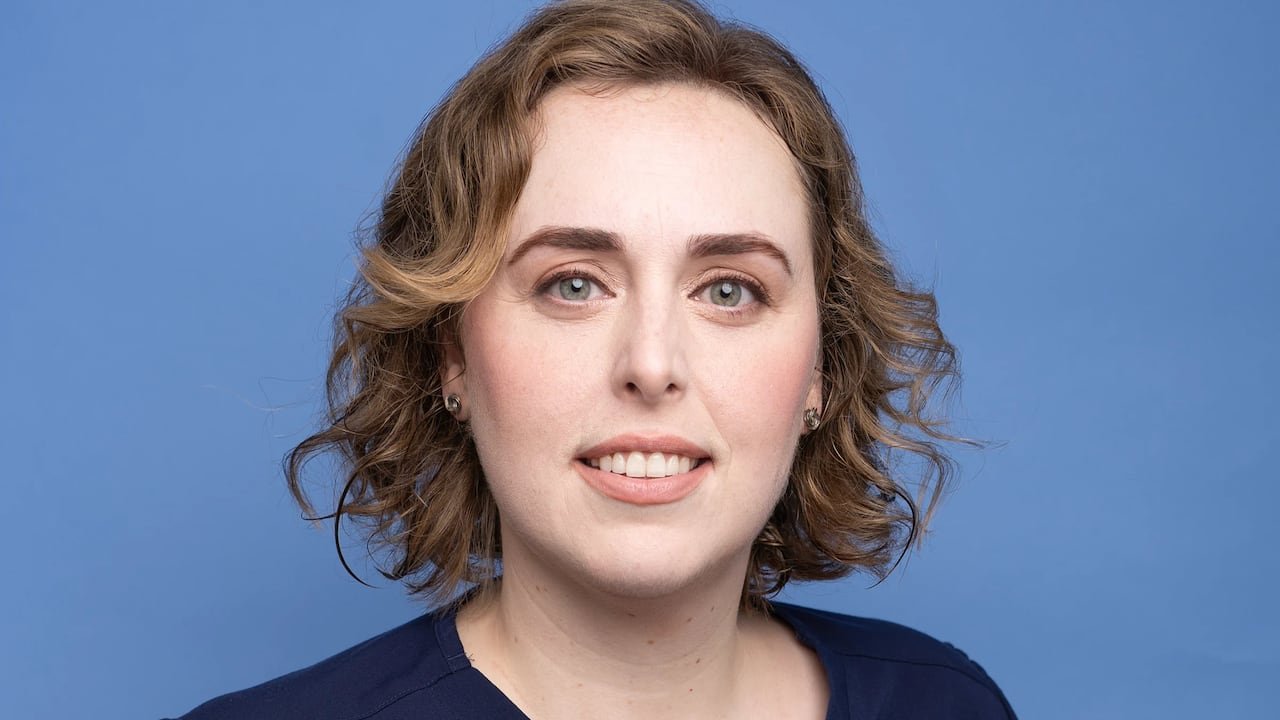
    A young woman smiles.

    Rachel Apa is pictured in the 2023 field hockey roster on the athletics website for Bucknell University in Lewisburg, Pa. (Bucknellbison.com)

    Risk of dying has decreased: study

    Anyone who has tried to register for a marathon in the last few years can tell you how popular they’ve become. A record 1.3 million people have already applied to run the 2027 London Marathon. So many people have tried to register for the Boston Marathon in recent years that they’ve tightened their qualifying times.

    In the U.S. alone, more than 29 million people completed marathons and half-marathons in between 2010 and 2023, notes a 2025 study published the Journal of the American Medical Association (JAMA). That’s triple the number compared to a decade earlier, the authors add.

    Overall, the risk of risk of death is about one in 150,000 runners, notes a 2019 global review in the BMJ medical journal. Typically, the risk is much higher for men, the cause is often coronary artery disease and the deaths most often occur in the last quarter of the race, the study says.

    “There are infrequent deaths, which are often reported widely, and may create unnecessary alarm about the potential risks,” the authors wrote.

    The 2025 JAMA study points out that the risk of dying from a cardiac event during long-distance running races in the U.S. has actually gone down by about 50 per cent in recent years — likely due to more effective emergency planning, including access to defibrillators.

    But the study also noted a small uptick in non-fatal cardiac events since 2020, which the authors hypothesized could be due to less access to health care during the COVID-19 pandemic, leading to reduced detection of cardiovascular disease.

    A black and white, shadowy photo taken from above of runners in a  street

    Runners make their way through Queens during the New York City Marathon Sunday. (Heather Khalifa/The Associated Press)

    Usually a pre-existing cause, expert says

    Most often, in the case of death, there’s underlying coronary disease the runner didn’t know about and never caused them a problem until the race, said Goodman.

    “Sudden cardiac death is, unfortunately, not a terribly uncommon first symptom of heart disease,” he said.

    Just last month, 24-year-old Treyton Lara collapsed at mile 20 of the Portland Marathon and died. He’d experienced a sudden cardiac arrest, his family said. In January, Julien Autissier, 33, collapsed around the 19-mile mark of the Miami marathon and died in the hospital. Doctors also suspected sudden cardiac arrest, according to the Miami New Times.

    Roland Liinar, 25, died last May after collapsing in the Rimi Riga Marathon in Latvia. The same month, two other runners died after collapsing while competing in half-marathons in New York and the U.K.

    Still, from a public health perspective, the problem most people have is moving too little, not moving too much, said Lagos, the cardiologist and epidemiologist. And if you’re a young healthy person who trained properly for a marathon, a cardiac event is “almost certainly not going to happen in your case.”

    People in running clothes run in the street

    Runners cross the finish line in Central Park on Sunday. (Angelina Katsanis/The Associated Press)

    ‘She did everything she’s supposed to’

    Apa, an industrial-technology product manager, had run to raise money for Parkinson’s disease in honour of her grandfather. On her fundraiser page, which had raised more than $26,000 US by Tuesday evening, Apa called him her “role model.”

    New York Road Runners, the non-profit club that stages the New York City Marathon, said in a news release that CPR was administered to Apa by a bystander and later by event medical staff. A defibrillator was also used before paramedics took Apa to the Mount Sinai Hospital, reports The Associated Press.

    The former Division I field hockey player at Bucknell University was in critical condition when she was brought to the hospital, where doctors unsuccessfully tried to save her for several hours.

    Steve Apa says Rachel’s cause of death Sunday was rhabdomyolysis, a rare but serious condition where the muscle cells break down and leak into the bloodstream. Rhabdo, as it is often called, can be brought on by severe physical exertion.

    Exercise-induced rhabdo cases aren’t tracked across Canada, CBC News has previously reported. But there was recently a spike of cases in young women in St. John’s, with health officials pointing to intense workouts and social media competitiveness.

    It was her first marathon, but Rachel was a lifelong athlete, her father told USA Today, and she had trained carefully for months.

    “She did everything she’s supposed to.”

    WATCH | What is rhabdomyolysis?:

    Dangerous fitness: What is rhabdomyolysis?

    Rhabdomyolysis is a condition that can happen after an intense workout and can be life-threatening if left untreated.

  • Ottawa wants us all to have emergency supplies for 3 days. The good news is, that number hasn’t changed

    Text to Speech Icon

    Listen to this article

    Estimated 4 minutes

    The audio version of this article is generated by AI-based technology. Mispronunciations can occur. We are working with our partners to continually review and improve the results.

    Public Safety Canada is maintaining its longstanding advice for Canadians to be prepared to go at least three days without running water or electricity, following recent calls in the U.K. and other countries for their residents to do the same.

    “Canadians have been encouraged for many years to … be ready to take care of themselves and their households for a minimum of 72 hours during an emergency,” Zarah Malik, a spokesperson for Public Safety Canada, said in a statement to CBC News.

    Some U.K. retailers reported spikes in sales of essential goods after London launched its Be Ready campaign on Oct. 22. Officials warned that cyberattacks and severe weather could disrupt essential services, and encouraged residents to stockpile 72 hours of supplies including non-perishable food and bottled water.

    British Prime Minister Andy Burnham said unexpected events “seem to becoming more common” and everyone should have “those supplies in the house.”

    Officials in Normandy, France, posted on social media on Oct. 27 that residents should prepare a bag containing essentials for 72 hours. “Don’t wait for the emergency: prepare now!” the post reads.

    And Japan launched a new national agency focused on disaster management on Monday which, as one piece of a much broader plan focused largely on earthquake preparedness, urged residents to evaluate their evacuation procedures and stock up on water and portable toilets for at least three days.

    There is no indication that any of those announcements were co-ordinated or are connected to a particular expected event, but the timing has set off some speculation online.

    Prep for one week: expert

    Suzanne Bernier, an instructor at Disaster Recovery Institute Canada, says governments have been putting out the same messaging for at least three decades but it’s a good time for an update.

    She says it makes sense that the messaging is becoming more prominent, as natural and human-caused disasters are increasing, people are living in areas that used to be unpopulated and cyberattacks are becoming common.

    A hacking attack on European supermarkets spread across the continent on Monday, hitting fridges and freezers from Sweden to Belgium and forcing stores to throw away food, echoing a similar ‌attack in France last month.

    “We’re just seeing that it doesn’t really matter where we are, everywhere is a target. But particularly of concern is the cyberattacks on critical infrastructure,” said Bernier.

    “It’s just a matter of time before everybody is either indirectly or directly affected by a cyberattack.”

    She encourages Canadians to aim for at least seven days’ worth of supplies.

    WATCH | Expecting the unexpected:

    Getting prepped to deal with emergencies

    Emergency Preparedness Week aims to educate people about how to ready themselves for the unexpected, whether it’s a house fire, severe weather or a power outage. Thunder Bay Fire Rescue encourages residents to take a few simple steps now that could make all the difference later.

    “We need to really be preparing people for … potentially not being able to have anybody respond to you or save your family within that first week,” she said, adding people should also have a go-bag ready in case of evacuation.

    Public Safety Canada says 72 hours is a minimum recommendation and notes it could take more time for some areas to restore basic services, or for emergency workers to reach all affected residents.

    The government agency gives more detailed preparedness advice on its website.

    Europe has generally ramped up its emergency preparedness messaging over the last two years. The European Commission’s Preparedness Union Strategy, released in March 2025, warns of growing geopolitical tension and threats from natural disasters.

    Scott Cameron, co-founder of Emergency Management Logistics Canada, says Canadians should also be paying more attention to emergency preparedness, given talk of national sovereignty and growing climate-related concerns, including recent mass evacuations from wildfires and floods.

    Cameron says stockpiling for 72 hours is a good idea for personal preparedness, but more work needs to be done on a community level, like identifying local supply chains and resources.

    “Where is our local, our community capacity and resilience, to move beyond 72 hours?” he said. “And what are we as Canadians all prepared to be able to help with, as opposed to being the recipients of aid?”

  • ‘No one is safe’ as Ebola outbreak surges to more than 10,000 cases, Africa’s top doctor warns Canada

    ‘No one is safe’ as Ebola outbreak surges to more than 10,000 cases, Africa’s top doctor warns Canada

    As the world’s fastest-growing outbreak of Ebola hit more than 10,000 confirmed cases this week, Africa’s top doctor warned there could be “massive” spread into additional countries — and even other continents — unless countries such as Canada offer more support.

    “No one is safe today,” said Dr. Jean Kaseya, director-general of the Africa Centres for Disease Control and Prevention (Africa CDC), in an interview with CBC News from Addis Ababa, Ethiopia, on Friday.

    “We are calling on all African countries to increase the level of preparedness. But we’re also calling our Western countries, especially Canada, because Canada is where my heart is.”

    Kaseya is from Kinshasa, the capital of the Democratic Republic of Congo, and has led Africa CDC for the past three years. But he has called Canada home since 2013. He told CBC News he has been living apart from his family — his three children attend university in Toronto, and his wife remains in Laval, Que. — as he works to end an unprecedented crisis that began in his home country. 

    He singled out Canada as an ally to African health officials, though he said more can still be done.

    “This is my message to Canadians: No fear, no panic, but take it seriously, and even talk to your parliamentarians, talk to other people you know, if they can provide more support for this outbreak,” he told CBC News.

    “I really want to be back home to celebrate with my family, but we need to stop this outbreak before doing that.”

    Death toll surpasses 5,000

    Kaseya’s comments follow a grim new milestone in this year’s Ebola outbreak. Confirmed cases in the Democratic Republic of Congo have surpassed 10,000, while the latest report from the country’s public health institute shows the death toll has surpassed 5,000.

    The outbreak was first declared in mid-May, but scientists suspect the Bundibugyo strain of the virus had been spreading undetected for months in some of Congo’s most remote regions.

    Ongoing conflict, public distrust and the lack of an approved treatment or vaccine for the Bundibugyo strain have further complicated efforts to contain the outbreak.

    It is now the country’s largest-ever outbreak and the fastest-growing and second-largest Ebola outbreak ever recorded — behind only the West Africa Ebola crisis, which infected more than 28,000 people, mainly across Guinea, Liberia and Sierra Leone, from 2014 to 2016.

    “If this outbreak [continues] like that, with the same magnitude, in one year we’ll have more than what West Africa had in two years and a half,” Kaseya said.

    “But it won’t be just a few countries. It will be more countries. It can also affect some other continents.”


    A much smaller number of infections have already appeared in neighbouring countries, including Uganda, Kenya, and most recently in Nigeria, which reported its first Ebola infection in a decade. 

    That patient, the Ugandan-born wife of a Swiss diplomat, was flown to Switzerland for treatment on Monday, the latest in a series of patients evacuated to European countries since the outbreak began.

    Kaseya said imported infections could continue as teams on the ground struggle to slow community transmission in new areas of Congo. 

    The risk to Canada remains low, he added, though he implored Canadian officials to “move from low to zero by supporting [Africa] to stop the outbreak where it is currently.”

    WATCH | Ebola outbreak now deadliest in Congo’s history:

    Ebola outbreak now deadliest in Congo’s history

    The Ebola outbreak in the Democratic Republic of Congo is officially the deadliest in the country’s history, and health officials worry the crisis will only get worse when children return to school.

    Canada offered $8M to Ebola fight

    Canada committed $8 million to the Ebola response in May, including $2 million for Africa CDC to accelerate surveillance and strengthen biosecurity measures. In late July, Health Canada also authorized Moderna to launch a clinical trial of its vaccine targeting the Bundibugyo virus.

    The federal government also introduced temporary border measures aimed at reducing the risk of Ebola entering and spreading in Canada, including outbreak alerts issued for Kenya and Nigeria in October. 

    “The Government of Canada will continue to monitor the situation closely and may adjust these measures, as appropriate, based on evolving evidence and the epidemiological situation both in Canada and internationally,” the Public Health Agency of Canada told CBC News in a statement this week.

    Alongside those official efforts, Canadian research teams are also working behind the scenes to study this once-rare form of Ebola.

    University of Manitoba microbiologist Jason Kindrachuk said Canadian and Congolese scientists have sequenced more than 1,000 genomes to date, offering insights into how the virus is behaving and whether existing vaccines may offer cross-protection for the Bundibugyo strain.

    But he stressed there are “finite resources” for that collaborative, cross-border work. 

    WATCH | Congolese students separated from loved ones due to travel restrictions:

    Congolese students in Montreal separated from loved ones due to Canada travel restrictions

    In May, Canada implemented temporary measures restricting entry into the country for foreign nationals arriving from the Democratic Republic of Congo, Uganda or South Sudan due to Ebola risks. As a result, many Congolese students in Montreal face a difficult dilemma: they want to visit their families, but fear the restrictions will prevent them from re-entering Canada for their studies.

    Canadian scientists ‘scramble’ for research funding

    “We’re trying to scramble with funds from whatever sources we have to be able to keep things like genome sequencing alive, to keep testing alive … so I think at some point we need to see bigger investment, and certainly sustained investment, from the high-income areas of the world,” Kindrachuk said.

    “I think there’s a real need for Canada and other countries to step up.”

    Kaseya praised Canada’s efforts to date, including the close collaboration between African and Canadian health officials, but agreed that the threat of Ebola could persist for months without broader support to end the crisis. 

    “We’ll continue to work hard to keep Canada safe — we’ll do our best to keep all other countries in the world safe — but … if we do not provide support, we cannot guarantee that all of us will be safe,” he said.

  • A promising new drug could turn the tide against HIV

    MBARARA, Uganda — In the red light district in Mbarara, a city in western Uganda known in part for sex tourism, a sex worker named Lisa Mutoni insists on using condoms when men enter her room, to protect her against HIV and other infections. The problem: Some try to remove or tear the condom while having sex.

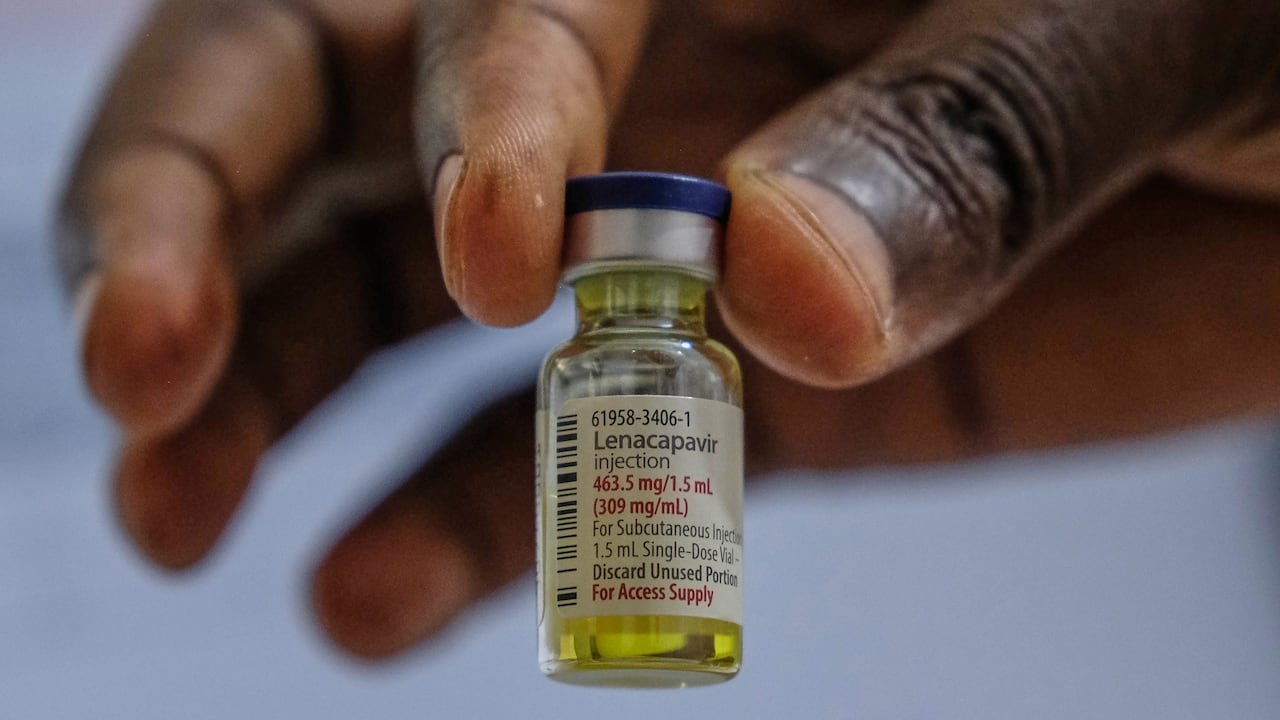
    She takes HIV-prevention medication called PrEP, or preexposure prophylaxis, which can come in the form of daily pills or periodic injections. But there’s a new option for her and millions like her — if they could only get it. It’s a drug called lenacapavir that studies have shown can offer nearly complete protection from HIV with just two shots a year.

    Mutoni said access to lenacapavir would benefit sex workers who sometimes shift elsewhere for months at a time.

    “If you know that you have that injection for six months, you feel like you are safe,” she said. “And then it is very good, nice because sometimes you can also forget, if it is the pill, you can forget to swallow.”

    But Mutoni says every time she tries to get what is commonly referred to as “lena,” it’s not available. “They tell me that it is finished,” she said.

    Such is the promise and the frustration with lenacapavir, a drug developed by Gilead Sciences. Other PrEP options, including pills and an every-other-month shot of the drug cabotegravir, are very effective and widely available. But health experts say lenacapavir has the power not just to protect individuals but potentially even turn the tide of the HIV epidemic globally because of its long-lasting effects.

    But there are not nearly enough doses, in this East African country or the rest of the world.

    “The rate of growth (of lenacapavir rollout) isn’t fast enough. We need to be getting to the millions pretty soon,” said Andrew Hill, an expert in HIV treatment who is a senior visiting research fellow at the University of Liverpool in northwest England.

    That may start to change in the coming months. The U.S. Food and Drug Administration has just tentatively approved a generic version of lenacapavir that could help speed the production and distribution of the drug to 120 low-income countries at a price of roughly $40 a year, far below the U.S. list price of $28,218. The approval was announced Monday.

    The hope, according to the Global Fund, is to get it to 3 million people by the end of 2028.

    Some, including Doctors Without Borders, known by its French initials MSF, say this isn’t nearly enough. The group is calling on Gilead to make cheap doses available to more countries and to sell it directly to MSF so it can help protect more people faster.

    “Gilead says it wants to end the HIV epidemic ‘for everyone, everywhere,’ but its actions say otherwise,” said Melissa Barber, MSF USA global health advocacy and policy adviser, in a recent statement.

    For now, people in Mbarara, where an estimated 10% of the adult population has HIV — double the rate of Uganda as a whole — have to settle for inferior choices.

    Julius Bampe, a polygamous man, was alarmed earlier this year when testing confirmed his younger wife had HIV. She was immediately given drugs to suppress her infection, while Bampe sought lenacapavir.

    But when Bampe, an itinerant builder, went to get his injection, he found that there were no doses left.

    “When I got here, they said that is what they would have given me, but they said they didn’t have enough doses for everyone,” he said.

    The facility that Bampe goes to received 40 lenacapavir doses in April, with instructions to focus only on pregnant mothers at risk of acquiring HIV. The guidelines were later changed to include couples like Bampe and his wife, sex workers and others.

    That batch was quickly administered and another 70 doses sent in June were used up within 10 days, said Tarsisio Biryeija, a nursing officer working as a counselor at Mbarara Health Centre IV.

    Uganda has slashed its HIV rate over the past three decades, and it’s far below that of some southern African countries. But like in many nations, health authorities in Uganda say infections are driven largely by transactional sexual encounters like those in Mbarara — and the type of transmission that lenacapavir could be so effective at stopping.

    Mutoni, the sex worker in Mbarara, gets counseling and other support, including condoms, from Immaculate Nyamwija, founder of a Mbarara-based organization known as Action for Improved Health and Wealth. Nyamwija offers HIV support services to women who would face discrimination elsewhere.

    “It is a challenge, because the demand is high and the doses are few,” she said. “Who would not wish to take (lenacapavir) for six months? Who would wish to be on drugs every day?”

    ___

    Gerald Imray in Cape Town, South Africa, and Laura Ungar in Louisville, Kentucky, contributed to this report.

    ___

    For more on Africa and development: https://apnews.com/hub/africa-pulse

    ___

    The Associated Press receives financial support for global health and development coverage in Africa from the Gates Foundation. The AP is solely responsible for all content. Find AP’s standards for working with philanthropies, a list of supporters and funded coverage areas at AP.org.

  • Cheap version of HIV-prevention shot raising hope in low-income countries

    Cheap version of HIV-prevention shot raising hope in low-income countries

    The U.S. Food and Drug Administration has approved a generic version of the world’s only twice-a-year shot to prevent HIV — a big step toward making the drug available inexpensively and more quickly in 120 low- and middle-income countries. 

    The announcement was made on Monday morning by the manufacturer and organizations that helped to speed up development of the medication, called lenacapavir.

    The drug is expected to cost $40 US a year per person in the countries where it will be available.

    It’s the same price as the daily preventive pills that are available now. But the shots are much more convenient than the pills because they’re needed much less frequently and they nearly eliminated new infections in two groundbreaking studies of people at high risk. 

    Up until now, if people forgot or were unable to take the daily dose of medication, they would lose that protection against HIV, said Carmen Pérez Casas, HIV lead for the grant-making organization Unitaid, a global health agency. “With lenacapavir, we are much more hopeful.”

    Ultimately, advocates said, the medication should help drive down cases of HIV and AIDS, as well as deaths. According to the World Health Organization, 41 million people worldwide were living with HIV and 570,000 died from HIV-related causes last year. 

    A person draws medicine out of a vial with a syringe.

    A medical clinician prepares to administer a dose of lenacapavir to a client during the launch of the HIV prevention drug in Kisumu, Kenya, on March 7. (James Keyi/Reuters)

    With an affordable, high-quality generic medication now available, “we could help to scale this to the 20 million people around the world who need PrEP,” prescription medicine taken by people at risk of HIV before being exposed to the virus, said Carolyn Amole, who leads the HIV program for the Clinton Health Access Initiative, a global health organization.

    “And if we scale to those levels,” she said, “we can actually begin to bring an end to the HIV epidemic.”

    Brand-name version retails in U.S. for $28K US

    Generic lenacapavir can’t be sold in the U.S. because a brand-name version, Yeztugo, made by Gilead Sciences and approved last year, is still protected by a patent. 

    The U.S. price for Yeztugo, which is delivered as twice-yearly injections, is $28,218 US a year before insurance. Gilead officials say that’s similar to some other types of PrEP, which stands for pre-exposure prophylaxis.

    Yeztugo is known as Yeytuo in Canada and the European Union. It was approved by Health Canada earlier this year, but Gilead is still negotiating its addition to the public system. 

    The new generic was approved by the FDA under a long-standing practice designed to ensure the quality of HIV-related drugs provided to other countries by the U.S. government. Approval of a drug by the U.S. FDA can speed regulatory approval in many other countries. The approval is considered “tentative,” the FDA’s standard designation for generics while the originator remains under patent.

    WATCH | FDA approves lenacapavir in 2025:

    U.S. FDA approves twice yearly shot to prevent HIV transmission

    The U.S. Food and Drug Administration has approved a drug called lenacapavir — a twice-a-year shot to protect against HIV infection. Experts say the preventative medication brings the possibility of ending HIV transmission.

    Until now, Gilead has been the sole supplier of lenacapavir, and demand has outstripped supply in low- and middle-income countries.

    Last year, Gilead established royalty-free licensing agreements with six generic manufacturers to enable production. Those voluntary licences cover a specific set of countries in sub-Saharan Africa, Asia and Latin America.

    “We share the sense of urgency around expanding access to lenacapavir for HIV prevention,” a Gilead spokesperson said in a statement. “We believe we have enabled the fastest and most sustainable path to expanding access for communities most affected by HIV.”

    Earlier this year, roll-out of lenacapavir started in South Africa, which has the biggest population of people living with HIV in the world at around eight million. Access was provided by The Global Fund to Fight AIDS, Tuberculosis and Malarai, who signed an agreement with Gilead in 2025 for lenacapavir for low- to middle-income countries. But officials noted in August that only a generic version would allow them to do the roll-out at scale. 

    A person holds up two boxes of medicine while smiling in what looks like a medical office.

    Thandeka Shabangu, a nurse, holds lenacapavir before administering it to a patient at a mobile clinic in Secunda, South Africa, on June 5. (Kayleen Morgan/The Associated Press)

    Generic should be available soon

    The generic was developed by India-based Dr. Reddy’s Laboratories under an agreement brokered by Unitaid, the Clinton Health Access Initiative and Wits RHI, a health research institute in Africa. The partners sought to accelerate development and make the drug available at an affordable price. 

    Common side effects with lenacapavir include injection site reactions, headache and nausea. People also must be tested for HIV prior to starting the drug and with each injection; drug-resistant HIV has been identified when used by people with an undiagnosed HIV infection.

    WATCH | HIV rates rise in Canada:

    HIV rates rise in Canada, with cases appearing in smaller communities

    New federal data shows HIV cases in Canada rose 23 per cent in 2024 compared with 2022, with more cases appearing in small communities that lack adequate healthcare. Experts worry U.S. cuts to international AIDS funding could trigger more resurgence of HIV/AIDS around the world.

    Generic lenacapavir should start to become available in some places within weeks, those helping with the effort said, although it could take a bit longer in countries that require the drug to go through their own approval processes before people can start taking it. Generic versions made by the other manufacturers have yet to be approved by FDA.

    “The work is not done. Now, we need the funding to actually buy it for everyone who needs it and then we need to do the hard work of getting it to the millions of people who need it and want it,” Amole said. “But this is a great milestone.”

    Casas said she’s optimistic that scientific advances, along with political will and funding, can help the world curb HIV.

    “Now,” she said, “we have the tools.”

  • Finding a specialist can take so long, some Ontario doctors are turning to social media: OMA

    Finding a specialist can take so long, some Ontario doctors are turning to social media: OMA

    Text to Speech Icon

    Listen to this article

    Estimated 4 minutes

    The audio version of this article is generated by AI-based technology. Mispronunciations can occur. We are working with our partners to continually review and improve the results.

    Ontario’s doctors are calling on the province to reform access to specialist care, drop the use of fax machines and launch a provincewide central intake so they can end their patchwork process of finding specialized care for patients through group chats and social media.

    The Ontario Medical Association said a recent survey shows one third of patients with a chronic condition are waiting six months or longer to see a specialist. The survey, which polled 1,156 Ontarians aged 18 or older online, was conducted from Oct. 13 to 19 and has a margin of error of +/- 3.5 percentage points, 19 times out of 20.

    The problem has become so pervasive that doctors say they now reach out to physicians in some ad hoc group chats or on social media to find a specialist with reasonable wait times to see their patients.

    “These delays have real consequences and people are growing frustrated,” OMA president Dr. Rebecca Hicks said on Monday.

    Problems with accessing specialist care have led patients to hospital emergency departments instead, she said.

    Patients should be connected ‘as quickly as possible’: medical association

    The association said it wants the province to expand team-based care within specialist practices, something the province has had success with for its primary care initiative.

    Health Minister Sylvia Jones said the province will work on a centralized intake system for specialized care once they have completed their central intake project for primary care. (Evan Mitsui/CBC)

    The province is using the team-based model to link every Ontarian to primary care, rather than trying to link everyone to a family doctor. The team-based model combines family physicians with nurses and a number of other health-care providers like nurse practitioners, physiotherapists and occupational therapists.

    “Giving doctors access to nurses, allied health professionals and administrative support can increase capacity, improve co-ordination, and help more patients receive treatment sooner,” Hicks said.

    The OMA also wants to see a provincewide central intake system for specialist care and diagnostics.

    “Patients should be connected to the right provider or service as quickly as possible, regardless of where they live,” Hicks said.

    MRI scan waits take 100 days, medical association says

    Patients are now also waiting longer to get an MRI scan, the association said.

    “Since 2022, waits for a non-urgent adult MRI have increased from approximately 70 days to 100 days, and the provincial target is just 28 days,” Hicks said. “Every day spent waiting for a diagnostic test can delay the start of treatment.”

    Health Minister Sylvia Jones said the province will work on a centralized intake system for specialized care once they have completed their central intake project for primary care.

    A large MRI machine sits in an empty hospital laboratory.

    Patients are now also waiting longer to get an MRI scan, the association said. (Camilla Faragalli/CBC)

    “I’m not going to give you a timeline because it is something that physicians have to make the decision that they want to participate in the central referral,” Jones said. “What I can tell you is, on the family physician side, the primary care side, they’re very excited about it, as are we.”

    Hicks said OMA is compiling a list of specialists to be able “to do e-referrals instead of e-fax referrals, joining the 21st century.”

    Province ‘working on’ eliminating fax machines: minister

    Jones said in 2023 the province would eliminate faxes in the medical system within five years. On Monday she said they’re “working on it,” but refused to provide a timeline.

    There are centralized intakes in some regions of Ontario for hip and knee replacements, the OMA noted.

    “We’d like to see what has worked in those systems and bring it forward as we expand outward,” Hicks said.

    The situation for specialist referrals has become so untenable that doctors have begun looking elsewhere for help.

    “Our physicians are using Facebook groups, WhatsApp groups, to actually find the community-based specialists to connect patients to care,” said Dr. Zainab Abdurrahman, a pediatric allergist and immunologist who is a former president of the OMA.

    “We need a centralized system that’s going to allow for patients to be able to, if they can, go further to get faster care, to be able to know that these opportunities are there, and just to also know who is in practice and where. There’s no great way to know when there’s a new specialist in your region.”

  • Researchers cooking up healthier options for Sask. sports centres

    Text to Speech Icon

    Listen to this article

    Estimated 3 minutes

    The audio version of this article is generated by AI-based technology. Mispronunciations can occur. We are working with our partners to continually review and improve the results.

    Carol Affleck sees her grandchildren playing sports every weekend in centres in the Saskatoon area, but doesn’t see much healthy food along with them.

    “Basically at hockey rinks you would see deep fried food: french fries, chicken nuggets, hot dogs, burgers, that sort of thing.”

    Researchers at the University of Saskatchewan are among those looking to change that.

    They want to bring healthier food to the places kids go for physical activity.

    A man points to burger buns and chicken on a metal table next to another man and a woman.

    Hassan Vatanparast (left) showcases healthier recipes to canteen owners at the U of S. (Albert Couillard/CBC)

    Hassan Vatanparast, a professor studying nutrition and public health, leads a research team looking at food and ways to add in healthier choices.

    “Traditionally we know that when you go to a recreational facility, watching a game or doing activity after [there are] hot dogs or any unhealthy items. Now, how we can change that culture?”

    He said part of this comes from changing cooking methods.

    WATCH | Should hockey arenas serve healthier food?:

    Should hockey arenas serve healthier food?

    Researchers at the University of Saskatchewan want to bring healthier food to athletic centres across the province.

    “Imagine a crispy chicken, that is very common item. In recreational facilities it’s everywhere. Now how we can move it to different way of cooking it so it’s healthy?” he said.

    The team is partnering with the City of Moose Jaw to bring healthier options to the Kinsmen Sportsplex’s canteen whose owner is already planning healthier options in as little as two weeks.

    One canteen in a Melfort hockey arena has already been selling — and selling out — healthier options.

    Cut up fruit in bowls.

    Regina Bautista says fresh food sells a similar amount to traditional, less healthy options. (Supplied by Regina Bautista)

    Regina Bautista, owner of RR & 3A’s Cafe, says warm dishes inspired by Asian cuisines fuel hockey players and the hockey parents cheering them on.

    “When people like to have some hot foods or some homemade products or homemade food that’s when I started adding them in my menu,” said Bautista whose canteen is about 50 kilometres southeast of Prince Albert.

    She still serves the classics but says the homemade options — like dumplings, salad rolls and cut fruit — sell a similar amount.

    “They always compliment it … Sometimes we run out of the stocks because they’re very very popular,” she said.

    Some trainers and coaches are also interested in the change. 

    Rob Morrison, a franchise owner of Little Kickers, coordinates soccer lessons for young kids across Saskatchewan and has three kids himself.

    “It is really hard to find those healthy snacks or meals for your children especially after school … or those times when you’re running between multiple games and practices.”

    LISTEN | How to feed young athletes to fuel them for success:

    Blue Sky59:34How to feed young athletes to fuel them for success

    A dietitian and coaches who know all about competing at an elite level share their nutrition tips for young athletes.

    He said many parents like himself pack their own food. He believes sports centres are meant to promote physical health, so there should be healthier food to support that goal.

    “One of the reasons we put our kids in sports is it helps them to develop as human beings, not only as athletes but as people and to be able to grow and mature.”

  • Medical oncologist based in Brandon says he’s leaving his ‘dream job’ over lack of support

    Medical oncologist based in Brandon says he’s leaving his ‘dream job’ over lack of support

    A medical oncologist based in Brandon is leaving the role in November, saying his repeated calls for support have been ignored by the province.

    Dr. Brady Anderson has been practising out of the Western Manitoba Cancer Centre in Brandon for four years. His last day as a medical oncologist will be Nov. 13, at which point he will begin working as a hospitalist at the Brandon Regional Health Centre. 

    Anderson told CBC News on Friday it “has been quite devastating” to have to step away from oncology. 

    “This was my dream job since I was an early medical student,” he said.

    “I had several family members suffering from cancer, and I wanted to be able to come back and contribute to the region with something that was really needed. That was my biggest motivation.”

    On call by default

    Anderson has been the sole medical oncologist outside of Winnipeg, he said. He said the workload, and a lack of support from both the province and CancerCare Manitoba, have led to his burnout. 

    The CancerCare site in Brandon continues to have two family doctors trained in oncology and three radiation oncologists. But when it comes to making major decisions for patients, diagnosis and major changes to treatment plans, the responsibility falls on Anderson, he said.

    This has led to him being perpetually on call by default, he said.

    “I’m effectively being forced into a significant amount of unpaid overtime, with no promise or guarantee that it will be fixed or compensated in the future,” Anderson said. 

    Despite promises of support in the form of nurse practitioners, clinical assistants or physician assistants, nothing ever came to fruition, he said. 

    “What I’ve maintained the entirety of the last two years … is that if the workload is necessary, then I’m willing to — at least until they recruit somebody else — provide it, but knowing that it’s going to be compensated. If compensation can’t be committed to, then something else at least needs to be taken off my plate,” Anderson said.

    “It’s acknowledged, but the overwhelming response has been, ‘Yeah, we really should do something about it.’ But nothing ever happens.”

    At any given time, Anderson said he actively oversees the treatments and follow-ups of several hundred patients. He said his biggest concern is that there will be a care gap in the Westman area. 

    “That concern is what led me to stay in the position, despite many years of this frustration, for as long as I have,” Anderson said. 

    Doctors Manitoba spokesperson Keir Johnson said in an email to CBC News that there are 23 medical oncologists listed as working in Manitoba, with only one in Brandon and the rest in Winnipeg.

    “According to our analysis of national data, Manitoba has about 20 per cent fewer medical oncologists per capita than the Canadian average,” Johnson wrote.

    A spokesperson for the provincial government said another medical oncologist started approximately a month ago and will carry on Anderson’s workload when he leaves.

    A man in a black suit and white shirt stands in the hallway of the Manitoba legislature.

    Brandon West MLA Wayne Balcaen says Anderson’s departure will ‘impact thousands of people whose lives have been forever changed’ because of cancer. (Jaison Empson/CBC)

    Anderson, however, said he has been given “next to no information on the future coverage plans despite requesting repeatedly to be involved in it to make sure patients do not get lost.”

    “I have grave concerns about the sustainability of this, as presumably they will be tasked with virtually stepping into the same unsustainable workload,” Anderson said.

    Brandon West MLA Wayne Balcaen brought up Anderson’s departure during Thursday’s question period, saying it will “impact thousands of people whose lives have been forever changed” because of cancer.

    “This is not just a Brandon problem, it’s a Westman problem,” Balcaen said, noting he’s heard from constituents from across western Manitoba concerned with Anderson’s departure.

    “For many people, the only way to ensure they don’t die, or to prolong their life, is to get timely treatment by a medically trained cancer doctor such as Dr. Anderson.”

    A person in a suit sits with hands folded in front of their chest.

    Health Minister Uzoma Asagwara at the Manitoba Legislature in March. The health minister says the province has been working with Prairie Mountain Health to recruit and retain more professionals. (Bryce Hoye/CBC)

    Provincial Health Minister Uzoma Asagwara said during question period that the government has been working with Prairie Mountain Health to recruit and retain more professionals in the region.

    “We recognize the challenges with staffing, and we’re going to keep doing the work to make sure more residents of Prairie Mountain Health have access to the cancer care services they need.”

    Twylla Krueger, director of communications for CancerCare Manitoba, said in a written statement that Prairie Mountain Health and CancerCare are “committed to ensuring continuity of care for patients” in the Westman region.

    “Following Dr. Anderson’s departure, another medical oncologist will be assigned to provide care for patients at the Western Manitoba Cancer Centre,” Krueger said. 

    “Patients will continue to receive care at their preferred CancerCare Manitoba location. Our clinical teams will work directly with patients to co-ordinate appointments and ensure a smooth transition, with no interruption to their ongoing care.”

    Brandon Mayor Jeff Fawcett reiterated that Westman shouldn’t see any disruption.

    “We realized [Brandon] is the medical hub for the region, and so we do need to make sure that we can have specialists here,” he said.

    “Recruitment is one thing, and retention is the other. It’s the community that makes retention easier.”

    Anderson, who was born and raised in Westman, said he is glad to remain in Brandon and provide the services he can. 

    “He is an asset, in that he’s working as a hospitalist, and that helps. We need that as well,” the mayor said.

  • Snapchat reaches settlement in case after teens allege platform designed to be addictive

    Snapchat reaches settlement in case after teens allege platform designed to be addictive

    Text to Speech Icon

    Listen to this article

    Estimated 4 minutes

    The audio version of this article is generated by AI-based technology. Mispronunciations can occur. We are working with our partners to continually review and improve the results.

    Snapchat parent Snap Inc. has reached a settlement during a trial over claims brought by two teenagers who say the company designed the platform to be addictive, causing their depression, anxiety and eating disorders, attorneys for the plaintiffs said on Monday.

    Jury selection began last week for the trial, the second in Los Angeles state court over claims brought by young people who say they became addicted to social media after Snap, Meta Platforms, TikTok and Alphabet’s YouTube designed their platforms to encourage compulsive use.

    The plaintiffs had previously settled with Meta, TikTok and YouTube.

    “Our ultimate goal is to hold these social media companies accountable for how their actions have impacted millions of children across the country, and these settlements allow us to keep building toward that goal,” John Morgan and Emily Jeffcott, trial attorneys for plaintiff K.D.B., said in a statement.

    The trial was set to be the first for Snap in the sweeping litigation over social media’s impact on teens, after the company settled the other cases that had been scheduled for trial. The company’s chief executive, Evan Spiegel, had been expected to testify.

    The case had been selected from thousands of pending lawsuits as a bellwether intended to test the claims against Snap and the other companies and potentially influence how similar cases are resolved. The next bellwether trials are scheduled to begin in March, according to the plaintiffs’ lawyers.

    Snapchat's logo is seen on a phone screen held over a laptop keyboard.

    Companies like Snapchat have rejected claims that their platforms are designed to be addictive. The next bellweather trials over social media’s impact on teens are expected to begin in March. (Dado Ruvic/Illustration/Reuters)

    A Snap spokesperson said in a statement that the company has built safeguards, launched safety tutorials and partnered with experts, and remains committed to “continually strengthening the safety, privacy, and well-being of our community.”

    Plaintiffs S.J., a 16-year-old girl from Illinois, and K.D.B., an 18-year-old from Mississippi, say they began using YouTube as early as age 3 and the other platforms around age 9, developing compulsive habits they blame on features such as autoplay and infinite scroll.

    The companies have rejected claims their platforms were designed to addict young people, and say they have taken action to make the apps safe places for young people to express themselves.

    WATCH | What a nearly $17B Meta settlement means for Canada:

    What could the Meta settlement in California mean for Canada?

    Meta agreed to a $16.68-billion US settlement over claims it designed its social media platforms such as Facebook and Instagram to make them addictive to children. The settlement was reached Wednesday during a California federal trial. Tech analyst and journalist Carmi Levy breaks down the settlement and what it could mean for Canada.

    Wave of lawsuits

    Social media companies are facing thousands of lawsuits in federal and state courts brought by individuals, school districts, municipalities and other government entities alleging the companies knowingly sought to addict children to their platforms, contributing to a youth mental health crisis involving anxiety, depression and suicide.

    Around 30 states have filed lawsuits against the companies, court records show.

    In the first case to go to trial, which ended in March, a Los Angeles jury found Meta and YouTube had been negligent and awarded a young woman $6 million US in damages.

    The next two teens whose cases were selected for trials either settled or dropped their claims against the companies.

    WATCH | L.A. court orders Meta and YouTube to pay $6 million US:

    Meta and YouTube must pay woman $6M US in addiction trial

    The 20-year-old plaintiff, identified as K.G.M. in documents, was awarded $6 million US in damages. It’s a first-of-its-kind lawsuit that aimed to hold social media platforms responsible for harm to children using their services.

    The first school district chosen for trial settled with all of the companies.

    Also in March, Meta lost both phases of a lawsuit brought by New Mexico, and was ordered to pay $375 million US after a jury found it had misled consumers about the safety of its platforms.

    In August, Meta struck settlements worth up to $18 billion US with nearly every state and U.S. territory to resolve lawsuits brought by attorneys general over claims its platforms harmed teens and agreed to make changes to how Instagram and Facebook work for teens. 

    The deal conditioned $5 billion US of the payout on the states reaching similar settlements with Snap, TikTok and YouTube.

    Meta agreed for the next decade to restrict teenagers’ use of Facebook and Instagram to two hours a day, among other platform changes.

    The lawsuits come amid a rise in legislation banning teenagers from using social media, such as an active ban in Australia and a proposed bill in Canada. Legal experts have raised red flags about this legislation, saying it may violate the Charter of Rights and Freedoms.

    WATCH | Meta to pay $18 billion US, agrees to make changes:

    Meta agrees to platforms changes, pay up to $18B US to settle lawsuit

    Meta has agreed to pay up to $18 billion US to settle a major lawsuit launched by several U.S. states over social media addiction and security for children. The tech giant has also agreed to make changes to its platforms, including Facebook and Instagram.

  • U.S. records 1st human bird flu death since last year

    U.S. records 1st human bird flu death since last year

    Text to Speech Icon

    Listen to this article

    Estimated 3 minutes

    The audio version of this article is generated by AI-based technology. Mispronunciations can occur. We are working with our partners to continually review and improve the results.

    A person in Washington state has died from complications of the bird flu, the first such U.S. death in a year.

    The Yakima County resident, who had previous health conditions, was exposed to avian influenza at a dairy with infected cattle and had been hospitalized, county health officials announced on Sunday.

    Two other U.S. deaths have been tied to bird flu since it became a national public health concern in 2024. The first, announced in January 2025, was an elderly person in Louisiana who had a version of bird flu known as H5N1. The other, in Washington state, died in November 2025 from a rarer version called H5N5.

    Yakima County officials did not release any additional details about the person who recently died. The U.S. Centers for Disease Control and Prevention (CDC) said the person was infected with H5N1.

    County officials have reported that 33 dairy herds have recently tested positive for H5N1.

    They say three human infections have been linked to exposure at a dairy, and that the Yakima Health District is working with the state health department to find people who were in close contact with those people and monitor them for symptoms.

    The H5N1 bird flu has been spreading widely among wild birds, poultry, cows and other animals for several years. Health concerns escalated in early 2024 when infections spread among U.S. livestock. Its presence in the environment increases the chances that people will be exposed and potentially catch it, officials have said.

    More than 70 human infections have been reported in the U.S. since the beginning of 2024, according to the CDC. But there is no known person-to-person spread and the risk to the general public is low, the agency says.

    The agency analyzed the genetic sequence of the virus from the person who died in Washington and found no changes that would make the virus spread more easily or cause more severe illness, a CDC spokesperson said on Monday.

    Officials continue to urge people who have contact with sick or dead birds to take precautions, including wearing respiratory and eye protection and gloves when handling poultry. People who work on farms are considered to be at higher risk.

    WATCH | Scientists say Canada must do more to monitor the spread of H5N1 in cattle (2024):

    Bird flu surveillance in dairy cows lacking in Canada, scientists warn

    As the U.S. deals with an unprecedented outbreak of bird flu in dairy cattle, scientists say Canada must do more to monitor the spread of H5N1.