Tag: ABC News

  • As this couple cycles through their grief, a vaccine to save other babies is tested

    The pregnancy, the birth and the early days of parenthood were the fulfilment of their dreams.

    “She was pretty lively,” said Alexandre Genest, remembering his daughter, Lupine, as an infant. “She had long hair already.”

    “And big, sparkly eyes,” added his wife, Carly Wedge, Lupine’s mom.

    But after just three weeks with their “perfectly healthy” baby, the new parents were plunged into their worst nightmare. At their home on Nova Scotia’s South Shore, Lupine suddenly turned ill, and her parents took her to the nearby regional hospital. Doctors ordered that she be sent to Halifax’s children’s hospital, where she was taken into intensive care.

    Five days later, she was gone. 

    A poster affixed to the back of a bicycle with a picture of an infant.

    A picture of Lupine Genest follows her dad’s bicycle as he travels around Nova Scotia’s highways and trails. (Paul Poirier/CBC)

    Lupine was infected by Group B Streptococcus, or GBS, which led to sepsis and meningitis. GBS is a common bacterium that many adults carry without symptoms, but it causes life-threatening illness in babies. 

    Pregnant women are often screened for GBS, and if they test positive, they’re given a preventative round of antibiotics during labour. The antibiotics can protect newborns during the first week of life, but not beyond. For cases that begin later in infancy, such as Lupine’s, there is no means of prevention — yet.

    Now, as Lupine would be turning six months old, Wedge and Genest are touring around Nova Scotia on their bicycles — working through their grief, raising money for the hospital that tried to save her, and spreading the word about a vaccine that’s in development.

    “It’s a rare thing, what happened to Lupine, but I think when it happens to you, it doesn’t really matter that it’s rare and you just want something to change,” said Wedge.

    “A cure,” added Genest.

    A vaccine on the horizon

    What makes GBS so dangerous is that it escalates very quickly, said Dr. Joanne Langley, pediatric infectious disease specialist at the IWK Health Centre — the children’s hospital where Lupine was treated. 

    “By the time you get the baby to care and start care, the baby has often become very unwell. And so even our best treatment will not catch up, in some cases.

    “Preventing this disease is the best strategy,” she said.

    A woman sits at a desk.

    Dr. Joanne Langley is an infectious disease specialist at the IWK Health Centre and investigator at the Canadian Center for Vaccinology. (Galen McRae/CBC)

    Langley is an investigator at the Canadian Center for Vaccinology, and she’s working on a Phase 3 clinical trial for a maternal GBS vaccine.

    Researchers have been trying to develop a vaccine against GBS since the 1970s, but Langley said no attempt has advanced as far as the current one, by Pfizer. Depending on how the current trial progresses, and on regulatory approvals, she said the vaccine could be widely available in the next few years.

    “This will be just an overwhelming advance in the care of women and babies,” said Langley.

    The World Health Organization says GBS causes about 150,000 stillbirths and infant deaths globally, each year, and vaccines could prevent more than 50 per cent of infant GBS cases. GBS can also lead to preterm birth, and a vaccine may lower that risk, too, according to the WHO.

    A woman wears a newborn baby in a carrier, a man stands beside her.

    Wedge and Genest say their baby girl, Lupine, was perfectly healthy for the first three weeks of her life. Then she suddenly turned severely ill. (Martha Wedge/Submitted)

    In addition to preventing illness and death, Langley said the vaccine could also reduce the use of antibiotics in pregnant women who screen positive.

    “That’s a good thing, because the normal bacteria that mom has on her skin and her vagina are all healthy and part of the newborn’s eventual microbiome,” she said.

    Pfizer is testing the vaccine at more than 200 locations across the globe, including four in Canada. 

    Wedge said it feels like serendipity that the clinical trial started in Nova Scotia shortly after Lupine’s death.

    “The more I learn about GBS, the more passionate I feel about making sure something is done to hopefully prevent other families from going through what we went through,” she said.

    A man and woman stand by their bicycles on a grassy coastline.

    Alexandre Genest and Carly Wedge stand by their bicycles at Summerville Beach Provincial Park, N.S., in early October 2026. (Jake Foley/Submitted)

    As she and Genest cycle along Nova Scotia’s rural roads and trails, they’re pulling a small trailer displaying Lupine’s picture, and sharing their journey on social media. 

    They said it’s been healing, talking to people about their daughter. At the same time, they’re trying to get people interested in the vaccine; they want to see the clinical trial get all the participants it needs. Locally, investigators are aiming to enroll 30 people.

    “We’re trying to get the word out to as many people who might be interested as possible, to help them push the science forward,” said Wedge.

    Langley said because of the newness of the vaccine, the risks are unknown. The current study is specifically meant to test its safety.

    Langley said investigators have not seen any serious events associated with the shot, so far. She said another trial may be needed to test the vaccine’s efficacy in preventing disease.

    MORE TOP STORIES

  • Kids and young adults are addicted to screens. New research argues it may be a public health concern

    Kids and young adults are addicted to screens. New research argues it may be a public health concern

    Andrea Chrysanthou says it’s been almost impossible to limit her 13-year-old son Nathaniel’s screen time.

    “My son understands that he’s addicted,” said Chrysanthou, the Toronto-based board chair of the advocacy group Children First Canada. She says he’s asked her for help to stop using his digital device so much, but the minute she turns her back, he’s reaching for it again.

    Her son is like millions of other kids around the world whose physical and mental well-being are at risk because of excess screen time, according to a new series of research papers published Sunday by medical journal The Lancet.

    It’s a broad review of international studies that allowed researchers to distill the potential harms and benefits of digital technology, and offers a sense of “what needs to happen to protect children’s health,” said co-author Jay Shaw, an assistant professor in the University of Toronto’s Department of Physical Therapy.

    Despite the breadth of their analysis, Shaw and his colleagues say the true severity of the issue can’t be fully understood or addressed without access to tech companies’ own user data — something those companies are currently under no obligation to share.

    WATCH | Social media consumption is public health issue, study says:

    Study calls for public health action on kids’ screen time

    Excessive screen time is taking a toll on young people’s health, according to a major new study. Researchers warn it’s linked to anxiety, depression and poor sleep. They’re urging governments to intervene.

    But they say their research makes the case that screen addiction among young people is a public health issue that requires governments to intervene.

    Parents can’t be the only line of defence, Chrysanthou told CBC News.

    “We want the companies and the platforms to take responsibility, to make their platforms safe.”

    LISTEN | How do we determine the quality of screen time at school:

    The Current23:13Has screen time at school gone too far?

    A ‘clear’ picture

    Shaw and his fellow researchers reviewed data from 2,790 studies comprised of more than nine million participants.

    Among the youngest users of digital devices, age 10 and under, too much screen time was linked to sleeping less and affected cognitive, emotional and social development.

    There was a wider range of implications for young people between the ages of 10 and 24, from mental health problems and reduced physical activity to substance abuse, self-harm and suicidal ideation.

    “I think we’re in a moment globally right now, where the harms associated with digital media use, especially for young people, have become quite clear,” Shaw told CBC News.

    Dr. Rachel Mitchell, a psychiatrist at Toronto’s Sunnybrook Health Sciences Centre, says this research confirms that tech and social media companies need to share responsibility.

    She says most digital platforms and applications weren’t designed for young people, noting that kids five and under and adolescents are at a time in their lives when their brains are still developing and they are more vulnerable.

    Mitchell says they’re being bombarded with digital distractions from various applications, games and platforms that often aim to capture constant attention by employing features like autoplay, push notifications and elements of gamification, along with daily rewards for online activity.

    “Adults, at least, have fully developed frontal lobes with which to regulate, and they can’t even do it themselves,” she said, referring to the ability to limit screen use.

    “So, why we’re expecting children to do it is beyond me.”

    WATCH | Why educational experts blame overuse of AI, excess screen time for dropping grades:

    Experts blame AI, screens for slipping Canadian student test scores

    While Canadian students still perform well globally in math, science and reading, scores have dipped significantly in recent years. Some educational experts blame the rising overuse of AI and too much screen time.

    Tech’s ‘big tobacco’ moment?

    Shaw says there’s a long history of public health interventions when it comes to health-related concerns about certain habits, such as smoking. He says the addictive nature of social media and other digital platforms should be no different.

    And society, he says, may be at its “so-called big tobacco moment” with technology.

    “If we don’t get out in front of it, then digital technologies will end up being more harmful than beneficial for public health.”

    But Mitchell says addressing excess screen use, especially for young people, is a different scenario than smoking.

    She says there are no real benefits to smoking, while digital devices and media serve many purposes in our daily lives.

    A cigarette, she adds, won’t help you find your way around the city — but a phone will.

    In fact, Mitchell points out, the data review in The Lancet highlights the positive benefits of digital media for young people when it’s used in moderation, as well as when it’s used for education and extracurricular learning.

    But, she says in order to leverage the benefits, the risks of these technologies need to be managed.

    A young boy with brown, curly hair looks at the lit screen of a smartphone that he's holding in his hands. The glow of the screen is reflected on his face in a darkly lit room.

    Seven-year-old Tonah plays on a tablet at his home in Lewes in southern England on March 27. Data analyzed for Shaw’s research showed that too much screen time children 10 years and younger was linked to sleeping less and affected cognitive, emotional and social development. (Carlo Jasso/AFP/Getty Images)

    Mitchell says this new research series demonstrates that the risks are so high and affect such a wide population that it’s no longer ethically or morally possible for people to manage without intervention from the government or the tech companies themselves.

    Some social media and tech companies have implemented tools aimed at helping parents reduce the amount of time their children spend scrolling.

    Meta, the parent company of social media platforms Facebook and Instagram, agreed to implement age limits in the U.S. when it settled a multi-state class-action lawsuit for $18 billion US in August. It was described as the largest state consumer protection settlement in history outside of the Big Tobacco settlements of the 1990s.

    TikTok has a default setting that limits usage to one hour for users between the ages of 13 to 17, but this setting can be changed or turned off.

    The head of Snapchat’s parent company, Snap Inc., recently told BBC News the company is open to time restrictions for teens.

    Steps like these, Mitchell says, are “absolutely necessary” and “should have been there from day one.”

    WATCH | Some Canadians like possible social media ban, but what companies held accountable:

    Parents, experts warm on proposed social media ban but want details

    Ottawa’s proposed social media ban for kids under 16 has seen a generally warm response so far, but some parents and experts are concerned over a lack of details on how the government would hold social media companies accountable.

    Push for tech company transparency

    Shaw and his fellow researchers hope the review can help governments shape public health policy to address the potential harms that the overuse of digital media has on young people.

    But he says without access to user data from big tech companies, it will be difficult to get a true picture of how much young people are interacting with digital devices and of the true toll it takes on their physical and mental well-being.

    Their series of papers notes that tech giants like Meta, TikTok and Google aren’t obligated to share such data or details about how their algorithms fuel prolonged use, especially among young people.

    “It’s very hard to reconcile morally, ethically, how that data cannot be available to researchers,” Mitchell said.

    Digital safety legislation like the federal government’s proposed Safe Social Media Act (Bill C-34) would, if passed, compel tech platforms to be transparent and provide accredited researchers with access to electronic data related to online safety.

    Bill C-34 would also force social media companies to restrict accounts for children under 16 unless the platforms can implement adequate safeguards to protect them.

    The bill, which has yet to be debated in the House of Commons, has drawn criticism over whether it may violate the Charter of Rights and Freedoms.

    But neither Mitchell nor Shaw and his colleagues are making the case to ban children from using social media — even Children First Canada’s Chrysanthou isn’t sure it would work.

    She says that in places like Australia, where age limits on social media were put in place earlier this year, many kids remain online, having found a way around restrictions or because the tech companies haven’t employed effective checks.

    “Beyond some kind of regulations around screen time,” Chrysanthou said, “we want the companies and the platforms to take responsibility, to make their platforms safe.”

    WATCH | How more school assignments on screens, not textbooks, may affect children:

    Parents push back against screen time in schools

    A growing number of Canadian parents are pushing back against the amount of screen time their kids are having in school, as textbooks and assignments migrate from page to screen.

  • As measles continues to spread, health officials are seeing vaccine interest rise

    As measles continues to spread across the U.S., local health officials say it may be spurring some to get themselves or their children vaccinated.

    More than 4,000 cases have been confirmed in the U.S. as well as six deaths — with the most recent fatality confirmed by Pennsylvania health officials on Monday. It’s the most cases and deaths reported in the country in more than three decades.

    Doctors and public health department leaders told ABC News that awareness of the virus’ dangers has led to higher interest in the measles, mumps, rubella (MMR) vaccine in some areas.

    “We have seen increased interest in the MMR vaccine since the start of the outbreak,” Lindsay Pringle, manager of community health and wellness at Penn Medicine Lancaster General Health, said. “Public awareness of measles and its potential complications have grown during this time, which may influence vaccination decisions.”

    Instructions for a Measles vaccination is seen outside of the Lubbock Public Health facility on April 09, 2025 in Lubbock, Texas.

    Brandon Bell/Getty Images

    Taking the vaccine to people’s homes

    Since an outbreak began in April, cases in Pennsylvania have surpassed 1,100 with more than 200 hospitalizations, according to the state health department.

    Dr. Patrick Gavigan, a pediatric infectious disease physician at Penn State Health Golisano Children’s Hospital in Dauphin County, which borders epicenter Lancaster County, said about 20 children have been admitted due to measles-related illness over the course of the year.

    Gavigan said nearly every hospitalized patient had family members who either were currently sick or had been with a measles-like illnesses.

    “We’ve had a number of different kinds of conversations with people about MMR vaccine,” Gavigan said. “With patients, by the time we’re seeing them with measles, for them the opportunity has passed and the ship has sailed” to get vaccinated.

    In the last month-and-a-half, Gavigan said he has seen a few cases where a child was sick in the hospital with measles and it convinced family members living outside of the home, or other community members, to get vaccinated.

    “Individuals are seeing cases of measles and, in these particular instances, seeing more severe cases of measles and recognizing how much a problem this can be,” he said.

    Local health officials have taken time to visit more rural communities and those lacking access to vaccination. As some community members have received the vaccine, it has spurred them to recommend the shot to their family, friends and neighbors.

    Jeanne Franklin, public health director of the Chester County Health Department in Pennsylvania, told ABC News the most powerful form of communication is from individuals who have been vaccinated and spread the word.

    “We have received calls from individuals who have a group of people interested in being vaccinated and request us to come to their home or place of business to provide the MMR vaccine,” she said. “We average about 10 people per call but have vaccinated as many as 67 in one location. When at a home, we have vaccinated in kitchens, porches, living rooms, et cetera.”

    A 500% increase in vaccination

    Since an outbreak began in June 2025, Utah has recorded 724 measles cases, according to the state’s Department of Health & Human Services.

    Unlike Pennsylvania’s outbreak, or those that occurred in Texas and South Carolina — all of which were largely contained to one region — the virus has permeated unvaccinated and under-vaccinated communities in almost every county in Utah.

    Kirk Benge, health officer and executive director of the TriCounty Health Department, told ABC News that local officials have been concerned about declining vaccination rates for years. The TriCounty region covers Daggett, Duchesne and Uintah counties in northeastern Utah.

    Signs point the way to measles testing in the parking lot of the Seminole Hospital District across from Wigwam Stadium on February 27, 2025 in Seminole, Texas.

    Jan Sonnenmair/Getty Images

    In December 2024, the board issued a letter to the community stating that exemptions for childhood vaccinations among TriCounty kindergartners increased from 4.8% to 11.9% over a four-year period.

    Data for the 2025-26 school year shows 16.1% of kindergartners in the TriCounty area were missing documentation for the MMR shot.

    TriCounty has recorded 80 cases so far this year. Many of these cases occurred after people became infected at a youth wrestling tournament tin February and subsequently spread the virus in school and within their households.

    “We did issue a local request to the school district to require students that were not vaccinated to stay home for several weeks and I think we saw the outbreak in our area subside relatively quickly compared to a lot of areas in the state,” Benge said.

    Benge said he saw an interest in the community among parents wanting to catch their child up on the MMR vaccine.

    March 2026 saw a 500% increase in parents whose children received the MMR vaccine compared to March 2025, Benge said.

    “What we saw was a huge influx of parents wanting to get their children caught up on vaccines so they could stay in school,” he said.

    Benge said a conscious effort was made to not stigmatize parents who had previously opted against vaccination.

    He recalled one mother who reached out to the health department to ask about vaccination for her infant. She had older children who had never been vaccinated and indicated she had not worried about them contracting measles in the past.

    When the mother learned how severe measles can be among infants, she reached out to the TriCounty Health Department and spoke with a nurse about how to best protect her infant.

    “She indicated that initially she was nervous to call because she thought she might feel judged, but I do recall that she was very thankful at how considerate and kind our nurses were and that she did not feel judged for choosing not to vaccinate her kids in the past,” Benge said.

  • Ontarians prescribed safer supply drugs will now have to take them in front of health-care professionals

    Ontarians prescribed safer supply drugs will now have to take them in front of health-care professionals

    Text to Speech Icon

    Listen to this article

    Estimated 4 minutes

    The audio version of this article is generated by AI-based technology. Mispronunciations can occur. We are working with our partners to continually review and improve the results.

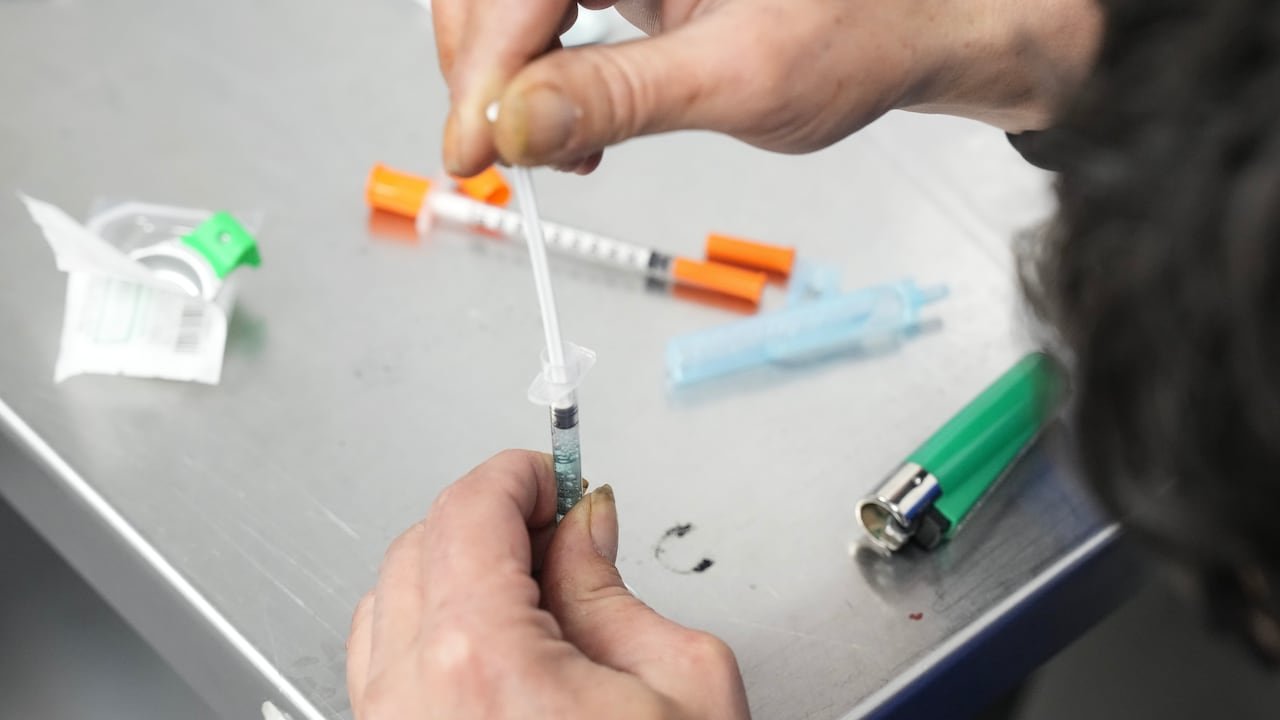
    Ontario’s medical regulator approved significant changes Tuesday to the way doctors prescribe safer supply drugs, in an effort to reduce the amount of opioids making their way to the streets.

    The College of Physicians and Surgeons of Ontario’s board of directors will soon implement several changes to the practice of prescribing safer supply, which are medications given to people at high risk of overdose as an alternative to illicit opioids.

    The board met Tuesday and passed a motion to enact the changes following a discussion on the proposals.

    The college will make it mandatory for physicians to prescribe safer supply medications only in conjunction with opioid agonist therapy. The therapy uses medications such as Suboxone and methadone to treat opioid addiction.

    “We are just here to protect the public and we’re here to ensure that the public is safe,” said Dr. Patrick Safieh, the board’s chair, near the end of the meeting.

    “So we’re trying to prevent diversion as much as possible and at the same time, ensuring that those that do require safer supply are taking (opioid agonist therapy) so that eventually no one is on this and needs this, that’s the purpose.”

    The most common form of safer supply is hydromorphone, a powerful opioid often prescribed for pain but significantly less potent than fentanyl and its derivatives that dominate the illicit drug supply chain.

    Patients will now have to take the safer supply medications in front of health-care professionals, rather than take the pills home.

    The college will not go ahead with an eight-week time limit for physicians to prescribe safer supply to patients it had previously considered.

    Hydromorphone being diverted to black market: police

    Police forces in Ontario have said diversion of patients’ prescription hydromorphone to the black market is occurring, Safieh said.

    The board heard from Dr. Anil Chopra, the college’s associate registrar, who said they have also received information from governments, Addiction Medicine Canada, the addictions section of the Ontario Medical Association and from public health officers about the diversion of hydromorphone to the streets.

    WATCH | Opioid-related 911 calls spiking in these Ontario cities:

    911 opioid-related overdose calls spiking in these Ontario cities

    CBC News broke down the data behind opioid overdose calls to paramedics in Ontario from January to May of this year and compared it to figures from the same time in 2025. The analysis showed a sharp rise in calls in four cities: Ottawa, Toronto, Thunder Bay and Hamilton. While the data doesn’t show what’s behind the increases, researchers, health-care workers and advocates suggest the toxic drug supply and the closure of supervised consumption sites in the past two years may be factors.

    Chopra, Safieh and others agreed there is no data available to properly quantify where the hydromorphone on the street is coming from, but said at least part of it is from safer supply prescriptions.

    Board member Peter Wiesner said he was concerned that the policy will not work for everyone, citing information sent in by the Ontario Drug Policy Research Network that shows more than 87 per cent of patients on safer supply are also on opioid agonist therapy.

    “But what about the 12 per cent that it doesn’t work for?” he asked.

    “We need to find, I think, some exemptions for the 12 per cent.”

    Policy could have ‘outsized effect’ on rural Ontario

    He said the new policy will have an outsized effect on those living in rural Ontario who are not close to a pharmacy.

    Another concern he raised is for those people who are employed who are using safer supply drugs. Those people may have difficulties getting to a pharmacy every day to take their medicine if they are not allowed to take some home with them.

    Safieh said the college will monitor the changes and make adjustments down the road if necessary.

    The office of Health Minister Sylvia Jones has previously said she supports the changes.

  • Survey of Alberta doctors suggests more than half would stop practising if province separates

    Survey of Alberta doctors suggests more than half would stop practising if province separates

    Text to Speech Icon

    Listen to this article

    Estimated 3 minutes

    The audio version of this article is generated by AI-based technology. Mispronunciations can occur. We are working with our partners to continually review and improve the results.

    Hundreds of physicians say they would stop practising medicine in Alberta if the province separates from Canada, according to a survey by the Alberta Medical Association (AMA).

    Of the 1,649 physicians surveyed by the AMA, 15 per cent said they would continue living and practising in Alberta if it became an independent country, and 18 per cent were uncertain about what they would do.

    The survey found 55 per cent of respondents said they would move to another Canadian province or territory, while a small percentage would retire or leave the medical field earlier than planned.

    The survey results were published Tuesday in a letter released by the association’s president Dr. Heidi Fell.

    Tuesday also marked the first of five days of advance voting on separation ahead of the official referendum day on Oct. 19.

    ‘Focused on an important question’

    “As Albertans prepare to vote, the AMA is focused on an important question,” Fell said in the letter. “What could the referendum outcomes mean for patients, physicians and Alberta’s health-care system?”

    Premier Danielle Smith’s United Conservative Party government has put 10 questions on the ballot.

    The first nine questions are about Canada’s Constitution, as well as immigration, including whether the government should impose limitations and financial fees for newcomers and temporary workers accessing health care.

    The 10th asks whether the province should stay in Canada or hold a second, binding referendum on leaving the country.

    The AMA said if Albertans choose to separate, not only would the medical workforce shrink, but health care in an independent Alberta would be left in limbo.

    For example, Fell said, it’s unclear how an independent Alberta would fill the health-care funding gap that would be created after it loses federal money.

    “In addition to assuming federal health-care funding responsibilities, significant health-care concerns remain, including maintaining access to medicines, equipment and medical services,” she said.

    The association also has questions about the effects of the immigration questions on health care, Fell said, should the government receive a mandate on them.

    Fell said she wrote to the province’s health ministers last week for more clarity.

    Access, coverage concerns

    One of her questions is what doctors should do when someone needs necessary care but their eligibility can’t immediately be confirmed.

    She has also asked how questions about eligibility should be resolved without delaying care.

    “Physicians often need to make clinical decisions before a patient’s identity, residency status or coverage can be verified,” she said.

    “Our position is straightforward: uncertainty about coverage should not unnecessarily delay care, and physicians and their staff should not be placed in the position of determining or enforcing a patient’s immigration or coverage status.”

    LISTEN | Referendum vote approaches in Alberta:

    This is Edmonton29:18How did separation end up on the referendum ballot?

    It’s less than a week until referendum day, but this vote has been decades in the making. To prepare us for what’s next, producer Pippa Reed takes a look back at how we got here. From the first Prime Minister Trudeau and the National Energy Program, to the drama of dueling petitions and court cases, we look at the long story of separatist sentiment in Alberta.

    Fell said the AMA hopes to hear from the government soon.

    “Ultimately, we believe questions about coverage should be addressed through a reliable and timely administrative process so physicians can remain focused on clinical decisions and patients can receive the care they need.”

    Hospitals Minister Adriana LaGrange’s office said it is reviewing the association’s letter.

    “It would be inappropriate to speculate on the outcome of the referendum or any technical legislative, policy or program changes that may follow until Albertans have had their say,” her office said in an email Tuesday.

  • Mini organs launching to space may help future astronauts and humans on Earth stay healthy

    Miniature organs being sent into space for the very first time may soon help scientists understand how spaceflight impacts certain organs and may accelerate aging.

    In a joint effort by researchers from Mount Sinai, NASA and aerospace company Space Tango, these mini organs will be exposed to the increased radiation and microgravity astronauts face in space, especially on long-duration missions.

    “If people are going to be living and working in space, then we need to understand what’s going to happen to them,” David Sachs, assistant professor of surgery at the Icahn School of Medicine at Mount Sinai, told ABC News. “But also, because it’s interesting as a model of accelerated aging for studying people on Earth.”

    The mini organs launched aboard commercial resupply mission CRS-35 on Tuesday morning from Cape Canaveral Space Force Station in Florida. They are expected to arrive at the International Space Station (ISS) on Thursday.

    Astronauts age faster in space because microgravity and radiation exposure negatively affect multiple body systems. 

    The miniature organs offer researchers a unique opportunity to simulate aging in a much shorter period of time to understand disease and develop treatments.

    Miniature organs being sent to space for the first time in a joint effort by researchers from Mount Sinai, NASA and aerospace company Space Tango.

    Blanchard Laboratory at the Mount Sinai Health System

    “Six months in space … is equivalent to about 10 to 20 years of aging on Earth,” Kevin Costa, associate professor of surgery at the Icahn School of Medicine at Mount Sinai, told ABC News. 

    Sachs and Costa are sending up to 16 miniature hearts to the ISS to test how they respond to electrical signals and monitor how they may react to near-zero gravity.

    Mount Sinai’s Cardiovascular Research Institute sent individual heart cells to the ISS in 2023, confirming they could survive in the weightless environment. 

    The technology, which is integrated into a miniature laboratory called CubeLab, was developed by Space Tango and simulates the natural environment in the human body. 

    “[It is] slightly bigger than a shoebox, and it is a fully automated, miniaturized system,” Gentry Barnett, chief technology officer at Space Tango, told ABC News. 

    As part of the new effort, the team is sending miniature brains, called miBrain, to the ISS. Around the size of a peppercorn, the miBrains reflect models of healthy and diseased brains. 

    By exposing them to the space environment, scientists can see how mini-brains respond and better understand why living in space accelerates aging.

    Though the mini organs are not full-sized human organs, the researchers say they are good substitutes, cost-effective and don’t take up much of the limited space aboard the space station.     

    They also believe discoveries made in space can translate to uses in everyday medical care. 

    The microgravity environment uniquely allows researchers to study what happens to humans with a sedentary lifestyle or prolonged bed rest, which isn’t easily simulated on Earth, Sachs explained. 

    “[The research is] translating to stuff in space, but it’s also translating back to the research we do in the laboratory to help people with Parkinson’s and Alzheimer’s disease,” Joel Blanchard, associate professor of stem cell biology and regenerative medicine and neuroscience at the Icahn School of Medicine at Mount Sinai, told ABC News.

    Miniature organs being sent to space for the first time in a joint effort by researchers from Mount Sinai, NASA and aerospace company Space Tango.

    Blanchard Laboratory at the Mount Sinai Health System

    Lisa Carnell, the director of the biological and physical sciences division at NASA, told ABC News that these experiments serve as a starting point for future research beyond low Earth orbit, including to the moon and beyond.

    “We sent Apollo astronauts out there over 50 years ago, but the techniques and the way that we can actually do assessments to understand what’s happening has come a long way since then,” Carnell said.

    NASA plans to return astronauts to the moon’s surface in 2028 and build a permanent base in the next decade. The agency and private space company SpaceX have also discussed sending humans to Mars in the not-so-distant future.

    “We’re making leaps, not incremental research, by taking biology to space, because you’re seeing changes that you cannot see on the ground in ways you’ve never seen it before,” Carnell added. 

    Dr. Allen Chang is a geriatric medicine subspecialist at Dalhousie University and a member of the ABC News Medical Unit

  • ‘We can’t deal with it in Canada’: Some women turn to Mexico for endometriosis care

    ‘We can’t deal with it in Canada’: Some women turn to Mexico for endometriosis care

    Noelle Menu, 37, says the pain began to darken her reality at a pivotal moment in her life — once she and her husband decided to try for kids, when she was 26. 

    She stopped taking her birth control, which she had been on for a long period, and said she began experiencing pain she’d never had before.

    The pain came to define and limit her life, she said, and it seemed nothing could relieve it. She suffered through delays in diagnosis, as well as emergency room visits, a hysterectomy and being placed on waitlists stretching years to see specialists and receive treatment. 

    At that point, it was “literally destroying my life,” she said, “and to hear it’s about three to four years to see somebody here, I was just so emotional, so devastated.”

    Soon, she realized: “We can’t deal with it in Canada.”

    So Menu and her husband pulled from their savings and went into debt to seek private treatment at EndoGlobal in Tijuana, Mexico, which cost about $35,000 including airfare, a multi-day hotel stay and other costs. 

    It’s a journey some Canadian women suffering from endometriosis are taking because they feel their health-care system has failed them.

    The condition affects one in 10 women, and Canada is doing a “poor” job at providing them care, according to a November 2025 report by the House of Commons health committee — and in addition to causing undue pain, the lost productivity due to the disorder costs the Canadian economy some $2.5 billion a year. 

    WATCH | Why Menu spent $35K on endometriosis surgery in Mexico:

    Calgary woman spends savings on endometriosis surgery in Mexico

    Noelle Menu, a Calgary woman living with Stage 4 endometriosis, says doctors dismissed and misdiagnosed her for years, even after multiple surgeries and thousands of dollars spent on private health care. After being told she’d have to wait 30-40 months to see a specialist, Menu says she and her husband drained their funds to travel to Tijuana, Mexico, for surgery, at a cost of about $35,000.

    Gender bias plays a role

    Endometriosis is a chronic condition where tissue similar to the lining of the uterus begins to grow and spread to other parts of the body. This tissue thickens and breaks down according to a woman’s menstrual cycle, and can cause severe inflammation, scarring and pain during periods.

    It can take an average of five years to be diagnosed with endometriosis in Canada, the parliamentary committee found, while some people have waited for up to 20 years before doctors linked their pain to the disease. 

    Even after that, it can take, on average, between six to 18 months to see a specialist and up to 24 months for surgery, it said. 

    It can be difficult to diagnose because its symptoms can resemble other conditions, and the level of reported pain sometimes doesn’t match detectable tissue growth.

    WATCH | Similar issues in P.E.I.:

    Islanders with endometriosis say it’s taking too long to get medical care

    Some people on P.E.I. living with endometriosis say they’ve been waiting a long time to get the specialized treatment they need. For some, it’s been years. CBC’s Gwyneth Egan has more.

    The report found that gender bias plays a significant role in those issues — along with a taboo around discussing menstrual issues, it is often assumed that this kind of pain is “just part of being a woman.”

    Menu, a supply-chain systems adviser, said she was forced to reduce her workday in half because of the pain. Sometimes, she could barely make it through to the evening. 

    “This disease is just debilitating for some women, and I really wish there was more awareness around it and that doctors would take us women seriously.”

    Days before her flight, she told CBC News, “It’s hard to be so hopeful just because of the previous surgeries I’ve had, but I’m feeling a lot more hopeful this time.”

    Dr. Jorge Zavala is one of the founders of EndoGlobal, and he says endometriosis mimics cancer in the way that it spreads, without being as destructive. 

    A man in doctor scrubs sits on a chair and gestures with his hands.

    Dr. Jorge Zavala, one of the founders of EndoGlobal, which operates out of Hospital Cyntar, says there is a general lack of awareness around endometriosis among doctors who don’t necessarily know what to look for in a patient to get to an accurate diagnosis. (Alessandro Molatore/CBC)

    Zavala said doctors generally lack awareness about the condition, which is why diagnoses can take so long. 

    “As a doctor, if you’re not trained in something, you’re not going to be able to diagnose it. It could be poking your eye, but if you are not trained to see it, you’re not going to see it,” said Zavala. 

    2-year wait time for surgery

    Vanessa Papiernik, 42, says it took about 30 years for her to arrive at her diagnosis — and it came with a cancer scare. 

    Papiernik, a veterinarian in Victoria, said she suffered through nine months of “significant” and “debilitating” pain until she landed an appointment for a colonoscopy. 

    “I was purely in survival mode,” said Papiernik.

    A woman sits with her arm stretched as a masked nurse takes her blood.

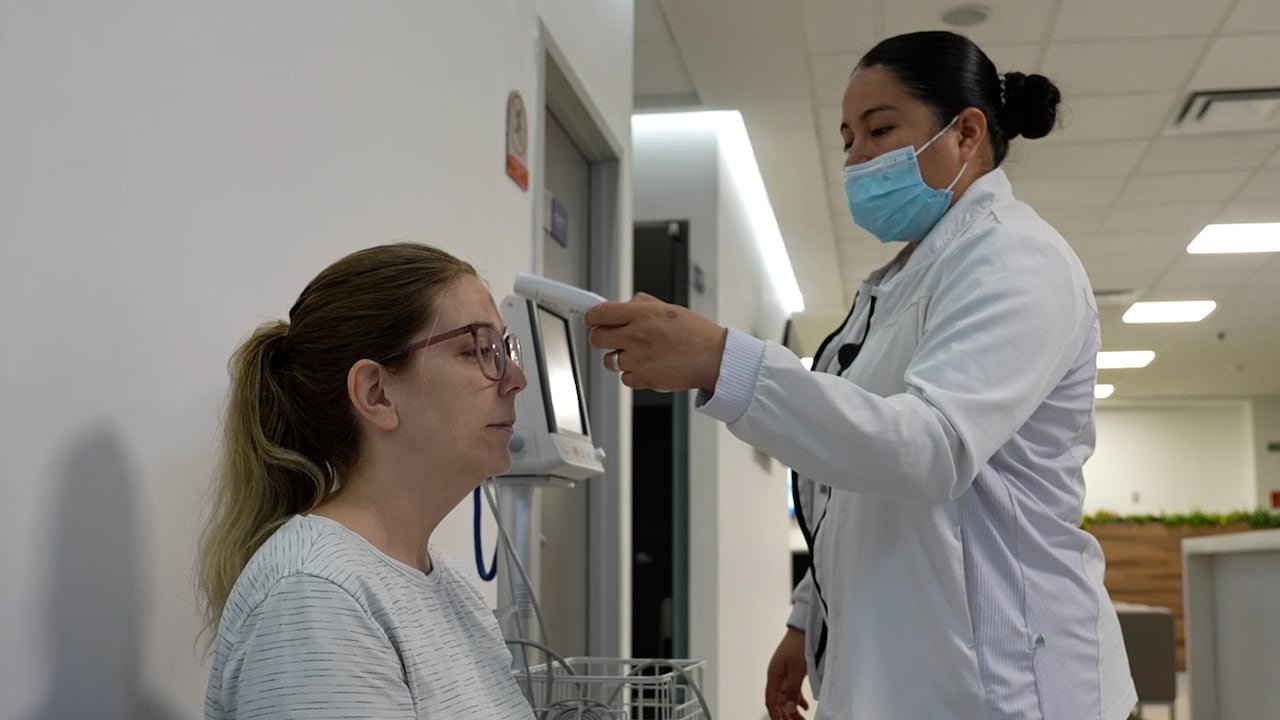
    Vanessa Papiernik, 42, undergoes pre-surgery exams at the EndoGlobal treatment centre at Hospital Cyntar. She says it took about 30 years for her to arrive at her endometriosis diagnosis and it came with a cancer scare. (Alessandro Molatore/CBC)

    She would take Advil, put on maternity clothes because of the bloating and strap a heating pad around her waist to go to work. 

    “I would push the pain aside, but as soon as I got home, I would realize, ‘Wow, this is very dangerous, what I’m going through right now.’”

    Her colonoscopy found a mass. For two weeks as she waited for the biopsy results, she feared it was cancer; her sister had died from colon cancer 10 years earlier. However, the results showed it was endometriosis that had infiltrated through the layers of her colon.

    She was referred to a centre in Vancouver, but faced a one-year wait to see a specialist, plus another year for surgery, said Papiernik.

    “Living like this for two years was just not an option for me,” she said. 

    A brithly lit room in a hospital with several curtained-off rooms on the periphery and medical staff desks in the middle.

    The post-surgery recovery floor at the EndoGlobal centre, at Hospital Cyntar in Tijuana. (Alessandro Molatore/CBC)

    She eventually booked a trip to the same centre as Menu, landing the same week the Calgary woman was scheduled for her own procedure.

    There were more than 30 Canadian women receiving treatment there within the same timeframe, said Papiernik. 

    “We need to really come face to face with the fact that this is, to some extent, it’s discrimination against women,” said Dr. Nicholas Leyland, president of Obstetricians and Gynaecologists of Canada. 

    “If this were happening with the same degree of pain in a male, it would have been fixed a long time ago.”

    ‘Complex surgical issues’

    Leyland said that there are not enough specially trained gynecologists in Canada to deal with “the complex surgical issues,” and that the condition requires a multidisciplinary approach to care, including psychologists and physiotherapists.

    The House of Commons report’s top recommendation called on Ottawa to “develop a national action plan on endometriosis” to deal with the “gaps and barriers that hinder awareness, diagnosis and treatment.”

    The federal government responded saying that Statistics Canada would gather data on conditions like endometriosis; the agency has been collecting responses since Sept. 28 and will do so till Jan. 15, 2027.

    The Canadian Institute of Health Research has also invested $4.9 million in endometriosis research between 2020 and 2025, Ottawa said.

    Shortly before her procedure, Menu said doctors in Mexico found a large mass that threatened to block her bowels and send her into septic shock. She said she was two weeks away from emergency surgery. 

    “For me to hear that I could have been in emergency surgery and my specialist appointment [in Canada] was a 30- to 40-month wait…. It makes me so mad,” said Menu, in a late-September interview with CBC News after her surgery.

    With the help of her husband, Menu took a walk around the post-surgical floor, which has about 14 beds.

    Most of her neighbours were Canadian women. They greeted each other as they passed. 

    “I was just so grateful that they were able to find everything,” said Menu.

    “I’m on the other side of it now. I’m really happy for that.”

  • How good is this year’s flu shot? Here’s what to know about flu season

    How good is this year’s flu shot? Here’s what to know about flu season

    Walking down the street this week, it may seem like everyone is sneezing and hacking up a lung. But as health officials announce the start of an earlier than usual flu season, how worried should Canadians be? And as we head into Thanksgiving weekend, should we be scrambling to update flu and COVID-19 shots? 

    Some experts say that while this year’s flu season may have arrived on our doorstep sooner than usual, it’s not necessarily a cause for alarm — but other experts are stressing the importance of prevention in heavy-hit regions such as Toronto and Calgary, where one of this season’s two influenza deaths so far has occurred, according to authorities.

    The strain making up roughly 98 per cent of cases in Canada so far tends to be a milder one, according to Brian Ward, professor emeritus at the Research Institute of the McGill University Health Centre in Montreal.

    “So far at least, this looks like an H1N1 dominated year, and the years where H1N1 dominates, you can have very large outbreaks, but the number or the proportion of people … who get very sick, is relatively small compared to years that are dominated by H3N2,” he told CBC News. 

    “I’m not convinced yet that we’re actually seeing the beginning of a real outbreak. What we’re seeing is sort of isolated, small outbreaks.”

    But where the flu is striking, doctors say it’s striking hard. There are currently more than 400 confirmed flu cases in Alberta, where vaccines aren’t yet widely available.

    Some regions have started rolling out flu and COVID-19 shots to high-risk populations, with most regions set to offer shots to the general public by mid-October.

    Here’s what we know. 

    Is everyone getting sick right now? 

    According to the latest national numbers, which include data on influenza trends up to Oct. 3, there have been 3,315 detections of influenza across the country since the end of August. More than 1,140 of those cases were detected in the most recent week of available data, showing that cases are picking up.

    Influenza has been associated with two deaths so far this flu season, national figures state. The person who died in Alberta lived in the Calgary area and was in the 70-79 age range, authorities say. Authorities haven’t yet shared where the second death occurred.

    It’s an early start to the season. Between Sept. 27 and Oct. 3, 4.7 per cent of influenza tests came back positive, much higher than the average 0.6 per cent rate seen this time of year in 2023-2025. 

    But much of this national increase is driven by an uptick of cases in B.C. and in large cities such as Toronto and Calgary. Other areas seeing cases creep up include Yukon, the Northwest Territories and Alberta.

    “The rest of the country is really very quiet,” Ward said. 

    WATCH | B.C. launches fall immunization campaign:

    B.C. warns of early start to flu season, launches fall immunization campaign

    Flu season has started early this year and the province has launched its fall immunization campaign to prevent the spread. Dr. Jennifer Vines with the B.C. Centre for Disease Control shares what the vaccine rollout will look like and what precautions people can take to stay healthy.

    He noted that in B.C., outbreaks in long-term care homes are driving the increase in cases, warning that families getting together this holiday weekend could result in further spread.

    “That may be the seed that moves the virus … into the schools and universities and marketplaces and so on.”

    Official figures don’t catch every case of flu, as not everyone seeks out a test when they fall ill. 

    In hard-hit Toronto, family doctor Joseph Param told CBC News the increase of flu patients he’s seeing at his practice is mainly among young adults who are more likely to travel on public transit and may still go to work when feeling under the weather, perhaps because they’re used to flu season starting later. 

    WATCH | Ontario deals with earlier-than-usual flu season:

    You’re not imagining it — flu season has started early this year

    Some Ontario doctors say they’re noticing an early start to this year’s flu season in their waiting rooms, as influenza cases tick up across the province ahead of schedule.

    “Over the last couple of weeks, patients who are very healthy who see me rarely have been coming in with severe symptoms,” he said.

    “So it is important that the general population is aware that we are seeing … early cases now and so that we start taking precautions earlier than expected.”

    Doctors advise Canadians to stay home if they feel ill and to get vaccinated as soon as shots become available in their area, particularly with the long weekend coming up. 

    How effective is the flu shot this year? 

    The protection of flu shots varies from year to year depending on the most dominant strain of influenza in your area.  

    This year, it’s a “good” match, Ward said. Although H3N2 viruses dominated for much of 2025, that subtype hasn’t cropped up much in 2026, and this year’s vaccine is well-positioned to protect against H1N1. 

    He said “influenza viruses march to their own drummers” and can mutate even within one flu season. 

    It’s not just flu season in Canada — historically, we see more respiratory illnesses in general cropping up during the fall and going into winter, including colds and respiratory syncytial virus (RSV), the latter of which is most dangerous in young children.

    A doctor gives a shot to a patient in the arm.

    About 98 per cent of lab-confirmed cases of influenza in Canada since the end of August have been of the H1N1 strain, according to government data. (New Africa/Shutterstock)

    Rates of COVID-19 are currently trending lower right now than last year, with 4.1 per cent of tests coming back positive in the last week of September compared with 10.5 per cent at the same time in 2025. 

    The National Advisory Committee on Immunizations (NACI) said in September that it continues to “strongly recommend” the latest COVID-19 booster shots for those at a higher risk of developing severe COVID-19, including health-care workers, adults over the age of 65, those with immunocompromised systems and people in long-term care homes.

    When can I get my flu and COVID-19 shots? 

    Several provinces such as Prince Edward Island and Nova Scotia are already advising residents that appointments for flu vaccines and COVID-19 booster shots are available now for residents over the age of six months. 

    New Brunswick, Saskatchewan and Manitoba are currently allowing residents to book their flu and COVID-19 vaccines, with immunization efforts officially kicking off on Oct. 13. 

    Those living in Newfoundland and Labrador can receive flu and COVID-19 shots starting Oct. 19. 

    In Ontario, flu and COVID-19 immunizations have been available since last week for high-risk groups, including seniors aged 65 and up, hospitalized patients, long-term care residents and health-care workers, according to the provincial government. They don’t open to the general public until Oct. 26. 

    In Quebec, you can start making appointments as of Oct. 13, but the flu and COVID-19 vaccination campaign itself doesn’t begin until Oct. 20. It is only free to eligible residents deemed high-risk, meaning non-eligible residents must pay for the shots. 

    Flu and COVID-19 shots can be booked now in Alberta, with the first appointments starting Oct. 19. While flu shots are free to everyone, Albertans who aren’t considered high-risk for COVID-19 will have to pay. 

    In B.C., those registered in their Get Vaccinated system will receive a notification reminding them to get their flu shots. Flu and COVID-19 shots are available starting Oct. 13. 

    COVID-19 and flu shots will be available at specific clinics in the Northwest Territories this fall, but a timeline hasn’t been released yet. Those in Yukon have been able to book appointments for flu and COVID-19 shots since the end of September. No details have been released for Nunavut’s rollout as of Oct. 8. 

    Before heading out to the pharmacy or clinic, it’s important to check the requirements in your area to be sure you’re eligible and that providers near you have received the necessary supplies to offer shots and aren’t experiencing delays.

    Most regions offer RSV vaccines to eligible patients as well. 

    In the future, we could see more variety in our flu vaccines: an mRNA influenza vaccine made by Moderna was approved by the FDA in the U.S. in the summer, making this the first flu season it’ll face. It’s still under review by Health Canada.

  • Turkey gravy brand sold in Canada recalled due to undeclared mustard

    Turkey gravy brand sold in Canada recalled due to undeclared mustard

    Manitoba

    A brand of turkey gravy sold in Canada has been recalled because it contains undeclared mustard.

    Kevin’s Natural Foods turkey gravy sold in Alberta, British Columbia, Manitoba and Saskatchewan

    Text to Speech Icon

    Listen to this article

    Estimated 1 minute

    The audio version of this article is generated by AI-based technology. Mispronunciations can occur. We are working with our partners to continually review and improve the results.

    A full gravy boat.
    A gravy boat is shown in a file image. Kevin’s Natural Foods turkey gravy has been recalled in Canada because the product contains mustard, which is not included on its label, the Canadian Food Inspection Agency says. (Matthew Mead/The Associated Press)

    A brand of turkey gravy sold in Canada has been recalled because it contains undeclared mustard.

    Kevin’s Natural Foods turkey gravy is sold in British Columbia, Alberta, Saskatchewan and Manitoba.

    The Canadian Food Inspection Agency says the product contains mustard, which is not included on its label.

    The agency says the recall was triggered by the company and there have been no reported reactions associated with the product.

    It says the turkey gravy should not be consumed by anyone who is allergic or sensitive to mustard and is advising customers not to distribute or sell it.

    The agency is investigating and says it is verifying that the product is being removed from the marketplace.

    Health Canada recognizes mustard as a common food allergen.

  • US surpasses 4,000 measles cases with infections confirmed in 45 states: CDC

    Measles cases in the United States have surpassed 4,000 this year, according to data updated Friday from the Centers for Disease Control and Prevention (CDC).

    A total of 4,080 cases have been confirmed, with most reported by 45 states and Washington, D.C. Eighteen of this year’s total have been among international visitors to the U.S., according to the CDC.

    Five measles-associated deaths have been confirmed so far in 2026, all of them in Pennsylvania, according to health officials in the state.

    The CDC has only recognized two deaths so far this year, with the agency saying that “number is subject to change.”

    The majority of measles cases in 2026 have been confirmed among children and teenagers aged 19 and younger, according to the CDC. About one in 10 children under age 5 have been hospitalized, CDC data shows.

    Signs point the way to measles testing in the parking lot of the Seminole Hospital District across from Wigwam Stadium on February 27, 2025 in Seminole, Texas.

    Jan Sonnenmair/Getty Images

    About 95% of cases are among people who are unvaccinated or whose vaccination status is unknown, according to agency data.

    Meanwhile, 2% of cases are among those who have received just one dose of the measles, mumps, rubella (MMR) vaccine and 2% of cases are among those who received the recommended two doses, according to the CDC.

    “It’s very telling,” Dr. Peter Chin-Hong, an infectious diseases specialist and associate dean for regional campuses at the University of California, San Francisco, told ABC News of the breakdown in cases by vaccination status. “It’s not a surprise, but it’s chilling in many ways.”

    According to Chin-Hong, the official total of confirmed cases likely does not reflect the full picture of measles in the U.S. He said it’s probable that there are many families with measles cases who never got tested.

    “The story’s not been fully told yet,” he said. “In other words, the official numbers are only part of the picture and the reason why I think so is because the number of deaths and hospitalizations suggests that there are many more people who are infected but unaccounted.”

    The CDC currently recommends that people receive two doses of the MMR vaccine, the first at ages 12 to 15 months and the second between 4 and 6 years old. One dose is 93% effective, and two doses are 97% effective against measles, the CDC says.

    However, CDC data shows vaccination rates have been lagging in recent years. During the 2025-26 school year, 92.4% of kindergartners received the MMR vaccine, according to data. This is lower than the 95.2% seen in the 2019-20 school year, prior to the COVID-19 pandemic.

    “Unlike many of the healthcare issues or diseases that affect so much of the population … we have the tool,” John Brownstein, an epidemiologist and chief innovation officer at Boston Children’s Hospital and an ABC News contributor, said. “It’s a vaccine that is incredibly effective and the goal is to close vaccination gaps.”

    He noted that authorities have a responsibility to offer straightforward advice to the public.

    “We need federal leadership that is really clear on the need for vaccination. We need local communities that are providing clear guidance and education and support to make decisions,” Brownstein said. “I think we need to have a very aligned view on … the impact of measles when communities are under-vaccinated.”

    Instructions for a Measles vaccination is seen outside of the Lubbock Public Health facility on April 09, 2025 in Lubbock, Texas.

    Brandon Bell/Getty Images

    Some public health specialists previously told ABC News they believe the U.S. is on track to lose the elimination status it earned in 2000.

    The specialists said there are several reasons for the U.S. breaking measles case records for the second year in a row, including declining vaccination rates, people not fearing the measles virus, a loss of trust in public health institutions and a perceived lack of clear guidance and communication from the nation’s top public health officials.

    “I think there’s a very strong chance that we would lose our elimination status because we’re seeing the signs that measles is becoming continuously established here in the U.S.” Brownstein said. “For a country with resources and an ability to provide protection, it’s really unfortunate that we’re seeing these tides turn on this very preventable disease.”