Jannik Sinner has not competed in a tournament since winning at Wimbledon in July and will continue his recovery.
Published On 6 Oct 20266 Oct 2026
World number one men’s tennis player Jannik Sinner will not compete again in 2026 after opting to continue his recovery from a knee injury that has kept him out of action since his triumphant Wimbledon campaign in July.
The five-time Grand Slam winner will “follow a course of treatment for inflammation in his knee”, Sinner’s team said in a statement on Tuesday.
Recommended Stories
list of 4 itemsend of list
“The decision has been made to have the treatment now to give Jannik the necessary time to recover before beginning preparations for 2027. As a result, Jannik will be unable to compete again during the 2026 season.”
Sinner also posted the update on his personal Instagram account, where he recounted ending last year on a high after retaining his ATP Finals title in Turin as he battled past then world number one Carlos Alcaraz.
“But at the moment, I also need to think about my long-term career,” he said in a video posted on Instagram.
“I will do everything possible to get back to 100 percent [and] I hope to see you very, very soon on court again.”
Sinner, 25, has not played since his triumph at the All England Club, missing the North American hardcourt swing, including the US Open, and the ongoing ATP 500 event in Beijing.
He announced last week that he was withdrawing from the Shanghai Masters, which he won in 2024 after defeating Novak Djokovic in the final.
Now he will also miss the Paris Masters and the ATP Finals in November. Plus, he will not be able to play for Italy, the host nation and three-time defending champion, in the Davis Cup Final 8.
Sinner risks losing the top ranking while he’s out.
But if Sinner does return at the start of next year, he could play the Australian Open – the next Grand Slam – which starts January 17.
If you purchase an independently reviewed product or service through a link on our website, The Hollywood Reporter may receive an affiliate commission.
Nothing fails to roll off the tongue quite like Prime Big Deal Days. Regardless, Prime Day‘s clunkier sibling has a solid list of savings worth snapping up.
The 48-hour shopping holiday, which kicked off Oct. 6 at 12:01 a.m. PT, is Amazon‘s second and final Prime member-exclusive savings event of the year — and for those not yet subscribed, the e-tailer offers a 30-day Prime free trial.
Even better, students and young adults ages 18 to 24 can get a six-month free trial to Amazon Prime. The plan will then auto-renew at $7.49 per month, half the price of a regular monthly Prime membership.
Amazon Prime Big Deal Days 2026 Dates
Amazon Prime Big Deal Days runs from Tuesday, Oct. 6 at 12:01 a.m. PT through Wednesday, Oct. 7 at 11:59 p.m. PT. The Hollywood Reporter‘s shopping team is monitoring deals and updating this story as any new and noteworthy ones are added.
Prime Big Deal Days 2026: What to Buy
As someone who’s been covering Prime Day since 2018, I have found a few key categories that consistently deliver the most significant (and timely) savings. These include:
See below for 15 standouts across these key categories.
Dyson Airwrap i.d. Multi-Styler
No better time to spring for the Dyson hair tool that’s been on your wish list.
Boasting its deepest discount to date, Elemis’ cult-favorite cleansing balm is available (and discounted) in all five varieties: Original, Rose, Black Cherry, Green Fig and Fragrance-Free.
When it comes to mascara, nothing beats Lancôme Lash Idôle — it achieves length, lift and volume, while remaining entirely clump-free.
Fendi Pre-loved Brown Zucca Canvas Shoulder Bag
One of our favorites from the What Goes Around Comes Around Amazon storefront.
Amazon Fire TV Stick 4K Max (Newest Model)
Check out the Fire TV Stick HD ($15.99 $39.99) — also the newest model in its category — for an even more cost-conscious alternative.
It Cosmetics CC+ Cream with SPF 50+ Full Coverage Foundation
A full coverage formula that still maintains a natural finish.
Havaianas Women’s Brazil Logo Sandals
One more from Shopbop. Best flip-flops ever.
Iconic London Underglow Blurring Primer
Iconic London’s Underglow primes and preps skin while minimizing the appearance of fine lines and pores.
Prime Big Deal Days 2026: What to Skip
As for the savings worth skipping, it really comes down to what’s going to see even further reductions during Black Friday and Cyber Monday. While it’s never a guarantee, we’d generally say to deprioritize TVs, laptops and other big-ticket electronics (not including Amazon-branded devices) along with major household appliances. In addition to the deeper discounts expected during the months ahead, competitor retailers (like The Home Depot and Best Buy) offer a wider selection of standout brands and models in said categories.
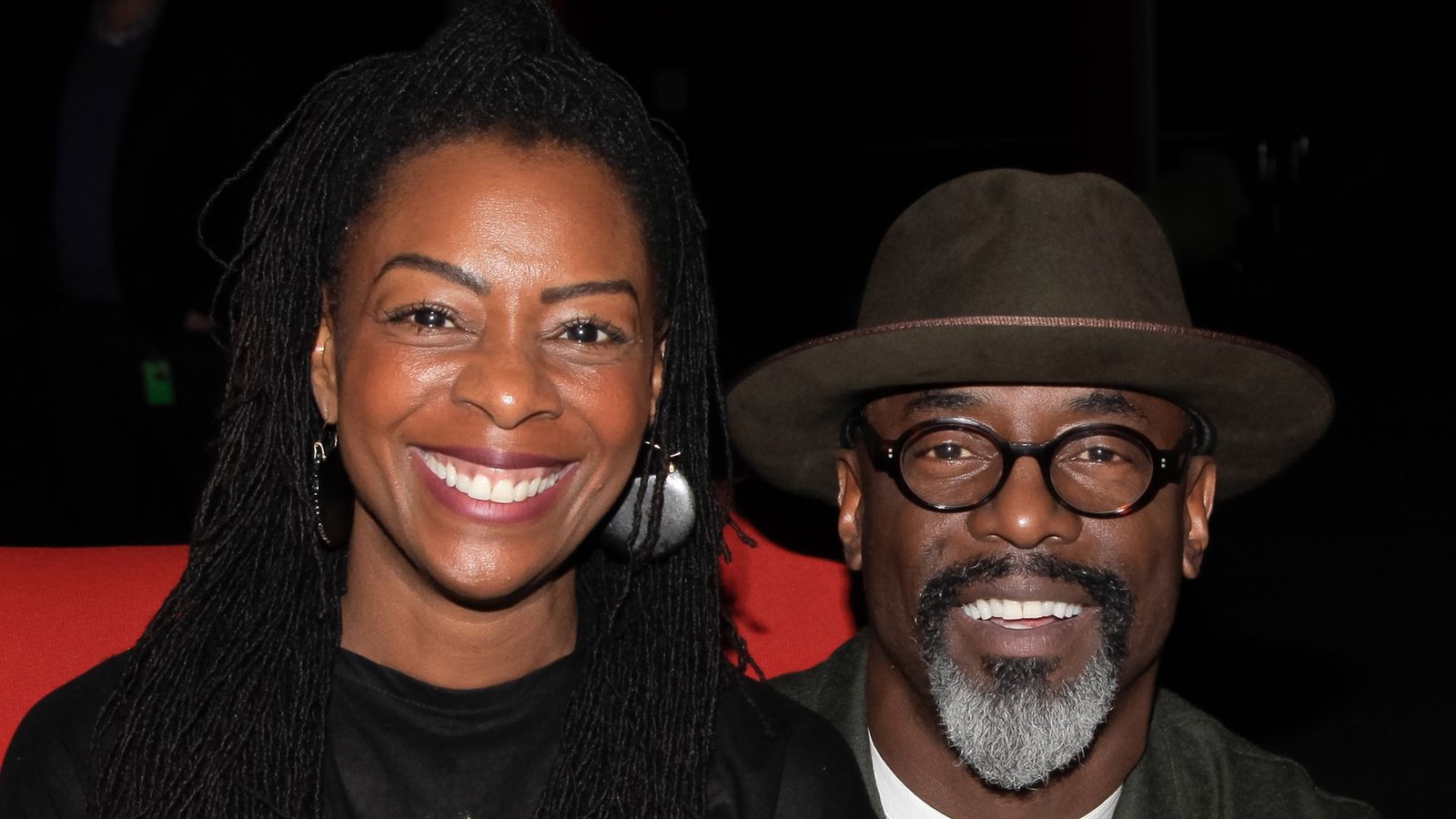
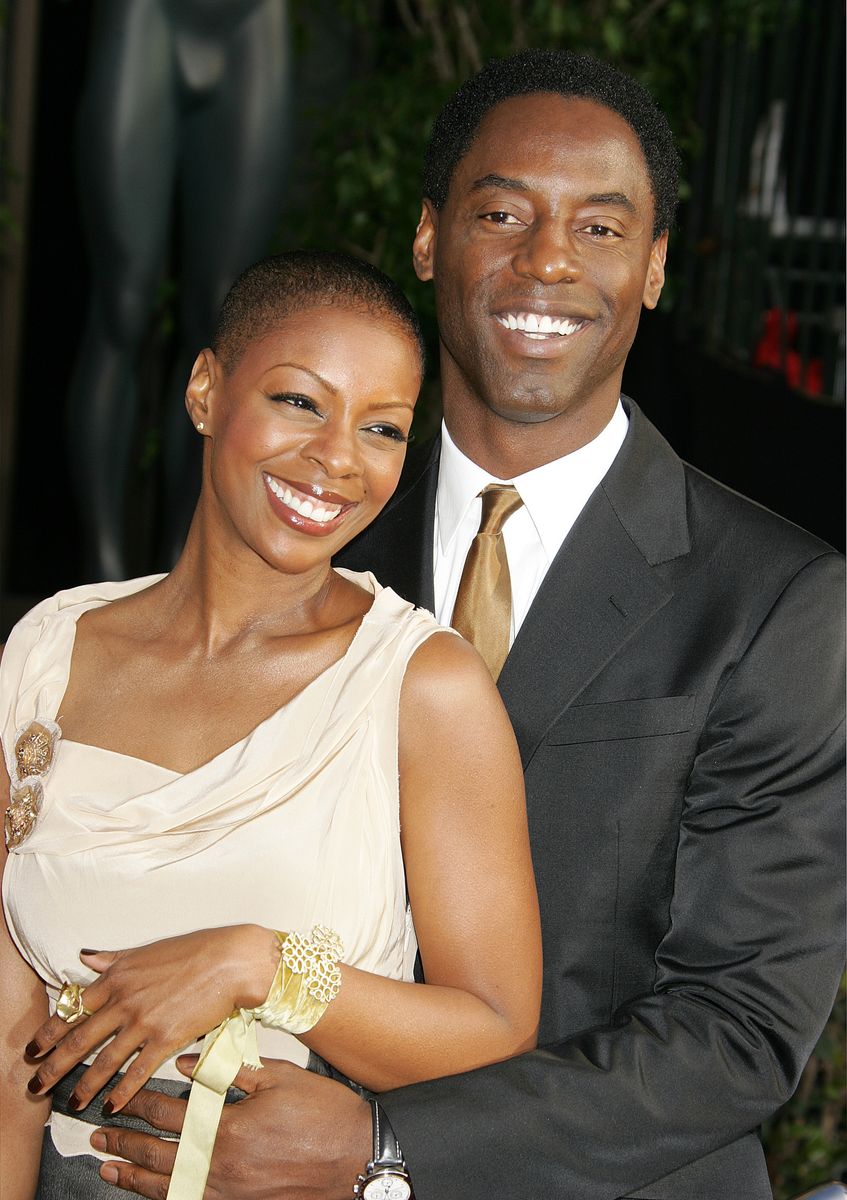
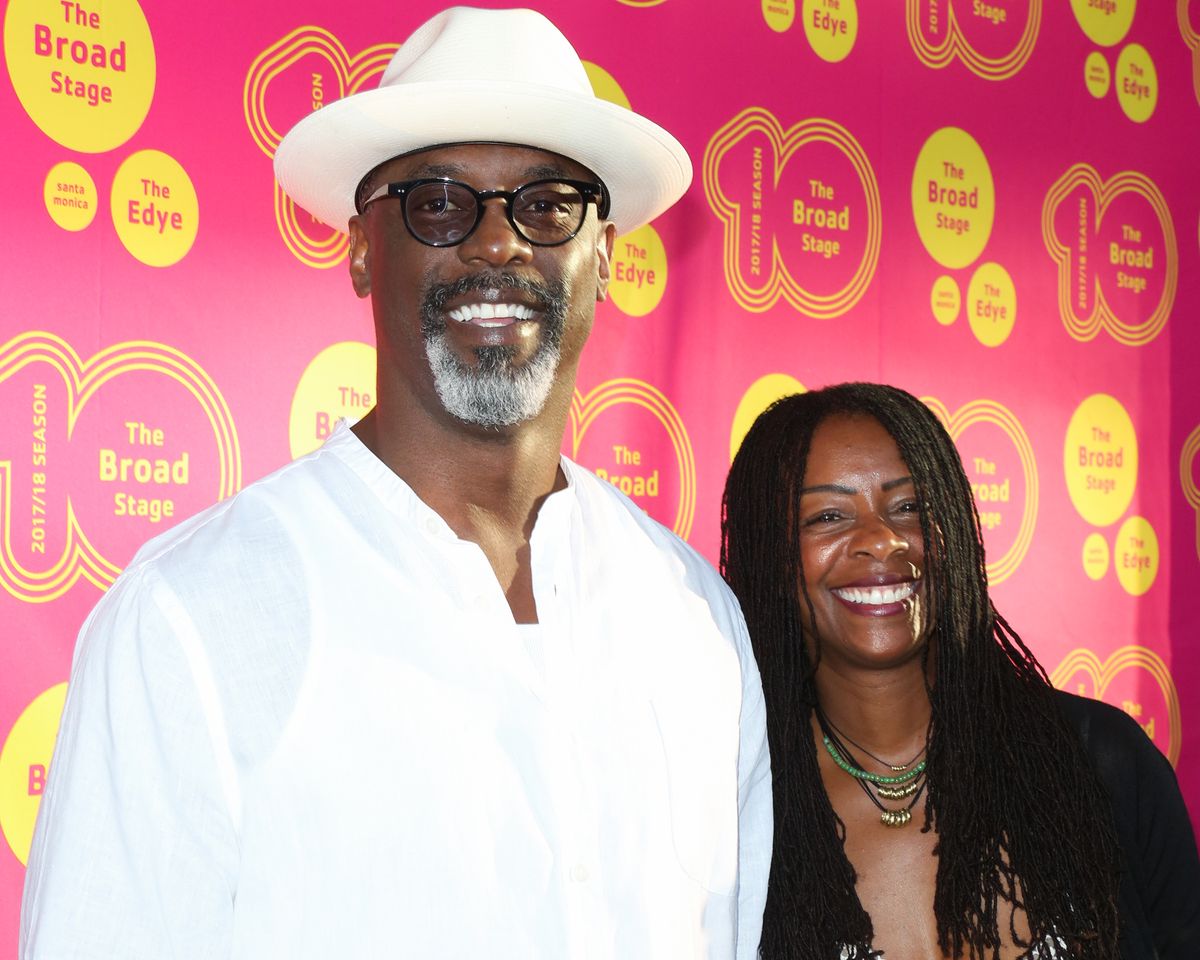
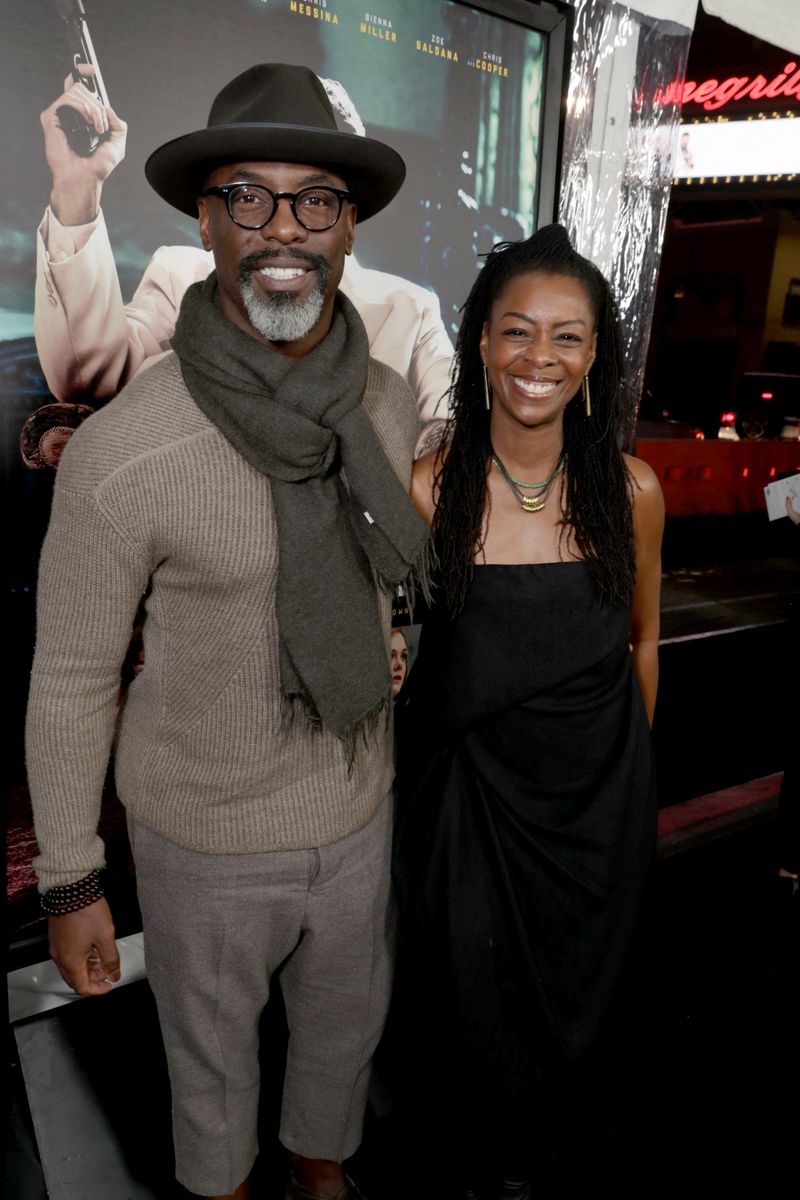
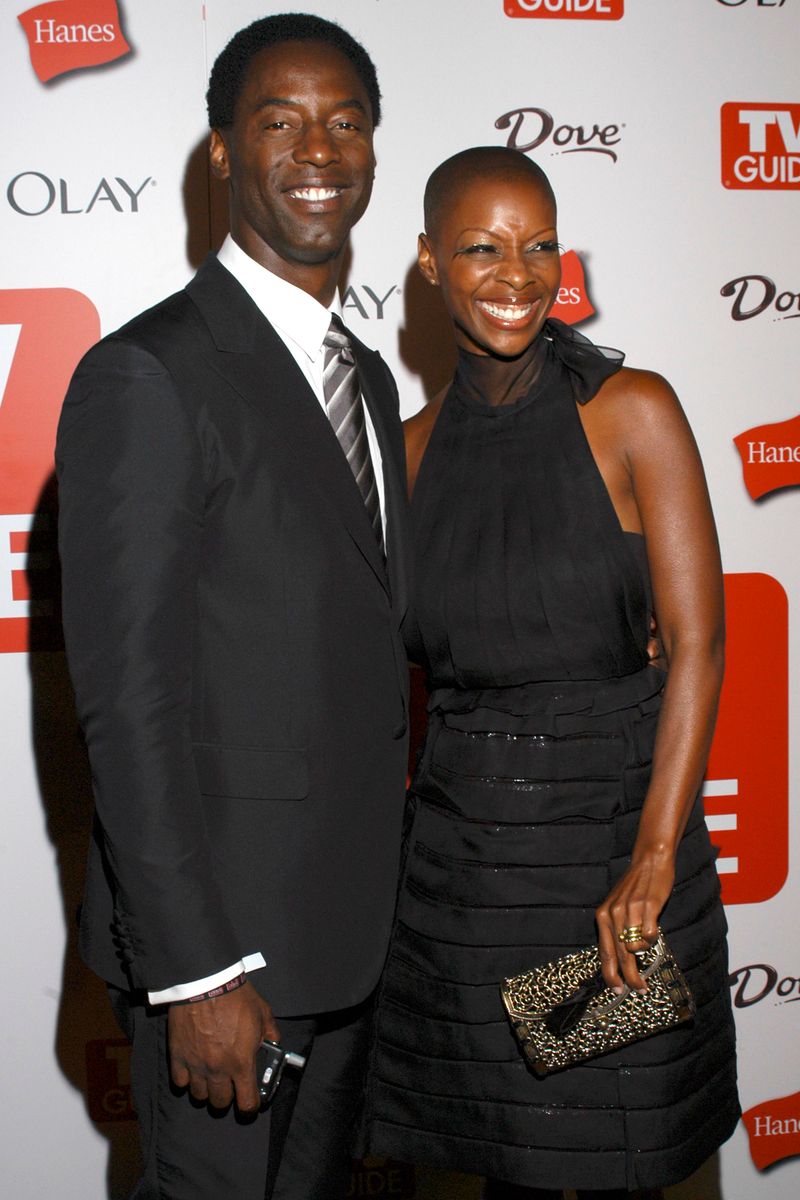
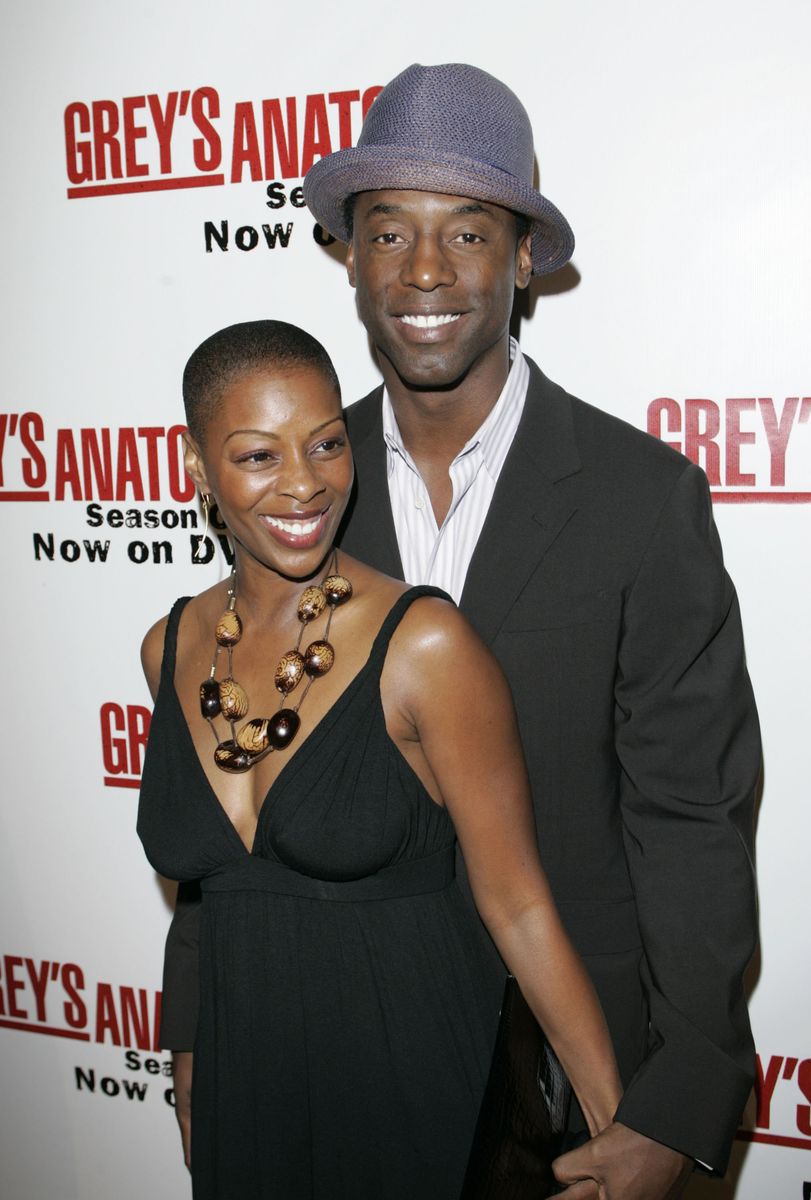
Isaiah Washington is opening up about a loss he’s been keeping private for more than a year. On October 3, the Grey’s Anatomy alum revealed that his wife of 29 years, Jenisa Marie Garland-Washington, died in June 2025 after suffering a massive hemorrhagic stroke.
They met in 1995 and got married the following year
The 63-year-old shared the news 16 months after Garland’s death, explaining that the decision to remain silent was largely rooted in the kind of person his wife was.
“Yes… the rumors are true,” the actor began in an Instagram post alongside a photo of Garland. He went on to reveal that she suddenly collapsed on May 31, 2025, before dying nine days later on June 9. “It came as a huge shock to our entire family,” Washington wrote, explaining that Garland “succumbed to a massive hemorrhagic stroke and never recovered.”
He then offered advice, saying, “Listen, y’all…some headaches are not just headaches or migraines; they can be much worse and a warning sign. Get a brain scan if you can and take those headaches seriously.”
The couple had been married since Valentine’s Day in 1996 and shared three children: Tyme, Iman and Isaiah V. “She has been gone 16 months now, but she left 3 incredibly amazing children behind to continue her legacy,” he continued.
Their relationship largely remained outside the Hollywood spotlight, with Garland known for keeping her personal life private even as Washington became a familiar face on television through his role as Dr. Preston Burke on Grey’s Anatomy.
Washington acknowledged that his decision to finally speak publicly about Garland was complicated by her wishes for privacy.
“I don’t know if this is an appropriate post, because Jenisa Washington was extremely private,” he wrote, adding, “I guess I just have to be reprimanded from her on the other side.”
The pair met in Los Angeles in 1995 after being introduced by comedian Reggie McFadden and married the following year. On Sunday, it just so happened to be revealed that McFadden passed away.
On Monday, Washington shared a carousel with the first photo being the In Living Color star, and the second being the same photo he shared of his late wife. “RIP Reggie McFadden,” he wrote in the caption. “Say hello to Jenisa Washington, because it was you who introduced me to her in 1995.”
While Washington became a recognizable television star, particularly during his time on Grey’s Anatomy, he and Garland managed to keep much of their family life away from the cameras. She was always by his side on the red carpet, but she remained largely out of the entertainment spotlight.
For Washington, becoming a husband and father also influenced the way he approached his career. In a 2022 Fox News Digital interview, he explained that having a wife and children changed the trajectory of his professional life because he became more conscious of the example he wanted to set for his family. “For me, being married and having children did change a lot of my trajectory,” he said at the time.
The announcement also came as Washington appears to be entering a new chapter professionally. After stepping away from acting in recent years, he recently shared that he is ready to return to the big screen. Hours before he announced her passing, he shared a couple of selfies, revealing in the caption, “I have said ‘no’ for 3 years now. Time to say ‘yes’ and get back on the big screen with a BANG! Keep watching me…”
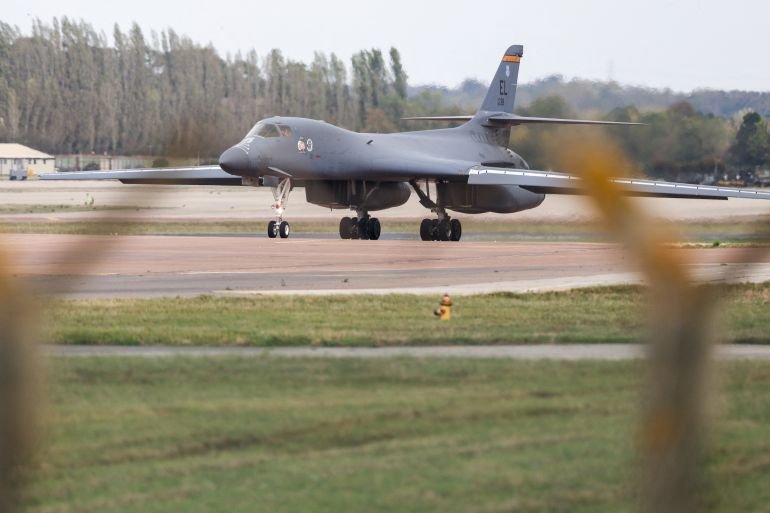
Over the course of Sunday, a dozen B-1B bombers took off from Royal Air Force (RAF) Fairford in western England and flew home to the United States. Their departure abruptly ended the base’s role as a launchpad for US strikes on Iran, which began on February 28.
The base, roughly 160km (100 miles) west of London, is the US Air Force’s only European airfield for heavy bombers and a key forward operating location for deployed bombers.
Over the past two weeks, six people were arrested on suspicion of “terrorism”. They were all released on bail.
US President Donald Trump said on Monday the bombers were moved because “there were some threats”, which he believed were linked to Iran. “So we moved them around a little bit, not very far,” he told reporters at the White House.
Hours earlier, US Secretary of State Marco Rubio played down any link to the alleged plot, saying it was “not unusual to see rotations happen” and that he had confidence in the security of US bases.
What happened at RAF Fairford?
On September 27, police arrested five men on suspicion of plotting to plant explosives near Fairford in the United Kingdom. They were released on bail a day later.
Investigators found petrol but no explosive devices in their vans, though UK officials say the men remain under investigation. On Thursday, police arrested a 25-year-old UK-Iranian dual national in London on suspicion of plotting an attack on the airbase. He was also released on bail on October 3.
UK Prime Minister Andy Burnham suggested that “Iran played a part” in the alleged plot but declined to give details. Iran has denied any such scheme and summoned the UK ambassador in Tehran in protest at the arrests.
What bombers does the US have?
The US Air Force flies three types of bombers, with a fourth on the way.
The B-52 Stratofortress is the oldest. The B-52H model currently in service was built in the early 1960s. With a wingspan of 56 metres (185 feet), it is the largest US bomber and can carry about 31 tonnes of weapons, including nuclear bombs and cruise missiles.
A B-52 Stratofortress takes off from RAF Fairford on March 19, 2026 [Leon Neal/Getty Images]
The B-1B Lancer, which entered service in the mid-1980s, is the fastest of the three. It can reach 1.2 times the speed of sound and has a swing-wing that sweeps back for high-speed flight. It carries the largest conventional payload, about 34 tonnes, but no longer carries nuclear weapons. These were the aircraft that left Fairford.
The B-2 Spirit is a flying-wing stealth bomber designed to slip past air defences. Only 20 were built, of which 19 remain in service. It can carry both nuclear and conventional weapons, including the 13,600kg (30,000lb) “bunker buster” bomb used in US strikes on Iran’s nuclear sites in June 2025.
The B-21 Raider, a smaller stealth bomber, is still in flight testing, and it remains on track for delivery in 2027. Over the next decade and a half, the air force plans to replace the B-1B and B-2, leaving a future fleet of B-21s and upgraded B-52s.
The B-21 Raider, a new high-tech stealth bomber developed for the US Air Force, is seen in an undated photograph in Palmdale, California, US, released on December 2, 2022 [Handout/US Air Force via Reuters]
Where do these bombers fly from?
All US bombers are permanently based in the US, at five main airbases:
B-52H: Barksdale Air Force Base in Louisiana and Minot Air Force Base in North Dakota
B-1B: Dyess Air Force Base in Texas and Ellsworth Air Force Base in South Dakota
B-2: Whiteman Air Force Base in Missouri
B-21: Due to arrive at Ellsworth in South Dakota in 2027
All of these bases have long, wide runways, typically exceeding 10,000 feet (3,048 metres).
That makes bomber runways about as long as those at a big international airport. What limits where bombers can operate is not tarmac but security, weapons storage and support.
For missions abroad, the US rotates bombers through a handful of forward bases. Other important overseas operating locations include Andersen Air Force Base in Guam and Diego Garcia in the Indian Ocean.
Beyond these, the air force sends small groups of bombers to allied airbases for a few weeks at a time, in what it calls Bomber Task Force deployments. Recent rotations have included B-52s at Moron in Spain, B-1Bs at Orland in Norway and Misawa in Japan, and B-52s at Tindal in northern Australia, which arrived in September.
The bombers can also go on a strike mission from the US with the help of aerial refuelling. Bomber missions during the US-Israel war on Iran lasted more than 30 hours there and back. Each group of three bombers needed six to nine tanker aircraft to refuel them along the way.
This image released by the US Navy shows an aerial view of Diego Garcia [File: US Navy via AP]
Nearly a year after Miss Universe Jamaica 2025 Gabrielle Henry suffered a serious fall during the Miss Universe competition in Thailand, the incident is back in the spotlight following reports that Henry has filed a lawsuit against the Miss Universe Organization and two related companies.
Now, María José Unda, vice president of International Affairs for the Miss Universe Organization, is addressing the controversy and explaining the organization’s position on the accident, the reported legal action, and the assistance provided to Henry during her recovery.
The 2025 Miss Universe Jamaica titleholder resting in a hospital bed
Unda discussed the case in an interview featured by Telemundo’s “En Casa con Telemundo” on October 5, 2026. The segment focused specifically on the reported lawsuit involving Henry and Miss Universe.
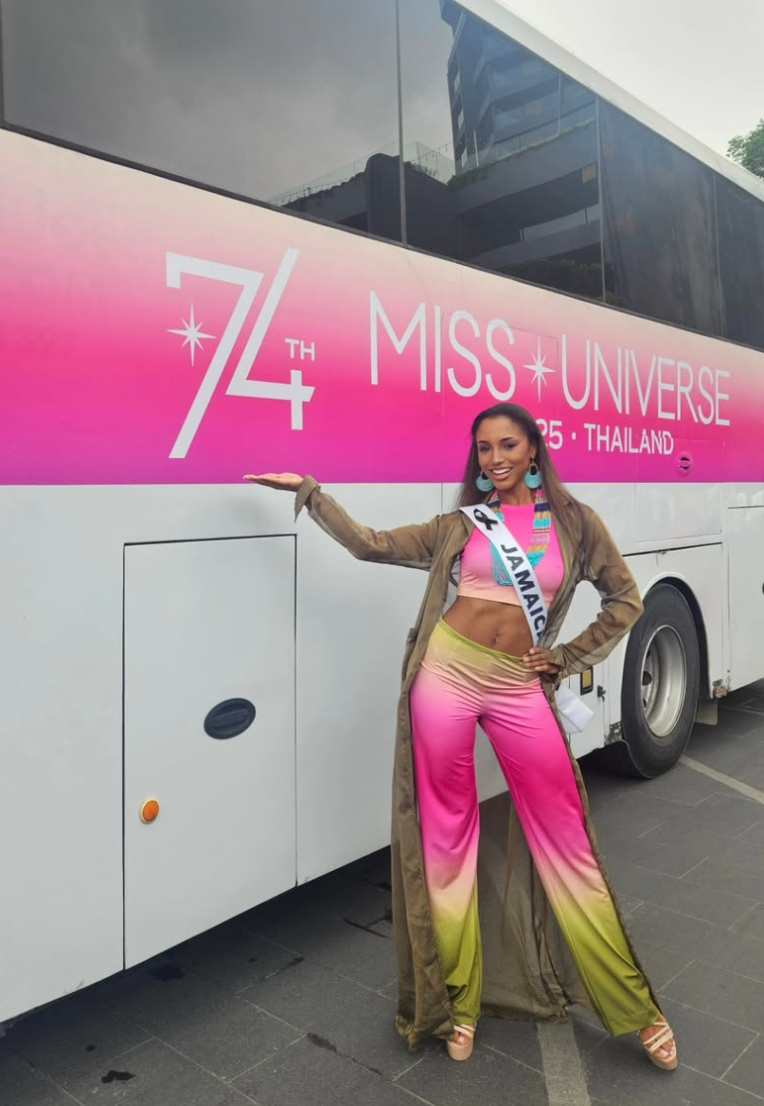
Miss Universe Jamaica, Gabrielle Alexis Henry, showcases her evening gown during the 74th Miss Universe Preliminary competition on November 19, 2025 in Bangkok, Thailand.
The accident required extensive medical treatment and hospitalization in Thailand. Henry later described the experience as deeply traumatic. Speaking to ABC News’ Deborah Roberts for “Good Morning America,” she said, “It’s one of the most traumatizing things,” adding that she “would not wish it on my worst enemy.”
According to Henry, she was following the directions and choreography she had been given when the accident happened. Reporting on the complaint says she alleges she fell approximately five feet through an unmarked and uncovered opening in the stage.
Gabrielle Henry files lawsuit after Miss Universe 2025 fall
Henry reportedly filed a lawsuit on September 21, 2026, in Delaware Superior Court against the Miss Universe Organization and two related companies, JKN Legacy Inc. and Legacy Holding Group USA.
The complaint reportedly includes claims involving negligence, premises liability, negligent hiring, retention, and supervision, as well as negligent and intentional infliction of emotional distress.
Nawat Itsaragrisil jumped from his seat and ran to help the 28-year-old model.
Henry alleges that unsafe stage conditions contributed to the accident. According to reports describing the lawsuit, she claims intense lighting affected her visibility and that the opening she fell through was not properly marked or covered. These are allegations contained in the lawsuit and have not been established by a court.
The former Miss Jamaica contestant has also spoken publicly about the long-term impact of her injuries. “I have no recollection of the fall,” Henry told “Good Morning America,” according to PEOPLE. She said her first memory after the accident was waking up and seeing her mother.
Nawat Itsaragrisil jumped from his seat and ran to help the 28-year-old model.
María José Unda responds on behalf of Miss Universe
As questions surrounding the reported lawsuit intensified, María José Unda addressed the Miss Universe Organization’s response.
According to the organization’s position, responsibility for producing the 74th Miss Universe competition in Thailand, including the venue, stage, and on-site safety, rested with local host and production entities Miss Grand International and Miss Universe Thailand, under the direction of Nawat Itsaragrisil.
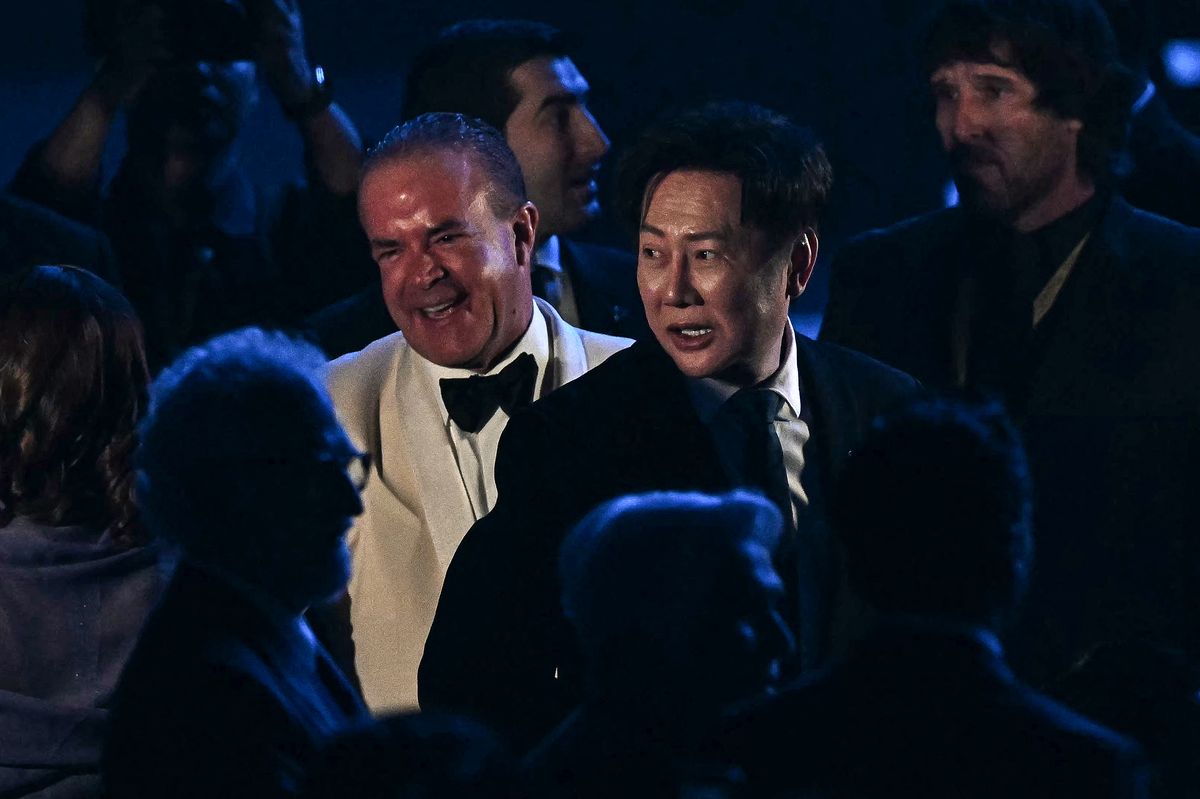
Miss Universe Thailand director Nawat Itsaragrisil (R) and Mexican businessman and president of the Miss Universe Organization Raul Rocha
Unda emphasized, however, that Miss Universe stepped in following Henry’s accident. “From the moment of the accident, our priority was Gabrielle’s health, recovery and well-being,” Unda said in a statement reported by the Jamaica Observer.
She added that although operational responsibility rested with the local host and production entities, Miss Universe decided to support Henry and her family and make sure she received the care she needed.
Unda also addressed the broader safety implications of what happened. “What happened to Gabrielle is something we take very seriously,” she said, adding that the accident reinforced the importance of continually reviewing protections for delegates participating in Miss Universe events.
Has Miss Universe officially received Gabrielle Henry’s lawsuit?
Miss Universe has said it is aware of media reports about legal action connected to Henry’s accident but, as of its recent statements, has not been formally served with the complaint.
In a statement reported by GMA News, the organization said it had not been served with or received “any lawsuit, claim, demand letter, or subpoena” from Henry or someone acting on her behalf.
Miss Jamaica Gabrielle Henry files lawsuit against Miss Universe following severe brain injuries sustained in pageant accident
Because of that, the organization said it was not in a position to address specific allegations it had not reviewed.
Miss Universe details the support provided to Gabrielle Henry
The organization has also emphasized the financial, medical and logistical assistance it says it provided following the accident.
According to Miss Universe and reporting on Unda’s response, the organization covered Henry’s hospital, medical and rehabilitation expenses in Thailand. It also covered accommodation and living expenses for family members who remained with her during her hospitalization and arranged a medically escorted return to Jamaica.
Those efforts were previously described in the December 8, 2025 joint statement from Miss Universe and Henry’s family.
While her condition remains delicate, the tone from her team remains one of hope
At that time, the statement said Miss Universe had covered hospital, medical, and rehabilitation expenses in Thailand, along with costs for Henry’s mother and sister and her medically escorted repatriation.
The organization’s more recent statement says it has not received a subsequent request from Henry or her family for additional medical-expense assistance.
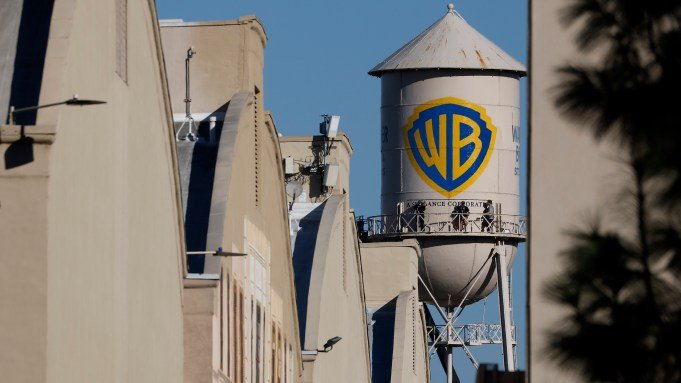
Skydance CEO David Ellison defended meeting with Donald Trump as Paramount sought to complete its merger with Warner Bros Discovery, while addressing concerns that he talked to the president about the future of CNN.
“For absolute clarity, we have not talked to any political leader of any party about news, other than to say that we want to be in the truth business and we want to be in the trust business, and we believe in complete editorial independence,” Ellison told reporters Tuesday at an afternoon press conference on the Paramount lot, hours after its merger with WBD closed.
At a town hall meeting earlier Tuesday, Ellison said he supported CNN’s legal challenge to Trump’s ban on the network from the White House grounds, with MS NOW and Politico also restricted. A federal judge sidelined that ban at least temporarily, and will hear arguments at a Thursday hearing on the media outlets’ motion for a preliminary injunction.
Ellison was asked about a comment he made in August 2025, on the date that Skydance’s acquisition of Paramount closed, that he did not want to see that company politicized.
As it turned out, the Paramount-WBD process became unusually politicized for a media transaction, and Ellison himself met with Trump, including hosting a dinner for his administration in April and attending the UFC match on the White House grounds in June.
“What I would say is, we have a good relationship with this administration,” Ellison said. “I also had a really good relationship with President Biden. I have a good relationship with Senator Tim Scott, and I have a good relationship with Governor Gavin Newsom. I think it is important to talk to everybody on both sides of the aisle.”
He added, “When you’re operating within a business-friendly administration, you should always have those relationships,” pointing out that Ari Emanuel and Dana White sat next to the president at the UFC event, as well as tech figures like Tim Cook and Jeff Bezos who have visited the White House and were at the recent state dinner for Chinese President Xi Jinping.
“We want to speak to everybody. We do not want to politicize the company,” he said. “We were in a transaction review process, but with that said, we are not turning that page. We are operating. We are moving forward, and again, we want to speak to the largest audiences humanly possible. So I understand how some people feel about that. The best thing I can say is we want to prove it over time.”
Ellison also said that he was in Washington, D.C., to push for a federal tax incentive since October of last year. He said that it was Sen. Lindsey Graham (R-SC) who “actually really shepherded that endeavor,” with multiple meetings with him and Trump. That is “really what got the president to effectively say, ‘Yes, I see this, and yes, I want to support this.’ “
He said that he and Makan Delrahim, Paramount’s chief legal officer, were in Washington last week to try to get the incentive legislation “done by December 11 and the end of the year.” There are hopes among boosters of the federal incentive that it can be attached to a year-end government funding bill, with the current legislation running out on that date.
He added that they have had conversations with both of California’s gubernatorial candidates, Xavier Becerra and Steve Hilton, as well as Attorney General Rob Bonta, “about what could hopefully be done to make California basically more competitive with other states.” Even with the federal rebate, he said, the state would still face competition from New Jersey and Georgia with larger packages of incentives.
“So if this federal rebate can get done, which can only get done bipartisan, it’s not possible any other way, it should be one of the most significant booms to out film business in this country,” he said.
“We want to see these lots and our soundstages filled with people making movies and telling stories again, and the only way you can do that is to speak with the elected leaders on both sides of the aisle, including the White House, to hopefully accomplish that goal,” he said.
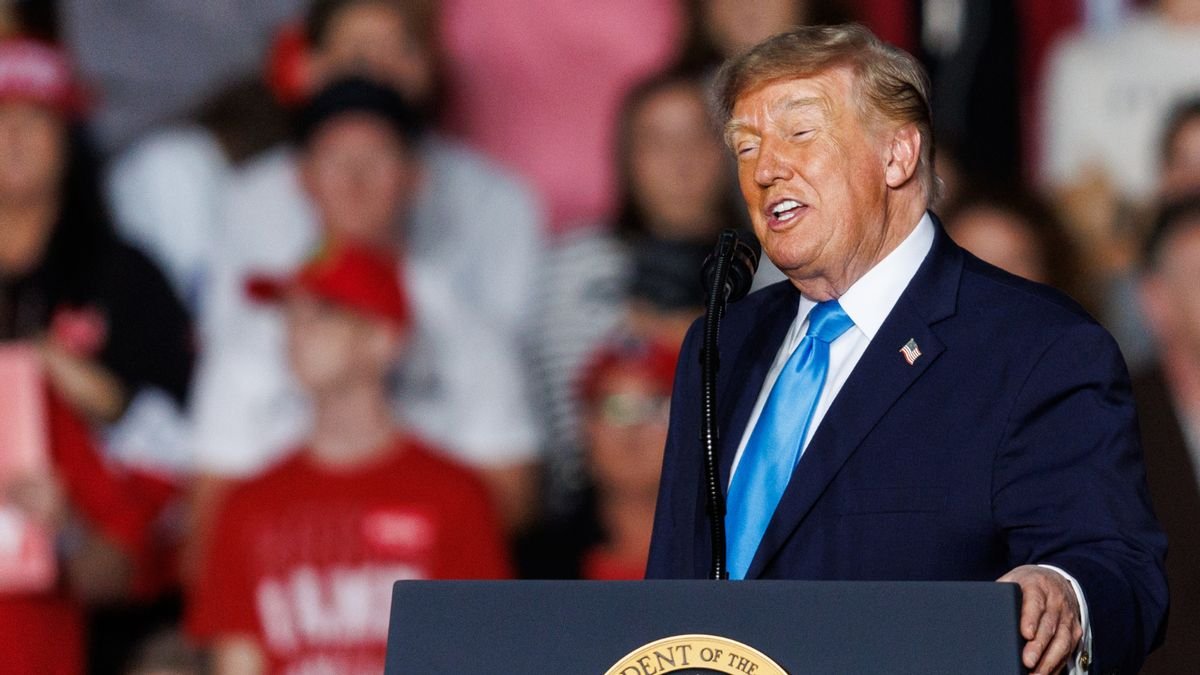
While speaking about the Iran war on Oct. 5, U.S. President Donald Trump said, “They [Iran] can take out a city. Let ’em take out Los Angeles, let ’em take out San Diego. This is a very small price to pay and it’s going to be over with very soon.”
Rating:
Context
Trump said these words during an unscripted, tangential portion of a speech he gave at a Nebraska political rally. Many people, including high-level Democratic politicians and pundits, appeared to interpret him as saying the destruction of two large California cities would be a small price to pay for ending the war. White House spokesperson Steven Cheung replied on X that, on the contrary, Trump “was clearly stating U.S. cities would have been threatened if a nuclear Iran hadn’t been stopped.”
On Oct. 5, a rumor circulatedonline that, while speaking at a rally, U.S. President Donald Trump said Iran could “take out” Los Angeles or San Diego and that it would be a “very small price to pay” amid the war on Iran.
“Trump on Iran: Let ’em take out Los Angeles and San Diego, it’s a small price to pay,” one X post showing a video of Trump speaking was captioned (archived). It had more than 15 million views.
The video was authentic, and the quote was correctly attributed to Trump. While speaking about economic sacrifices during the war at a Nebraska rally on Oct. 5, Trump said (at 1:47:01):
I want to see a tremendous victory. You want to see a tremendous victory ’cause it verifies all the things we did. And again, remember, with the war it’s just artificial. It’s a little bit high, it’s a small price to pay for keeping the world safe, keeping our country safe. They can take out a city. Let ’em take out Los Angeles, let ’em take out San Diego. This is a very small price to pay and it’s going to be over with very soon. It’s essentially almost over with and they might keep going a little long. You know, they always say they have a big threshold for pain — they need it, let me tell you, they need it. But it’s gonna end very soon and it’ll end one way or the other and your gas and your gasoline and all of the things.
“After sending the National Guard and Marines to occupy California,” Newsom posted on X, “Donald Trump is now saying our foreign enemies should ‘take out’ Los Angeles and San Diego. He is deranged and dangerous.”
We sought comment from the White House, which directed us to a statement on X(archived) by spokesperson Steven Cheung. Cheung wrote that Trump was “clearly” stating that “U.S. cities would have been threatened if a nuclear Iran hadn’t been stopped.“
It was unclear what Trump was referring to when he made the comment about “a small price to pay” and the White House’s response didn’t provide further context.
Esposito, Joey. ‘Trump on Iran Negotiations: “I Don’t Think about Americans” Financial Situation”. Snopes, 13 May 2026, https://www.snopes.com//fact-check/trump-americans-finances-iran-deal/.
Ferrara, John Ross. ‘Newsom, Bass Respond to Trump’s “Take out Los Angeles” Comments’. KTLA5, 5 Oct. 2026, https://ktla.com/news/local-news/newsom-bass-respond-to-trumps-take-out-los-angeles-comments/.
Gambrell, Jon. ‘Iran’s Supreme Leader Ayatollah Ali Khamenei, Who Led the Islamic Republic since 1989, Is Dead at 86’. The Associated Press, 1 Mar. 2026, https://apnews.com/article/iran-supreme-leader-ayatollah-ali-khamenei-dead-5b13b69b708c4ed38e8f95f5fb41a597.
‘Mayor Gloria Criticizes President Trump’s Comment That Iran Could “Take out” San Diego’. Yahoo News, 6 Oct. 2026, https://www.yahoo.com/news/politics/articles/mayor-gloria-criticizes-president-trumps-115431970.html.
PerryCook, Taija. ‘Images Show Fragments of U.S.-Made Missile at Bombed Iranian Girls’ School. We Broke down the Evidence’. Snopes, 13 Mar. 2026, https://www.snopes.com//fact-check/us-missile-fragments-iran-school/.
New item…
Press, The Associated. ‘Most Americans Blame Trump for High Prices as Midterms Approach, a New AP-NORC Poll Finds’. The Associated Press, 1 Oct. 2026, https://www.ap.org/news-highlights/elections/2026/most-americans-blame-trump-for-high-prices-as-midterms-approach-a-new-ap-norc-poll-finds/.
‘Trump Suggests Letting Iran “take out” Los Angeles and San Diego at Campaign Rally’. Los Angeles Times, 6 Oct. 2026, https://www.latimes.com/california/story/2026-10-05/trump-suggests-letting-iran-take-out-los-angeles-san-diego-at-campaign-rally.
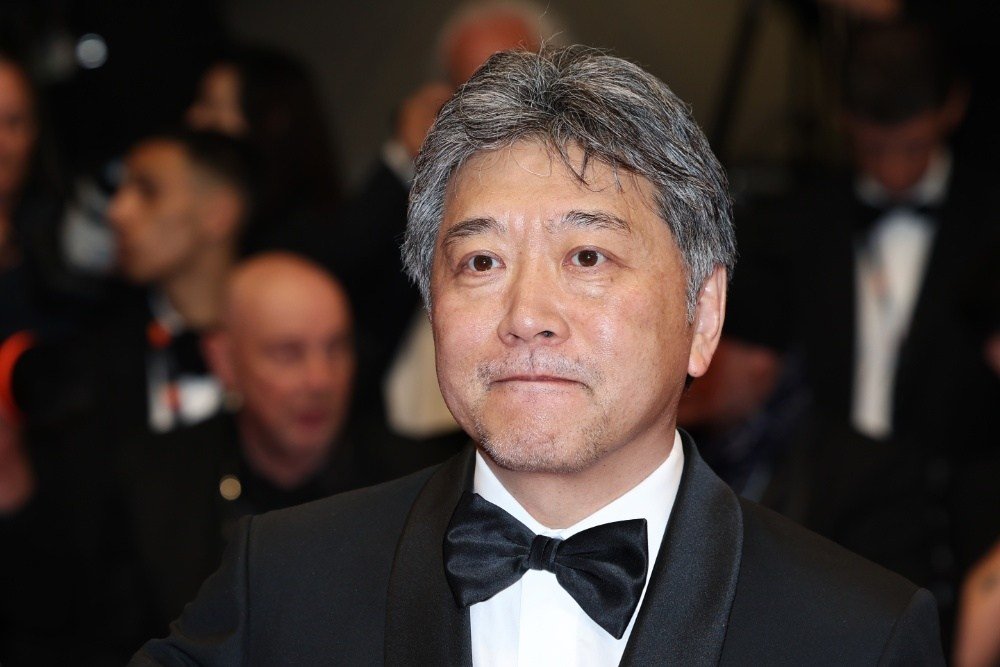
“Right now, I am writing the script,” Kore-eda said about the Searchlight Pictures film. “I cannot share specific plot details at this stage, but preparations are progressing smoothly. Please look forward to it.”
The director did not disclose a title. He expects to go public formally next year at the earliest and hopes to bring that film to Busan as well.
The festival has kept inviting Kore-eda back since his debut, and the opening ceremony even featured a piece of music named after him. “It is a city and a film festival for which I have exceptionally strong feelings,” he said.
He was joined by “Look Back” cast members Deguchi Natsuki, Makita Aju, Mori Nana and Ishikawa Ruka.
Kore-eda stumbled on the manga in a bookshop rather than through its serial run. “When I read it, I felt a shock like an impact,” he said. “It explored why people write stories, or in my case, why one makes films – that sort of creative impulse, or the heavy burden or karma that artists carry.”
On set, he avoided detailed scene-by-scene instruction and concentrated instead on the hours the four actors spent together and on how the town looked as the light and seasons shifted. “The cast understood that very well, and they appeared in front of the camera as individuals truly living inside that town,” he said.
As soon as the adaptation was confirmed, Kore-eda pushed for 35mm across all four seasons, in line with his longstanding conviction that anything that can be shot on celluloid ought to be. “Because there is no mindset of ‘we can fix it later,’ it creates a healthy tension for the cast and crew,” he said. “When that collective tension gathers, I believe it generates a magnetic field in that shooting location.”
The rotoscoped animation sequence late in the film stems from a single line. After a competition win, Fujino remarks that her dream was to see her manga animated, a comment that temporarily splits the two central characters. Kore-eda said the animation Fujino later makes stands in for a future the pair never got to share.
“Rather than conventional cel animation, rotoscoping sits halfway between live-action and drawn animation,” he said. “Having the characters move within the background art drawn by Kyoko felt like the most suitable form of expression.”
The film opens and closes on shots of Deguchi seen from behind. For the last of these, she said, Kore-eda instructed her, “Show Kyoko through your back.” After a long stretch shooting in Akita with her co-star, Deguchi found herself filming alone. “It felt like she was there, but not there… so with my heart feeling completely empty, I did that shot,” she said.
Makita, who plays Kyoko, is at Busan for the first time. Mori said she had done the Venice red carpet too, though the mood in Korea struck her as different. “There was a huge crowd, so I was nervous, but seeing everyone wave their hands made it so much fun,” she said.
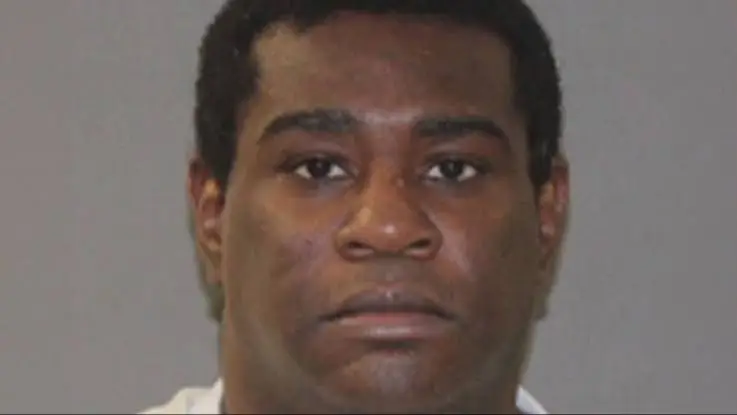
Texas death row inmate Jamaal Howard is set to become the first person to be executed following the botched attempt on Christa Pike.
Howard is set to be executed on 7 October for the 2000 murder of Vickie Swartout during an attempted robbery.
Howard was 20 at the time of the killing and has spent more than two decades on death row.
His legal team has attempted to fight the execution and requested an emergency reprieve from Texas Governor Greg Abbott.
His lawyers claim that Howard, 46, has an intellectual disability and a long history of severe mental illness.
Howard’s spiritual advisor Reverend Jeff Hood told 12 News Now that at his trial, psychiatrists who examined Howard found his IQ to be in the 65 to 70 range and described him as functioning at the level of an 11- or 12-year-old.
Jamaal Howard is set to be executed on 7 October (State of Texas 356th Judicial Court)
His legal team have also raised concerns following Pike’s recent execution attempt that went badly wrong.
Pike, 50, survived two doses of pentobarbital at her scheduled execution on 30 September and was rushed to hospital for life-saving treatment.
“Against all odds, Christa Pike is conscious, speaking, and continues to receive critical medical care,” they said.
“Despite the severe damage she endured to her arms, she is still handcuffed and shackled to the bed. Her recovery is medically unprecedented. Her prognosis remains unclear but, at a minimum, we expect a long recovery.”
In the wake of the botched execution attempt, the state of Tennessee announced a halt on all scheduled executions.
In court filings made by Howard’s lawyers, they note that he is at risk of receiving the same type of lethal injection as Pike.
The filing states: “Ms. Pike survived two lethal doses of pentobarbital, the same drug used in executions in Texas, and she reportedly remains hospitalised in critical condition.”
Tennessee Department of Corrections
The reprieve request continues: “When an execution goes wrong, one of the first questions anyone asks is whether the drug was what the State said it was. “Tennessee’s own officials cannot yet answer that, and the answer lies in records: when the drug was bought, from whom, how it was stored, and what testing was done and when. Texas should not wait until after a failed execution to ask the same questions.
“We do not know why Ms. Pike’s execution failed, and we, specifically, do not know whether the failure was due to the pentobarbital’s being ineffective.”
In an article for the Texas Observer ahead of the execution, Hood claimed that Howard ‘didn’t understand how executions were carried out’ and that he had not heard of the Pike case.
Hood said he told Howard that in Pike’s case the drugs didn’t work, to which he replied: “I guess if the drugs don’t work, they’ll just shoot me in the head.”
He said that he told Howard that executions didn’t work but claimed he ‘literally had no understanding of the protocol by which he was going to be executed or what would happen if something went wrong’.
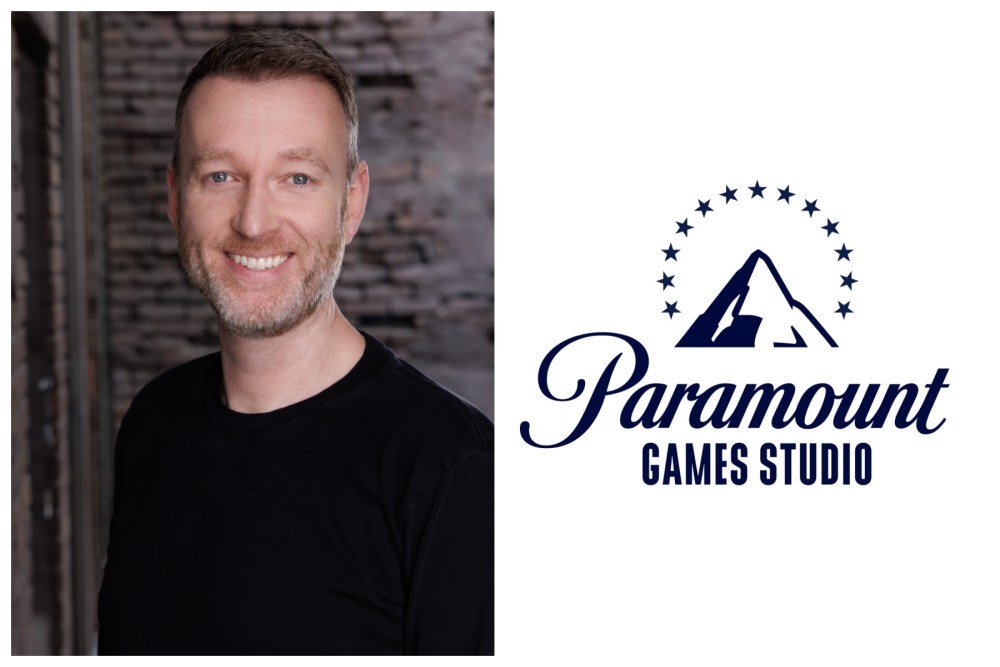
Skydance president Andy Gordon has solidified leadership positions across key areas outside of the companies TV and film divisions, including games and experiences, products and publishing, HR and global operations.
In a memo to staff Tuesday, which was obtained by Variety, Gordon announced the following:
Tony Driscoll will be president of games and experiences, in addition to leading corporate strategy and development
Josh Silverman will be president of global products and publshing
Jim Sterner will remain chief people officer and continue to lead HR operations
Jose Turkienicz will continue as president of global operations, including real estate, procurement, and studio operations, with a “focus on simplifying processes and improving service to our businesses so teams can bring ideas to market faster”
Jeff Silberman will be Gordon’s chief of staff in addition to continuing as executive vice president of corporate strategy
“We’re investing in our future growth engines alongside our core ambitions in TV, Film and direct-to-consumer: Games, Experiences, Consumer Products, and Publishing,” Gordon wrote. “These are core pillars of our strategy to build engagement and fandom in both the physical and digital worlds. We want to meet consumers where they watch, play, and engage. At the same time, we see opportunities to build on DC Comics’ storytelling and expand our e-commerce offerings to connect fans with the brands they love.”