If you purchase an independently reviewed product or service through a link on our website, The Hollywood Reporter may receive an affiliate commission.
Samsung is taking an unconventional approach to the smartphone wars: relationship therapy. And naturally, Hollywood is involved.
The tech giant’s new “Switchers” campaign brings together Dr. Orna Guralnik of Couples Therapy, The Traitors personalities Ciara Miller and Dylan Efron, Love Island stars Carl Schmidt and Aniya Harvey and former NFL champions Nick Foles and Clay Matthews. Rather than leading with technical specifications, Samsung is exploring the emotional attachments that keep consumers loyal to their phones, borrowing from relationship counseling to suggest that familiarity doesn’t necessarily mean compatibility.
And Samsung has some numbers to support its argument. The company’s latest Galaxy Z series has generated record-breaking preorder demand, while Samsung reports that 23 percent of Galaxy Z Fold8 buyers have switched from competing smartphone brands. The foldable has also made its way into Hollywood, appearing in Spider-Man: Brand New Day.
But beyond the celebrity cameos and clever marketing, is Samsung’s latest foldable actually worth making the switch?
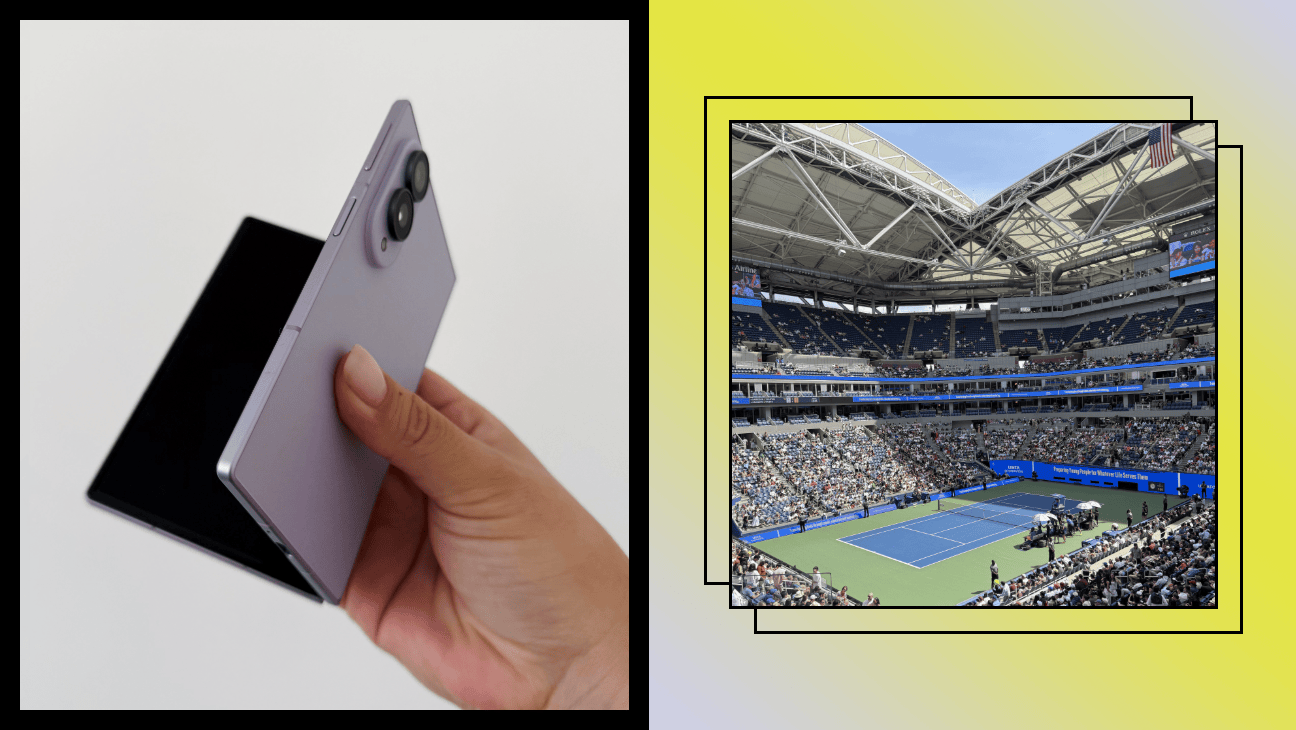
In September, we joined Samsung at the US Open women’s final to put the Galaxy Z Fold8 to the test, including its camera capabilities during one of tennis’ biggest matches. The book-style foldable offers the convenience of a traditional smartphone when closed, then opens into a larger display that makes everything from reviewing photos and watching videos to multitasking feel less confined to a single screen.
Best Seller
Samsung Galaxy Z Fold8
Pictured in lavender.
That extra screen space is particularly useful for anyone accustomed to juggling multiple apps, whether it’s answering messages while referencing a document, following live updates or editing photos without constantly switching between windows. The foldable design also offers more flexibility when framing shots, allowing users to take advantage of different viewing angles rather than relying exclusively on the standard handheld setup.
At Arthur Ashe Stadium, the camera was an especially relevant feature to put through its paces. Between the action on the court, the atmosphere in the stands and the challenge of capturing moments from a distance, a live sporting event provides a more demanding setting than the average product demonstration. The Galaxy Z Fold8‘s camera tools and expansive display made it easy to frame shots, review images and move between capturing the match and sharing the experience.
Samsung is also addressing one of the biggest practical concerns surrounding a new phone: transferring years of photos, messages and contacts. Its Smart Switch technology helps move existing data from other devices, while RCS messaging supports features like read receipts, reactions and richer group conversations across compatible phones. Quick Share adds another option for transferring files, although compatibility and available features can vary by device.
Of course, at $2,099.99, the Galaxy Z Fold8 is a considerable investment, particularly for first-time foldable users. Still, its expansive display, versatile camera and practical features make a compelling case for reconsidering what a smartphone can do.
The larger pitch is simple: Changing phones doesn’t have to mean starting over.
Crew members express relief upon return from record-breaking deployment of 265 days that strained conditions on board.
Published On 9 Oct 20269 Oct 2026
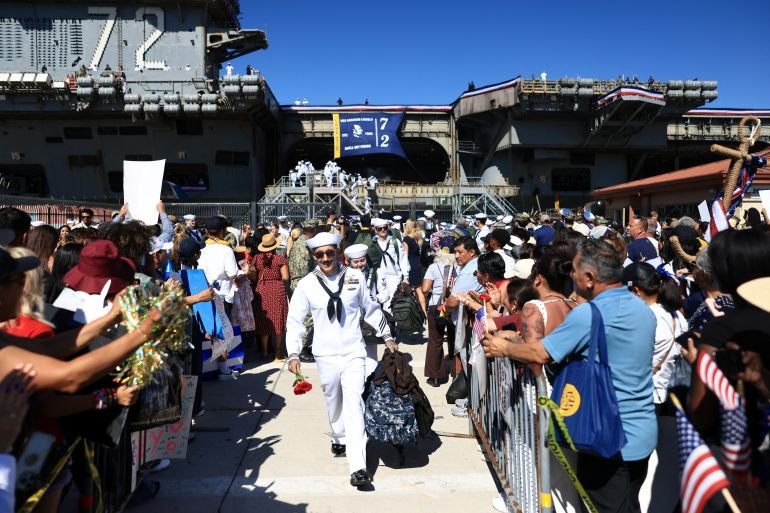
The United States aircraft carrier USS Abraham Lincoln has returned to its home port after a 322-day deployment, including a record 265 consecutive days at sea, during which it helped wage the US-Israel war on Iran.
The vessel returned to Naval Air Station North Island in San Diego, California, on Thursday, where members of its crew were greeted by family and friends.
Recommended Stories
list of 3 itemsend of list
“It feels amazing,” 20-year-old Abel Ramirez told The Associated Press news agency, adding that his parents had driven from Texas to meet him. “There was a certain point when I never thought I would come off.”
The record-setting deployment of the USS Lincoln became a symbol for larger criticisms of the US war effort, which has dragged on since February with no clear end in sight and has strained US military stockpiles.
The prolonged deployment prompted a series of news reports calling attention to deteriorating conditions, food shortages and a series of reported suicide attempts by crew members.
Pentagon chief Pete Hegseth praised the sailors on Wednesday in remarks that accused the media of trying to turn the ship into “a symbol of dysfunction or a symbol of low morale or a symbol of a failed mission”.
President Donald Trump and members of his administration have frequently lashed out at the news media for critical reporting on the war on Iran. Trump himself has called the reporting about the USS Lincoln “fake news”.
“The Lincoln has been out there for a period of time, a good period of time,” he said at an Oval Office meeting on August 17. “I know people on the Lincoln, and they say it’s beautifully maintained and beautifully taken care of.”
Earlier that month, when confronted with the amount of time the USS Lincoln had spent at sea without a port stop, Trump quipped that its deployment was “not nearly long enough“.
The reports of mental health strain on the USS Lincoln come as public opinion polls show low approval ratings among US voters for the war against Iran.
On Thursday, the Pew Research Center released a poll that found 65 percent of Americans disapproved of Trump’s handling of the war, compared with 33 percent who approved.
The war has also fuelled concerns about the cost of living ahead of the upcoming midterm elections. Since the war began, Iran has hindered commercial traffic through the Strait of Hormuz, a critical waterway for the trade of fuel, fertiliser and other goods.
Sailors returning home on the USS Lincoln said that they were looking forward to fresh meals and spending time with their families.
Alma Solano Velez said that her husband, one of the US service members on board, shared a list of foods he had been craving over his 10-month deployment: oxtail, barbecue chicken, broccoli and shrimp empanadas, among others.
She added that he had spoken about “the lack of food and showers” and was looking forward to seeing their four-year-old daughter.
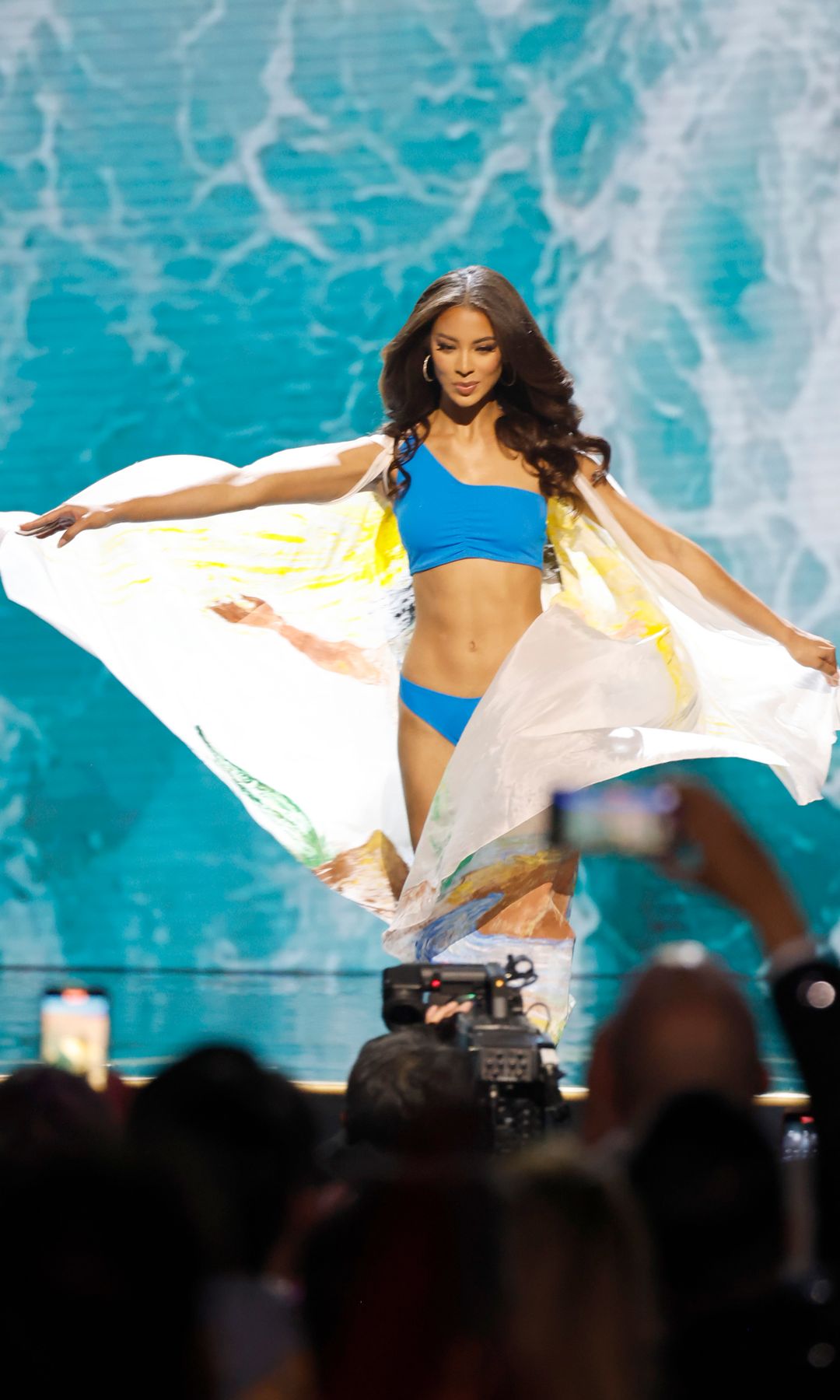
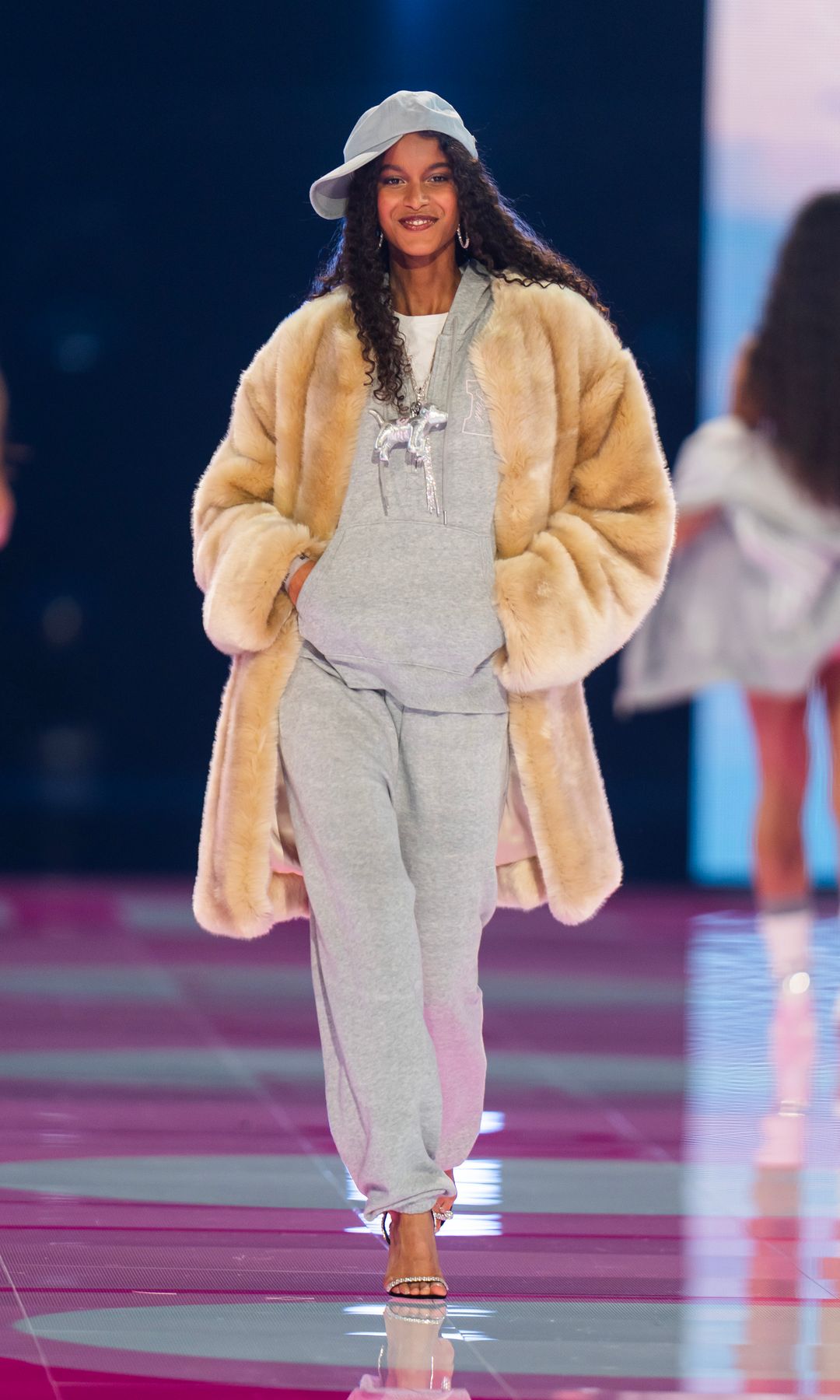
Andreína Martínez has already conquered one of the world’s biggest beauty pageant stages. Now, the Dominican model has her sights set on something entirely different: earning her wings as the next Victoria’s Secret Angel.
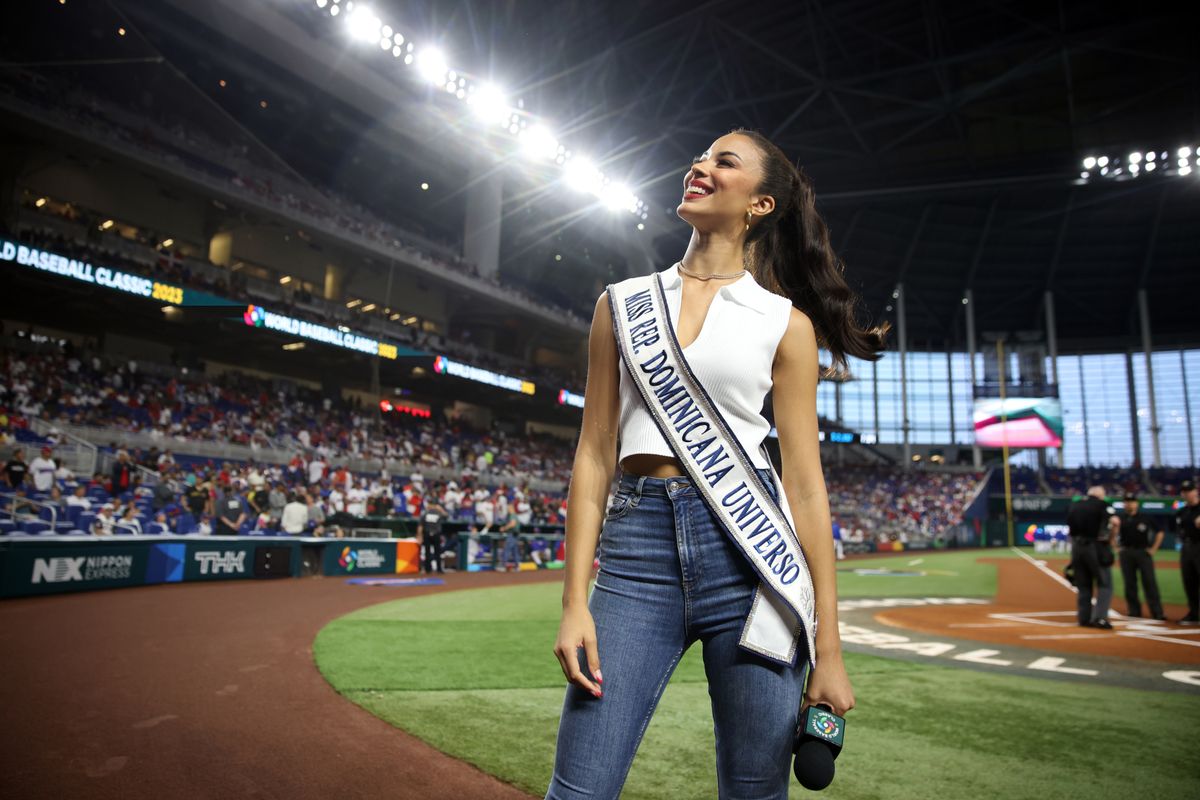
The former Miss Dominican Republic, who placed as second runner-up at Miss Universe 2022, is competing in Victoria’s Secret’s new modeling competition, Angels Among Us. After an international casting call that attracted more than 100,000 applicants, Martínez earned a coveted spot among the final 10 contestants.
Former Miss Universe runner-up Andreína Martínez could become Victoria’s Secret’s next Latina Angel. Inside her journey to the 2026 fashion show and runway dream
And the stakes are high. The winner will walk in the Victoria’s Secret Fashion Show 2026 and receive an exclusive modeling contract with IMG Models, one of the industry’s most recognized agencies.
You may also like
Continue reading
For Martínez, the opportunity represents much more than another glamorous appearance. It could mark the beginning of an entirely new chapter in her career, taking her from the world of international beauty competitions to the global fashion industry.
Andreína Martínez Is Competing to Become Victoria’s Secret’s Next Angel
Martínez first revealed her Victoria’s Secret ambitions in May 2026, when she shared her excitement about participating in the brand’s open casting process.
What began as a personal goal to become a VS Angel quickly turned into a serious professional opportunity. She attended an audition in Chicago in June, competing against aspiring models hoping to secure a place in the brand’s iconic fashion show.
By September, she had officially made the top 10.
At the time, Dominican media reported that Martínez was one of the only two Latinas among the 10 finalists. The competition has since progressed, with nine contestants remaining as of October 8, including Martínez and Puerto Rican model Kassandra Marie Crespo.
For the Dominican beauty queen, simply reaching this stage is already an accomplishment. But with the final decision approaching, the possibility of walking the Victoria’s Secret runway is becoming increasingly real.
Victoria’s Secret’s Creative Director Sees Something Special in Andreína Martínez
One of the most interesting moments in Martínez’s journey came during the second episode of Angels Among Us, when Victoria’s Secret executive vice president and chief creative officer Adam Selman evaluated her potential.
Selman praised her runway walk and long legs while expressing curiosity about how she could evolve beyond her beauty pageant background. He also raised an intriguing question: Could Martínez make the transition from pageant contestant to fashion model?
Beauty pageants and fashion runways may appear similar, but they demand different skills. Pageant contestants are often trained to project confidence, elegance and personality while engaging with judges and audiences.
Fashion models, meanwhile, must adapt their walk, expressions and body language to the designer’s creative vision.
Martínez already knows how to command a stage. Her next challenge is proving she can bring that same confidence to the world of Victoria’s Secret.
Who Is Andreína Martínez? From Dominican Republic to Miss Universe
Before setting her sights on Victoria’s Secret, Andreína Martínez Founier was already a familiar face to international beauty pageant audiences.
Born in the Dominican Republic and raised in New York, Martínez built a path that combined academics, personal ambition and modeling.
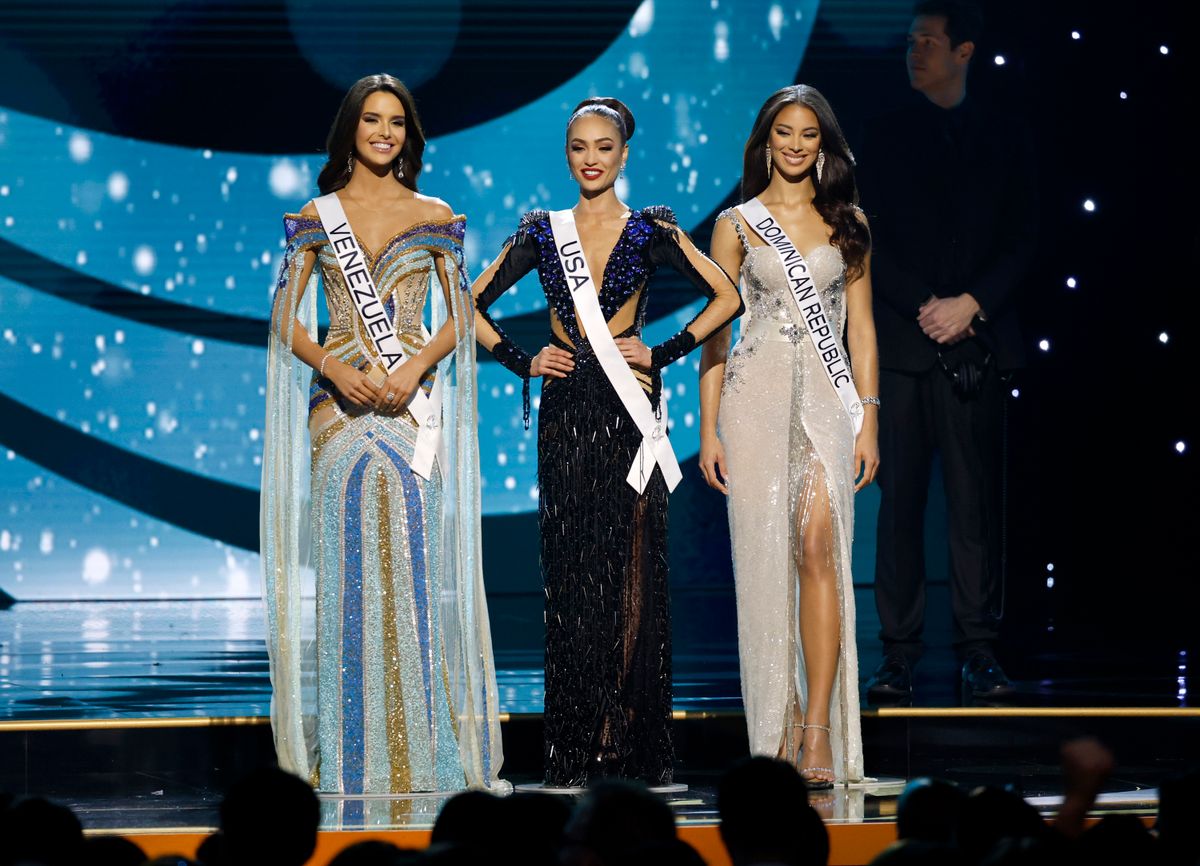
Representing the Dominican Republic at Miss Universe 2022, Martínez finished as second runner-up, behind winner R’Bonney Gabriel of the United States and first runner-up Amanda Dudamel of Venezuela.
Miss Venezuela Amanda Dudamel Miss USA R’bonney Gabriel and Miss Dominican Republic Andreina Martinez
Her performance placed her among the competition’s top three contestants and established her as one of the Dominican Republic’s most recognizable recent beauty queens.
Standing approximately six feet tall, Martínez has the physical presence associated with international runway modeling. But her appeal extends beyond her appearance.
Her story also reflects the determination required to pursue opportunities outside the industry where she first became famous.
The possibility of Martínez becoming Victoria’s Secret’s next Angel carries particular significance for Dominican and Latina representation in fashion.
Latina models have helped shape the brand’s history for decades, with Brazilian supermodels Adriana Lima and Alessandra Ambrosio becoming two of its most recognizable Angels.
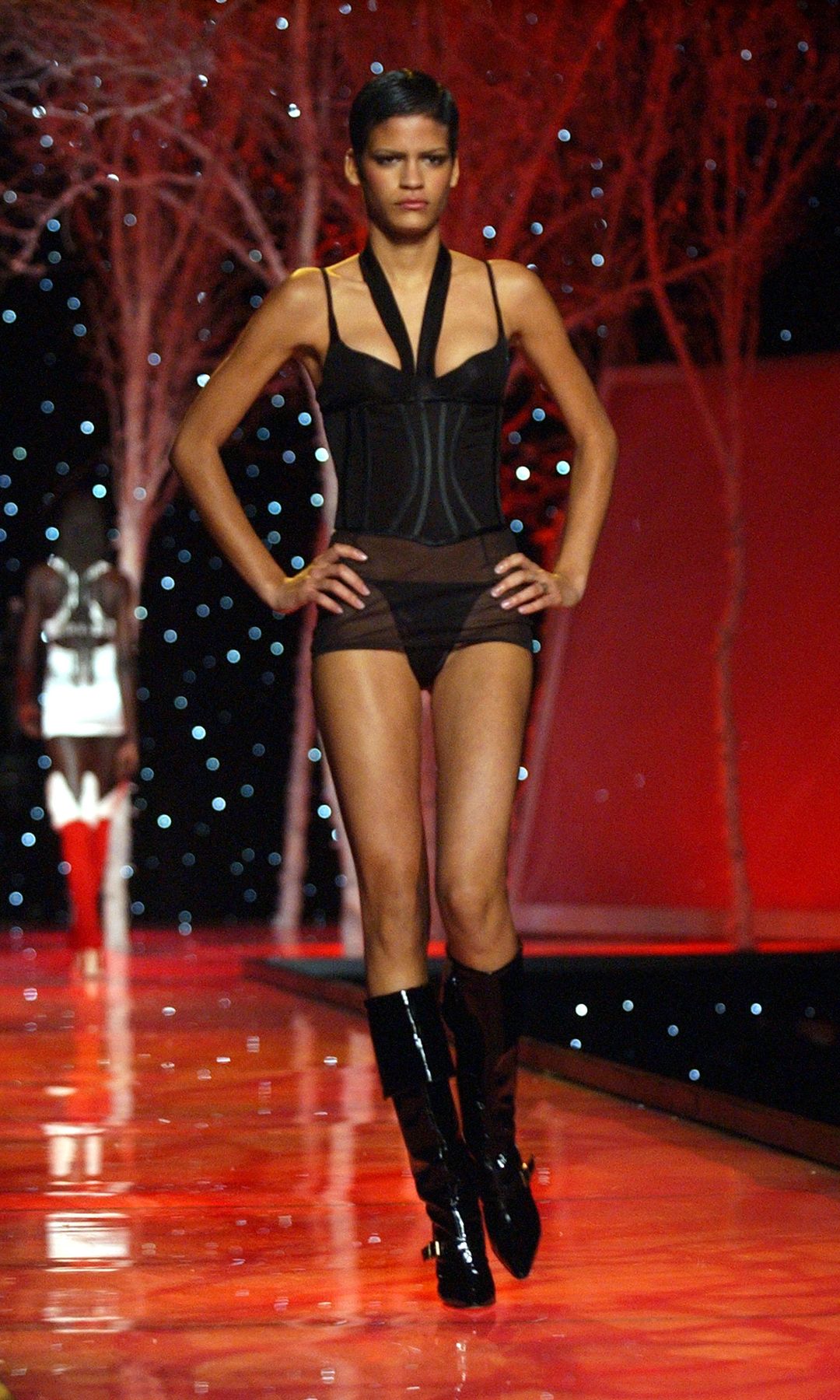
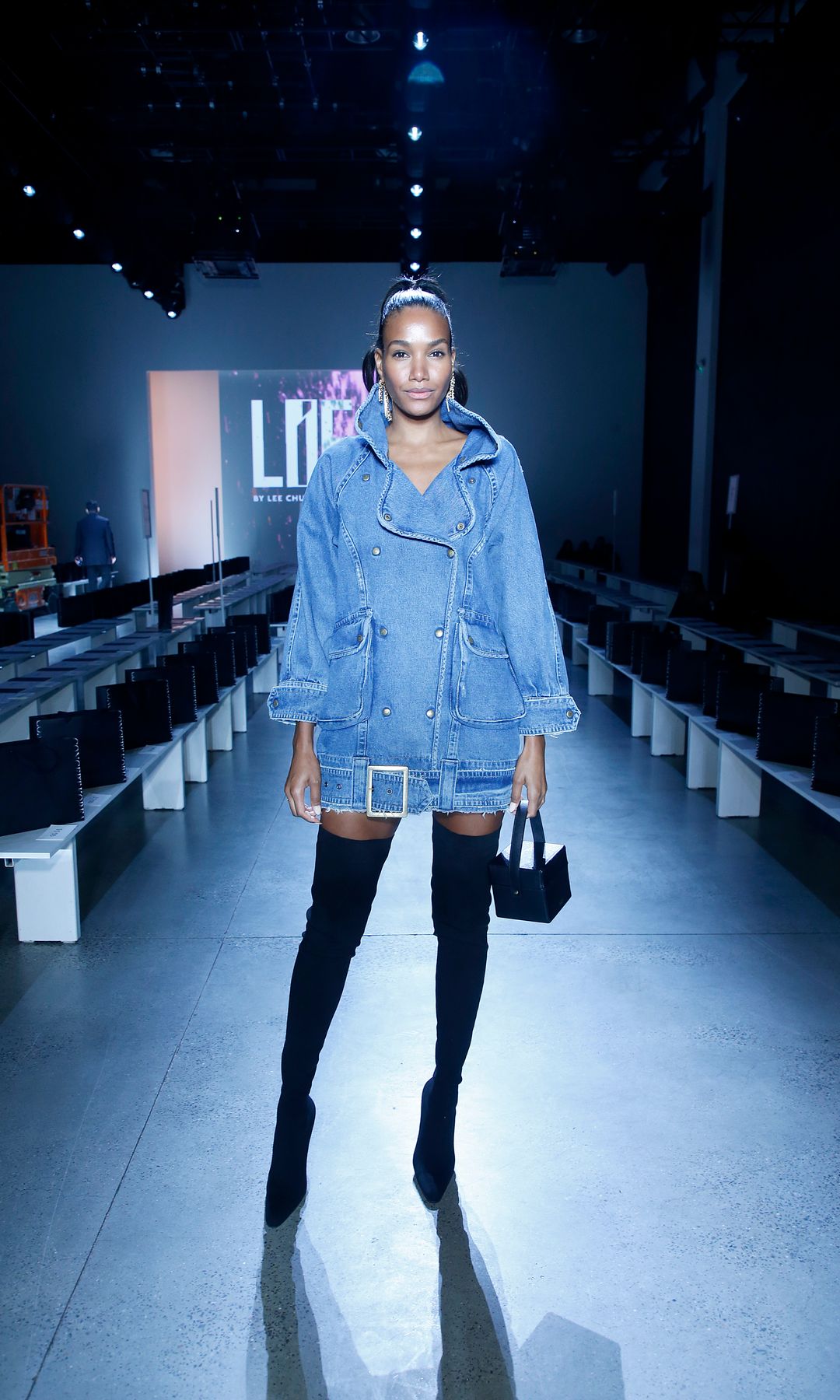
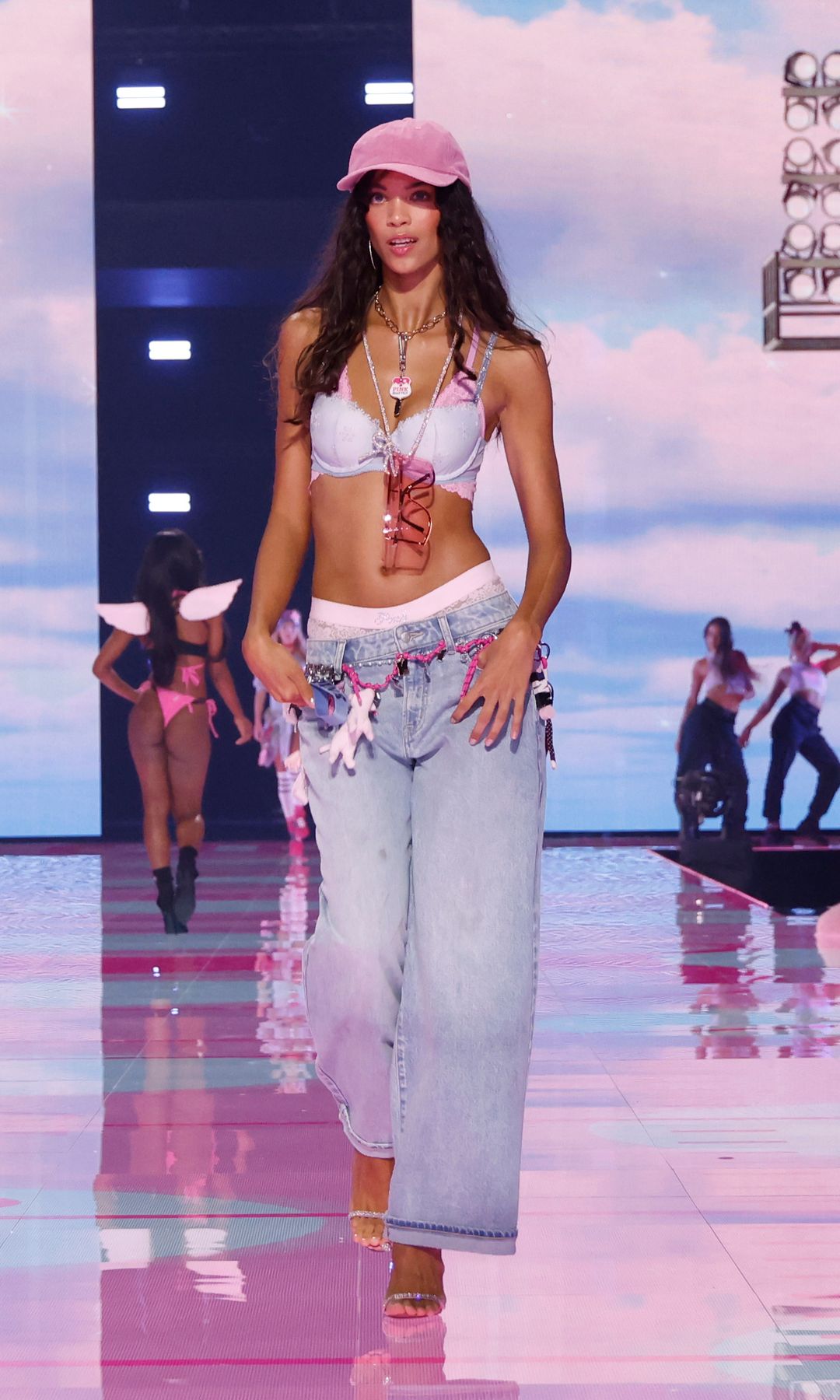
Dominican models have also appeared on the Victoria’s Secret runway. Omahyra Mota walked in 2001, Arlenis Sosa appeared in 2008, and Dilone participated in the 2016 and 2017 shows. More recently, Dominican models Marina Moioli and Luna Yohannan appeared in the 2025 Victoria’s Secret Fashion Show.
Martínez would therefore be joining an established legacy rather than becoming the first Dominican woman associated with the show.
However, winning Angels Among Us would give her a particularly visible platform, as the competition is designed to introduce a new Angel through a public, documentary-style casting process.
It would also demonstrate how a successful pageant career can become a stepping stone toward opportunities in the international modeling business.
What Is Victoria’s Secret’s ‘Angels Among Us’ Competition?
Victoria’s Secret is approaching its newest Angel search differently this year. Instead of introducing a new model through a traditional campaign announcement, the lingerie brand launched Angels Among Us, a documentary series following aspiring models through the casting process.
Produced by Boardwalk Pictures and directed by filmmaker Nadia Hallgren, the series premiered September 27, 2026, on YouTube.
The episodes offer viewers a behind-the-scenes look at the auditions, challenges, personal stories and decisions shaping the search for the next Angel.
The competition is also part of Victoria’s Secret’s broader effort to transform its annual fashion show into an entertainment experience that audiences can follow over several weeks, rather than just one night.
For contestants such as Martínez, this format provides an opportunity to show viewers more than a polished runway walk.
Audiences can learn about their ambitions, personalities and experiences while watching them navigate the pressure of competing for a major modeling opportunity.
And that could be especially valuable for Martínez, whose journey from Miss Universe to Victoria’s Secret offers a compelling career transformation.
When Is the Victoria’s Secret Fashion Show 2026?
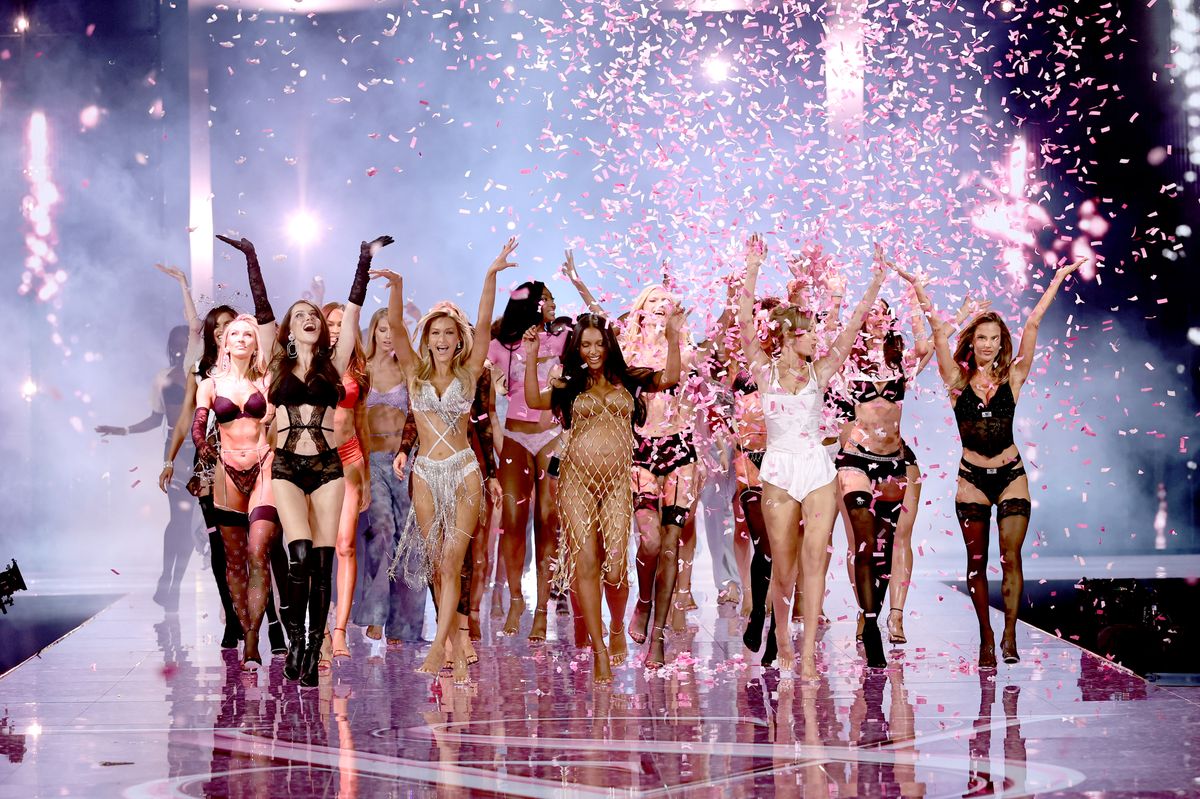
After several shows in New York City, VS will showcase its new designs on Sunday, October 18, 2026, in Los Angeles, California. Streaming on YouTube and Victoria’s Secret social channels
The winner of Angels Among Us is scheduled to be revealed during the Victoria’s Secret Fashion Show 2026, where she will also make her runway debut.
Brett McGurk‘s new book Brink: Inside the Race to Free the October 7th Hostages offers an insider account of the diplomatic rollercoaster to secure a ceasefire and hostage release in the war in Gaza.
The book, published this week, also offers a glimpse at White House messaging about the conflict, including two figures the president turned to in delivering a key speech: Jeffrey Katzenberg and Steven Spielberg.
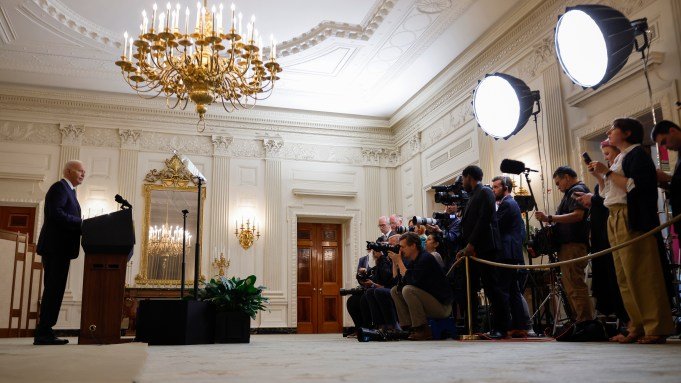
McGurk, who served as deputy assistant for national security affairs to Biden, wrote of the scene as they prepared the president for his address on May 31, 2024. While Katzenberg and Spielberg’s role have been reported before, McGurk gave a first-hand account in the room, for a speech focused on a proposal to end the fighting and to secure a release of the hostages.
By that point, the Gaza conflict had created divisions within the Democratic coalition, protests at college campuses and presidential appearances and concerns over its impact on the November elections. There was pressure from the campaign for the president to make an address on the crisis, per McGurk.
McGurk wrote of the rehearsal, “In the Map Room, Biden peered at two screens behind me. ‘Jeffrey, Steven, welcome,’ he said. I turned around to see Jeffery Katzenberg and Steven Spielberg on Zoom. They greeted Biden warmly, Spielberg saying this was the speech they wanted to hear.
“It was a reminder that while I saw this speech as a policy address with a functional aim, it had a political purpose, too,” McGurk wrote.
He added, “The speech was timed for Friday night in Israel, when much of the country shuts down, allowing time for us to shape its reception there and around the world. Notably, we did not inform Netanyahu that we were making the speech until shortly before Biden delivered it, as we knew the address would lock Netanyahu into the terms of the deal now on the table.
“Biden said he was ready.
“Katzenberg advised, ‘Remember, slow Joe, let the audience hear every word.’
“Biden smiled, ‘Slow Joe? Don’t let Jill hear that.’
“He read through the draft, pausing at times to ask questions about the text, which we addressed with rewrites.”
McGurk wrote that he found Biden “fully engaged, leaning forward on the podium.”
He wrote, “The moguls told him he looked strong, and he did. There was no sign of the Biden we’d all see on a debate stage with Trump only four weeks later.”
The latter was a reference to Biden’s disastrous debate performance against Trump. What followed were weeks of calls on Biden to drop out, coming from some elected Democrats and prominent donors, until he exited the race on July 19. Katzenberg had played a prominent role as a top adviser to Biden’s re-election campaign.
While the Biden speech focused on a peace proposal, as it turned out, it would take until the next year, a week before Trump returned to office, for a ceasefire agreement to be reached.
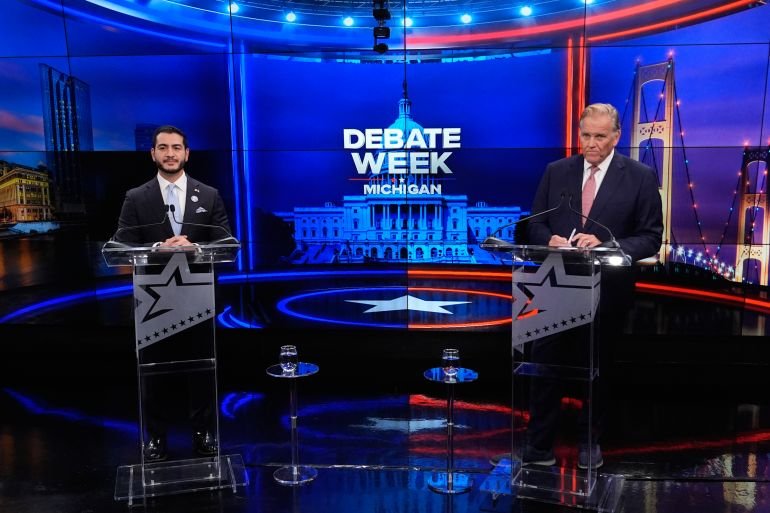
The leading candidates in Michigan’s heated Senate race have faced off in their first televised debate, with less than a month remaining before the United States midterm elections.
Thursday’s hour-long debate was a microcosm of how tense the toss-up race has become.
Recommended Stories
list of 3 itemsend of list
Democratic nominee Abdul El-Sayed, formerly the health director for Wayne County, repeatedly sought to paint his Republican adversary Mike Rogers as a yacht-owning millionaire out of touch with ordinary voters.
For his part, Rogers, a former member of the US House of Representatives, lobbed accusations at El-Sayed that he was soft on “terrorism” and had foreign sympathies.
The Michigan-born El-Sayed has repeatedly faced Islamophobic attacks while on the campaign trail, with Republican President Donald Trump labelling him an “extremist, terrorist sympathizer” whose history “goes back to the days of the Jihad”. If elected, El-Sayed would be the first Muslim member of the US Senate.
The two candidates spent much of their hour onstage together speaking over one another, as they exchanged pointed barbs.
“He can’t condemn a terrorist act that happened on our soil in the state of Michigan. He can’t bring himself to condemn –,” Rogers began, referencing a March attack on a synagogue.
“I did condemn it,” El-Sayed said, jumping in. “No, you did not,” Rogers replied, with El-Sayed quickly responding, “You make stuff up. You make stuff up.”
The Senate race in Michigan is considered key to the battle for control of the US Senate. Democrats are seeking to flip both chambers of Congress, but shifting control of the Senate will be a tougher prospect, given that only a third of its 100 seats are on the November 3 ballot.
Host Rick Albin at times struggled to keep the debate on track, as tensions rose.
“We’ve got dozens of questions we want to get to. You can’t litigate all of these with 14 different rebuttals, so please work with me,” Albin told the two candidates at one point.
Here are the key takeaways from the evening’s debate.
Republican nominee Mike Rogers, right, speaks during a televised debate with Democratic nominee Abdul El-Sayed [Paul Sancya/Pool via AP Photo]
Rogers insinuates El-Sayed family ties to ‘terrorism watch list’
The ferocity of the debate was underscored by the high volume of ad hominem attacks the candidates deployed against each other.
But Rogers repeatedly pushed a series of attacks that seemed to centre on El-Sayed’s identity as a Muslim.
In response to a question about healthcare, Rogers said that El-Sayed has “taken money from individuals on his campaign who openly support Hamas, Hezbollah, al-Qaeda”.
Later, when asked about his position on surveillance by Flock cameras, Rogers argued that such technology has helped catch people suspected of terrorism. He then implied that El-Sayed’s concerns about the cameras were suggestive.
“Why would that bother you?” Rogers asked El-Sayed. “Well, if you have somebody in your family that might be on the terrorism watch list …”
El-Sayed interjected, seeming to dare Rogers to continue his thought.
“Are you going to go ahead and say that I’m a – go ahead and say it,” El-Sayed said. “You’ve been tiptoeing about it the whole time. Just say it. Just say it. Go ahead and say it.”
Muslim and Arab candidates in the US have frequently been subjected to Islamophobic attacks on the campaign trail, accusing them of support for “terrorism” and Islamic fundamentalism.
Republican Mike Rogers insinuated El-Sayed may have family on the ‘terrorism watch list’ [Paul Sancya/Pool via AP Photo]
Both sides agree on ending the Iran war
There were issues, however, on which both candidates found a measure of common ground.
Both Rogers and El-Sayed agreed the US-Israeli war against Iran should end, but they had opposite views on Washington’s relationship with Israel and its role in the conflict.
High gasoline prices and inflation, El-Sayed said, were directly caused by the Iran war, and he blamed the Trump administration for Iran’s decision to shut down the Strait of Hormuz, a critical trade route.
“This is what happens when you start wars you never should be fighting,” El-Sayed said. “We literally taught the Iranian regime that they have a choke on the Strait of Hormuz, and now we’re living in that reality.”
Rogers agreed that “we need [the war] to come to an end”, but he also justified the conflict, saying that Iran’s uranium enrichment programme had been “set back twenty years”, echoing a frequent White House talking point.
The Trump administration has argued that the war was necessary to prevent Iran from creating a nuclear weapon, a goal Tehran has long denied.
Rogers’s position led El-Sayed to accuse him of “cheerleading” for the war and the Trump administration.
Democratic nominee Abdul El-Sayed pushed for an end to unconditional support for Israel [Paul Sancya/Pool via AP Photo]
Rogers backs continued Israel aid, El-Sayed calls for end
As part of the debate about US foreign policy, the candidates were also pressed on their positions about the US alliance with Israel.
The country is considered the largest overall recipient of US aid since World War II. From the start of Israel’s genocidal war on Gaza in October 2023 through September 2025, experts estimate that Israel received nearly $21.7bn in military aid.
El-Sayed has openly called for ending aid to Israel, and he has repeatedly denounced the conflict in Gaza as a genocide, in line with evaluations from United Nations experts and human rights watchdogs.
During the debate, he indicated he preferred US taxpayer dollars to be spent on domestic concerns like education and healthcare, rather than Israeli aid.
“He wants unconditional support for a foreign government,” El-Sayed said of Rogers. “I want unconditional support for kids in our schools, unconditional support for our healthcare, childcare.”
He also blamed Israel for the US military action in Iran. “I don’t want to be pushed into war by Israel, and I don’t want to be in war with Iran,” El-Sayed said.
Rogers, meanwhile, has joined most of his fellow Republicans in continuing to support aid for Israel. He argued that the country had “the right to defend itself in a very difficult neighbourhood”.
“Is there anything Israel could do that would lose your support?” the debate host asked.
“Listen, if they’re talking about using nuclear weapons, they would definitely lose my support,” Rogers replied.
Abdul El-Sayed, right, and Mike Rogers shake hands prior to their debate [Paul Sancya/Pool via AP Photo]
Another hot-button issue during the debate was Trump’s crackdown on immigration.
The Republican leader has pledged to carry out the largest mass deportation effort in US history, and his campaign has spurred human rights concerns.
When asked how they would approach the crackdown, both Rogers and El-Sayed agreed on tempering the militarised nature of the campaign.
In several cities, including Minneapolis, Minnesota, immigration authorities have been accused of racial profiling and using excessive force against immigrants and protesters, as well as violating their rights to due process.
Multiple fatal shootings have occurred during immigration enforcement operations, including the deaths of Renee Good and Alex Pretti in January.
Rogers indicated he would not have supported such confrontational operations, but he repeated a Trump claim that the raids were taking dangerous criminals off the streets.
“I think the public efforts in Minnesota were probably not appropriate,” Rogers said. “You always want to go in quiet, get the bad guy, get out of the neighbourhood for less problems. So that, to me, was something that they could have done differently.”
He later claimed that, under Trump, the country had seen “the largest decrease in murders ever recorded”.
El-Sayed, meanwhile, has previously voiced support for abolishing Immigration and Customs Enforcement (ICE), a key agency in Trump’s deportation campaign. He defended that stance on the debate stage.
“ICE right now is not about immigration enforcement. ICE is about terrorising our streets,” he said.
Mike Rogers speaks to reporters in the spin room after the debate on October 8, 2026 [Jim Vondruska/Reuters]
Candidates debate Canada trade war and tariffs
Donald Trump’s trade war with Canada, felt acutely in neighbouring Michigan, was another key topic of conversation.
El-Sayed depicted Rogers as an uncritical backer of Trump and his tariffs and tied him to past free trade deals such as the North American Free Trade Agreement (NAFTA), which paved the way for companies to shift manufacturing facilities out of the US – though Rogers did not enter Congress until 2001, eight years after NAFTA passed.
“You did that, man. That was your policy. NAFTA, that was your policy,” said El-Sayed.
Rogers sought to distance himself from the current trade war but expressed support for a deal with Canada that would loosen some of Ottawa’s tariffs on US goods.
“I would like to see the deal made,” said Rogers, adding that high Canadian tariffs for US goods “should be eliminated”.
Both candidates tried to strike a balance between criticism of the economic fallout of the trade war and qualifying their support for more selective tariffs, favoured by some industries and labour unions as a means of protecting domestic jobs.
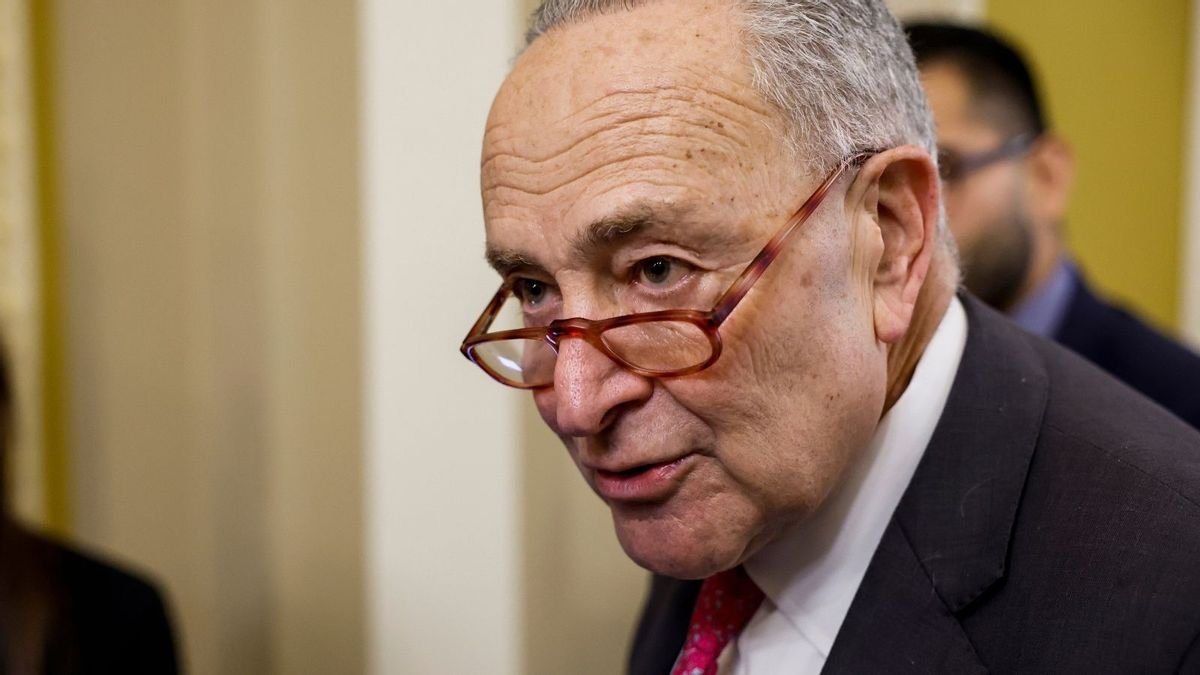
U.S. Senate Minority Leader Chuck Schumer, D-N.Y., said that “our ultimate goal” is to give citizenship to migrants who already crossed a border into the U.S.
Rating:
Context
Schumer truly said this days following the November 2022 midterm elections, specifically during a news conference about protecting Deferred Action for Childhood Arrivals legislation. This week, social media users sharing his remark as a quote or video failed to mention that he said it almost four years ago. For example, one popular user misleadingly posted the matter as “BREAKING” and that Schumer “just” said it.
Less than a month away from the midterm elections on Nov. 3, people shared a rumor claiming U.S. Senate Minority Leader Chuck Schumer, D-N.Y., said that “our ultimate goal” is to give citizenship to millions of migrants who already crossed a border into the U.S.
For example, on Tuesday, a popular X user posted (archived), “Sen. Chuck Schumer: ‘Our ultimate goal’ is to give every illegal alien citizenship.”
(@LeadingReport via X)
On the same day, another popular user on Facebook posted (archived) a photo of Schumer with the word “BREAKING!” and police car light emojis, with a text caption reading, “BREAKING: Sen. Chuck Schumer just that ‘Our ultimate goal’ is to give every illegal alien citizenship. We knew this was their strategy and why they wanted open borders! Remember this when you vote!”
The videos show Schumer talking behind microphones outside the Capitol in Washington, surrounded by people who at one point cheer him on. He speaks about protecting “Dreamers,” a reference to Deferred Action for Childhood Arrivals — a federal immigration policy allowing some immigrants who came to the U.S. as children to receive temporary protection from deportation and eligibility for a renewable work permit:
Now more than ever, we’re short of workers. We have a population that is not reproducing on its own with the same level that it used to. The only way we’re going to have a great future in America is if we welcome and embrace immigrants, the “Dreamers” and all of them, because our ultimate goal is to help the “Dreamers” but get a path to citizenship for all 11 million or however many undocumented there are here.
In sum, Schumer truly said this. He made the remark in November 2022 as part of an effort to urge the Senate to pass protections for “Dreamers” during a lame-duck session of Congress, prior to the start of a fresh session in the new year. Users omitted that month and year from their posts.
Snopes emailed Schumer’s office to ask if he still believed in what he said in the video, if he meant Democrats or “Dreamers” were the ones who had the “ultimate goal” he described and if he wished to share a statement responding to users reposting his comment. We will update this article if we receive further information.
More of Schumer’s remarks
Schumer spoke about “our ultimate goal” and “Dreamers” on Nov. 16, 2022. He began his thoughts as follows (bolded emphasis ours, notes section from users’ posts):
I believe in this so much. I believe in it in a personal basis because I know “Dreamers” who have been such great people here in America and who have just struggled every time they get a phone call, every time they walk down the street, they’re worried, will someone grab them and take them away. So that’s personal about them and what they have done. But I also believe in it as an overall, as an American who wants to see our country be stronger because immigrants make us stronger now more than ever.
Now more than ever, now more than ever, we’re short of workers. We have a population that is not reproducing on its own with the same level that it used to. The only way we’re gonna have a great future in America is if we welcome and embrace immigrants, the “Dreamers” and all of them because our ultimate goal is to help the “Dreamers” but get a path to citizenship for all 11 million or however many undocumented there are here, and we will be pursuing that in the next Senate, in the next Senate, the comprehensive immigration reform. Right now, our focus is on “Dreamers” and we retain the Senate.
Schumer later closed his comments, saying, “We will not stop fighting till we get a fix for DACA, a pathway to citizenship for Dreamers and a pathway to citizenship for all undocumented.” More of the event is available to watch on C-SPAN and YouTube.
For further reading, we previously reported the untrue claim that Schumer had said in 1996, “The No. 1 reason people come to the U.S. illegally is to defraud systems like Social Security and I want to stop it.”
Sources
Figueroa, Ariana. “U.S. Senate Democrats Make a Last-Ditch Push for a Pathway to Citizenship for Dreamers.” New Jersey Monitor, 16 Nov. 2022, https://newjerseymonitor.com/2022/11/16/u-s-senate-democrats-make-a-last-ditch-push-for-a-pathway-to-citizenship-for-dreamers/.
Lozano, Juan A. “Judge Rules New DACA Program Can Continue Temporarily.” The Associated Press, 14 Oct. 2022, https://apnews.com/article/us-supreme-court-united-states-immigration-deferred-action-for-childhood-arrivals-program-congress-6108ffa1d6e77c65e88438cdc1d6552e.
Montoya-Galvez, Camilo. “Last-Minute Push to Pass Bipartisan Immigration Deal Fails, Dooming yet Another Reform Effort.” CBS News, 15 Dec. 2022, https://www.cbsnews.com/news/immigration-sinema-tillis-bipartisan-deal-congress-reform/.
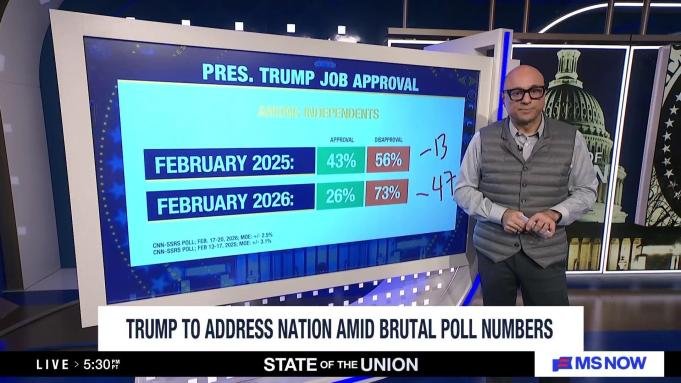
MS NOW has partnered with FiftyPlusOne for polling data, approval ratings, election modeling and analysis in advance of the midterms.
The deal starts on Thursday, and MS NOW will be FiftyPlusOne’s exclusive national partner.
G. Elliott Morris, head of analytics at FiftyPlusOne, previously was editorial director of data analytics at ABC News, including oversight of FiveThirtyEight. FiftyPlusOne’s data will be used across MS NOW’s platforms and Morris will write a regular column for ms.now. The MS NOW Membership will feature FiftyPlusOne data in its Live Q&A feature. MS NOW earlier announced a partnership with the Associated Press for election results.
FiftyPlusOne features daily polling averages on upcoming elections and issues and forecasts on various contests.
Kabir Khanna, director of elections and analytics at MS NOW, said in a statement that FiftyPlusOne’s “expertise will give out journalists and audiences a deeper understanding of the polling landscape before and after Election Day.” Morris said that FiftyPlusOne provides “rigorous, transparent aggregation of public opinion polls and other electoral data that’s honest about what the numbers can and can’t tell us.”
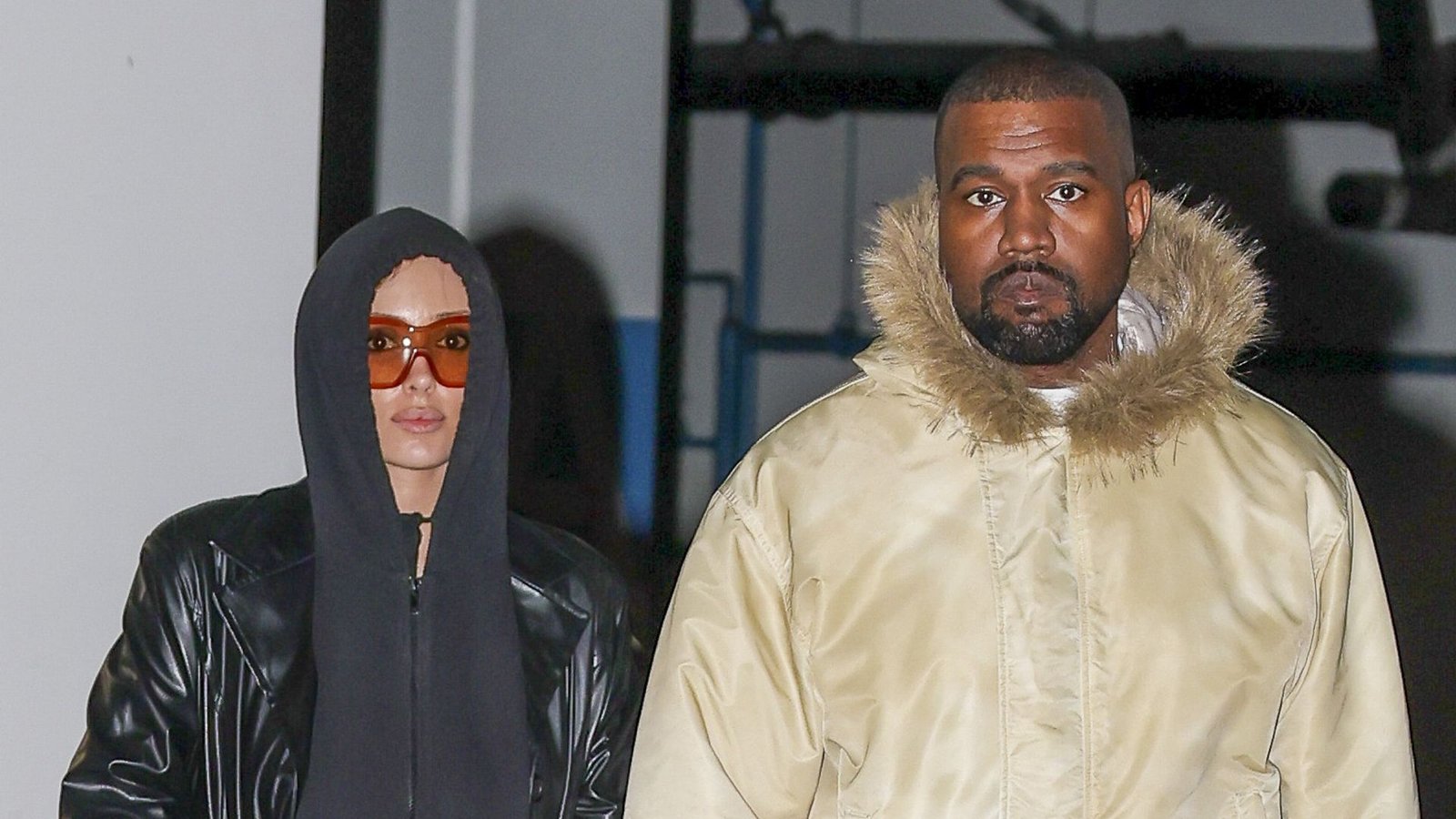
Ye, formerly known as Kanye West, and his wife Bianca Censori are used to wearing things that don’t quite fit the vibe, and this week was no different. In the middle of an LA heat wave, the couple decided that a nearly 100-degree day was the perfect time to break out their winter wardrobes.
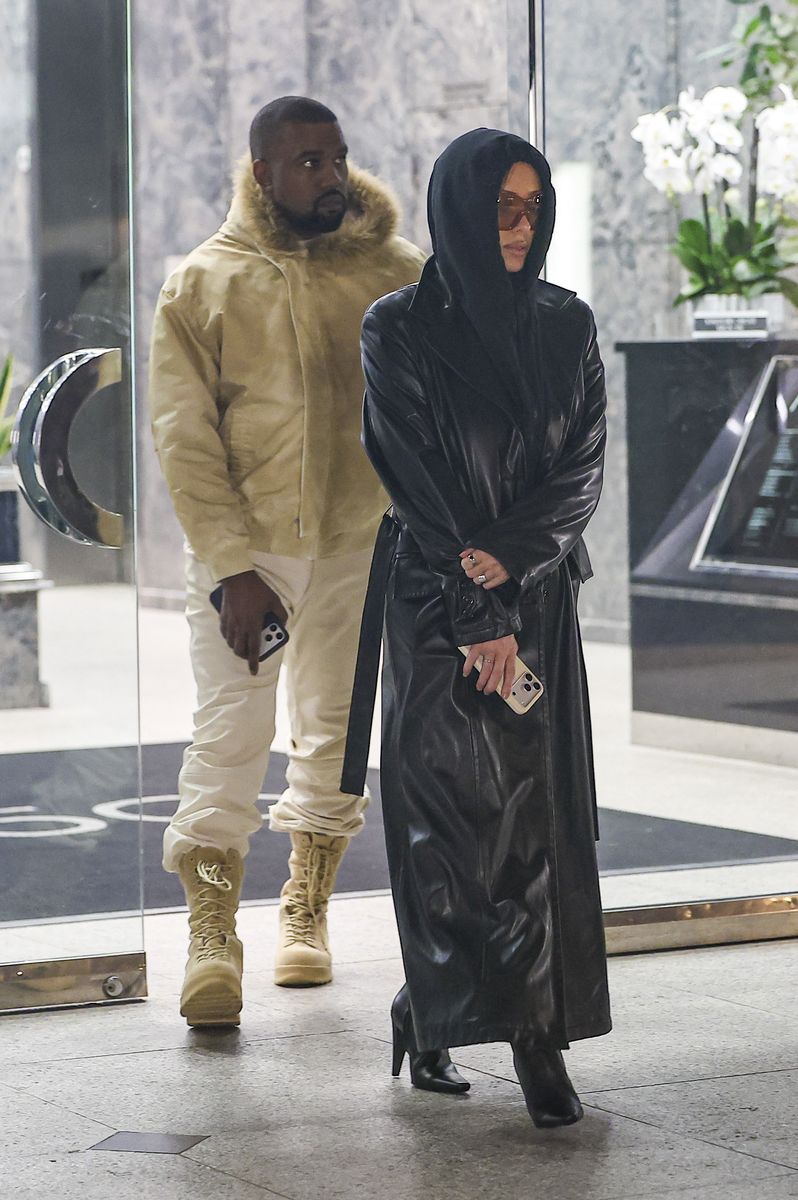
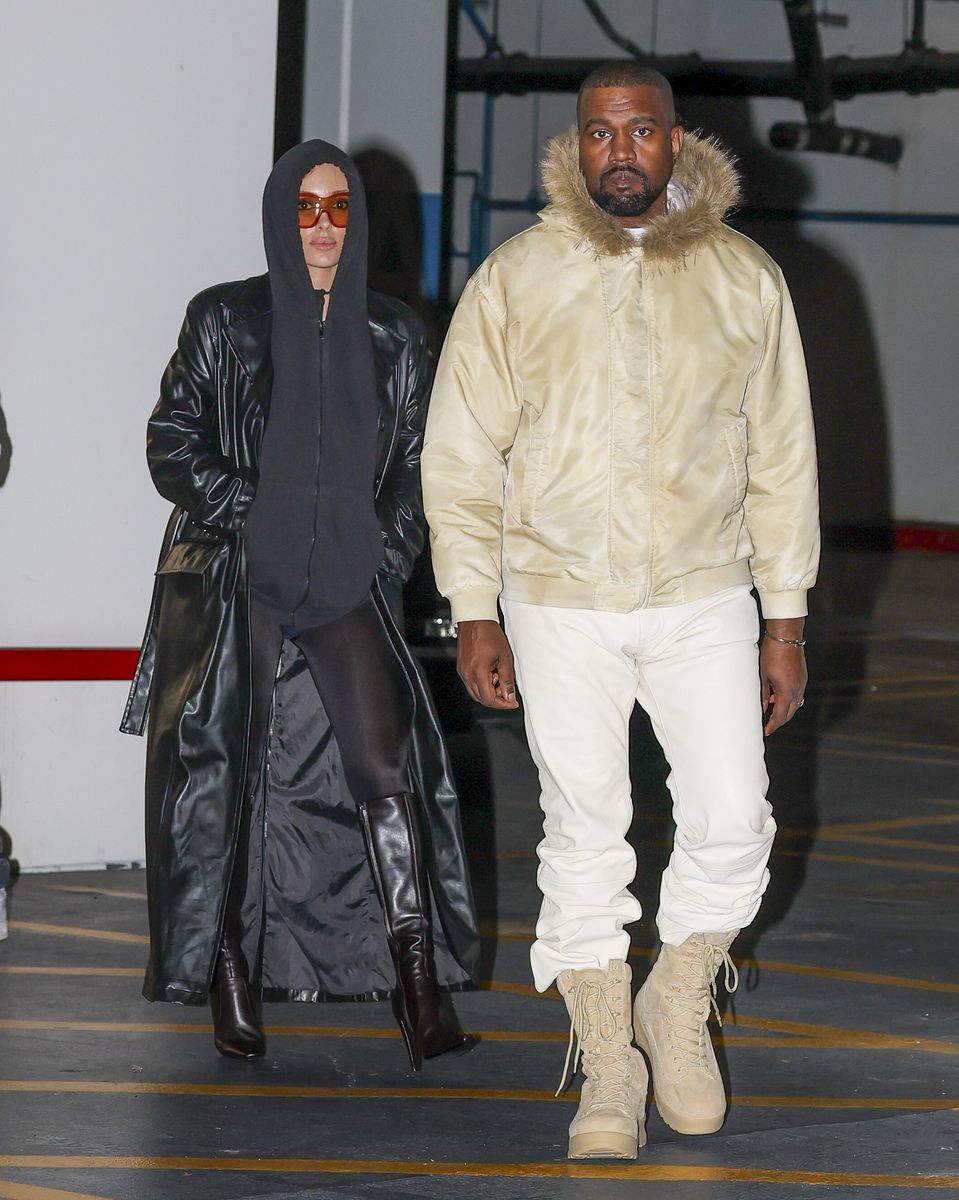
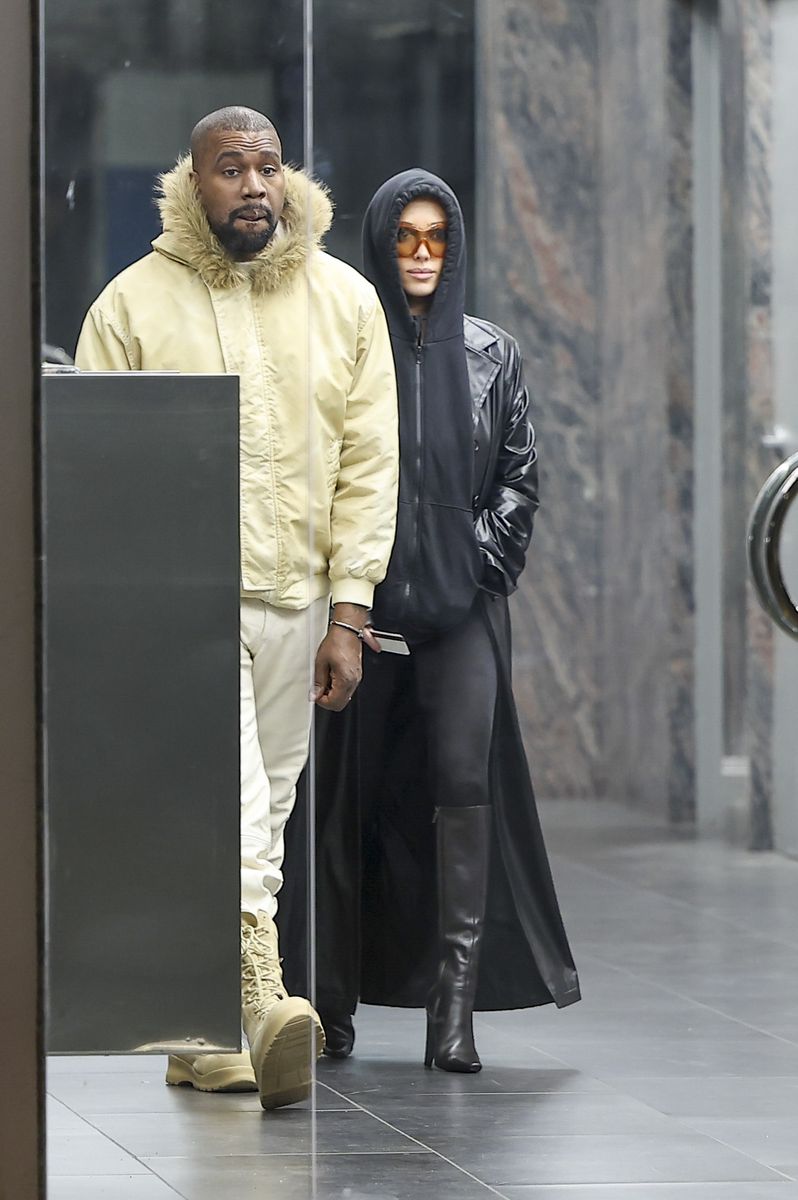
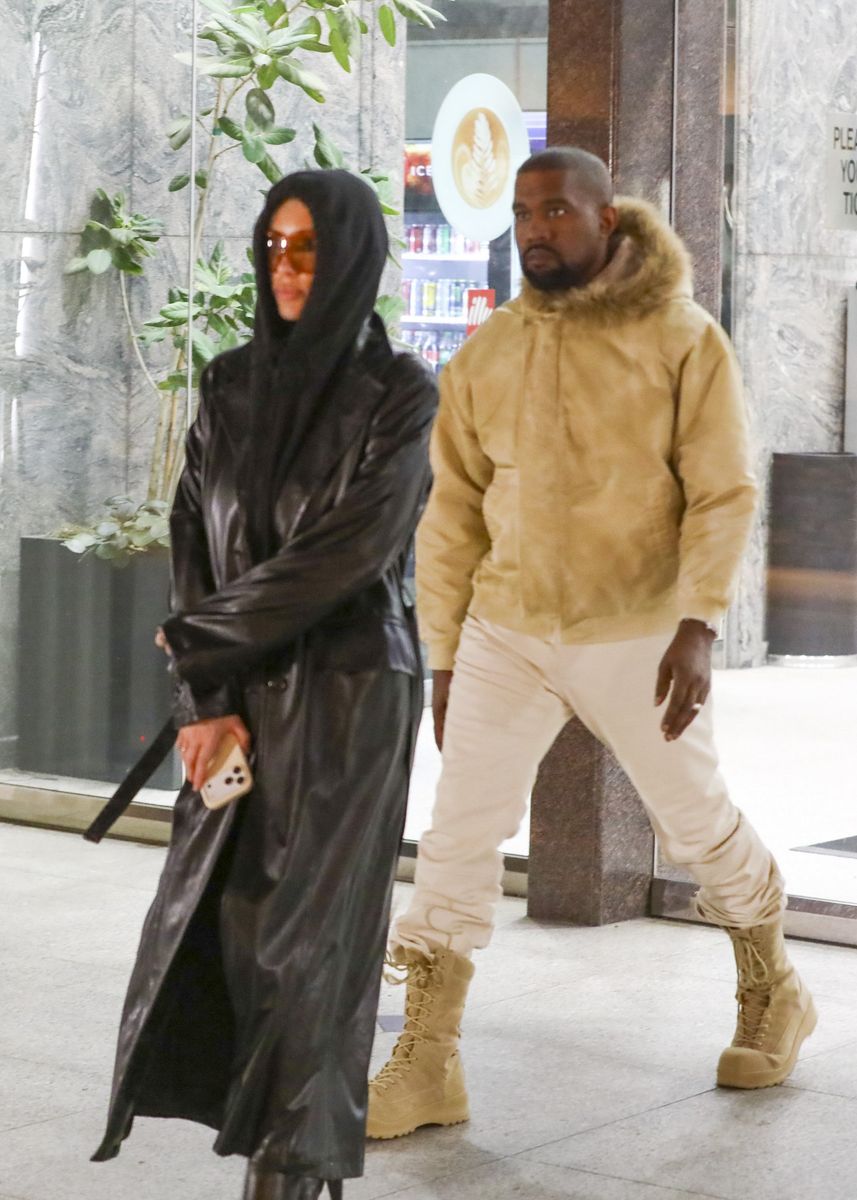
The couple stepped out together Sunday after a low-key movie date in Westwood, just one day after making a much more public appearance at ComplexCon. While the rest of Los Angeles was probably looking for the nearest air conditioner, Bianca was bundled up in a floor-length leather coat while Ye opted for a fur-trimmed jacket.
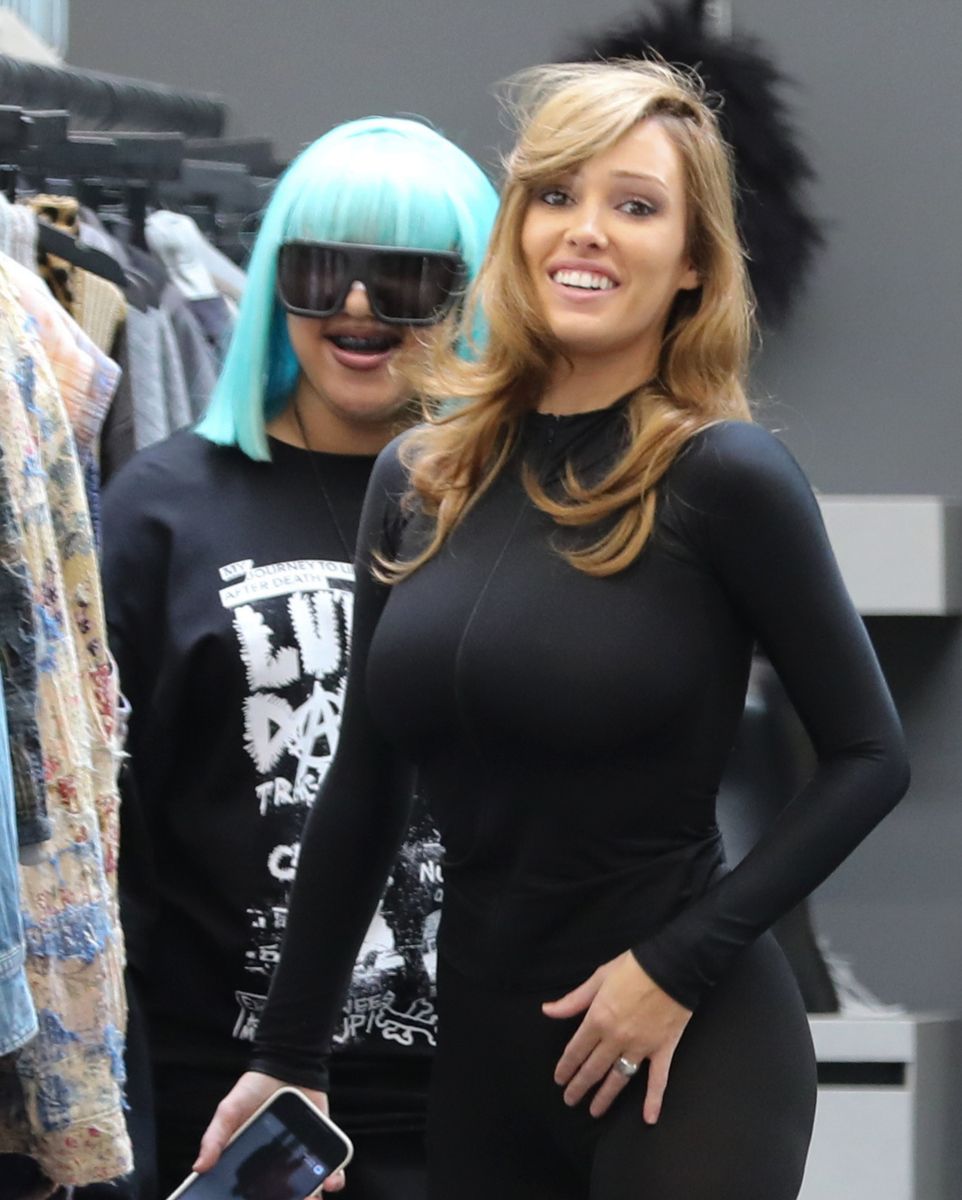
Censori went for an all-black look, wearing a shiny leather trench coat that fell all the way to the floor. The dramatic piece had structured shoulders, wide lapels, long sleeves, and a belted waist. Underneath, she wore a black hooded top with fitted black leggings.
They both looked like they were dressed for the snow, not the heatwave
She finished things off with dark brown knee-high stiletto boots and oversized amber-tinted rectangular sunglasses. The sunglasses may have been the most practical part of the outfit.
Ye went for his own version of heavy-duty outerwear, wearing a beige hooded bomber jacket complete with a fur-trimmed hood and ribbed cuffs and hem. He paired the jacket with off-white trousers and tan lace-up combat boots with thick soles.
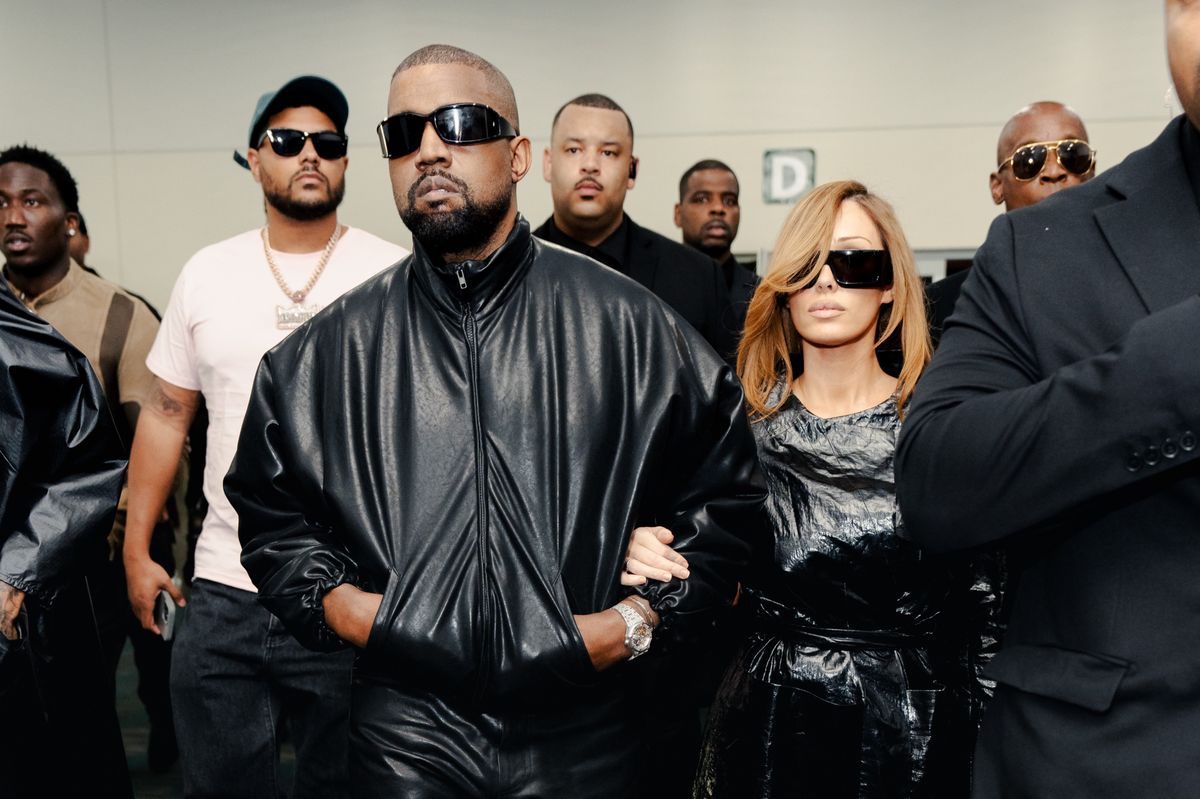
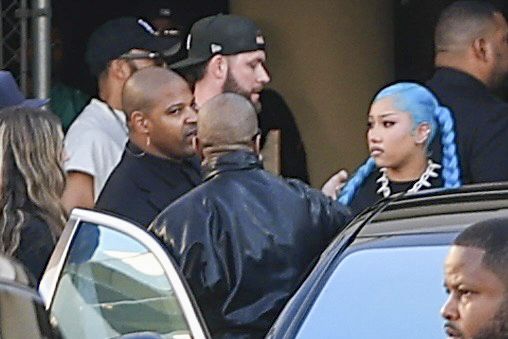
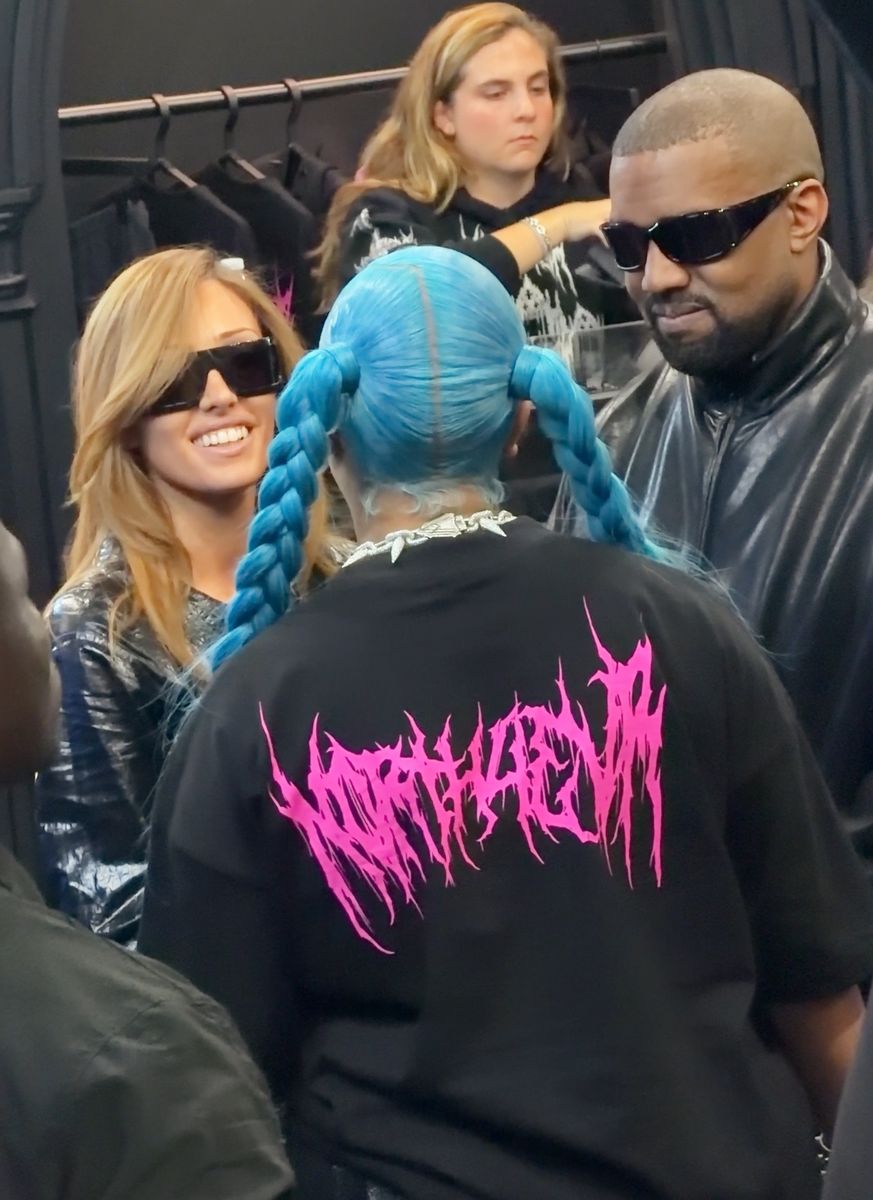
The outing came just one day after Ye and Censori were spotted together at ComplexCon in Los Angeles, where they were joined by Ye’s daughter, North West.
Ye, Bianca Censori, and North West had the convention center going wild when attendees found out they were there
Ye was also more than a spectator at ComplexCon. He later joined Playboi Carti during the rapper’s headlining set, performing three songs including “Can’t Tell Me Nothing,” “Carnival,” and “Off the Grid.”
Bianca has embraced her role in Ye’s family
As we saw at ComplexCon, while Censori tends to make headlines for her outfits, she has also quietly become part of his children’s lives.
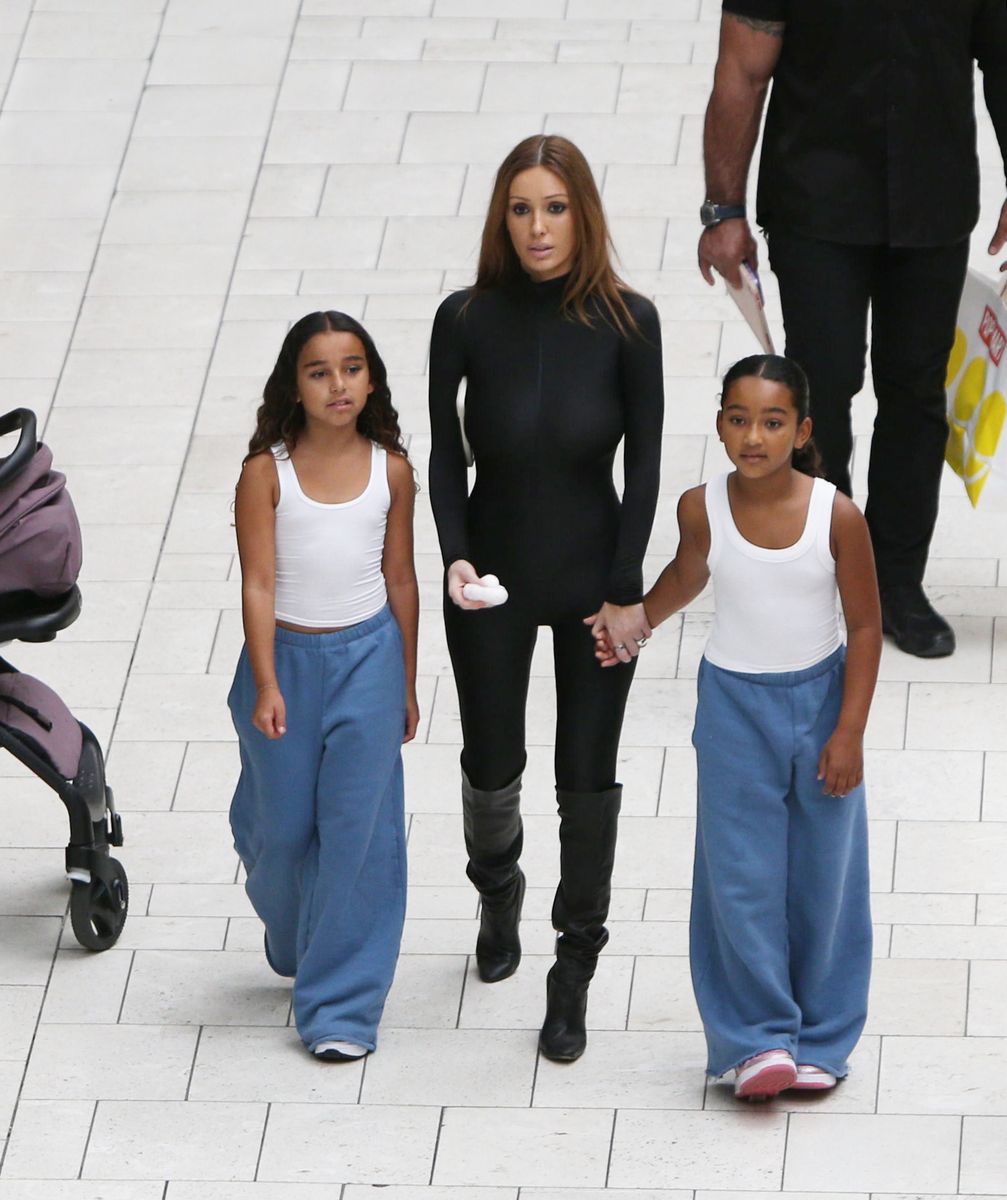
Ye with Dream and Chicago in a mall in Los Angeles
Over the years, the architect has been photographed spending time with Ye’s four children, North, Saint, Chicago, and Psalm, including trips and family outings.
She has also been out with North on several occasions. In July, Censori and the 13-year-old were photographed shopping together with Ye in Los Angeles, with TMZ describing the outing as the pair getting some “quality time” together.
Censori and North have previously been seen holding hands, chatting and smiling together at Ye’s events, while Ye himself has publicly praised Censori as a stepmother. In a birthday message for his wife, he called her “the most amazing stepmom to our children.”
Censori has also defended Ye as a father. In her 2026 Vanity Fair interview, she pushed back on claims that he had gone months without seeing his children, calling him “a really awesome dad.”
She recalled one occasion when Ye left her photoshoot to spend time with the kids and described how he once turned an entire room into a giant play area for them.
Censori told Vanity Fair that she and Ye have discussed having children of their own, but that they would want to raise them somewhere other than Los Angeles because of the invasive media attention.
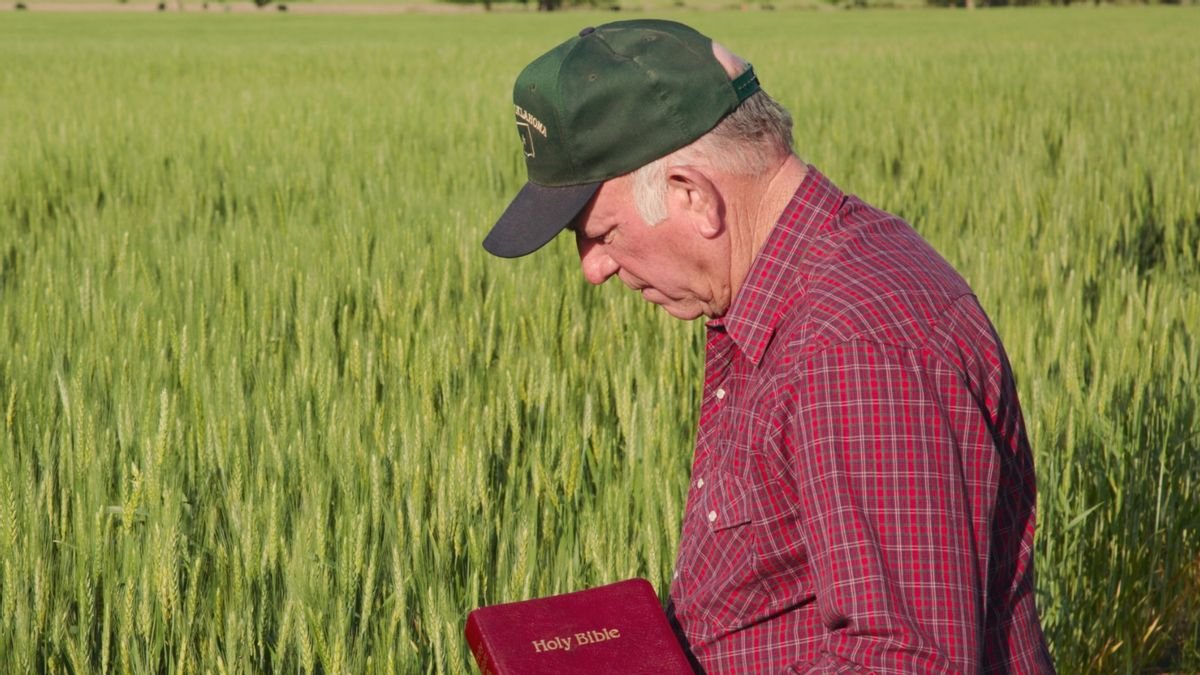
A video posted in October authentically depicts a man leading a group of Arkansas farmers in praying for “more Mexicans” to keep farms running.
Rating:
Context
The visuals in the footage have an authentic origin, but the audio has been edited to significantly change the meaning of the prayer.
On Oct. 4, a social media user posted a video purportedly depicting a man leading a group of Arkansas farmers in prayer, asking “baby Jesus” for “more Mexicans” to replace the “Mexicans we had deported” to save their farms.
The user posted the footage to Facebook (archived) and Instagram (archived). The audio seemingly shows the man leading the prayer saying:
Dear Baby Jesus, please help us. We’re losing our farms. We know we sent all the Mexicans away. Dear Lord, please send us some more Mexicans to replace the Mexicans we had deported. We’re going to lose our farms; please, Baby Jesus and all things holy. Amen.
In short, the visuals in the video have an authentic origin, but the audio has been edited to significantly change the meaning of the prayer. Therefore, we rate the audio as fake.
The authentic footage originates from a broadcast by KATV 7, a TV news station in Little Rock, Arkansas. The channel posted the segment to YouTube on Sept. 2, 2025 (archived), more than a year earlier than when the edited clip was circulating. It shows hundreds of Arkansas farmers in a school gymnasium seeking the federal government’s help regarding their financial struggles.
At about 2:24, the video cuts to a man leading the farmers in prayer. He can be heard saying:
Farmers, in my opinion, dear Lord, and it’s only my opinion, are closer to you than anyone else on this Earth because we deal with your Earth every day. Dear Lord, we’re hurting, dear Lord. We can’t help what’s happened to us.
According to KATV 7’s article about the event, also published on Sept. 2, 2025, the farmer then said, “We need help, dear Lord.”
Another piece of evidence that the “more Mexicans” iteration of the clip is edited is the quality of its audio. The prayer in the edited version is sharp, clear and lacking an echo. Inside a school gymnasium, the audio of the farmers praying should, in reality, feature an echo, like the man’s voice does in the original footage.
Both Facebook and Instagram identified the audio as original to Aaron Beltrán, the person who appeared to first post the edited clip on both platforms.
Snopes reached out to Beltrán to ask whether he originally edited and posted the manipulated video, if the voice is his own and if the content was meant to be satirical. We will update this story if we receive a reply.
For further reading, we addressed a claim that U.S. President Donald Trump said Iran “can take out” Los Angeles and San Diego.
A federal judge said he will rule by Tuesday on Donald Trump‘s ban on CNN, MS NOW and Politico from White House grounds, while he pressed the government’s lawyers on the different justifications offered by the president and the DOJ.
U.S. District Judge Timothy J. Kelly, appointed to the bench by Trump in his first term, also extended a temporary restraining order through Tuesday, which restricts the White House from pulling the hard passes of nearly 80 journalists and other staffers from the three outlets.
Thursday’s hearing was over whether to grant a preliminary injunction, something that would block Trump’s ban for a longer term — at least until a trial or an appeal. The judge issued a two-week TRO on Sept. 24, six days after the president announced the ban. That forced the White House to return the press credentials to the reporters and allow them back on the grounds.
Theodore Boutrous Jr., representing the three outlets, told the judge that since then, the case “has gotten stronger for the plaintiffs thanks to Donald Trump.”
Boutrous pointed to an interview that Trump gave to Time, published on Sept. 28, in which he complained about the media publishing “bad story after bad story,” and never mentioned the government’s defense of the ban, centered on the outlets’ publication of national security information.
“That is pretextual, it is post hoc,” Boutrous told the judge.
In the courtroom, Boutrous and four other attorneys sat at the plaintiffs’ table, while there was just one attorney on the defense side, representing the White House. That was Michael Velchik, senior counsel in the DOJ’s civil division. Also present in the gallery were editors and reporters from the outlets, including CNN’s David Chalian and Jonathan Greenberger, Politico’s global editor in chief.
Velchik told the judge that the ban is justified because the outlets had engaged in “indefensible conduct.” He pointed to what he characterized as false quotes and anonymous sourcing, while holding that access to the White House grounds is a “privilege” under the president’s discretion. When it came to national security, he said, “If CNN published nuclear codes, the government is not helpless.”
Kelly, though, pressed Velchik on the different explanations offered by Trump and the DOJ, where “the decision maker seems to have said, ‘We are taking action because of X, Y,’ and the government is saying, ‘No, it’s Z.’”
“It just seems like the fact pattern is hard to find,” the judge said.
Velchik said that the government never said that the ban was solely about national security, citing another justification that the outlets failed to meet minimal journalistic standards of professionalism. Those two justifications, Velchik said, also overlap.
The DOJ attorney also argued that the three outlets forfeited their right to appeal the ban, because letters were sent out on Sept. 22, informing them of specific stories at issue, but they never filed an objection to the White House by a deadline at the end of that week.
Boutrous, though, noted that the letters were sent off days after the ban was already implemented and the media outlets filed suit. The letters were unsigned and merely started they came from the White House Press Office, he noted. He described it as a “sham process,” arguing that it was clear that by the time the letters went out, “The president already made up his mind.”
At one point, Boutrous suggested that the president likely “woke up on the wrong side of the bed” and then decided to issue the ban. He said that the White House was citing “amorphous” professional standards, warning of what would happen if reporters were blocked from the grounds because the president deems a story wrong.
“If a press pass is at risk because Donald Trump decides something is false, that is a very chilling” standard, Boutrous said.
The judge did seem receptive to the DOJ’s point that there is a government interest in protecting national security, but he made clear that he is bound by past D.C. Circuit precedent, including cases that favored journalistic access to the White House over attempts to restrict certain correspondents. In a case brought by Playboy correspondent Brian Karem, the D.C. Circuit ruled that the White House cannot rely on “unarticulated standards of professionalism” to justify the suspension of hard passes.
Like Kelly’s TRO, the Karem ruling centered on Fifth Amendment due process, but Boutrous urged the judge to also address their claims that the media outlets’ First Amendment rights were violated.
In the meantime, the White House has restricted CNN and Politico from access to various presidential events, including travel on Air Force One as the designated pool outlet. The three outlets have pointed to the continued restrictions as further evidence of viewpoint retaliation, but the legal question of whether blocking access to smaller spaces like the Oval Office and on presidential travel is the subject of a separate legal proceeding involving the Associated Press.