The Paw Patrol litter is gonna need a scientist dogs. Maybe a poodle — they’re smart.
Colossal Biosciences, a de-extinction company trying to bring back the Woolly Mammoth, has enlisted the beloved pups in its efforts to save endangered species. Paramount, Spin Master and Colossal have teamed to “teach children that real animals don’t always have the Paw Patrol to rescue them. The group playing God even got Godzilla: King of the Monsters writer/director Michael Dougherty — and the dude who voices firedog Marshall (Carter Young) — to put together a call-to-action video for the little tablet-wielders.
The campaign teaches the kiddos that mayors in purple tails and top hats are not always the big bads to the animal kingdom. Usually it’s disease; often it’s us.
“The next generation of protectors, that’s us. Together, we can become a real-life Paw Patrol for our planet,” the campaign tells them.
Yes, it’s a real Mission PAW situation. Watch the video:
Thus far, Colossal has de-extincted Red Wolves, the most endangered species of wolf with only 14 left in the wild — the company used the same tech that was deployed to bring back Dire Wolves. The nerds at Colossal have also used “AI-enabled bioacoustic sensors” to decode their howls, the company says.
Colossal is very tech-forward, and is presently “working with indigenous tribes and other partners on more than 25 AI & biotechnology-enabled conservation projects” aimed at saving rhinos and amphibians as well.
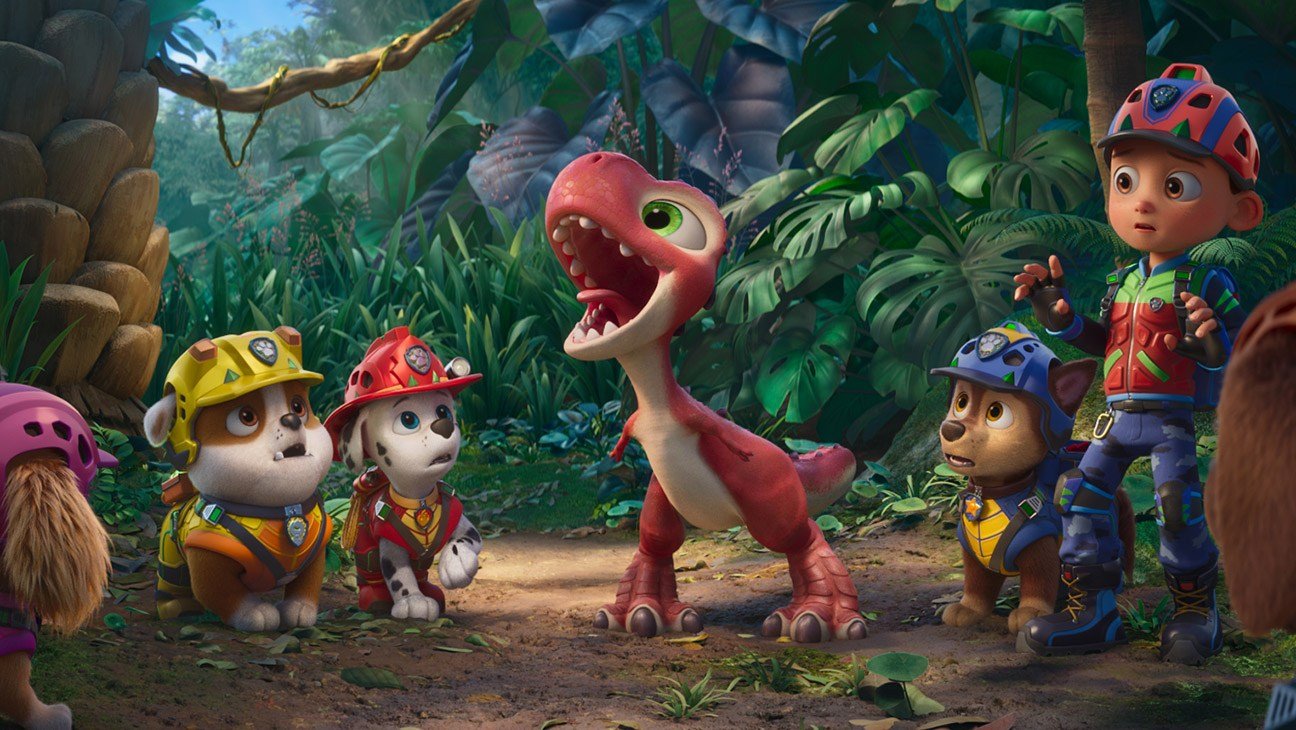
If this all sounds familiar, well, it’s basically the plot of Jurassic Park. And Paw Patrol: The Dino Movie is… also basically the plot of Jurassic Park — just, you know, for preschoolers.
“After their ship gets caught in a mysterious storm, the Paw Patrol pups crash land on an uncharted tropical island filled with dinosaurs. They meet Rex, a pup who has been stranded on the island for years and has become an expert in all things dino-related,” the Dino Movie logline reads. “When the Paw Patrol’s archrival, Mayor Humdinger, begins recklessly mining in hopes of exploiting the island for its natural resources, he inadvertently causes a huge, dormant volcano to erupt.”
The pups are soon “thrown into a series of high-stakes, dino-sized rescues bigger than anything they’ve done before,” it continues, “as they must stop Humdinger before everything on the island goes extinct.
Director Ilya Khrzhanovsky is defending his upcoming film DAU against attacks by the government of Ukraine that it represents Russian propaganda and should not be screened at the Venice Film Festival next month.
Khrzhanovsky took to Facebook on Thursday to post a point-by-point rebuttal of the criticism of his film and claims linking him, the film’s financiers, and DAU actor Teodor Currentzis to Vladimir Putin’s Russia.
“DAU is not a Russian film and does not represent Russia at the Venice Film Festival,” Khrzhanovsky writes, noting that he is “not a citizen of the Russian Federation” having renounced his Russian citizenship “in protest against the state policy of the Russian Federation and its war against Ukraine.”
His film, Khrzhanovsky said, “is not an instrument of Russian state cultural policy. It is an artistic statement about the nature of totalitarian evil.”
The 3-hour DAU film is the latest in a series of movies, art installations and video projects created by Khrzhanovsky using material filmed over three years from 2008 to 2011 on a closed set in Kharkiv, Ukraine.
Earlier this week, the Ukraine Ministry of Foreign Affairs, the Ministry of Culture, and the Ukrainian Embassy in Italy issued a joint statement criticizing the Venice festival for including DAU in its line-up.
“At the time when Russia is continuing its war of aggression against Ukraine, systematically destroying cities, cultural heritage and national identity,” the statement reads, “offering one of the world’s most prestigious cultural platforms to a project linked to the Russian state and its networks of influence sends a deeply worrying signal.”
The statement goes on to list the film’s alleged connections to Putin’s Russia, including Khrzhanovsky’s citizenship, and that of DAU lead actor Teodor Currentzis, and its connection to Sergei Adoniev, a Russian business man who has been sanctioned by Ukraine and the U.S.
Venice Film Festival artistic director Alberto Barbera took to Instagram on Wednesday to clap back at those allegations and to defend his decision to include DAU at this year’s festival. In his post, Barbera describes Khrzhanovsky as “a Russian dissident who ended up on the regime’s blacklist as a terrorist and enemy of the state — a director who, from the very beginning, has taken a stand against the Russian invasion of Ukraine”. He called the attacks on DAU an “inexplicable smear campaign against a film that its accusers have evidently not even seen yet.”
The DAU project, initially conceived as a biopic of the Nobel Prize-winning Soviet scientist Lev Landau (nicknamed Dau), became a massive immersive installation. Hundreds of cast members, actors and non-actors, lived on the closed set, in costume and in character, isolated from the outside world during filming. From the hundreds of hours of footage shot, Khrzhanovsky has produced several feature films. DAU. Natasha, screened at the Berlin Film Festival in 2020, winning a Silver Bear for outstanding artistic contribution for cinematographer Jürgen Jürges.
In his Facebook post, Khrzhanovsky refutes or qualifies the various accusations made against him and his film. Adoniev, he says, was a financier of the broader artistic 𝘋𝘈𝘜 project but “his financing ended completely in 2019 and he has had no financial relationship with the project since then. He did not finance the completion of the film selected for the competition of the Venice Film Festival.” Adoniev’s involvement, the director adds, was prior to his being sanctioned by the U.S. or Ukraine government.
The filming of the DAU project in Ukraine, writes Khrzhanovsky, took place before the Russian invasion of the country. His own position on Russia’s war against Ukraine “has been and remains unequivocal,” he writes. “I publicly supported Ukraine long before the full-scale invasion. Following the annexation of Crimea in March 2014, I signed an open letter by Russian filmmakers in support of Ukraine.”
A stickier point is DAU lead actor Theodor Currentzis. A well-known Greek conductor, Currentzis took on Russian citizenship in 2014. Currentzis has never publicly supported Russia’s war against Ukraine, but he has not publicly condemned it either.
“However one may judge his decision not to make such statements [against the war], judging a person on the basis of the citizenship they hold — and, even more so, using citizenship acquired years after most of the filming as evidence of the film’s current connection to the Russian state — is not justified,” writes Khrzhanovsky.
Given what he characterized as his long and enduring support for Ukraine, Khrzhanovsky said the attempt to frame him and his film as supporting the Russian state or its war against Ukraine was “especially painful for me.” He said he understood the need, “during wartime, to scrutinize the sources of financing of cultural projects, political connections, and possible instruments of Russian influence. [But] that is precisely why standards of factual accuracy must be particularly high.”
His movie, he said, “should not be prematurely judged on the basis of false associations, distorted chronology, or assumptions that contradict the documented history of the project. I have been and remain opposed to Russia’s war against Ukraine and to the political system that made this war possible. Opposing totalitarianism also means defending factual truth.”
DAU will screen in competition at the 2026 Venice Film Festival, which runs Sept. 2-12.
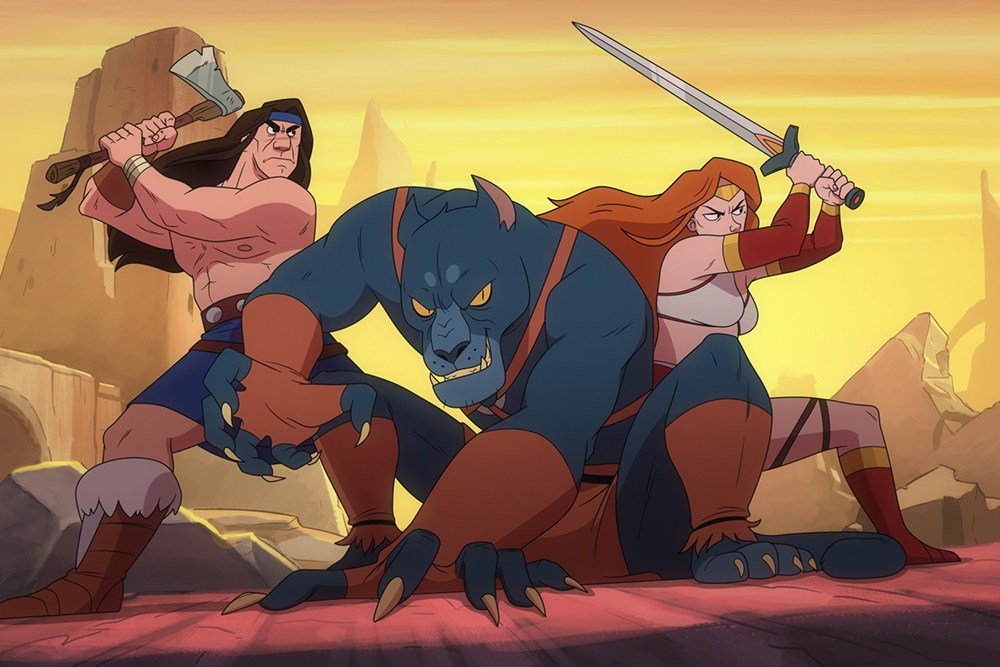
Paramount+ has unveiled the trailer for “Golden Axe,” a new adult animated comedy series based on Sega’s classic 1989 beat-em-up video game.
According to the official logline, “Golden Axe” follows “warriors Ax Battler, Tyris Flare and Gilius Thunderhead as they reunite to save Yuria from the evil giant Death Adder, who just won’t seem to stay dead. Their quest is complicated by Hampton Squib, an inexperienced and wildly underprepared adventurer whose dream of heroism far exceeds his abilities. Forced to work together despite their flaws, they must find a way to stop Death Adder once and for all.”
Matthew Rhys stars as Gilius Thunderhead, “a grumpy battle dwarf with exceptionally poor hygiene and a chip on his shoulder.” Other cast members include Danny Pudi as Hampton Squib, Lisa Gilroy as Tyris Flare, Liam McIntyre as Ax Battler and Carl Tart as Chronos “Evil” Lait.
In the trailer, we see our three heroes talking strategy before they head into battle. “To defeat Death Adder, we need an actual plan,” Gilius says. A confident Tyris then chimes in, delivering a meta punchline: “We’re going to do what we do best: Face a series of progressively harder enemies until we have a big final battle with Death Adder.”
Mike McMahan and showrunner Joe Chandler co-created the series. They also co-wrote the first episode and served as executive producers. Other executive producers include Haruki Satomi, Shuji Utsumi and Toru Nakahara for Sega, and Neal H. Moritz, Pavun Shetty and Toby Ascher for Original Film. Titmouse serves as the animation studio for the series, with Chris Prynoski, Shannon Prynoski, Antonio Canobbio and Ben Kalina serving as executive producers. “Golden Axe” is produced by CBS’ Eye Animation Productions, CBS Studios’ animation arm, Sony Pictures Television and Original Film.
“Golden Axe” arrives on Paramount+ on Sept. 16. Check out the trailer below.
Check Point Research identified nearly 2,000 compromised WordPress sites used by the StopAndProtect malware operation.
More than 6,000 unique IP addresses had been compromised as of July 24, including 1,852 in the United States.
Researchers believe the attackers accidentally infected themselves, exposing internal files and tools used to manage compromised sites.
Nearly 2,000 hacked WordPress websites were used to distribute malware, steal data, monitor victims, and deploy ransomware, according to cybersecurity firm Check Point Research.
In the report published on Tuesday, researchers said the StopAndProtect ransomware family was first discovered in mid-May before tracing it to a broader operation. The hacked websites hosted malware, sent commands to infected computers, and stored stolen documents, screenshots, and activity logs.
“The operation doesn’t rely on a single piece of malware, but on a whole toolkit of criminal software working together,” Check Point researcher Jaromír Horejsi wrote. “Some components encrypt files, others silently steal documents or lock the screen, and another acts as a live chat between the attackers and their victims.”
According to Check Point, the malware targets Windows users and begins with a fake CAPTCHA on a compromised website. The ClickFix prompt instructs victims to run a PowerShell command that installs malware capable of stealing credentials, cryptocurrency wallet seed phrases, spreading through networks and USB drives, locking screens, and deploying ransomware.
The report did not say whether macOS and Linux users are affected.
However, mistakes by the attackers gave Check Point researchers a deeper look inside the operation, the company said.
“Operational security (OPSEC) failures by the developer exposed lots of files, including detailed infection logs from victims’ machines, screenshots from infected computers, and source code of tools the criminals use to mass-manage compromised websites,” Horejsi wrote.
By July 24, the campaign had compromised more than 6,000 unique IP addresses, including 1,852 in the United States and 630 each in Russia and India.
Exposed directories contained infection logs and screenshots from victims’ computers. Researchers said they were able to collect over 31,000 screenshots between mid-May and the end of July, along with more than 700 archives containing stolen data, including documents, passwords, and cryptocurrency wallet files.
Check Point believes the threat actor also accidentally infected themselves.
“We collected a few hundred files exfiltrated from victims’ machines, and we believe that in one instance the threat actor infected themselves, as one archive contained several unusual files with suspicious content,” Horejsi wrote. “This also helps us better understand how the actor operates and how many compromised domains they likely control.”
ClickFix has surfaced in several other malware campaigns this year.
In May, an apparel website linked to FBI Director Kash Patel was taken offline after macOS visitors were reportedly targeted with ClickFix malware. Users were prompted to paste a command into Terminal that installed an infostealer capable of targeting browser data, session tokens, and crypto wallets.
In July, Jamf Threat Labs found ClickFix-style malware being distributed through a sponsored ad on X. The ad redirected users to a website that instructed them to open Terminal and run a command that installed a variant of the Atomic infostealer. In August, Microsoft researchers warned that hackers were using compromised websites and BNB Chain smart contracts to distribute malware through fake CAPTCHAs.
Daily Debrief Newsletter
Start every day with the top news stories right now, plus original features, a podcast, videos and more.
Hudson River Trading signed a multiyear agreement worth billions of dollars with CoreWeave to expand the computing infrastructure used for its trading research and models.
The agreement builds on an existing partnership between the companies and represents a material expansion of their relationship, CoreWeave Chief Revenue Officer Jon Jones told Bloomberg. He declined to disclose specific financial terms.
As part of the deal, HRT will become one of the first CoreWeave customers to receive wide scale access to Nvidia’s newest Vera Rubin AI chips.
HRT, one of the largest nonbank trading firms in the US, has been increasing its use of specialized cloud providers such as CoreWeave as its research requires greater computing capacity. Additional processing power allows researchers to test more models and evaluate trading strategies across a wider range of markets and time horizons.
Kevin Lee, head of research and development at HRT, said greater access to computing resources lets the firm’s researchers run more experiments and potentially identify new trading opportunities. He also said CoreWeave had performed well in delivering infrastructure on schedule and operating Nvidia hardware efficiently.
The deal further expands CoreWeave’s customer base as the company works to reduce its historical dependence on Microsoft and increase its exposure to financial services customers. HRT became a CoreWeave customer in March.
CoreWeave highlighted its growing relationship with HRT in its second quarter earnings report last week as it pushes further into financial services alongside its existing technology and AI customers.
Jane Street, one of HRT’s largest competitors, has also expanded its relationship with CoreWeave. The trading firm previously agreed to spend $6 billion on CoreWeave data center capacity and invested $1 billion in the cloud infrastructure provider.
CoreWeave has also raised billions of dollars in debt to finance additional computing capacity tied to demand from customers including HRT and Jane Street.
Jones said financial firms are increasingly adopting the same advanced computing infrastructure used by developers of frontier AI models as trading companies expand their use of artificial intelligence and large scale computing.
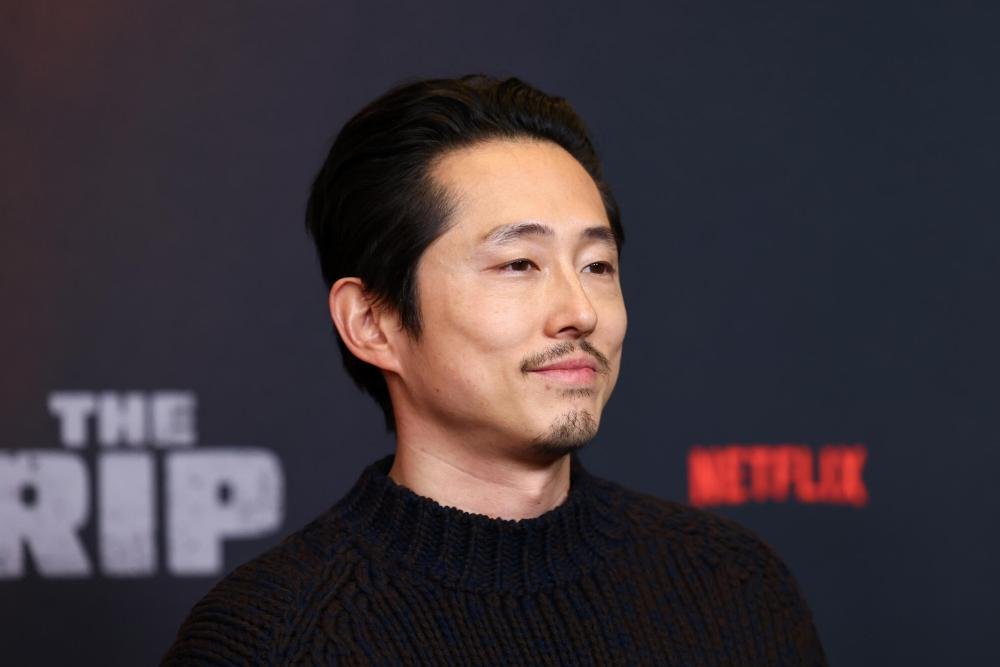
Steven Yeun is set for the lead role in the upcoming Netflix supernatural drama “Pagans,” Variety has confirmed.
The show was originally announced with a straight-to-series order last year in a competitive situation. The logline states that it “follows a man (Yeun) who becomes the sole caretaker of his two children after the tragic loss of his wife. While his son is typical, his daughter, Alice, is anything but. What starts as a strained father-daughter relationship soon evolves into something far more sinister.”
The show hails from “Say Nothing” creator Joshua Zetumer, who also serves as showrunner and executive producer. Drew Goddard and Sarah Esberg executive produce via Goddard Textiles, with Jonathan van Tulleken and Erica Kay also executive producing. Yeun and Christina Oh executive produce for Celadon Pictures.
The role brings Yeun back to Netflix, where he previously starred in the hit first season of “Beef” alongside Ali Wong.
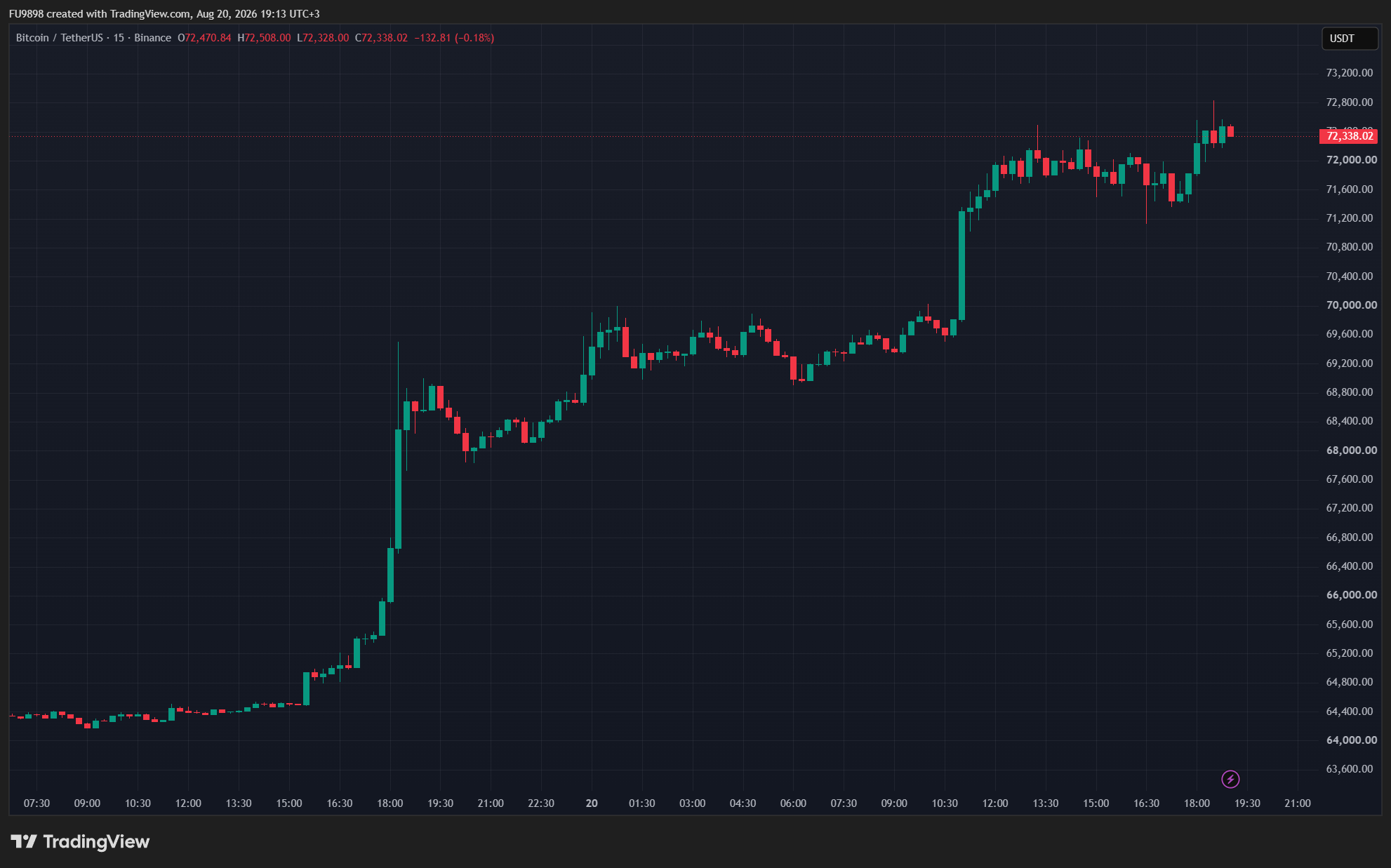
Bitcoin surged a second time today, surpassing $72,000 and reaching its highest level since June, following yesterday’s sharp rise. According to Binance data, $BTC climbed as high as $72,830 during the day, and is currently trading around $72,500 at the time of writing.
A chart showing the increase in $BTC price.
The rise in the cryptocurrency market is believed to be driven by two significant developments from the US. The first catalyst was the US Treasury Department’s announcement that it will at least double the size of its repurchase operations for long-term government bonds.
Under the new plan, the maximum size of buyback operations for 10-20 year and 20-30 year bonds is planned to be increased from $2 billion per transaction to at least $4 billion.
Following the decision, the US 30-year Treasury yield, which had previously climbed to 5.337%, its highest level since 2007, fell sharply. The decline in long-term bond yields increased the relative attractiveness of alternative assets like Bitcoin, which does not provide yield, and $BTC was one of the first assets to react strongly to the news.
Crypto Meeting at the White House Boosts Bitcoin Once Again
The second wave of Bitcoin’s rise occurred following new news from Washington.
US President Donald Trump reportedly met with representatives of the cryptocurrency industry, including executives from Coinbase, Payward, and Blockchain.com, at the White House.
During the meeting, Trump reportedly mentioned the possibility of the US purchasing a “significant amount” of Bitcoin and urged Congress to pass the CLARITY Act before the critical September 15 deadline.
These statements quickly triggered a new wave of buying in Bitcoin. $BTC rapidly rose from around $69,000 to over $71,000, continuing its upward trend and reaching $72,830.
$1.54 Billion Worth of Short Positions Liquidated While Bitcoin Rises
The sudden surge in Bitcoin and Ethereum also led to large-scale liquidations in leveraged markets.
In the last 24 hours, a total of $1.76 billion in leveraged positions were liquidated in the cryptocurrency market, with $1.54 billion of this amount consisting of short positions. The amount of long positions liquidated was recorded as $219.52 million.
In the last 12 hours, $512.81 million worth of short positions were liquidated, bringing the total liquidation to $612.17 million. In the last four hours alone, $96.75 million worth of short positions were eliminated from the market.
In the most recent one-hour period, a total of $55.24 million in liquidations occurred, with $50.72 million of that coming from investors who took short positions.
With the rise in $BTC and ETH prices, the dollar-denominated value of open positions in the futures markets has also increased significantly.
However, data indicates that approximately 90 percent of the increase in open positions is due not to the entry of entirely new leveraged positions into the market, but rather to the appreciation of existing positions in dollar terms as a result of rising Bitcoin and Ethereum prices.
This suggests that growth in derivatives markets may not represent as large an influx of new speculative capital as it initially appears.
That matters for bitcoin because high Treasury yields can pull capital toward government bonds and away from risk assets. Buybacks can support bond prices and help contain yields, potentially removing some of that pressure.
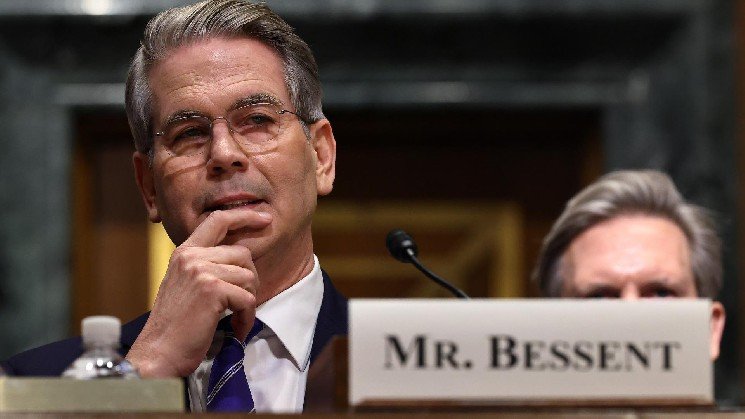
Connors said the initial purchases remain small but he expects Treasury support could eventually reach between $10 billion and $30 billion a month, far beyond the $4 billion announced by Bessent.
The move has also changed his outlook for bitcoin. Connors had expected $BTC to remain subdued until November as it followed its traditional four-year cycle. He is now less certain that investors will have to wait that long.
He believes another potential step could involve changes to the supplementary leverage ratio, or SLR, which affects how much Treasury debt banks can hold relative to their capital. Easing those constraints could give banks more room to absorb government bonds.
“When that happens, that’s when bitcoin starts to seek that first $180,000 price threshold,” Connors said. His target range for the cycle through 2030 is $180,000 to $360,000.
In the immediate term, $72,000 could carry added significance because of how crypto traders are positioned.
Charles Schwab director of crypto research Jim Ferraioli said earlier modeling showed a large concentration of leveraged bitcoin shorts around $72,000.
[This story contains major spoilers for Lucky’s series finale, “All Good Things.”]
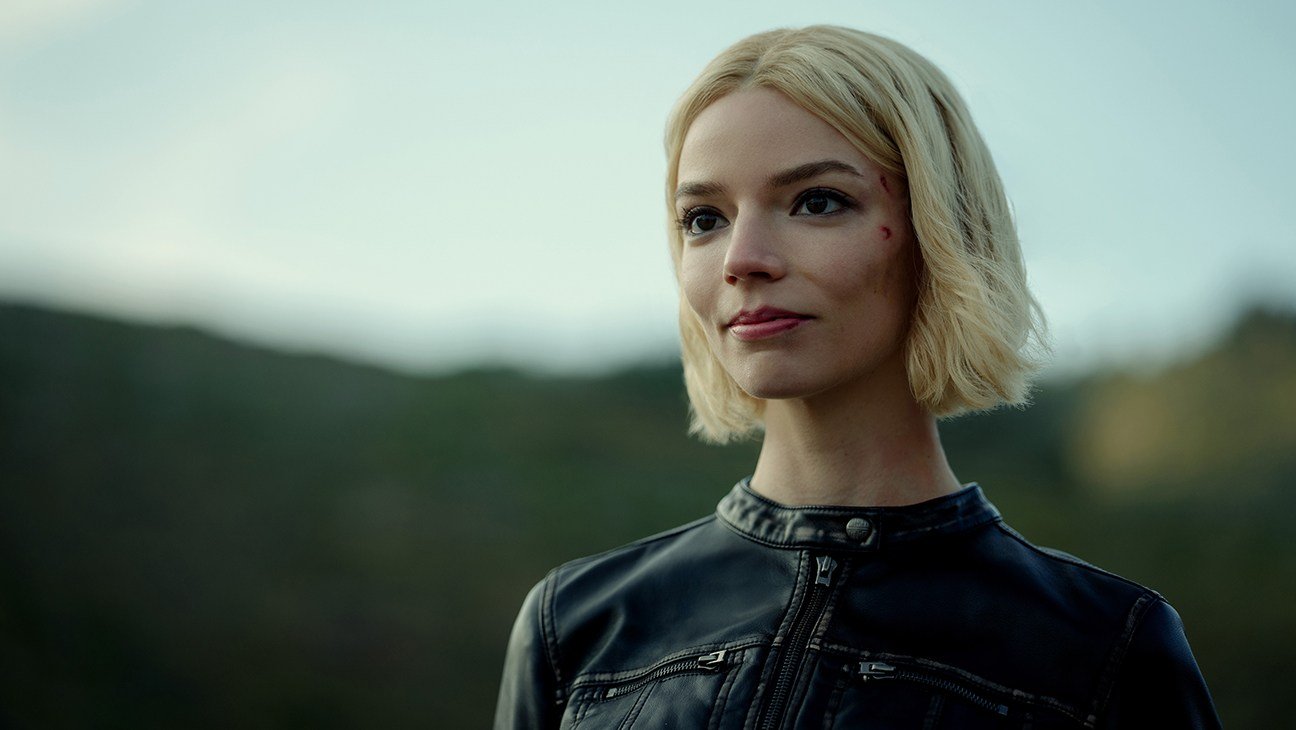
With the dust now settled on Lucky, Anya Taylor-Joy believes her eponymous character is finally living up to her nickname.
The British-Argentine actor’s point has less to do with her conflicted con artist cheating death numerous times and besting her mobster in-laws, as well as the FBI. Instead, it’s more about the bittersweet fact that, despite losing her husband Cary (Drew Starkey) in a fatal car chase — and ultimately severing ties with her father, John (Timothy Olyphant), a con man whose devotion to the hustle proved utterly incurable — she’s at long last able to chart her own course.
In the final moments of Apple TV’s latest well-received limited series, John comes to terms that his familial protege outmaneuvered his final play for the $10 million he originally skimmed from Cary’s parents, Annette Bening’s Priscilla and William Fichtner’s Wayne. Cary re-stole the money temporarily from Lucky and John, only to leave it for his wife to handle as she sees fit, something Priscilla co-signed after killing Wayne, the sadistic driving force behind the season-long attempt to recover it.
Lucky could’ve easily started a whole new life with the ill-gotten gains, but she opted to take her first steps toward a life free of crime by returning the repeatedly stolen taxpayer dollars to the Feds. The final images of the show find Lucky quietly fulfilling the promise her dad spent a lifetime breaking — that one day they would abandon their thieving ways, dig their toes into the sand and stare out at the Pacific.
“Either personally or through somebody close to us, we all know what it is to love somebody that’s not good for us. It’s a lesson that has to be learned individually, and the heartbreak of it all is so relatable to me,” Taylor-Joy tells The Hollywood Reporter. “You still feel that heartbreak because Timothy is so charming, and you so want him to do the right thing. But where we leave Lucky, she, for the first time, isn’t being told who she is; she’s telling other people who she is.”
Now that Lucky has been fully released, Taylor-Joy still has Denis Villeneuve’s Dune: Part Threecoming out in December. Lead actor Timothée Chalamet recently showered her performance as Paul Atreides’s sister, Alia, with adjectives including “breathtaking, unbelievable, terrifying and amazing.” Taylor-Joy laid the groundwork for her trilogy-capping role by filming an Alia cameo in Dune: Part Two (2024) shortly after wrapping George Miller’s Furiosa: A Mad Max Saga.
Her Furiosa experience proved to be a frustrating one, and while she shared some of her struggles during her recent THR cover story, she has made clear she will keep the full, gory details private for decades. By contrast, her expectations for Dune: Part Three were wildly exceeded.
“Dune was everything that I hoped it would be. I cannot say more wonderful things about Denis [Villeneuve]. It was so deeply inspiring to be in these really harsh elements and know that every person is doing their absolute best work because they believe, trust and adore the person that’s leading the ship,” Taylor-Joy says. “In the future, I hope that I never get jaded and that I still have that childlike exuberance. When I look at Denis, I’m like, Oh, it’s possible.”
Below, during a conversation with THR, Taylor-Joy also discusses key changes made to Jonathan Tropper’s adaptation of Marissa Stapley’s novel Lucky, before revealing what made her first day on set acutely emotional.
***
As a graduate of Shyamalan Film School, you’ve always had an interest in the behind the scenes of it all, but what made Lucky the right time to actually venture into producing?
First and foremost, it was my first real opportunity. I’m so grateful to Reese [Witherspoon] and the whole Hello Sunshine team for that. It was her who read the book, reached out to me and said, “Hey, I would love to co-produce this with you if you’d be interested.” Then, upon reading the book, I really felt like I had something to offer and to contribute. So it just felt like the perfect storm.
Anya Taylor-Joy as Lucky in Lucky.
Courtesy of Apple TV
Marissa Stapley wrote the book with you in mind. Did she get the ball rolling on your casting? Or were Reese and co. simultaneously thinking about you?
Apparently, it was simultaneous. Marissa told me about her manifestation during one of my last days on set, and I was just like, “Well done! Good witchery.”
You went from producers Reese Witherspoon and Lauren Neustadter on Lucky to Mary Parent and Tanya Lapointe on Dune: Part Three. Did you pocket as much as you could from them, especially now that you have a production company (LadyKiller)?
I always have curiosity and genuine interest. They are the most important things for me, and luckily, I don’t have to try to force it. If you’re genuinely interested in what’s going on, you learn so much by osmosis just because you’re present. People talk a lot about waiting around on set, but I love the waiting around because that’s just an opportunity for a side quest to learn something.
Lucky pockets anything and everything in a different way. When she walks in a room, she instantly clocks all the angles and identifies anything she can grab, be it keys, cash, clothes, whatever. She’s like Margot from The Menu in that respect.
Yeah.
Has your job made you pretty adept at reading a room since you always have to account for camera angles, blocking and your scene partners?
[M.] Night [Shyamalan] once described me as a raw nerve that has no skin. I’m very sensitive to energies, so I can read if somebody is having a bad day or if somebody needs reassurance in some way. I’m happy about that because I’d always rather see it than not see it.
Lucky’s con-man father, John (Timothy Olyphant), raised her to be his partner-in-crime, and she eventually surpassed his mastery. For curiosity’s sake, if you had to pull a confidence game in real life, do you think your acting chops would translate successfully?
The act of being a confidence artist requires a level of cynicism that I just do not have. I have interest in fun pranks where nobody really gets hurt, but I detest the idea of ever winning because of somebody else’s misfortune.
Lucky spends the first few episodes tracking down her husband Cary (Drew Starkey) after he made off with the $10 million that her dad originally stole from Cary’s gangster mother (Annette Bening) and estranged gangster father (William Fichtner). Eventually, she learns from Cary that he ditched her in order to protect her from his vengeful mother. Years earlier, Lucky worked with the Feds to put her in prison. Cary then dies from a gunshot wound during a car case, and that swerve was not a part of the source material. Do you remember the conversation around that choice?
Absolutely. We really wanted to center in on this relationship and why she goes to the ends of the earth to find him. The reality is both Cary and Lucky have inadvertently ended up with people that are slightly like their parents, and they feel like nobody else will understand. Cary commits such a treacherous act that we knew we needed an actor that was going to be intensely likable to be able to even hear him out. Then we thought, What’s the best possible lesson for Lucky to learn from this? Cary’s got to go. So it was quite ruthless, to be honest with you.
Drew Starkey’s Cary and Anya Taylor-Joy’s Lucky in Lucky.
Courtesy of Apple TV
You and Drew Starkey probably didn’t work together that long, but you had a full relationship arc in that accelerated amount of time: the honeymoon phase, the breakup, the reconciliation and death.
Absolutely. Anytime Drew was on set, I joked that I was having the best time because I was clean and usually doing a flashback. Those flashbacks were happy, light-filled and joyful. And then the second he would leave, I would be bloody, running for my life and getting shot at. (Laughs.) So it was very dramatic whether Drew was there or not there. But he’s very easy, and we get along really well. He’s somebody that I wanted for the role immediately. Overall, I’m really proud to say that we got our first choice for each one of the roles.
Regarding the sleazy real estate agent character in episode three, I didn’t realize that your husband, Malcolm McRae, has been acting off and on since he was a kid. But given the icky place where the sequence ends up, did you partially want to cast someone who could make that uncomfortable dynamic more comfortable?
We cast all of our guest stars on the fly. We had all of our main cast, and then, as the episodes were going on, we opened casting for the other wonderful characters that we have in our show. Malcolm was doing a lot of self-tapes at the time. And if you’re receiving a Malcolm McRae self-tape, the voice at the other end of it is me, obviously. So I was just watching him one day, and I said, “Damn, you could be really good for this. Would you mind taping for it?” And he did. Afterwards I was like, “Wait a second, this really works out for me. Instead of having a stranger slobber all over me, I’d much rather it be the man that I’m in love with.”
Timothy Olyphant’s John and Anya Taylor-Joy’s Lucky in Lucky.
Courtesy of Apple TV
In the end, Lucky, alongside her dad, manages to circumvent the FBI and the mob to walk away with the $10 million in crypto.
She’s a busy girl.
Granted, Priscilla did her a solid by honoring her deceased son’s wishes. And while Lucky fully anticipates her dad’s attempt to re-steal the money, it still hurts to see him choose the hustle over her yet again. But it’s a blessing in disguise, isn’t it? It needed to happen.
Either personally or through somebody close to us, we all know what it is to love somebody that’s not good for us. It’s a lesson that has to be learned individually. Somebody can’t tell you about it. You have to figure it out on your own, and the heartbreak of it all is so relatable to me. And you’re right, you still feel that heartbreak because Timothy is so charming and you so want him to do the right thing. But where we leave Lucky, she, for the first time, isn’t being told who she is; she’s telling other people who she is.
In episode four, she and a random guy at a bar toast over their bad luck. Ultimately, do you consider her lucky even though she’s completely alone and without the two people who loved her?
Anytime you have the opportunity to make your own fate, you’re pretty lucky. And she made it out alive. That’s pretty unbelievable [after all her brushes with death].
She says at one point in episode six that Lucky isn’t her real name. In the book, her real name is Julia Mann, because John is not her biological father in the book. But I think he is her biological father on the show, as he references the death of her mother and being left with this tiny human. So what does she mean when she says Lucky isn’t her real name? Is she just saying that Luciana is technically her real name? Or is there something more there like in the book?
No, I think it’s just that Luciana is her given birth name. Her father then gave her the nickname “Lucky,” both as a promise, but also selfishly. I really enjoyed playing that, because parent-children relationships are so deep and so treacherous and so beautiful all at the same time. There’s a huge element of Lucky that really wants to make her father proud, but the thing that makes him proud of her is the thing that she most dislikes about herself.
She returns the $10 million to the Feds. It was stolen from taxpayers in the first place. It’s admirable that she truly wants a clean break from her life of crime. But was there ever talk of having her repay some of her victims, such as the family out in the desert or the woman whose car accident she helped cause?
We had conversations very, very early on in the writers room. There’s this wonderful character in the book, Lucky’s childhood friend [Steph]. We loved her, and we really tried to bring her with us. But it ended up not really servicing the story in the way that we needed. [Writer’s Note: John and 10-year-old Lucky defraud Steph and her mother by claiming that Lucky is terminally ill, so I assume Taylor-Joyis alluding to a potential storyline in which Steph and/or her mother would’ve been made whole.]
So we thought about restitution, and then we just decided that the biggest score that she has to settle is with Aunjanue [Ellis-Taylor’s] FBI agent character, Rand.
Your THR cover story detailed some of the challenges you faced on Furiosa, so I’m not going to belabor that subject any further.
Thank you.
All I want to know is whether Dune: Part Three was everything you hoped it would be. Will you not have to wait 20 years to fully talk about it à la Furiosa?
(Laughs.) Dune: Part Three was everything that I hoped it would be. I cannot say more wonderful things about Denis [Villeneuve]. I learnt so much. I just wanted to be a sponge on that set and pick up everything in terms of the atmosphere and what it is to lead from a place of love. It was so deeply inspiring to be in these really harsh elements and know that every person is doing their absolute best work because they believe, trust and adore the person that’s leading the ship. He deeply loves it.
All of Denis’ actors strive to get him to say his catchphrase of, “I deeply love it,” after a take. Did you catch on to that game pretty quickly?
(Laughs.) Immediately, yeah. I have so much love and passion for this art form and this beautiful thing that I get to do. And when I think about myself in the future, I hope that I never get jaded and that I still have that childlike exuberance. So when I look at Denis, I’m like, Oh, it’s possible. You can get to this ultimate place and still just be a kid who wants to create these beautiful worlds and do it at such an amazing level of quality.
Are you about to head off to shoot The Lord of the Rings: The Hunt for Gollum?
I am leaving relatively soon for that side of the world [New Zealand], and I’m very excited about it. [This chat took place July 15.]
Lastly, you quoted Night earlier, and I still think about his famous note to you: “Don’t cry your tears, cry the character’s tears.” Did you ever catch yourself on Lucky crying your tears instead of Lucky’s tears?
Ooh, interesting. [Such crying] didn’t happen in front of the camera, but my dog passed away on our first day of filming, so that was hard. We were shooting all night long from 11:00 PM to 11:00 AM. And I think a big part of grief is being able to sleep through it. So it was such an interesting lesson of, Okay, you’re going to be awake. Your body is going to be pumping adrenaline the whole time. You have to find a way of making this okay and being a leader here because you can’t fall apart. And I’m actually really grateful for that experience.
*** Lucky is now streaming in its entirety on Apple TV.Read more of THR’s finale coverage.
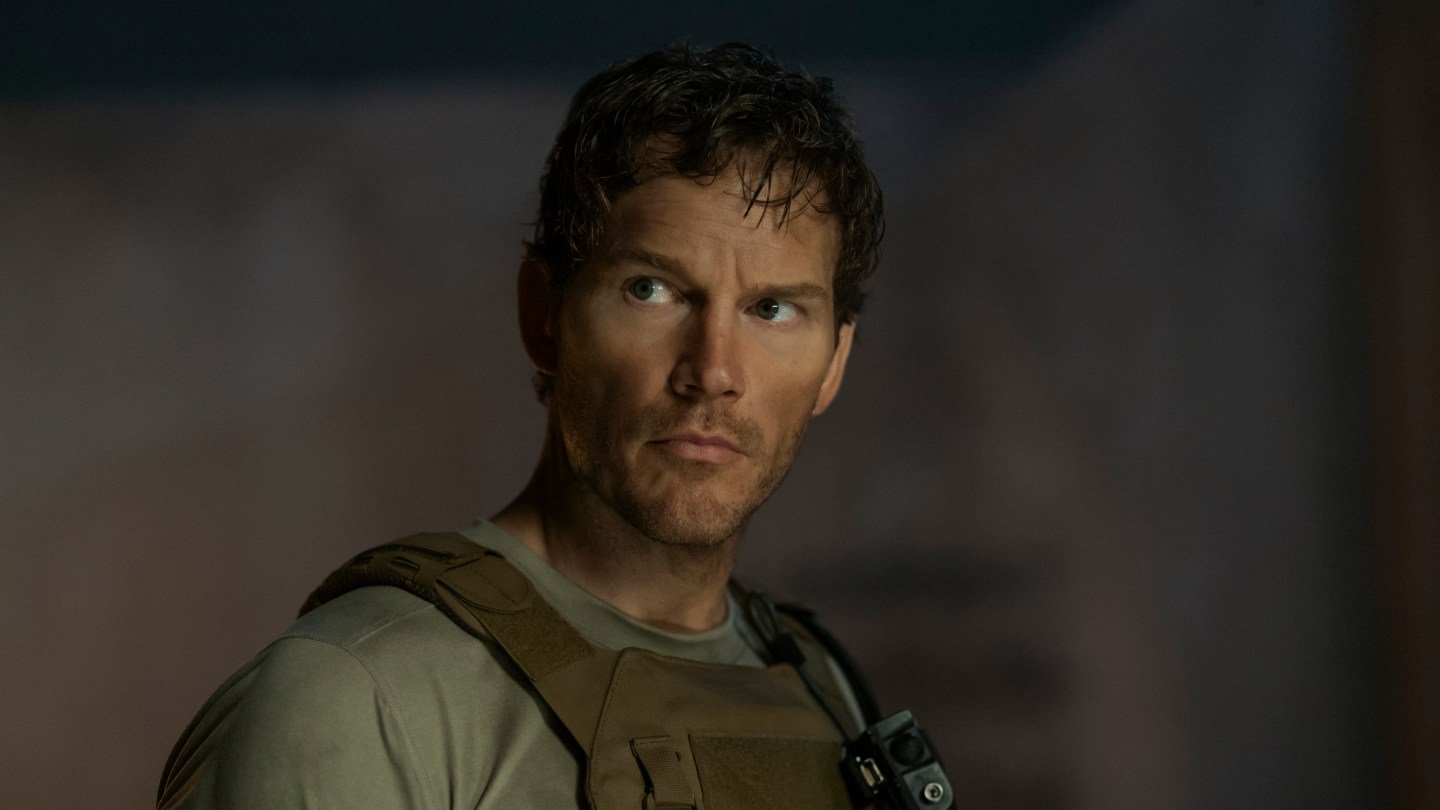
Chris Pratt is back battling unknown global terrorist conspiracies seeking to upend the world order in the first trailer for The Terminal List season 2, which Prime Video dropped on Thursday.
But Pratt, as a traumatized and now fugitive former Navy SEAL James Reece, finds newfound purpose after being offered immunity if he helps the U.S. government pursue a former Iraqi commando to unravel a geopolitical plot involving a traitorous CIA officer and an assassination scheme.
Newcomer Gabriel Luna as former SEAL team member Freddy Strain offers Reece a path to violent redemption. “The president’s willing to grant you a full pardon for your crimes. We’re ready to give you your life back,” he tells Reece at one point in the trailer.
The Terminal List season 2 adapts True Believer, the second in Jack Carr’s five novels built around the character of Reece. A high-octane roller-coaster race against time follows amid much gunfire and explosions as Reece looks to turn the shadowy Iraqi terrorist against his masters.
The starry second season of eight new episodes to debut Oct. 21 on Prime Video — and returning four years after the rookie season rolled out — includes returning cast members like Tom Hopper, Constance Wu, Dar Salim, Luke Hemsworth, Gabriel Luna, Costa Ronin, Olga Kurylenko, Yul Vazquez, Martin Sensmeier, Arnold Vosloo and Shiraz Tzarfati.
The Terminal List season 2 is executive produced by Pratt, Antoine Fuqua (who directed the original pilot for the series), showrunner David DiGilio, Carr, Kat Samick, Max Adams and Jared Shaw. The series is produced by Amazon MGM Studios, MRC and Civic Center Media.