Crypto markets are demonstrating robust resilience to start the week, with bitcoin
BTC$83,915.85
approaching the $84,000 threshold, for the time being at least shrugging off the immediate hawkish sentiment from last week’s Federal Reserve rate hike, which pushed the benchmark target to 4.00%.
The macro calendar centers on midweek U.S. jobless claims and housing and durable goods figures. Meanwhile, cross-asset markets continue to digest the policy path following recent rate decisions from the Bank of Japan and Bank of England.
On the market structure front, attention centers on the SEC opening its tokenized securities pilot framework.
What to Watch
(All times ET)
Crypto
Sept. 22: The SEC’s conditional 5-year exemption window opens, allowing select institutional venues to begin pilot trading of tokenized stocks directly on public blockchains.
Macro
Sept. 24, 8:30 a.m.: Canada Retail Sales MoM for August est. -0.8% (Prev. 0.6%)
Sept. 24, 8:30 a.m.: U.S. Initial Jobless Claims for period ending Sept. 19 est. 201K (Prev. 196K)
Sept. 24, 10:00 a.m.: U.S. New Home Sales for August est. 700K (Prev. 739K)
Sept. 25, 8:30 a.m.: U.S. Durable Goods Orders MoM for August est. -0.3% (Prev. 1.1%)
Sept. 25, 10:00 a.m.: U.S. Michigan Consumer Sentiment Index Final for September est. 47.8 (Prev. 51.7)
Earnings
Token Events
Governance votes and calls
Lido DAO is voting on a proposal to authorize a contingent $LDO centralized-exchange liquidity market-making mandate—budgeting up to $1.5 million in recallable $LDO and 480,000 USDC, to maintain orderbook depth and prevent potential exchange delistings. Voting ends Sept. 21.
Uniswap Governance is holding a temperature check on extending its protocol fee collection and UNI burn infrastructure to Arc, an L1 network built by Circle. Voting ends Sept. 23.
CoW DAO is voting on a redesign of its solver quote competition, setting aside a dedicated quote reward budget equal to 10% of protocol revenue to improve price routing and order conversion. Voting ends Sept. 25.
Unlocks
Sept. 21: Canton
CC$0.1127
to unlock 0.38% of its circulating supply worth $17.17 million.
Sept. 22: TON (TON) to unlock 1.3% of its circulating supply worth $51.2 million.
Sept. 23: Humanity
H$0.07641
to unlock 14.7% of its circulating worth $20.8 million.
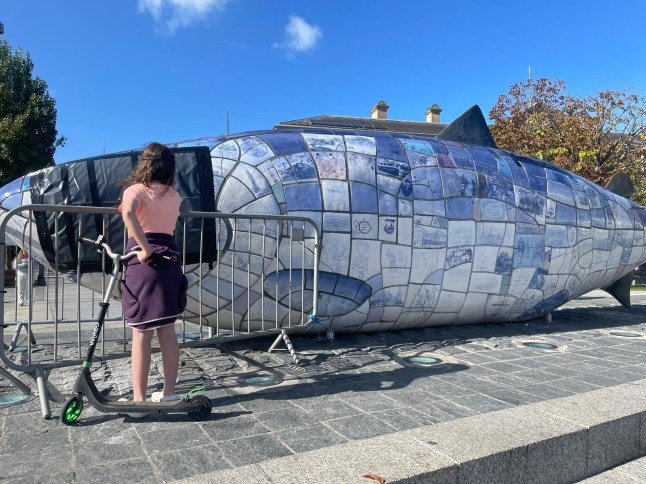
Damage was caused to the ‘Big Fish’ sculpture in an overnight incident in Belfast. (Picture: Jonathan McCambridge/PA Wire)
A man is set to appear in court for vandalising Belfast’s famous Big Fish sculpture.
The 44-year-old has been charged with criminal damage and possession of an offensive weapon in a public place after the attack left it with ‘significant damage’, police said.
He remained in custody this evening and is due to appear at Belfast Magistrates’ Court tomorrow (Monday).
The Police Service of Northern Ireland (PSNI) said they arrested a suspect after receiving reports that the sculpture, which is located in the Donegall Quay area of the city, was being damaged in the early hours of this morning (Sunday).
A social media image of it appeared to show that one side of it had been damaged around the eye.
A 44-year-old man has been arrested by police investigating the damage. (Picture: PA)
Sergeant Kelly, from the force, said: ‘Officers attended the scene, where it was noted that significant damage had been caused to the left eye of the sculpture.’
Sergeant Kelly added: ‘Our inquiries are ongoing and we would appeal to anyone with information to contact police using our witness appeal form.
‘Alternatively, you can call Crimestoppers anonymously on 0800 555 111.’
The PSNI said that as is usual procedure, all charges will be reviewed by the Public Prosecution Service.
CoinMarketCap’s cryptocurrency fear and greed index measured a level of 72. This value indicates that the trend of greed continues in the cryptocurrency market. The index is used to measure the general sentiment of market participants; a value closer to zero indicates extreme fear, while a value closer to 100 indicates extreme optimism.
According to CoinMarketCap data, the index being at 72 indicates that investor sentiment remains positive. However, it is noted that the indicator alone is not a tool for determining the future direction of the market and should be evaluated in conjunction with other market data.
The fear and greed indicator is calculated by combining different market and investor behaviors. The price movements of the top 10 cryptocurrencies by market capitalization play a significant role in the calculation. Market volatility is also among the index’s components.
CoinMarketCap also uses data from derivative markets in its calculations. Indicators such as the put/call ratio are used to assess investors’ risk-taking tendencies. The Stablecoin Supply Ratio (SSR) is also among the data included in the index calculation.
In addition, CoinMarketCap’s own search data is also used to measure investor interest. Thus, price movements, market volatility, derivatives data, stablecoin supply, and user searches are combined to create an indicator of overall market sentiment.
The index hovering around 72 indicates a significant level of optimism in the market during the current period.
The UN was created to help save the world from war. More than 80 years later, conflicts and atrocities continue. So what has the UN actually achieved, and what are the limits of its power? Al Jazeera’s Noor Wazwaz explains.
Whatever the true state of settlement talks this weekend among Paramount, a coalition of state Attorneys General and the Writers Guild of America to end the antitrust action over the $111 billion Warner Bros Discovery merger, the people against the deal from the beginning are not going quietly.
“As Trump tries to ban CNN from the White House, it would be a massive mistake to cave on the Paramount merger,” Sen. Elizabeth Warren (D-MA) said Saturday morning as the current WBD-owned CNN and MS Now journalists were denied access to the Executive Mansion. “The last thing we need is another Trump-controlled media conglomerate abusing its power to stomp out competition. This is a dangerous merger.”
Compared to Warren, the A-list-supported Block the Merger is truly angry and feeling betrayed.
“The rumored ‘deal’ to usher the Paramount-Warner Bros. merger forward is an insult to everyone who has stood up against this harmful transaction and to the hundreds of thousands of workers, journalists, and consumers who will be hurt if it goes forward,” the DC-based group told Deadline today of reported behind-closed-doors negotiations underway right now. “Let’s be very clear: an agreement based on unenforceable concessions is a win only for David Ellison. It is an L for everyone else.”
As leaks of talks between the AGs, led by California’s politically ambitious AG Rob Bonta, and the Ellison-run Paramount flooded the media late Friday, the possible L (loss) that BTM are spotlighting could include guardrails around CNN editorial independence, some selloffs and job assurances. The hope down on Melrose is such a deal would render moot the March 2, 2027, trial start date currently on the calendar in federal court — and all the financial and political blast radius that comes with it for the Trump-friendly Ellisons.
To that, with massive job, production and tax-revenue losses on the table, Paramount’s plan B for the last eight weeks has been to pressure Bonta from all sides to make a deal. Two days of court-ordered settlement talks have already been set for mid-October, but that’s procedural in the judicial system and widely expected to go nowhere fast.
Also, mid-October doesn’t quite line up with Ellison’s balance sheet.
Looking at an October 1 date in which a $7 million-a-day ticking fee to WBD shareholders begins, as well as a September 24 hearing on a Hail Mary desire for a $1.88 billion bond from the states and the WGA, Ellison’s crew has been leaking more than ever threats to exit California for a red state.
Even as the likes of outgoing California Gov. Gavin Newsom acknowledged privately at the recent Primetime Emmys that the Ellisons were being too heavy-handed, the multi-pronged pressure campaign seems to have paid off. Whereas Bonta once accused Paramount of “blackmail” with its threats and theatrical promises, the reelection-seeking AG now has his lieutenants in the room with Ellison’s execs.
The latest word on the wire is the parties could have an agreement before the official start of Yom Kippur this weekend.
Word is also out there that New York AG Letitia James isn’t as “in step,” according to a source, with Bonta as she was when it came to burying the hatchet with Paramount. There is also the wildcard of the WGA, which joined the AGs’ July 13 suit after filing an anti-merger action of its own.
“This is such bullsh*t,” an industry insider told Deadline this morning of the ParaBros talks. “Bonta should have called their bluff, instead he caved,” she added, noting such tactics are typical of Democratic politicians in the MAGA era.
Block the Merger, with its support from such names as Bryan Cranston, Hannah Einbinder, Bradley Whitford, W. Kamau Bell, Kristen Vangsness, Jane Fonda and Rati Gupta, wasn’t quite as blunt today in its statement, but the vibe was much the same.
“Thousands of industry leaders took a risk when they spoke out publicly about the harm the Paramount-Warner Bros. merger would cause,” said the outfit, which also counts Noah Wyle, Denis Villeneuve, Atsuko Okatsuka, Damon Lindelof and Sofia Coppola among its backers. Claiming that more than 75,000 people have joined them to tell the state AGs to stand strong including national leaders like Warren, the group said, “We know a bad deal when we see one. AG Bonta and his fellow state AGs should reject this deal, stand strong, and fully block the merger with no concessions.”
That mention of Warren may have greater significance this weekend than initially apparent. Like everyone else, Paramount is keenly aware of what the polls are projecting going into November’s midterms. If the midterms actually occur and if the new Congress is actually seated (two big ifs in America right now), a projected Democratic majority in the House and Senate have promised to probe and even break up mega media mergers.
Even with Oracle founder Larry Ellison the primary backer of his son’s ParaBros dreams, the even older Ellison’s net worth, which has been declining of late, may not be able to handle the strain of months and months of such probes. So perhaps it is the first week of November, not October 1, that is the calendar date the younger Ellison is hoping to beat this weekend.
Paramount has been in “no comment” mode for weeks since the Melrose lot got burned on allegations of leaks detailing past preliminary talks with Bonta’s gang.
Bonta’s office did not respond Saturday to Deadline’s request for comment on Warren and Block the Merger’s opposition to the talks.
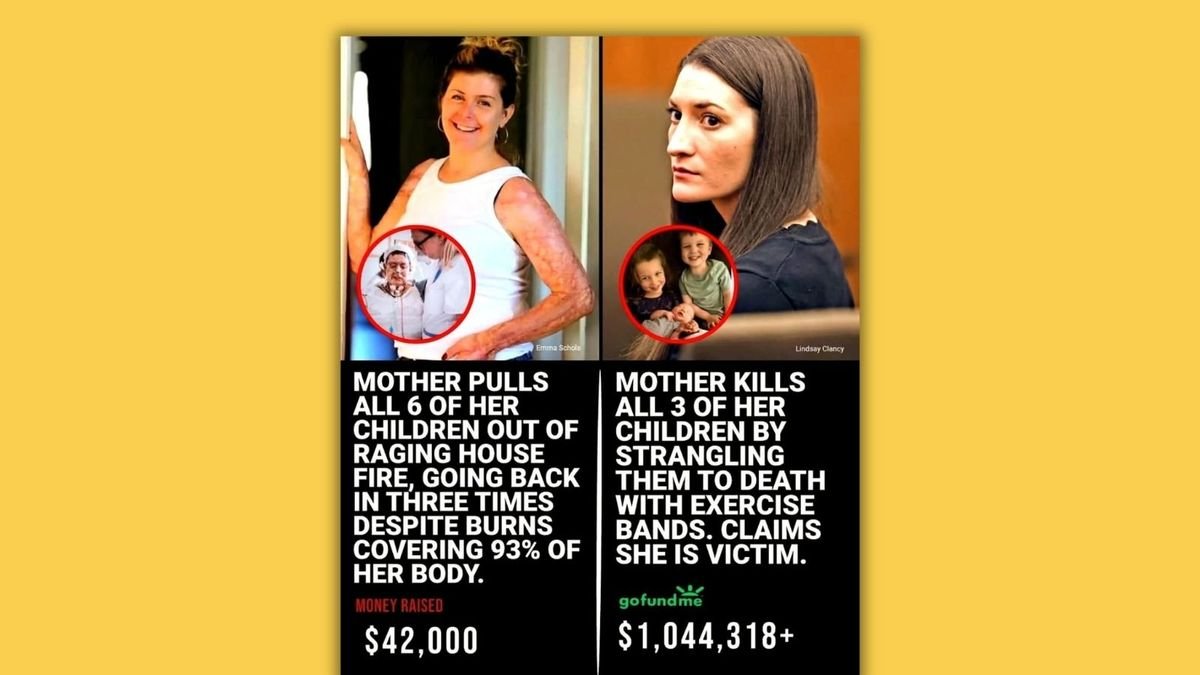
A meme accurately cites facts and fundraising figures in comparing prosecutors charging Lindsay Clancy with killing her three children, with Clancy receiving more than $1 million in fundraising, and the story of Emma Schols sustaining severe burns while rescuing her six children from a house fire, then receiving only $42,000 in fundraising.
Rating:
What’s True
The meme provides some factual information about both stories and, as of this writing, an accurate GoFundMe tally of donations earmarked to defray Clancy’s parents’ travel and housing costs as they attended the trial. Also, it’s true that a Swedish news outlet reported that a church deacon in that country organized a fundraiser equaling, at current currency conversion rates, about $42,000. However …
What’s False
… the meme omits additional fundraisers and sponsors who pledged to help rebuild Schols’ home, according to information found in the same Swedish news outlet mentioned above and her 2022 book.
In late summer 2026, people shared a meme pitting a story of heroism involving a mother named Emma Schols against that of Lindsay Clancy’s murder case.
Schols’ story of heroism, which involved saving her six children from a house fire and sustaining severe burns in the process, appears on the meme’s left side, with a fundraising figure of $42,000.
The right side features Clancy, the mother at the center of a highly-publicized Massachusetts murder trial — which ended in a mistrial on Sept. 4, 2026 — in which prosecutors charged her with killing her three young children, along with a purported GoFundMe fundraising figure exceeding $1 million.
On Sept. 15, an Instagram user posted (archived) the meme, which reads under photos of Schols: “Mother pulls all 6 of her children out of raging house fire, going back in three times despite burns covering 93% of her body. Money raised: $42,000.” Clancy’s caption reads: “Mother kills all 3 of her children by strangling them to death with exercise bands. Claims she is victim. GoFundMe: $1,044,318+.”
In sum, Schols’ book and news media outlets’ reporting confirm the meme features a few specific facts but also omits key information. For these reasons, we have rated the meme’s content as a mixture of true and false information.
Snopes emailed Kevin Reddington, Clancy’s attorney, and Schols to request comment.
Breaking down the Schols-Clancy meme
Schols, who lives in Sweden, saved all six of her children in a Sept. 3, 2019, house fire, taking three trips to remove all of them from the inferno. Her 2022 coauthored book, “Ärren bär jag med stolthet: branden i Edsbyn och livet efteråt,” which translates to “I Carry the Scars with Pride: The Fire in Edsbyn and Life Afterwards,” tells her harrowing story, including the fact that 93% of her body sustained burns, as the meme claims.
In September 2019, Swedish news media outlet SVT, quoting church deacon Christer Schwartz, reported Schols’ fundraising total at 400,000 Swedish krona, or at current exchange rates about $42,000. According to that report, Schwartz’s fundraiser was one of several on Schols’ behalf but no other figures were reported.
On top of Schwartz’s and other fundraisers, a February 2020 charity hockey match reportedly collected an additional 200,000 Swedish krona ($21,000). Schols says in her book that people and companies also initially pledged to sponsor the rebuilding of her house, though she adds some of those sponsors pulled out after she separated from her partner.
As for Clancy, The Associated Press, Reuters and other outlets reported she admitted strangling her children with exercise bands on Jan. 24, 2023, and pleaded not guilty to her initial charges, which included three counts each of first-degree murder, strangulation and assault and battery with a dangerous weapon. Prosecutors later dropped the strangulation charges, saying they were redundant to the murder charges.
The organizer of the Clancy case GoFundMe (archived), titled “The Musgrove Family Fund,” described the purported recipients of the fundraiser as Clancy’s parents, Mike and Paula Musgrove, citing their hotel, travel and relocation costs to stay close to their daughter over more than three years. The in-question meme does not mention Clancy’s parents, instead making the allegation that Clancy herself will one day collect the funds. At last check, the fundraiser had grown to more than $1.2 million with a goal of $3 million, bringing in more than 35,900 individual donations.
The meme adds that Clancy has claimed she’s the victim. During her criminal trial in summer 2026, Reddington, her attorney, said “there is evidence of lack of criminal responsibility” and suggested “a required finding of not guilty should be entered on the case.” He repeatedly argued Clancy suffered from postpartum psychosis, a disorder an estimated one or two in 1,000 women experience after giving birth that can include delusions, depression, hallucinations, insomnia, paranoia and other changes in behavior. Prosecutors, on the other hand, argued she knew what she was doing.
Schols’ harrowing rescue story
On Sept. 3, 2019, Schols awoke before 6 a.m. in her home to early-morning light shining through her window, with the faint memory of minutes earlier hearing some of her children playing in another room.
In Schols’ book, which we translated to English, she said her then-partner, Anders, was working a night shift, leaving her to sleep alone. She wrote of the morning, “Great, I think, now I have a few minutes to lie down and catch up before I have to start my morning routine.”
Moments later, the book recounts, she felt a very different sense of “fear, panic and desperation” when one of her children screamed from downstairs, “Help, mom, there’s a fire. There’s a fire in the TV room!”
She wrote, “To make sure all the children have woken up, I scream at the top of my lungs: ‘Everyone has to get out of the house!’”
In the minutes that followed, Schols first managed to guide her young children Albin and Oliwer out the front door, then looked for William, Melwyn and Nellie. After seeing William and showing Melwyn to safety, she made it to her youngest child, Mollie, who was standing in her crib with a full diaper.
Schols became unable to move from the flames covering her body. She wrote, “If I have managed to give birth to six children, I will swear to get six children out of this burning house,” and that she gathered strength, picked up Mollie and looked to escape. She described William as positioning a ladder they happened to have left out from a long-neglected painting job as their method of escape from the balcony.
Once outside, Schols described hearing her dog, Sally, inside making noises and thinking of her cat as well. A neighbor, seeing burns all over Schols’ body, told her it was too late to save her pets.
Several Swedish outlets publishednews of the fire on the same day.
Following extensive hospital stays for her burns and a period of rehabilitation, Schols returned home.
In her book, Schols wrote of Schwartz, the deacon, organizing the fundraiser following the fire. A Facebook post from days after the incident mentions Schwartz by name.
Schols said locals helped find clothes for her children, writing, “I am struck by the incredible care that exists in our country.” Other examples of that care included “Playing for Emma,” a charity hockey match organized in Schols’ honor in February 2020. Schols wrote about the match, as well as her family’s home insurance situation at the time of the fire:
On Sunday, February 2nd, a tribute match will be held for me, where the money raised will go to help me and my family get back on their feet. For all the years we have had home insurance, but just a month or so before the accident, we had, due to our financial situation, fallen behind on that particular bill. This fact is something I am ashamed of today. As I have been mulling this question over here in the hospital. This very month, when the house burns down, we were forced to skip that bill. What are the odds of that?
Later in December 2020, the Swedish Heroes Gala awarded Schols the title “Lifesaver of the Year.”
Near the end of her book, Schols wrote that some companies and people sponsoring the rebuilding of their former home pulled out after she and Anders separated.
To close her book, Schols thanked numerous locals and medical personnel, as well as her family, former partner and friends, saving a message for her children for last:
My biggest thanks go to William, Nellie, Melwin, Albin, Oliwer and Mollie. I may have saved your lives, but you are the absolute biggest heroes in this whole story. You are my everything and I love you with all my heart.
For further reading, we previously reported on other matters involving donations, including a rumor alleging prison inmates donated over $4,000 to a Kansas school district’s lunch debt.
Sources
Barry, Ellen. “A Troubled Mother Faces Murder Charges in Her Young Children’s Deaths.” The New York Times, 8 Feb. 2023, https://www.nytimes.com/2023/02/08/health/lindsay-clancy-child-murder-charges-massachusetts.html.
Bergström, Marie. “Så mycket samlades in under Playing for Emma: ‘Känns fantastiskt att kunna göra något.’” Söderhamns-Kuriren, 29 Mar. 2020, https://www.soderhamnskuriren.se/halsingland/sa-mycket-samlades-in-under-playing-for-emma-kanns-fantastiskt-att-kunna-gora-nagot/.
Casey, Michael, and Jennifer Peltz. “What to Know about the Lindsay Clancy Murder Trial.” The Associated Press, 27 Aug. 2026, https://apnews.com/article/lindsay-clancy-murder-trial-what-to-know-775003a75689cfde13750257849187ae.
“Children in Sweden.” Sweden.Se, 9 July 2026, https://sweden.se/life/society/children-in-sweden.
Cruz, Timothy J. “Duxbury Woman Arraigned in Murder of Her Three Children.” Plymouth County District Attorney’s Office, Plymouth County Office of the District Attorney, 7 Feb. 2023, https://plymouthda.com/wp-content/uploads/2023/02/DuxburyARR2.7.23.pdf.
Eriksson, Jan-Peter, and Emma Åhlström. “Dramatisk Räddning När Mamma Fick Ut Sina Sex Barn Ur Brinnande Villa i Edsbyn.” SVT Nyheter, 3 Sept. 2019, https://www.svt.se/nyheter/lokalt/gavleborg/brand-i-villa-i-edsbyn-pa-morgonen. Gävleborg.
Fagerström, John. “Mamma räddade sina sex barn från villabrand – blev svårt brännskadad.” Aftonbladet, 3 Sept. 2019, https://www.aftonbladet.se/a/zGbobb.
Kammerland, Erik. “Insamlingen till Edsbyfamiljen Förlängs – 400 000 Kronor Har Skänkts Hittills.” SVT Nyheter, 19 Sept. 2019, https://www.svt.se/nyheter/lokalt/gavleborg/insamlingen-ar-uppe-i-400-000-kronor-till-edsbyfamiljen. Gävleborg.
Khan, Melina. “What Could Happen to Lindsay Clancy after Trial Verdict.” USA TODAY, 24 Aug. 2026, https://www.usatoday.com/story/news/crime/2026/08/24/lindsay-clancy-verdict-what-happens-next/91382978007/.
Öhagen, Angelica. “Sexbarnsmamman Är Årets Livräddare: “Nu Känner de Igen Mig”.” Aftonbladet, 17 Dec. 2020, https://www.aftonbladet.se/a/2dvlV4.
Raymond, Nate. “Family Says Massachusetts Mother Who Killed Children Struggled with Mental Illness.” Reuters, 17 Aug. 2026, https://www.reuters.com/legal/government/massachusetts-woman-searched-online-postpartum-psychosis-days-before-killing-2026-08-17/.
Rev.Com. https://www.rev.com.
Schols, Emma, and Frida Funemyr. Ärren bär jag med stolthet: Branden i Edsbyn och livet efteråt. Norstedts, 2022. Google Books, https://www.google.com/books/edition/%C3%84rren_b%C3%A4r_jag_med_stolthet/cNMRzwEACAAJ.
“TV: Se höjdpunkterna från galan Playing for Emma – allt det bästa på under 15 minuter.” Hudiksvalls Tidning, 4 Feb. 2020, https://www.ht.se/halsingland/tv-se-hojdpunkterna-fran-galan-playing-for-emma-allt-det-basta-pa-under-15-minuter/.
Ungar, Laura. “What to Know about Postpartum Psychosis, Which Can Affect a New Mom’s Sense of Reality.” The Associated Press, 28 July 2026, https://apnews.com/article/postpartum-psychosis-baby-blues-e1dd28bee97a984f3d58132c4fbd2e28.
Yee, Curtis. “As It Happened: Deliberations in Lindsay Clancy Murder Trial End for the Day without a Verdict.” The Associated Press, 27 Aug. 2026, https://apnews.com/live/lindsay-clancy-trial-08-27-2026.
———. “Live Updates: Mistrial Is Declared in Lindsay Clancy Child Killings Case after Jury Deadlocks.” The Associated Press, 4 Sept. 2026, https://apnews.com/live/lindsay-clancy-trial-09-04-2026.
TL;DR: Microsoft Visual Studio Professional 2026 is currently $29.97 (MSRP $499.99) through September 20, giving developers lifetime access to a full-featured IDE at a fraction of the usual price.
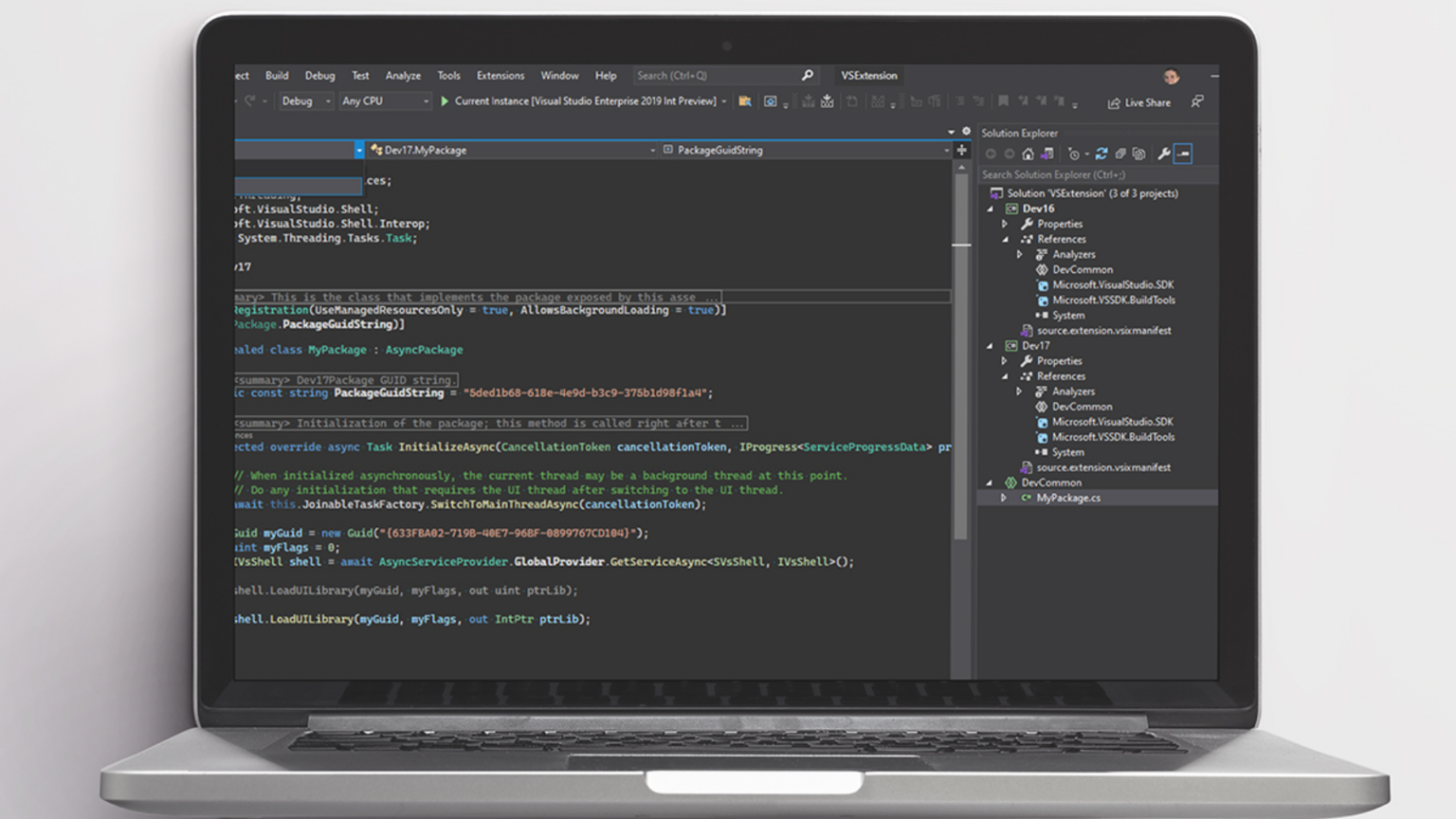
Visual Studio Professional 2026 is a 64-bit development environment built for projects across .NET, C++, Blazor, and .NET MAUI, including cross-platform mobile and desktop apps. It’s currently available at a major discount for $29.97 until the end of today, September 20, at 11:59 p.m. PT, down from its $499.99 MSRP.
IntelliCode-powered AI analyzes code context to deliver ranked completion suggestions and assist with refactoring, reducing bugs and boilerplate along the way. CodeLens surfaces commit history, test status, and code references directly in the editor without requiring a context switch.
Live Share enables real-time collaborative editing and debugging without requiring teammates to clone repos or configure matching environments. The IDE also integrates natively with Azure, GitHub, and DevOps workflows, and supports hot reload across .NET and C++ projects so code changes apply instantly during runtime.
This is a single-user lifetime license redeemable on one supported device. The code must be redeemed within 30 days of purchase.
Prices subject to change. PCMag editors select and review products independently. If you buy through StackSocial affiliate links, we may earn commissions, which help support our testing.
About Our Expert
StackCommerce Team (Sponsored)
Experience
Products featured in these stories are selected by our partners at StackCommerce. If you buy something through links on our site, PCMag may earn an affiliate commission.
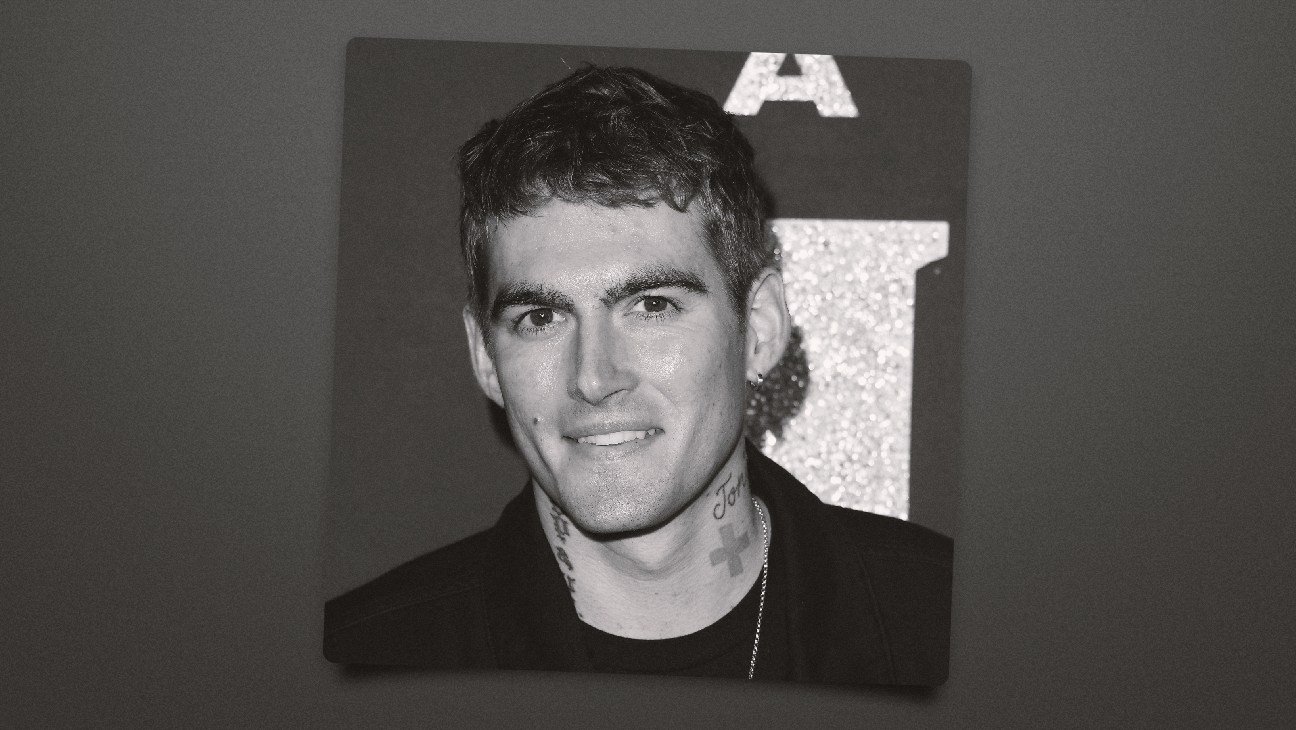
“The family is asking for privacy during this very difficult and painful time,” a rep for the family told The Hollywood Reporter.
A rep toldTMZ that Presley died earlier Sunday. According to the Los Angeles County Medical Examiner, he died at a rehab facility.
Presley also is survived by a sister, model-actress Kaia Gerber, 25, who most recently appeared in Ryan Murphy’s The Shards.
TMZ is reporting that an autopsy has not yet been completed. The Hollywood Reporter has reached out to reps for the family.
Presley began modeling in his teens alongside Kaia. He was signed by IMG Models at age 15 and made his runway debut in a Moschino show in Los Angeles before appearing on the runway for Dolce & Gabbana in Milan and in a Calvin Klein campaign.
Presley has had trouble with the law. In 2019, he was arrested and charged with a DUI. He was sentenced to three years’ probation and ordered to complete a DUI program and two days’ community service.
He also has opened up about struggling with his mental health and depression.
In 2020, he got a tattoo on his face that read “MISUNDERSTOOD” but later seemingly had it removed.