Dogecoin is trading near $0.09986, up 1.04% over the last 24 hours, after briefly reaching around $0.1059.
The move follows X’s rollout of trading links through its Cashtag system, involving Coinbase, Kraken, Gemini, Moomoo, and Interactive Brokers.
Rising derivatives activity has added momentum, although $DOGE’s longer-term technical structure remains mixed as traders watch key moving averages.
Dogecoin has extended its recent recovery, with $DOGE reaching its highest intraday level in months as the broader crypto market continues to attract buyers. The token is now trading around $0.09986, up 1.04% over the past 24 hours, keeping the psychological $0.10 level within close range.
The latest move comes alongside increased attention around X and its new Cashtag trading program. The platform has connected U.S. users with Coinbase, Kraken, Gemini, Moomoo, and Interactive Brokers, allowing supported stock and crypto tickers to display market information and a Trade option that redirects users to participating platforms.
$DOGE Rally Gains Momentum From X Trading Access
The connection with X is particularly relevant for Dogecoin because of Elon Musk’s long-standing public association with the cryptocurrency. While the new program does not mean $DOGE has been integrated as a payment asset on X, it creates a shorter path between financial discussions, market data, and trading activity.
$DOGE moved from an opening level near $0.0999 to an intraday high around $0.1059 before giving back part of the advance. Recent market activity around the $0.10 area suggests that traders are actively responding to the renewed momentum.
Derivatives are adding another layer to the move. Dogecoin futures markets have recorded significant trading activity, with perpetual contracts attracting substantial participation. Higher derivatives activity can amplify price movements when traders increase leveraged positions, creating opportunities for faster gains but also increasing downside risk.
Technical Signals Point To A Key Test
Momentum indicators also show why $DOGE has attracted renewed attention. Recent market analysis has placed its daily RSI near the upper end of the neutral-to-bullish range, while ADX remains above the level commonly associated with an established trend. These readings indicate that momentum has strengthened, although they do not guarantee that the advance will continue.
At the same time, the chart still carries a longer-term technical obstacle. $DOGE’s 50-day EMA remains below its 200-day EMA, preserving the bearish crossover that traders often monitor after extended periods of weakness. A sustained recovery would therefore require more than a single strong session to change the broader moving-average structure.
Iranian President Masoud Pezeshkian has arrived in New York as the US-Iran war continues. He’s due to address the UN General Assembly, where Iran is expected to press its case over the conflict and seek diplomacy aimed at easing tensions.
Breuninger, Kevin, and Dan Mangan. “Trump Says He’s Banning MS NOW, CNN and Politico From White House.” CNBC, 18 Sept. 2026, https://www.cnbc.com/2026/09/18/trump-white-house-ban-msnow-cnn-politico.html. Accessed 22 Sept. 2026.
Forbes Breaking News. LIVE: President Trump Holds Public Event After Banning CNN, MSNOW, and Politico From the White House. YouTube, 21 Sept. 2026.
Gerstein, Josh, and Kyle Cheney. “News Outlets Trump Banned From White House Announce Lawsuit.” Politico, Politico, 21 Sept. 2026, https://www.politico.com/news/2026/09/21/news-outlets-trump-banned-from-white-house-announce-lawsuit-01085995. Accessed 22 Sept. 2026.
Trump, Donald. “Trump Announces CNN, MS NOW, Politico Removal from White House Press Corps.” Truth Social, 18 Sept. 2026, https://truthsocial.com/@realDonaldTrump/posts/117293599348325006. Accessed 22 Sept. 2026.
An advertiser paid for editorial consideration of this deal. Our experts vetted the deal based on our independent expertise. Because we determined that the deal will save you money, we covered it.
Shelling out cash for a new cellphone is always a little stressful. You’re dropping hundreds, if not thousands, of dollars on a wafer-thin piece of sensitive technology that’s going to get jostled around in your pocket every single day. No matter what high-tech alloys and ultra-durable glass Apple, Samsung, and the other manufacturers use, they’re not indestructible. That’s why only fools take their phones out without a case. Right now, leading casemaker Casetify is giving PCMag readers a special deal: buy one case, use coupon code IMPACT2026, and get 15% off your second.
A well-built phone case is a lot more than a plastic sleeve that protects it from bumps and bruises. Casetify has developed a rigorous process for building and testing its products, with scratch-resistant finishes, MIL-STD durability for drops up to 4.9 feet, built-in side sockets to attach straps or charms, and full compatibility with both MagSafe accessories and standard Qi wireless chargers. Raised bezels around the screen and camera lenses help insulate those especially fragile areas from impacts. Each model is precisely measured to give you seamless access to volume and camera buttons, as well as the charging port.
In addition, a case lets you customize the visual appeal of your phone beyond a few color choices. That’s another area where Casetify really shines, partnering with artists from around the world to produce hundreds of prints and styles. No matter what your aesthetic, you’ll be able to find something that matches it, from edgy abstract patterns and fine art licensed from the Louvre, to popular licensed characters from Marvel, Star Wars, and other franchises. Each case is made to order and ships quickly, meaning your precious new phone won’t be unprotected for long. The company has been in business since 2011, meeting each new phone release with a wave of protective equipment that keeps them safe.
Because phone makers love to tweak their devices in between generations, Casetify builds each new model from the ground up, using every tool at its disposal to match the shape and size, add as little weight as possible, and maximize protection. It also offers a range of optional accessories to complement your case, including screen protectors, straps, and more.
Recommended by Our Editors
Here’s how the deal works: pick up one case at full price (very reasonable, with even the most expensive models coming in below $70), and get an additional one for 15% off when you enter coupon code IMPACT2026 at checkout. Whether you just want a little visual variety for your own phone or are getting a second case as a gift for a friend, the deal’s good to go.
Some exclusions apply. 15% discount does not apply to Co-lab, Sales, Ripple, and Could cases, as well as cases for the new iPhone 18.
About Our Expert
K. Thor Jensen
Contributing Writer
Experience
K. Thor Jensen is a writer and cartoonist living in the Pacific Northwest. He has contributed to dozens of prestigious outlets, including PCMag, Tested, Clickhole, and Newsweek. His second graphic novel, Cloud Stories, was released in 2017.
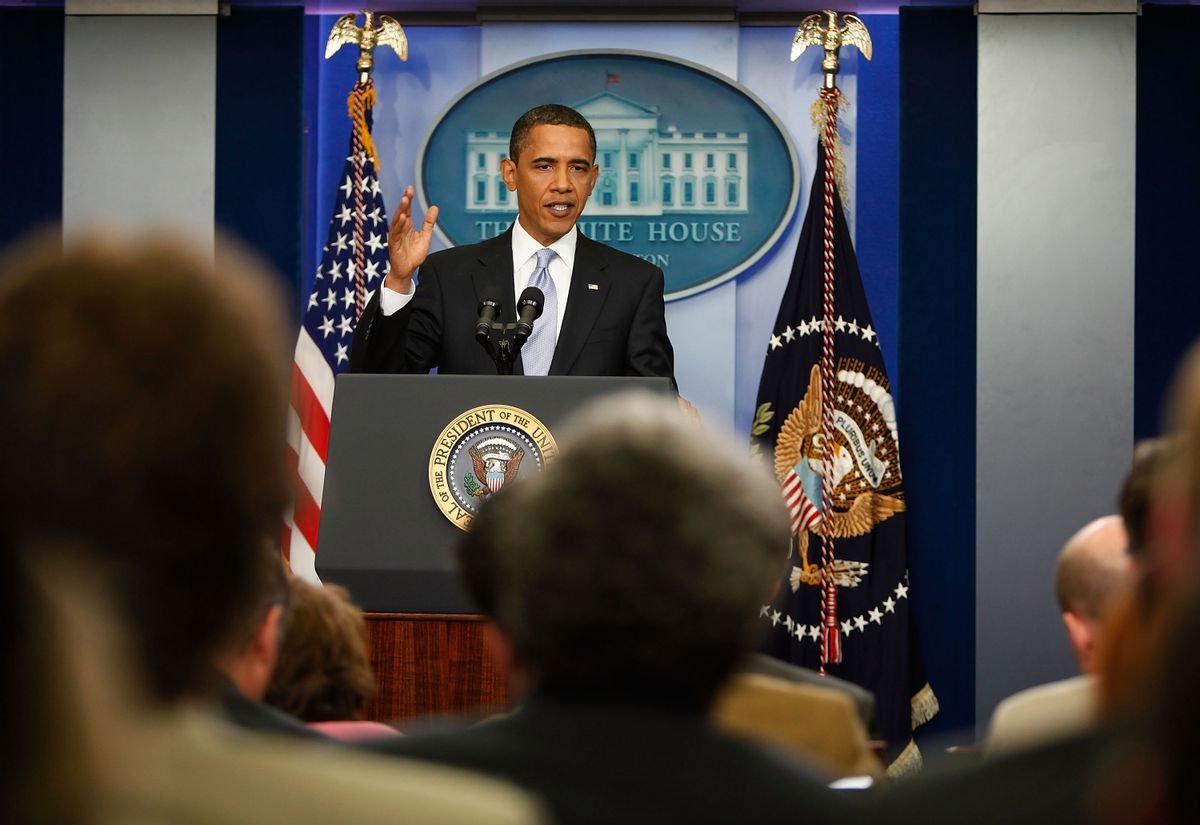
Former U.S. President Barack Obama banned Fox News from White House press briefings.
Rating:
What’s True
Obama often criticized Fox News. He also did fewer interviews with Fox News and took fewer questions from its correspondents compared to other news networks. His administration also said it was willing to exclude Fox News from interviews. Some accused his administration of blocking the network’s access in one instance, but a spokesperson claimed it was a communication error and the administration backtracked.
What’s False
However, the Obama administration never outright blocked, banned or ejected Fox News reporters from press briefings.
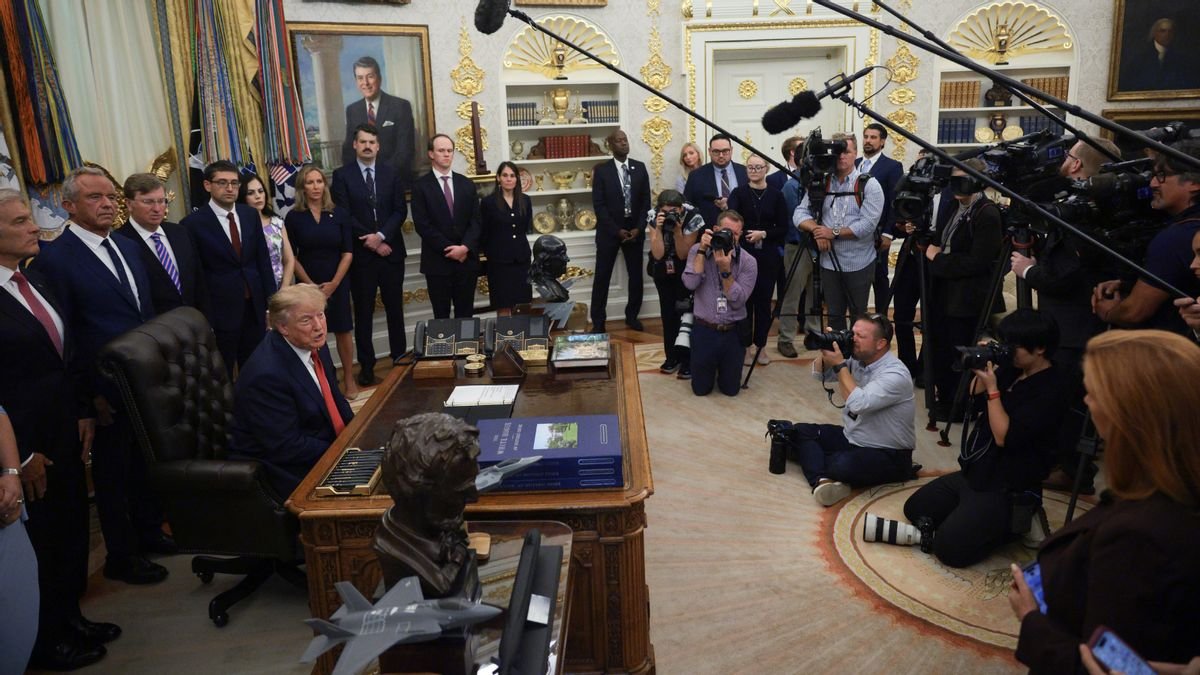
In September 2026, U.S. President Donald Trump banned three major news outlets — CNN, MSNOW and Politico — from the White House. The outlets subsequently filed a lawsuit accusing the administration of violating the First Amendment.
Soon after, former President Barack Obama condemned Trump’s ban and speculated about the consequences if he had banned Fox News during his administration. In response, some people online claimed Obama had retaliated against Fox News (archived) in a similar way during his first term. For example, television personality Piers Morgan wrote on X (archived), “Obama did ban Fox, and waged almost constant war against press freedom.”
(X user @PiersMorgan)
As Snopes previously reported in 2018, while Obama criticized Fox News and snubbed the network’s requests for interviews, he never banned the network outright from the White House. As such, we rate this claim as mostly false.
In October 2009, a New York Times report (archived) stated Obama’s Treasury Department attempted to exclude Fox News from a roundtable interview with the executive-pay czar Kenneth R. Feinberg. Major news networks were sharing a “pool” camera crew for these interviews. According to the report, other networks protested Fox’s exclusion.
However, a 2009 Talking Points Memo report referred to the situation as a “miscommunication.” The report said:
TPMDC dug into it, and here’s what happened. Feinberg did a pen and pad with reporters to brief them on cutting executive compensation. TV correspondents, as they do with everything, asked to get the comments on camera. Treasury officials agreed and made a list of the networks who asked (Fox was not among them).
But logistically, all of the cameras could not get set up in time or with ease for the Feinberg interview, so they opted for a round robin where the networks use one pool camera. Treasury called the White House pool crew and gave them the list of the networks who’d asked for the interview.
The network pool crew noticed Fox wasn’t on the list, was told that they hadn’t asked and the crew said they needed to be included. Treasury called the White House and asked top Obama adviser Anita Dunn. Dunn said yes and Fox’s Major Garrett was among the correspondents to interview Feinberg last night.
A Treasury spokesperson told Talking Points Memo, “There was no plot to exclude Fox News, and they had the same interview that their competitors did. Much ado about absolutely nothing.” Fox News did conduct the interview with Feinberg.
The Obama administration didn’t hold back in its criticism of Fox News in the aftermath of the controversy. When questioned by NBC News about the administration’s tone regarding Fox News, Obama said:
We’re going to take the media as it comes. And if media is operating basically as a talk radio format, then that’s one thing, and if it’s operating as a news outlet, then that’s another. But it’s not something I’m losing a lot of sleep over.
Obama spokesperson Josh Earnest reportedly admitted that the White House had demonstrated its “willingness to exclude Fox News” from interviews, but that it had not done so, according to Talking Points Memo. Earnest added, “The president and other high ranking officials and people like Ken Feinberg have done interviews with Fox in the past and will do them in the future.”
In a 2010 interview with Rolling Stone, Obama accused Fox News of focusing more on its point of view than objectivity. “It’s a point of view,” Obama said, “that I think is ultimately destructive for the long-term growth of a country that has a vibrant middle class and is competitive in the world.”
As Snopes previously reported, former Fox News White House correspondent Major Garrett asserted that though there was “never an effort to shut me out of the briefing room,” ongoing tensions between the Obama administration and Fox News hindered his ability to do his job. In a November 2018 interview with The Hill, he said:
The White House would always pull me aside and say “well, really, Major, we’re not at war with you,” and I said “stop talking to me like that because when you’re at war with my network you by definition are questioning and assailing my journalistic credibility and the work I do here every day,” he said. “So don’t tell me it’s not about me, it is about me.”
“Now, they never tried to pull my pass, but they had this sort of arms-length relationship to Fox and tried to demonize it on a daily basis. So that’s another part of American history and journalism in the White House press corps I think at least should be noted at this moment,” he said.
As we previously reported, Fox News’ White House correspondents were called on less during press briefings compared to other major television networks. In September 2009, when Obama made the talk show rounds to talk about healthcare reform, he snubbed “Fox News Sunday” and did not appear on the show until his last year in office in 2016.
In 2013, The Washington Post reported that Obama’s Department of Justice surveilled a Fox News reporter and obtained a search warrant for his emails while conducting an investigation into national security leaks in 2009. The investigation also looked into other reporters but appeared to specifically target Fox News.
The Obama administration never banned Fox News outright, but no love was lost between the two groups. While Fox News accused the administration of cutting it out of one interview, the administration blamed it on miscommunication and gave the network access while not hiding its disdain for the network.
“A Rare Peek into a Justice Department Leak Probe.” The Washington Post, 19 May 2013, https://www.washingtonpost.com/local/a-rare-peek-into-a-justice-department-leak-probe/2013/05/19/0bc473de-be5e-11e2-97d4-a479289a31f9_story.html. Accessed 22 Sept. 2026.
“Administration Loses Bid to Exclude Fox News From Pay Czar Interview.” Text.Article. Fox News, Fox News, 27 Mar. 2015, https://www.foxnews.com/politics/administration-loses-bid-to-exclude-fox-news-from-pay-czar-interview. Accessed 22 Sept. 2026.
Bellantoni, Christina. “WH: We’re Happy To Exclude Fox, But Didn’t Yesterday With Feinberg Interview.” TPM – Talking Points Memo, https://talkingpointsmemo.com/dc/wh-we-re-happy-to-exclude-fox-but-didn-t-yesterday-with-feinberg-interview. Accessed 22 Sept. 2026.
“CBS Correspondent Says ‘It Should Be Noted’ That the Obama White House ‘Demonized’ Fox News Daily .” The Hill, 16 Nov. 2018, https://thehill.com/hilltv/rising/417100-it-should-be-noted-obama-white-house-demonized-fox-news-on-daily-basis-says-cbs. Accessed 22 Sept. 2026.
“CNN, MS NOW and Politico Sue Trump Administration over White House Access .” CNN, 22 Sept. 2026, https://www.cnn.com/2026/09/21/politics/cnn-politico-msnow-sue-white-house-access. Accessed 22 Sept. 2026.
Emery, David. “Did Obama Block Fox News Reporters from White House Press Conferences?” Snopes, 16 Nov. 2018, https://www.snopes.com//fact-check/obama-block-fox-news-reporters/. Accessed 22 Sept. 2026.
Izzo, Jack. “Did Biden Revoke More than 400 Press Passes? How Changes Compare to Trump’s Media Ban.” Snopes, 22 Sept. 2026, https://www.snopes.com//fact-check/biden-press-passes-trump-ban/. Accessed 22 Sept. 2026.
Obama Glosses over His Own Attempt to Block Media from White House — as He Slams Trump. 20 Sept. 2026, https://nypost.com/2026/09/20/us-news/obama-glosses-over-his-own-attempt-to-block-media-from-white-house-as-he-slams-trump/. Accessed 22 Sept. 2026.
“Obama Speculates about the Fallout If He Had Banned Fox News from White House.” The Independent, 20 Sept. 2026, https://www.the-independent.com/bulletin/news/obama-trump-white-house-cnn-ms-now-press-ban-b3053194.html. Accessed 22 Sept. 2026.
Rutenberg, Jim. “Behind the War Between White House and Fox.” The New York Times, 22 Oct. 2009, https://www.nytimes.com/2009/10/23/us/politics/23fox.html. Accessed 22 Sept. 2026.
Wenner, Jann S. “Obama in Command: The Rolling Stone Interview.” Rolling Stone, 14 Oct. 2010, https://www.rollingstone.com/politics/politics-news/obama-in-command-the-rolling-stone-interview-188620/. Accessed 22 Sept. 2026.
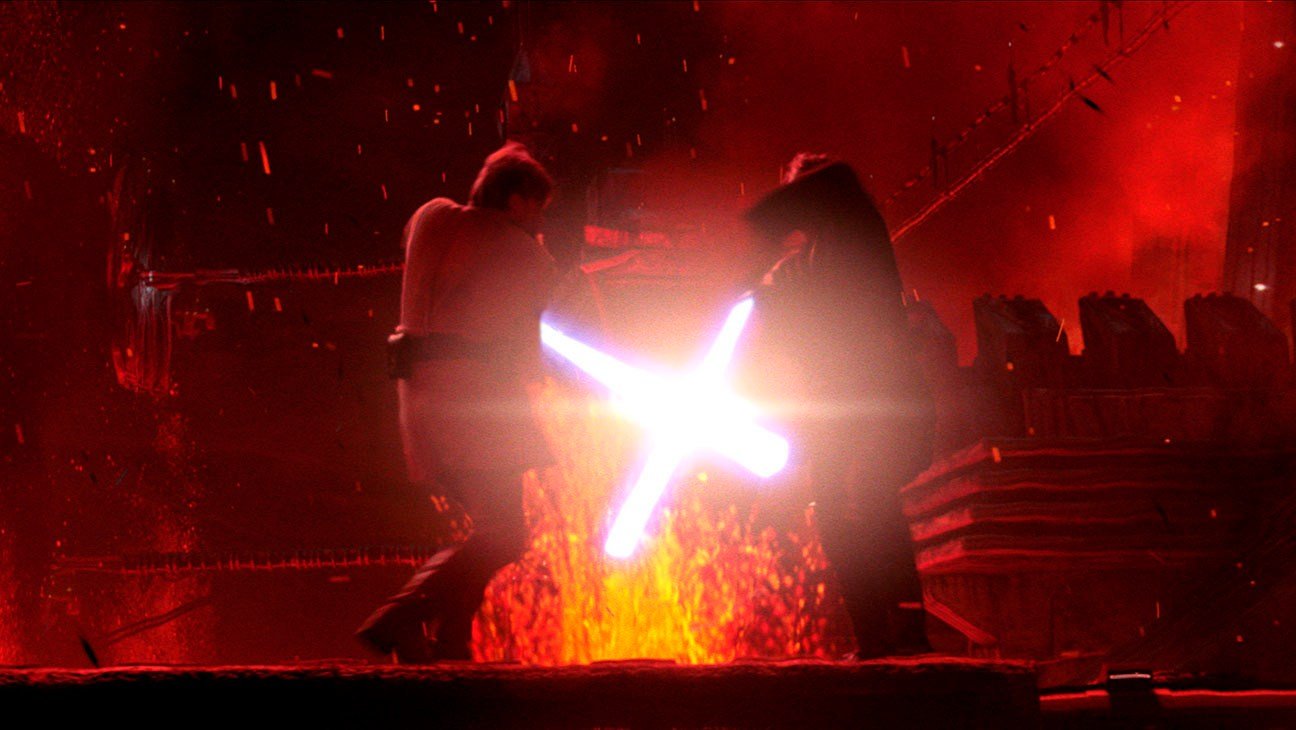
George Lucas, the mind behind the legendary Star Wars franchise, revealed that he intended to helm three more movies, but decided to retire from directing instead after 2005’s Episode III: Revenge of the Sith.
During a recent interview with Norah O’Donnell on CBS Sunday Morning, Lucas, alongside his wife and business partner, Mellody Hobson, opened up about bringing the new Lucas Museum of Narrative Art to life in Los Angeles.
After Hobson noted that the “level of detail” Lucas put into the museum “nearly killed him,” the director added, “Well, I’m 82, so there is a limit to…”
“When I did this,” Lucas continued, referring to the museum’s creation, “I decided to retire from making movies, which was a big deal because I had three more Star Wars to make. But I realized that I was running out of time, and I did want to make this museum, and I’d spent a lot of time developing digital technology for the movie business. You know, all art depends on technology.”
Lucas directed four Star Wars films across his career, beginning with the franchise’s first installment, 1977’s Star Wars: Episode IV – A New Hope. While he handed off the directing duties to Irvin Kershner and Richard Marquand, respectively, for the next two films in the original trilogy (1980’s Star Wars: Episode V – The Empire Strikes Back and 1983’s Star Wars: Episode VI – Return of the Jedi), he still wrote and executive produced them before returning to the director’s chair for the prequel trilogy (1999’s The Phantom Menace, 2002’s Attack of the Clones and 2005’s Revenge of the Sith).
In 2012, Lucas sold Lucasfilm and the Star Wars franchise to Disney for $4 billion. In addition to the sequel trilogy (2015’s The Force Awakens, 2017’s The Last Jedi and 2019’s The Rise of Skywalker), Disney has continued to expand the universe with shows like The Mandalorian, Andor and The Acolyte, and the 2026 film The Mandalorian and Grogu. The next movie in the franchise, Star Wars: Starfighter, starring Ryan Gosling, hits theaters next year.
During the museum’s star-studded opening night on Saturday, Hobson spoke on the stage, emphasizing that Lucas “was driven to create a space that would showcase the brilliant illustrators that he thought were too often overlooked and ignored. And if critics say a museum on narrative art is too much like a popcorn movie and not enough like an art film, well, we like popcorn movies in our family,” as she dubbed the space “a director’s cut.”
The Lucas Museum of Narrative Art opened to the public on Tuesday.
Munika Lay and Toni Wang have teamed to launch Luna Media.
The production company carries a mission to “shine a light on unseen stories” and will work across film, television and digital content. Luna Media’s slate already includes a recently wrapped feature, Tap Twice, from multi-hyphenate King Bach, aka Andrew Bachelor, who directed and stars in the project.
Luna Lab will seek to accomplish its work of advancing representation through the launch of a development initiative called Luna Lab. An inaugural installment of it is already on the rails with a screenwriting portion that kicked off this summer. From a large pool of applicants, a team of industry professionals first selected 10 semifinalists before the group was whittled down to six finalists (including a writing team of two).
The finalists received a stipend for the four-month program, which featured workshops, meetings and mentorship. It culminated with a Luna Lab Pitch Day that took place at Rideback Ranch in Los Angeles, where finalists pitched projects to an audience of industry insiders. Additional information on the finalists and their projects is below.
Lay comes to Luna after having served as a senior vp of film at Miramax, where she oversaw such films as The Holdovers, The Beekeeper and Wrath of Man. Prior to Miramax, she had executive stints at MGM, Paramount, Warner Bros. and WME. The Long Beach native, who graduated from USC’s Marshall School of Business and Stanford University, serves as a co-founder of digital-first action studio Melee and works as an adjunct professor in film studies at Mount Saint Mary’s University.
Wang is a producer whose recent credits include Sung Kang’s TIFF selection Drifter and Jill Sachs’ Sundance Film Festival short selection Taga. She also executive produced the indie A Great Divide starring Ken Jeong. Wang previously worked at Columbia Records, where she worked in digital, helping steer content for artists like Destiny’s Child, Train, Lauryn Hill and Leonard Cohen. The Shanghai-born producer, who graduated from Wellesley College, also co-founded an electronic pop trio and created an album titled A Little Mandarin to reimagine Chinese children’s classics for contemporary audiences.
“Growing up, I was obsessed with movies but I never quite found people like me onscreen, even in the few Asian characters I encountered,” Lay said in a statement. “Asian Americans are often treated as a monolithic group, when in reality, most Southeast Asians arrived in the US as refugees from war and genocide. Few of us are fortunate enough to even dream about working in entertainment, and our stories are rarely depicted in films or TV shows.”
Added Wang: “Our goal, beyond elevating these six projects, is to equip every participant with the skills and connections to thrive as a professional filmmaker — and to carry that momentum into the Southeast Asian creative community, and ultimately, into the broader cultural zeitgeist.”
The finalists in Luna Media’s inaugural Luna Lab for 2026 (from left to right, top to bottom): Buntheun Real, Phet Mahathongdy, Saila Reyes, Samantha Tan, Sebastien Tobler, Tom Dang and Nico Wan. CAPE and Rideback Rise served as community partners to the lab.
Credit: Courtesy of Luna Media/Subjects
Luna Lab’s finalists and details on their scripts:
Bunthoeun Real with Demon Arms: After being released from prison, Fia, a former gangster turned kung-fu master, must infiltrate a high-society demon syndicate to rescue her sister. Fia’s mission takes her into a shadow world of literal monsters, forcing her to battle, survive and ultimately embrace her legacy to become the city’s phantom protector.
Phet Mahathongdy with Go To Sleep: A woman returns to her estranged mother’s house where they awaken a vengeful Lao spirit hellbent on destroying her family. Now she must uncover the secrets of her family’s journey to America and force her mother to confront the past before it’s too late. Based on the true events that inspired A Nightmare on Elm Street where over one hundred Southeast Asian refugees died in their sleep mysteriously, Go To Sleep explores the story from a Southeast Asian perspective.
Saila Reyes with In the Smoke of You: A world-renowned pianist returns home on the eve of his first love’s wedding to his crime-boss brother, forcing them to confront the violent past they covered up together and the wounds that they still share.
Samantha Tan with Ally Chia:A hungry, horny American dream story. With only six months to secure her green card, an ambitious home chef in Los Angeles doubles down on the hustle while fighting not to lose herself or the loved ones who make it worth staying in the first place.
Sebastien Tobler with Lino’s Vortex: An aging Filipino hippie and his uptight estranged grandson chase a mystical vortex in the Arizona desert, unearthing family secrets and forging an unlikely bond through psychedelics.
Tom Dang and Nico Wan with Happy Pizza: When a recently laid-off rave bae and his equally degenerate best friend are hired to throw the grand reopening party for a beach resort, they have to convince everyone they know what they’re doing — before the police bust them, the gangsters get them or the party drugs kill them.
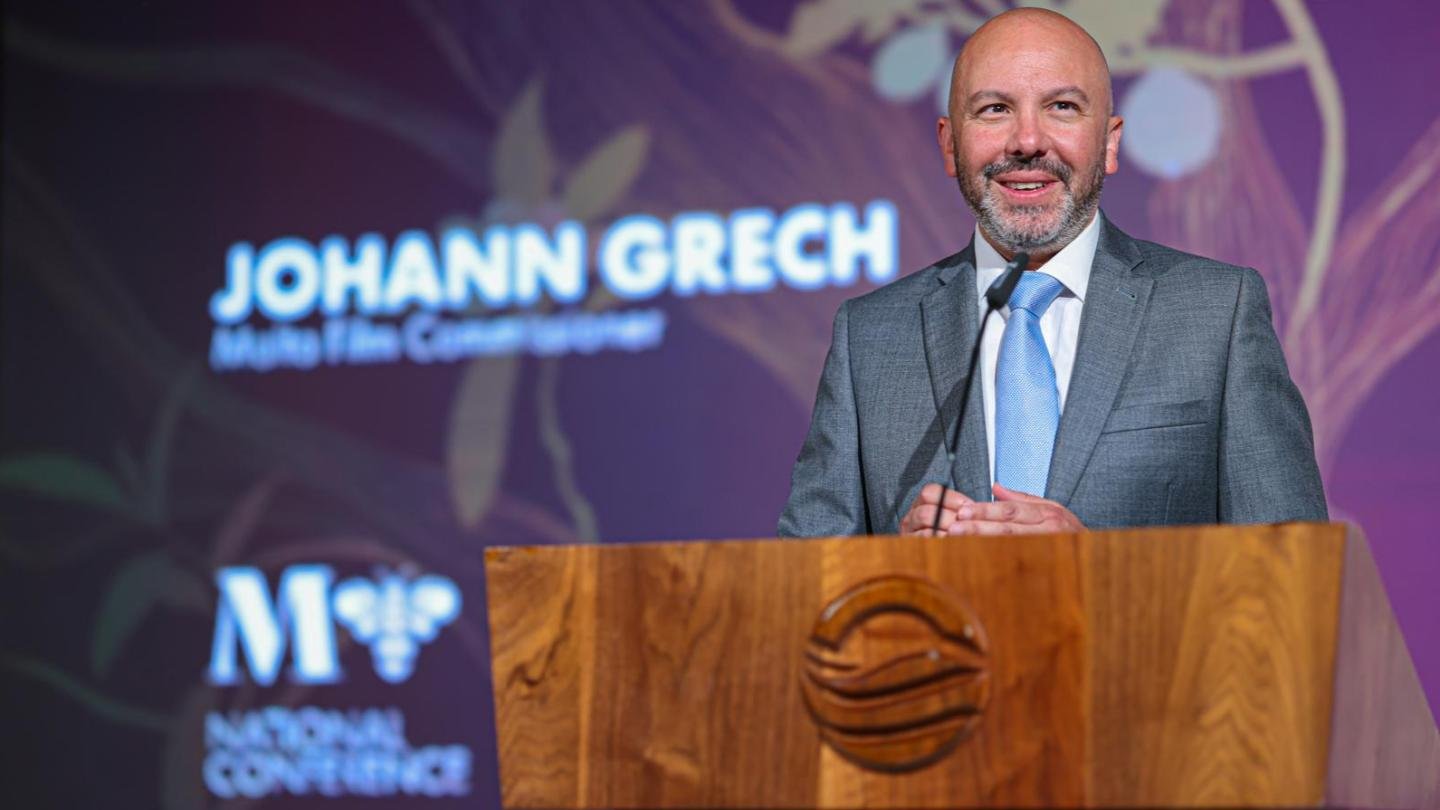
Earlier this summer during the Mediterrane Film Festival, Malta’s film commissioner Johann Grech teased plans for an ambitious new soundstage, dubbed the Land Sea Super Stage. Housed at Malta Film Studios, the facility could host major Hollywood blockbusters with blueprints that include a water tank and construction sturdy enough to hang two Black Hawk helicopters.
We want to create something unique,” Grech told The Hollywood Reporter in June. “To build the entire facility — in addition to the soundstage, there will be workshops, offices, production offices, warehouses, etc. — it will take two years. We have every detail in place. We just need to issue this public call.”
Grech is back with an update: The call has been made and Malta is now accepting proposals for investments to finance, build and operate the first-of-its-kind superstudio. Per the Malta Film Commission, the project would see more than €80 million in private investment in Malta’s film industry.
A rendering of Malta’s proposed Land Sea Super Stage.
Courtesy of Malta Film Studios
“Today’s launch marks the final piece of the jigsaw in creating a world-class film industry in Malta. We are committed to taking Malta’s film infrastructure to the next level,” Grech explains. “We have already seen major franchises such as Gladiator and Jurassic World repeatedly choose Malta for our versatile locations and our water tanks. We now want to complete Malta’s offer to the global film industry by developing a world-class studio facility that is truly unique.”
Grech has not been shy about the bid to lure more blockbusters to the country after hosting such high-profile productions in the past like Gladiator and its sequel, Napoleon, Captain Phillips, Troy, Munich, Assassin’s Creed, Murder on the Orient Express and Enola Holmes 3.
“By developing the world’s first Land-Sea Super Stage at the Malta Film Studios, we will strengthen our ability to attract more high-end, high-budget and high-value productions. Malta can become the home of some of the world’s biggest movies and film franchises,” added Grech. “I’ve always been ambitious for Malta’s film industry and now we are ready to reach even higher.”
Submissions are now open for a three-month period.
If you purchase an independently reviewed product or service through a link on our website, The Hollywood Reporter may receive an affiliate commission.
For more than 25 years, the drama/comedy series has been tied with the cozy fall season, thanks to its iconic New England foliage, sharp and witty dialogue, and quirky, but relatable characters and situations.
Luckily, all seasons of Gilmore Girls are streaming online.
Little People Collector ‘Gilmore Girls’ Special Edition Set
Includes four character figures in display package.
Where to Stream Gilmore Girls Online Without Cable
While the TV drama was a Warner. Bros Television production, all seven seasons of Gilmore Girls are not streaming on HBO Max (although there is a new documentary in the works from the streamer). However, every episode can be found on Prime Video and Hulu.
Amazon
Prime Video
Prime Video starts at $8.99 per month
All seasons of Gilmore Girls is streamable on Prime Video for subscribers only with prices starting at $8.99 per month. If you’re not a member, then you can sign up for a 30-day free trial to take advantage of all that Amazon Prime has to offer, including access to Amazon Music, Amazon Photos and Prime Reading; fast and free shipping in less than two days with Prime Delivery; in-store discounts at Whole Foods Market; access to exclusive shopping events, such as Black Friday in November, and other perks.
Hulu
Hulu
You can watch Hulu starting at $11.99 per month for the ad-supported plan, but for the best bang for your buck, opt for the Hulu/Disney+ bundle, starting at the same $11.99 per month for the first six months, then $12.99 monthly thereafter.
Meanwhile, Hulu (No Ads) costs $18.99 per month. Both the ad-supported and ad-free plans offer unlimited access to Hulu‘s massive streaming library, including entire seasons of exclusive series, hit movies, Hulu Originals and music festival livestreams. Meanwhile, Hulu (No Ads) comes with the ability to download movies and TV shows on your device for offline viewing.
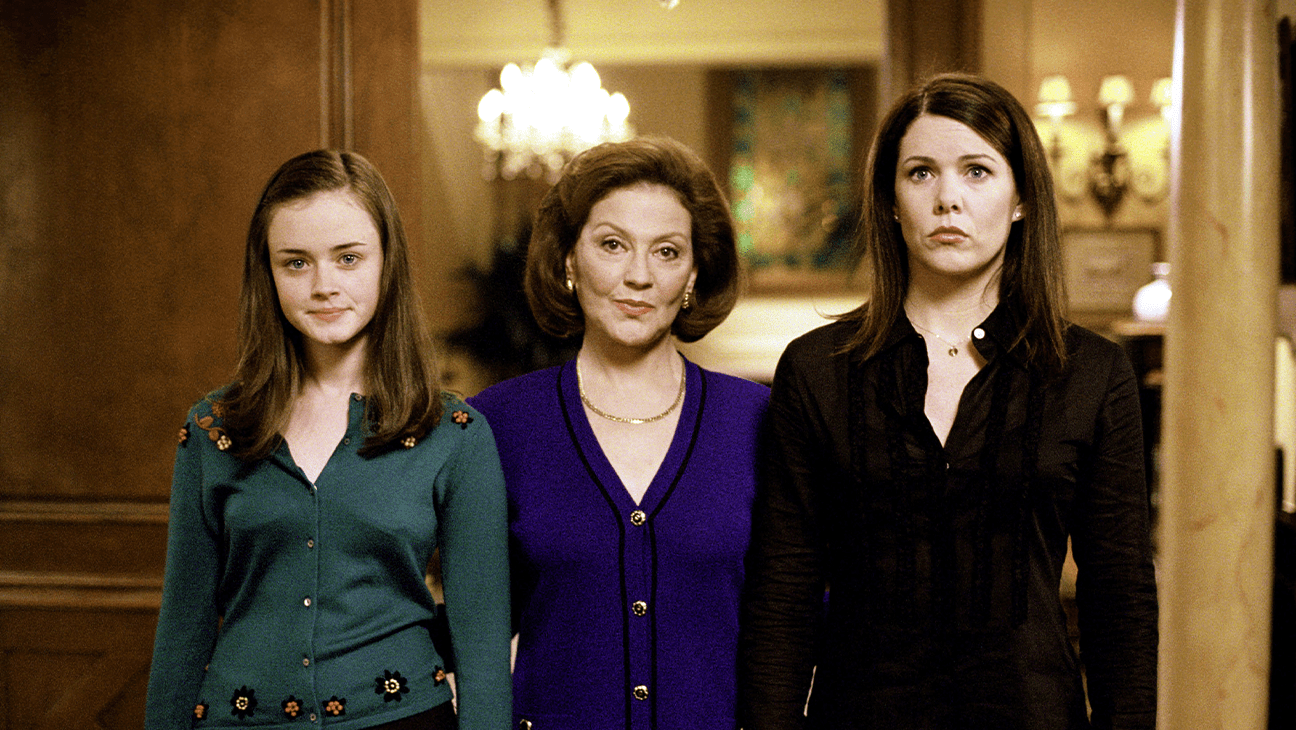
Created by Amy Sherman-Palladino, Gilmore Girls follows the lives of single mother Lorelai Gilmore (Lauren Graham) and her overachieving daughter, Rory (Alexis Bledel) in the small fictional town of Stars Hollow, Connecticut. Lorelai can’t afford private school for Rory, so she turns to her wealthy, yet estranged, parents Richard (Edward Herrmann) and Emily Gilmore (Kelly Bishop).
The TV drama stars Melissa McCarthy, Keiko Agena, Yanic Truesdale, Scott Patterson, Liza Weil, Chris Eigeman, Jared Padalecki, Milo Ventimiglia, Matt Czuchry and Sean Gunn.
Additionally, the revival mini-series, Gilmore Girls: A Year in the Life, is available to stream on Netflix. However, episodes can be purchased on Prime Video too.
After tackling witches, vampires and werewolves, Robert Eggers is tackling perhaps the scariest of monsters: teenage love.
Eggers is setting up an adaptation of William Shakespeare’s Romeo and Juliet at Focus Features, which has come out on top of a bidding war that included A24, Sony and Warner Bros.
When deals close, it will reteam Eggers with the Universal specialty arm that released his 2024 surprise hit Nosferatu and will be releasing his latest, Werwulf. Eggers will direct the feature and produce. It was not immediately clear who else was producing or executive producing.
As befitting a filmmaker who is known for his meticulous attention to detail in capturing a time period, even when it comes to dialogue, sources say that this adaptation will feature actors speaking in Olde English.
A tragic romance, Shakespeare’s play told the ill-fated story of the titular young lovers who hail from two warring families, the Capulets and the Montagues, in the city of Verona, Italy.
Written in the 1590s, it has been one of the Bard’s more enduring and famous plays and has consistently attracted cinematic attention. Among the more notable productions have been the 1968 iteration directed by Franco Zeffirelli and the 1996’s Romeo + Juliet, Baz Lurhman’s modern take (Verona Beach, anyone?) that starred Leonardo DiCaprio and Claire Danes.
While numbers were not revealed, sources say the deal for the project is in the high-seventy millions, which will include filmmaker and talent fees as well as the budget for the production. Romeo and Juliet is intended to be Eggers’ next production.
Focus had no comment.
While he doesn’t have a deal with Focus, Eggers has consistently set up films at the studio division. The company, run by Peter Kujawski, has released and worked with Eggers on all his films, including The Northman, and his earlier movies, The Witch and The Lighthouse. (Focus handled international distribution through Universal International for The Lighthouse.)
Eggers’ latest, Werwulf, reunites him with Aaron Taylor-Johnson and Lily Rose Depp, who both starred in Nosferatu, in a unique and arty-looking take on the werewolf horror story. Like Nosferatu, it is set for a Christmas Day theatrical opening.