Senior trader Peter Brandt stated that he maintains his long-standing skepticism towards $XRP, adding that developments within the Ripple ecosystem and collaborations with banks have not changed his view.
Brandt argued that a fundamental distinction should be made between Bitcoin and $XRP. The experienced trader characterized Bitcoin primarily as a “store of value,” while viewing $XRP as a crypto asset focused on transactions and usage.
Brandt stated that while Bitcoin is a speculative tool today, it also possesses store-of-value properties, but he used a rather harsh expression regarding $XRP. The experienced trader, distinguishing Bitcoin from use-oriented assets like $XRP, directly referred to $XRP as a “dumb coin.”
During the interview, the interviewer reminded Brandt of Ripple’s collaborations with banks worldwide and the company’s recent progress, asking if his views on $XRP had changed. Brandt, however, maintained his skepticism towards $XRP.
Brandt first drew attention to $XRP’s supply, arguing that there were question marks regarding the total supply and whether it would expand in the future. However, he acknowledged that $XRP could be used cheaply and effectively in transactions.
However, according to Brandt, the fact that $XRP is a useful trading instrument doesn’t automatically mean the token should become more valuable. Brandt cited the US dollar as an example, saying that while the dollar can also be used very effectively in transactions, people don’t expect it to appreciate in value simply because of that.
The experienced trader stated that this is also his main argument regarding $XRP, saying, “Just because something can be used in transactions doesn’t automatically mean it has to be more valuable.” According to Brandt, the real question mark for $XRP is at what point its use for transactions will translate into real economic value for the token.
Brandt also argued that cryptocurrencies should be categorized according to their use cases. He stated that transaction-focused assets like $XRP and store-of-value assets like Bitcoin should not be evaluated using the same valuation logic, and placed networks like Ethereum, on which applications can be built, in a separate category.
However, Brandt spoke more positively about Ethereum and Solana compared to $XRP. Describing Ethereum as a “good asset,” the trader said he believes both Ethereum and Solana have the potential to reach higher levels. He also stated that he prefers Bitcoin to hold the majority of his cryptocurrency portfolio.
The memecoin LAPTOP, linked to Hunter Biden, is back in the spotlight following a sharp drop in value after its launch, this time amid allegations that the project team earned millions of dollars. Hunter Biden, son of former US President Joe Biden, denied the claims that the team made tens of millions of dollars from LAPTOP sales, stating that no tokens have been sold from the project wallet to date.
According to the data, LAPTOP’s market value has fallen below $25 million, representing a loss of approximately 99.9% compared to its launch levels. The report also suggested that the project team may have earned an “eight-figure” profit, at least $10 million, from the token.
Hunter Biden reacted to the calculation in question. Biden stated that he had previously said the situation that arose after the token launch was “appalling” and that the relevant accounts were being reviewed.
Biden also maintained that the wallet belonging to the LAPTOP team had not sold any tokens to date. Questioning the claim that the project team had cashed out tens of millions of dollars, Biden demanded that the person who made this calculation reveal the wallet address allegedly used for these sales.
The LAPTOP team had previously denied claims that the sharp drop in the token’s value after its launch was due to selling by the team or insiders. They argued that the low liquidity in the initial phase and the use of automated trading “sniper bots” amplified price movements, and that the 30% token share allocated to the founders was locked for six months and would be gradually unlocked over a period of more than two years.
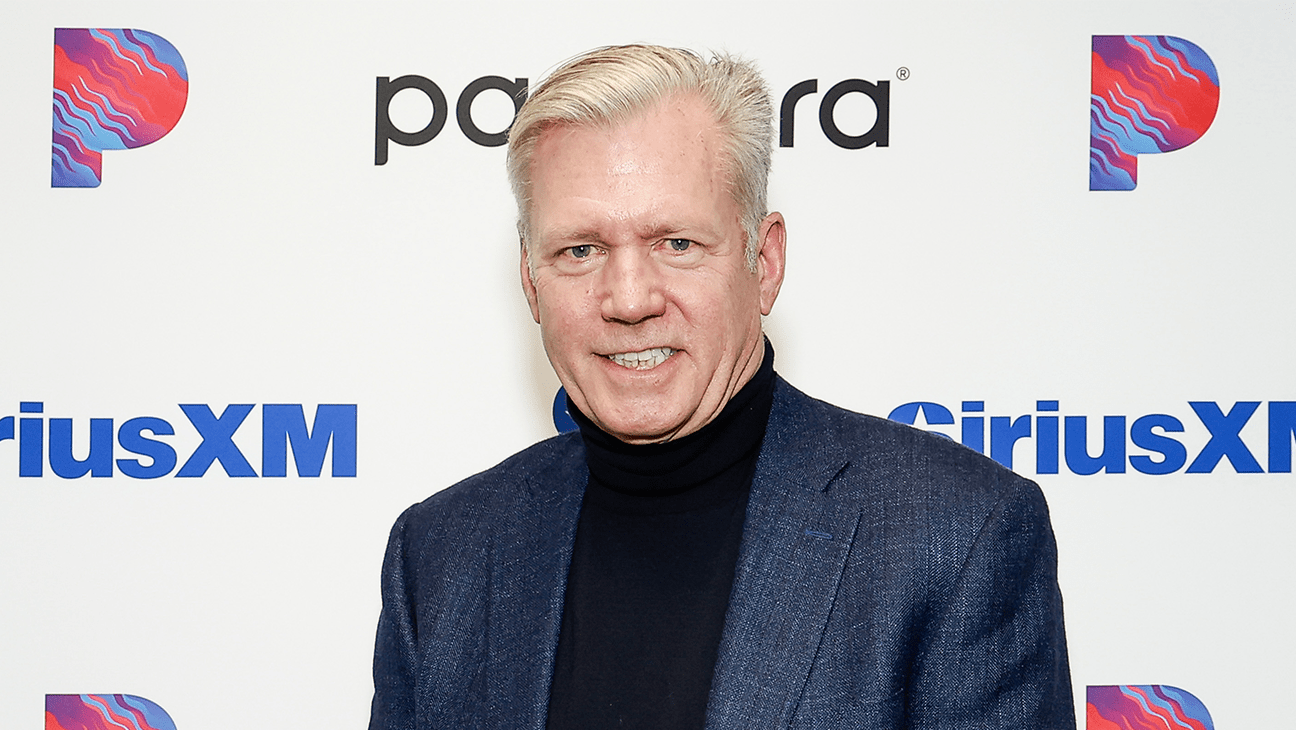
Former To Catch a Predator host Chris Hansen was interviewed on his podcast Friday to give his unfiltered reaction to A24‘s unauthorized, dramatized film about parts of his life, Primetime, which he called overly dramatic, detached from reality, and a “fever dream” — while giving Robert Pattinson‘s performance a “D” grade.
Primetime, which opens Friday in the U.S., is set in 2006 and follows Pattinson’s fictionalized version of Hansen as the popular To Catch a Predator segment on NBC’s Dateline grows into its own primetime block on the network. On the show, Hansen blurred journalistic lines by working with law enforcement and the watchdog group Perverted Justice to intercept adult men as they arrived, unbeknownst to them, at a sting house to meet a minor they’d met online for sex. The men were typically arrested as a result. The series drew mixed reactions, with concerns about potential entrapment-law violations at the forefront of the criticism.
In a brief segment produced for his video podcast, Have a Seat with Chris Hansen, the former NBC News journalist is seen exiting a Times Square AMC after viewing the film for the first time at a Thursday night screening — his first look at the indie drama since its theatrical release. He’s then asked for his first reaction to the Lance Oppenheim-directed film.
“It’s hard for me to — obviously, I’m not a judge, because the character is based on me,” he said. “I think because the character is so detached from reality, from anything I’ve ever experienced then or now doing the investigations — I’m not sure what the point of it was.”
The rest of the podcast episode has Hansen discussing the film, its director and Pattinson’s portrayal of him with Fox News’ Jesse Watters. Hansen railed against the movie throughout.
Oppenheim has said he conceived Primetime after receiving a personalized Cameo video from the To Catch a Predator host. Hansen said on his podcast that he spoke to a mutual friend before seeing the film, and that Oppenheim told the friend it was “something to the effect of, ‘a love letter to Chris Hansen, and it gets a little weird in the storytelling.’”
Hansen also flagged inaccuracies in the fictionalized version of his life — including scenes involving Jeff Zucker and Stone Phillips that he insists never happened — and said absolutely nothing in the film was close to reality. He assured viewers he’s not the ratings-obsessed figure the script conjures. His biggest gripe, he said, is that the film portrays him as an aloof parent, which he says is far from how he relates to his kids. As for Pattinson’s take on Hansen circa 2006, Hansen had few kind words.
“He’s got work to do. I’m kind of the only guy that counts for this, right?” he said.
Days before seeing the movie, Hansen spoke with The Hollywood Reporter‘s Seth Abramovich about what he knew of the film. A24 hadn’t reached out to him or the production to explain the premise or ask for his input, he said.
“Based upon what I’ve seen in the trailer and my understanding of what’s been written about the film, they wanted to create something much darker and way more dramatic,” he said. “I think it’s an insult to the thousands of men and women who work hard every day to protect children from predators. They’ve turned something that is very positive, very challenging and not without risk into what is essentially a horror film.”
On Friday, after viewing Primetime, he doubled down with a direct swipe at Oppenheim.
“You have to question the motives of not coming forward and talking to me or anybody I’ve worked closely with over the years,” he said. “They didn’t want to hear that Chris Hansen is a good guy. They didn’t want to hear that this work is important. This director had a dark image of what he wanted to do. He wanted to create a horror-like film with interesting photography, and didn’t want to hear anything else.”
Hansen continues identifying and capturing potential child predators on Takedown with Chris Hansen. Earlier on Friday, Hansen’s TruBlu streaming network dropped the trailer for I’m Chris Hansen, a documentary centered around the host.
If you purchase an independently reviewed product or service through a link on our website, The Hollywood Reporter may receive an affiliate commission.
No more playing it safe with purses. Sure, neutral leathers and suedes will always have their place, but this summer into fall is all about the statement bag — a signature piece that doesn’t just make the outfit; it is the outfit.
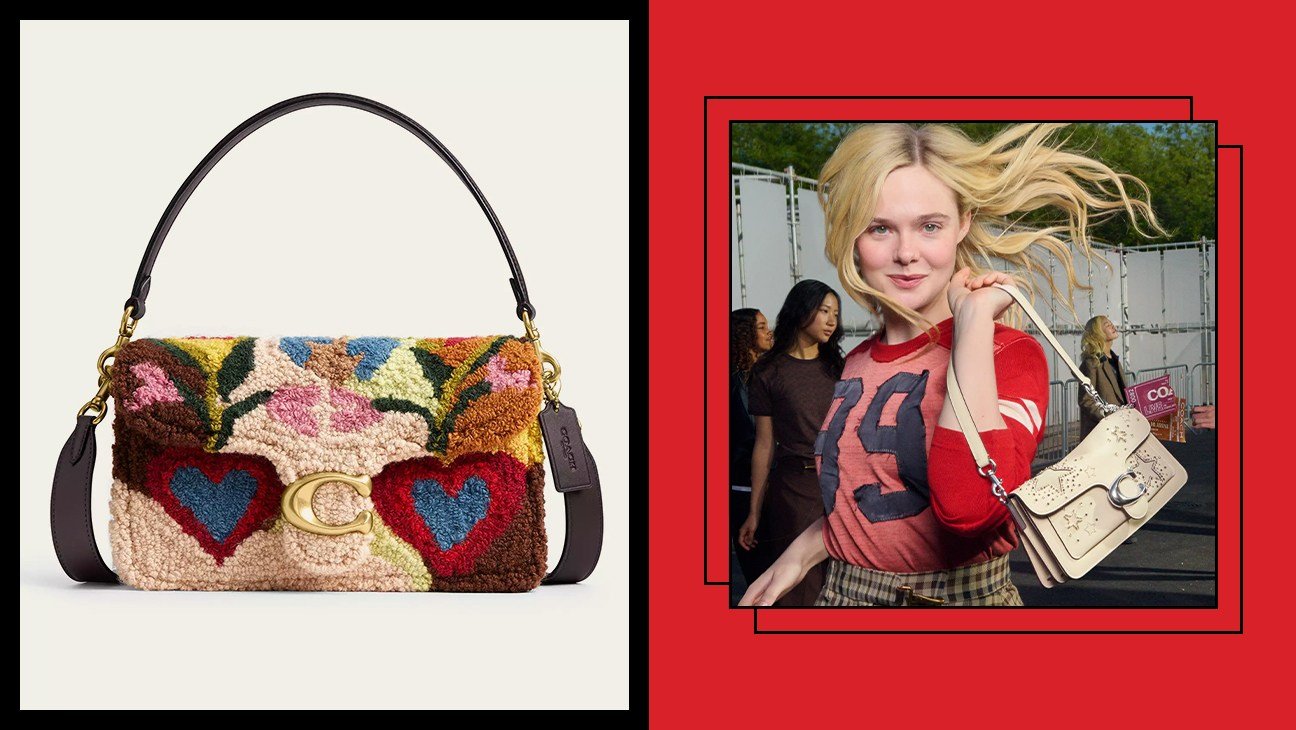
Exhibit A: Coach‘s latest campaign, titled “Live Your Story,” starring actress Elle Fanning alongside musicians PinkPantheress, SOYEON, Lilas and Shan Yichun. In addition to the campaign’s four Fanning-led short films — each soundtracked by one of the artists — Coach unveiled five special-edition Tabbys, all of which are inspired by the talents’ personal styles. The result? Playful embellishments, unique patchwork and even cherry red shearling trim.
coming soon
Coach Tabby Shoulder Bag 26 Inspired by PinkPantheress.
Crafted from shearling and natural grain nappa leather.
But these five limited-release bags aren’t the only items trending for fall. Coach’s inventory is chock-full of fringe detailing, contrasting textures, bold prints and beading. From mini bags and structured silhouettes to carryalls and slouchy shoulder bags, Coach’s staple styles are met with unexpected accents and finished in vibrant colorways.
Some of the most fun finds — especially when it comes to fringe — are part of the Coach (Re)Loved collection, an assortment of pre-loved bags falling into one of four categories: Coach Custom (gently used bags, reimagined by Coach’s craftspeople for one-of-a-kind results), Coach Vintage (beautifully restored classic pieces), Coach Restored (gently worn bags, restored to their original condition) and Coach Remade (bags remade from deconstructed, pre-owned purses).
one of one
Coach Custom Twisted Tabby Shoulder Bag
One-of-a-kind, with its own unique set of charms.
Below, 10 more standouts — organized by category — to freshen up any fall wardrobe, whether basic or bold.
“Star Wars” has featured iconic locations throughout the franchise, taking audiences to Tatooine, Naboo and now, a campus biology lab at Stanford University.
The romantic comedy “Love Hypothesis” premiered on Amazon Prime on Sept. 23, featuring Lili Reinhart and Tom Bateman as romantic interests who get caught in a fake-dating-turned-real-love trope. On the surface, there is no obvious connection to George Lucas’ franchise, but the story’s origin is actually deeply rooted in a galaxy far, far away.
Ali Hazelwood’s 2021 source novel of the same name was originally written as a fan fiction about the “Star Wars” sequel trilogy’s Kylo Ren and Rey, titled “Head Over Feet.” She ultimately transformed her 2018 narrative into a New York Times bestselling novel years later, removing the most obvious “Star Wars” references. But those familiar with the story’s source material will be able to spot plenty of Jedi-adjacent references throughout the romantic comedy.
Claire Scanlon, the film’s director, took a break from filming her next project, the Netflix comedy series “I Suck at Girls,” to break down the “Star Wars” references featured in “Love Hypothesis.” She reveals she wasn’t initially aware the plot was based on a fanfiction between Kylo and Rey, let alone the novel’s popularity on BookTok, a TikTok community that shares reading recommendations with each other.
“Elizabeth [Cantillon, the film’s producer] said, ‘This is based on a book about “Star Wars” fan fiction and it’s from BookTok,’” Scanlon says while laughing. “And I was like, ‘I understand none of the words you just said to me.’”
Perhaps the most overt nod to the galactic universe is the casting of Bateman, who plays the hard-shelled Kylo Ren-inspired Adam Carlsen. In real life, the actor is married to Daisy Ridley, who originated the role of Rey, though Scanlon confirms this connection didn’t influence his casting.
Fans may have also picked up on the film’s opening song, “Mess It Up” by Gracie Abrams, whose father, J.J. Abrams, directed two films in the most recent “Star Wars” trilogy. But it wasn’t Scanlon who came up with this subtle nod, which she reveals was flagged by observant fans on social media.
“Someone on TikTok or Instagram said, ‘They better use a Gracie Abrams song.’ And I was like, ‘Why would they want to use a Gracie Abrams song?’” she says, laughing about her initial cluelessness.
Below, Scanlon breaks down the biggest nod to “Star Wars” in “Love Hypothesis,” and debunks some of the speculated references circulating online.
Bateman’s character, Adam, is a clear reference to Kylo Ren, as well as nods from his intimidating demeanor to his telling nickname, “Dr. Evil.” Scanlon confirms that Adam also channels the character through his all-black wardrobe, which is mirrored by his minimally decorated office that features an almost entirely black color scheme.
Reinhart’s character, Olive Smith, is primarily seen wearing her lab coat, but outside of the laboratory, she is dressed in red, blue and green outfits. Although these are all colors associated with different lightsabers, that choice was unintentional, Scanlon says. Some eagle-eyed fans also noted she frequently wears an all-red look, which is the color associated with Rey in “The Rise of Skywalker,” though Scanlon says that was just a coincidence.
“Lili just likes the color red,” she says while laughing. “This is nuts. I got to tell Lili all these!”
While this isn’t a reference to Kylo Ren, Scanlon also points out that as Adam spends more time with Olive, his color palette begins to soften from black to navy blue. The texture of his clothes also evolves from cold, hard fabrics to cashmere and softer clothes, representing Olive’s positive impact on him.
Using the Name “Adam”
Yes, Scanlon confirms the character Adam Carlsen is, in fact, named after Adam Driver, who originated the role of Kylo Ren. But the director also has a question for Hazelwood about some other characters.
“I know Ali named Adam after Adam Driver, but did she name Tom Benton after Tom Bateman? The bad guy?” she asks, laughing. “Was she trying to push them apart? Was it just a coincidence? Or was she hating on Tom for being with Daisy and wanted Daisy and Adam Driver to be together?
“Star Wars” Soundtrack
Several moments throughout the film feature John Williams’ “Star Wars” themes, further emphasizing the parallels. “Star Wars” composer John Williams’ theme for Kylo Ren plays when Adam enters the coffee shop with Olive, causing the customers to freeze in fear.
The fallen Jedi’s theme is used again near the end of the film when Adam goes to confront his colleague Tom. The director also points out that this scene was filmed from a low angle as Adam menacingly walks down an empty hallway, visually mirroring several shots of Kylo in the “Star Wars” films.
Viewers also pointed out that a sample of “Rey’s Theme” was used when Olive tells her friends details of her relationship with Adam after they find the couple in the coffee shop. Scanlon says she doesn’t know if this was intentional, but it could’ve been slipped in from the music team.
“This is fun,” Scanlon says before breaking down the next reference. “This is like a game!”
Olive frequently wears her hair in a high bun, which Scanlon confirms is a nod to Rey’s signature hairstyle of three buns on top of her head.
Adam Carrying Olive
One of the moments when the dynamic between Kylo and Rey shifted in the “Star Wars” films came when Kylo carried an injured Rey onto his ship, hinting at his romantic feelings for her. A similar moment occurs in “The Love Hypothesis” when Adam carries Olive after her feet begin to hurt following their sushi date.
Although the scene mirrors the Kylo and Ren dynamic of alluding to the eventual shift in their relationship, Scanlon isn’t certain that choice was intentional. As far as she knows, it wasn’t a designated reference, but screenwriter Sarah Rothschild may have slyly incorporated the moment.
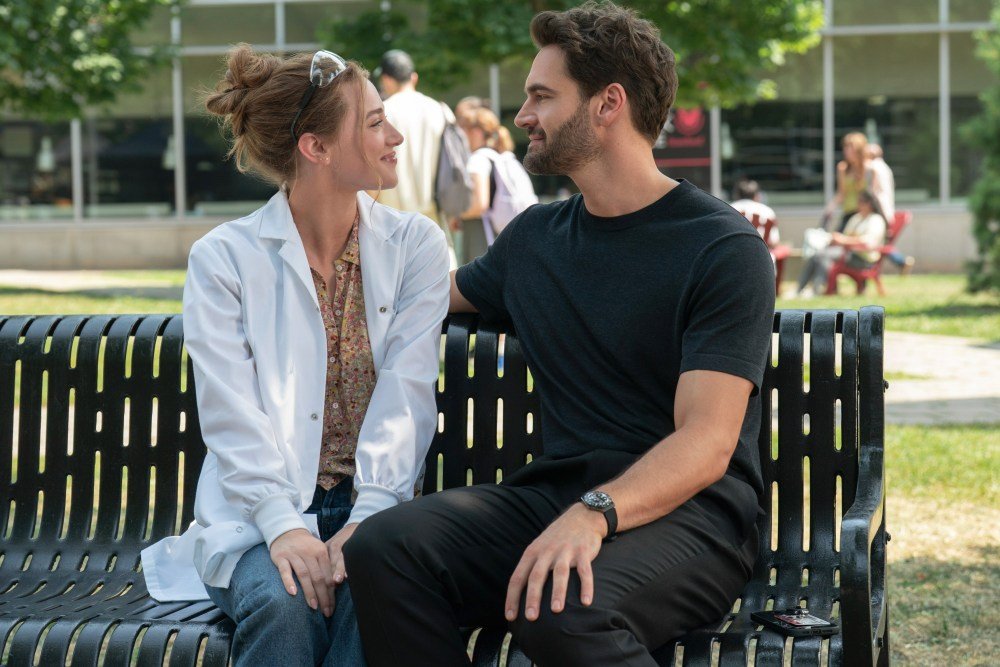
Tom Bateman and Lili Reinhart in “The Love Hypothesis”
During their date at the sushi restaurant, Adam opens up to Olive about how he never intended to be evil. He shared that his mentor was a sadist who had powerful friends in high places, very similar to Kylo Ren’s corruption after being mentored by Supreme Leader Snoke. This scene was directly taken from the book, Scanlon says, so it was likely a reference created by Hazelwood.
In that same scene, Adam also jokingly calls Olive a rebel, which could be a nod to Rey’s allegiance to the Resistance. Scanlon isn’t certain if that’s an intentional reference, noting this may also have been a choice by Rothschild.
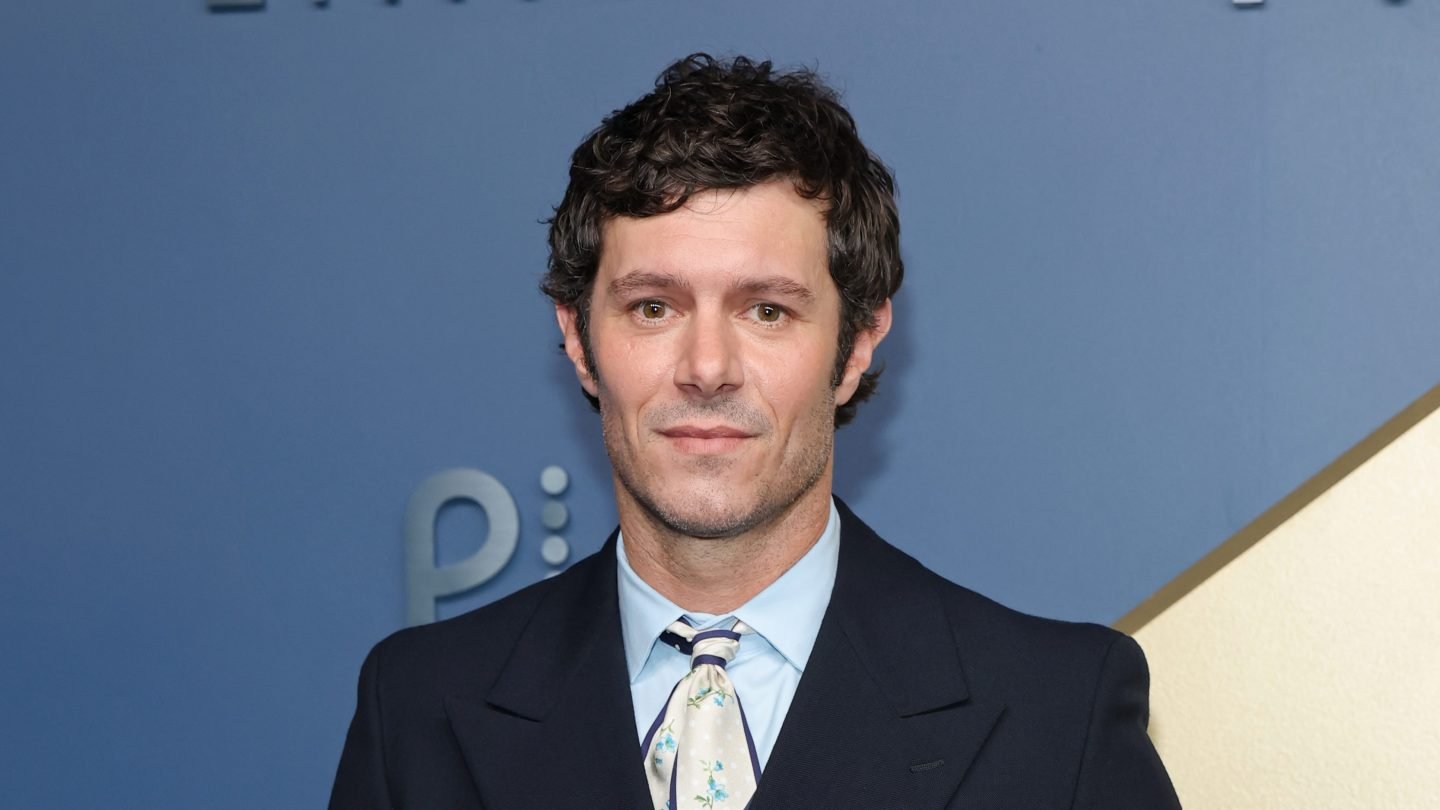
Nobody Wants This star Adam Brody is sharing his thoughts on the ongoing Israel-Gaza war, telling GQ in a new interview that he is in support of “a free Palestine.”
The actor, who appears on the Netflix series as a rabbi, discussed his political activism with GQ, and was asked if he thinks Hollywood has gotten more conservative. “I guess outspokenly so, yes. Again, as one side has more power, it makes sense that it draws people to it for all the human reasons that would be attractive: groupthink, your own well-being, your own money and success,” he said.
Brody continued, “Between COVID, a second Trump term, Israel-Gaza, it’s really brought out some different beliefs that I was ignorant to, and then disheartened by.”
The interviewer asked the actor how Israel-Gaza has come up in his messaging, to which he responded, “Truthfully, it hasn’t. I have spoken a lot about it privately. I haven’t spoken much about it publicly.”
When asked if he’d like to speak about the topic, The O.C. actor said, “Put me down as thinking it’s a genocide. Put me down as wanting a free Palestine.”
“It’s awful that it’s taken so much death and misery, but it does feel like it’s reaching a breaking point that it should have a while ago,” he continued. “I’m hopeful that another administration can really do some good and correct some of these policies that are helping that situation be as awful as it is.”
Netflix is gearing up to release the third season of its Jewish rom-com Nobody Wants This on Oct. 22. Brody was nominated for a 2025 Emmy for his role in the series, and won the Critics Choice Award for best comedy actor that same year.
In an August 2025 interview with The Hollywood Reporter, series creator Erin Foster said of the show, “It was really important to me and continues to be really important to tell positive Jewish stories. I know that it can be polarizing, but it shouldn’t be. This is not the show to tackle conflict in Israel and Palestine.”
“I’m not the person to tell that story,” Foster added. “And after [the attacks on] Oct. 7 happened, there were conversations around if we were going to dive into it, and the truth is, the way that I can get my message across best is by shedding a positive light on Jewish characters and Jewish traditions. I don’t think somebody watching wants to see another voice give you their opinion on what’s happening.”
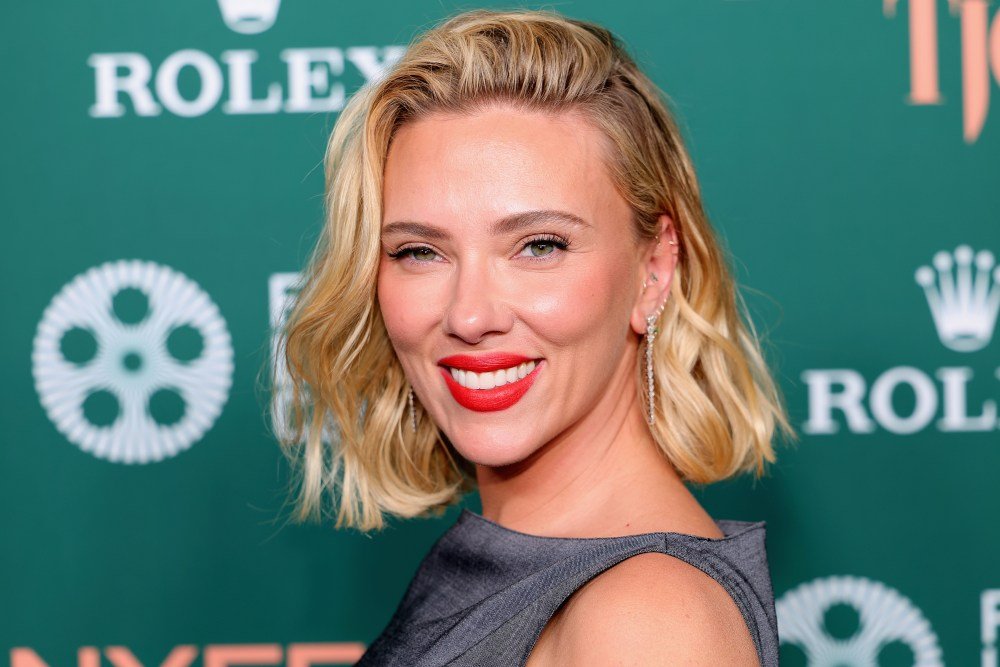
A very jet-lagged Scarlett Johansson reunited with co-stars Adam Driver and Miles Teller for the New York Film Festival premiere of “Paper Tiger,” which kicked off the festival’s 64th edition.
“I’m hallucinating,” said Johansson, who just got off a long international flight, where she’s filming another movie. “It’s 5 in the morning — which is a great time to be doing an interview on stage.”
“Paper Tiger” premiered in May at the Cannes Film Festival. However, this marked Johansson’s first time watching the movie (at least in a festival setting); she missed the Cannes premiere because she was shooting yet another movie, “The Exorcist: Martyrs.”
“Don’t rub it in!” Johansson joked about her absence on the French Riviera.
Set in 1986, “Paper Tiger” follows two brothers, Irwin and Gary Pearl, whose get-rich-quick scheme to help clean up the Gowanus Canal lands them in the crosshairs of the Russian mafia. Johansson plays Linda, wife of Teller’s character.
Johansson, Driver and Teller walked the red carpet with Gray at Lincoln Center’s Alice Tully Hall and sat for a post-screening Q&A, during which they spoke about their close camaraderie during production.
“No work required. There’s a mutual admiration between the four of us,” Driver said. “A set culture comes from the top down, and James sets a culture where everyone feels free. We immediately felt comfortable with each other.”
Added Gray, “We had a nauseatingly lovely set. I love them. I’m not on the Today show. I’m telling you the truth.”
Scarlett Johansson, Miles Teller and Adam Driver introduce “Paper Tiger” during the 64th New York Film Festival.
Getty Images for FLC
Before the screening began, Gray took the stage and consciously kept his intro remarks short and sweet.
“When I was in film school many years ago, students would show their films, and the students that talked the most [before] often made the very worst movies,” he said. “So I am going to speak very briefly.”
Gray praised the producers and actors who helped bring the film to life and reflected on his early dreams of being a filmmaker.
“I can’t help but remember my mother and father when I said I wanted to be a movie director. ‘How are you ever going to do that?’ And here I am,” Gray said. “I’m not sure the lesson in that.”
NYFF artistic director Dennis Lim introduced Gray as “one of the great living American filmmakers” and praised the director for championing a “singular” artistic vision.
“It’s not easy to make personal films in the current landscape of American cinema,” Lim said. “The fact that there are 24 executive producers credited on this film, like, who speaks to that.”
New York Film Festival’s 64th edition, which runs through Oct. 12, will host the world premieres of “Artificial,” Luca Guadagnino’s buzzy movie about OpenAI founder Sam Altman; Ava DuVernay’s documentary “14th”; director Tony Gilroy’s music drama “Behemoth!” with Pedro Pascal, Olivia Wilde and Will Arnett; and Takashi Yamazaki’s kaiju sequel “Godzilla Minus Zero.”
“Premiere status is never the be-all and end-all for us,” NYFF artistic director Dennis Lim told Variety ahead of opening night. “Timing is always part of it. But I think we’ve proved in the last few years that we create a pretty interesting context for the launch of a film.”
“Paper Tiger” filmmaker James Gray (center) with the film’s stars Roman Engel, Miles Teller, Scarlett Johansson, Adam Driver and Gavin Goudey.
Indian devotional film “Hanuman Ansh” has grossed more than $3.5 million outside its home territory since Hombale Films took it to international audiences, and the company behind the blockbuster “K.G.F” and “Kantara” franchises has now detailed how it engineered the run.
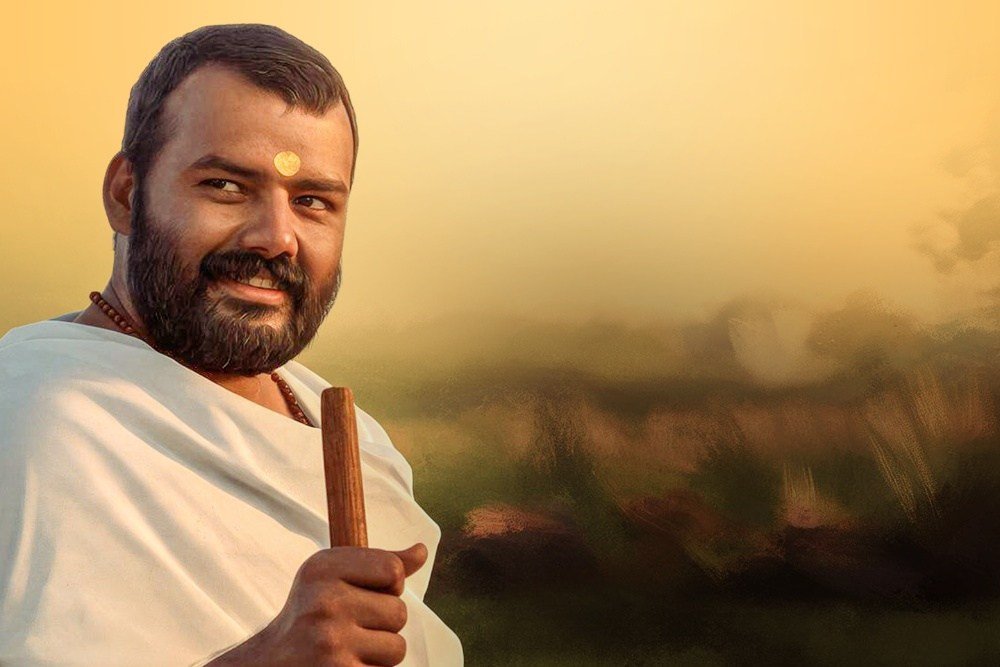
Written and directed by Vishal Chaturvedi and adapted from his book “Divine Detour: That Changed My Life,” the film follows Lakshman Das, a boy who leaves home after his mother dies, searching for the divine. Years of wandering and meditation later, he becomes the saint Neem Karoli Baba, known to devotees as Maharaj-ji. Shobhinaw Satyaa plays the title role opposite Chandan Anand, with Vihaan Shedge as the teenage Maharaj-ji and Anil Rastogi and Purnima Tiwari in supporting roles. Chaturvedi produced with Ragini Sona, Namrata G. Singh and Anupriya A. Nagar under his Swambhu Media Network banner.
“Our strategy involved taking ownership of all global territories and collaborating with the biggest local partners in each region to ensure the best possible release footprint. By leveraging the data and learnings from our previous releases like ‘Mahavatar Narsimha,’ we were able to tap into the right locations and cinema chains. This targeted approach has yielded spectacular numbers,” says Hombale Films producer Chaluve Gowda.
The Bengaluru banner partnered with Phars in the GCC and Prathyangara in North America, and the film opened internationally on Sept. 11. It marks a first for the company.
“‘Hanuman Ansh’ is the first film outside of our own productions that we have full fledgedly distributed internationally. We truly believed in this project, as it perfectly aligns with our vision of taking Indian stories global,” Gowda says.
North America leads the overseas tally, with $1.8 million from the U.S. and Canada, according to Hombale’s territory figures. Australia and New Zealand contributed $606,716 and the Gulf Cooperation Council region $577,870, with the U.K. adding $269,837. Singapore brought in $61,334 and Europe $41,171, while the rest of the world accounted for $483,006.
Hombale previously backed the animated “Mahavatar Narsimha,” which went on to do more than INR300 crore ($31.3 million) in business.
At home, the film has been a sleeper. Made for approximately INR2 crore ($209,000), “Hanuman Ansh” opened in India on Aug. 7 on some 250 screens through Cinépolis India. Word of mouth pushed it past 2,000 screens, and it has since grossed INR340.7 crore ($35.5 million) in seven weeks.
Chaturvedi has planned the film as the first part of a trilogy.
“We will always support the makers in bringing their ultimate vision to life. These are exactly the kinds of stories we want to champion as a production house, and we will continue to back creators who dare to tell such grand stories with all their heart,” Gowda says.
US spot $XRP exchange-traded funds saw around $38 million in two trading sessions, showing a fresh sign of investor demand.
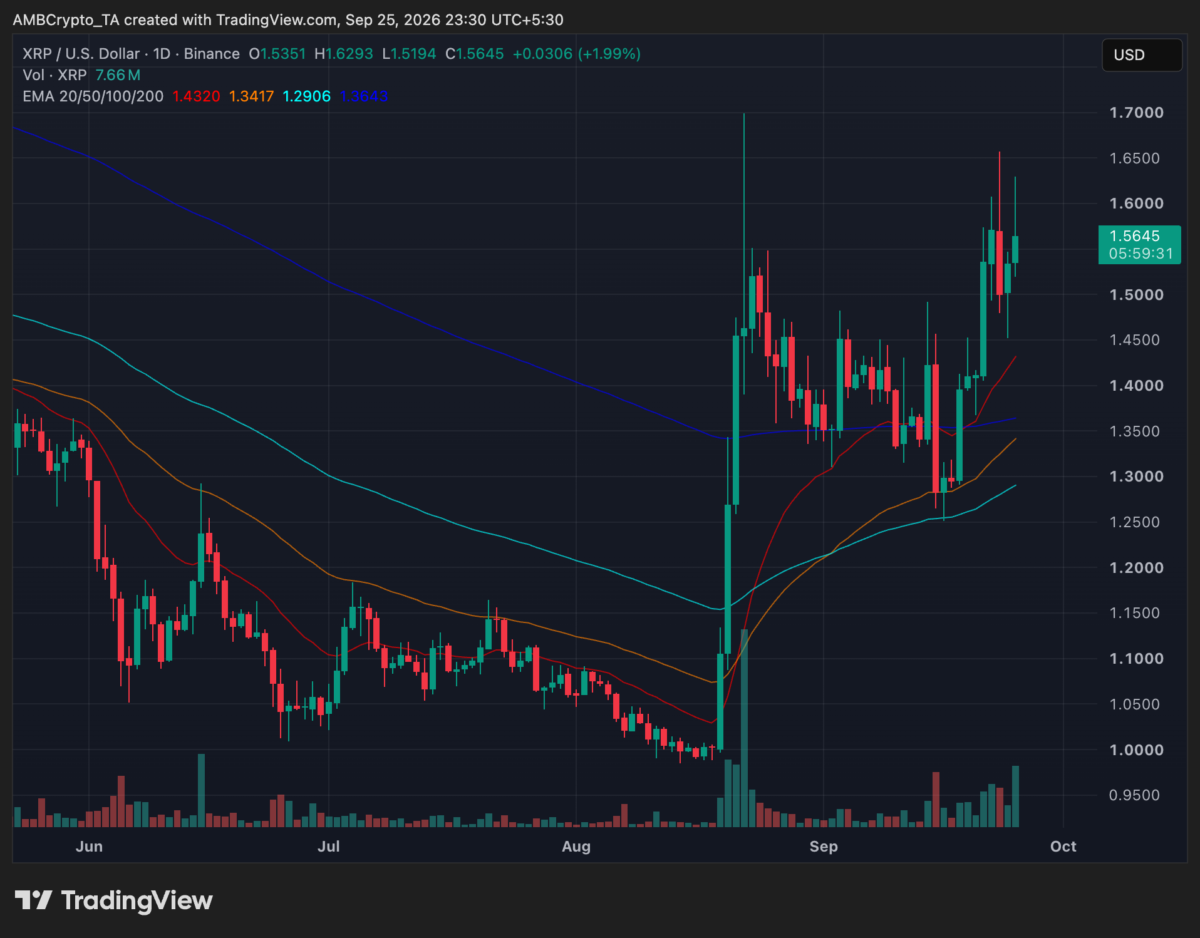
$XRP has also recovered to around the $1.56 price level, but it has yet to overcome selling pressure near the $1.60 price level. It must overcome this level before the latest rise it is seeing can develop into a stronger one.
Bitwise leads latest $XRP ETF inflows
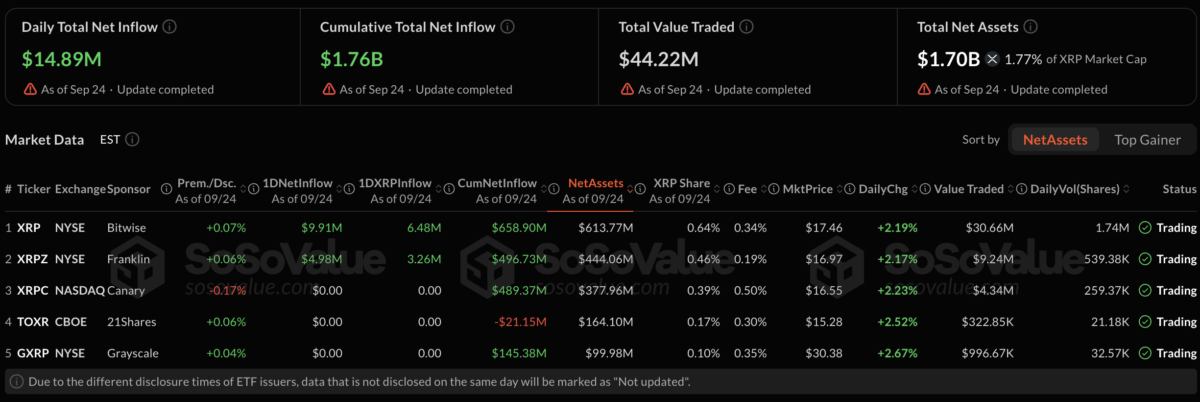
$XRP ETFs saw $14.89 million in net inflows on September 24, according to SoSoValue data. This was after it saw around $23.17 million in the previous session, bringing the two-day total to just over $38 million.
Bitwise’s fund led the latest daily inflows with $9.91 million. Franklin Templeton followed with $4.98 million, while no net movement could be seen from the other listed products.
Source: Sosovalue
The five funds now hold a combined $1.70 billion in assets. Their cumulative net inflows have reached $1.76 billion.
Bitwise’s $XRP holdings have also grown. The fund held 401.42 million tokens on September 23, which is up by 14.18 million from two days earlier.
Its $XRP was worth about $613.89 million, according to Bitwise’s official fund page.
$XRP price faces its next test at $1.60
$XRP traded near the $1.56 price level at the time of this writing, having gained about 2% during the session.
The price has recovered from its recent dip, and it remains above the levels that have supported its rebound. Buyers have also returned, and they have done this with stronger trading activity.
The next challenge now sits around the $1.60 price level. It has approached this area on different occasions, but sellers have not allowed it to hold above that level.
A convincing move through the $1.60–$1.65 price region would show that buyers remain in control. It could also give $XRP room to extend its recovery.
Source: TradingView
For now, the $1.50 price level is the nearest level to watch if the price drops. If it holds above it, this would help it to preserve the short-term momentum.
If it falls below the $1.50 level, it would make the recovery less convincing and could bring the price back towards the $1.43 price area.
Final Summary
$XRP ETFs attracted approximately $38 million over two trading sessions.
$XRP has recovered to $1.56 but still faces resistance between $1.60 and $1.65.
Privacy has become a practical concern in recent months as developers try to make cryptocurrencies useful for payroll, business payments and everyday spending. Ordinary bitcoin transactions permanently expose amounts and addresses, but once an address is linked to a company or person, other payments associated with it become easier to follow.
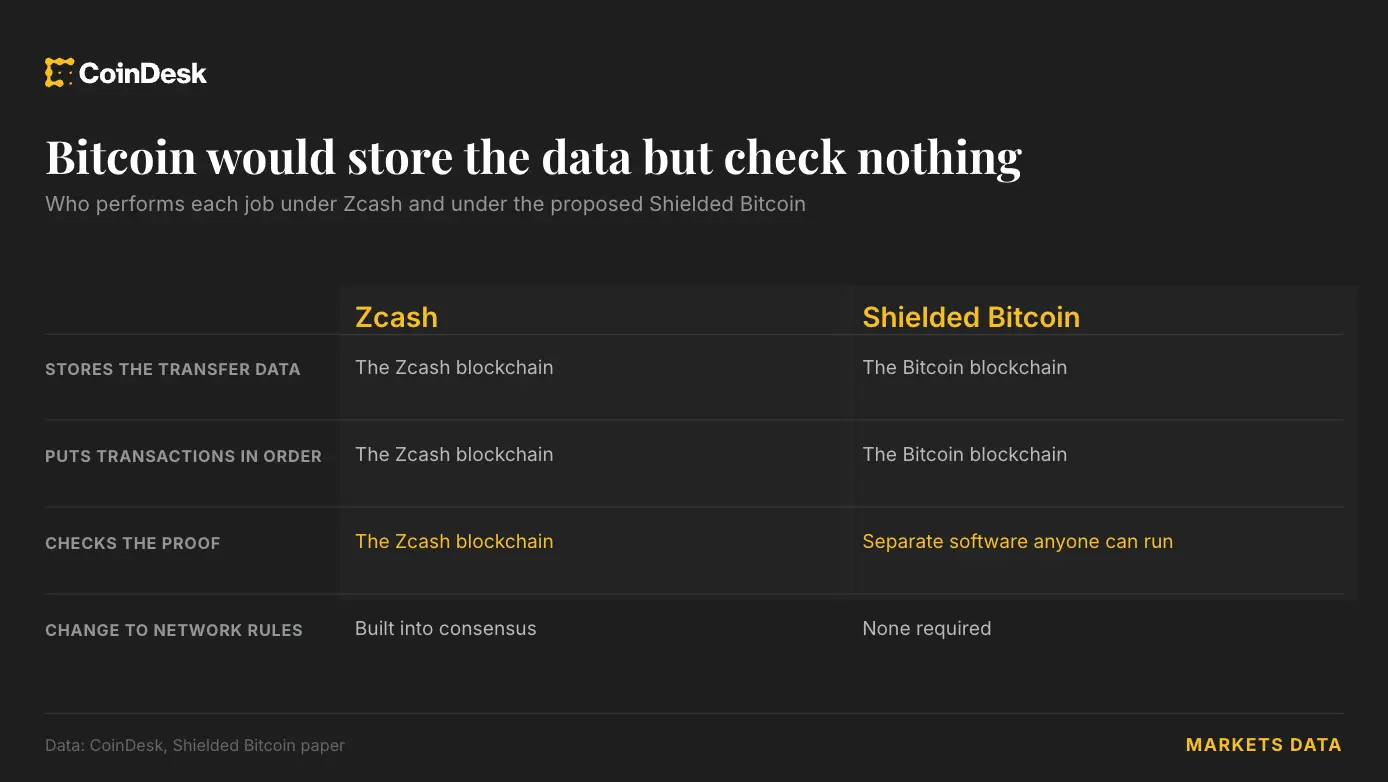
Bitcoin would store the data but check nothing. (Shaurya Malwa/Coindesk)
Ethereum is also reviewing a proposal for a shared private pool that would let people transfer ether and other tokens without publicly revealing payment details. Its authors cite payroll, treasury management and donations among the uses poorly served by fully public transactions.
How Zcash works
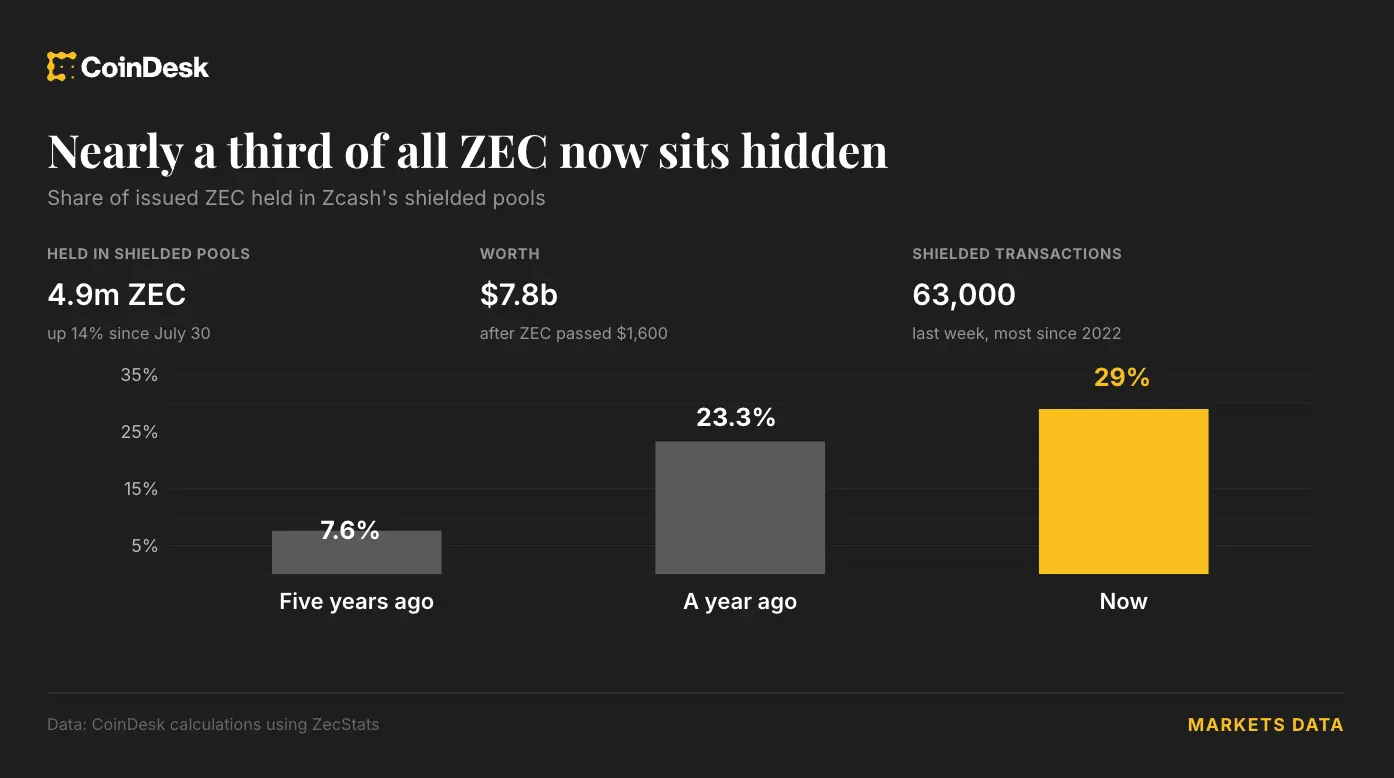
Zcash lets users choose between transparent payments, whose addresses and amounts are public, and shielded payments that encrypt those details. Its shielded pools held about 4.9 million $ZEC on Friday, up 14% from July 30, according to CoinDesk calculations using ZecStats data. That represents roughly 29% of issued coins, worth about $7.8 billion following the rally.
Zcash recorded roughly 63,000 shielded transactions last week, its busiest week for private transfers since 2022 and fourth-highest on record. Across the network, reported transfer volume exceeded $23 billion, the largest weekly total since 2021 and second-highest in its history.
Nearly a third of all $ZEC now sits hidden. (Shaurya Malwa/CoinDesk)
Zcash has attracted both investor money and attention amid those metrics. By early September, $ZEC had gained more than 2,300% over the preceding year and crossed $1,000. It extended the rally above $1,600 on Wednesday.