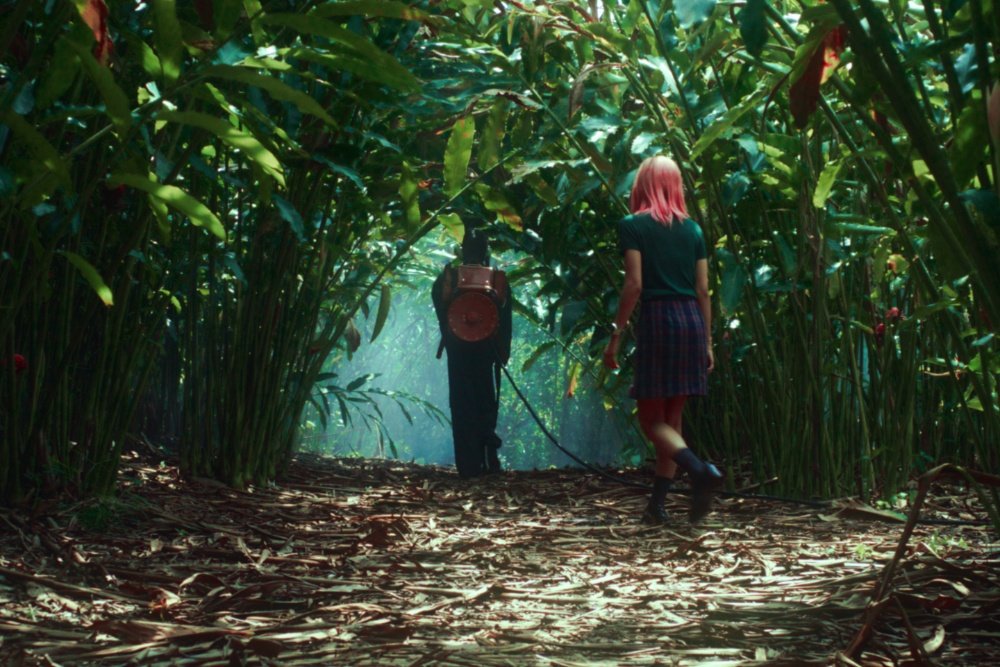
A Malaysian science-fiction fantasy feature is taking an unconventional approach to distribution.
“Mimpi Kita: Castle in the Air” arrives at the NAFF Project Market’s It Project strand at Korea’s Bucheon International Fantastic Film Festival betting that audience data, gathered in advance, can do some of the work traditionally left to sales agents.
Executive producer Foo Hui Yin of Kuala Lumpur-based Kotodama Lab is steering the effort, which uses analytics tools to find and grow online groups already drawn to the film’s genre and themes. The goal: walk into the market with a measurable fan base already in place, rather than betting on one materializing after release.
The feature is the directorial debut of Arifin Ajib. At the market, running July 4-7, the team will pitch for co-producers, sales agents and distribution partners. Behind the project are Anti Gravity Euphoria Sdn Bhd and Da Huang Pictures, the banner run by Malaysian New Wave figure Tan Chui Mui, whose credits include “Barbarian Invasion.”
Humanity’s exit plan in the film is an Ark fleeing a ruined Earth, made possible in part by a medical breakthrough: dying patients can briefly project their minds into synthetic bodies to be present for milestones they’d otherwise miss. Musician Arda, blocked creatively by grief, loses her grandmother Teja to the system’s digital underlayer. Rather than let her family pull the plug on Teja’s life support, Arda puts her own mind into one of the synthetic bodies and goes looking for her in the dream architecture below.
What begins as a rescue becomes something closer to therapy. Arda is made to relive rejection after rejection buried in Teja’s memories, and the deeper she goes, the clearer it becomes that the whole search is engineered, a structure built for Arda to finally face something true about her own life. At its core, the film asks what one generation owes the next: should the young have to fully grasp the sacrifices that came before them, or can that history dissolve quietly without the love behind it disappearing too?
Anwari Ashraf, producing and directing on the project, pointed to limited budget and infrastructure as context for what the team pulled off, calling it “inventive, distinctive, and wholly their own.”
He added that the film’s primary strength is “its refusal to be anything other than itself.”
“I was intrigued by the idea of this handcrafted local sci-fi with Nogori roots, and offered to produce for them,” Tan said.
Dato’ Azmir Saifuddin Mutalib, CEO of FINAS (National Film Development Corporation Malaysia), called “Mimpi Kita” a significant moment for Malaysian cinema.
The creative team will hold industry meetings at the NAFF Project Market in Bucheon.
Leave a Reply