The manga industry has a big problem and it’s not lack of demand, but a lack of authorized supply.
“There is a global demand for manga worldwide, and there’s far more demands than any content that’s officially translated right now, and that’s a very big issue,” Shoko Ugaki, the CEO of manga translation company Orange, told Variety in an interview via translator last month.
Based on Orange’s survey, there are approximately 30,000 manga titles that have been translated into English and then there’s the pirated versions of that, “which is about five times more than officially translated manga,” per Ugaki.
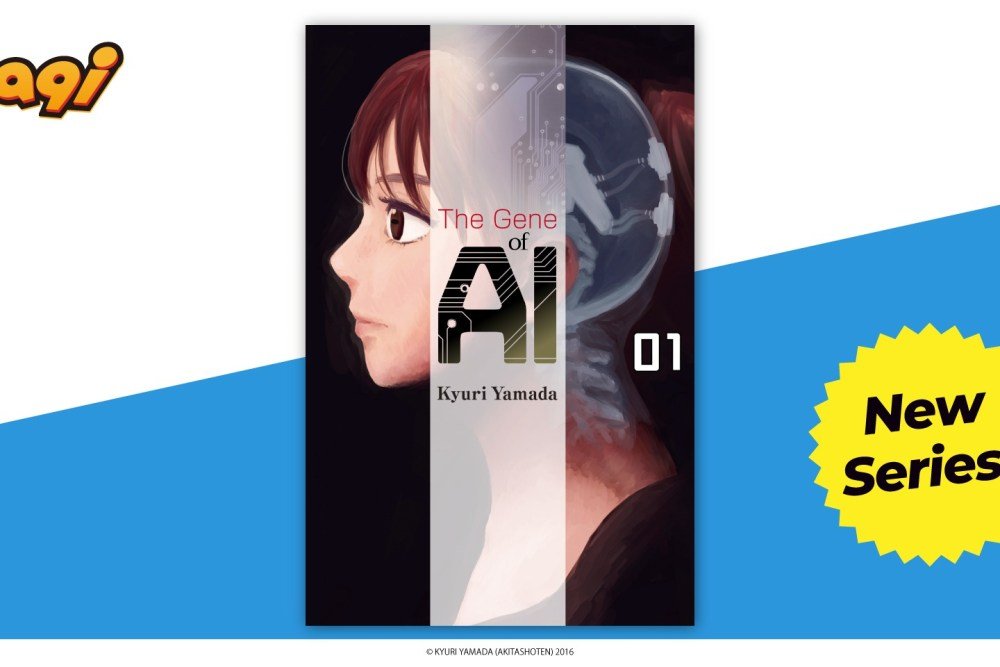
Orange’s mission is to release licensed manga, with its most notable project to date being “The Gene of AI,” which was originally released in Japan in 2016 to critical acclaimed and received an anime adaptation that launched globally on Crunchyroll in 2023. But despite that success, the original “The Gene of AI” manga never had an official English release, until May 1, when Orange partnered with publisher Akita Shoten to release the edition through Orange’s emaqi platform.
“This is most of the manga the fans read, they’re reading the pirated version, so that is the bottleneck,” Ugaki said. “Officially translated manga is about several 1,000 titles, which is 20,000 books or comics right now. I own 30,000 comic books privately. So officially translated manga is less than what I own privately. A lot of pirated versions — five to 10 times more than officially translated versions — are translated by volunteers. So the manga fans, if you like manga more, then you read more pirated versions. The issue is that there is no returns for the creators of these mangas, that’s the bottleneck.”
Ugaki says there was a financial loss of “close to 6 trillion Japanese yen last year alone” due to manga piracy.
“There’s no appropriate compensation for creators of manga, and at the same time, all the publishers, they don’t receive income or revenue because of the piracy issues. Then they cannot allocate enough budget to create the next works or next line of work, so this influences the entire ecosystem of this manga industry.”
That’s where Orange aims to make real change with its digital cross-publisher manga app emaqi, scaling official translations of never-before-available titles in a creator-friendly way.
“If we can establish the system and produce more official translations, and then that will be beneficial for not only creators, but all the publishers that participate in our system, so that within that system we can create a more beneficial cycle for everyone to produce more and produce better works in the future,” Ugaki said. “I believe that we are going to have to put everything we have into this industry itself to raise more official translation and official services, so less people will use or depend on pirated versions.”
Ugaki attributes the growing appetite for official manga translations to the rising popularity of anime in the U.S., and adaptations like Netflix’s “One Piece.”
“I think anime started this manga appetite globally; however, I think that we’re still at the very early phase; that global populations or audiences are starting to notice or become aware of the sort of appeal that manga and anime has, so we have a lot more to offer,” Ugaki said. “However, we have so much to do in order to convey the appeal of manga compared to anime. We need to do more, so that global audiences will be more aware of appeal and attractiveness of manga. In Japan, it’s common sense, where everyone knows that all these anime came from manga, or the manga was the original, and then that made into anime. But this kind of flow is not really understood overseas, so that is another aspect that we need to work on.”
Leave a Reply