After six brutal years of struggling to stay afloat, movie theater owners and operators arrived in Las Vegas for CinemaCon finally liking their odds of survival. It helped that the box office, which has been stuck in a rut since COVID, was up more than 23%, thanks to recent blockbusters like “Project Hail Mary” and “The Super Mario Galaxy Movie.”
Despite the high spirits, the annual exhibition industry conference also exposed anxieties that many in Hollywood are feeling. David Ellison, the Silicon Valley scion who would like to be a mogul right now, please, dominated conversations, with cinema executives openly worrying that his deal to merge Warner Bros. and Paramount would give him too much power. There were also fierce debates about everything from the glut of preshow commercials to an overreliance on franchise fare. Here are five takeaways from a CinemaCon that didn’t lack drama.
The Revolution That Wasn’t
When CinemaCon kicked off last week, the opposition toward Paramount’s deal to buy Warner Bros. seemed to be gathering steam. On Monday, 2,000 A-listers, ranging from Joaquin Phoenix to Javier Bardem to Kristen Stewart, signed a petition to stop the merger. Hours later, exhibitors joined the fight, with Cinema United chief Michael O’Leary using his opening remarks to slam the deal as anti-competitive and declaring that it would lead to fewer movies, jobs and theaters. The tide soon shifted, however. On Wednesday, producers Emma Thomas and Jerry Bruckheimer were asked during a CinemaCon presentation why they didn’t add their names to the opposition and made it clear they felt Paramount’s purchase of Warners was a fait accompli, with Bruckheimer bluntly declaring, “The train has left the station.” Then on the last day of the conference, AMC Theatres chief Adam Aron came out in support of the merger, giving Ellison’s team the endorsement of the world’s largest cinema chain. In doing so, Aron undercut O’Leary, a fact that didn’t go unnoticed in Vegas or among the other members of Cinema United, which convened an emergency meeting after AMC gave its blessing to the pact. So why did Aron go rogue? Was he angling to get better terms from Ellison’s two studios? It’s worth noting that Aron also gave downplayed the threat of Disney’s 2019 purchase of Fox, a pact that led to one less studio and a lot less big-budget movies on his screens.
David Ellison’s Charm Offensive
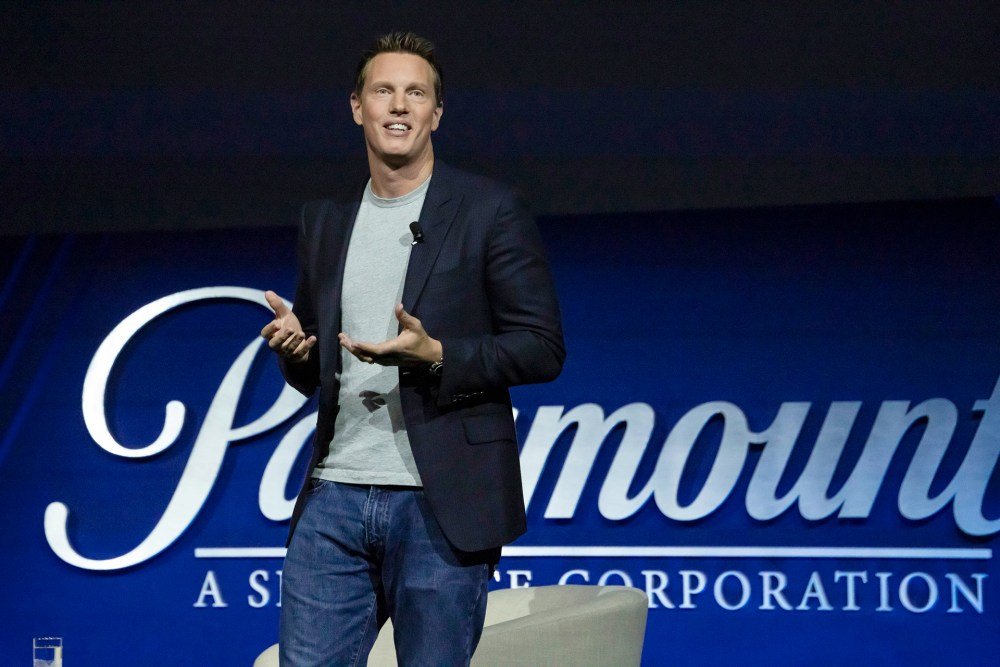
Everyone may not have been on board with Ellison’s plans to roll up two of Hollywood’s most storied brands, but the Paramount and (future?) Warner Bros. owner generated goodwill with his pitch to exhibitors. Not only did he pledge to make a “minimum” of 30 films a year, keeping the combined studios’ output the same as when they operated independently, but he also committed to a 45-day exclusive theatrical window and a 90-day period before his films hit streaming. As a flex, he shared an elaborate introductory video that was directed by Jon M. Chu, narrated by Tom Cruise and featured cameos from James Cameron, Timothée Chalamet and Will Smith. The promotional piece ended with Cruise lounging on the studio’s water tower and declaring, “The future is Paramount. And the future looks pretty great from here.” Clearly, there’s no limit to Ellison’s ambitions. It’s worth noting, however, that the hard work will really start once he takes the keys to Warner Bros. and has to figure out how to pay off $80 billion in debt.
Tom Rothman Kicks a Hornet’s Nest
When he took the stage at CinemaCon to present Sony Pictures’ upcoming slate, the studio chief had some blunt advice for theater owners: “Get off the ad crack.” By that, Rothman meant, stop with the 30 minutes of commercials and trailers before movies even start. Oh, and lower your ticket prices … there’s a recession going on. He may be right that too many ads are causing people to stay away from theaters or skip the pre-show entirely, but what Rothman didn’t offer was suggestions for how cinemas would make up the lost revenue. Movie theaters have thin margins, and chains make millions by running promos. Moreover, they keep hiking prices to make up for declining attendance. “It would have been nice if Tom offered to help us pay for it,” one exhibitor groused. “But thanks for the feedback.”
It’s Super Mario’s World Now
From “Street Fighter” to “Call of Duty,” Hollywood is betting its future on video games. With comic book films fading in popularity, movie studios are picking up their consoles in search of the next great treasure trove of IP. These range from global phenoms like “The Legend of Zelda” to artsier offerings such as “Bloodborne,” a Japanese horror game that Sony will turn into an R-rated animated film. Where once movie stars flocked to Comic-Con to gush about how their childhood dream was to play Batman or the Flash or Hawkeye on-screen, now they’ll probably head to CES to wax poetic about their first “Tetris” experience. What else would you expect when “The Super Mario Galaxy Movie” is on pace to gross $1 billion globally?
Steven Spielberg’s Urgent Warning
Films like “Jaws,” “Jurassic Park” and “Raiders of the Lost Ark” set the template for summer blockbusters, delighting audiences with their big-screen escapism and spawning lucrative franchises. So it’s easy to forget that when these movies hit theaters, they were original properties. Spielberg, who came to CinemaCon to drum up excitement for his alien adventure “Disclosure Day,” reminded studios and exhibitors that if they want to keep their auditoriums filled, they need to embrace original stories. Moviegoers can’t exist on a diet of sequels, spinoffs and reboots alone, he said. “If all we make is known, branded IP, we’re going to run out of gas,” Spielberg warned. If he wants his message to stick, “Disclosure Day,” which marks Spielberg’s first big summer movie in a decade, needs to be a box office smash. Executives who have seen the film say it’s surprisingly emotional and not as action-packed as you might think. Is that what audiences are looking for?
Leave a Reply