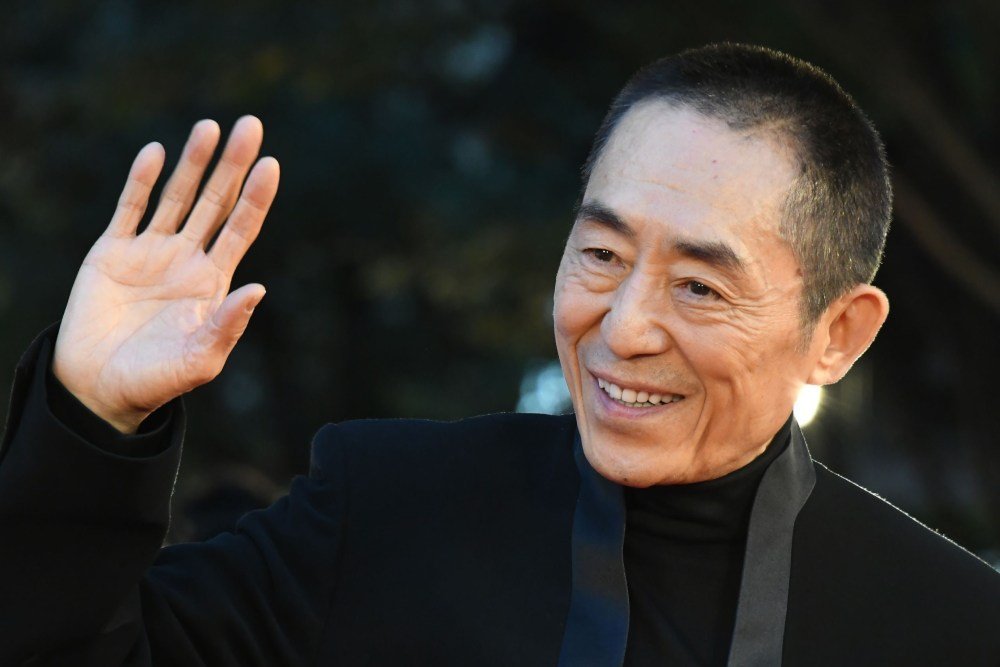
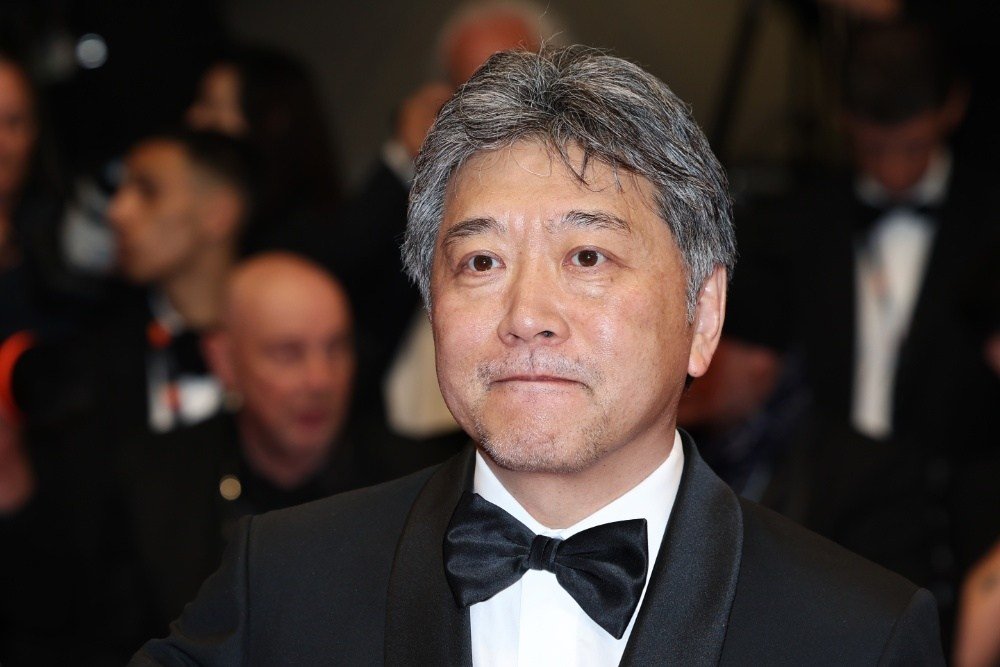
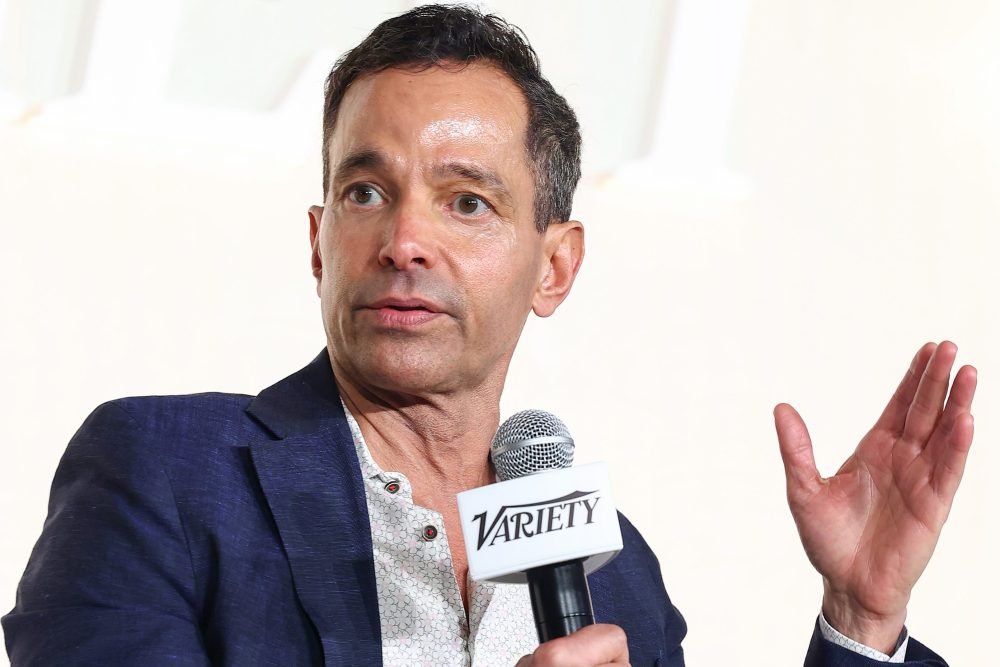
Zhang Yimou is still reworking the script for his film adaptation of “The Three-Body Problem,” years into the process, the Chinese director said during the opening ceremony of the Busan International Film Festival, where he is president of this year’s competition jury.
Questioned by festival director Jung Hanseok, Zhang said he is currently preparing a new film, and that he had just been discussing with several directors backstage how hard it is to make a good one these days.
“‘The Three-Body Problem’ is a great science fiction novel, and I like it very much. But it is very difficult to adapt into a film, which is why we have spent several years polishing the script,” Zhang said. “We are still polishing it now. I hope this film will not disappoint everyone’s expectations, that it will satisfy the audience, and I hope we can make it well.”
Liu Cixin’s novel, the first book in his “Remembrance of Earth’s Past” trilogy, won the Hugo Award for best novel in 2015 in Ken Liu’s English translation, and has been adapted as Bilibili’s animated series “The Three-Body Problem” (2022), Tencent’s live-action series “Three-Body” (2023) and Netflix’s “3 Body Problem” (2024).
Jung raised the audience reaction that followed the announcement of the project, which he said had stirred as much worry as anticipation. Zhang said that once word got out that he would direct the film, he asked his company to collect online audience commentary, and it came back with around 400,000 comments in one week.
“I felt that people had a great many concerns. Audiences today have high expectations of us,” Zhang said. “In the age of AI, where visual media has become democratized, the audience’s discernment has risen considerably compared to the past. Because of that, we all feel tremendous pressure, and we hope not to disappoint their expectations.”
He added that he would look closely at what viewers want from the film in the hope of getting it right.
Zhang widened the point to the filmmakers at the festival, saying they all want to make a film that satisfies themselves. “Many people spend an entire lifetime wanting to make a truly great film, yet no one knows where that great film comes from. From a Chinese perspective, it might be luck – your effort combined with luck,” he said. “But regardless of luck, the love and passion for cinema in our hearts will always keep burning.”
Jung introduced the project as an adaptation of a sci-fi novel with an enormous global readership, and noted that Zhang, more than 40 years into his career, still puts out new work almost every year.
Zhang leads a seven-member jury for Busan’s competition. The 31st edition of the festival runs through Oct. 15.
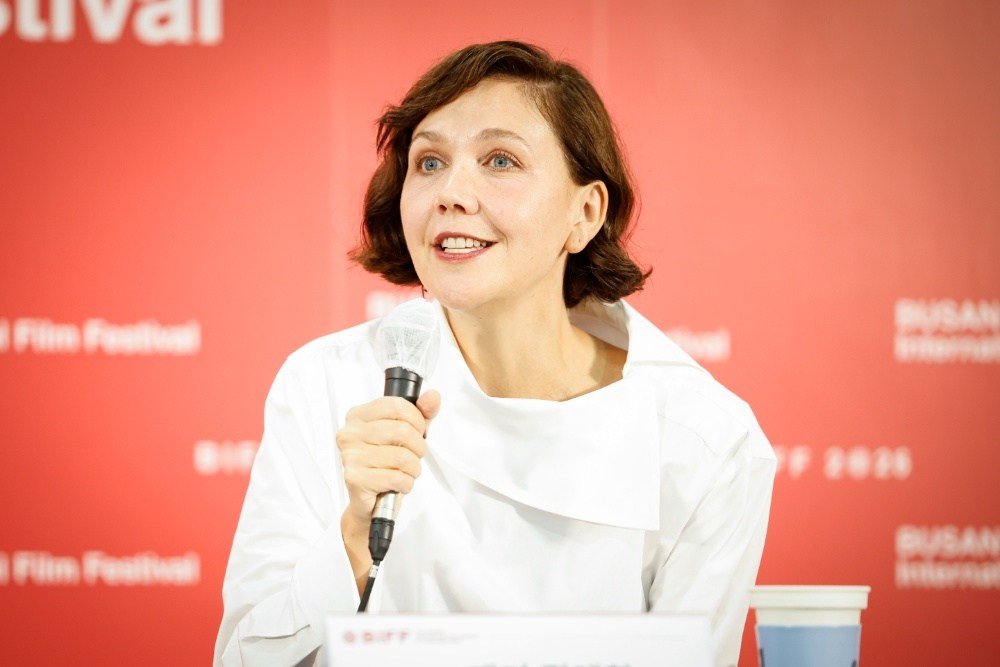
Maggie Gyllenhaal told a Busan International Film Festival press conference on Wednesday that the best directors she worked with as an actress, who were usually also the most successful, understood the value of drawing on the minds of the people around them.
“It was the people who were very scared… or just not very smart, who tried to squash other people’s voices,” Gyllenhaal said.
Gyllenhaal is in Busan with “Flesh Impact,” a short film she wrote and directed in which Ellen Burstyn plays Marilyn Monroe at 100 and Dakota Johnson plays the star in her youth. When she made her feature directing debut, “The Lost Daughter,” her main concern was that everyone on set, from the actors to the cinematographer, production designer and gaffer, felt free to contribute.
“The truth is… it is ultimately up to me as the director. I have the power, so there’s no reason to squash anyone else’s voice,” she said. “I mean, it’s just so obvious that the movie that I will make that includes all the minds of the people on my crew, at least as things I can draw from, is going to be exponentially better than the movie I can make trying to recreate something I imagined all alone by myself in my room.”
“Flesh Impact” began as a commission from Genesis, the luxury car brand and a longtime Busan sponsor, to mark what would have been Monroe’s 100th birthday in June. Gyllenhaal said she knew the star mostly through her image as a screen icon, and took a week to decide whether she had anything to say about her. She spent it reading about Monroe and watching her films.
“I don’t think that when Genesis came to me and asked for a film about Marilyn Monroe to celebrate what would have been her 100th birthday that they imagined she would actually be 100 years old in the movie,” Gyllenhaal said. “I thought, ‘Okay, I have this idea. They’re never going to go for it.’”
Genesis approved the pitch, and Gyllenhaal finished the script within a weekend. The film, which also features Peter Sarsgaard and Sepideh Moafi, world premiered out of competition at the Venice Film Festival. Gyllenhaal said that as much as the film celebrates Monroe, “it is also 100% a celebration and an honoring of Ellen Burstyn and her incredible career, and Dakota Johnson and her incredible career.”
Gyllenhaal said the move from acting to producing and then to writing and directing felt natural. When she was young, so few women were directing that acting seemed the obvious outlet for a woman who loved movies and wanted to tell stories.
“It felt satisfying and exciting for a long time, and then I think I hit the edge of what I was able to do as an actress,” she said.
Her move into writing and directing began eight years ago with “The Lost Daughter,” and she said she has felt more at ease and more inspired behind the camera ever since.
Film runs in the family. Gyllenhaal’s father, Stephen Gyllenhaal, is a director and her mother, Naomi Foner, a screenwriter. Growing up, the family went to the movies almost every Friday night, Gyllenhaal said.
“My mom directed her first film as a grandmother. I think she might be the only person to have directed her first film as a grandmother,” Gyllenhaal said, calling her mother “probably the best note-giver that I have.” Her brother Jake Gyllenhaal, who appeared in “The Bride,” is a close friend whose different taste she called a gift.
Gyllenhaal said she has begun writing two “kind of budding ideas” and is “in that very exciting place where I’m kind of like, ‘What is this going to ultimately be about, you know?’” Varietyreported in June that she will direct and produce an adaptation of Rachel Kushner’s novel “Creation Lake” for Warner Bros., which also backed “The Bride.”
On the subject of women filmmakers, Gyllenhaal pointed back to her remarks at Venice, where she served as jury president and only one woman had a film in competition.
Ben Affleck isn’t exactly making romance a priority these days.
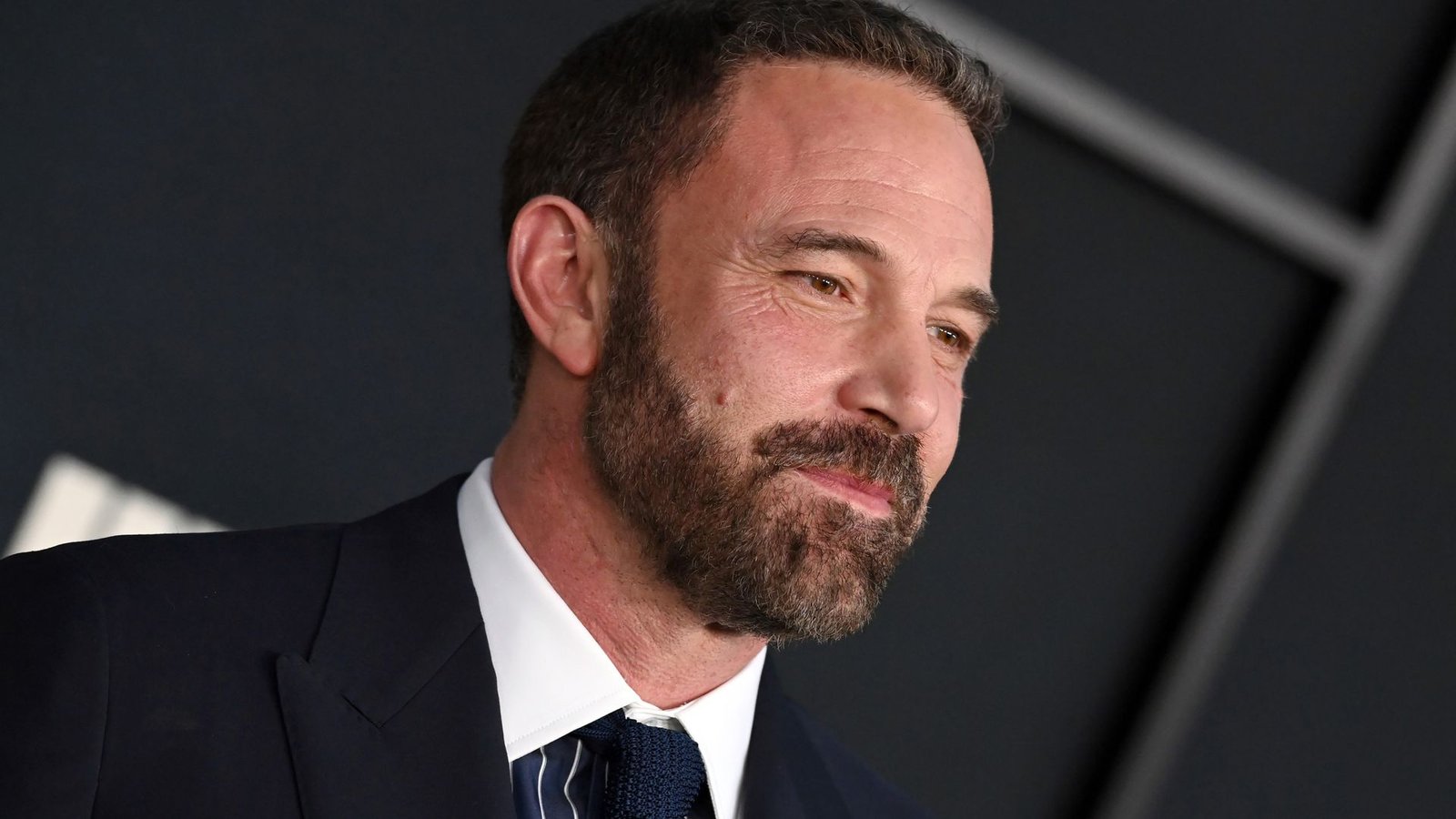
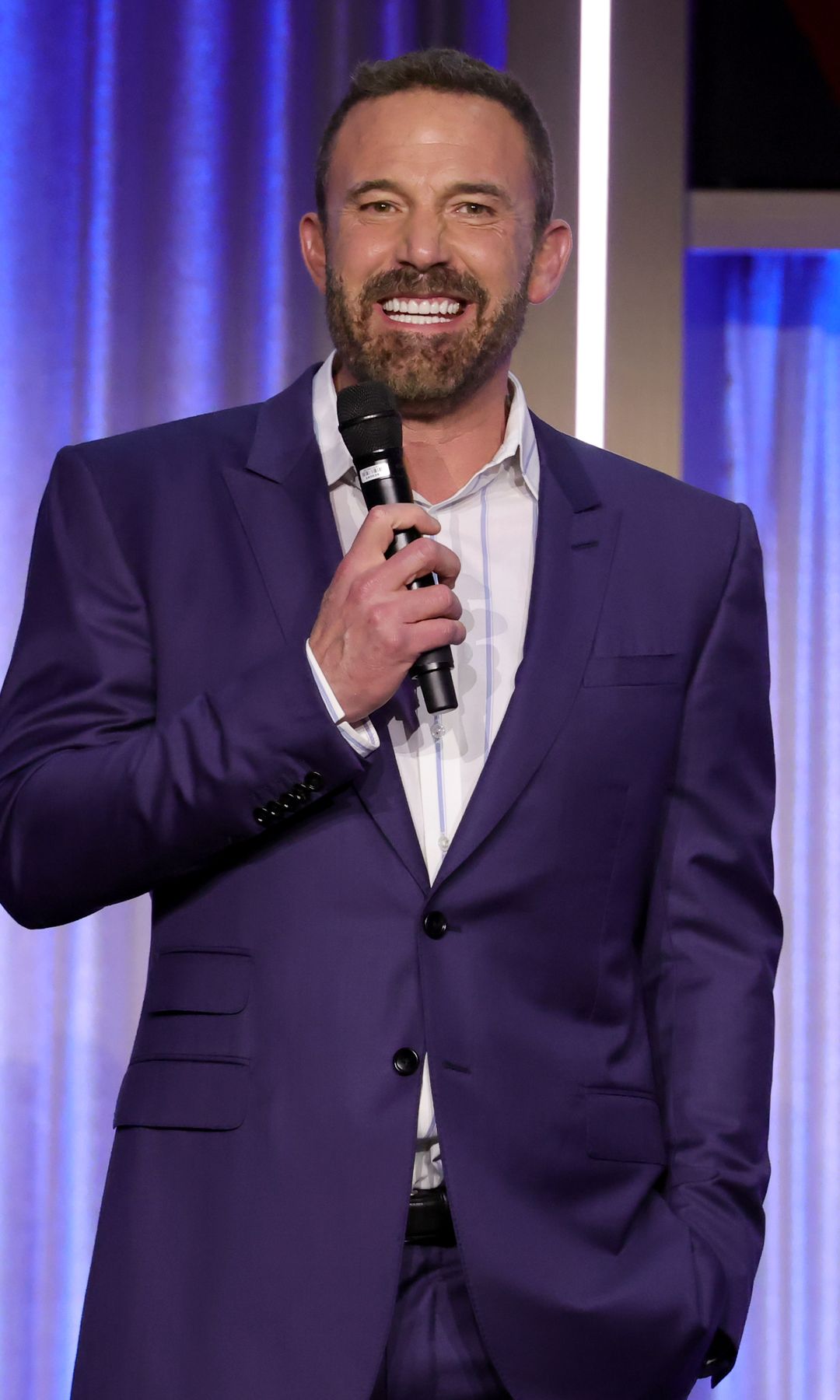
The 54-year-old actor and filmmaker opened up about his current approach to dating while attending the Los Angeles premiere of his new thriller Animals on Thursday, Oct. 2.
Speaking with Entertainment Tonight, Affleck said his attention is largely focused on his career and his three children, leaving little time to pursue a relationship.
Ben Affleck Is “Happy” Being Single
“I work a lot and I see my kids,” Affleck explained in a clip shared on Instagram.
The Oscar winner added that there isn’t much room in his schedule beyond his family and work.
Entertainment Tonight Instagram
“There’s not a lot of room” outside of those priorities, he said. “I’m not running around.”
Affleck also addressed a recent claim from The View co-host Ana Navarro, who said she had tried to play matchmaker and set him up with Shakira following his divorce from Jennifer Lopez. Navarro previously acknowledged that she has never actually met Affleck.
The actor appeared surprised by the story.
“I hear s**t like that honestly first from people like you,” Affleck told the reporter. “I swear to God, I never heard that in my whole life.”
Affleck Addresses the Dating Rumors
Affleck said he’s become accustomed to hearing speculation about his personal life, particularly since becoming single.
“I often hear rumors,” he said, suggesting that gossip can sometimes turn into stories that aren’t based in reality. “Some people gossip. Stuff gets made up.”
He also said he doesn’t typically get set up on dates, despite the ongoing speculation surrounding his love life.
Affleck and Lopez finalized their divorce in January 2025 after two years of marriage. The pair had previously been engaged in the early 2000s before rekindling their relationship years later.
The actor was also previously married to Jennifer Garner from 2005 until their divorce was finalized in 2018. The former couple share three children: Violet, Seraphina and Samuel.
His Kids Come First
Affleck said he’s currently in a good place and has a clear understanding of what matters most to him.
For Affleck, that means putting his children first while continuing to pursue work he enjoys.
You may also like
Continue reading
“You can’t have two things that are the most important in your life,” he explained. “For me that’s the kids.”
“And then I have my work, which I love,” he continued. “And, you know, I’m where I’m at and I’m great. Who knows what adventures life will bring? I’m open to it but I’m not trying to chase anything.”
Affleck’s Kids Aren’t Buying His Relationship Advice
Just last month, Affleck admitted that his children aren’t exactly convinced he’s qualified to give them romantic advice.
During a Sept. 24 appearance on Jimmy Kimmel Live!, the actor recalled trying to share some of his own relationship experiences with his kids during family dinners.
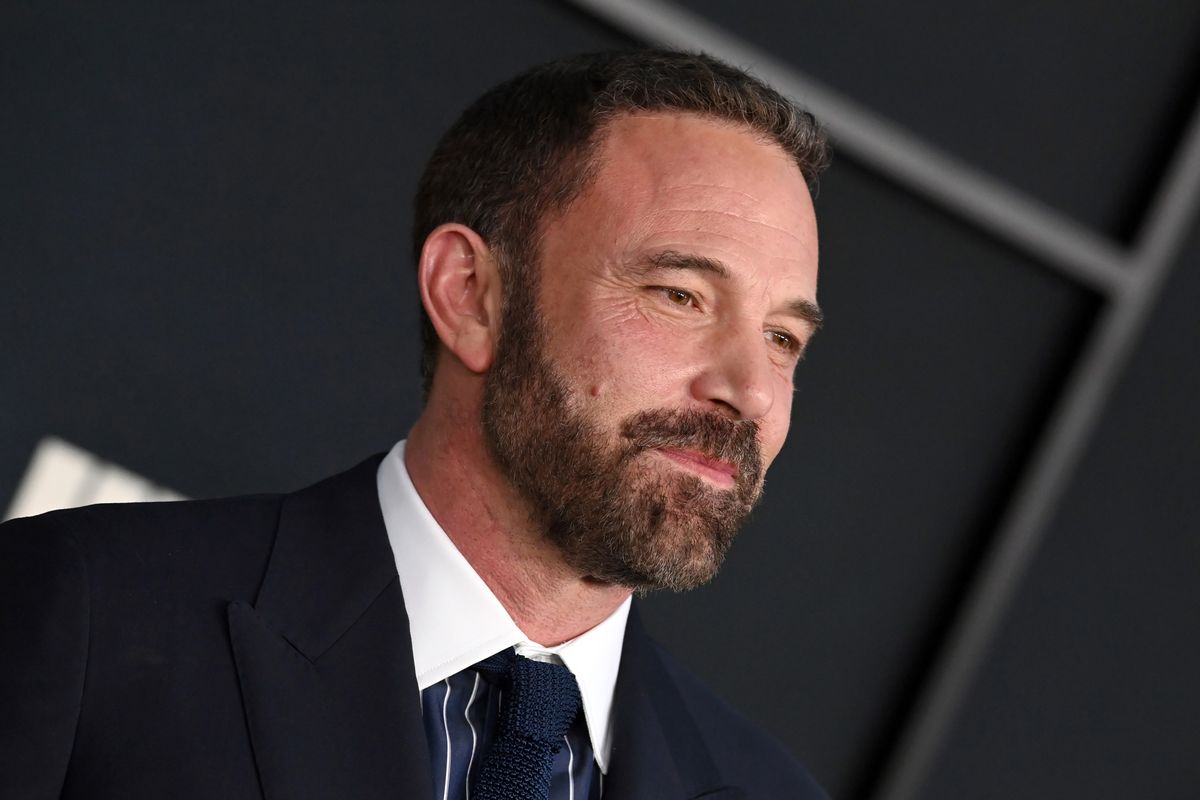
Ben Affleck attends the World Premiere of Netflix’s “Animals”
“My kids are talking at dinner and they’re talking about their friends and the drama and the relationships and I have some lived experience, I think, that’s worth sharing, some lessons,” he told Jimmy Kimmel.
But his advice apparently doesn’t always land.
“I’ll say, ‘You know, well the thing about that relationship there…’ and the 17-year-old turns to me and goes, ‘Oh, like you’re the expert on relationships?’” Affleck recalled.
Affleck’s New Movie Animals
Affleck’s focus on work comes as he promotes Animals, the new thriller he directed and co-wrote with Connor O. McIntyre and Billy Ray.
The film stars Kerry Washington, Steven Yeun, and Gillian Anderson alongside Affleck.
Animals is currently playing in select theaters before arriving on Netflix Oct. 9.
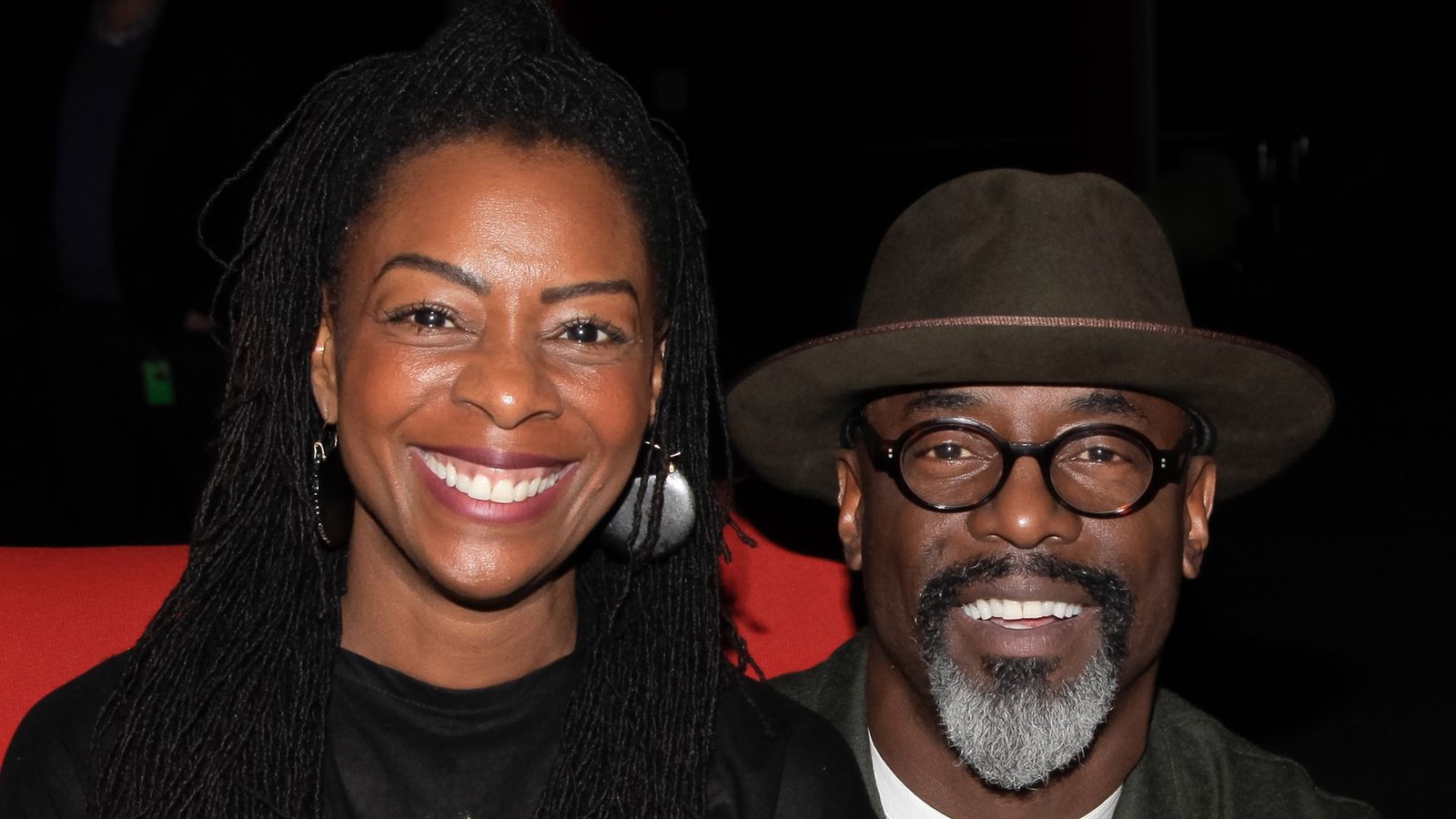
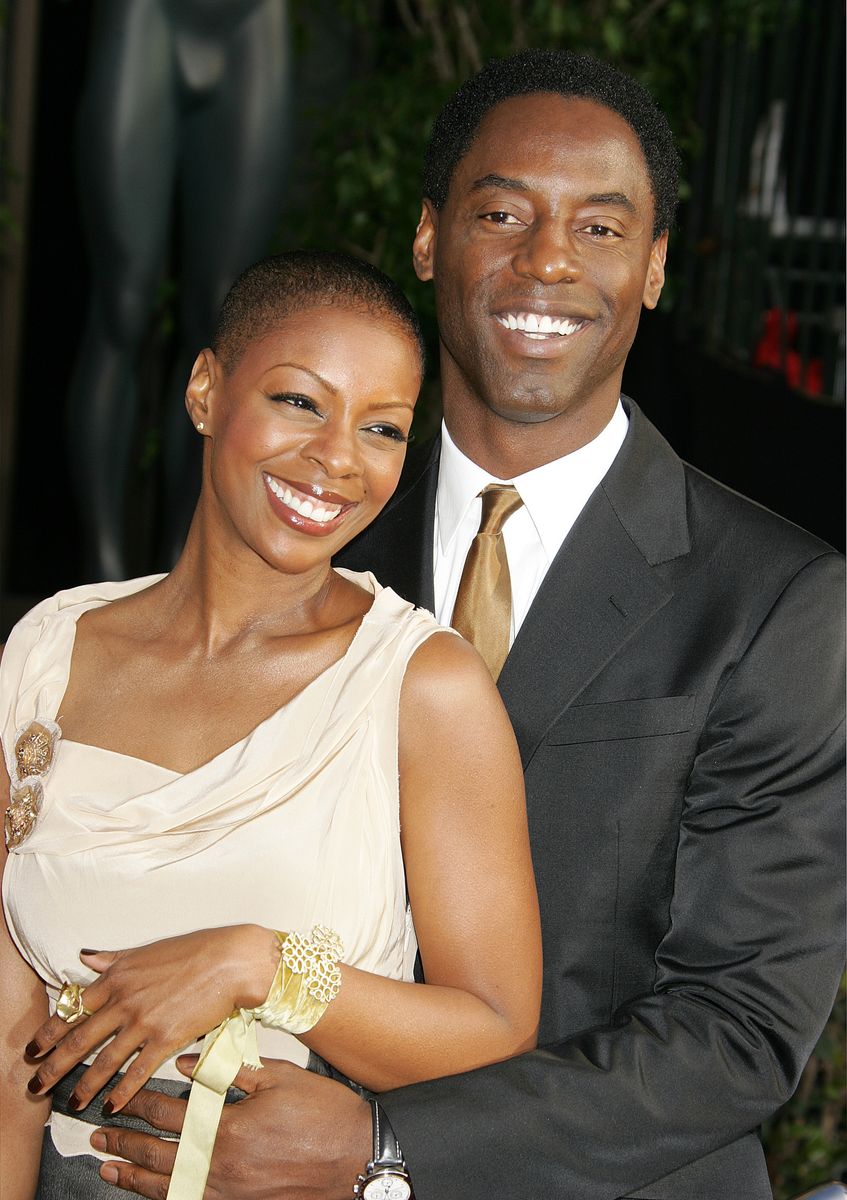
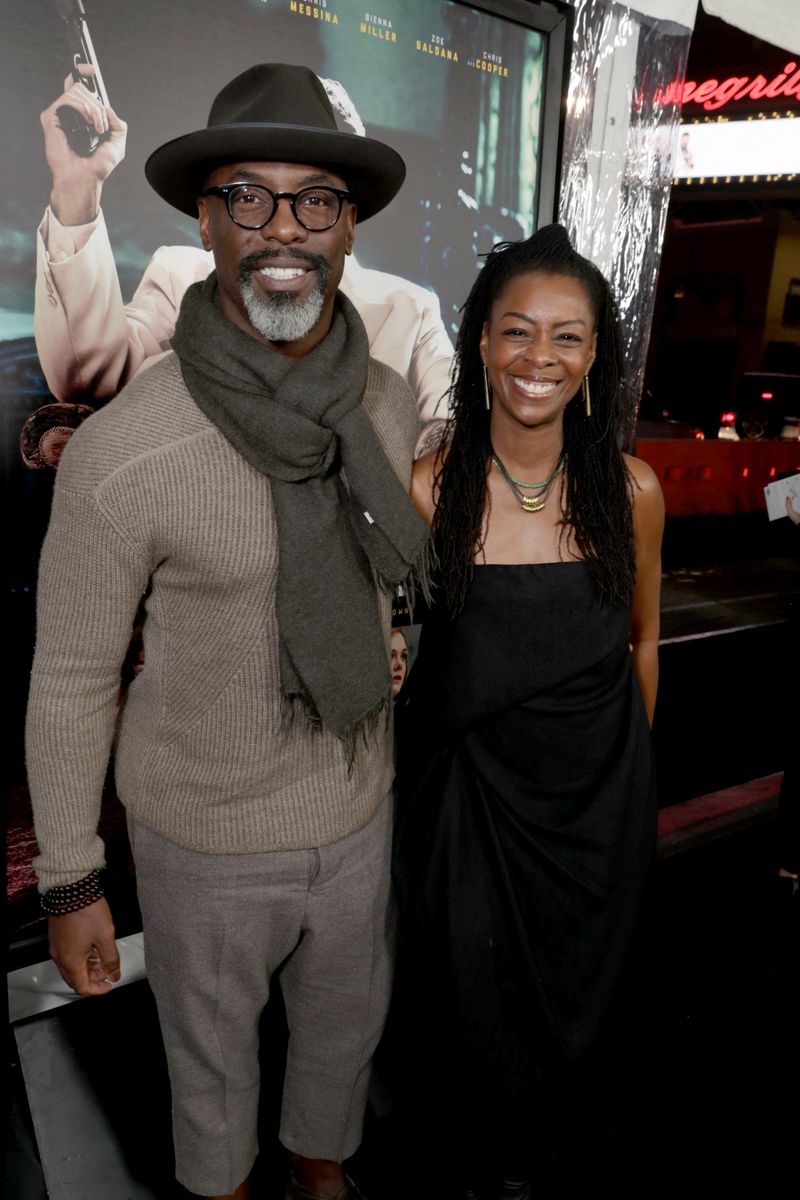
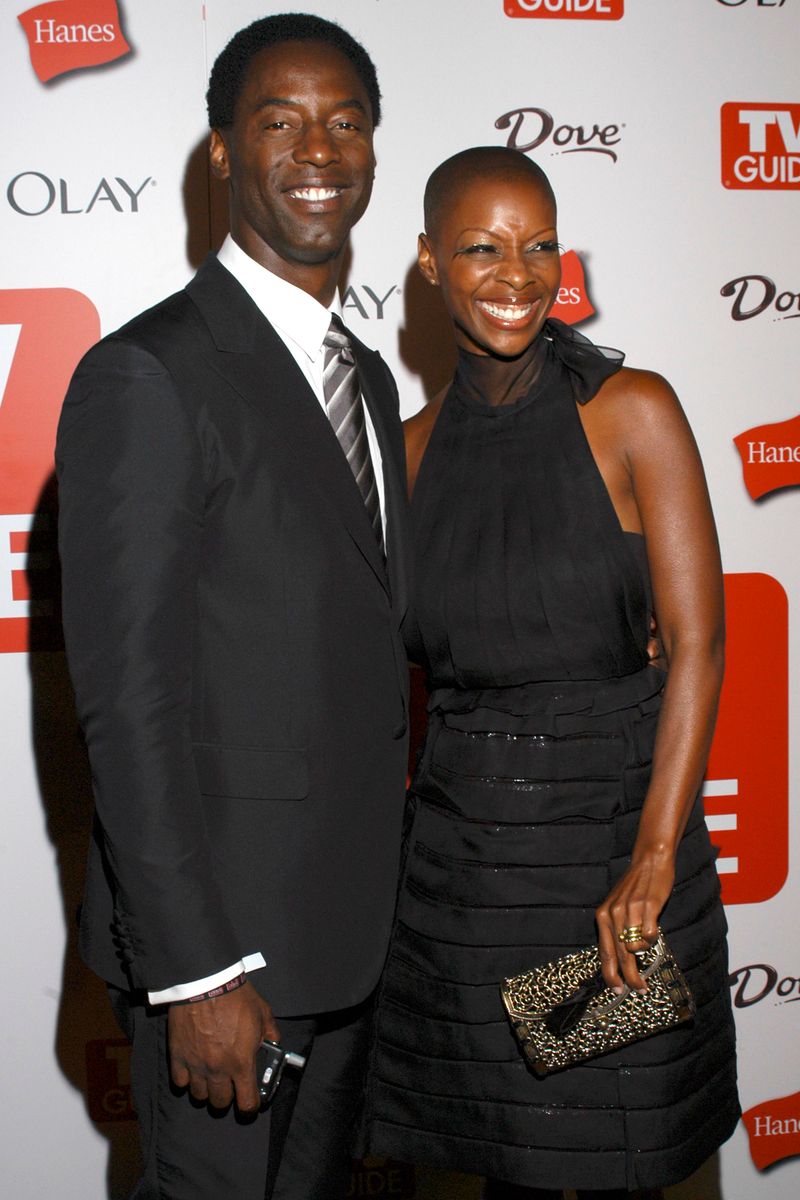
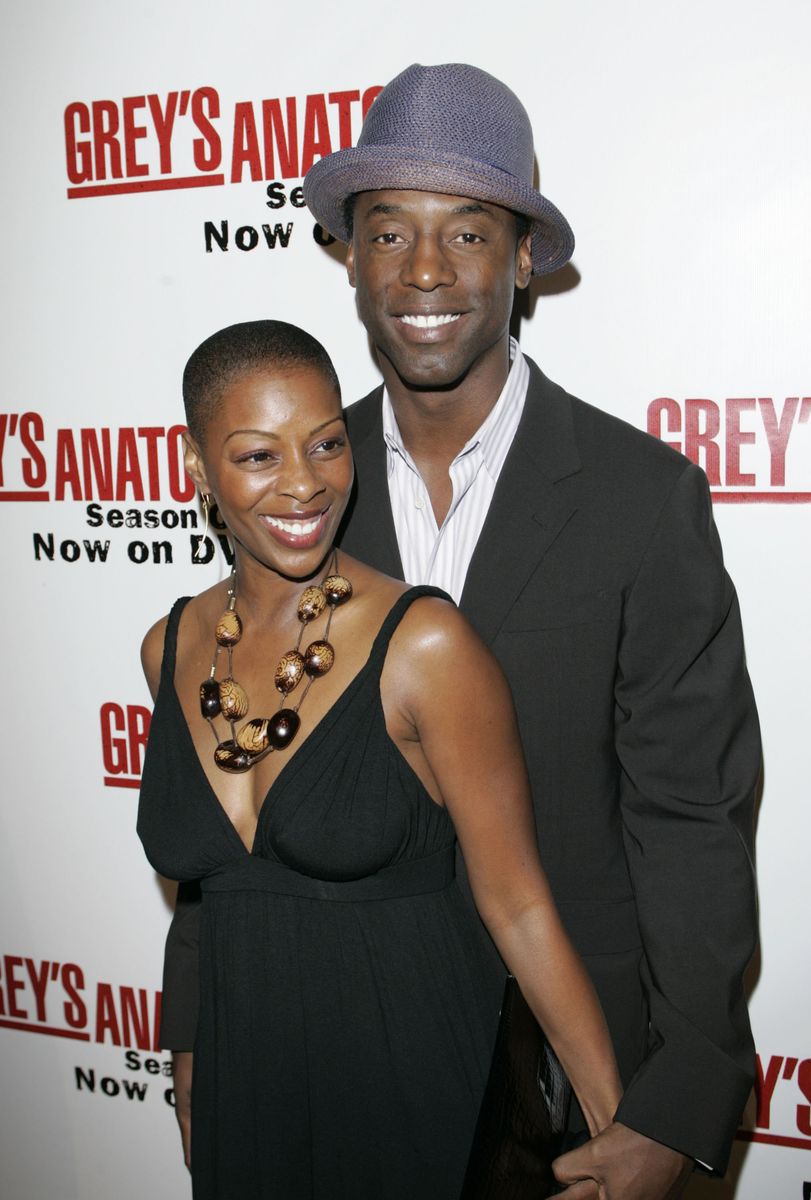
Isaiah Washington is opening up about a loss he’s been keeping private for more than a year. On October 3, the Grey’s Anatomy alum revealed that his wife of 29 years, Jenisa Marie Garland-Washington, died in June 2025 after suffering a massive hemorrhagic stroke.
They met in 1995 and got married the following year
The 63-year-old shared the news 16 months after Garland’s death, explaining that the decision to remain silent was largely rooted in the kind of person his wife was.
“Yes… the rumors are true,” the actor began in an Instagram post alongside a photo of Garland. He went on to reveal that she suddenly collapsed on May 31, 2025, before dying nine days later on June 9. “It came as a huge shock to our entire family,” Washington wrote, explaining that Garland “succumbed to a massive hemorrhagic stroke and never recovered.”
He then offered advice, saying, “Listen, y’all…some headaches are not just headaches or migraines; they can be much worse and a warning sign. Get a brain scan if you can and take those headaches seriously.”
The couple had been married since Valentine’s Day in 1996 and shared three children: Tyme, Iman and Isaiah V. “She has been gone 16 months now, but she left 3 incredibly amazing children behind to continue her legacy,” he continued.
Their relationship largely remained outside the Hollywood spotlight, with Garland known for keeping her personal life private even as Washington became a familiar face on television through his role as Dr. Preston Burke on Grey’s Anatomy.
Washington acknowledged that his decision to finally speak publicly about Garland was complicated by her wishes for privacy.
“I don’t know if this is an appropriate post, because Jenisa Washington was extremely private,” he wrote, adding, “I guess I just have to be reprimanded from her on the other side.”
The pair met in Los Angeles in 1995 after being introduced by comedian Reggie McFadden and married the following year. On Sunday, it just so happened to be revealed that McFadden passed away.
On Monday, Washington shared a carousel with the first photo being the In Living Color star, and the second being the same photo he shared of his late wife. “RIP Reggie McFadden,” he wrote in the caption. “Say hello to Jenisa Washington, because it was you who introduced me to her in 1995.”
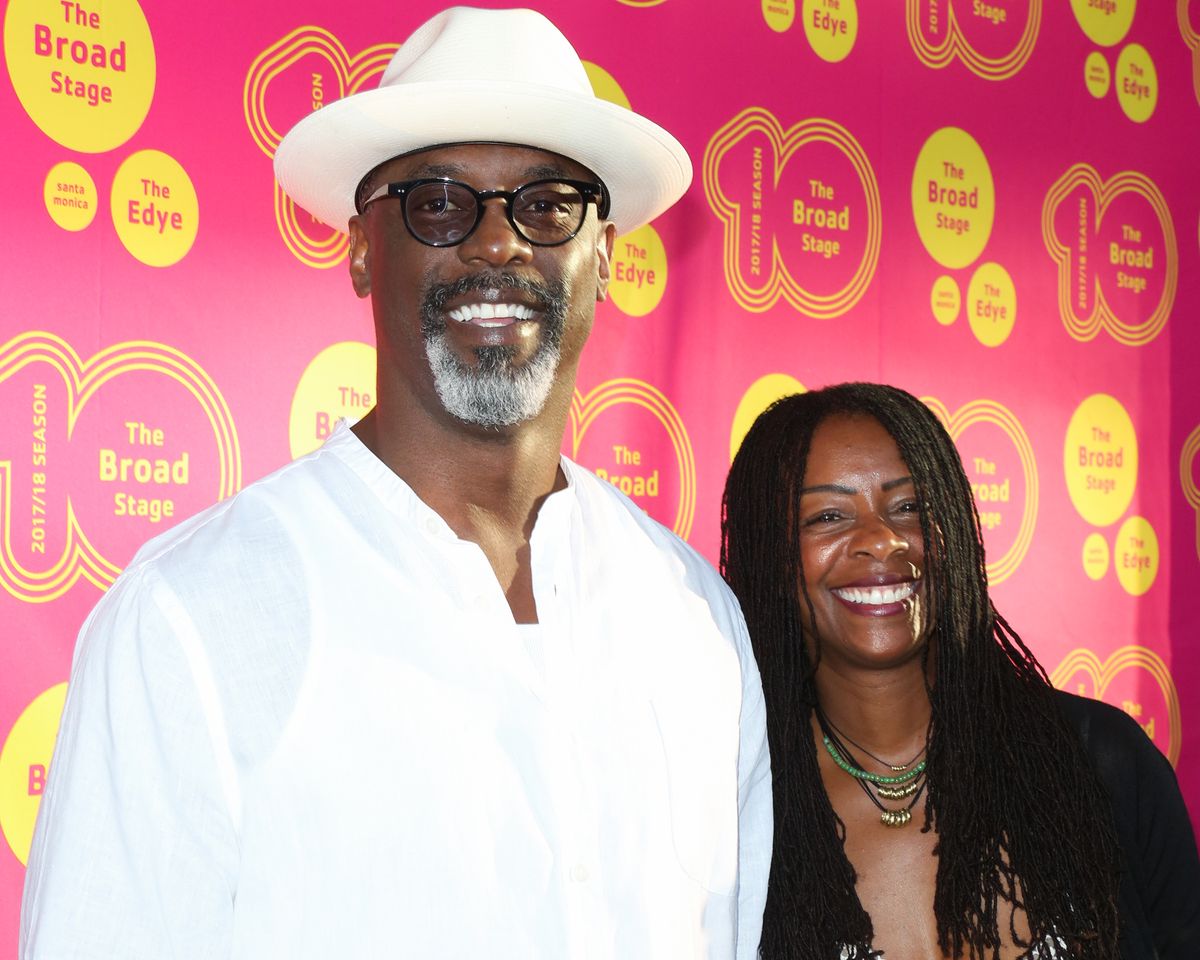
While Washington became a recognizable television star, particularly during his time on Grey’s Anatomy, he and Garland managed to keep much of their family life away from the cameras. She was always by his side on the red carpet, but she remained largely out of the entertainment spotlight.
For Washington, becoming a husband and father also influenced the way he approached his career. In a 2022 Fox News Digital interview, he explained that having a wife and children changed the trajectory of his professional life because he became more conscious of the example he wanted to set for his family. “For me, being married and having children did change a lot of my trajectory,” he said at the time.
The announcement also came as Washington appears to be entering a new chapter professionally. After stepping away from acting in recent years, he recently shared that he is ready to return to the big screen. Hours before he announced her passing, he shared a couple of selfies, revealing in the caption, “I have said ‘no’ for 3 years now. Time to say ‘yes’ and get back on the big screen with a BANG! Keep watching me…”
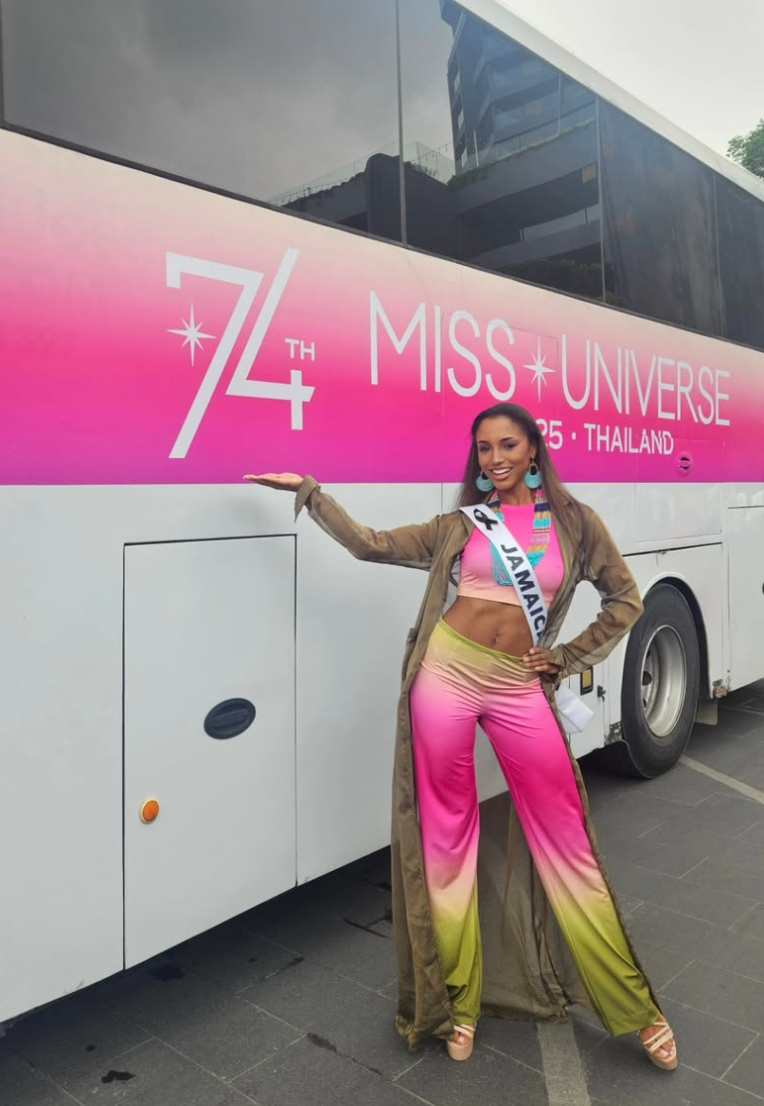
Nearly a year after Miss Universe Jamaica 2025 Gabrielle Henry suffered a serious fall during the Miss Universe competition in Thailand, the incident is back in the spotlight following reports that Henry has filed a lawsuit against the Miss Universe Organization and two related companies.
Now, María José Unda, vice president of International Affairs for the Miss Universe Organization, is addressing the controversy and explaining the organization’s position on the accident, the reported legal action, and the assistance provided to Henry during her recovery.
The 2025 Miss Universe Jamaica titleholder resting in a hospital bed
Unda discussed the case in an interview featured by Telemundo’s “En Casa con Telemundo” on October 5, 2026. The segment focused specifically on the reported lawsuit involving Henry and Miss Universe.
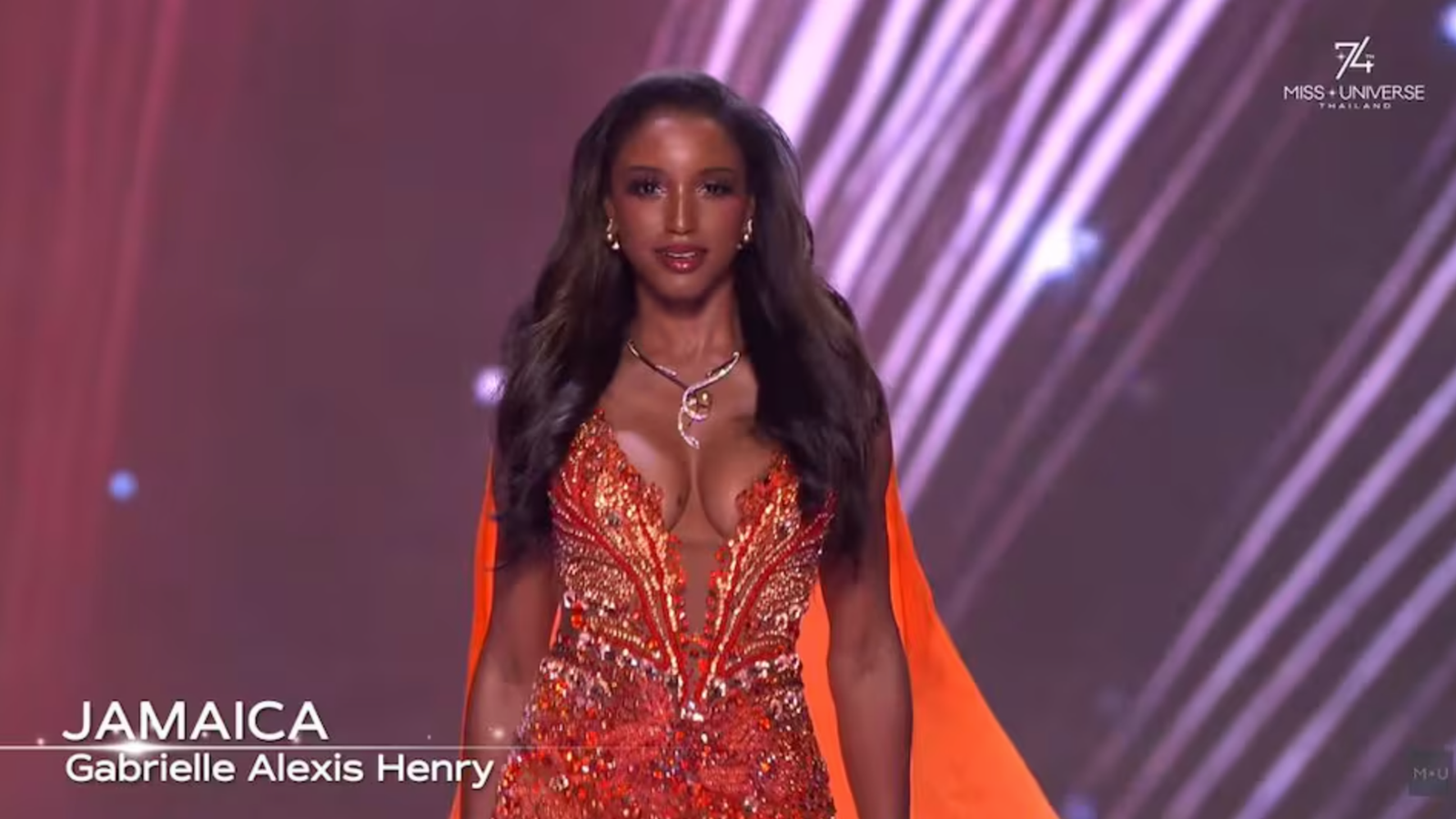
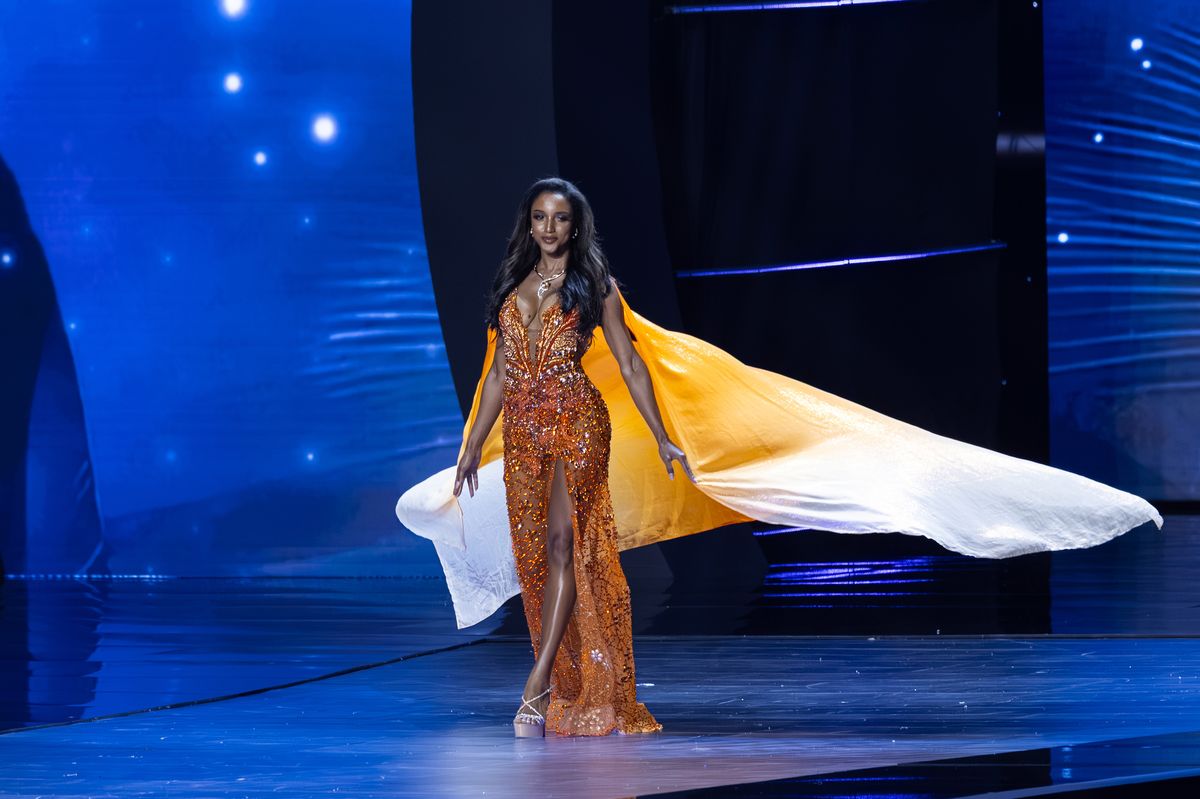
Miss Universe Jamaica, Gabrielle Alexis Henry, showcases her evening gown during the 74th Miss Universe Preliminary competition on November 19, 2025 in Bangkok, Thailand.
The accident required extensive medical treatment and hospitalization in Thailand. Henry later described the experience as deeply traumatic. Speaking to ABC News’ Deborah Roberts for “Good Morning America,” she said, “It’s one of the most traumatizing things,” adding that she “would not wish it on my worst enemy.”
According to Henry, she was following the directions and choreography she had been given when the accident happened. Reporting on the complaint says she alleges she fell approximately five feet through an unmarked and uncovered opening in the stage.
Gabrielle Henry files lawsuit after Miss Universe 2025 fall
Henry reportedly filed a lawsuit on September 21, 2026, in Delaware Superior Court against the Miss Universe Organization and two related companies, JKN Legacy Inc. and Legacy Holding Group USA.
The complaint reportedly includes claims involving negligence, premises liability, negligent hiring, retention, and supervision, as well as negligent and intentional infliction of emotional distress.
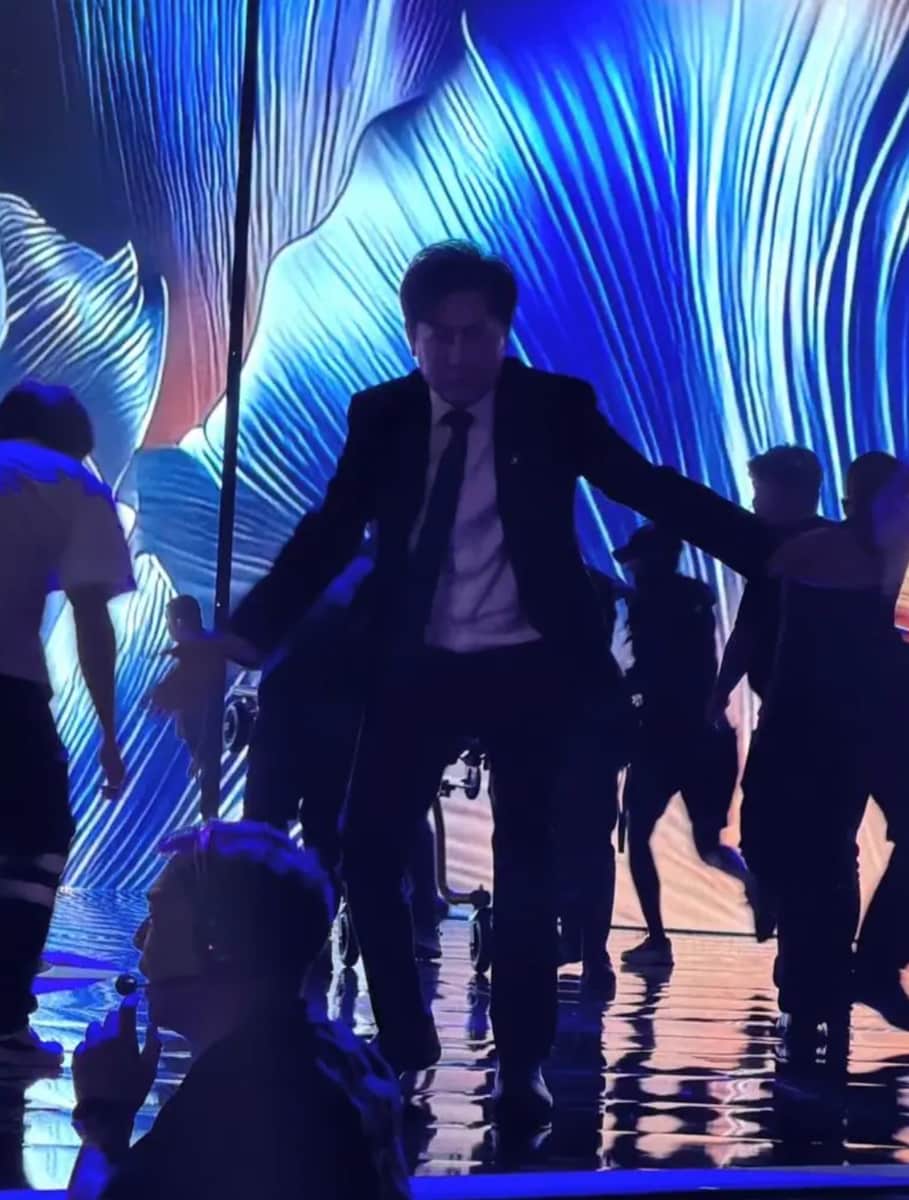
Nawat Itsaragrisil jumped from his seat and ran to help the 28-year-old model.
Henry alleges that unsafe stage conditions contributed to the accident. According to reports describing the lawsuit, she claims intense lighting affected her visibility and that the opening she fell through was not properly marked or covered. These are allegations contained in the lawsuit and have not been established by a court.
The former Miss Jamaica contestant has also spoken publicly about the long-term impact of her injuries. “I have no recollection of the fall,” Henry told “Good Morning America,” according to PEOPLE. She said her first memory after the accident was waking up and seeing her mother.
Nawat Itsaragrisil jumped from his seat and ran to help the 28-year-old model.
María José Unda responds on behalf of Miss Universe
As questions surrounding the reported lawsuit intensified, María José Unda addressed the Miss Universe Organization’s response.
According to the organization’s position, responsibility for producing the 74th Miss Universe competition in Thailand, including the venue, stage, and on-site safety, rested with local host and production entities Miss Grand International and Miss Universe Thailand, under the direction of Nawat Itsaragrisil.
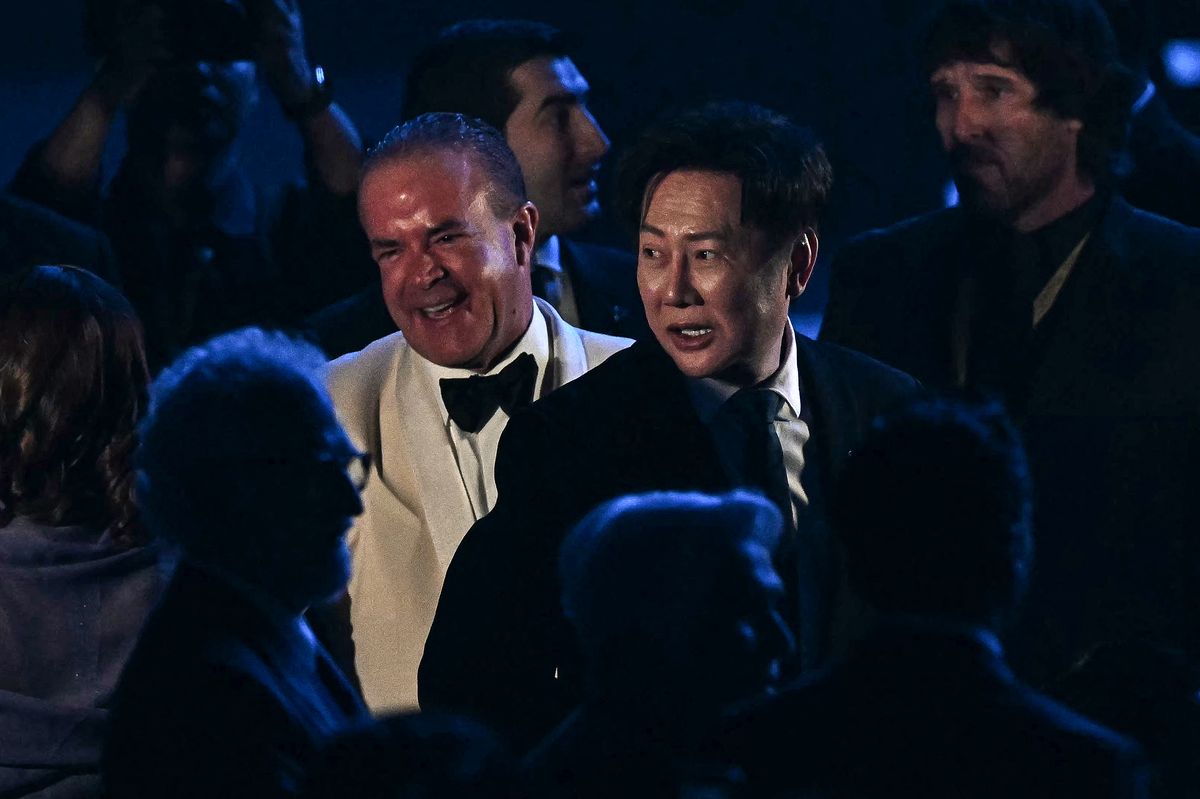
Miss Universe Thailand director Nawat Itsaragrisil (R) and Mexican businessman and president of the Miss Universe Organization Raul Rocha
Unda emphasized, however, that Miss Universe stepped in following Henry’s accident. “From the moment of the accident, our priority was Gabrielle’s health, recovery and well-being,” Unda said in a statement reported by the Jamaica Observer.
She added that although operational responsibility rested with the local host and production entities, Miss Universe decided to support Henry and her family and make sure she received the care she needed.
Unda also addressed the broader safety implications of what happened. “What happened to Gabrielle is something we take very seriously,” she said, adding that the accident reinforced the importance of continually reviewing protections for delegates participating in Miss Universe events.
Has Miss Universe officially received Gabrielle Henry’s lawsuit?
Miss Universe has said it is aware of media reports about legal action connected to Henry’s accident but, as of its recent statements, has not been formally served with the complaint.
In a statement reported by GMA News, the organization said it had not been served with or received “any lawsuit, claim, demand letter, or subpoena” from Henry or someone acting on her behalf.
Miss Jamaica Gabrielle Henry files lawsuit against Miss Universe following severe brain injuries sustained in pageant accident
Because of that, the organization said it was not in a position to address specific allegations it had not reviewed.
Miss Universe details the support provided to Gabrielle Henry
The organization has also emphasized the financial, medical and logistical assistance it says it provided following the accident.
According to Miss Universe and reporting on Unda’s response, the organization covered Henry’s hospital, medical and rehabilitation expenses in Thailand. It also covered accommodation and living expenses for family members who remained with her during her hospitalization and arranged a medically escorted return to Jamaica.
Those efforts were previously described in the December 8, 2025 joint statement from Miss Universe and Henry’s family.
While her condition remains delicate, the tone from her team remains one of hope
At that time, the statement said Miss Universe had covered hospital, medical, and rehabilitation expenses in Thailand, along with costs for Henry’s mother and sister and her medically escorted repatriation.
The organization’s more recent statement says it has not received a subsequent request from Henry or her family for additional medical-expense assistance.
“Right now, I am writing the script,” Kore-eda said about the Searchlight Pictures film. “I cannot share specific plot details at this stage, but preparations are progressing smoothly. Please look forward to it.”
The director did not disclose a title. He expects to go public formally next year at the earliest and hopes to bring that film to Busan as well.
The festival has kept inviting Kore-eda back since his debut, and the opening ceremony even featured a piece of music named after him. “It is a city and a film festival for which I have exceptionally strong feelings,” he said.
He was joined by “Look Back” cast members Deguchi Natsuki, Makita Aju, Mori Nana and Ishikawa Ruka.
Kore-eda stumbled on the manga in a bookshop rather than through its serial run. “When I read it, I felt a shock like an impact,” he said. “It explored why people write stories, or in my case, why one makes films – that sort of creative impulse, or the heavy burden or karma that artists carry.”
On set, he avoided detailed scene-by-scene instruction and concentrated instead on the hours the four actors spent together and on how the town looked as the light and seasons shifted. “The cast understood that very well, and they appeared in front of the camera as individuals truly living inside that town,” he said.
As soon as the adaptation was confirmed, Kore-eda pushed for 35mm across all four seasons, in line with his longstanding conviction that anything that can be shot on celluloid ought to be. “Because there is no mindset of ‘we can fix it later,’ it creates a healthy tension for the cast and crew,” he said. “When that collective tension gathers, I believe it generates a magnetic field in that shooting location.”
The rotoscoped animation sequence late in the film stems from a single line. After a competition win, Fujino remarks that her dream was to see her manga animated, a comment that temporarily splits the two central characters. Kore-eda said the animation Fujino later makes stands in for a future the pair never got to share.
“Rather than conventional cel animation, rotoscoping sits halfway between live-action and drawn animation,” he said. “Having the characters move within the background art drawn by Kyoko felt like the most suitable form of expression.”
The film opens and closes on shots of Deguchi seen from behind. For the last of these, she said, Kore-eda instructed her, “Show Kyoko through your back.” After a long stretch shooting in Akita with her co-star, Deguchi found herself filming alone. “It felt like she was there, but not there… so with my heart feeling completely empty, I did that shot,” she said.
Makita, who plays Kyoko, is at Busan for the first time. Mori said she had done the Venice red carpet too, though the mood in Korea struck her as different. “There was a huge crowd, so I was nervous, but seeing everyone wave their hands made it so much fun,” she said.
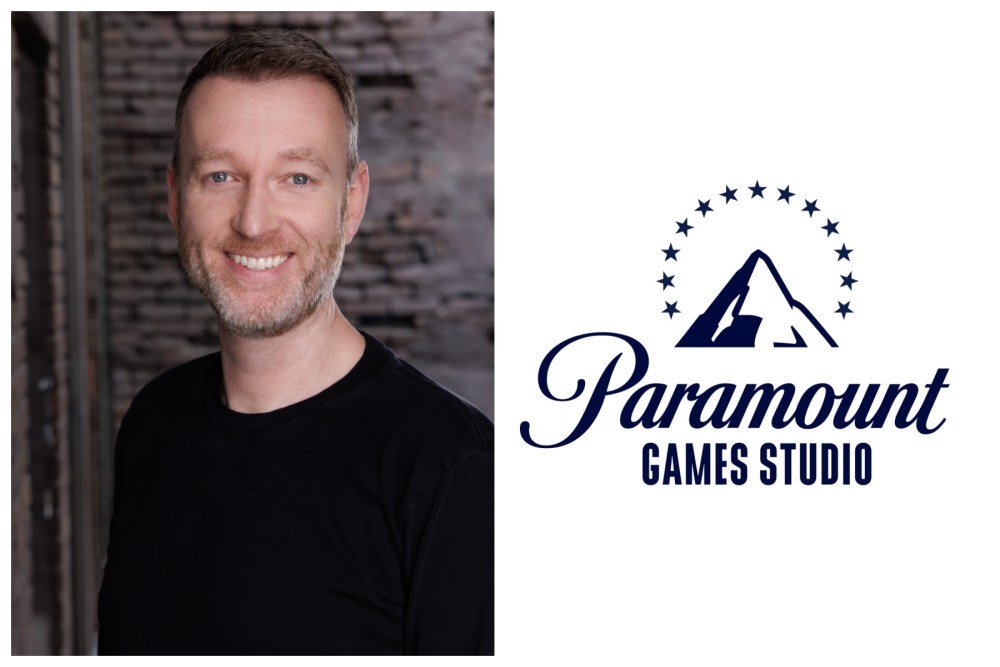
Skydance president Andy Gordon has solidified leadership positions across key areas outside of the companies TV and film divisions, including games and experiences, products and publishing, HR and global operations.
In a memo to staff Tuesday, which was obtained by Variety, Gordon announced the following:
Tony Driscoll will be president of games and experiences, in addition to leading corporate strategy and development
Josh Silverman will be president of global products and publshing
Jim Sterner will remain chief people officer and continue to lead HR operations
Jose Turkienicz will continue as president of global operations, including real estate, procurement, and studio operations, with a “focus on simplifying processes and improving service to our businesses so teams can bring ideas to market faster”
Jeff Silberman will be Gordon’s chief of staff in addition to continuing as executive vice president of corporate strategy
“We’re investing in our future growth engines alongside our core ambitions in TV, Film and direct-to-consumer: Games, Experiences, Consumer Products, and Publishing,” Gordon wrote. “These are core pillars of our strategy to build engagement and fandom in both the physical and digital worlds. We want to meet consumers where they watch, play, and engage. At the same time, we see opportunities to build on DC Comics’ storytelling and expand our e-commerce offerings to connect fans with the brands they love.”
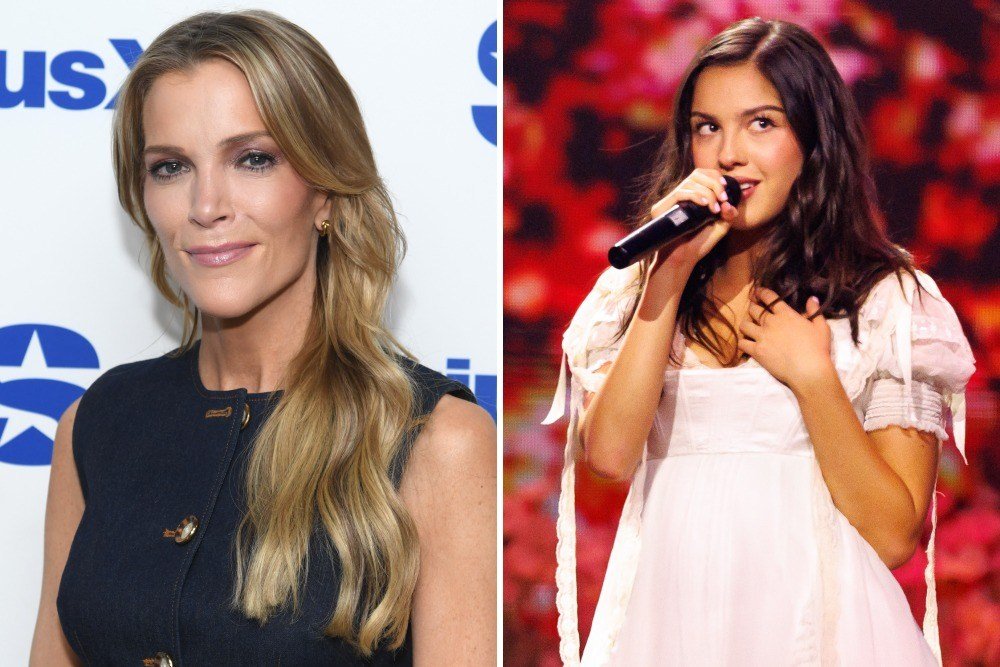
Following Olivia Rodrigo’s statement in support of the Jane Doe at the center of the Cornell 7 lawsuit on Sunday, Megyn Kelly is firing off at the singer, calling her a “know-nothing moron” who should “sit down and be quiet.”
“Olivia, in sum, you don’t know what the fuck you’re talking about. Shut up and stick to singing,” Kelly said on a Monday episode of her YouTube show. “I liked you better when you were in front of a microphone singing your weird little depressing songs.” She continued: “It’s better to keep your mouth shut and let people suspect you’re an idiot than to open it and prove them right. Ever hear that saying? It applies to you, sweetheart… We don’t need the participation of know-nothing morons who have been auto-tuned into fame and suddenly think they have something profound to say on the culture wars.”
The previous day, Rodrigo had shared a post to her Instagram story writing: “Shame on Cornell and on every institution who protects rapists and abusers over women. I stand with Jane Doe. Her bravery reverberates across the country and the crimes against her will not go unpunished. What she lived through matters, and so does the failure of those who could have intervened but chose not to. She deserves answers, consequences, and lasting change.”
The Cornell 7 lawsuit refers to the legal document filed by an unnamed Cornell University student who accused seven men of raping and drugging her at a frat house party in October 2024 — and faced no legal consequences. Her lawsuit filed against the university claimed that the school failed to protect her and prevent the alleged assault.
Following an investigation by the university at the time, two of the men were expelled, while the other five received lesser punishment. The lawsuit claims that some of them wrote essays to the school to reduce their disciplinary action, according to her attorney.
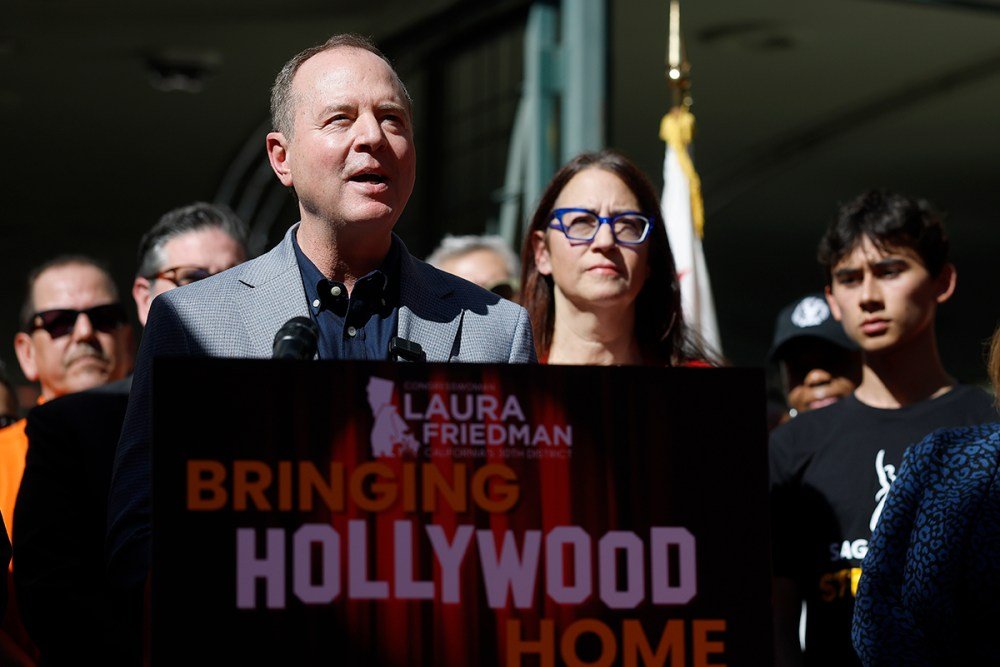
A delegation of California Democrats campaigned with union leaders on Tuesday for a federal film incentive as they seek to build momentum to pass the measure by the end of the year.
Sen. Adam Schiff and eight Democratic representatives from Southern California argued that the U.S. must counter incentives from 65 other countries that have lured American production jobs overseas.
“We are so close to getting this done,” Schiff said in 100-degree heat outside the Alex Theatre in Glendale. “Whatever we can do to get this done, that is job No. 1. It just can’t wait. It’s too important. The losses so far have been too extraordinary.”
Lawmakers introduced a bill last month that would create a 20%-30% transferable tax credit for U.S. labor costs on films and TV shows. Schiff said that 12 senators are on board — six Democrats and six Republicans. The latest to join as cosponsors are Sens. Thom Tillis, R-N.C., and Chris Coons, D-Del., according to Schiff’s office.
They will have about five weeks during the lame-duck session of Congress after the election to try to pass the bill. Rep. Laura Friedman, whose office organized Tuesday’s press conference, said she is “cautiously, guardedly optimistic.”
“We need to have this on the president’s desk by mid-December, as far as I’m concerned,” she said in an interview, adding that she hopes the bill will pass in essentially its current form as part of a larger tax package. “This has been almost two years of constant work. It hasn’t just come together in the last few weeks. It’s been a snowball effect. It started out as this idea, and then we just kept building and building and building. So I feel like we have a great momentum.”
The proposal includes a 5% bonus for filming in a disaster area, which would apply to the entirety of Los Angeles County until January 2030, due to last year’s fires. There are also bonuses for independent films and for filming in rural opportunity zones. The total tax credit could rise to 50% or more when combined with state incentives in places like California and New York — easily surpassing the incentives offered by other countries.
“It is fair to say that these other countries they recognize the quality of these jobs — that’s why they put these measures in place,” said Duncan Crabtree-Ireland, the executive director of SAG-AFTRA. “That’s why they are eating not only our lunch, but our breakfast and our dinner as well. And we have to change that. This is our opportunity to do it.”
A coalition of industry unions published a report on Monday documenting the erosion of U.S. production as a share of global spending over the past 25 years. According to the report, the U.S. share fell from 74% to 42% in film and from 94% to 64% in television, though both industries have also grown considerably over that time period.
In August, President Donald Trump called on Congress to “immediately” pass an incentive and pronouncing that “Hollywood is a Complete and Total Disaster!”
The Motion Picture Association, representing the studios, has sought to emphasize that the bill would benefit not only California and New York, but all 50 states. The MPA has also been more cautious about the timing, saying that while it’s important to move quickly, it’s also important to “get this right.”
But union leaders said Tuesday that their members can’t afford to wait.
“When this passes in this lame-duck session, it will immediately impact production in 2027,” said Mike Miller, vice president of IATSE. “And there are hundreds of thousands of entertainment industry workers that are counting on it.”
Hours after Skydance chairman and CEO David Ellison and co-CEO Ynon Kreiz sent a memo to employees at the combined company outlining their operating philosophy and goals for the new company, Cheeks sent his own email to TV staffers across studios and networks.
That note started didn’t spell out a structure just yet, but it’s understood that divisional bosses who will report to him include Warner Bros. TV Group and U.S. networks chairman/CEO Channing Dungey, CBS Studios president David Stapf and Paramount TV Studios topper Matt Thunell. Alongside Cheeks, JB Perrette (previously WBD’s CEO/president of global streaming and games) serves as co-chair of Skydance TV, as well as chief business officer. Perrette additional holds those roles for the Skydance DTC streaming division.
“The work ahead is significant, and so is the opportunity,” he said in the note. “I am energized by the possibilities. Together, we’ll build on our collective strengths to create an even stronger future.”
Cheeks’ ascension at Skydance was a huge vote of confidence from Ellison, who had previously tapped the exec to serve as Paramount TV media chair last year when Skydance first took control of Paramount. Prior to that, Cheeks was one of the three co-CEOs of Paramount Global (previously known as ViacomCBS) — and was the only one of that triumvirate to make the transition to the new company.
Here’s his note:
Team,
Today is the start of a new chapter. By bringing together Paramount and Warner Bros. Discovery, we’ve assembled a remarkable collection of television brands, networks and studios, backed by some of the most talented teams in the industry.
I want to acknowledge the hard work, creativity and dedication you each bring to this historic moment. Thank you for playing through the noise this past year. I am excited to move forward together and shape our future as one team.
Our Skydance Television group
This newly formed Skydance Television group is an unmatched mix of networks, studios, platforms and programming genres.
Our three television studios — Warner Bros. Television Studios, CBS Studios and Paramount Television Studios — will continue to create franchises, premium originals and unscripted hits that entertain viewers of all ages and interests and power our platforms and partners around the globe.
CBS remains a cornerstone, underpinning our multiplatform strategy to deliver entertainment, news and sports to audiences at scale.
CBS Sports, TNT Sports and Warner Bros. Discovery Sports together form an enviable and expansive global sports portfolio.
CBS News is one of the most important brands in journalism, delivering national and worldwide news across broadcast, streaming and digital. At the local level, our 27 CBS stations serve 17 markets with best-in-class community journalism.
Our cable portfolio features more than 50 channels globally, connecting viewers with culture-defining entertainment, kids and family programming and leading lifestyle brands.
There are too many standout shows to name individually, but one thing is clear: the breadth and quality of programming across this group is unrivaled, spanning some of the most watched, most acclaimed and most award-winning in the industry.
Our team This next chapter will be defined by the strength of our people. I know you’re eager to hear more about leadership, structure and strategy. More details will be shared as soon as we can.
What happens next This is a moment of transition. With that comes uncertainty. The stress of this is not lost on me. Expect to hear more on our structure and priorities in the weeks ahead. Please continue to reference our Integration Hub.
The work ahead is significant, and so is the opportunity. I am energized by the possibilities. Together, we’ll build on our collective strengths to create an even stronger future.