The news comes just as “In Starland” has been announced as world premiering at the 30th Tallinn Black Nights Film Festival, where it has been selected to close the festival’s first feature competition.
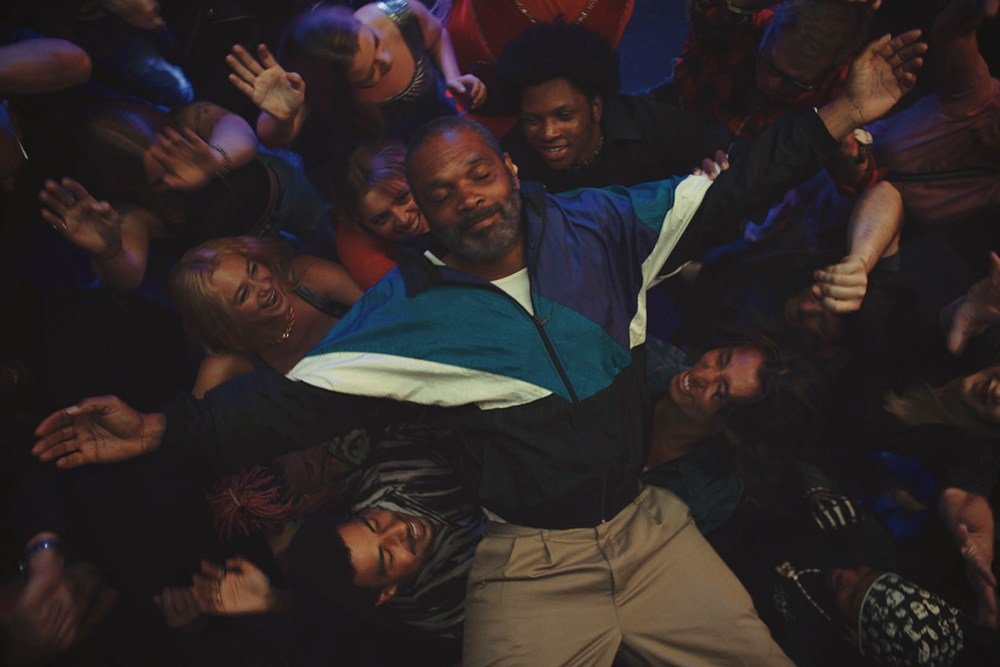
Written by Panthaki and Jason Kavan, “In Starland” is described as a coming-of-middle-age drama which Maclin plays Ernie, a 50-year-old loner whose quiet life is upended when a group of young influencers arrive in his small town and draw him into their chaotic, hyper-connected world, forcing him to confront questions of belonging, identity and the life he has allowed himself to live.
The ensemble cast also includes Miss Benny (“Club Kid”), Bella Maclean (“Rivals”), Colin Buckingham, Leesie Pinto, Tai’mua, Kang Frvr, Mollee Gray, Gallant, Maxwell Cunningham, Marcus Scribner and Ben Dickey.
“In Starland” is produced by Panthaki and Daniel Khalili for Le Bateau Lavoir, Daisy Allsop for Archface Films and Victor Paul Wajnberg, and executive produced by Vachon and Plotts for Killer Films.
The production was shot independently in Mississippi over 20 days, with Panthaki and his producing partners building the film outside the traditional studio system. Earlier this year, “In Starland” was selected as one of the BFI and British Council’s GREAT 8 at Cannes, the annual showcase spotlighting eight new UK feature films from first-time and early-career filmmakers to international buyers and festival programmers.
“This film has been independent in the truest sense of the word. We took something already considered independent and stripped even that infrastructure away. There was no safety net, just a group of people who believed the film should exist and kept finding a way to make that happen,” said Panthaki.
“That belief has carried us all the way through — in Clarence, in Daniel, in me, and ultimately in the film itself. So to be invited to world premiere at a festival like Tallinn, and close the first feature competition, is a huge honour.”
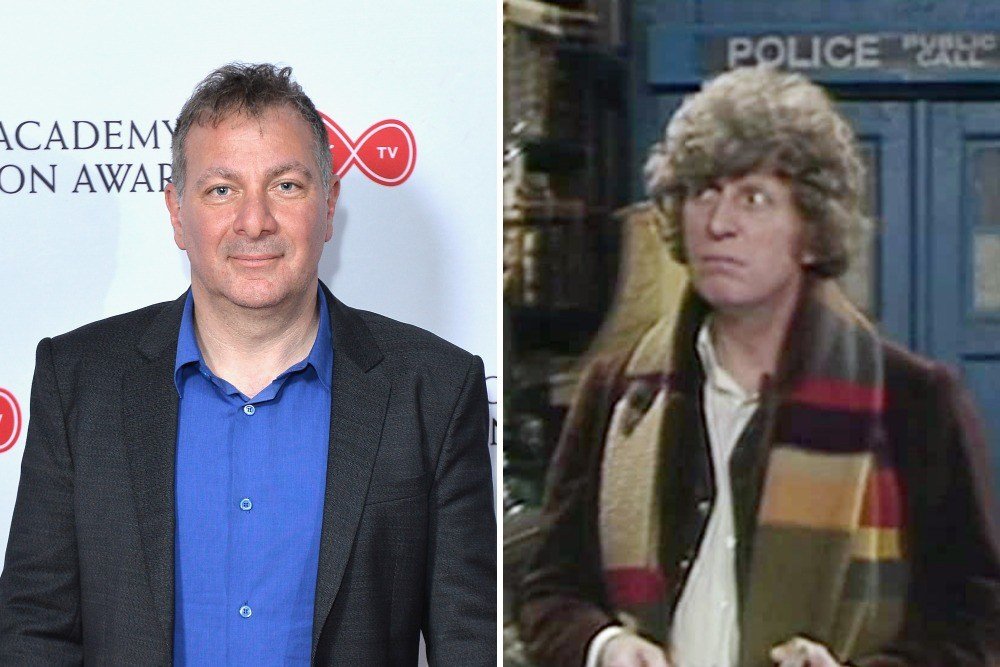
“Line of Duty” creator Jed Mercurio has thrown his fedora in the ring to reboot the “Doctor Who” franchise.
Mercurio, a prolific TV writer responsible for shows including Vicky McClure-starrer “Trigger Point” and “Bodyguard,” led by Richard Madden, has submitted his interest via Hat Trick Mercurio, the production company he co-founded with Jimmy Mulville.
Last month the BBC launched a competitive tender inviting pitches from producers to reboot the series. The deadline for submitting interest was Friday, Oct. 2 with the BBC set to whittle down a shortlist of four to five prospective producers by Oct. 9, who will be asked to submit a “short editorial outline” for their vision for the new series.
In its invitation to tender document setting out the process, the BBC said they are looking to award a contract to produce a “multi-episodic series” of the 63-year-old show including specials which they aim to broadcast in 2028/2029. The contract will include an option for a second season.
Described as a “new flagship series of ‘Doctor Who,’” the broadcaster wants the reboot to feel “contemporary, and creatively ambitious, whilst remaining true to the values and characteristics that have made Doctor Who a beloved series across generations.”
However, producers, who will also be required to develop a new “distinctive” companion for the show, will effectively be working for hire and will not own any rights to the series, which is almost entirely owned by the BBC. (The rights to the iconic Dalek cyborgs are split between the BBC and creator Terry Nation due to his agent crossing out the merchandising clause in his contract with the BBC in 1963). The BBC’s drama boss Lindsay Salt will be among those selecting the winning bidder, alongside commissioning editor Nick Lambon, business head for scripted Geraldine Atlee and business affairs manager James Dundas.
Mercurio has long been known as a sci-fi fan and even co-authored a comic book, “Sleeper,” with Prasanna Puwanarajah which is set in the 24th century and centers around a biologically enhanced space marshall called DS-5. He also has a long and storied history with the BBC, with the series finale of “Line of Duty” becoming the most-watched U.K. drama of the century, racking up over 15 million views for the broadcaster in 2021.
According to the BBC’s tender document, it is aiming to select a producing partner by March 2027.
The BBC declined to comment. Hat Trick Mercurio did not respond to Variety’s queries.
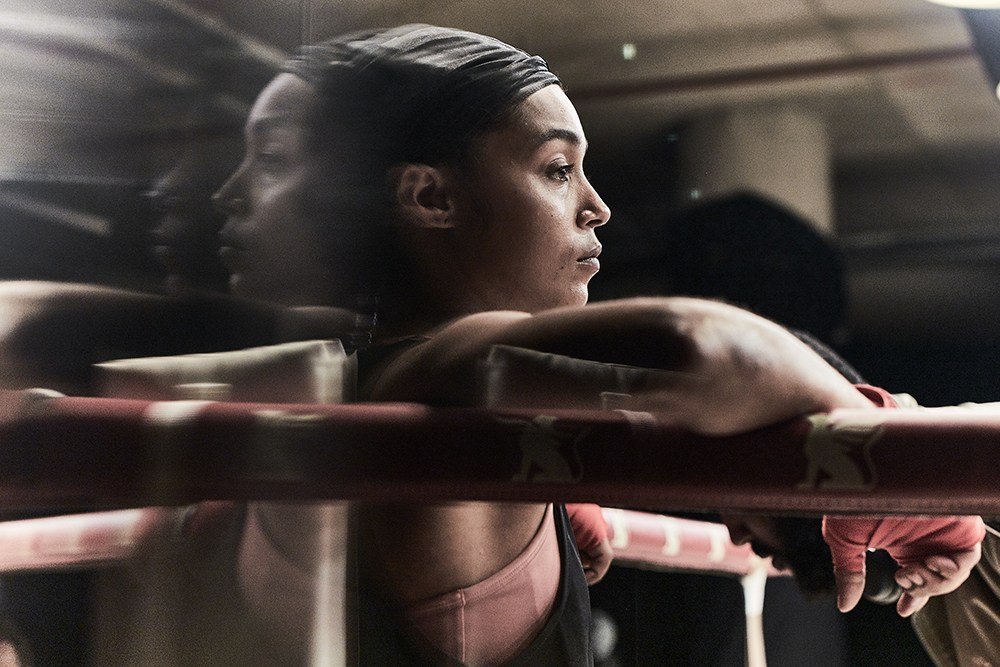
The film — based on the true story of trailblazing British-Somali boxer, model and UNICEF Ambassador Ramla Ali and due to have its world premiere at the London Film Festival on Oct. 9 — will now be self-released theatrically in the U.K. thanks to additional support from its financiers.
“We had to mobilize very quickly — it really was the 11th hour,” says Lee Magiday (a BAFTA winner and Oscar nominee for “The Favourite”), who produces alongside Madeleine Sanderson (“Being AP,” “Fighting for a City”). Magiday said they only found out in mid-September that there would be no money for the P&A spend. “So we had to ask our backers — our exec producers — whether they could put even more money into the film, which, thank God, they did.”
Following it’s London Film Festival premiere, “In the Shadows” will now screen across the U.K. in more than 30 screens starting with a special screening and Q&A on Oct. 30 with Ali at London’s Genesis Cinema, near where the film was shot. With near perfect timing, Ali then has a world title fight on Nov. 8 in the U.S. and will return to help support the film with further special event screenings and Q&As.
Magiday and Sanderson praise their exec producers Richard Fern, Anushka Shah and Natasha Mudhar for their additional financial support to enable the release, but also say they’re deeply thankful for the assistance of Will Clarke at Altitude Films, which is selling the “In the Shadows” globally. Clarke would introduce the producers to Ben Metcalf at Metis Films, which is now physically handling the distribution, with former True Brit exec Kate Neville-Towle overseeing marketing.
“It’s really nice because a lot of people really love the film, love Ramla and love what we’re doing — so it’s a bit like a community,” says Sanderson. “We’ve got our team.”
Led by “Top Boy” star Jasmine Jobson and directed by Anthony Wonke, “In the Shadow,” tells the story of refugee Ali, who, without the knowledge of her strictly Muslim parents in London, secretly pursued boxing to become the first Somali-British professional boxing champion. It was at the boxing club where she trained that she met her future husband, Richard Moore, who converted to Islam — a testament to his profound love for her. The film explores both Ali’s drive to succeed despite the numerous obstacles in and out of the ring — a drive that helped her become the first boxer ever to represent Somalia at the the 2020 Olympic Games and the first-ever professional female boxing match in Saudi Arabia — and the love story between her and Moore as they navigate racial and cultural barriers.
For Magiday, there are parallels between the story behind “In the Shadows” and the making of it, culminating in the last-minute rescue.
“This film has been a battle from day one and and Ramla’s story has been a battle from day one, so it’s kind of in keeping,” she said. “We’ve had to kind of fight the odds the whole time because we didn’t get industry support for production. This was made by sheer will and determination, and some amazing backers who believed in the story. For us, it’s such an important film because it is about hope. It’s not just the normal boxing story — it’s about being accepted by your your culture, by your family, by your community, and also finding love.”
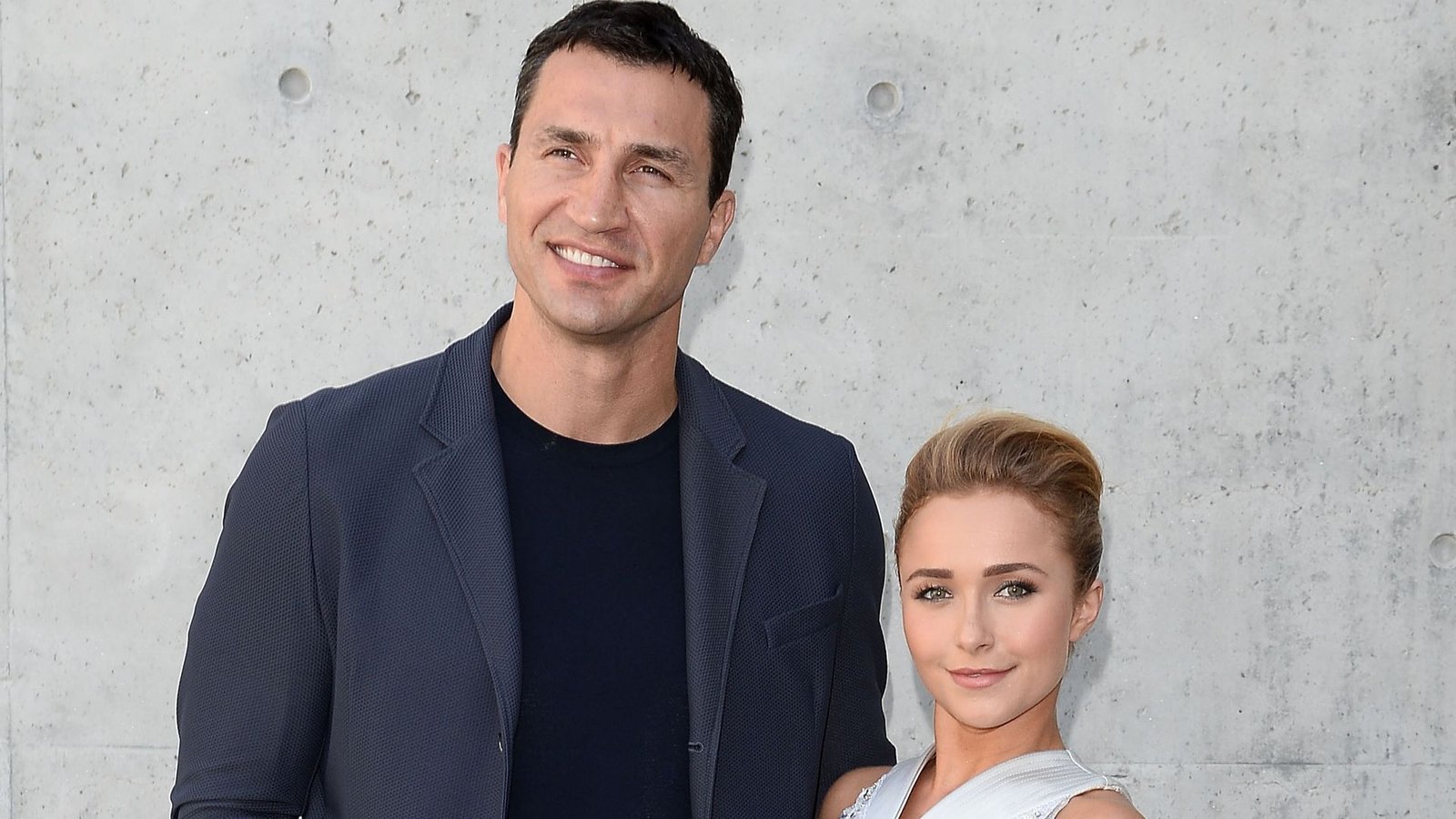
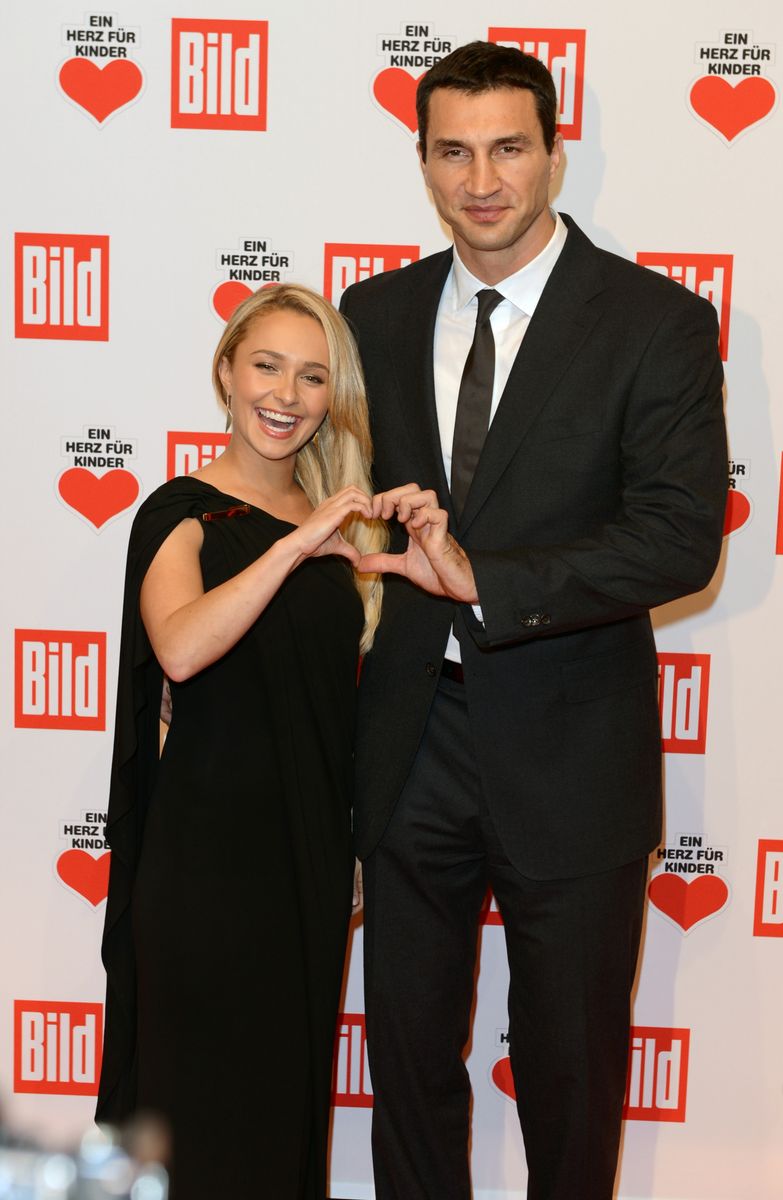
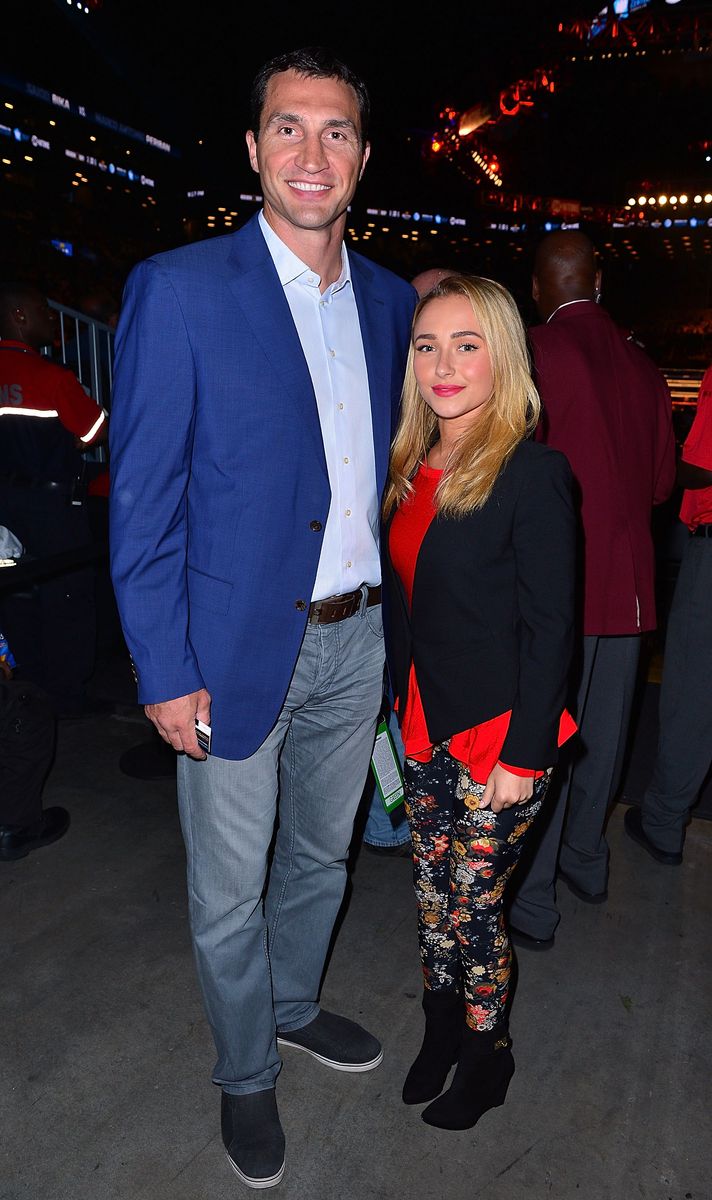
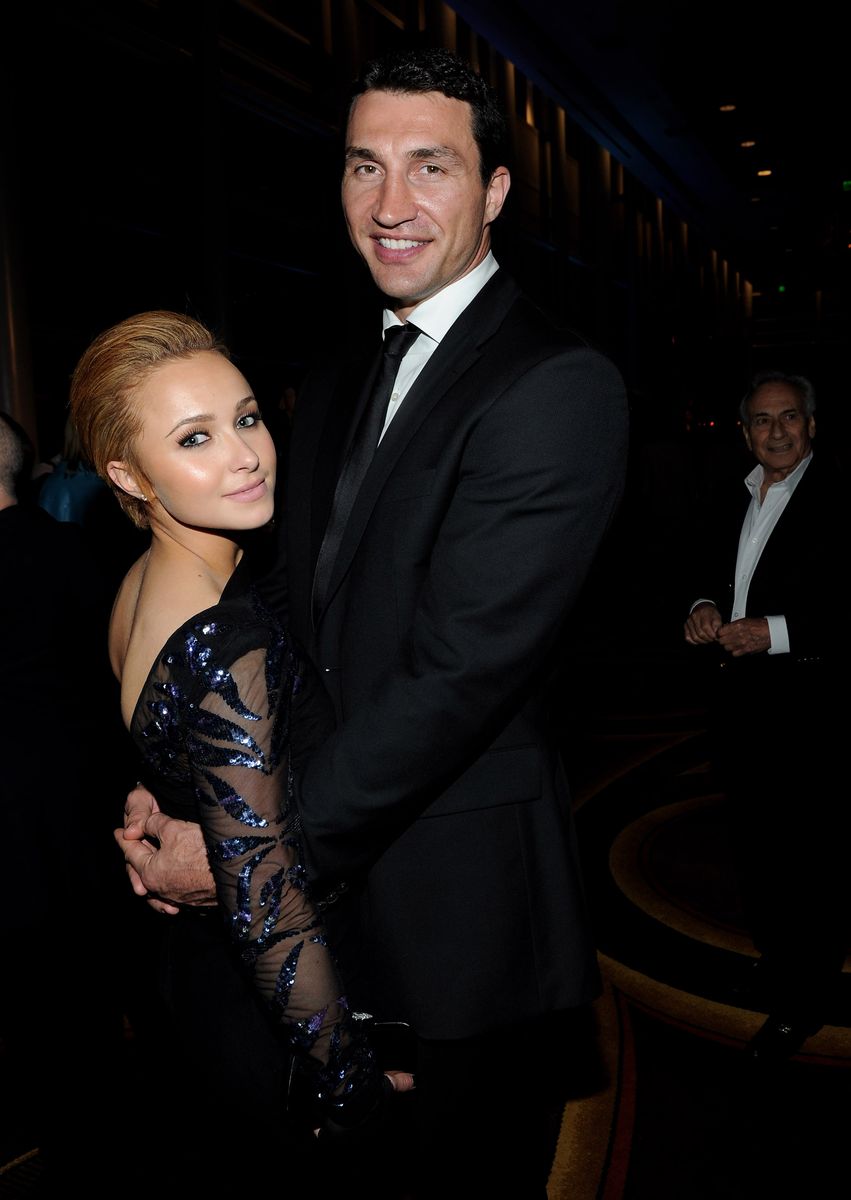
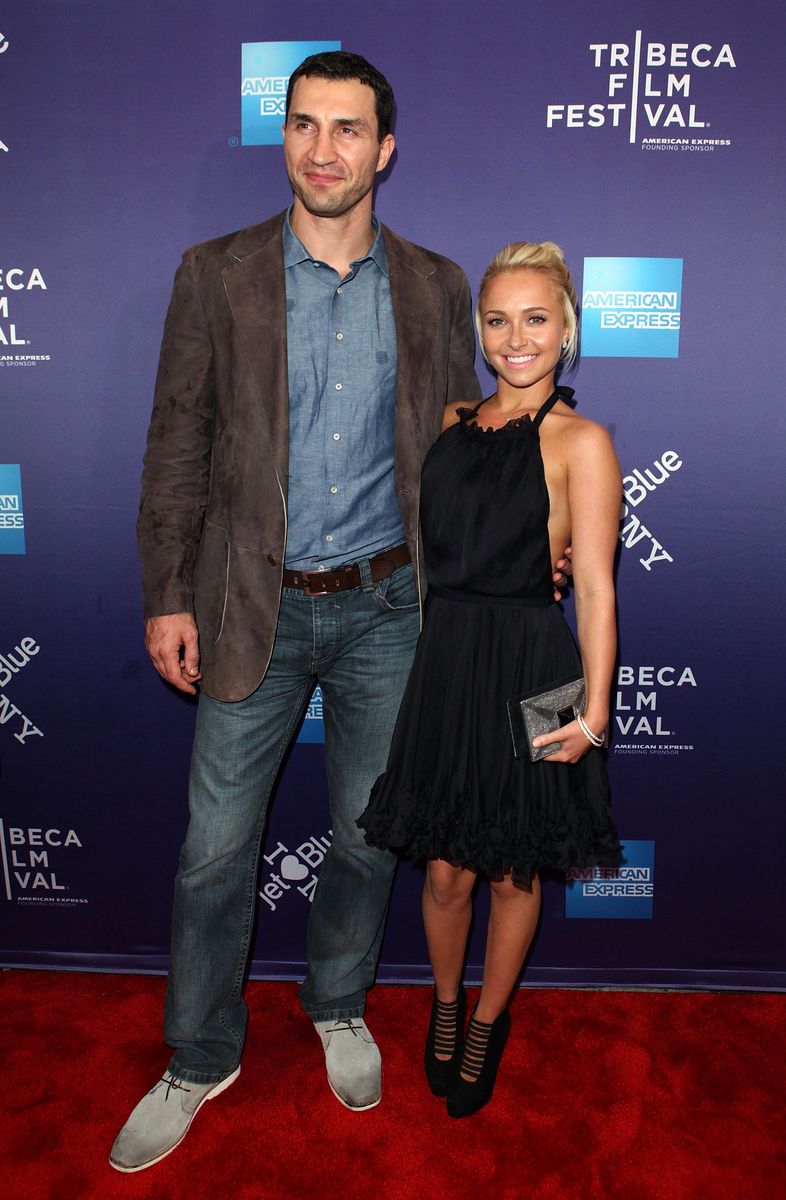
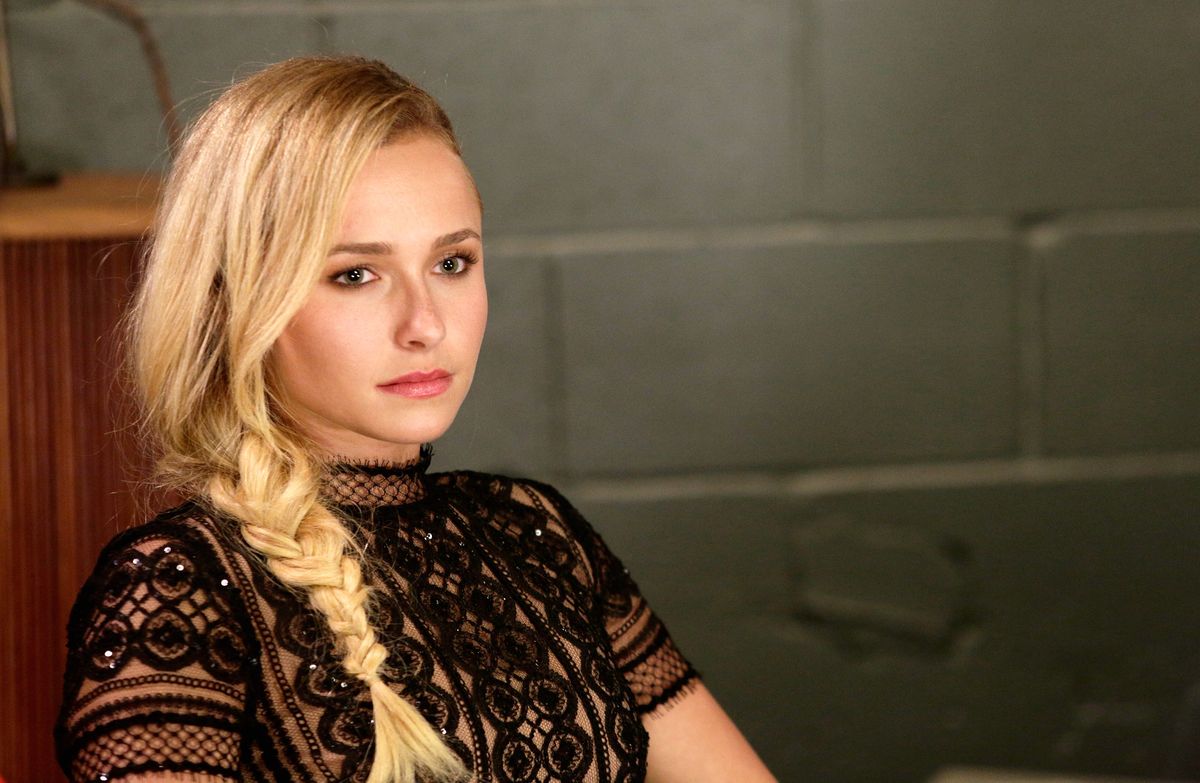
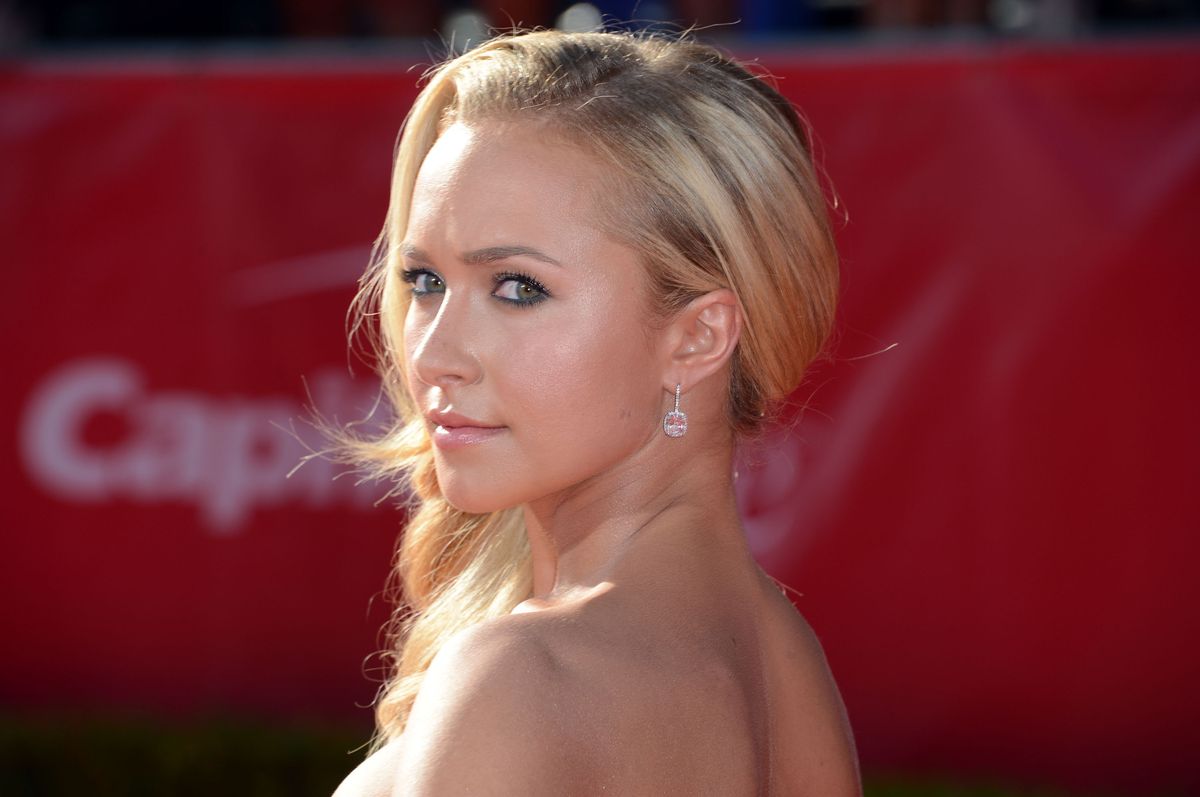
Hayden Panettiere’s ex-husband, Wladimir Klitschko, is asking for more answers about her missing belongings, with new claims that some of her jewelry may have ended up at a pawn shop.
The former professional boxer, who shares 11-year-old daughter Kaya with Panettiere, made the claim in new court documents as he continues his effort to be named guardian of Kaya’s estate.
According to the filing, acquired by TMZ, Klitschko believes “a non-family member previously connected to Hayden” sold some of her belongings to a pawn shop. He believes the items may include jewelry.
This is not a custory issue, Hayden gave Wladimir full custody when she was struggling with postpartum depression and addiction
The pawn shop has allegedly refused to provide specific information about the items unless law enforcement gets involved, according to the documents. Klitschko says he is concerned the belongings could be sold or transferred to someone else before they can be recovered.
He is now asking that his appointment as guardian include the authority to request and authorize a law enforcement investigation into the recovery of Panettiere’s property.
You may also like
Continue reading
Wladimir Klitschko wants to protect Hayden Panettiere’s estate for their daughter
Klitschko alleges that some jewelry and other personal belongings are missing
The new request builds on Klitschko’s earlier petition concerning the assets Panettiere left behind for their daughter.
Klitschko previously filed paperwork seeking to be appointed temporary guardian of Kaya’s estate, arguing that their daughter is the sole heir to Panettiere’s estate. It would give him the legal authority to protect the assets Kaya is expected to inherit.
Panettiere died without a will, according to the petition, meaning Kaya is set to inherit her mother’s estate, including her personal belongings and California property.
In that filing, he said federal agents had accessed Panettiere’s Los Angeles home as part of an ongoing investigation and removed property belonging to her estate.
He said he wanted the authority to help recover those belongings once investigators no longer needed them.
Klitschko also claimed Panettiere had hired a security company before her death because of concerns that someone had gained unauthorized access to her home.
After her death, he said the locks were changed, and storage units containing designer clothing and accessories were relocated as a precaution.
He further alleged that some of Panettiere’s jewelry and other personal belongings were missing or unaccounted for. He also claimed that emails belonging to the actress had been accessed and destroyed.
At the time, Klitschko did not identify the person he believed was behind the alleged unauthorized access or potential misappropriation of property.
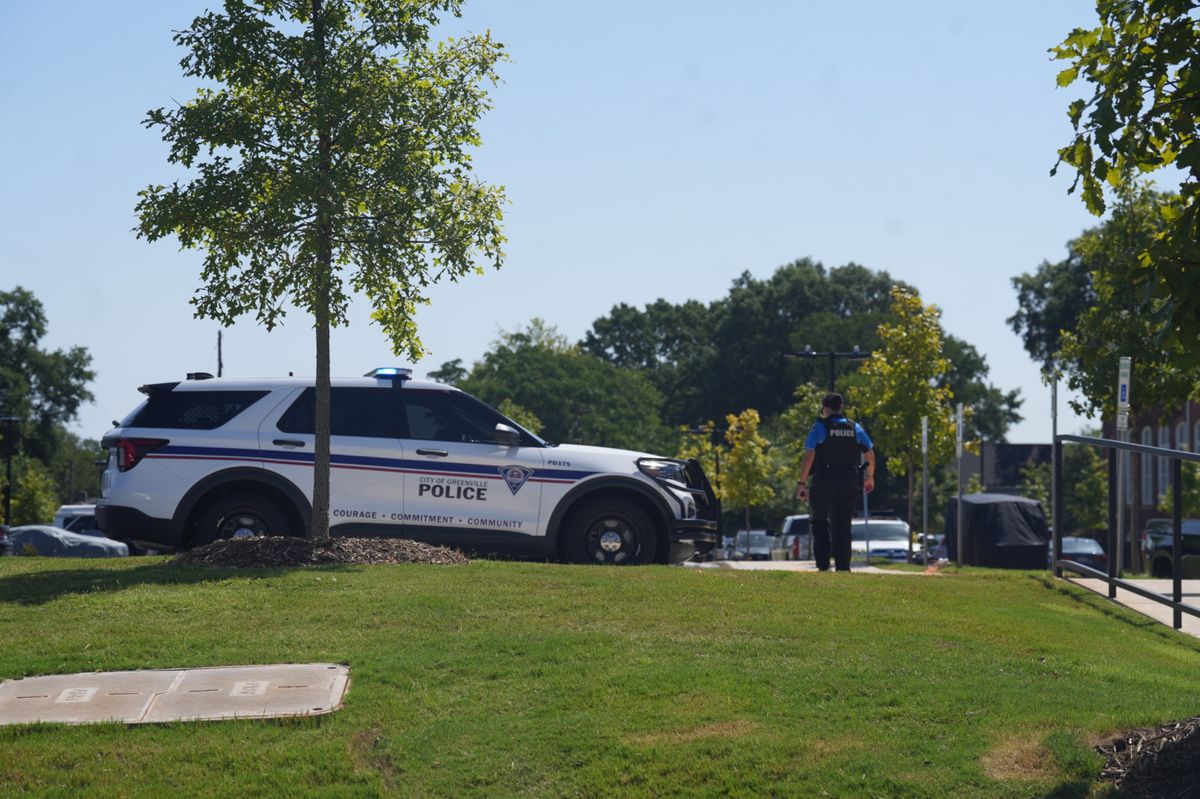
Police were seen returning to the apartment complex where Hayden Panettiere was reportedly found unresponsive on August 17
The dispute over Panettiere’s belongings ultimately comes back to their daughter. He has argued that recovering the actress’ property is directly connected to protecting Kaya’s inheritance. His latest request would give him additional authority to seek law enforcement assistance if items belonging to Panettiere’s estate are believed to have been misappropriated.
The court has not yet ruled on Klitschko’s guardianship request.
Klitschko and Panettiere welcomed Kaya in 2014 and were previously engaged before splitting in 2018. Following their separation, Klitschko became Kaya’s primary custodial parent.
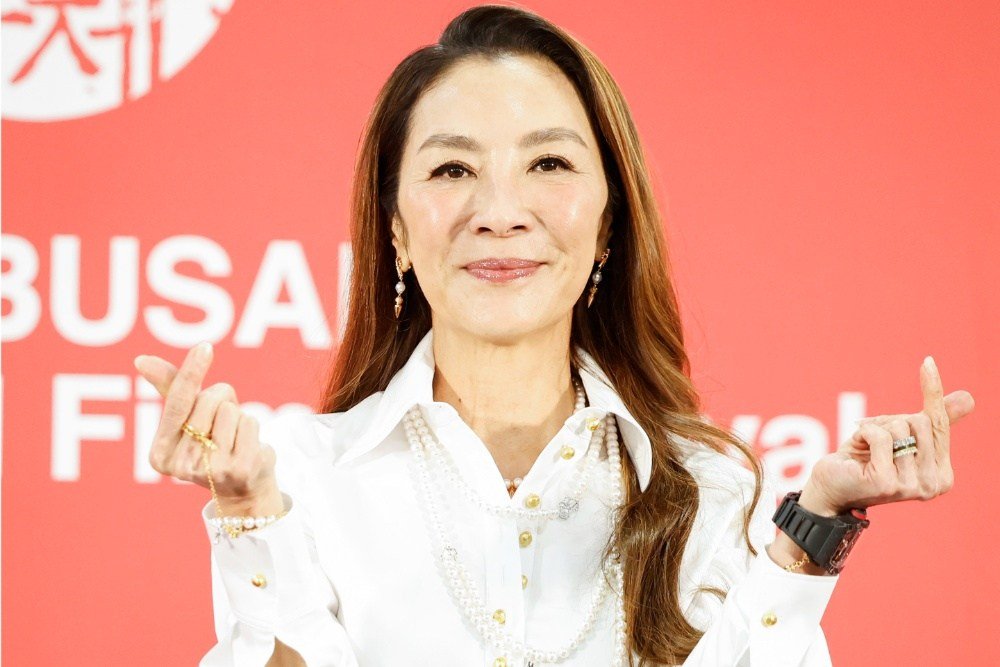
“To be given an opportunity to take it to 2099 is indeed an amazing journey, and to work with such a great talent like Hunter Schafer is a great joy,” Yeoh said. “Silka Luisa, who is our showrunner, Alcon, Ridley Scott as well, has welcomed us into this world of replicants and humans, and I can’t wait for all of you to watch it.”
Yeoh will join Schafer, Luisa and other members of the team for a panel at the New York event. All eight episodes of the limited series will be released on Nov. 25. Yeoh plays Olwen, a replicant Blade Runner nearing the end of her life, who partners with Schafer’s Cora, a mysterious new recruit.
“I love being an actor; I actually love being a producer, but I think being an amazing, great director, you have no life,” Yeoh said when asked whether directing might be next for her. “There is so much of your vision of that person, that writer, and I think I am not able to rise to that. So I will stick to what I know a little bit better, and hope to support directors who have that vision.”
Yeoh, who received the festival’s Asian Filmmaker of the Year award at the opening ceremony, said she was most looking forward to Lee Chang-dong’s “Possible Love” and would love to work with Park Chan-wook and Bong Joon Ho.
“I hope I have the privilege of working more in Korea as well, because I’m a big fan of K-pop, K-drama, Korean food, and especially Korean movies,” she said.
Yeoh is in Busan with “It’s My Time,” a film based on a true story that marks her return to Chinese-language cinema. She also produced the picture, which is directed by Bai Xue and produced by Wen-Hui Yeh. Peter Lam of Media Asia brought her together with the filmmakers.
“I think I spent quite a few years trying to build a bridge from the East to the West, and then now from the West to the East,” Yeoh said. “And hopefully, the bridge will just stay there and I’m able to cross over whenever I want.”
Yeoh plays Zhao Yanhong, a nursing-home resident in her 70s who discovers a gift for the Rubik’s Cube. The role is inspired by Zhao Wenying, a retired math teacher who became the quickest over-60 competitor to solve the puzzle blindfolded. Yeoh said her mother hates the look because she thinks it makes her daughter seem 80.
The actor said she enjoys working with new, young directors. The Daniels were only on their second film with “Everything Everywhere All at Once,” and Roshan Sethi, who directed her latest film “The Surgeon,” which premiered at Toronto, is also a second-time director.
“If you read their script, you’d wonder if they were actually a little bit insane. The fact is they are, that’s why they’re such geniuses,” Yeoh said of the Daniels.
Yeoh has a long history with Busan. She took part in the festival’s Pusan Promotion Plan as a producer in 2002 and attended in 2011 with “The Lady.” This year’s visit is her first in 15 years. Earlier in 2026, she received an honorary Golden Bear at the Berlin Film Festival.
Recalling her early Hollywood years, Yeoh said she was shocked to be told she was a minority, and that even after the James Bond film “Tomorrow Never Dies,” the parts on offer remained stereotypical. She waited roughly two years before taking on “Crouching Tiger, Hidden Dragon.”
That film brought one of the harder moments of her career, as she had knee surgery partway through the shoot. Yeoh said she now laughs about the scene where Chow Yun-fat dies in her arms. “If you pull back the camera, because I had knee surgery, I couldn’t cross legs and cradle Chow. I had my leg literally on a box,” she said. “So it’s kind of funny looking, with one leg up there and then Chow up here.”
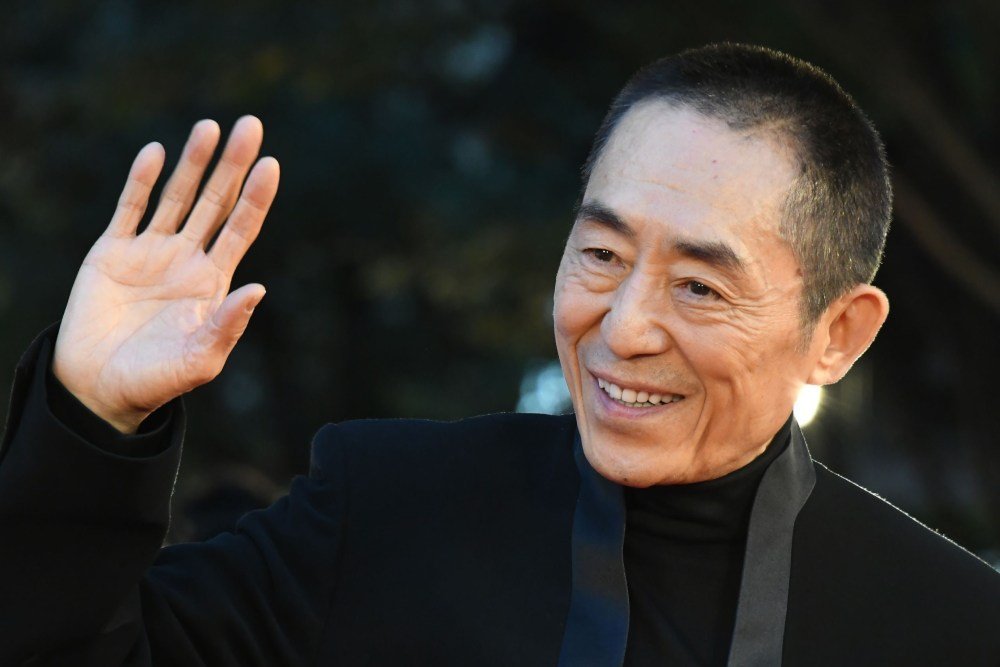
Zhang Yimou is still reworking the script for his film adaptation of “The Three-Body Problem,” years into the process, the Chinese director said during the opening ceremony of the Busan International Film Festival, where he is president of this year’s competition jury.
Questioned by festival director Jung Hanseok, Zhang said he is currently preparing a new film, and that he had just been discussing with several directors backstage how hard it is to make a good one these days.
“‘The Three-Body Problem’ is a great science fiction novel, and I like it very much. But it is very difficult to adapt into a film, which is why we have spent several years polishing the script,” Zhang said. “We are still polishing it now. I hope this film will not disappoint everyone’s expectations, that it will satisfy the audience, and I hope we can make it well.”
Liu Cixin’s novel, the first book in his “Remembrance of Earth’s Past” trilogy, won the Hugo Award for best novel in 2015 in Ken Liu’s English translation, and has been adapted as Bilibili’s animated series “The Three-Body Problem” (2022), Tencent’s live-action series “Three-Body” (2023) and Netflix’s “3 Body Problem” (2024).
Jung raised the audience reaction that followed the announcement of the project, which he said had stirred as much worry as anticipation. Zhang said that once word got out that he would direct the film, he asked his company to collect online audience commentary, and it came back with around 400,000 comments in one week.
“I felt that people had a great many concerns. Audiences today have high expectations of us,” Zhang said. “In the age of AI, where visual media has become democratized, the audience’s discernment has risen considerably compared to the past. Because of that, we all feel tremendous pressure, and we hope not to disappoint their expectations.”
He added that he would look closely at what viewers want from the film in the hope of getting it right.
Zhang widened the point to the filmmakers at the festival, saying they all want to make a film that satisfies themselves. “Many people spend an entire lifetime wanting to make a truly great film, yet no one knows where that great film comes from. From a Chinese perspective, it might be luck – your effort combined with luck,” he said. “But regardless of luck, the love and passion for cinema in our hearts will always keep burning.”
Jung introduced the project as an adaptation of a sci-fi novel with an enormous global readership, and noted that Zhang, more than 40 years into his career, still puts out new work almost every year.
Zhang leads a seven-member jury for Busan’s competition. The 31st edition of the festival runs through Oct. 15.
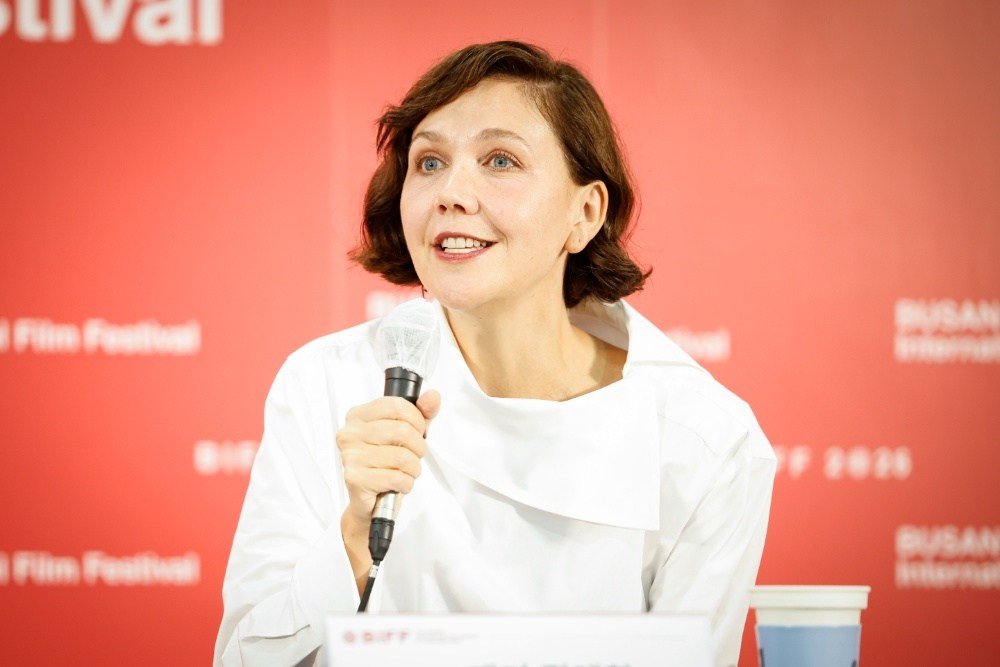
Maggie Gyllenhaal told a Busan International Film Festival press conference on Wednesday that the best directors she worked with as an actress, who were usually also the most successful, understood the value of drawing on the minds of the people around them.
“It was the people who were very scared… or just not very smart, who tried to squash other people’s voices,” Gyllenhaal said.
Gyllenhaal is in Busan with “Flesh Impact,” a short film she wrote and directed in which Ellen Burstyn plays Marilyn Monroe at 100 and Dakota Johnson plays the star in her youth. When she made her feature directing debut, “The Lost Daughter,” her main concern was that everyone on set, from the actors to the cinematographer, production designer and gaffer, felt free to contribute.
“The truth is… it is ultimately up to me as the director. I have the power, so there’s no reason to squash anyone else’s voice,” she said. “I mean, it’s just so obvious that the movie that I will make that includes all the minds of the people on my crew, at least as things I can draw from, is going to be exponentially better than the movie I can make trying to recreate something I imagined all alone by myself in my room.”
“Flesh Impact” began as a commission from Genesis, the luxury car brand and a longtime Busan sponsor, to mark what would have been Monroe’s 100th birthday in June. Gyllenhaal said she knew the star mostly through her image as a screen icon, and took a week to decide whether she had anything to say about her. She spent it reading about Monroe and watching her films.
“I don’t think that when Genesis came to me and asked for a film about Marilyn Monroe to celebrate what would have been her 100th birthday that they imagined she would actually be 100 years old in the movie,” Gyllenhaal said. “I thought, ‘Okay, I have this idea. They’re never going to go for it.’”
Genesis approved the pitch, and Gyllenhaal finished the script within a weekend. The film, which also features Peter Sarsgaard and Sepideh Moafi, world premiered out of competition at the Venice Film Festival. Gyllenhaal said that as much as the film celebrates Monroe, “it is also 100% a celebration and an honoring of Ellen Burstyn and her incredible career, and Dakota Johnson and her incredible career.”
Gyllenhaal said the move from acting to producing and then to writing and directing felt natural. When she was young, so few women were directing that acting seemed the obvious outlet for a woman who loved movies and wanted to tell stories.
“It felt satisfying and exciting for a long time, and then I think I hit the edge of what I was able to do as an actress,” she said.
Her move into writing and directing began eight years ago with “The Lost Daughter,” and she said she has felt more at ease and more inspired behind the camera ever since.
Film runs in the family. Gyllenhaal’s father, Stephen Gyllenhaal, is a director and her mother, Naomi Foner, a screenwriter. Growing up, the family went to the movies almost every Friday night, Gyllenhaal said.
“My mom directed her first film as a grandmother. I think she might be the only person to have directed her first film as a grandmother,” Gyllenhaal said, calling her mother “probably the best note-giver that I have.” Her brother Jake Gyllenhaal, who appeared in “The Bride,” is a close friend whose different taste she called a gift.
Gyllenhaal said she has begun writing two “kind of budding ideas” and is “in that very exciting place where I’m kind of like, ‘What is this going to ultimately be about, you know?’” Varietyreported in June that she will direct and produce an adaptation of Rachel Kushner’s novel “Creation Lake” for Warner Bros., which also backed “The Bride.”
On the subject of women filmmakers, Gyllenhaal pointed back to her remarks at Venice, where she served as jury president and only one woman had a film in competition.
Ben Affleck isn’t exactly making romance a priority these days.
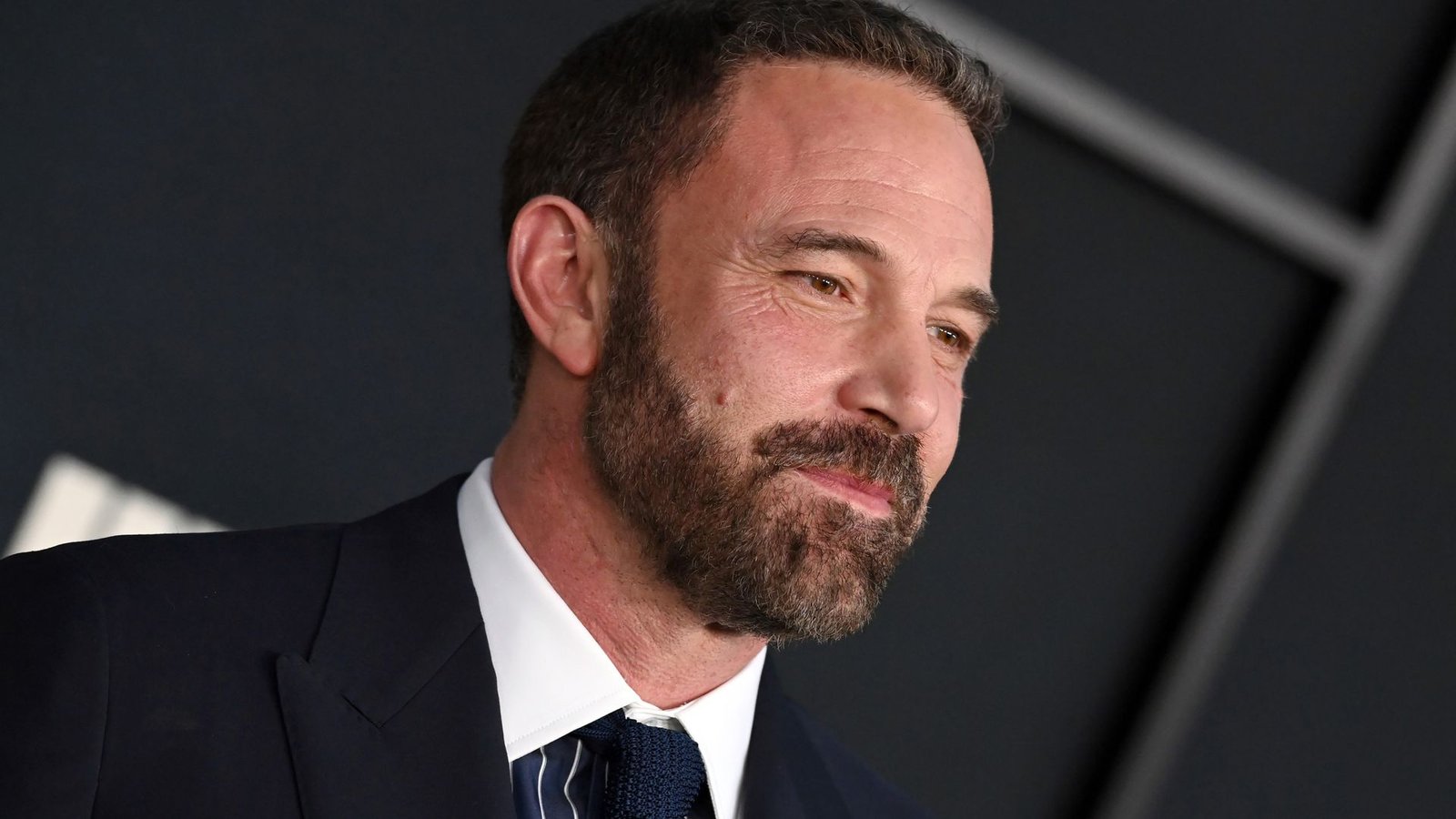
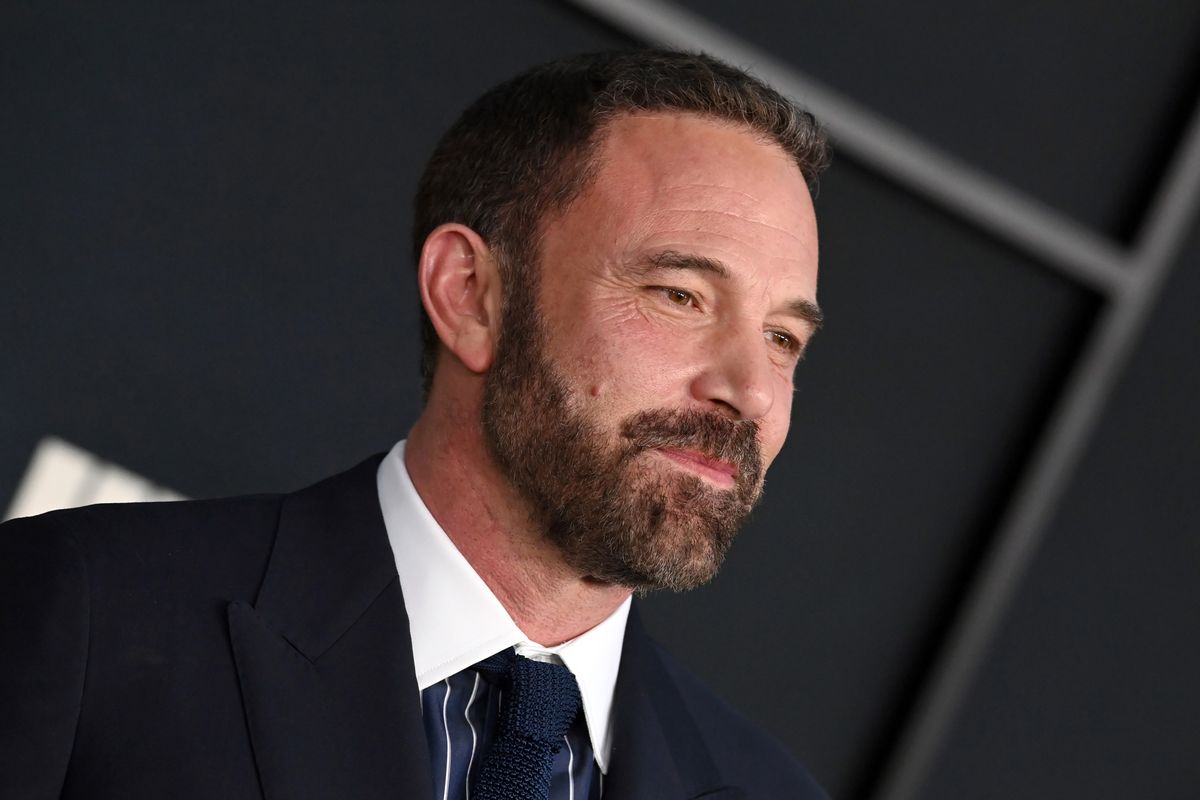
The 54-year-old actor and filmmaker opened up about his current approach to dating while attending the Los Angeles premiere of his new thriller Animals on Thursday, Oct. 2.
Speaking with Entertainment Tonight, Affleck said his attention is largely focused on his career and his three children, leaving little time to pursue a relationship.
Ben Affleck Is “Happy” Being Single
“I work a lot and I see my kids,” Affleck explained in a clip shared on Instagram.
The Oscar winner added that there isn’t much room in his schedule beyond his family and work.
Entertainment Tonight Instagram
“There’s not a lot of room” outside of those priorities, he said. “I’m not running around.”
Affleck also addressed a recent claim from The View co-host Ana Navarro, who said she had tried to play matchmaker and set him up with Shakira following his divorce from Jennifer Lopez. Navarro previously acknowledged that she has never actually met Affleck.
The actor appeared surprised by the story.
“I hear s**t like that honestly first from people like you,” Affleck told the reporter. “I swear to God, I never heard that in my whole life.”
Affleck Addresses the Dating Rumors
Affleck said he’s become accustomed to hearing speculation about his personal life, particularly since becoming single.
“I often hear rumors,” he said, suggesting that gossip can sometimes turn into stories that aren’t based in reality. “Some people gossip. Stuff gets made up.”
He also said he doesn’t typically get set up on dates, despite the ongoing speculation surrounding his love life.
Affleck and Lopez finalized their divorce in January 2025 after two years of marriage. The pair had previously been engaged in the early 2000s before rekindling their relationship years later.
The actor was also previously married to Jennifer Garner from 2005 until their divorce was finalized in 2018. The former couple share three children: Violet, Seraphina and Samuel.
His Kids Come First
Affleck said he’s currently in a good place and has a clear understanding of what matters most to him.
For Affleck, that means putting his children first while continuing to pursue work he enjoys.
You may also like
Continue reading
“You can’t have two things that are the most important in your life,” he explained. “For me that’s the kids.”
“And then I have my work, which I love,” he continued. “And, you know, I’m where I’m at and I’m great. Who knows what adventures life will bring? I’m open to it but I’m not trying to chase anything.”
Affleck’s Kids Aren’t Buying His Relationship Advice
Just last month, Affleck admitted that his children aren’t exactly convinced he’s qualified to give them romantic advice.
During a Sept. 24 appearance on Jimmy Kimmel Live!, the actor recalled trying to share some of his own relationship experiences with his kids during family dinners.
Ben Affleck attends the World Premiere of Netflix’s “Animals”
“My kids are talking at dinner and they’re talking about their friends and the drama and the relationships and I have some lived experience, I think, that’s worth sharing, some lessons,” he told Jimmy Kimmel.
But his advice apparently doesn’t always land.
“I’ll say, ‘You know, well the thing about that relationship there…’ and the 17-year-old turns to me and goes, ‘Oh, like you’re the expert on relationships?’” Affleck recalled.
Affleck’s New Movie Animals
Affleck’s focus on work comes as he promotes Animals, the new thriller he directed and co-wrote with Connor O. McIntyre and Billy Ray.
The film stars Kerry Washington, Steven Yeun, and Gillian Anderson alongside Affleck.
Animals is currently playing in select theaters before arriving on Netflix Oct. 9.
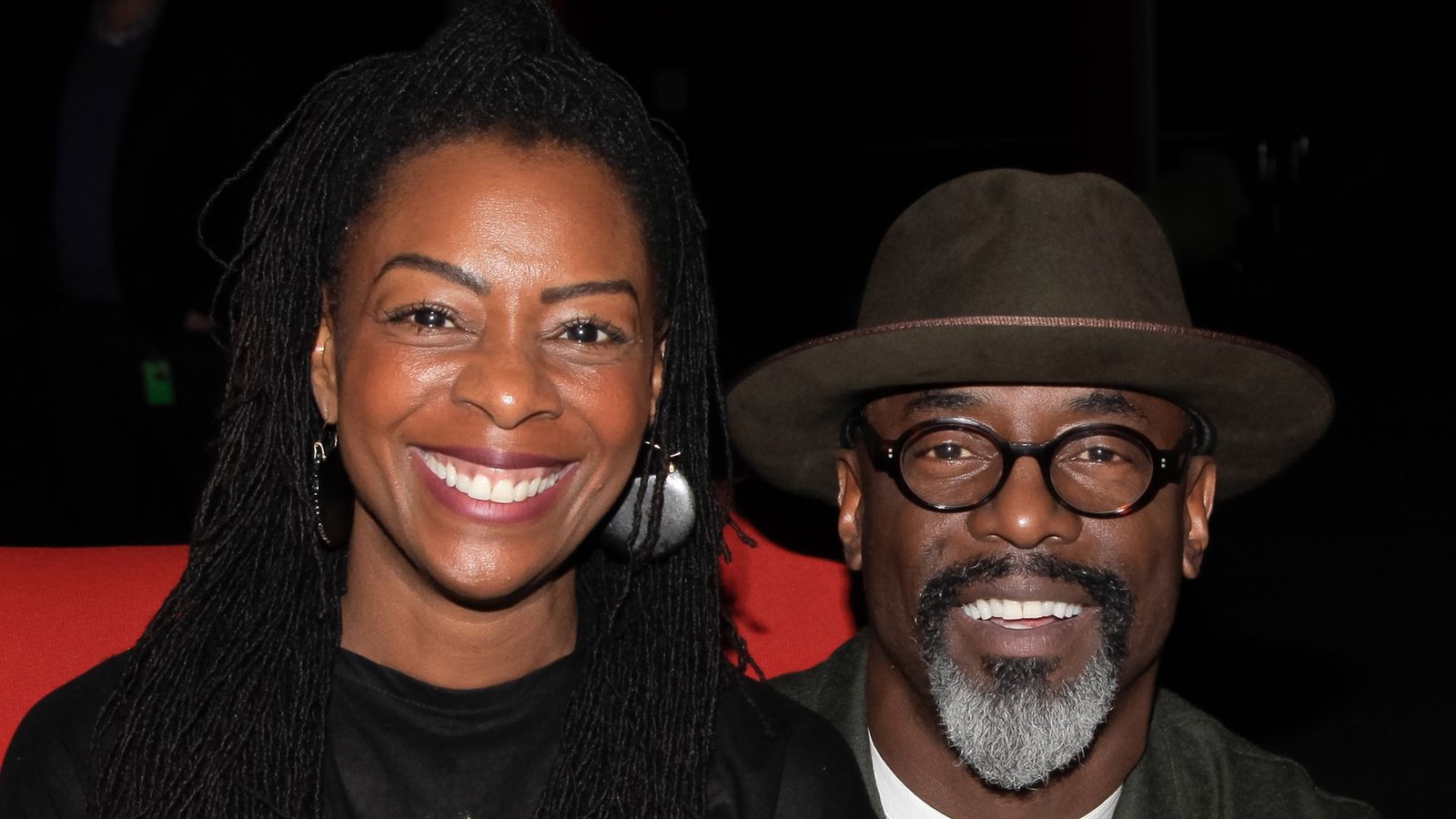
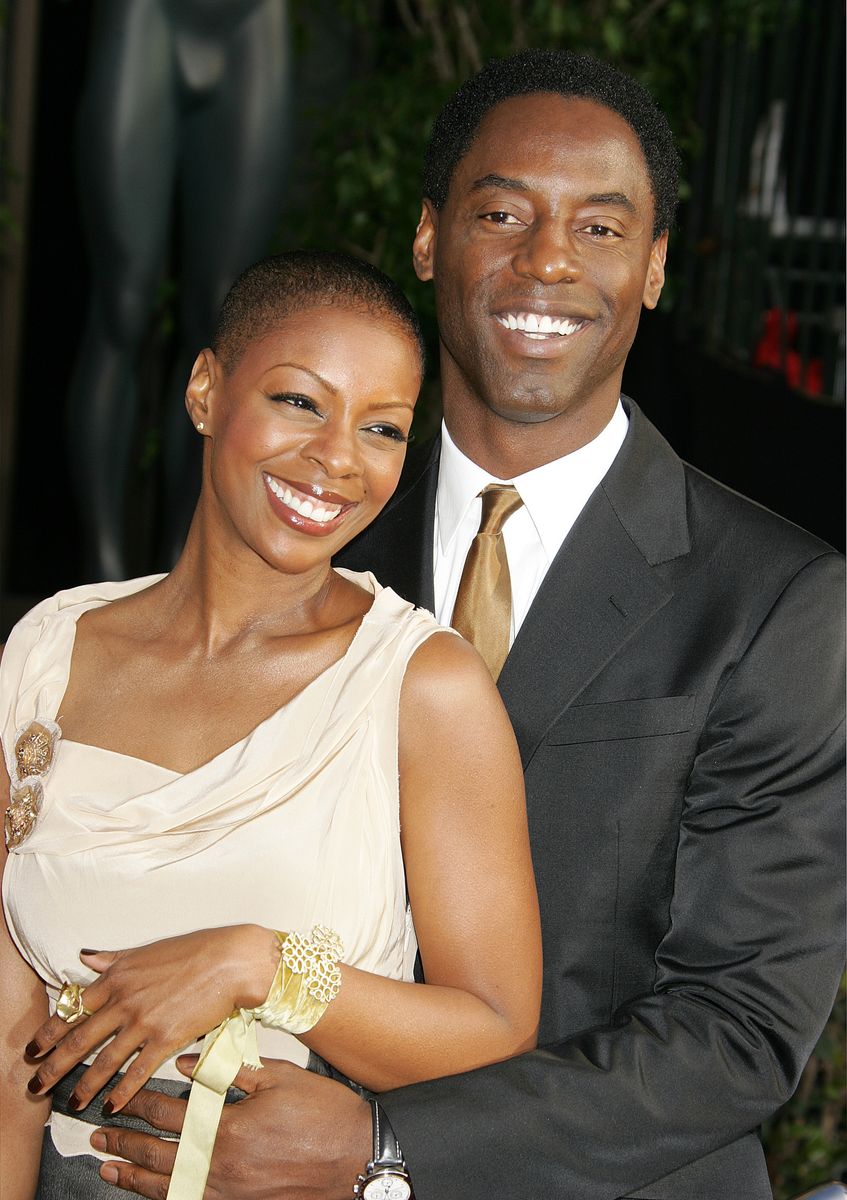
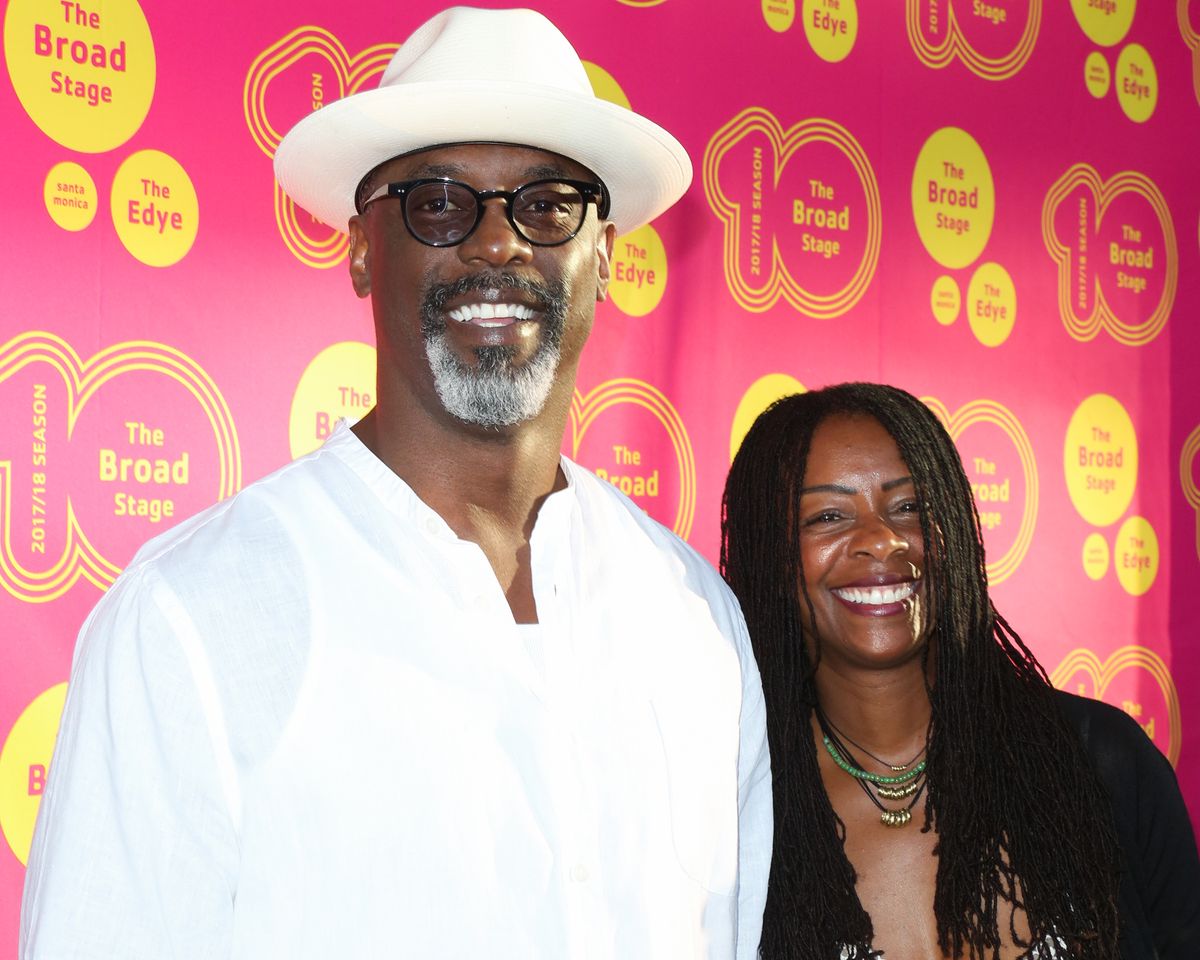
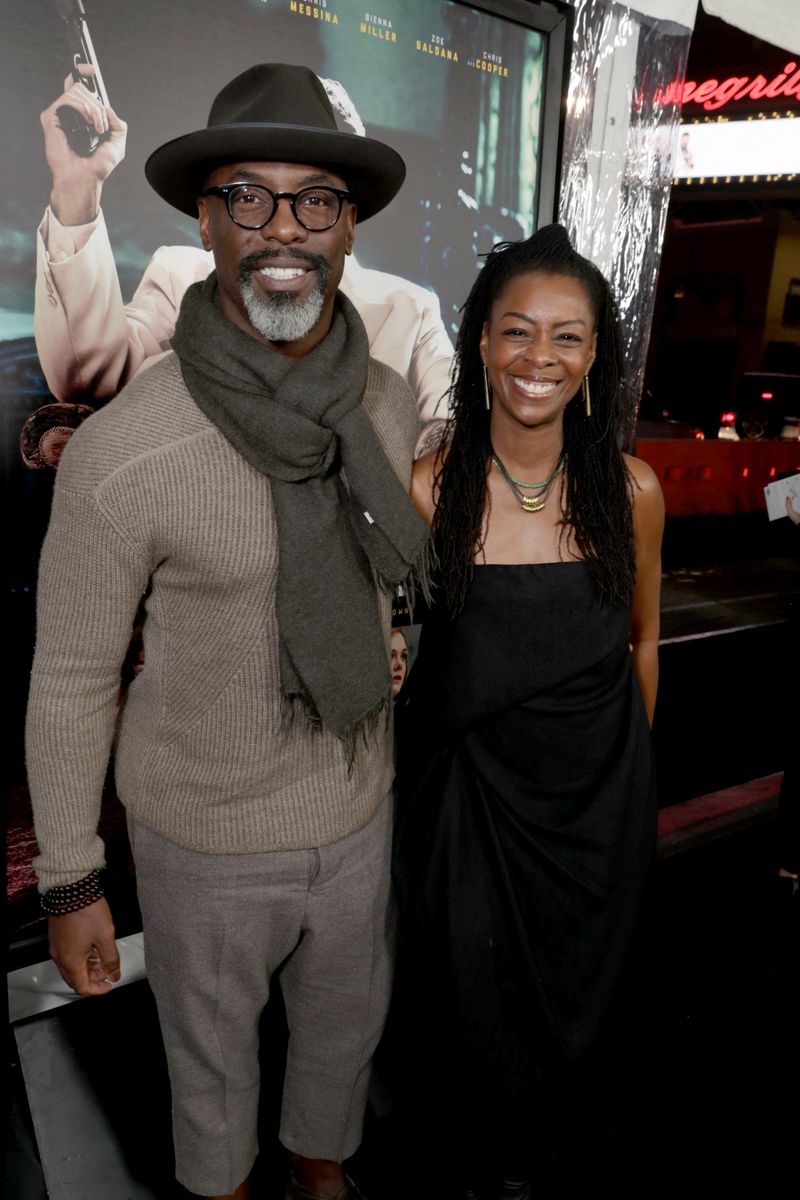
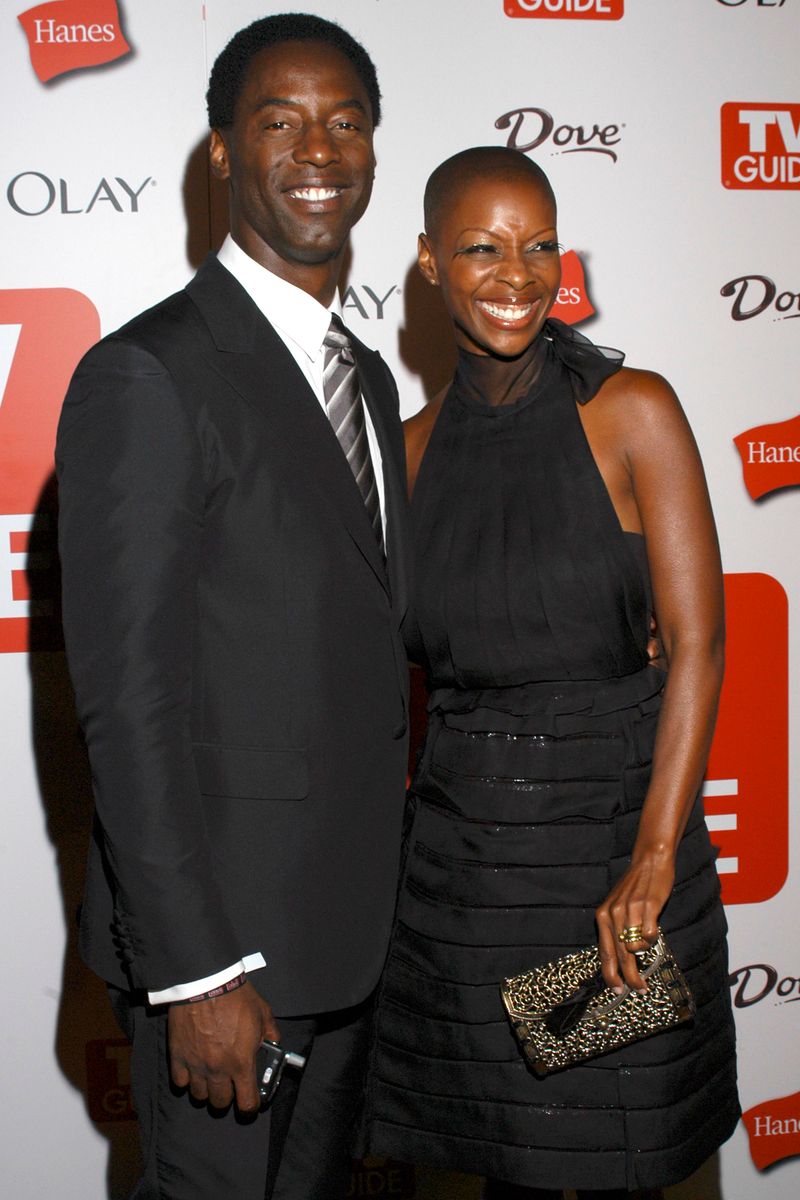
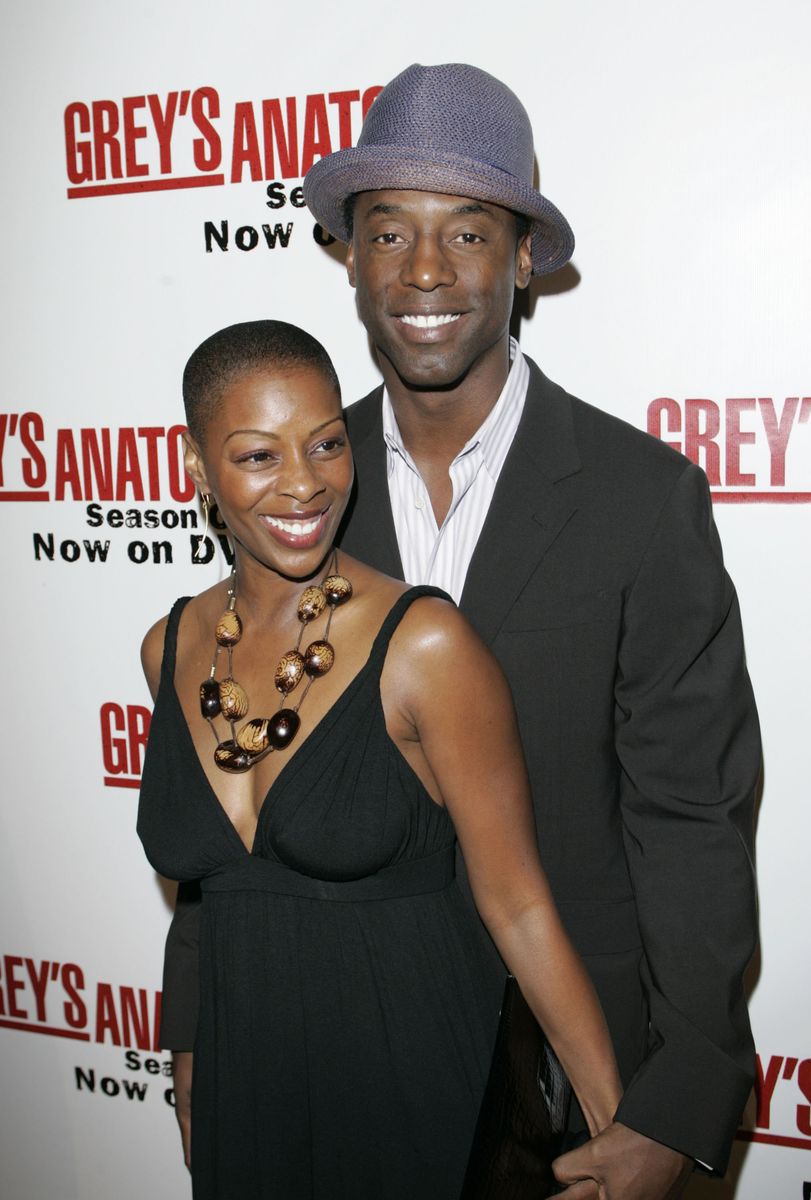
Isaiah Washington is opening up about a loss he’s been keeping private for more than a year. On October 3, the Grey’s Anatomy alum revealed that his wife of 29 years, Jenisa Marie Garland-Washington, died in June 2025 after suffering a massive hemorrhagic stroke.
They met in 1995 and got married the following year
The 63-year-old shared the news 16 months after Garland’s death, explaining that the decision to remain silent was largely rooted in the kind of person his wife was.
“Yes… the rumors are true,” the actor began in an Instagram post alongside a photo of Garland. He went on to reveal that she suddenly collapsed on May 31, 2025, before dying nine days later on June 9. “It came as a huge shock to our entire family,” Washington wrote, explaining that Garland “succumbed to a massive hemorrhagic stroke and never recovered.”
He then offered advice, saying, “Listen, y’all…some headaches are not just headaches or migraines; they can be much worse and a warning sign. Get a brain scan if you can and take those headaches seriously.”
The couple had been married since Valentine’s Day in 1996 and shared three children: Tyme, Iman and Isaiah V. “She has been gone 16 months now, but she left 3 incredibly amazing children behind to continue her legacy,” he continued.
Their relationship largely remained outside the Hollywood spotlight, with Garland known for keeping her personal life private even as Washington became a familiar face on television through his role as Dr. Preston Burke on Grey’s Anatomy.
Washington acknowledged that his decision to finally speak publicly about Garland was complicated by her wishes for privacy.
“I don’t know if this is an appropriate post, because Jenisa Washington was extremely private,” he wrote, adding, “I guess I just have to be reprimanded from her on the other side.”
The pair met in Los Angeles in 1995 after being introduced by comedian Reggie McFadden and married the following year. On Sunday, it just so happened to be revealed that McFadden passed away.
On Monday, Washington shared a carousel with the first photo being the In Living Color star, and the second being the same photo he shared of his late wife. “RIP Reggie McFadden,” he wrote in the caption. “Say hello to Jenisa Washington, because it was you who introduced me to her in 1995.”
While Washington became a recognizable television star, particularly during his time on Grey’s Anatomy, he and Garland managed to keep much of their family life away from the cameras. She was always by his side on the red carpet, but she remained largely out of the entertainment spotlight.
For Washington, becoming a husband and father also influenced the way he approached his career. In a 2022 Fox News Digital interview, he explained that having a wife and children changed the trajectory of his professional life because he became more conscious of the example he wanted to set for his family. “For me, being married and having children did change a lot of my trajectory,” he said at the time.
The announcement also came as Washington appears to be entering a new chapter professionally. After stepping away from acting in recent years, he recently shared that he is ready to return to the big screen. Hours before he announced her passing, he shared a couple of selfies, revealing in the caption, “I have said ‘no’ for 3 years now. Time to say ‘yes’ and get back on the big screen with a BANG! Keep watching me…”
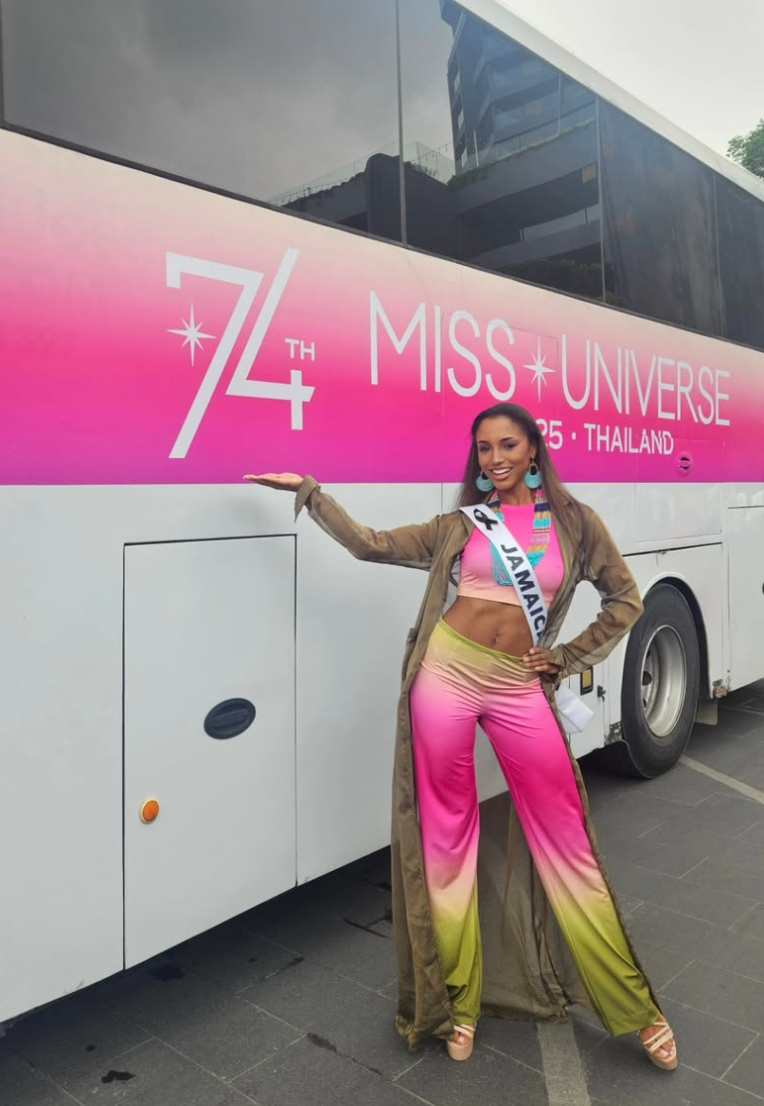
Nearly a year after Miss Universe Jamaica 2025 Gabrielle Henry suffered a serious fall during the Miss Universe competition in Thailand, the incident is back in the spotlight following reports that Henry has filed a lawsuit against the Miss Universe Organization and two related companies.
Now, María José Unda, vice president of International Affairs for the Miss Universe Organization, is addressing the controversy and explaining the organization’s position on the accident, the reported legal action, and the assistance provided to Henry during her recovery.
The 2025 Miss Universe Jamaica titleholder resting in a hospital bed
Unda discussed the case in an interview featured by Telemundo’s “En Casa con Telemundo” on October 5, 2026. The segment focused specifically on the reported lawsuit involving Henry and Miss Universe.
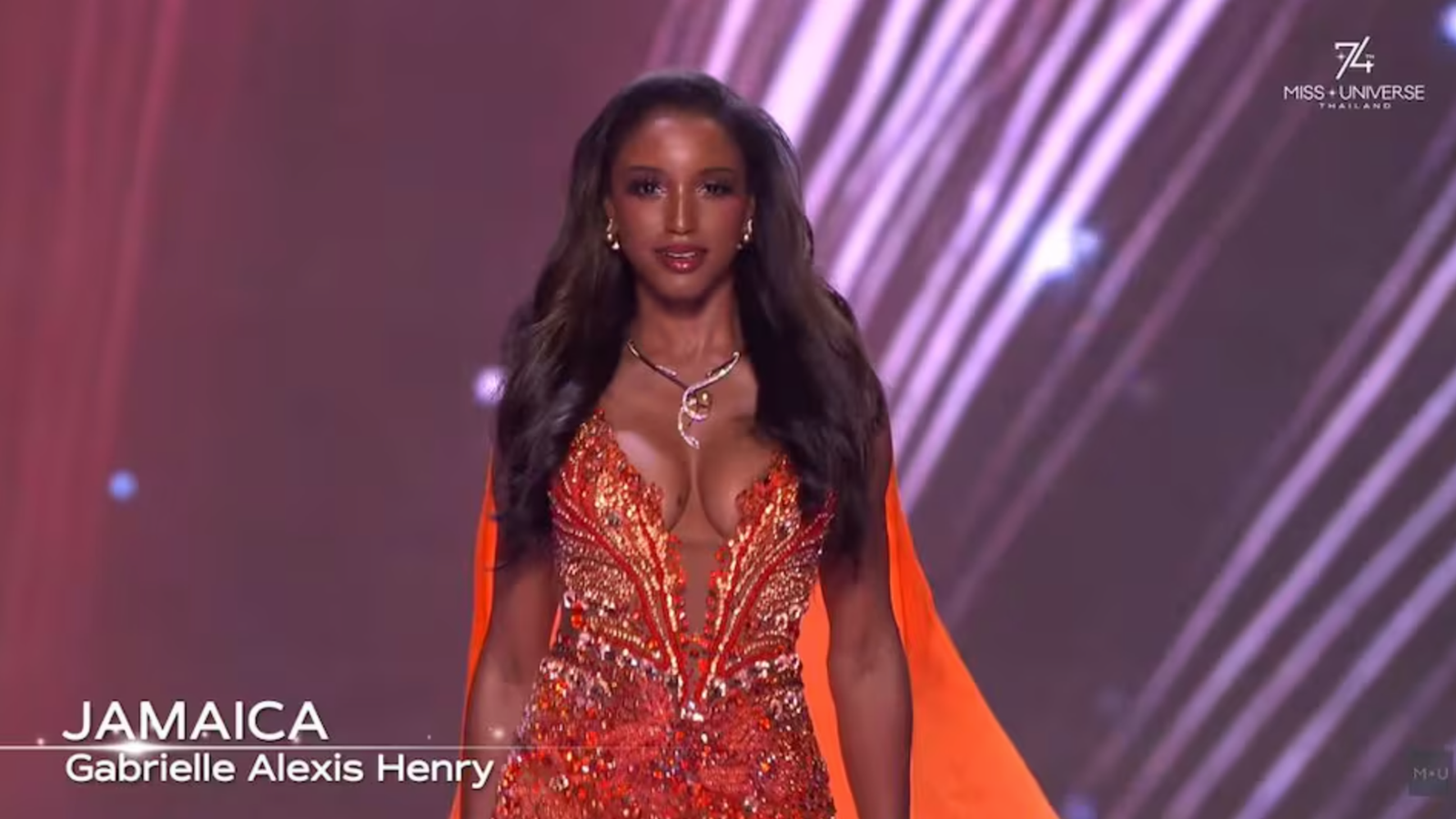
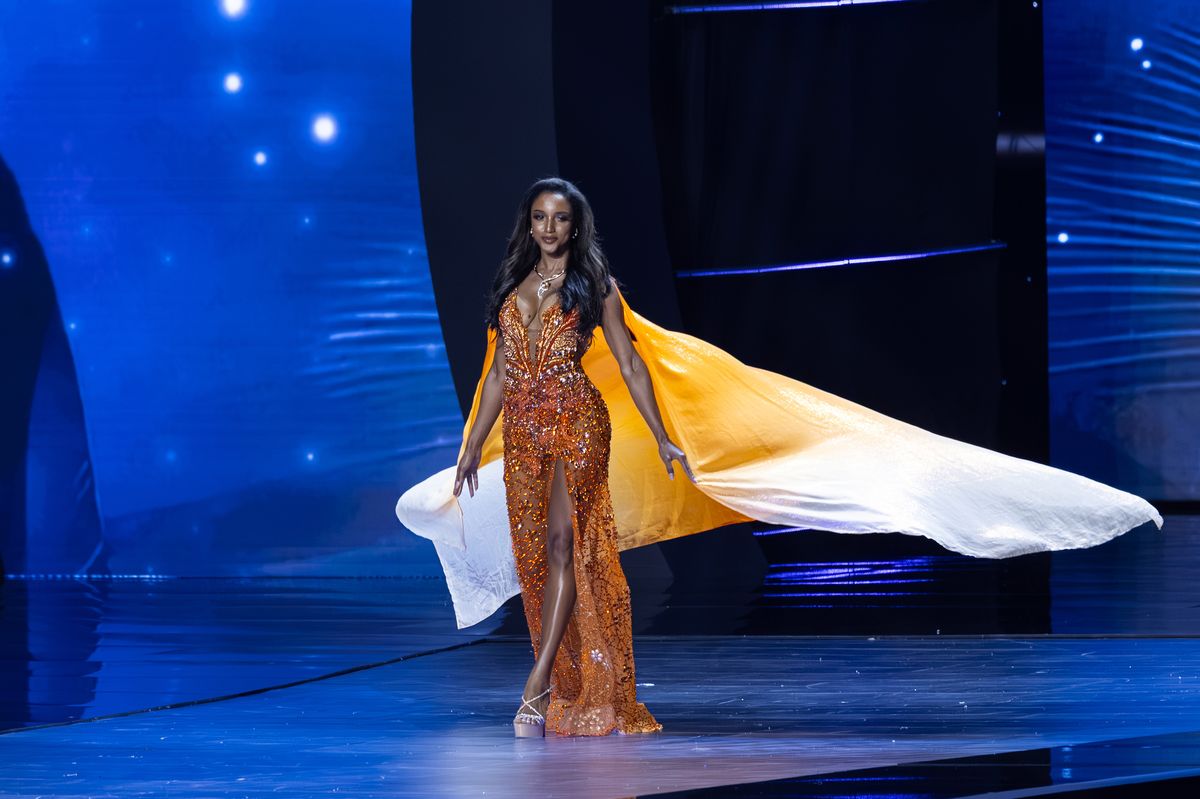
Miss Universe Jamaica, Gabrielle Alexis Henry, showcases her evening gown during the 74th Miss Universe Preliminary competition on November 19, 2025 in Bangkok, Thailand.
The accident required extensive medical treatment and hospitalization in Thailand. Henry later described the experience as deeply traumatic. Speaking to ABC News’ Deborah Roberts for “Good Morning America,” she said, “It’s one of the most traumatizing things,” adding that she “would not wish it on my worst enemy.”
According to Henry, she was following the directions and choreography she had been given when the accident happened. Reporting on the complaint says she alleges she fell approximately five feet through an unmarked and uncovered opening in the stage.
Gabrielle Henry files lawsuit after Miss Universe 2025 fall
Henry reportedly filed a lawsuit on September 21, 2026, in Delaware Superior Court against the Miss Universe Organization and two related companies, JKN Legacy Inc. and Legacy Holding Group USA.
The complaint reportedly includes claims involving negligence, premises liability, negligent hiring, retention, and supervision, as well as negligent and intentional infliction of emotional distress.
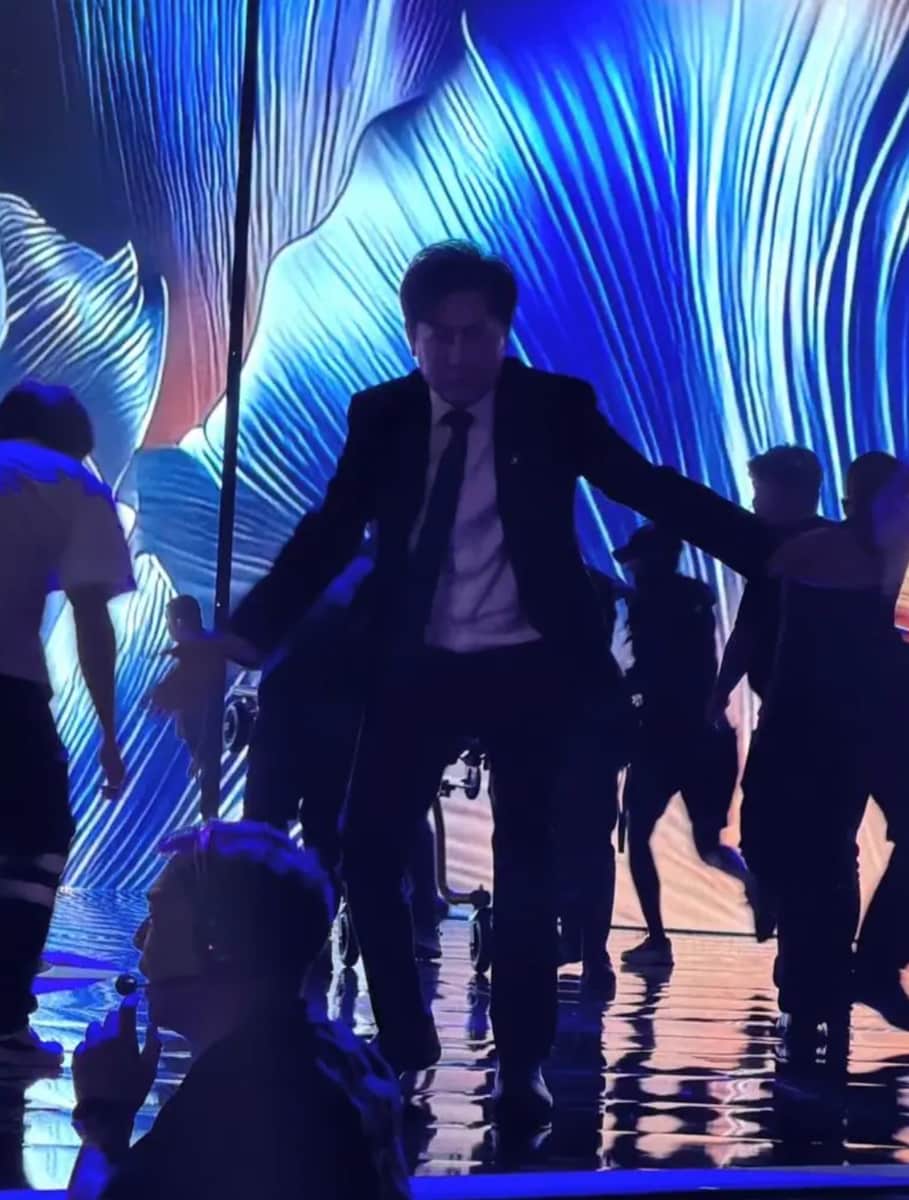
Nawat Itsaragrisil jumped from his seat and ran to help the 28-year-old model.
Henry alleges that unsafe stage conditions contributed to the accident. According to reports describing the lawsuit, she claims intense lighting affected her visibility and that the opening she fell through was not properly marked or covered. These are allegations contained in the lawsuit and have not been established by a court.
The former Miss Jamaica contestant has also spoken publicly about the long-term impact of her injuries. “I have no recollection of the fall,” Henry told “Good Morning America,” according to PEOPLE. She said her first memory after the accident was waking up and seeing her mother.
Nawat Itsaragrisil jumped from his seat and ran to help the 28-year-old model.
María José Unda responds on behalf of Miss Universe
As questions surrounding the reported lawsuit intensified, María José Unda addressed the Miss Universe Organization’s response.
According to the organization’s position, responsibility for producing the 74th Miss Universe competition in Thailand, including the venue, stage, and on-site safety, rested with local host and production entities Miss Grand International and Miss Universe Thailand, under the direction of Nawat Itsaragrisil.
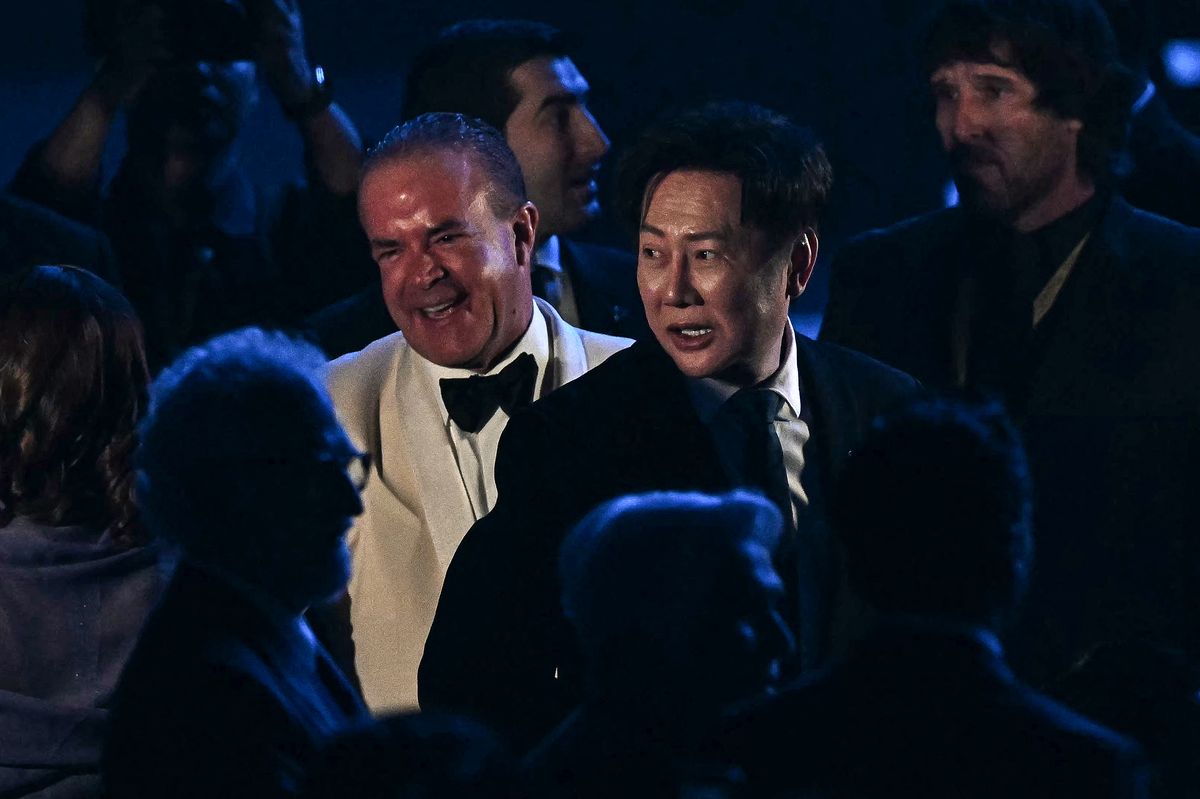
Miss Universe Thailand director Nawat Itsaragrisil (R) and Mexican businessman and president of the Miss Universe Organization Raul Rocha
Unda emphasized, however, that Miss Universe stepped in following Henry’s accident. “From the moment of the accident, our priority was Gabrielle’s health, recovery and well-being,” Unda said in a statement reported by the Jamaica Observer.
She added that although operational responsibility rested with the local host and production entities, Miss Universe decided to support Henry and her family and make sure she received the care she needed.
Unda also addressed the broader safety implications of what happened. “What happened to Gabrielle is something we take very seriously,” she said, adding that the accident reinforced the importance of continually reviewing protections for delegates participating in Miss Universe events.
Has Miss Universe officially received Gabrielle Henry’s lawsuit?
Miss Universe has said it is aware of media reports about legal action connected to Henry’s accident but, as of its recent statements, has not been formally served with the complaint.
In a statement reported by GMA News, the organization said it had not been served with or received “any lawsuit, claim, demand letter, or subpoena” from Henry or someone acting on her behalf.
Miss Jamaica Gabrielle Henry files lawsuit against Miss Universe following severe brain injuries sustained in pageant accident
Because of that, the organization said it was not in a position to address specific allegations it had not reviewed.
Miss Universe details the support provided to Gabrielle Henry
The organization has also emphasized the financial, medical and logistical assistance it says it provided following the accident.
According to Miss Universe and reporting on Unda’s response, the organization covered Henry’s hospital, medical and rehabilitation expenses in Thailand. It also covered accommodation and living expenses for family members who remained with her during her hospitalization and arranged a medically escorted return to Jamaica.
Those efforts were previously described in the December 8, 2025 joint statement from Miss Universe and Henry’s family.
While her condition remains delicate, the tone from her team remains one of hope
At that time, the statement said Miss Universe had covered hospital, medical, and rehabilitation expenses in Thailand, along with costs for Henry’s mother and sister and her medically escorted repatriation.
The organization’s more recent statement says it has not received a subsequent request from Henry or her family for additional medical-expense assistance.