Fresh off its merger, the Banijay/All3Media behemoth, now known as Banijay Entertainment, is eyeing an expansion into U.S. scripted production as Netflix looks to ramp up its slate of American hits amid a major shake-up of its content leadership.
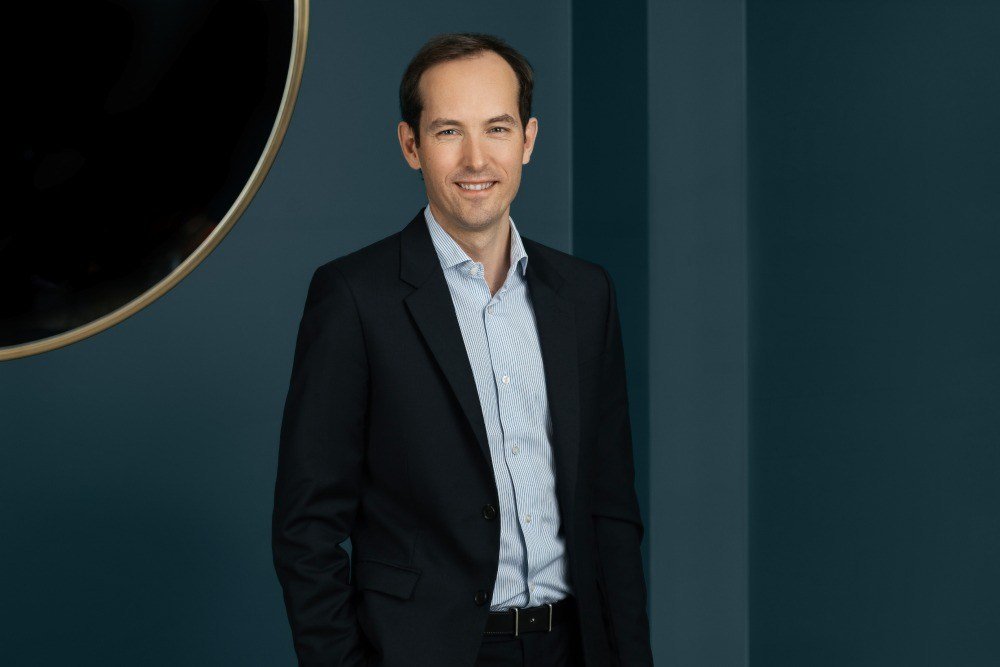
Speaking at Rome’s MIA Market, Banijay Entertainment chief business officer Frédéric Balmary said in an interview with Variety that the group, which ranks as the world’s largest independent studio, looks to capitalize on Netflix’s renewed focus on U.S. programming, while continuing to grow its English-language scripted business, bolstered by the merger with All3Media, and its roster of talent including George Kay and Sam Mendes.
Balmary also discussed the growing global appetite for European dramas, the U.K.’s role as a bridge between Hollywood and Europe, and the financial pressures facing U.S. studios and streamers. He stressed the importance of retaining IP, echoing CEO Marco Bassetti’s call for European producers to hold their ground when it comes to negotiating terms of trade. “Retaining IP is really one of our big fights at the moment,” Balmary said.
Talk to me about the ongoing growth in English-language dramas output at Banijay.
Well, the English language market is certainly growing, and that was also one of the rationales of the merger deal between All3Media and Banijay. At Banijay we were already growing in the U.K. scripted market with a few acquisition we’ve done in past years, like The Forge Entertainment and the other British companies we invest in. But All3 has incredible talents in the scripted sphere, from [“Lupin’ creator] George Kay to Sam Mendes, to many others. We’ve always said that our business is based on talent and IP, and the growing English market is really where we want to be, in order to follow the market. Not only in production, also in distribution.
Marco Bassetti recently hinted to an expansion in the U.S. scripted space. Can you tell me more?
We are already there, but not as a studio. We’ve done the “Ripley” series and these kinds of things, though more on the packaging side. Today it’s really a growing area. From its last earnings call, it’s clear that Netflix is looking for more U.S. hits. I think that was part of Marco’s vision in saying maybe we will also follow that growth area and be more active in that space in the U.S.
How do you see the prospects for European scripted dramas now, given these latest developments at Netflix, but also following the merger between Paramount and Warner Bros.?
The latest Netflix call underlined the growth in terms of viewers of content coming from non-English language countries. We are quite strong in that space. With Italy, of course, Groenlandia being one of the most successful scripted Italian companies. But also in Spain, where we have the company Pokeepsie that just made “Drawn Together” on Amazon that was a fantastic success because they are number one worldwide. We want to continue to invest in that space, flying the European flag with more local stories that can travel globally.
Do you think that in macroscopic terms we could be looking at a shift towards a greater amount of high-end TV content productions being shot in the U.S.?
Maybe. Yes and no. I think Netflix and the Hollywood studios are all under financial pressure. So they will also look at finding the best balance between finance and creative on high-end things. I think the U.K. is maybe a good bridge between the two. We can produce high-end and premium scripted, as we already do. But we want to continue to grow in that space. We produced “House of Guinness,” which is renewed for season two. We produced “War,” just released on HBO, also a great success. “The Wanted Man” is coming soon on Apple, made with George Kay again. So I think there will be a balance, and that’s also why we really want to invest in the English language market.
Bassetti in an impassioned keynote here at MIA underlined the importance of what he called the “European production model.” Can you elaborate on that?
We fight a lot for that. Retaining IP is really one of our big fights at the moment, and we are really convinced it’s crucially important for us. And I think the U.K. model works very well, often allowing you to retain 50% of the IP. This allows us to invest in creativity, and our business is based on creativity. Marco said it: ‘we invested one billion euros over the last four years in creativity, because it’s the root of our business. It’s where everything starts. To be able to have the ability to invest in creativity, we need to retain IP. And that’s where the European model sits.
This interview has been edited and condensed for clarity.
Leave a Reply