Was Ilhan Omar’s suspected attacker on her ‘payroll,’ as CBS allegedly reported? Don’t be fooled
Feb. 1, 2026
Read More
Feb. 1, 2026
Read More
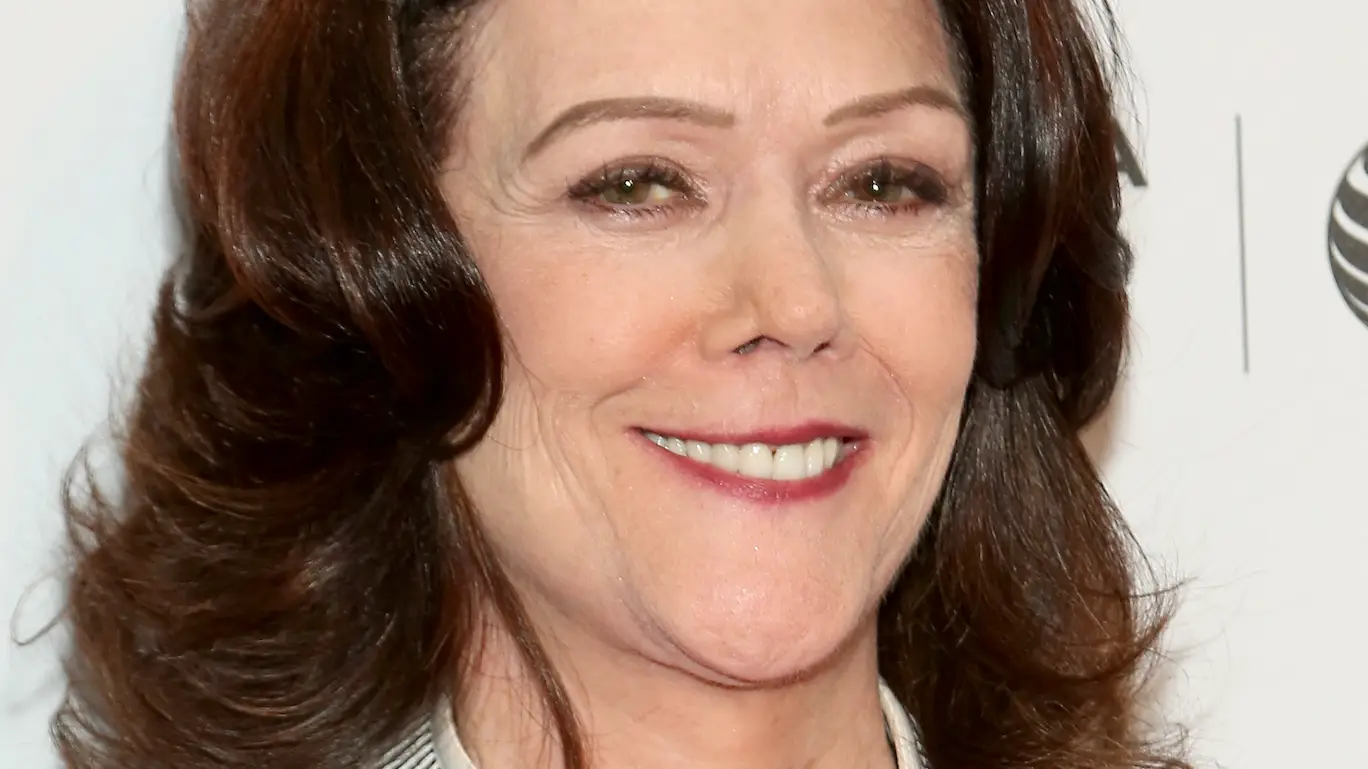
Kathleen Zellner has been slammed over a social media post in which she declared that ‘the case is solved’, leaving her followers furious.
Zellner is known for her association with the Netflix series Making a Murderer, which follows the case of Steven Avery.
Avery was convicted of murder in 2007, after having previously been wrongfully convicted of sexual assault and attempted murder in 1985, for which he has since been exonerated.
The Netflix docuseries Making a Murderer followed Avery’s story since his 2007 conviction, and Zellner has taken him on as a client.
Zellner took to social media, sharing an article published by The Guardian which was reporting on a development on an entirely separate case about a Chicago police officer who was identified as the killer of an eight-year-old girl in a murder which happened some 65 years ago.
Sharing the reporting on the new development, she wrote: “Finally the case is solved!!”
However, many of her followers were left frustrated, as they had read the caption of the post and assumed at first that it was referring to Avery, when in fact it was referring to a different case entirely.
They took to the comment section below the post to share their frustration.
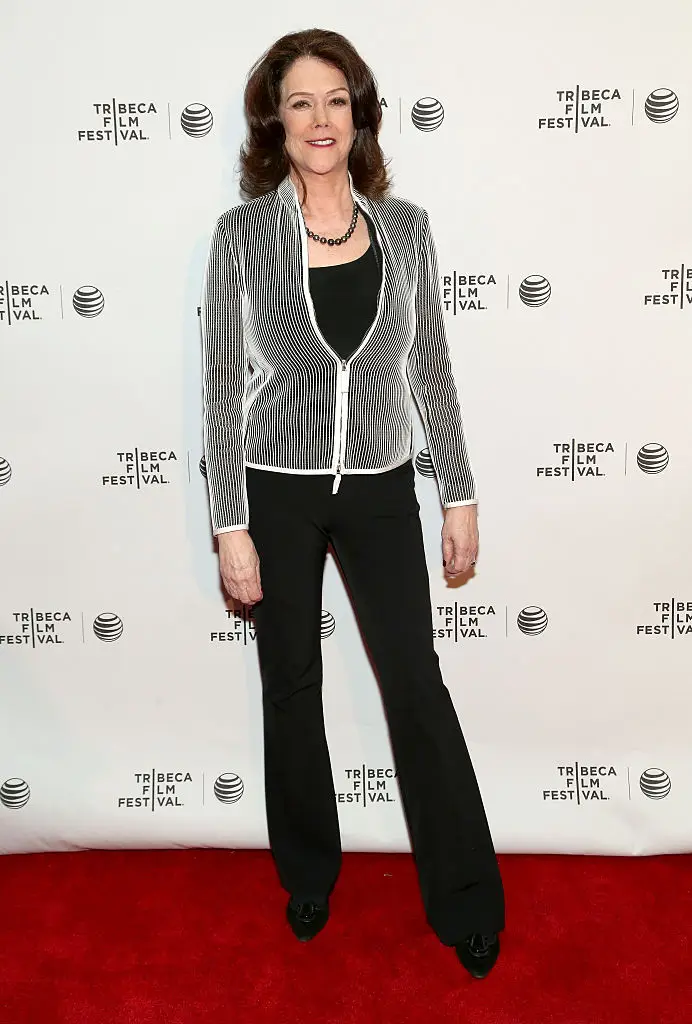
Zellner’s followers said they believed the post to be about the show (Monica Schipper/Getty Images for the 2015 Tribeca Film Festival)
“Expected better than clickbait from you,” wrote one. “Really thought it was about Steven Avery.”
Another drew attention to the same problem, writing: “Kathleen, this is great news for the guy involved in the story you shared but how does that link to Steven Avery??
“I almost sent this to my ex, because we watched it together!!! Christ on a bike!!”
Meanwhile a third wrote simply: “Doesnt [sic] have anything to do with Steven….”
The case in question was the murder of eight-year-old Gloria Kowalewicz in 1960, a case which had gone cold for decades.
However, on Monday Chicago police announced that they have now used newly-found DNA evidence, which has implicated a former detective with Chicago Police to the crime.
Thomas McInerney was identified as Gloria’s killer, more than 20 years after he himself had died, and long after he had retired from the Chicago Police Department.
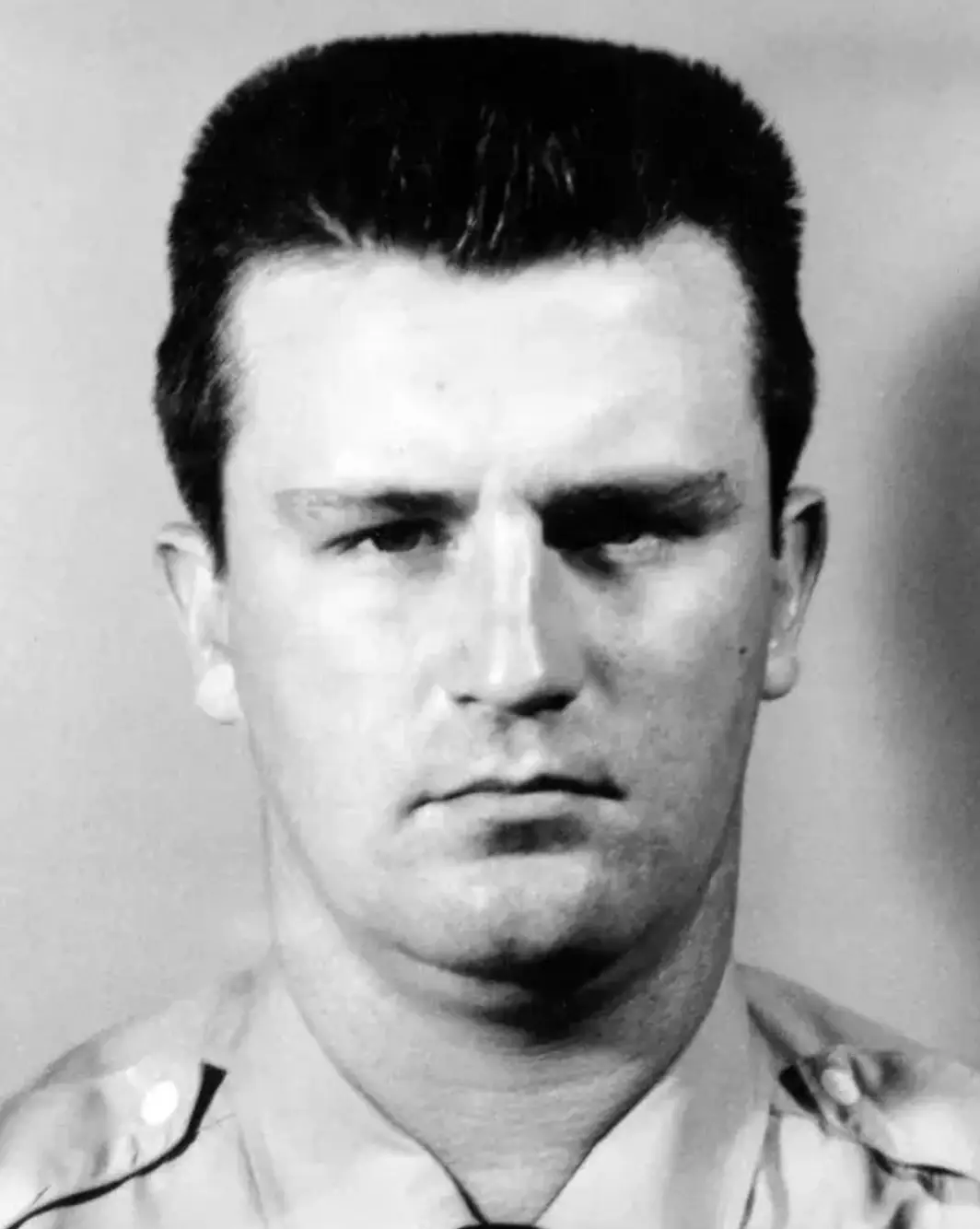
Thomas McInerney was connected to the killing in 1960 (Chicago Police Department)
“McInerney should have never worn the CPD star,” the statement said, “and it is devastating to accept that he was never identified and held accountable while he was alive.”
Depite this, the statement still shared a hope that the breakthrough would bring ‘measure of closure to all who knew Gloria and her story’.
The DNA evidence in question was obtained from a website that allows people to explore their genetic ancestry.
On 12 November 1960 Gloria had been walking from her home to a nearby church where she would attend mass, but she would never make it to church.
While she was on her way, Gloria was abducted and shot, with her body being discovered in a ditch located on an area of preserved forest south-west of Chicago.
McInerney had joined the Chicago Police in 1959, and had been about to turn 25 when Gloria was killed.
A statement from the FBI has also said that it will investigate whether McInerney’s DNA is a match to any other cold cases.
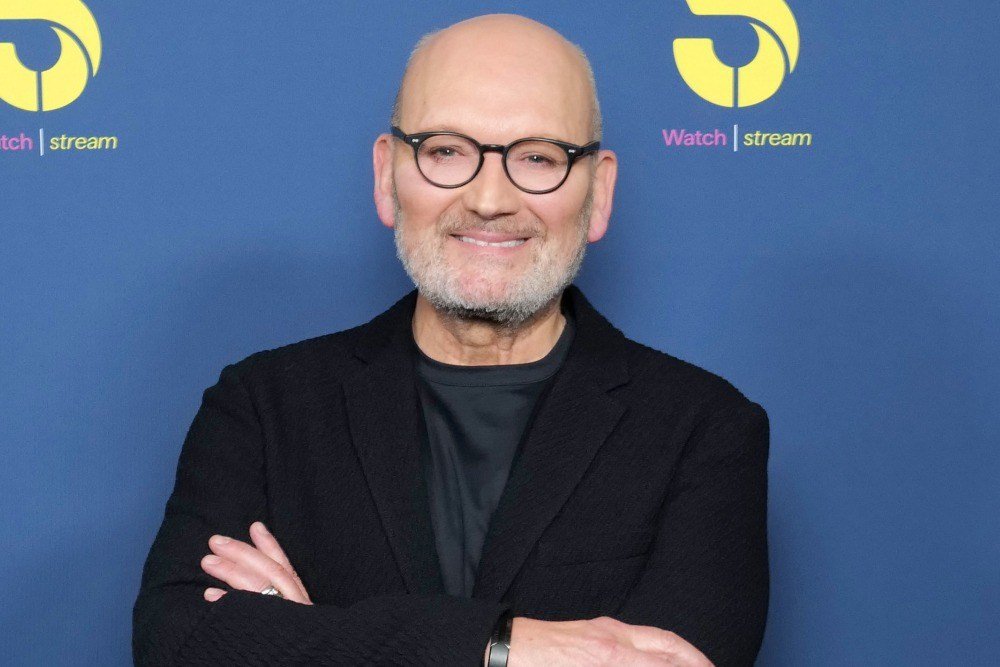
Ben Frow, chief content officer of 5 (formerly Channel 5) is stepping down next year.
The news was shared in an internal memo from Reemah Sakaan, president of the Skydance-owned U.K. network. He has been with the company for 14 years.
“I have always said that this was the best job in the world, and I’ve absolutely loved my time at 5,” Frow was quoted in the memo. “But after 14 years where I’ve achieved everything I wanted to and more, it seems like the right time to hand over and give someone else a go. This isn’t a good bye just yet and I’ll be around to support Reemah and the team with a smooth transition.”
Frow will step down from his day-to-day role next summer and leave the company at the end of 2027. Sakaan’s memo indicated the network intends to find a new creative leader to step into Frow’s shoes.
In her memo, Sakaan praised the exec’s “exceptional creative skills, obsession with our audience and fiery competitive spirit.”
Sakaan noted that Frow has overseen shows including “Michael Palin in…,” “The Yorkshire Vet,” “Cruising With Jane McDonald,” “Murder Suspect No. 1,” “Cause of Death,” “GPs Behind Closed Door,” “Rich House, Poor House,” “Power: The Downfall of Huw Edwards,” “All Creatures Great and Small,” “Ellis,” “Good Ship Murder” and “Play for Today.”
Rumors of Frow’s impending departure had been bubbling in the industry in some months. The news comes as 5 posted a £24.5 million ($32 million) drop in profits year-on-year.
The company’s latest financial report, published last month, states that owners Skydance — after completing its merger of Paramount and Warner Bros. — have “set out ambitious plans to create a next-generation global media and technology company” and remain “committed to building on 5’s success.”

Millions of motorists are in line for an average payout of £829 due to car finance compensation but they’ll have to wait for challenges against it to be heard, which will come in February.
The compensation scheme is worth £9.1 billion and there are thought to be around 12.1 million car finance agreements affected, but any possible payout will be beyond the legal challenge period set for between 16 and 26 February.
The Financial Conduct Authority (FCA) plans to compensate drivers who were mis-sold car finance between 2007 and 2024, but the scheme is on hold while Volkswagen Financial Services, Mercedes Benz Financial Services, and Credit Agricole Auto Finance challenge it.
According to the FCA lenders have to keep preparing to pay compensation out and keep progressing people’s complaints, but they also warned ‘there may be no motor finance compensation scheme and no complaint handling pause’.
That’s in the event that the compensation scheme is quashed in court.

Between 2007 and 2024 over 12 million car finance deals were struck that are now eligible for compensation (Anna Barclay/Getty Images)
As for what this is all about, the FCA has accused car finance firms of having ‘broken the law by failing to disclose important information to customers’.
When people bought cars on finance there was often something called a Discretionary Commission Arrangement (DCA) which meant that dealerships got a commission from the lender based on the interest rate charged.
Costs were passed onto the customer which meant that in millions of cases the interest on their car finance was increased to pay the dealer or get a higher commission.
It means that in around 12.1 million car finance deals in the UK someone was paying more than they should and they often weren’t told about a DCA being part of their car finance costs.
Because of exclusive agreements between dealerships and lenders it means customers may not have been given accurate information about the best deal available.

Challenges won’t be heard until February, so if you’re waiting for compensation you’ll have to wait a bit longer (Anna Barclay/Getty Images)
Regulators had been hoping that this would get handled in December but with the delay it’s going to be the new year at the earliest when people can expect to get any compensation.
Remember that the £829 payout is an average, the amount people will get depends on the cars they bought and how much they were paying for them.
If you wanted to know whether you were eligible, if you bought a motor vehicle on finance between 6 April 2007 and 1 November 2024 with a Personal Contract Purchases (PCP) & Hire Purchase (HP) then you might be eligible.
In which case your first port of call ought to be your lender to make a complaint, after which you should hear within three months whether or not you’re eligible for compensation.
After that you have a month to accept the compensation amount or challenge it.

Nothing says “I trust the future of medicine” quite like lighting a Marlboro and waiting for the chatbot to fix your lungs. That is the habit Palantir CTO Shyam Sankar says is spreading among AI researchers, who have supposedly started smoking cigarettes to prove how confident they are that AI will cure cancer.
“So many AI researchers have started smoking as a way of signaling to other researchers how much they believe in AI,” Sankar said in an interview on CBS News’ “Face the Nation” on Sunday. “I believe so much in AI that it’s going to cure cancer. So I’m showing you my chips are all in.”

He did not name a single researcher, cite a survey, or explain how he knows. The remark landed as an aside while host Margaret Brennan pressed him on why he was so focused on the topic.
He pointed to FTX founder Sam Bankman-Fried as the effective altruist most Americans know, calling the movement a “millenarian doomsday cult.” He also invoked Pascal’s idea of a god-shaped hole in every human heart, which he suggested some of these researchers are filling with a machine god called AGI.
The medical record is less enthusiastic than the thesis. The CDC says smoking causes roughly one in three cancer deaths in the United States, and cigarette smoke contains at least 69 chemicals known to cause cancer.
Smokers face about 25 times the lung cancer risk of non-smokers, according to the agency. Quitting lowers the risk of 12 types of cancer, and the added lung cancer risk drops by half 10 to 15 years after stopping.
The cancer pitch is not new in this industry. Anthropic CEO Dario Amodei said in August that promising AI will cure cancer has become “more a cliche than it is inspiring,” and that only actually curing it would earn the public’s trust.
2/2 Second, on the messaging around AI. I do not agree that my messaging has been disproportionately negative. In fact it has been about equally balanced between risks and benefits: I’ve written one major essay about each, and even in interviews where I discuss the risks, I…
— Dario Amodei (@DarioAmodei) August 15, 2026
That trust is thin. In the CBS poll Brennan cited, 50% of Americans said AI will create more problems than it solves, 29% said it will solve more than it creates, and 21% were unsure.
About 45% said they want the government to restrict AI’s use and development. Smoking to show faith in the technology does not obviously help that number, but it does help AI bros bond with each other. “When you’re smoking, you’re networking by accident,” Revamp AI cofounder Stephen Campbell told Business Insider last month.
The IMF’s Kristalina Georgieva recently warned that AI could hit 40% of jobs, and insiders expect a major AI incident within a year. Indirectly causing a lung cancer outbreak was probably not on their bingo card.
Palantir sells data-analysis software to governments and militaries. Most of its business relies on AI.
Start every day with the top news stories right now, plus original features, a podcast, videos and more.

The exchange stated that Bitcoin needs to proactively respond to potential cryptographic risks that may arise from quantum computers in the future.
At this point, an article titled “Working Together on Bitcoin’s Post-Quantum Readiness” written by Coinbase analyst Shashank Agrawal emphasized that Bitcoin’s transition to post-quantum security cannot be solved simply by choosing a new digital signature algorithm. The exchange added that many factors need to be considered together, including block space constraints, full node verification capacity, institutional asset custody requirements, compatibility with retail wallets, and how to handle non-transferable funds.
According to the company, developers, researchers, and other stakeholders in the crypto ecosystem need to work in coordination to protect the network against future threats.
At this point, Coinbase stressed that the transition could take years and that preparations needed to be completed before any quantum computing threat became a reality.
Coinbase also stated that the future of Bitcoins whose keys are lost or cannot be transferred by their owners, and which are held in old addresses, also needs to be addressed.
*This is not investment advice.

France’s Luxbox and Spain’s Amore Cine have boarded the Peruvian drama “Portrait Huaco” (“Huaco retrato”) by Melina León, best known for her debut feature “Song Without a Name” (“Canción sin nombre”), which world premiered at the 2019 Cannes Directors’ Fortnight.
“After the incredible journey we shared with ‘Song Without a Name,’ I’m thrilled to continue collaborating with Melina, now as both international sales agent and co-producer,” said Luxbox’s Fiorella Moretti.
She added: “As a Peruvian, it is especially meaningful to help bring Gabriela Wiener’s bold and contemporary work to the screen through Melina’s singular vision. ‘Portrait Huaco’ explores questions at the heart of today’s conversations in a truly original way, and I have no doubt it will resonate with audiences around the world.”
For Paz Lázaro, who co-founded Amore Cine alongside Edson Sidonie (“Karnawal”) and Juan Pablo Felix (“Mil pedazos”), “Adapting Gabriela Wiener’s ‘Portrait Huaco’ means bringing to the screen a work that bridges Latin America and Spain, weaving colonialism, racism, identity and desire with a voice both ancient and radically contemporary.”
“For Amore Cine, alongside our fellow producing partners, this is an opportunity to champion a film with international reach that challenges perspectives and reexamines our shared history.”
Based on the autobiographical novel of the Peruvian author, the project participates in the 8th Proyecta Co-Production Forum at Ventana Sur, which takes place in Montevideo, Uruguay this year from Nov. 30 – Dec. 4.
Amore Cine and Luxbox join Peru’s Mano de Obra Cine, led by Melissa Cordero, and La Vida Misma Films, which produced “Song Without a Name.”
The story follows Gabriela who returns to Lima after her father dies. Back home, she discovers a book by her great-great-grandfather, Austrian explorer Charles Wiener. Her search into the family past becomes a reckoning with the lingering legacies of colonialism, internalized racism and abandonment.
“’Portrait Huaco’ combines a distinctly Peruvian perspective with universal themes of identity, memory and colonial heritage. Under the direction of Melina León, the film seeks to preserve its cultural roots and Peruvian creative leadership while embracing an international scope through strategic co-production partnerships,” said Cordero.
This is the second time for Mano de Obra to co-produce with Amore Cine. Late coming-of-age drama, “Ofelia,” currently in post,’ is a European-Latin American co-production that includes Amore, Argentina’s Bikini Films, Quijote Films of Chile, Brazil’s África Filmes and CUP Filmes, Spain’s Potenza Producciones and France’s Reality Films.
Said Cordero: “I’m interested in producing auteur-driven films with a distinctive cinematic voice and strong cultural identity, as well as genre films that can connect with wider audiences. I’m particularly drawn to stories rooted in Peru and Latin America that explore universal themes, bringing local perspectives to an international audience.”
“My near-term strategy is to strengthen Mano de Obra Cine’s position as a production company focused on feature films, building strategic co-production partnerships across Latin America and Europe. I aim to combine public and private financing with international partnerships and distribution opportunities to develop a sustainable slate of films with strong creative identities and international reach.”

Director Melina León
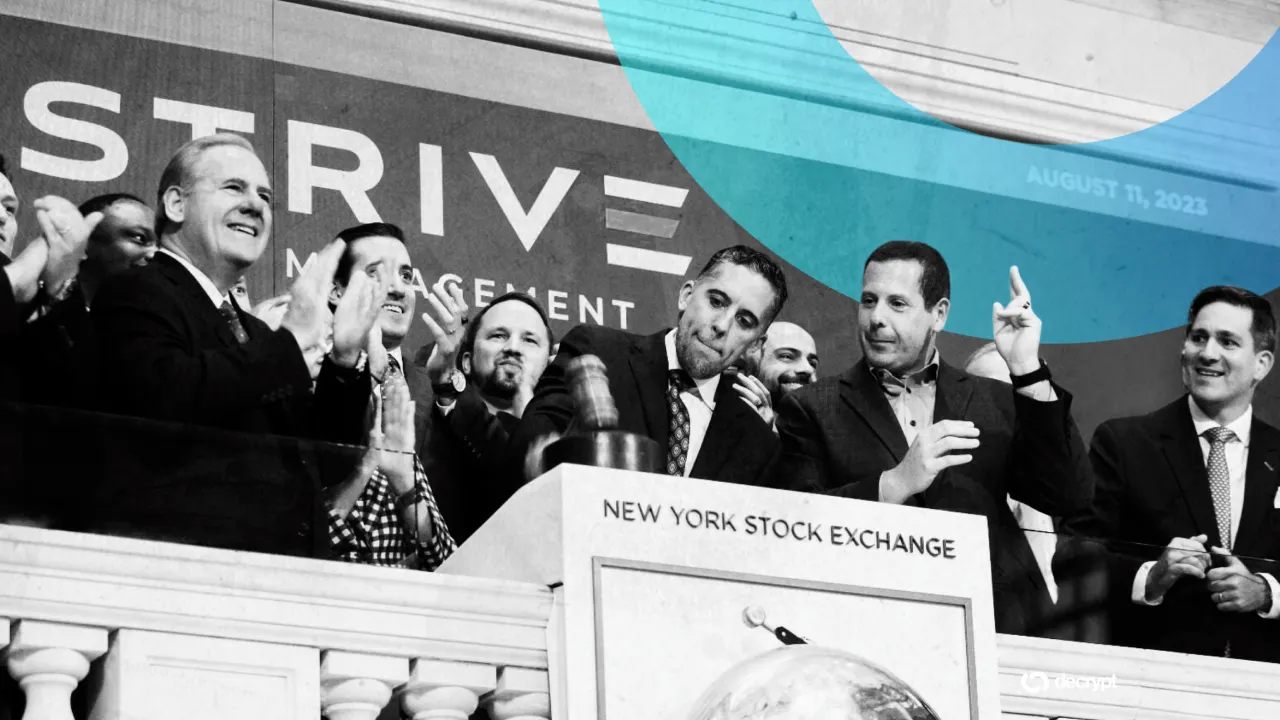
Strive is piling into Bitcoin at its fastest clip of the year, scooping up another 3,311 BTC worth roughly $280 million in its biggest single purchase since January.
The Nasdaq-listed asset manager, which trades under the ticker ASST, disclosed in a filing Monday that it bought the Bitcoin between Oct. 5 and Oct. 9 at an average price of about $84,500 per coin, including fees. The buy lifts Strive’s total holdings to 32,773 BTC, worth roughly $2.73 billion at today’s prices, up from 29,462 BTC a week earlier.

The purchase caps a stretch of aggressive accumulation. Strive added $169 million in Bitcoin earlier this month in what was then its largest buy in four months, after pushing its stack past 27,000 BTC with a $94.5 million purchase in late September.
The latest tranche extends that momentum, and the timing is notable: the firm bought as Bitcoin slid through a rough week, picking up coins at an average price well below the token’s recent highs near $87,000.
Strive, led by CEO Matthew Cole, is among a wave of public companies that have adopted Bitcoin treasury strategies, raising capital to stockpile the asset and tie their share price to its performance.

BitcoinBTC · USD
$82,841−0.78%
Oct 7Oct 9Oct 11Oct 12Oct 14
$84.2k$83.1k$81.9k$80.7k
24h HighHigh$84,025
24h LowLow$82,919
VolVol$1.1B
Market projectionsOdds by Myriad
 →
→The model, pioneered by Michael Saylor’s Strategy, has drawn a crowded field, and Strive has moved aggressively since going public through its merger with Asset Entities, recently completing a tie-up with Semler Scientific to bulk up its balance sheet. Beyond its Bitcoin, the company also holds about 505,000 shares of Strategy’s STRC preferred stock, valued near $50 million, and roughly $310 million in cash.
The buying spree arrives amid a flurry of treasury activity across the sector. Strategy itself recently added $21.5 million in Bitcoin while buying back preferred stock, Solana treasury firm DeFi Development Corp. kept accumulating SOL, and Bitmine continued stacking Ethereum, though chairman Tom Lee said that company is nearly finished and will halt purchases once it holds 5% of the token’s supply.
The strategy carries the category’s familiar risk: Strive’s fortunes rise and fall with a notoriously volatile asset. Buying into a dip can pay off if Bitcoin rebounds, but the same exposure cuts the other way, and treasury firms have faced scrutiny over how much their stock premiums depend on continued accumulation.
Start every day with the top news stories right now, plus original features, a podcast, videos and more.

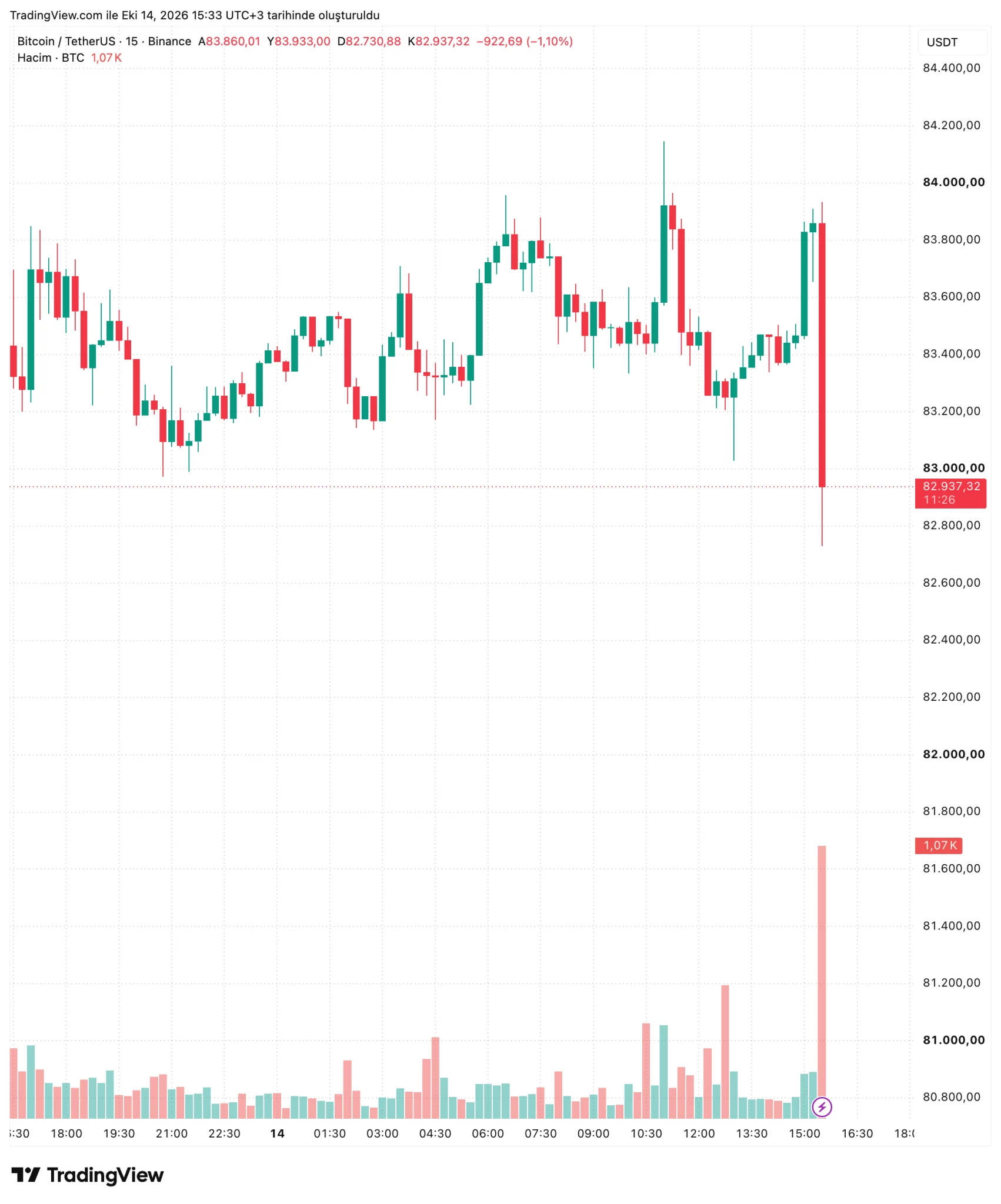
Conversely, stronger-than-expected inflation data could increase pressure on the Fed to maintain tighter monetary policy and strengthen the likelihood of a rate hike at the October 28 meeting. In such a scenario, rising US bond yields and the dollar could create short-term selling pressure on Bitcoin.
At this point, the probability of a rate hike in October is priced at 21.6%, while the probability of keeping it unchanged is priced at 78.4%, while the US September inflation data, which the Fed closely monitors when making its interest rate decisions, has been released.
Consumer Price Index Annual: Announced 3.7% – Expected 3.6% – Previous 3.4%
Consumer Price Index Monthly: Announced 0.6% – Expectation 0.6% – Previous 0.4%
Core Consumer Price Index Annual: Announced 2.6% – Expected 2.5% – Previous 2.4%
Core Consumer Price Index Monthly: Announced 0.3% – Expectation 0.2% – Previous 0.3%
The consumer price index is a key variable used to measure consumer purchasing trends and changes in US inflation.
*This is not investment advice.

“Forensic Files” is headed back to the lab. Radial Entertainment has teamed with Content Partners and ITV Studios to produce new episodes of the series that examines true crime tales from the perspective of scientific evidence and data analysis.
The partners plan to deliver 20 fresh episodes that are expected to spark renewed interest and viewership of the “Forensic Files” library of 400 episodes. The series originated in the mid-1990s on Discovery’s TLC channel as “Medical Detectives.” It’s had numerous incarnations since then and is available on YouTube and other ad-supported streaming platforms. With the new batch of episodes, Radial and Content Partners will give the show a big SEO push across multiple digital platforms. Radial is in the midst of executing the same model on the unrelated unscripted series “The FBI Files.”
“ ‘Forensic Files’ helped define true crime television, and its focus on science and evidence continues to resonate with one of the most loyal audiences in the genre,” said David Buoymaster, Radial Entertainment’s chief investment officer. “Working with Content Partners to create new episodes is a natural next step in our relationship and an opportunity to build on the series’ legacy.”
Content Partners, the Los Angeles-based rights management firm and holding company, has owned “Forensic Files” since 2024.
“From the outset, we saw an opportunity to build on the extraordinary history of ‘Forensic Files,’” said Scott Hemming, Content Partners’ executive VP. “Radial shares our commitment to the series, and with ITV America’s production expertise, we’re excited to bring audiences new investigations with the scientific detail and clarity that have made ‘Forensic Files’ a tentpole of unscripted television.”
Buoymaster, Cristina Guggino and Katie Carroll are executive producers for Radial Entertainment, with Steve Kram, Hemming and John Mass serving as executive producers for Content Partners. For ITV America, exec producers are Shawn Witt, Jordana Hochman and Sumit David.
“’Forensic Files’ stands alongside an elite few true crime franchises that have captivated viewers for decades,” said Witt. “We have enormous respect for what made the original so special and are excited to collaborate with Radial and Content Partners to carry that legacy forward with all-new episodes spotlighting fresh, compelling investigations.”