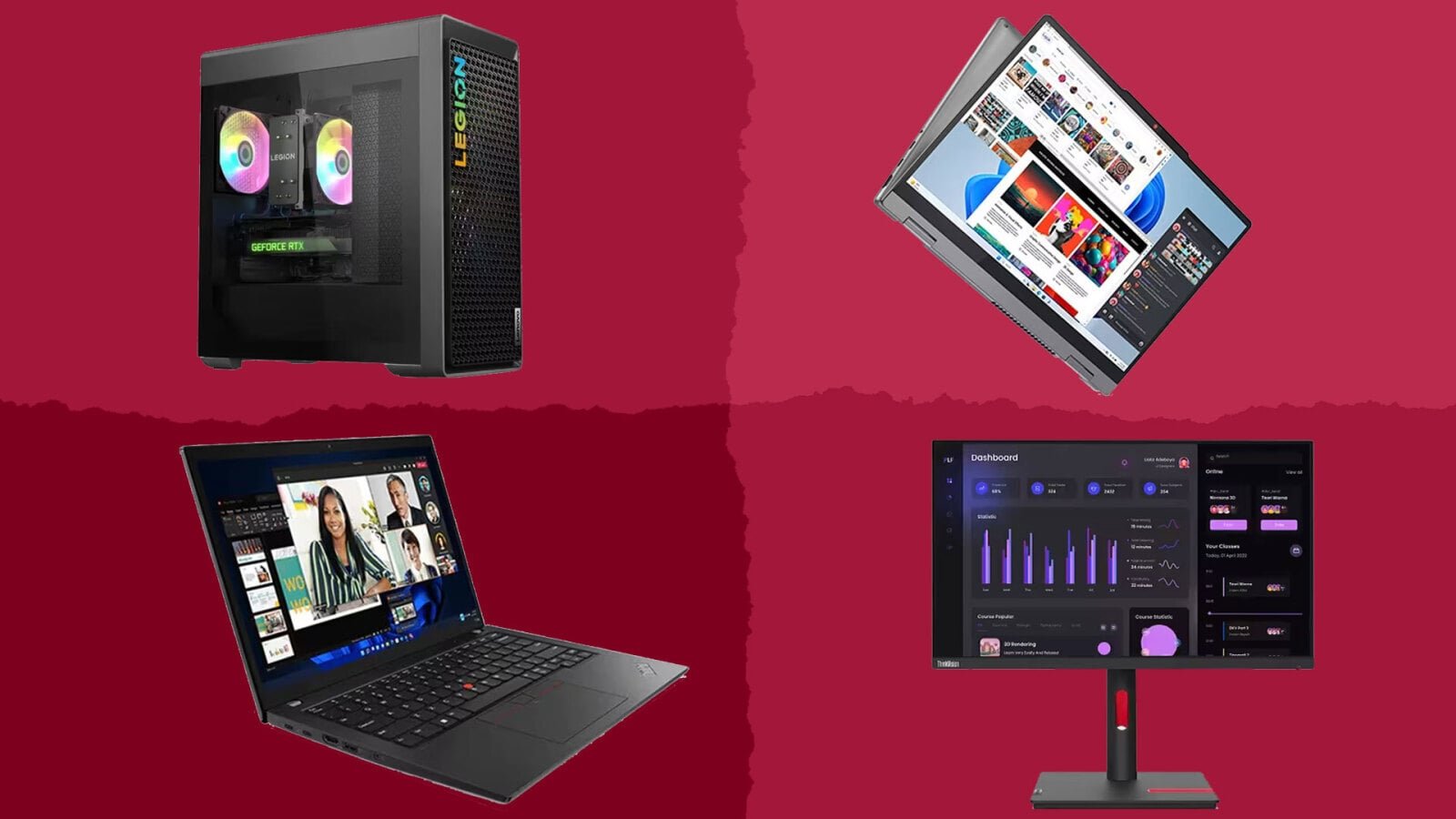
Take other PCMag surveys. Each completed survey is a chance to win a $250 Amazon gift card.
OFFICIAL SWEEPSTAKES RULES
NO PURCHASE NECESSARY TO ENTER OR WIN. A PURCHASE WILL NOT INCREASE YOUR CHANCES OF WINNING. VOID WHERE PROHIBITED. Readers’ Choice Sweepstakes (the “Sweepstakes”) is governed by these official rules (the “Sweepstakes Rules”). The Sweepstakes begins on Sept. 18, 2026, at 12:00 AM ET and ends on Jan. 3, 2027, at 11:59 PM ET (the “Sweepstakes Period”).
SPONSOR: Ziff Davis, LLC, with an address of 360 Park Ave South, Floor 17, New York, NY 10010 (the “Sponsor”).
ELIGIBILITY: This Sweepstakes is open to individuals who are eighteen (18) years of age or older at the time of entry who are legal residents of the fifty (50) United States of America or the District of Columbia. By entering the Sweepstakes as described in these Sweepstakes Rules, entrants represent and warrant that they are complying with these Sweepstakes Rules (including, without limitation, all eligibility requirements), and that they agree to abide by and be bound by all the rules and terms and conditions stated herein and all decisions of Sponsor, which shall be final and binding.
All previous winners of any sweepstakes sponsored by Sponsor during the nine (9) month period prior to the Selection Date are not eligible to enter. Any individuals (including, but not limited to, employees, consultants, independent contractors and interns) who have, within the past six (6) months, held employment with or performed services for Sponsor or any organizations affiliated with the sponsorship, fulfillment, administration, prize support, advertisement or promotion of the Sweepstakes (“Employees”) are not eligible to enter or win. Immediate Family Members and Household Members are also not eligible to enter or win. “Immediate Family Members” means parents, step-parents, legal guardians, children, step-children, siblings, step-siblings, or spouses of an Employee. “Household Members” means those individuals who share the same residence with an Employee at least three (3) months a year.
HOW TO ENTER: There are two methods to enter the Sweepstakes: (1) fill out the online survey, or (2) enter by mail.
1. Survey Entry: To enter the Sweepstakes through the online survey, go to the survey page and complete the current survey during the Sweepstakes Period.
2. Mail Entry: To enter the Sweepstakes by mail, on a 3″ x 5″ card, print your first and last name, street address, city, state, zip code, phone number, and email address. Mail your completed entry to:
Readers’ Choice Sweepstakes – Home PCs 2027
c/o E. Griffith
624 Elm St. Ext.
Ithaca, NY 14850-8786
Mail Entries must be postmarked by Jan. 4, 2027, and received by Jan. 14, 2027
Only one (1) entry per person is permitted, regardless of the entry method used. Subsequent attempts made by the same individual to submit multiple entries may result in the disqualification of the entrant.
Only contributions submitted during the Sweepstakes Period will be eligible for entry into the Sweepstakes. No other methods of entry will be accepted. All entries become the property of Sponsor and will not be returned. Entries are limited to individuals only; commercial enterprises and business entities are not eligible. Use of a false account will disqualify an entry. Sponsor is not responsible for entries not received due to difficulty accessing the internet, service outage or delays, computer difficulties, and other technological problems.
Entries are subject to any applicable restrictions or eligibility requirements listed herein. Entries will be deemed to have been made by the authorized account holder of the email or telephone phone number submitted at the time of entry and qualification. Multiple participants are not permitted to share the same email address. Should multiple users of the same e-mail account or mobile phone number, as applicable, enter the Sweepstakes and a dispute thereafter arises regarding the identity of the entrant, the Authorized Account Holder of said e-mail account or mobile phone account at the time of entry will be considered the entrant. “Authorized Account Holder” is defined as the natural person who is assigned an e-mail address or mobile phone number by an Internet access provider, online service provider, telephone service provider or other organization that is responsible for assigned e-mail addresses, phone numbers or the domain associated with the submitted e-mail address. Proof of submission of an entry shall not be deemed proof of receipt by the website administrator for online entries. When applicable, the website administrator’s computer will be deemed the official time-keeping device for the Sweepstakes promotion. Entries will be disqualified if found to be incomplete and/or if Sponsor determines, in its sole discretion, that multiple entries were submitted by the same entrant in violation of the Sweepstakes Rules.
Entries that are late, lost, stolen, mutilated, tampered with, illegible, incomplete, mechanically reproduced, inaccurate, postage-due, forged, irregular in any way or otherwise not in compliance with these Official Rules will be disqualified. All entries become the property of the Sponsor and will not be acknowledged or returned.
WINNER SELECTION AND NOTIFICATION: Sponsor shall select the prize winner(s) (collectively, the “Winner”) on or about Jan. 28, 2027, (“Selection Date”) by random drawing or from among all eligible entries. The Winner will be notified via email to the contact information provided in the entry. Notification of the Winner shall be deemed to have occurred immediately upon sending of the notification by Sponsor. Selected winner(s) will be required to respond (as directed) to the notification within seven (7) days of attempted notification. The only entries that will be considered eligible entries are entries received by Sponsor within the Sweepstakes Period. The odds of winning depend on the number of eligible entries received. The Sponsor reserves the right, in its sole discretion, to choose an alternative winner in the event that a possible winner has been disqualified or is deemed ineligible for any reason.
PRIZE: One (1) winner will receive the following prize (collectively, the “Prize”):
One (1) $250 Amazon.com gift code via email, valued at approximately two hundred fifty dollars ($250).
No more than the stated number of prize(s) will be awarded, and all prize(s) listed above will be awarded. Actual retail value of the Prize may vary due to market conditions. The difference in value of the Prize as stated above and value at time of notification of the Winner, if any, will not be awarded. No cash or prize substitution is permitted, except at the discretion of Sponsor. The Prize is non-transferable. If the Prize cannot be awarded due to circumstances beyond the control of Sponsor, a substitute Prize of equal or greater retail value will be awarded; provided, however, that if a Prize is awarded but remains unclaimed or is forfeited by the Winner, the Prize may not be re-awarded, in Sponsor’s sole discretion. In the event that more than the stated number of prize(s) becomes available for any reason, Sponsor reserves the right to award only the stated number of prize(s) by a random drawing among all legitimate, un-awarded, eligible prize claims.
ACCEPTANCE AND DELIVERY OF THE PRIZE: The Winner will be required to verify his or her address and may be required to execute the following document(s) before a notary public and return them within seven (7) days (or a shorter time if required by exigencies) of receipt of such documents: an affidavit of eligibility, a liability release, and (where imposing such condition is legal) a publicity release covering eligibility, liability, advertising, publicity and media appearance issues (collectively, the “Prize Claim Documents”). If an entrant is unable to verify the information submitted with their entry, the entrant will automatically be disqualified and their prize, if any, will be forfeited. The Prize will not be awarded until all such properly executed and notarized Prize Claim Documents are returned to Sponsor. Prize(s) won by an eligible entrant who is a minor in his or her state of residence will be awarded to minor’s parent or legal guardian, who must sign and return all required Prize Claim Documents. In the event the Prize Claim Documents are not returned within the specified period, an alternate Winner may be selected by Sponsor for such Prize. The Prize will be shipped to the Winner within 7 days of Sponsor’s receipt of a signed Affidavit and Release from the Winner. The Winner is responsible for all taxes and fees related to the Prize received, if any.
OTHER RULES: This sweepstakes is subject to all applicable laws and is void where prohibited. All submissions by entrants in connection with the sweepstakes become the sole property of the sponsor and will not be acknowledged or returned. Winner assumes all liability for any injuries or damage caused or claimed to be caused by participation in this sweepstakes or by the use or misuse of any prize.
By entering the sweepstakes, each winner grants the SPONSOR permission to use his or her name, city, state/province, e-mail address and, to the extent submitted as part of the sweepstakes entry, his or her photograph, voice, and/or likeness for advertising, publicity or other purposes OR ON A WINNER’S LIST, IF APPLICABLE, IN ANY and all MEDIA WHETHER NOW KNOWN OR HEREINAFTER DEVELOPED, worldwide, without additional consent OR compensation, except where prohibited by law. By submitting an entry, entrants also grant the Sponsor a perpetual, fully-paid, irrevocable, non-exclusive license to reproduce, prepare derivative works of, distribute, display, exhibit, transmit, broadcast, televise, digitize, perform and otherwise use and permit others to use, and throughout the world, their entry materials in any manner, form, or format now known or hereinafter created, including on the internet, and for any purpose, including, but not limited to, advertising or promotion of the Sweepstakes, the Sponsor and/or its products and services, without further consent from or compensation to the entrant. By entering the Sweepstakes, entrants consent to receive notification of future promotions, advertisements or solicitations by or from Sponsor and/or Sponsor’s parent companies, affiliates, subsidiaries, and business partners, via email or other means of communication.
If, in the Sponsor’s opinion, there is any suspected or actual evidence of fraud, electronic or non-electronic tampering or unauthorized intervention with any portion of this Sweepstakes, or if fraud or technical difficulties of any sort (e.g., computer viruses, bugs) compromise the integrity of the Sweepstakes, the Sponsor reserves the right to void suspect entries and/or terminate the Sweepstakes and award the Prize in its sole discretion. Any attempt to deliberately damage the Sponsor’s website(s) or undermine the legitimate operation of the Sweepstakes may be in violation of U.S. criminal and civil laws and will result in disqualification from participation in the Sweepstakes. Should such an attempt be made, the Sponsor reserves the right to seek remedies and damages (including attorney’s fees) to the fullest extent of the law, including pursuing criminal prosecution.
DISCLAIMER: EXCLUDING ONLY APPLICABLE MANUFACTURERS’ WARRANTIES, THE PRIZE IS PROVIDED TO THE WINNER ON AN “AS IS” BASIS, WITHOUT FURTHER WARRANTY OF ANY KIND. SPONSOR HEREBY DISCLAIMS ALL FURTHER WARRANTIES, EXPRESS, IMPLIED, OR STATUTORY INCLUDING BUT NOT LIMITED TO, THE IMPLIED WARRANTIES OF MERCHANTABILITY OR FITNESS FOR A PARTICULAR PURPOSE WITH RESPECT TO THE PRIZE.
LIMITATION OF LIABILITY: BY ENTERING THE SWEEPSTAKES, ENTRANTS, ON BEHALF OF THEMSELVES AND THEIR HEIRS, EXECUTORS, ASSIGNS AND REPRESENTATIVES, RELEASE AND HOLD THE SPONSOR its PARENT COMPANIES, SUBSIDIARIES, AFFILIATED COMPANIES, UNITS AND DIVISIONS, AND THE CURRENT AND FORMER OFFICERS, DIRECTORS, EMPLOYEES, SHAREHOLDERS, AGENTS, SUCCESSORS AND ASSIGNS OF EACH OF THE FOREGOING, AND ALL THOSE ACTING UNDER THE AUTHORITY OF THE FOREGOING, OR ANY OF THEM (INCLUDING, BUT NOT LIMITED TO, ADVERTISING AND PROMOTIONAL AGENCIES AND PRIZE SUPPLIERS) (EACH A “RELEASED PARTY”), HARMLESS FROM AND AGAINST ANY AND ALL CLAIMS, ACTIONS, INJURY, LOSS, DAMAGES, LIABILITIES AND OBLIGATIONS OF ANY KIND WHATSOEVER (COLLECTIVELY, THE “CLAIMS”) WHETHER KNOWN OR UNKNOWN, SUSPECTED OR UNSUSPECTED, WHICH ENTRANT EVER HAD, NOW HAVE, OR HEREAFTER CAN, SHALL OR MAY HAVE, AGAINST THE RELEASED PARTIES (OR ANY OF THEM), INCLUDING, BUT NOT LIMITED TO, CLAIMS ARISING FROM OR RELATED TO THE SWEEPSTAKES OR ENTRANT’S PARTICIPATION IN THE SWEEPSTAKES (INCLUDING, WITHOUT LIMITATION, CLAIMS FOR LIBEL, DEFAMATION, INVASION OF PRIVACY, VIOLATION OF THE RIGHT OF PUBLICITY, COMMERCIAL APPROPRIATION OF NAME AND LIKENESS, INFRINGEMENT OF COPYRIGHT OR VIOLATION OF ANY OTHER PERSONAL OR PROPRIETARY RIGHT), AND THE RECEIPT, OWNERSHIP, USE, MISUSE, TRANSFER, SALE OR OTHER DISPOSITION OF THE PRIZE (INCLUDING, WITHOUT LIMITATION, CLAIMS FOR PERSONAL INJURY, DEATH, AND/OR PROPERTY DAMAGE). All matters relating to the interpretation and application of these Sweepstakes Rules shall be decided by Sponsor in its sole discretion.
DISPUTES: If, for any reason (including infection by computer virus, bugs, tampering, unauthorized intervention, fraud, technical failures, or any other causes beyond the control of the Sponsor which corrupt or affect the administration, security, fairness, integrity, or proper conduct of this Sweepstakes), the Sweepstakes is not capable of being conducted as described in these Sweepstakes Rules, Sponsor shall have the right, in its sole discretion, to disqualify any individual who tampers with the entry process, and/or to cancel, terminate, modify or suspend the Sweepstakes. The Sponsor assumes no responsibility for any error, omission, interruption, deletion, defect, delay in operation or transmission, communications line failure, theft or destruction or unauthorized access to, or alteration of, entries. The Sponsor is not responsible for any problems or technical malfunction of any telephone network or lines, computer online systems, servers, providers, computer equipment, software, or failure of any e-mail or entry to be received by Sponsor on account of technical problems or traffic congestion on the Internet or at any website, or any combination thereof, including, without limitation, any injury or damage to any entrant’s or any other person’s computer related to or resulting from participating or downloading any materials in this Sweepstakes. Because of the unique nature and scope of the Sweepstakes, Sponsor reserves the right, in addition to those other rights reserved herein, to modify any date(s) or deadline(s) set forth in these Sweepstakes Rules or otherwise governing the Sweepstakes, and any such changes will be posted here in the Sweepstakes Rules. Any attempt by any person to deliberately undermine the legitimate operation of the Sweepstakes may be a violation of criminal and civil law, and, should such an attempt be made, Sponsor reserves the right to seek damages to the fullest extent permitted by law. Sponsor’s failure to enforce any term of these Sweepstakes Rules shall not constitute a waiver of any provision.
As a condition of participating in the Sweepstakes, entrant agrees that any and all disputes that cannot be resolved between entrant and Sponsor, and causes of action arising out of or connected with the Sweepstakes or these Sweepstakes Rules, shall be resolved individually, without resort to any form of class action, exclusively before a court of competent jurisdiction located in New York, New York, and entrant irrevocably consents to the jurisdiction of the federal and state courts located in New York, New York with respect to any such dispute, cause of action, or other matter. All disputes will be governed and controlled by the laws of the State of New York (without regard for its conflicts-of-laws principles). Further, in any such dispute, under no circumstances will entrant be permitted to obtain awards for, and hereby irrevocably waives all rights to claim, punitive, incidental, or consequential damages, or any other damages, including attorneys’ fees, other than entrant’s actual out-of-pocket expenses (i.e., costs incurred directly in connection with entrant’s participation in the Sweepstakes), and entrant further irrevocably waives all rights to have damages multiplied or increased, if any. EACH PARTY EXPRESSLY WAIVES ANY RIGHT TO A TRIAL BY JURY. All federal, state, and local laws and regulations apply.
PRIVACY: Information collected from entrants in connection with the Sweepstakes is subject to Sponsor’s privacy policy, which may be found here.
SOCIAL MEDIA PROMOTION: Although the Sweepstakes may be featured on Twitter, Facebook, and/or other social media platforms, the Sweepstakes is in no way sponsored, endorsed, administered by, or in association with Twitter, Facebook, and/or such other social media platforms and you agree that Twitter, Facebook, and all other social media platforms are not liable in any way for any claims, damages or losses associated with the Sweepstakes.
WINNER(S) LIST: For a list of name(s) of prizewinner(s), after the Selection Date, please send a stamped, self-addressed No. 10/standard business envelope to Ziff Davis, LLC, Attn: Legal Department, 360 Park Ave South, Floor 17, New York, NY 10010 (VT residents may omit return postage).
BY ENTERING, YOU AGREE THAT YOU HAVE READ AND AGREE TO ALL OF THESE SWEEPSTAKES RULES.

PCMag Readers’ Choice: How Our Surveys Help You Find the Best Products