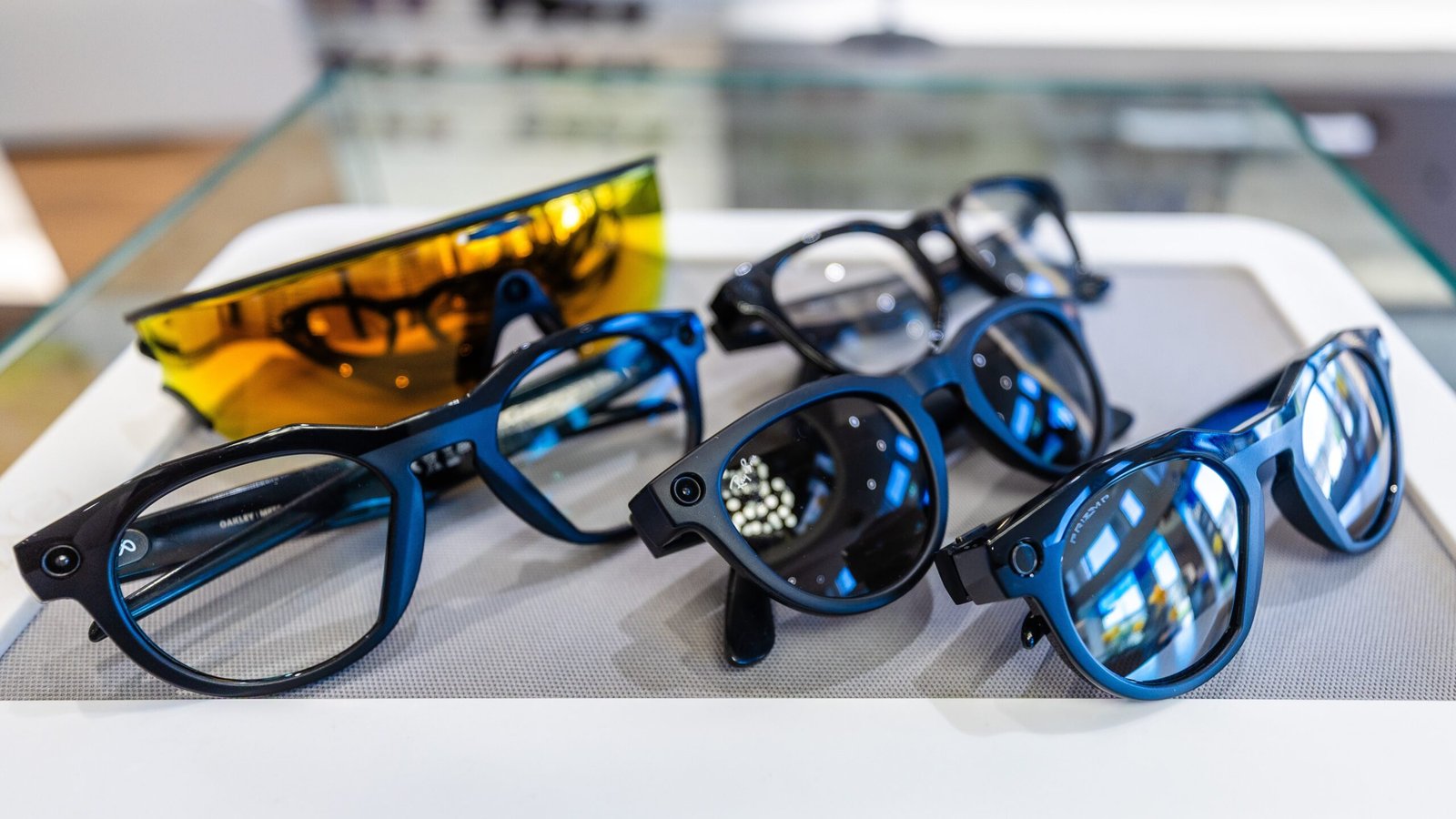
If you hadn’t already, add the military-industrial complex to the growing list of parties concerned by the potential for people wearing smart glasses to engage in clandestine recording.
Bastille Networks, a startup specializing in wireless intrusion detection, announced Thursday what it called “first-of-its-kind software” to spot smart glasses at customer sites. The San Diego-based firm pitches this new solution, available to companies that already subscribe to its monitoring services, as going well beyond indie apps like Nearby Glasses and the cleverly named Zuckoff that scan for Bluetooth Low Energy signals from smart glasses.
“Those other ones will tell you whether there are glasses within Bluetooth range of your phone,” Bastille CEO Chris Risley said in an interview on Thursday. “What we do is tell you within two to three meters where it is.”
Risley said Bastille has neither received nor sought help from such smart-glass developers as Meta in developing its glasses-tracking tools. He added that Bastille’s systems, designed to look for rogue devices by sniffing across Bluetooth, Wi-Fi, and cellular frequencies, also provide an audit trail. “We tell you the history of that device–when did it show up?” Risley said. “Has it ever been here before?”
Bastille charges “hundreds of thousands” of dollars and up for its installations for national-security, military, and private-sector clients to spot Flipper Zero-like hacking tools as well as misplaced personal devices. “We’ve been in those facilities for years, and people know we’re in there,” Risley said. “And we detect new devices every day being brought in.”
He added, “Everybody’s going to tell you they brought it in by accident.”
Recommended by Our Editors
A video on the company’s site depicts a more menacing scenario: someone masquerading as a job candidate hands over a phone at a security checkpoint but keeps his connected glasses on during a lengthy tour of the premises, allowing him to walk away with a trove of confidential footage. That raises a question: Do sensitive installations not already check for smart glasses? Shouldn’t they? “There’s just not sufficient awareness,” Risley said.
But as sales of smart glasses from firms like Meta continue to climb—even as critics mock that eyewear as “pervert glasses”—stories of creepy behavior seem likely to keep coming. Venues from bars and theaters to courtrooms have banned smart glasses, and now Apple’s new Siri Recap feature for Apple Watches brings a whole new set of surveillance fears. Places that aren’t thinking about this problem will probably have to soon enough.
About Our Expert

Experience
Rob Pegoraro writes about interesting problems and possibilities in computers, gadgets, apps, services, telecom, and other things that beep or blink. He’s covered such developments as the evolution of the cell phone from 1G to 5G, the fall and rise of Apple, Google’s growth from obscure Yahoo rival to verb status, and the transformation of social media from CompuServe forums to Facebook’s billions of users. Pegoraro has met most of the founders of the internet and once received a single-word email reply from Steve Jobs.
Leave a Reply