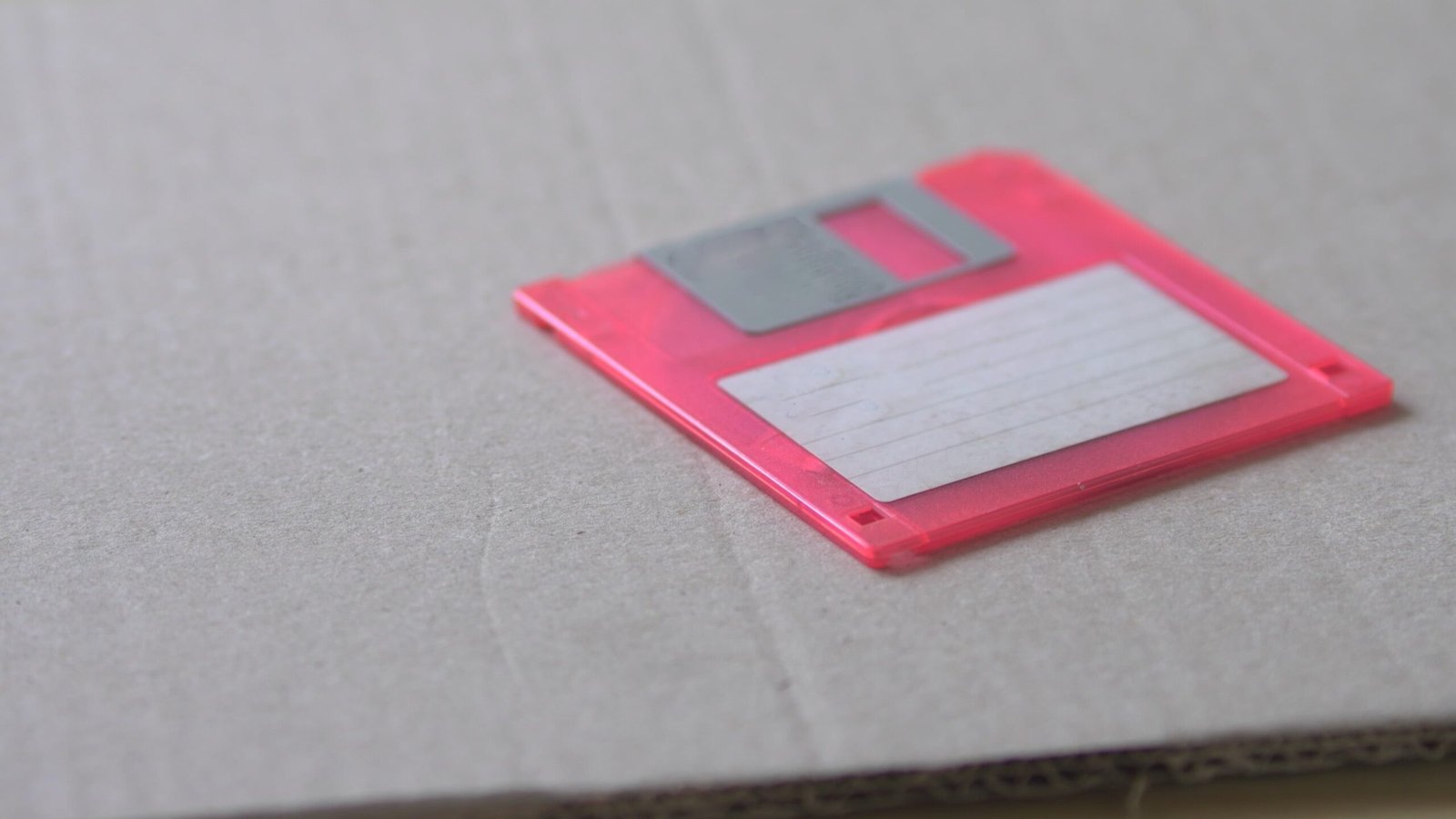
It turns out many US air traffic control systems still rely on computing systems that use floppy disks, but the Federal Aviation Administration is now preparing to phase out the old-school tech.
“Floppy disks from the 1980s: OUT,” US Transportation Secretary Sean Duffy tweeted today.
At over 400 sites, the FAA has been relying on four 80s-era systems that use floppy disks. One used for air traffic control is known as the Information Display System 4 (IDS-4), and this Microsoft-based system runs on desktop PCs outfitted with what appears to be a 3.5-inch floppy disk drive, according to a Department of Transportation file. The floppy disks themselves contain “vital weather and other critical information,” the FAA adds.

(Credit: DOT)
The out-of-date information display systems were previously flagged as using “obsolete” technology that required manual updates, likely involving ejecting one floppy disk and inserting another. “The systems are cumbersome for controllers to search, retrieve, and display information,” a September report from the US Government Accountability Office found.
NPR reported last year that some FAA facilities were still running Windows 95, but it also noted that the agency had been saddled with insufficient funding to modernize its IT systems. In 2024, a leader at an airline industry group also pointed out: “How is the FAA supposed to attract young talent when they use equipment that most 20-30 years old have never heard of? By the way, this floppy disc system is used in more than 200 air traffic facilities today.”
Recommended by Our Editors
This Tweet is currently unavailable. It might be loading or has been removed.
The FAA is now working to replace the IT systems using $12.5 billion from Trump’s One Big Beautiful Bill. The older systems will be replaced with the modern Enterprise – Information Display System (E-IDS). The goal is to install E-IDS in 435 sites by the end of 2028, and the new system promises to be faster to use, more secure, and easier to repair.
The FAA has already replaced the floppy disk-based system at five facilities, including Atlantic City International Airport, Nashville International Airport, Greater Rochester International Airport, and data processing hubs in Atlanta and Salt Lake City.
About Our Expert

Michael Kan
Principal Reporter
Experience
I’ve been a journalist for over 15 years. I got my start as a schools and cities reporter in Kansas City and joined PCMag in 2017, where I cover satellite internet services, cybersecurity, PC hardware, and more. I’m currently based in San Francisco, but previously spent over five years in China, covering the country’s technology sector.
Since 2020, I’ve covered the launch and explosive growth of SpaceX’s Starlink satellite internet service, writing 600+ stories on availability and feature launches, but also the regulatory battles over the expansion of satellite constellations, fights with rival providers like AST SpaceMobile and Amazon, and the effort to expand into satellite-based mobile service. I’ve combed through FCC filings for the latest news and driven to remote corners of California to test Starlink’s cellular service.
I also cover cyber threats, from ransomware gangs to the emergence of AI-based malware. In 2024 and 2025, the FTC forced Avast to pay consumers $16.5 million for secretly harvesting and selling their personal information to third-party clients, as revealed in my joint investigation with Motherboard.
I also cover the PC graphics card market. Pandemic-era shortages led me to camp out in front of a Best Buy to get an RTX 3000. I’m now following how the AI-driven memory shortage is impacting the entire consumer electronics market. I’m always eager to learn more, so please jump in the comments with feedback and send me tips.
Leave a Reply