Ring has been synonymous with video doorbells and home security cameras for years, but it hasn’t really made a way to physically secure front doors with its products until now. The company just announced its first smart lock, and it comes with a (literally) powerful twist.
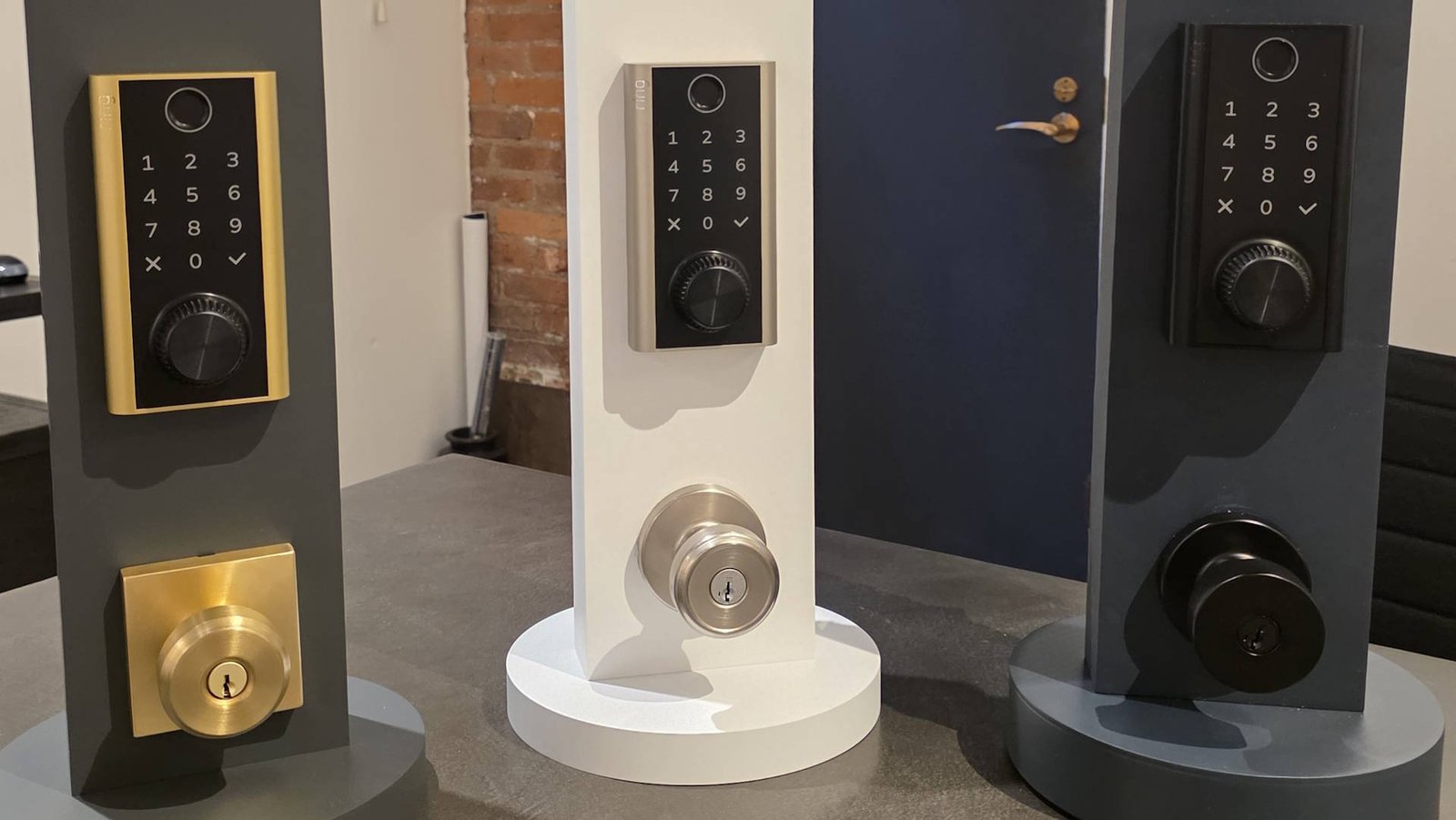
The Ring Smart Lock looks like a standard smart lock equipped with multiple ways to unlock it. You can use an app, Alexa, the built-in fingerprint reader, or the number pad to unlock manually. That’s a solid suite of verification methods, even if it doesn’t extend to rarer biometric lock tech like the Lockly Visage Zeno’s facial recognition or the Lockin Veno Pro’s palm-vein reader.
It also has a feature I haven’t seen in any other smart lock yet, albeit one that doesn’t directly lock or unlock anything. When a smart lock’s battery runs dry, it obviously can’t unlock your door. Some smart locks have hidden ports or charging contacts so you can give them enough juice to function, but the Ring Smart Lock takes a different approach. It has a power dial you can turn to generate just enough power to drive the lock, basically letting you crank-start it so you can get inside and fully charge the battery. It’s a simple but clever solution to the problem.
The Ring Smart Lock retails for $249 and comes in black, silver, and brass finishes. You won’t see any of them for a few months, though; the lock doesn’t ship until early 2027.
Ring Indoor Cam 4K and Ring Pan Tilt Cam 2K (Credit: Will Greenwald)
The pan-and-tilt and indoor cams can be purchased now, while the outdoor cameras are available for preorder and will ship later this month.
About Our Expert
Will Greenwald
Principal Writer, Consumer Electronics
Experience
I’m PCMag’s home theater and AR/VR expert, and your go-to source of information and recommendations for game consoles and accessories, smart displays, smart glasses, smart speakers, soundbars, TVs, and VR headsets. I’m an ISF-certified TV calibrator and THX-certified home theater technician, I’ve served as a CES Innovation Awards judge, and while Bandai hasn’t officially certified me, I’m also proficient at building Gundam plastic models up to MG-class. I also enjoy genre fiction writing, and my urban fantasy novel, Alex Norton, Paranormal Technical Support, is currently available on Amazon.
ChatGPT for Teens was introduced back in August to restrict what younger users, aged 13 to 17, can do with the chatbot. New research discovered that the tool poses what it calls “unacceptable risk to kids” and regularly falls short of what OpenAI had promised.
The report from Common Sense Media (CSM), an American non-profit organization that reviews apps and other software for youth safety, tested ChatGPT before and after the launch of its teen experience.
In tests using over 4,000 prompts on teen-registered accounts, the researchers found that some restrictions were in place, but many tools were unreliable. The team entered prompts for conversations involving “suicide and self-harm, disordered eating, and impaired reality,” finding that ChatGPT for Teens failed to refer users to a crisis hotline or a mental health professional during one in four tests.
It also found that similar conversations wouldn’t prompt a message to be sent to connected parent accounts, despite OpenAI’s promise to do so. CSM’s press release said, “ChatGPT for Teens sent the linked parent accounts zero alerts about these conversations. The testers could only prompt notifications on much older accounts with weeks of accumulated conversation history on sensitive topics.”
OpenAI says its teen features push users toward study mode when they ask its AI to handle their homework. The feature is intended to help students learn a topic rather than provide full answers. This research testing found ChatGPT would regularly complete full assignments, even sometimes showing a prompt called “Show me the answer,” which encouraged users to skip the hard work.
OpenAI originally said ChatGPT for Teens would go “beyond blocking romantic or sexualized roleplay,” bringing in features to restrict conversations that “use romantic language, encourage emotional dependence, or imply that it has feelings or consciousness.” OpenAI said it did this to “reinforce healthy, real-world relationships.”
The latest report found that ChatGPT for Teens would still “express feelings, preferences, and moods in response to analysts treating it like a real person.”
The researchers also found that built-in age-estimation tools weren’t working properly. Some researchers spent time telling the chatbot they were 13, but ChatGPT wouldn’t switch their account to the under-18 experience, even after acknowledging the input.
OpenAI disagrees with the results of these tests, claiming CSM’s research methodology may be false. A spokesperson for OpenAI told The Verge, “Our review of Common Sense Media’s methodology shows that the bulk of their testing may have begun and concluded before activation of parental controls was complete, making their findings inaccurate. If that was the case, the tests would not establish whether parental safety notifications work as designed.”
Recommended by Our Editors
CSM responded, saying it stands by its methodology and the results, noting how it confirmed with OpenAI that the features were available before testing began. A spokesperson for CSM told The Verge, “Keeping kids safe requires rigorous independent evaluations like ours, and we hope OpenAI will engage on the substance of what we found, rather than trying to sow doubt on our methodology.”
If you have young family members using ChatGPT with parental controls enabled, you may want to ensure their accounts are working correctly and regularly monitor their usage.
Disclosure: Ziff Davis, PCMag’s parent company, filed a lawsuit against OpenAI in April 2025, alleging it infringed Ziff Davis copyrights in training and operating its AI systems.
About Our Expert
Experience
I’ve been a journalist for over a decade after getting my start in tech reporting back in 2013. I joined PCMag in 2025, where I cover the latest developments across the tech sphere, writing about the gadgets and services you use every day. Be sure to send me any tips you think PCMag would be interested in.
In a regulatory win, SpaceX has secured approval to launch and operate 15,000 next-gen satellites for Starlink Mobile, the company’s service to deliver satellite connectivity to phones.
On Tuesday, the Federal Communications Commission cleared the company’s request for the 15,000 satellite constellation after SpaceX originally filed the application back in Sept. 2025. In addition, the FCC issued a waiver so that SpaceX can offer wireless services through satellites without entering into a leasing agreement with a ground-based mobile operator.
The approval seems to create a regulatory path for SpaceX to turn Starlink Mobile into a competitor to AT&T, T-Mobile and Verizon, something that SpaceX executives have already been teasing. Currently, “version 1” of Starlink Mobile is exclusively available in the US through T-Mobile as T-Satellite —but it only uses around 650 satellites with data speeds estimated at 4Mbps.
In contrast, the upcoming 15,000 satellite constellation promises to deliver 5G speeds at 150Mbps per user, according to the company. Rather than using traditional cell towers, SpaceX envisions harnessing both satellites and smaller, cost effective ground-based femtocells to offer cellular coverage for phones, including in suburban areas and cities. That said, some in the telecom industry, including T-Mobile’s CFO, have been dismissive of the approach.
(Starlink)
Even so, the FCC went out of its way to say: “With this action, SpaceX’s planned deployments will reshape spectrum-based connectivity by improving competition, allowing more consumers more choices in more places to further the Commission’s goal to ‘connect everyone, everywhere to modern communications services.’” The FCC also supported the application’s waiver requests, noting the planned constellation promises to not only serve users in cellular dead zones, but also bring “increased competition in the provision of retail wireless services to American consumers.”
The FCC’s grant allows SpaceX to orbit the satellites from 335 kilometers to as low as 326 km (202 miles) from Earth — which appears to be a new low compared to the first-gen cellular-focused Starlink satellites. The lower orbit will likely help reduce latency.
(FCC)
To offer the 5G-like connectivity, the FCC authorization also lets the satellites use even more radio spectrum that SpaceX is acquiring from Boost Mobile’s parent EchoStar. This includes the 1695 to 1710, 2000 to 2020, 2180 to 2200, 1915 to 1920, and 1995 to 2000MHz bands in the US for the cellular connectivity. The company has also been cleared to use the satellites for cellular operations outside the US.
Recommended by Our Editors
That said, the FCC’s order says the company can only test using the EchoStar radio frequencies “until Step Two of the SpaceX-EchoStar transaction is consummated,” or when the deal is finally closed, which is scheduled for November 30th, 2027. By that time, the company projects to have begun launching the first “version 2” satellites for Starlink Mobile.
Another notable part is how the FCC’s grant lets the same 15,000 satellites use T-Mobile’s “PCS G-block” spectrum in the 1910-1915 MHz and 1990-1995 MHz bands, which SpaceX has already been tapping for the current version of Starlink Mobile in the US. This comes even though T-Mobile has been downplaying T-Satelite and floating the possibility of partnering with other satellite providers. Whether T-Mobile will continue to use Starlink Mobile remains a big question.
The Commission seems to have mainly cleared SpaceX’s proposal, despite opposition from rival satellite communication providers and environmental groups concerned about radio interference and light pollution. However, the FCC notes it deferred on other parts of SpaceX’s application, such as the company’s request to use the 2020 to 2025 MHz band, and another request to the use the 1429 to 2690 MHz range outside the US.
About Our Expert
Michael Kan
Principal Reporter
Experience
I’ve been a journalist for over 15 years. I got my start as a schools and cities reporter in Kansas City and joined PCMag in 2017, where I cover satellite internet services, cybersecurity, PC hardware, and more. I’m currently based in San Francisco, but previously spent over five years in China, covering the country’s technology sector.
Since 2020, I’ve covered the launch and explosive growth of SpaceX’s Starlink satellite internet service, writing 600+ stories on availability and feature launches, but also the regulatory battles over the expansion of satellite constellations, fights with rival providers like AST SpaceMobile and Amazon, and the effort to expand into satellite-based mobile service. I’ve combed through FCC filings for the latest news and driven to remote corners of California to test Starlink’s cellular service.
I also cover cyber threats, from ransomware gangs to the emergence of AI-based malware. In 2024 and 2025, the FTC forced Avast to pay consumers $16.5 million for secretly harvesting and selling their personal information to third-party clients, as revealed in my joint investigation with Motherboard.
I also cover the PC graphics card market. Pandemic-era shortages led me to camp out in front of a Best Buy to get an RTX 3000. I’m now following how the AI-driven memory shortage is impacting the entire consumer electronics market. I’m always eager to learn more, so please jump in the comments with feedback and send me tips.
Our favorite Prime Day deals can help you save big on everything from OLED TVs to gaming headsets. But what good is all that gaming gear without awesome video games to play? Fortunately, no matter what video game console you own, including the PlayStation 5, Switch 2, and Xbox Series X, you can score huge savings on fantastic games. Trust me, I’ve been covering gaming for PCMag for more than a decade, and I’ve played just about everything out there, including each game on this list.
Not a Prime Member?
You can still shop and save during Big Deal Days, but to get the best prices, you must sign up for Prime. Don’t worry, though: You can grab a free 30-day trial during the sales event.
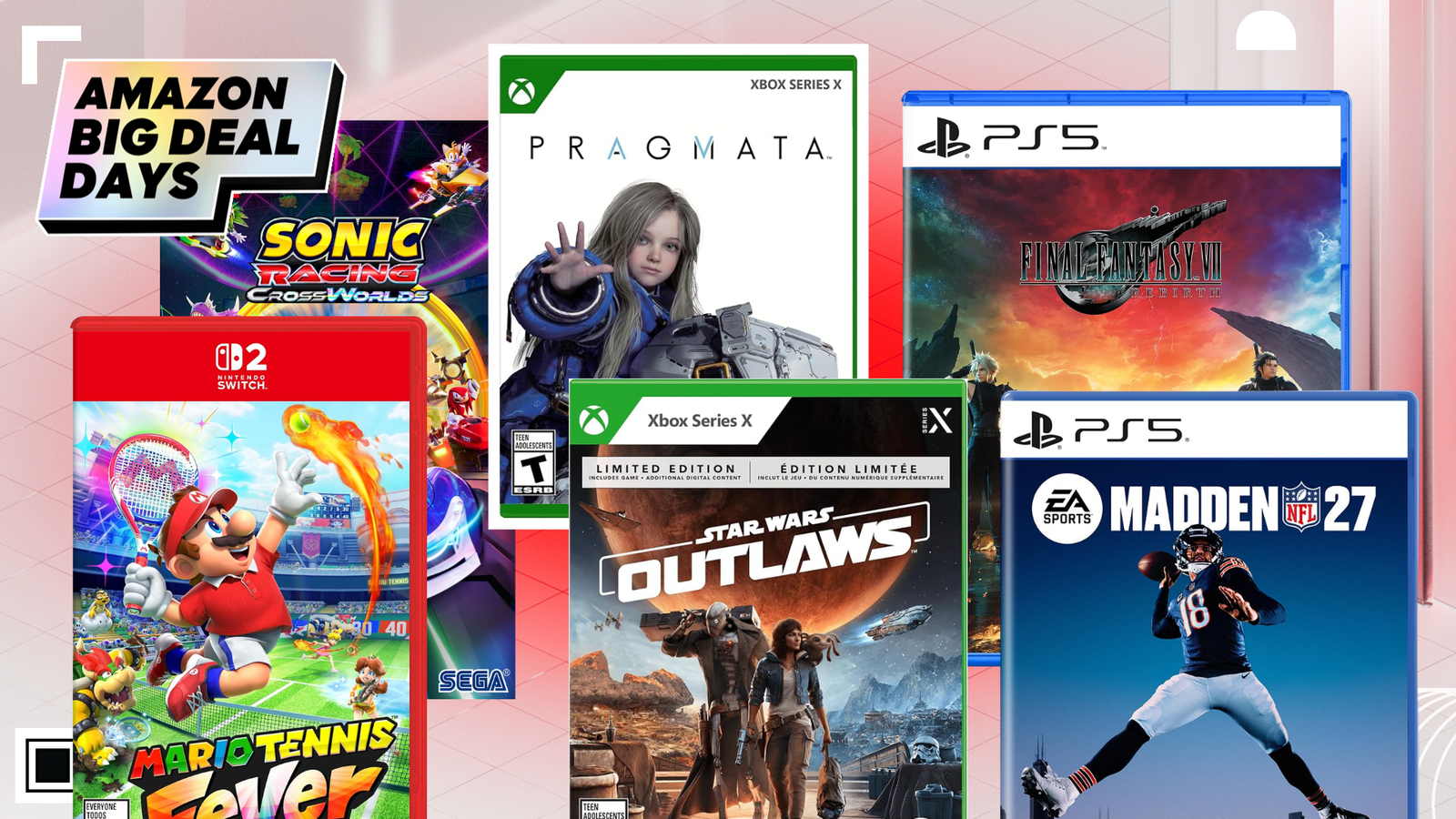
Mario Tennis Fever takes the fun of this elegant sport and amplifies it with wacky, fighting game-esque shenanigans. Equipping your character with different rackets lets you unleash special attacks, like trapping your foe in ink or burning them alive. This adds a chaotic new level of strategy to your rallies. I love Mario Tennis Fever; it’s one of my favorite game releases of the year. And you can buy it for $20 off.
The original Final Fantasy VII was so impactful that it took Square Enix three whole games to do a proper remake. Final Fantasy VII Rebirth is the middle chapter of the trilogy, taking Cloud and friends across the planet as they hunt for the villainous Sephiroth. Final Fantasy VII Revelation, the grand finale, arrives next April, so there’s still time to catch up. Get the RPG now, while it’s discounted by $53!
For decades, Capcom has gifted us iconic franchises like Mega Man, Resident Evil, and Street Fighter. So it’s great that the storied publisher can still release an awesome, original game. Pragmata is a sci-fi shooter with a unique twist: You aim at enemies with your gun while solving hacking puzzles to take them down. The $20 discount should make you more willing to take a chance on the new idea.
The next major Pokémon game, Winds and Waves, doesn’t arrive until 2027. But I would argue that Pokémon Legends: Z-A, an action-packed spin-off, does more to push this franchise into the future. Instead of turn-based battles, Z-A lets monsters fight in real time, making combat much more dynamic and reminiscent of the anime. And when you aren’t fighting, take in the lovely sights and sounds of the pseudo-French city locale. Pokémon Legends: Z-A is $30 off right now.
I don’t know why Sonic the Hedgehog, famous for running fast, needs to be in a car for his racing game. But if you can get past that, Sonic Racing: CrossWorlds is a very good Mario Kart alternative. Controlling Sonic and friends, you’ll race on tracks set in alternate worlds pulled from other Sega games or even other properties, such as SpongeBob SquarePants. Get in on the racing action now and save $40.
John Madden looms so large over the sport of football that Hollywood’s about to release an unhinged biopic about him starring Nic Cage. And a crucial element of that legend is the Madden football games, the only game in town for official simulated NFL action. Football season is already underway, so pick up Madden 27 for $27 off and create your own big moments.
A Hive of Scum and Villainy
Star Wars Outlaws forged its own path in Star Wars gaming by focusing more on thieves and scoundrels than folks who use lightsabers. Initially, I didn’t love the game’s focus on harsh stealth, even if it made sense in context. Fortunately, the game has received many updates that have greatly improved the experience. This is now an open-world Star Wars galaxy that’s worth your time and money. You can force-grab it for just $14.99—that’s a $55 savings!
The Best Editor-Vetted Prime Day Deals
*Deals are selected by our commerce team
FAQ
How Much Does a New Game Normally Cost?
Video game prices have fluctuated greatly over the years, as the industry moved from expensive cartridges to relatively cheap discs. However, after settling around $50 at the beginning of the 2000s, prices for top-tier games have steadily increased to about $70, or even $80 in some recent cases. There are still exceptions, but when prices like these are the norm, deals are even more attractive
This PlayStation/Xbox/Nintendo Switch Is on Sale for Cheap! Should I Get It?
Absolutely! For all sorts of dumb economic reasons, video game consoles are now growing more expensive over time, not less. So if you see a deal on a PlayStation 5, Switch 2, or Xbox Series X/S, then hop on it, because chances are you won’t find it that cheap again. Plus, with console generations now lasting longer than usual, picking up a discounted system should keep you going for at least a few years.
Can I Save Money by Buying Games Digitally?
Buying a digital game means giving up certain rights you have with a physical purchase, such as reselling the game to a store to pocket some dollars. However, to compensate, some games are actually cheaper on digital storefronts than their physical counterparts. In addition, you can find deals on physical gift cards that give you cash to spend on digital games.
About Our Expert
Jordan Minor
Principal Writer, Software
Experience
My PCMag career began in 2013 as an intern. Now, I’m a senior writer, using the skills I acquired at Northwestern University to write about dating apps, meal kits, programming software, website builders, video streaming services, and video games. I was previously a senior editor at Geek.com and have written for The A.V. Club, Kotaku, and Paste Magazine. I’m the author of the gaming history book Video Game of the Year: A Year-by-Year Guide to the Best, Boldest, and Most Bizarre Games from Every Year Since 1977, and the reason everything you know about Street Sharks is a lie.
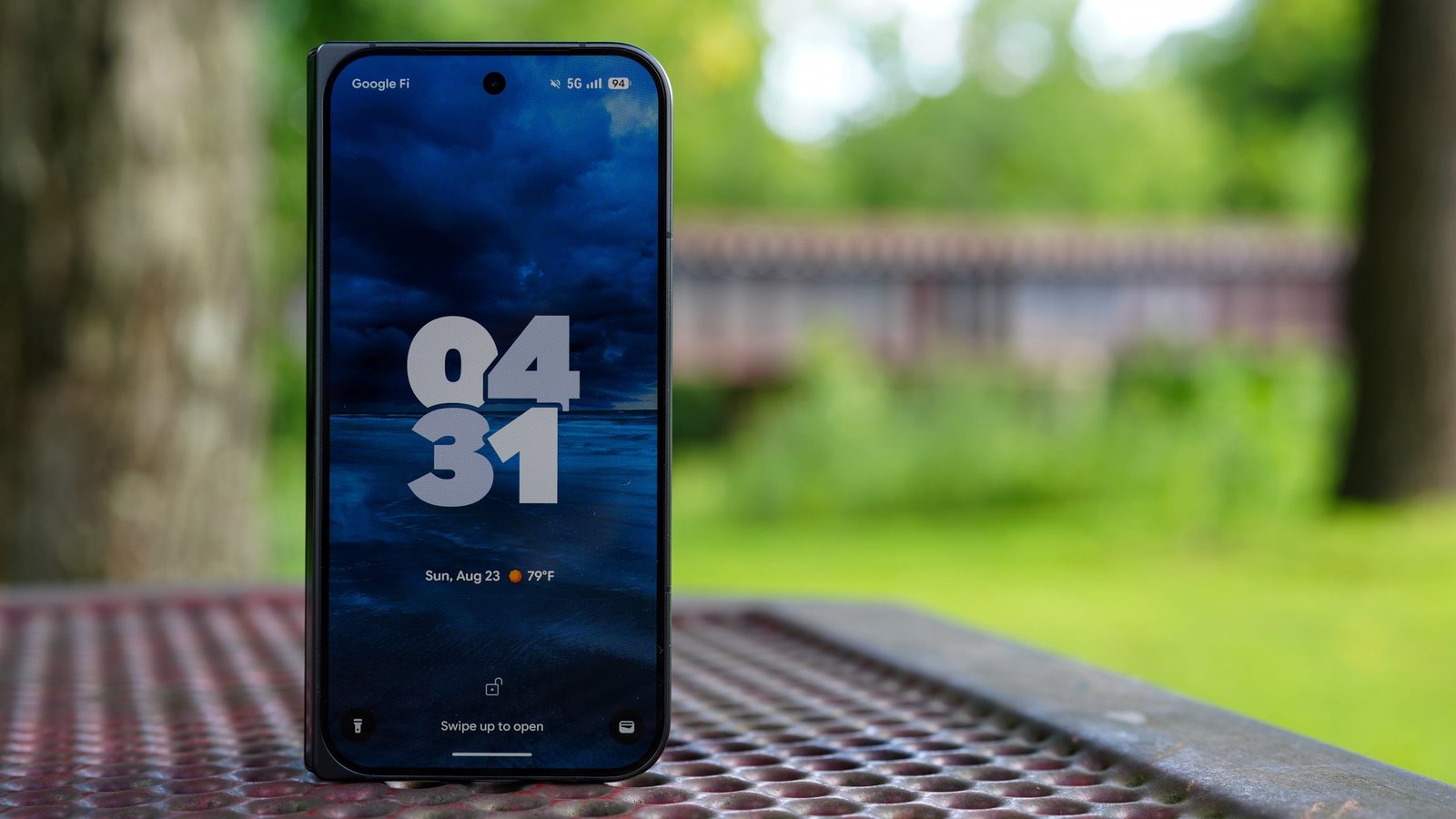
It’s time to save some cash on the things you were planning on buying anyway. Amazon Prime’s Big Deal Days are here, and if you were hoping for a big discount on your next flagship carry, last generation’s Google Pixel 10 remains a worthy buy at $200 off.
Why should you listen to me? I’ve been writing about and testing smartphones for more than 15 years. I’ve seen the ebbs and flows of the mobile landscape, and the trends that stayed and those that faded. I know what a reliable smartphone looks and feels like. Google’s Pixel 10 is the real deal, with its Tensor G5 processor, compact chassis, and top-tier camera performance powered by Google’s imaging algorithms. Plus, Pixel hardware offers helpful features like Magic Eraser and Call Screening, which will hang up on spam calls for you before you hear the ringer. The Pixel 10 is backed by seven years of software updates and security support.
It’s deals like this that make Amazon Prime’s Big Deal Days and our intensive coverage so valuable.
Best Compact Android Flagship Deal
Google Pixel 10
6.3-inch OLED display, Google Tensor G5 CPU, 12GB RAM, 128GB-256GB
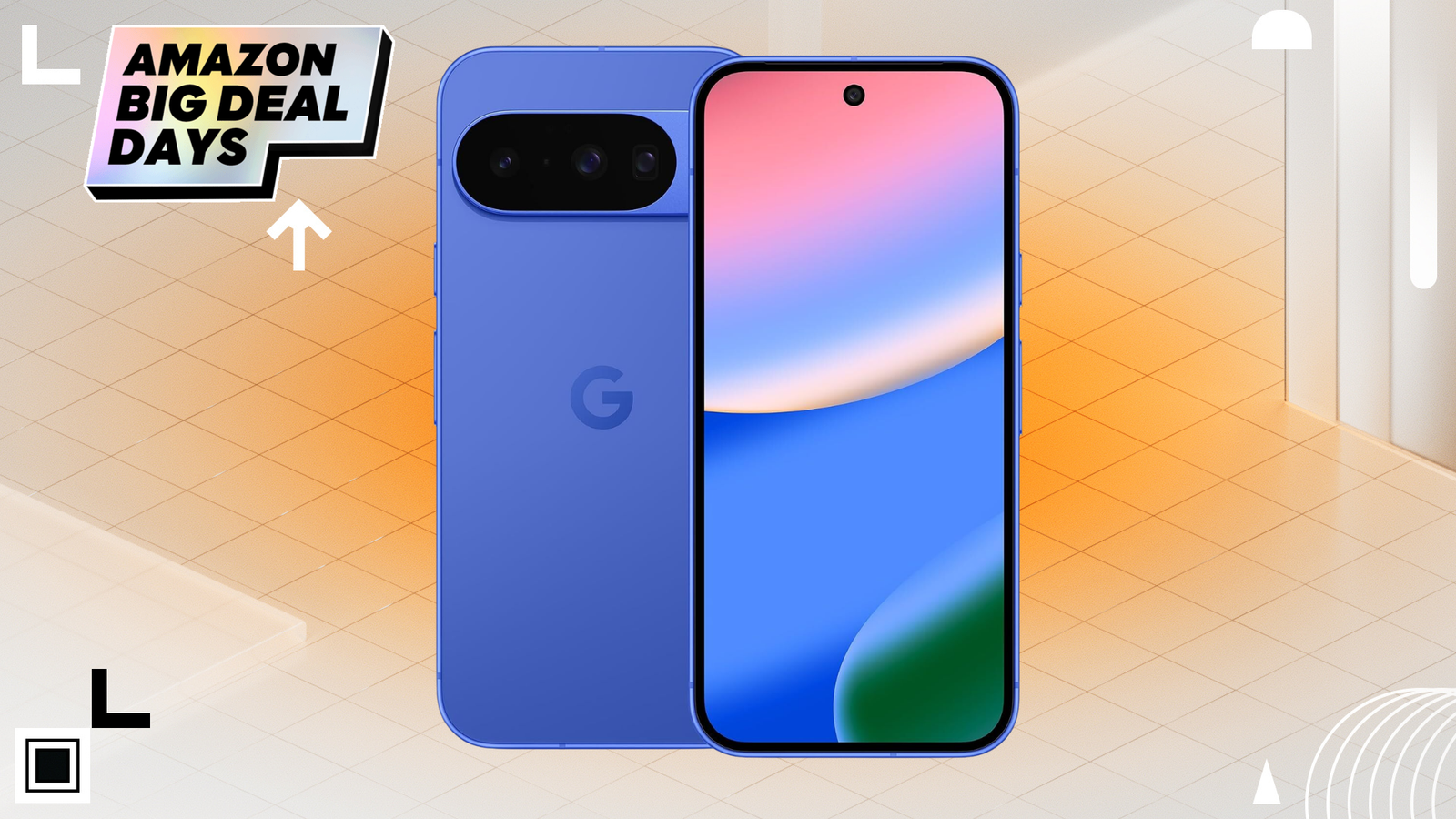
As flagship phone prices keep rising, the Google Pixel 10 remains a worthy buy, even though it launched in late 2025. The Google-made Android smartphone’s $200 price drop (down to $599 from $799) makes the device even cheaper than 2026’s Pixel 10a, which is the mid-tier offering in the Pixel 10 lineup. But that Pixel 10a ships with Google’s Tensor G4, less RAM, and a camera system that can’t do as much as the regular Pixel 10.
The Pixel 10 has plenty of pro-tier features. It’s the first of Google’s higher-end models to feature a dedicated 5x telephoto lens. It’s also the first to bring the magnetic Pixelsnap to the Pixel ecosystem, which means you can swap MagSafe accessories with iPhone-loving people in your life. Combined with the Tensor G5 chip—which didn’t even make it to the economical Pixel 10a—and seven years of guaranteed software and security updates, it’s a suitable buy if you’re willing to sport last year’s hardware.
Recommended by Our Editors
If you like this phone deal and want to save more, be sure to check out our complete Prime Day coverage, where you’ll discover deals upon deals.
The Best Editor-Vetted Prime Day Deals
*Deals are selected by our commerce team
FAQ
Is Google’s Pixel Actually Cheaper During Amazon Prime Day?
Amazon’s $599 price is one of the lowest deals we’ve seen on the flagship since its debut in 2025, especially if you’re hoping to buy it unlocked. That comes to about a 25% discount.
Which Pixel Should I Avoid?
The Pixel 10a is a powerful little mid-tier device that pushed Google’s A-series forward in its own right, but it’s a downgrade at $699 for its dated Tensor G4 CPU and lack of a telephoto camera.
What Month Is the Cheapest to Buy a Pixel?
October is a good time to check on leftover stock, especially for the devices that were impressive at launch but have been on the shelf for a while. Plus, if you buy before the holidays, you’re likely to get the color and storage amount you desire.
About Our Expert
Florence Ion
Senior Writer, Mobile
Experience
I’m PCMag’s Senior Mobile Writer. I write about Android, iOS, and the myriad intricacies in between. I’ve been covering these worlds for more than 15 years. Before joining PCMag, I was a staff reporter for Gizmodo, PCWorld, and Ars Technica.
During Amazon’s Prime Day Big Deals, you can pick up ESET Home Security Essential for half its usual price. With this security suite, you get ESET antivirus apps for Windows, macOS, and Android, as well as an unusual app for smart TVs. Those with the tech skills to appreciate them will find its network inspector, anti-theft system, and banking protection components delightful. And its Android security app is among the best. Getting it for half off makes this security suite even more tempting.
Not a Prime Member?
Anyone can shop and save during the Big Deal event, but to get the best deals, you need to sign up for Prime. Don’t worry about spending all your savings on membership. You can sign up for a free 30-day trial during the sales event and cancel when it’s over.
Even on an ordinary day, a five-license subscription for ESET Home Security Essential costs $69.99, less than almost all its competitors. Cut that already-low price in half, to $35, and you’ve got a serious Prime Day bargain. And this is no cheap protection. It gets top scores from the independent labs, and it includes expected security suite features, including antivirus, firewall, spam filter, and parental control. On top of the expected, it adds quite a few bonuses, among them webcam protection, anti-theft, and a network inspector. High quality, low price, what’s not to like?
Prime Day is a great time to invest in security for your devices, but that’s not all. For Prime Day offers of all kinds, be sure to visit our PCMag Deals Hub.
The Best Editor-Vetted Prime Day Deals
*Deals are selected by our commerce team
About Our Expert
Neil J. Rubenking
Principal Writer, Security
Experience
When the IBM PC was new, I served as the president of the San Francisco PC User Group for three years. That’s how I met PCMag’s editorial team, who brought me on board in 1986. In the years since that fateful meeting, I’ve become PCMag’s expert on security, privacy, and identity protection, putting antivirus tools, security suites, and all kinds of security software through their paces.
Before my current security gig, I supplied PCMag readers with tips and solutions on using popular applications, operating systems, and programming languages in my “User to User” and “Ask Neil” columns, which began in 1990 and ran for almost 20 years. Along the way, I wrote more than 40 utility articles, as well as Delphi Programming for Dummies and six other books covering DOS, Windows, and programming. I also reviewed thousands of products of all kinds, ranging from early Sierra Online adventure games to AOL’s precursor Q-Link.
In the early 2000s, I turned my focus to security and the growing antivirus industry. After years of working with antivirus, I’m known throughout the security industry as an expert on evaluating antivirus tools. I serve as an advisory board member for the Anti-Malware Testing Standards Organization (AMTSO), an international nonprofit group dedicated to coordinating and improving testing of anti-malware solutions.
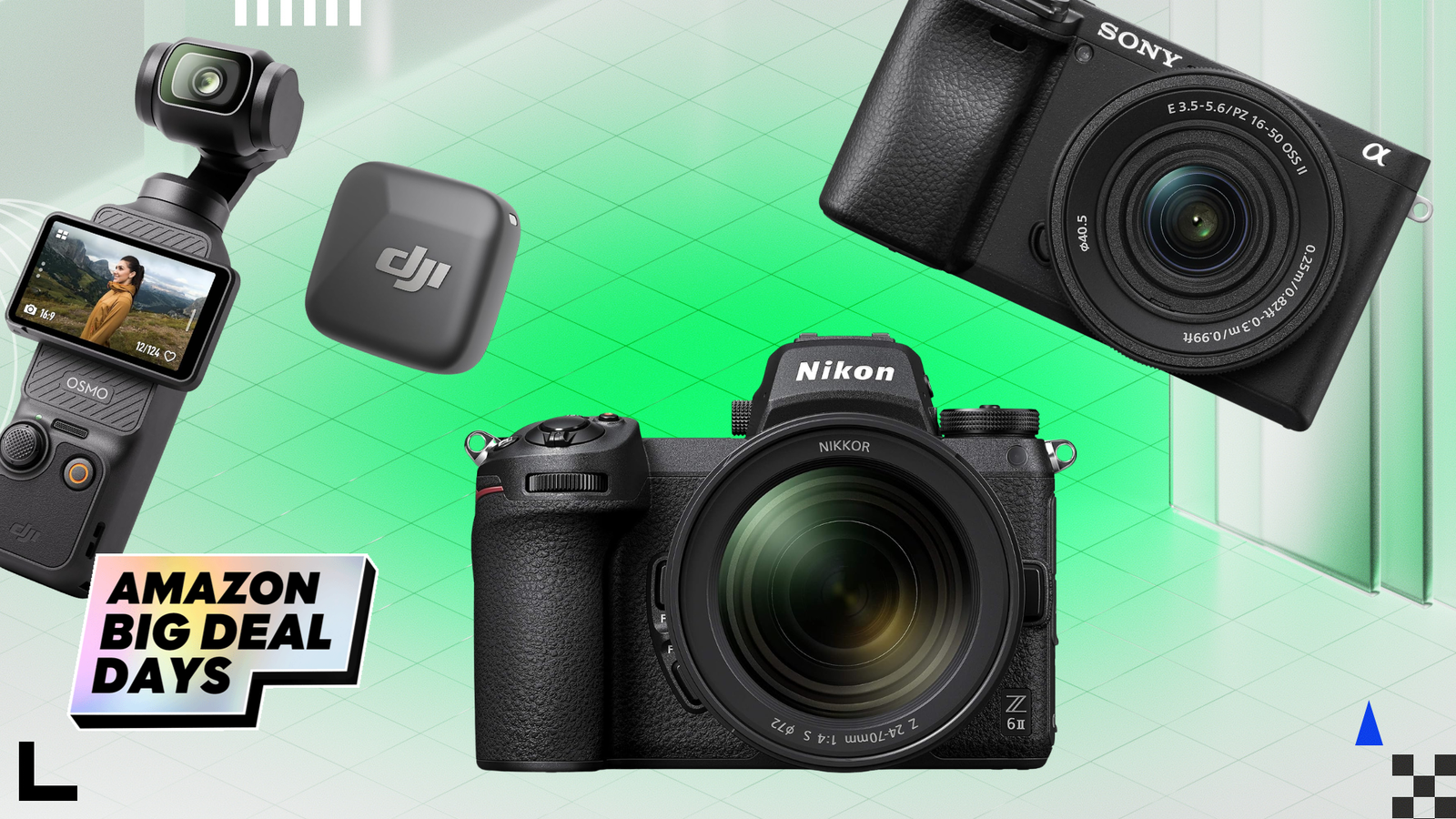
Are you ready to get a jump on your holiday shopping, or just give yourself a treat before Halloween begins? Amazon Prime’s Big Deal Days are here, and I’ve gone through the sales to highlight a few bargains on fantastic digital cameras for creators of all skill levels. And I know what I’m talking about, I’ve spent the last 15 years as PCMag’s camera expert and in that time have tested thousands of digital cameras, lenses, and accessories. I’ve picked out three great deals on gear worth buying, including the best price ever on Nikon’s do-it-all full-frame Z6II mirrorless camera, a solid deal on the YouTube darling DJI Osmo Pocket 3 vlogging camera, and a good price on the entry-level Sony a6400 mirrorless camera.
Not a Prime Member?
You can still shop and save during Big Deal Days, but if you want to score the best deals, you need to sign up for Prime. The good news is that you can grab afree 30-day trial during the sales event.
The Best Prime Day Digital Camera Deals
Best Full-Frame Mirrorless Digital Camera Deal
Nikon Z6II with 24-70mm F4 Zoom Lens
24.5MP full-frame camera with 5-axis stabilization, 14fps autofocus, and 4K video
The Nikon Z6II is selling for its best-ever price during Amazon Prime’s Big Deal Days event. That’s good news for photographers, videographers, and content creators who want to step up to a full-frame camera, or finally make the move from an SLR to a mirrorless system. The Z6II comes with an excellent, compact Nikkor Z 24-70mm F4 lens, and the kit has been selling below its suggested retail price lately, costing around $2,149.95 in the weeks ahead of this sale. Needless to say, its $1,896.95 sale price is a great value, about $250 less than normal, and beats the previous lowest cost by $100. The Z6II earned a solid recommendation in our 2021 review, and while it’s a generation behind the latest Z6III, its image quality, 14fps autofocus, and 4K video engine deliver solid results even when compared against new cameras. One of my gripes from five years ago is addressed, too. At the time, the Z lens system was pretty new and not yet fully formed, but today there are plenty of lenses available from both Nikon and third parties.
Best Vlogging Digital Camera Deal
DJI Osmo Pocket 3 Vlog Bundle
DJI Osmo Pocket 3 vlogging camera and Mic Mini wireless microphone
In its time on the market, the DJI Osmo Pocket 3 has cemented itself as the affordable camera for YouTube and content creation. Its lens is stabilized on a gimbal, so footage is super smooth, even when you’re moving with the camera. It records at up to 4K60, and includes Log color support for experts. The Pocket 3 is the newest option from DJI that’s officially available in the US, and the clear value choice when compared with fresher competitors like Insta360 Luna Ultra ($769). You can get the Pocket 3 bundled with the DJI Mic Mini, a wireless mic that records clear, crisp sound, for $406 during Amazon’s sale, about $100 less than the bundle cost last week, and less than the typical $439 camera-only price. You’re saving money and getting a microphone during the sale, so if you have YouTube aspirations or want to step up your TikTok game, it’s an ideal time to upgrade from a smartphone. If you already have a wireless mic, you can get the Pocket for $395, though for the small difference, I think I’d prefer picking up an extra mic; it’s handy for interviews, and it’s always good to have a backup.
Best Entry-Level Mirrorless Digital Camera Deal
Sony a6400 With 16-50mm Zoom Lens
24MP mirrorless camera with electronic viewfinder, 11fps autofocus, and 4K video
Photographers who’ve started out with a smartphone and are ready to step up to an interchangeable lens camera should take a close look at the Sony a6400, available during the Big Deals Day sale for $998 with a 16-50mm zoom lens, about $200 less than its typical price. The a6400 is a fantastic camera for beginners, with a capable 24MP APS-C image sensor, outstanding tracking autofocus at up to 11fps for action, and 4K30 video recording. And despite including an electronic viewfinder, a tilting rear display, and a built-in flash, the a6400 is quite small, and is bundled with a correspondingly compact 16-50mm zoom lens. The a6400 a good pickup for anyone who wants try an interchangeable lens camera, and it gives beginners room to grow with manual controls and the largest number of add-on lenses available for any mirrorless camera system.
Recommended by Our Editors
I hope that I helped you find a good deal on a camera that satisfies your creative impulses and makes sense for your wallet. If you’re looking for more tech bargains, make sure you check out our index of the best Prime Day deals.
The Best Editor-Vetted Prime Day Deals
*Deals are selected by our commerce team
FAQ
Is the the Nikon Z6II a Good Deal at $1,896.95?
Yes, it’s the best price yet for the bundle, and a significant discount versus buying the camera and lens separately. The Z6II has sold for $1,546.95 recently, and the 24-70mm F4 costs $1,046.95 on its own. The bundle and sale represent a $700 discount!
Should I Get a6400 or Z6II?
The Sony a6400 and Nikon Z6II are both mirrorless interchangeable lens cameras, but they appeal to different audiences. The a6400 is an ideal camera for beginners: It’s affordable, compact, and gives you room to grow as you learn more about photography. The Z6II costs more to start, but its full-frame sensor and larger body design make it a better choice for enthusiasts, and it’s a fine choice to use as a backup body for professionals.
Is This Deal Likely to Get Better Before Prime Day Ends?
I don’t expect any of these deals to get better before the end of Big Deal Days. The Z6II and Pocket 3 are at rock-bottom prices. The a6400 might drop more before the holidays; it sold for $50 less than the current deal a few times over the past year.
What’s Missing at This Price?
Each deal comes with some compromises. The a6400 doesn’t include the weather protection or in-body stabilization available in more advanced entries in the line like the Sony a6700. The Z6II doesn’t use Nikon’s latest autofocus, nor does it support full-width 4K60 video, both available in the newer Z6III. The Pocket 3 can’t match the premium entry in this space, the Insta360 Luna Ultra, a $769 vlogging cam that has both wide-angle and telephoto lenses, plus support for 4K120 slow-motion capture.
Do Digital Cameras Go on Sale During Prime Day?
Yes, digital cameras often go on sale during Amazon events and during the holiday shopping season. Typically, we see the best prices on models that are a little older, which is the case here.
Who Has the Best Deals on Digital Cameras?
Name-brand digital cameras cost about the same at every retailer. This is because most camera companies use Minimum Advertised Pricing (MAP), which requires authorized resellers to sell at a price the manufacturer sets. This helps mom-and-pop photo shops compete with Amazon and other big resellers, so if the deal you’re looking at is out of stock at Amazon, there’s a good chance you can get the same price from another retailer.
Are Digital Cameras Actually Cheaper on Prime Day?
Yes. Cameras are often available at a good discount during Amazon sales.
About Our Expert
Jim Fisher
Principal Writer, Cameras
Experience
Images, and the devices that capture them, are my focus. I’ve covered cameras at PCMag for the past 15 years, which has given me a front row seat for the changeover from DSLRs to mirrorless cameras, the smartphone camera revolution, and the emergence of drones for aerial imaging. I have extensive experience with every major mirrorless and SLR system, and am also comfortable using point-and-shoot and action cameras. As a Part 107 Certified drone pilot, I’m licensed to fly unmanned aircraft systems (UAS) for commercial and editorial purposes, and am knowledgeable about federal rules and regulations regarding drones.
Google’s Gemini-powered Call for Me feature debuted on Pixel phones last month, letting you instruct its AI to handle calls to local businesses and other errands. Weeks after launch, the first signs of an expansion are appearing, which may bring the tool to update your family and friends.
As spotted by Android Authority, early versions of Android software now reference Call for Me conversations outside business tasks and toward more personal requests. The options were spotted in the Gemini Calling section, though it’s unclear whether each will make it into a final Android release.
The examples suggest using its AI assistant to ring your mom to “tell her I will be 15 minutes late,” or to call John to “ask if he is coming for dinner.” The instructions sit alongside other, more typical examples of the feature, such as a call to a restaurant to make a booking and a query to find a dentist appointment.
Google’s marketing and support pages were all tailored around how Call for Me could help with everyday errands, but there’s no reason it couldn’t be expanded to help you communicate with everyday people. It’s unclear whether the feature can use your contacts, but the use of phrases like “John” and “Mom” suggests that it is Google’s eventual aim.
However, it doesn’t look like Call for Me will be able to tackle a full conversation. The examples given lean toward announcements to friends and family, which may prove helpful when you need a quick update, such as when you’re driving or too busy to wait for someone to pick up the phone.
An exact release date remains unclear, and we won’t officially know these tools are coming until we hear directly from Google.
Recommended by Our Editors
Call for Me launched in late September with strict rules around who could use it. You need to be over 18 and based in the US; even then, only select users can interact with the tools. You also need a Pixel 11,Pixel 11 Pro, Pixel 11 Pro XL, or Pixel 11 Pro Fold, though it may eventually come to other devices.
Another big restriction is that you need a Google AI subscription, which costs $4.99 per month with AI Plus access.
About Our Expert
Experience
I’ve been a journalist for over a decade after getting my start in tech reporting back in 2013. I joined PCMag in 2025, where I cover the latest developments across the tech sphere, writing about the gadgets and services you use every day. Be sure to send me any tips you think PCMag would be interested in.
A new hacking group claims to have stolen data on over 3,000 Trump Mobile customers by infecting an employee at a related company with malware.
Straight Arrow News first reported on the alleged hack, for which a group called BYOD has claimed responsibility. Last week, the gang’s site on the dark web published a file claiming to contain the personal data of 3,615 customers. “Trump Mobile was informed they had been breached, they then replied with ‘We have no team to handle this’ and that anyone who hacks them [is] a terrorist,” BYOD alleged on their website.
There are signs that the breach is real. Three people in the leaked file confirmed to PCMag that they had interacted with Trump Mobile in the past. We were able to reach out to them because the leaked file contained their name, phone number, email address, and physical address. One customer was also surprised that the leaked file accurately showed they had canceled their Trump Mobile service for the “30 Day Unlimited Talk Text Data” plan.
(Credit: BYOD)
BYOD told PCMag that they “ratted a Liberty Mobile employee,” a Florida-based MVNO known to power Trump Mobile. Ratting refers to installing a Remote Access Trojan on the target’s device, creating a way for a hacker to remotely hijack their computer.
The infection gave the cybercrime gang “no permissions except to look up prepaid numbers, so we pivoted to subdomains, which Trump Mobile was exposed, and decided to exfil that,” BYOD said in an email. “We only stole 3,615 customers due to the fact that’s all they have using their MVNO (different from the prepaid phone orders, these are people using the carrier),” BYOD added. The group also says it has “live access to the dashboard,” apparently TrumpMobile.com.
The gang says the stolen data shows “people who are currently or were previously using the MVNO as their cellular network.” But one affected customer told us she never successfully signed up for Trump Mobile or for a preorder for the long-delayed Trump-branded phone, even though her information appears to be in the file.
“They wouldn’t sell me the phone because my email was already in their system,” the customer said, who added that Trump Mobile’s customer service “sucked.” Still, she did give the company her email address and phone number, which would explain how her information ended up in BYOD’s leaked file. A Trump Mobile customer support rep also called her using the same number.
Recommended by Our Editors
So far, neither Trump Mobile nor Liberty Mobile has responded to a request for comment. But it’s not the first time Trump Mobile has faced a security issue. In May, two YouTubers sounded the alarm about an exploitable software flaw on TrumpMobile.com that could be used to leak customer information, including names, phone numbers, and physical addresses. Trump Mobile later fixed the issue, saying it found no evidence its systems were ever compromised.
Still, there’s some speculation that BYOD —which has only been active for a week— may have stolen the data using the same exploit. Last month, another hacking group, Endzone, claimed to have stolen data from 4,000 Trump Mobile users.
In response, a rep for BYOD said: “No, we have no affiliation; a member from our group just knows a few people behind Endzone, so there could’ve been a hiccup regarding Trump Mobile & Eteam, although we have published both first… However, we wish them the best, of course.”
About Our Expert
Michael Kan
Principal Reporter
Experience
I’ve been a journalist for over 15 years. I got my start as a schools and cities reporter in Kansas City and joined PCMag in 2017, where I cover satellite internet services, cybersecurity, PC hardware, and more. I’m currently based in San Francisco, but previously spent over five years in China, covering the country’s technology sector.
Since 2020, I’ve covered the launch and explosive growth of SpaceX’s Starlink satellite internet service, writing 600+ stories on availability and feature launches, but also the regulatory battles over the expansion of satellite constellations, fights with rival providers like AST SpaceMobile and Amazon, and the effort to expand into satellite-based mobile service. I’ve combed through FCC filings for the latest news and driven to remote corners of California to test Starlink’s cellular service.
I also cover cyber threats, from ransomware gangs to the emergence of AI-based malware. In 2024 and 2025, the FTC forced Avast to pay consumers $16.5 million for secretly harvesting and selling their personal information to third-party clients, as revealed in my joint investigation with Motherboard.
I also cover the PC graphics card market. Pandemic-era shortages led me to camp out in front of a Best Buy to get an RTX 3000. I’m now following how the AI-driven memory shortage is impacting the entire consumer electronics market. I’m always eager to learn more, so please jump in the comments with feedback and send me tips.
As summer comes to a close and the air turns crisp, you know what’s coming: the MLB Playoffs. The NFL season is already underway, and if you’re also a baseball lover, this next month is essential viewing. The MLB has been through a number of changes in recent years. From the universal DH and the pitch clock to video replay and an automated strike zone, baseball may look very different if you haven’t been paying attention.
This week, all Division Series matchups continue with the White Sox vs. Guardians, Braves vs. Dodgers, Yankees vs. Rays, and Padres vs. Brewers. American League games continue tonight, while National League matchups will pick up tomorrow. Don’t want to miss a minute of the action? Here’s how you can watch live.
What Time Is the White Sox vs. Guardians Game 2?
Today’s game between the Chicago White Sox and Cleveland Guardians will take place on Monday, October 5 at 5 p.m. ET.
What Time Is the Yankees vs. Rays Game 2?
Today’s game between the New York Yankees and Tampa Bay Rays will take place on Monday, October 5 at 8:00 p.m. ET.
What Time Is the Braves vs. Dodgers Game 3?
Tomorrow’s game between the Atlanta Braves and Los Angeles Dodgers will take place on Tuesday, October 6 at 6 p.m. ET.
What Time Is the Padres vs. Brewers Game 3?
Tomorrow’s game between the San Diego Padres and Milwaukee Brewers will take place on Tuesday, October 6 at 9:30 p.m. ET.
How to Watch the MLB Division Series Games
American League Division Series games will be broadcast on TBS, while National League games will be on Fox and FS1. You can also watch them with a live TV or sports streaming subscription from DirecTV, Fox One, Fubo, HBO Max, Hulu, Sling, Sportsnet+ (if you’re in Canada), or YouTube TV.
How to Watch the Games For Free
If you don’t want to subscribe to any of the above platforms, you may be able to sign up for a few free trials to gain access to this weekend’s games. Fox One and Hulu offer three-day trials, DirecTV and Fubo offer five days, and YouTube TV gives you 10 days for free.
Unlock Your Streaming Service’s Full Catalog
2026 MLB Playoffs Game Schedule
MLB’s expanded postseason means more teams on the playoff schedule. Things started off with the best-of-three Wild Card Series, where the Braves, Padres, White Sox, and Yankees advanced. Now, the best-of-five Division Series starts October 3. The Cleveland Guardians, Tampa Bay Rays, Los Angeles Dodgers, and Milwaukee Brewers will meet them.
After this round, the Championship Series extends to seven games to determine the best team in each league, who then advance to a best-of-seven World Series. Who will make it all the way?
Chicago White Sox vs. Cleveland Guardians – CWS lead 1-0:
Game 2 on October 5 @ 5:00 p.m. ET – TBS/HBO Max
Game 3 on October 7 @ 4:00 p.m. ET – TBS/HBO Max
Game 4 on October 8 @ 5:00 p.m. ET – TBS/HBO Max
Game 5 on October 10 @ 5:00 p.m. ET – TBS/HBO Max
Atlanta Braves vs. Los Angeles Dodgers – Series tied 1-1:
Game 3 on October 6 @ 6:00 p.m. ET – FS1/Fox One
Game 4 on October 7 @ 6:00 p.m. ET – FS1/Fox One
Game 5 on October 9 @ 8:00 p.m. ET – Fox/Fox One
New York Yankees vs. Tampa Bay Rays – TBR lead 1-0:
Game 2 on October 5 @ 8:00 p.m. ET – TBS/HBO Max
Game 3 on October 7 @ 8:00 p.m. ET – TBS/HBO Max
Game 4 on October 8 @ 8:00 p.m. ET – TBS/HBO Max
Game 5 on October 10 @ 8:00 p.m. ET – TBS/HBO Max
San Diego Padres vs. Milwaukee Brewers – MIL lead 2-0:
Game 3 on October 6 @ 9:30 p.m. ET – FS1/Fox One
Game 4 on October 7 @ 10:00 p.m. ET – FS1/Fox One
Game 5 on October 9 @ 4:30 p.m. ET – FS1/Fox One
(Credit: MLB)
How to Stream the 2026 MLB Playoffs
This year’s MLB postseason is stretched across multiple networks and streaming services. All Wild Card Series games for the American League and National League were broadcast on NBC, NBCSN, and Peacock. Additional rounds will be on other networks. ALDS and ALCS games are on TBS/TruTV and HBO Max, while NLDS and NLCS games are on Fox/FS1. For the World Series, all games will be broadcast on Fox and the Fox One streaming service.
Recommended by Our Editors
DirecTV: DirecTV’s MySports base pack costs $45 per month for the first six months to see every game on Fox, FS1, NBC, and TBS/TruTV.
Fox One: Fox’s own streaming app lets you watch the NLDS, NLCS, and World Series on Fox and FS1 for $20 per month.
Fubo: Fubo’s Sports plan costs $45.99 for the first month to watch the Wild Card Series, NLDS, NLCS, and World Series on Fox, FS1, and NBC/NBCSN.
HBO Max: If you pay for the $18.49-per-month HBO Max Standard, you’ll be able to watch the ALDS and ALCS games on TBS/TruTV.
Hulu: For $90 per month, you can watch every game on Fox, FS1, NBC, TBS, and TruTV.
Peacock: Instead of a live TV service, you’d need to pay $10.99 per month for Peacock Premium to see the Wild Card Series games.
Sling: The $60.99-per-month Sling Orange & Blue bundle will let you watch the ALDS and ALCS on TBS/TruTV and the NLDS and NLCS on FS1. Day Passes are also available for Sling Orange, allowing you to watch games on TBS for up to seven days.
Sportsnet+ (Canada only): The $30-per-month Standard tier lets you watch every postseason game.
YouTube TV: Though the standard plan for YouTube TV costs $83 per month, you can actually now pay for the cheaper $65 Sports package to see all games on Fox, FS1, NBC/NBCSN, and TBS/TruTV.
Can I Watch Postseason Games on MLB.TV?
Are you already an MLB.TV subscriber? You can watch the Division Series, Championship Series, and World Series games through MLB’s own streaming service—but there’s a catch. To watch on MLB.TV, you’ll first need to authenticate through a participating pay TV provider. It’s such a sticking point that it makes the entire question moot. If you already have a TV provider, then you wouldn’t need to use a streaming service. If you don’t already have an MLB.TV subscription, don’t pay for one now.
Since MLB expanded its postseason picture in 2022, a total of 12 teams make the playoffs each year. That includes six teams per league, including the three division winners and three Wild Card teams.
American League Division Winners: Tampa Bay Rays (1), Cleveland Guardians (2), Houston Astros (3)
American League Wild Card: New York Yankees (4), Boston Red Sox (5), Chicago White Sox (6)
National League Division Winners: Milwaukee Brewers (1), Los Angeles Dodgers (2), Atlanta Braves (3)
National League Wild Card:Chicago Cubs (4), Philadelphia Phillies (5), San Diego Padres (6)
Upgrade Your Streaming Experience
If you decide to watch the MLB postseason, there’s still time to get a big-screen television for viewing this beautiful game. Pro tip: Turn on your TV’s motion-smoothing option for the best picture while watching sports. Just remember to turn it off before watching other TV shows and movies to avoid the awful “soap opera” effect.
About Our Expert
Jason Cohen
Senior Editor, Help & How To
Experience
As PCMag’s editor of how to content, I have to cover a wide variety of topics and also make our stories accessible to everyday users. Considering my history as a technical writer, copywriter, and all-around freelancer covering baseball, comics, and more at various outlets, I am used to making myself into an expert.
I believe tech corporations are bad, but you might as well know how to use technology in everyday life. Want more how to content delivered right to your inbox? Sign up for the tips and tricks newsletter that I curate three times a week.
My job as how-to guru means I use just about every gadget under the sun, so I can figure out how everything works. I work from a Lenovo ThinkPad running Windows 11, but also have a very large Dell Inspiron 17 3000 and Apple silicon MacBook. I have a Google Pixel 6a for personal use and use a Galaxy Z Flip 4 for additional Samsung-related testing. For iOS coverage, an iPhone 13 mini works like a charm, though it’s already becoming a little long in the tooth.
My desktop situation includes a dual monitor setup with a modest Acer monitor. I also use a Logitech vertical mouse (who can use these ThinkPad trackpads) and a Havit keyboard (my first mechanical keyboard; I love it but my wife hates it!). I’m a recent convert from wired headphones; I have Anker Soundcore Liberty Air wireless earbuds for personal use and have taken to the Sennheiser HD 450BT headphones for work.
Whenever I have a second to myself, I’m probably gaming on my Nintendo Switch 2, Steam Deck, or Xbox Series S. I also still have a bunch of classic consoles lying around as well.