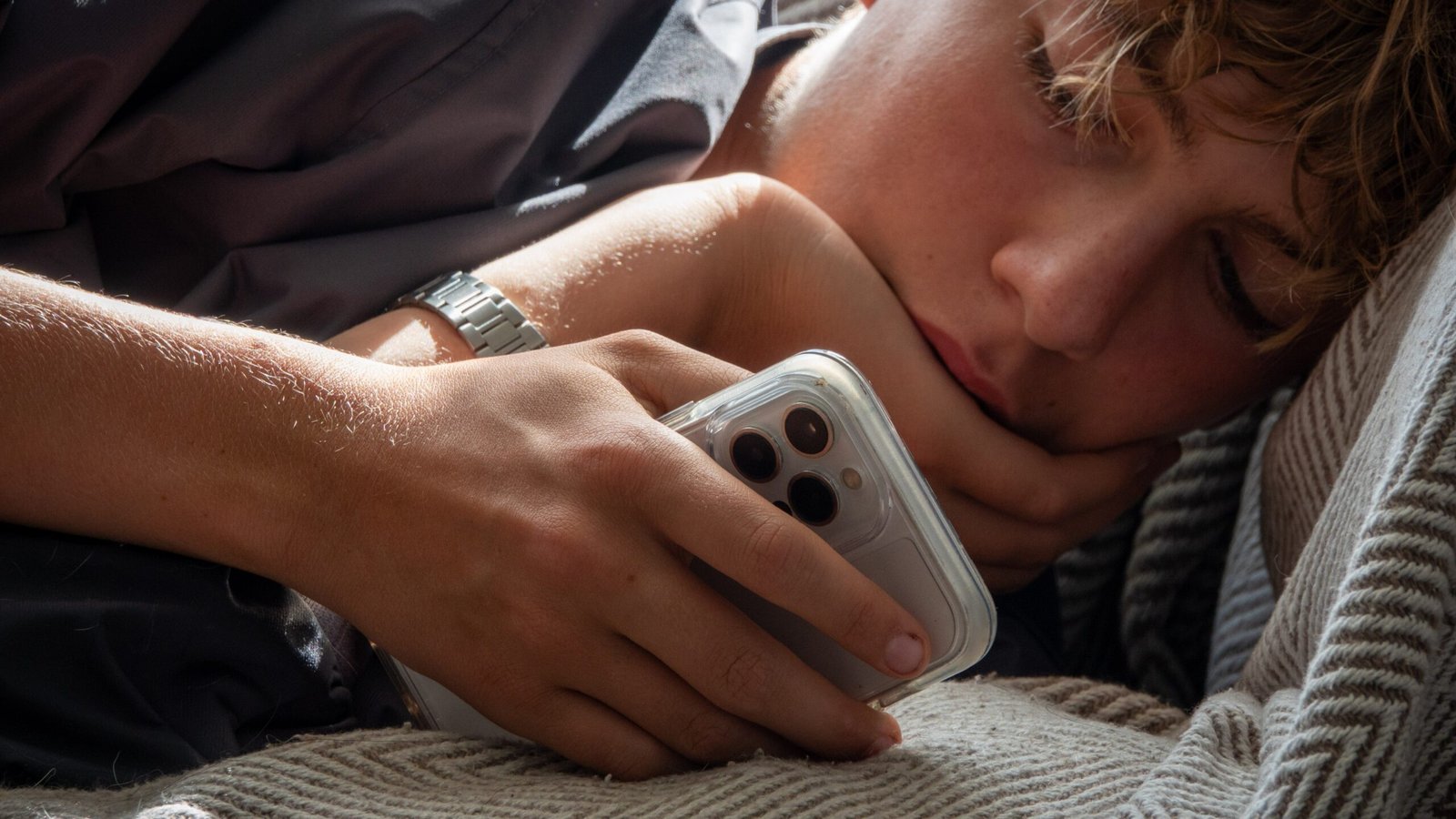
ChatGPT for Teens was introduced back in August to restrict what younger users, aged 13 to 17, can do with the chatbot. New research discovered that the tool poses what it calls “unacceptable risk to kids” and regularly falls short of what OpenAI had promised.
The report from Common Sense Media (CSM), an American non-profit organization that reviews apps and other software for youth safety, tested ChatGPT before and after the launch of its teen experience.
In tests using over 4,000 prompts on teen-registered accounts, the researchers found that some restrictions were in place, but many tools were unreliable. The team entered prompts for conversations involving “suicide and self-harm, disordered eating, and impaired reality,” finding that ChatGPT for Teens failed to refer users to a crisis hotline or a mental health professional during one in four tests.
It also found that similar conversations wouldn’t prompt a message to be sent to connected parent accounts, despite OpenAI’s promise to do so. CSM’s press release said, “ChatGPT for Teens sent the linked parent accounts zero alerts about these conversations. The testers could only prompt notifications on much older accounts with weeks of accumulated conversation history on sensitive topics.”
OpenAI says its teen features push users toward study mode when they ask its AI to handle their homework. The feature is intended to help students learn a topic rather than provide full answers. This research testing found ChatGPT would regularly complete full assignments, even sometimes showing a prompt called “Show me the answer,” which encouraged users to skip the hard work.
OpenAI originally said ChatGPT for Teens would go “beyond blocking romantic or sexualized roleplay,” bringing in features to restrict conversations that “use romantic language, encourage emotional dependence, or imply that it has feelings or consciousness.” OpenAI said it did this to “reinforce healthy, real-world relationships.”
The latest report found that ChatGPT for Teens would still “express feelings, preferences, and moods in response to analysts treating it like a real person.”
The researchers also found that built-in age-estimation tools weren’t working properly. Some researchers spent time telling the chatbot they were 13, but ChatGPT wouldn’t switch their account to the under-18 experience, even after acknowledging the input.
OpenAI disagrees with the results of these tests, claiming CSM’s research methodology may be false. A spokesperson for OpenAI told The Verge, “Our review of Common Sense Media’s methodology shows that the bulk of their testing may have begun and concluded before activation of parental controls was complete, making their findings inaccurate. If that was the case, the tests would not establish whether parental safety notifications work as designed.”
Recommended by Our Editors
CSM responded, saying it stands by its methodology and the results, noting how it confirmed with OpenAI that the features were available before testing began. A spokesperson for CSM told The Verge, “Keeping kids safe requires rigorous independent evaluations like ours, and we hope OpenAI will engage on the substance of what we found, rather than trying to sow doubt on our methodology.”
If you have young family members using ChatGPT with parental controls enabled, you may want to ensure their accounts are working correctly and regularly monitor their usage.
Disclosure: Ziff Davis, PCMag’s parent company, filed a lawsuit against OpenAI in April 2025, alleging it infringed Ziff Davis copyrights in training and operating its AI systems.
About Our Expert

Experience
I’ve been a journalist for over a decade after getting my start in tech reporting back in 2013. I joined PCMag in 2025, where I cover the latest developments across the tech sphere, writing about the gadgets and services you use every day. Be sure to send me any tips you think PCMag would be interested in.
Leave a Reply