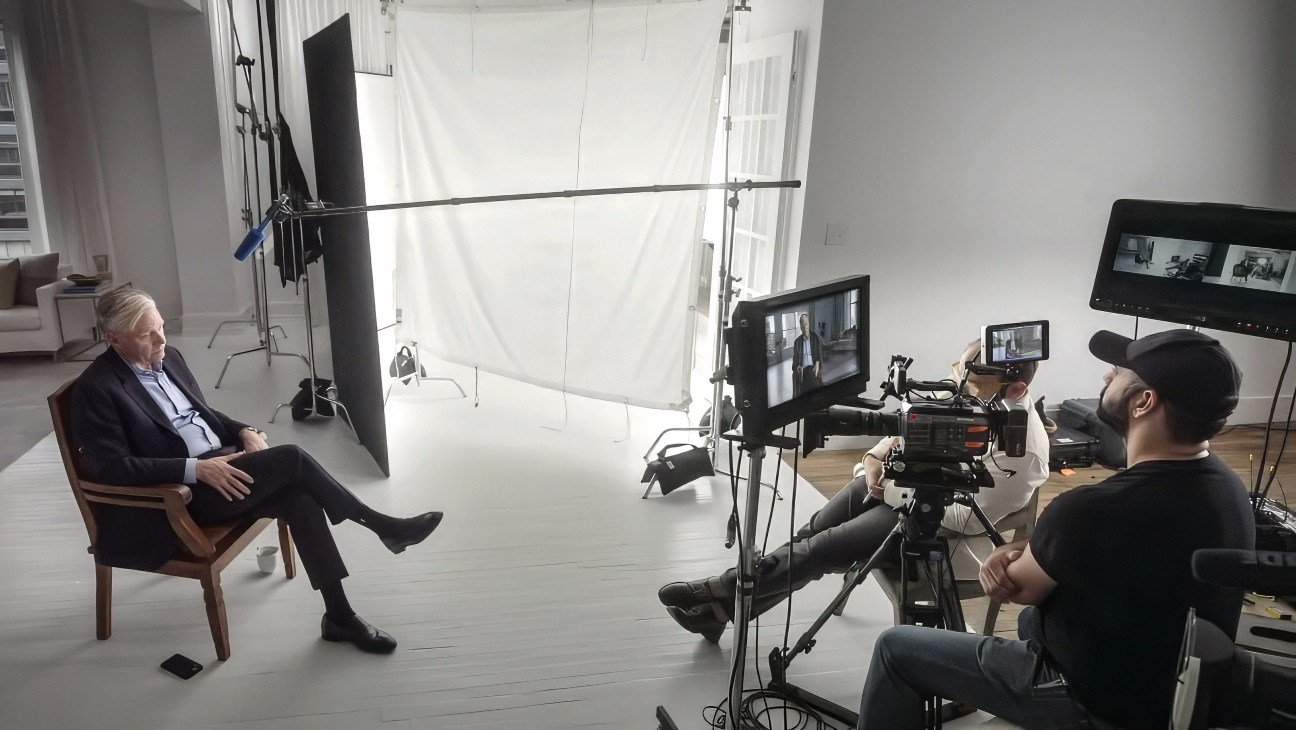
Have a seat: Chris Hansen wants to show you something.
On Friday, Hansen’s TruBlu streaming network ($4.99/month or $49.99/year) unveiled the trailer for I’m Chris Hansen, a documentary about and starring the Dateline legend three years in the making. That timeline is important as everyone involved wants you to know that this doc is not simply some knee-jerk reaction to how Hansen feels about A24 feature film Primetime, in which Robert Pattinson portrays the To Catch a Predator journalist.
As for Primetime, well, he’s not a fan. In an interview with The Hollywood Reporter — Hansen’s first since the Lance Oppenheim film debuted at Venice — Hansen called the movie, out today in theaters, “a complete work of fiction attached to a real name.”
“Based upon what I’ve seen in the trailer and my understanding of what has been written about the film, they wanted to create something much darker and way more dramatic,” he told THR‘s Seth Abramovitch. “I think it’s an insult to the thousands of men and women who work hard every day to protect children from predators. They turn something that is very positive, very challenging and not without risk into what is essentially a horror film.”
And that, Hansen added, is itself “exploitative and predatory.”
At the time, Hansen had not seen the film because he refused to sign a nondisclosure agreement — but he set up a major troll-job anyway, buying ads for TruBlu ahead of all Primetime screenings, as first reported by THR.
Hansen wants you to know he has no beef with Pattinson personally.
“I have no issue with Robert Pattinson. I think he’s a great actor and a nice guy, and he has been very gracious in his comments about me,” he said. “But they put him in a difficult position. He’s going to be asked, ‘Did you actually meet with Chris Hansen?’ And he has to explain why, as an actor portraying me, they never reached out even to have a discussion.”
Hansen’s theory?
“I think it’s because the studio and the director didn’t want to know the truth,” he said. “They had a notion of the film they wanted to create, and they wanted to benefit from the use of my name.”
Hansen’s true crime streaming channel is now benefiting from the film’s release. Read more from THR‘s interview with Hansen here, and watch his doc’s trailer below:
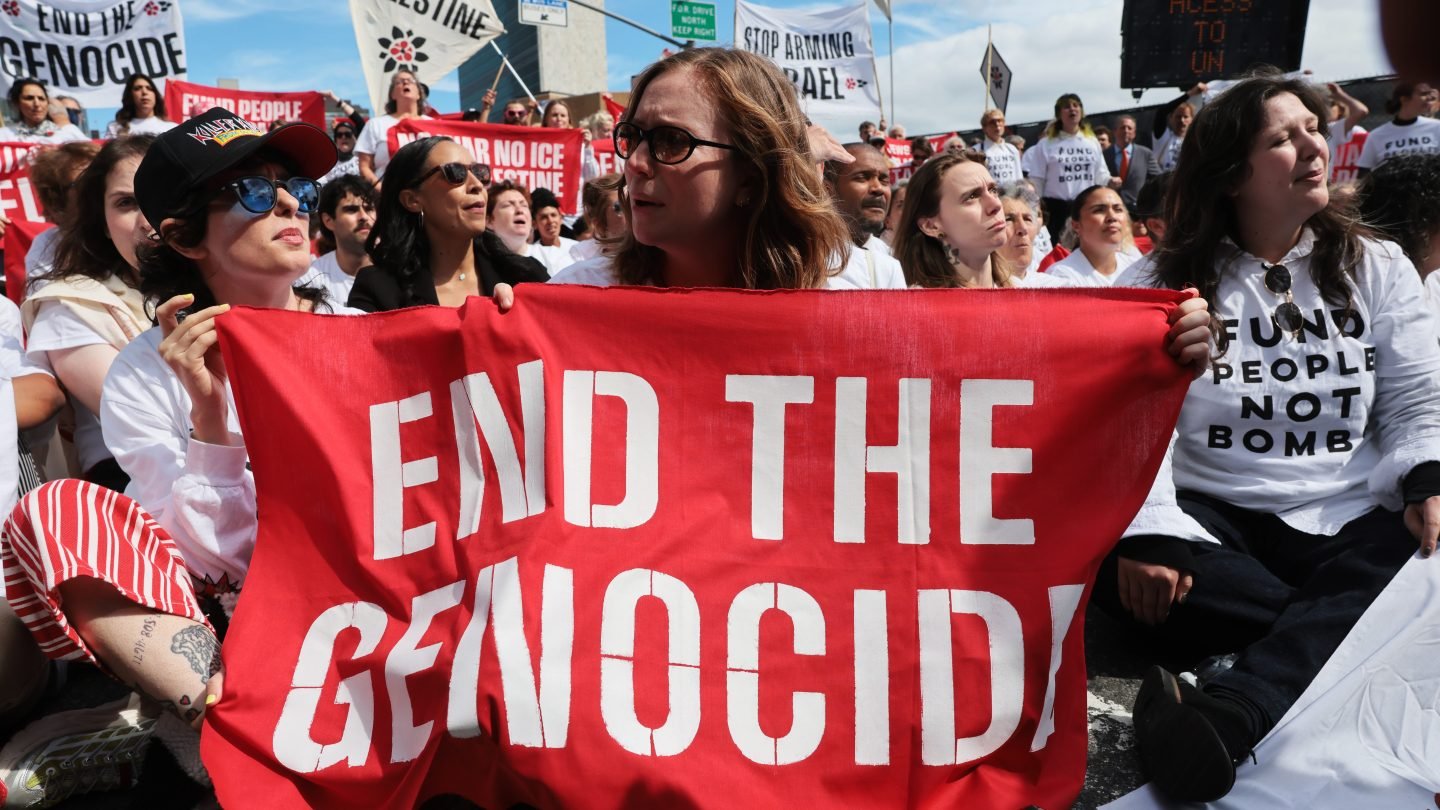
Hannah Einbinder has released a statement after being arrested on Thursday during a protest ahead of Israeli Prime Minister Benjamin Netanyahu‘s United Nations address.
“If the pictures of my friends and me getting arrested in protest of Netanyahu’s shameful visit to New York draw attention to anything, let it be to the devastating genocidal war Israel is waging against people of Palestine and Southern Lebanon-to the settler attacks, the home demolitions, the bombing of people as they sleep; to the crimes that happen every SINGLE day but garner almost no international press coverage,” the actress wrote on her Instagram Story on Thursday. “The US government has the power to bring an end to all of this killing, pillaging, and land theft, yet instead it chooses to welcome the butcher of Gaza with open arms.”
The Hacks actress, Susan Sarandon and Caleb Hearon were among those reportedly taken into custody alongside around 100 protesters before Netanyahu addressed the United Nations General Assembly. Cynthia Nixon and Sarah Sherman were also at the protest, with Einbinder being photographed with the Saturday Night Live star.
Einbinder concluded, “The fact that the orchestrator of all this bloodshed is roaming freely in our cities is an indictment of BOTH REPUBLICANS AND DEMOCRATS who enable and protect architects of genocide like netanyahu [sic]. Let us not mistake the spectacle for the story: genocide is the headline, and it is time for it to end.” In a second Instagram Story, she shared a link to donate to Pal Humanity.
A spokesperson for the New York City Police Department told The Guardian that officers responded to “unscheduled demonstration” reports where an intersection was blocked.
“Members of the NYPD Community Affairs Bureau issued … warnings, advising participants that they should leave,” the spokesperson told the outlet. “They continued to block the intersection. Multiple individuals who didn’t comply were taken into custody.”
The actress-comedian has been a vocal supporter of Palestinian rights. At the end of her acceptance speech for supporting comedy actress at the 2025 Emmys, Einbinder said, “I just wanna say, finally, go birds, fuck ICE and free Palestine.”
The Hollywood Reporter reached out to Einbinder’s reps for additional comment, but did not hear back.
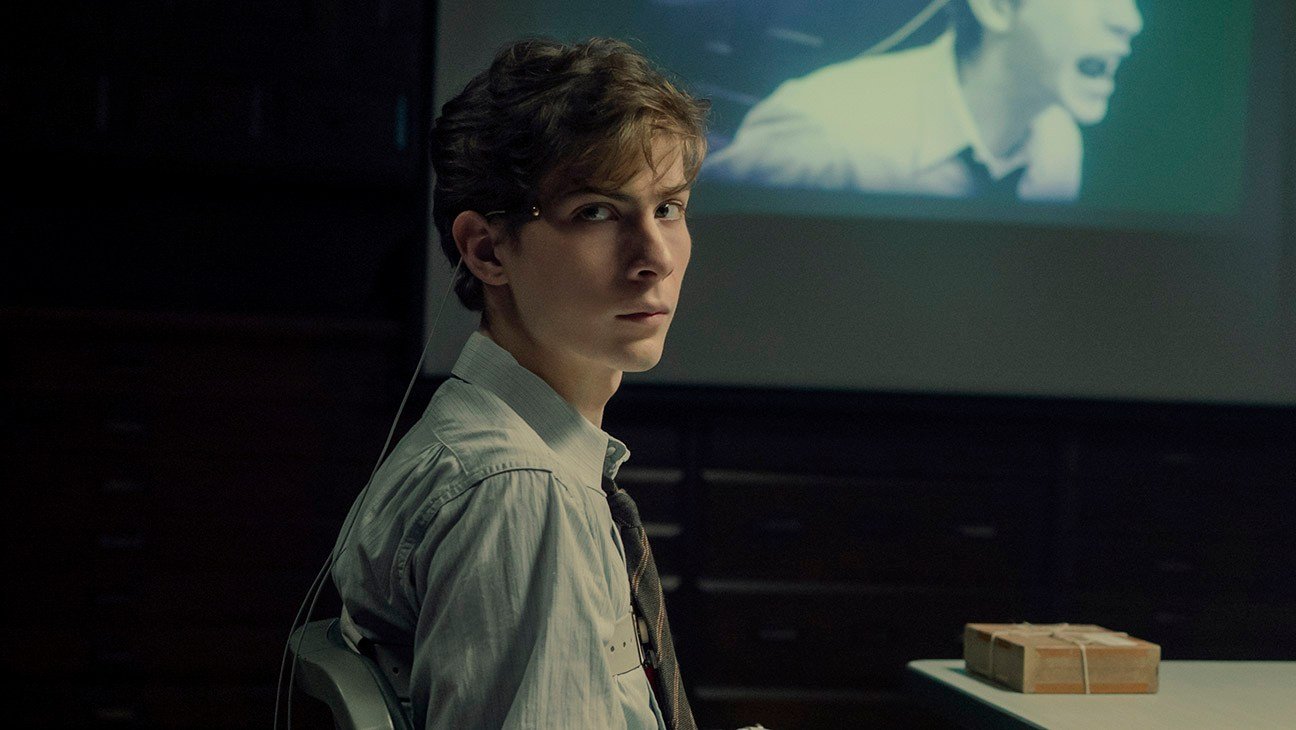
While Netflix has Ryan Murphy busy investigating (or flat-out making up) the motives of killers like Jeffery Dahmer, the Menendez Brothers and Lizzie Borden, the streamer has enlisted director Janus Metz to tell the story of Ted Kaczynski, the math prodigy turned reclusive murderer known as the Unabomber — also the movie’s title. But Unabomber, written by Sam Chalsen and Nelson Greaves, is not some sweeping birth-to-death survey of Kaczynski’s life. It instead focuses on a young Kaczynski’s time at Harvard University, where he participated in a brutal psychological study that, in the movie’s framing, may have helped form the anarchic worldview that eventually led to his infamous deeds.
Never mind that Kaczynski himself has said that the study, conducted by psychology professor and sometime government operative Henry Murray, didn’t have much effect on his life. Unabomber presupposes that it did, that Murray’s cruel (and later condemned) experiment in breaking down the philosophical principles of test subjects, stoked a rage — at academia, at technology, at universities — so fierce that Kaczynski later decided to enact his revenge. Perhaps not figuring that argument compelling enough on its own, the film tacks on a 1990s-set plot covering the days leading up to Kaczynski’s capture in Montana.
Unabomber
The Bottom Line
A faint sketch of a killer as a young man.
Release date: Friday, Sept. 25 Cast: Russell Crowe, Jacob Tremblay, Shailene Woodley, Annabelle Wallis, Gus Halper Director: Janus Metz Screenwriters: Sam Chalsen, Nelson Greaves
Rated R,
1 hour 37 minutes
Both narratives concern people prying into Kaczynski’s psyche and finding only further questions. In the 1950s, in the hallowed, lacquered-wood halls of Harvard, we watch a perspicacious boy genius — Kacyznski was all of 16 when he started college — as his intellect, his curiosity and his naiveté are weaponized against him, hardening his most radical beliefs into ideology. In the 1990s section, we observe relative lay people as they try to divine specific clues from Kaczynski’s manifesto, markers that might give away something crucial.
These twin analyses are both facile and unenlightening. The investigation arc is so boilerplate that it has an FBI agent placing a pile of documents on her desk and saying to them, “Talk to me.” The 1950s portion of the film is at least able to conjure up some mid-century moodiness, skulking around in the nervous temper of early Cold War days, as academia colluded with government agencies to buttress the country against the perceived Soviet threat. (At its best, the film calls to mind Robert De Niro’s unfairly maligned CIA origin story The Good Shepherd, which begins its postwar tale on the leafy quads of Yale.)
And yet, the ultimate conclusions of that half of the film are just as unpersuasive as everything that happens 40 years later. That’s largely owed to starchy, frequently clichéd writing. But sadly one must put some of the blame on the actor playing Kaczynski, Jacob Tremblay, who long ago escaped the confines of Room and now, at 19, has found himself in this dark mess.
His clean-cut boyish features do actually resemble Kaczynski at that age, but Tremblay otherwise has trouble evoking the volatile storms of Kaczynski’s mind. His voice cracking and eyes wide with alarm, Tremblay effectively communicates Kaczynski’s youth, but it all plays as bratty and insouciant rather than registering as the beginnings of true menace. Tremblay was a better fit for his other recent film about extremism, 2025’s Sovereign, in which his guilelessness served a more poignant purpose.
As Murray, Russell Crowe has dusted off his A Beautiful Mind professorial duds and phones in a performance of avuncular appeal masking sinister motives. We believe that Murray cares, in some way, for Kazcynski — or, at least, that he’s impressed by the student’s prowess — but not enough to stop his predatory work.
The portraiture is not very detailed beyond that. Part of the problem may be that, for the bulk of the experimentation, Murray is out of the room. Kaczynski is instead sparring with a fellow student, a haughty older boy played by the reliable Gus Halper, who did towering work as another collegiate monster in the under-seen 2016 frat-hazing thriller Goat. Had Tremblay and Crowe been given more opportunity to go toe to toe, something in the picture might have caught flame.
Instead, Unabomber trudges through its motions, toggling between grim school daze and a tediously generic FBI manhunt. In the latter part, Shailene Woodley does her best to give some texture to her rogue agent character, Joanne, but she has precious little to work with.
Perhaps cognizant of that, the filmmakers give Joanne a brief, humanizing button at the end of the film, a moment of solitude in which she has a cathartic cry as she processes all that she’s just experienced. The scene might register as thoughtful were it not such a blatant rip-off of the closing seconds of Zero Dark Thirty, in which a dogged investigator who’s finally caught her prey sheds tears of relief and exhaustion and something more ineffable. It doesn’t pack the same punch the second time around, and at the end of something so bland.
Watching Unabomber, one longs for a smarter, more sophisticated, more probing version of this same double-act. A better film about what might have radicalized Ted Kaczynski that also delineates how he was eventually captured could be startling and revealing, complicating the public idea of Kaczynski as mere renegade madman. But this film serves up only the most basic, obvious version of that — try as it might, at times, to immerse us in murky psychological depths. In the end, it has all the markings of a final paper written by a student who got all the dates right, but failed to find the real meaning behind any of the history.
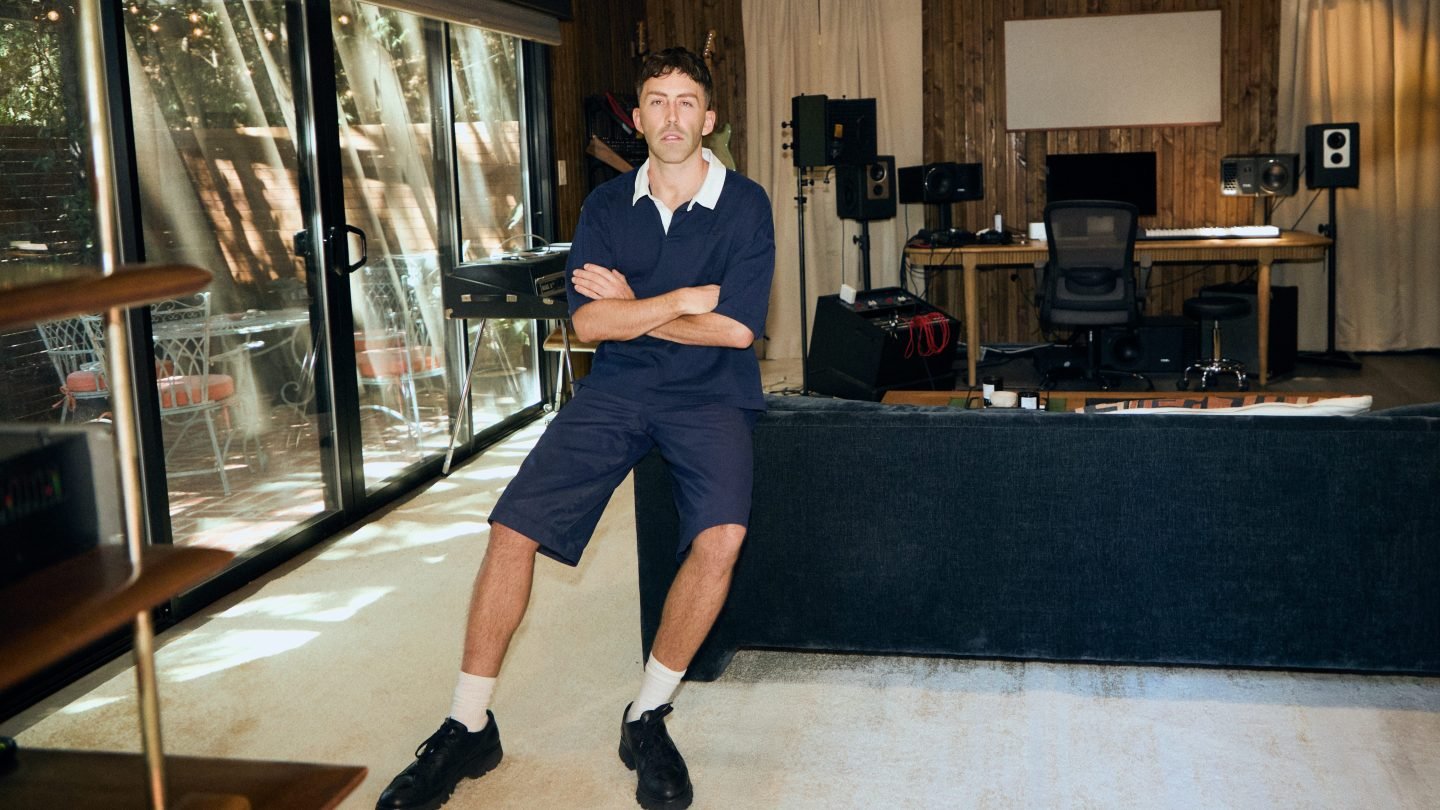
Situated in the hills of Studio City sits a home studio that’s birthed a slew of popular songs.
“The first session I did here was with MUNA in 2019,” says Leland. The 39-year-old producer owns that home studio. It’s first iteration was situated inside the main house on his property and has since expanded into its own little oasis.
Steeped in warm colors, with luxurious candles burning away, Leland’s current studio feels more like a chic getaway spot rather than a workspace. It’s become a home base for him and other creatives in his circle to collaborate. His dog, Crosby, is a frequent visitor and how he’s keeping track of the passing time — the MUNA session had to be in 2019 because he has a photo of one of the band’s members with the dog as a puppy.
The actual studio only accounts for, at times, 50 percent of where the creativity’s happening when artist comes to Leland’s place. “The writing doesn’t have to happen in the studio. The recording can happen in the studio,” the producer explains. “I feel like a lot of it is just sitting out here having conversations.”
Leland in his home studio.
Courtesy
An artist might be staying in the cottage on the property while they’re there working. “They can just walk down to the studio, which has been really nice,” says Leland. The Shardsstar Hayes Warner, another collaborator of Leland’s, stayed in his cottage while she was filming the Ryan Murphy show. Leland wrote music for the series, which is set to release a soundtrack next month.
On a day where he’s welcoming an artist into the studio, the producer tends to start the day with a hike. He’ll walk to Fryman — if you ever see someone dangerously walking down Laurel Canyon Boulevard, it’s likely Leland. He’s only had one close call, he points out, and it was actually from a friend. “One of my best friends happened to be driving down Laurel Canyon, and he was like, ‘Girl, did I almost hit you?’ I was like, ‘Yes, but I would’ve wanted it to be a friend,’” he says cheekily.
After his hike, hopefully without any close calls, Leland will get fresh flowers for the studio, along with a candle or incense. His routine tends to change depending on who he’s working with that day.
“I love getting the studio ready for a session. I love that part of it,” the producer says. “Or cleaning up after a session, which is usually just Goop [Kitchen] bags, water and Coke Zero.”
The space is meant to be a space of peace and quiet, even if that’s not always what’s happening in the studio itself. Leland, who’s also RuPaul’s Drag Race‘s producer and songwriter, explains that it can range from longtime collaborator Troye Sivan to Charli xcx, who he says recorded some of the Wuthering Heights album in the studio, to Demi Lovato. A Drag Race executive producer or even RuPaul might be around while Leland’s tinkering on Sivan’s work, so they’ll share it.
Leland in his home studio.
Courtesy
If Leland’s working with an artist for the first time, he’ll listen to their music on his morning hike — or he’ll listen to anything he’s anticipating will be a good reference point for the work that’ll happen later that day. No matter how familiar with the project or the artist, he wants to be prepared and have something in his back pocket.
Some artists, however, have a good idea coming into their sessions with Leland. “When Rebecca Black came in, I was so excited to work with her and she had such a clear vision for what she wanted to make, and it was just so fun,” he says. The pair wrote the track “Corsetry” from her latest album in the space.
“I have the same feeling about [Black] that I had when Adéla first walked into the room,” Leland says of the pop princess of the moment. The 22-year-old has been blowing up this summer. Leland and the pop star — who broke out as a contestant on the audition project Dream Academy that formed the girl group KATSEYE — worked together on songs from her first EP, “SexOnTheBeat” and “DeathbyDevotion.”
Leland, by his on admission, loves working with women. “I love a pop girl,” he says. But by far, the producer’s most impactful collaboration, both professionally and creatively, remains Sivan. Getting to be part of a gay pop star’s career is something he’ll never take for granted.
“So many songs that you love that are by the female pop stars that we love, a lot of the times there’s a queer person as one of the collaborators when you look up the credits,” Leland says. “I think now my ear is trained to where I can tell if a gay person was in the room or not.”
He adds, “I really think for songs, you can tell. And not that every song needs to have a gay person in the room, obviously, but I think depending on what you’re going for, you can really hear if there was some queer energy in the room or not. I feel like it’s been so fun to sometimes be that person with the different artists that come through.”
Leland in his home studio.
Courtesy
Leland and Sivan collaborated once again for the pop star’s upcoming album She’s the Best, set to be released next month. Many of the great pop stars of the past weren’t publicly out, so watching Sivan’s career get to the point it’s at now has been almost surreal for Leland. “People like Troye are allowed to be pop stars, and you’re allowed to have that experience, and maybe not allowed, you’re demanding it,” the producer says.
“I always want the music to speak for itself. I don’t want opportunities because I’m queer. I want opportunities because I’m good. I don’t want opportunities for Troy because he’s a gay pop star,” says Leland. “I want opportunities for him and for our music because the music is good and the music videos are good and the team’s good and the energy is good.”
He adds, “I want that support from the queer community because the music is great and the art is great. I want that support from the straight community because the music is great and the art is great, not just because any of us happen to be queer.”
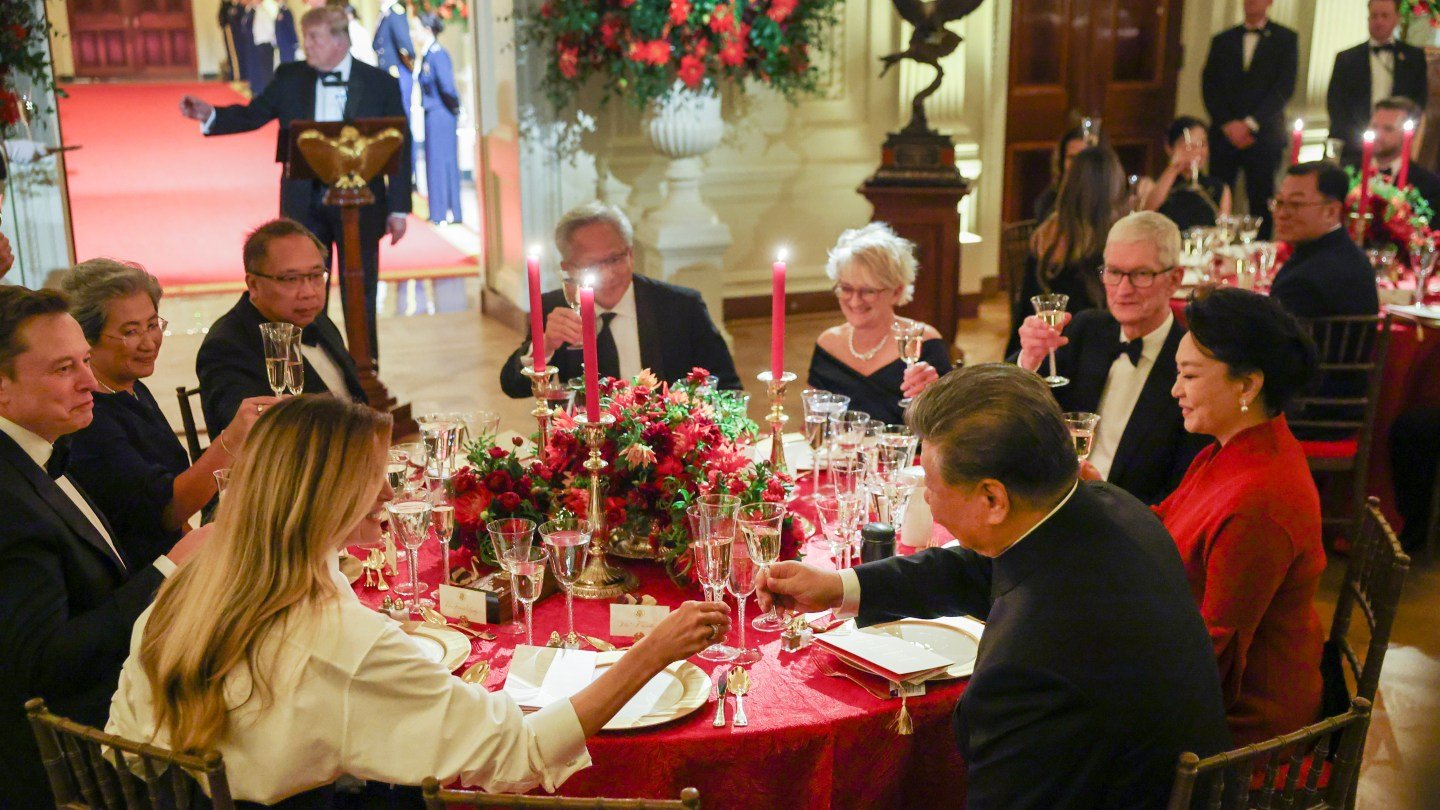
Tech and media titans… as well as a small army of Fox News hosts descended on the White House Thursday evening to attend the state dinner honoring China’s president Xi Jinping.
President Trump and First Lady Melania Trump hosted the dinner, which was heavy on corporate bigwigs.
According to a guest list released by the White House, attendees included Paramount Skydance CEO David Ellison, just days after his company inked a settlement to clear its takeover of Warner Bros. Discovery… including CNN, which saw its reporters denied access to the state dinner even after a federal judge reinstated their press passes to the White House complex.
But it was mostly tech giants in attendance, with photos showing Tesla and SpaceX chief Elon Musk sitting at the head table with Trump and Xi, joined by Nvidia’s Jensen Huang and Apple’s Tim Cook.
Earlier this week, there were reports that Ellison may ask Musk to invest in Paramount as part of its WBD takeover.
Other attendees included OpenAI CEO Sam Altman, Meta CEO Mark Zuckerberg, Amazon’s Jeff Bezos, OpenAI president Greg Brockman, Google co-founder Sergey Brin and CEO Sundar Pichai, Microsoft CEO Satya Nadella, TikTok investor Jeff Yass, and LCMH CEO Bernard Arnault, along with a slew of other CEOs from finance, manufacturing and other industries.
And there was also a Fox News contingent, with hosts Jesse Watters and Laura Ingraham as well as anchor Bret Baier all making the cut too. Podcast hosts, including Katie Miller (the wife of White House aide Stephen Miller) and David Sacks (tech investor and All-In co-host) were on the list, as was Cheryl Hines, who was there with her husband RFK Jr.
NAZA, the Israel–Gaza war documentary, has set plans for a global theatrical release from Sept. 28 after picking up the Special Jury Prize at the Venice Film Festival.
The film from No Other Land directors Yuval Abraham and Rachel Szor will have a North American premiere at the New York Film Festival on Saturday, to be followed by a theatrical release starting Oct. 9 in the U.S. and now a global rollout.
“We made this film out of a sense of obligation to use our position as Israelis to examine the systems behind the mass killing of Palestinian civilians for which our country is responsible. The threats from the Israeli government to revoke our citizenship and the death threats do not change that and will not stop the film. We thank our colleagues for the solidarity and look forward to sharing NAZA all over the world very soon,” Abraham and Szor said in a statement.
For the film’s international release coming hot on the heels of the Venice premiere, The Guardian and partner mk2 Films have inked deals with theatrical distributors in 56 territories. Those markets include The Middle East, France, Canada, UK, Italy, Spain, Germany, Belgium, Netherlands, Australia, New Zealand, Japan, Brazil and Central America.
After the theatrical run globally, NAZA, executive produced by Jonathan Glazer (The Zone of Interest) and featuring testimony from 24 Israeli military officers outlining the systems and protocols they allege Israel uses to target and kill Palestinian civilians in Gaza, will stream on The Guardian website, for free.
The film’s title, NAZA, comes from an acronym the Israeli military uses as a shorthand for civilian casualties. The film’s producers said the documentary has been offered to a number of distributors and cinemas in Israel, and The Guardian was looking for ways to allow the film to be seen in Gaza and the West Bank. NAZA is produced by The Guardian and JW Films.
Harry Davies, a Guardian investigations correspondent and a NAZA producer, in his own statement said: “NAZA is grounded in rigorous journalism published over the past three years, but it is also a powerful piece of cinema that will soon be available on screens, large and small, around the world. The initial response from those who’ve seen it shows audiences are engaging deeply with the urgent questions the film raises. We’re working with MK2 and international partners to bring the film to global audiences as soon as possible.”
YouTube may be the most-watched video platform on planet earth, but it is not wrestling on its laurels.
The Google-owned platform this week announced a barrage of AI-powered features and tools, for both viewers and creators, that it is betting can help people make more content faster, and help viewers more specifically find what they are looking for.
The company announced the tools at its annual Made on YouTube event in New York City, with CEO Neal Mohan taking the stage in Google’s office in a former shipping pier on the Hudson River.
“Since the start of the year, we’ve launched over 3,000 product updates and improvements, keeping up with evolving viewer tastes and increasing creator ambitions,” Mohan said. “This is what it looks like to innovate in the YouTube era, an era where entertainment is built from the ground up by creators and the communities that fuel them.”
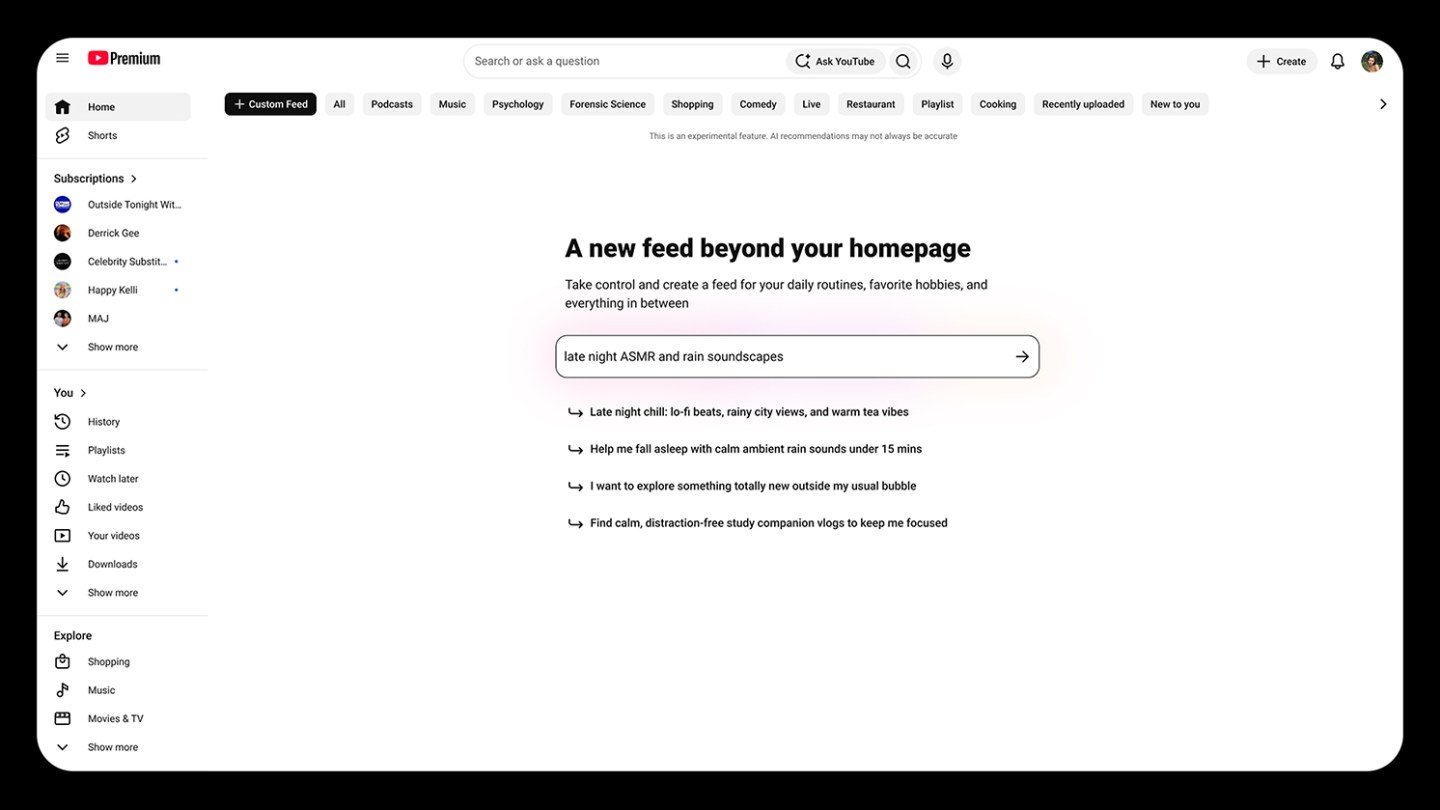
For YouTube viewers, the biggest change will be the introduction of Custom Feeds, which will let users type what they are interested in in (think “help me find new DIY creators” or “witty podcasts for my 30 minute commute”), with the platform creating new tabs that will refresh with options in those defined areas.
The platform is also adding new functionality to Ask YouTube, enabling followup questions and more specific search capabilities.
On the creator front, some of the announcements drew applause and buzz from many of the creators in attendance.
YouTube Studio can now suggest pacing and structure for videos, and help creators automatically A/B test thumbnails. Soon it will allow for A/B testing of videos, enabling different versions of content for different audiences.
It is also rolling out a conversational editing assistant, letting users lean on YouTube’s apps to help it edit content using natural language prompts. Opt-in AI-powered comment moderation is also in the works, as is a voice detection tool that will join its current likeness detection program.
“Our approach has always been to use AI to empower human creativity, and to do it responsibly,” Mohan told the crowd.
If you purchase an independently reviewed product or service through a link on our website, The Hollywood Reporter may receive an affiliate commission.
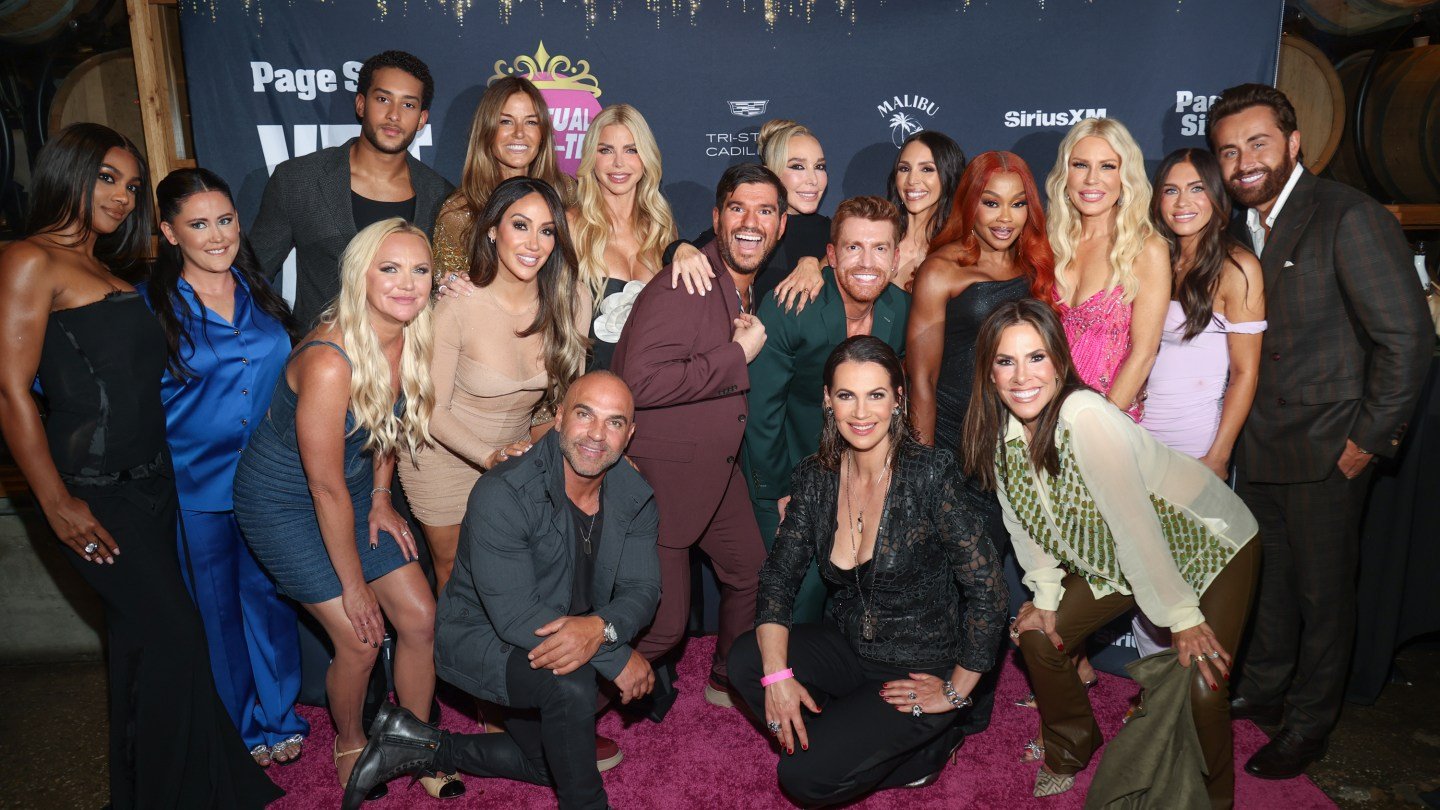
Live TV streamerPhilo has landed Page Six‘s “Virtual Reali-Tea Awards,” the New York Post Media Group’s fan-voted awards show that celebrates reality television.
This year’s Virtual Reali-Tea Awards ceremony films on Oct. 6 at New York’s Edison Ballroom and will premiere exclusively on Philo beginning on Oct. 9. Worth noting: while Philo subscribers can currently enjoy 70+ live TV channels and thousands of on-demand shows and movies for a $25 monthly price point, this year’s awards show will stream free for everyone — no subscription required.
Last year’s Virtual Reali-Tea Awards featured cast members from Bravo’s The Real Housewives of Miami, The Real Housewives of New Jersey, Southern Hospitality and MTV’s Teen Mom, among others. According to a press release, this year’s show will feature appearances by reality stars like Real Housewives of New York’s Countess Luann de Lesseps, Kyle Cooke from Summer House, The Secret Lives of Mormon Wives’ Layla Taylor, and Jersey Shore star Mike “The Situation” Sorrentino, among others.
De Lesseps, of course, is now part of the cast for E!’s The Golden Life, which was pitched as a Real Housewives of New York reboot. She’ll be joined by her current castmates (and former RHONY stars) Sonja Morgan, Ramona Singer, Dorinda Medley and Kelly Bensimon to accept the coveted Golden Kettle Lifetime Achievement Award.
The Countess is also slated to perform at the event, with other musical acts that include Real Housewives of Potomac star Ashley Darby and Vanderpump Rules alum Scheana Shay. All three are also nominated in the Musician of the Year category, alongside Atlanta housewife, Drew Sidora.
Other categories include Quote of the Year, “Hot-Tea of the Year,” Best Reunion Performance and Best Return to Screen. Philo will sponsor the Best Cast category with the stars of Jersey Shore Family Reunion, Real Housewives of Rhode Island, Traitors and Love Thy Nader making up the nominees.
The Virtual Reali-Tea awards show is a spin-off of Page Six’s popular pop culture and reality TV podcast of the same name, and this year’s ceremony will be hosted and executive produced by the podcast hosts, Danny Murphy and Evan Real.
The awards are also Philo’s first exclusively licensed original show in the awards category, and continues the streamer’s push into original programming.
“Philo is known for being a home for reality TV lovers,” says Mike Keyserling, CEO of Philo, in a release. “We’re proud to be the exclusive streaming home of the Virtual Reali-Tea Awards and to give reality TV fans on our platform even more of what they enjoy.”
“Reality TV is a huge part of the Page Six universe, and the Virtual Reali-Tea Awards have quickly become a standout extension of the brand,” adds Sean Giancola, Publisher and CEO of New York Post Media Group. “Philo is a natural partner to help us take the VRT Awards to the next level, reach even more fans and celebrate the people and moments everyone is talking about.”
Philo currently offers more than 70 live television channels that subscribers can stream online without cable, including shows and movies on AMC, ID and Lifetime, plus popular reality series on MTV, TLC, VH1 and We TV. Philo plans start at just $25/month.
Philo also offers a free tier that gives viewers access to more than 150 free, ad-supported channels along with thousands of movies and shows on demand — no credit card or signup required.
The Virtual Reali-Tea Awards will debut as part of Philo’s free channel lineup. Tune into the exclusive streaming premiere of the 2026 Virtual Reali-Tea Awards on October 9 and catch up on last year’s awards at Philo.com/VRTs.
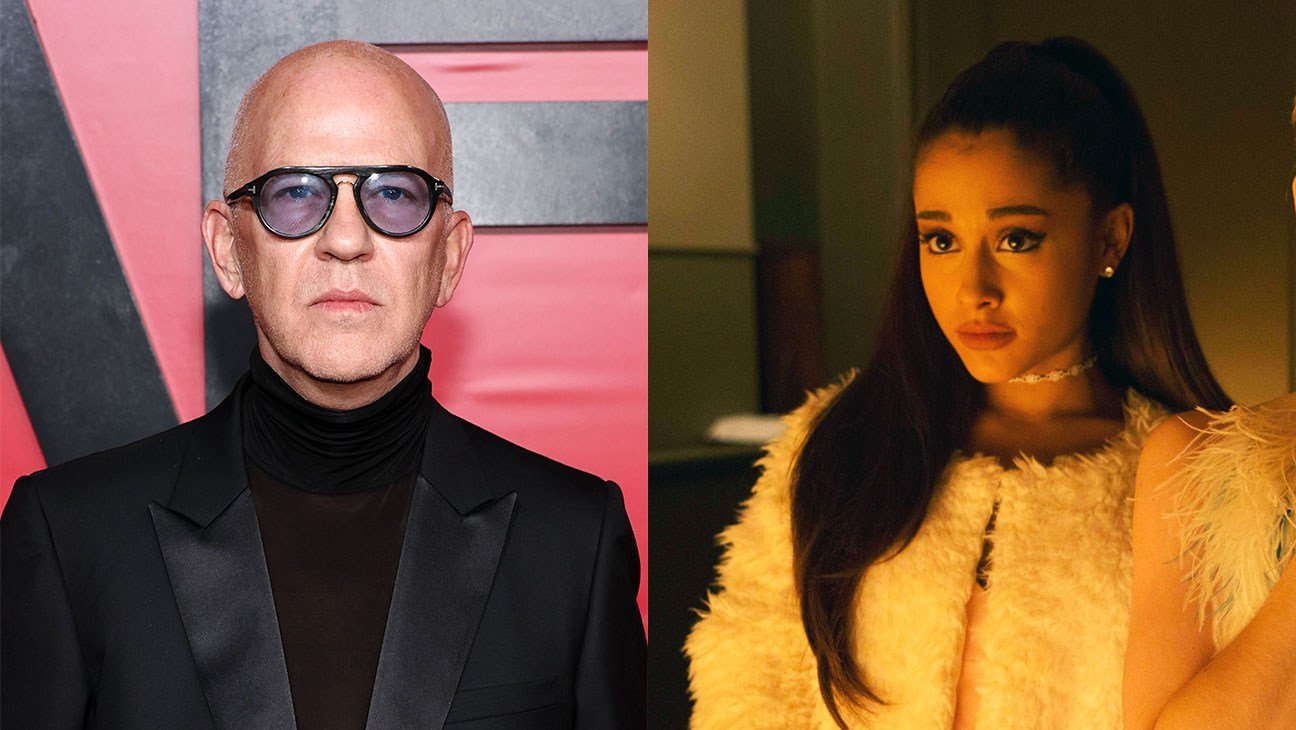
Speaking with The Hollywood Reporter Wednesday night in New York City ahead of the premiere of AHS: 13, Murphy revealed that Grande was set to reprise her role as Chanel #2 from Scream Queens for the new season of American Horror Story.
The potential crossover would’ve brought the worlds of Murphy’s American Horror Story and Scream Queens together for the first time, but Grande’s touring schedule for her Eternal Sunshine Tour ultimately prevented the appearance.
“It was funny because at one point I was going to have the Scream Queens come on to this season, but Ariana was touring and I couldn’t make it work,” Murphy told THR. “But she was like, ‘I still want to do it! I just can’t be on tour.’ So I was like, ‘All right, let me think of it.’”
Grande played Chanel #2 on Scream Queens, the Fox horror-comedy co-created by Murphy, Brad Falchuk and Ian Brennan. The series starred Emma Roberts as Chanel #1, Grande as Chanel #2, Billie Lourd as Chanel #3, Abigail Breslin as Chanel #5 and Lea Michele, a group of Kappa Kappa Tau sorority sisters targeted by a killer known as the Red Devil.
Grande’s character was killed off in the first season, and the series was canceled after two seasons. Murphy said that while Grande’s touring schedule kept the crossover from happening this season, he hasn’t given up on revisiting Scream Queens — and the show’s core cast members are interested in returning.
When asked if he was thinking about reviving Scream Queens, following his recent comments about being open to revisiting Glee, Murphy said, “Yes, so funny, Emma [Roberts] and I were talking about that yesterday. You know, they want me to do it. I don’t know.”
“Emma really wants to do it. I know Billie wants to do it. Lea wants to do it. Ariana wants to do it and Glen [Powell], my favorite of all time,” he said.
Murphy also pointed to Grande’s touring schedule as the reason the Scream Queens crossover didn’t happen this season.
“I mean, it’s been what, 12 years since Glee went off the air? Sometimes it takes a while,” Murphy added. “But it was the tour which I knew. She warned me in advance that it was gonna be really hard to schedule, and the weekend we had to shoot it, she was touring, but I said, ‘OK, I’ll bump it down the road,’ so I haven’t given up. I love her.”
Lourd, who played Chanel #3 on Scream Queens, also told THR Wednesday that she would be interested in returning to the series.
“Hell yeah! Scream Queens is everything,” she said when asked about the possibility of a revival. “I wish Scream Queens would come back. It was so much fun. That was the first Ryan thing I ever did. It’d be wild,” she added. “Chanel #3 is everything to me.”
Brennan previously told THR that he would “totally” revisit the series and reflected on its premature ending.
“It was really at the end of network [television] and the rise of streaming,” he said. “A network executive could have been forgiven for being like, ‘The ratings keep going down.’ But they would do this all the time. They’d cancel a show that was getting like a one and then replace it with something that got a point seven, and now they would give their eyeteeth for the ratings we were getting then.”
As for Murphy’s latest show, the highly anticipated 13th season of American Horror Story premieres Thursday on FX. The “all-star” season will see franchise favorites Jessica Lange, Sarah Paulson, Evan Peters, Angela Bassett and more reprise their iconic characters.
If you purchase an independently reviewed product or service through a link on our website, The Hollywood Reporter may receive an affiliate commission.
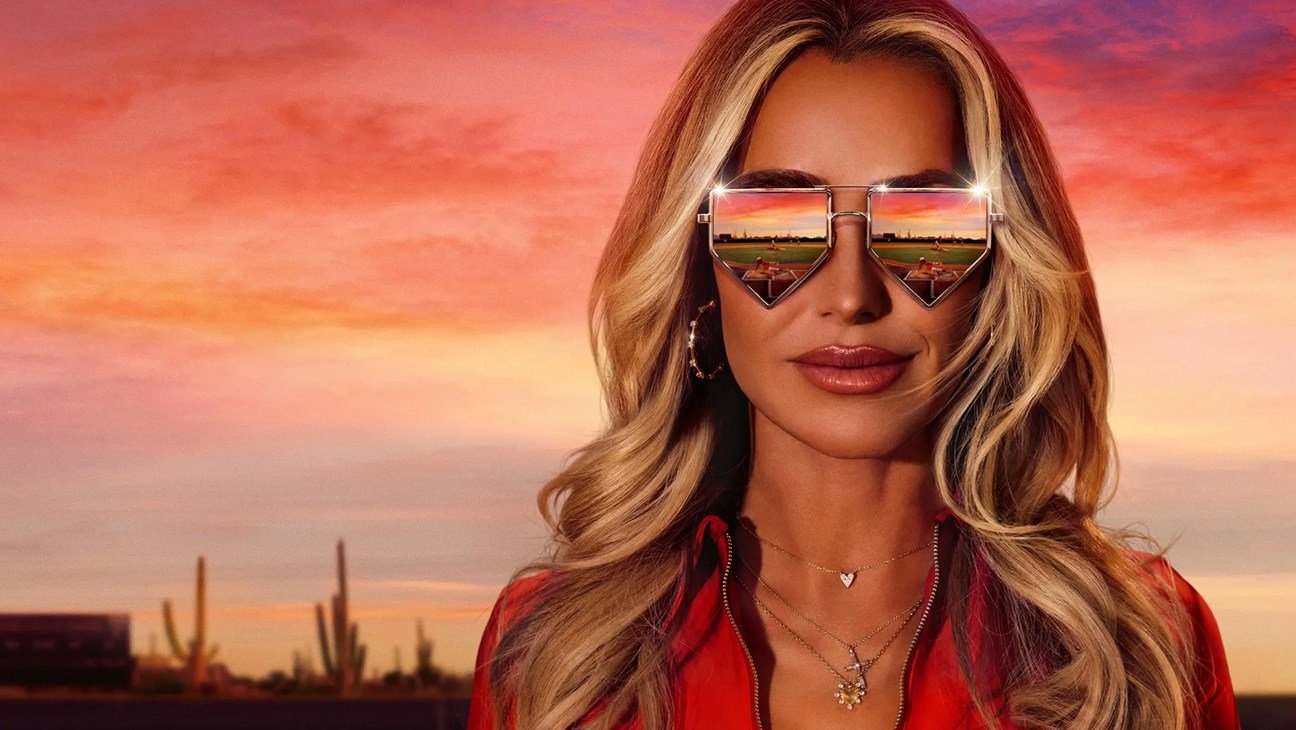
At first glance, Kim Kardashian‘s new project may seem out of left field. But in reality, her latest subjects — elite sports momagers — hit awfully close to home.
“Team Moms: Baseball follows a group of parents whose sons attend Legendary Prep Academy: a premier baseball training school in Scottsdale, Arizona, dedicated to molding the next generation of star athletes,” reads the logline. “The competition on the field is fierce, but it’s nothing compared to the drama in the stands.”
Where to Stream Team Moms: Baseball Online Free
All eight episodes of the inaugural season of Team Moms premiere on Thursday, Sept. 24 at 12 a.m. PT/3 a.m. ET on Paramount+, which costs $13.99 per month for the ad-free Premium package or $8.99 monthly for the ad-supported Essential package.