If you purchase an independently reviewed product or service through a link on our website, The Hollywood Reporter may receive an affiliate commission.
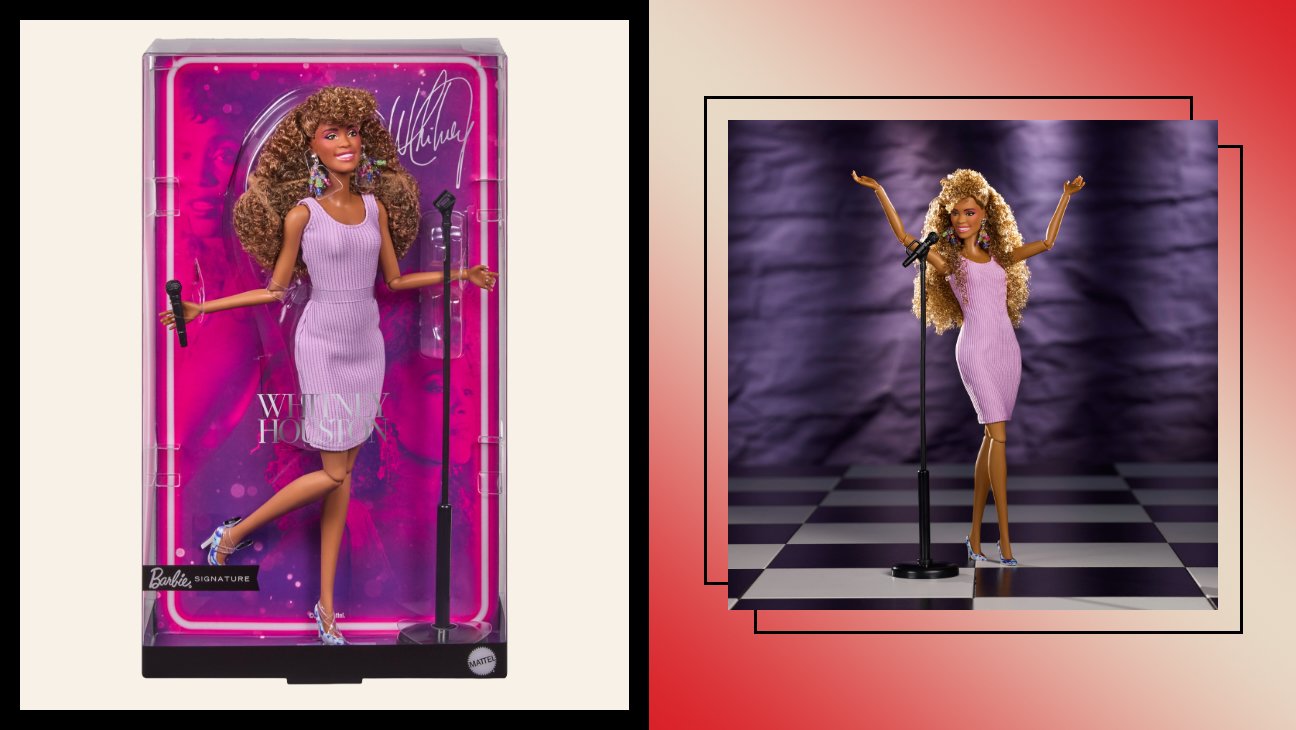
One of the greatest artists of all time is adding another honor to her legacy, as Barbie unveils an official Whitney Houston doll, available to buy online now.
The Whitney Houston Barbie Signature Doll captures the singer’s memorable look from her “I Wanna Dance with Somebody (Who Loves Me)” music video, complete with a purple tank dress, iridescent heels and colorful beaded drop earrings. The singer’s big hair is an instant nod to the 80s era (the song was released in 1987), as is her purple and gold eye makeup. The collectible doll comes with a black microphone and mic stand.
Mattel
OFFICIAL COLLECTIBLE
Whitney Houston Official Barbie Doll
The Whitney Houston Barbie is an officially-licensed release from Mattel and the late singer’s estate. The doll comes in a collectible window pane display box, with images of the singer and her signature in the background. The MSRP is $60.
Mattel says it worked closely with Pat Houston, the singer’s sister-in-law, throughout the creative process, adding that she helped to “shape the doll’s design” and gave “thoughtful details” into what the finished Barbie doll should look like (Pat Houston is married to Whitney’s brother Gary, and she is the executor of The Estate of Whitney E. Houston, and president of the Whitney E. Houston Legacy Foundation).
In a press release, Pat Houston thanked Mattel “for making one of Whitney’s dreams come true,” adding that “we celebrate more than the release of a doll, we celebrate the enduring legacy of an icon.”
“The new Whitney Houston Barbie honors a woman whose voice, grace, beauty, and spirit inspired generations around the world,” she says. “May this doll remind every child and every collector that dreams have no limits, excellence leaves a lasting imprint, and true greatness never goes out of style.”
Amazon
GET THE ALBUM
Whitney (Vinyl Edition)
It’s been more than four decades since Houston burst onto the music scene with her self-titled album in 1985. “I Wanna Dance With Somebody,” meantime, was taken from her 1987 album, Whitney, and quickly became one of the singer’s signature anthems. The music video was also an instant hit on MTV and BET. The song went on to win the Grammy Award for Best Pop Vocal Performance, and its legacy has continued to this day, with “I Wanna Dance With Somebody” topping Billboard’s list of the 500 Best Pop Songs of All Time, among other accolades.
“I Wanna Dance With Somebody” was also the name of the well-received 2022 Houston biopic, which starred Naomi Ackie as the music legend.
Amazon
WATCH THE FILM
Whitney Houston: I Wanna Dance with Somebody (Blu-ray)
The film is streaming free on Prime Video, though you can also rent it or purchase the movie on Blu-ray (the Blu-ray disc includes a digital code that you can redeem for a download of the film online).
The Whitney Houston Barbie doll was officially unveiled on August 8 at the 5th Legacy of Love Gala, an annual charity event hosted by the Whitney E. Houston Legacy Foundation in Atlanta. The doll is sure to be an instant collectible for Houston fans and pop culture fans alike. You can find it on sale online through Amazon and Walmart.
Houston’s Barbie doll comes on the heels of other musician Barbie releases, including a Miley Cyrus edition and a Kylie Minogue doll, both of which were released this year. Other musicians who have been honored with a Barbie doll in the past include Diana Ross, Tina Turner and Elton John.
Real history, fiction and AI blend together for a look at a former radical far-left underground armed organization in Portugal in the new film from auteur Edgar Pêra (Telepathic Letters, Manual of Evasion LX94), Asphalt Guerrilla (Guerrilha no Asfalto). The movie marks the Portuguese writer-director’s return to the Locarno Film Festival in Switzerland, where it will world premiere in the Out of Competition program during its 79th edition on Monday, Aug. 10.
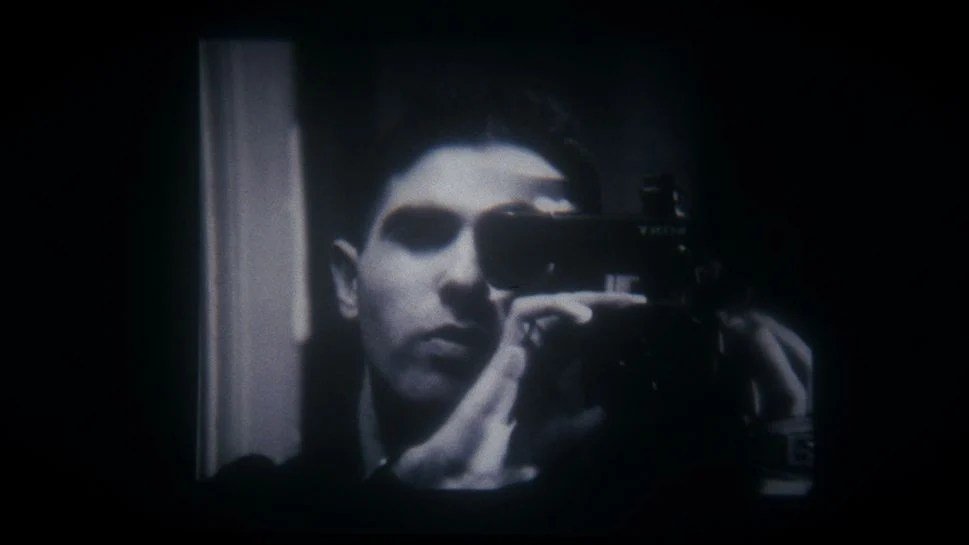
The militant group that the film revisits is the FP-25, short for Forças Populares 25 de Abril, or Popular Forces 25th of April, which was active between 1980 and 1987. It carried out dozens of bombings, shootings and bank robberies. The film is based on the eponymous book by Manuel Ricardo de Sousa, a member who ended up being lynched by a mob in the aftermath of a bank robbery.
But there is also a meta level to the movie. “It’s also about trying to make a film that ought to be shot in a guerrilla mode, with no compromises with the system,” notes the Locarno website.
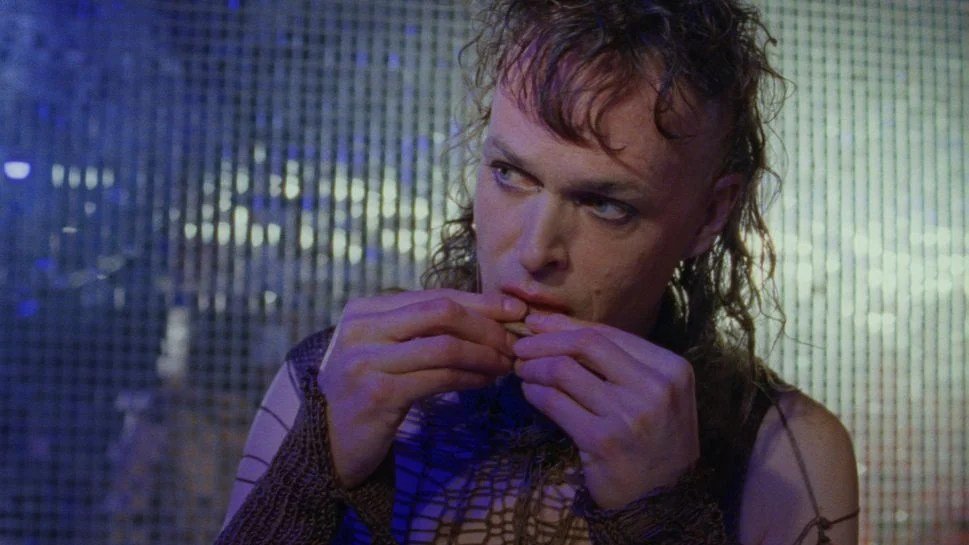
A synopsis teases the mind-bending quality of the movie by describing it as “a fictional film rooted in reality about a utopian time in Portuguese democracy.” And it continues: “Set in the early ’80s, it begins with a quiet student who becomes involved in a radical organization and ends up being shot and lynched by the mob in the aftermath of a bank robbery. Throughout the film, we witness the sometimes comical, sometimes tragic problems of these ‘asphalt guerrillas’ fighting against the system; at the same time, the director of the film quits the organization in order to fight to make films in a guerrilla mode.”
‘Asphalt Guerrilla,’ courtesy of Bando à Parte
Pêra wrote the screenplay with Rodrigo Areias, and the voices of Pêra and Albano Jerónimo feature in Asphalt Guerrilla. Jorge Quintela is the cinematographer, while João Mora is the editor. The cast features Miguel Moreira, Maria Leite, Ivo Arroja, Jerónimo, Bernardo Santo Tirso and Luke Eberl.
Pêra talked to THR about Asphalt Guerrilla, what inspired it and what it says about his latest take on the use of AI in filmmaking.
“There are many films in this film,” Pêra highlights. “The very beginning was this book, which I read in the ’90s and basically shows a very amateurish group of guerrilla men or terrorists, depending on your point of view, but it gradually transforms into a film about my own guerrilla [film] scene, mainly because my friend and producer Rodrigo Areias made me do it.”
Indeed, Pêra started making an underground name for himself in the mid-1980s with his avant-garde style as a “neuro-punk” filmmaker associated with DIY counterculture and the Portuguese music scene.
“I would never pitch a film about me, including an autobiography, but I really understood that Rodrigo proposed it,” he tells THR. “I told him that I wanted the film to be about the future, not about the past, not about the ’80s and the problems we had back then in Portugal, but about this society and the state of cinema.”
If you are watching the film and can’t quite tell which parts are real and which ones are fictional, Pêra won’t mind. “This fusion, or blur, of fiction and reality is something that I like, but it’s also something that I must fight against,” he explains. “So the film is also a mirror of what’s happening, where you sometimes don’t really know what’s real.”
‘Asphalt Guerrilla,’ courtesy of Bando à Parte
Does he really feel like a film guerilla? “Actually, when I was in my 30s, there was this producer who called me the Sniper,” Pêra tells THR. “I think he said that with respect. I think I have that respect from other filmmakers of my country because I never tried to do anything that was not myself.”
As the filmmaker did in his 2024 Locarno film Telepathic Letters (Cartas Telepáticas), Asphalt Guerrilla uses AI images. “I always try to leave some clues for what is AI-made,” he highlights. “But there are moments where, to show the danger of AI, you have to behave like a dangerous AI, which is why this film has moments [referencing] what worries me most, news becoming fabricated. And actually, the worst part is that AI also gets the most fun part of creating, such as [people] asking AI to write prompts.” Concludes Pêra: “So I try to fight all of that and create my own prompts and create my own algorithm. If you leave things to the YouTube algorithm, you know what you get.”
Added the auteur: “You have to make at least a playlist so that you’re not invaded by this ultra commercial thing. That’s my fight inside of AI to create some images that are original in the way that they are recombinations of things that already exist. That’s what every artist does.”
How does that fit into Pêra’s early neuro-punk days? “I was always interested in the effects of cinema on the minds of people and how the mind works,” he tells THR. “Neuro-punk was meant to say that we have to fight things with ideas, not with violence. So, cameras are weapons. Make films, not violence.”
‘Asphalt Guerrilla,’ courtesy of Bando à Parte
The auteur didn’t necessarily know how timely his film would feel in a time full of wars, a rise in political and other radicalism and, of course, AI when he first started conceiving it. “I think it’s not a coincidence. It’s a synchronicity,” he offers. “But even when we think times are okay, we have lots of things that worry us. Now, we are in the worst of times, as they say. But even in the best of times, there’s still exploitation, people dying and all that. So yes, I think it’s a timely moment to go to the roots of the problems and not only focus on radicalism. I think radicalism is a symptom; it’s not the problem.”
He sees the underlying issue this way: “Radicalism is a symptom of the decay of our system. I’m not an expert, but I feel that it’s not the radicalist we have to fight because that means [we are] becoming another radical. So that’s a trap. Instead, let’s talk about what makes our planet worse.”
Pêra is working on another movie, which will keep speaking out about worries he has. It’s called The Spiral of Fear, and it’s about “big tech and what media says about the masters and all that.”
In At Night, British filmmaker and artist Beatrice Gibson’s first feature-length film, the nightly sights and sounds of Paris interweave with the stories and conversations of six women – from hopes, dreams and sexual desires to worries about the future.
Rhythm and mood are key elements that make the experimental and “autofictional” movie, which world-premieres on Saturday, Aug. 8, in the Filmmakers of the Present competition program of the 79th edition of the Locarno Film Festival, a special kind of cinematic ride. Just ask Locarno’s artistic director, Giona A. Nazzaro. In a chat with THR, he described the movie as “this nocturnal, ambient film where you can almost hear music that makes you think of Brian Eno. If At Night were a record, it could be music for lonely people at night.”
Written and directed by Gibson, At Night features cinematography by her long-time collaborator Ben Rivers and editing by Liyo Gong. But the music doesn’t come courtesy of Brian Eno. No, it is the creation of Elvin Brandhi.
If you don’t follow experimental music, here are some basics to know about her. Elvin Brandhi is the pseudonym of Freya Edmondes, an improvising voice and sound artist who was born in Wales, but has become a citizen of the world. Her music features unusual beats created from field recordings, her own voice, tape, vinyl and instruments. She is also part of all sorts of music collaborations, including father/daughter “noise-improv berserkers” Yeah You, Pollution Opera with Nadah El Shazly, the duo Avril Spleen with Joseph Jadam, the band PFL with Peter Kutin and Lukas König, and the project Bahk with Daniel Blumberg.
At Night, which features an array of Gibson’s non-professional actor friends and influences as they discuss and explore such topics as sexuality, money, motherhood and mental health, is the musical artist’s first-ever feature film soundtrack. And it seems fitting that she collaborated with Gibson on this film that press notes call “a love letter to friendships, relationships, and the quiet yet poignant stories women share together but rarely to an audience.”
Brandhi took time out of her busy schedule to talk to THR about the creation of the soundtrack for At Night, her other music work and whether we may be able to hear more from her on future cinematic journeys.
The artist confirms that the work on At Night marks a new step for her. “It’s the first time I’ve done a soundtrack for a feature film,” she tells THR. “I did a couple of short films with friends, and I make my own music video-type thing. So I consider myself more of an audiovisual artist. I think in both realms, but this was obviously very different. I’ve worked with Daniel Blumberg a little bit, hanging out with him a lot in the process of The Brutalist and then the Anne Lee film, [The Testament of Ann Lee]. I was doing quite a lot of vocal stuff, also with [avant-garde improvisational vocalists] Phil Minton and Maggie Nicols. And Daniel has been creating this nice bridge between the experimental scene in London and Hollywood cinema.”
‘At Night,’ courtesy of Night Films
Courtesy of Night Films Ltd.
So, this must be a good time for Brandhi to get her first feature film soundtrack under her belt, you may wonder. “It was probably helpful for me to get involved in the experience of how to make a soundtrack,” she confirms, but notes that it required a different focus from her usual work. “It was quite a unique experience, and I had to adjust a little bit how I think about composing. A lot of my music is quite in your face and trying to be as present as possible. But with a soundtrack, you have to almost make it sneak in from the sides, or be somehow invisible, coming out of the background.”
Given that Brandhi works a lot with field recordings, how did the Paris setting of At Night play to her passions? “What was really nice about this film was that the metro is such a big center of the narrative, and that’s already quite a noisy place,” she tells THR. “It has a lot of the kind of frequencies and ambient noise and things that I might feel like field recording and be inspired by anyway. So it was this perfect entry point for coming into that film world.”
Gibson and Brandhi have all sorts of connections but made their acquaintance by coincidence. “I met Beatrice for the first time at [the experimental music festival] Borealis [in Bergen, Norway], but only very briefly,” the music artist recalls. “We were in the same taxi going somewhere, and I was playing, and she was screening something. I think she knew of my music, and then a common friend, Leonardo Ruvolo, from Alcamo in Sicily, put us in contact because I also did his residency, and she’s living in Palermo [in Sicily] now, so there were various coincidences.”
And the women quickly got along. “When we started working together, we became very good friends immediately,” Brandhi shares. “And working on At Night was a very intimate and special process.”
But what was this process like, and how early did Brandhi start crafting music for the film? “Beatrice wanted to have as much sound as possible before even starting to shoot. So I did get sent a first draft of the script, but that did get changed as the film went through different shifts,” she recalls. “We spent a week going through ideas before any shoot. I sent her some drafts of things that might work. And she had one reference of a song that she really liked, which was actually from a collaboration I have that is called Insin [with Palestinian producer/MC Bashar Suleiman]. The track is called ‘Kidney Spears,’ which is a little bit more dreamy. I’m also singing in that. So I tried to send her other things within that kind of dynamic.”
When Gibson started shooting in Paris, Brandhi also came to the French capital. “I was taking some recordings when they were going into the metro,” the musician tells THR. “And there was originally even a scene of me performing in Paris in the film.”
‘At Night,’ courtesy of Night Films
Courtesy of Night Films Ltd.
All in all, the soundtrack came together in an ongoing collaboration. “There were some core themes that we developed, and then little bits that needed a very specific kind of mood or dynamic,” she says. The collaboration also included editor Liyo Gong. “She is really amazing,” says Brandhi. “She’s also a DJ, so she has a very strong sense of the musicality in film and in how she edits.”
Crystabel Riley also contributed, drum sounds, to the soundtrack. “I asked her if she would contribute some drumming that I could weave into different parts of it,” Brandhi recalls. “She was actually involved in the film, doing some of the makeup, because she’s a makeup artist as well as a musician.”
Fans of the artist’s work may get to hear more from her in feature movies in the future. “I definitely would like to,” Brandhi tells THR. “I would be really up for it; it was really interesting entering the story and composing from a different perspective.” She adds: “I saw her playing live for the first time last year, and I was just so blown away because she’s such an incredible performer, and her stage energy is so engaging. There’s this warmth and tension as well. It feels very urgent. I was just watching her and felt the state of mind of the women in the film echoing in her performance.”
Concludes Brandhi: “It was really special for me and Bea that she was part of it.”
The creative mentions that she has also worked with video herself, and being involved with At Night inspired her to return to more of it. “In the lockdown, I did a lot more filming and editing stuff, so I feel that this soundtrack world is also a nice potential way to get back into the editing of my own film material,” she shares.
Not that Brandhi doesn’t have all sorts of music stuff in the works. Including an album with Berlin-based Kenyan musician KMRU under their name A|||oy, which will be released on KMRU’s label offnot. “He is associated a bit more with ambient music. But we have so much in common and are both fans of each other’s music, even though it might seem like we have quite contrasting dynamics,” she tells THR. “There’s a strong similarity in the way we work with field recordings and sounds, textures and spaces.” Concludes Brandhi: “We’ve been collaborating for three years now, and we have an album coming out that we made between a couple of residencies, one at [Swedish electroacoustic music and sound art center] EMS in Stockholm, and then one in [Max Richter and his partner Yulia Mahr’s] Richter Mahr studio in Oxfordshire. We just listened to the test pressing, and it was really exciting. We’re both singing, and it’s completely different from both of our works.”
The coming-of-age drama is the sophomore feature of former Guadagnino assistant Giovanni Tortorici (Diciannove), who wrote and directed it, and stars Salvatore Gallina and Rachele Testagrossa.
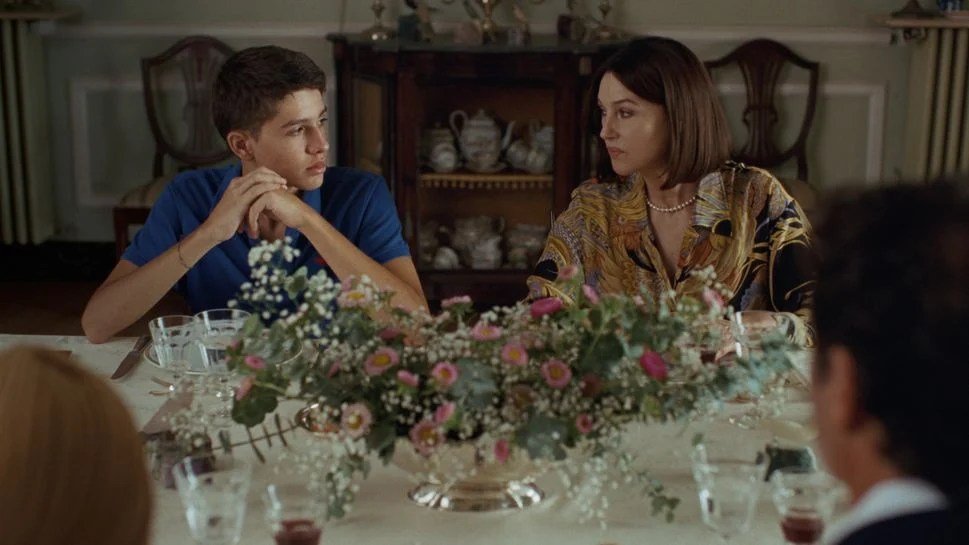
Set in Palermo, Sicily, in 2012, the era of media mogul-turned-populist politician Silvio Berlusconi, the movie revolves around Giulio, a listless and dissatisfied 16-year-old who drifts through his days without any enthusiasm for school and no real future prospects. “His encounter with Ketty, a more self-assured peer, offers him an escape from the monotony,” reads a synopsis. “The two form an exclusive friendship, a shared refuge in their search for freedom, far from the judgmental gaze of the adult world.”
With cinematography by Camilla Cattabriga and editing by Marco Costa, the film has been boarded by PiperPlay to handle international sales.
The film’s title refers to Ketty’s nickname in the Sicilian dialect. Bellucci plays Giulio’s mother in an aristocratic Sicilian family that leaves her feeling oppressed.
During a press conference with the three stars and Tortorici, Bellucci shared about her character: “It was interesting to play a different role because this wife and mother tells us about the frustration behind the entire perfection of society. … She is the victim of a social role [she must play]. So she tries to counterbalance this frustration by eating up snacks. There [is a] scene where she’s sleeping in front of the TV, and she has plenty of snacks.”
The star also addressed how body and voice are key to her role. “This is a woman who forgot about her femininity. She doesn’t take care of herself,” Bellucci explained. “And when she talks, she yells.”
That keeps the relationship with her son on the edge throughout much of the movie. “She creates this constant tension with her son,” Bellucci offered. “There is a mutual humiliation that [shows] a true impossibility of exchange between generations. You see a generation of adults who can no longer understand the youth. And we are talking about 2012. Imagine how it is now!”
Tortorici was asked about a scene in which a girl expresses admiration for former Italian fascist dictator Benito Mussolini. “I remember I had a girlfriend who would say such things,” the writer-director explained. “So I think this would represent a youth culture, which is a bit absurd. I mean, the girl I knew was refined and educated, and then she would admire Mussolini. It’s a reference to my own biography, but I think it was very symptomatic and significant, and it was representing that age of Berlusconi.”
Bellucci lauded the director and the young stars of Ketticè who were discovery via an extensive street casting process. “It’s been a wonderful experience being on this set,” she shared. “Giovanni Tortorici is a young director who knows exactly what he wants, and he’s very self-confident, determined, and he made a very personal and really unique film. … This film confirms his talent as an auteur. And these two teenagers are fantastic. They’re awesome. They are so natural and so spontaneous.”
Johnson, who voiced Maui in the original 2016 animated film Moana and its 2024 follow-up, recently spoke to People magazine about how the movie’s early reviews started positively before the reception shifted.
“Our first two reviews came out. I’ll never forget it… They were amazing. I was like, wow,” the actor recalled, before adding that then “it went another way — as sometimes happens. That’s just the way it goes because we’re in this business.”
The Hollywood Reporter’s chief film critic, David Rooney, did, however, give the film a favorable review, calling it “one of Disney’s better live-action remakes.” He added, “The new Moana is a captivating family entertainment that deserves to find an audience.”
The live-action Moana, released in theaters last month, earned a 31 percent critics score on Rotten Tomatoes, while its audience score was significantly higher at 88 percent.
The Smashing Machine star added that he and his wife, Lauren Hashian, had many conversations about the response. “The challenge was, OK, let’s remember, though, what’s going to be beyond this opening weekend. Let’s remember what’s happening right now and the noise that’s happening right now,” he said.
“If you love it, great. If you don’t, no problem,” the Jumanji actor said. But what meant the most to him was that “the culture really stood up,” as Johnson is of Samoan heritage.
“Because of me and our kids who can now look at the big screen and go, ‘That’s us for the first time on a big screen. That’s us up there. How cool is that?’,” he said.
Catherine Laga’aia starred in the title role, taking over from Auliʻi Cravalho, who voiced the character in the animated films. Johnson reprised his role as Maui in the live-action adaptation.
The federal film and television tax credit has a new lobbyist, it seems.
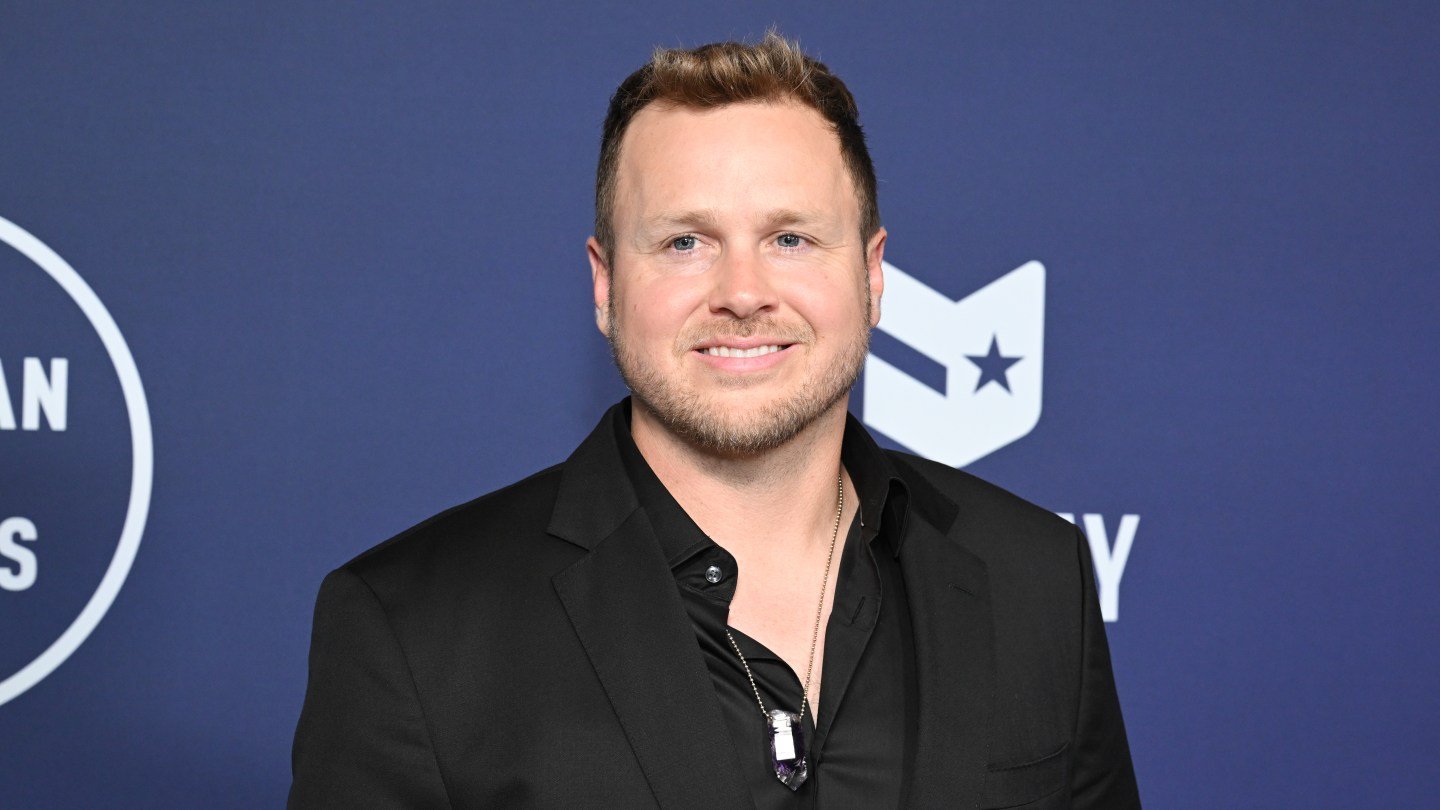
Reality TV star and former L.A. mayoral candidate Spencer Pratt on Friday posted on social media that he had recently met President Donald Trump to advocate for the tax incentive. This legislative effort has been stop-and-start for well over a year.
“Working with the President on a 25% FEDERAL film tax credit to bring back Hollywood,” the former The Hills star said, sharing images of himself and the president speaking at the Trump National Golf Course Los Angeles. After making a few accusations about California’s film commissioner and Attorney General Rob Bonta, he added, “The adults in the room are actually trying to repatriate the most quintessential American industry. I’m committed to saving Hollywood, and I’m very grateful for the President’s remarkable generosity and focus on this issue.”
The Hollywood Reporter has reached out to the White House for comment. A representative for Pratt declined to comment further.
A large coalition of industry advocates and organizations, from the Motion Picture Association to industry unions to President Trump’s “special ambassador” to Hollywood Jon Voight, has long been championing the idea of a stackable incentive for films and TV series produced in the U.S. Several sources in this cohort reached on Friday said they didn’t believe Pratt was working in coalition with the larger group.
The idea has bipartisan support, as THR previously wrote, with Rep. Laura Friedman of California and Rep. Brian Jack of Georgia emerging as key backers of the potential legislation in the House. Sen. Adam Schiff has long been a proponent in the Senate. It’s unclear, however, whether Pratt is advocating for the same kind of credit as they are.
After becoming an outspoken critic of politicians’ responses to the 2025 Palisades Fire, Pratt ran for L.A. mayor earlier in the year on a populist platform, gaining the support of President Trump along the way. After his defeat, Pratt has emerged as a vocal detractor of a lawsuit from 12 state attorneys general aiming to block the $111 billion Paramount-Warner Bros. Discovery merger.
He has claimed that California Gov. Gavin Newsom and attorney general Bonta are attempting to “cripple two of the greatest film studios of all time over politics.” (Newsom has not weighed in on the suit publicly yet, though a Wall Street Journal report in early August suggested he was concerned about the impact on state employment if the merger were blocked.)
Now, it appears, the TV personality has turned his attention to legislative efforts to boost the entertainment industry. Said Pratt in his social media post, “He [Trump] is very passionate about revitalizing the entertainment industry and we will not let Canada, or the U.K. or Budapest steal our lunch anymore.”
Pratt’s advocacy for a federal tax credit arrives after Paramount Skydance head David Ellison made headlines for traveling to Washington to lobby Republicans on the idea.
Can the involvement of Pratt, a registered Republican, and other conservatives finally enthuse the president on the long-gestating idea? Only time will tell. In the meantime, below Pratt’s post on Instagram, White House press secretary Karoline Leavitt posted two raising hands emojis.
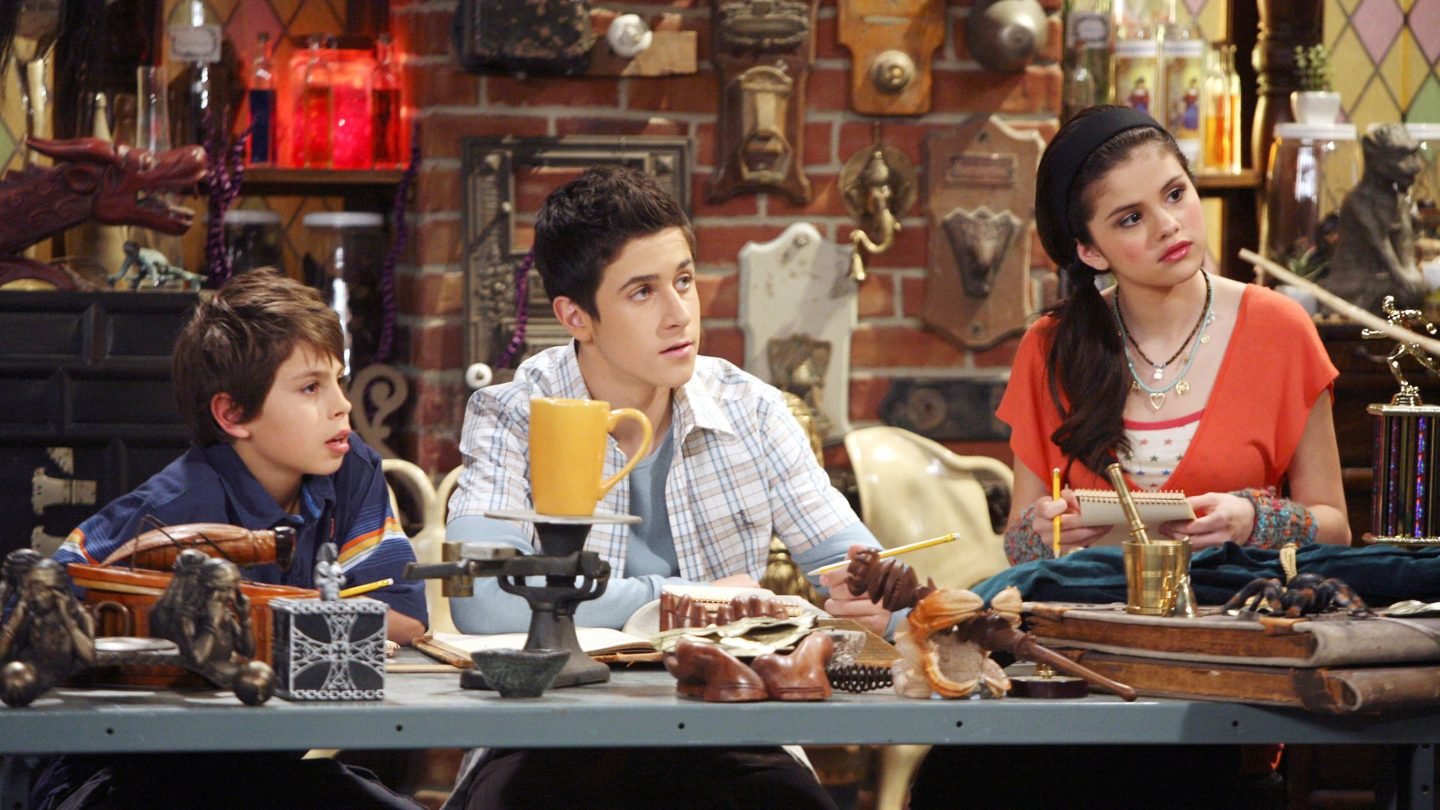
Original Wizards of Waverly Place star Jake T. Austin is sharing his feelings on not being invited to partake in the revival series days after its series finale.
“To all the Wizards fans, just wanted to say for the record how disappointed I am to have not been included in the spinoff,” Austin wrote on his Instagram Story on Thursday, per People. “I was asked back in 2020 if I was interested in reprising my role and said that I was 100% in. Unfortunately, the powers that be decided to take the show in a different direction and my character wasn’t part of the equation.”
He continued, “Even though I wasn’t involved, I still have nothing but love for my former castmates and wish them continued success. Thank you to all the fans who watched over the years. The show wouldn’t be what it is without your endless support.”
Wizards Beyond Waverly Place debuted in 2024 and ran for three seasons, finishing out its last installment on Tuesday. Austin, Selena Gomez and David Henrie starred in the Disney Channel series from 2007-2012, where they led the series as the wizardous Russo siblings.
Both Russo siblings, portrayed by Gomez and Henrie, returned for the revival and executive produced the series. Their onscreen parents, David DeLuise and Maria Canals-Barrera, also reprised their roles.
Austin’s claims contrast with what Henrie told TV Insider in a Wednesday interview. When asked if the actor was asked back, Henrie said, “He definitely was. Yeah. He’s busy.”
“He’s got a lot going on in his life,” he added. “We love him and wish him all the best with everything that he’s got going on in his life.”
In Wizards Beyond Waverly Place, it’s explained that Austin’s Max turned their family Waverly Sub Station shop into a billion-dollar franchise, with his character now living on a yacht.
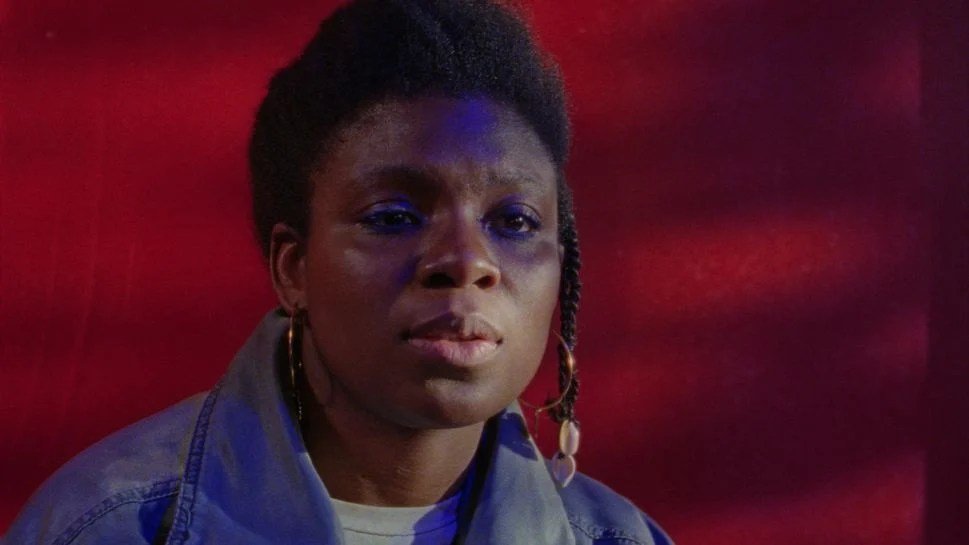
Six women roam the neon-lit city of Paris after dark. Over the course of a single night, their journeys intertwine reality, dreams and fiction. Whether at bus stops or corner shops, in restrooms or in bars, they give voice to their dreams, sexual desires and uncertainties about the future. Welcome to British filmmaker and artist Beatrice Gibson’s full-length feature debut, an experimental and “autofictional” film called, simply, At Night.
The movie will world premiere at the Locarno Film Festival on Saturday, Aug. 8, in the Filmmakers of the Present competition program of the Swiss fest’s 79th edition, which runs Aug. 5-15.
Written and directed by Gibson, At Night features cinematography by her long-time collaborator Ben Rivers and editing by Liyo Gong. The film is produced by Somesuch and Norte Productions.
“A filmmaker struggles to understand the film she is making,” a synopsis says about the women we meet in At Night. “A Black single mother refuses the categories imposed on her. A former sex worker reflects on her past. A poet gives up trying for a child.”
The film features an array of Gibson’s non-professional actor friends and influences as they discuss and explore such topics as sexuality, money, motherhood and mental health. “This isn’t simply a feminist story, but a love letter to friendships, relationships, and the quiet yet poignant stories women share together but rarely to an audience,” the press notes highlight.
A thread that runs through the movie is poetry, with U.S. poet Alice Notley reciting one of her own poems for the film, recorded just months before her death in 2025. Inspired by her writings and the texts of such other cult literary figures as June Jordan and Kathy Acker, Gibson takes us on nocturnal searches for answers.
‘At Night,’ courtesy of Night Films
Courtesy of Night Films Ltd.
“I was interested in the structure of the journey, of a woman just walking through the night,” explains Gibson. The idea for At Night came to her after she read two feminist takes on the epic quest narrative, namely Notley’s book-length poem, The Descent of Alette (1992) and Acker’s gender-flipped knight’s tale, Don Quixote, Which Was a Dream (1986).
But scenes and narratives also emerged from the creative’s thinking about the kinds of encounters and conversations that can only take place at night. “Who really occupies the night? And what kinds of labor take place there?” she wondered. That is why At Night also features “undervalued work done by those who keep the city fed, clean, and moving,” according to the press notes.
“My casting process is one I’ve developed over time and is folded into the writing process. I don’t follow the traditional structure in which I’m writing and then casting,” Gibson explains. Instead, she casts her characters first, thinking about who might produce an interesting performance, and then collaborates with them to develop the material.
“It’s a collectively written film, in many ways,” Gibson emphasizes. “People write their own material for their scenes, depending on what they want to develop.” She concludes: “It’s autofiction really, so generating that material is a delicate and sensitive process, and it takes a lot of time and revision. People need to feel comfortable with what they’ve authored, where it’s placed and with whom it’s in dialogue. It’s quite a deep process.”
No surprise then that it took six years to make At Night.
As with all of Gibson’s work, the film emphasizes a working process that is collaborative and improvisatory. “I’m utopian at heart,” Gibson says. “I wanted to make a film about trying to be together at a time when everyone is divided. Maybe it was a naive and misguided thing to do, although, that said, I would do it again.”
That theme of being together also applies to Gibson appearing in front of the camera in At Night. As for her decision to do so, she says she felt a responsibility to delve into her own sense of privilege: “I didn’t realize the extent to which race and class would play out during the process. That’s why I’m in the film,” she explains. “I wasn’t supposed to be initially, but I felt I had to take responsibility somehow, in relation to my positionality. I come from a deeper place of privilege than most of the characters in the film; there was critical tension in that, and I felt like I had to take responsibility for it and explore it.”
The relationships and shared thoughts, as well as the sights, sounds and rhythm of the film, are what At Night is really all about. You can watch an exclusive clip for the film, which THR can premiere, right here:
“Power. People. Data.” That is a core theme of this year’s program of Locarno Pro, the industry strand of the Locarno Film Festival, whose 79th edition is currently taking place in the Swiss lakeside city. But in which order should we think about these key concepts and buzzwords? Is it maybe people, power, data?
You may have your own thoughts, and the opening day of the 15th edition of Locarno Pro, led by Markus Duffner in his sixth year, showed that there are very different ways to think about the order of and relationship between the three. After all, a three-person panel shared three different approaches and thoughts.
Moderated by AC Coppers of The Catalysts, the panel featured Yasmine Talli, acquisitions manager at sales agent, producer and distributor mk2 Films, Andrea Occhipinti, president and founder of Italian producer and distributor Lucky Red, in which StudioCanal recently acquired a majority stake, Doris Ruth Eikhof, CEO of the University of Glasgow spin-out company Design Otherwise, which focuses on helping organizations to improve inclusion and diversity in the cultural sector.
Asked about how she thinks about the order of and relationship between the three words in focus of the discussion, Eikhof offered her take: power, data, people. “People will be people. They’ll be more or less wise or more or less flawed,” she explains. “So, we sort out the power structures first and the stories that we tell about ourselves – that’s what data really is. Then we have the best chance at creating a space in which everyone can prosper.”
Occhipinti had a different approach. “I’ll go with people first,” he said. “Judgment, sensitivity and experiences come first. Then comes power. And data is a very important tool that we have to use.”
And Talli shared this thought: people, data, power. “It’s probably true that people need to gather some data in order to keep power,” she explained.
A key topic the industry players were asked about was how much they make decisions about films based on conviction versus data and algorithms. “We don’t use algorithms to choose a film that we want to distribute or produce,” shared Occhipinti. “We go very much on instinct, sensitivity and experience. If there’s something that clicks in that film, in that story, even if data or comparables or whatever says don’t do it, often we have proved the contrary” is true.
He mentioned examples, too. “We saw a film like Ida [by Pawel Pawlikowski] – a Polish film, black-and-white,” Occhipinti noted. “We saw it twice. This cannot work, but we still thought it’s a great movie. Or [Barry Jenkins’] Moonlight.”
His takeaway was that there are clearly “movies that on paper are not going to be successful,” but conviction can trump data. Not that Lucky Red doesn’t look at data. As a distributor, the firm has a community that responds to films, which is a form of data, he told the panel audience. “We don’t know what they are looking for, but we test what they react to,” Occhipinti concluded.
How does mk2 make its decisions? Talli outlined a similar approach. “When we consider projects, …[we use] emotion, taste and the human aspects, but we also have what we want to believe gives us some more certainty that a film is going to work,” she said. “The things that we mostly pay attention to [include] the track record of a director, checking which festivals he or she attended with his or her previous work. The people around that director also matter. Who is the producer? The cast also gives a pretty big indication for us when we consider the potential in the international market,” mostly for English-language films.
Talli shared that mk2 is also looking at “comparables, films that have premiered in recent years that for some reason feel that they could be compared to the projects we are evaluating, not necessarily because the story is similar.” She explained that it is more of “a market comparison.”
All in all, at mk2, “it’s a process that actually involves a lot of people,” Talli concluded. “We have a pool of readers. If the readers are recommending something, then we go to the next level to people in the acquisitions team. So, it’s very much a group decision.”
The panel session was part of the 2026 StepIn kick-off event session, following a debate-inducing presentation by film industry data analyst Stephen Follows, who raised eyebrows with data points and hard truths in a presentation entitled “Fear, Lies, and the Illusion of Control.” Among the issues he covered were the likes of how many of this century’s 100 top-grossing films have a “nepo baby creative” and what low percentage of indie films generate a profit.
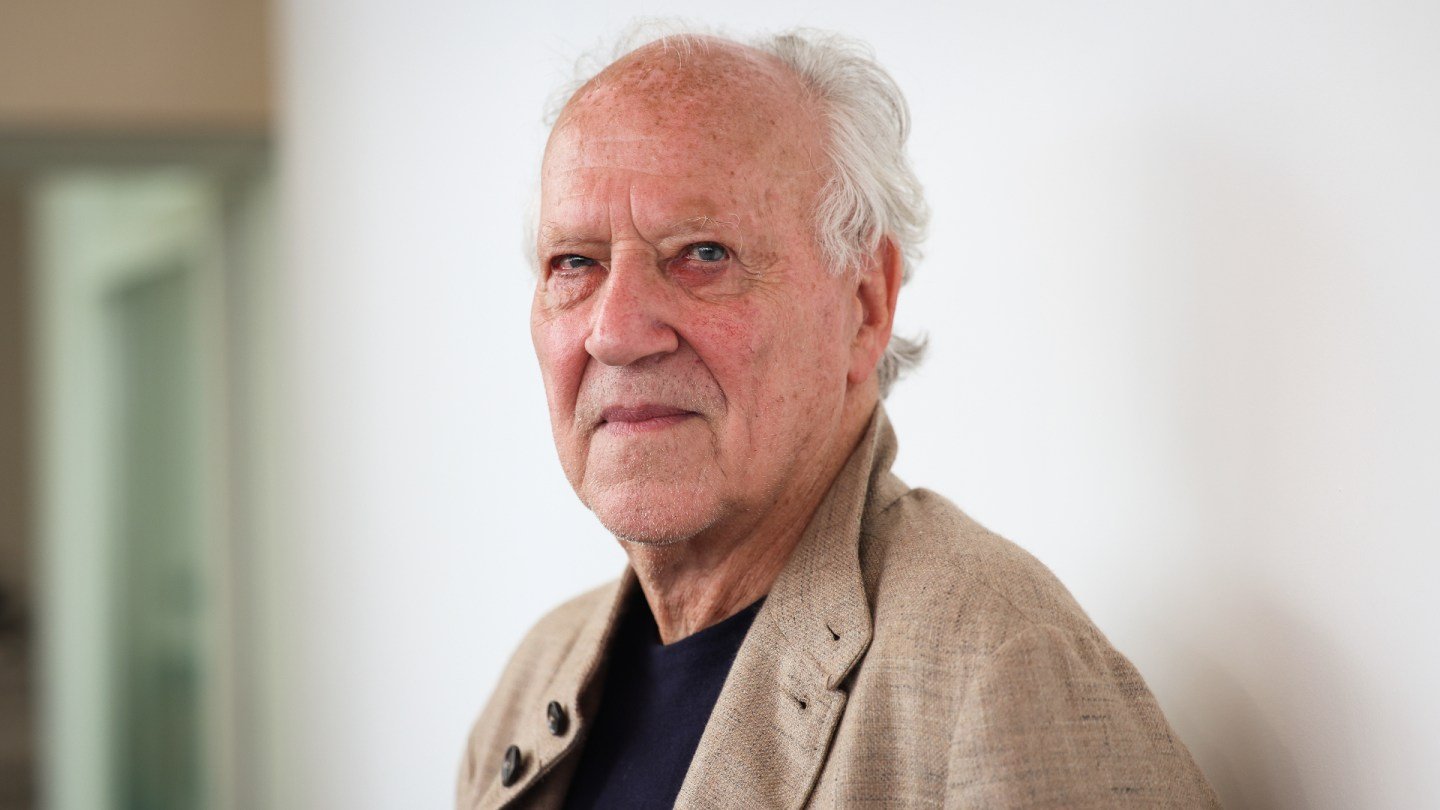
The fest’s highest honorary award, received last year by Jennifer Lawrence and veteran Spanish Esther Garcia, will be accompanied by a screening of the German filmmaker’s latest feature film, Bucking Fastard, which is competing in the upcoming Venice Film Festival.
“Over a career spanning six decades, Herzog has become one of the most influential figures in contemporary cinema, building an extraordinary body of work ―around 80 films― shaped by obsession, extreme situations and the contradictions of human nature,” said the San Sebastian Film Festival. “His films, both fiction and non-fiction, are populated by dreamers and conquerors confronted with extreme landscapes and forces beyond their control. Guided by his concept of ‘Ecstatic Truth,’ Herzog advocates a cinema that transcends the mere observation of facts to reveal a deeper, more poetic dimension of reality.”
The Donostia Award screening will take place at the Victoria Eugenia Theatre before the award ceremony at the city’s Kursaal venue. Starring Rooney Mara, Kate Mara, Orlando Bloom and Domhnall Gleeson, Bucking Fastard tells the unusual story of twin sisters whose extraordinary bond leads them to speak in unison, love the same man and share the same dreams.
Some of Herzog’s most iconic films include Aguirre, the Wrath of God (1972), Fitzcarraldo (1982), Grizzly Man (2005) and Cave of Forgotten Dreams (2010).
He has also published poetry and books of prose, such as Of Walking In Ice, Conquest of the Useless and, recently, The Twilight World, a novel. Herzog has staged about a dozen operas and even acted in films, among them Jack Reacher, The Mandalorian and guest roles in The Simpsons.