Tag: HollywoodReporter

  • Frank Miller Talks Arguing with Jim Shooter, Why His Doctor Strange Series Never Happened and ‘Sin City’ Future

    Frank Miller Talks Arguing with Jim Shooter, Why His Doctor Strange Series Never Happened and ‘Sin City’ Future

    If Frank Miller seems everywhere this summer, it may be because he has been everywhere this summer. The comic book legend known for Dark Knight Returns and Sin City has been on a multi-hemisphere, multi-city book tour for his memoir/creative manifesto, Push the Wall: My Life, Writing, Drawing, and the Art of Storytelling, sitting down in front of audiences for talks with collaborators Zack Snyder and Robert Rodriguez and fellow authors Scott Snyder and Joe Hill. 

    The book, which received a starred review from Publishers Weekly, debuted in the top 15 on the New York Times best seller list and Miller has no plans on stopping his book tour just yet.

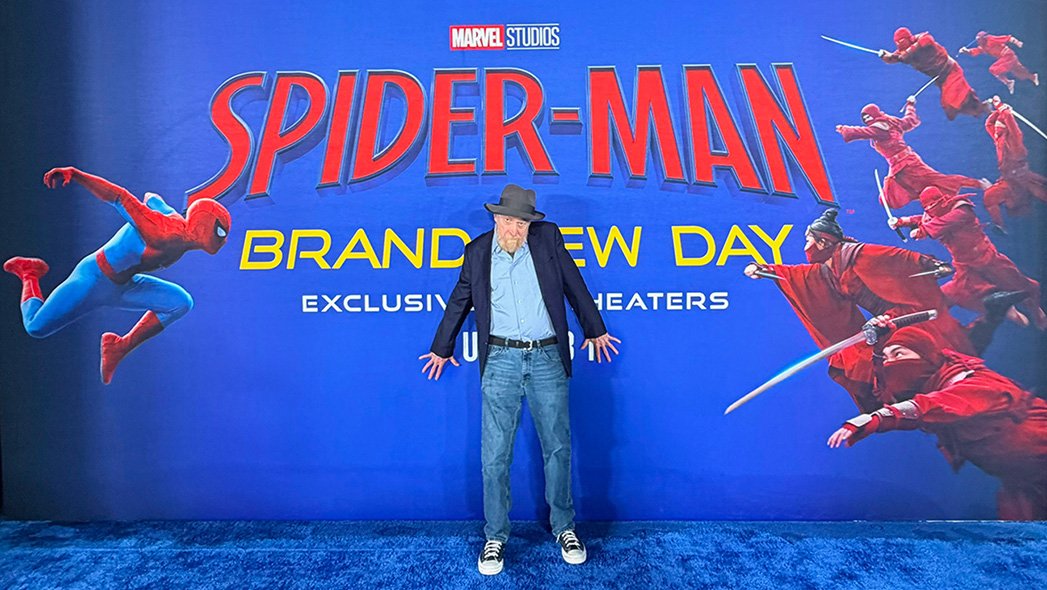
    Miller was also at San Diego Comic-Con and then showed up to the premiere of Spider-Man: Brand New Day in Los Angeles. The movie features his ninja clan creation The Hand as one of Spidey’s antagonists. 

    “It was a hoot; they did a lot of clever stuff with it,” he tells The Hollywood Reporter of the movie. Regarding the Hand sequences in the movie, he adds, “they clearly had seen a lot of the Hong Kong movies that I’d seen over the years.”

    Miller has also been catching up on his moviegoing, and had seen Christopher Nolan’s The Odyssey, which he calls “extravagant.” The creator behind Spartan story 300 knows his way around an ancient Greek myth or two (he can easily slip into expounding on Corinthian style helmets and their influence on Sparta) and says the movie “really did an awful lot right.”

    Tuesday sees the wide digital release of Frank Miller: American Genius, the documentary made by his creative partner Silenn Thomas, which doesn’t just look at his career and work but, as he puts it, delves into “this wonderful subculture that we all share of comic book and how it celebrates itself all over the planet.” 

    But this is no farewell tour. The 69-year old Miller no plans on slowing down and is pushing ahead on a new Sin City book as well as a few others. “I feel like I’m just now freely exploring where I wanna take this medium. There’s no reason not to keep going,” he says.

    Amid his movie watching and globe-trotting, Miller hopped on the phone with THR to talk about the influence of mentor Neal Adams and Jim Shooter, why he didn’t leave (but still left) Marvel in the 1980s, and why he’s returning to Dark Horse for his latest book, Invasive Species.

    Your book is part memoir and part lessons in creativity. Why do it this way?

    I got my career started by calling up Neal Adams’ office and getting a meeting with him. Neal Adams was the premier artist in comics at the time, and his art had a great effect on me as a child. And he was listed in the phone book. And I got to meet him that day, an hour after I called. And he looked over my drawings and told me they were terrible and sent me off. I redid them and I saw him again and again and again. And he was always a harsh critic, but every time he taught me more and more, sometimes doing drawings over them. And, and as the months went by, he got me my first job and he continued to be a sensei and an advisor to me on things professional and on how to deal with being an artist in the world and many other things. Years passed and I became successful. And one time, Neal and I were at a comic book convention and I just took him aside and I just said, “Neal, how do I thank you for what you’ve done for me? You’ve never asked me for anything.” And he said, “Oh, there’s only one thing you can do. Do the same thing for the next guy.” Well, this book really is my attempt to do the same thing for the next guy. And to commit to paper my experiences, my observations and, and the lessons learned in making comic books.

    Speaking of mentors, Jim Shooter (the wonderkid who became Marvel’s polarizing editor-in-chief through the 1980s) was also one. Do you remember the first time you met him?

    My first memorable encounter with Jim was at the Marvel offices. I basically came in and was sort of selling my services. I’d gotten some little job, doing some little three-pager of something like Doc Sampson and that had gotten his attention enough to want to keep me around. And, he gave me his lecture on storytelling. Everything was always storytelling with Jim because he felt comics had really lost track of their basic mission, which was to enchant and compel young readers with gripping stories. 

    He came in on a fairly loose pack of people who were all over the map creatively. And he worked to pull it all together into a more cohesive unit.

    There were a lot of writer-editors and little fiefdoms at the time.

    Right. He focused more than ever on the concept of a Marvel universe.

    How did you guys work together? 

    He was eager to change things and I was eager to learn. And we both had strong opinions. I think one of the reasons we got along was we were both up for a good argument. Arguments can be a very creative thing and a very good thing.

    You left Marvel in a pretty high profile fashion twice. And I say high profile because your profile was very high and you were creatively cresting, twice with Daredevil. What caused you to leave that first time?

    Well, I didn’t leave anybody. I chose to take a project to another publisher who was more amenable to kind of freedom I wanted to do it with. The message underneath all this was that it was important to demonstrate that talent is portable. Let me say that. When a publisher is releasing your work, that does not mean you’re saying an oath of allegiance to a military operation. It’s not a marriage.

    Well, you came back, proceeded to do Born Again, then left again. 

    No, no. I proceeded to do work that was not for Marvel Comics. (Laughs.) We can’t keep on referring to me coming and going. I didn’t come and go. I stayed exactly where I am. I didn’t move where I lived. Nothing like that.

    In any case, it was teased at the time that after Born Again there would be a Daredevil story with Walter Simonson. 

    It’s taken us an awful long time to get that done, I’ll admit to you. (Laughs.)

    Is that ever going to happen?

    Why not?

    Uh, speaking of stories that never happened, what happened with the Doctor Strange run you were supposed to have with writer Roger Stern?

    On that one, I really had come to realize that I was just dying to write my own material. And, I couldn’t wait anymore. I had to start writing and drawing my own comics and, you know, start being a cartoonist rather than just an illustrator.

    Miller meeting director Destin Daniel Cretton at the premiere of Spider-Man: Brand New Day.

    Yvonne Bennett

    In the ’80s, with Dark Knight and Batman: Year One, you were elevated to art icon. You weren’t just comic book famous, you were art world famous. How did you handle that kind of fame?

    As well and as poorly as anybody. (Laughs.) I’m not go into the long and gory biography of my life, but it does create all kinds of wonderful highs and dismal lows to go through that sort of thing. It transforms you.

    The time of Dark Knight Returns and Watchmen and Maus is looked at like a revolutionary era at this point where comics were reinvented. How healthy is the comic art form now? Is the wall still being pushed?

    Sure it is. I mean, it’s easy to look back on that time and say, “Wow, what a sunburst. That changed everything.” But in fact, that was a pretty small amount of work that we’re talking about that caused a big splash and that’s what people remember at the time. Because people tend to remember the stuff that really made a splash when they think back on a given period. We certainly have a pretty wildly diverse amount of stuff coming out now.

    What do you like to read or what artist are you following?

    I tend to hunt down the people whose work I like so I can work with them. I’m really, really excited by Peach Momoko’s work.

    This year, there was upheaval at Dark Horse Entertainment, the home of your Sin City books. But you announced a new book that you’re writing, Invasive Species, with them. How did you decide to stay at Dark Horse for the new book and not take it elsewhere?

    Well, the relationship was a good and strong one, and it served us all very well. I met with the people there. The philosophies of the company seemed to be close enough to what I’d always known them to be, and they certainly had the infrastructure to do a good job at it.

    Going back to Sin City, the only thing happening now is the Western that is being drawn by Milo Manara, right?

    Right now, yeah, but I’ve got a dozen ideas for new ones. Sin City is my life’s work, more than anything. Milo is well along. I just gotta teach him who to draw girls. (Laughs.) 

    Last question: What’s been your favorite character to write and draw after all this time?

    I fall in love with each of them. I really do. I mean, you have kids?

    Yes.

    Which one’s your favorite?

    Depends when you ask me.

    Okay. We’ll go with that.

    Courtesy of Subject
  • Chris Rock, ‘Heated Rivalry’s’ Hudson Williams to Keynote Toronto Film Festival

    Chris Rock, ‘Heated Rivalry’s’ Hudson Williams to Keynote Toronto Film Festival

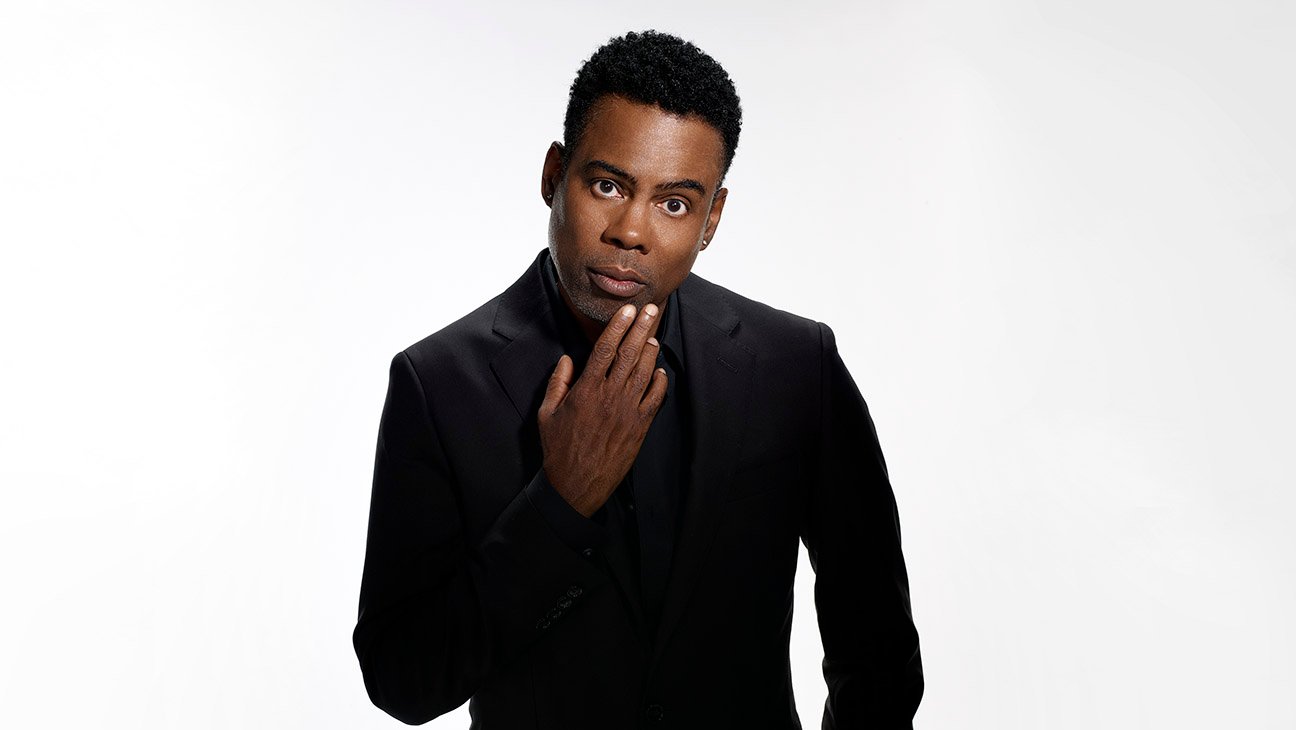
    Chris Rock, set to world premiere his latest film, Misty Green, in Toronto, will take part in an informal conversation at the September film festival, as will Heated Rivalry star Hudson Williams.

    Rock’s film for A24 follows an actress whose career has stalled years after her breakthrough role, as she fights for her second act. Rosalind Eleazar stars as Misty Green alongside Adam Driver, Daniel Kaluuya, Anna Kendrick, Topher Grace and Rock. Besides his breakout role in the gay hockey drama Heated Rivalry, Williams will also discuss in Toronto his upcoming star turn in the Crave and AMC+ supernatural mystery thriller Yaga, created by Kat Sandler.

    TIFF organizers also announced In Conversation With… sessions for Korean actor and singer Lee Min-ho, who will present his latest film, The Assassin(s), in Toronto, and director Rachel Morrison, as she brings her sophomore feature, Love of Your Life, a romantic drama starring Margaret Qualley, Aaron Pierre and Patrick Schwarzenegger, to the film festival for a world premiere.

    Andrew Scott is headed to Toronto with his latest movie, Simon Stone’s Elsinore, where he plays the late actor Ian Charleson in one of his final London West End stage roles as Hamlet, which he performed while living with AIDS.

    Scott has had other standout roles in Phoebe Waller-Bridge’s Fleabag, playing Moriarty in Sherlock, and credits for Wake Up Dead Man: A Knives Out Mystery and Richard Linklater’s Blue Moon.

    “This year’s In Conversation With… series brings together trailblazers and extraordinary storytellers for conversations that will offer audiences a deeper look at their craft and careers,” Anita Lee, chief programming officer at TIFF, said in a statement on Tuesday.

    The Toronto Film Festival will run from Sept. 10 to 20.

  • Martin McDonagh, Werner Herzog, Cody Fern Films Round Out 2026 Toronto Fest Lineup

    Martin McDonagh, Werner Herzog, Cody Fern Films Round Out 2026 Toronto Fest Lineup

    The Toronto Film Festival has unveiled a fresh round of titles to finalize its upcoming 51st edition, including Martin McDonagh’s Wild Horse Nine and Werner Herzog’s Bucking Fastard.

    Toronto is giving Cody Fern’s directorial debut, Closing Night, a world premiere, with Naomi Watts, Sarah Paulson and Dianne Wiest starring in the Special Presentations title. There’s also a first look for Peter Ho-Sun Chan’s The Road Not Taken in the Special Presentations program, and a world bow for Bahman Ghobadi’s Trees are Watching film in the Centrepiece section.

    Also in the Special Presentations program, Toronto booked an international premiere for Nanni Moretti’s It Will Happen Tonight after it opens in Venice; and there’s North American premieres for Stéphane Brizé’s 11th feature, Un bon petit soldat (A Good Little Soldier), led by Alba Rohrwacher and Vincent London; and It’s My Time, by Chinese director Bai Xue.

    Bucking Fastard with Rooney Mara, Kate Mara.

    Courtesy of Lena Herzog

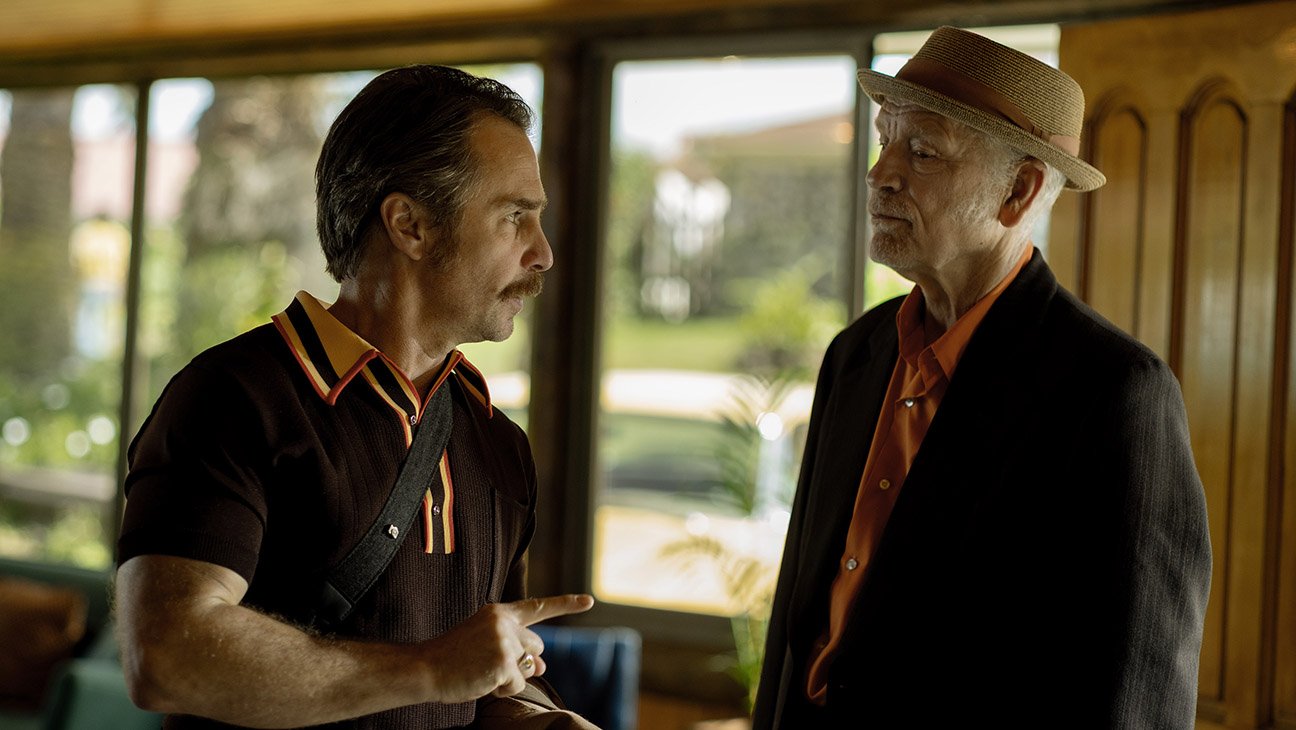
    The Special Presentations program also has Canadian premieres for Martin McDonagh’s Wild Horse Nine, a dark comedy with John Malkovich and Sam Rockwell as CIA officers sent to Easter Island ahead of the 1973 coup in Chile; Werner Herzog’s Bucking Fastard, the latest feature from the Grizzly Man director set for a Venice world premiere starring sisters Kate Mara and Rooney Mara, along with Orlando Bloom and Domhnall Gleeson; and Neil Peart: No One’s Disciple, a documentary about the late Rush drummer and lyricist from directors Scot McFadyen and Sam Dunn.

    There’s also Canadian premieres for Małgorzata Szumowska offbeat newlywed adventure The Idiot(s), starring Aimee Lou Wood and Johnny Flynn; and Guy Nattiv’s Liberation, starring Carrie Coon, Lily James and Bella Ramsey.

    The latest film additions to the TIFF lineup are the last announced titles for a 51st edition to feature in all 293 titles. Oscar-winning CODA filmmaker Sian Heder’s upcoming feature Being Heumann will open the September event, while Yan Lanouette Turgeon’s Villeneuve: The Rise of a Legend, a biopic about the late Canadian racing car driver Gilles Villeneuve, will close the annual film festival.

    The Toronto Film Festival is set to run Sept. 10 to 20.

  • Donie O’Sullivan Says He’s Not Worried About Humanizing Extremists: “They’re Human”

    Donie O’Sullivan Says He’s Not Worried About Humanizing Extremists: “They’re Human”

    You’ve got to be either a saint or a masochist — maybe a little of both — to try to explain American partisans these days. Seek out figures on the far left or far right, after all, and you’ll get either criticism for snarking (from that side) or blowback for platforming (from the other side).

    Of course such work is essential at a moment when too many of us listen only to our allies. That’s where the sainthood comes in. 

    All of this forms the unique, admirable and I-still-wouldn’t-want-to-be-him professional role of Donie O’Sullivan, the Millennial CNN reporter who travels around the county earnestly-wryly talking to hardcore figures on all sides, who have a noticeable tendency to open up to him. (That recently included an hourlong Hasan Piker-focused special on the Democrats’ insurgent left and a shorter package this week on the Minnesota gubernatorial candidacy of MAGA hero Mike Lindell on the Trumpian right.) In a time of echo chambers, O’Sullivan is both anomaly and antidote. He’s also a legacy journalist in an influencer world, its own Rubik’s Cube.

    As an intense primary season comes down the homestretch — key races testing the far left and far right unfold both in Minnesota and Wisconsin Tuesday — O’Sullivan seems particularly well-positioned to document where he thinks the country is going. Not to mention describe what it’s like to hurl yourself into the spray with every segment. So The Hollywood Reporter hopped on a Zoom with the Ireland-born journalist to ask how he thinks America is doing, and what it’s doing to him. 

    You’ve covered extremism for a whole bunch of years now. How much more extreme is it in 2026?

    I have been covering the fringe for a long time, and what strikes me as we head into the midterms is what was considered fringe on the left and right is now often part of a prominent debate in both parties. On the right you see what Tucker Carlson and Marjorie Taylor Greene are doing, mounting an insurgency of their own. And you have that on the left too, which we’ve seen in some of the primary races. But I also think we have to be careful not to make a false equivalency between the parties. I often see Hasan Piker in the same breath as Nick Fuentes and people who do that aren’t taking the time to listen to either. A lot of speech on the far right is motivated by blatant antisemitism. Fuentes is saying Jews = bad. Endlessly. Unapologetically. If you listen to Piker he makes the point that ‘I’m not antisemitic I’m anti-Zionist.’ Some will argue the effect is the same. But I find fringes on the left really go to great lengths to try and separate Jews and Judaism from Israel. 

    Certainly both sides do seem to be capitalizing on the same sense of disaffection with government.

    That’s what’s so striking — the similarities. I spend a lot of time talking to people on the left and spend a lot of time on the manosphere and in both feel people like the system is not working and want to do something about it. A lot has been exacerbated by feeling alone and on social media; that’s something I feel very there-but-for-the-grace-of-God about too, by the way. We’re up against trillion-dollar industries of algorithms and so it’s easy to fall into rabbit holes, whether it’s a conspiracy theory or just outrage.

    You’ve seen that up close so many times — what’s an example of where that rabbit-holing really turned ugly, in your opinion?

    A lot of young people think that what Luigi Mangione is alleged to have done is not that bad. An innocent man was assassinated walking in the streets of New York, and so it can be hard to understand that. But we should talk to those young people and find out why they don’t think it’s bad. Don’t let being offended by someone’s opinion stop you from talking to them. Because their opinion is not going to change. And I’m personally not interested in changing anyone’s opinion. But I’m a believer in hearing things and sharing things. I even think that about January 6 — there was a lot of disillusion and disaffection. Vigilante justice is not what we should be dong of course. But we should listen to why people feel the need for it.

    Do you get how some people can see that as problematic? That there is a legitimizing effect when you have someone with outlandish theories or dangerous grievances on CNN?

    That’s one of the biggest question on my beat, the platforming. And there are certainly cases where we don’t want to just amplify. But the mainstream media is no longer the gatekeeper of information, which means that a Hasan Piker or a Tucker Carlson have millions of people listening to them already. And the question is whether we can be part of the conversation beyond soundbites or just sit it out and do a disservice to audiences. I’ll choose the conversation. We also have the resources to fact-check these spaces, and I think that gives us a responsibility to cover them.

    Do you think that makes a difference for all the people down the hole? Not rhetorical — genuinely asking.

    I’m overwhelmingly pessimistic. But I do see an opportunity where journalism can shine if we adapt. We did an episode on someone who went down the rabbit hole, a liberal woman in the Bay Area. And it started with concerns about vaccines and soon she got pulled into homophobia and transphobia and racism and antisemitism. All kinds of horrific things. And she came out of it, and realized so much of what she was thinking about vaccines was colored through this terrible lens. So I think it can happen.

    Your job is listening to people you don’t agree with. It’s not a role most people in this country seek out. What makes you do it?

    The thing I’m most interested in in the world is having those difficult conversations. That’s what’s going to get us out of the dark situation we’re in.

    You undertake this job at great risk to yourself. I know most journalists don’t want to be the story but the threats you get online are pretty eye-popping. Does it ever get easier? Do you still get scared?

    I like to think I’m calm about it but this is easier said than done. The first time the full Twitter mob is on you it’s very scary. There’s doxxing, among many other things. I’m definitely in a space now where I’m fine with it. I speak to young journalists sometimes and my advice is that hate on social media is just part of the job now. I wouldn’t suggest anyone getting this business if they want to do impactful reporting and think that won’t be there. Not just covering extremism — covering anything.

    Do any coping techniques help? Besides touching grass.

    [Laughing] That definitely helps. Just getting offline. But a lot of it is I keep a point of being in touch with a lot of the subjects of our stories. Not everybody is happy of course but I do hear a lot that I was fair to them and that helps a lot. I want to be fair to them even if they’re not always going to be fair to us.

    It does seem like a can’t-win situation — someone will always be mad. Which I know people say means you’re doing your job right but it also means that you’re doing your job unhappily?

    The stuff I get in the most trouble on the internet is the stuff that in a way is most important. With this episode on the insurgent left we spoke to Hasan Piker and we spoke to James Carville. Just a really big story. And of course part of the left attacked me for speaking to Piker at all, and then people attacked me for speaking to Carville at all. They’d even cut up clips so that it looked like we were only talking to them. But we worked really hard to give everyone a hearing. [Ed note: Piker, at least, was happy with the segment, telling his livestreaming audience as he watched the special, “Donie’s the man. The Irish guy. He’s very cool, in spite of the fact that he’s at CNN.”] And that’s something we should be doing more of, as a profession, giving everyone a hearing; that’s the job of a journalist. To get beyond the tables in New York and DC and the Acela car to hear what a lot of different people think. 

    One proof of that is Lindell. Not someone whose election conspiracy theories I or many of us agree with. And yet I came away from your segment kind of liking the guy, someone who has a great backstory as a former addict who pulled himself up by his bootstraps and genuinely seems affable. You can almost forget all the dangerous stuff he’s spouting to Donald Trump’s glee. But of course we shouldn’t forget that, especially as he stands a good chance today of becoming the Republican nominee for governor of Minnesota.

    Lindell is a very likable person and I do think unlike a lot of the MAGA guys who don’t believe the shit they’re saying he truly does believe what he’s saying. But is also doing a lot of dangerous and frankly dumb stuff. But the goal is to understand people. Someone on social media will say ‘why are you humanizing this person?’ To which my response is ’they’re human.’ And dehumanizations are the reason we’re in such bad shape today. I haven’t had the opportunity to interview Nick Fuentes one-on-one yet but from the unguarded moments I’ve seen he’s a terribly insecure, sad Gen Z person and we should show that.

    Is that the end goal then? Understanding not just the ideology but the humans behind it?

    I think the goal is helping us run a society. Our job as a country is to change the [feeling of disaffection] and give people a system of government that actually feels like it’s doing someone for them. That makes them become engaged instead of just cheering on violence. That’s what we’re trying to do on-air.

    And that makes them feel like the other side is not out to get them.

    Totally. You know, one thing that comes up a lot is the viewers who disagree with who I’m interviewing will say ‘you made someone look like a fool’ and then viewers who agree say ‘he sounds smart.’ Their reactions can  say a lot more about them than they do the subject.

    What about from the subjects themselves  — you say they feel you’re fair but you do challenge them in the moment and you certainly do in the voiceover later. Plus there’s the fact that you’re from CNN. Do you get a lot of pushback from them?

    I think a lot of people want to be heard and want to talk. I’ve interviewed supporters of election-denial claims who say ‘I don’t agree with you but thank you for having the conversation with me.’

    How do all your reporting excursions leave you feeling about our prospects as a functional society? Is there hope for reconciliation or not really? Do people want nuance?

    I think we’re in a bit of trouble. [Gives a knowing-bitter laugh].  But I think people do want nuance. You’ve seen that with the success of podcasters like Joe Rogan or Lex Fridman. People will listen to hours of a discussion. Rogan is so meta — he’ll go back to ancient civilizations and then even talk about alien civilizations. And so many other podcasts too. A lot of the conversations are dumb and uninformed, yes. But there’s still an appetite.

    But that’s a form of algorithmic engagement too, isn’t it, following one singular leader because he knows how to press the conspiracy-theory button or get us outraged?

    I think that’s right but what this interest also shows is that there’s a huge opportunity for journalists to have these longform conversations too. Because a news organization that comes in to take advantage of this [appetite] has also done their research and anticipated questions and is preparing for pushback.

    You’re more optimistic than I am that what people want is fact-based, clarity-minded journalism. It feels to me too often that it’s more attractive for people to get mad and reductive.

    That’s the challenge of a big outlet: how do we create stuff that’s compelling and gives the space to have these conversations and maybe even can go viral, but isn’t conspiracy theory or just tawdry. I don’t know that we can completely avoid all of that. But I think we can get closer. It’s all a question of quantity. We don’t do a story [on extremists] every single day, nor should we. But also when we discuss these things, let’s really discuss them.

    Give me a prediction on where this all goes, particularly on the left. Are we really witnessing a sea change? Or is this something that rhymes more with 2018, where there’s a Democratic insurgency midway through Trump’s term and then it dies down two years later when he’s gone from office.

    The big difference between now and 2018 is that the left has a massive independent media and infrastructure that keeps getting bigger. Pod Save America and Hasan Piker and everything in-between. The MAGA-verse has had this kind of scale for a decade, and look at what it did for them. Now the left has it. I think two years from now when we’re in the middle of presidential debates the effect will be huge. I don’t think it’s settling anytime soon.

  • Spotify to Start Labeling AI Artists

    Spotify to Start Labeling AI Artists

    Spotify has announced a new feature intended to label AI artist profiles on the platform, one of the company’s most significant moves to date as the streamer looks to offer users more transparency about AI content on the service.

    “AI Personas,” as Spotify is calling the tool, will begin to roll out in mid-September, Spotify said on Tuesday, working as a badge that will appear on the mobile app on artist profiles, as well as in search and on track rows on playlists.

    “Listeners have been clear in telling us that they don’t like seeing an artist profile that seems human, only to find out that the persona is AI-generated,” the company said on Tuesday. “That’s why, starting mid-September, you’ll begin to see an AI Persona badge on some artist profiles. The badge signals to listeners that an artist’s identity may be AI-generated and does not represent a real person. Alongside artist profiles that self-disclose as AI Personas, we will also start applying badges to relevant profiles.”

    While the feature will roll out in September, starting today, artists have the option to disclose if their profile is an AI persona. Notably though, Spotify isn’t stopping at voluntary labeling, saying that “we hope artists will be transparent, so we are giving them the opportunity to disclose, but we won’t rely on self-disclosure alone.”

    The company said it would review and label artist profiles that meet a certain number of listeners and “whose public identity” on their profile “appears to represent photorealistic AI-generated identities.” Spotify’s AI personas badge will specify whether the artist self-identified as AI or if Spotify had to review itself. Artists who Spotify labels as AI will be given an opportunity to either self-disclose or appeal the determination.

    Spotify also said that users on the platform will be able to report artist profiles they believe may be AI as well, though the company didn’t give specifics on when that feature would roll out.

    The badge is specific to the artist profiles themselves, Spotify said, “not about how the music was made.” This seems to mean that if a recording artist’s profile reflects who they actually are, they won’t face any required labeling on their content, even if it’s an AI-generated song. Some of the AI acts who’ve generated headlines in the past several years though, like Xania Monet or Breaking Rust, may have their profiles labeled with the AI Persona badge.

    Spotify said that by default, it won’t include any artists labeled as AI Personas in its editorial or algorithmic recommendations.

    “While we believe all artists have creative choice in determining how they present themselves, Spotify’s programming is focused on elevating music from authentic artists building careers in music,” Spotify said.

    This isn’t Spotify’s first initiative with labeling AI content on the platform. Earlier this year, Spotify rolled out a beta on AI credits on songs, though the disclosures are dependent on if the artist chose to include the information.

    Spotify’s announcement comes as the music industry overall continues to explore how to handle AI music. Some services such as Bandcamp decided to outright ban AI music on the platform. Last month, a coalition led by the RIAA and IFPI had pushed streaming services to adopt labels for songs similar to how explicit music is currently labeled. The major record labels also called on the chart organizers around the globe to disqualify AI slop tracks from being included.

  • Ari Emanuel’s Mari Acquires Broadway and West End Theater Owner ATG Entertainment

    Ari Emanuel’s Mari Acquires Broadway and West End Theater Owner ATG Entertainment

    Ari Emanuel’s Mari has signed a deal to acquire Broadway and West End theater giant ATG Entertainment.

    The financial terms of the agreement, which sees Mari acquiring the theater owner from private equity firm Providence Equity were not disclosed, but the deal size has been pegged at $6 billion.

    This gives the live events company a larger foothold in the theater space, after it acquired ticketing company TodayTix in October 2025 shortly after Mari itself was launched. The transaction is still subject to regulatory approvals. But once closed, the plan is for ATG to continue under its existing brand and leadership and “retain its commitment to creative independence,” according to the release.

    The acquisition marks a major shakeup of the Broadway landscape, which rarely sees theaters change hands, as the historic Shubert Organization owns the majority of Broadway theaters, with 17 of the 41 total, and the long-standing Nederlander Organization owns nine. ATG is the third largest theater owner, with seven theaters, after it acquired a majority stake in Jujamcyn Theaters in 2023 (the last major big theater deal). Reports of a possible ATG deal surfaced in June.

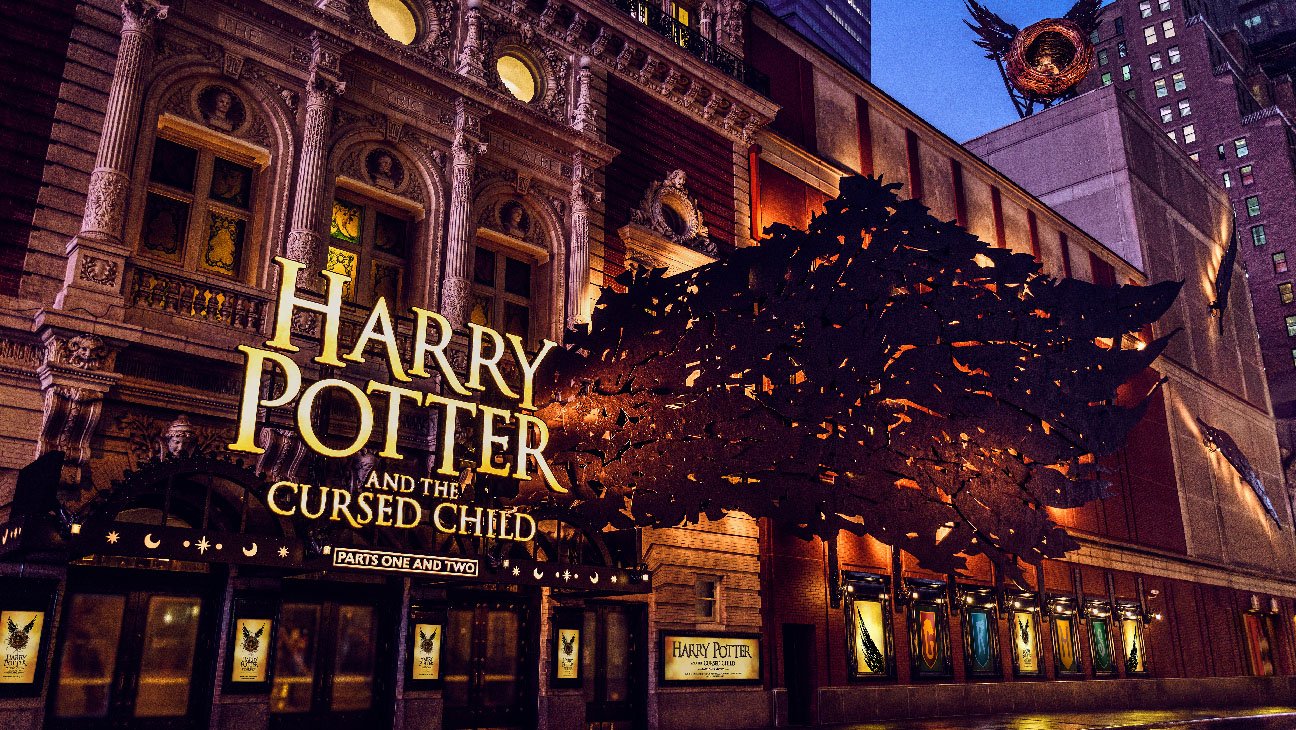
    In addition to Broadway, where ATG also owns the Lyric Theatre, home to Harry Potter and the Cursed Child, the theater group has 10 theaters in the West End, including the Lyceum, home to long-running hit The Lion King and the Savoy Theatre, home to box office hit Paddington the Musical. In total, the company owns, operates or programs 70 venues across Britain, the U.S., Germany, Austria and Spain.

    The current Mari portfolio includes the tennis events, the Miami Open and Madrid Open, Frieze art fairs and car auction company Barrett Jackson. Emanuel is also CEO of TKO, home to the WWE and UFC, and executive chairman of WME Group.

    “I’ve spent my whole career in entertainment, and I started out in theater. I’ve seen the industry reinvent itself many times, but live has only grown more powerful. Nothing connects great talent with audiences more directly. ATG has built one of the world’s great theater businesses around that experience. This is a long-term bet on where live goes next,” Emanuel said.

    Providence Equity partners acquired a majority stake in ATG for about $500 million in 2013, from Exponent Private Equity.

    Sonia Friedman, a prominent West End and Broadway producer behind shows such as Paddington and Harry Potter and the Cursed Child and a producing partner of ATG Entertainment, praised the deal, saying the investment should help ensure the sustainability of the industry and bring in new artists.

    “As a producer, I have always believed in the power of live theatre to bring people together, challenge perspectives and create unforgettable shared experiences. Our industry has always needed partners prepared to think long term, invest with confidence and support creativity with real ambition. What I find compelling about MARI is its breadth of experience across live events and its respect for creative independence. That combination gives us the chance to champion bold new work, reach broader and more diverse audiences and strengthen the future of live theatre for generations to come,” Friedman said in the release.

  • Netflix Sets Premiere Date, Drops First Look for Raunchy Catholic School Psychodrama ‘The Body’

    Netflix Sets Premiere Date, Drops First Look for Raunchy Catholic School Psychodrama ‘The Body’

    Netflix has dropped the first look at its new teen psychodrama The Body, which is set to be released in November.

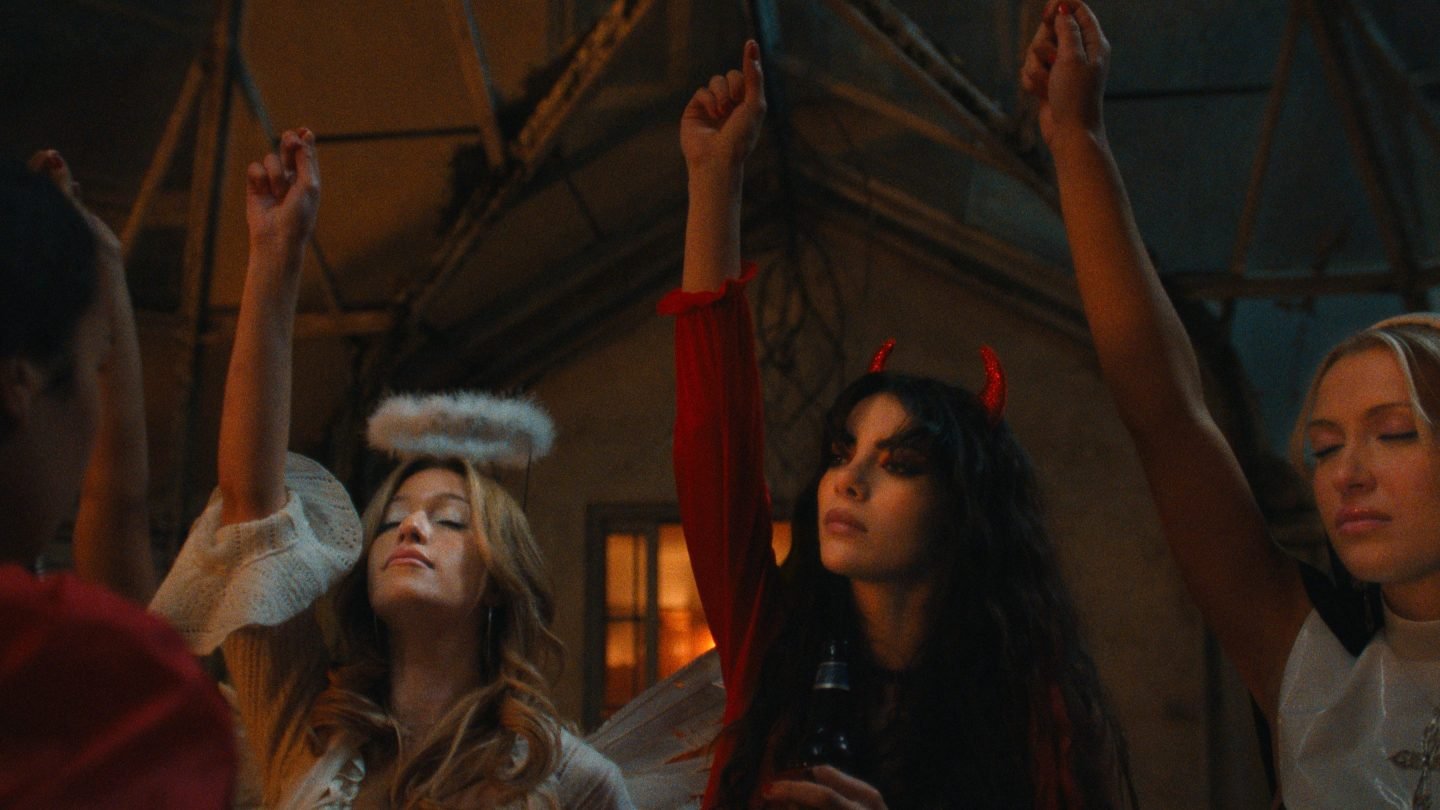
    The streamer dropped a slew of stills from the eight-episode show, which follows a dance troupe at a Catholic school. Quinn Shephard created the series, which she says is a love letter to ‘90s and Y2K teen movies like Carrie and Jennifer’s Body. Kristina Bogic, Sara Boustany, Geena Meszaros, Nnamdi Asomugha, Louisa Krause, Shirley Chen, Jackson Kelly, Sofia Wylie and The Traitors alum Gabby Windey star in the series.

    The Body’s logline reads, “After a dance-team initiation gone wrong, a group of badly behaved Catholic school girls begin having prophetic visions that set off mass hysteria in their town.”

    Shephard told Netflix’s Tudum that she’s “always been interested in the idea of girlhood as a religious experience.” She added, “This story is definitely my way of putting a playful spin on all the nightmares of my own teenage-dom. Tonally, I would describe the show as gritty camp. It’s a raunchy teen psychodrama with a dash of Catholic horror.”

    Kyra Pierce, Phallon Pierce, Marcel Ruiz, Orlando Norman, Ashley Madekwe, Motell Foster, Cale Ambrozic, Anna Tierney, Chloe Longname, Sarah Abbott, Emily Roman, Michela Luci, Bella Neuspiel, Julia Lowe and Christine Solomon round out the cast.

    “I was also a teen with an embarrassingly intense fixation on The Crucible and the Salem witch trials,” Shephard said. “It’s been very interesting to revisit that with the shading of our current political climate.”

    Shephard serves as showrunner and directed the first episode. Executive producers include Peter Chernin, Amy Israel and Josh Stern for North Road; Riley Keough, Gina Gammell and Sacha Ben Harroche for Felix Culpa; and Blair Breard.

    The Body drops on Netflix on Nov. 11. Take a peek at first-look photos below.

    Nnamdi Asomugha as Father Samuel Franklin and Sofia Wylie as Grace in episode 101 of ‘The Body.’

    Netflix

    Julia Lowe as Blair, Michela Luci as Amy, Sarah Abbot as Olivia, Shirley Chen as Maddie, Kristina Bogic as Anya, Sara Boustany as Elise, Bella Neuspiel as Katie, Emily Roman as Claire, Kyra Pierce as Bailey, Phallon Pierce as Brit and Gabby Windey as Coach Miller in episode 101 of ‘The Body.’

    Netflix

    Geena Meszaros as Lisbeth and Jackson Kelly as Leo in episode 101 of ‘The Body.’

    Netflix

    Marcel Ruiz as Tyler and Orlando Norman as Steven in episode 101 of ‘The Body.’

    Netflix

    Gabby Windey as Coach Miller and Kristina Bogic as Anya in episode 103 of ‘The Body.’

    Netflix

    Louisa Krause as Catherine in episode 104 of ‘The Body.’

    Netflix

    Kristina Bogic as Anya and Sara Boustany as Elise in episode 101 of ‘The Body.’

    Netflix

    Geena Meszaros as Lisbeth in episode 102 of ‘The Body.’

    Netflix

    Motell Gyn Foster as Michael Franklin and Nnamdi Asomugha as Father Samuel Franklin in episode 105 of ‘The Body.’

    Netflix

  • The Best Student Discounts on Streaming Services, Subscriptions and Tech

    The Best Student Discounts on Streaming Services, Subscriptions and Tech

    If you purchase an independently reviewed product or service through a link on our website, The Hollywood Reporter may receive an affiliate commission.

    On top of the annual lineup of back-to-school sales — think Amazon, HP, Adidas and Best Buy — some of the very best student (and young adult) savings aren’t season-dependent. From 50 percent off Paramount+ plans to six free months of Amazon Prime, here are the top 10 college student, grad student and young adult discounts to snag while you still can.

    Best Streaming Services With Student Discounts

    Paramount+: Verify your student status for 50 percent off any Paramount+ plan for the first 12 months. Get the deal here, and see more of the best Paramount+ deals here.

    Peacock: The Peacock Young Adult Discount offers a 45 percent price drop ($5.99 per month $10.99 per month) for 12 months to users ages 18 to 24. After 12 months, the plan auto-renews at the then-current annual rate. See more of the best Peacock deals here.

    Amazon Prime Video: The Prime for Young Adults promo offers 18 to 24 year-olds and students six free months of Amazon Prime, which includes full access to Prime Video. After six months (unless cancelled), subscriptions will renew at half the standard monthly rate ($7.49 per month $14.99 per month).

    Hulu: Valid as long as you’re a college student, get Hulu (With Ads) for just $1.99 per month instead of $11.99 per month, a savings of 83 percent. See more of the best Hulu deals here and best Disney+ deals here.

    Best Subscriptions With Student Discounts

    Amazon Prime: The Prime for Young Adults promo offers 18 to 24 year-olds and students six free months of Amazon Prime. Following the free trial, subscriptions will auto-renew at $7.49 per month, half of the standard monthly rate for adults.

    DoorDash DashPass: DoorDash’s DashPass for Students offers the service’s cost-cutting membership for half the standard price ($4.99 per month or $48 per year $9.99 per month or $96 per year).

    Walmart+: College and grad students get 50 percent off Walmart+ ($6.47 per month or $49 per year $12.95 per month or $98 per year), which includes a choice of Peacock or Paramount+, travel deals and more.

    More of the Best Student Discounts

    Samsung: Samsung’s Education Offer Program, one of Samsung’s most popular Offer Programs, unlocks up to 30 percent off devices, which can be combined with public and seasonal offers.

    T-Mobile: On top of T-Mobile’s free iPhone and free Samsung Galaxy offers, the carrier has a host of exclusive savings for college and graduate students, including wireless plans from just $30 per month.

    Verizon: Eligible college and graduate students can claim savings on any Fios home internet plan and any unlimited mobile phone plan. These student discounts can be combined with Verizon’s Mobile and Home Discount, which allows customers to save even more when bundling services together.

    Related: T-Mobile Offering Free Samsung Galaxy Z Fold8, $1,900 Phone Seen Throughout Spider-Man: Brand New Day

  • Ann Hui to Receive Busan Film Festival’s Camellia Award

    Ann Hui to Receive Busan Film Festival’s Camellia Award

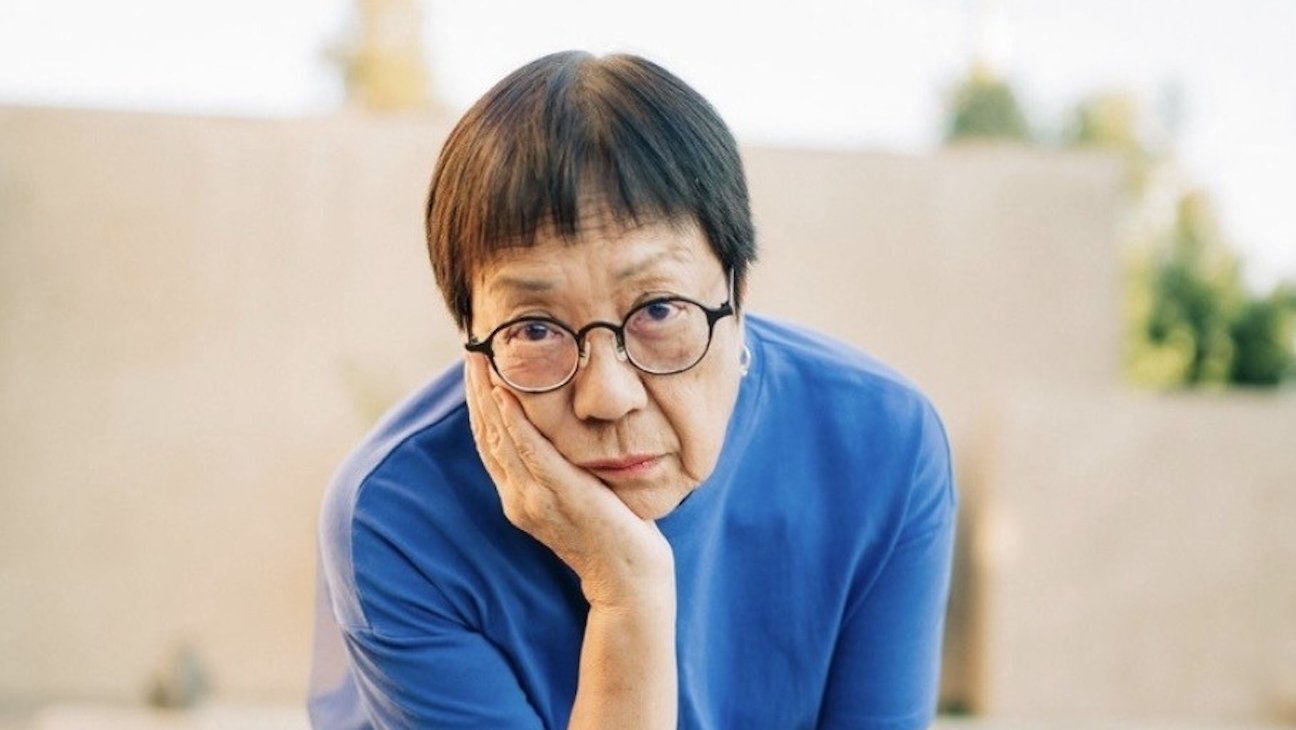
    Ann Hui, the Hong Kong New Wave pioneer whose films have chronicled the lives of her city’s ordinary and overlooked for nearly half a century, will receive the 2026 Camellia Award at the Busan International Film Festival, presented in partnership with Chanel.

    The 79-year-old director will accept the prize — awarded to filmmakers who have advanced the standing of women in the industry — at the festival’s opening ceremony on Oct. 6 at the Busan Cinema Center.

    “In my previous years I felt unwilling to receive such taking-stock prizes because I wished to continue making movies,” Hui said in a statement. “Now that I’m nearly eighty and find it difficult to make a film, I think the prize comes just in time for me to appreciate it more.”

    Since her 1979 debut The Secret, Hui has directed 27 features and two feature-length documentaries. Her work helped define the Hong Kong New Wave, with films that move across genres but return to her perennial theme — the struggles of everyday life at the margins, portrayed without sentiment: Vietnamese refugees in Boat People (1982), a daughter’s reckoning with her Japanese mother in Song of the Exile (1990), the small dignities of working-class life in The Way We Are (2008), an aging servant and the family she raised in A Simple Life (2011).

    Hui is already one of the most decorated directors of her generation. She has won best director at the Hong Kong Film Awards six times, more than any filmmaker in the ceremony’s history, and three times at Taiwan’s Golden Horse Awards. Twice — with Summer Snow in 1995 and A Simple Life in 2011 — her work swept best film, director, actor and actress at the Hong Kong awards. In 2020, she became the first female director to receive Venice’s Golden Lion for Lifetime Achievement, sharing that year’s honor with Tilda Swinton. She was previously honored in Busan in 2014 as the Asian Filmmaker of the Year.

    Established in 2024, the Camellia Award takes its name from a flower that is both Busan’s civic emblem and, famously, Gabrielle Chanel’s favorite. Korean production designer Ryu Seong-hie (Oldboy, Decision to Leave) was its inaugural recipient, followed last year by Taiwanese actress and filmmaker Sylvia Chang.

    “I am so happy to return to Busan,” Hui added, “and meet an audience that is among the most savvy and cinematically literate in the world.”

    Hui will be honored alongside Michelle Yeoh, this year’s Asian Filmmaker of the Year, at a ceremony hosted by Pachinko star Kim Minha. The 31st Busan International Film Festival runs Oct. 6-15.

  • Beatles Films Producer Pippa Harris, ‘The Zone of Interest’s James Wilson to Headline London Film Festival Industry Forum

    Beatles Films Producer Pippa Harris, ‘The Zone of Interest’s James Wilson to Headline London Film Festival Industry Forum

    Two of the U.K.’s most successful producers will have individual Spotlight Conversations at the 70th BFI London Film Festival‘s Industry Forum this October.

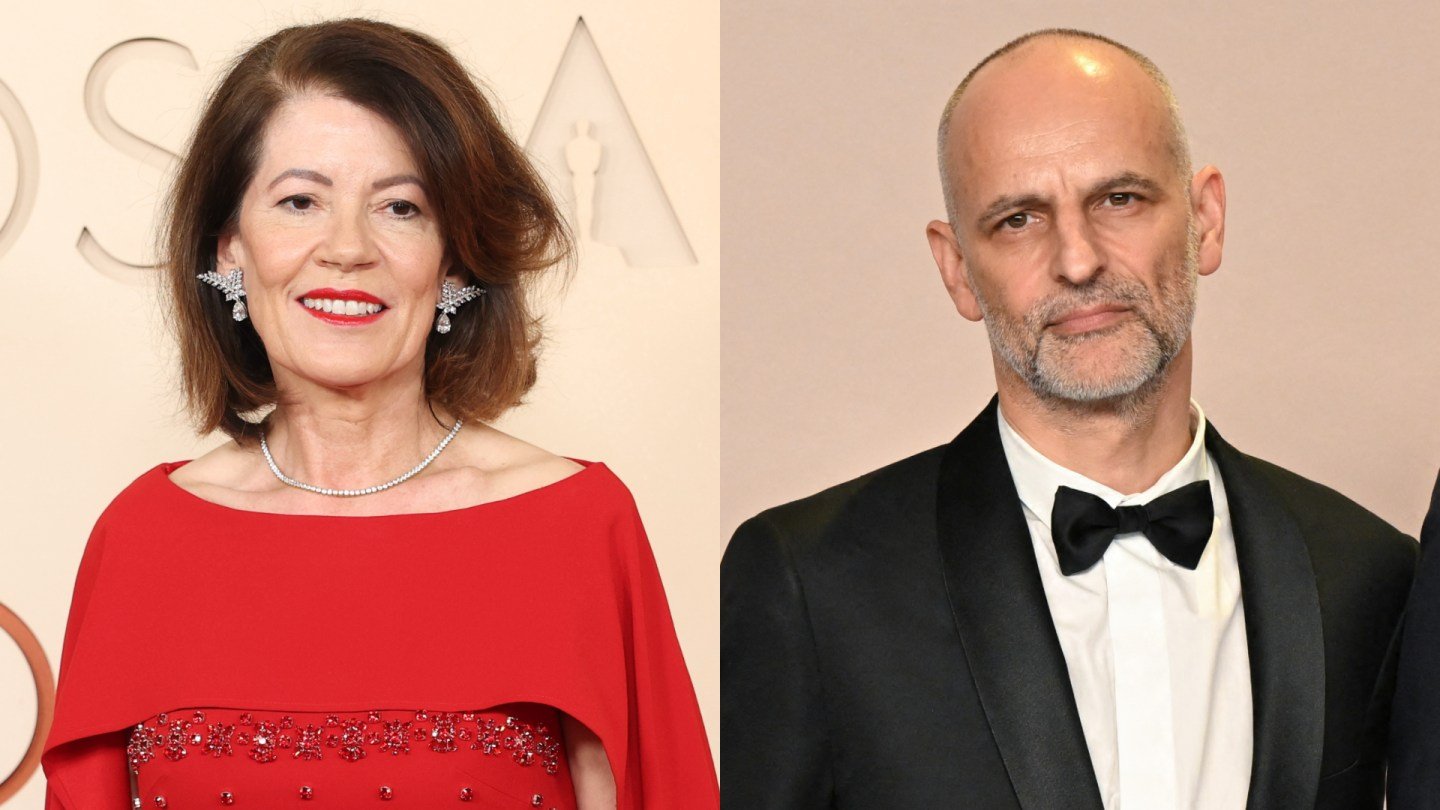
    Neal Street Productions co-founder Pippa Harris (The Beatles, Hamnet, 1917) and indie producer James Wilson (The Zone of Interest, The Voice of Hind Rajab) are set to discuss their careers, current projects and navigating the international film and TV market in a rapidly changing landscape.

    The LFF Industry Forum welcomes industry delegates from all over the world for a program of “thought-provoking conversations with some of the most exciting practitioners working in the screen industries and networking events with professionals from all over the world.” The full lineup will be announced in mid-September.

    Harris will take a deep dive into her work on the hugely ambitious and much-anticipated quartet The Beatles films, directed by her Neal Street co-founder Sam Mendes, and discuss the challenges of development, production and her relationship with talent across her career. A prolific British film producer, her credits include the Oscar, Golden Golden Globe and BAFTA-winning Hamnet and 1917, Oscar and BAFTA-nominated Revolutionary Road, as well as Jarhead and The Magic Faraway Tree, Call the Midwife, Penny Dreadful and more.

    Wilson is one of the U.K.’s most successful independent producers. He has worked for three decades in the business — for Fox Searchlight Pictures and Film4 before heading up his own company in the 2000s — and will speak during his Spotlight Conversation about the bold creative collaborations that have shaped his career so far. He has worked on the Oscar and BAFTA-winning The Zone of Interest and Under the Skin from Jonathan Glazer, as well as Lynne Ramsay’s You Were Never Really Here, Kaouther Ben Hania’s The Voice of Hind Rajab and Aneil Karaia’s Hamlet.

    “This year our industry programme puts a spotlight on producers and the vital role they play in shepherding artistic visions from their earliest stages through to the screen,” said Kristy Matheson, BFI London Film Festival Director. “I’m delighted that industry colleagues will have the opportunity to hear from Pippa Harris and James Wilson — two esteemed producers whose unique creative careers have given us some of the most memorable and critically acclaimed films of recent years.”

    Attendance of international industry professional delegates to the LFF has doubled over the last five years. The 70th BFI London Film Festival, running Oct. 7-18, is set to open with Andrew Scott and Olivia Colman’s Elsinore, and close with Jesse Eisenberg’s musical-comedy The Debut.