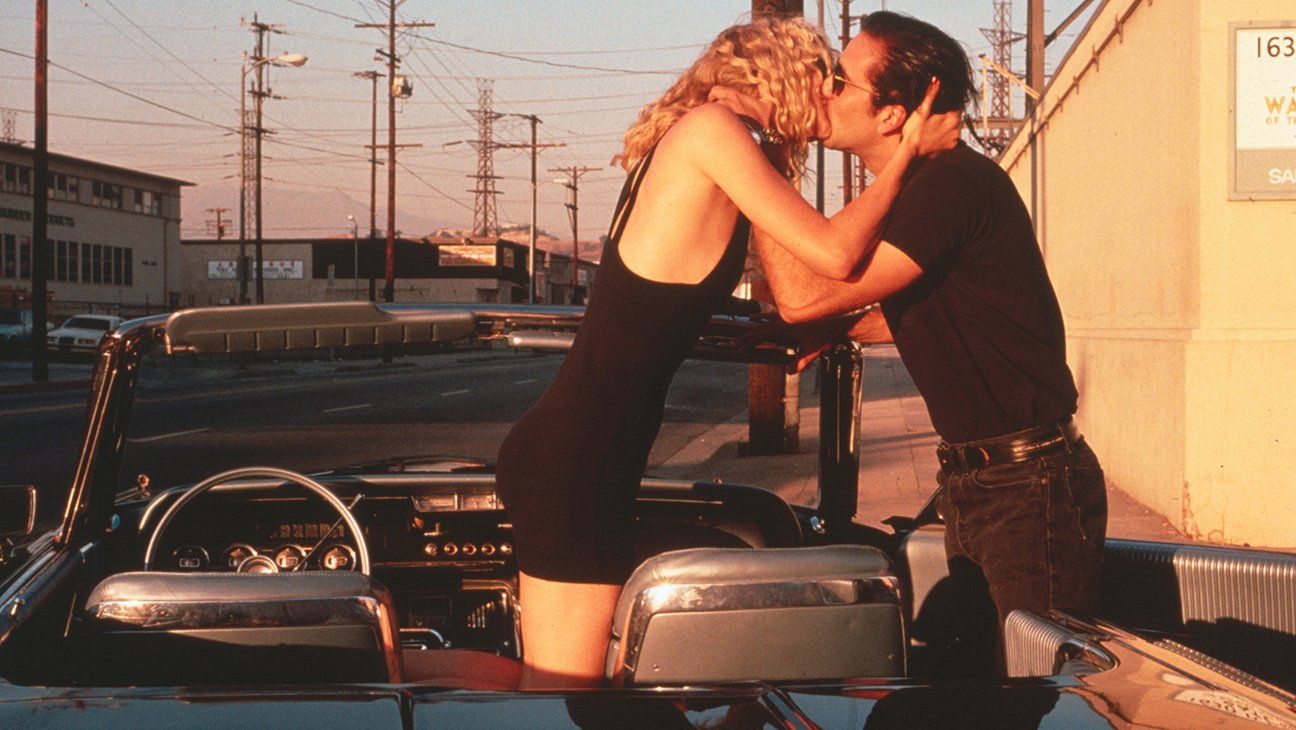
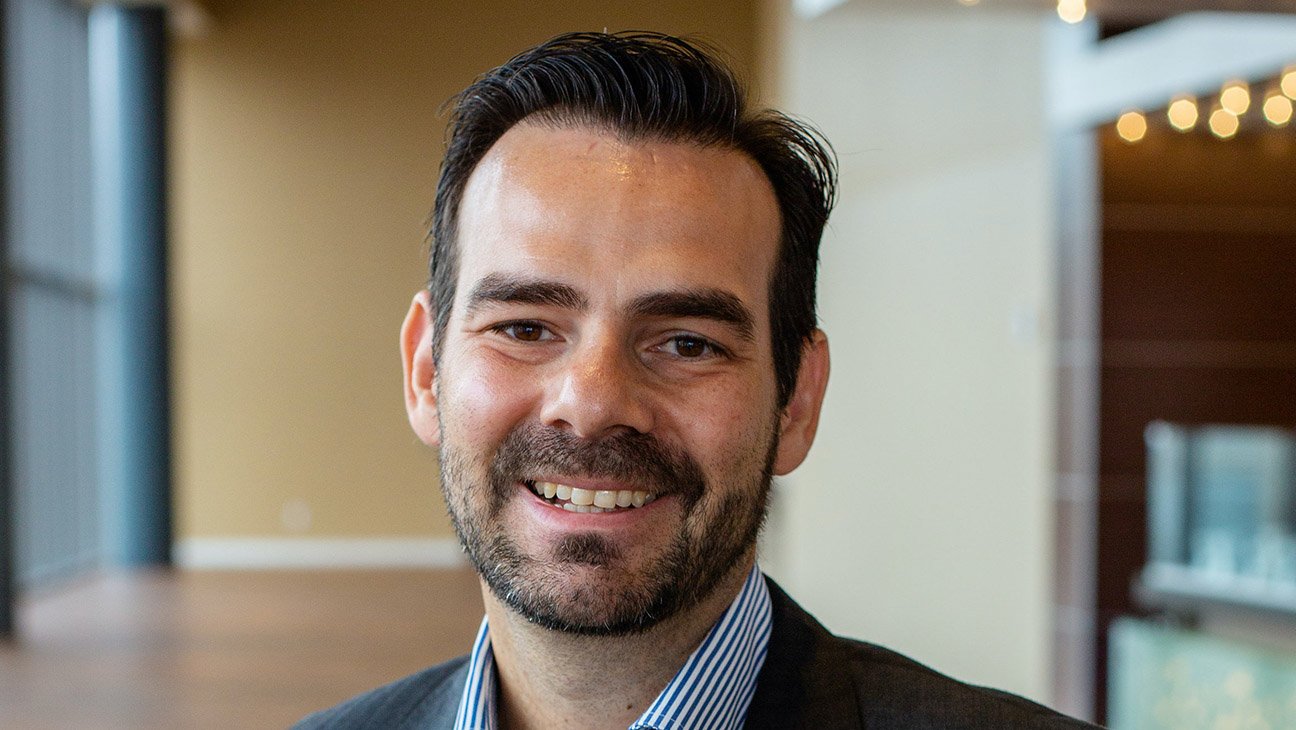
Iceland-born, U.S.-based producer Sigurjón “Joni” Sighvatsson has the kind of résumé that speaks for itself: David Lynch‘s Cannes Palme d’Or winner Wild at Heart, Julian Schnabel’s Basquiat, Kathryn Bigelow’s The Weight of Water, plus music videos and series including Twin Peaks and Beverly Hills, 90210.
This week, the Palomar Pictures principal — who co-founded Propaganda Films in 1986 — returns to the 79th edition of the Locarno Film Festival to receive the Raimondo Rezzonico Award in the Piazza Grande on Thursday evening. The honor is named for the man who served as Locarno’s president from 1981 to 1999.
Ahead of his trip to Switzerland, Sighvatsson spoke with THR about his excitement over returning to Locarno, his read on the festival circuit at large, and why he believes his work doesn’t belong in the “closed system” he says Netflix has built.
Sighvatsson has visited Locarno before and remains a fan, largely thanks to its more adventurous, less predictable curation. “The festival is not just focused on what is in the competition,” he says. “Everything has changed. When Wild at Heart won in Cannes [in 1990], that was a big platform for that kind of unusual film to get. Now, we don’t know really what Cannes is anymore. What are they catering to? What is their vision? It is a very different festival from Locarno.”
Unlike the bigger festivals, he adds, Locarno “never had this incredible focus on just getting stars, or just a competition, or just this.” That flexibility, he argues, will serve it well: “I love Locarno. I think some of the other festivals have become prisoners of their own success, and with the business changing, they have changed. I think festivals like Locarno, which are smaller and have a slightly lower profile and different approaches to film, will do better.”
AI’s Impact On the Industry
With AI a hot topic of debate in Hollywood and beyond, what is the producer’s reading on the technology’s likely impact on the film industry? “I think AI actually will help in many ways, but I don’t really see AI movies changing things because in the end, movies are about people and they’re about stories,” Sighvatsson tells THR. “I see it working for some projects. For the new The Odyssey, Christopher Nolan was not using AI for a reason — because he doesn’t want to make people feel it’s AI. I heard the new [live-action] Moana, the Disney film, feels just like an AI film, even though it’s using real characters [and CGI].”
His bottom line: “I think it’s a double-edged sword, but AI will help. It’s like any very powerful tool, for example, the atom bomb. It’s all about how you use it, or if you use it at all. And I think a lot of filmmakers will opt not to use AI because they don’t need to. But others will use it. Will it change the course of cinema? No. I think it will change television more.”
On Netflix and the “Closed System”
Sighvatsson isn’t optimistic about television’s current state, largely because of streaming — and he draws a sharp line between films and what Netflix produces. “There are things that Netflix calls films. I don’t call them films,” he says. “I call them Netflix films. That’s very different than a film.”
He elaborates: “Most of the things that Netflix does don’t have a very deep meaning, and they are not supposed to. You still need a lot of skill to make those big Netflix films, but they don’t really expect them to have a long life, and they are shown only within a closed system. It’s the Netflix system, so Netflix is just making something for a closed system, whereas everything that I’ve made, even music videos, is for an open system that anybody can access.”
The distinction, he says, comes down to distribution: “The difference is that Netflix doesn’t even sell any of its product to anybody else but Netflix. So they’ve created the language that fits this box that is called the Netflix box, and they’re very successful, including with some of the animation and some of the children’s content. And even though Netflix is changing, it doesn’t change the fact that a Netflix film fits only in a Netflix box. It wouldn’t fit in an Imax theater, for example. … And when you’re producing for such masses, you automatically demand less complexity.”
Given all that, don’t expect a Sighvatsson-produced Netflix title anytime soon. “I don’t think so,” he says. “I don’t think it’s my thing. I don’t think I’m in the Netflix universe.”
Still, he gives the streamer credit where it’s due. “I think it’s great that other people [create content for] it. That’s fantastic, and Netflix has changed the business,” he says. “What I think Netflix has done well is give people in other countries an opportunity to make material in different languages, in different cultures. That, I think, is the greatest contribution Netflix has made.”
ProSiebenSat.1 posted lower first-half revenue as Germany‘s weak television advertising market and competition from broadcasters carrying the World Cup weighed on its entertainment business.
The German commercial broadcaster, which is controlled by the Berlusconi family’s MediaForEurope (MFE) group, reported first-half revenue of €1.54 billion ($1.77 billion) on Thursday, down 9 per cent from a year earlier. On an organic basis, excluding portfolio changes and currency effects, revenue declined 2 per cent. Second-quarter revenue fell 8.5 per cent to €768 million ($881 million).
The company said advertising revenue continued to be affected by a slowdown in the German TV market, the ongoing shift of ad spending to digital platforms and competition from broadcasters airing major sporting events, particularly the World Cup. Entertainment revenue fell 6 per cent in the first half to €952 million ($1.09 billion), with linear TV advertising down 9 per cent.
Digital advertising remained a bright spot. Digital & Smart advertising revenue rose 6 per cent, driven by ProSieben’s streaming service Joyn, content distribution on third-party platforms and the group’s audio business. Advertising-supported streaming revenue at Joyn increased 8 per cent in the first half, while subscription revenue climbed 20 per cent.
Despite the revenue decline, earnings improved sharply as the company cut costs and continued a broader restructuring. First-half EBITDA rose by €152 million ($174 million) to €124 million ($142 million), compared with a loss of €28 million ($32 million) a year earlier. Programming expenses fell to €404 million ($464 million) from €496 million ($570 million), while personnel costs declined to €299 million ($343 million) from €416 million ($478 million), reflecting restructuring measures, asset sales and lower content costs.
ProSiebenSat.1 has also continued to slim down its portfolio. Since the start of the year, the company has sold six non-core businesses, including Studio71 U.S., as it focuses on its German-speaking entertainment operations.
The company is also betting big on Joyn. Last month the streaming service announced a deal with ZDF to add on-demand programming from the German public broadcaster. ProSieben is also developing a shared streaming technology platform with MediaForEurope, for use across the group’s European markets. MFE pan-European network of commercial broadcasters also includes Italy’s Mediaset and Telecinco in Spain.
ProSiebenSat.1 reaffirmed its full-year outlook, maintaining its forecast for slight organic revenue growth and a significant increase in EBITDA, while cautioning that visibility in Germany’s advertising market remains limited.
What do the CEOs of AMC Theatres and Regal Cinemas have in common? Both have been enticed to back David Ellison’s $111 billion quest to merge Paramount and Warner Bros. Discovery.
Regal chief Eduardo Acuna was the latest to go public with his blessing on Wednesday. The endorsement from the leader of a major exhibitor is notable given that the lawsuit filed by 12 states against Paramount to halt the deal is being waged as an antitrust battle on the turf of the fragile theatrical marketplace. If the theater owners themselves aren’t worried about Paramount’s undue influence on the landscape, well, then why should the states? At least, that may be the logic of Team Ellison.
The states’ logic is quite different. In a lawsuit led by California attorney general Rob Bonta, their argument goes that the merged studios will have undue influence over the supply of product to movie theaters. “Movie theatres rely on competition between Paramount and Warner Bros,” stated the complaint filed July 13. “Through this competition, theatres incentivize creativity and quality, and they secure competitive prices and terms for themselves and for audiences.”
The states argue that a merged WarnerMount will control 30 percent of movies that have earned $100 million-plus at the box office and have been bowed in 3,000 theaters for wide release. The case against Paramount is also backed by Cinema United, the lobbying group that represents movie theater owners and chains, including Regal and AMC.
“The ramifications of further movie studio consolidation will be significant and lasting, not just in Hollywood, but on Main Streets across this nation where local movie theaters serve as cultural and financial cornerstones for communities of all sizes,” Cinema United’s top exec, Michael O’Leary, said when the states filed suit in July.
Paramount CEO Ellison has pledged to ramp up production of features and release a combined 30 movies a year theatrically with 45-day theatrical windows. Regal CEO Acuna made reference to these promises in his statement (in full below), noting, “I believe David is sincere in making these commitments.”
Regal, the Knoxville-based division of exhibitor Cineworld that emerged from bankruptcy in 2023, is the second-largest circuit in the U.S. behind AMC Theatres. Adam Aron, who has led AMC for the last decade, was a relatively early backer of the Paramount-Warner Bros., making comments supporting Ellison’s bid at CinemaCon early this year.
Sean Gamble, the CEO of Cinemark, the third largest chain stateside, hasn’t been as explicit as Aron or Acuna but appeared to express support for Paramount and Warners over a suitor that would be less theatrically-minded, like Netflix.
Paramount’s legal team has argued that the high-stakes court battle should take place in November of this year but a judge disagreed and set the trial for March 2027. That sets up a long waiting game, which may be why the battle in the court of public opinion is only heating up. In recent days superagent Ari Emanuel, Aron and Ellison himself have all penned op-eds explaining the Paramount side of the logic for a merger. On the opposing side, another star-studded letter led by Benedict Cumberbatch, Alan Cumming and Benedict Wong argued against the merits of the deal.
Regal CEO Acuna’s full statement is below:
This year has been an important one for our industry. Attendance is up, younger audiences are coming out in numbers we haven’t seen in years, and the upcoming release schedule looks just as strong. While there is real momentum, we need a thriving studio system to ensure that the industry has a platform from which to grow.
This is why, after much consideration, we believe it’s time for Paramount Skydance’s acquisition of Warner Bros. Discovery to move forward. I’ve spoken directly with Skydance Paramount CEO David Ellison and his team about what a combined company would mean for exhibition, and he has made some specific commitments: at least 30 theatrical films a year, a protected theatrical window with 45 days for TVOD and 90 days for SVOD for a minimum of three years, and a $30 billion annual investment in media content. I believe David is sincere in making these commitments, and he has offered to execute a consent decree to the State AGs to that effect. These are tangible and important commitments that will benefit the industry and which can be measured.
A long fight in court that extends into spring or summer doesn’t put more films in theaters, and is not beneficial to studios, filmmakers, the guests who go to the movies, or theater businesses like Regal and the people who work for them. It just creates more uncertainty and distraction that could be damaging to our industry as we build on our current success. It is time for all parties to sit down and work out how to formalize these commitments. With these measures in place, we believe that Paramount can be an effective steward of these studios that mean an enormous amount to people who love movies.
For a few years there, Paramount+ had a lot of eggs in one basket. Following the rebrand of CBS All Access to Paramount+ in 2021, prolific Texas-based creator Taylor Sheridan has been at the forefront of the streamer’s strategy as he churned out show after show: 1923. Landman. Tulsa King. Lioness. Mayor of Kingstown — even as his mega-success Yellowstone was conspicuously absent from the streamer (the result of an exclusive licensing deal with Peacock).
Now, however, there’s new management at the platform, Sheridan will be out the door in a few years and Paramount+’s identity is being reworked. Nearly a year after Paramount Global merged with Skydance Media, the strategy under the streamer’s head of originals Jane Wiseman is taking shape. Though its new originals likely won’t start debuting on the service until the beginning of 2027, The Hollywood Reporter’s conversations with sources and execs’ own public statements show that Paramount+ is aiming to expand the appeal of the service beyond the existing Sheridan heads, even as it has clearly learned a thing or two from the king of operatic neo-Westerns.
Paramount+ reported more than 81 million subscribers in its latest earnings report, putting it behind Netflix, Disney+ and HBO Max (which could become its corporate sibling if David Ellison’s $111 billion Warner Bros. merger goes through) according to their most recent disclosures. To make it more competitive in the sharp-elbowed streaming wars, its executives are aiming to develop destination series that will broaden the streamer’s appeal, especially to more women and genre viewers.
“The green lights have to have that core evangelizing audience that’s hopefully slightly different than the core seen before [on Paramount+], but in success they’re supposed to capture multiple audiences,” says an executive familiar. A rep for Paramount Skydance declined to comment.
While the number of women out in the world wearing Yellowstone Dutton Ranch T-shirts will tell you that Sheridan shows have their share of female fans (and the studio cites that in a recent count, The Madison, Dutton Ranch and the first season of Marshals had slightly more female than male viewers), a cornerstone of the new strategy is appealing more broadly to women. “They’re building a female-forward wheel that is attempting to expand the brand’s reach beyond what it’s probably best known for, which is the Taylor Sheridan fare,” says one agent.
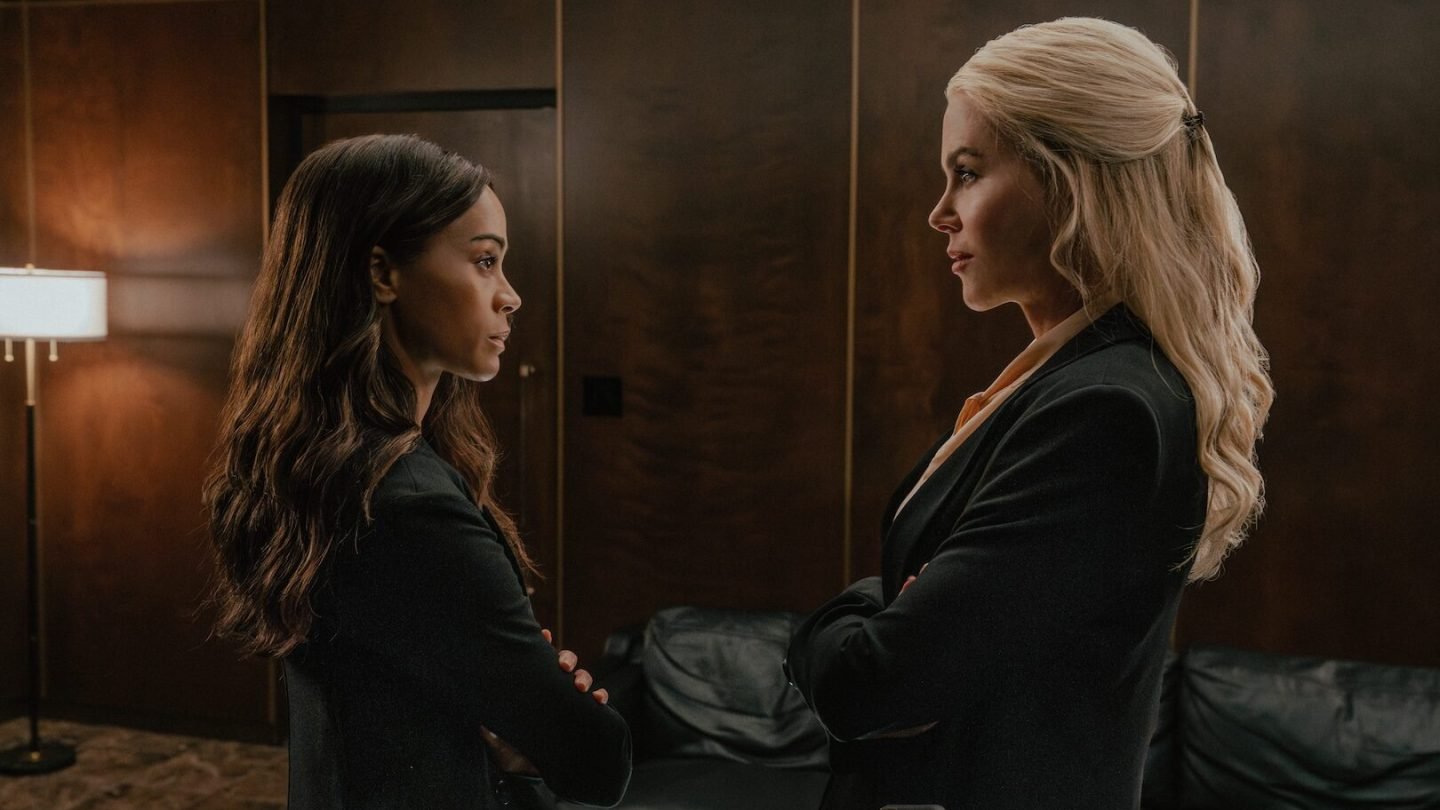
Direct-to-consumer chair Cindy Holland, who hired Wiseman, has made no secret of this ambition, telegraphing as much at Paramount’s 2026 upfront presentation. And the focus on female viewers has been on display in series pickups from Wiseman’s team like Discretion, a legal thriller produced by A24 and starring Nicole Kidman and Elle Fanning; Fear Not, a true-crime limited series from MGM Television starring Anne Hathaway; and the sequel to Clueless with Alicia Silverstone. On the unscripted side, Paramount+ recently gave the go-ahead to a dating show from the Love Is Blind production company Kinetic Content (working title: Making Love) and the youth baseball reality series Team Moms from executive producer Kim Kardashian.
Around town, the streamer has been calling for female-fronted adult dramas; romance and family stories; soap opera-type fare; and thrillers that are serialized, say sources. They’re interested in work with major creatives and stars (“They are cost-conscious, although they’re looking for big names to drive marketing,” says a production company exec). The streamer is also dipping its toes in YA stories à la Outer Banks, The Summer I Turned Pretty, Riverdale and its own series School Spirits but seemingly doesn’t want to spend a fortune on these projects (more like $3 million to $5 million an episode), says another agent source.
Like Peacock, the streamer is also testing out microdramas, the often soapy, bite-size vertical video format that typically overindexes on romance. The move follows BET — the Paramount Skydance-owned brand focused on the Black community whose series and films recently moved over to Paramount+ — partnering with aTwist to produce these vertical video series.
On the other end of things, the streamer is putting feelers out for “grounded genre” ideas — essentially big-concept genre (sci-fi, fantasy, supernatural) stories with relatable human drama. Wiseman’s hire, executive vp originals Chris Parnell, a former Apple TV creative exec who worked on Pluribus, is spearheading this push, where the streamer is said to be looking for projects along the line of, yes, Pluribus but also Silo, Severance, Fallout and Stranger Things.
These shows might appeal to the Star Trek crowd that is already on the platform, but they are also seen as a draw for international viewers who may not have traditionally been as compelled by Sheridan’s Westerns as the domestic audience. (Paramount’s recently inked exclusive deal with Stranger Things creators Matt and Ross Duffer will likely play a role here. The Duffers are set to produce work for Paramount direct-to-consumer, of which Paramount+ is a part, among other commitments.)
Other green lights from Wiseman’s team feel far more in line with the audience that already flocks to Paramount+. The logline for the upcoming Kenneth Branagh-starring drama Laird (a major landowner squaring off against a billionaire land grab) sounds like Yellowstone with a Scottish accent. 9/12, a prestige drama starring Jeremy Strong about the legal battle that 9/11 first responders engaged in after the disaster, could appeal to the Marshals crowd.
And what defines the platform isn’t just the type of stories it wants but also the ones it’s avoiding. Half-hour comedies aren’t on Paramount+’s wish list, sources say, given that CBS sitcoms like The Neighborhood and Georgie & Mandy’s First Marriage begin streaming on Paramount+ the day after they air on linear television.
Even with all of the streamer’s announcements, the volume of Paramount+ dealmaking has surprised some observers. When Holland’s hire was officially announced last year, hopes ballooned across the industry that she would be spearheading a major spending push akin to her time at Netflix during its spendthrift era. Those dreams haven’t panned out, say sources, who note the platform’s selectivity so far. Says the second agent, “The thing that popped out to us is the streamer is a very small team and they are not looking to replicate the ascension that Netflix had when Cindy was there in terms of volume. They’re taking very specific shots — and not a lot of them.”
The executive familiar pushes back on this observation, saying, “I can guarantee you the deal volume has been extraordinary.” The studio, meanwhile, cites that it has greenlit 25 new series over the past 10 months, not including renewals and pickups.
Paramount+ still has some time before Sheridan officially leaves the streamer that his shows helped to characterize; the creator’s TV deal will officially move to NBCUniversal in 2029. At that point, the streamer will retain the blockbuster series the creator made for it previously, even as any fresh Sheridan series will be written and produced exclusively for NBCUniversal platforms. 101 Studios, the studio that works with Sheridan on his series, has already moved its deal to NBCU.
That situation gives Paramount+ a generous offramp, a period of a few years when it can endeavor to retain the creator’s fans while also offering nonsubscribers compelling reasons to create an account. “They know that the whole service for the most part is buoyed on the back of Taylor Sheridan shows. It is obvious if that’s the case,” says the second agent. “The weird thing is he’s leaving, but he’s not leaving tomorrow.”
This story appeared in the Aug. 5 issue of The Hollywood Reporter magazine. Click here to subscribe.
HBO Max is headed out on the road to Stars Hollow.
The streamer is in production on a documentary about Gilmore Girls, the beloved series that ran from 2000-07. Bonni Cohen (Athlete A, An Inconvenient Sequel) is directing the film from Warner Horizon Unscripted Television and R.J. Cutler’s Sony-based This Machine banner.
Gilmore Girls creator Amy Sherman-Palladino, executive producer Daniel Palladino and star Lauren Graham are all set to take part in the documentary, along with other cast and crew members. HBO Max notes that the film is the first “authorized” documentary about the show, though at least one other independent doc is also in the pipeline. Sherman-Palladino and Graham are also collaborating on a book about the making of Gilmore Girls, which is due for publication in fall 2027.
Warner Bros. TV, a corporate sibling to HBO Max and Warner Horizon, produced Gilmore Girls, which ran for seven seasons on The WB and The CW.
The currently untitled HBO Max documentary will “reveal how the show eclipsed expectations to become a cross-generational phenomenon by unpacking the unique alchemy of the creators, cast, crew, and collaborators,” according to the film’s description. It will also feature previously unseen behind-the-scenes clips, outtakes and script pages.
Following the end of its series run, Gilmore Girls found a long afterlife on cable and streaming, where it receives an annual viewing bump each fall. Netflix also produced a four-episode sequel miniseries, Gilmore Girls: A Year in the Life, in 2016. The series left Netflix at the end of June (A Year in the Life remains available there) and currently steams on Hulu and Prime Video.
The executive producers for the documentary are Mark Blatty, Jane Cha Cutler, R.J. Cutler, Daniel Palladino, Elise Pearlstein, Amy Sherman-Palladino, and Trevor Smith. Cohen and Melissa Robledo are producers.
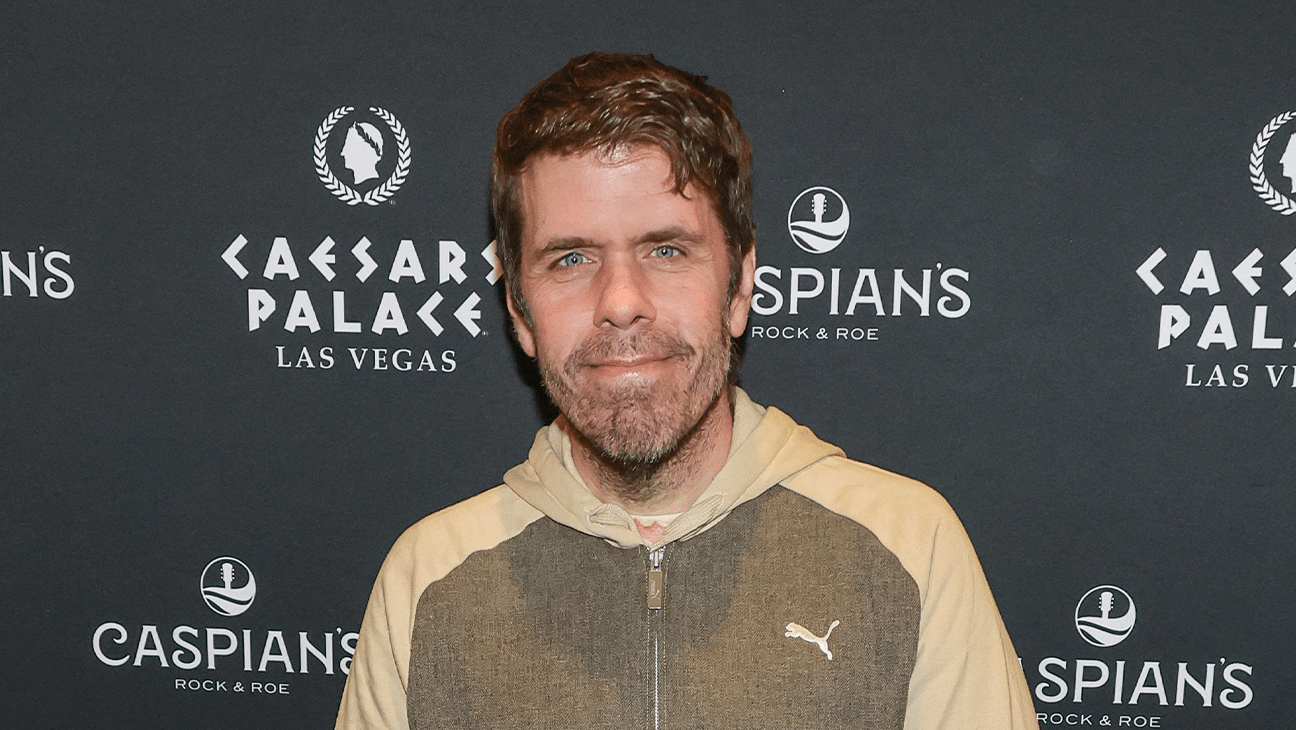
Perez Hilton was hospitalized and is receiving medical care after the celebrity gossip blogger appeared to be harming himself on a TikTok livestream on Tuesday night.
In graphic clips reposted on social media, Hilton, appearing manic, could be seen in the livestream covered in blood, using an object to cut himself repeatedly.
While not naming Hilton specifically, the Miami-Dade County Sheriff’s Office said it had received “multiple calls regarding an individual who was livestreaming acts of self-harm on social media.” Deputies then located this person’s residence, arrived on the scene and spoke with family members before they “tactically disengaged while continuing to monitor the situation and providing the needed support to his family.”
“In many incidents involving a person experiencing a mental health crisis or actively harming themselves, deputies prioritize de-escalation by creating time, distance and opportunities for communication,” the statement continued. “Unless there is an immediate threat to others, slowing the situation and utilizing crisis intervention techniques can reduce the likelihood of a suicide-by-cop encounter and minimize the risk of injury to the individual, deputies and the public.”
The Sheriff’s Office said the individual was “safely recovered” and taken to a Miami-area hospital, where he’s receiving medical attention. Mental health professionals are also on the scene providing support and resources to the person’s family.
Local news station NBC6, which had reporters at the scene, later reported that a man, believed to be Hilton, was seen being taken away in an ambulance.
Dante Rusciolelli, the CEO of the management company that represents Hilton, Golden Artists Entertainment, said in a statement obtained by NBC News on Wednesday that the company does “not have any additional confirmed information to share regarding Perez Hilton’s condition.”
“Our focus remains on Perez’s health, recovery and the privacy of both him and his family during this incredibly difficult time,” he said. “We are grateful for the outpouring of concern and support from fans, friends and members of the media. We respectfully ask that everyone continue to honor his privacy while he receives the care he needs.”
Also on Wednesday, Hilton’s team and family posted a statement to his website saying they “can confirm that Perez is receiving medical care, and our family’s focus right now is on his well-being.”
“Many of you have reached out with concern for Perez, and we are incredibly grateful for the overwhelming outpouring of love, support, and prayers,” the statement reads. “We kindly ask that you respect Perez’s privacy, as well as the privacy of his family, during this difficult time. If and when we are able to share any updates, we will do so with everyone as soon as we can. Thank you for your compassion, understanding, and continued support.”
Earlier this year, Hilton shared in a lengthy Instagram video that he was hospitalized for three weeks after initially battling the flu before developing “an ulcer, and then a perforation and then sepsis,” he said at the time.
“The sepsis just kept working and my body kept falling apart,” Hilton explained in the video in March. “Then one night with rapid response came ’cause my heart got out of control. They had to put me on heart medications. And then I developed another infection in the hospital.”
He added, “It was just such a slow process. I mean, two weeks of just sickness and then another week of getting better before I was released. And that last week was hell because I had already been in the hospital two weeks by then. I was like, ‘I just wanna go home. I just want to be with my babies.’” Perez is a single father of three children.
Once he was released from the hospital and sent back home, Hilton said he had time to reflect and came to the realization “that God presented Himself to me” during the challenging experience.
“It was real and this has been life-changing. I’m so grateful,” he added at the time. “I’m excited to start taking the kids to church every week. And to just know that God is real. … I don’t have to hope to believe. I know now.”
Aug. 5, 10:56 a.m. This story has been updated with a statement from the Miami-Dade County Sheriff’s Office and Hilton’s personal rep.
Aug. 5, 12:12 p.m. This story has been updated with a statement from Hilton’s team and family.
Hilary Lewis contributed to this report.
This story was originally published on Aug. 4 at 7:47 p.m.
A few years ago German writer-director Felix Randau (Iceman) got what sounded like an interesting proposal from France: to direct episodes of a miniseries about Felix Kersten, the former massage therapist of Nazi SS leader Heinrich Himmler.
“When I got back to Berlin and read their concept, I really liked it,” he recalls. “But there was this one special sentence in it that said, ‘If Steven Spielberg had known about Felix Kersten, he would have shot a film about Felix Kersten and not about Oskar Schindler.’ I knew that Steven Spielberg struggled for, I don’t know, about 10 years before he started shooting Schindler’s List, and he’s a smart guy who has a lot of assistance. So I became suspicious and started my own research, going to the archives and reading a lot of books and stuff.”
In the process, he realized that Kersten’s legacy is much less clear-cut. “I figured out that the story the French guys wanted to shoot was a hero story, a superhero story,” Randau tells THR. “But I felt you simply cannot do it.” He soon started focusing his work energy elsewhere.
The result is his new film, I Is Another (Ich Ist ein Anderer), which world premieres on Friday, Aug. 7 in the Piazza Grande program of the 79th edition of the Locarno Film Festival in Switzerland. Set in 1952, the film sees a journalist ambush Kersten and his wife on a train because she has doubts about the heroic narrative that he has been presenting about himself — one that might even get him the Nobel Peace Prize. What starts as a normal interview quickly turns into a psychological cat-and-mouse game. Is Kersten a hero or an impostor? Or could he maybe be both?
“Every story has three sides,” Randau says in a director’s note. “Yours. Mine. And the truth…”
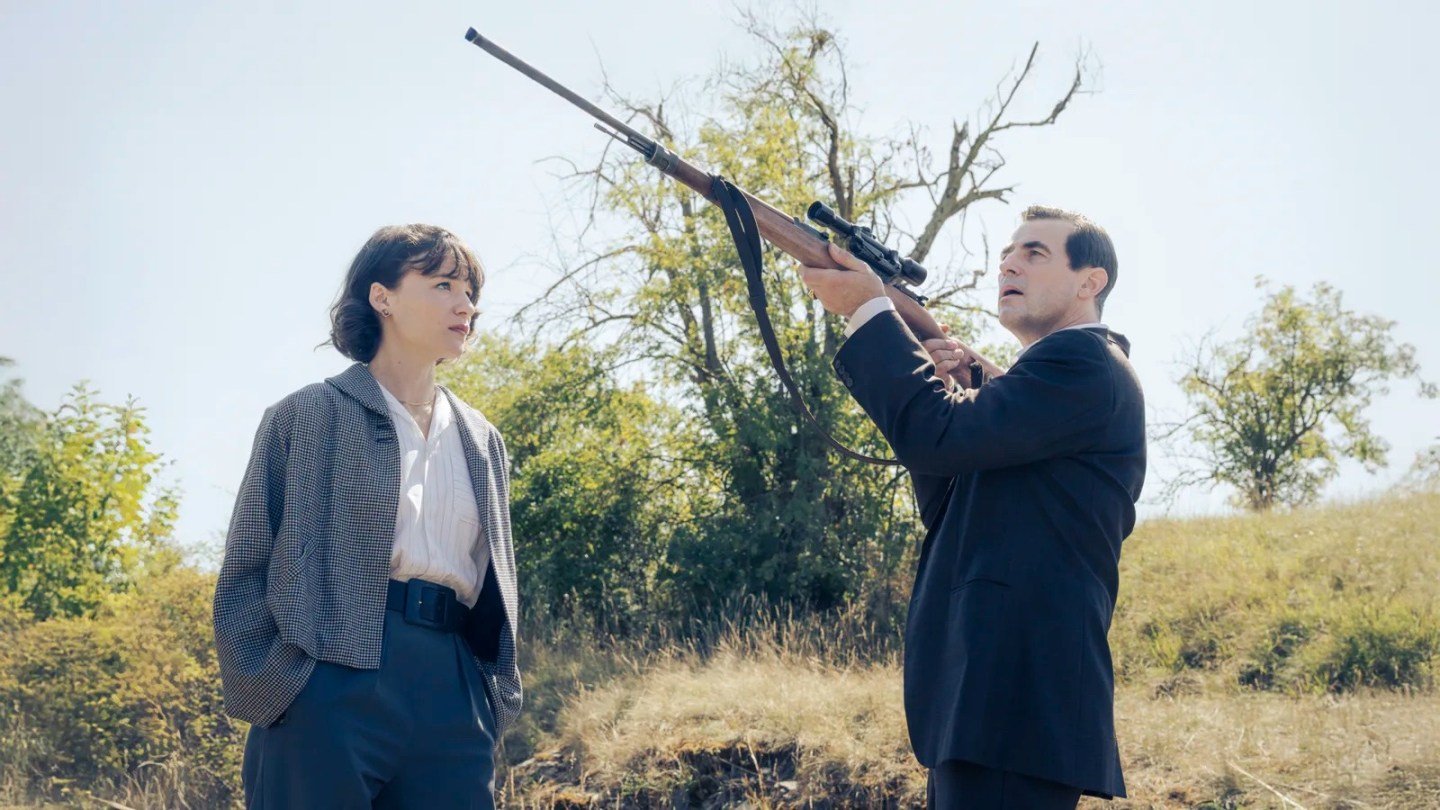
To explore all these complex themes, I Is Another features a cast of big European names, led by Danish star Claes Bang (The Square, Bad Sisters, Home) as Felix Kersten, Austria’s Valerie Pachner (The Stories, Fantastic Beasts: The Secrets of Dumbledore, Four Minus Three) as journalist Hedda, fellow Austrian Susanne Wuest (Sound of Falling) as Kersten’s wife Irmgard, German actor Timocin Ziegler as Hedda’s husband Winfried, and Germany’s Martin Müller as Himmler.
Felix Randau, courtesy of Felix Randau
The film, whose cinematographer was Sebastian Thaler, was edited by Joana Scrinzi. Beta Cinema is handling international sales.
For writer-director Randau, I Is Another is much more than a post-war film — and much more timely. “Of course, it’s a period movie, but it has a lot to do with our present time,” he tells THR. “It’s about truth and the question: what is truth? Nowadays, there are no more fundamental agreements about anything, so truth has become quite a flexible thing. And that’s very dangerous, as we all can see. So, I Is Another is a movie about that.”
Indeed, the themes of truth and image that the movie explores seem tailor-made for the social media age. “If Felix Kersten was alive today, he would be deep into all this social media shit, I’m pretty sure,” Randau acknowledges.
But he highlights the ambiguities and shades of gray that he sees in Kersten that the writer-director wanted to also showcase in I Is Another. “He was a narcissist. He was an opportunist,” says Randau. “But I think he also was a hero somehow because he saved some lives. Not thousands, as he said, but he saved some lives. And I think he saved lives not for good reasons. He wanted to save his own ass, I think.”
Where in the film’s facts turn to fiction doesn’t really matter much, according to the filmmaker, because much of how people feel about Kersten depends on whether they focus on his autobiography or facts and stories told by others. “All the scenes with Himmler and Kersten are from Kersten’s autobiography,” Randau explains. “So they are, I think, all fake, but it is his truth. All the other stuff, the journalist and the train ride and stuff like that, is invented. It’s fiction. But somehow it’s also true.”
Director Felix Randau and stars Claes Bang and Valerie Pachner during the shoot for ‘I Is Another,’ courtesy of Anke Neugebauer/ostlicht/Wega
Of course, to bring the story of Kersten and the themes that I Is Another explores to life, Randau needed a strong cast. “I’m really proud of our casting,” he tells THR. “They all were great and added so much.”
Randau reached out to Bang first to cast him as Kersten. The Danish star had never heard about the massage therapist. “I did not know about any of this until Felix brought it to me, and it’s quite interesting because it seems to be a story that everybody’s quite fascinated by when you retell it,” the star tells THR in a Zoom chat during a break from filming the Netflix series Assassin’s Creed. “It’s a story that’s really gone under the radar, even if it’s a quite crazy one.”
The team may have spent quite a few years getting the financing for the movie together, but the actor remained up for it throughout. “Ever since he brought it to me, I’ve been really into it and really wanted to do it,” Bang recalls. “I really felt strongly about this. So I stayed with it, and we managed to make it last summer. We had to do it quite fast because there wasn’t a massive budget. I think we had 24 shooting days altogether, which is a stretch for something like this. Everybody really put in a massive effort. Everybody was so devoted to it, and that is something that I will carry with me.”
How did he think about Kersten and what was key for portraying the character? “It’s really hard to find out what is actually the truth here,” Bang observes. “But what’s interesting is that if this guy hadn’t been so preoccupied with his legacy, then we would have had no story to tell. It’s only because it seems that after the war, he was not quite content with the credit he was given for what he had done, and therefore he started perhaps exaggerating.”
For the Danish star, Kersten’s story is about the human need for validation: “Ultimately, Kersten wants the Nobel Peace Prize because that would validate him. That whole thing of not being able to just trust yourself and knowing that you have done your bit seems weird and wild.”
Claes Bang as Felix Kersten and Martin Müller as Heinrich Himmler in ‘I Is Another,’ courtesy of Anke Neugebauer/ostlicht/Wega
Courtesy of Anke Neugebauer/Ostlicht Filmproduktion/Wega Filmproduktion
The fact that a prominent world leader has been desperately hoping (some might say whining) for a Nobel Peace Prize is not lost on Bang. “Obviously, we have Trump at the moment who is seeking the exact same validation. I mean, he also so desperately wants the Nobel Peace Prize. I know that the parallel is too much. But actually it’s more about … when can we just trust ourselves and know in our hearts ‘I have done my bit.’ Why can’t we just find our inner peace?”
Adds Bang: “What intrigued me, and that’s probably also something that I can really relate to and recognize in myself because I really very often wonder, ‘Why do I need that bloody validation from everywhere else? Why do I need the reviews to say that I’m great? Why do I need people to come up to me and say, Wow, that was a great movie.’ Why isn’t it just enough for me just to be whatever I am?”
In case you wonder: Bang and his director on I Is Another weren’t at all concerned with him trying to look like the real-life Kersten, which he doesn’t — at all. “That is not the story we’re trying to tell here. We’re trying to tell a story of the journey of a soul,” the star emphasizes. “This is not the wax museum of Madame Tussauds. So that was never important.”
Pachner was game for the role of the journalist immediately. “I loved the title, and the film’s themes were something I felt I could really connect with,” she tells THR. “It’s this idea of what you tell yourself and others about yourself, and how that can be very far from the truth. And what is the truth? Felix Randau also plays with our own idea of what’s true and right. And there is this autobiography that Felix Kersten wrote and how people took it as fact just because he wrote it. So, yes, the film is set after the Second World War, but with talk about fake news, it also feels very modern.”
Valerie Pachner as journalist Hedda and Claes Bang as Felix Kersten in ‘I Is Another’
Courtesy of Anke Neugebauer/Ostlicht Filmproduktion/Wega Filmproduktion
She adds that the character of Hedda is more complex than she may appear. “I was really happy to explore that because it felt so rich,” says Pachner. “It’s not this young journalist who is just this good girl who wants to get to the bad guy. She has her own very twisted and dark story. I’m so happy when I get to play a woman where not everyone says, ‘Oh, she’s so nice.’”
In fact, Pachner enjoyed teasing that her character isn’t sure who she is or wants to project to be either, very much like Kersten. “As Hedda, I didn’t know who I was,” she shares. “Is me another? Who is I? Or maybe I just want to be different. And I think she really wants to be. That struggle tells us that maybe she and Kersten are not that different.”
Pachner had never met any of the other cast members, but she felt a natural chemistry with them once shooting got underway. “We all enjoyed doing the scenes with the four of us, the two couples,” she says. “It just flowed. These weird relationships were kind of there, and there was such a rich history behind Hedda’s relationship with her husband. The Kerstens play these weird mind games with the younger people. I enjoyed working with all of them so much. They’re all really, really great actors.”
Wuest was also fascinated by the themes explored by the film, and couldn’t help but notice parallels to our current moment. “I feel that the timing of the film is so spot on for so many reasons,” she says. “First of all, it’s all about the image you create of yourself, and how manipulative that is. It’s like on social media where it’s not only about the ego; it’s about selling something all the time. And the film is about the questions of who do we want to be and how do we want to be perceived from the outside. That has become more important than creating a community, which I think is very toxic. I think it is a dead end.”
Director Felix Randau and stars Claes Bang and Valerie Pachner during the shoot for ‘I Is Another,’ courtesy of Anke Neugebauer/ostlicht/Wega
She adds that the movie also ties in with a troubling political trend that’s been on the rise throughout the world: “The second thing is the rise of all the right-wing radical politicians and ideologies again, which I think go hand-in-hand with this me, me, me culture. The film tells a story about that and perspective. You have at least three, if not four or five, different perspectives. You have the perspective of Felix Kersten. You have the perspective of the journalist who’s trying to get to him. You have the perspective of his wife. You have the perspective of the poor journalist’s husband. And then you have the perspective of the audience who also has a take on it. Plus, then you have the perspective of the person who tells the story, which is the director. So there are a lot of layers.”
Wuest concludes that I Is Another is much more timely than audiences may at first expect: “We live in very strange times, and I think the film covers and mirrors that.”
As mentioned before, the Kerstens of I Is Another look nothing like the real-life couple, and Wuest lauds director Randau for “allowing different ideas to happen.” Such as when they were trying out different looks for Irmgard.
Says Wuest: “I was putting on makeup, and we were discussing what she could look like. I thought her prime was in the 1930s, maybe in the 1940s even. And people tend not to change hairstyles every decade. We keep the hairstyles we grow up with. And because this story is being told by Felix Karsten, we get to see his memory and his idea of everything. So, Felix Karsten and his wife don’t see each other the way they really look, but more like this Hollywood couple. I really love that the film twists these things and ideas.”
The tech giant and the entertainment giant have inked what they are calling a “first-of-its-kind” content sharing deal, which will allow TikTok videos from Disney fans to live on both of their streaming platforms.
The deal bears a striking similarity to last year’s short-lived announcement with OpenAI to fold videos from Sora into Disney+… but without the whole AI-generated angle. Creators who opt-in to the program will gain access to Disney assets (think photos and videos featuring Disney characters and IP). A “thoughtfully curated” selection of videos will live on both TikTok and in Verts on Disney+.
The companies also say that they “will enable best-in-class creators to unlock special rewards and provide them with increased visibility, access to exclusive events and career development pathways,” making it a two-way street of engagement. The partnership will launch in the U.S. in the next couple months, with plans to eventually bring it to other markets.
“The best storytellers are fans first,” said Asad Ayaz, chief marketing and brand officer for Disney. “That has always been true at Disney, and today, fans are celebrating our stories in entirely new ways. This collaboration creates a new bridge between the stories we tell and the creativity they inspire, giving creators a bigger stage to share what they’ve made, and audiences more to discover on Disney+ every day.”
“Creators are at the heart of everything we do at TikTok. Their creativity extends the life of films and shows into conversations that fans discover and share,” added Dawn Yang, global head of entertainment for TikTok. “Together with Disney, we’re bringing the authentic creator expression of the TikTok community to Disney+, inviting audiences to experience the shared creativity that makes fandom so powerful.”
The deal will inevitably turbocharge Disney’s Verts offering, with the company teasing the possibility of creator content there when it launched in March. Vertical video has become a top priority for streamers, recognizing that consumers who watch videos on their phones are just not likely to turn it sideways in most use cases. Peacock, HBO Max, and Netflix have all also rolled out enhanced vertical video offerings in recent months.
But the Disney-TikTok tie-up also recognizes the role that creators are playing in fandom, with fand of characters and IP, be it Marvel Star Wars or Moana, often turning to social video platforms to dissect, discuss and celebrate those characters and worlds.
The Walt Disney Co. reported its fiscal Q3 earnings early Wednesday, with films like Toy Story 5, streaming, and its lucrative experiences division powering its results.
The company missed Wall Street expectations for revenue, but beat them in operating income and earnings per share, with stronger-than-expected theme park performance helping to bolster its bottom line.
The company also teed up some big changes coming to its divisions, teasing a plan to turn Disney+ into “a comprehensive membership ecosystem,” with the first elements of that vision rolling out early next year.
Meanwhile, the company’s lucrative consumer products segment will move from being part of Disney’s experiences division and into its entertainment division: “We believe this shift will have strategic and operational benefits by bringing the monetization of our IP through consumer products closer to the studios that create that IP,” the company writes.
Disney reported revenue of $25.2 billion, up 7 percent from a year ago, with segment operating income of $5.5 billion, up 21 percent from a year ago.
In entertainment, revenues were $11.3 billion with operating income of $1.68 billion. In streaming, SVOD entertainment revenue (Disney+ and Hulu minus ESPN) was $712 million, a sharp increase from a year ago, and a signal that streaming is becoming more reliably profitable.
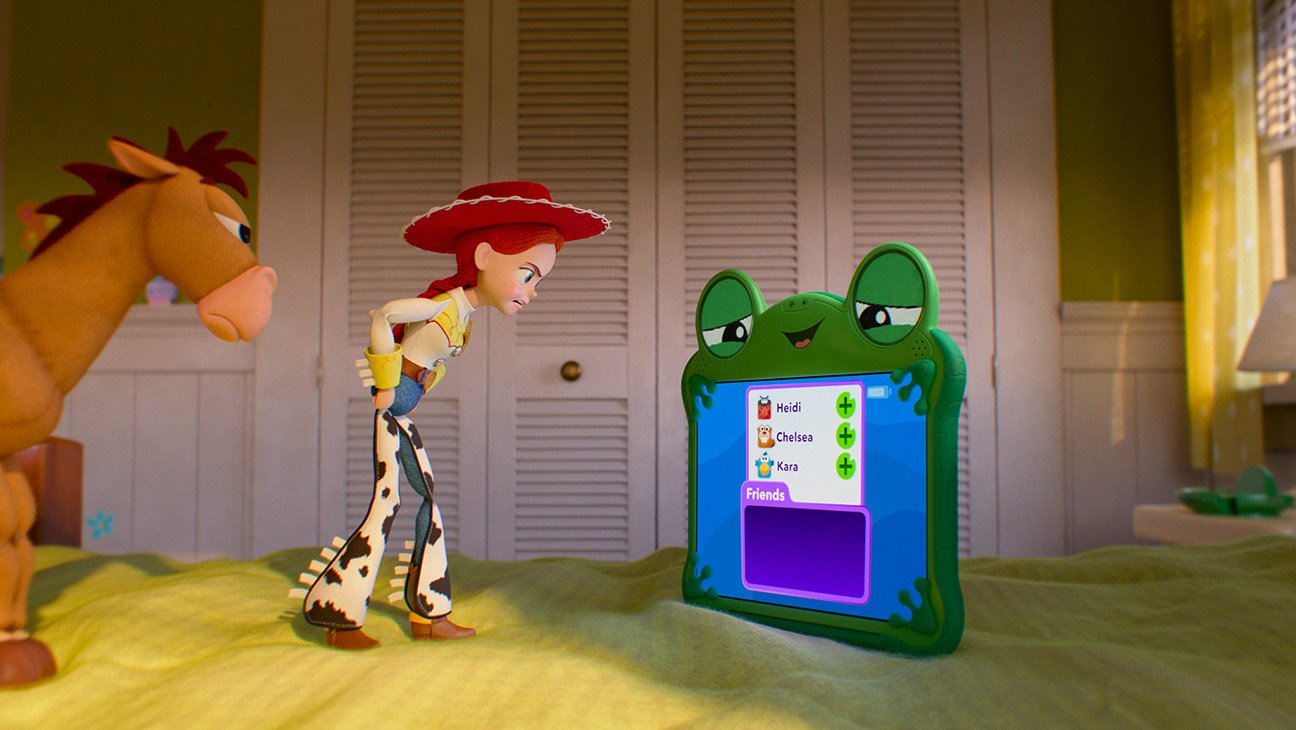
The company did note that The Mandalorian and Grogu and the live action Moana “underperformed” at the box office, but argued that “these franchise investments contributed to value creation beyond their theatrical releases.” Toy Story, for example, has generated more than $16 billion for Disney as a franchise, it said.
In experiences, revenues were $10 billion, up 10% from a year ago, with operating income of $3 billion, up 20%. That was despite market concerns around theme parks, especially with Universal recently reporting lower than expected results. The company said that international visitors are still down at its park, but they made up for it with domestic attendance and annual passholders.
In sports, the NBA Finals helped power ESPN, with revenues of $4.5 billion, up 4 percent, though operating income fell 17 percent to $858 million due to higher NBA rights costs.
Disney also said that it would use the cash from the $1.2 billion sale of its A+E stake to do stock buybacks, and elaborated a bit on how it expects to use artificial intelligence:
“With AI, it isn’t simply about efficiency. We use it first and foremost to enhance a creative process that will always be human-centered, artist-driven, and creator-led,” the company writes. “We’ve cultivated the world’s richest portfolio of IP and production experience across a century of filmmaking, giving us an advantage that our peers and no new entrant can quickly replicate.”
If you purchase an independently reviewed product or service through a link on our website, The Hollywood Reporter may receive an affiliate commission.
In May 2023, Ted Lasso aired its season three finale, titled “So Long, Farewell,” marking what was supposed to be the series’ culmination. Cut to August 2026: The Jason Sudeikis-led comedy-drama is back for its fourth season. The 10-episode season premieres Aug. 5 on Apple TV, with remaining episodes dropping weekly on Wednesdays. Following a seven-day free trial for new subscribers, Apple TV is $12.99 per month. Apple TV is also home to seasons one, two and three.
When and Where to Watch Ted Lasso Season Four Online: Premiere Date, Air Time
While the new season of Ted Lasso technically premieres on Wednesday, Aug. 5, Apple TV has been known to drop shows as early as 6 p.m. PT/ 9 p.m. ET the night prior (Tuesday, Aug. 4, in this case). The remaining nine episodes in season four will drop weekly on Wednesdays, leading up to the Oct. 7 finale.
Apple TV Free Trial, Streaming Deals
Apple TV comes out to $12.99 per month following a seven-day free trial period. This means new subscribers can binge seasons one through three (available on-demand) and catch the latest episode of season four at no cost.
In addition to other hit shows like Severance and The Morning Show, Apple TV is home to live sports coverage including Friday Night Baseball, Major League Soccer and, thanks to a five-year streaming deal that kicked off for its 2026 season, Formula 1.