Tag: Entertainment – Variety

  • TIFF Opens With Siân Heder’s Crowd-Pleasing ‘Being Heumann’ — and Apple Has Its Next Oscar Contender

    TIFF Opens With Siân Heder’s Crowd-Pleasing ‘Being Heumann’ — and Apple Has Its Next Oscar Contender

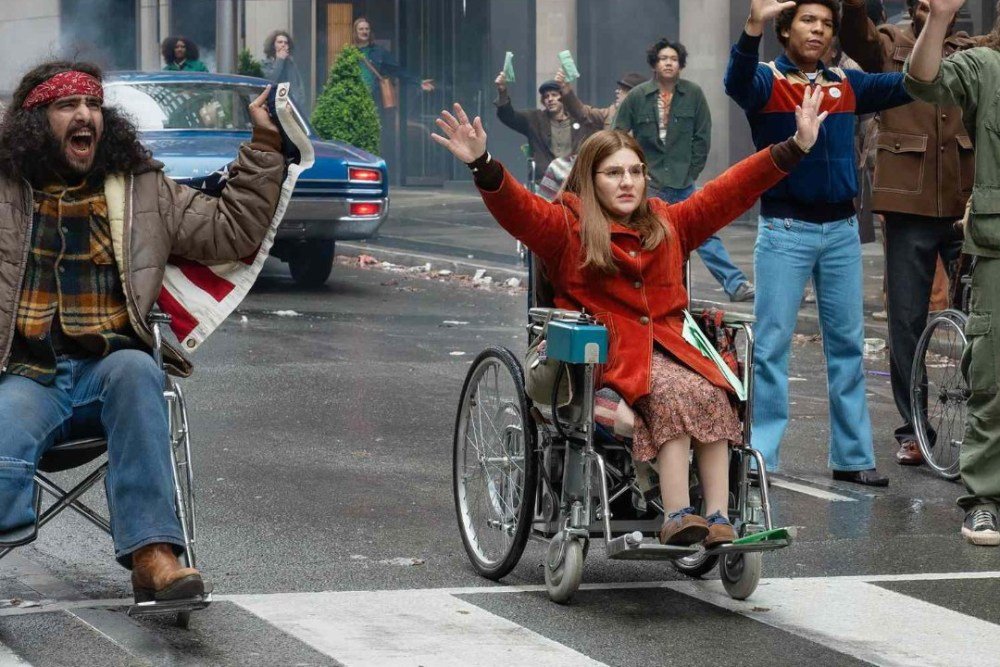
    “Being Heumann” opens on a New York sidewalk that doesn’t allow Judy Heumann to climb it. There’s no curb cut or ramp. Just a woman and her wheelchair. Director Siân Heder holds on it — and then Judy gives the middle finger. And it immediately hooks the viewer in for the ride.

    At least that was the case for the audience inside Roy Thomson Hall, who sat with rapt attention as Heder’s film opened the 51st Toronto International Film Festival on Thursday night. The film is Heder’s first since “CODA,” the Sundance sensation which went on to win the best picture Oscar, a first for Apple Original Films and any streaming company. It chronicles the true story of how Heumann and her motley crew of activists fought for equal rights by waging a 28-day sit-in protest that helped pave the way for the Americans with Disabilities Act.

    ”I don’t want to make a biopic about you. I want to make ‘Dog Day Afternoon’ with disabled people,” Heder said she told Heumann when she pitched herself to direct the project.

    After the screening — which ran with open captions, ASL interpreters and live captioning for the onstage portions — Heder sat for a Q&A with her actors to discuss how they made the film and her critical decision to cast actors with disabilities. Heder’s choice created a massive opportunity for actors like Madeley who has been a wheelchair user since birth.

    Madeley already idolized Heumann, known as the “Mother of the Disability Movement” — “She was funny. She was fierce. She was cheeky. She was naughty. She was sexy,” Madeley pointed out.

    “That is a gift for any actor to be able to play with all of those different things,” Madeleu continued. “But that was a challenge as well, and I knew the pressure that so many disabled people are waiting to see a character like this on the big screen, myself included.”

    The British actress — a BAFTA nominee for “Don’t Take My Baby,” and familiar to others from “Doctor Who” — has been very good in things you may have missed. Here she is the whole ballgame, and she plays Heumann without a single note of the saintly patience that biopics tend to hand their disabled subjects. Madeley’s Judy is funny, tactical, horny and even a little bit of an asshole sometimes. She is passionate about the right things and furious in a way that keeps finding new gears.

    The movie also shows what Heder can do with real money behind her. “CODA” was a small film about a small town, shot at the scale its budget allowed and beloved for its intimacy. “Being Heumann” is a period piece with a sprawling cast — the activists’ 28-day occupation of the San Francisco Federal Building, the longest occupation of a federal building in U.S. history, was staged with hundreds of people. From there, they bring their fight to Washington, D.C. and, finally, to secretary Joseph Califano’s front door. Apple funded the film, and Heder makes the leap look easy. Give a good director resources and you find out what she was doing without them.

    The ensemble around Madeley — Michael Patrick Thornton, Russell Harvard, Daniel Durant and a deep bench of disabled performers who describe themselves in the film as “radical crips” — is cast with an authenticity most productions still treat as a “nice-to-have.”

    “As disabled kids, you grow up being told like there’s this ceiling that’s made of vibranium that’s always hanging over you, and no matter what you do, you’re not going to be able to break out of this box, and confined to trying to do whatever society thinks that you can do,” said Charlie Rush-Reese, a blind performer who makes his acting debut in the film. “Being part of this project really not only inspired me to continue to chase my dreams and know that event a black kids in Minnesota can grow up to be in a movie like this, but … that [it] would inspire other disabled people to go out and chase their dreams.”

    Oscar nominee Mark Ruffalo, a decade after he brought “Spotlight” to Toronto, plays the bureaucrat stalling on Section 504 of the Rehabilitation Act with the weary decency of a man who thinks the math is on his side. While he doesn’t have the role or screen time needed to propel his way into the supporting actor race, if the film gets big enough, you can never count him out.

    Dylan O’Brien, Rob Delaney and Ray Fisher round out the cast.

    “My first thought when I signed up for the project was, ‘This would be such a fucking punk rock summer to be a part of,’” said O’Brien, who plays a local reporter who embeds himself with the activists and publicizes their efforts. But, making the movie was more meaningful than he anticipated. “Evan did not necessarily realize how galvanized he would be along with them, and that reflects my experience.”

    The film allows Heder to do something American movies rarely do. Without spoiling where the film goes, “Being Heumann” treats its disabled characters as full romantic and sexual beings: for example, there’s an intimate scene between a disabled performer and a nondisabled one that is played for tenderness and desire, not a learning lesson.

    Moreover, the film reinforces that that disability rights movement was never just about ramps and regulations for one community. It is, and has always been, about seeing this minority group as people who have the right to be wanted and not as a set of limitations someone else can see from across a room.

    The ultimate result is, plainly, a crowd-pleaser — the good kind — engineered by someone who knows the difference between manipulating its audience and bringing genuine care and heart to a story. It’s funny while also being inspiring, and specific without being alienating. That matters this weekend for one concrete reason and that’s the People’s Choice Award. Toronto’s audience vote carries more Oscar-season weight than any jury prize, and the pipeline is well-worn — “Nomadland,” “Green Book,” “12 Years a Slave.” If “Being Heumann” takes it, the conversation changes overnight from “Will it play?” to “How far can it go?”

    In the Oscars landscape, we can see a few possibilities.

    Madeley belongs in the best actress discussion, and a win in Toronto would strengthen her position there. Screenplay is alive as well — Heder and Rebekah Taussig wrote from Heumann’s memoir, “Being Heumann: An Unrepentant Memoir of a Disability Rights Activist and Heder already owns an adapted screenplay Oscar for “CODA.”

    The film is a natural for the Academy’s casting category, given the scale and integrity of the ensemble Heder assembled. Add in production design with a 1977 New York, San Francisco and Washington, all rebuilt with period specificity.

    And best picture is not out of reach for a movie made by an Oscar-winning director, backed by the studio that won the category the last time she showed up at the big show.

    The campaign won’t have to manufacture that poignancy. The real Heumann died in 2023, having spent a lifetime making the country hold a door it kept trying to close. That message could be a strong factor.

    ”Being Heumann” debuts in theaters on Nov. 6 before streaming on Apple TV.
  • CBS Files Motion to Dismiss Former ‘Matlock’ Writer’s Lawsuit Alleging Racist, Sexist Comments: ‘We Stand Firmly Behind Our Producers’ (EXCLUSIVE)

    CBS Files Motion to Dismiss Former ‘Matlock’ Writer’s Lawsuit Alleging Racist, Sexist Comments: ‘We Stand Firmly Behind Our Producers’ (EXCLUSIVE)

    CBS Studios has filed a motion in Los Angeles Superior Court under the anti-SLAPP statute to strike a lawsuit filed earlier this summer by former “Matlock” writer John Lowe. The CBS Studios filing included multiple declarations disputing his allegations against three of the show’s executive producers.

    Lowe’s suit against CBS Studios, showrunner Jennie Snyder Urman and executive producers Nicki Renna and Jeffrey Lieber alleged that “racially stereotyped comments about his body and genitalia” were made toward him and other Black cast and crew members, creating a “hostile work environment.”

    In its filing, the studio threw its full support behind Urman, Renna and Lieber, while countering many of Lowe’s allegations. Lowe’s attorney Ron Zambrano told Variety that they had not yet been served the motion yet, so he couldn’t comment on the specifics, while writing, “But I am confident we will successfully oppose the motion as the complaint was drafted with that possibility in mind.”

    “We take allegations of discrimination and harassment very seriously,” a CBS Studios spokesperson said. “Today, with the filing of our motion to strike, we took our first step toward challenging the baseless complaint filed by former ‘Matlock’ writer John Lowe. As stated in the motion and following a thorough investigation, we are confident that Lowe’s accusations are demonstrably inaccurate and maliciously fabricated, and will not allow them to go unchallenged.

    “False allegations are deeply damaging, both to those wrongly accused, and to anyone with a serious and legitimate claim of discrimination,” the spokesperson added. “We stand firmly behind our producers and look forward to the truth coming to light.” 

    In his lawsuit, Lowe — who worked on “Matlock” from October 2023 to July 2024 (as CBS Studios noted, not in 2025, as Lowe’s complaint stated) — claimed he was terminated from his position as a form of retaliation, as it came two weeks after reporting an alleged incident in which Urman referred to Juneteenth as “Coonteenth.”

    In declarations, Urman, Renna, Lieber and other witnesses disputed this, and said that Urman “never used that word (and) did not say it to Ms. Renna, to Lowe, or to anyone else.”

    Lowe had also in his complaint detailed an alleged incident claiming that Urman brought in her dog to the writers’ room, “citing that her children ‘didn’t like the aesthetic’ — referring to the dog’s black color.” He claimed he was coerced into taking the dog for nearly a year, while other staff were present, a move he felt “was racially motivated and designed to single him out for humiliation based on his race, not for any creative or production reason.”

    In declaration, Urman, Renna and Lieber said it wasn’t Urman’s dog, nor did she place it on Lowe’s lap or comment on the dog’s appearance, nor was she present when Lowe asked to adopt the dog.

    As for Lowe’s claims that Renna said Black cast member Eme Ikwuakor “can barely read” and allegedly called Lowe late at night and said she “was in bed wearing only her underwear,” the producers said in their declarations that Lowe made it up.

    And regarding Lowe’s allegations of sexually charged comments, the producers declared that “Lowe’s sexuality or his sex life was never questioned, nor was his body ever commented on.”

    Meanwhile, in her declaration, Urman said that in January 2026 — 18 months after his departure from “Matlock” — Lowe sent an email to Urman demanding $10,000. Urman said she reported the email to the company’s HR representative, and that Lowe’s first complaint to the company’s HR representative came after that demand for $10,000 and after Urman had contacted HR about it.

    Back in June, CBS Studios said it had investigated the allegations and didn’t find any merit to them: “We are committed to maintaining a safe and respectful environment for everyone and take all workplace complaints seriously,” a company spokesperson said at the time. “In this instance, a thorough investigation was completed, and we were unable to find support for his allegations. We look forward to vigorously defending this lawsuit.”

    At the same time, Lowe’s attorney, Ron Zambrano, sent this statement: “There is no excuse for this blatant racism and harassment. CBS should be ashamed for allowing it, and the ‘Matlock’ showrunner and producers should be held accountable. Mr. Lowe was subjected to degrading and unlawful conduct. He deserved to be treated with dignity and respect, as everyone should expect in the workplace, not subjected to these outrageous and illegal racial slurs and sexual harassment without any connection to his work on the show.”

    In the filing, CBS Studios said Lowe’s complaint was “filled with fabrications and outright lies that it resembles a grotesque work of fiction more than a court pleading. Lowe was never subjected to race or sex harassment as he claims, and as this case progresses, Defendants are confident that Plaintiff’s malicious and unsupported attacks will be publicly exposed for what they are: retaliation by a desperate man who was not renewed as a writer because his performance deficiencies detrimentally impacted CBS’ ability to convey the messages it desired.”

  • Jimmy Kimmel’s Pulled TV Interview With James Talarico Drops on YouTube as Texas Senate Candidate Says: ‘They’re Worried We’re Going to Win This Race’

    Jimmy Kimmel’s Pulled TV Interview With James Talarico Drops on YouTube as Texas Senate Candidate Says: ‘They’re Worried We’re Going to Win This Race’

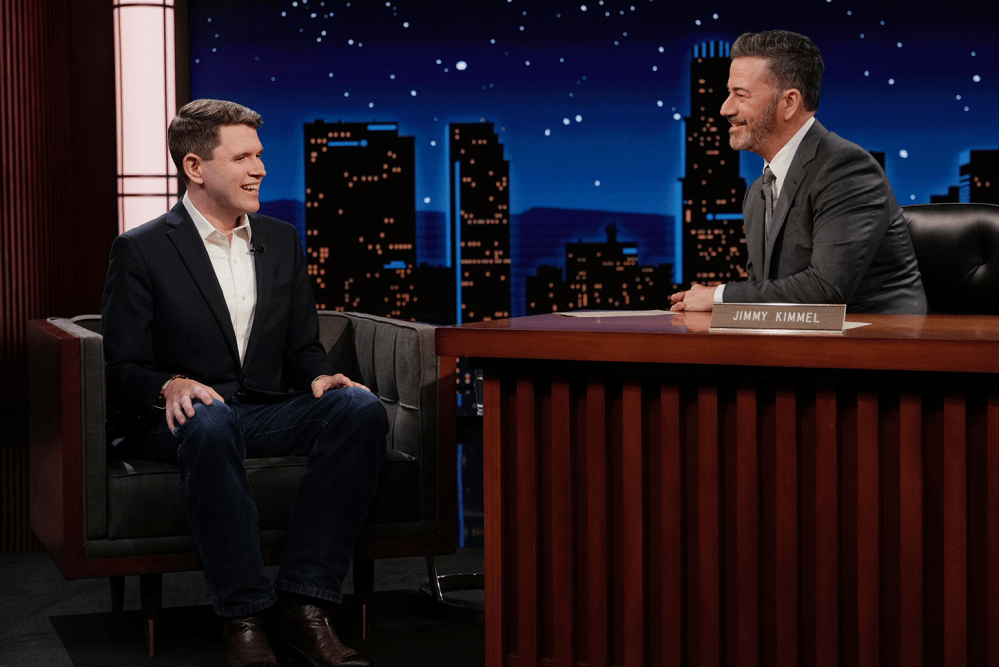
    Jimmy Kimmel turned to YouTube on Thursday night to house his interview with Texas Democratic Senate candidate James Talarico — in light of fears that the FCC would punish ABC stations for running the chat.

    “What are they so scared of you?” Kimmel asked the candidate. Said Talarico: “Well, they’re worried that we’re going to win this race in Texas. But we are the underdogs until the last vote is counted. We’re not just going up against the most corrupt politician in Texas. We’re going up against this entire corrupt system.”

    Among the topics that Kimmel and Talarico discussed were him not taking money from corporate PACs, Trump’s relationship with Talarico’s opponent (Ken Paxton), the GOP attempting to suppress voting and how the teachings of Jesus had been corrupted by the MAGA movement.

    “Scripture tells us that you can’t love God and hate other people,” Talarico said. “You can’t love God and abuse the immigrant. You can’t love God and oppress the poor. You can’t love God and bully the outcast … I was brought up to believe that in the face of a neighbor, we glimpse the face of God. Matthew 25 tells us Christians exactly how we’re going to be judged and how we’re going to be saved by feeding the hungry, by healing the sick, by welcoming the stranger.

    “I often wonder what would Jesus do if he visited the U.S. Senate. I think he would tell the senators on the floor, ‘Depart from me, for I was hungry and you cut my food assistance. I was sick and you kicked me off Medicaid. I was a stranger and you deported me and my family.’ And then I think he would flip over those fancy desks on the floor of the U.S. Senate and demand that we take care of all of our neighbors, especially the least of these.”

    Talarico also addressed the fact that his opponent, Paxton, was previously impeached by his fellow Republicans for bribery. “Ken Paxton gets rich on the public’s dime, and then he refuses to answer basic questions about that corruption,” Talarico said. “I mean, literally, any time someone asks him a hard question, he runs away. You can watch these videos of people asking him about his 15 homes, asking him about the THC ban in Texas, and he gets this terrified look on his face, and he just walks the other way. When I get hard questions on the campaign trail, I answer them, and that’s exactly what we should expect from our public officials in a democracy.”

    On his actual ABC broadcast monologue Thursday, Kimmel told the audience that “this is — the show you’re watching — this is an unusual program for us because in a few minutes, I’m going to interview James Talarico — the Democratic nominee for U.S. Senate in Texas. But you’re not going to see it.”

    Kimmel announced on his show Wednesday night that his interview with Talarico would not air on ABC and would instead be posted to YouTube, citing concerns about the FCC, which has previously threatened ABC station licenses and played a key role in Kimmel’s brief suspension in 2025.

    “Out of consideration for our local stations, especially our ABC affiliates in Texas who would have to deal with this nonsense, my interview tomorrow with James Talarico will not air on television,” Kimmel said. “It will be posted on YouTube instead. It will not be on TV.”

    He expanded on the reason in his Thursday monologue: “I mentioned last night, this interview will not be televised because of threats from the FCC, led by Commissioner Brendan Carr, who says we do not have the right to interview whichever candidates we want to interview. Which is something we’ve been doing for twenty-plus years.  

    “This is yet another attack on free speech, something that has become all too familiar for us here at the show for us in the country,” Kimmel added. “The FCC wants to make it impossible for me to interview candidates by requiring that I interview every candidate on the ballot who asks for equal time. So not only would I have to interview James Talarico as a Republican opponent, Ken Paxton — which, by the way, I would love to do, call me. I have many questions for you. Our affiliates in Texas would have to give equal time to as many candidates as there are on the ballot, and there’s about 10 candidates on the ballot. But the White House, once again, is claiming that what I’m saying, which is clearly true, is not true.

    “It’d be great news if we could do this the easy way instead of the hard way. That would be terrific.”

    Asked by MS NOW about the interview before it was posted to YouTube, Talarico said he was “still hopeful” it would air on ABC. He called the FCC’s threats “the most dangerous form of cancel culture,” saying, “People at the top, powerful politicians, powerful media executives, censoring what we watch, what we read, what we say. And that, again, should be a concern to everyone who believes in the First Amendment and believes in the freedom of speech.”

    It’s not the first time a late-night show has preempted an interview with the Texas Senate candidate. In February, Stephen Colbert said CBS executives pulled his interview with Talarico from the air over concerns about violating the FCC’s “equal time” rule, which requires broadcast stations to give equal time to political candidates when they appear on-air. While there are exemptions to the rule, Trump’s FCC chief Brendan Carr has been aggressive about clamping down on broadcast programs perceived as liberal. (The government agency is currently in a dispute with ABC’s “The View” and, in 2024, went after “Saturday Night Live” over a brief cameo by Kamala Harris.)

    Ultimately, Colbert put his Talarico interview on YouTube, with the clip garnering 9.5 million views. The Talarico campaign raised $2.5 million in the 24 hours after Colbert revealed he was barred from airing the interview.

    Here’s Kimmel’s interview with Talarico, posted Thursday night on YouTube:

  • ‘Stuffed’ Review: Jodie Comer and Harry Melling Sing the Body Eccentric in an Odd, and Oddly Touching, Taxidermy Musical

    ‘Stuffed’ Review: Jodie Comer and Harry Melling Sing the Body Eccentric in an Odd, and Oddly Touching, Taxidermy Musical


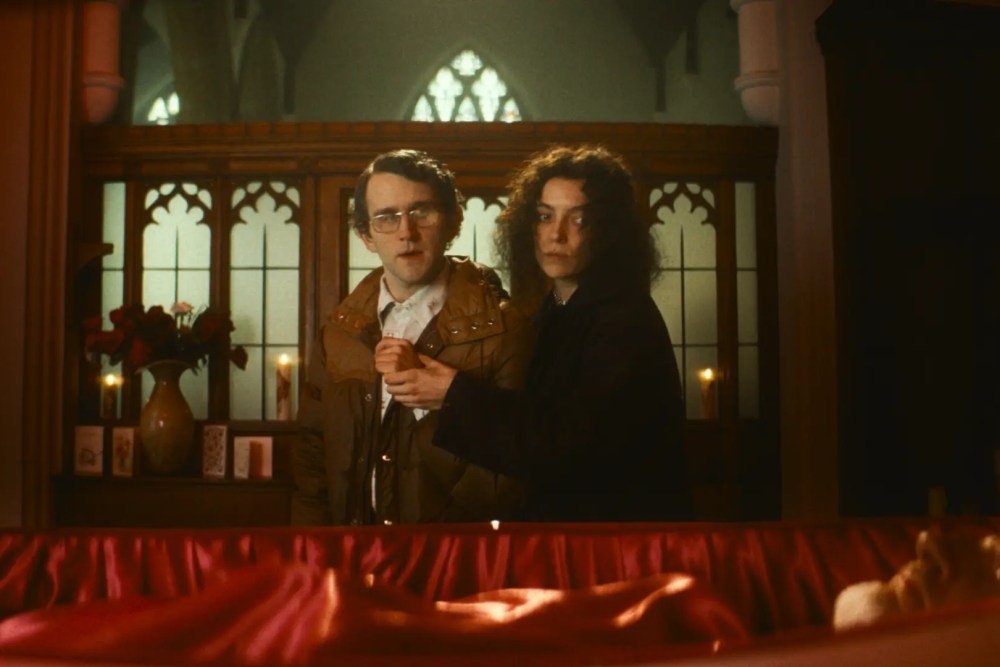
    It’s a somewhat telling coincidence that “Stuffed,” a very peculiar new vehicle for Jodie Comer, is premiering at the same edition of Toronto as “Prima Facie,” the film adaptation of the stage hit that won the Liverpudlian actor a Tony last year, but with Cynthia Erivo taking over her role for the screen. “Prima Facie” could have given Comer a chance to dazzle a wider audience with what we already knew she could do; “Stuffed” will delight and/or bewilder a smaller one with what we definitely didn’t, namely Broadway-level musical emoting in a macabre pop-opera about a romance unfolding through the art of taxidermy. She scores points for risk-taking, then, but she also just scores: A high-wire high-concept piece like this stands or falls by the conviction that the actors bring to it, and Comer plays it from the gut.

    So, for that matter, does Harry Melling — an actor who, following last year’s sub-dom romcom of sorts “Pillion,” seems to be making unlikely British indie love stories his niche. Which makes sense, given that he’s a pretty unlikely leading man: His slightly crumpled face, with its resting expression of forlorn, puppyish vulnerability, carries much of the comedy and the tragedy in Theo Rhys‘ endearingly bizarre debut feature, adapted and expanded from his BAFTA-nominated short of the same name. It’s those disarranged features and disconsolate mien that make his character, friendless factory drone Bernie, a figure of fascination for hermetic amateur taxidermist Araminta (Comer); she likes them so much, in fact, that she’d like to fix them in place forever.

    In its briefest form, the logline for “Stuffed” promises body horror of the most morbid order: A woman obsessed with the idea of forever preserving a human body advertises for a volunteer to be killed and made into a fleshly artwork; a man who feels invisible while he’s alive steps forward, believing that once he’s stuffed, he’ll finally be seen. David Cronenberg could have done something vividly disturbing and intimately sensual with this idea, but it’s unlikely the result would have landed anywhere in the ballpark of “sweet” — which Rhys’ film, against substantial odds, actually is, even as its atmosphere of fetid physical and psychological decay turns the stomach a little.

    If making the whole enterprise a musical sounds like something of a tongue-in-cheek stunt, meanwhile, that’s reckoning without the plaintive lyricism of writer-composer Joss Holden-Rea’s songcraft, which feels heavily indebted to the earnest modern school of Broadway balladry. The score could use a few more hummable tunes, but its sincerity is welcome in a film so rooted in extreme strangeness that it needs to dial down the quirk factor in at least a couple of areas.

    Indeed, “Stuffed” takes some time to find a happy medium between the violent eccentricity of its premise and its potential for positively baroque levels of British tweeness. Its opening passages lean in the latter direction, outlining Bernie’s humdrum existence (complete with perfectly banal job in a sandwich factory) with fairytale-style naïveté to match his unworldly outlook, not to mention a hint of Wes Anderson stylization in the superb production design by Beck Rainford (“Ray and Liz,” “Club Zero”), albeit with a thrift-store scruffiness and perennially overcast backdrop to suit the film’s working-class Northern setting. (Rainford also provides ample sight gags for any viewers still tickled by the “bad taxidermy” meme that ruled the web a few years back.)

    Once we getting into the more granular details of these people’s lives, however, they start ringing a little more true — and so in turn does the film. A socially awkward introvert devoted to the single mother who, it seems, raised him well into adulthood, Bernie is now returning her care as she slips into dementia — but when she stops recognizing him, it’s as if his sole connection with another human being has been snuffed out. Araminta, it gradually emerges, has a different backstory behind her withdrawal from the world, though her introversion is of a more confidently, creatively aloof variety. When Bernie responds to her ad, he’s astonished that someone so interesting and witchily beautiful should have designs on his body, even if those designs involve formaldehyde: She practically flatters him into a death wish.

    Yet the more time they spend together, mapping out their exact plans for his demise and preservation, the more they appear to be peas in one very lonely pod, and mutual intrigue turns to affection. Where does that leave the gruesome project that binds them together? Rhys and Holden-Rea’s script — deftly and quite knottily expanded from the story’s shorter format — takes the central relationship through stages that nod, by turns, to the odd-couple romanticism of Richard Curtis and the knife-twisting adult storytelling of Roald Dahl, with a final dose of Shakespearean fatalism for good measure.

    None of which would convince if Comer and Melling weren’t so honestly committed to the bit. Both quite capable singers, they’re alive to the kitsch excesses of the film’s horror, melodrama and musicality, not to mention Holly Rebecca’s suitably mothballed costumes. But they play it just straight enough too: Together, they find a deep, calcified sadness to these oddballs, a desperate need to do something, anything extraordinary, and, finally, a giddy flicker of empathetic self-recognition in each other. It’s that sadness, and that relief, that ultimately dignifies them and their demented mission — and that makes “Stuffed” a more poignant ode to human embalming than anyone might have thought possible.

  • ‘Burgundy’ Review: An Attractive, Light-Bodied Wine Doc With a Good Nose but No Legs

    ‘Burgundy’ Review: An Attractive, Light-Bodied Wine Doc With a Good Nose but No Legs

    “Everything that follows is true. Exactly as we dreamed it,” reads the opening title of “Burgundy,” from award-winning documentary duo Michael Dweck and Gregory Kershaw, with an almost legible wink. It’s a sweet start to a sweet movie, but in retrospect it sounds a little defensive, as though the pair are aware that, especially compared to their last two lovely films — 2020’s “The Truffle Hunters” and 2024’s “Gaucho Gaucho” — “Burgundy” feels less like an incisive portrait of a particular arcane lifestyle than a rambling reverie about it. Amiably riffing on the viticultural tradition of the eponymous winemaking region of eastern-central France, “Burgundy” has more fragrance than substance and even then, too quickly loses its bouquet.

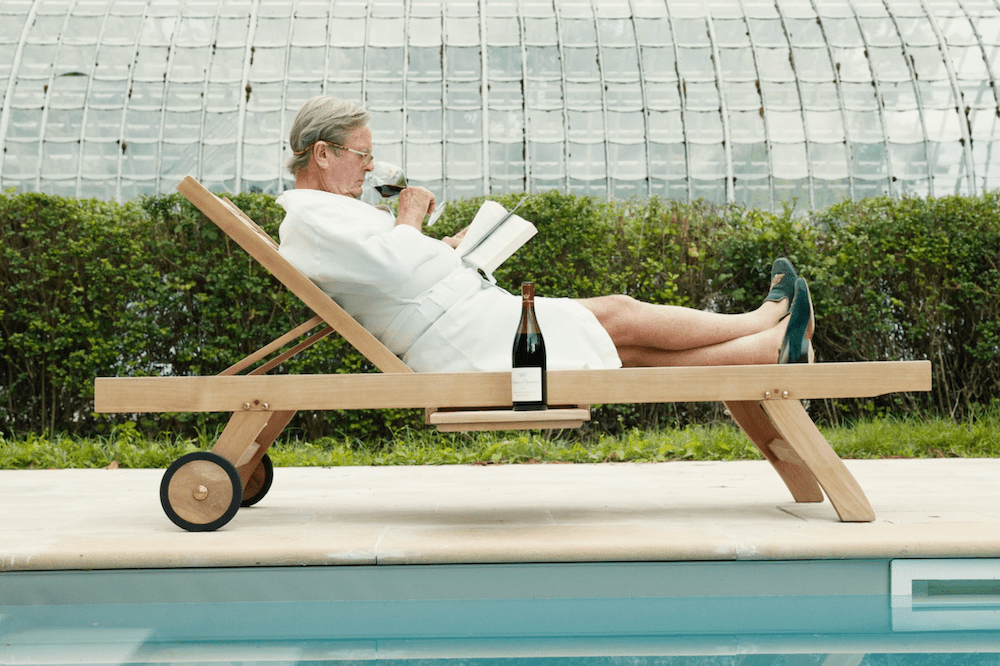
    If dream it is, however, it’s a pleasant one — no night terrors in these terroirs — especially given that the directors, who are also responsible for the scrumptious cinematography, find so much material for their trademark, eye-catchingly pictorialist visuals. As perky ’60s pop songs play, perfectly composed chateaux-tableaux that are so crowded with billiard tables, oil paintings and antique tchotchkesthey feel like slightly sardonic wealth critique, we are first introduced to Bertrand Devillard, patriarch of a winemaking estate that dates back 160 years. Bertrand is a hands-on boss, and even when relaxing by the pool or doing a little skeet shooting, a worried one. His grandson Melchior is more interested in the world of high finance than in taking over the family business that would naturally be his inheritance.

    That there would be plenty of people from outside the clan willing to step into that breach is proven by Enzo, a handsome young man with the throwback good looks of a midcentury matinee idol (he self-consciously models himself after his hero, Jean Gabin) whose ambition is one day to run his own vineyard. For the time being he comes to work on Bertrand’s estate, learning the ropes from the bottom up — cleaning the massive vats, stomping the season’s harvest, sampling wines he could never otherwise afford in an effort to educate his palate. Amusingly sketch-like intros then round out the rest of the cast, which includes Enzo’s eventual girlfriend, Céleste, a trainee sommelier; Patrick, the maitre’d of a nearby 3-Michelin-Star restaurant; and Guillaume, a recently separated wine critic whose adventures in dating, therapy and physio (for RSI due to lifting 100 glasses a day) make him the droll comic relief in a film whose tone is rarely serious enough to need relieving.

    As in their other feature docs, Dweck and Kershaw’s craftsmanship is superb — they’re at least as meticulous and detail-oriented as their proudly finicky subjects. And the deliberately stilted restaging of interactions that likely originally happened in a much less picturesque manner is an inextricable part of their approach. So too are editor Pauline Gaillard’s sharp cuts, which are often timed exactly to coincide with the moment that someone lost in faraway thought finishes swirling their mouthful of Pinot Noir and hocks it unceremoniously into a nearby receptacle.

    Less successfully, this time out the directors further break strict documentary protocol by including some whimsical 8mm footage, usually of Enzo and Céleste’s burgeoning relationship, which is again nicely shot but feels reversed in, as though it was only included as filler when the actual storylines were found to be getting bit sparse. An entire sequence in which the pair go to the movies to watch “Bonnie and Clyde” and then enact their own heist as pastiche versions of Faye Dunaway and Warren Beatty, is just a bit too cute and a digression too far from the film’s ostensible topic.

    “The Truffle Hunters” followed several leathery Piedmontese old-timers and their absurdly touching relationships with their truffle-snuffling dogs. “Burgundy,” by contrast, has no natural source of such effortless, warm-hearted charm and without it, the portraiture sometimes veers closer to caricature. Perhaps for the first time, the limitations of Dweck and Kershaw’s deliberate, constructed style make themselves felt: when messy real life intrudes, the film rather flounders. Enzo abruptly goes off-script, so to speak, and quits the Devillard estate to try his hand at mussel farming and pouf! The narrative of a dedicated striver following his long-cherished dream evaporates at the revelation that maybe his lifelong fascination with viticulture was not so lifelong after all.

    The filmmakers hastily shift course and retool the final third of “Burgundy” as a kind of star cross’d lovers romance, when Céleste also quits her apprenticeship and moves to Paris, and the young, sundered couple can be portrayed as pining for one another. Not only is this pivot a little hard to invest in, given we’ve been burned before, more grievously, it takes the main focus of the action away from the very region and wine culture the film is purportedly celebrating.

    It is possible that true wine experts will respond to those parts of “Burgundy” that unabashedly ennoble the various different disciplines within the wine arts. Film lovers, on the other hand might be left unsatisfied by an approach that strains the limits of documentary realism to no particular end, save to further mythologize an already singularly rarefied sphere. And even if “Burgundy” is for oenophiles rather than cinephiles, presumably they too will be a little let down by a vintage that is fruity and full of promise at the first sip, but that loses its complexity — if not its easy drinkability — long before the last.

  • Steve Carell Almost Played ‘The Office’ Creator Greg Daniels’ Dad in Biopic About the 1968 Olympics

    Steve Carell Almost Played ‘The Office’ Creator Greg Daniels’ Dad in Biopic About the 1968 Olympics

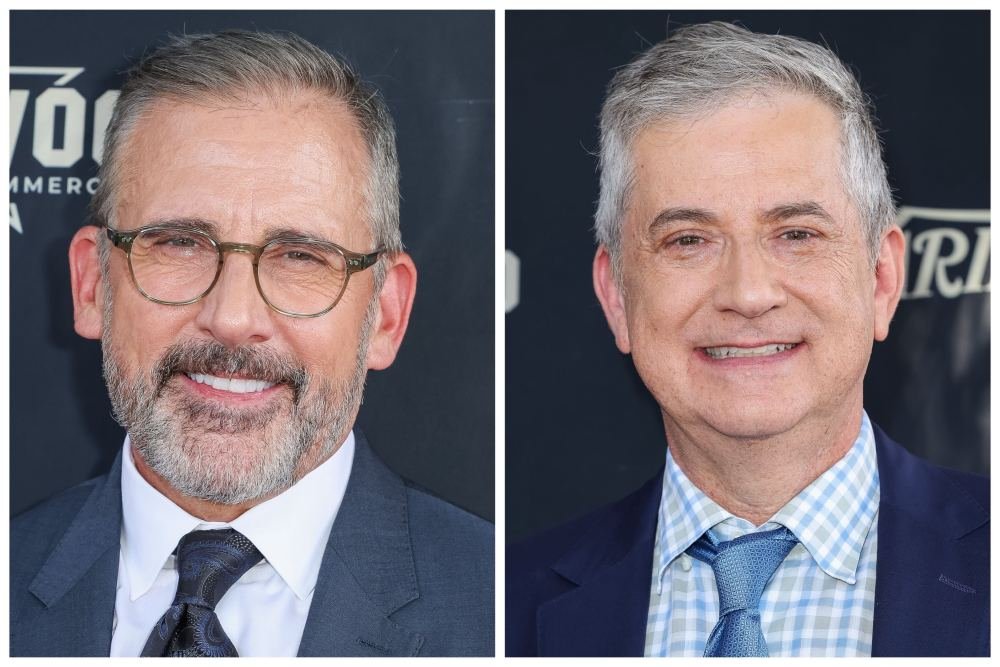
    Steve Carell and writer Greg Daniels got so close while making “The Office,” they became like family.

    So much so that Daniels once wanted Carell to play his dad Aaron in a biopic he wrote about him almost 20 years ago.

    “He’s a very colorful person and he actually was in the Olympics in 1968, and I wrote a movie for Steve to play him, like on spec during the writers strike of 2008,” Daniels told me at his Hollywood Walk of Fame star unveiling on Thursday morning. (Writers were allowed to write uncommissioned spec scripts during the 2008 strike.)

    What was his sport?

    “He had a very rare sport. That’s how he was able to do it,” Daniels explained. “It was the demonstration sport of Mexico, basically like jai alai but with paddles and so he managed to wrangle his way in with some friends.”

    The elder Daniels competed as an amateur athlete in the 1968 Summer Olympics in Mexico City.

    Carell, along with Conan O’Brien, spoke at the star unveiling. “Everyone told me not to do ‘The Office,’” Carell said. “[They said] it will not work. The original is too good. It is a waste of time. And mostly, it is just going to stink. And then a crazy thing happened. It didn’t stink because of Greg Daniels.”

    During our chat, Daniels put the kibosh on fans’ hopes for any sort of “Office” revival or reboot. “I don’t think we need to find out what all the characters are doing so much because of the way the show ended,” he said. “It seemed like people liked the ending and you’re just sort of risking a lot to open it up again.”

    Daniels adapted “The Office” from the British series of the same name. It premiered in 2005 before ending after nine seasons in 2013.

  • Netflix Taps ‘Friday Night Lights’ Director Peter Berg for NFL Gameday Openers, the First Narrated by Kyle Chandler

    Netflix Taps ‘Friday Night Lights’ Director Peter Berg for NFL Gameday Openers, the First Narrated by Kyle Chandler

    Peter Berg is directing the show opens for all four of Netflix‘s NFL gameday livestreams this season — and for the first one, debuting Thursday, he drafted Kyle Chandler, star of the “Friday Night Lights” TV series, for an assist on the play.

    Berg directed the 2004 movie “Friday Night Lights,” about a high school football team in Texas, and Chandler portrayed Coach Taylor in the TV series adaptation that first aired on NBC.

    The first of Berg’s NFL pregame teasers debuts Sept. 10 during Netflix’s broadcast from Melbourne, Australia, featuring the Los Angeles Rams vs. the San Francisco 49ers (coverage begins at 3:30 p.m. PT). He’ll also direct openers for Netflix’s other NFL gamedays (Green Bay Packers vs. Rams on Thanksgiving Eve; Packers vs. Chicago Bears and Buffalo Bills vs. Denver Broncos on Christmas Day; and a Week 18 game on Jan. 9, 2027, with the teams TBA).

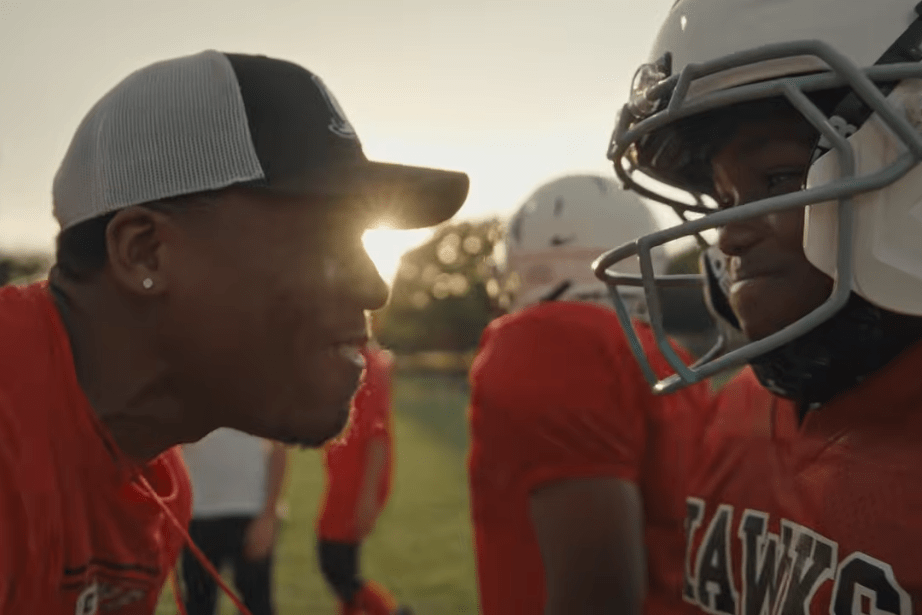
    Berg’s Sept. 10 opener, “For the Love of Football,” runs 2 minutes and intercuts scenes of kids’ football teams (and their coaches) with footage from NFL games — giving it an overt “Friday Night Lights” vibe.

    “And so it begins. Right here, right now. Today,” Chandler says at the beginning of the clip. “You are going to win. You’ll use your eyes to win. Your eyes will show you the truth. You’ll recognize it whether you like it or not.”

    Later, Chandler says in the voiceover, “You’ll play with your eyes clear and your heart full. If you can do that and then do it again and again, I assure you, you cannot lose… Clear eyes, full hearts. Can’t lose.”

    Apart from the NFL gameday teasers, Berg was already in business with Netflix. He directed, wrote and produced the movie “The Mosquito Bowl,” bowing in theaters on Oct. 30 ahead of its Nov. 25 release on Netflix. The sports drama is based on the bestselling novel of the same name by Pulitzer Prize winner Buzz Bissinger, based on the true story of four top American top college football stars who set aside their fame to enlist in the Marines following the attack on Pearl Harbor during World War II.

    Watch Berg’s “For the Love of Football,” which opens the Rams-49ers game on Sept. 10:

  • Dan Schneider Loses ‘Quiet on Set’ Defamation Suit on Appeal

    Dan Schneider Loses ‘Quiet on Set’ Defamation Suit on Appeal

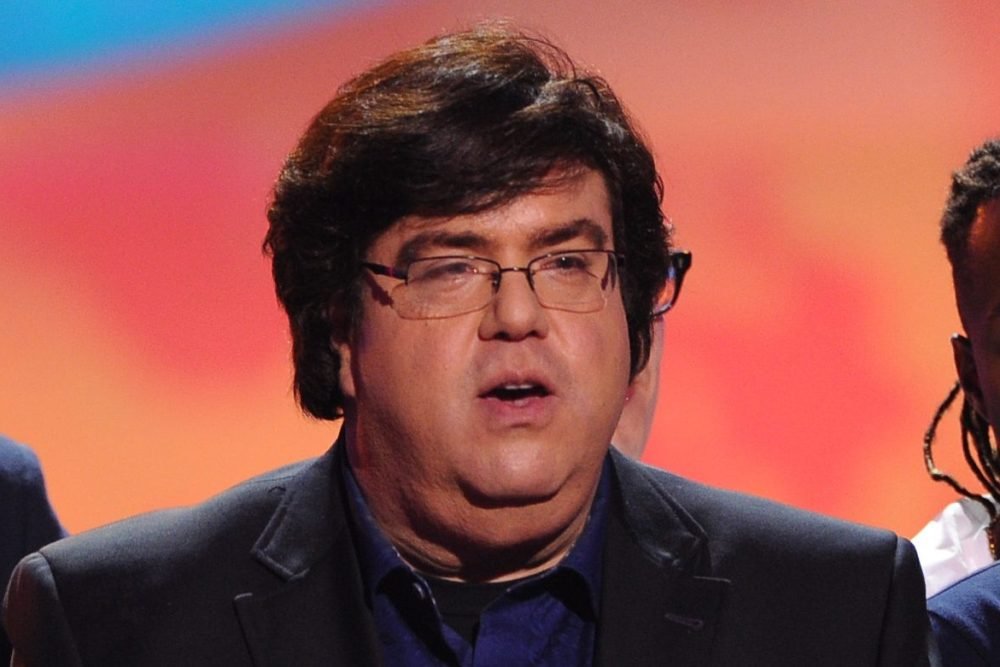
    The producers of the documentary series “Quiet on Set” have prevailed in a lawsuit brought by former Nickelodeon showrunner Dan Schneider, who claimed that the show implied that he was a child sex abuser.

    Schneider sued for defamation in 2024, alleging that the series had falsely portrayed him as being responsible for or having facilitated sex abuse committed by others. He won the first round in court, as a judge found enough merit in the claims to deny the defendants’ motion to throw out the case.

    But the defendants — Warner Bros. Discovery, Sony and producers Mary Robertson and Emma Schwartz — filed an appeal, and on Thursday a three-judge panel ruled unanimously in their favor. The judges found that while the show does depict Schneider as a bad boss, it does not cross the line to a defamatory implication of child sex abuse.

    “The documentary clearly distinguishes between the lamentable conduct that its participants attribute to Schneider — gender discrimination, harassment, toxic workplace behavior, and inappropriate sexual innuendo — and the child sexual abuse explicitly attributed to three named individuals, two of whom are discussed at length,” wrote Judge Melanie Ochoa, for the panel. “‘Quiet on Set’ also affirmatively states that Schneider’s employer investigated his conduct and, while it confirmed some inappropriate behavior, it found no evidence of child sexual abuse. Schneider’s attempt to find an alternative meaning than what is expressly stated in the documentary is unavailing.”

    Schneider was responsible for creating a series of hit shows on Nickelodeon, including “The Amanda Show,” “Drake & Josh,” “Zoey 101,” “iCarly,” and “Victorious.” Amid allegations of abusive conduct, Nickelodeon cut ties with him in 2018.

    The series, “Quiet on Set: The Dark Side of Kids TV,” ran on Investigation Discovery in March 2024. Schneider posted a video apology shortly afterward, saying he was “embarrassed” by his past behaviors.

    In the lawsuit, Schneider’s attorneys argued that while the show did not come out and directly accuse Schneider of sex abuse, it did juxtapose accusations of “inappropriate behavior” with pictures of Schneider with his arm around child actresses.

    The show also delved into the cases of Brian Peck, a dialogue coach who was arrested for child sex abuse, and Jason Michael Handy, a production assistant who was also accused of sending an explicit photo to a child actress.

    Schneider argued that he had nothing to do with those cases, and that the series created a false impression by linking him to them.

    But the panel ruled that it could not go along with that argument, given that “the only such abuse discussed is explicitly attributed to named perpetrators and the documentary expressly states that an investigation into Schneider found no evidence of abuse.”

    The defendants prevailed under California’s anti-SLAPP statute, which allows an early mechanism to strike lawsuits intended to stifle speech on matters of public interest.

    Gerry Silver, Schneider’s attorney, said in a statement he was disappointed in the result.

    “We are disappointed by the Court’s decision to reverse the Superior Court’s well-reasoned anti-SLAPP ruling, and we are evaluating our options for further review and appeal,” Silver said. “However, we are pleased that the Court acknowledged that the makers of ‘Quiet on Set’ presented absolutely no evidence that Dan was sexually abusive towards any of his cast members and agreed that any such allegation is provably false.”

  • Toronto’s Indigenous Film and Industry Slates Aim to Grow Audiences and Spark Biz by Reflecting the Diversity of Global Screen Culture

    Toronto’s Indigenous Film and Industry Slates Aim to Grow Audiences and Spark Biz by Reflecting the Diversity of Global Screen Culture

    With enticing acquisition titles, rising talent and supercharged industry presence at the market, the Toronto Intl. Film Festival’s 2026 Indigenous lineup delivers the creative and collaborative screen projects that are increasingly attracting global partners, buyers and audiences.

    “We’re seeing contemporary Indigenous cinema telling stories within broad historical or present-day contexts but without centering those aspects,” international programmer of U.K., Ireland, Australia and New Zealand and global Indigenous cinema Jason Ryle tells Variety.

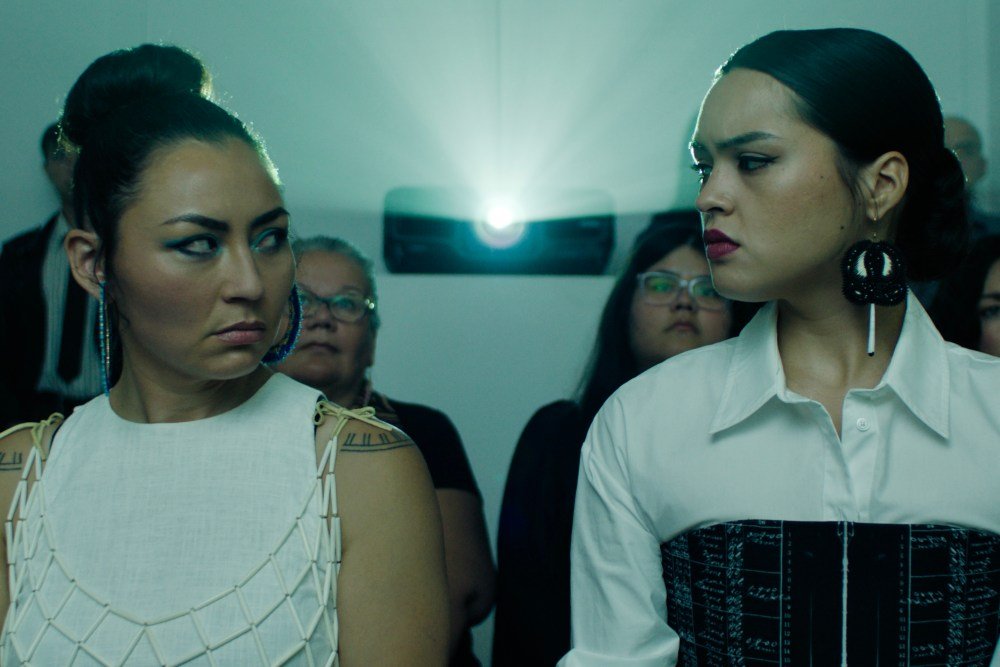
    For “How We Stand,” Marie Clements adapts her stage play about separated sisters — played by Amber Midthunder (“Prey”), Alyssa Wapanatâhk (“Little House on the Prairie”) and Isabel DeRoy-Olson (“Dark Winds”) — navigating 1970s political and cultural changes in L.A.

    “These are modern Indigenous young women trying to figure their way, just as we all do,” Clements says. “We learn who we are, and who we want to become, through living.”

    Nyla Innuksuk’s “In the Heart of the South,” one of three Indigenous titles in TIFF section Platform, is a sharp turn from her sci-fi horror “Slash/Back.” Set in the uptight art world, the films stars “North of North” series lead Anna Lambe as an Inuk filmmaker and Zorga Qaunaq (also “North of North”) as the estranged friend who arrives uninvited and rattles her plans.

    “It’s a sophisticated thriller that critiques arts institutions in Canada from the perspective of an Indigenous person,” says international programmer of Canadian features Kelly Boutsalis.

    “Brace Your Heart,” Amanda Kernell’s Sápmi-set Platform feature, follows a young woman who inherits her late father’s reindeer herd and is pressured to accept a local leader’s courtship. “Most of the actors, including the leads, are reindeer herders,” says Ryle. “Amanda has a gift for drawing out performances from people with the smallest suggestions.”

    Theja Rio’s “Angh” (Platform) centers on a Naga family in a Indo-Burma border village and what happens after the arrival of a Christian missionary. “As far as we can tell, this is the first feature from the Naga people, who are building their own screen culture, as is happening elsewhere in the world, with different means,” Ryle says. The film‘s DP is Adam Pietkiewicz, the recipient of the Variety Artisan Award at TIFF.

    In his social satire “God Bless You, Mr. Kopu,” Alex Liu casts Dimitrius Schuster-Koloamatangi (“Predator: Badlands”) as a Tongan man drifting from his family while working for an American traveling salesman.

    The cultures of queer sex workers, hockey players and hip-hop artists are expressed, respectively, in Justin Ducharme’ s chamber drama “Seventeen,” actor-director Cody Lightning’s underdog dramedy “Smudge the Blades” and Alexandra Lazarowich’s doc feature debut “Turtle Island Rap.”

    “My film explores why it’s hard to be a rapper or beat-maker, and why people still choose to become one,” Lazarowich tells Variety. “The artists are a snapshot of what’s happening in youth culture. The nuances of their Indigenous identity are reflected in the people listening to their music.”

    Leo Matthew Temela in “In Alaska,” courtesy of IJswater Films, Experimental Forest Films, Uuktumiaq Studios

    Inspired by a true story, “In Alaska” follows Woody (newcomer Leo Matthew Temela), a depressed teen who is pursued as an eco-terrorist by an FBI agent (Noomi Rapace) after accidentally shooting a hole in an oil pipeline.

    During an early stage, filmmaker Jaap van Heusden met Inuit actor-director Vinnie Karetak for script notes. They became co-writers and co-directors. “We had to be fearless to keep the heavy subject of suicide in the film and make sure it was never glorified,” Karetak says. “There is a deep sense of loss already from the previous generation that is handed down to human.

    “When it came to Inuit characters, we collaborated. We talked about every scene, every character, every extra.”

    Karetak, who acted in “North of North,” says people in the community where the show was flmed helped out on “In Alaska.”

    “We cast Vinnie’s dog, his son and one of his close friends,” van Heusden recalls.

    “And we used my ex’s snowmobile,” Karetak adds.

    Below are the Indigenous directors and their world-premiering features, screening in various programs at the 2026 Toronto International Film Festival.

    “2.6 Seconds: Death in the Outback,” dir. Darren Dale, Australia, English / Warlpiri (Primetime)

    “Angh,” dir. Theja Rio, India, Konyak (Platform)

    “Brace Your Heart” (Garrat Du Váimmu), dir. Amanda Kernell, Sweden / Norway / Denmark / Iceland / Bulgaria, Northern Sami / Swedish (Platform)

    “God Bless You, Mr Kopu,” dir. Alex Liu, New Zealand / Australia, English / Tongan (Centrepiece)

    “How We Stand,” dir. Marie Clements, Canada, English (Centrepiece)

    “In Alaska,” dirs. Jaap van Heusden and Vinnie Karetak, Netherlands / Canada, English / Inuktitut (Special Presentations)

    “In the Heart of the South,” dir. Nyla Innuksuk, Canada (Platform)

    “Seventeen,” dir. Justin Ducharme, Canada, English / Cree (Discovery)

    “Smudge the Blades,” dir. Cody Lightning, English (Centrepiece)

    “Turtle Island Rap,” dir. Alexandra Lazarowich, Canada, English / Diné (TIFF Docs)

  • Alpha Violet Picks up Naëmi Ada’s ‘Body of Glass’ Ahead of San Sebastián (EXCLUSIVE)

    Alpha Violet Picks up Naëmi Ada’s ‘Body of Glass’ Ahead of San Sebastián (EXCLUSIVE)

    Paris-based sales boutique Alpha Violet has acquired international sales rights to “Body of Glass,” German filmmaker Naëmi Ada’s feature debut, ahead of its world premiere in San Sebastián’s New Directors competition.

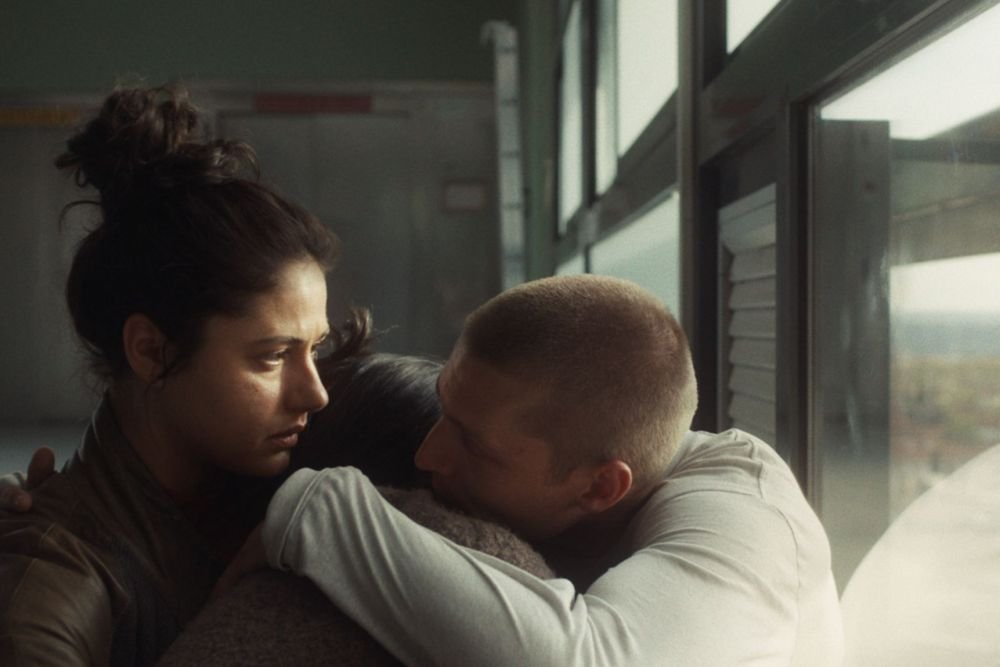
    A Germany-France co-production from Soilfilms and Soldats Features, the psychological drama stars Soma Pysall (HBO Max’s “Para – We Are King,” Disney+’s “City of Blood”) as Tian, a young dancer trying to break free from a violent, controlling relationship.

    After a violent incident with her partner and choreographer Felix, Tian flees their life in Marseille. Isolated and desperate for connection, she inserts herself into the grieving circle of a young man she never knew, becoming entangled in their mourning and affection while concealing a dangerous secret of her own.

    The cast also includes Élise Tilloloy (“The Price of Money: A Largo Winch Adventure”), Tom Rey (“Becoming Karl Lagerfeld”), Manuel Severin (“The New Look”) and Younès Boucif (“Standing Up”).

    Producers are Timothée Boullié, Victoria Braunholz, Ada, Silvana Santamaría, Pierre Cazenave-Kaufman, Amel Belghitri and Sinan Özarslan.

    “We were immediately struck by a film that refuses to make its characters easy to categorise as victim or perpetrator,” said Alpha Violet co-founder Virginie Devesa. “Its exploration of taking back control of your body and your life is bold, provocative and pushed to an extreme.”

    Devesa also highlighted the film’s physical dimension: “The body itself becomes a distinctive presence,” she said, adding that Alpha Violet believes “Body of Glass” will “spark a lot of conversation.”

    Naëmi Ada Courtesy of Alpha Violet

    Ada comes to the project from a background in contemporary dance. She trained at the Northern School of Contemporary Dance in Leeds before studying directing at Berlin’s German Film and Television Academy. In 2019, she was selected as a Sundance Ignite Fellow by the Sundance Institute.

    “Body of Glass” screens Sept. 19 in San Sebastián as part of New Directors.

    The 74th San Sebastián Film Festival runs Sept. 18-26.