Tag: Entertainment – Variety

  • Gary Oldman Predicts HBO’s ‘Harry Potter’ Series Will Be ‘More Satisfying’ for Fans Than the Movies

    Gary Oldman Predicts HBO’s ‘Harry Potter’ Series Will Be ‘More Satisfying’ for Fans Than the Movies

    Gary Oldman, who played Sirius Black in four “Harry Potter” movies, said he believes HBO’s forthcoming TV series adaptation set in the Wizarding World will be a bigger crowd-pleaser than the Warner Bros. films.

    That’s because the movies were significantly abridged from J.K. Rowling’s original books, whereas HBO’s “Harry Potter” is including far more of the source material, the British actor said in a recent interview with EW.

    “We had to cut a lot [for the ‘Harry Potter’ movies], and still we could only get the films down to, like, three hours,” Oldman said, adding that “a lot of character detail was sacrificed” in the process. “I believe [the HBO series is] gonna do it pretty much word-for-word, which I think, as a viewer, would be more satisfying.”

    Oldman has previously opined that Sirius Black, a character he loves, did not get enough screen time in the movies. “He wasn’t in it enough. He turned up and then he went through the veil,” Oldman told IndieWire in 2024. Oldman’s Black first appeared in 2004’s “Harry Potter and the Prisoner of Azkaban,” but he had only cameos in “Goblet of Fire” and “Deathly Hallows Part 2″ and a brief appearance in “Order of the Phoenix” before his character is killed off.

    That said, Oldman told EW he is “proud” and “grateful” to have been part of the “Harry Potter” films “because it is such a phenomenon, the like of which I don’t think you’re ever gonna see again.”

    “When you think of that initial cast, someone in the story who doesn’t get a lot of credit anymore is [director] Chris Columbus, who set the world up and cast it,” he said. “We were extraordinarily lucky to have those people come back again, and again, and again, and literally grow into those roles.”

    Oldman will next appear in Season 6 of Apple TV’s “Slow Horses,” which premieres Sept. 16.

    Season 1 of HBO’s “Harry Potter” TV show has wrapped and will premiere on HBO and HBO Max on Dec. 25. The second season, which will be based on the second book in Rowling’s beloved fantasy series, is currently in pre-production at Leavesden Studios outside London.

    HBO has not announced casting for the role of Sirius Black in the series to this point. The cast of HBO’s “Harry Potter” series includes Dominic McLaughlin in the title role alongside Arabella Stanton as Hermione Granger and Alastair Stout as Ron Weasley; John Lithgow as Albus Dumbledore; Janet McTeer as Minerva McGonagall; Paapa Essiedu as Severus Snape; Nick Frost as Rubeus Hagrid; Rory Wilmot as Neville Longbottom; and Lox Pratt as Draco Malfoy.

    Meanwhile, Oldman once said that his performance as Sirius Black in the movies was “mediocre,” but he later clarified that he didn’t mean to “disparage anyone out there who are fans of ‘Harry Potter’ and the films and the character who I think is much beloved.”

    “What I meant by that is, as any artist or any actor or painter, you are always hypercritical of your own work,” he told Variety in 2024. “If you’re not, and you’re satisfied with what you’re doing, that would be death to me. If I watched a performance of myself and thought, ‘My God, I’m fantastic in this,’ that would be a sad day.”

  • Sebastian Stan on Why ‘Fjord’ Is Being Called a ‘MAGA Movie’ and How Making ‘The Batman 2’ Feels Like ‘F—ing Godfather Part 2’

    Sebastian Stan on Why ‘Fjord’ Is Being Called a ‘MAGA Movie’ and How Making ‘The Batman 2’ Feels Like ‘F—ing Godfather Part 2’

    Sebastian Stan has been running around the city of Toronto.

    We’re sitting in a restaurant, having lunch between his multiple studio visits for various publications. It’s busy and bustling around us, the way TIFF tends to transform every hotel and restaurant over its 11-day period. Stan settles in at the table and digs into a chicken salad. He’s here to talk with Variety about the movie he says he’s been chasing, in one form or another, since he was a teenager.

    “Fjord” is the film Stan long promised himself he would make: a return, however partial, to the country he left as a boy and the language he grew up speaking.

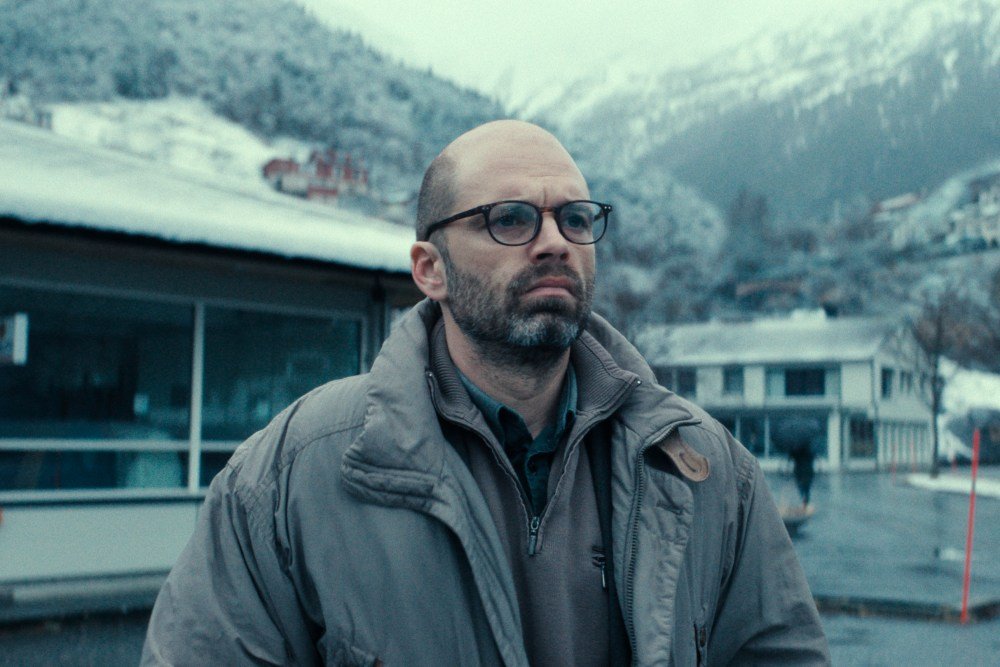
    Directed by Romanian auteur Cristian Mungiu — a filmmaker Stan says he had tracked for years — it is Mungiu’s first English-language feature and Stan’s first Romanian-language role, a project the two circled for a long time before the right script surfaced. Stan plays Mihai, a fundamentalist father whose children are seized by the state, in a story inspired by a real family and shot in Mungiu’s signature register of long, unbroken takes and a pointed refusal of the close-up.

    Coming off an Oscar nomination for the drama “The Apprentice” in 2024, the same year he won a Golden Globe for lead actor (comedy) for another movie, “A Different Man,” Stan sees clearly what he’s after and why. He’s a dad now. He has entered his 40s and it has changed him. “How do I raise kids in today’s world?” he asks, flipping the entire interview into a conversation as we eat and drink at the table. “And how do I not pass on something I’m myself trying to work through?”

    Stan has become the rare Marvel actor with a foot in the DC world, too. He met “The Batman” filmmaker Matt Reeves, who he said had seen and loved “The Apprentice” and around the same time cold-called DC Studios co-CEO James Gunn to let him know he was available and, in his words, “ready to rock” when the opportunity presented itself. Of course, he won’t confirm his role and the light visibly goes out of his face when the name Harvey Dent, whom he is rumored to be playing, comes up. But he does not undersell what Reeves is building. “I go to set sometimes and I look around and I’m like, I think we’re making fucking ‘Godfather Part Two,’” Stan says of the movie, which he says Reeves has spent three years shaping. “I really don’t want to raise it up, but I do feel like it’s going to be a payoff.”

    He calls himself “allergic” to repeating himself and worries that actors have grown too overexposed to disappear into anything. “We’re not doctors, we’re not on the front lines,” he says of why the subject has to matter. “This is the only way we get to communicate.”

    “Fjord,” whose reactions on social media have included people branding it “a MAGA movie,” Stan says, has been labeled that by “people who never see it.” He’s hoping this divided country can still sit together in one theater. Whether audiences take him up on it is another question entirely.

    “Fjord” is a rare role that lets you speak your mother tongue and work with a filmmaker from home. What did it stir in you to go back?

    The movie’s big theme is the immigrant experience, and that was my way in. When I read the script, I remembered coming to the U.S. and the shame I felt — the self-awareness of just being different. My mom always told me, not too dissimilar from this family in the movie, you don’t want to make allies, you don’t want to make enemies, you want to be nice to everybody. As I got older and got more confident about embracing my differences, around 16, 17, I told myself I had to go back and find a movie to do in Romania one day, to reconnect. Cristian was one of the filmmakers I’d been tracking. I knew how he shot, how morally ambiguous he liked to make his films. We kept trying to find the right thing, and finally he called and said, “I think I have this movie. It’ll be my first English-language movie and your first Romanian movie.” It was a good fit.

    The film is inspired by a real family whose children are taken by the state. Where do you draw the line between honoring what happened and finding your own Mihai?

    We looked at that particular family, but Cristian was adamant that we not focus on them entirely, because a lot of the movie is still fictional. So I looked at a lot of different families — and I looked at my own. I had a very particular relationship with my father, and I also grew up with my grandfather on my mom’s side. I had that stereotypical Eastern European father — this more subdued, stern, not-so-readable, guarded presence — and I think that informed a lot of my choices. But this family has a specific belief system. We went to some sermons in Romania to get a sense of the religion, and there’s an inherent trust that, no matter how things go, God will reveal that everything will be OK. That was very contrary to how I would react if my kids were taken from me.

    You’ve talked about difficult relationships with your father — and gave a shoutout to your stepdad in your Golden Globe speech for “A Different Man,” who raised you. Now that you’re a father, do you feel a responsibility or a subconscious redemption arc?

    I think some of it is, ‘Oh, I’ll right the wrongs I couldn’t when I was living my own experience’ — I can maybe provide the things I didn’t have. But mostly I’m more mindful. You start to realize how much of our parents and the voices in our heads are things we took on growing up, not necessarily authentically us. How do I manage that, so I don’t pass on something I’m myself still trying to work through?

    The reactions to “Fjord” have been divisive, and I’ve read some that have called it ‘A MAGA movie.’ How do you feel about that?

    Here’s the thing: When did it become normalized to think that one side has all the answers and is completely faultless? A lot of those reactions come from people who haven’t seen the movie. It highlights why we need more films like this — to remind us there was a time when people could meet, disagree and at least hear each other out. The movie doesn’t go and point the finger and say, “Well, you hold the key and you don’t.” It’s just going, “Fuck, we’re flawed as people.” And, by the way, kids shouldn’t be the ones paying the price for that.

    I also read somewhere that people wanted to see your character explode. He never quite does.

    In real life, people don’t always have the tools for that. Coming off “A Different Man” and “The Apprentice,” where I played these larger-than-life characters, I wanted something difficult in a different direction. I knew Cristian likes to shoot these long one-takes; I knew he doesn’t like close-ups and it was a different challenge to do something more restrained — something that reminded me of the unpredictability I saw in men who don’t know how to express themselves. Movies sometimes make that a little more romantic.

    Coming off an Oscar nomination for “The Apprentice,” and no shade to any of your MCU counterparts, but you’re one of the only people using your post-MCU powers for good — a stretch nobody would call safe. What are you chasing in a role now that you weren’t a few years ago?

    One, I’m chasing the opportunity to offer something different. I’ve become allergic to repeating myself. Actors are so overexposed at this point — whether you’re on social media or not, everything is personal, everyone wants to know everything. It makes the job harder, because people want to see you play one thing. I don’t care as much what it is, as long as it lets me offer something new. If that’s paired with a topic that’s relevant, it becomes even more undeniable. As you get older, you want to do something that can stand the test of time, that’s a conversation starter about the relevant issues we’re dealing with. We’re not doctors; we’re not on the front lines. This is the only way we get to communicate.

    Did you grow up watching Batman? And did you ever think you’d be in a Batman movie?

    100%. My favorite superhero movie is “Batman Returns” — I remember exactly where I saw it, over Christmas. I didn’t see the original first. It was Michelle Pfeiffer, Danny DeVito and I was obsessed with that movie. I also, shamefully, really like “Batman Forever” — I love the Riddler, I love Jim Carrey …

    What about Tommy Lee Jones?

    [pauses] He’s an amazing actor. I don’t quite know. In that movie, Jim Carrey overshadowed him.

    Interesting.

    But, growing up in Europe, Batman was the most recognizable thing to me. So when the MCU came first, it opened a door to comics I didn’t grow up with and I thought, well, that’s it, there’s no way I can get to the other side. No one’s going to hire me; I’ll be Bucky.

    And then …?

    Two things happened at the same time. I got a call to go meet Matt Reeves, who had seen “The Apprentice” and loved it and said, “I want to talk to you about this new movie.” And at the same time, I’d reached out to James Gunn and said, “Listen, man, I’m just letting you know — I’m here, I’m alive and well, I’m ready to rock.” And then it happened. I still feel like sometimes I’m like, did I leave the team for the other team? These worlds keep going parallel, and weirdly they help each other.

    Everyone’s asking you about Harvey Dent. There was a video of you basically walking away from the question. Do you have newfound respect for Tom Holland when it comes to secrecy?

    I have a lot of respect for Tom Holland. He was always notoriously bad at it, right? Look, there’s no way to keep any secret anymore. What I’ll say is this: there’s no way people will fully grasp how this movie is until they see it. I go to set sometimes and I look around and I’m like, I think we’re making fucking “The Godfather Part Two.” I feel that highly about it. Matt has spent three years working on it. There’s a lot of speculation about these roles, about what this movie is, but I think it’s going to be a good payoff — it’s really grounded and real, and that’s what I loved about it. You want to tease it a little, but we still have a long time.

    Last question. David Harbour did this when I sat down with him — can you say one line from the movie, out of context, that your character says?

    What did David say?

    His was “You … are Tony Stark.”

    That’s tricky. Ummm …

    Do you say ‘Hello’ or anything like that?

    I don’t even know if I say “hello.” [laughs] I want to give you something good. Let me say that the word “cookies” comes up. So enjoy that.

    This interview has been edited and condensed for clarity.

  • Pink Explains Slamming Macklemore’s Pro-Palestine Performances, Acknowledges Heavy Backlash: ‘I’m Standing Up for My Own People, and I Thought I Knew How Lonely That Would Be. It’s Lonelier Than That’

    Pink Explains Slamming Macklemore’s Pro-Palestine Performances, Acknowledges Heavy Backlash: ‘I’m Standing Up for My Own People, and I Thought I Knew How Lonely That Would Be. It’s Lonelier Than That’

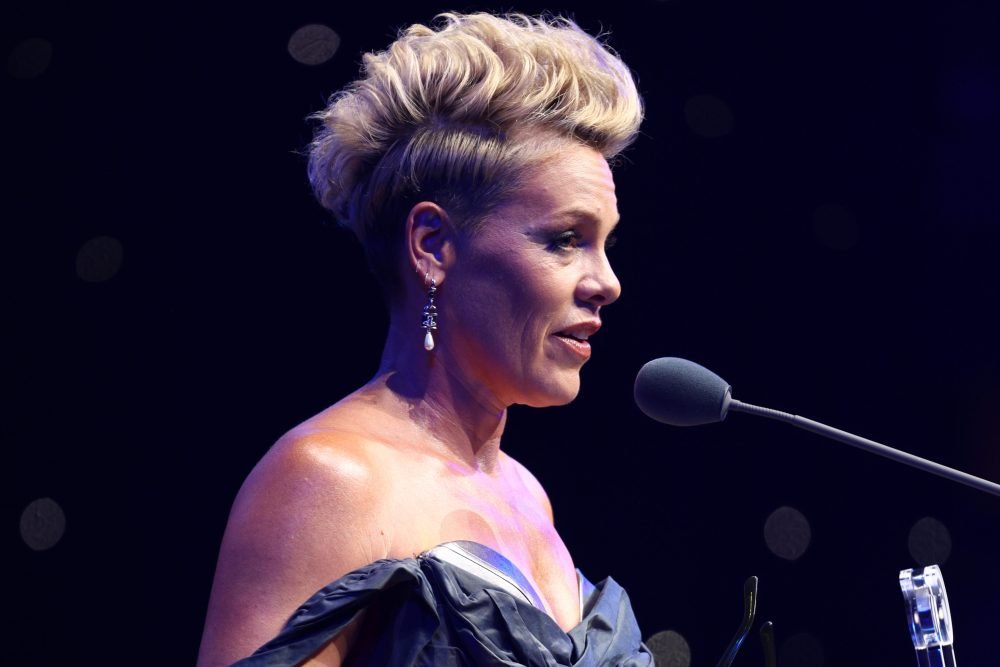
    Pink had fallen silent in the face of backlash from many quarters following her reposting a call for Macklemore to be dropped from the Ed Sheeran tour in the wake of his nightly pro-Palestinian songs and statements. Now she has spoken up about the controversy and her part in it in a big way, with a 1,300-word social media post that has her exploring why she repeated the sentiments asking Sheeran to drop Macklemore, why his statements alarmed her as a Jewish woman, and how it has felt “lonely” facing an onslaught of criticism this week.

    The singer noted that she may have been a typical “cheap and fast” social media user when she first reposted the anti-Macklemore meme, rather than speaking up in her own words, which she is now belatedly doing. “A repost isn’t a statement, and a meme isn’t a spine,” she argued, saying that she would “rather be disagreed with for what I actually said than hated for what anybody else wrote, so let me say it.”

    Pink noted how her feelings about Macklemore have evolved, from support for him when “I was in the room at the Grammys in 2014 when Macklemore rapped ‘Same Love’ and 33 couples, gay and straight, got married to it, and I cheered, no questions asked.” Then, she pointed out an antisemitic costume the rapper wore a short time later, for which he subsequently issued a mea culpa. “Macklemore put on a hooked nose, a black beard and a bowl cut, performed in it, and called it a ‘random costume.’ Every Jew I know knew exactly what it was. The same love, it turned out, had a guest list, and we weren’t on it. But he apologized, and I let it go, because that’s what we do. We let it go.” Nonetheless, she suggested, his wearing of the costume informed how his statements might be received in years to come.

    The singer said that “last weekend he stood in front of a stadium full of music-loving families, with violent images from a war on the screens, dedicated a song to the movement of his choice, and then took the mic to tell all of the Jews in the stadium that it wasn’t about them.” She added: “You don’t get to decide that for us.”

    Her current position, as she explained it in her post: “Of course I don’t speak for Israel, or for any government. I never have. What I said in October 2023 is still exactly what I believe: Hamas is a terrorist organization. Palestinians deserve a future that honors their humanity and their aspirations. Protecting innocent life comes first, everywhere, and nobody should ever celebrate the death of a child. Anybody’s child. I’ve spent a decade as a UNICEF ambassador for kids who didn’t choose the country or the war they were born into, and I have grieved every one of them, on both sides of that fence. I didn’t do it from behind a screen; I went to those children and held them. I’m not going to litigate a complex war in an Instagram caption, and I’m not going to recite anybody’s slogan to earn back a follower.”

    The singer declared that her response earlier this week was prompted not by Macklemore saying “Free Palestine,” but by his statements on stage — in response to the backlash he was facing from some quarters — that his statements were aimed at Israel, not all Jews.

    “That’s what prompted my repost. Not ‘Free Palestine,’ and not anyone’s right to say it. I have never asked for another artist to be silenced and I’m not asking now. I don’t need anyone fired, and I don’t need a refund. What I need is to be able to say, as a Jewish mom, ‘that scared me, and it scared people I love,”’without being told our fear is just propaganda, and without being told I’m somehow cool with genocide because I noticed?”

    Pink pointed to some of the causes she has supported over the years that have drawn fire, mostly from the right wing. “I have stood up for other people’s people my whole career, and I know exactly what it costs. And now I’m standing up for my own people, and I thought I knew going in how lonely that would be. And it’s lonelier than that. But I’m doing it anyway.”

    She added, “Something has changed in this country, and I can read it in my own comments. ‘From the river to the sea.’ ‘Zionist,’ spat like it’s a slur, by people who couldn’t tell you the details of what I believe, because I hadn’t told them yet. I wasn’t asked. I was told. I don’t think most of them hate Jews. I think somebody handed them a story where the Jew who won’t apologize for existing must be the villain, and they’ve been putting words in my mouth ever since.”

    On her Instagram post, Pink divided her lengthy statement into two parts, the first half of it coming in the post itself and the second in the comments. But the second half is no longer visible. An hour or so after posting, as pro and con responses accumulated from fans and detractors, she opted to switch off commenting for that post. Unfortunately for her ability to explain herself, cutting off comments meant she also eliminated her own comment that contained the crux of her explanation. But you can read it all below, including the part she inadvertently deleted.

    Before Pink or her social administrator cut off comments on her post, the responses were sharply divided, with mostly hostile or disappointed comments appearing at the top of the replies, followed by many supportive ones echoing her “Shana tova” sign-off further down. Among the negative replies, before all were blocked: “A repost is a statement. Just saying. (esp w 11M followers).” “Said all this to say nothing at all. This was truly not on my bingo card. Doubling down is insane as well.” “I grew up respecting your rebellion against things that were wrong in the world.  But now you seem to have switched to supporting those very same people that cause the pain to children and women. I hope that is how you want to be remembered.”

    And a sampling of the positive replies: “This was beautiful. And not trite. And not prepared by AI or a publicist. This was an authentic monologue and I appreciate so much how strong you are. And I’m proud to have you in my same tribe.” “I wish all other Jewish celebrities were as brave as you. We love you.”

    In his most recent comments addressing the controversy, Macklemore said, “To all of my Jewish brothers and sisters: criticism of Israel, criticism of apartheid, being against genocide in no way is a criticism of you. My message is for peace; love for all human beings to be treated with dignity, respect, and equality…. So I say free Palestine, I say free Lebanon, I say free Cuba, I say free Congo, free Sudan, I say free all people in America living in fear of this terrorist organization, ICE. None of us will be free until we are all free.”

    Pink’s statement, in full:

    I’ve been quiet in my own words for a week, which you know isn’t like me. So here they are.

    Last Sunday I reposted somebody else’s post about Macklemore’s set at Ed Sheeran’s show. It said things in words I didn’t write, and I wouldn’t have chosen all of them. Then the comments came, and I did what I do when I’m hurt, which is post snarky memes and act like I’m fine. That’s on me. A repost isn’t a statement, and a meme isn’t a spine. Social media makes all of us cheap and fast, and we all know it. But I’d rather be disagreed with for what I actually said than hated for what anybody else wrote, so let me say it.

    I was born a Jew. I didn’t pick it, and I’ve never hidden it. And this week a whole lot of people decided what I believe without asking me, without checking a single thing I’ve ever said or done, because a repost and the word “Jew” were apparently enough to fill in the rest. But let me fill it in… myself.

    Of course I don’t speak for Israel, or for any government. I never have. What I said in October 2023 is still exactly what I believe: Hamas is a terrorist organization. Palestinians deserve a future that honors their humanity and their aspirations. Protecting innocent life comes first, everywhere, and nobody should ever celebrate the death of a child. Anybody’s child. I’ve spent a decade as a UNICEF ambassador for kids who didn’t choose the country or the war they were born into, and I have grieved every one of them, on both sides of that fence. I didn’t do it from behind a screen; I went to those children and held them. I’m not going to litigate a complex war in an Instagram caption, and I’m not going to recite anybody’s slogan to earn back a follower.

    Here’s what I was reacting to. I was in the room at the Grammys in 2014 when Macklemore rapped “Same Love” and thirty-three couples, gay and straight, got married to it, and I cheered, no questions asked. Four months later Macklemore put on a hooked nose, a black beard and a bowl cut, performed in it, and called it a “random costume.” Every Jew I know knew exactly what it was. The same love, it turned out, had a guest list, and we weren’t on it. But he apologized, and I let it go, because that’s what we do. We let it go. Then last weekend he stood in front of a stadium full of music-loving families, with violent images from a war on the screens, dedicated a song to the movement of his choice, and then took the mic to tell all of the Jews in the stadium that it wasn’t about them.

    You don’t get to decide that for us.

    That’s what prompted my repost. Not “Free Palestine,” and not anyone’s right to say it. I have never asked for another artist to be silenced and I’m not asking now. I don’t need anyone fired, and I don’t need a refund. What I need is to be able to say, as a Jewish mom, “that scared me, and it scared people I love,” without being told our fear is just propaganda, and without being told I’m somehow cool with genocide because I noticed?

    And please don’t talk to me like I’ve never stood up for my beliefs when it was unpopular. In the middle of the Gulf War in 2006 I put out a song called “Dear Mr. President” and sang it every night on tour while my country was in a war I didn’t support, and I took the hate for it, and I sang it anyway because my sharp criticism was of a government, not this flawed country I love and who my dad fought for. I stood with gay kids before it was fashionable and with trans kids now, when it isn’t, and with their families, and I handed out the books that got banned, and you know I got called every name there is, and I’d do all of it again tomorrow. I have stood up for other people’s people my whole career, and I know exactly what it costs.

    And now I’m standing up for my own people, and I thought I knew going in how lonely that would be. And it’s lonelier than that. But I’m doing it anyway.

    Something has changed in this country, and I can read it in my own comments. “From the river to the sea.” “Zionist,” spat like it’s a slur, by people who couldn’t tell you the details of what I believe, because I hadn’t told them yet. I wasn’t asked. I was told. I don’t think most of them hate Jews. I think somebody handed them a story where the Jew who won’t apologize for existing must be the villain, and they’ve been putting words in my mouth ever since.

    But I’ve been portrayed as the villain before. I can take it. I just won’t take it quietly, and I’m not going to teach my kids to.

    So, to the ones who are furious with me: you don’t have to agree with me. You never did. That’s been our unspoken agreement for twenty-five years, and it still stands, and so do I. You don’t have to agree with one thing Israel’s government does to not want the Jewish family two rows down from you to be scared or targeted at a concert. That’s the only thing I’m asking anybody for. To the ones who are frightened this week, Jewish or Muslim or Palestinian or Israeli or just tired of all of it: I see you. And if anybody wants to really know what I think, just ask me. I’m right here. I’ve never been hard to find. And I’ll keep speaking out, in my own words.

    It’s Friday. For working people who have more to worry about than pop stars and pile-ons, it’s the end of a hard week. It’s also the 25th anniversary of September 11th, and my prayers are with the innocent souls we lost that morning. And at sundown, for Jews, it’s Rosh Hashanah, our New Year.

    Now I’m going to go make dinner for my kids, light the candles, dip some apples in honey, pour a glass of wine and be full of gratitude. That’s my tradition. It also happens to be a Jewish one.

    Shana tova.
  • Ocean Way Festival Featuring Killers, Olivia Dean and Jack White Is Canceled, as Santa Monica Blames Beach Damage From Hurricane Forces

    Ocean Way Festival Featuring Killers, Olivia Dean and Jack White Is Canceled, as Santa Monica Blames Beach Damage From Hurricane Forces

    Ocean Way is going away, at least for a year. Goldenvoice‘s inaugural Ocean Way Festival, which was scheduled to take place on the beach in Santa Monica Sept. 26-27, has been called off, with city officials saying the culprit is erosion along the shore caused by recent hurricane-level forces off the coast.

    “Due to the impacts of Hurricane Marie, the City of Santa Monica has canceled the inaugural Ocean Way festival,” organizers of the festival said in a statement emailed to ticketholders through AXS. “Storm surf and runoff has caused significant beach erosion and the festival can no longer be safely held as planned. Plans are already underway to bring the festival back to Santa Monica in 2027.”

    The statement sent to ticketholders further said that refunds for passes, which had been sold in a range from $249 to $2,250, will be processed automatically in the next 5-7 business days.

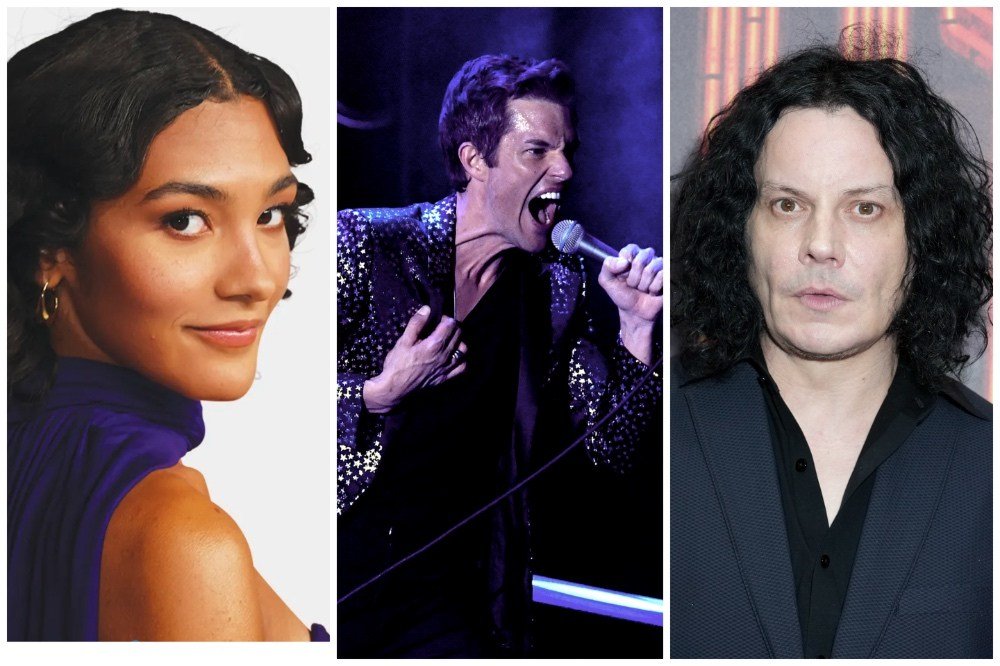
    The two-day festival was hoping to draw up to 45,000 to the beach each day. Single-day passes were being sold along with two-day entry, and the lineup seemed designed to possibly draw a somewhat different audience each day, with rock acts like the Killers, Jack White and Sublime topping the bill on Saturday and a more eclectic lineup headed by Olivia Dean, Khruangbin and Durand Jones & the Indications on Sunday.

    In a statement given to the Los Angeles Times, Santa Monica City Council member Dan Hall said, ““I am deeply saddened that severe weather and beach conditions have forced the City and Goldenvoice to make this difficult decision. However, the safety of festival-goers, our residents and the Pier must remain our priority… With Hurricane Marie also causing sinkholes in Malibu and triggering home evacuations in Long Beach due to rising surf, the rapid erosion of the beach near the Sandbox event space over the past few days is deeply concerning. The city is working rapidly to keep the Pico storm drain and shoreline repaired and ready for upcoming weather…. While we are all disappointed, I remain optimistic about bringing Ocean Way back next summer.”

    First-time beach-based festivals seem to be having a hard time of it in SoCal this year, with the inaugural LA Jazz Festival — which had a key stage set for Dockweiler Beach — having been canceled at the last minute, although the reasons given for that one had to do with finances and prep. At least anyone who wants to hear music with an ocean breeze still has an option for Eddie Vedder’s annual Ohana Fest. It takes place alongside the beach in Orange County’s Dana Point Sept. 25-27 — and, obviously, it no longer has Ocean Way as competition the same weekend.

    Variety published an interview in July with Goldenvoice producer Nic Adler, son of the legendary Lou Adler, about the desire to bring music back in a big way to Santa Monica, which has hosted few big rock or pop shows since the historic Santa Monica Civic Auditorium fell into disuse.

    Said Adler then, “Really where it stems from is that Santa Monica is kind of having its own revitalization moment or realignment plan, turning toward events, culture, arts and music to get people to come to the city. Santa Monica is an interesting place because it’s almost like an underdog city a little bit, in our backyard. We all know Santa Monica’s there, but I think they want to make sure that those memories stick.”

    He noted, “This was a little bit like, ‘OK, we’re in Santa Monica, we’re on the beach, the sun’s setting — of course I wanna hear Khruangbin.’ The lineup took some inspiration from the location, and I’d probably say that’s not an everyday for Goldenvoice.”

  • After Taylor Frankie Paul’s ‘Bachelorette’ Scandal, ‘The Secret Lives of Mormon Wives’ Just Isn’t Fun Anymore

    After Taylor Frankie Paul’s ‘Bachelorette’ Scandal, ‘The Secret Lives of Mormon Wives’ Just Isn’t Fun Anymore

    SPOILER WARNING: The following story contains plot details from Season 5 of “The Secret Lives of Mormon Wives.”

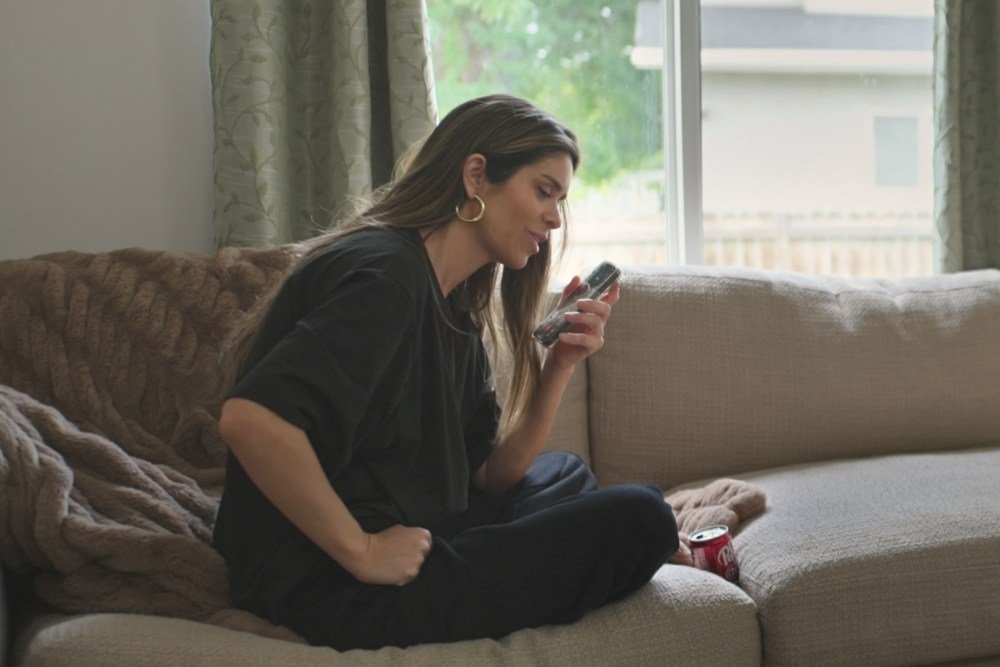
    From its very first moments, “The Secret Lives of Mormon Wives” has been inextricable from the toxic entanglement between #MomTok influencer Taylor Frankie Paul and her on-again, off-again boyfriend Dakota Mortensen. Two years ago, the show began with a violent encounter between the pair as captured on police officers’ body cameras. (The incident resulted in Paul’s arrest and subsequent guilty plea for aggravated assault.) Then, earlier this year, a planned season of “The Bachelorette” starring Paul — a bit of crossover corporate synergy between ABC and “Mormon Wives” streamer Hulu, both owned by Disney — was canceled after more graphic, harrowing footage of the same fight was leaked to TMZ.

    Paul’s new venture may have been scuttled, but her flagship star vehicle remains intact. This week, “Mormon Wives” returned for an abridged Season 5, almost entirely filmed before production went on hiatus in March amid Paul’s public relations furor. The new information revealed in the five episodes is minimal. We learn the eventual winner of the final rose on the unaired “Bachelorette” season, making it even less likely the competition will ever see the light of day. We also learn how irrelevant the victor’s identity is, because Paul slept with Mortensen again the very night she returned from filming. Paul and Mortensen, by her own admission, have “an addiction” to one another and their toxic relationship. Most pairings formed during the “Bachelor” franchise don’t last; Paul’s was doomed before it even began.

    But watching Season 5, something else becomes clear: “Mormon Wives” itself has a seemingly unbreakable dependence on the Paul-Mortensen saga, a tragedy that’s at once the show’s driving force and its greatest liability. What has already incurred a quite literal cost to ABC is now exacting a more metaphorical toll on the hit reality show, which is being swallowed whole by its most volatile element. In the season’s closing minutes, cast member Mikayla Matthews expresses her amazement that the friend group known as #MomTok has mutated from a source of “empowerment” into something much darker. Yet viewers have watched this process unfold in almost real time, making it anything but mysterious. Paul and Mortensen can’t quit each other, “Mormon Wives” can’t quit Paul — and the ensuing tragedy has turned what was once an addictive work of pop sociology into a grim spectacle that’s the opposite of fun. 

    Season 5 makes some token attempts at milking other sources of intrigue, like a half-hearted conflict between “Dancing With the Stars” alumni Jennifer Affleck and Whitney Leavitt or Jessi Draper’s recovery from what she characterizes as excessive plastic surgery. Paul and Mortensen are nevertheless inescapable — partly because the exes are trapped in an endless cycle, and partly because their dynamic is echoed in so many other pairs within the cast. No one sinks to the same depths as Mortensen, who claims to have sent Paul a sex tape of himself with another woman and, it’s strongly implied, likely weaponized the TMZ footage in retaliation for Paul drawing a boundary. In context, however, the couple comes off less like an exception and more like a tone-setter for a larger study in cautionary romantic tales.

    Affleck’s husband Zak, arguably the show’s secondary antagonist, complains about his wife wanting to pose for Sports Illustrated even as her fame allows him to drop out of medical school and drive a CyberTruck. Miranda Hope’s ex-husband Chase McWhorter, fresh off a DUI, clearly yearns to be on camera and is duly rewarded for his confrontational stunts. Layla Taylor dates McWhorter’s brother Mason, showering him with gifts and vacations while he’s unable to return the favor.

    “Mormon Wives” has always held interest for how the cast’s lucrative internet fame — which predates, though is accelerated by, the show — inverts the traditional gender dynamics instilled by their religion. But five seasons in, that fascination has curdled into discomfort. “Mormon Wives” isn’t just depicting unhealthy partnerships; in many cases, it’s exacerbating them, creating a perverse incentive for malcontents like McWhorter to stick around in return for exposure that’s still conditional on the women in their lives. In some cases, this tension exists among the women themselves: Paul has the most followers of anyone in the cast, and Draper expresses concern fans will inevitably take her side against her well-meaning friends.

    Unlike the stars of “The Real Housewives of Salt Lake City,” the other reality smash set in the same area, the “Mormon Wives” are much younger and remain more entrenched in the Mormon community. Where Housewives like Heather Gay have proudly emancipated themselves from their marriages and the social expectations that came with them, the “Mormon Wives” feel like they’re still mired in the worst heterosexuality has to offer. (Though Layla Taylor has recently shared that she’s now dating a woman.) Paul and Mortensen, who she often refers to as her “baby daddy,” are in some ways far from traditional matrimony. They’re still stuck performing their dysfunction in public — a process that’s gone on so long it feels irresponsible to keep centering. But if “Mormon Wives” isn’t about terrible men exploiting women, what is it about? That’s one question among many for an upcoming spinoff set in Orange County to answer.

    The only way to win this game, it seems, is not to play. Following her Broadway debut as Roxie Hart in “Chicago,” Leavitt announced her plans to leave the cast after Season 5.  But even before her official exit, Leavitt already feels physically and emotionally distant. Well-spoken and level-headed, she’s almost unrecognizable from the volatile villain she came off as in Season 1. She’s also barely willing to engage with Affleck, whose issues with Leavitt have the subtext of Affleck’s less successful music career. (I have little faith the flamingo-inspired single “Pink Back” will be Affleck’s breakout.) Whatever issues Affleck claims to have with Leavitt’s behavior, she seems more jealous that Leavitt was able to leverage her talents into an escape hatch, leaving Affleck to share such dire sentiments as “I feel like Zak doesn’t understand me.” The “Mormon Wives” may have a sincere belief in religious concepts like Heaven, but for now, the show feels more like purgatory.

  • ‘Back to Buenos Aires’ Review: Marco Bechis’ Return to the Screen Covers Similar Ground to Earlier Works but is Only Fitfully Effective

    ‘Back to Buenos Aires’ Review: Marco Bechis’ Return to the Screen Covers Similar Ground to Earlier Works but is Only Fitfully Effective

    The return of Marco Bechis to filmmaking after 10 years is a welcome surprise, and the terrain he covers in “Back to Buenos Aires” is a familiar one for the veteran Chilean-Italian director who himself was caught up in the nightmare of Argentina’s military dictatorship. Set in the present, with frequent flashbacks, the film tells the story of an Italian doctor involved in Argentina’s resistance in the 1970s who reluctantly goes back to the country to give testimony about his three-plus years in the Garage Olimpo concentration camp. Stylistically looking like an uneasy hybrid between horror and film noir, Bechis’ return fails to satisfy on multiple levels, including the emotional one, though there are a few memorable scenes and the crux of the tale is potent.

    It’s no coincidence, of course, that the prison where Mariano Guerra (Adriano Giannini) was held, Garage Olimpo, is also the name of Bechis’ 1999 film. “Back to Buenos Aires,” however, is a very different movie, less visceral and more hallucinogenic, but also less gripping. It’s a film that tries to come to terms with survival guilt, avoiding pat judgments but hinting rather too strongly at the possibility of redemption through confession. Pervaded by silences that mirror the decades of silence that allowed war criminals to walk among us, the story unfolds through a back-and-forth of past and present, keeping pace with the revelations and Mariano’s increasingly fraught state.

    Multiple messages on Mariano’s answering machine in Italy ask him to return to Buenos Aires to testify, but he keeps ignoring them, incapable of coming to grips with his Argentine past. The pressure is building, making him more and more edgy, until he finally agrees to go — cue a stunning sequence of shots filmed from his plane seat. Once landed, he and other witnesses pile into a van, but recognition doesn’t lead to conversation, which Mariano avoids at all costs. (One can’t help compare the loquacious Iranian survivors in “It Was Just an Accident” with the nearly mute Argentines here.) Housed in what looks like an old-fashioned congress center, the group take meals together but barely talk, for doing so would force them to revisit the trauma of the past as well as confront their own actions while in prison.

    Even before we know the details, it’s clear that Mariano’s resistance to testifying springs from the shame of collaboration. That guilt, eating away at him for decades, comes boiling to the surface when he’s visited by Evelyn (Veronica Gerez, in a poorly written role), the daughter of a woman who disappeared during the dictatorship. He rejects her request for information about her mother, though not convincingly since his nerves are so shot he can barely avoid trembling. Even when the lawyer (Marcelo Chaparro) for those testifying has him look through photos to see if he can identify some of the people who ran Garage Olimpo, he feebly claims not to recognize anyone.

    Bechis plays with the claustrophobia of the congress center as well as the courthouse, both locations lit with a deadening flatness that contrasts sharply with the few outdoor scenes, especially when Mariano spies a short, balding man leaving the courthouse and, in great agitation, follows him to the hospital where he works. It comes as no great surprise that Dr. K (Adrian Fondari), as he was known in Garage Olimpo, was Mariano’s chief tormentor, the man who wore down his will to such a degree that he became a passive collaborator when so many other prisoners were killed.

    Bechis accompanies these scenes with flashbacks to when medical student Mariano (Eduardo Hoy) was working for the Resistance together with Muneca (Olivia Nuss), whose daughter Evelyn is the woman in the present putting pressure on him to reveal what he knows about her mother’s disappearance. The scene where Muneca is taken away is one of the most effective in the film, especially when it melds past and present. This shift between the two time periods creates an effective dialogue as we learn what actually happened in the prison, less graphically represented than in “Garage Olimpo” but still conveying the brutality inside.

    Back in the present, the testimony of Amalia Mendez (Ana Celentano), her dignity unbowed as she recounts the sexual assaults she endured, helps to center the film at a moment when it really requires a strong, articulate voice. Mariano is just too shaky, his trauma too much on the surface, making us question how he ever remained a functional doctor. Multiple elements in “Back to Buenos Aires” don’t quite come together, starting with the peculiar mise-en-scène, which evokes horror movies — empty dully lit corridors, eerie silences, isolated characters — and film noir with shadows cast by old-fashioned blinds and lots of cigarettes. Flashback sequences are inevitably given a very brown tone, since no evocation of the 1970s would be considered believable unless brown predominates.

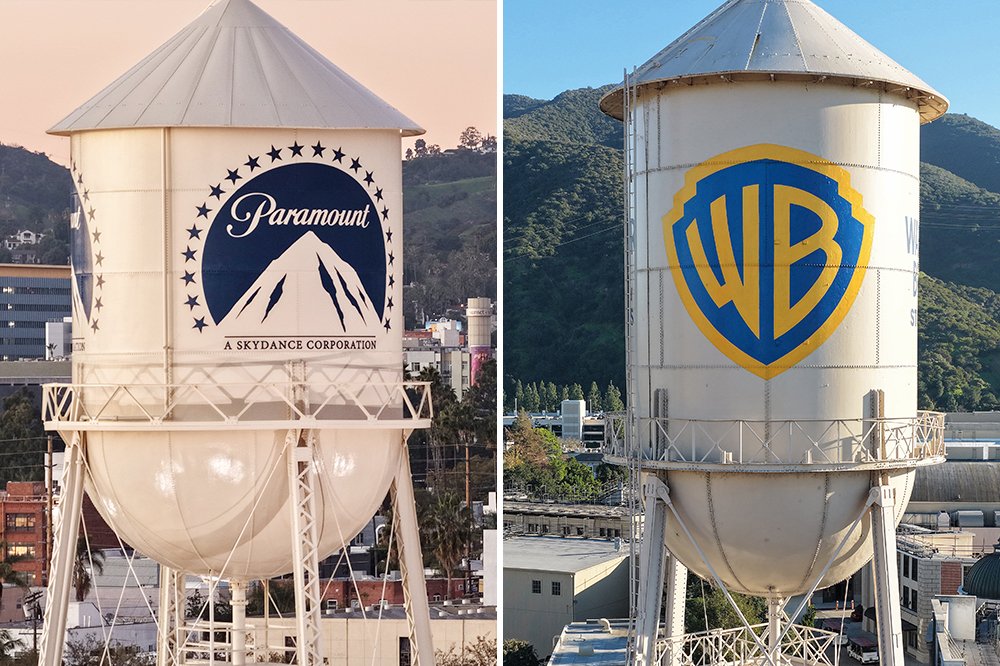
  • Court to Hold Paramount-Warner Bros. Settlement Conference in Late October

    Court to Hold Paramount-Warner Bros. Settlement Conference in Late October

    A court will hold a two-day settlement conference in the Paramount-Warner Bros. antitrust case in late October.

    The conference is a standard part of civil procedure and does not indicate whether a deal is in the offing. A magistrate judge, Thomas Hixson, has been tasked with overseeing the settlement discussions and to determine whether it will be possible to avoid a trial, which is scheduled for next March in Oakland.

    Paramount has been pushing for a deal with California Attorney General Rob Bonta, and has been hoping to get it done before Oct. 1. That’s the date that it will begin paying a $7 million daily “ticking fee” to Warner Bros. shareholders.

    Bonta, in turn, has said he is open to a settlement but only if it includes “robust structural remedies” — that is, presumably, spinning off a significant chunk of the combined assets.

    California and 11 other states allege that the $111 billion merger will illegally reduce competition in the theatrical and basic cable markets, and Bonta has been looking for terms that would address concerns in both markets.

    Bonta’s office was set to have settlement discussions with Paramount on Aug. 24, but Bonta canceled the talks the night before, accusing Paramount of leaking details to the press. Paramount denied it, and has since been somewhat quieter about exerting pressure on Bonta to make a deal.

    At a scheduling conference on Friday, the parties were ordered to submit dates by next Tuesday that will work for in-person discussions at the end of October.

    A settlement could come through the court-supervised process or outside of it. So setting the court settlement conference for late October does not foreclose the possibility of an earlier deal.

    Paramount has entered into a stipulation agreeing not to close the transaction until after the trial, which is set for March 2. However, the company subsequently asked a court to require the plaintiffs to put up a $1.88 billion bond to cover the costs of a delay in case the deal is approved.

    A hearing on that request is set for Sept. 24. The states have argued that Paramount is seeking to renege the agreement it made to hold off on closing with no bond.

  • Na Hong-Jin, Lav Diaz, Bertrand Mandico, Rintaro Headline Busan Master Class Lineup

    Na Hong-Jin, Lav Diaz, Bertrand Mandico, Rintaro Headline Busan Master Class Lineup

    The 31st Busan International Film Festival (BIFF) has unveiled the lineup for its Master Class, Cine Class and Special Talk programs.

    Master Class brings together four directors reflecting on their creative work. Na Hong-Jin, who drew global attention this year with “Hope,” will discuss the roots of his creative vision. Filipino auteur Lav Diaz and French director Bertrand Mandico, known for his distinctive visual style, round out the international side of the lineup. Japanese animation veteran Rintaro, director of “Galaxy Express 999” (1979) and “Metropolis” (2001), returns to Korea for the first time in 17 years.

    Cine Class, which launched last year, gathers six creators from different corners of the industry. Zhang Lu, winner of the Busan Award for Best Film at BIFF 2025 for “Gloaming in Luomu,” opens the program with reflections on cinema and life. Documentary filmmaker Seifollah Samadian will speak about his three-decade friendship with the late Iranian director Abbas Kiarostami. Judith Godrèche, whose public disclosures about abuse in the French film industry broke a long-standing silence and opened new space for women’s stories on screen, joins the lineup alongside producer Billy Acumen, whose credits include the “Roundup” franchise and “The King’s Warden” (2026). Director Bi Gan, recognized for his dreamlike visual approach since his debut, and actor Shim Eun-kyung, reflecting on a career that has crossed genres and borders, complete the session.

    Special Talk rounds out the programming with three conversations. Producer Kim Tae-ho, who recently moved into film acquisition and distribution, will appear alongside a screening of “Mother Mary” (2026). Ann Hui, this year’s Camellia Award recipient, will look back on her career in cinema. Film critic Jung Sung-il will lead a session tied to the Ahn Sung-ki tribute program, following a screening of “Festival” (1996), examining Korean film history through the late actor’s career.

    The 31st Busan International Film Festival will run Oct. 6-15 at the Busan Cinema Center and venues throughout Busan, with the 21st Asian Contents & Film Market held Oct. 10-13.

  • J. M. Stelly’s Anatomica Films Taps Black Mandala for Global Sales on Horror Trio (EXCLUSIVE)

    J. M. Stelly’s Anatomica Films Taps Black Mandala for Global Sales on Horror Trio (EXCLUSIVE)

    New Zealand’s Black Mandala has acquired worldwide sales rights to three horror films from Anatomica Films: “Within Madness,” “Vessel” and “The Thirteenth Gate.”

    J. M. Stelly wrote and directed all three, producing alongside Johnny Stassi through the Anatomica Films label.

    Stelly and Black Mandala co-founder Michael Kraetzer negotiated the agreement on Anatomica Films’ behalf.

    “Within Madness” draws on true events, tracing the fallout after filmmaker Mark Chapel and collaborator Donovan Summers are arrested. Investigators searching the case turn up human remains, execution tapes, Polaroids and film canisters cataloging years of violence. The evidence centers on “The Sacrament of Bondage,” a film capturing Summers’ spiral into brutality and his earliest killings. Prison interviews and recovered footage slowly reveal how deeply entangled the two men had become in their shared madness. Jared Bankens, Matt Story, Keegan Macy and Jamie Nipe star.

    “Vessel” follows Joseph, a pastor whose faith crumbles after his wife, Mary, goes missing and their unborn child is lost. Retracing the days leading up to her disappearance, Joseph experiences past and present blurring together, while escalating disturbances in their home point to something far more sinister than grief. What starts as a portrait of grief ultimately reveals an entity trying to cross into the world through human suffering. Keegan Macy, Jamie Nipe and Dane Rhodes are featured.

    “The Thirteenth Gate” centers on investigator Nathan Hale, who regains consciousness inside a derelict industrial complex without knowing how he got there. While hunting for his missing wife, Marissa, Hale is dragged through an escalating nightmare of environments that loop, warp and rebuild themselves from his own memories and trauma. Behind the ordeal is an enigmatic figure called M, orchestrating an occult ritual designed to unlock thirteen gates into the ethereal plane. The deeper Hale goes into the labyrinth, the harder it becomes to separate physical reality from memory and constructed experience. The film moves like an immersive, POV-driven psychological horror trip that blends body horror, occult mythology and science-fiction touches. Jeff Pearson, Jamie Nipe and Keegan Macy round out the cast.

    “We’re incredibly happy to be working with such an outstanding and unique filmmaking talent and look forward to building the international success of these very special titles together,” Kraetzer said. He added that each film carries its own distinctive atmosphere, vision and identity, calling the collaboration a chance to work with bold, original filmmaking that he believes can connect with genre audiences, festivals, platforms and buyers around the world.

    “We’re proud to welcome ‘Vessel,’ ‘Within Madness’ and ‘The Thirteenth Gate’ to the Black Mandala lineup,” he said, “and are very much looking forward to presenting these films internationally, building their worldwide audience, and developing a successful long-term collaboration with the filmmaker.”

    Stelly said he was pleased to have Black Mandala representing the films, noting that “these intensely personal projects each explore horror from a very different perspective.” He pointed to Black Mandala’s track record building an international presence around bold genre filmmaking and said he is looking forward to working with the company’s team to bring the films to audiences around the world.

    “Within Madness” will be the first of the three to go before buyers, launching sales at the Toronto Film Festival market before all three titles are pitched to buyers at AFM.

    Stelly is represented by Zero Gravity Management.

  • San Sebastian Competition Title ‘Border’ Boards Reel Suspects for Global Sales (EXCLUSIVE)

    San Sebastian Competition Title ‘Border’ Boards Reel Suspects for Global Sales (EXCLUSIVE)

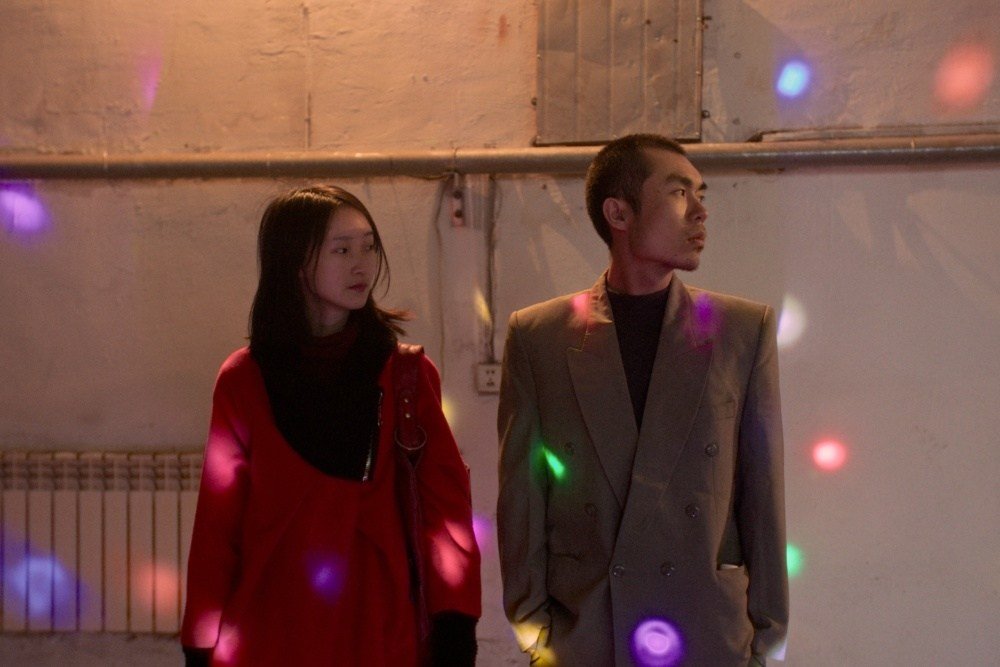
    Paris-based international sales company Reel Suspects has boarded worldwide sales on Chinese filmmaker Ah Biao’s feature debut “Border” (“Bian Jing”), which will world premiere in the official selection of the San Sebastián Film Festival, where it competes for the Golden Shell.

    The cast includes Zheyan Li, Feng Qi, Sanming Han, Gang Zheng and Tao Guo, in a Hong Kong-U.S.-South Korea-Japan co-production.

    The story centers on an impoverished young miner living a muted existence in a remote town where emotional reticence is the norm among men. A mysterious young woman disrupts his routine, awakening a curiosity he thought long dormant. Drawn to follow her into unfamiliar territory, he abandons the familiar comforts of his old life, not realizing she is hiding something about who she really is.

    “We’re thrilled to bring ‘Border’ to audiences at San Sebastián and to see the film presented in official competition,” said Matteo Lovadina, Reel Suspects CEO. “Ah Biao is a remarkable new voice with a distinctive cinematic vision, and we believe this is the beginning of a very exciting journey for him. He is undoubtedly a filmmaker to watch, and we’re delighted to be introducing his work to international audiences at such an important moment in his career. ‘Border’ presents a distinctive cinematic aesthetic rooted in Eastern experience. Through image, sound, performance and space, it draws on the language of cinema itself to explore the existential struggles of human experience. Its strikingly fresh audiovisual expression reveals another dimension of contemporary Chinese-language cinema.”

    Ah Biao, who was born in Shanxi, China, and is now based in Bangkok, works as a director, screenwriter and cinematographer. “Border” is his first feature, placing him in San Sebastián’s main competition lineup alongside veteran directors Mike Leigh, Pablo Larraín, Nicole Garcia and Yeşim Ustaoğlu.

    Borderless Films produced “Border,” with Jenny Man Wu as producer alongside fellow producers Lili Tong, Tyler Hill and Xue Ma. “For us, bringing a fully independently produced first feature to San Sebastián’s official competition is especially meaningful,” said producer Jenny Man Wu. “The film was carried forward by a deeply committed team who believed in Ah Biao’s vision and found ways to sustain it at every stage of its production.”

    The film also figures among 24 titles in the running for this year’s Sebastiane Award, an honor Basque LGBTIQA+ association Gehitu gives to the film judged the strongest portrayal of queer lives and experiences.

    Lovadina launched Reel Suspects in 2005 as a Paris-based boutique sales outfit specializing in independent film and up-and-coming directors, building an international reputation for elevated-genre fare alongside a roster of acclaimed first features and established names. The company’s current slate also includes Israel Cárdenas and Laura Amelia Guzmán’s “Interior Apartement Dia” and Zoe Berriatúa’s “Buffet Libre.”