Tag: Entertainment-HollywoodReporter

  • ‘Marshals’ Was the Biggest Thing on TV for Its Premiere Week

    The series premiere of Marshals logged more than 20 million viewers in seven days after its March 1 debut, making it the biggest show on TV that week — regardless of platform.

    The Yellowstone spinoff — which earned a speedy season two renewal from CBS — brought in 20.6 million viewers over seven days in the United States, based on Nielsen’s multi-platform ratings for the week of Feb. 23-March 1. That’s more than double its initial on-air total of 9.52 million and 6 million more viewers than any other series that week. Streaming on Paramount+ likely accounted for the bulk of the 11.08 million viewers who watched Marshals after its first showing on CBS.

    Network shows dominated the top 20, with only two streaming shows — Netflix’s Bridgerton and HBO Max’s The Pitt — claiming spots. That’s partly due to the below list’s methodology: It only counts shows that released new episodes during that week. It’s likely that something like The Night Agent — one of Netflix’s more popular shows — also had a big audience from Feb. 23-March 1, but since its full season debuted Feb. 19, it’s not included here.

    The final week of February was also a relatively light one for new streaming releases, with the back half of Bridgerton’s fourth season and season two of Hulu’s Paradise the most notable premieres.

    Bridgerton’s four new episodes drew 12.1 million viewers after seven days, good for third place on the list. The Pitt’s Feb. 26 episode brought in 8.7 million viewers for HBO Max.

    CBS’ Tracker came in second for the week with 14.4 million cross-platform viewers over seven days. The premiere of Survivor 50 (9.1 milllion viewers on CBS) and the return of Scrubs to ABC (9 million) rounded out the top five.

    The top 20 shows across all platforms for Feb. 23-March 1 are below.

  • U.S. Lawmakers Introduce Hind Rajab Accountability Bill (Exclusive)

    U.S. Lawmakers Introduce Hind Rajab Accountability Bill (Exclusive)

    U.S. Senator Peter Welch (D-Vt.) and U.S. Representative Sara Jacobs (D-CA-51) today introduced legislation, the Justice for Hind Rajab Act, that would require the U.S. government to investigate and hold accountable those responsible for the killing of the 5-year-old Palestinian girl whose story inspired the Oscar-nominated docudrama The Voice of Hind Rajab.

    The act, details of which were provided exclusively to The Hollywood Reporter by Welch and Jacobs will require the Trump administration “to provide comprehensive answers on the death of Hind and broader patterns of civilian harm in Gaza to reassert the United States’ commitment to the Geneva Conventions and the prosecution of war crimes.”

    Hind Rajab was killed in Gaza City on Jan. 29, 2024. Trapped in a car surrounded by the bodies of her relatives, who were killed by Israeli tank fire, she called the Palestinian Red Crescent Society and stayed on the line for more than an hour pleading for help. The ambulance sent to rescue her, following a route approved by the Israeli Defense Force, or IDF, was later destroyed, killing the two medics inside.

    Hind’s story, and her recorded voice on the Red Crescent emergency call, were the basis for Kaouther Ben Hania’s The Voice of Hind Rajab. The film premiered at the Venice Film Festival last year and is a nominee at this weekend’s 98th Academy Awards, in the best international feature category, representing Tunisia.

    “Five-year-old Hind should still be alive today. She was a beautiful and brave little girl with her whole life ahead of her,” said Rep. Jacobs in a statement. “I was horrified by reports of the Israeli Defense Forces firing over 300 bullets at her and her family while they were simply trying to escape Gaza. No child should have to face that kind of terror, and no family should have to carry that kind of loss. That’s why I’m incredibly proud to partner with Senator Welch to deliver justice and accountability for Hind Rajab’s murder and all the civilian harm in Gaza. Hind’s story is a devastating reminder of the daily reality faced by Palestinians – and we won’t rest until they have safety, security, and peace.”

    While the Israeli Defense Force claimed that there were no IDF troops near Rajab’s vehicle, Forensic Architecture, a London-based independent research group, carried out an investigation using satellite imagery and visual evidence and concluded that several Israeli tanks indeed were present and one likely had fired 335 rounds on the car that Rajab and her family had been in. The investigation also concluded that an Israeli tank had also likely attacked the ambulance that came for Rajab.

    “Hind Rajab, her family, and the paramedics who tried to save them, should be alive today. This was not a ‘fog of war’ situation. There wasn’t any reason for the IDF to believe Hind and her family–who were trying to escape the fighting in Gaza–posed a threat,” said Senator Welch in a statement. “We need answers and accountability for the deaths of Hind, her family, and the paramedics who came to their rescue.”

    Hind Rajab has become a symbol for the tens of thousands of children killed in Gaza since October 7, 2023, when the Hamas-led attacks on Israel which killed 1,200 people and resulted in the taking of 251 hostages, sparked Israeli military retaliation.

    The Justice for Hind Rajab Act calls for a presentation of congressional findings on the attack as well as broader patterns of civilian harm in Gaza and a report from the state department on all U.S. and Israeli efforts to investigate and hold accountable individuals linked to the attacks. Furthermore, it demands the government comply with U.S. prohibitions on assistance to foreign security units, such as the IDF, which have been credibly implicated in gross violations of human rights.

    The act would also require certifications by the secretary of state and the U.S. attorney general regarding government compliance with U.S. war crimes laws, including a commitment to investigate and, where appropriate, prosecute individuals responsible for the attack on Hind, her family, and the paramedics who responded to the scene.

  • ‘The Cord’ Portrays a “Maternity Warrior” in a Timely Doc Steeped in Solidarity and Sisterhood

    ‘The Cord’ Portrays a “Maternity Warrior” in a Timely Doc Steeped in Solidarity and Sisterhood

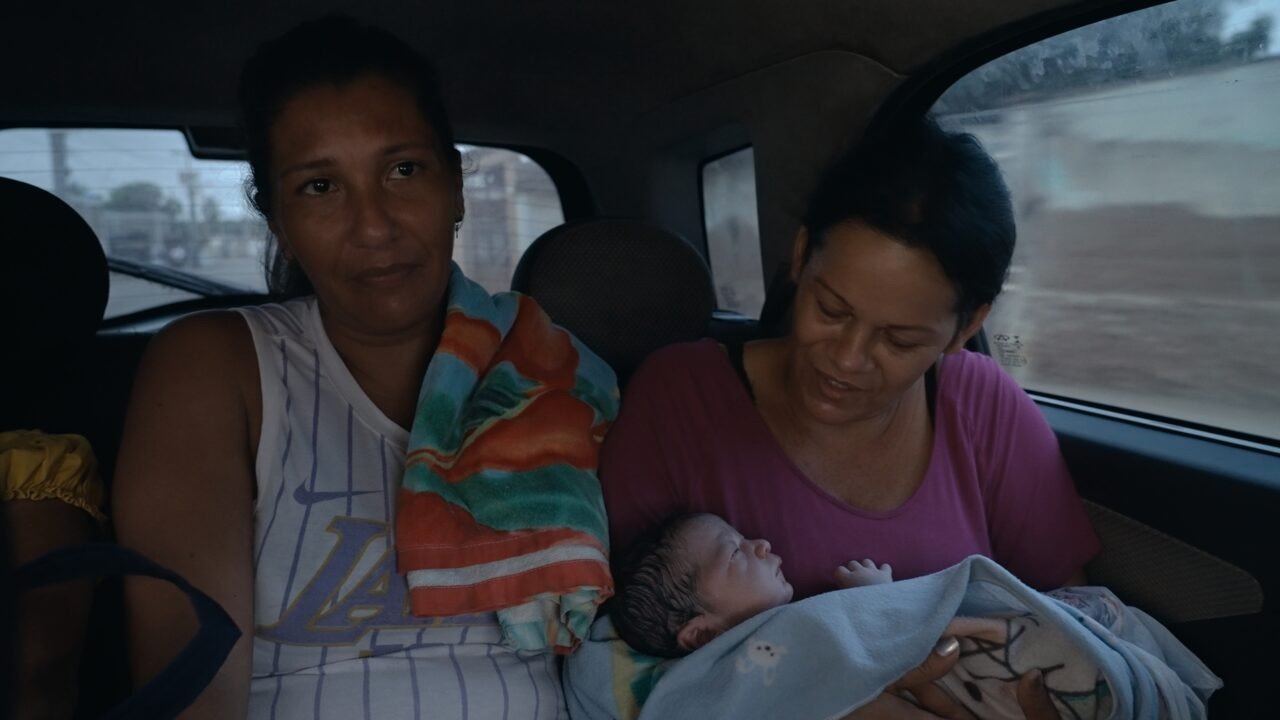
    In the new documentary feature The Cord (Le cordon), French journalist-turned-filmmaker Nolwenn Hervé takes us to Venezuela and inside its “broken health system where life hangs by a thread,” a description of the doc highlights. “Carolina rises as a maternity warrior. Drawing strength from her past, she relentlessly preserves the vital cord between pregnant women and their babies.”

    After all, “giving birth has become a life-threatening act” for the underprivileged in the country, the press notes for the film explain. Carolina fights this crisis with seemingly endless energy and the resilience network she has created in her neighborhood, “leading women in the fight for bodily autonomy and safe birthing conditions.” Her vision is to create a space where ancestral practices and Western medicine come together in a community-led model of care and a “place where women reclaim autonomy over their bodies, their births, and their futures.”

    The Cord world premieres on Saturday, March 14, in the main competition of CPH:DOX, the Copenhagen International Documentary Film Festival, which runs through March 22. Hervé served as director and cinematographer, with Estelle Robin You producing the doc. Grande Ourse Films is handling sales on the film.

    The Cord is one of six films featured in the second edition of Europe Docs!, an online showcase jointly curated by European Film Promotion and CPH:DOX that is designed to put a spotlight on outstanding European documentaries and improve access to the North American market.

    Hervé first went to Venezuela in 2016 as a journalist when working on a French TV story on oil smuggling. “Venezuela was already in the middle of a crisis, and I could see Venezuelan women crossing the border to Colombia to give birth safely, because in Venezuela, they were afraid of losing their babies or maybe dying,” she tells THR.

    She met a nurse there who introduced her to a hospital in Maracaibo, the second-largest city in the country. “It’s very symbolic, because this is the region that has made Venezuela so rich because of its petrol,” Hervé explains. “And I just found the experience so shocking and crazy when she showed me the conditions in this public hospital. Children were malnourished. And this nurse was also selling candies on the street because she couldn’t afford [life] with her salary.”

    She was really “touched, not only as a journalist, but also as a woman,” by what she saw, leading her to embark on the journey of putting together her first feature film. “I wanted to tell this story, but not as a journalist. I wanted to have the freedom of telling the story with a subjective point of view and with an artistic point of view.”

    Hervé says she worked on The Cord for more than five years. She first met the doc’s protagonist, Carolina, in 2021 through a Colombian friend. She immediately knew she had found the voice and the heart of The Cord after what she recalls as “a really impactful meeting.”

    In line with the maternity warrior’s energy, the film ended up not focusing only on the scary and the negative. “She’s a very good example of how we can try to change things when governments and states just fail, and how solidarity and sisterhood are the only things left to survive,” the filmmaker tells THR. “I am getting goosebumps [when thinking about it]. It was a beautiful lesson for me to see all these women together who are feeling, yes, we’re suffering a lot, but we’re together. And I think this is the most beautiful lesson of this experience, of this journey, for me personally and also for the film.”

    One thing that Carolina told Hervé several times is something that the doc maker won’t forget: How the health care expert was proud to be able to make people who are dying laugh. “She’s just full of energy, full of life,” she says.

    And that is what makes the story of Carolina a universal one, the filmmaker emphasizes. “I found it to be a metaphor of our world, our capitalist world, which relies on petrol to supposedly grow,” she shares. “We can relate to [Venezuela through] the increase of authoritarianism and conservative [politicians] cutting health budgets. We can also already see the consequences in Western societies. In France, for instance, maternal mortality is increasing.” Concludes Hervé: “I think the message to keep in mind is, ‘let’s stay together and let’s remain solidary’.”

    The filmmaker and Carolina became very close throughout the process of creating The Cord. “I became the godmother of Carolina’s youngest daughter,” Hervé shares.

    In case you wonder about this, she is aware that one question may come up as people find out about The Cord. “Some people could think I’m French, so what the hell am I doing there in Venezuela?” says Hervé. “It was something much more universal about being women and being together and just talking and experiencing what life and death are.”

  • Gene Simmons Says Celebrities Should “Shut the F*** Up” About Politics

    Gene Simmons, the frontman of KISS, is tired of hearing celebrities’ opinions on politics.

    The rocker was recently asked by TMZ for his thoughts on stars who are outspoken about their criticism of Donald Trump, such as Ben Stiller, who recently called out the president after the White House used a clip of his 2008 movie Tropic Thunder in an Iran war propaganda video.

    “Everybody in the world should listen to what actors and comedians say, because they’re so qualified,” Simmons responded sarcastically before adding in a more serious tone, “Basically, shut the fuck up. Do your art and shut up. Nobody’s interested in their opinions. That includes me, who I vote for, who I like,” Simmons said. “Who the fuck do you think you are?”

    The musician continued, “People in America work hard for their living, and they don’t want to be lectured to by people who live in mansions and drive Rolls-Royces. It’s time for everybody in the entertainment industry to shut their piehole and just do your art. Nobody cares what you think. I don’t.”

    Simmons specifically mentioned actor Mark Ruffalo, who has been quite vocal about politics and his disdain for Trump.

    “What would Mark [Ruffalo] think about politics?” he said before replying, “I don’t care.”

    Siller and Ruffalo aren’t the only celebrities who have been outspoken about their political stance. Just this year, during the 2026 awards season, numerous stars have called out Trump and his divisive policies during their acceptance speeches alone.

    At the 2026 Grammys, Billie Eilish slammed ICE while accepting her award with her brother Finneas O’Connell. In the days that followed, Sen. Ted Cruz and Shark Tank star Kevin O’Leary were among those who also criticized her for getting political. But who came to Eilish’s defense? Ruffalo, telling O’Leary to “STFU.”

    While the KISS member seems to now be taking a more silent approach to his political views, he’s previously shared mixed opinions about Trump. He previously told Bill Maher on his Club Random podcast in 2022 that he “was happy” when The Celebrity Apprentice first got elected in 2016.

    However, he was later critical of how polarized politics has become because of Trump. “The person that I saw first coming into power is not the person I saw within a year or two of that,” Simmons told Maher at the time.

    More recently, he expressed his gratitude to the president after KISS was recognized at the 2025 Kennedy Center Honors, saying that the rock band is “deeply honored.”

  • Lady Gaga Memory Test, Cocaine-Fueled Affair With Martin Scorsese Among Liza Minnelli Memoir Shockers

    Lady Gaga Memory Test, Cocaine-Fueled Affair With Martin Scorsese Among Liza Minnelli Memoir Shockers

    In her long-awaited memoir, Kids, Wait Til You Hear This!, showbiz icon and EGOT winner Liza Minnelli — who turns 80 on March 12 — pulls back the curtain on a life lived at maximum volume. Across its 400-odd pages, the Cabaret star dishes on a life filled with famous friends, explosive romances, family wounds and backstage chaos.

    The Hollywood Reporter has sped-read through the book to compile a list of its wildest anecdotes and confessions, which include the full retelling of her Oscar-night humiliation; the inside account of her drug-fueled affair with Martin Scorsese; and gory new details behind two of her doomed marriages.

    Minnelli claims Lady Gaga insisted on a wheelchair at 2022 Oscars — and subjected her to a cognitive test

    Minnelli recalls the chaos surrounding her appearance at the 2022 Academy Awards, writing that after witnessing Will Smith slap Chris Rock onstage, she thought “nothing worse could happen that night,” only for what she describes as her own nightmare to unfold backstage. Scheduled to present best picture with Lady Gaga while commemorating the 50th anniversary of Cabaret, Minnelli says that minutes before air she was told she could not sit in the director’s chair she had requested. According to Minnelli, Gaga then insisted she would not go onstage unless Minnelli used a wheelchair and even suggested she might be better off going home. “Why?” Minnelli writes was her incredulous response. She adds that Gaga quizzed her backstage to test whether her memory was intact, asking the name of the film being celebrated and the character she had played in it. In the confusion, Minnelli says she was pushed onstage seated so low that she struggled to read the teleprompter, creating the impression she was not only physically frail but mentally diminished. “That night and in the days that followed, [Gaga] was widely praised for this seemingly gentle gesture, which came at my expense,” Minnelli writes, adding that she has never received an apology for what she describes as a humiliating moment.

    She says ex-husband David Gest manipulated her, drained her finances and nearly stole her art

    Minnelli portrays her marriage to David Gest as a con that devolved into financial and emotional exploitation, writing that the concert promoter won her over with grand promises about reviving her career. “Liza, you deserve to be the biggest star in the world. And that’s what we’re going to do, together,” she recalls him telling her, though she says the relationship soon became transactional once concert money began flowing in. Gest gained access to her accounts, she writes, and “just took whatever he wanted… He threw it away as if we were billionaires.” At one point, she says, she realized he was eyeing her valuable art collection. “He was coming for my Warhols!” Minnelli writes, noting that friends including Andy Warhol and designer Halston had long warned her to protect the pieces. When Gest allegedly tried to sell them while she was out of town, she says he discovered he had access only to copies. “Loser!” Minnelli adds. She also recalls feeling repulsed at their wedding by what she describes as an aggressive public kiss, writing that Gest “plunged his tongue deep into my mouth. Like a shark mangling a piece of meat… It was grotesque.”

    Minnelli walked in on first husband Peter Allen having sex with another man

    Minnelli recounts one of the most shocking moments of her marriage to Peter Allen when she returned home unexpectedly from a shopping trip and walked into their apartment to find him having sex with another man in their bed. “My center of gravity crumbled. My mind was spinning… all I could do was stand there. Disbelieving and numb,” she writes. Allen soon approached her in tears and confessed, “Liza, I love you more than anyone in the world… and I’m gay.” Minnelli says the revelation did not immediately end the marriage. “In the end, this didn’t break us. In that sad moment of discovery, we still felt enormous love for each other,” she writes, though the image lingered painfully: “Whenever we were apart, the image of two men having sex in our bed would come racing back into my brain.”
     
    Mother Judy Garland’s addiction forced Minnelli to become her full-time caretaker at 13

    Minnelli writes that growing up with Judy Garland forced her into adult responsibilities almost immediately. By 13, she says, she had effectively become her mother’s caretaker, acting as “a nurse, doctor, pharmacologist, and psychiatrist rolled into one,” while monitoring Garland’s medication and giving her pills so she could function. “Then I’d watch to make sure she was okay,” Minnelli writes, recalling how she even called doctors herself begging for prescription refills. She says she also learned early how volatile her mother could be. “At 5 years old, I learned that if Mama got angry, she was the most terrifying person in my life,” she writes, adding that the chaos of Garland’s addiction left her with a lasting trigger, “a horror of screaming voices.” Financial instability was constant as well. Minnelli remembers repeatedly sneaking out of hotels because Garland could not pay the bill, piling on layers of clothes with her siblings before slipping out the door. “We’d put on all the clothes we could, maybe five layers, and walk out laughing,” she recalls. Even amid those crises, Minnelli says Garland remained acutely aware of her public image. “Mama wanted people to feel sorry for her. No matter how bad the stories were, she loved playing the victim,” she writes, describing it as an early form of celebrity branding.

    Minnelli details her torrid, cocaine-fueled affair with Martin Scorsese

    Minnelli describes her romance with New York, New York director Martin Scorsese as volatile and passionate, writing that “our love affair had more layers than a lasagna.” The two bonded, she says, over their shared Italian heritage and artistic intensity. “We were both Italian. Passionate. Intense. Committed to our craft. We both had volcanic tempers.” As production progressed on the film, which she says unsettled her because of its reliance on improvisation, Scorsese’s cocaine use escalated. “It seemed that was no longer recreational for either of us. It was day and night. On the set, in between takes, and when we went out in the evening,” she writes, adding that the pair were “constant companions” during that period. Scorsese, she recalls, insisted the drug fueled his creativity. “Marty claimed the drug helped his creative juices. Sure it did. Or is that just one more fabulous lie you tell yourself when you’re in the grip of substance abuse? Only Marty can answer that for himself.”

  • Security to Be Increased at 2026 Oscars Amid FBI Alert About Iran’s “Surprise Attack” Plan on California

    Security to Be Increased at 2026 Oscars Amid FBI Alert About Iran’s “Surprise Attack” Plan on California

    Oscars producers have promised that they “want everybody to feel safe and protected” at the 2026 Academy Awards on Sunday amid reports of an FBI alert about Iran‘s plan to attack California with drones.

    During a press conference on Wednesday, days before Hollywood’s biggest night at the Dolby Theatre, Oscars telecast executive producers Katy Mullan and Raj Kapoor said the ceremony will have increased security.

    “We have the support of the FBI and the LAPD, and it’s a close collaboration,” Kapoor said. “This show has to run like clockwork. But we want everybody that is coming to this show, that is witnessing the show, that is even a fan of the show when they’re standing outside the barricades, we want everybody to feel safe and protected and welcome, so it’s our job as a producing team to make sure that that translates.”

    The Hollywood Reporter has reached out to the Los Angeles Police Department and the Los Angeles County Sheriff’s Department for comment, but did not hear back at the time of publication.

    While security will be increased at the Oscars again this year, security at the celebrity-filled awards show has always been robust in the past as well.

    The producers didn’t comment on the alleged FBI alert directly, but their comments came shortly after reports that the federal agency had warned California law enforcement in recent days about the possibility of a retaliatory drone attack by Iran.

    “We recently acquired information that as of early February 2026, Iran allegedly aspired to conduct a surprise attack using unmanned aerial vehicles from an unidentified vessel off the coast of the United State Homeland, specifically against unspecified targets in California, in the event that the US conducted strikes against Iran,” the alert read, which was distributed at the end of February, according to ABC News. “We have no additional information on the timing, method, target, or perpetrators of this alleged attack.”

    California Gov. Gavin Newsom shared on X that he is also monitoring any potential threats to the Golden State.

    “I am in constant coordination with security and intelligence officials, including at @Cal_OES, to monitor potential threats to California — including those tied to the conflict in the Middle East,” he wrote. “While we are not aware of any imminent threats at this time, we remain prepared for any emergency in our state.”

    Since the conflict between the U.S. and Iran started at the end of February — the military strikes were coordinated by the Trump administration and Israel, targeting Iranian military infrastructure, nuclear facilities and leadership — there have been ongoing concerns that Iran could seek to retaliate on American soil as tension in the Middle East continued to rise.

    Beatrice Verhoeven contributed to this story.

  • THR’s Art of Oscar Comes to Megan Mulrooney Gallery

    THR’s Art of Oscar Comes to Megan Mulrooney Gallery

    For the third consecutive year, The Hollywood Reporter has handed Hollywood’s most coveted trophy to a group of West coast artists and asked them to do their worst with it. The results go on display this Thursday, March 12, when the third annual Art of Oscar exhibition opens at Megan Mulrooney gallery in West Hollywood, running through March 21.

    The portfolio — a THR tradition launched in the 2023 Oscars issue — commissions L.A. artists to reimagine the gold statuette that Cedric Gibbons first sketched in 1928. Previous editions, exhibited at Jeffrey Deitch and AF Projects, gave us Kenny Scharf launching the little gold man into deep space, Karon Davis recasting him as an ancient Egyptian deity and Austyn Weiner turning him into a mischievous mail-art project.

    This year’s class of 13 artists is no less unruly. Among the highlights: a glazed earthenware candelabra evoking a biblical oil lamp, a mirrored cupid doll titled This Is Spinal Tap, an Oscar in a wheelchair and one gold statuette sharing a still life with a loaded revolver.

    Participating artists include painters Frances Stark, Salomon Huerta, Alex Becerra and Aryo Toh Djojo; sculptor and ceramicist Nicki Green; fiber artist Erick Medel; assemblage artist Daniel T. Gaitor-Lomack; sculptor Kelly Lamb; veteran abstract artist Charles Arnoldi; collaborative duo Eddie Ruscha and Francesca Gabbiani; painter Greta Waller; Guggenheim Fellow E. Barker; and 86-year-old landscape painter Jessie Homer French.

    The opening reception is Thursday, March 12, from 5 to 8 p.m. at Megan Mulrooney, West Hollywood. The exhibition runs through March 21.

  • Paley Center to Honor Warner Music Group’s Robert Kyncl, Vivendi’s Arnaud de Puyfontaine and ‘Charlie’s Angels’ at Spring Gala

    Paley Center to Honor Warner Music Group’s Robert Kyncl, Vivendi’s Arnaud de Puyfontaine and ‘Charlie’s Angels’ at Spring Gala

    The Paley Center for Media is arranging the pieces for its Paley Honors Spring Gala program.

    The event — to be held at New York’s The Plaza on Fifth Avenue on May 14 — will honor Vivendi CEO Arnaud de Puyfontaine, Warner Music Group CEO Robert Kyncl and the iconic television show Charlie’s Angels with the organization’s Paley Honors Award. Series stars Kate Jackson, Jaclyn Smith and Cheryl Ladd will be in attendance.

    “The Paley Honors celebrates the visionaries whose leadership, creativity and transformative ideas have left an indelible mark on our culture,” said Paley Center president and CEO Maureen J. Reidy. “We are proud to recognize Arnaud de Puyfontaine, Robert Kyncl and the 50th anniversary of Charlie’s Angels with Kate Jackson, Jaclyn Smith, and Cheryl Ladd and we look forward to what promises to be an unforgettable and inspiring evening.”

    Prior to his current tenure at Vivendi, de Puyfontaine held leadership roles at Le Figaro, Emap Group and Editions Mondadori France. In 2009, he joined Hearst as CEO of its UK subsidiary and executive vp of Hearst Magazines International. He’s been chairman of the management board and CEO of Vivendi since June 2014.

    Kyncl leads global operations at Warner Music Group, which he joined in 2023 after 12 years as YouTube’s chief business officer. Prior to that, Kyncl posted up for a seven year run at Netflix, where he helped the company navigate a pivot from DVD-by-mail to streaming. He began his career at talent agency J. Michael Bloom, and also worked for HBO International. “It’s a privilege to receive this honor and I’m proud to support the important work this organization does for the media industry, fostering the dialogue we need to have as leaders to navigate the challenges of the digital age,” Kyncl said of Paley Center and his forthcoming honor.

    Meanwhile, the honor for Charlie’s Angels comes in a year that marks the show’s 50th anniversary. (Also noteworthy: Paley Center is toasting a 50th milestone this year, too.) Per the organization, the femme forward series and its three stars are being celebrated for “their pioneering contributions to the media landscape and their enduring impact on television.”

    Proceeds from Paley Honors supports the museum’s educational programs and preservation initiatives within the Paley Archive. More intel on the event can be found here.

  • Writer Guild’s Top Negotiators Are Willing to Play Hardball This Time, Too

    Writer Guild’s Top Negotiators Are Willing to Play Hardball This Time, Too

    The Writers Guild of America may be facing a contracting business, a staff strike on its doorstep and a funding crisis for its health plan, but on Tuesday, union leaders made clear they are uncowed heading into this year’s contract negotiations with Hollywood’s top companies.

    “Whatever cycle we’re in, writers, we know our value, we know the contributions we make to the industry, and we are not, as I think you know, a union that gives away our power,” union president Michele Mulroney told The Hollywood Reporter.

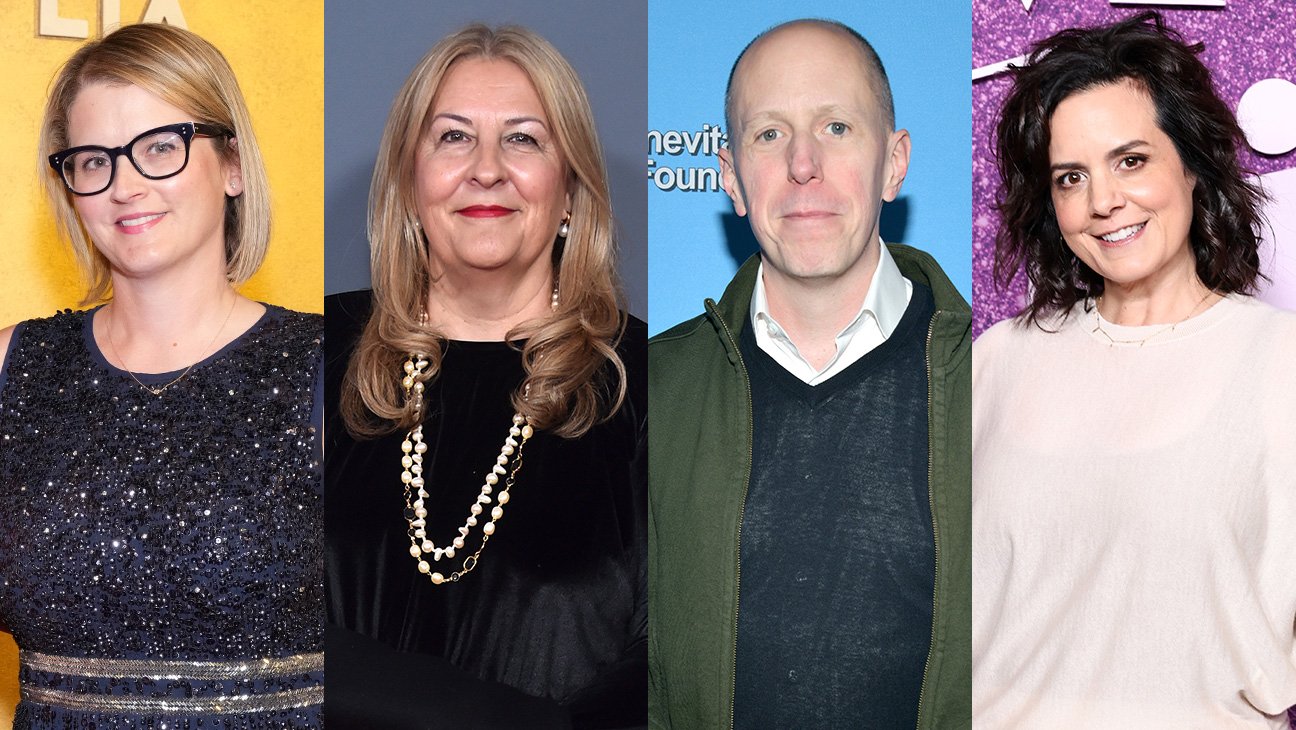
    Mulroney sat for an interview alongside chief negotiator Ellen Stutzman and co-chairs of the WGA negotiating committee, John August and Danielle Sanchez-Witzel. The group spoke ahead of negotiations with the Alliance of Motion Picture and Television Producers that are set to begin Monday, not long before the contract’s May 1 expiration date.

    This year, negotiators are laser-focused on shoring up the union’s health plan, which is in the red and facing a complete depletion of reserves if conditions don’t change soon. Mulroney made clear that securing this benefit is the union’s number one priority and that the labor group will ask for “significant amounts of money” from their employers to make that a reality.

    But negotiators for Hollywood’s most aggressive union are also planning on convincing studios to pay up in a number of other ways: by remunerating writers for licensing their work to AI companies, by expanding the union’s success streaming bonus, by extending “second step” screenplay payments to more writers and by amplifying residuals.

    Whether the likes of Netflix and Apple TV+, collectively represented by new AMPTP president Gregory Hessinger, will play ball is another matter. But as Stutzman made clear during the interview, she’s not interested in hearing studio execs plead poverty.

    “Writers look and say, well, Netflix was just willing to pay $72 billion to buy Warner Brothers, and now it’s $2.8 billion richer just for failing to do that. And Paramount is spending $81 billion. So we’re not interested in hearing there’s no money.”

    Read the full interview below.

    Does the fact that you struck in 2023 change the strategy or approach for you this time?

    DANIELLE SANCHEZ-WITZEL Our hope is that the lesson learned from 2023 is that the companies come to the table to bargain a fair deal from the beginning. That’s our hope. It took 148 days for them to realize that they could negotiate a fair deal that addressed the very real needs and concerns of the writers who make this industry possible. I’ll just start with that.

    JOHN AUGUST I’ll add on that a fair deal looks like one that recognizes that writers need to make a career writing film and television and make sure that career is sustainable. And so the priorities in this negotiation are really about the sustainability of this career, both for the individual writers and for the industry who needs these writers to create the film and television that funds this industry.

    MICHELE MULRONEY Whatever cycle we’re in, writers, we know our value, we know the contributions we make to the industry, and we are not, as I think you know, a union that gives away our power.

    To address the elephant in the room, is a strike a possibility again this year?

    MULRONEY Well, I mean, we have to keep all options on the table. And as John said, our members are laser-focused on what we need in this cycle. We have very specific needs, as I think you’re aware because we’ve been very open about it, for our health and pension plans that writers have fought very hard over decades to secure.

    ELLEN STUTZMAN In every negotiation writers come in seeking a fair deal, and it really is about what the companies do. In 2023, none of the people on this call or in that negotiating committee wanted to strike, but the companies left us with no option because they wouldn’t negotiate. And as Danielle said, it took them 148 days to figure out, oops, they could, and did. And that’s why we are really hoping that they’ve retained that lesson when it comes to 2026.

    Since we’re on the subject, Ellen, we have new leadership at the AMPTP with Gregory Hessinger. After having met with him, do you think the tone of negotiations will be any different?

    STUTZMAN Remains to be seen. I would say they always bargain hard on that side, and I don’t think we expect anything different, but we really do hope that if they want stability, the best way to get stability is by negotiating a fair deal with writers before [the contract’s] expiration.

    What would you characterize as your most important or key issues in this round?

    MULRONEY As I said earlier, that does come back to the fundamentals of our health and pension plan and making sure that they’re shored up and they’re strong and that they are there for writers. We rely on them heavily. You know that we made improvements to the health fund in both 2017 and 2023, but then the companies obviously made the choice to produce less scripted entertainment in the last bunch of years, going back to 2022 when we saw the beginning of a contraction. And of course that’s put a lot of stress on our fund because fewer writers working means decreased contributions coming into the plan. So writers are, of course, severely aware of the contraction itself, and they’re very clear-eyed on what that has done to stress out our health plan. So we will be coming in asking the companies to increase their contributions in significant ways.

    The union has said that at its current rate, the plan will run out of reserves during the next contract term. How does the severity of the state of the health plan impact your leverage on other issues?

    MULRONEY Well, again, we’re going to need significant contributions to the health plan, so that will be factored in. But we have, I think, a very tailored and very specific and very strategic set of proposals that we’re putting forward that addresses the core issue. John talked about the sustainability of career as a writer. And so those we’ll need to get attention to. But of course, yes, the health plan is going to be a very, very key headline for us, and we’re making no secret about that.

    What do you want to change or expand regarding your AI protections?

    AUGUST In 2023, we were the first union in the world to fight for and ultimately win these fundamental protections when it comes to AI and how it impacts our work. And the good news is those specific protections we won have held up. And the studios are not trying to replace us with AI. They’re not adjusting our scripts to generate materials to replace us. Where we have seen changes and more recent changes is with companies like Disney with their deal with Sora, licensing material they own to AI companies to generate AI outputs, and that’s an area of concern. Clearly, the companies own the copyrights on this material, but if they’re taking our scripts to make a movie or a show, and then they’re turning around and are using it to feed an AI model and they’re licensing it to an AI model, that goes back to the principles of the MBA. Which is that when our employers are monetizing our shows and our movies to create things derived from our work, the writers get a share of that.

    One of the goals in this negotiation is to stake a claim that if our employers are using material that Guild members wrote to enable AI-generated outputs, they must compensate us. And that’s why we’re laying down this as a foundation that there has to be some payment for training and AI outputs based on our work. This is consistent with what we’ve always done in terms of reuse of our material. And so while it’s a new technology, it’s not a new concept.

    One of your main objectives this year is improving the terms of television employment. What specifically are you looking to change or improve in that area?

    SANCHEZ-WITZEL We have to continue to build on the gains we made in 2023 in all areas. So free work is a major problem, both in features and TV. Development doesn’t have a calendar anymore in television so we need to protect writers working on pilots from being held exclusive and unable to find other work for long periods while the companies take their time making decisions. And then another major gain that we got in 2023 was ensuring writers rooms would continue to exist and that writers would be involved in the making of a show from the beginning to the end. So we set minimum staff sizes as a floor and the overwhelming majority of shows continue to staff above the minimum; the floor did not become the ceiling. So we’ll continue to improve on those provisions and we’ll look at targeted changes in development rooms and rooms with larger episode orders and in production where our current requirements actually exclude too many shows.

    AUGUST On the feature side of this, in 2023 we started addressing free work issues with a guaranteed second step for screenplays. Everyone knows that a screenplay isn’t done in one draft and before 2023, that meant too many writers were simply doing an unpaid rewrite. So the guaranteed second step was an important step to cover some writers. We need to expand this provision to make sure it addresses more writers. We also have to expand our thinking about free work because so often the free work is coming at the request of a producer, and that’s why we want to make sure that if our producers are asking writers to do another draft, that draft is paid for. So it’s designating producers as agents of the company.

    You mentioned unfinished business from 2023, with AI being one of those things. Is there anything else that you’re looking to pick up on in this round?

    STUTZMAN I would just add, in the area of residuals, we want to continue to build on residuals for all streaming programs as the services continue to grow, domestically and in foreign markets. And the companies continue to increase prices or add advertising and just find more ways to make money off of writers’ material. What writers receive and residual compensation has to keep up with that growth. And similarly with the streaming bonus, which was a great outcome of 2023, to get the companies to say, “We are going to institute some measure of success for these programs and writers can participate in that success.” Which is fundamental to how writers have always participated in the success of their work through residuals as things go to subsequent markets. That was a great thing that the companies absolutely did not want to do. And now we’ve had a few years with it and it’s time to say it should be more money and it should apply to more projects.

    You may be starting negotiations as the WGA staff is still on strike. How does the executive staff of the union plan on balancing dealmaking with its own staff and dealmaking with the studios and streamers?

    STUTZMAN Well, we can walk and chew gum. We can do two things at one time. First contracts can be challenging and we bargained a fair contract and we’ve done so in good faith. And I think we’ve made an offer that we’ve showed our membership that backs what we say. But regardless of that, we’ve reached out to the WGSU to see if there’s a path forward before we go into the MBA and we’ll see what that does. But we’re really focused, as this group is and the negotiating committee has been for months, on doing the most important thing we do for our members, which is negotiate the MBA.

    No negotiating dates on the schedule yet ahead of the MBA negotiations?

    STUTZMAN I think we’re going to meet tomorrow.

    The WGA has argued that entertainment profits have returned and companies would be disingenuous to cry poverty at this stage. But the streaming business may never be as consistently profitable as the peak of Pay TV was. How do you plan to transition this contract into this brave new world while also dealing with the realities of the streaming landscape?

    STUTZMAN But still very profitable, let’s not forget this. It’s almost $25 billion in profits. What, Netflix makes like $10 billion? I’m sorry, the streaming business can be very profitable. I’ve never been in a negotiation where the companies haven’t said, “Oh, something’s not doing great. We can’t afford this. ” And that’s including during the era you’re referring to. So at the end of the day, they can afford to make a fair deal with writers. And look, they have really figured out the streaming business. They have grown subscribers, they have raised prices, they have added advertising, they’re bundling, they’re doing all the things that made cable television so profitable. So I struggle to accept that they would consider this not a good business just because it’s not quite as profitable as it used to be. And writers look and say, “Well, Netflix was just willing to pay $72 billion to buy Warner Brothers, and now it’s $2.8 billion richer just for failing to do that. And Paramount is spending $81 billion. So we’re not interested in hearing there’s no money.

    SANCHEZ-WITZEL This is why we’re focused on an agenda for this negotiation that protects the career writers in this industry, because it’s ultimately to the benefit of the companies who rely on us to create the films and series that bring them those billions of dollars.

    We’re coming off of a three-year period where so many writers have been hurting from the contraction and the downward pressure on costs. What would be the ideal scenario at the end of these negotiations to improve the situation for writers?

    MULRONEY We’ve said this forever, because it’s just the truth, that although we cannot as a union control the number of shows or movies that studios choose to make, or what’s in and out of vogue, the creative mandate’s always shifting. There’s so much we can’t control, but what we do want to make sure that we’re consistent on, it will be an eternal theme for us, is that when a writer is working, they’re compensated fairly, their working conditions are fair, the value of their work is reflected in all aspects of their contract. That’s what this union has done since its inception. It’s what we’ll continue to do in the MBA. It’s an opportunity every three years to really put a fine point on that and zero in on areas where we need to shore things up and make sure that we come out of this with a writer believing work is tough right now, the environment is very, very tough, but when I am working, I know I’m working with the best possible protections around me.

    This interview has been edited for length and clarity.
  • Kevin Spacey Testifies About Imploded ‘House of Cards’ Final Season

    Shifting loyalties. A mishmash of half-truths in pursuit of a nine-figure insurance payout. Complaints from crewmembers against the trio at the top of House of Cards‘ call sheet.

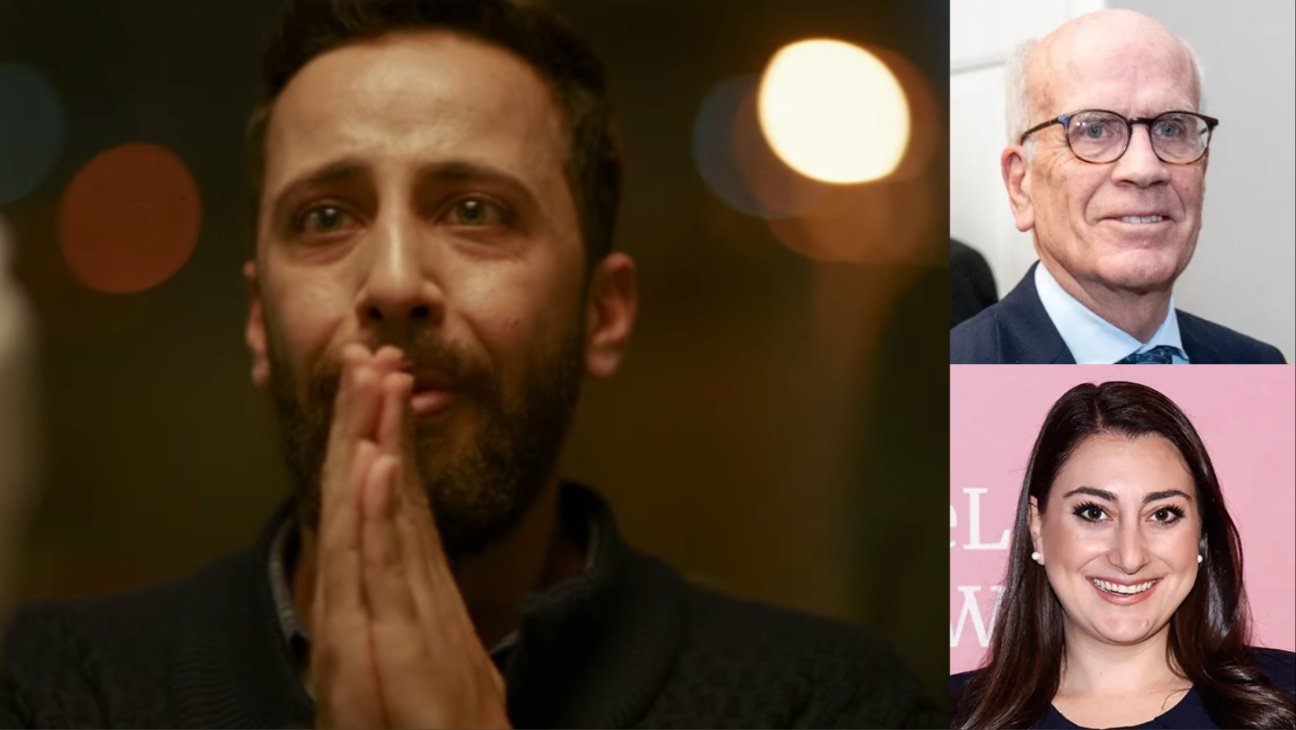
    In a dusty annex at a Santa Monica courthouse on Tuesday, Kevin Spacey detailed the behind-the-scenes maneuvering of people in his orbit to recover money from the imploded final season of the Netflix show. He testified that he was ready and willing to film the sixth season of House of Cards but that he was unfairly ousted on false grounds so the show’s producers could submit a massive insurance claim. The actor was articulate and quick-witted, unrepentant and resolute — challenging the allegations of sexual impropriety and sexual compulsion diagnosis that upended his career nearly a decade ago.

    Spacey’s testimony headlines a long-running case pitting Media Rights Capital, the production company behind House of Cards, against its insurer. In an unusual arrangement, he struck a deal with MRC to reduce its $31 million arbitration award against him in exchange for turning over his medical records. They’re an essential piece of the company’s case to convince the jury that Spacey had a legitimate illness that prevented him from filming.

    Still, bad blood appears to have lingered between the two sides. Spacey was unwilling to conform with MRC’s telling of events despite their deal.

    At every turn, Spacey disputed findings in his medical records from his time at The Meadows, a luxe Arizona rehab facility he checked into after he was accused of sexual harassment, showing that he had a condition requiring treatment.

    “Throughout the medical records, there are comments attributed to me that I never said,” Spacey testified. “They’re under the impression I have a British accent and have a wife.”

    Spacey’s posture on his condition was contested by testimony from Michael Genovese, a psychiatrist and expert witness for MRC who said that Spacey contemplated suicide. “One [idea] was to hang himself the night before he went into The Meadows,” Genovese recounted. Another was to step in front of a vehicle during his stay at the rehab facility, he added.

    Spacey was “unable to fulfill his duties on the set of House of Cards in 2017 as a result of this disease,” Genovese said. “There was no way.”

    Spacey’s refusal to take accountability for his alleged sexual misconduct emerged as a major theme in the line of questioning from Adam Ziffer, a lawyer for the company, possibly to undermine later testimony from the actor that he didn’t have an illness and was prepared to shoot the sixth season of House of Cards. The actor stressed he didn’t believe the CNN report published in 2017 accusing Spacey of sexually harassing crew members, along with other stories revolving around allegations of sexual impropriety.

    “It’d be nice if she corrected her story,” he quipped, referring to the reporter who wrote the story.

    Asked about the legitimacy of accusations of several anonymous accusers, Spacey denied allegations of inappropriate touching. He referred to one the allegations in a prior deposition as an “entirely made up story.”

    In the legal dispute between MRC and Spacey, which resulted in the $31 million judgement, an arbitrator found each of the complaining witnesses credible and that he violated anti-harassment policies in his contract.

    “The conclusion is that for all of these reasons, it’s more likely than not that these incidents occurred,” Ziffer said, which drew a quick reply from Spacey that the standard is a “very low bar.”

    “In your view, none of this occurred because you don’t misbehave on sets,” Ziffer responded. “I think we got a good look at how your accountability works.”

    Spacey was much more receptive to questioning from Fireman’s Fund, which is looking to establish that he was ousted from the production because of media fallout in response to allegations of sexual assault rather than an underlying illness.

    Asked whether he agreed with a diagnosis for sexual compulsive disorder, Spacey said he was initially told by a medical professional at The Meadows that he didn’t qualify as a sex addict. “I only found out later that they had in fact diagnosed me as sexually compulsive,” he said. “I can’t professionally dispute that, but I can personally dispute it.”

    The founder of the rehab facility, he said, later asked him to be a spokesperson for sex addiction. “It was very much obvious they wanted me to be a sex addict.”

    Spacey’s stay at The Meadows has been a major focus of the trial. His lawyer, Todd Rubenstein, told the production company on Nov. 4 that the actor was “available, willing and able to provide all of the services” required under his contract. That clashed with an earlier assertion from his agent, Matt DelPiano, to MRC CEO Scott Tenley a couple days earlier that Spacey was “sick” and going away for a “very long time.”

    Before checking into the treatment center, Spacey’s manager had a conversation with Netflix CEO Ted Sarandos. “He said that I was family and that we were partners and that none of this would effect [House of Cards] and that they would go on hiatus and nothing would happen until Thanksgiving,” the actor said. “That they loved me and supported me and were supportive of my going away to take care of myself.”

    But over Thanksgiving, Spacey learned that Netflix had walked away and publicly divorced itself from him alongside shelving Spacey starring-vehicle Gore despite Sarandos’ representation to him otherwise.

    Also discussed during the hearing: Complaints from crewmembers against Robin Wright and Michael Kelly. “There had been an incident where he pulled a woman who was a member of the crew onto a bed,” Spacey said, referring to Kelly. “It became something that people talked about.”

    The complaint against Wright wasn’t specified, though Spacey was asked about sexual jokes preceding the question implicating the actress.

    MRC seeks upwards of $100 million. The trial began with opening statements earlier this month. It’s expected to last for several more weeks.