Tag: Entertainment-HollywoodReporter

  • ‘Earth, Wind & Fire (To Be Celestial vs. That’s the Weight of the World)’ Review: Questlove’s Tribeca Opener Is a Vibrant Chronicle of a Band’s Ups and Downs

    ‘Earth, Wind & Fire (To Be Celestial vs. That’s the Weight of the World)’ Review: Questlove’s Tribeca Opener Is a Vibrant Chronicle of a Band’s Ups and Downs

    The expansiveness of Questlove’s contact list is in full evidence in his new documentary chronicling the lengthy career of the legendary band Earth, Wind & Fire. Besides the many past and present band members on display, the film includes commentary by such figures as Stevie Wonder, Lionel Richie, H.E.R. and Flea, among others, all attesting to the band’s lasting influence. Oh, and there’s also Barack and Michelle Obama, commenting on such weighty issues as the intricacies of slow dancing to the band’s love songs.

    The musician/filmmaker — who has demonstrated his cinematic bona fides with his Oscar-winning Summer of Soul and Sly Lives! — delivers another superb effort with the colorfully titled Earth, Wind & Fire (To Be Celestial vs. That’s the Weight of the World), receiving its world premiere as the opening night film of the Tribeca Film Festival days before airing on HBO. 

    Earth, Wind & Fire (To Be Celestial vs. That’s the Weight of the World)

    The Bottom Line

    A shining star of a music documentary.

    Venue: Tribeca Film Festival (Gala)
    Director: Ahmir “Questlove” Thompson

    1 hour 59 minutes

    What distinguishes Questlove’s documentaries is not only his obvious knowledge of his subject matter but also his sheer enthusiasm. He approaches these projects with the energy and excitement of a true fan, which proves infectious.

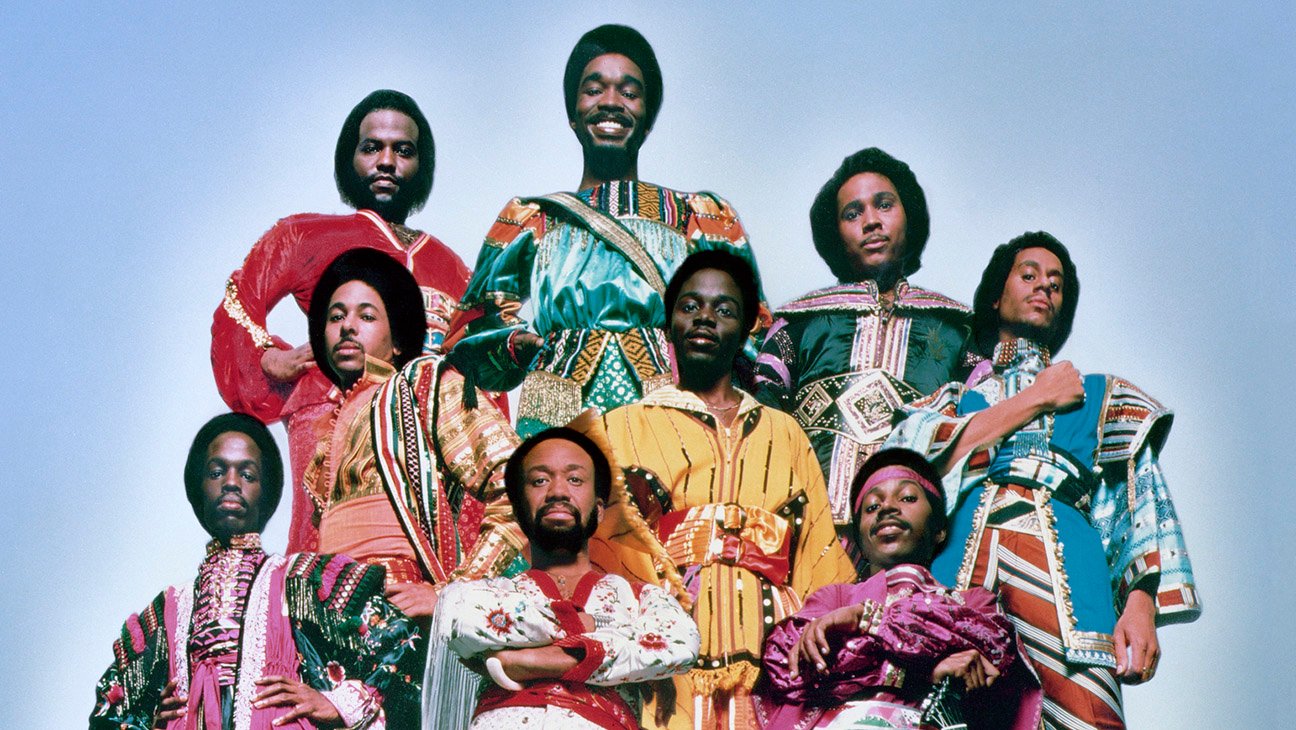
    He has plenty to delve into with this effort about the six-time Grammy-winning band that is still touring more than a half-century after its 1971 debut album. The group was formed by Maurice White, whose troubled childhood is recounted in the film’s opening minutes. Growing up in racially segregated Memphis, he was raised by his grandmother when his single mother relocated to Chicago in order to find work. According to those who knew him, White never fully got over his feelings of abandonment.

    After serving as a session musician at Chess Records, he became the drummer for the hit-making Ramsey Lewis Trio. He left that jazz group at the height of its success to form his own band, its name inspired by elements of his astrological chart (the word “wind” sounded better than “air”). The band initially struggled commercially, and White, already demonstrating his ruthlessly pragmatic approach, fired its original members and formed a new group featuring younger musicians including vocalist Philip Bailey.

    This incarnation jelled, and the band’s fortunes started to take off when they were signed to Columbia Records by Clive Davis. After being overshadowed by George Clinton’s Parliament-Funkadelic when Earth, Wind & Fire served as their opening band, White became determined to make the group funkier. Because of their exposure on the televised 1974 “California Jam” festival, they began to cross over to white audiences.

    “He was the visionary, and the power belongs to the visionary,” Bailey says of the endlessly ambitious White, who soon added sophisticated orchestrations and theatricality to the band’s mix. They had their first major pop hit with “Shining Star,” which we learn began as a simple jam. Questlove shows us various interview subjects grooving to the song, including Stevie Wonder, who says that it led him to compose his classic “I Wish.”

    “My mind’s blown!” exclaims Questlove. “I didn’t see that coming!”

    Inspired by his explorations into religion, philosophy, metaphysics and Afrofuturism, among other things, White kept expanding the band’s horizons. He added a horn section and elaborate costuming, hired Tony-winning choreographer George Faison (The Wiz) to stage their tour and magician Doug Henning to create illusions.  

    “It wasn’t a show, it was musical theater,” comments a still-awed Lionel Richie. Mesmerizing footage from one concert shows bassist Verdine White (Maurice’s brother) not missing a note as he becomes levitated and continues playing his instrument while sideways.

    Eventually, White’s ambitions got the better of him. He opened his own studio and production complex at a tremendous cost, and the band’s tours became so elaborate that they consistently lost money. Seeking hits, he embraced such trends as disco, with “Boogie Wonderland” as a result. The record did well, but not everyone was a fan.

    “It’s not that I didn’t like it,” says songwriter/producer Jimmy Jam. “But it didn’t go into my soul like their music usually did.”

    White also recruited David Foster as a collaborator, resulting in a more pop sound. But the move alienated the band’s members, who felt squeezed out, as if they were mere session musicians.

    “The idea of a democracy is an illusion in our band,” Bailey says.

    The film praises White’s musical genius without neglecting his faults, including serial adultery that resulted in several children with women other than his longtime partner, Marilyn White.

    “I’m Maurice’s youngest son,” Eden White introduces himself, before adding with a laugh, “that we know about.” When Marilyn confronted Maurice about his infidelities, he excused his behavior by saying, “I’m a star.”

    Darker times for the band followed in the 1980s, when musical tastes changed and record buyers gravitated to the likes of Michael Jackson and Prince. White treated his bandmates badly, denying them royalties and underpaying them. The quality of the music suffered, several of the members quit, and in 1984 he suddenly dissolved the band.

    “He did to them what was done to him as a child,” White’s son KB (one of the film’s executive producers) explains.

    White’s solo album Stand by Me failed, while Bailey achieved new heights with a solo career that included the smash hit collaboration with Phil Collins, “Easy Lover.” At the urging of his record label, White reformed a smaller version of the band a few years later, including five of the original members. But the power dynamics had shifted. “I said I would work with him, not for him,” Bailey says.

    Audiences had moved on, however, and a subsequent tour flopped. The band found themselves playing in smaller and smaller venues, but they persevered. And thanks to their music being featured extensively in films and hip-hop samples, they’ve been performing ever since in what is essentially a decades-long victory lap. White, suffering from Parkinson’s disease, retired from touring and died in 2016.

    Using a well-edited combination of vintage and recent interviews and copious amounts of archival footage, the documentary recounts the band’s story in compelling fashion, with Questlove providing enough imaginative stylistic flourishes to prevent it from feeling like an extended Behind the Music episode.

    Most of all, the film vividly conveys the brilliance of the band’s innovative music, culminating with a joyous celebration of their hit “September” that will have HBO viewers rising from their couches to get up and dance.
  • Vasana Montgomery Breaks Silence on ‘Love Island USA’ Exit After Alleged Use of N-Word: “I Am Embarrassed”

    Vasana Montgomery is breaking her silence after she was removed from Love Island USA ahead of the season eight premiere after videos surfaced of her allegedly using the N-word.

    “I want to address a couple videos from my teen years that have recently resurfaced,” she wrote on her Instagram Story Wednesday. ” In those videos, I used a racial slur. There is no excuse for it, and I am deeply sorry. I am embarrassed and disappointed by my words. I take full responsibility for what I said and understand why it has hurt and upset people.

    Montgomery continued,” Since then, I have grown a lot as a person and taken the time to educate myself, listen, learn, and better understand the impact that language can have. That growth does not erase my mistake, and I am not asking anyone to excuse it. I believe people should be held accountable for their actions, but I also believe in growth, learning, and becoming better. To anyone I hurt or disappointed, I am truly sorry.”

    Shortly after it was announced on May 28 that Montgomery was a part of the new slate of Islanders heading to Fiji for the new season of Peacock‘s hit reality dating show, two clips began to emerge on social media that appeared to feature Montgomery using the racial slur. This prompted instant backlash from fans.

    The Hollywood Reporter later learned that she had been dropped from season eight before the first episode aired on June 2.

    It’s understood that the videos in question appeared to be privately owned and not shared online until after the cast announcement, meaning the clips would not have been accessible for prior vetting by the Love Island USA team.

    Montgomery’s departure came after two Islanders were removed from season seven last year for past use of racial slurs. Yulissa Escobar was pulled from the show days after entering the villa after a video resurfaced of her using the N-word, and Cierra Ortega was removed later in the season after she received criticism for a social media post that showed her using a racial slur.

    Love Island USA season eight airs Thursdays through Tuesdays on Peacock. Check out THR‘s show coverage here.

  • Marilyn, On the Block

    Marilyn, On the Block

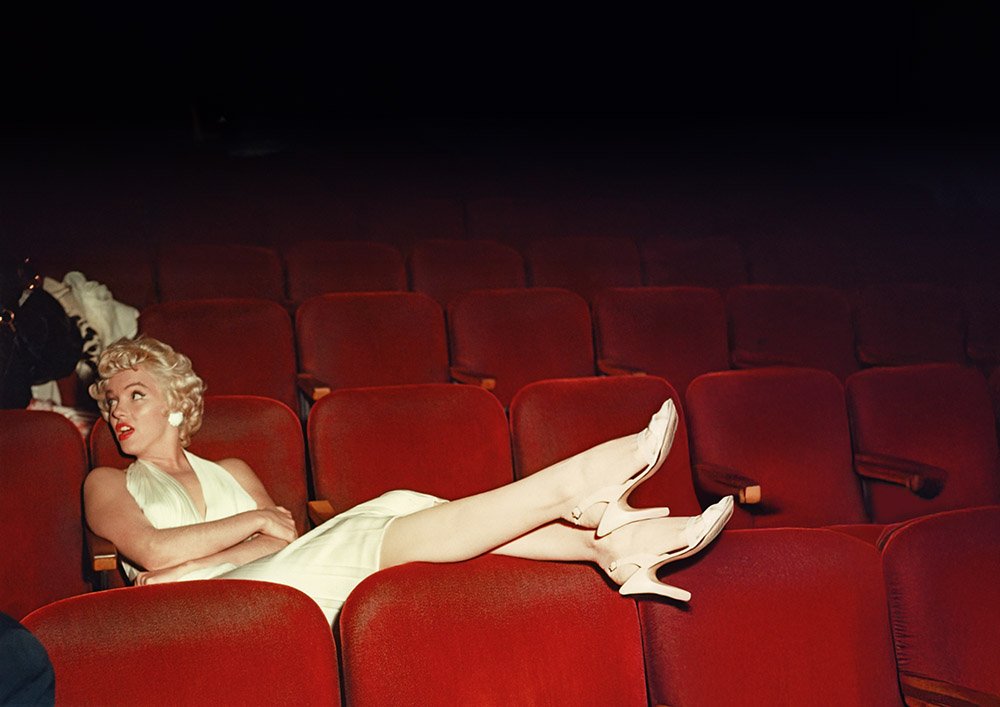
    It’s the most famous bust in America, and it’s for sale. No, not the ones on Mt. Rushmore, but Marilyn Monroe‘s bras, two of which are being auctioned off by Julien’s on June 4 — already bid up to $5K apiece, more than double their $1K-$2K estimates — as part of a sale marking what would have been her 100th birthday on June 1.

    The bras are just two of dozens of personal items up for grabs, including a gold-plated lipstick tube with 70-year-old hot pink lipstick still inside (current bid: $7K), eyeliner for $1,250, and mascara for $800. For buyers thinking big, the 1960s front gates from her Brentwood home at 12305 Helena Drive — roughly one ton of wrought iron — are currently at $15K, shipping not included. They left the property in 1984 when a fan bought them from the then-owner and installed them in the basement of his Minneapolis home, which is either devotion or a storage problem.

    The top lot is expected to be her 1950s minaudière evening purse (estimate: $100K-$200K; current bid: $40K), now owned by fashion designers Tommy and Dee Hilfiger. Most of the personal items trace back to the estate of Monroe’s acting coach Lee Strasberg, who inherited 75 percent of her estate and all her personal effects. Most have also been on the block before — Christie’s in 1999, Julien’s in 2003 and 2016.

    The sleeper items may be the most interesting: never-before-seen photographs and transparencies from Monroe’s 1954 trip to Japan with Joe DiMaggio, with current bids starting at $100.

  • Hollywood’s Most Notable Deaths of 2026

    Catherine O’Hara, James Van Der Beek, Robert Duvall, Eric Dane and James Tolkan are among the entertainment legends the industry lost this year.

    The entertainment industry is already mourning the loss of several Hollywood legends this year, including actors, singers, performers, creatives and executives.

    The Hollywood Reporter is highlighting some of the most well-known figures who have died in 2026, from Catherine O’Hara and James Van Der Beek to Robert Duvall, Eric Dane and James Tolkan.

    Below are more of this year’s most notable deaths within Hollywood, and check out THR‘s obituaries page for other 2026 industry deaths, as well as last year’s entertainment deaths here.

  • Quentin Tarantino Says Post-Pandemic Movies Are Riddled by “Flaws, Miscast Performers or Just Plain Stupid S***”

    Quentin Tarantino Says Post-Pandemic Movies Are Riddled by “Flaws, Miscast Performers or Just Plain Stupid S***”

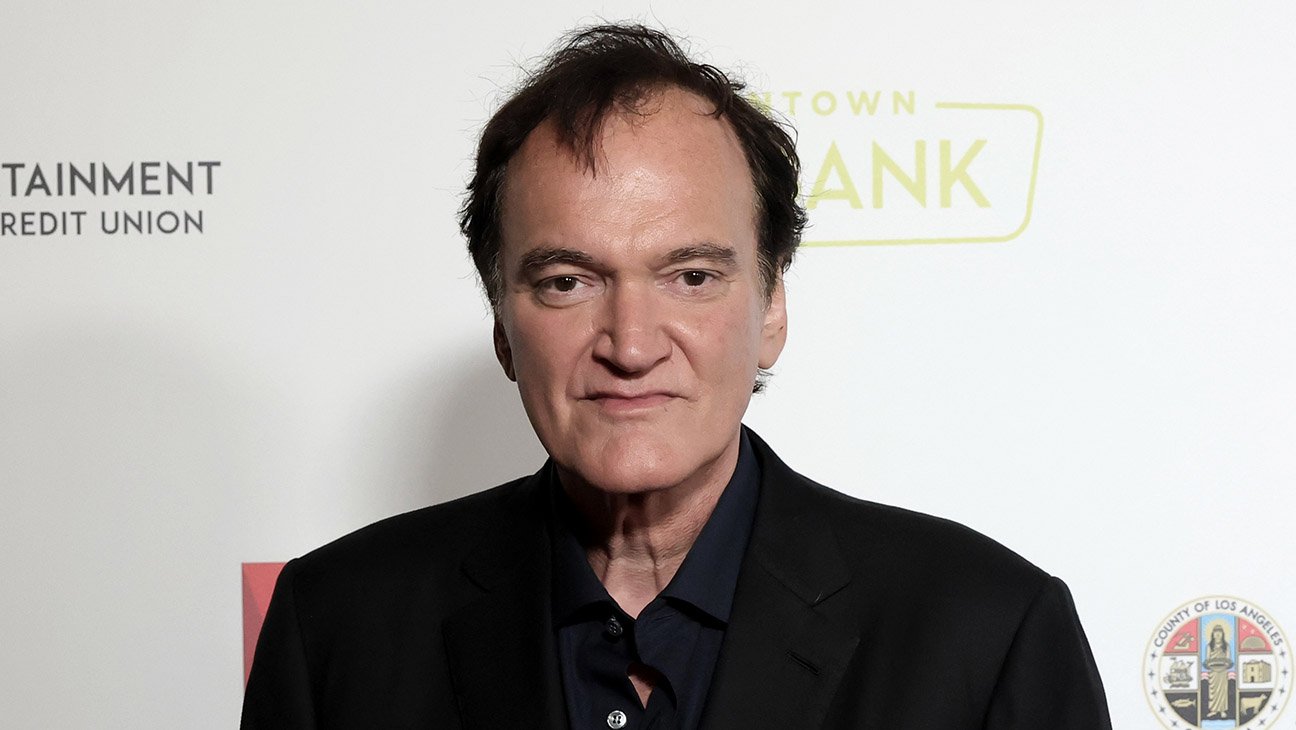
    Quentin Tarantino is sharing his opinion on the new films coming out as of late, slamming them for the “just plain stupid shit [that] usually torpedoes every new movie coming out of the flavorless sausage factory that used to call itself Hollywood.”

    The Pulp Fiction director penned a new op-ed for Sight and Sound magazine, where he explained that since the pandemic, he can’t seem to find a new movie that he doesn’t “pick to death.”

    “Since the pandemic, for me anyway, it seems almost impossible for a new movie to come out that I don’t pick to death. Flaws, implausibilities, audience pandering, miscast performers or just plain stupid shit usually torpedoes every new movie coming out of the flavorless sausage factory that used to call itself Hollywood,” he wrote. “These days, the entire concept of what is a movie is more inclined to inspire contempt in me than generosity. Which is fair enough, because by comparison the movies of the last six years make the 80s seem like the 30s.”

    Tarantino cited a few films that he’s seen since the pandemic that he’s “liked,” still noting that none have really caught his eye — except for one.

    “I’ve seen movies I’ve liked since then — West Side Story (2021); Horizon: An American Saga — Chapter 1 & 2 (both 2024), a few others, but nothing that really held me in its grip and swept me away to the magical land of enjoyment that I used to visit and was the reason why I loved movies above all artforms,” Tarantino said. “These days I’d rather read a book.”

    The “suspenseful new movie” that self-admittedly grabbed the Oscar winner “and held me for its entire duration” was Joe Carnahan’s The Rip for Netflix, which stars Matt Damon and Ben Affleck.

    “The film is an exciting cop thriller with a novel premise that manages to deliver the goods in really clever ways,” Tarantino wrote of The Rip. “The whole package worked for me: Carnahan’s direction, the splendid cast, the look of the film (courtesy of cinematographer Juan Miguel Azpiroz) — but the real powerhouse component of this splendid collection is the sensational screenplay by Carnahan and Michael McGrale.”

    The Rip recently made headlines as Damon and Affleck’s production company is facing a defamation lawsuit from two Miami-Dade police officers who claimed the movie has caused them reputational damage because its content blends fictionalized details with facts from their real-life experiences.

    As for Tarantino, the director is in the midst of working on his first stage play, The Popinjay Cavalier, which will open on London’s West End in 2027. The show is described as “a rambunctious comedy of deception and disguise inspired by the grand swashbuckling epics of stage and screen.”

  • Sharon Stone Reveals Physical Assault While Being Hit From Behind: “I Didn’t Know How I Got There”

    Sharon Stone Reveals Physical Assault While Being Hit From Behind: “I Didn’t Know How I Got There”

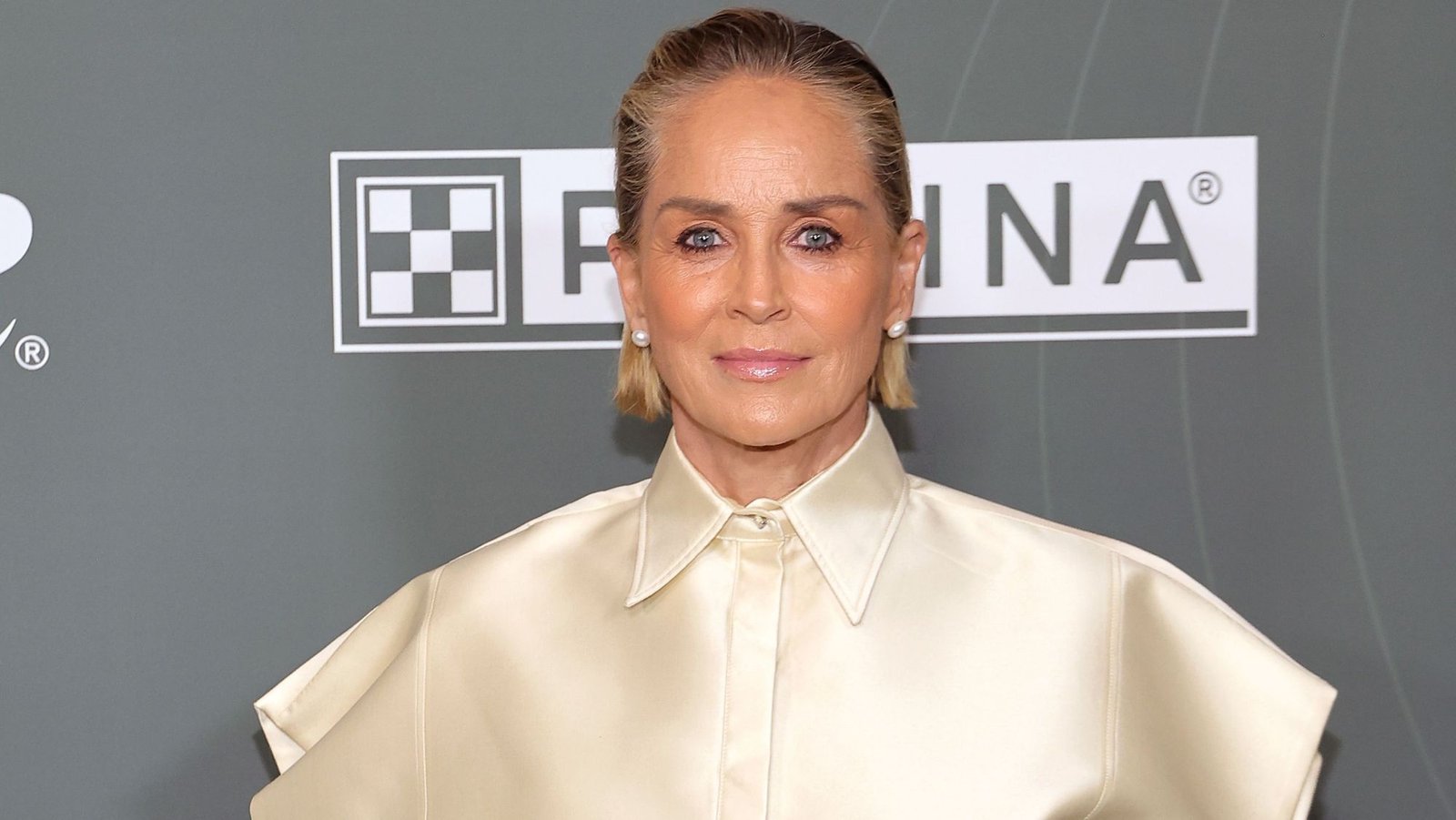
    Sharon Stone has revealed for the first time that she was physically assaulted years ago by an unnamed perpetrator, claiming that a doctor discovered evidence of a “felony” crime during a medical exam.

    During a wide-ranging interview on a new episode of The Person Who Believed in Me podcast hosted by CBS correspondent David Begnaud, Stone launched into the story after detailing how a cancer scare led to the demise of her marriage to newspaper editor Phil Bronstein.

    “I don’t know how much I can tell about this. I was hit from behind,” Stone said. “I didn’t really know until 10 years later what had happened to me because I woke up. I was unconscious on the floor. The two couches were sideways. The coffee table was all over the place. It was sort of upside down. Everything that had been on the coffee table was all over the floor and I didn’t know how I got there.”

    The veteran star said the dramatic scene was brought to her attention a decade later while visiting a doctor. “I went to a clinic because I was having a lot of problems with the back of my neck and my shoulders were so sore and I went to a neck and spine clinic in Marina Del Rey and they had given me propofol and they’d done a lot of X-rays of my front and back and all this stuff. They were going to do some kind of injections into what they thought was arthritis in my neck and shoulders, and they had done all these preliminary x-rays of my thoracic rib cage and my neck and my shoulders and my spine and the doctor came in and he’s like, ‘We’re not going to be able to do this surgery.’ I was like, ‘I don’t know what you’re talking about.’ And he’s like, ‘Your thoracic rib cage is all fractured and scarred back together. It’s clear that you were attacked and that what happened to you was a felony.’”

    Begnaud asked Stone who attacked her, though she declined to reveal a name. “I am not going to say publicly, but I am going to say that we did report and we did do everything,” she noted. “I had the opportunity to press charges, but because it had been a decade and because I’m a public figure, I decided not to.”

    Stone also said that while she believed she had enough “circumstantial evidence to make a case,” she also elected not to pursue charges because she “did not want that to be my legacy.” Begnaud also asked whether she believed it to be domestic violence and Stone said, “I’m not at liberty to say.”

    The reveal was just one of many anecdotes Stone shared with Begnaud while covering her career, the success of Basic Instinct, recovering from a brain hemorrhage and standing up to her abusive father. See the full episode below.

  • Michelle Visage on Hopes of ‘RuPaul’s Drag Race’ Reclaiming Emmys Dominance and Why the RuPaul Biopic “Needs to Happen”

    With 18 mainstay seasons, the release of the 11th All Stars installment and the franchise’s first feature film on the way, there’s never been a busier time in the RuPaul’s Drag Race universe. 

    RuPaul’s Drag Race wrapped its 18th season in April, where Myki Meeks was crowned America’s Next Drag Superstar. It didn’t take much longer (three weeks, to be exact) before Paramount+ premiered the first two episodes of RuPaul’s Drag Race: All Stars, where 18 queens from the show’s past returned for a second shot at the crown. 

    To add to the franchise’s plate, World of Wonder, the Emmy-winning production company behind all things Drag Race, and Bleecker Street are gearing up for the June 12 release of Stop! That! Train!, the first film to hail from the show’s universe. The movie is led by RuPaul (of course) along with a pool of Drag Race alums. 

    But to celebrate the mainstay series’ 18th season, as Emmy voting is about to kick off, The Hollywood Reporter attended an FYC event hosted Sunday on the set of the series. As buzz around Stop! That! Train! continues to grow, THR asked Michelle Visage and RuPaul’s makeup artist David Petruschin (aka Drag Race season two runner-up Raven) about one film that’s bound to be made eventually: the RuPaul Charles biopic. 

    “Oh, I think that’s destiny. It needs to happen,” Visage, who serves as a judge and executive producer of RuPaul’s Drag Race, told THR. “We’ve talked about it for the past 30 years. It needs to happen.”

    Michelle Visage attends RuPaul’s Drag Race season 18 FYC Event.

    Jesse Grant/Getty Images for MTV

    When asked when the potential project could come out, Petruschin says, “I think it’s already been in the works. But as far as curating it and getting together, I don’t know. But yeah, that should happen.”

    Visage and Petruschin are shoe-ins to be featured in the film, as the Drag Race Down Under host has been a dear friend and collaborator of RuPaul’s since the ‘80s and the former Drag Race contestant became his makeup artist in 2017. 

    So who should play them in the biopic? Petruschin isn’t so sure yet, but knows “they’d have to have a fierce tan.” As for Visage, she’d like to portray herself, but if that’s not an option, she offers a few leading women as potential options.

    “I think about that a lot, and I feel like Reneé Rapp would be a good person to play me. Julia Garner could be a good me, even Miley Cyrus,” Visage says. “Depends on what age we’re going for here, kids.” 

    The “tougher cast,” Visage notes, will be pinpointing a performer to portray the Queen of Drag. Both Visage and Petruschin agree that either an actor or drag queen could take on the part of RuPaul, but the role should end up going to “whoever is good at the job.” 

    “I can’t remember who he said wanted to play her,” Petruschin teases. 

    Mia Starr, Kenya Pleaser, Myki Meeks, Discord Addams and Mandy Mango attend RuPaul’s Drag Race season 18 FYC Event.

    Jesse Grant/Getty Images for MTV

    The original RuPaul’s Drag Race series has long been a powerhouse at the Emmys, with a whopping 29 awards (and 79 noms) under its belt. The show was the resident reality competition program winner in recent years, before The Traitors began its dominance in 2024. 

    Visage says Drag Race snatching back that title with the upcoming Emmys cycle would be “a statement without saying it’s a statement.” 

    “I think it would be a championship in a way that voices are being heard without saying things. It’s a statement without saying it’s a statement, do you know what I mean?” Visage said of the show reclaiming its reality competition Emmys win. “Especially with what’s going on in the political climate. But, we are grateful just being in that class of people that we’re in; being nominated, being included, being thought of is truly an honor. We spread the love. We’re still celebratory, but if we did [win], it’s definitely a ‘We’re not going anywhere’ type of statement.” 

    The Traitors is RuPaul’s Drag Race‘s key competitor at the Emmys — RuPaul won the reality host award for eight consecutive years before Alan Cumming won the title in 2024, as did the main show in the reality competition category from 2018-2023 (with a one year break in 2022 when Lizzo’s Watch Out for the Big Grrrls won).

    Visage is very busy judging the main and All Stars iterations of Drag Race, also serving as a judge on the UK vs. the World spinoff and serving as host of Drag Race Down Under (and its upcoming spinoff Down Under vs The World). 

    But that doesn’t mean she’s entirely written off appearing on RuPaul’s Drag Race’s biggest awards competition. 

    “Would I ever do The Traitors? I would love to be a Traitor,” Visage says when asked if she’d partake in the Peacock show. “But I fear that, if I did, people would automatically assume that I was a Traitor. But then, I said, Lisa Rinna was a Traitor. Bob the Drag Queen was a Traitor. Boston Rob was a Traitor — and if they didn’t think he was a Traitor, then, um, you never know!”

    Michelle Visage, Myki Meeks, Nick Murray, Tom Campbell, Michael Jacob Kerber, Raven, Gus Dominguez, Jamie Martin, Natasha Marcelina, Jamal Sims and Jen Chu speak onstage during RuPaul’s Drag Race season 18 FYC Event.

    Jesse Grant/Getty Images for MTV

  • Sean “Diddy” Combs May Face Sex Assault Case as L.A. Prosecutors Review Publicist’s Claims

    Sean “Diddy” Combs May Face Sex Assault Case as L.A. Prosecutors Review Publicist’s Claims

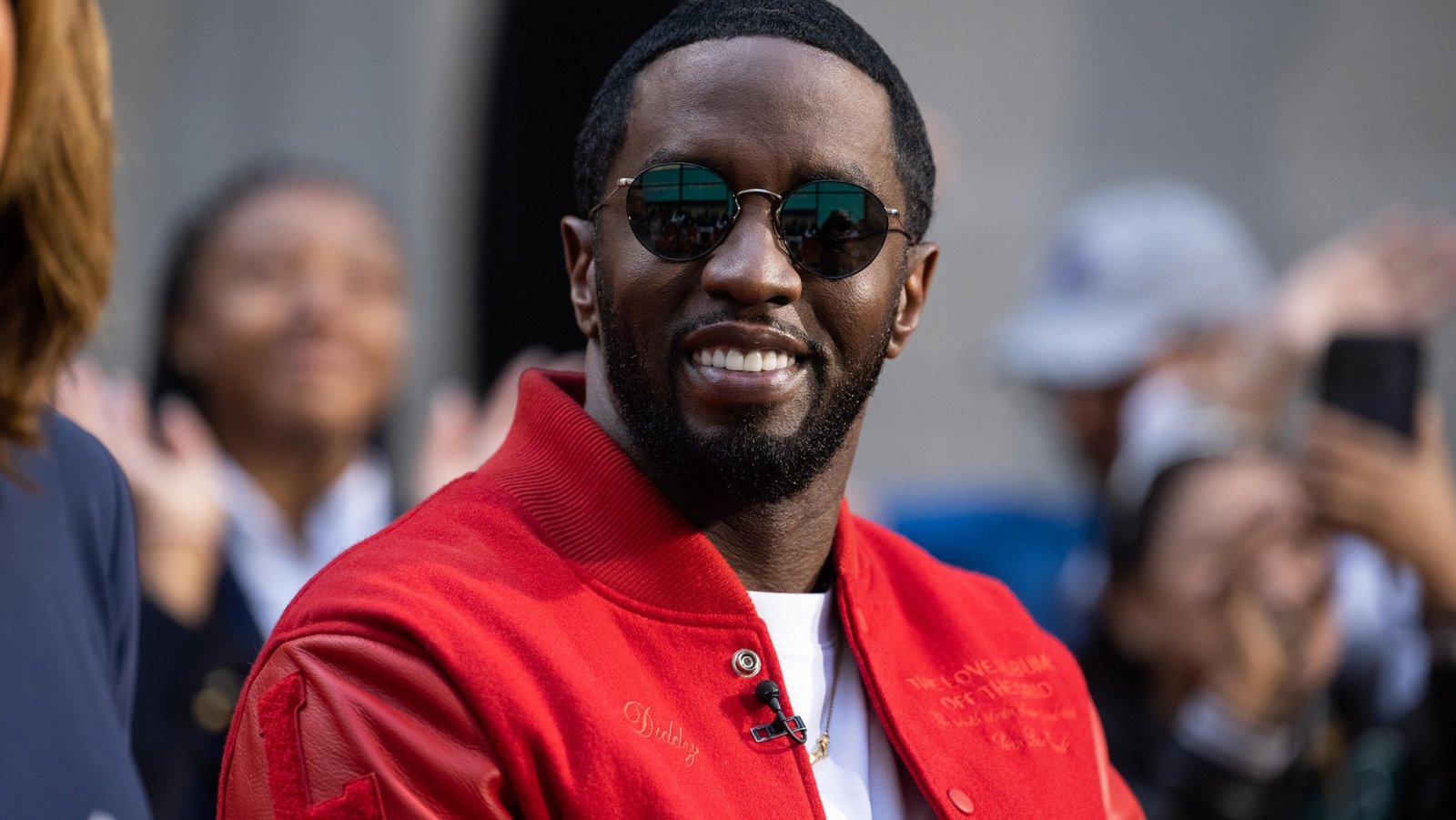
    Imprisoned rap mogul Sean “Diddy” Combs could soon face additional legal jeopardy as he serves a 50-month prison sentence at a New Jersey federal facility, after the Los Angeles District Attorney’s Office confirmed it is reviewing sexual assault allegations made by a Hollywood publicist to authorities in Florida last year.

    On Tuesday, the office led by Nathan Hochman confirmed Combs is the subject of a probe in L.A. The investigation stems from allegations of sexual battery made by publicist Jonathan Hay, who filed a report in September 2025 in Largo, Florida, just before Combs’ sentencing and after his federal trial ended in a split verdict. The case was referred to L.A. authorities because the alleged incidents occurred there in 2020 and 2021. In September 2025, the L.A. County Sheriff’s Department said Hay’s accusations were being reviewed by its Special Victims Bureau.

    The two alleged incidents of sexual battery occurred during moments when Hay was alone with Combs while working on remix sessions involving Christopher Wallace, the late rapper Notorious B.I.G.’s son. Hay, present that day as part of a photo shoot, claims the 2020 incident involved Combs masturbating into a shirt belonging to the late Notorious B.I.G. Combs, he claims, “removed the shirt to uncover his penis and told Hay to come finish him off.” According to Hay’s account, Combs then ejaculated and threw the shirt at him.

    Hay alleged that in 2021, Combs forced him to perform oral sex. He stated that he had suicidal ideation after the incident.

    The L.A. County District Attorney’s Office said prosecutors are now evaluating evidence submitted by local investigators; no charging decision has been announced.

    Hay told CNN he had contemplated coming forward roughly 10 months before Combs’ girlfriend of a decade, singer Cassie Ventura, filed the civil case that eventually helped trigger last summer’s federal trial — and which Ventura settled for $20 million the day after it was filed.

    Hay’s allegations first surfaced in a civil suit filed anonymously in July against Combs, Wallace, and others, in which Hay claimed they “conspired” with the powerful mogul to “allow or assist in Combs’ ability to carry out” the alleged sexual battery. Wallace responded with a defamation suit against Hay, claiming Hay was upset that music recorded in 2020 was never released by the Notorious B.I.G.’s estate.

    Responding to the D.A.’s office decision this week, Hay said in a statement that he is pleased the case is moving forward.

    “Standing as a survivor of the actions involving Sean Diddy Combs and Christopher CJ Wallace, I view the validation of my accounts by the LAPD and the Los Angeles County District Attorney’s Office as a critical juncture,” he said. “This development represents a substantial advancement in my pursuit of complete accountability. Justice is prevailing.”

    Combs has denied the allegations in Hay’s suit and all other claims against him. In addition to this potential L.A. indictment, he faces roughly 70 civil complaints related to his alleged conduct over the years, most involving claims of drugging and sexual assault.

    Combs and Ventura, who have not been a couple for nearly a decade, are named together in one of those cases. Sex worker Clayton Howard, whom the couple allegedly hired, claims abuse by both Ventura and Combs. Howard alleges in his complaint that he impregnated Ventura during a drug-fueled encounter and contracted a sexually transmitted infection after participating in a “freak-off” with the couple.

    In a declaration requesting that Howard’s legal action be transferred from L.A. to New York, Ventura revealed she has left the country, stating: “I am not a resident of the State of California. I reside outside of the United States. I do not intend to move back to the United States.”

    Ventura has also filed a countersuit against Wallace, denying his claims.

    In July, a jury found Combs guilty of two federal counts of transportation to engage in prostitution; he was acquitted of the more serious charges of racketeering and sex trafficking. In October, he was sentenced to 50 months in prison, which he is serving in New Jersey while his attorneys appeal the case.

  • Linda Cardellini Loves a Challenge

    DTF St. Louis might have been in a categorical pickle if it weren’t a limited series. As anyone who’s watched the seven-part HBO series can attest, it can be both devastating and deliriously funny. That’s not easy to pull off. Unless, of course, you’re Linda Cardellini.

    In some of the series’ more memorable moments, Cardellini is swimming in an oversized umpire’s uniform. It’s something her character, Carol, wears for the part time job she’s taken to make ends meet — providing physical comedy to a woman navigating a lost marriage and a troubled son in a manner that keeps things from ever getting too dark.

    Cardellini’s eclectic career has been punctuated by quite a few tragicomic performances: Dead to Me’s Judy Hale, perhaps the most notable. But in DTF St. Louis, where she’s one point of a love triangle that also includes Jason Bateman and David Harbour, she treads an even finer line. This is something Cardellini quite enjoys. “I feel grateful that I’ve had a career for this long, for sure,” she says. “But the idea that I’ve been able to do this for many decades, and things are really fun right now? I’m especially grateful for that.”

    During a recent conversation with The Hollywood Reporter, Cardellini spoke about her work on DTF (she trained with a real umpire!), the movie that most frequently comes up when she’s stopped by fans and why she’s got two horror projects lined up.

    Looking back at the time between a first audition and getting an offer, what’s been the longest or most circuitous route to a role you’ve ever taken?

    The longest are ones that I don’t get. When I first started, I think I went in for a television show almost 10 times — and then did not get it. That year broke my heart. The following year, I got Freaks and Geeks. So I think I learned early on that when you go in too many times, it’s not going to be you. And that’s OK. But you still get your heart broken.

    And you were like, what, 20 years old when they had you come in 10 times?

    Back in the day, it was just a big, long process, which I’m happy to be out of at this point in my career. Offer only as a huge perk of having a long career, but it doesn’t always happen.

    Linda Cardellini in DTF St. Louis.

    Photograph by Tina Rowden/HBO

    I read somewhere that people thought you’d left the industry when, in reality, you were starring on six seasons of ER late in its run.

    I had somebody say, “Where did you disappear to?” And I didn’t know that that had happened. (Laughs.) Meanwhile, I remember going to Europe and people coming up and saying, “Emergency room!” Sometimes, what the industry is talking about is not necessarily what people who come up to you on the street are talking about.

    What were the indications that you got from the industry that you had no longer “disappeared?”

    While I was on ER, I was also in Brokeback Mountain. So, by that point, if you believed that I had disappeared, I think I was back in your eyesight. I’ve been lucky to be able to support myself since I started. So I may have disappeared here and there, but I was probably still working somewhere on a set.

    What did you think DTF St. Louis was going to look like when you were making it? Tonally, it’s one of the more unique shows I’ve seen in a while and I imagine there could have been many different versions of it depending on the edit.

    I loved the script so much. I loved how it was written. I remember reading Carol and thinking, “I know who she is.” By episode three, she’s this one person. Then, when it gets to be four or five, you realize she’s different than you thought. The idea that she’s not as dishonest as you think she is was fascinating to me. Because what you’ve seen [up until then] is this manipulative, kind of greedy person. And that’s not exactly who she is. The men, you get to know them really easily. But her, not so much.

    In your experience, is it often not like that?

    Somebody like Judy in Dead to Me, you know her. You know her heart. You don’t know what she’s done, necessarily, but you know her heart right away. Somebody like Carol, she’s impassive in a lot of ways. I thought that the show had a beautiful tone. The outcome of anything you never truly know, but I just thought that everybody involved was so incredibly talented.

    This show could have strictly focused on male loneliness and mostly followed Jason and David’s characters, making you the wild card. What did Steve tell you about Carol when you were talking about coming on board?

    Well, Steve always contends he loves Carol. He loves her as a character. So, his care for her and us discussing her always made her feel vital to that triangle. Even though the men and their relationship is really the center focus, I think her being the third in there really helps with the mystery. It helps you see what is happening beyond just the two of them.

    Most importantly: what did you learn about umpiring?

    I learned it’s a good way to make cash. You get to be out in the sunshine. I learned how to do strike and the counter in my hand. I took a little class with a local umpire. It was great. I don’t know that I could really ump a game, but Carol wasn’t the best umpire either.

    The show was billed as limited, but, by all accounts, was incredibly successful. Do you think there’s a world where it keeps going?

    I think that would be wonderful because it would be fun to see what Steve would do with it. As far as the St. Louis crowd goes, we are limited for sure. It’d have to be DTF Omaha.

    Some of your most prominent TV work — Freaks and Geeks, Dead to Me, DTF — really straddle the line between comedy and drama. That’s more common now, but it wasn’t at the top of your career. Has this throughline been by design or accident?

    I never really thought about it like that. Thank you for noticing. (Laughs.) At the helm of those shows, they had people with very specific voices who had a very specific vision of what they were going to do. What they thought was funny. What they thought was dramatic. And I think that really is something that separates it. And those [people] also chose me. So there’s something, I guess, about me that sort of straddles that line.

    Linda Cardellini in DTF St. Louis.

    Photograph by Tina Rowden/HBO

    You’ve been in a lot of cult hits and many mainstream successes. So, if you’re at the mall, what are people approaching you about the most? What comes up the most with interactions with strangers?

    Scooby-Doo comes up a lot. A lot. It’s shocking to me because, when it came out, it wasn’t the same as it is now. Those kids have grown up. They watched it so many times when they were young and now they’re grownups. It means something to them that it did not for the grownups watching it during the time. That’s one that I have noticed, as years have gone on, I’ve gotten more and more and more. But it’s also Judy from Dead to Me and then Freaks and Geeks.

    In recent years, you’ve really leaned into horror: La Llorona. You’re filming the new Bill Hader movie. You wrapped Crystal Lake, the Friday the 13th prequel series for Peacock. Were those roles not your thing earlier in your career?

    Yeah, I didn’t really do that. I didn’t really do that. So now I’m doing it! Sometimes they’re just really great roles for women. With La Llorona, it’s just this story about this woman trying to protect her kids. And we shot it in L.A. and it took place in the seventies and all those things just seemed fun to me. With Crystal Lake, A24, Peacock and [creator] Brad Caleb Kane all came together and they just had this concept for making this story about Pam Voorhees. And if you watch the original movie, it really operates like a whodunit. Spoiler: at the end, you find out that it was Pam Voorhees.

    A character who’s barely seen.

    She’s only in the movie for the last little bit, but she leaves this impression on the entire franchise. There’s so many movies subsequent that you’d think Jason’s always been in that mask doing what he’s doing. But that wasn’t the case. I don’t think he gets the mask a few movies down. It just seemed like something that I had never done. I haven’t seen that many female slashers like that. To dive into who she might have been, I thought, well, that’s something I’ve never done. When I’m looking for things to do next, I ask myself what’s something I haven’t done yet. And that was one of them.

    To your point, the original Friday the 13th is just about a pissed off mom who’s seeking vengeance.

    Yeah, because they let her son drown! There’s fertile backstory there!

  • Hasbro Launching an AI Studio That Will Let Companies License Its Stable of Characters

    Hasbro Launching an AI Studio That Will Let Companies License Its Stable of Characters

    Tired of seeing unauthorized AI-generated versions of its characters proliferate on various platforms, Hasbro is launching its own AI studio called Sixth Wall, which will enable the toy giant’s stable of characters to be deployed by third parties across the new experiences that the technology allows for.

    And of particular note to Hollywood: Hasbro is working with real voice actors, including the original voice actors for many of its most popular characters, to help it do so.

    “Every IP owner looks at all of the millions of unauthorized versions of their characters on other tech platforms and frontier models, and it’s not a great experience for fans, and it’s not on brand for us,” says Sixth Wall CEO Roberta Thomson, in an interview with The Hollywood Reporter. “So you have a few choices as an IP owner: You could decide to enforce on everything, whack a mole, send a bunch of cease and desists. You could decide to enable the UGC directly with consumers … but the question we posed was, what if we just offered the authorized end-to-end blue check version of the character that a company could license from us? And then we can guarantee that they’re going to show up in a context that we already approve of and feel comfortable with, and show up in a way that is within the guardrails that we have set with the character.”

    “Right now all of our IP is sitting in static media, trapped in a toy on a shelf, a movie, a video game, but as these characters come to life and interact and speak in real-time, you have to govern their behavior, which is a different set of technical and brand challenges, and it’s that expertise that we’ve developed,” she adds.

    So the company has developed its own internal platform called CharacterOS (Thomson calls it a “golden record” for each piece of IP), that sets guardrails and personality traits for each character. Mr. Potato Head, for example, won’t be giving any tips on how to cook the best french fry. Cobra Commander is primarily focused on conquering planet earth, not giving power lunch recommendations, as The Hollywood Reporter tried to get out of him in a voice chat.

    “CharacterOS is compelling because it unlocks a bigger creative canvas while addressing a real challenge in AI: the unauthorized use of content. It is built around a creator-first model that gives voice talent and creatives a meaningful seat at the table. It gives brands a trusted way to bring characters into new AI-enabled platforms without losing what makes them authentic,” said Chris Cocks, CEO of Hasbro. “And most exciting to me, it opens entirely new surfaces for play and storytelling, from making a store greeting feel magical to transforming a call waiting experience into a moment with a fan’s favorite character.”

    The initial slate of characters will include Mr. Potato Head, Megatron from Transformers, Cobra Commander from GI Joe, and the cast of the Clue board game. Others will be added later on. There’s even Optimus Prime, voiced by Peter Cullen, who has been voicing the character since the 1980s. For characters without an established voice actor, the company approached professionals in the space and found some that were interested in participating.

    In fact, Thomson says that using real voice actors is a”crucial” part of the company’s strategy in the space: The studio will not use the voices to create films or TV shows, only for AI-enabled interactive experiences.

    “We could have decided to move forward with synthetic voices, and all of the models give a good approximation of those voices because they’re out there, but it didn’t feel like the right thing to do,” she says. “As we talked to the voice talent, we said very sincerely, this should be a new source of revenue for you. Because these experiences are enabled by the technology, they’re dynamic, interactive, and personalized. They’re not replacing something that you would currently go into the studio for, like a long-form movie voiceover. So, we’re not going to use the voices for those purposes, but for something that wouldn’t have existed before.”

    Instead, she said, Sixth Wall will function “almost like the talent agents who are offering up these characters to licensees who might want to build fun experiences with them,” with the real voices a part of that package.

    The company is also partnering with ElevenLabs to bring select Hasbro characters to its audio marketplace.

    Sixth Wall has already held conversations with potential licensees, and Thomson says that the enthusiasm from those partners is real.

    The company is currently focused on experiences and enterprise use-cases that cater to consumers 13 and older, with a particular focus on specific areas like: Interactive storytelling experiences; Conversational games and digital companions; Connected physical products and robotics; AI-powered brand ambassadors; Location-based entertainment experiences; and Dynamic customer engagement agents.

    “Imagine like giant animatronic robot [say, perhaps, Optimus Prime?] walking around in a theme park and entertaining guests as they’re waiting in line. Suddenly, your one hour wait in line becomes a really fun and delightful and engaging experience,” she says. “Imagine you’re waiting on hold for a customer service agent playing a voice game of Trivial Pursuit. Suddenly, you wouldn’t mind your 10 minute wait. You might actually be like, ‘wait, I haven’t finished.’ At its most basic, there storytelling experiences with infinite branches, where, because these experiences are new and additive, they’re dynamic, they’re personalized. You can take a story in any direction.”

    Sixth Wall is perhaps a model for a new path forward for IP owners, which are all grappling with the misuse of their characters in new places. Last year, Disney cut a deal with OpenAI to bring its characters to its Sora platform after seeing them misused there, though that deal ended up being short-lived. Perhaps licensing the traits and voices of those characters is the next logical step.