Tag: Entertainment-HollywoodReporter

  • SAG-AFTRA and Studios Fail to Reach Deal, Negotiations to Continue Later in Spring

    SAG-AFTRA and Studios Fail to Reach Deal, Negotiations to Continue Later in Spring

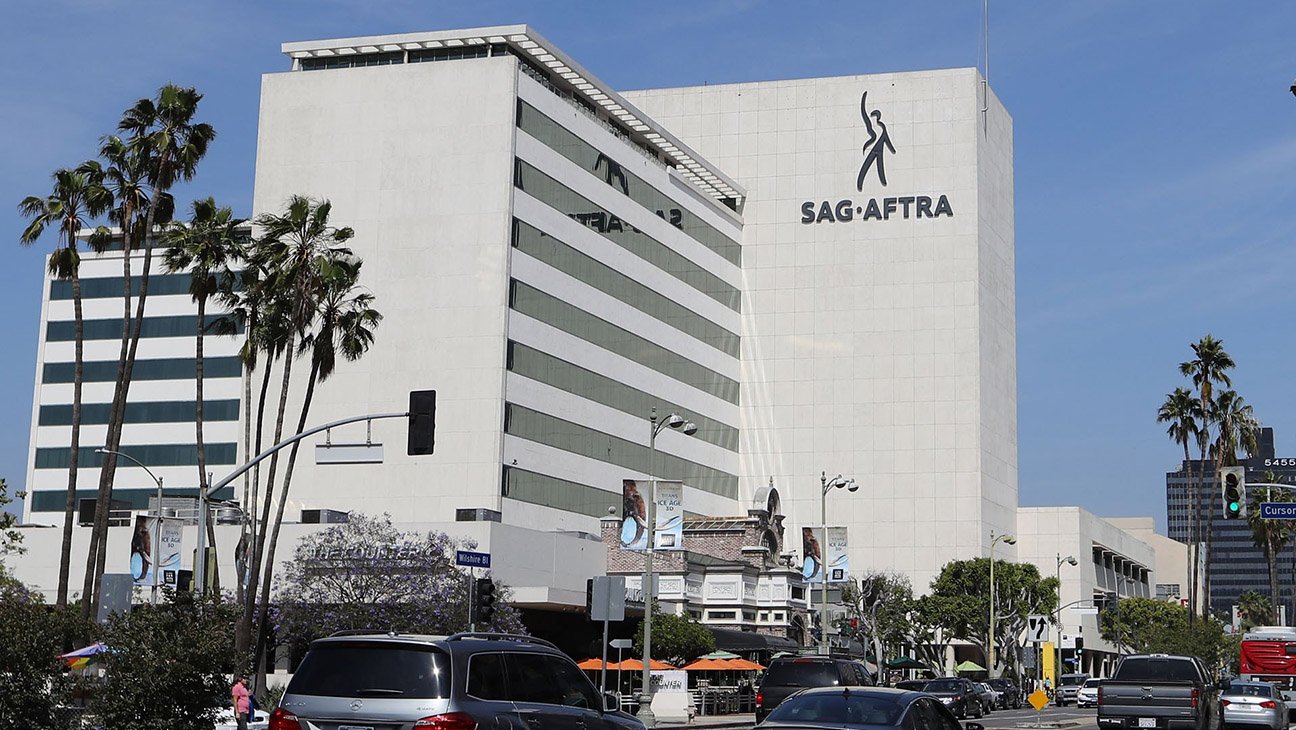
    Hollywood’s waiting game isn’t over yet as SAG-AFTRA and studios failed to reach a deal on Sunday, the final day of their primary negotiations period.

    The negotiations over the union’s next three-year deal covering film and TV work are now set to continue later this spring ahead of the contract’s June 30 expiration. SAG-AFTRA had previously scheduled this backup period for additional talks in case their first didn’t yield an agreement.

    The announcement arrived on Sunday just after the 98th annual Academy Awards concluded and before the Writers Guild of America enters its own negotiations with the AMPTP on Monday. SAG-AFTRA was the first major union to head into bargaining with the Alliance of Motion Picture and Television Producers (AMPTP) in 2026.

    During the last bargaining cycle, the union and the WGA each waged a strike for more than 100 days, crippling the industry as the unions sought to improve compensation in the streaming era and institute protections against generative AI.

    “SAG-AFTRA and the AMPTP completed productive bargaining sessions, including going several days beyond what was originally planned.  While we will continue ongoing conversations, formal negotiations will resume later this spring as planned, before the current contract expires June 30,” SAG-AFTRA and the AMPTP said in a joint statement on Sunday.

    The performers’ union began its negotiations on Feb. 9 under the leadership of national executive director Duncan Crabtree-Ireland. New AMPTP president Gregory Hessinger led talks for the studios and streamers. On March 6, the parties announced that they had agreed to extend contract negotiations one week more than originally planned.

    As a sprawling labor group representing principal performers, background actors, dancers and singers among others, SAG-AFTRA has a broad range of priorities at the bargaining table this year. One of its top issues is generative AI, which has rapidly evolved in the three years since SAG-AFTRA negotiated its initial contract language covering the technology. Crabtree-Ireland has already said that he wants to make performers generated by AI as expensive as humans.

    Another major concern is boosting income for members. “People need their wages; they’re having a hard time qualifying for health care. They need cost-of-living, inflation [adjustments]. People need to make more money,” union president Sean Astin previously told THR.

  • Amy Madigan’s Win Kicks off an Inspirational Oscars

    Amy Madigan’s Win Kicks off an Inspirational Oscars

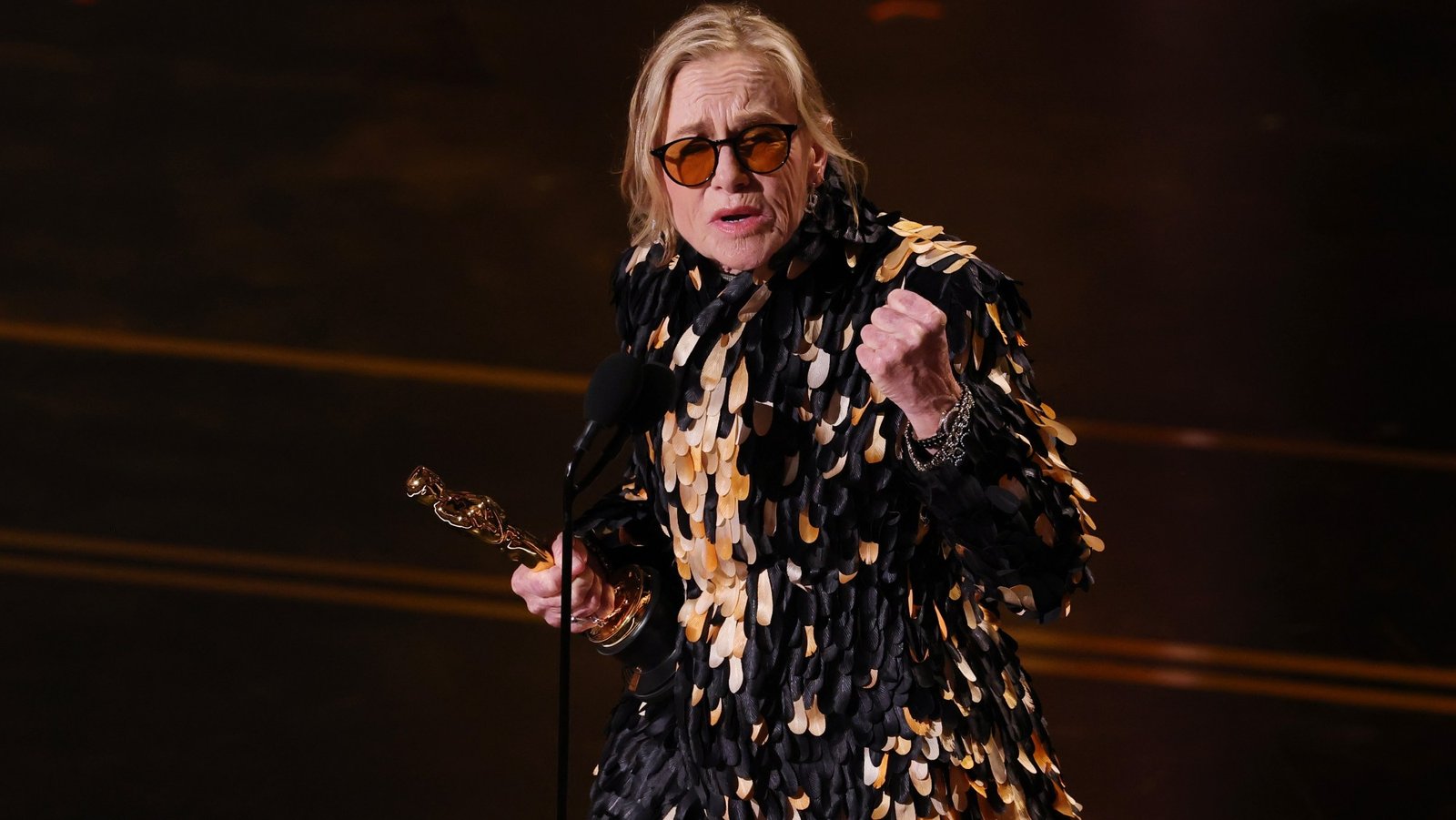
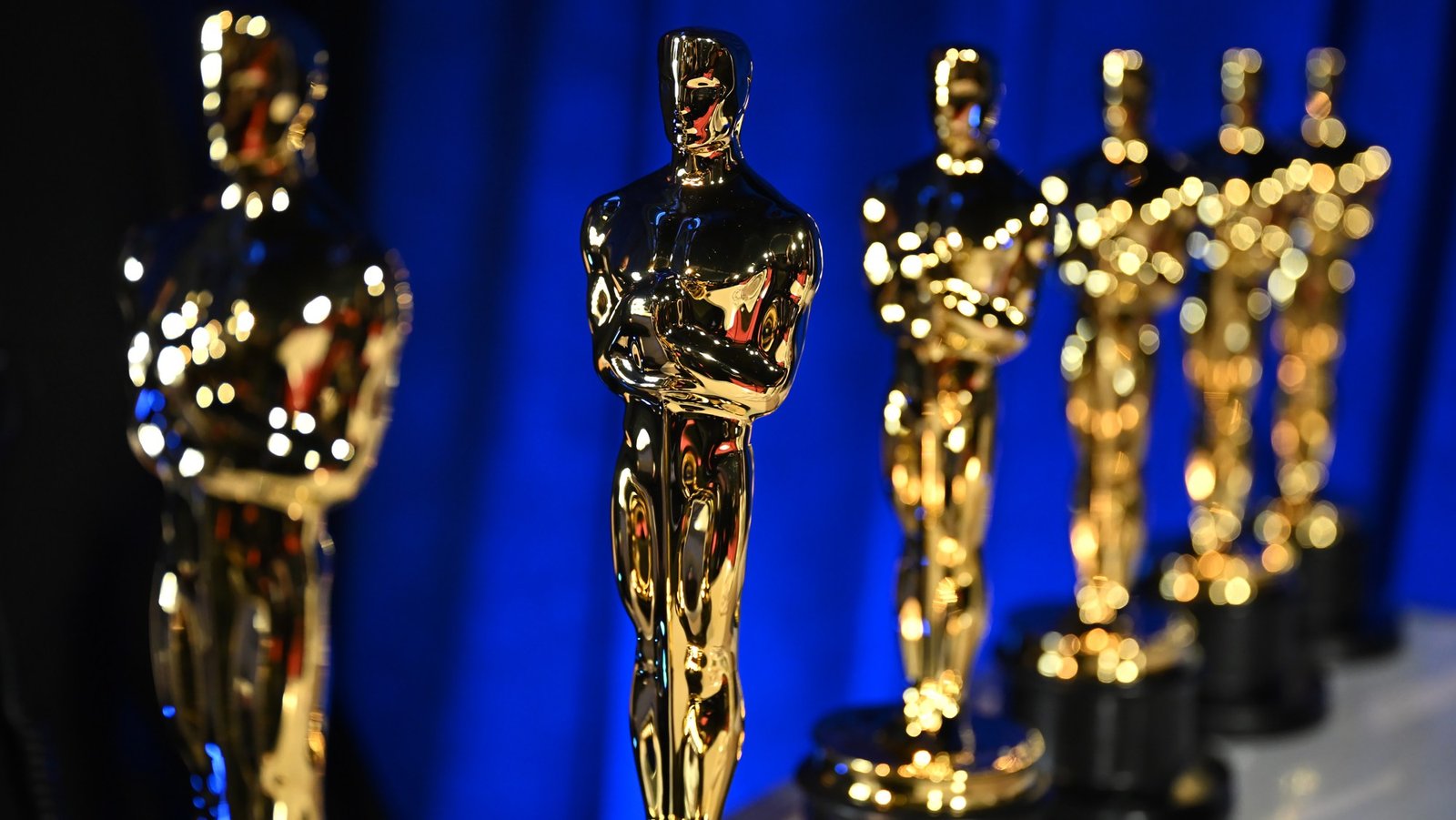
    The 2026 Oscars began on a touching, career-capping note as Amy Madigan took her first Oscar nearly 45 years since she began acting.

    Madigan won the supporting actress statuette for her role as the creepily supernatural Aunt Gladys in breakout horror hit Weapons, winning an Oscar in her second try. Her first nomination came 40 years ago for the romantic drama Twice In a Lifetime.

    “What’s different is I got this little gold guy,” Madigan said in her acceptance speech, comparing this Oscar campaign to the last one.

    Beginning with a cackle befitting her Weapons character, she said she had tried to think of a speech while shaving her legs in the shower Saturday night, and then proceeded to give emotional thank yous to various people who worked on her film and on her career. “As you can tell I’m a little flummoxed,” she said, while alluding to all the other Warner Bros. contenders that had welcome her on the awards trail. She also thanked longtime husband Ed Harris and “of course all the dogs.”

    Shortly after Madigan’s win, KPop Demon Hunters took the animated feature Oscar, no doubt giving heart to the millions of fans of the Netflix phenom who may not otherwise be avidly following best-picture odds.

    An emotional director co-director Maggie Kang took the stage and said, “For those of you who look like me, I’m so sorry that it took this long to see us in a movie like this,” the Korean-Canadian filmmaker then vowing it would not be long until the next one.

    A defiant note happened when animated presenter Will Arnett said “Tonight we’re celebrating people, not AI.” Animation, he added, “is more than a prompt; it’s an art form and it needs to be protected.”

    The show began with host Conan O’Brien trying to push a more hopeful message despite war-torn and dislocating times.

    After noting said toughness, O’Brien said that “It’s at moments like these that the Oscars are particularly resonant, citing the dozens of countries watching and represented and the pursuit of the “rarest of qualities today: optimism. So please let us celebrate not because we think all is well but because we know and hope for better.”

  • Amy Madigan Receives Standing Ovation for ‘Weapons’ Win, Thanks  Ed Harris and “All the Dogs”

    Amy Madigan Receives Standing Ovation for ‘Weapons’ Win, Thanks Ed Harris and “All the Dogs”

    Amy Madigan officially became the 2026 Oscar’s secret weapon of Zach Cregger’s Weapons by picking up the best supporting actress trophy for her work in the film.

    Madigan, 75, set a new record with the win because it made her the actress with the longest gap (40 years and one month) between a first nomination and a first victory. She received her first nod for 1985’s Twice in a Lifetime, a Bud Yorkin-directed film that also starred Gene Hackman, Ann-Margret and Ellen Burstyn. The previous record holder amongst actresses was Geraldine Page who won for The Trip To Bountiful at the 1986 Oscars. It came 32 years and one month after her first nomination for Hondo at the 1954 Oscars.

    Last year’s best supporting actress winner Zoe Saldaña had the honor of presenting the trophy, the first Oscar doled out during the show, and when she read Madigan’s name, the starry crowd responded with a standing ovation. Madigan noted how they were advised not to rattle off a list of names “because nobody knows who the hell those people are,” but she leaned in because it’s people “that mean something to you that you couldn’t be here without them.”

    On that note, she thanked Cregger for “writing me a dream part” and letting her “grab it by the throat and we had a ball.” She also shouted out Warner Bros. chiefs Pam Abdy and Michael De Luca as well as Newline. Madigan then turned her attention to her fellow nominees in the category, Sentimental Value’s Elle Fanning and Inga Ibsdotter Lilleaas, Sinners Wunmi Mosaku and One Battle After Another’s Teyana Taylor.

    “When I was doing all the Weapons stuff, I was kind of traveling on my own and people from One Battle and people from Sinners and all the films, they just kind of gave me a hug and said, ‘Yeah, come on in and let us know you. You can know us.’”

    Madigan closed her heartfelt speech by thanking her daughter, Lily, and her daughter’s husband, Sean, “and, of course, all the dogs.” Then came the “most important” by a leap, her husband, Oscar nominated actor Ed Harris. “Ed has been with me forever, and that’s a long ass time. And none of this would mean anything if he wasn’t by my side.”

    Ed Harris and Amy Madigan attend the 98th Oscars at Hollywood’s Dolby Theatre on March 15, 2026.

    (Photo by Arturo Holmes/Getty Images)

    In Cregger’s Weapons, Madigan stars as Aunt Gladys. The plot traces the fallout of what happens when 17 third-grade children disappear from their homes in the middle of the night at the exact same time. The film’s final act reveals that the aunt of one of the school children is a witch and cast a spell to help keep herself alive amid an illness. Madigan’s Gladys became something of an online and cultural sensation thanks to her smeared clown-like makeup, an unmistakable wig and menacing presence. It brought renewed interest to her career, too.

    “I was telling everybody, ‘Hey, I’m going to play this really wild lady,’ ” she told The Hollywood Reporter’s David Canfield late last year. “Then it came out, and it turned into something else. It feels very antithetical to the work that I do and how I live my life.”

    Speaking of that work, it’s been reported that Cregger had a prequel in mind for Weapons, centered on Aunt Gladys and how she got to be the mysterious villain of his story. “Zach has a map of what he would like to do. But as we know about this business — until it’s real, it’s not real,” Madigan said last year. “It would be such a blast, and it would be really great if we could revisit her in some way. I’m excited about that possibility.”

    See the star studded Oscars red carpet 2026 arrivals and full list of the night’s winners here.

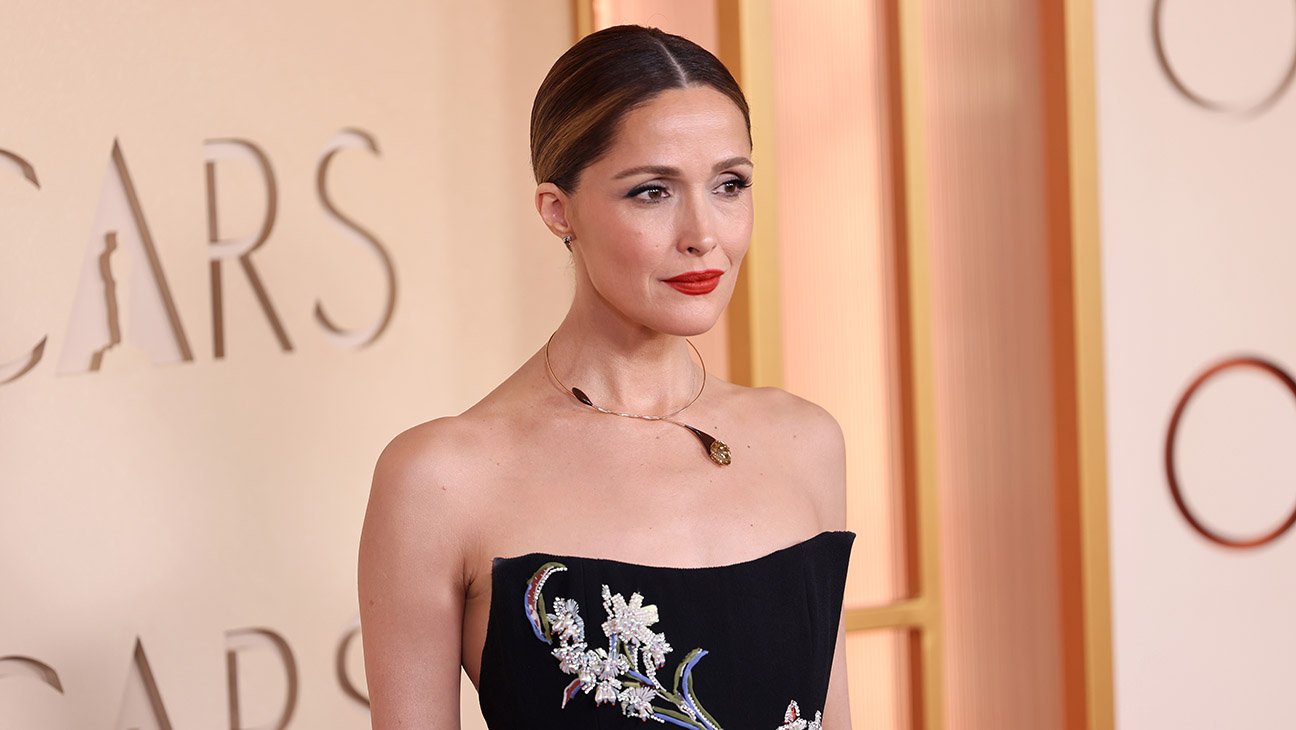
  • Oscars Arrivals: Rose Byrne, Chase Infiniti, Hudson Williams and More Stars on the Red Carpet (Updating)

    Oscars Arrivals: Rose Byrne, Chase Infiniti, Hudson Williams and More Stars on the Red Carpet (Updating)

    Film and fashion fans will be laser-focused on the Dolby Theatre at Ovation Hollywood on Sunday night as the 98th annual Academy Awards kicks off with a red carpet once again sure to be unrivaled by any other.

    Hours before envelopes were set to be opened, #Oscars2026 social media had already launched into overdrive Sunday morning, balancing style and award predictions with tributes to red carpet looks of years past. From Halle Berry wearing Elie Saab in 2002 and Lupita Nyong’o’s pale blue Prada in 2014 to Lady Gaga’s 2019 custom black McQueen gown, paired with the iconic Tiffany Diamond, the fact that those mentions conjure instant mental images proves that the Oscars red carpet creates style moments that live forever.

    How might any of Sunday night’s nominees and presenters join that pantheon? Best actress nominees Jessie Buckley and Rose Byrne and best supporting actress nominees Teyana Taylor and Elle Fanning have been inspiring style headlines since the awards season commenced in January, and Oscars 2026 should be no exception. On the men’s side, nominees Jacob Elordi and Michael B. Jordan join presenter Pedro Pascal and first-time Oscars attendee Hudson Williams as the fashion-forward guys who likewise should make talked-about style statements.

    Once the Oscars 2026 ceremony gets underway at 4 p.m. PT/7 p.m. ET, questions instantly shift to the films and creators who will take home the trophies. How many Oscars might Sinners win from its record-breaking 16 nominations, and might best director nominee Ryan Coogler be among them as the first Black director to win the award? Or might Hamnet’s Chloé Zhao capture the best director Oscar, becoming the first woman to win multiple times in that category, after taking the prize for 2021’s Nomadland? Finally, the best actor category is roundly agreed to be among the night’s most anticipated awards, with Ethan Hawke, Leonardo DiCaprio, Michael B. Jordan, Timothée Chalamet and Wagner Moura each conjuring buzz among fans and critics up until the final moments.

    Here’s a look at all the night’s high-wattage arrivals, which The Hollywood Reporter will update throughout the evening.

  • What Timothée Chalamet Gets Wrong — and Right — About the Death of Opera

    What Timothée Chalamet Gets Wrong — and Right — About the Death of Opera

    Before I even read about the Timothée Chalamet controversy, I was getting messages from all over the world asking if I had any opinion about it. After all, I’ve been spending the last couple of decades working full time on expanding the reach of opera, in a place far from the centers of the operatic cosmos. Surely I must be personally affronted by such a casual dismissal of my life’s work!

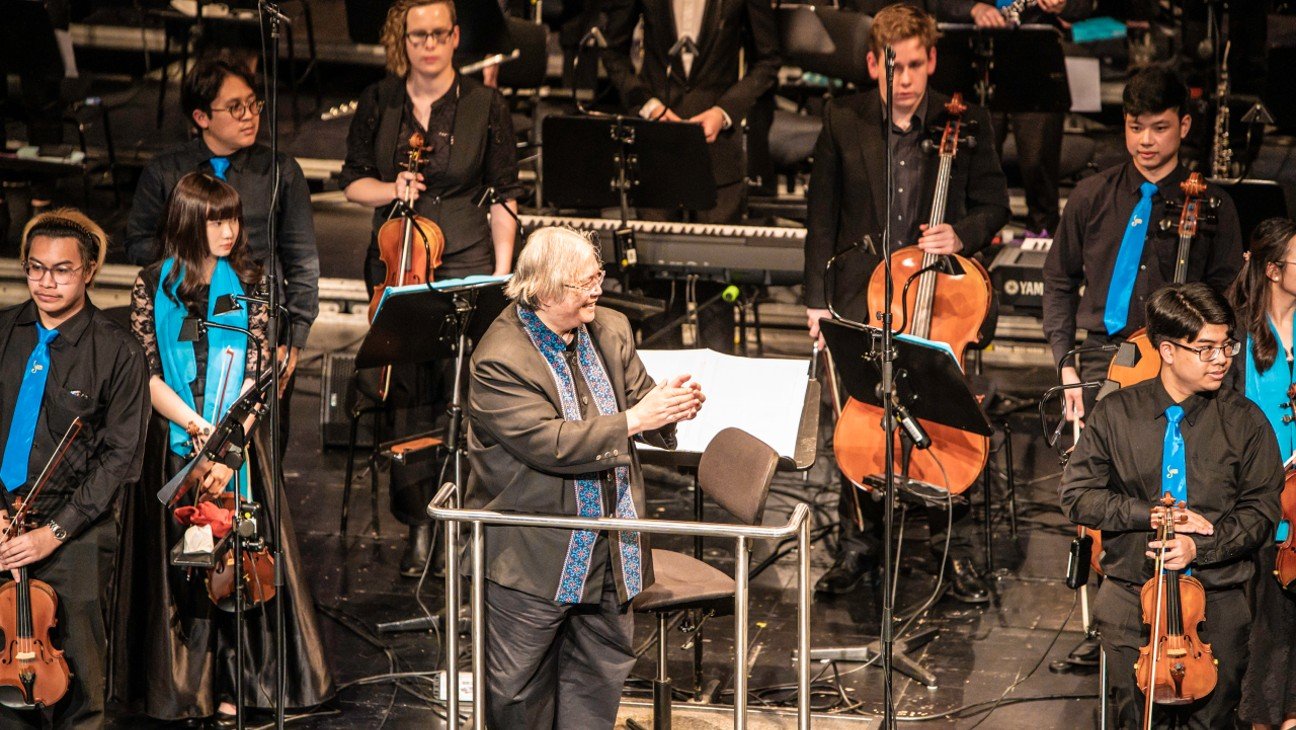
    The thing is, although it’s a bit much to say that “no one” is interested in opera, statistics would seem to indicate that world-wide the audience is shrinking — just like the audience for non-blockbuster cinema.  But where I am, it’s not shrinking. When I returned to Thailand almost thirty years ago, there was virtually no opera to speak of here, but now there’s a bit of a scene. Opera Siam, the company I founded, has had its setbacks, but continues to produce both classic and new works. It has now been joined by a plethora of more specialized companies and, most recently, by a “youth opera” run and staffed entirely by college-age students that is doing significant and revolutionary work. And it’s all home-grown.

    I’ve been hearing (and ignoring) for years that “no one” is interested — but they are. When we first started working here, we had two audiences: expats who wanted a taste of what they had left behind in Europe, and high-society locals who wanted to dress up and show off their jewels. But there was a third audience — young people, educated people, people who found excitement and stimulation in a medium that was new to them — and that audience, in this part of the world, has grown so much that it has overtaken the other two.

    All sorts of people who probably haven’t met Chalamet are screaming that he’s uneducated, has no talent, whatever. I haven’t met him either, but I’ve always admired his work — he’s clearly really smart, is at least bilingual, and a thoroughly convincing Kwisatz Haderach. If, like many actors who started young, there are some gaps in his world-view, or if he simply doesn’t like opera (many don’t) this is no reason to dismiss his opinion out of hand. The death of opera is an oft-repeated rumor.  

    But I think it bears reminding that the genre of opera, invented about four hundred years ago by some intellectuals in Florence who were actually trying to reinvent Greek tragedy, is directly ancestral to film.  By the 19th Century, opera had become a populist, mass-appeal art form. In the streets, Italians sang Verdi’s “Va, pensiero” as a political statement about reunification. How many more became symbols of entire historical movements?  Many thought that the arrival of film would make opera obsolete, but they said the same thing about painting when photography became popular. In fact, the structure, tropes, character types, and expressive language of opera insinuated themselves into film from the very beginning.

    Movies are permeated with operatic tropes. Wagner’s music of “love-death” in Tristan and Isolde informs the sound world not only of fantasy films like Excalibur but of classics like Vertigo.  There are opera references in films all the time, but there are times when it’s more than just reference, but inextricably intertwined with the substance of the film itself: Godfather 3 is unthinkable without Mascagni’s Cavalleria Rusticana.  The use of Boïto’s Mefistofele in Batman Begins turns the film and the opera into metaphors for each other. As a film audience we’re absolutely impoverished when we don’t see the connections. It’s not just about getting the in-jokes.  

    Perhaps it’s true that opera is dying in the places where it originated: here, it’s exciting, and it’s saying new things.

    And there are emotional experiences that can only happen in opera. When the end of Figaro transforms a sitcom farce into a powerful celebration of compassion, forgiveness and shared humanity, it’s because of Mozart — because it’s an opera. When in Rigoletto, a duke tries to seduce an assassin’s sister, the sister goes along with the seduction to lure the duke to his death, the man who hired the assassin is pointing out to his daughter that the duke is a cad, and the daughter is both in love and in shock — and all those things happen simultaneously — it works because it’s an opera.  All four of those characters pour out their contradictory feelings at the same time and it’s not chaos — it’s stunning, heartrending harmony.  You can’t do this in any other art form.

    Every time I watch this scene, it’s different. Different singers, different conductor, different characterization, different staging, even different wrong notes! Yet another meaning to be squeezed out from this potent raw material. No matter how many times I watch Dune, Chalamet will never give a different line reading. There’s always more to be read into any classic film the more times you watch it, but the evolution is in the observer, not in the finished object.  

    Actually, I think there’s a much bigger issue at stake — it’s the balkanization of our culture. What used to be a huge collective cultural consciousness has been fragmenting and separating out into mini-cultures that don’t communicate with each other. That’s why our cultural diet needs to encompass more than one genre.

    One of the last and most powerful intersections in the arts, where cross-fertilization and creative renewal can and should happen, is between film and opera. Opera has always had a lot to teach film, and recently the reverse has also been true.  

    Preserving opera is about evolving opera, not about keeping it in a museum. In Europe, they’ve done La Bohème in outer space and Il Seraglio with watersports. (Lines around the block as soon as people knew there would be kinky sex.) I’ve done a few things like that, like setting Aïda during the Thai-Burmese War of the 16th Century, and Tosca during the French colonization of Southeast Asia. Both these settings made local people aware that these were not remote stories of an alien land, and allowed the music to speak unfettered and directly to the heart (though I was roundly condemned as well). But in composing my own operas, I have learned the most from the language of film. From the faster pace of modern movies to the ability to dissolve between locations and states of mind, and even the application of the classic three-act Hollywood structure to opera, I’ve stolen liberally from the art of moviemaking. In fact, I’m writing an opera right now that is an adaptation of Plan 9 from Outer Space. Because you can’t help but hero-worship someone [Plan 9 director Ed Wood] who doesn’t let anything stand in the way of their vision — even lack of talent.

    Offhanded or deliberately provocative though his remarks might have been, I feel that Chalamet did say something meaningful, whether he meant to or not. Opera is going to survive no matter what anyone says, because it contains a body of work that is a proven testament to the human condition. But — just like film — as a living art form, it has to reinvent itself constantly. It’s doing so right now. From where I’m standing, more and more people are going to the opera, often discovering it for the first time. Perhaps one day we’ll end up exporting the revolution back to the west.

    S.P. Somtow is a novelist and opera composer who is the artistic director of Opera Siam.  He has occasionally dabbled in filmmaking. The Maestro: A Symphony of Terror, a film he recently wrote, was dubbed “Mr Holland’s Opus meets The Texas Chainsaw Massacre” by The Hollywood Reporter.

  • Animated ‘Firefly’ Reboot in Development From Nathan Fillion, 20th TV Animation

    Animated ‘Firefly’ Reboot in Development From Nathan Fillion, 20th TV Animation

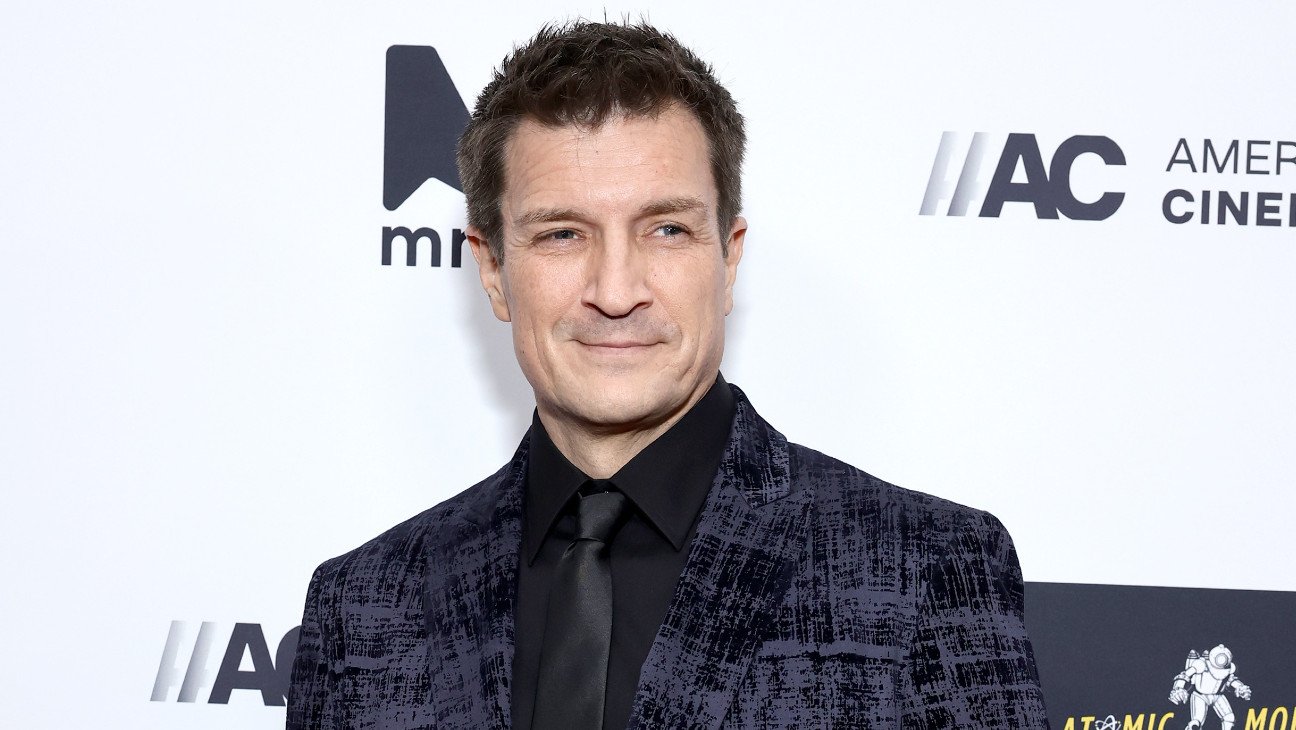
    Nathan Fillion has revealed that a Firefly animated series is in early development at 20th Television Animation, ending a week-long social media campaign hinting at some news involving the project.

    Fillion shared the news in an Instagram video, where he was joined by his Firefly costars, and at Awesome Con in Washington.

    The animated reboot is being developed through Fillion’s production banner Collision33 in partnership with 20th Television Animation, which controls the rights to the franchise. Married writer-producers Tara Butters (Agent Carter, Dollhouse) and Marc Guggenheim (Arrow, Flash) are set to serve as showrunners, in their first professional collaboration together, on the series, for which a script has already been written. Additionally, early concept art has been developed in collaboration with Oscar- and Emmy-winning animation studio ShadowMachine. The project is expected to be taken out to buyers soon. The series would be set in the timeline between the original, 11-episode TV run in 2002 and the 2005 feature film continuation, Serenity.

    Fillion said in his Instagram video that he received the blessing of Joss Whedon to embark upon this new iteration. Whedon created the original series, produced by 20th Century Fox Television, which aired for one season before developing a following through DVD sales, streaming platforms and Serenity.

    The announcement came during a panel and live taping of Fillion and co-star Alan Tudyk’s podcast Once We Were Spacemen. The pair were joined by fellow original Firefly castmembers Gina Torres, Jewel Staite, Morena Baccarin, Sean Maher and Summer Glau.

    And the news caps a week of viral social media teases from Fillion and his co-stars of some sort of Firefly news.

    Watch Fillion’s video announcing the Firefly animated reboot below.

  • Where to Watch the 2026 Oscars Online

    Where to Watch the 2026 Oscars Online

    If you purchase an independently reviewed product or service through a link on our website, The Hollywood Reporter may receive an affiliate commission.

    The 98th Oscars, hosted for the second consecutive year by Conan O’Brien, air live on Sunday, March 15, at 4 p.m. PT/7 p.m. ET, from Hollywood’s Dolby Theatre. Since the awards show is broadcast on ABC, cord-cutters can stream it live on any TV streaming service that carries the network, including DirecTV (with a five-day free trial), Fubo (with a five-day free trial), Sling and Hulu + Live TV.

    For the second year, the awards show will also stream live on Hulu and Hulu on Disney+, where the latter is offering one of its best promotions of the year: three months of Disney+ and Hulu for $4.99 per month (reg. $12.99 per month), a savings of 62 percent.

    At a Glance: How to Watch the 98th Academy Awards

    As for red carpet coverage, ABC’s pre-show, On The Red Carpet at the Oscars, begins at 12:30 p.m. PT/3:30 p.m. ET, streamable via DirecTV (with a five-day free trial), Fubo (with a five-day free trial), Sling and Hulu + Live TV. Additionally, E!’s red carpet coverage begins at 1 p.m. PT/4 p.m. ET with E! Live From the Red Carpet, also streamable on any live TV streaming service that carries E!, including DirecTV, Sling and Hulu + Live TV.

    While the easiest way to catch both the ceremony and all the red carpet coverage online for free is through DirecTV’s five-day trial period, The Hollywood Reporter is further outlining each streaming option ahead.

    Where to Watch the Oscars 2026 for Free: Air Date and Time, Red Carpet Livestream

    The 2026 Academy Awards air on ABC on Sunday, March 15, at 4 p.m. PT/7 p.m. ET (and can be livestreamed with DirecTV, Fubo, Sling or Hulu + Live TV). Hulu and Hulu on Disney+ subscribers can also livestream the ceremony, however for both red carpet and ceremony coverage, the best option is a live TV streaming service that carries either ABC or E!, like DirecTV.

    As mentioned, the ceremony is preceded by ABC’s pre-show, On The Red Carpet at the Oscars, beginning at 12:30 p.m. PT/3:30 p.m. ET. E! has its own red carpet coverage, E! Live From the Red Carpet, beginning at 1 p.m. PT/4 p.m. ET.

    Since select streamers are offering free trials and limited-time discounts, viewers can catch the star-studded evening at no cost; learn more about each option below.

    Five-day free trial; packages from $19.99 per month

    ABC is included in any of DirecTV’s signature packages: Entertainment, Choice, Ultimate and Premier. Plus, DirecTV is offering a five-day free trial for its streaming service, meaning new subscribers can catch the performance at no cost.

    Learn more about each plan option, including how to build your own channel lineup (starting at just $19.99 per month), at directv.com.

    Fubo

    Five-day free trial; packages from $55.99 per month ($45.99 for first month)

    Watch ABC with a subscription to Fubo, which offers a five-day free trial for new subscribers.

    After the trial, plans start at $45.99 for the first month and $55.99 monthly afterward.

    $4.99/mo $12.99/mo 62% off

    New subscribers can stream the Oscars for free with a 30-day trial to Hulu’s ad-supported base plan, which regularly costs $11.99 per month. For the best bang for your buck, opt for the Disney+ and Hulu bundle, regularly $12.99 per month for the ad-supported base plan, but through March 24, 62 percent off for the first three months.

    Half off first month for select plans

    ABC is included in Sling’s Blue Plan, starting at $45.99 per month.

    For the best bang for your buck, opt for Sling’s Orange & Blue plan, which is currently half off for the first month: $33 for the first month and $65.99 monthly thereafter.

    Three-day free trial; packages from $89.99 per month

    Watch ABC and Hulu for free with a three-day trial to Hulu + Live TV, which comes bundled with Disney+ and ESPN+, starting at $89.99 per month.

    Oscar Nominations 2026

    Sinners leads the 2026 Oscar nominations with a record-breaking 16. One Battle After Another has 13 nods, followed by Frankenstein, Marty Supreme and Sentimental Value with nine each. All five of those films are up for best picture, along with Bugonia, F1, Hamnet, The Secret Agent and Train Dreams.

    See here for the full list of 2026 Oscar nominees.

    Oscar Host 2026

    Conan O’Brien will serve as host for the second consecutive year.

    Oscar Presenters 2026

    This year’s Oscar presenters include past winners, nominees and hosts, among them, last year’s acting winners, Mikey Madison, Adrien Brody, Kieran Culkin and Zoe Saldaña. See here for the full list of presenters.

    Oscar Performers 2026

    The 2026 Oscars feature live performances from two of the Best Original Song nominees: “Golden” from KPop Demon Hunters and “I Lied to You” from Sinners. 

    Oscar Winners 2026

    THR will be updating the 2026 Oscar winners list live. Stay tuned.

  • ‘Hokum’ Review: Adam Scott Gets Spooked in Haunted Irish Hotel Horror Neither Completely Ho-Hum Nor Wholly Satisfying

    ‘Hokum’ Review: Adam Scott Gets Spooked in Haunted Irish Hotel Horror Neither Completely Ho-Hum Nor Wholly Satisfying

    There may be no more fertile ground for screen horror than the enchanted woodlands of the Emerald Isle, which makes it disconcerting when Hokum — a title not entirely inaccurate — opens with a desert scene that’s like an outtake from Sirat. At least until Austin Amelio staggers into the shot in 16th-century conquistador armor, holding an ancient parchment with what appears to be a treasure map. That cumbersome framing device would be superfluous if not for some minor rewards at the end, marking the redemption of a troubled man and his hard-won self-forgiveness.

    But it’s also symptomatic of the frustrations of writer-director Damian McCarthy’s diffuse script, which piles on story points and portentous symbols but fails to elucidate the underlying mystery. It’s a non-negotiable rule for any horror hotelier who wants a decent Yelp rating — or should be — that you don’t put a vengeful ghost in your honeymoon suite if you’re not planning on adequately explaining who she is and how she got there. Otherwise, it’s just, well, hag hokum, with a bunch of loose threads.

    Hokum

    The Bottom Line

    Nothing the Irish tourism board need worry about.

    Venue: SXSW Film Festival (Midnighter)
    Release date: Friday, May 1
    Cast: Adam Scott, Peter Coonan, David Wilmot, Florence Ordesh, Will O’Connell, Michael Patric, Austin Amelio, Brendan Conroy
    Director-screenwriter: Damian McCarthy

    Rated R,
    1 hour 41 minutes

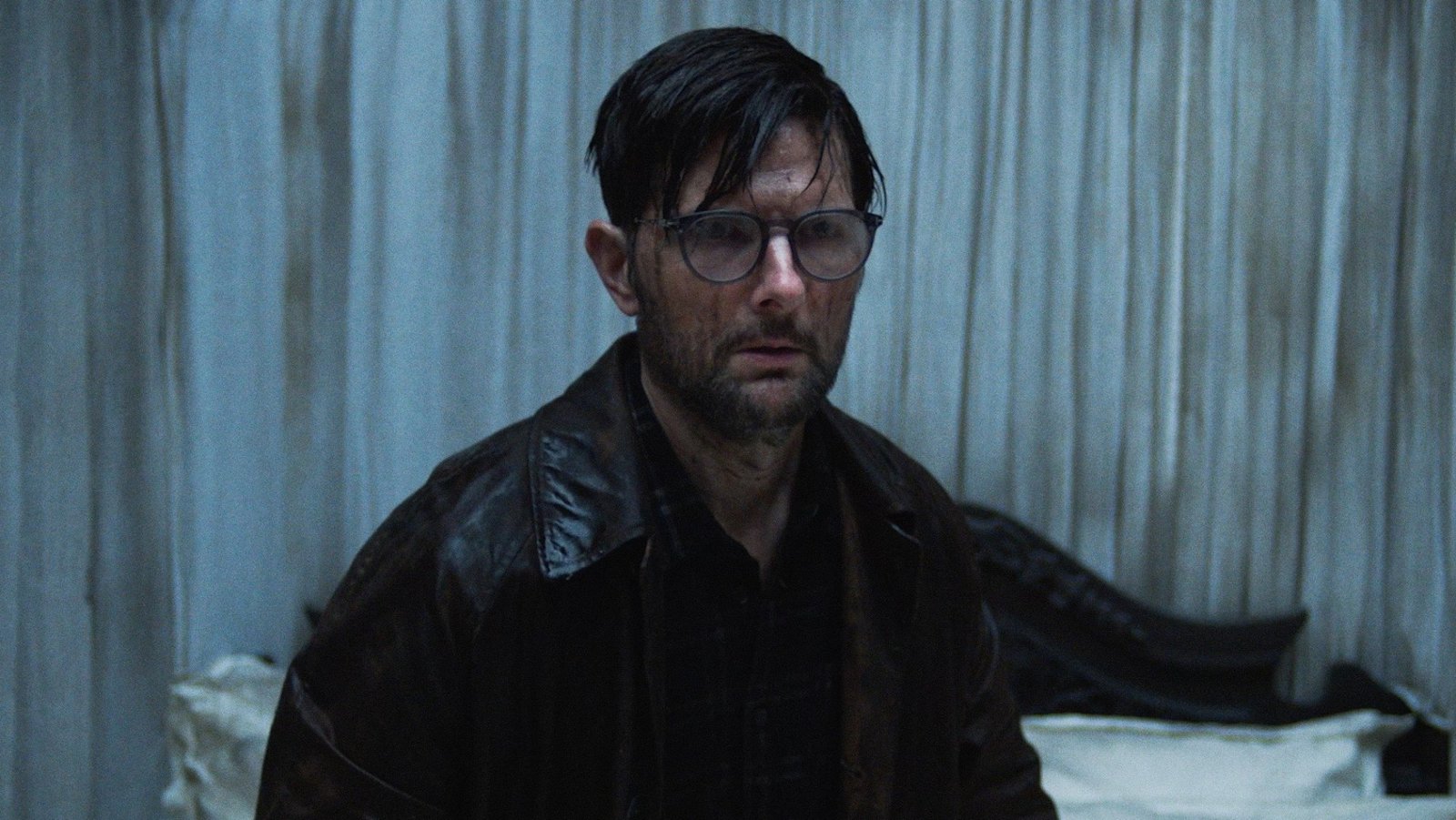
    Adam Scott plays Ohm Bauman, a successful American novelist struggling with the epilogue for the final part of his series known as The Conquistador Trilogy. Seemingly at random after being unsettled by a presence while writing late one night, he takes off for Ireland to scatter his long-deceased parents’ ashes. For a guy whose name is practically a Buddhist chant, Ohm is tetchy, rude and disinclined to hide his American entitlement, alienating the staff as he checks in at the quaint old Billberry Woods Hotel.

    His choice of lodgings is based on the knowledge that his folks stayed there on their honeymoon; the one photograph Ohm has of his mother (Mallory Adams) shows her leaning against a tree in the nearby forest, identified on the back in her handwriting as “the big redwood.” The circumstances of her death, just a short time after the Ireland trip, are at the root of reclusive Ohm’s misanthropic nature.

    He gets off on the wrong foot with gruff hotel handyman Fergal (Michael Patric); has little time for the inane pleasantries of front desk clerk Mal (Peter Coonan); even less patience with Alby (Will O’Connell), a chatty bellhop who aspires to be a writer; and he snaps like an indignant Karen at crusty hotel owner Mr. Cobb (Brendan Conroy) for telling a story about an evil crone to impressionable children. Only the bartender, Fiona (Florence Ordesh), gets semi-civil treatment from him, which pays off when her concern saves Ohm from potential tragedy.

    There are a lot of danger signals in the opening scenes — Mr. Cobb’s tale of a witch that takes lost travelers on a tour of the underworld; Fergal slaughtering goats with his trusty crossbow because they keep jumping on guests’ cars; dotty Jerry (David Wilmot) living out of his van in the woods, who recommends a swig of powdered magic mushrooms in goat’s milk to outrun the demons. Then there’s the mysterious honeymoon suite, which according to Fiona has been kept locked for years, since Cobb trapped the witch in there.

    When Ohm returns after a spell in hospital, one staffer has gone missing since Halloween, Jerry is the No. 1 suspect, and the hotel is closing for the season. Still, Ohm finds a way to stick around, and when the honeymoon suite call bell starts ringing insistently, he goes exploring.

    McCarthy, editor Brian Phillip Davis and composer Joseph Bishara keep the tension mounting as murky deeds come to light and Ohm finds himself trapped in a place where the past is coming for him. Looking increasingly grubby and haggard as the action wears on, Scott is appropriately rattled and desperate, resorting to a protective chalk circle for safety and a rickety dumbwaiter for possible escape — an effectively claustrophobic visual if not much more. The writer has both the living and the dead to worry about, not to mention his own tortured history.

    While it’s a little low on scares, Hokum is pacey and involving enough to keep genre fiends watching once it hits streaming, just for production designer Til Frohlich’s creepy hotel set alone, a place that looks untouched by the passing years. But the writer-director smudges the lines separating an ancient evil from a sordid but disappointingly non-supernatural crime.

    If you were expecting those dead goats being dumped in the forest, that redwood or a conspicuously featured bunny suit to amount to some kind of malevolent-nature payback, or the witch upstairs to be traced back to a living person rather than just your everyday demonic, chain-dragging ghoul, forget it.

    Instead, we get a pointless return to the conquistador in the desert, a fictional story whose allegorical reference to Ohm and his childhood trauma is sketchy at best. All this does is intrude on an otherwise sturdy final scene between the novelist and the undaunted Alby, whose manuscript might be a new nightmare.

  • ‘Manhood’ Review: Documentary Takes a Graphic, Compassionate Look at the Wild World of Penile Enhancement

    ‘Manhood’ Review: Documentary Takes a Graphic, Compassionate Look at the Wild World of Penile Enhancement

    Daniel Lombroso’s new documentary Manhood features the tantalizing subhead, “Inside the secret booming world of penile enhancement,” and while a full review will follow, I think most readers will have three primary questions.

    1. Is Manhood coy regarding its depiction of its subject matter or is it brazen?

    Manhood

    The Bottom Line

    Very gnarly and admirably non-judgmental.

    Venue: SXSW Film Festival (Documentary Spotlight)
    Director: Daniel Lombroso

    1 hour 31 minutes

    Manhood is not coy. Manhood contains a whole lot of dicks. Manhood is not a documentary that you should ever consider watching on an airplane or with elderly conservative relatives. I would say it’s a bad movie to see on a first date, but I don’t know you or your taste in significant others. It’s absolutely a movie that Travis Bickle would go to on a first date, if that helps. Oh and probably it’s not a good movie to watch while eating — not because penises are necessarily good or bad accompaniments for a meal, but because enhancement means surgery and surgery means needles and surgery means botched surgery.

    2. Is Manhood‘s approach to its subject matter earnest or is it jokey?

    There are places in Manhood that will make you laugh, sometimes nervously and sometimes unabashedly, and you will probably find yourself laughing at some of the people in the documentary, because you are mean. The film is not opposed to the occasional piece of puerile humor, like introducing the Dallas skyline exclusively with the decidedly phallic Reunion Tower. But Lombroso is as non-judgmental as one could possibly be regarding this subject matter. You may laugh, but it won’t be because the filmmaker is passing overt judgment. That’s a level of maturity I would not possess, but one that I am capable of respecting a tremendous amount.

    I’d add that you can simultaneously laugh at and find sad truth in this observation from one doctor: “I can fill your penis with filler, but I cannot fill the hole in your heart.”

    3. Assuming that Manhood approaches “the secret booming world of penile enhancement” as one that is impacted by masculine insecurities brought about by our culture, does Joe Rogan get blamed?

    Yup! Manhood is nonjudgmental toward its participants, but that doesn’t mean there is a complete lack of judgment. Joe Rogan and the manosphere podcasts, their advertisers and their guests are treated as perpetrators in an epidemic for which having a big penis is seen as a solution. A finger is pointed in that direction. No finger is pointed precisely at pornography or certain conservative religious groups, but they’re presented as additional sources of anxiety.

    So have I told you everything you need to know? Manhood is a documentary about a subject that will produce much uncomfortable giggling, but it is not a sniggering documentary. It’s a documentary that basically says, “Here is a thing that is happening and here is a clear-eyed glimpse at how and why it’s happening, but what you do with that information is up to you.”

    It left me with questions — some extremely important — and frustration at multiple things that go totally unaddressed. But it’s a movie with a whole lot of dicks that is capable of prompting conversations that go well beyond issues of length (not functionally altered by current surgical procedures) and girth (very much functionally altered by current surgical procedures, but not always in the ways you want) into serious contemplations of what it means when pundits refer to a crisis of masculinity.

    Lombroso chooses to focus on three people:

    Bill Moore runs the AdvancedYou clinic out of a strip mall in Dallas. It appears to do Botox and body sculpting and to have various chambers that freeze and relax you. But for the purposes of the documentary, their major service is penile enhancement — specifically the PhalloFill program, which is itself enhanced with something called a PhalloSleeve, which Bill has patented.

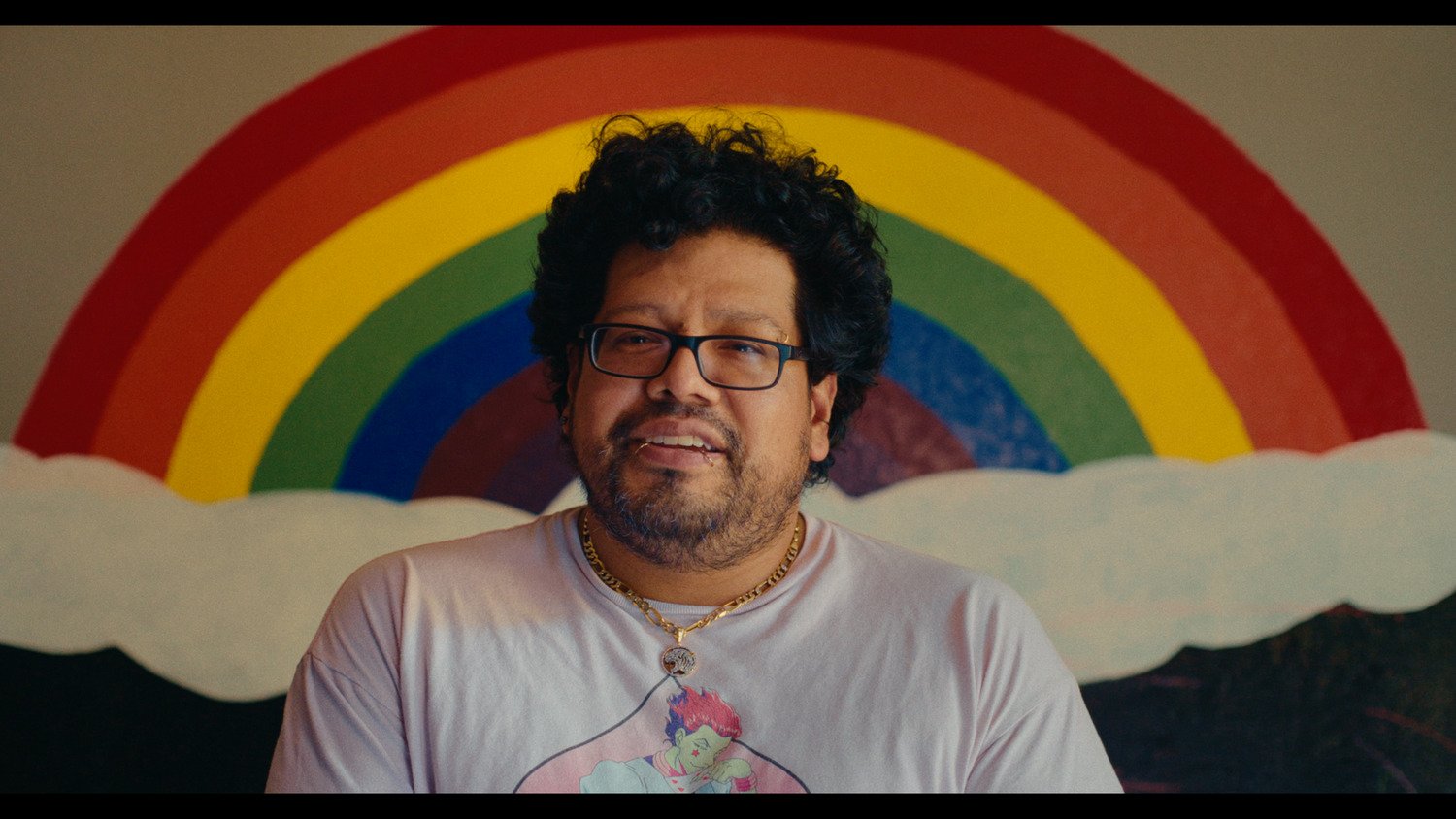
    Ruben is one of Bill’s clients. A father of five who only began enhancing as he approached middle age, Ruben is an aspiring stand-up comic and a huge Joe Rogan fan. His partner says that she didn’t ask Ruben to get these enhancements and she says they make no difference to her, but Ruben insists, multiple times, that she loves it and just doesn’t want to say so. It’s hard to explain why Ruben is doing this, but he likes change and he notes that the world is full of ways that women can alter their appearances, but the same isn’t true for men — therefore he compares what he’s doing to breast augmentation or a BBL.

    Then there’s David, who lives in Miami and comes from a very religious Christian family. David, who hasn’t told his family he’s gay, has a very graphic OnlyFans page with half-a-million subscribers. It’s hard to explain why, but David went to a Miami doctor for an enhancement procedure and it was botched. He has now turned to Bill for help that may require expertise that Bill does not possess or provide, though Bill is happy to help in various other ways.

    If you have an image in your head of the type of person going in for penile enhancement, neither Ruben nor David is precisely what you’re imagining, nor are their motivations precisely what you’re imagining. Bill is probably closer to what you’d picture as the slick-talking proprietor of the operation. Then you see the parade of on-camera urologists who lament how enhancement technology has fallen into the hands of charlatans, but who then gladly work with Bill, who boasts about the amount of aesthetic work he’s done on himself, claiming nobody suspects (which we all surely do).

    There’s an effort here to combat expectations, though we briefly meet a bunch of Bill’s other patients, who conform more to stereotypes. But our featured characters? They’ve all been chosen and edited for backstories that make them worthy of sympathy, even if many viewers may fall short of feeling empathy. Ruben seems brainwashed by one corner of the media, David by a different corner and I guess it’s up for grabs on whether Bill is brainwashed or brainwasher. The point is that male fragility is a thing amplified by the current moment.

    Manhood is sometimes more interested in freaking you out with the quantity and quality of penises — the first “graphic imagery warning” comes 23 minutes in, at which point most viewers will say, “But what were we getting before?” — than going deep (or in some cases even shallow) on, for example, the bigger questions of gender and sexuality raised by the procedure.

    Many of my other unanswered questions are logistical, dealing with legality, certification and qualification for spas and clinics, doctors and clinicians. As in, I don’t completely understand, procedure-wise, what Bill Moore can or cannot do and why he can or cannot do those things, what training he has and whether that’s something we should be concerned with. We definitely should be concerned about the doctors who botch procedures like this, but David’s legal recourse is glossed over. Plus, Bill does several jaw-dropping things in the documentary that sure seem questionable, but are they or should they be?

    Mental health options, from a professional perspective, are discussed, but not nearly enough.

    But maybe Manhood is, more than anything, about legitimizing all serious conversation on this topic and, in establishing that validity, it opens the door for more documentaries in this sphere. That’s worthy, but just remember: Don’t watch Manhood on a plane.
  • FCC Chair Brendan Carr Says Broadcasters Must “Correct Course” Amid Iran War Coverage Criticism or “They Will Lose Their Licenses”

    FCC Chair Brendan Carr Says Broadcasters Must “Correct Course” Amid Iran War Coverage Criticism or “They Will Lose Their Licenses”

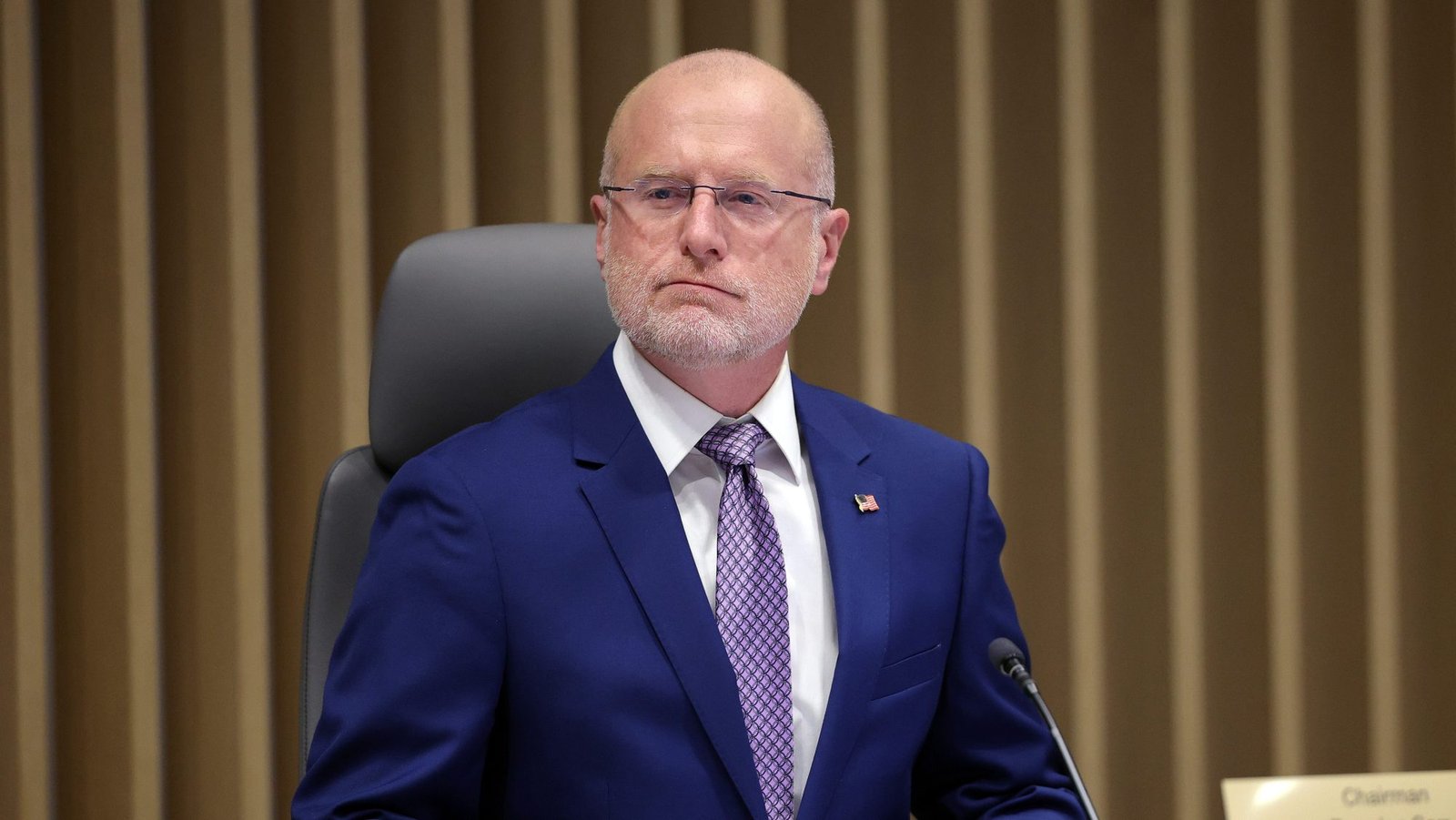
    FCC chair Brendan Carr said broadcasters could lose their licenses if they do not “operate in the public interest,” reiterating President Donald Trump‘s criticism of media coverage of the Iran war.

    “Broadcasters that are running hoaxes and news distortions — also known as the fake news — have a chance now to correct course before their license renewals come up,” Carr wrote on X Saturday as he reshared a post Trump wrote on Truth Social. “The law is clear. Broadcasters must operate in the public interest, and they will lose their licenses if they do not.”

    He continued, “And frankly, changing course is in their own business interests since trust in legacy media has now fallen to an all time low of just 9% and are ratings disasters. The American people have subsidized broadcasters to the tune of billions of dollars by providing free access to the nation’s airwaves. It is very important to bring trust back into media, which has earned itself the label of fake news.”

    In Trump’s original post, he slammed “an intentionally misleading headline by the Fake News Media about the five tanker planes that were supposedly struck down at an Airport in Saudi Arabia, and of no further use.” The president wrote that “the planes were not ‘struck’ or ‘destroyed,’” adding “None were destroyed, or close to that, as the Fake News said in headlines.”

    Trump said of the New York Times and the Wall Street Journal, among “other Lowlife ‘Papers’ and Media actually want us to lose the War,” that “their terrible reporting is the exact opposite of the actual facts! They are truly sick and demented people that have no idea the damage they cause the United States of America.”

    However, the FCC does not have control over said papers. Instead, Carr and the commission have been outwardly critical of late night TV and, more recently, talk shows. In February, Carr said the FCC started enforcement proceedings that will look into The View‘s alleged violations of political equal time rules.

    “When a political candidate is able to win a landslide election victory after in the face of hoaxes and distortions, there is something very wrong,” Carr concluded in his Saturday post. “It means the public has lost faith and confidence in the media. And we can’t allow that to happen.”