Tag: Entertainment-HollywoodReporter

  • Sex, Scalpels and Surprises: THR Critics on Winter’s Must-See TV

    Sex, Scalpels and Surprises: THR Critics on Winter’s Must-See TV

    DANIEL FIENBERG It’s time for another of our seasonal face-offs! This winter has given us the premiere of the Canadian hockey romance Heated Rivalry on HBO Max and the launch of the fifth season of the Canadian hockey romance Shoresy on Hulu. In between, we had action from the Milano Cortina Winter Olympics, an odd rush of ice dancing programming on Netflix and more. Winter sports were big these past few months!

    HBO didn’t appear to know what it had in Heated Rivalry, even though the source books by Rachel Reid came with a burgeoning fan base. The announcement of the Crave production’s HBO Max premiere came just nine days before airdate, and critics were only sent the first two episodes. That meant I reviewed it without knowing about Scott and Kip, the cottage and other highlights. Those two first episodes introduced the show’s unapologetically steamy sex, but the emotional sincerity of the love story took a little longer to reveal itself. Angie, was it a power play that HBO Max let this one develop as a word-of-mouth smash or was it just dumb puck … sorry … luck?

    ANGIE HAN Can it be a bit of both? The rollout strategy suggests HBO Max was caught off guard by just how popular Heated Rivalry turned out to be — surely if they’d had an inkling, they’d have promoted the show and its stars a little bit harder — but in retrospect, I wonder if it worked in the show’s favor.

    Through the (American) Thanksgiving and Christmas holidays and into this year, I’ve watched the conversation evolve from, “There’s a gay hockey show?” to, “OMG, you have to watch the gay hockey show,” as friends turned each other on to this seemingly out-of-nowhere hit. The series’ initial obscurity meant fans came to it at different times, stretching the buzz way past what you’d expect from a slim six-episode run. Leads Hudson Williams and Connor Storrie went, seemingly overnight, from two dudes no one had heard of to the hottest young stars in the biz, in the sort of Cinderella story that tends to get fans personally invested in their ascents. (It also, unfortunately, seems to have sparked no small amount of parasocial toxicity, but that’s another conversation.)

    People love to feel like they’ve discovered something new, especially at a time when networks can seem desperate to cram more of the same-old down our throats. More Stranger Things, several seasons after that saga ran out of creative juice? Obviously! More heavily hyped Ryan Murphy FX extravaganzas? Have two: The Beauty and Love Story: John F. Kennedy Jr. & Carolyn Bessette! More murder mysteries? More ’80s IP reboots? Peacock’s gone so far as to resurrect, for some reason, The ‘Burbs!

    It’s not that those shows are bad. I’ve enjoyed many of them more than I expected to. Disney+’s Marvel spinoff Wonder Man and HBO’s Game of Thrones prequel A Knight of the Seven Kingdoms made two giant, well-trodden franchises feel fresh again by finding the smaller, more intimate stories within them. The new Muppet Show special gave people what they wanted by just giving them the old Muppet Show back, after years of trying to reinvent the wheel.

    But — to circle back to Heated Rivalry — it’s just more fun to tell your friends all about the gay hockey show no one saw coming. (Pun not intended.)

    FIENBERG The toxicity within the Heated Rivalry fandom is connected to the discovery of the show. There’s no point, for example, in getting possessive about A Knight of the Seven Kingdoms; it already belonged to everybody. But with Heated Rivalry, it felt like the people who had read the books got irritated with the people who discovered the show in its first weekend, and those people got annoyed at the people who only found it at the end of its run. And nearly everybody got annoyed with Saturday Night Live for making Heated Rivalry its entire personality, even bringing in Storrie as host in one of the fastest “unknown to SNL host” rises in memory. Gatekeeping is often the gateway to toxicity, and Heated Rivalry had multiple gates being vigilantly kept.

    Fortunately, it doesn’t change the fact that at its best — Ilya’s Russian monologue to Shane and their shared shock at Scott’s championship “moment” made the fifth episode the peak — it was simply a very good show.

    Heated Rivalry was easily the biggest wholly off-radar success (I wish the TV Academy could reconsider its rules so that Storrie and François Arnaud could at least be in the Emmy conversation). More frequently, though, my winter surprises have been confirmatory rather than revelatory. I’d already seen Mia McKenna-Bruce in the 2024 indie How to Have Sex, so Netflix’s serviceable whodunit Agatha Christie’s Seven Dials just reiterated that she’s a star worth following. I adored Derry Girls, so creator Lisa McGee’s latest Netflix offering, How to Get to Heaven From Belfast, just proved that when her dialogue is in the hands of gifted actors — Roisin Gallagher, Sinéad Keenan and Caoilfhionn Dunne all shine — she can do almost anything.

    I’d put A Knight of the Seven Kingdoms and Wonder Man in a different sort of “pleasant surprise” category. It’s not like either show snuck up on anybody. Instead, both thrived by discarding all the fanciest trappings of their branded siblings. Knight was basically a two-hander, carried by the charm of Peter Claffey and Dexter Sol Ansell rather than dragons, exotic locations and epic mythology. Ditto Wonder Man, which worked because of Yahya Abdul-Mateen II and Ben Kingsley, often forgetting entirely that it was a superhero show.

    Oh, and I didn’t hate The Beauty! That was a surprise. It isn’t good, but it’s silly in better and more provocative ways than the other recent Ryan Murphy output. It’s a show that’s designed to be shocking and provocative for people who have never seen a film or TV show before, but … at least it had things on its mind.

    HAN How to Get to Heaven From Belfast is enough like Derry Girls and the un-McGee-related Bad Sisters that I’ve been recommending it to people who like either, but it’s different enough that it doesn’t feel like a retread. Mysteries may be a dime a dozen on TV, but it’s rare to see one whose perspective and personality feel so fully formed from the jump or that flits between tones — it’s hilarious and tragic and dark and sweet — so nimbly.

    I’ve also been suggesting people check out NBC’s The Fall and Rise of Reggie Dinkins if they’ve enjoyed the Tina Fey-Robert Carlock constellation of sitcoms. It’s not the brightest star in that system, and the first episode is pretty rough. But it’s much improved by the second! Tracy Morgan and Daniel Radcliffe, playing a disgraced NFL player and the documentarian trying to film a project about him, are the buddy-comedy pairing you didn’t know you needed, and Erika Alexander, as Morgan’s ex-wife, is a delight as the requisite “most normal person who still isn’t all that normal” character.

    Then there are returning shows. No one needs to be told at this point to watch HBO Max’s The Pitt, which is back for a second season that ought to please anyone who liked the first. But maybe they could use the reminder that HBO’s Industry remains perhaps the sharpest exploration of power, sex and money in recent memory — and that its latest outing might be its nastiest, most ambitious yet. Then there’s Peacock’s The Traitors, the fourth season of which has delivered what is sure to be one of the most satisfying scenes of TV in 2026: the banishment of Michael Rapaport.

    FIENBERG You know what would have been even more satisfying than the banishment of Michael Rapaport on The Traitors? The absence of Michael Rapaport on The Traitors. Between the Rapaport of it all, the strange bullying of the socially awkward Ron Funches and a surplus of Housewives I don’t care about, this season has mostly had me looking forward to the upcoming all-normie season.

    The Pitt deserves credit for meeting the hype that comes from Emmy domination and saying, “Yes, it’s possible to do this every year and deliver, just like TV shows used to!” I’ve thought this season has occasionally tried to do too much, hitting its topical targets — encroachment of AI in medicine, crippling health care costs, lingering effects of the Tree of Life tragedy in Pittsburgh — with the level of subtlety it reserves for its goriest surgeries. Man, though, I love this ensemble.

    AMC’s Dark Winds, which just returned for its fourth season, offers still more proof that while brilliance is nice, reliability is underrated. Look at all the shows this winter that have either failed, or struggled, to live up to previously hyped chapters. Is anybody talking about the second season of Fallout or the fourth season of Bridgerton? Compared to the evidently successful tawdriness of His & Hers — a series that has split audiences between those who found the ending jaw-dropping and those who found it to be intelligence-insulting idiocy (I’m the latter) — the Bridgerton buzz has seemed muted, while Fallout‘s sophomore season mostly made me realize that the parts of the show I like (Ella Purnell and Walton Goggins, basically) are overshadowed by what bores me.

    But I’ll close with positivity. In their respective third seasons, Apple’s Shrinking still makes me cry, and Adult Swim’s Primal still astonishes with its brutal animated audacity. I loved Emilia Clarke and Haley Lu Richardson in Peacock’s uneven Ponies, endorse Holly Hunter and Paul Giamatti’s scenery-chewing in Paramount+’s uneven Star Trek: Starfleet Academy and thought Patrick Dempsey’s hair looked great in Fox’s Memory of a Killer. Angie, your final takeaways from the Winter of Shane and Ilya?

    HAN I could rant about how Hollywood has underestimated romance lovers, hockey lovers, Canadians and Jacob Tierney at their own peril. Or how Heated Rivalry is proof of how essential a great sex scene can be. But if we’re talking the most surprising thing I learned this season? It’s that between Shane Hollander and Bridgerton‘s Benedict, no one seems to have any idea what the hell a “cottage” is.

    This story appeared in the Feb. 23 issue of The Hollywood Reporter magazine. Click here to subscribe.
  • Major Streaming Services to Be Regulated More Like Broadcasters as U.K. Unveils Sweeping Change

    Major Streaming Services to Be Regulated More Like Broadcasters as U.K. Unveils Sweeping Change

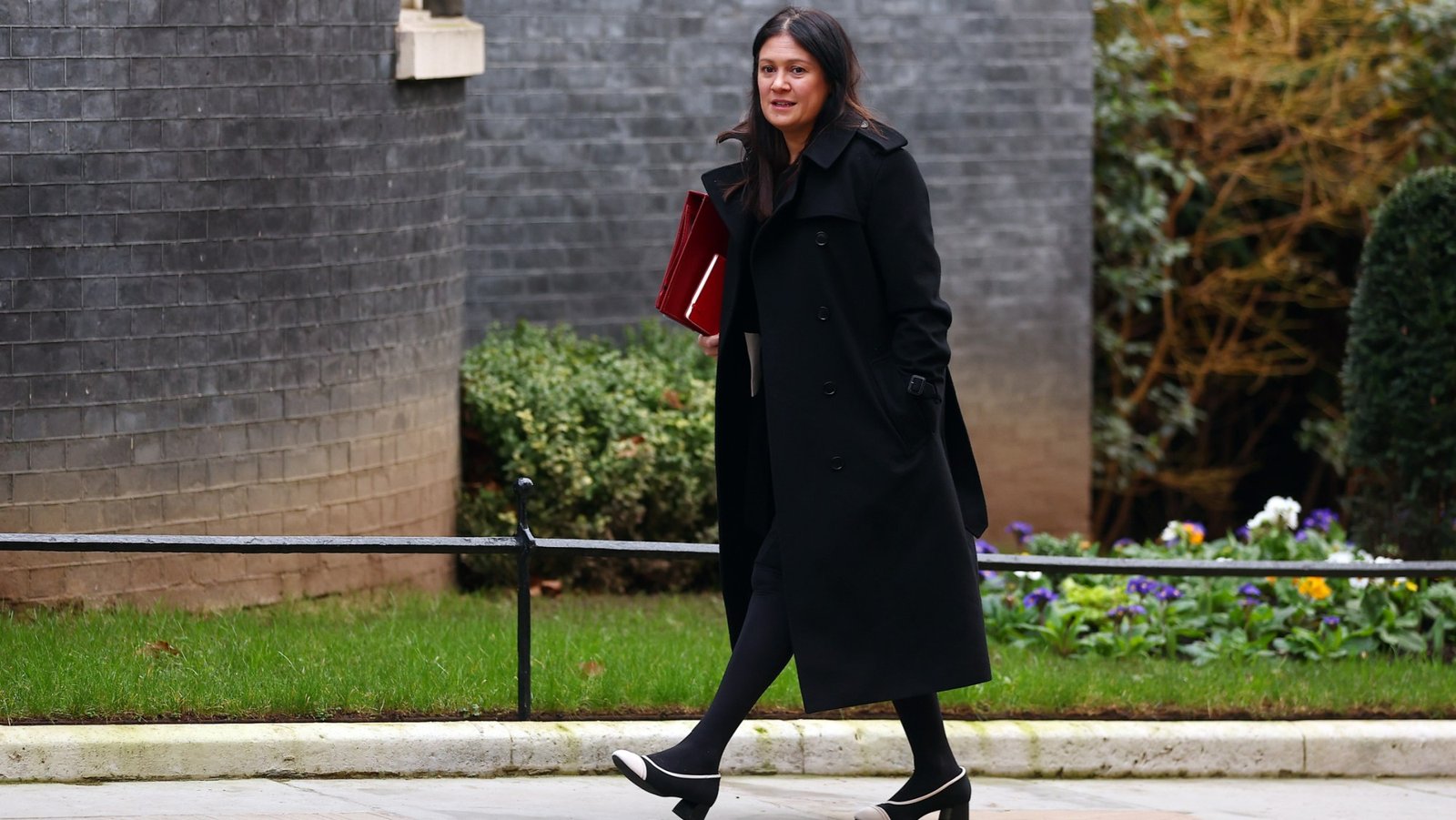
    The U.K. government said on Tuesday that streaming services with more than 500,000 U.K. users, including Netflix, Amazon Prime Video, Disney+, ITV’s ITVX and Channel 4’s services, will be covered by enhanced regulation by U.K. media regulator Ofcom “designed to protect audiences and improve accessibility.”

    The government unveiled “secondary legislation to implement the Media Act 2024, bringing the largest, most popular VOD services in the U.K. under enhanced regulation by Ofcom,” it said. “Platforms such as Netflix, Amazon Prime Video and Disney+, and the public service broadcaster VOD services like ITVX and Channel 4, will be required to follow similar Ofcom content rules to those currently in place for traditional broadcasters.”

    By designating the most popular streaming platforms as “tier 1” services, they will need to adhere to a new VOD standards code. “Similar to the Broadcasting Code, this will ensure that news is reported accurately and impartially and audiences are protected against harmful or offensive material,” the government said. “Audiences will be able to complain to Ofcom if they see something concerning, and Ofcom will have powers to investigate, and take action, where they consider there has been a breach of the code.”

    Under a new accessibility code covering the services, they will be subject to minimum requirements for accessibility features. For example, streamers will need to ensure that at least 80 percent of their total catalogue is subtitled, 10 percent is audio-described, and 5 percent is signed.

    The regulations are designed to “reflect the significant shift in how audiences choose to watch TV,” the Labour Party government said. After all, around two-thirds of U.K. households subscribe to at least one service from Netflix, Amazon Prime Video or Disney+, with 85 percent of people using an on-demand service each month, compared to 67 percent who watch live TV.

    “While licensed television channels must comply with Ofcom’s Broadcasting Code and accessibility requirements, such as subtitles, many of the U.K.’s most popular VOD services are not regulated to the same standard,” highlighted the government. “Some are not regulated in the U.K. at all. This poses a risk to audiences and a lack of consistency across TV and TV-like services.”

    As a result, the U.K. government called its move an attempt to “create a more level regulatory playing field and ensure that U.K. audiences – particularly children and parents – can be confident that protections from harmful material are in place, whether they tune in via traditional channels or a mainstream on-demand service.”

    Said Secretary of State for Culture, Media and Sport Lisa Nandy: “We know that the way audiences watch TV has fundamentally changed. Millions now choose to watch content on video-on-demand platforms alongside or, in the case of many young people, instead of traditional TV. The Media Act introduced vital updates to our regulatory framework, which this government is committed to implementing. By bringing the most popular video-on-demand services under enhanced regulation by Ofcom, we are strengthening protections for audiences, creating a level playing field for industry and supporting our vibrant media sector that continues to innovate and drive growth across the U.K.”

    Ofcom will shortly begin a public consultation on the new standards and accessibility codes to provide an opportunity for the public and providers to set out their views on the rules.

  • TelevisaUnivision’s U.S. Ad Revenue Softens In Political Offseason

    TelevisaUnivision’s U.S. Ad Revenue Softens In Political Offseason

    Spanish-language media giant TelevisaUnivision reported a 2 percent U.S. revenue fall to $1.3 billion in the fourth quarter of 2025 as an 11 percent U.S. advertising revenue drop to $423.2 million came alongside a 2 percent subscription and licensing revenue fall to $341 million.

    Total U.S. revenue fell 7 percent to $777.2 million in the three months to Dec. 31, 2025, or a 3 percent drop when factoring in political advertising. Mexico revenues rose 7 percent to $546 million, as advertising revenue grew 15 percent to $433 million in that market.

    TelevisaUnivision narrowed its fourth-quarter net loss to $234.7 million, compared to a year-earlier net loss of $809.7 million when the media giant recorded a $900 million non-cash impairment loss due in part to a write-down of TV broadcast licenses.

    The latest financial quarter saw TelevisaUnivision record a $300 million non-cash impairment loss related to the write-down of program rights. The fourth-quarter financials also underlined how ViX streaming growth continues to offset legacy TV asset declines.

    “ViX delivered record revenue, achieved profitability in every quarter, and expanded operating margins throughout the year, evolving into a scalable growth engine that is now a strategically central component to our business model. In 2026, we are building on this momentum to deepen audience engagement, unlock greater value for our partners, and reinforce our leadership as the voice of Hispanics,” Daniel Alegre, CEO of TelevisaUnivision said in a statement ahead of a late morning analyst call to discuss his latest financial results.

    The company owns the Univision broadcast network, while also building up its ViX streaming platform to chase younger consumers. 

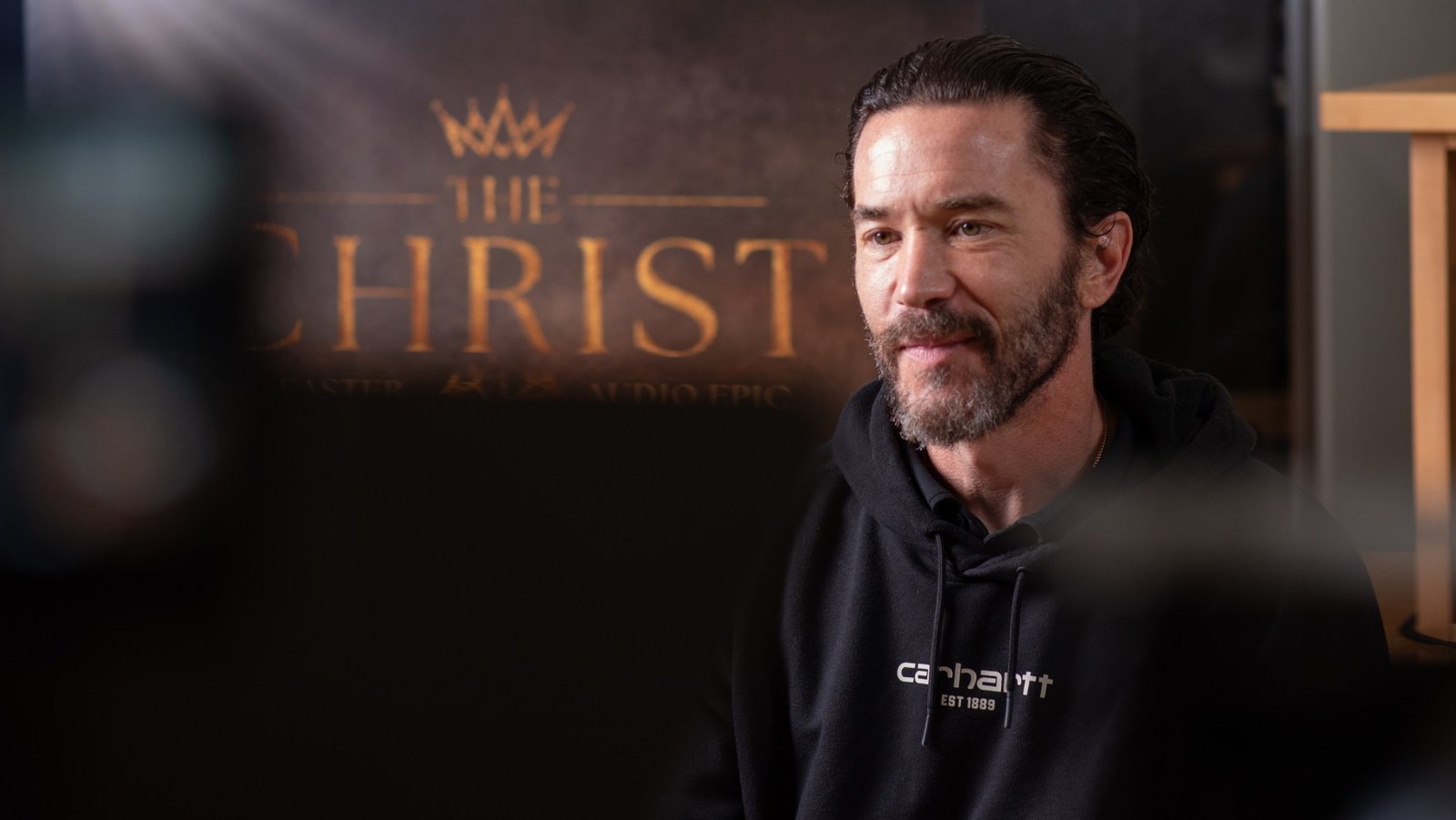
  • Tom Pelphrey Takes on Task of Playing the Most Famous Man to Ever Live — Jesus Christ (Exclusive)

    Tom Pelphrey Takes on Task of Playing the Most Famous Man to Ever Live — Jesus Christ (Exclusive)

    The story of Jesus Christ has inspired countless adaptations for stages, pages, sermons and screens big and small. But since this is the year 2026, there’s a new version being readied for podcast audiences just in time for the Easter holiday.

    Faith Podcast Network will debut a four-part series, The Christ, billed as “an audio epic” and “the first ever full-scale audio dramatization of Jesus’ life across four immersive episodes using cinematic-quality sound, music and performances.” It will feature more than 100 different characters and some high-profile Hollywood names toplined by Task and Emmy-nominated Ozark star Tom Pelphrey as Jesus Christ, opposite David Oyelowo as Pontius Pilot, Paul Walter Hauser as John the Baptist, Courtney Hope as Mary, mother of Jesus, Patricia Heaton as the host and John Rhys-Davies as the narrator.

    The Christ comes from a creative team that includes writer and director Paul Cuschieri, co-director and producer Mark Ramsey and producer Jim Young. The Christ drops during Holy Week, with the first episode debuting on March 30. A new episode will be released each day through April 2, scheduled accordingly so that the entire series will be available by Good Friday on April 3. The official logline says The Christ will cover “the life, death and legacy of Jesus of Nazareth. Through betrayal, courage, suffering and hope, the series explores how one man’s story reshaped history — and redefined love, authority and sacrifice.”

    Needless to say, it’s a tall task to step into the shoes of the most famous man who has ever lived. But Pelphrey seems to have arrived at the opportunity at just the right time in his life and career. Engaged to fellow Emmy nominee and beloved TV star Kaley Cuoco, he’s a new father who has only recently started to share more about his life off set. Long considered an actor’s actor, Pelphrey longed to stay in the space of being able to disappear into roles like his acting idol, Robert De Niro. As his profile changed, thanks to critically acclaimed turns in Ozark, Mank and Task, so did his perspective on how to engage with the public as a recognizable actor. He largely credits the shift in worldview to his sobriety, which he revealed on Instagram last October.

    “12 years sober today,” he posted on Oct. 1, 2025. “Sober by the grace of God. Deeply grateful for my sobriety and the life I get to live because of it.” He wrote more words about it, but the one mentioned above — God — is most necessary for the below conversation with The Hollywood Reporter as Pelphrey opens up on the intimidation of voicing Jesus in The Christ, how some early Shakespearean acting advice from Mark Rylance came in handy while recording his first podcast series and the beauty of being able to wait for “the next thing that just lights me up.”

    What was your reaction when your reps presented an opportunity to play Jesus in a new podcast?

    I was so excited. Faith is such a big part of my life, and it has been for a while now. This came to be out-of-the-blue, and I was so excited to be a part of it and tell this great story.

    Tell me more about your faith. How far back and how deep does it go?

    I was raised Catholic, and you can still see remnants of the ashes on my forehead from [Ash Wednesday services]. But my real relationship to faith started when I got sober, and that is actually what got me sober. When people talk about sobriety, you often hear the phrase “by the grace of God.” I fully believe that to be true in my case. My life went from chaos into order. Maybe a lot of people can relate to this, but I think of my faith like the story of the prodigal son. You’ve gone astray and get beat up out there. You’re sad, scared and don’t know what to do, so you think you should go home. But instead of getting yelled at, punished or kept at arm’s length, you are received with joy. That’s how it felt for me. To now have an opportunity to be a part of telling a story about Jesus, who I believed saved my life, and for that story to possibly help someone who has felt lost, stranded, sad or scared, is deeply meaningful to me.

    Pelphrey

    Courtesy of Faith Podcast Network

    That was beautiful, thank you for sharing. You get the job, then comes a challenge of finding the voice of Jesus, perhaps the most famous person who has ever lived. Obviously, he sounds a bit like Tom Pelphrey, that’s why they hired you, but how did you settle on what Jesus sounds like?

    I have to say that there’s a certain size to this that if I thought about it in a certain way, I would’ve been too scared to even attempt it. I’m new to voiceover work, and so regardless of the role, I was already a little intimidated. But I was also very nervous leading up to it. I felt that I shouldn’t try and do too much. And I thought that if I could add to this in any way, I should try and add what it is that I feel like I do best — try and find the most human interpretation of what Jesus is experiencing. That’s part of the power and the beauty of the story — fully God, fully man — and it was interesting to walk through the story by thinking of it more on the fully man side. For me personally, those are the moment in the story that have always touched me the most when Jesus felt and responded like a vulnerable human being.

    You mentioned being nervous. How did those nerves affect you?

    I knew I would be saying some of the most famous sayings in human history, and if that doesn’t intimidate you a little bit, God bless, but it intimidated me. This is a slightly different way to talk about it but when I was in college at Rutgers, we got to study at [London’s] Globe Theatre, and it was amazing. It was such an incredible juxtaposition of what we were learning with [Sanford] Meisner and the kitchen sink, and all of that. We learned to stand up tall, use your voice and project.

    Mark Rylance was still the artistic director there, and he came to talk to our class. At one point, he gave us an example of performance by doing the “to be, or not to be” speech five different ways in a row. He just ripped it, like, whoa. In my mind, what got blown open was how it was this very famous Shakespeare text that is so well known and can, at times, seem inaccessible because it’s so sacred and revered, [that it] became something else. Mark said, “Make everything personal.” He taught us to know what you’re saying and live in the truth of what’s happening. It blew my mind open. To come full circle, I was nervous because [the Christ project] was this very heightened and important role based on something that everybody knows and is familiar with and there’s a presumption that it needs to be said perfectly. I just knew that I would never say it perfectly. When we were about to start, it came time to surrender to the idea that it was never going to be perfect. But what I could offer to the best of my ability was that if I put myself into it, made it personal, said it how I felt it and how it made the most sense to me, we would accomplish the best version of that.

    Logistically, what was the recording process like?

    We recorded for four or five days. It was really nice because the recording process allowed us to be in the room with multiple actors at once, so that was a really nice way to play scenes. All of the actors are excellent voice actors, and they are so professional and can talk about the differences between this microphone and that microphone, all of this stuff that I didn’t know about. It was amazing to be in the room with them and be able to ask questions in between takes and learn a little bit of technique. I remember when a light bulb went off when I understood how the less volume you had, the more chance there would be for dexterity within the speech.

    You can cheat these things because there’s a microphone so close to you. You can literally just get right on top of the microphone and whisper if you want. It’s very powerful and becomes very dynamic. Being in the room with these other actors was so helpful for performance and to build a sense of momentum so that every word, every line wasn’t uttered in isolation in a vacuum. It allowed me to pick up technique, which I’m always trying to do with everybody I work with. What can I steal here? What can I learn here? How can I get better?

    Pelphrey and Courtney Hope during the recording process.

    Courtesy of Faith Podcast Network

    Was there something you stole that was most impactful or meaningful during the process?

    Understanding how much more you can play with dynamics in terms of sound, volume and proximity to the mic. I started on stage, and there’s a certain amount of volume and projection needed for that. When you start to work in film and TV, you understand that everything is going to come sit in your lap, and you can whisper and barely move your eyes and everything will be projected. I needed to make that jump in the booth as well. That was definitely something I felt like I walked out of there with on day five that I hadn’t walked in with on day one.

    What was the most challenging or most emotional scene?

    The obvious answer is the entire passage on the crucifixion. That was obviously a very intense thing to try and capture sitting on a chair in a booth. We tried to get as creative as we could to try and help that feel a little more impactful, even if that meant standing during some of those efforts, or even doing something as simple as breathing. I haven’t listened to it yet to see how it turned out.

    How are you with that part of your job, as in listening to or watching your performances?

    The nice thing is when there’s a lot of space between when you do it and when you might get to watch it. In general, I am not in love with myself and I don’t hate myself, so it’s OK. It’s really useful if you can try and watch it somewhat objectively. You can learn and see where you can get better the next time, which is always the goal. But what happens is when you first do something, you have so much information about it in your head. If I saw a scene on Task a month later, I still remember what we ate for lunch that day or that the scene required six hours of setups. You have so much information about it that you are not able to experience it for the first time or how the audience is experiencing it. But you are able to get that feeling the more time that has gone by. I’ve never once watched myself and didn’t think that there’s a lot of good things I could learn and do better the next time. But I don’t watch it and think, oh, I’m horrible, or anything like that. I feel like I’m getting better all the time, and that’s all I’ve ever wanted. I’m excited to listen to this.

    There were some challenges of being in an audio booth when you’re meant to embody something very physical, because how do you create that? There were specific things that you would never have to do in any other context. I never have to be on set and act like I’m struggling to lift something or I’m exhausted sitting on a chair. If I’m on set and they want me to do that, I can go pick the fucking thing up and start running up and down with it until I’m exhausted and having a hard time lifting it, and then they can film me doing that.

    Was the decompression time after work different for this type of project?

    Credit to the group of people I worked with — and this happens on a great set, too — but, honestly, every day I left in such a great mood. There are times when you work on things, and you can’t help but to feel like there’s an energy that comes and it lives in you. You can feel it. When you get to work in such a way and you’re accumulating that energy in the process of working, you release it and leave happy, even if what you worked on or released was very dark or intense or heavy. This doesn’t happen to me much anymore but when I was younger, I might leave feeling heavy. If you haven’t been able to live through or share that energy, that’s when you feel bad because you’ve cooked up something that is not yours and you weren’t able to get rid of it. It’s an energy thing.

    This was also lovely because David Oyelowo is one of my good friends. The day before I was going in, I looked at the call sheet and I said to [my wife Kaley Cuoco], “David’s going to be there!” It was my first day and would be the first thing I ever recorded, and thank God it was with David because it just calmed me down and put me in such a great mood. He’s incredible. What a sweet, sweet, good, gentle, beautiful man. Paul Walter Hauser is also a buddy. He didn’t get to be there in person but he Zoomed in and I was able to say hi. It was a great group of people.

    Oyelowo

    Courtesy of Faith Podcast Network

    I’m doing this interview because it’s Tom Pelphrey playing Jesus, alongside other well-known actors like David Oyelowo and Paul Walter Hauser. They could’ve cast famous actors from the faith space but since it is recognizable Hollywood names, this has the potential to travel to a wider audience. Did you think about how it might circulate in the world with your involvement, and was that a motivator at all?

    There are so many versions of me answering this. I love being an actor, and I will say that for a long time, I really struggled with sharing any part of myself publicly. I really tried to dance around it, partially because of how it made me nervous and partially because of all the insecurities around it. Also, I read an interview once a long time ago with a young Robert De Niro. He was one of my heroes as a young actor. He said that the more people knew about him, the harder it was for him to do his job. I must’ve read that at 17, and it burned into my brain because it’s undeniably true. As an actor like De Niro, which is the kind of actor I’ve always wanted to be, you want to disappear. You want to serve the character. But we don’t live in that world anymore. As much as Robert De Niro was able to do that back then, it’s not the world we live in now.

    Sharing about sobriety and faith are so personal to me, and it means so much to me. The other thing you notice is when people are sharing things, you could say a word to a thousand people, and a thousand people hear a different version of that word. In all humility, to share something that matters to you, you first have to come to an understanding and acceptance that you’re surrendering how it’s going to be heard or what it means to anyone listening. You have no control over it. That’s been an amazing process to go through.

    You’re quite new to sharing parts of your life, too.

    Yes. We were talking about sobriety and the first time I ever shared, on my own, about my sobriety was in the past year. There are a million reasons for that, and part of it was that with sobriety, with faith or getting to do a podcast like this, there came the possibility that at some point, an honest sharing of any of this in whatever humble way I can could potentially help someone or make them feel less alone. That outweighed my fear of being misunderstood. It’s an amazing thing. Once the seal was broken, it felt very freeing. I’m grateful that, like you said, on some level, my participation or David and Paul’s participation would lead you to want to do an article about this. It’s wild. Also, being a dad, you start to think about everything differently.

    That was beautiful, thank you. And I appreciate you sharing about your sobriety because as someone who has been a fan of your work, seeing you share about your sobriety last year led me to think of your work in a new way. I know how meaningful of an experience it is and how it changes your life. But where do you go from here? How do you follow up playing Jesus Christ?

    Well, I don’t imagine that I will ever have an experience quite like that again. But I will tell you that I will do the same thing that I always do. I wait patiently for the next thing that just lights me up. Honestly, right now, I’ve been waiting for a long time but there are some things coming that I’m really excited about. That in and of itself is such a blessing. You want to talk about life-changing, 12 years ago, I was just hoping for a way to pay my rent. I’m not able to wait forever now, but I can sit back a little bit and be a dad and I don’t need to work immediately to pay my bills. I can wait for things that really move me or speak to me. The longer I am in my sobriety, the deeper I am in my faith, the more I feel that there’s a real power in trying your best in all ways to be of service. I want to be like that as an actor, too. When I read something, if I feel like I can bring something special to it or help it come to life in a very unique way, then I go for it. I felt that way when I read Task because I felt like I could be of service to something bigger than me, and that’s where I want to live these days. I don’t feel that way all the time, so I wait until I do.

    What a perfect way to tend. But I do have one more quick question because looking at you, you’re giving a little bit of Jesus today with the longer hair and the beard. Have you thought about letting it grow so when the podcast drops, you sound like Jesus but look a little like him, too?

    As tempting as that might seem on some level, the last thing we need anybody thinking is I’m like Jesus in any way. I am a very poor, poor, pale imitation. But Jesus is somebody I’m trying to be more like. Like we say, it’s progress, not perfection.

    A look inside the recording of the podcast The Christ.

    Courtesy of Faith Podcast Network

    A look inside the recording process with the creative team, including director and producer Mark Ramsey, producer Jim Young and writer and director Paul Cuschieri.

    Courtesy of Faith Podcast Network

    Producer Tatiana Kelly is pictured during the recording process.

    Courtesy of Faith Podcast Network

    A look inside the recording process.

    Courtesy of Faith Podcast Network

    A look inside the recording process.

    Courtesy of Faith Podcast Network

  • J.K. Simmons, Abby Elliott, John Reynolds Enter ‘Purgatory’ Dramedy (Exclusive)

    J.K. Simmons, Abby Elliott, John Reynolds Enter ‘Purgatory’ Dramedy (Exclusive)

    J.K. Simmons, The Bear actor Abby Elliott and John Reynolds are toplining Purgatory, Lindsay Lanzillotta’s coming-of-age comedy/drama and feature directorial debut.

    The indie, which has just wrapped production in St. John’s, Newfoundland, also stars newcomers Ruby McGurrin, Lauren MacRae, Mary Walsh, Jack Innanen, Julianne Arrieta, Marcus Ngo and Gemma Rosaria Rae.

    A synopsis from the producers reads: “Set in the early 1980s, the film follows thirteen-year-old Beatrice Gravel (McGurrin), whose comfortable world—family, school, and church—fractures when her mother (Elliott) moves out to “self actualize,” leaving Beatrice and her sister (MacRae) with their devastated father (Reynolds). As Beatrice doubles down on a plan to ‘fix’ her family, she barrels through bullies, friendship blowups, a make-out party, and a kleptomaniac babysitter—forcing her to decide who she wants to be when she can’t get what she wants.”

    Simmons plays Beatrice’s confidante Father Malone, Innanen portrays her school’s vice principal and her mother’s new love interest, while Walsh portrays a teacher and Arrieta is the PTA president.

    Lanzillotta directed Purgatory from a screenplay by Christine Speer, and in a statement said of the film: “Beatrice Gravel is just so much fun. At my core, I’m still that teenage girl watching my parents’ divorce, and when I read Christine’s heartfelt and funny take on Beatrice’s experience, it felt brutally honest, real, and oddly comforting. I’ve always loved films that can entertain a wide audience while taking on hard subjects with heart and humor, and that’s what pulled me back to the ’80s to tell this story as a first-time director.”

    Purgatory is produced by Lanzillotta, Simone Kirlew, Aldo Lanzillotta, Deniz Gumustas, Mark O’Neill and Gus Murray. The executive producer credits are shared by Ryan Horton, Elliott, Tai Truesdall and William Patterson.

    McGurrin is represented by The Characters Talent Agency, while Elliott is represented by Paradigm Talent Agency and OPE Partners. Reynolds is represented by CAA and Entertainment 360, and Simmons is represented by the Gersh Agency.

  • Warner Bros. Discovery Says It’s Reviewing Sweetened Paramount Bid

    Warner Bros. Discovery Says It’s Reviewing Sweetened Paramount Bid

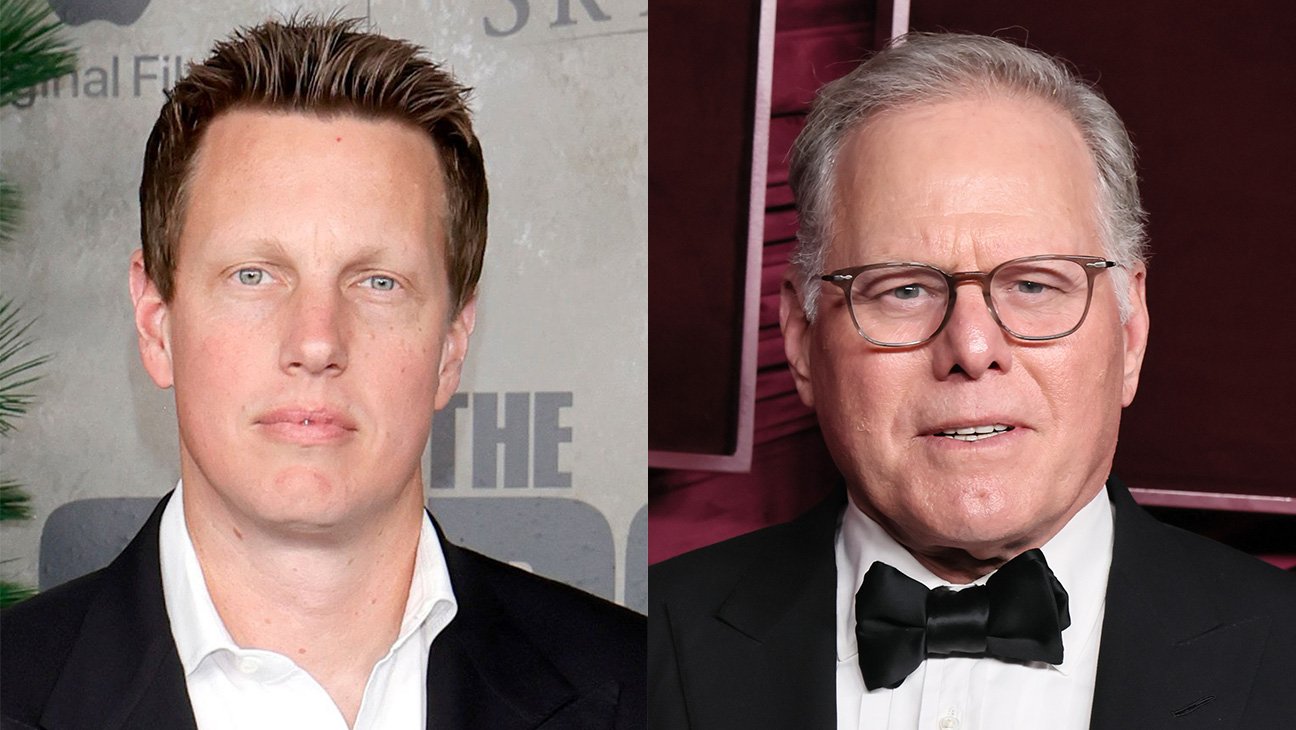
    Warner Bros. Discovery says that it is officially reviewing a sweetened bid for the company from David Ellison’s Paramount.

    The details of Paramount’s revised bid were not immediately known. The company had offered $30 per share, with a “ticker” that would raise the price for every quarter the deal had not closed past the end of this year. The company is still recommending that shareholders vote for the Netflix deal next month, as of now.

    “Following engagement with PSKY during the seven-day limited waiver period, we received a revised PSKY proposal to acquire WBD, which we are reviewing in consultation with our financial and legal advisors,” WBD’s board said in a statement Tuesday morning. “We will update our shareholders following the Board’s review. The Netflix merger agreement remains in effect, and the Board continues to recommend in favor of the Netflix transaction. WBD shareholders are advised not to take any action at this time with respect to the amended PSKY tender offer.”

    While previous bids from Paramount have been made public, this was the first “authorized” bid for the company since WBD inked its deal with Netflix, with the company opening a seven day negotiating window last week. It is not clear if Paramount will choose to disclose its latest bid before WBD makes its next move.

    The new bid from Paramount is likely to see WBD go back to Netflix to see if they will respond by “matching” Paramount’s bid, as they are permitted to do under the signed deal agreement. Of course, Netflix is only buying the Warner Bros. studio and HBO business, so a match wouldn’t necessarily be exactly the same deal.

    Streaming giant Netflix has sweetened its takeover bid for the studio and streaming operations of Warner Bros. Discovery (WBD) in a move to fend off an increased offer from David Ellison’s Paramount, which had put pressure on WBD to consider reopening sales talks.

    Members of the board of WBD had given Paramount a deadline of early this week for a revised best and final bid, while Paramount has also been pushing its hostile takeover bid directly with shareholders in its effort to derail the previously agreed $82.7 billion Netflix deal. That deal was first unveiled in December and amended into an all-cash bid in late January.

    On Feb. 10, Paramount had added sweeteners to its own bid for all of WBD, including with a promise to cover the $2.8 billion fee owed to Netflix if WBD pulled out of its deal with the streamer and to backstop a refinancing that would cut costs by $1.5 billion. Paramount also added a so-called “ticking fee” of $650 million in cash per quarter if the deal is not completed by the end of 2026. Said Ellison: “We are making meaningful enhancements – backing this offer with billions of dollars, providing shareholders with certainty in value, a clear regulatory path, and protection against market volatility.”

    Warner Bros. said in response that it would review the amended offer, but didn’t immediately modify its recommendation for shareholders to approve the Netflix deal. Some smaller shareholders have pressured WBD to engage with Paramount.

    The big transaction has been a drag on Netflix’s stock, with Guggenheim Securities analyst Michael Morris recently noting: “We expect the path to conclusion on the WBD bid will remain a primary sentiment driver and likely share appreciation limiter over the next three months.”  

    And Robert Fishman, analyst at MoffettNathanson, recently wrote: “Netflix’s stock price should have a harder time rebounding as long as the ongoing WBD potential bidding war continues.”

    With a vote on the Netflix deal set for March 20, the battle for WBD appears to be nearing its end for now … unless and until regulators get in the game themselves.

  • TelevisaUnivision Trims Fourth Quarter Loss Despite Lower Ad Revenue, Touts Rising Streaming Profit

    TelevisaUnivision Trims Fourth Quarter Loss Despite Lower Ad Revenue, Touts Rising Streaming Profit

    Spanish-language media giant TelevisaUnivision reported a 2 percent U.S. revenue fall to $1.3 billion in the fourth quarter of 2025 as an 11 percent U.S. advertising revenue drop to $423.2 million came alongside a 2 percent subscription and licensing revenue fall to $341 million.

    Total U.S. revenue fell 7 percent to $777.2 million in the three months to Dec. 31, 2025, or a 3 percent drop when factoring in political advertising. Mexico revenues rose 7 percent to $546 million, as advertising revenue grew 15 percent to $433 million in that market.

    Related Stories

    TelevisaUnivision narrowed its fourth-quarter net loss to $234.7 million, compared to a year-earlier net loss of $809.7 million when the media giant recorded a $900 million non-cash impairment loss due in part to a write-down of TV broadcast licenses.

    The latest financial quarter saw TelevisaUnivision record a $300 million non-cash impairment loss related to the writedown of trade names. The fourth-quarter financials also underlined how ViX streaming growth continues to offset legacy TV asset declines.

    “ViX delivered record revenue, achieved profitability in every quarter, and expanded operating margins throughout the year, evolving into a scalable growth engine that is now a strategically central component to our business model. In 2026, we are building on this momentum to deepen audience engagement, unlock greater value for our partners, and reinforce our leadership as the voice of Hispanics,” Daniel Alegre, CEO of TelevisaUnivision said in a statement ahead of a late morning analyst call to discuss his latest financial results.

    The company owns the Univision broadcast network, while also building up its ViX streaming platform to chase younger consumers. 

  • The Clock May Be Ticking on ‘60 Minutes’ as We Know It

    The Clock May Be Ticking on ‘60 Minutes’ as We Know It

    As Bari Weiss seeks to reimagine CBS News, staffers are preparing for the network’s flagship program 60 Minutes, arguably the most influential news program in all of TV, to be “revolutionized” along with it.

    When Weiss first joined CBS News last year, 60 Minutes was hardly seen as a focal point. The network’s evening newscast the CBS Evening News and morning show CBS Mornings have been stuck in third place behind NBC and ABC for years, and early indications were that those were top priorities.

    CBS’ Sunday newsmagazines, the lighter CBS News Sunday Morning, anchored by Jane Pauley, and the legendarily hard-hitting 60 Minutes led their respective time periods (60, in fact, has been the most-watched TV news program for years).

    But the last few months have seen a flurry of events that portend a very different 60 Minutes in the not-too-distant future. Meanwhile, network-wide layoff plans in the next several months will reshape CBS News as Weiss puts her imprint on new areas of focus and adds to the mix her own contributor hires.

    Earlier this month Anderson Cooper announced his plan to exit as a correspondent for the newsmagazine after nearly 20 years, and after weeks of negotiations to remain on the show, citing a desire to spend more time with his kids (while keeping his perch at CNN).

    “We’re grateful to him for dedicating so much of his life to this broadcast, and understand the importance of spending more time with family. 60 Minutes will be here if he ever wants to return,” CBS said at the time.

    On Sunday’s show, a segment anchored by Cooper about white South African refugees aired, after what had reportedly been an extended and unusual editing and vetting process.

    And Sharyn Alfonsi, the correspondent whose report “Inside CECOT” sparked something akin to an internal revolt at the program after Weiss ordered it be pulled ahead of its release pending further reporting, is set to see her contract expire in the next few months. CBS staff are bracing for her potential exit, and wondering what other correspondents could be next (one insider noted that Lesley Stahl is 84 and Bill Whitaker is 74, while Scott Pelley has expressed frustration with Weiss in staff meetings).

    “In my view, pulling it now — after every rigorous internal check has been met is not an editorial decision, it is a political one,” Alfonsi wrote at the time in a memo to her fellow correspondents, including Cooper.

    60 Minutes has always been something of an outlier among TV news programs. At a moment when shows are leaning into their talent (see Weiss’ effort to overhaul the Evening News around Tony Dokoupil), it has a large roster of correspondents rather than a singular face of the show. Instead, the format and high production values are the real star.

    And while most news shows are fighting for audience share, it benefits from CBS’ NFL lead-in for much of the year to secure its significant ratings (the show’s Feb. 15 episode drew 6 million viewers, marking the top non-Olympics series in broadcast in primetime). But the departure of a correspondent, or even multiple correspondents, is unlikely to change its ratings equation.

    CBS News leaders Tom Cibrowski and Bari Weiss.

    Photo credit: Michele Crowe/CBS

    And in a move that may seem immaterial to outside observers, 60 Minutes will in the coming weeks move from its historic base on West 57th across the street to the CBS Broadcast Center in Midtown Manhattan, joining the rest of the CBS News programming. CBS Sports and Inside Edition will be moving too (they are going to Paramount’s Broadway office) but moving 60 Minutes into the larger CBS News space is nonetheless a shift for the show.

    While office consolidations in media are a common occurrence (even at CBS), 57th St. served as a metaphorical and literal buffer on the influence that CBS had on the newsmagazine, which has long operated with a high degree of independence.

    Of course, that independence has already been slowly deteriorating over the last year.

    President Trump’s lawsuit against CBS over how 60 Minutes edited its interview with Vice President Kamala Harris angered staff at the news division, given how frivolous they viewed the accusations to be, and the decision by CBS (then owned by Shari Redstone) to settle.

    Amid that suit, the show’s longtime executive producer Bill Owens resigned, telling staff it was over issues of editorial independence, and that network executives were getting involved in stories that in a way that they had not done previously.

    “Over the past months, it has … become clear that I would not be allowed to run the show as I have always run it,” Owens wrote at the time. “To make independent decisions based on what was right for 60 Minutes, right for the audience. So, having defended this show — and what we stand for — from every angle, over time with everything I could, I am stepping aside so the show can move forward.”

    Tanya Simon

    Michele Crowe/CBS News via Getty Images

    A few months later, staffers at the show breathed a sigh of relief when Tanya Simon was named Owens’ successor. A 25-year veteran of the show (and daughter of the legendary correspondent Bob Simon), her pick reassured staff that despite the tumult of the settlement and the exit of Owens, the show would have some stability as it charted a path forward.

    And then Skydance acquired Paramount, and David Ellison brought in Weiss, promising to reinvent the news division at a moment when polarization was high, and trust in media was low.

    Simon, sources say, has been cognizant of the changed internal politics, but wants to maintain 60 Minutes‘ place and influence at CBS and in the TV business.

    Speaking at USC Annenberg’s Walter Cronkite Awards in December (notably before the Inside CECOT fiasco), Pelley was sanguine about the situation, even as he acknowledged that it was a “fraught time” for the show. “Our company is the new Paramount, and we were all very concerned at 60 Minutes about what that meant,” he said.

    Weiss, for her part, has not ben shy about her desire to overhaul CBS.

    Last month, Bari Weiss gathered the rank and file of CBS News in the network’s Broadcast Center on west 57th St. in New York, outlining her vision for the network, and 60 Minutes was on the agenda.

    “This building holds a deep history of radical innovation. CBS aired the first presidential debate back in 1960. It put out the first television newsmagazine, 60 Minutes, in 1968,” Weiss told staff. “We are proud of that history. We talk a lot about it. The real question now is how we can revolutionize it in our own time.”

    “We should devote vastly more of our attention — starting right now — to what’s coming,” she added. “That means investing in our extraordinary brands like 60 Minutes, 48 Hours, and Sunday Morning by building them out — creating podcasts, newsletters, live journalism events, and more.”

    Of course no one at 60 Minutes expects the changes to be limited to a podcast, or a live event extension of the show. If Weiss does find herself in a position to add multiple correspondents to the program, who she selects and the stories they pursue will surely send a message about her overarching vision for CBS, from its most popular show to every corner of the news division.

  • Tubi Exec Says Audiences “Don’t Really Care” If Content Is Made by Professionals, Creators, or Users

    Tubi Exec Says Audiences “Don’t Really Care” If Content Is Made by Professionals, Creators, or Users

    Sports took center stage, or should that be: center field, at MIP London on Tuesday in a panel discussion entitled “Sport & Creators: Strategic Priorities Shaping Streaming Platforms.”

    David Salmon, managing director, international at Fox Corp.’s Tubi, Olivier Jollet executive vp and international general manager at Paramount‘s Pluto TV, Paramount Skydance, and Walker Jacobs, global chief revenue officer and president of DAZN U.S. discussed content and monetization trends with moderator Jennifer Batty, media advisor, global streaming at JJB.

    Jollet shared about Pluto TV that “we use sports more as a [user] acquisition driver.” He added that the streamer is particularly focused on “locally relevant sports rights,” pointing out the likes of darts and snooker in the U.K. The executive also cited women’s sports as an opportunity, highlighting that audiences are “underserved” in this regard on traditional TV.

    Jollet on Tuesday also mentioned that Pluto TV recently partnered with Tinder on a dating show in Brazil, calling it “a huge partnership” and “a new way of doing advertising.”

    Meanwhile, Salmon highlighted “shoulder content” that Tubi builds around popular sports events, such as it did in partnership with Naomi Osaka for the U.S. Open tennis tournament last year. That allows audiences to “go deeper and deeper” in support of live programming.

    He also said that for him, it is currently about “how to redefine the boundaries around this strictness around professionally produced content, creators-produced content and [user-generated content]. There is essentially a blending that is happening across the industry, and consumers candidly don’t really care. The thing that is finite is their level of engagement, the time, the attention.”

    Jacobs on Tuesday highlighted how his team has “reverse-engineered” an original content strategy in partnership with DAZN’s acquired Team Whistle business. He compared the process to surfing, where you have to wait for a wave you can catch.

    As examples of DAZN’s original content, the executive cited The Kittle Things, the weekly original series featuring San Francisco 49ers tight end George Kittle and his wife Claire. The show is designed to offer a “human” look beyond the gridiron. Jacobs also highlighted that the series led to a spin-off, in Wife’d Up, Mic’d Up, a social-first YouTube series featuring Claire Kittle and Kristin Juszczyk, the fashion designer wife of 49ers fullback Kyle Juszczyk.

  • BAFTA Jury Member Quits Over Handling of Tourette’s Tic at Film Awards: “Utterly Unforgivable”

    BAFTA Jury Member Quits Over Handling of Tourette’s Tic at Film Awards: “Utterly Unforgivable”

    The BAFTA controversy has entered its third day.

    Filmmaker and independent producer Jonte Richardson said on social media that he is stepping down as a BAFTA jury member over the British Academy’s handling of the racial slur shouted as Sinners duo Michael B. Jordan and Delroy Lindo presented the award for best visual effects.

    Tourette’s campaigner and executive producer on the BAFTA-nominated I Swear John Davidson was introduced to the audience at Sunday’s BAFTA Film Awards ceremony, and the crowd warned over his Tourette syndrome, a condition characterized by sudden, involuntary and repetitive movements or sounds, called “tics.” Davidson — whose life inspired I Swear, for which Robert Aramayo won the best actor BAFTA — later said he was “deeply mortified if anyone considers my involuntary tics to be intentional or to carry any meaning.”

    The BBC apologized for failing to cut the slur from the final broadcast, aired on a two-hour delay on the British broadcaster. BAFTA has also taken some heat for its bungling of the situation, and apologized “unreservedly” to Jordan and Lindo while defending Davidson’s right to be at the ceremony. The Hollywood Reporter looked at how the night unfolded in detail here, and later spoke to those with Tourette’s Syndrome to weigh in on the significance of the moment.

    In a statement on Facebook Monday night, Richardson said that the “handling of the unfortunate Tourettes’ N-word incident” was “utterly unforgivable.”

    “I cannot and will not contribute my time, energy and expertise to an organization that has repeatedly failed to safeguard the dignity of its Black guests, members and the Black creative community,” said Richardson. “This is particularly unfortunate given that this year’s cohort boasts some incredible Black talent, especially one of my favorite shows of 2025, Just Act Normal.”

    “However, when an organisation like BAFTA, with its own long history of systemic racism, refuses to acknowledge the harm inflicted on both the black and disabled communities and offer an appropriate apology, remaining involved would be tantamount to condoning its behaviour.”

    He added that he hopes BAFTA leadership “comprehend the damage they and the BBC have caused, and take the necessary steps to ensure their production staff is inclusive enough to prevent such an issue in the future.”

    Host Alan Cumming interrupted his monologues several times across the Sunday show to remind viewers: “Tourette’s syndrome is a disability and the tics you’ve heard tonight are involuntary, which means the person who has Tourette’s Syndrome has no control over their language. We apologize if you are offended tonight.”

    As part of their full statement on the matter, BAFTA said: “We take the duty of care to all our guests very seriously and start from a position of inclusion. We took measures to make those in attendance aware of the tics, announcing to the audience before the ceremony began, and throughout, that John was in the room and that they may hear strong language, involuntary noises or movements during the ceremony.”

    “We would like to thank Michael and Delroy for their incredible dignity and professionalism,” said BAFTA, who added that Davidson chose to leave the auditorium and watch the rest of the ceremony from a screen. “We would like to thank [Davidson] for his dignity and consideration of others, on what should have been a night of celebration for him.”

    The British Academy added that it takes “full responsibility for putting our guests in a very difficult situation.” The apology in full can be found here.