The audio version of this article is generated by AI-based technology. Mispronunciations can occur. We are working with our partners to continually review and improve the results.
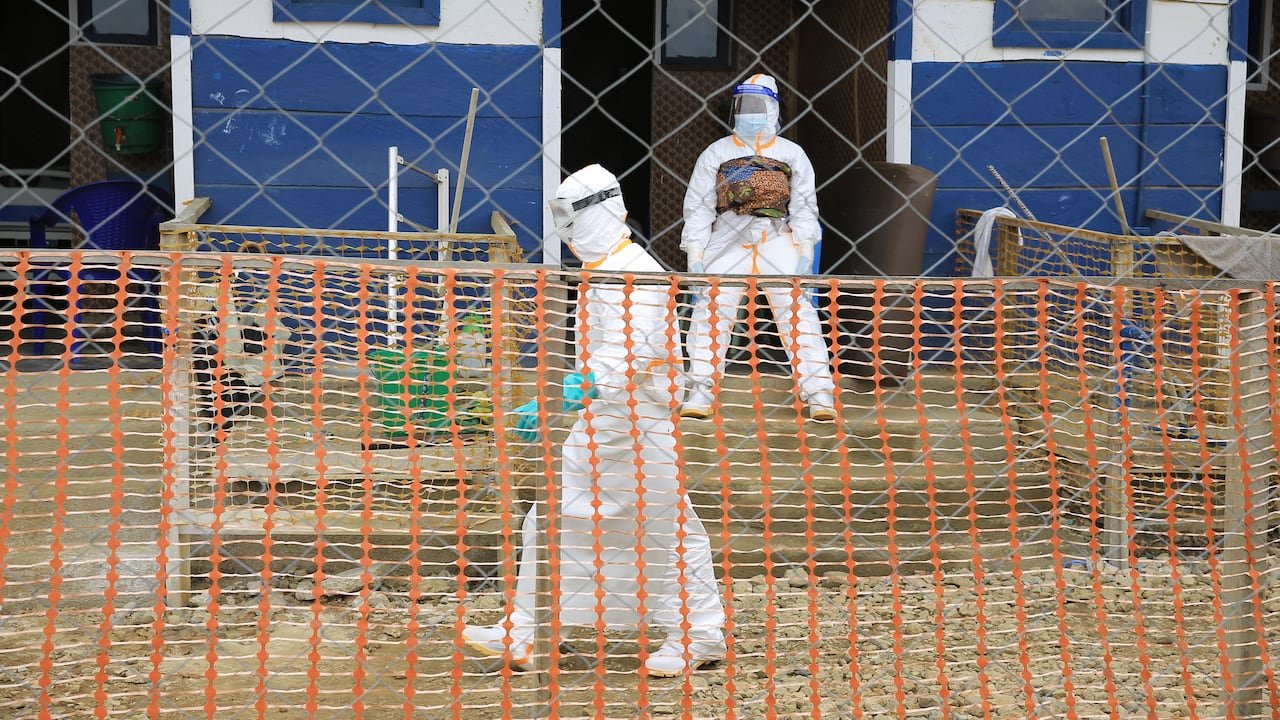
Congo’s Ebola outbreak has topped 11,000 cases, the government said Wednesday, a stark figure that underscores the severity of the situation as the country grapples with the relentless spread of the disease.
According to the latest health ministry data, 11,042 people have been infected with the deadly virus that has now killed 5,387 — nearly half of those infected in what has been Congo’s deadliest outbreak.
The outbreak was declared in mid-May, and since then, Congolese authorities have struggled to contain it due to several factors, including armed conflicts, a health system crisis, poor roads and violence from residents fueled by mistrust and misinformation.
The Bundibugyo virus responsible for this outbreak has no known vaccine or treatment and has spread to eight of the country’s 26 provinces.
WATCH | What Canadians should know about the Ebola outbreak :
What Canadians should know about the Ebola outbreak
Just over 200 days after an Ebola outbreak was first declared in central Africa, there are more than 10,000 cases confirmed and nearly half of them have died from the disease. The chief of the Africa Centres of Disease Control spoke to CBC News about why Canadians play a key role in the ongoing fight, and why everyone should be worried about the spread.
The resurgence of violence in the two major hotspots in Ituri and North Kivu provinces has sparked worry among health authorities who are calling for a halt to the fighting to allow health workers unhindered access to the sick.
Health facilities and medical professionals have also been targeted by many in communities skeptical of the virus, and there have been several attacks on health workers.
Experts have called for more efforts to slow and contain the disease in Congo, while it has spread to multiple African countries including Uganda, Kenya and Nigeria.
Dozens of Ebola outbreaks have been reported since the disease was first discovered in 1976. The largest and deadliest occurred in West Africa in 2014 to 2016, with 28,000 infections and more than 11,000 deaths.
The current outbreak already ranks second and has had at least three times the number of cases and deaths in the time since it was declared, compared with the West Africa outbreak.
The audio version of this article is generated by AI-based technology. Mispronunciations can occur. We are working with our partners to continually review and improve the results.
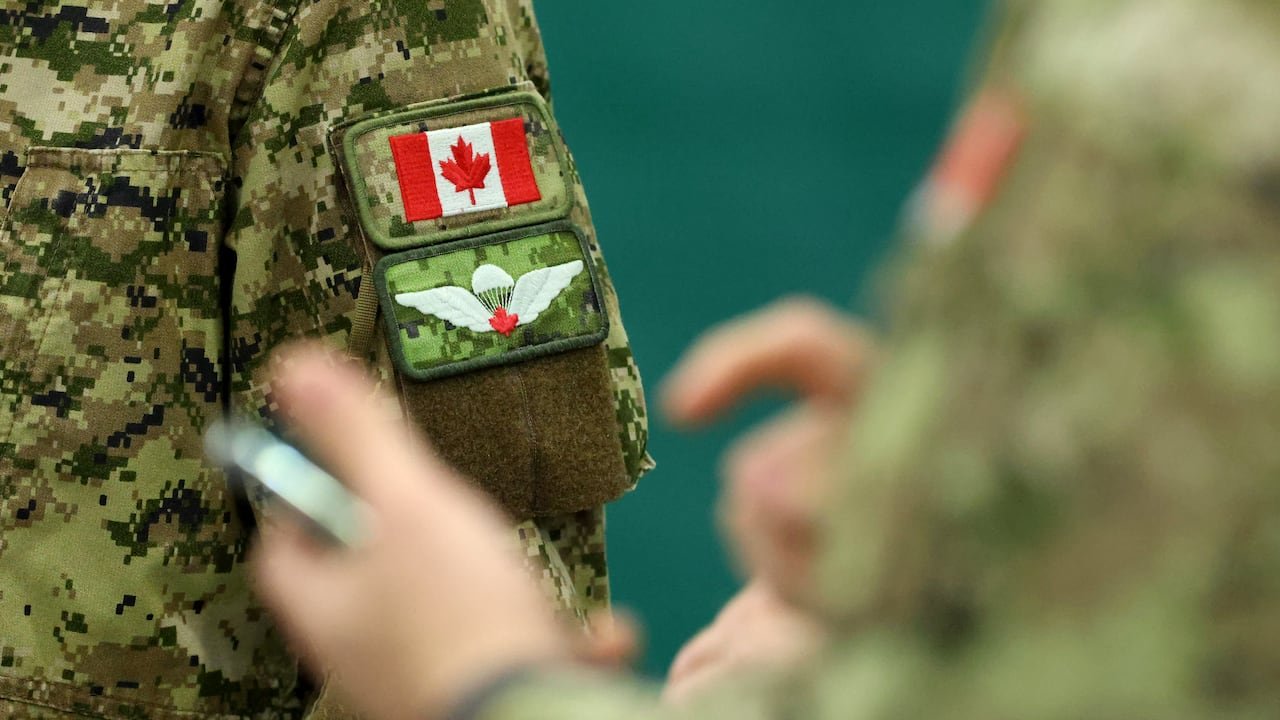
Hakan Haytaoglu was a military pilot who worked secret missions for the Canadian Armed Forces during his 35-year career.
At the age of 55, just months shy of retirement, he was diagnosed with a rare and aggressive form of cancer called neuroendocrine carcinoma.
He sought support through a medical claim to Veterans Affairs Canada, but the claim was denied.
Haytaoglu decided to appeal.
Hakan Haytaoglu was a pilot with the Canadian Armed Forces until his diagnosis with an aggressive cancer. His wife fought for medical benefits and won. (Submitted by Maura-Jo Haytaoglu)
For months, while caring for her dying husband, Maura-Jo Haytaoglu hunted down the evidence he needed to connect his illness to his job.
“I dug and I dug while he was sick in bed,” she said. “I sat beside him and I researched and I dug and I put the proper people in my corner that fought for us.”
The military pilot who friends and family called Hawk died just a few weeks before his case could be heard before the Veterans Review and Appeal Board in August 2025.
So Maura-Jo did it for him, and won.
“It was the hardest day of my entire life, beyond watching my husband die in my arms,” Haytaoglu said.
“It shouldn’t be this hard for those who served their country.”
Maura-Jo Haytaoglu and husband Hakan as he received chemo treatments following his diagnosis of a rare cancer. He died in July 2025, just a few weeks shy of the appeal of his medical claim. (Submitted by Maura-Jo Haytaoglu)
A new report by the House of Commons national defence committee states there are 2,750 Department of National Defence and Canadian Armed Forces contaminated sites in Canada as of June 2026.
Among 11 recommendations, the report calls for the federal government to make it easier for service members and others exposed to health risks to find the information they need when making medical claims.
CBC News reached out to Veterans Affairs Canada and the Canadian Armed Forces for reaction to the call for more access, and did not hear back in time for publication.
Invisible crisis
The report cites witness testimony by veterans like Erin Zimmerman.
Zimmerman has been helping more than two dozen veterans and their families locate evidence to support appeals for medical claims, including the Haytaoglu case.
Zimmerman says her expertise in research as a civil servant came in handy in her own fight for answers. The 48-year-old mother of four has been diagnosed with a rare form of early-onset Parkinson’s disease. She worked at CFB Moose Jaw in sections now an active contamination site, including during one of her pregnancies.
She said she had never been informed of the risks.
Some of Erin Zimmerman’s committee testimony was included in the final report released in October. (Submitted by Erin Zimmerman)
Zimmerman is grateful to see her calls for more transparency in the committee report.
One of its recommendations suggests the federal government “proactively inform personnel and families currently and previously living and/or working on Department of National Defence and Canadian Armed Forces sites, bases and wings of environmental risks and assessment results.”
“We’re in a crisis,” Zimmerman said. “But this crisis is an invisible demographic.”
Veterans face significant difficulty obtaining reliable information about past toxic exposures, according to Jim Hutton with Veterans with Cancer Inc.
The non-profit works with veterans diagnosed with cancer to establish the connection between their service and their illness to back medical claims.
At the same time, Hutton said, Veterans Affairs does not properly track exposure-related cancer claims.
He said this leads to veterans having to file access to information requests and searching old government records, in multiple databases, to prove the risk they faced while serving their country.
“Veterans should not have to become investigators,” Hutton said in an email to CBC News. “That is an unreasonable burden.”
The group documented cases where veterans failed to find the evidence they need because historical exposure information is missing, or can’t be found in their military service records.
On the upside, once the evidence is found, it can help others who worked alongside that service member. That’s what happened in Hawk Haytaoglu’s case.
Maura-Jo Haytaoglu said the information used in her husband’s successful appeal is now helping the surviving service members that worked with him on a secret mission some 30 years ago.
“Three of them are dead because of cancer, one is battling Stage 4 cancer and one has beat cancer three times,” she said.
The surviving members used the precedent in their own claims.
“My husband’s legacy lives on because we had the courage to say no, we’re not going to accept this.”
Wanda Motard is a size five-and-a-half in women’s footwear. But when she was in basic training at Saint-Jean Garrison in Quebec in 2002, the only options were men’s boots that didn’t even begin to fit.
So despite the August heat, Motard says she would double up on thick wool socks and try to make do.
“I was constantly tripping over my feet, had rolled my ankle a few times, [which] led to a sprain,” she told Dr. Brian Goldman, host of White Coat, Black Art. “With the forced marches, it became really, really difficult once I had my rucksack on.”
The ill-fitting backpack left Mortard hunched over, compounding her struggles.
“But you know, the military is: one man, one kit.”
Motard says she coped by getting off-the-shelf insoles, loading up on anti-inflammatory meds and icing her feet every night.
LISTEN | Motar’s search for answers:
White Coat Black Art26:3020 years of pain: A woman veteran’s search for answers
Halfway through her basic training, Motard got boots that fit. But those early experiences were just the beginning of a series of problems that — more than two decades after she first joined Canada’s Armed Forces (CAF) — have left the 47-year-old veteran with complex physical and emotional health problems, including chronic pain.
She’s not alone. Roughly half of all veterans live with chronic pain, which for women veterans is more than double the number among Canada’s general population, according to a joint report from the Chronic Pain Centre of Excellence for Canadian Veterans and the Canadian Pain Society.
The report, which came out in June, called for “urgent, co-ordinated action” to address gaps in care.
“We know that women veterans have different health outcomes from women civilians,” said Alice Aiken, founder of the Canadian Institute for Military and Veteran Health, and professor of physiotherapy at Dalhousie University in Halifax.
While the report on chronic pain didn’t explain the causes, said Aiken, it’s important to monitor “because it can be a gateway for disability.”
WATCH | Resignations rock Women Veterans Council:
Nearly half of Women Veterans Council resigns in protest
Five of the 12 members of Canada’s Women Veterans Council — set up to deal with gender inequality in the military — have resigned in protest. One former member says they were unable to make any change and there was a lack of communication with the government.
Aiken, who has a PhD in health policy and is herself a veteran, said military jobs can be “very physically demanding” and come with more opportunities for injury and other sources of physical pain.
And she says many female members of the Forces have experiences similar to what Motard went through with ill-fitting equipment.
“A lot of the uniforms were not and are not designed specifically for women. They don’t fit properly,” said Aiken. “And so they’re also then subject to potentially more injury and more reasons for chronic pain.”
Not enough research
But there’s a gap in research about women’s experiences. Aiken says less than 10 per cent of publicly funded research dollars go to health research specific to women and research on women veterans is even more sparse.
When the House of Commons standing committee on veterans affairs released its 2024 report Invisible No More about the plight of women veterans, the first of its 41 recommendations was to launch a comprehensive research program, notes Aiken.
Additionally, there can be a tough transition in terms of where veterans find care.
While they’re in the Forces, people receive their health care from a separate military system, which Aiken describes as “probably one of the best health systems in Canada.”
Soldiers board a CC-150 Polaris aircraft at CFB Greenwood in Nova Scotia in October 2014. (LS Eduardo Jorge/Combat Camera/Canadian Forces)
In that system there’s a more interdisciplinary approach, in which any clinician can refer a patient to other health professions, says Aiken.
Once they leave the military, though, veterans are left navigating the health-care system in their province or territory.
Aiken praises publicly funded health care but says it “doesn’t recognize, necessarily, the unique health needs of veterans and in particular women veterans.”
Help from a private clinic
Into that gap has sprung at least one private clinic where a longtime military doctor, Dr. Markus Besemann, opened Beechwood Physical Medicine in Ottawa in 2022.
Besemann is a physiatrist, an expert in rehabilitation medicine. His 37-year career in the Forces included being chief of its rehabilitation program from 2008 to 2023.
When Besemann retired from the military, he and chiropractor Dr. Geoff Outerbridge founded Beechwood “to look after many people in pain but, amongst others, to focus on veterans and chronic pain,” he said.
Dr. Markus Besemann, a longtime military doctor, opened Beechwood Physical Medicine in Ottawa in 2022, along with chiropractor Dr. Geoff Outerbridge. (Brian Goldman/CBC)
For some services the clinic offers, patients may be able to seek funding from Veterans Affairs Canada (VAC), but for others they’ll need to pay out of pocket or seek reimbursement through any group health benefit programs they have access to.
Motard is one of their patients. She says she was put on a waitlist for a physiatrist in the public system after she left the military, but started searching online for other options during her wait.
Motard, who lives in the region of Gatineau, Que., across the river from Ottawa, says that search led her to Besemann, whose patient she’d been for five years when they were both in the military.
She says she was drawn to the integrated care Beechwood offered, where clinicians ranging from physicians to physiotherapists to psychologists and acupuncturists are together under one roof.
The mental health side of what they do is important, says Besemann.
“The simple sentence, I think, that says everything is, medicine is all about ‘What’s wrong with you? What’s the diagnosis?’ And trauma-informed care, I think, is ‘What happened to you?’”
Sexual harassment a factor for many
Aiken said that while there isn’t research on Canadian veterans specific to this topic, research on U.S. veterans suggests “military sexual trauma can also be a contributor to chronic pain.”
To that end, Motard says the support she’s had from Beechwood clinic includes seeing psychotherapist Mary Marcolin to address problems that include sexual harassment.
While in the Forces, Motard says the harassment she experienced “ranged anywhere from inappropriate comments, unwelcome comments, to inappropriate touching, pressure to enter into sexual relationships, right up to threats and stalking, essentially,” Motard said.
She was a member of a class-action lawsuit against the Department of National Defence (DND) for sexual misconduct, which was settled in 2019, with the federal government agreeing to compensate those affected and take steps to make the military a safer and more respectful workplace.
In 2021, the Forces, the federal government and the DND issued a public apology.
A 2025 report found the military made significant progress in changing the culture around sexual misconduct, though it said more work is needed to make those changes last.
DND said in an email to CBC News that it is “addressing sexual misconduct through a sustained culture change effort.”
It also said, among other things, that “a contoured combat uniform designed around female morphology” will begin to go into service in 2027, with similarly updated body armour to follow in 2028.
A spokesperson for Veterans Affairs says the department recognizes the complex needs of veterans living with chronic pain, and offers coverage for a range of physical and mental health services.
The spokesperson also said VAC is working to address gaps in care and in research on the health of women veterans.
Should a private company handling your personal health data be able to claim it has a “legitimate interest” that allows it to collect and use your information without your consent?
That’s just one of the concerns critics of Canada’s proposed privacy legislation are flagging in a recent commentary published in the Canadian Medical Association Journal (CMAJ).
This summer, the federal government announced an update to Canada’s private-sector privacy laws that would recognize privacy as a fundamental right, strengthen transparency around automated decisions by systems including AI, and allow individuals to request their personal information be deleted in certain circumstances.
Touted as a “key element” for Canada’s AI for All strategy, the federal government said in the announcement that the proposed bill will “establish clear guardrails to protect Canadians’ personal information in a rapidly changing digital world.”
But in the commentary, health researchers say Bill C-36, the Protecting Privacy and Consumer Data Act, “contains critical gaps that leave sensitive health data exposed.”
Under the proposed law, private sector companies would be allowed to “collect, use or disclose an individual’s personal information without their knowledge or consent” provided they have a “legitimate interest” that outweighs any “reasonably foreseeable” harm to that individual.
“What’s concerning about this is it’s the company that’s making the decision,” said Dr. Sheryl Spithoff, a clinician scientist at Women’s College Hospital in Toronto, and co-author of the CMAJ commentary.
Dr. Sheryl Spithoff at Women’s College Hospital says there should be more guardrails in place when it comes to privacy regulation and sensitive health data. (Turgut Yeter/CBC)
“It gives these companies significant discretion over using patient or individual data without consent.”
What is a ‘legitimate interest’?
Companies are required by the bill to document their legitimate interests, carry out privacy impact assessments to judge the risks to individuals and be able to provide this information on request. But Spithoff says companies should be required to inform regulators from the start and that this “legitimate interest” clause should only be for rare instances.
“Also there should be higher standards for sensitive information like personal health information,” she said.
The CMAJ commentary pointed out that the European Union’s General Data Protection Regulation requires a high bar of proof and specifies that “legitimate interest” does not take precedence over the “fundamental freedoms and rights” of the data owners in question. Bill C-36 doesn’t provide these kinds of guardrails.
When CBC News asked AI Minister Evan Solomon’s office what counted as a “legitimate interest” and what safeguards were in place to prevent private health data from being sold to private-sector companies, the minister’s office repeated the definition given in the bill.
“Organizations relying on this exception would be subject to safeguards, including requirements to assess privacy risks and take steps to mitigate them,” the minister’s office said in a statement, without expanding on what those safeguards were.
WATCH | AI Minister Evan Solomon champions updating privacy laws:
‘The moment is here’ to modernize Canada’s privacy laws: AI minister
Artificial Intelligence Minister Evan Solomon says the Protecting Privacy and Consumer Data Act will help keep Canadians safe in the digital age. ‘I think it’s a common-sense approach to what Canadians and what average folks want from their digital media,’ Solomon said on Monday about the new bill. ‘They want some control over their personal information.’
Data sold to pharmaceutical companies
Last year, a study Spithoff worked on found that millions of Canadians’ health data, including details about their medical history and prescriptions, was being stripped of identifying material and then sold to pharmaceutical companies.
At the time, study authors warned that while this sharing of info could lead to better patient care, it also opened up the risk that private pharmaceutical companies could use this information to put their economic interests above the interest of patients and drive up prices.
Other jurisdictions are tackling similar privacy problems.
Earlier this year, a class-action lawsuit was launched against Chicago-based Tempus AI, alleging that after the company acquired a genetic testing firm, Ambry Genetics, they compelled the firm to hand over patients’ genetic and clinical data, trained their AI systems on it and sold that data to pharmaceutical and biotechnology companies without patients’ consent or knowledge.
Bill C-36 requires that personal information be “de-identified” by modifying personal details, like names and health card information. But researchers are concerned about the potential for re-identification as AI tools advance, where sensitive information could be linked back to specific individuals.
Teresa Scassa, the Canada Research Chair in Information Law at the University of Ottawa, says there’s an increasing risk of de-identified data being traced back to individuals as AI tools grow more advanced. (CBC)
“There are very real concerns that nothing can be properly or fully anonymized anymore … with the amount of other data that’s available and the power of AI technologies,” said Teresa Scassa, the Canada Research Chair in Information Law and Policy at the University of Ottawa and another author of the CMAJ commentary.
Scassa says that de-identified or even anonymized data can allow for correlations and links to be drawn that can affect individuals negatively even if they are not identified in those data sets.
She says individuals can be “profiled as somebody who is at a high risk of having a particular medical condition which would be expensive to treat, and therefore they might not be eligible for [types of] insurance.”
Under the proposed bill, deliberately re-identifying personal information would be an offence, but Scassa noted that this could be hard to prove.
Experts caution that even fully anonymized datasets can contain and amplify biases present in the health-care system, potentially putting patient information at risk. (Chad Hipolito/The Canadian Press)
Anonymized data still carries risk
Critics are also concerned that the proposed legislation only covers information that has been de-identified — there’s no protection for what’s known as anonymized data.
According to the bill, de-identification means “modify[ing] personal information so that an individual cannot be directly identified from it, although a risk of the individual being identified remains.” Anonymized data, as defined in the bill, is data that has been “irreversibly and permanently” stripped of personal information so there is no “reasonably foreseeable” risk an individual can be identified.
But experts warn anonymized data still contains risks, and say it’s the very data used to train AI systems.
“There are risks to the use of the information in artificial intelligence systems and we have no means of governing it,” said Scassa.
The commentary explains that anonymized data, which would fall outside of the scope of the law, often reflects societal biases that, when incorporated into AI systems, can lead to discrimination against people with shared characteristics.
WATCH | How could AI be applied in hospitals?:
Could AI help manage overcrowding in N.B. hospitals?
Researchers at the Université de Moncton believe artificial intelligence is the answer to improve the way patients are processed in and out of hospitals, which could reduce overcrowding in acute care beds.
Authors provide an example of this discrimination in the U.S. when a widely used algorithm to allocate hospital resources was found to allocate fewer resources to Black people than white people.
“[Researchers] found out that it was because the algorithm was relying on past use of health system resources to allocate future resources,” said Spithoff.
Health data benefits
While experts say there are legitimate concerns over the use of sensitive health data, some other physicians are highlighting that when used safely, this information can be crucial in advancing health-care research.
Dr. Amol Verma is a physician and scientist at St. Michael’s Hospital in Toronto who leads a hospital research network called VITAL, which enables access to de-identified hospital data for health-care organizations nationally.
Dr. Amol Verma, with Unity Health Network’s generative AI program, is pictured at St. Michael’s Hospital, in Toronto, on Sept. 11, 2024. (Evan Mitsui/CBC)
He says his network works with hospitals and with AI tools to make health data usable for research and innovation while still protecting patient privacy.
“We’ve been able to improve the efficiency of hospital care, reducing the time people spend in hospital safely, without causing increased risk to patients,” Verma said.
Verma said that concern over privacy is not necessarily a constraint on innovation.
“I think the only way we can have innovation around data in our health-care system is hand-in-hand with innovation and privacy protection.”
After Emma Clayton Jones learned she had a genetic mutation that put her at higher risk for some cancers, she started thinking about freezing her eggs.
“I’ve always known that when I want to start a family, there would be the option to freeze my eggs and then test the embryos,” she told CBC News.
Clayton Jones has the BRCA 1 mutation, an inherited genetic change that raises the lifetime risk of developing various cancers, including breast and ovarian — and she doesn’t want to pass it on to her future kids. By freezing her eggs, Clayton Jones can plan ahead by preserving her fertility, and later, creating embryos that will be tested for the same genetic mutation.
“After having a cancer scare myself, I thought, ‘If I have the choice and the privilege to not put someone through it, I won’t.’”
WATCH | Why are more people in B.C. freezing their eggs?:
Why are more British Columbians freezing their eggs?
More people are relying on freezing their eggs so they can have children later in life. But at what cost? CBC’s Baneet Braich looks into how egg-freezing works, its challenges, and the growing support offered to people hoping to have a family one day.
She isn’t alone — more women across Canada are considering freezing their eggs, a procedure that’s surging in popularity among those who can afford it.
Experts say most people freeze their eggs to preserve their fertility. After all, people are having children later, for reasons like career ambitions, relationship status and the rising cost of living.
But many women like Clayton Jones are also coming forward, too, hoping to plan their pregnancies in a way that better protects their future children.
Ethical concerns
Egg freezing isn’t absolutely necessary to pursue genetic testing, as it is the embryos, not the eggs themselves, that get tested. But it’s a common path for women who have concerns about passing down health issues and who are unsure of when they want to have children. Once they are ready, they will often begin in vitro fertilization, or IVF.
“Testing embryos for genetic abnormalities is a safer and more reliable option, particularly given that sperm can also carry abnormalities,” said Judith Daniluk, a University of British Columbia professor who specializes in women’s fertility.
Experts warn there are some ethical concerns with genetic testing — particularly if it’s done for reasons other than potential health issues, like sex selection. There are also some religious groups who believe that genetic testing is always morally wrong.
“Some disability advocates are also concerned about the slippery slope of trying to eliminate normal diversity within the human species,” she said, “as well as further stigmatizing those with disabilities.”
‘Overall, it is still an uphill battle to make it accessible to anyone who wants to do it,’ Dr. Sony Sierra said of fertility treatments and access to them. (Evan Mitsui/CBC)
Notably, it’s a criminal offence in Canada to choose an embryo based on sex, unless it’s to prevent a sex-linked illness, or to pursue so-called “designer babies,” which have genetic traits selected for them that their parents consider desirable. Anyone found guilty faces a fine of up to $500,000 and up to 10 years in prison, though there have been no documented convictions of elective sex selection in Canada.
But in the U.S., where elective sex selection is legal, genetic testing has allowed people to choose whether their embryo will develop into a boy or a girl, said Caitlin Dunne, a reproductive endocrinologist and infertility specialist at the B.C.-based Pacific Centre for Reproductive Medicine.
Still, genetic testing for health reasons is legal in Canada. But fertility treatments aren’t cheap. When it comes to egg freezing, doctors who spoke to CBC News said that one cycle typically costs around $8,000, with another $2,000 to $8,000 for medication.
Patients often need two or three cycles to increase their chances for pregnancy, and there are additional costs associated with storage.
Public funding for fertility treatments, such as in vitro fertilization, or IVF, varies from province to province and generally doesn’t cover elective egg freezing. But increasingly, workplace benefits will cover a cycle, or at least the medication required for it.
Clayton Jones said she’s still trying to figure out the costs.
A still image of Dr. Sierra’s egg freezing clinic. (Evan Mitsui/CBC)
The 32-year-old says she’s thinking about pregnancy in the “next couple of years,” but wants to balance her expectations with the cost of the procedure.
“It seems like it’s going to be a bit of a patchwork of expenses. I’m trying to get to the bottom of how much to actually budget for something like this.”
Fertility a ‘public health concern’ affecting many
“The egg freezing is more precipitated for me by the idea that I’d like to do the genetic testing of the embryos,” Clayton Jones said. “I feel a tiny crunch of pressure related to the BRCA gene, but I am also trying to be cost-conscious.”
Dr. Sony Sierra, Toronto-based medical director of Evolve Egg Freezing Clinic, told CBC News that elective egg freezing has become more popular and accessible because public discourse and celebrity stories have made it mainstream — but there is still a long way to go.
“Overall, it is still an uphill battle to make it accessible to anyone who wants to do it,” she said, adding she hopes that improves over time.
Dunne says she also hopes fertility treatments will become more accessible as more people become informed.
“Look at your nieces or employees, sisters, aunts, people with ovaries. There are all kinds of people around you dealing with infertility or concerns. It truly is a public health concern that touches so many.”
A man reaches with a pair of tongs underneath a large rock and grabs a bundle of needles, dropping them into a yellow disposal bin.
“This may be a record,” he says.
It’s a Monday morning in October and staff at a St. John’s community centre are doing their daily sweeps, to keep used needles out of areas used by children.
“In the last three years we definitely had an extreme uprise [of] even more of the drug paraphernalia being seen around the area,” said Enid Pendergast, executive director of the Froude Avenue Community Centre.
If you haven’t seen it yourself, like Pendergast, you’ve likely seen it online. Social media is awash with photos and comments about open drug use and discarded needles littering public parks and benches, prompting questions about public drug consumption and the law.
There are a skyrocketing number of reports citing discarded needles and open drug use to the capital city’s hotline, 311. Records obtained through access-to-information show there were over 1,000 calls to the city about needles and open consumption over the last two years. That’s a dramatic increase from 2016, when there were 181 such reports.
But data from Statistics Canada shows federal prosecutors are handling fewer simple drug possession cases across the country than ever before. In Newfoundland and Labrador, there has been an overall 10-year decline.
The drop in prosecutions — and the apparent rise in open usage — coincides with a Public Prosecution Service of Canada policy change in 2020 directing prosecutors away from laying criminal charges for drug possession, according to police officials and experts who spoke with CBC News.
A staff member of the Froude Avenue Community Centre picks up a bundle of used needles one Monday morning in October. (Ted Dillon/CBC)
The Froude Avenue Community Centre is centrally located in St. John’s, and has paths coming to and from main thoroughfares like Blackmarsh and Mundy Pond roads and Campbell Avenue.
“Maybe we’re like a hideaway spot or a comfortable spot … where people come to do whatever it is that they need to do and the stuff just kind of gets left behind,” Pendergast said in a recent interview.
An increase in public consumption and discarded needles has changed the way the centre runs their operations and allows children in their care to play. A couple of winters ago, kids in afterschool programs were unable to play in the snow over concerns of needles hiding underneath.
They’ve had to fence in their backyard to avoid open drug use on their premises, and children are no longer allowed to walk back and forth alone from nearby schools. That decision was made two years ago, when children came to Pendergast with a concern.
Enid Pendergast is the executive director of the Froude Avenue Community Centre. (Ted Dillon/CBC)
“The children said, ‘Hey Miss, we just saw someone and they were in the pathway,’ and they knew that they were using,” she recalled.
Having spent decades working at the centre, Pendergast says she’s also noticed another change. Attitudes of those openly using have shifted in recent years — a development that has made her more cautious in her approach.
“Before, in the past years, [it was] always so much easier in going talking to people, I believe because they didn’t want children to see what they were doing, honestly. Before, if you had to speak to them, they would gladly put something away,” she said.
“Over the last year, I would not go out and ask anybody now to move or put those things away because the response back just isn’t the same.”
And Pendergast says it’s not a problem solely in her area. She has run into issues on field trips with the children in parks around the city.
Pendergast says it’s a tough balance — keeping kids safe, while understanding the problems are complex. She says she doesn’t judge, knows that addiction is a disease, and believes the support isn’t sufficient for those who want it.
WATCH | ‘It’s a catch and release game’:
Why open drug use may not result in criminal charges
Concerns over open drug use and discarded needles are being raised from council chambers to the floor of the legislature. However, a CBC News investigation found that the number of people charged with drug possession has plummeted. The CBC’s Ariana Kelland reports.
Criminal sanctions have ‘limited effectiveness’
The law also views substance use as a health issue — not a criminal one. The principle is rooted in updated guidelines in 2020 by the Public Prosecution Service of Canada.
It advises prosecutors to prioritize health alternatives and diversion over criminal charges.
They reserve that for cases that pose serious risks to public safety.
“Criminal sanctions, as a primary response, have a limited effectiveness as specific or general deterrents and as a means of addressing the public safety concerns when considering the harmful effects of criminal records and short periods of incarceration,” reads a section from the PPSC guidelines.
Victoria Police Chief Constable Fiona Wilson co-chairs the drug advisory committee of the Canadian Association of Chiefs of Police. (Kathryn Marlow/CBC)
The Canadian Association of Chiefs of Police agrees — substance use is a health issue. But without providing alternatives to criminal charges, they say police are left with few options.
The association walked back its support of B.C.’s decriminalization pilot project years after it began, because it said the policy lacked adequate guardrails around public consumption.
Victoria Police Chief Constable Fiona Wilson, who also co-chairs the association’s drug advisory committee, says the PPSC guidelines present a challenge for police.
“We don’t want to introduce people to the criminal justice system simply by virtue of a substance use disorder,” Wilson told CBC News.
“I also feel really strongly, and I think police leadership across this country feels strongly, that our public spaces ought to be accessible and safe and usable by all members in our community.”
Wilson says part of the problem is that there are a “significant lack of alternatives,” aside from bringing someone to a supervised injection site. And drug courts are only useful once someone has entered the criminal justice system.
“I’ve really come to this place where — although I am really apprehensive to dial back the clock in terms of arresting people and introducing them to the criminal justice system for simple possession — I deeply wish that there was an alternative for our police officers,” she said.
Royal Newfoundland Constabulary Insp. Ryan Pittman says the police force’s stance on public drug use is that it is a criminal offence, but notes that laying charges is not a straightforward decision. (Ted Dillon/CBC)
Back in St. John’s, Royal Newfoundland Constabulary Insp. Ryan Pittman says the RNC’s stance is that drug possession is an offence and will be treated as such.
However, having the proper evidence to take a case to court isn’t as straightforward.
“When we’re dealing with these situations we actually have to see the person consume a drug or be in possession of a drug,” Pittman said. “That’s hard to do and justify without a statement, or from someone who wants to be anonymous.”
Pittman says all cases are different, and officers are left balancing enforcement and public health.
“Our number one priority is public safety. These open use areas are in public areas that the public — rightfully so — want to feel free and safe when they go to these. And if we can see someone using open drugs or open anything in the public area, it’s our job to deal with that.”
Dealing with it doesn’t necessarily mean criminal charges, Pittman says. As an example, if there are children in the area, officers would make an arrest and seize any drugs, then use discretion on whether to lay charges based on legal criteria.
The force has heard loud and clear that there are concerns over open drug use — though Pittman stops short of saying there is an increase without the numbers to back it up.
“It’s our job to listen to what the community wants and to prioritize and strategically align our resources with those issues,” Pittman said. “And we’ve been doing that.”
He points to increased patrols, covert surveillance, and using the mobile crisis unit in the area around the Gathering Place.
There are safe disposal boxes located around the city where individuals can discard of used needles. However, there continue to be concerns surrounding needles littering public areas. (Ted Dillon/CBC)
The shelter has become a focal point for those criticizing the lack of action on open drug use.
In response, the non-profit organization and City of St. John’s announced a pilot project that pays guests for cleaning up needles and litter.
Gathering Place executive director Colin McNeil says he doesn’t condone open drug use but if someone is homeless, they may have few other options.
McNeil — a former deputy chief of the RNC — doesn’t believe charging them is appropriate.
“Really and truly, what are we trying to address here? It’s a catch and release game … someone gets arrested, they go to court, they’re out the next day doing the same thing,” McNeil said in a recent interview with CBC News.
“So, what have we done? We just clogged up our justice system with a health-related issue.”
McNeil knows the complications of policing drug cases first hand, and believes people have to be held accountable for using openly — but how?
“We need to come up with better options. And what are they? I haven’t figured that out yet. Neither has the rest of the country.”
This story is part of CBC Health’s Second Opinion, a weekly analysis of health and medical science news emailed to subscribers on Saturday mornings. If you haven’t subscribed yet, you can do that by clicking here.
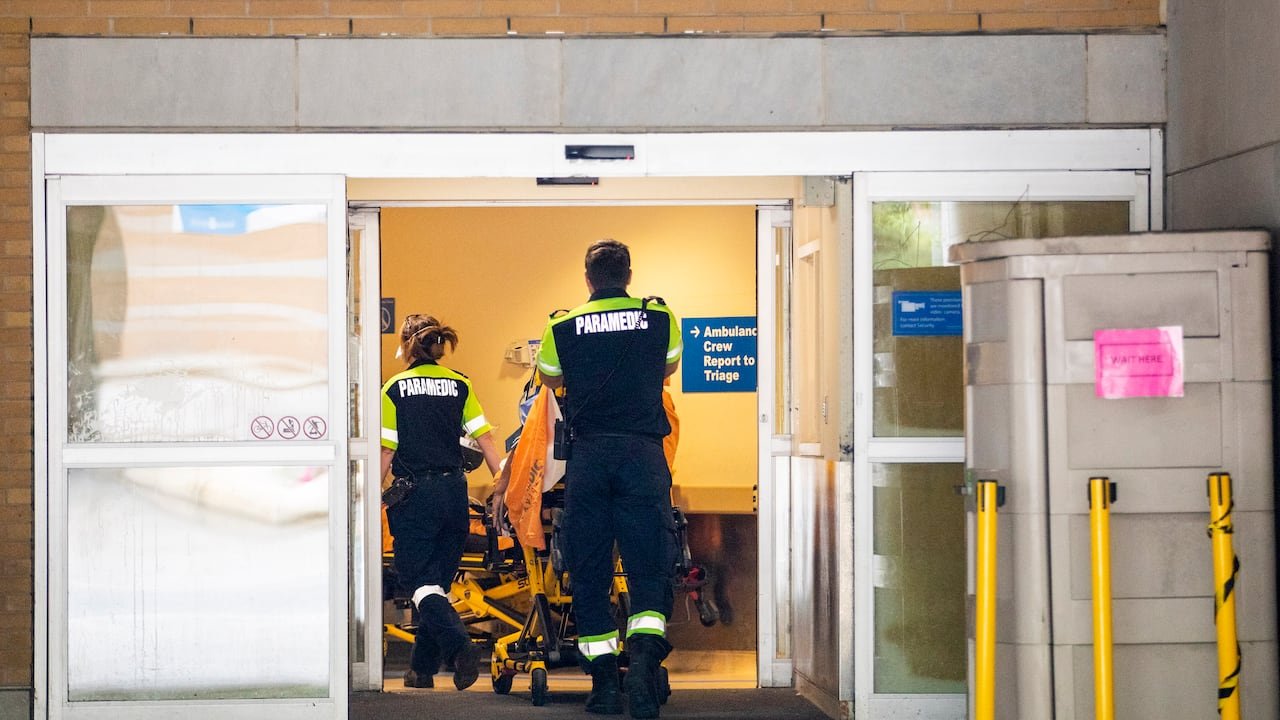
Emergency physicians across Canada say a powerful veterinary sedative is being added to fentanyl sold on streets, complicating their response to overdoses as they juggle patients.
The synthetic was first detected in 2023 in Quebec, B.C. and Ontario, with detections increasing substantially in the latter two provinces since then, according to a report from the Canadian Centre on Substance Use and Addiction (CCSA). It has also been found in the Maritime region, and Saskatchewan and Yukon have seen sharp increases this year.
This fall, researchers in Philadelphia, where the additive has become common, flagged that physicians were reporting a “novel withdrawal syndrome” among those with opioid use disorder living in areas with a high level of medetomidine in the drug supply. Symptoms of the condition, which can develop quickly, include a severely elevated heartbeat, vomiting, hypertension, agitated delirium and even reports of organ damage.
Now, Canadian overdose prevention workers and emergency physicians are struggling to deal with it, too. They also report difficulties in treating medetomidine withdrawal, which can lead to complications like heart attacks or strokes from the blood pressure, said Dr. Monty Ghosh, a Calgary-based addictions physician and researcher.
“These are the things that we kind of have to match that we didn’t have to match before,” Ghosh said. “It’s sort of skewed our management strategies for these individuals.”
WATCH | Canada’s toxic drug supply evolves:
Overdose deaths remain ‘unacceptably high’ despite 2025 decrease, Canada’s top doctor says
Canada’s Chief Public Health Officer Dr. Joss Reimer says bringing overdose deaths down ‘even further’ will take co-ordinated action, particularly as emergency medical services are called on to deal with ‘polysubstance overdoses’ that require more complex interventions.
Drowsy patients coupled with heart attack risks
Taking opioids can make it difficult for a person to breathe. Add in medetomidine, said Ghosh, and they’ll also become much drowsier, with low blood pressure and a low heart rate that can stay down for long periods of time.
“It can be very dangerous,” he said, because that reduces blood flow to vital organs, which can lead to serious complications, as well as slow breathing.
At overdose prevention sites in B.C. and Montreal, nurses also say they’re concerned about users having very low heart rates and becoming dizzy and unresponsive for hours, according to a CCSA presentation. Regularly monitoring a person’s pulse, heart rate and oxygen levels now matters more, because these changes can be delayed compared with previous drugs and adulterants.
When reversing an overdose where medetomidine is involved, Substance Use Philly noted it is important to focus on the person’s breathing rather than their responsiveness, given that medetomidine is a sedative and therefore does not respond to naloxone, which reverses opioid overdoses.
Medetomidine withdrawal, meanwhile, can come on quickly and brings its own set of problems, like the question of how much vomiting is too much.
Dr. Sahil Gupta, who works in Toronto, says patients experiencing medetomidine withdrawal require hospitalization or intensive care medications because breathing and consciousness need to be monitored for a longer period of time than with opioid withdrawal.
“In our emergency departments, [these] patients take a longer amount of time, both from a nursing, staff physician and time within the hospitals” perspective.
While the goal is to support breathing to prevent the brain from starving of oxygen, in extreme circumstances, patients will need to be put on a ventilator, he said.
A box of Narcan sits at a community outreach storefront in Philadelphia in 2023. Generically known as naloxone, the medication used revive people who have stopped breathing doesn’t reverse the effects if opioids are absent. (Matt Rourke/The Associated Press)
“[Resource] strains like this tend to actually create a lot of disruption and cause increased wait times, overcrowding,” Gupta said. “Often the patients experiencing the medetomidine withdrawal are requiring hospitalization or intensive care meds, as well, which are much more high-resource areas.”
Gupta said unless the whole continuum of homelessness and socioeconomic factors are addressed, “we’re really not going to make inroads.”
Proposed solutions
One doctor in Alberta helped create a program meant to try and address emergency room overcrowding.
The Edmonton program, called Bridge Healing, looks to address homelessness among those making repeat hospital visits, said Dr. Louis Hugo Francescutti, a professor in the School of Public Health at the University of Alberta who works as an emergency physician.
If someone comes to the emergency department with no fixed address, Francescutti said they’re asked two questions: whether they are homeless, and whether they want a chance to get their life together again.
“If they say yes and there’s beds available, we send them by cab to these purpose-builtbuildings, where we provide them free-of-charge accommodation,” he said, along with services including access to a medical clinic to start to address their needs.
“Emergency department staff are becoming morally distressed,” he said. “They’re burning out because they see a problem that is solvable if we had the right people intervening.”
He said that includes better access to specialized clinics and practitioners like social workers.
WATCH | Hospitals & housing:
Many homeless people return to the ER after being discharged. This program hopes to change that
A new pilot project at the Tupper YMCA in Westmount, Que., aims to fundamentally change what happens when patients experiencing homelessness are discharged from the hospital by offering them temporary housing.
However, some practitioners say there is another missing element: safe consumption sites, many of which were closed down in provinces like Ontario, with the provincial government saying the sites encouraged drug use.
At these sites, workers would be able to assess comatose overdose patients, potentially giving them oxygen or a small dose of naloxone so they can avoid being put into full opioid withdrawal, said Dr. Raghu Venugopal, an emergency physician at three downtown Toronto hospitals.
“This really matters because if you want safe subways, if you want safe parks, if you want a better-functioning ER, there is a place for people who need to use drugs,” he said.
Indeed, without the supervised sites, people who previously would have been revived at the sites now need to go to emergency, a 2026 report by Gillian Kolla of Memorial University’s medicine faculty and epidemiologist Tara Gomes of the Ontario Drug Policy Research Network suggests, delaying care for other life-threatening conditions such as heart attacks and traumatic injuries from vehicle collisions.
Asked to respond to the emergency physicians’ calls, Ontario’s Health Ministry pointed to its approach.
“Instead of giving people tools to use harmful, illegal drugs, our government is helping people break the tragic cycle of drug addiction by making record investments in more mental health and wraparound supports,” Lily Barnes, a spokesperson for Ontario’s health minister, said in an email.
“Across the province, we are investing a historic $560 million to build 29 Homeless and Addictions Recovery Treatment (HART) Hubs, including 4 in Toronto, replacing the failed approach of drug injection sites.”
Barnes said Ontario’s 29 HART hubs are open to set people on a path to recovery, with each hub receiving four times more funding than the drug sites.
The audio version of this article is generated by AI-based technology. Mispronunciations can occur. We are working with our partners to continually review and improve the results.
Durham region’s health department is warning residents of a confirmed measles case in an unimmunized child with a history of recent international travel.
In a news release Saturday, the department said members of the public may have been exposed to the virus at the following locations:
Ethiopian Airlines flight ET552, travelling from Addis Ababa to Toronto from 11:32 p.m. East Africa Time on Monday to 7:30 a.m. EST on Tuesday.
Toronto Pearson International Airport Terminal 1 from 7:30 a.m. to 11 a.m. on Tuesday.
Lakeridge Health Ajax, in the Pickering emergency waiting room Tuesday, between 10:40 a.m. and 5 p.m.
Anyone who was in these areas at those times of day is asked to watch for symptoms until Nov. 24, Durham region said in its news release.
The health department says it is investigating and following up directly with those who are known to have been in contact with the child.
Residents who believe they may have been exposed to the virus should confirm they have two doses of the measles vaccine, stay home if they develop symptoms, call ahead before visiting a clinic or primary care centre and wear a well-fitted mask when getting a medical assessment, Durham region suggests.
People born before 1970 would likely have had measles illness as a child and are protected, according to the health department.
Measles is a highly contagious disease that spreads easily to those who are not vaccinated and have not previously had it. Children under the age of one, unimmunized pregnant people and those with weakened immune systems are at increased risk of complications.
The measles virus can remain in the air and on surfaces for up to two hours and symptoms typically develop seven to 21 days after infection, the health department said.
Symptoms include a high fever, a cough, a runny nose, red watery eyes (conjunctivitis, including pink eye), sensitivity to light and a red rash lasting four to seven days.
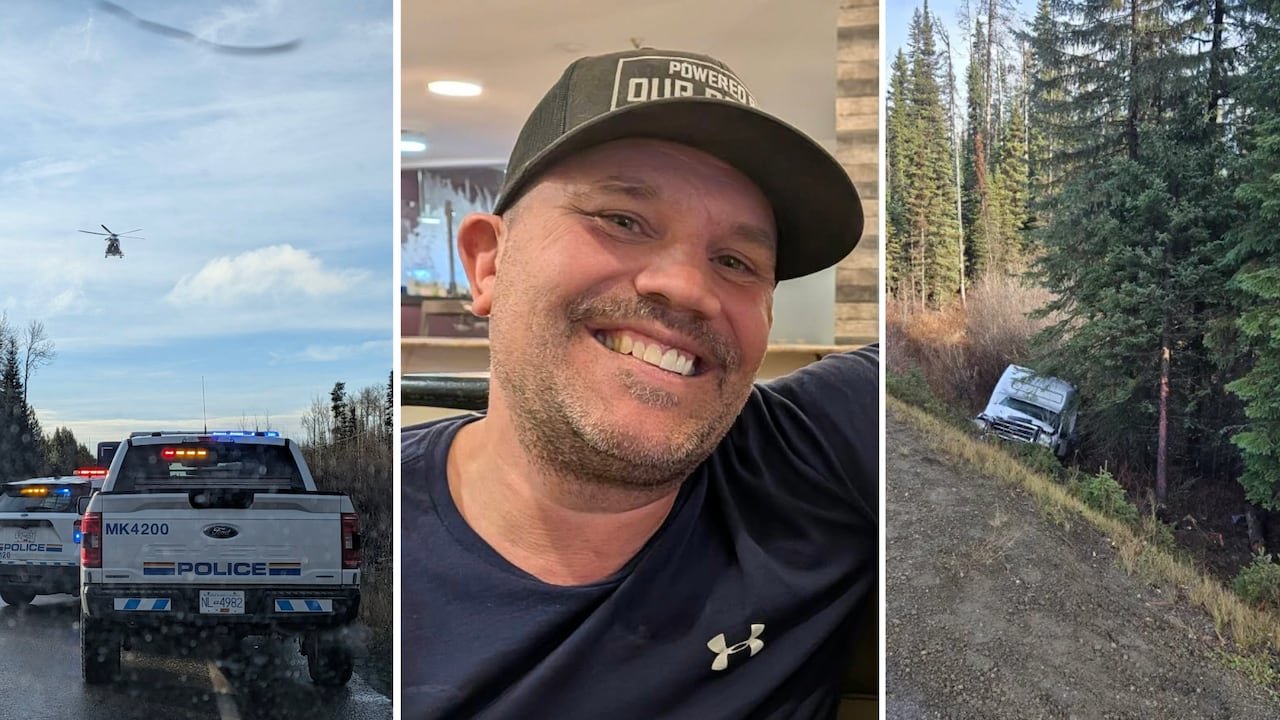
A lonely highway, a traumatized son, and up to 20 people in need of urgent care after a horrific bus crash: that’s the situation Rich Rogers found himself in Wednesday morning along Highway 39, just south of Mackenzie, B.C.
A former firefighter, he gave immediate life-saving treatment to the injured passengers until more help could arrive, reopening the mental trauma he tried to leave behind in his old career.
“Before I could blink Rich was running out of our car, down the steep bank and onto that bus,” his wife Corynn wrote online.
“He didn’t know what he would see in there, and I don’t truly want to know all the details. I do know he literally saved several lives.”
WATCH | Code Orange at two hospitals after bus crash:
About 20 people hospitalized after bus crash near Mackenzie
As she frantically tried to call 911 in an area with poor cell coverage, Corynn says her husband turned off the bus as it was filling with gas, checked for pulses and revived people who were unconscious.
It took six ambulances, five airplanes, and a helicopter to respond to the crisis, which resulted in a Code Orange being declared at the hospitals in both Mackenzie and Prince George, roughly 200 kilometres south of the scene.
But at first it was just Rogers, his family and the people in need of immediate care on an otherwise desolate northern highway.
Corynn says it was a miracle that her husband, a former City of Prince George firefighter, was the person who was there to treat the injured passengers before more help could arrive.
Corynn and Rich Rogers, along with their son, were the only other people on the road when the bus crashed into a ditch after driving toward them. (Corynn Rogers)
But the experience was also traumatic for Rogers, who left the job due to concerns about his mental health. Dealing with the aftermath of Wednesday’s experience, he requested to conduct a single interview with multiple media outlets, including CBC News, via an online video call from his home in Mackenzie, where he moved in September.
A key message was the impact such situations can have on those who jump into help, and the need to support first responders.
The following has been edited for length and clarity.
Describe what you saw for us when you were going down Highway 39.
It was kind of surreal. We kind of came around a little bit of a corner into a fairly big straight away in the distance as we were talking, I noticed something weird and the fact that the bus kind of started entering our lane, and it didn’t appear to be for any particular reason.
And then everything went into ultra-slow motion and I started slowing down. I could just feel and I could tell that something was about to happen.
LISTEN | Rogers shares his story:
Radio West9:51Witness account of shuttle bus crash near Mackenzie
Rich Rogers is a former city firefighter. He was driving along Highway 39, near Mackenzie when a shuttle bus crashed right in front of him. He shares the traumatic first moments after the crash as he rushed to help the injured.
At one point I thought they were gonna flip onto the highway on its side, but it seemed to just take off and shoot across the road and, unfortunately, on that that side of the road there was about a 20-foot-deep ditch.
They launched off the edge, for lack of a better word, and crashed into a tree and then the bus spun around and fell into the ditch and came to a stop.
During that time, my son and wife were in the vehicle with me, and my boy [his 12-year-old son] just started screaming “No, no, no,” over and over.
Rogers says his focus moving forward will be on helping his son recover from what they witnessed, as well as making sure he is looking after his own mental health. (Corynn Rogers)
I pulled over into the side road and I told my family just to stay put and to call for help. And I can’t even remember if I said it out loud, or if it was just in my head, “Man, I hope the bus is empty.”
Rogers says one person had been ejected from the bus and they didn’t appear to be breathing, so he started applying lifesaving measures and they started breathing again.
Another passenger who was hurt but mobile helped stabilize this person while Rogers moved onto to other injuries. B.C. Emergency Health Services confirms that three people were in serious condition while four others were in “serious but stable” condition.
Once ambulances arrived, Rogers continued to help until the scene was cleared.
This is obviously really hard.
I mean, part of the reason that I’m not a firefighter is I left due to mental stress.
So, yeah, it was a trying experience that we just went through but it’s kind of reminded me and made me thankful for the training that I did have and possessed.
It’s really tough. I went through a lot of emotional stress. I feel that I didn’t get the support and the help that I deserved. I didn’t know how to ask for it properly, either. And I don’t know that I was ready to ask for it.
My wife recognized it in me before I did, that I was struggling. And we’re definitely going to have to watch for those types of emotions and feelings creeping in again. But I believe that I’m more equipped to deal with those stressors now.
And how is your family navigating it?
The very first night my wife was extremely worried that my son wasn’t going to be able to sleep because he just kept saying in the car … that he all he could see is the bus keep crashing and crashing and crashing.
I’m thankful I was thoughtful enough to pull over about 100 meters away from the incident. In the back of my head I was thinking, “I don’t want my kid and my wife to have to see what is, or potentially could be happening.”
We just have to kind of make sure that he’s not being negatively affected, and that he knows that we’re here, that he can talk to us about whatever and anything that he needs to.
What kind of response have people been giving you?
I almost feel a little bit embarrassed because, honestly, doing this with you guys is harder for me than what I did.
I don’t really think of myself as a hero, I just think of myself as the wrong place, right time, right skills.
I just hope what I did can give those guys a chance to get healthy again, a chance for their family to spend some time [together].
Rogers says it’s important for first responders to receive support for the mental and emotional trauma they endure. He says he’s grateful he may have helped more people have more time with their family. (Corynn Rogers)
I think the only thing that people should know is there’s lots of people out there that would do what I did.
I think people need to respect the fact that when somebody says they’re hurting inside, and they can’t explain it, that it should be taken a little bit more seriously.
Like, I know my life would be a lot different right now if I was still still a firefighter.
I thought it was my dream career [and it] just destroyed my life.
But I have to move forward in my life, just like the people that were injured in that accident, and just do the best that I can from here for a while.
The audio version of this article is generated by AI-based technology. Mispronunciations can occur. We are working with our partners to continually review and improve the results.
B.C.’s Human Rights Tribunal has ordered LifeLabs and a subsidiary to pay $32,000 to three transgender and non-binary people for “injury to their dignity” after separate instances of discrimination.
Tribunal member Theressa Etmanski said in her decision, posted last week, that LifeLabs and its subsidiary Excelleris Technologies misgendered and outed the three patients at service centres in Vancouver and Burnaby in 2019.
Etmanski also ordered LifeLabs to pay almost $3,000 in lost wages and $11,100 for an expert report.
‘Exhausted and upset’
In one of the incidents, LifeLabs “refused to recognize” a person’s non-binary gender identity and misgendered them, according to the tribunal decision.
Noa Moses said they brought a lab requisition form to a LifeLabs location in Vancouver in October 2019.
The form, which was filled out by their doctor, did not have “M” or “F” in the sex field, but staff repeatedly asked Moses whether they were male or female in front of the waiting area, where Moses believed other people could hear.
Moses said they were neither, but the response wasn’t accepted and staff repeated the question.
Moses testified they weren’t offered a private space to have the conversation.
Another staff member said they were going to call Moses’ doctor to “find out which gender marker to use.”
When LifeLabs staff couldn’t reach Moses’ doctor over the phone, staff “informed Noa that if they did not choose a male or female gender marker, staff would not draw their blood.”
After responding “10 to 15 times” that neither binary marker was appropriate, the decision says a staff member approached Moses with a piece of paper with “M” and “F” written on it. They asked Moses to point to one.
“Noa says they were so exhausted and upset by that point that they just pointed to a letter on the paper.”
LifeLabs staff wrote a binary gender marker on Moses’ requisition form.
Moses testified that their experience was demeaning and made them feel like a child being chastised, according to Etmanski’s decision.
More instances of misgendering, outing
The tribunal also found that LifeLabs wouldn’t allow Devan Snow to update his gender identity in their system and instead used the sex assigned to Snow at birth.
Snow also said he was forced to discuss his gender identity at the counter in front of an occupied waiting area at a LifeLabs centre in Burnaby in October 2019.
“Snow said everyone in the waiting room could hear what he was saying, and that his requests had become a ‘huge thing.’”
Snow described feeling othered and unimportant because of the experience at LifeLabs, according to the decision, and also felt embarrassed because the incident was public.
Etmanski also found that Vincent Viezzer was discriminated against at a LifeLabs location in Vancouver in 2019 when, despite his gender marker typed as “M,” Etmanski said staff added the letters “FTM” to the form. LifeLabs disputed this, but Etmanski accepted Viezzer’s evidence.
Viezzer understood the letters to mean “Female to Male” and told the tribunal he had an emotional, physiological reaction to seeing the letters and scribbled them out with a black marker. He left LifeLabs without having his blood tested that day, according to the decision.
Etmanski said while the initials “may not appear to be particularly egregious or virulent,” and can still be used in some settings, they also can be an “oversimplified and inaccurate way to describe some peoples’ lived transgender experience.”
She said there is no requirement that something be understood as universally offensive for it to have a discriminatory impact.
Etmanski also noted disclosing someone’s transgender or non-binary identity publicly “can place them at risk of harm.”
Etmanski awarded $15,000 each to Snow and Moses and $2,000 to Viezzer.
LifeLabs was also ordered to correct the misgendering of Moses and Snow and to ensure transgender and non-binary patients have a private space to discuss their sex or gender within six months.
LifeLabs must also develop training on trans and non-binary patients’ privacy considerations and give it to all staff and management in B.C. within a year.