Tag: ABC News

  • With celebs and influencers glamourizing ‘cigs’ online, experts are carefully watching smoking trends

    With celebs and influencers glamourizing ‘cigs’ online, experts are carefully watching smoking trends

    Text to Speech Icon

    Listen to this article

    Estimated 5 minutes

    The audio version of this article is generated by AI-based technology. Mispronunciations can occur. We are working with our partners to continually review and improve the results.

    Dua Lipa in the streets of Italy. Charli XCX at her wedding. Singer Clairo snapping selfies. Heated Rivalry stars Connor Storrie and Hudson Williams out on the town.

    These are just a few of the world’s biggest celebrities who’ve recently appeared in dozens of photos on Instagram and TikTok, looking impossibly cool while doing something notoriously unhealthy: smoking cigarettes.

    “It’s almost like they’re glamorizing smoking again,” said Carolyn Baglole, an associate professor with McGill University’s department of medicine.

    But even with celebrities caught puffing and influencers hyping the habit, data suggests tobacco use has long been trending downward. Still, if we want it to stay that way, experts say online content glamourizing the habit shouldn’t be ignored.

    WATCH | Many people don’t realize just how bad smoking is:

    Global study found many people don’t understand the dangers of smoking

    A global study led by a University of Waterloo researcher found that many smokers worldwide are still unaware of the dangers of tobacco use. The study followed around 240,000 people from 46 countries over two decades. Geoffrey Fong, the principal investigator of the International Tobacco Control Policy Evaluation Project and a professor at the University of Waterloo, explains his research.

    No amount of smoking is safe: experts

    Dedicated accounts to smoking culture have popped up online, including @cigfluencers, which boasts more than 100,000 followers on Instagram and posts pictures of celebrities smoking.

    Meanwhile, posts normalizing “cigs” abound online.

    Like the one that jokingly declares cigarettes don’t count if you smoke them with your morning coffee or overseas. In another video, a woman defends influencer Alix Earle for smoking a cigarette with the caption, “Let a girl smoke a cheeky cig!” In another, the content creator says cigarettes don’t count “if you’re in the middle of writing.”

    However, experts warn that this is the kind of behaviour that can lead to addiction. 

    “Nicotine is so highly addictive,” said Rob Cunningham, a senior policy analyst with the Canadian Cancer Society. “A small number of cigarettes can lead to addiction and cravings.”

    According to Health Canada, tobacco use is the leading preventable cause of premature death in the country, and can lead to more than 40 debilitating and potentially fatal illnesses, including cancers and heart disease.

    That hasn’t stopped some people from posting about trends like “social smoking” — the practice of only smoking with friends or peers — while others even claim that smoking could “cure the loneliness epidemic” or help people make friends.

    Though some of these posts may be facetious or played off as jokes, experts told CBC News no amount of smoking is safe.

    “Even smoking socially, you don’t want to risk a nicotine addiction,” Baglole said. “If that happens and you become a life-long smoker, the risk of developing a chronic disease such as lung cancer, is so much higher.”

    A post from an instagram account with a photo of a man and a woman in wedding attire sitting at an outdoor restaurant. Both are smoking. To the right of the photo, instagram users comment on the image.
    The instagram account @cigfluencers has more than 100,000 followers and posts content of celebrities smoking, like this image of Charli XCX smoking with her new husband while wearing her wedding dress. (Instagram/@cigfluencers)

    Jared Oviatt is a smoker who runs the @cigfluencers account. Despite the popularity of his content, he previously told CBC Life that he doesn’t believe we’re in a smoking renaissance.

    “I don’t see the comeback of cigarettes in celebrity culture as a true return to smoking as a mainstream habit,” Oviatt said.

    “Are we seeing it more often? Yes. However, I also think we’re already nearing the peak of that trend.”

    Smoking on a downward trend

    Cunningham confirmed that smoking isn’t on the rise, at least not yet.

    “So far, we have not seen an increase in smoking and that’s good,” he said.

    Recent data from the Centre for Addiction and Mental Health shows a significant downward trend between 1999 and 2025. For students in grades 7-12 in Ontario, smoking tobacco cigarettes decreased from 28.4 per cent in 1999 to 3.5 per cent by 2025.

    According to the federal government, smoking rates have steadily declined across the country. About 300,000 Canadians who smoked in 2023 reported that they quit smoking in 2024, with just 11 per cent of adult Canadians reporting smoking that year.

    “We want to keep that trend going downward,” Baglole told CBC News. “I would hate to see that trend reversed in any way and in any age demographic. Smoking is just so bad for you.” 

    WATCH | U.K. lawmakers introduce tobacco ban for everyone born in 2009 onwards:

    U.K. lawmakers approve lifetime tobacco ban for anyone born in 2009 or after

    A new law in the United Kingdom will ban purchasing tobacco smoking and vaping products to everyone born on or after Jan. 1, 2009, meaning affected age groups face a lifetime ban. The law is due to receive royal assent next week.

    Cunningham says the habit damages teeth, skin and causes bad breath.

    “It’s also very costly once you’re addicted,” he said. In Canada, a pack of cigarettes can cost anywhere from $14 to $26 Cdn.

    He also warned that the content on social media that glamourizes smoking is harmful. 

    “The positive depictions by influential people on social media is extensive and concerning,” he said.

    “Actors or influential people or celebrities do have influence — outsized influence — on the people they’re exposed to.” 

    Cunningham says he believes celebrities and influencers have a responsibility to protect their fans. 

    “They wouldn’t want their kids or grandkids to smoke, and they should realize their behaviour can influence vast numbers of young people.” 

  • Can I get AI face? Plastic surgeons say AI-generated inspiration is more than meets the eye

    Dr. Ian MacArthur is accustomed to dealing with new trends in cosmetic surgery, but he’s starting to see more patients coming into his Ottawa clinic with expectations that aren’t entirely realistic.

    Some clients, he says, bring in “fairly stylized” images generated with artificial intelligence, seeking results that may not even be “physically possible.”

    The experiences he’s had so far motivated him to share a few cautionary thoughts on his Instagram page.

    But it’s a trend that plastic surgeons are dealing with more often.

    The British Association of Aesthetic Plastic Surgeons (BAAPS) recently warned about the rise of “AI face” — flawless, AI-enhanced images of patients’ own faces that they believe can be recreated surgically.

    The concern, says the organization’s president, is that AI could also lead some people to put their desire for an unachievable look ahead of their own safety and well-being.

    “The less realistic the image, the more dangerous that becomes if someone says, ‘Yes, I can do it,’” Dr. Nora Nugent told CBC News.

    More than meets the AI

    BAAPS surveyed about half its roughly 350 members about how often they’re seeing instances of AI face during consultations, Nugent said, with about 15 per cent of them responding that it’s happening more often.

    It’s not that people are asking for anything unusual, she says. It’s that the chatbot may have made other enhancements that it doesn’t immediately disclose, such as a sharpened jawline or smoothed-out skin.

    CBC News uploaded a photo of a journalist’s face to three commonly used generative AI platforms — the free versions of OpenAI’s ChatGPT, Google Gemini’s Nano Banana and Anthropic’s Claude — and prompted them to show the outcome of a rhytidectomy (a facelift).

    Claude would not complete the task, responding that it wouldn’t generate “realistic manipulated images of actual people.”

    Nano Banana did complete the task. When prompted, the chatbot explained that in addition to simulating the rhytidectomy, it also reduced loose neck skin and applied dermatological treatments like laser resurfacing or a chemical peel. (It also appeared to shave off facial hair).

    It would not, however, create a medical before-and-after image comparison, encouraging consulting with a certified plastic surgeon for a realistic assessment.

    ChatGPT did not hesitate to produce a visualization, as well as a side-by-side comparison. Like Nano Banana, it actually simulated multiple procedures — including what appeared to be an eyelid lift, brow lift and neck lift. ChatGPT said it smoothed out the forehead.

    The chatbot did not immediately recommend consulting with a surgeon but later said the outcomes depend on one’s anatomy, goals and doctor.

    Pixels, not human tissue

    Nugent says it’s important for anyone seeking cosmetic surgery to know that AI can’t account for an individual’s anatomy.

    “[AI] works in pixels, not human tissue,” she said.

    “Some tissue intrinsically is stronger, has more collagen, maybe thicker skin, and will hold a lift better,” she said, adding that there are limits to “what’s structurally safe to do” with a person’s face.

    “If you make a nose too small and too narrow, that person won’t be able to breathe properly through their nose,” she said. “If you take too much skin from an eyelid, someone can’t close their eyes properly and that creates a medical problem.”

    On top of that, a patient’s age, weight and lifestyle are also factors in the outcome.

    WATCH | Real doctors appearing in AI deepfakes peddling unreal medical advice:

    AI deepfakes of prominent Canadian doctors are coming for your money

    Health officials are warning Canadians about hyper-realistic AI deepfake videos of prominent doctors selling products or pushing bad advice. Victims are urged to contact the Canadian Anti-Fraud Centre, but doctors warn the videos are hard to take down.

    Nugent says people can likely recognize the “more extreme changes” as unrealistic.

    “But it’s the mild to middle changes that they might think are realistic,” she said.

    Karen Rowa, a psychiatry and behavioural neurosciences professor at Hamilton’s McMaster University, says it could also worsen problems for those who struggle with their appearance or have body dysmorphic disorder.

    AI chatbots tend to “please the person they’re talking to,” she says. Asking them to fix something a person doesn’t like about their face or body may “reinforce a problem that may not actually exist.”

    An unachievable risk

    Dr. Michael Weinberg says he hasn’t consulted any patients who have used generative AI tools to simulate their cosmetic surgery outcomes, but he’s not entirely against the idea.

    Weinberg, a plastic surgery division lead at Ontario’s Trillium Health Partners, says AI may help a patient visualize their own goals in advance of an appointment. A surgeon can then help them determine what’s possible and what’s not.

    He says plastic surgeons have already been using digital 3D simulation tools in their consultations for some time — for procedures like breast augmentations or eyelid lifts.

    “If it’s used wisely and judiciously with realistic results, then it is great because it can show you what you can look like,” he said.

    What he worries about is doctors who overpromise on what can be achieved — whether it’s due to inexperience, pressure from the patient or unscrupulous business practices.

    “There’s a lot of bad plastic surgeons,” he said, and a patient’s desire to meet AI-generated expectations may lead them to seek less reliable options if they’re told that their goals aren’t achievable by a more responsible doctor.

    He says “tourist plastic surgery” is another issue, with some people travelling abroad for aesthetic procedures.

    That comes with a big risk, Weinberg says, of returning with the “absolute worst complications” that can require additional surgeries and months of care.

    LISTEN | Just how dangerous is AI — and what we should do about it:

    Front Burner33:35Why are AI leaders calling for a slow down?

    But Ottawa surgeon MacArthur says most patients are reasonable and aren’t looking to go to any extremes. He says those who turn to AI tools may be doing so because they want to better communicate their wishes.

    As long as he’s clear with them about what is achievable, he says, they’re generally understanding. But he does think some people have unrealistic expectations, and that AI could “be like gasoline on the fire.”

    WATCH | Can we pause the rapid development of AI?:

    Why slowing the AI race won’t be easy

    Silicon Valley tech CEOs are calling for a slow down of artificial intelligence development — but is that even possible? For The National, CBC’s Ashley Fraser looks at what it would take to pace the AI race and why experts say it won’t be easy.

  • Fruit giant Driscoll’s faces class-action lawsuit in Quebec

    Fruit giant Driscoll’s faces class-action lawsuit in Quebec

    Text to Speech Icon

    Listen to this article

    Estimated 3 minutes

    The audio version of this article is generated by AI-based technology. Mispronunciations can occur. We are working with our partners to continually review and improve the results.

    Lawyers are asking a Quebec Superior Court judge to authorize a class-action lawsuit against American fruit giant Driscoll’s.

    It comes after CBC News reported on allegations that the company had sent millions of pounds of berries to Canada with non-compliant levels of chemical residues between 2022 and 2024. 

    The lawsuit was lodged on behalf of a Quebec woman who consumes Driscoll’s berries. 

    The filing alleges the American multinational fails to inform consumers who purchase its berries of the presence of pesticide residues or other chemical substances exceeding the maximum limits permitted in Canada. 

    “The failure to disclose this crucial information regarding berries marketed in Quebec is compounded by misleading representations concerning these products,” lawyers wrote. 

    The suit seeks to cover any individual who purchased Driscoll’s brand berries — including strawberries, raspberries, blackberries or blueberries — since Jan. 1, 2022.

    “Through these proceedings, the plaintiff seeks to represent all class members in order to obtain a reduction in their obligations and punitive damages aimed at denouncing and penalizing the company’s highly reprehensible practices.”

    In Quebec, it could take at least a year for a judge to determine if a lawsuit meets the legal criteria for authorization.

    Driscoll’s denies allegations

    The allegations made by former Driscoll’s employee David Harada sparked concern about food safety among Canadians.

    The Canadian Food Inspection Agency (CFIA) confirmed to CBC News it conducted several inspections on Driscoll’s berries sold in grocery stores across the country between 2022-24 and found chemical levels above the legal limit in Canada. 

    The chemicals include bifenthrin, iprodione and captan: fungicides and insecticides.  

    However, the CFIA says the inspections did not lead to recalls, or a corrective action was implemented and the investigations were closed.

    Harada sued the company in California for unlawful retaliation after he alleges he was retaliated against for speaking up about his findings. 

    Driscoll’s denies the allegations in Harada’s lawsuit, saying, “at all times, Driscoll’s took any concerns David raised seriously. We investigated the allegations he raised, followed the facts, and addressed any issues that needed to be addressed.” 

    Driscoll’s has said that it amended its controls to comply with Canadian standards, adding the company has never knowingly shipped products it believed to be unsafe.

    In response to the proposed class action, Driscoll’s says it’s aware of its filing in Quebec and disputes the allegations.

    “[Driscoll’s] welcomes the opportunity to address these claims through the legal process, where the underlying facts, data, and expert analysis can be fully examined,” the company wrote in an email to CBC. 

    “We are confident that Canadians will see that Driscoll’s maintains comprehensive food safety and compliance programs and that the allegations do not reflect the reality of how our business operates.” 

    The company adds it invests significant resources to ensure the safety and quality of its berries.

    “For more than 100 years, we have worked to earn the trust of consumers by communicating responsibly about our products and growing practices, and we remain committed to earning the trust of Canadian consumers every day through safe, high-quality products and compliance with Canadian laws and regulations.”

  • Toronto hospital to greatly expand permanent housing program that reduces ER visits

    Toronto hospital to greatly expand permanent housing program that reduces ER visits

    Text to Speech Icon

    Listen to this article

    Estimated 4 minutes

    The audio version of this article is generated by AI-based technology. Mispronunciations can occur. We are working with our partners to continually review and improve the results.

    A Toronto hospital network is set to greatly expand its unique permanent housing program that largely serves homeless people who visit hospital emergency departments an inordinate amount of time.

    The University Health Network’s Dunn House has seen great success in the early days for its 51 residents, a model that will expand to help 300 people. 

    The modular build opened in Toronto’s west end in 2024. Federal and provincial governments, along with the city, announced earlier this year they would help build a similar 54-unit building, dubbed Spring House, which is geared to seniors who are struggling with homelessness.

    Now, the plan is for three more buildings in Toronto. 

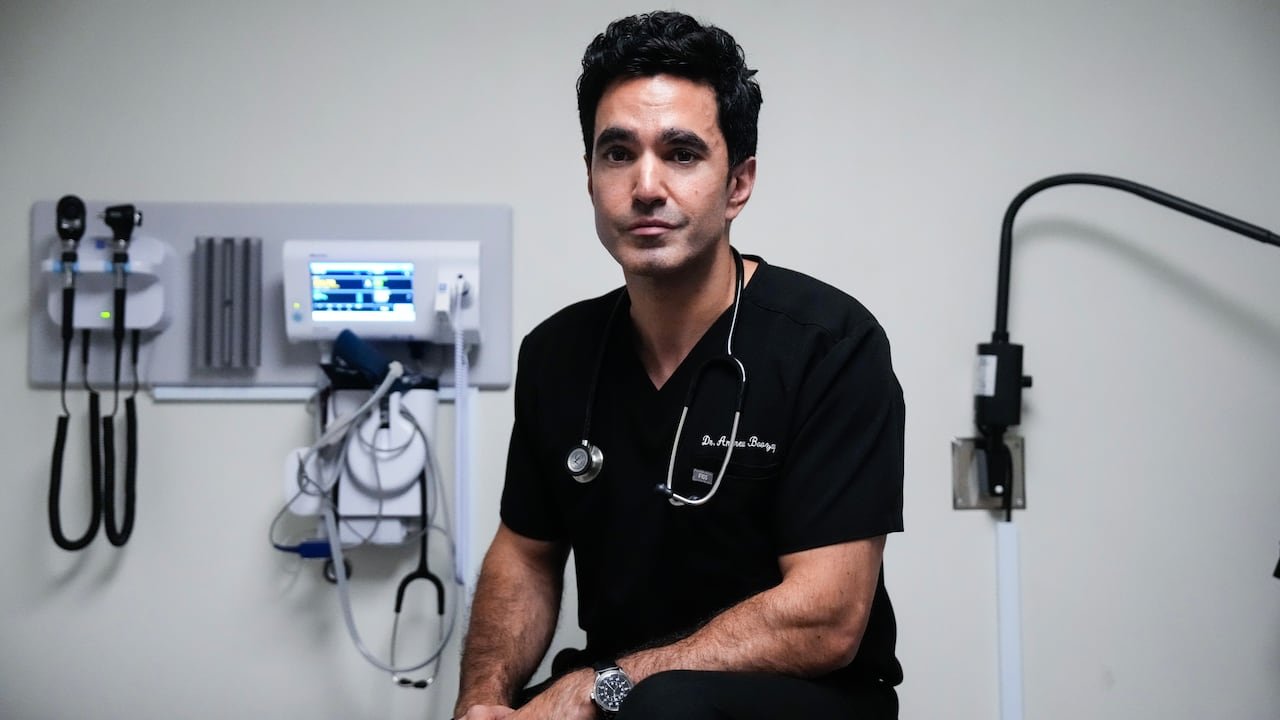
    “It gives me a lot of hope that we can rally behind a solution that is more humane and cost-effective,” Dr. Andrew Boozary, the executive director of the Gattuso Centre for Social Medicine at UHN, said in an interview.

    Preliminary data has shown that 48 residents of Dunn House visited emergency rooms 52 per cent fewer times a year after they moved in, along with a 79 per cent drop in the length of their hospital stays when they were admitted.

    The 48 patients racked up $2.1 million in hospital costs over 12 months before moving into Dunn House, and in the year after the hospital saved $1.66 million.

    Housing project has direct access to doctors, nurses

    The project will again be a partnership between the federal and provincial governments, along with the city and the hospital.

    The federal government will invest more than $25 million to get the third building up and running, with units for about 80 people. The City of Toronto will contribute $19 million while UHN Foundation will pony up $20 million for the broader build.

    The province is set to provide support for health services and health-care workers.

    The housing project features direct access to doctors, nurses and a host of other health professionals with the goal of improving their health and alleviating pressure on the hospital.

    “Investing in the Dunn House model is critical to solving the housing crisis across the continuum,” federal Housing and Infrastructure Minister Gregor Robertson said in a statement.

    Thomas Limshalm, a resident at Toronto's Dunn House, is photographed in a common area at the medical housing initiative on Wednesday, Sept. 30, 2026. THE CANADIAN PRESS/Chris Young
    Thomas Limshalm, a resident at Toronto’s Dunn House, is photographed in a common area at the medical housing initiative on Wednesday, Sept. 30, 2026. (Chris Young/The Canadian Press)

    The Canadian Press has previously spoken to more than a dozen residents, all of whom loved their new homes. Many said they have since turned their lives around, some have weaned themselves off drugs and got jobs while others have returned to school.

    The homes are permanent so residents do not have to leave when their health improves.

    Dunn House helps people ‘stay off the street,’ mayor says

    It’s a win for the city, said Toronto Mayor Olivia Chow.

    “The Dunn House model is working. It’s helping people build stable lives, access vital resources, and stay off the street and out of the emergency room,” she said in a statement.

    The city is looking to invest a further $27 million in the project, which will be subject to council approval.

    “It’s not sensationalist to say that this is going to be matters of life and death,” Boozary said.

    “When you look at the data in the country that people who are chronically unhoused live half as long as the general public, that they’re losing 20 to 30 life years, that a chronically unhoused woman in Toronto’s average life expectancy is 42, it’s a moral failure and it’s damning.”

  • Suspected Ebola case at Montreal hospital turns out to be a false alarm

    Suspected Ebola case at Montreal hospital turns out to be a false alarm

    Text to Speech Icon

    Listen to this article

    Estimated 1 minute

    The audio version of this article is generated by AI-based technology. Mispronunciations can occur. We are working with our partners to continually review and improve the results.

    A Montreal hospital has lifted emergency isolation measures after a suspected Ebola case was determined to be a false alarm, officials said.

    The female patient arrived at the Centre hospitalier de l’Université de Montréal (CHUM) late Thursday afternoon exhibiting signs of the deadly disease.

    Earlier in the day, Irène Marcheterre, a spokesperson for the CHUM, said that as soon as the suspicious symptoms were identified, the hospital immediately enacted its required isolation protocols.

    She said all necessary safety measures were put in place, and insisted there was no risk to the public.

    Just before 8 p.m., another spokesperson, Ellen Caracas, told CBC News that the patient tested negative for Ebola and emergency protocols were lifted.

    The suspected case came amid an ongoing and deadly Ebola outbreak in the Democratic Republic of Congo, where thousands have died in recent months. 

    Marcheterre could not confirm whether the patient had recently travelled from the region, stating she did not know the woman’s travel history.

  • Woman in fake nurse case narrowly escapes arrest warrant after 6th postponement

    Woman in fake nurse case narrowly escapes arrest warrant after 6th postponement

    Text to Speech Icon

    Listen to this article

    Estimated 4 minutes

    The audio version of this article is generated by AI-based technology. Mispronunciations can occur. We are working with our partners to continually review and improve the results.

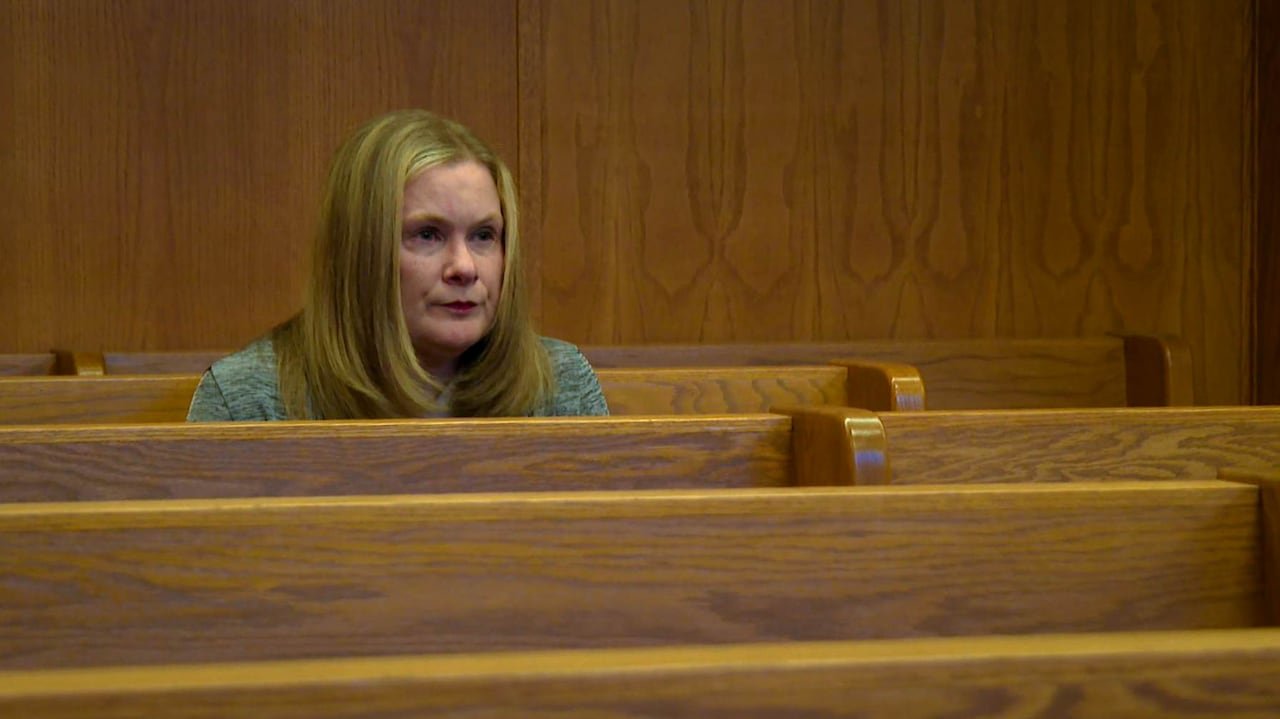
    Lisa Driscoll, a woman who stole other people’s nursing credentials to gain employment in Newfoundland on multiple occasions, has once again avoided sentencing.

    She was a no-show in provincial court on Thursday in St. John’s after being ordered by Judge Bruce Short at her last appearance to be there in person. In a twist of fate for the convicted fake nurse, the judge was also absent from the courtroom on Thursday.

    Judge Paul Noble presided over the appearance on Short’s behalf. Driscoll’s new lawyer, Philip Warren, was asking for an adjournment regardless, saying Driscoll claimed to be sick and was either in the hospital, or on the way to the hospital.

    “This is the sixth request for a postponement,” Crown prosecutor Deidre Badcock said before pulling out her notebook to quote Short from the last appearance in July.

    “He said, ‘You be here unless it is life or death,’” Badcock read. “‘The court has given you great leeway and ample opportunity to comply and you continue to not. You will not get any further appointments or adjournments. You will be sentenced on Oct. 1.’”

    But that wasn’t the case.

    Badcock then asked the judge for an arrest warrant, saying the only way Driscoll will be present for her sentencing is if she is held in custody until her next court date.

    “I just find it really harsh, I really do,” Warren said.

    Noble decided against issuing a warrant for Driscoll’s arrest, instead making an order that she be present in person for her next appearance.

    Badcock said it’s become routine for Driscoll to seek delays, without providing any evidence to support her applications for adjournment.

    “I trust what [Warren] says his client has told him, but I don’t trust anything his client tells him because we’ve consistently been told she’s in the hospital, or she’s having surgery or she’s having X or having Y. And she has not been able to produce a single piece of paper, not even a printout from her actual online health-care app, which we all have.”

    The case will be called again on Oct. 7 at 9 a.m. to find a new date for sentencing.

    Driscoll first pleaded guilty to her charges on May 12, 2025.

    She’s fired two lawyers in 2026, which also led to significant delays.

    Driscoll used fake names, licences to get jobs

    Lisa Driscoll, who also went by the name Lisa Strickland at times, was convicted of criminal negligence causing death in relation to the 2017 death of her four-year-old son in Ontario.

    That conviction and subsequent prison sentence left her unable to pass a code of conduct check in Ontario.

    Driscoll came back to Newfoundland, where she hails from, and used the legitimate licence number of a licensed practical nurse with a similar name to get a job at Chancellor Park, a nursing home in St. John’s, in March of 2021.

    While working there, Driscoll used the same stolen licence to get a second job at Kenny’s Pond retirement home in St. John’s. 

    Alarm bells were raised when Driscoll applied for another job with Lane’s Retirement Homes in July of 2022. The College of Licensed Practical Nurses got a call from a representative of the company, looking to check her licensing information. They found none of her information matched the information of the person who held the legitimate licence in the system. 

    Police began investigating, and reached out to the province’s health authority, which confirmed it also had a job application on file from Driscoll in which she used the licence number of another nurse with a similar name.

    After being fired from her positions in St. John’s and while the investigation was still ongoing, Driscoll was discovered to be working at a retirement home in Gander — this time as a travel nurse.

    Driscoll was accused of stealing medication from that home in Gander, but was acquitted in March of 2026. 

    Download our free CBC News app to sign up for push alerts for CBC Newfoundland and Labrador. Click here to visit our landing page.

  • Why experts say now is an ideal time to protect yourself from flu

    It’s October and time for flu shots.

    Medical experts urge getting a flu vaccination soon, before influenza starts spreading widely — and to get up to date on protection against other fall respiratory viruses, too. Updated COVID-19 shots are available now, plus shots for people especially vulnerable to another winter risk called RSV.

    While these infections make many people feel miserable for a few days before they recover, every year flu alone causes hundreds of thousands of hospitalizations in the U.S. and kills tens of thousands.

    Vaccination isn’t “a guarantee that we’re going to prevent illness. But just like the seat belt in your car, it decreases risk” of the worst outcomes, said Dr. Ryan Stanton of the American College of Emergency Physicians.

    Fall vaccine advice usually comes from the Centers for Disease Control and Prevention and its independent advisory panel. But this year that panel, which influences state and insurance vaccine policies, is caught in a court battle and the CDC hasn’t updated its flu advice.

    Now doctors’ groups are filling the gap: the American Academy of Pediatrics, American Academy of Family Physicians, American College of Obstetricians and Gynecologists, and the Infectious Diseases Society of America have posted vaccination guidelines for their patient populations plus the scientific evidence behind them.

    Here’s what to know:

    Just about everybody starting at age 6 months needs flu vaccination, the medical societies agree. But flu is particularly dangerous for people 65 and older, pregnant women, young children and people of any age who have chronic health problems, including asthma, diabetes, heart disease and weak immune systems. The last two flu seasons brought unusually high numbers of child deaths, the vast majority of them in unvaccinated kids.

    The vaccines don’t block all flu infections, but they do help prevent the worst outcomes, decreasing older adults’ hospitalizations by 31% last year, according to the Vaccine Integrity Project, a public health group based at the University of Minnesota.

    Three “enhanced” flu vaccines are designed to better protect seniors. The American Academy of Family Physicians urges them to choose one — “but do not delay your vaccination if that one’s not available,” said AAFP’s Dr. Sarah Nosal.

    The Food and Drug Administration recently approved a new choice for people ages 50 and older, the first flu vaccine made with the same mRNA technology that was key to ending the COVID-19 pandemic. One study found Moderna’s mFlusiva was 27% more effective against symptomatic illness among 50- to 64-year-olds than a standard shot.

    The shot-averse could choose a nasal spray, FluMist, if they’re ages 2 to 49 and meet other health criteria.

    COVID-19 shots once were recommended for just about everyone by federal health agencies, but like last year, the FDA has only formally approved them for higher-risk people — those ages 65 and older or younger people with at least one health condition that increases their risk.

    Still, the family physicians recommend all adults get a COVID-19 vaccination, especially seniors and those with other risk factors. Adults 65 and older should get a fall dose and then a second dose six months later, as immunity wanes over time, Nosal said.

    The American Academy of Pediatrics recommends a COVID-19 shot for all children ages 6 months to 23 months, and for older kids with high-risk conditions. It also supports vaccination for any child whose parent wishes it.

    With millions of shots administered, there’s no evidence that coronavirus vaccination during pregnancy increases the risk of miscarriage or other problems, “so please get the vaccine,” said ACOG’s Dr. Christina Davidson.

    Depending on age, people can choose a shot from Moderna, Pfizer, or the only non-mRNA version from Novavax and Sanofi.

    Just like with flu vaccines, these shots are better at preventing severe disease than mild cases. The Vaccine Integrity Project said last fall’s COVID-19 shots cut the risk of hospitalization by 53% in seniors and slashed emergency room visits for very young children.

    Common side effects for flu and COVID-19 vaccines are mild and temporary, such as sore arms, fatigue, headaches, muscle aches, and mild fever. They occurred somewhat more often with the new mFlusiva than with standard flu shots.

    While pediatricians and some clinics offer both flu and coronavirus shots, they’re available for most ages through pharmacies. For example, Walgreens says it now offers both shots for ages 3 and older, no prescription needed.

    Medicare covers the fall shots and most private health insurers say they plan to continue doing so through 2027. If you want to choose mFlusiva, the new Moderna flu option, make sure to double check that your insurance covers it.

    Flu experts say October is best, although vaccinations will remain available through the fall — just remember it can take two weeks for protection to kick in. COVID-19 cases rose in the late summer and usually do again around the winter holidays. Some experts say it’s also OK to time the coronavirus shot a few weeks ahead of an event you wouldn’t want to miss because of illness, like a special trip or get-together.

    RSV, or respiratory syncytial virus, typically is a cold-like nuisance during the fall, winter and early spring. But it can be severe, even life-threatening, for infants and older adults.

    The family physicians recommend a one-time vaccination for adults 75 and older, people 50 to 74 who are at increased risk, or younger people with weak immune systems.

    It’s also recommended during late pregnancy to protect infants born during RSV season. Separately, the pediatricians recommend a vaccine-like medication for those infants whose moms weren’t vaccinated and some other high-risk babies.

    ___

    The Associated Press’ health and science coverage receives financial support from the AP Fund for Journalism and private foundations. AP is solely responsible for all content. Find AP’s standards for working with philanthropies, a list of supporters and funded coverage areas at AP.org.

  • What to know about California’s new ultra-processed foods label law

    California Gov. Gavin Newsom signed a bill on Tuesday that would allow food companies to put a non-ultra-processed food (UPF) label on their products.

    The law creates the first seal in the U.S. that would appear on products as long as they meet standards for not being ultra-processed, according to California lawmaker Jesse Gabriel, who sponsored the bill.

    Modeled after the “USDA Organic” label — which appears on products that meet federal standards set by the U.S. Department of Agriculture — California’s process would be overseen by the California Department of Public Health.

    Food manufacturers would apply to accredited certification agents to use a “California Certified” seal on their packaging. Products would have to be recertified every three years.

    The law also requires grocery stores in California with gross sales of more than $10 million to prominently display products with the seal in a “designated high-traffic area.”

    The state’s definition of UPFs includes food and beverages that contain a “specified substance” — such as colors or stabilizers — and either high amounts of saturated fat, sodium or added sugar or a nonnutritive sweetener.

    Governor Gavin Newsom is pictured during a recorded interview with AFP in the Manhattan borough of New York City on September 23, 2026.

    Charly Triballeau/AFP via Getty Images

    “We should be about healthcare, not sick-care, recognizing that preventing illnesses is far preferable to finding — and affording — treatments,” Newsom said in a statement. “It’s why California is focused on making whole, healthy foods as accessible as possible, why we’re making healthier choices easier. California has never been afraid to challenge the status quo, and we’ll keep innovating, trying new things, and clearing the way for the rest of the country to follow.”

    Several consumer groups celebrated the new law, including the nonprofit activist organization Environmental Working Group.

    “Today California raised the bar for what we consider healthy food,” Bernadette Del Chiaro, EWG senior vice president for California, said in a statement. “Consumers deserve labels they can trust, and with Gov. Newsom’s signature, families now have a simple way to tell which foods are closer to what comes from a kitchen rather than a factory.”

    The law is in line with policies that have been touted by Health Secretary Robert F. Kennedy Jr. For years, Kennedy has criticized the U.S. food industry and the proliferation of ultra-processed foods, blaming them as one reason for the rise of chronic diseases in the U.S.

    “Hundreds of these chemicals are now banned in Europe, but they’re ubiquitous in American processed foods,” Kennedy said during a September 2024 roundtable discussion on health led by Sen. Ron Johnson, R-Wisc. “We are literally poisoning our children systematically for profit.”

    Some research has shown that highly processed foods can be detrimental to health. A 2022 joint study by the Centers for Disease Control and Prevention and the University of São Paolo in Brazil found that people who consumed more calories from ultra-processed foods may have an increase in cardiovascular disease.

    Earlier this year, Kennedy announced new dietary guidelines that encouraged Americans to limit highly processed foods and reduce refined carbohydrates.

    For the first time, the federal Dietary Guidelines explicitly warned Americans against certain highly processed foods and suggested avoiding “packaged, prepared, ready-to-eat, or other foods that are salty or sweet” and “sugar-sweetened beverages, such as soda, fruit drinks, and energy drinks.”

    “These new guidelines will revolutionize our nation’s food culture and make America healthier again,” Kennedy said during a press conference at the White House at the time.