
Category: Health

  • Is a Cure for Osteoarthritis on the Horizon? New Therapies Show Promise

    Is a Cure for Osteoarthritis on the Horizon? New Therapies Show Promise

    Medical syringes in a plastic tubShare on Pinterest
    New therapies for osteoarthritis could help joints heal and regenerate, rather than just treat symptoms. Luis Velasco/Stocksy
    • A government agency says that several promising osteoarthritis treatments are in development.
    • The new therapies aim to help joints heal rather than simply treating symptoms.
    • Treatment methods include bone and cartilage regeneration and living knee implants, signaling a breakthrough for those who live with osteoarthritis.
    • More research on the new therapies is still needed to verify safety and effectiveness in humans.

    Osteoarthritis most often affects older adults and leads to varying degrees of pain and disability. As the most common form of arthritis, it is also notoriously difficult to treat.

    Unlike existing treatments for osteoarthritis, which are primarily aimed at relieving pain or replacing already damaged joints with artificial ones, the research program seeks to enable joints to heal themselves by regenerating bone and cartilage.

    This breakthrough could transform the lives of millions who live with osteoarthritis by restoring natural joint function and eliminating the need for joint replacement surgeries.

    Human trials are expected to begin within the next year, marking a potential turning point in osteoarthritis care.

    Osteoarthritis occurs when joint tissue is damaged due to aging, obesity, injury, or overuse. It can also be associated with congenital defects or a family history of the disease.

    The NITRO program focuses on helping joints heal themselves through three key approaches: regenerating bone, regenerating cartilage, and developing living knee implants made from human tissue.

    Duke University has developed two injectable, time-released combination drug formulations that stimulate bone and cartilage regrowth in OA-damaged joints.

    These injectable therapies can be used alone or together and are designed for infrequent administration — only once per year — to relieve pain and restore joint function.

    The researchers created an intravenous time-release formulation to promote cartilage repair across multiple joints, reducing the need for multiple injections.

    The University of Colorado Boulder has contributed two therapies that enable aging or damaged joints to repair themselves rapidly in animal studies.

    One is a patented particle-delivery system injected into joints to deliver intermittent bursts of a repurposed regenerative drug over several months.

    The other is an engineered protein cocktail injected arthroscopically and allowed to harden in place for precise repair of cartilage lesions.

    Columbia University has engineered a living, 3D-printed human knee on a biodegradable scaffold infused with adult stem cells, either from the patient’s body or from a donor.

    As the scaffold degrades, the stem cells regenerate natural cartilage and bone, creating a fully load-bearing, non-immunogenic implant that integrates with the body without any need for hardware.

    Because it is designed to mirror current artificial joint structures, this innovation allows surgeons to use familiar techniques, which they hope will encourage more physicians to adopt this technique.

    The NITRO program is further designed to ensure accessibility, with treatments priced affordably for all Americans regardless of their insurance status.

    Additionally, clinical trials will include diverse populations most affected by OA, including women and Native American communities.

    Ryan Peterson, MD, a physician with NuView Treatment Center, told Healthline that treating osteoarthritis is currently more about “managing decline” rather than truly healing the condition. Peterson wasn’t involved in the new treatment initiative.

    Some may also try treatments such as platelet-rich plasma (PRP), he said, but the results are inconsistent.

    Osteoarthritis can be difficult to treat, he added, because it’s a complex condition involving cartilage, bone, inflammation, and the mechanics of the joint.

    “Cartilage also has very limited ability to heal, so once damage progresses, we don’t have great ways to reverse it,” said Peterson. “On top of that, pain doesn’t always match imaging, which makes treatment response unpredictable.”

    Sergio Guiteau, MD, FAAFP, CAQSM, Medical Director of South Florida Advanced Rejuvenation, agreed with Peterson, adding that there are also degenerative changes affecting the bone underneath the cartilage, the fluid that lubricates the joints, and the ligaments that support the joint. Guiteau wasn’t involved in the new initiative.

    “Many of the therapies … address the symptoms of this degeneration, but not the actual disease,” he said.

    Guiteau had positive thoughts to share about these new developments.

    “If even marginally successful, some of the new therapies through ARPA-H could be game-changing for many of us who take care of patients with OA and life changing for patients,” he said.

    Guiteau went on to say that shifting OA treatment from symptom management to structural restoration would be the “holy grail” of OA management.

    “If successful, interventions like regenerative injections, protein signaling therapies, or scaffold-based joint reconstruction could for the first time stimulate the body to rebuild cartilage and restore joint integrity,” he said.

    According to Guiteau, this would allow millions of OA patients to regain at least some of their independence and achieve a better quality of life.

    He did, however, stress that we should remain cautiously optimistic regarding these experimental new treatments.

    “Animal studies do not always translate into successful human outcomes, and many companies and individuals are too often quick to capitalize off of the desperation and naivety of those suffering from OA,” he said.

    Still, if proven safe and effective, the innovations could mark a long-awaited shift toward restoring joint health rather than simply managing symptoms, providing improved function and pain relief for millions of people who live with this condition.


  • Abortion Pill Mifepristone Still Available By Mail (For Now), Federal Judge Says

    Abortion Pill Mifepristone Still Available By Mail (For Now), Federal Judge Says

    US postal service mailboxShare on Pinterest
    A Louisiana judge refused to block access to the abortion pill Mifepristone by mail. lawsuit Joe Raedle/Getty Images
    • A federal judge paused a Louisiana lawsuit challenging mail-order mifepristone prescriptions, keeping access intact while the FDA completes its own review of the drug’s safety rules.
    • Medication abortion now accounts for nearly two-thirds of all U.S. abortions, with telehealth delivering one in four — a share that could shrink if the FDA’s safety framework changes.
    • Louisiana’s attorney general has taken her case to the Fifth Circuit Court of Appeals, asking the court to suspend the 2023 mifepristone rules while litigation continues.

    Females seeking to end a pregnancy can still get the abortion pill mifepristone delivered by mail across the United States — at least for now.

    In Louisiana, U.S. District Judge David Joseph paused a legal case challenging the Food and Drug Administration’s mail-access rules while the agency completes its review of whether its own safety requirements for the drug are sound.

    According to the judge’s decision, the FDA has 60 days to update the court on its review of the REMS rules, which dictate who can prescribe the drug and whether it can be mailed. The agency has six months to finish.

    But Louisiana Attorney General Liz Murrill isn’t waiting. In a post on X, she said she has already asked the Fifth Circuit to suspend the 2023 rules, arguing the state “is likely to succeed in showing that the 2023 REMS is unlawful.”

    “Decades of evidence and research from the U.S. and around the world show that mifepristone is safe and effective,” Amy Friedrich-Karnik, director of federal policy at the Guttmacher Institute, told Healthline.

    Friedrich-Karnik called the FDA review a “sham” designed to cut off access. Murrill said Louisiana is likely to win. The Fifth Circuit will hear arguments next.

    For the estimated 1 in 4 people currently seeking abortion through telehealth, the outcome will determine whether this remains an option.

    “While this case is paused and mifepristone access remains unchanged for now, we know the fight is far from over. The judge’s ruling leaves the door open for future restrictions to mifepristone access, said Alexis McGill Johnson, president and CEO, Planned Parenthood Federation of America (PPFA), in a statement shared with Healthline.

    “From the courts to the Trump administration to state legislatures across the country, mifepristone and abortion access are very much still under attack. Planned Parenthood organizations will continue to fight for patients to have the freedom to access care that is safe and effective — free from political interference,” McGill Johnson continued.

    Medication abortion involves two drugs taken days apart: mifepristone, which blocks the hormone a pregnancy needs to continue, and misoprostol, taken 24 to 48 hours later, that causes the uterus to empty.

    Guttmacher later estimated that in 2025, residents of the 13 states with total abortion bans received about 91,000 telehealth abortions, including about 9,350 in Louisiana. The state has already issued the first post-Dobbs criminal indictment of an abortion provider — a New York physician who prescribed pills via telehealth to a Louisiana teenager.

    “Reimposing barriers on mifepristone use would upend abortion provision nationwide, deepen racial and socioeconomic inequities in who can access care, and place additional strain on providers who are already navigating a fractured landscape,” said Friedrich-Karnik.

    Part of what’s driving demand for telehealth abortion is the disappearance of local abortion clinics.

    When Planned Parenthood in Marquette, Michigan, closed last spring, it left about 1,100 patients without an in-person provider.

    Brown, who described herself as ‘individually pro-life,’ added medication abortions to her urgent care practice to fill the gap.”

    Through a telehealth appointment, a provider reviews a patient’s medical history, confirms eligibility, and issues a prescription — all without an in-person visit.

    The pills are then mailed directly to the patient, who completes the process at home. Follow-up care, including confirming the abortion is complete, can also happen remotely.

    Abortion access across the United States varies widely from state to state. More information on finding access can be found here.

  • Artificially-Sweetened Drinks Help Promote Weight Loss, but Water Is Best

    Artificially-Sweetened Drinks Help Promote Weight Loss, but Water Is Best

    Orange liquid being poured into a glassShare on Pinterest
    Artificial sweeteners may help you lose weight, but water remains the best choice for overall health. Stefania Pelfini la Waziya/Getty Images
    • A new study reports that replacing sugary beverages with artificially sweetened drinks can help promote weight loss.
    • The findings also indicate that drinking water instead of sugar-laden liquids can promote weight loss.
    • Experts say that overconsumption of foods and beverages with artificial sweeteners can lead to numerous health issues.

    Researchers report that replacing sugary drinks with artificially sweetened drinks can help people lose weight.

    Scientists from the Harvard T.H. Chan School of Public Health in Massachusetts also found that replacing sugary beverages with water can lead to weight loss.

    The researchers stated that their analysis showed that people who replaced sugary drinks with artificially sweetened beverages achieved modest long-term weight loss, particularly among participants with overweight or obesity and had high sugary beverage intake at the onset of the studies.

    They added that participants who replaced artificially sweetened drinks with water experienced modest long-term weight loss, while those who replaced sugary beverages with water had the highest weight loss.

    Experts not involved in the study told Healthline that although artificial sweeteners may help with weight loss, they also pose health risks.

    They said water is a much healthier choice as a substitute for sugar-laden beverages.

    “Avoiding sweeteners entirely by choosing plain water is the better option,” said Mir Ali, MD, a bariatric surgeon and medical director of MemorialCare Surgical Weight Loss Center at Orange Coast Medical Center in Fountain Valley, CA. “This avoids the adverse effects of both sugar and artificial sweeteners and is beneficial for weight loss.”

    “Water provides hydration and is void of additives,” added Kristin Kirkpatrick, RD, the president of KAK Consulting and a dietitian at the Cleveland Clinic Department of Wellness & Preventive Medicine in Ohio. “After all, sugar-sweetened and [artificially sweetened] beverages are considered ultra-processed. Therefore, choosing water is a great way to start reducing [processed foods] in the diet.”

    Participants were ages 26 to 65. They were followed for 24 to 32 years, with biennial questionnaires that updated medical, lifestyle, and anthropometric data.

    The researchers reported that the mean weight gain among participants per 4-year interval was 1.3 kilograms (about 2.8 pounds).

    They reported that replacing three servings a week of a sugary beverage with an artificially sweetened drink was associated with a weight loss of 1.39 kilograms.

    They said there were similar results when replacing sugary beverages with water. They noted that replacing artificially sweetened drinks with water resulted in only “modest reductions in weight.”

    Experts say there are several potential reasons for the weight loss by people who switched to artificially sweetened beverages.

    “It’s possible this impact is in large part to overall reduction of calories – thereby taking less energy in may lead to weight loss,” Kirkpatrick said. “Additionally, individuals in the study may be making more effort to improve nutrition overall, which may also lead to better habits and weight loss.”

    “[The study] confirms what you’d expect: introducing a calorie-free beverage to replace drinks like juice or soda results in weight loss because you’re consuming fewer calories,” said Jonathan Long, PhD, an associate professor of pathology at Stanford University, who wasn’t involved in the study.

    The guidelines further note that one meal should contain no more than 10 grams of added sugars, or just under 2.5 teaspoons.

    Leading sources of sugar in the typical U.S. diet include sugar-sweetened beverages, desserts, and sweet snacks. These foods include sodas, cookies, brownies, cakes, pies, ice cream, frozen dairy desserts, doughnuts, sweet rolls, and pastries.

    It’s estimated that Americans consume about 22 teaspoons of added caloric sweeteners a day. These sweeteners range from 180 to 13,000 times sweeter than sugar. They are marketed under brand names such as NutraSweet, Equal, Sweet’N Low, and Newtame.

    The sweeteners are contained in many foods and beverages advertised as “sugar-free” or “diet.” These include baked goods, soft drinks, powdered drink mixes, candy, puddings, canned foods, jams and jellies, and dairy products.

    The adverse health effects from a diet high in sugar have been widely reported.

    High sugar consumption may increase the risk of cancer, depression, cellular aging, and kidney disease. It can also affect dental health.

    The adverse health effects from high ingestion of artificial sweeteners aren’t as widely reported, but experts do have some concerns.

    In May 2023, the World Health Organization (WHO) issued a recommendation against using artificial sweeteners to control body weight due to concerns that long-term use could increase the risk of cardiovascular disease and type 2 diabetes.

    David Cutler, MD, a family medicine physician at Providence Saint John’s Health Center in Santa Monica, CA, who wasn’t involved in the study, said there may be a number of other health effects from high usage of artificial sweeteners. Among them:

    “The bottom line is that while [artificial sweeteners] are safer than [sugary beverages], they are not risk free,” Cutler told Healthline.

    Ali shared similar concerns.

    “Artificial sweeteners can have adverse effects, such as altering the gut microbiome, which can increase chronic inflammation,” he said. “They may also trigger insulin release in some patients, potentially leading to insulin resistance.”

    Long says that artificially sweeteners can be a bridge to help people wean off sugar-laden sodas.

    “Obviously, drinking water is the best option — it’s hydrating and doesn’t contain the other stuff that artificially sweetened beverages do,” he told Healthline. “But it’s very hard for people to replace their juice or soda with water. So as an intermediate step, replacing caloric drinks with something sweet but calorie-free is certainly better than abandoning the effort and going back to regular soda.”

    Kirkpatrick, however, said there may be some risks to this strategy. “This study shows that perhaps diet drinks can be an effective bridge for people trying to reduce sugar intake. My concern is that individuals may see this finding and consider diet colas to be a ‘healthy’ option,” she said.

    “As a dietitian, I often find that it makes it harder for individuals to be able to reduce their sugar intake since [artificial sweeteners] are still delivering a high level of sweetness, potentially keeping cravings for sugar high,” she added.

    Cutler argued that drinking artificially sweetened beverages can cause some people to consume more calories overall.

    “Possible mechanisms for this are disruption of appetite regulation, meaning people eat more with the justification that they are no longer getting calories in their [artificially sweetened beverages]. And the sweet taste of [artificial sweetened beverages] may alter how the brain feels rewarded by eating,” he said.

    Experts agreed that an overall healthy lifestyle is the ultimate goal.

    “Overall, in terms of maintaining a healthy diet and lifestyle, I think you try to eat a variety of foods, not too much, ideally with everything in moderation,” Long said.

    “There are multiple components to optimizing health span and preventing chronic disease. Diet, exercise, stress management, and sleep are all interconnected parts of a healthy lifestyle,” Kirkpatrick added.

    “From a nutrition perspective, one of the simplest and most effective starting points is to keep foods as close to their natural state as possible,” she said. “This means limiting additives, cooking more at home, and prioritizing a variety of colorful plant foods, lean proteins, and healthy fats.”

    Kirkpatrick noted that the best way to attain a healthy lifestyle differs from person to person.

    “It’s important to remember that there is no one-size-fits-all approach. Individual needs, preferences, and health goals matter,” she said.

  • These Are the Worst U.S Cities for Spring Allergies in 2026, Ranked

    These Are the Worst U.S Cities for Spring Allergies in 2026, Ranked

    Hazy image of a female lying in the grass in the sunshineShare on Pinterest
    If you live in one of the top 20 U.S. cities for spring allergies, here’s what you can do to cope. Image Credit: Liliya Rodnikova/Stocksy
    • The Asthma and Allergy Foundation of America (AAFA) has ranked the top 20 worst cities for pollen allergies in 2026.
    • Allergy seasons are lasting longer and are more intense due to climate change, which can worsen allergy symptoms.
    • Experts offer tips for coping with seasonal allergies this spring and beyond.

    You may feel like your spring allergies are worsening, beginning earlier, or lasting longer. You’re not alone in feeling this way.

    “Allergy seasons are getting longer and worse all the time, and I think we can expect an increase in allergy-driven symptoms this spring and every spring going forward,” said Noah Greenspan, PT, DPT, board certified clinical specialist in cardiovascular and pulmonary physical therapy, a leading expert in cardiopulmonary rehabilitation, and the founder of Pulmonary Wellness Complex PT.

    “People naturally spend more time outdoors, in nature, and other areas where increased heat and humidity, greater prevalence of allergens, and therefore exposure to triggers, and compromised air quality are more common. In addition, we can expect that the impact of various environmental triggers will vary by geographic location and the characteristics of the exposures,” Greenspan told Healthline.

    Indeed, some areas of the United States experience year-round pollen from trees, weeds, and grasses.

    The AAFA has ranked the top “allergy capitals” in the contiguous (lower 48) states by how difficult it is to live there with pollen allergies. Here’s what you need to know to cope.

    The AAFA has ranked the top 100 allergy capitals in the United States for 2026.

    The following are the top 20 out of 100 based on pollen scores for tree, grass, and weed pollen, over-the-counter allergy medication use, and the number of allergy specialists.

    The AAFA notes that, compared with previous years, more cities in the West are among the top 20 allergy capitals.

    1. Boise, ID
    2. San Diego, CA
    3. Tulsa, OK
    4. Provo, UT
    5. Rochester, NY
    6. Wichita, KS
    7. Raleigh, NC
    8. Ogden, UT
    9. Spokane, WA
    10. Greenville, SC
    11. San Francisco, CA
    12. Minneapolis, MN
    13. Salt Lake City, UT
    14. Richmond, VA
    15. Colorado Springs, CO
    16. Little Rock, AR
    17. Toledo, OH
    18. New Orleans, LA
    19. Winston-Salem, NC
    20. Lakeland, FL

    You can find the full list of the top 100 allergy capitals in the AAFA 2026 report.

    If you know allergens, like pollen, may trigger symptoms, you may want to reduce your exposure. Here are a few ways to do just that:

    • Monitor the pollen count in your area so you can avoid going outside during high pollen times.
    • Keep the windows in your house and car closed, and let your HVAC system filter out allergens.
    • Remember to change your HVAC filters regularly, especially during your worst allergy months.
    • Try to keep pollen outside as much as possible by removing your shoes by the door when you enter your house, changing your clothes after being outside, and showering before bed.
    • Wear sunglasses when outside to help protect your eyes from pollen.

    You can also use over-the-counter allergy medications to help reduce your symptoms. If these don’t seem to work, you can consult with a healthcare professional about alternative treatment options.

    “Start taking antihistamines, nasal sprays, and eye drops as soon as possible,” said Nicolle Overstreet, DO, family physician with Medical Offices of Manhattan. “If you’re feeling symptoms, start treating [them]. I advise patients to start 2 weeks before their symptoms started last year, to get a head start,” she told Healthline.

    Overstreet recommended frequent allergy testing, when possible, to effectively reduce and manage symptoms.

    If you’re prone to allergies and inflammation, you should monitor your symptoms regularly to track trends and flare-ups, Greenspan said.

  • FDA Approves Foundayo, a Wegovy Alternative GLP-1 Pill for Weight Loss

    FDA Approves Foundayo, a Wegovy Alternative GLP-1 Pill for Weight Loss

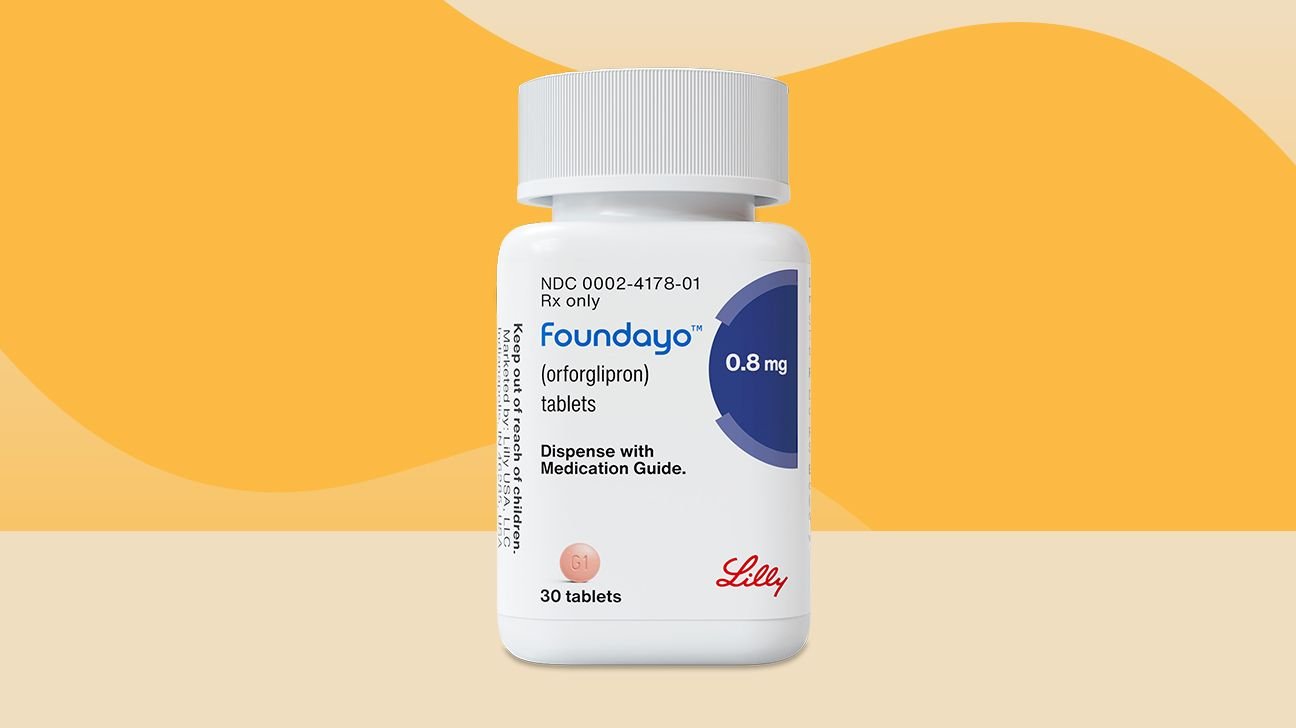
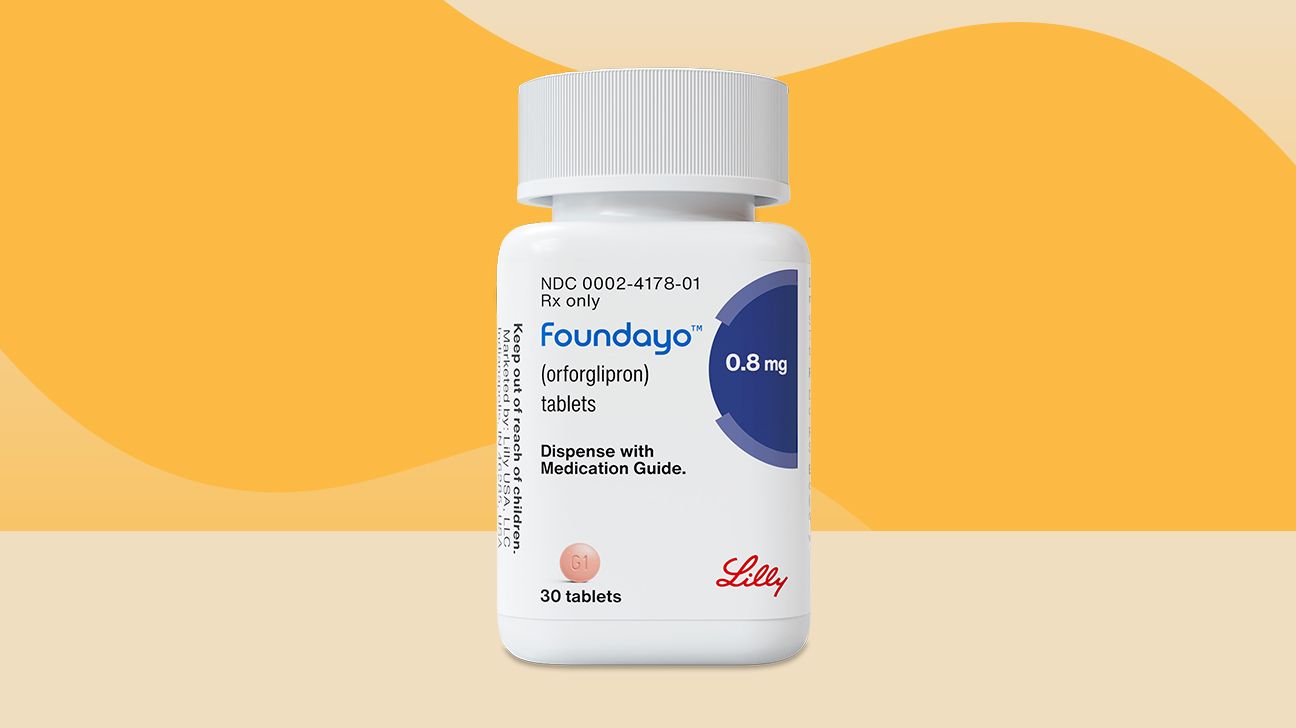
    Bottle of Foundayo against a yellow backgroundShare on Pinterest
    The FDA has approved a new once-daily GLP-1 pill for weight loss. Image Credit: Healthline/Photo by Eli Lilly
    • Federal regulators have approved the GLP-1 tablet Foundayo for use in weight management.
    • Experts say having another weight loss medication in pill form could help people stick to a weight management regimen.
    • They add that any weight loss medication regimen should be used in conjunction with a healthy diet and regular exercise.

    Federal regulators have given the green light to a new GLP-1 weight loss tablet that people can take with or without food.

    Officials at the Food and Drug Administration (FDA) have issued fast-track approval to orforglipron, a “molecular entity” pill manufactured by Eli Lilly and sold under the brand name Foundayo.

    Foundayo was approved for use in combination with a reduced-calorie diet and increased physical activity to reduce excess body weight and maintain long-term weight reduction in adults with obesity or overweight with at least one weight-related comorbid condition.

    Foundayo is now the second GLP-1 medication to be approved in pill form. A tablet form of the semaglutide-based drug Wegovy was given the go-ahead in January.

    Foundayo is an oral GLP-1 receptor agonist taken once daily. The starting dosage is 0.8 milligrams (mg), increased to 2.5 mg after at least 30 days, and then to 5.5 mg after another 30 days. The dosage may be increased to 9 mg, 14.5 mg, or 17.2 mg after at least 30 days at each level based on treatment response and tolerability, according to the FDA.

    Eli Lilly officials said Foundayo will be available via LillyDirect with prescriptions accepted immediately and shipping beginning April 6. Broad availability through U.S. retail pharmacies and telehealth providers is expected soon.

    Company officials added that eligible people with commercial insurance may pay as little as $25 per month for the drug. Individuals opting for self-pay can purchase Foundayo for $149 per month for the lowest dose. Additionally, eligible Medicare Part D individuals may be able to get Foundayo for $50 per month, beginning as early as July 1.

    Experts say the approval is a positive step toward managing obesity.

    “It’s a significant milestone to have another GLP-1 tablet,” said Pouya Shafipour, MD, a family and obesity medicine physician at Providence Saint John’s Health Center in Santa Monica, CA.

    Zhaoping Li, MD, the chief of the Division of Clinical Nutrition at UCLA Health and director of the UCLA Center for Human Nutrition in Los Angeles, also welcomed the news. “It is great to have new tools added to our toolbox to deal with obesity,” she told Healthline.

    The Foundayo approval was conducted under the FDA’s National Priority Voucher pilot program, which is designed to expedite the approval of medications needed to address national health priorities. The Foundayo application was approved 50 days after submission.

    The approval followed two randomized, double-blind, placebo-controlled trials in adults who have obesity or overweight with one or more weight-related comorbidities. The trials lasted for 72 days.

    Eli Lilly officials said that in the ATTAIN-1 trial, individuals taking the highest dose of Foundayo who stayed on treatment lost an average of 27 pounds, compared with 2 pounds for those given a placebo.

    Like other GLP-1 drugs, Foundayo can cause side effects such as nausea, constipation, diarrhea, vomiting, abdominal pain, and headache, according to the FDA. The product also carries an FDA boxed warning regarding thyroid C-cell tumors.

    Lilly officials noted that Foundayo can be taken with or without food.

    The Wegovy pill needs to be taken on an empty stomach. People must wait 30 minutes before ingesting any food or drink.

    “We believe Foundayo can help level the playing field for those living with obesity or who are overweight and living with weight-related complications,” said David Ricks, chair and chief executive officer of Eli Lilly, in a statement. “As a convenient, once-daily oral pill that delivers meaningful weight loss, this is obesity care designed for the real world.”

    Shafipour said more research is needed before it’s known whether Foundayo can produce long-term results.

    “We don’t know in reality how much weight people will lose,” he told Healthline. “We need to wait and see on that long-term data.”

    Shafipour noted that tablet forms of GLP-1 medications could help people stick to weight loss routines.

    “People are used to taking pills,” he said. “Getting a shot throughout your life is not fun.”

    Mir Ali, MD, a bariatric surgeon and the medical director of MemorialCare Surgical Weight Loss Center at Orange Coast Medical Center in Fountain Valley, CA, said the type of GLP-1 medication prescribed varies from person to person.

    “Preferences vary by patient,” he told Healthline. “Some prefer weekly injections while others prefer a [daily] pill. A primary advantage of the pill is that it does not require refrigeration, making it more convenient for travel.”

    “While most studies indicate that oral forms may be slightly less effective than injections, they remain very effective. Ultimately, the choice depends on the patient’s lifestyle and personal preference,” Ali added.

    There are a number of lifestyle habits you can adopt that can help you lose weight as well as manage your weight, whether or not you are taking GLP-1 medications.

    Sharipour agreed with these suggestions and emphasized the importance of a diet high in protein and fiber as well as daily aerobic and strength-building exercise.

    He added that quality sleep can help balance hormones and moderate hunger. He added that stress management can help with blood sugar levels.

    Ali agreed that a proper diet is essential.

    “The foundation of an effective diet — which we recommend to all patients regardless of whether they utilize surgery, medication, or counseling — is the reduction of carbohydrate and sugar intake. By emphasizing protein and non-starchy vegetables, the body is encouraged to utilize fat stores for energy, resulting in weight loss,” he explained.

    Li said the best way to manage weight is to focus on lifestyle choices.

    “Changing your lifestyle is challenging, but it is fundamental not only for weight loss but also for improving overall health (weight loss does not equal better health),” she noted. “Modern weight management no longer focuses solely on energy balance. It also places strong emphasis on the quality of the diet.”

  • How This 16-Year-Old Helped His Family Thrive After Dad’s Colon Cancer Diagnosis

    How This 16-Year-Old Helped His Family Thrive After Dad’s Colon Cancer Diagnosis

    Dylan Kurtz (right) with his parents and brother.Share on Pinterest
    Dylan Kurtz (right) with his parents and brother. Photography courtesy of Dylan Kurtz
    • As colorectal cancer increases among people under 50, more children may experience watching a parent face this disease.
    • Dylan Kurtz shares what it was like to watch his dad get treated for colon cancer while he was a teenager.
    • Now, 22, Kurtz wants to spread awareness about colorectal cancer and help other young people cope with a parent’s diagnosis.

    On Dylan Kurtz’s 16th Birthday in 2020, his dad, Jonathan, began chemotherapy to treat stage 3 colon cancer.

    “I didn’t really know much of anything about colon cancer other than it was cancer in the colon,” Kurtz told Healthline. “I knew of different types of cancer but didn’t really know anything about what it meant for the person diagnosed, other than that it can be deadly, if it’s caught late.”

    Emotionally, he was uncertain about his dad’s outlook.

    “Then, after my dad talked me through everything that was going to happen, he was going to do radiation and then chemotherapy for a few months, I began to understand how serious it was,” said Kurtz.

    Because a parent’s cancer diagnosis can bring fear, confusion, or worry, Marianne Pearson, MSW, LCSW, vice president of Cancer Care at the Colorectal Cancer Alliance, said honest, age-appropriate communication is needed.

    “[Including] explaining treatments like chemotherapy or radiation and even visiting the cancer center can help reduce fear, while support from oncology-trained professionals can help children feel safer and more secure,” she told Healthline.

    After Kurtz’s dad talked with him, he quickly learned that his condition would impact the whole family, including his mom and brother.

    His mom informed him that while his dad went through treatment, he wouldn’t be able to do the things they typically enjoyed together, like attend professional baseball games and engage in outdoor activities like running.

    “I was really sad because all these things that I love to do with my dad tend to be very physically active or involve going places and being very engaged in doing things,” said Kurtz. “But I handled it by finding workarounds.”

    Because Jonathan’s treatments left him immunocompromised, the Kurtz family had to shift their routines to avoid bringing harmful germs into the house during the COVID-19 pandemic.

    Runs outside turned into quiet time at home, and instead of traveling to professional baseball games, Kurtz and his dad worked on 1,000-piece puzzles of different baseball stadiums.

    “Some of them are hanging in my room now, and some are hanging in my dad’s office,” said Kurtz. “It was something he could do while in treatment. We sat down quietly and had something good to do together.”

    He also took on more responsibilities around the house, including cooking and cleaning, as well as caring for his older brother, Steven, who has autism.

    Because all summer camps were canceled in 2020, he created “Camp Kurtz” for him and Steven to stay engaged.

    “I would do all sorts of different activities to step in for the lack of camp activities that he had, so it was a combination of teaching him household skills and just doing fun things,” said Kurtz.

    He taught his brother how to tie his shoes, clean the house, and vacuum. They also played in their backyard pool, watched movies, and went on long walks with their dog Piper.

    “We did all sorts of different things throughout the summer to keep us both busy while my mom and dad were focusing on a lot of other stuff, like going through the treatments,” said Kurtz.

    Today, Kurtz’s dad is cancer-free and living well with continued screenings and checkups.

    At the time of his dad’s diagnosis, Kurtz didn’t know much about preventive health.

    “I thought if you got cancer, there was nothing you could have done to change that,” he said.

    He quickly learned that this might not be the case.

    “From my dad’s diagnosis, I learned that screening and getting checked for different types of cancers is something that you can do to stay healthy,” he said. “It’s much better to find polyps and get them removed before they [become cancerous], than go through chemotherapy.”

    Kurtz learned that his dad carries a gene mutation that puts him and his brother at increased risk for colorectal cancer if they also carry the gene. As he completes his senior year of college, he plans to get genetic testing done soon.

    “If I do have the gene, I will need to start getting screened much earlier, at about 25,” he said.

    Cedrek McFadden, MD, medical advisor for the Colorectal Cancer Alliance, said if a parent is diagnosed with colorectal cancer, their children have a higher risk and should start screening earlier, usually at age 40 or 10 years before the age at diagnosis of the parent, whichever comes first.

    “It is also important to consider genetic counseling and possible testing, especially if the cancer occurred at a younger age or there is a strong family history, to look for inherited conditions such as Lynch syndrome,” he told Healthline.

    Kurtz plans to get a colonoscopy soon due to his family history.

    “We have a history of melanoma in our family, but not colon cancer, so this was something that was very, very new. Now, for me and my kids, if I have them, and my brother and cousins, we all need to be aware of colon cancer,” Kurtz said.

    He also doesn’t smoke and watches what he eats.

    “I think of my health in more of a long-term context; what I do to my body now could affect me later,” he said.

    Shortly after his dad’s diagnosis, Kurtz teamed up with Colorectal Cancer Alliance to create a blog post and video about the importance of screening and resources kids can turn to if their parent is living with cancer.

    He decided to share his story again to spread the word, as colorectal cancer has surpassed breast and lung cancer to become the leading cause of cancer-related deaths in U.S. adults under 50.

    Kurtz’s best tips for kids who have a parent facing colon cancer include:

    Avoid searching for information online unless it’s a trusted source

    He quickly learned how alarming it can be to search for information online.

    “More often than not, you come across the worst-case outcomes in stories and nothing that’s going to put you in a good mood, or that is realistic for your own family situation,” he said. “Also, information, even from reputable sources, may be outdated.”

    He recommends turning to doctors for answers instead.

    Expect family responsibilities to change

    For teenagers with a parent going through cancer treatment, he advises embracing taking on chores at home.

    “A lot of the things your parent would typically do, they may not feel up to right now,” he said. “But if you become overwhelmed, be sure to tell your parents.”

    Find new things to do together

    As your parent goes through treatment and heals, try new activities together like creating puzzles, listening to podcasts, or watching a show.

    “There are still ways to be together and create new memories,” said Kurtz.

    Ask for help if you’re overwhelmed

    Telling teachers, coaches, or a school counselor what’s going on at home can help them support you.

    Kurtz said to talk with friends and other family members, too.

    “It’s hard to go through this alone. People want to help, so let them,” he said.

    If you need to talk with a mental health provider, it’s okay to tell your parents.

    Tom Milam, MD, psychiatrist and Chief Medical Officer at Iris Telehealth, said that some kids are inquisitive about cancer and want to discuss treatment and side effects, while others don’t talk about it.

    “Underneath, however, there are often layers of grief, fear, and sadness that children may struggle to articulate,” he told Healthline.

    “Parents diagnosed with cancer, along with the oncology teams supporting them, should consider professional behavioral health support and counseling for their children and/or the whole family to help ensure that the physical cancer does not also evolve into prolonged emotional trauma.”

  • Around Half the ADHD and Autism Content You See on TikTok May Be Misleading

    Around Half the ADHD and Autism Content You See on TikTok May Be Misleading

    Reflection of a smartphone screen in a person's eye.Share on Pinterest
    New research finds that a significant number of videos about ADHD, autism, and various mental health conditions on social media platforms like TikTok are misleading or inaccurate. Maria Korneeva/Getty Images
    • A new study has found that a significant amount of social media content about mental health is inaccurate.
    • Researchers identified TikTok as the platform most associated with misleading mental health information
    • Much of the content is based on personal anecdotes and simplified traits rather than clinical criteria
    • Experts warn that this rise in misinformation may contribute to confusion, misdiagnosis, and delayed support

    A new study, published in the Journal of Social Media Research, has found that a significant proportion of social media content about mental health and neurodevelopmental conditions may be misleading.

    Researchers at the University of East Anglia’s Norwich Medical School reported that 52% of top-performing ADHD videos and 41% of autism-related videos on TikTok contained information that was inaccurate or not supported by current clinical evidence.

    They found that social media platforms, including YouTube, TikTok, Facebook, Instagram, and X (formerly Twitter), are awash with misleading or unsubstantiated mental health content, and identified TikTok as the worst offender.

    The study also found that videos were often based on personal anecdotes and simplified traits, rather than diagnostic criteria or professional guidance.

    “Our work uncovered misinformation rates on social media as high as 56%. This highlights how easily engaging videos can spread widely online, even when the information isn’t always accurate,” Eleanor Chatburn, a Clinical Psychologist from UEA’s Norwich Medical School, and the senior author of the study, said in a press release.

    “Social media has become an important place where many young people learn about mental health, but the quality of this information can vary greatly. This means that misleading content can circulate quickly, particularly if there aren’t accessible and reliable sources available.”

    Darren O’Reilly, DPsych, CPsychol, HCPC, consultant psychologist and clinical director at AuDHD Psychiatry, said he isn’t surprised by these findings.

    “I’m not surprised that social media, and TikTok in particular, seems prone to misinformation since it rewards fast, emotionally engaging and highly relatable content and not the careful, evidence-based and clinically accurate content,” he told Healthline.

    O’Reilly was not involved in the study.

    Part of the problem, he noted, is that this kind of content can feel hugely validating, even if it’s not accurate.

    “TikTok does not reward being right. It rewards being relatable, confident, and easy to share,” he pointed out.

    “With ADHD and autism in particular, people can recognise one small part of themselves in a video and mistake that recognition for proof. But short-form mental health content tends to flatten complex conditions into a few catchy traits, and that is where misinformation spreads fastest.”

    As a result, O’Reilly said he often sees people arriving in the clinic with a strong self-diagnosis based on social media content, when the reality is often much more complex.

    ADHD and autism are especially vulnerable to oversimplification because their traits overlap with everyday experiences such as stress, burnout, trauma, and anxiety. That makes inaccurate content feel convincing, even when it is clinically incomplete or wrong,” he noted.

    When online content about mental health and neurodivergence can feel relatable and validating, you might ask, what’s the harm?

    One of the biggest issues is that it can lead to confusion and misdiagnosis. O’Reilly said that in some cases, people can spend years trying to solve the wrong problem.

    “What we often see is a double risk. Some people take on a diagnosis that does not really fit, while others dismiss symptoms that actually need proper attention,” he explained.

    “When people are self-diagnosing based on short-form content, they are usually matching one or two traits, rather than seeing the full picture. That can lead them down a path that does not actually address what is going on.”

    In some cases, O’Reilly said, this can delay people in getting a proper assessment. For others, it can mean a delay in getting the right support.

    “A big part of the problem is that online content tends to blur the line between normal human experiences and clinical conditions. Things like distraction, stress, or emotional ups and downs get presented as signs of a disorder, when they may not be,” he explained.

    “For people who are genuinely neurodivergent, this can delay access to the right support or lead to misunderstanding their own needs. For others, it can mean unnecessary labels, increased anxiety, and trying interventions that do not help.”

    Perhaps one of the biggest benefits of social media is that it can raise awareness of topics that aren’t often discussed.

    Content on platforms like TikTok can spark productive conversations and reduce stigma. However, increased awareness around mental health and neurodivergence needs to be balanced with accuracy.

    “What is spreading online is not just awareness, it is a simplified, non-clinical version of these conditions. Social media has made neurodivergence visible, but visibility is not the same as understanding,” O’Reilly noted.

    “The benefit is that people feel able to explore their difficulties without shame, which increases help-seeking. The risk is that awareness turns into overconfidence, where people move from this resonates to this explains everything without proper assessment,” he explained.

    The challenge is removing the oversimplification around the conditions.

    “ADHD and Autism are complex developmental conditions, and if they are reduced to a handful of traits, people gain awareness but lose accuracy,” O’Reilly said.

    “The goal is not to reduce conversation, but to anchor it in evidence, where lived experience is shared but not mistaken for diagnosis.”

    So, what practical steps can you take to identify misinformation, and more importantly, where can you find reliable and accurate mental health and neurodivergence support?

    “If a video claims, ‘If you do this, you have ADHD or autism,’ it is almost certainly misleading. Real diagnoses are based on patterns, impairment, and history, not one trait,” O’Reilly said.

    “Good information explains context and limitations, while bad information speaks in absolutes and skips over nuance.”

    As a rule of thumb, O’Reilly said you should avoid content that reduces a condition to a single behaviour or quick fix, look for whether the creator has relevant clinical training or cites credible sources, and check if multiple explanations are considered, not just one diagnosis.

    For evidence-based support, O’Reilly advised seeking out regulated professionals such as clinical psychologists, psychiatrists, or specialist ADHD and autism services.

    “A proper assessment should involve developmental history, functional impact, and consideration of alternative explanations, not just symptom checklists,” he noted.

  • Young Adults With High Blood Pressure Face Higher Risk of Heart, Kidney Disease

    Young Adults With High Blood Pressure Face Higher Risk of Heart, Kidney Disease

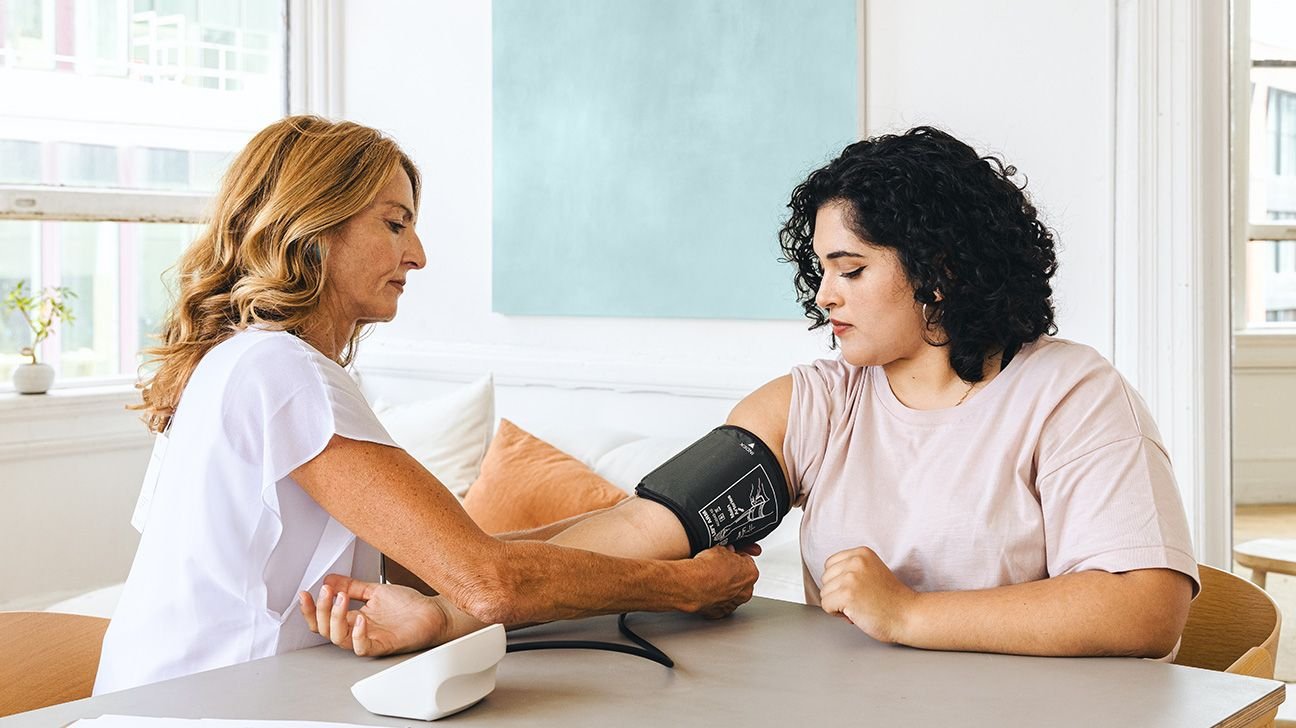
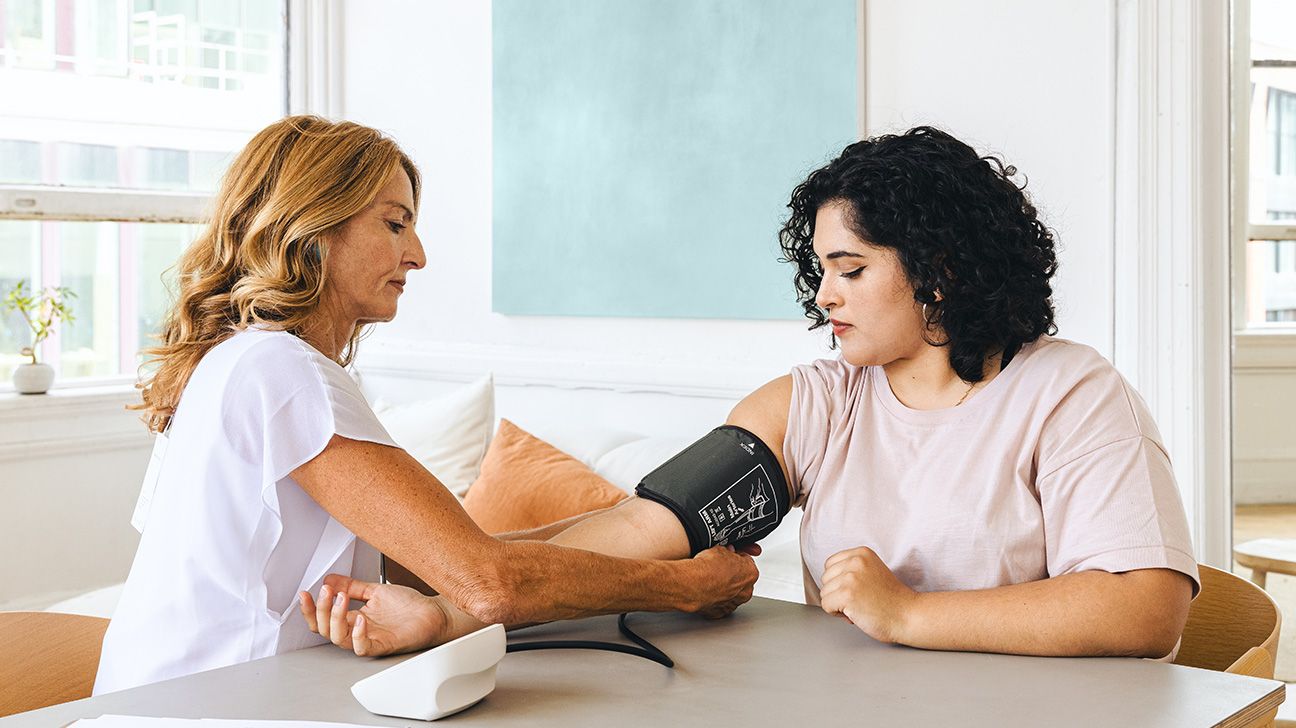
    Female having her blood pressure checked by a healthcare professionalShare on Pinterest
    High blood pressure in people ages 30 to 40 may increase the risk of cardiovascular disease later in life. Image Credit: Cavan Images/Getty Images
    • Research shows that young adults with high blood pressure may face a higher risk of cardiovascular and kidney disease later in life.
    • The findings highlight the importance of maintaining healthy blood pressure at a younger age.
    • Guidelines from the American Heart Association (AHA) recommend treating hypertension in adults with a predicted 10-year risk of cardiovascular disease.

    High blood pressure during young adulthood may be linked to a higher risk of heart disease and kidney disease later in life, according to new research.

    The findings reinforced the importance of maintaining a healthy blood pressure at younger ages, particularly among adults under 40.

    “High blood pressure is a known significant risk factor for developing both heart disease and kidney disease,” said Cheng-Han Chen, MD, board certified interventional cardiologist and medical director of the Structural Heart Program at MemorialCare Saddleback Medical Center in Laguna Hills, CA, who wasn’t involved in the study.

    “It is thus unsurprising, although still concerning, that long periods of elevated blood pressure in young adulthood would lead to premature cardiovascular and kidney events in middle age,” Chen told Healthline.

    Hypertension is the leading cause of cardiovascular disease and premature death worldwide.

    High blood pressure is also the most common and modifiable risk factor for both heart disease and stroke. This means that maintaining a healthy blood pressure is imperative to reducing the risk of or preventing heart disease, a major cardiac event, or stroke.

    “Often we ignore elevated blood pressures in young adults, thinking that we’ll just watch it,” said Karishma Patwa, MD, board certified cardiologist at Manhattan Cardiology in NYC, who wasn’t involved in the study.

    “The new data is reinforcing that screening and management should begin much earlier than midlife,” Patwa told Healthline.

    The recent study analyzed health information of 291,887 adults from the Korean National Health Insurance Service database.

    Each participant was 30 years old between 2002 and 2004, and received routine health screenings between the ages of 30 and 40.

    The participants had no prior history of either heart disease or kidney disease before the age of 40.

    The researchers calculated each participant’s cumulative blood pressure levels from ages 30 to 40 to account for how high it was and how long it stayed elevated.

    The participants were followed for about 10 years after age 40. During this period, the development of heart or kidney disease was identified through national health service records. The diagnosis of chronic kidney disease was also confirmed by laboratory tests, conducted during the follow-up period.

    The researchers found that those who had high blood pressure that remained elevated from age 30 to 40 had a higher risk of heart disease and kidney disease after 40.

    Those who had a systolic (top number) blood pressure reading of around 10 mm Hg higher than their peers for about 10 years had a 27% higher risk of heart disease and a 22% higher risk of kidney disease.

    Participants who had a diastolic blood pressure (bottom number) of around 5 mm Hg higher than their peers for about 10 years had a 20% higher risk of heart disease and 16% higher risk of kidney disease.

    “I agree with these recommendations. 10-year cardiovascular risk predictors are limiting, especially in younger patients. I would, however, individualize my approach for each patient and look at their overall lifetime risk trajectory prior to starting medications,” said Patwa.

  • No, That Viral ‘Parasite Cleanse’ Won’t Actually Detox Your Body. Here’s Why

    No, That Viral ‘Parasite Cleanse’ Won’t Actually Detox Your Body. Here’s Why

    Female wearing crochet sweater with bowl in bathroomShare on Pinterest
    Social media influencers are touting so-called “parasite cleanses,” claiming they rid the body of toxins. Maria Korneeva/Getty Images
    • Social media users claim that “parasite cleanses” using teas, herbs, and DIY remedies can rid the body of hidden infections and toxins.
    • Medical experts say that parasitic infections are relatively uncommon and require proper diagnosis and targeted treatment.
    • There is no scientific evidence to suggest that detox teas or herbal cleanses eliminate parasites, and they may cause harmful side effects.
    • Experts recommend focusing on proper hygiene, food safety, and maintaining overall gut health rather than attempting at-home cleanses.

    A wellness trend known as “parasite cleansing” is going viral, with influencers claiming that parasitic infestations are more common than people think.

    On social media platforms like TikTok, influencers tout detox teas, herbal tinctures, and DIY elixirs made with Epsom salts, baking soda, and more, all said to flush parasites and “toxins” from the body.

    One TikToker shares her “grandmother’s recipe,” claiming it will rid the body of parasitic worms and relieve constipation. This cleanse consists of soaking pumpkin seeds in hot water overnight, then blending them with turmeric and ginger.

    Claims such as these have sparked both concern and curiosity among viewers and experts alike.

    We asked medical professionals about the safety and effectiveness of parasite cleanses to find out whether they do more harm than good.

    Steven Goldberg, MD, MBA, chief medical officer at HealthTrackRx, told Healthline that DIY parasite cleanses are unnecessary for most people and potentially harmful.

    “The trend reflects a fundamental misunderstanding about parasitic infections and how the body works,” he said. “The human body doesn’t need cleansing from parasites unless there’s an actual diagnosed infection, which is relatively uncommon in the United States and other high-income countries with high levels of sanitation.”

    Goldberg explained that while parasitic infections do occur in humans, most are specific organisms like Giardia or pinworms, which require targeted medical treatment, not general cleanses.

    It’s also important to note that to a certain extent, the body naturally removes waste and toxins on its own.

    “In most cases, the body already has highly effective systems for removing waste and toxins, primarily through the liver, kidneys, and gut,” said Tom Maggs, chief medical officer at Healthwords.

    “Promoting the idea that people routinely need to cleanse parasites without evidence can lead to unnecessary anxiety and potentially unsafe behaviors,” Maggs told Healthine.

    There is no credible scientific evidence to suggest that detox teas or herbal supplements eliminate parasitic infections, Goldberg said.

    “Actual antiparasitic medications are prescription drugs that target specific organisms, but they’re not one-size-fits-all herbal mixtures,” he said.

    Some content creators say they’ve witnessed worms in their stools after using these remedies, but Goldberg said what people are likely seeing and misidentifying as “parasites” falls into several categories.

    The first of these is mucus strands and debris. “Many of these cleanses contain harsh laxatives or fiber that irritate the intestinal lining, causing it to shed mucus,” he explained.

    “This mucus can form rope-like strands that look alarming but are completely normal digestive by-products.”

    They could also be seeing undigested food particles, banana fibers, psyllium husk, or normal stool components.

    “The digestive process creates all kinds of textures and shapes that might seem unusual if you’re looking for something alarming,” Goldberg said.

    In short, parasite cleansing isn’t an effective way to rid the body of a parasitic infection, if one is present.

    “True parasitic worms, when passed, are usually clearly identifiable as living organisms,” Goldberg said. “If someone passes what they genuinely think is a worm, they should save it in a container and bring it to their practitioner, who can send it to a laboratory for proper identification.”

    Some versions of this trend involve ingesting herbal mixtures or using remedies like baking soda, Epsom salts, or essential oils.

    But experts say these concoctions may pose health or safety risks.

    “Herbal and dietary supplements are not regulated like medications by the FDA, meaning their safety, purity, and actual contents aren’t verified before sale,” Goldberg said. “Several studies have documented serious concerns.”

    Product contamination and adulteration are other concerns.

    “Chemical analyses frequently find discrepancies between product labels and actual ingredients, including undisclosed pharmaceutical drugs, heavy metals, and toxic plant species,” Goldberg said. “Dangerous drug interactions can occur, particularly for people taking prescription medications, and many patients don’t disclose supplement use to their doctors.”

    In addition, parasite cleanses may also cause side effects.

    If you’re worried about a parasitic infection, it’s important to understand the signs and symptoms.

    According to Maggs, symptoms that may warrant medical attention include:

    However, it’s also important to note that parasites can not be reliably self-diagnosed.

    “If someone is concerned about a possible parasitic infection, this needs to be properly assessed by a medical professional. Diagnosis typically involves stool tests, blood tests, or other investigations depending on the suspected parasite,” Maggs said.

    The best approach is prevention through basic hygiene and food safety practices.

    “Remember hand hygiene, too, making sure to wash your hands after using the bathroom, before eating, and after handling raw meat,” he added.

    What people are really seeking when they try trends like parasite cleansing is overall digestive health, Goldberg said.

    Finally, stress management can be helpful. “The gut-brain connection is real, and stress affects digestion,” Goldberg said.

  • Doctors Dismissed Her Digestive Symptoms as Diet-Related. It Was Crohn’s Disease

    Doctors Dismissed Her Digestive Symptoms as Diet-Related. It Was Crohn’s Disease

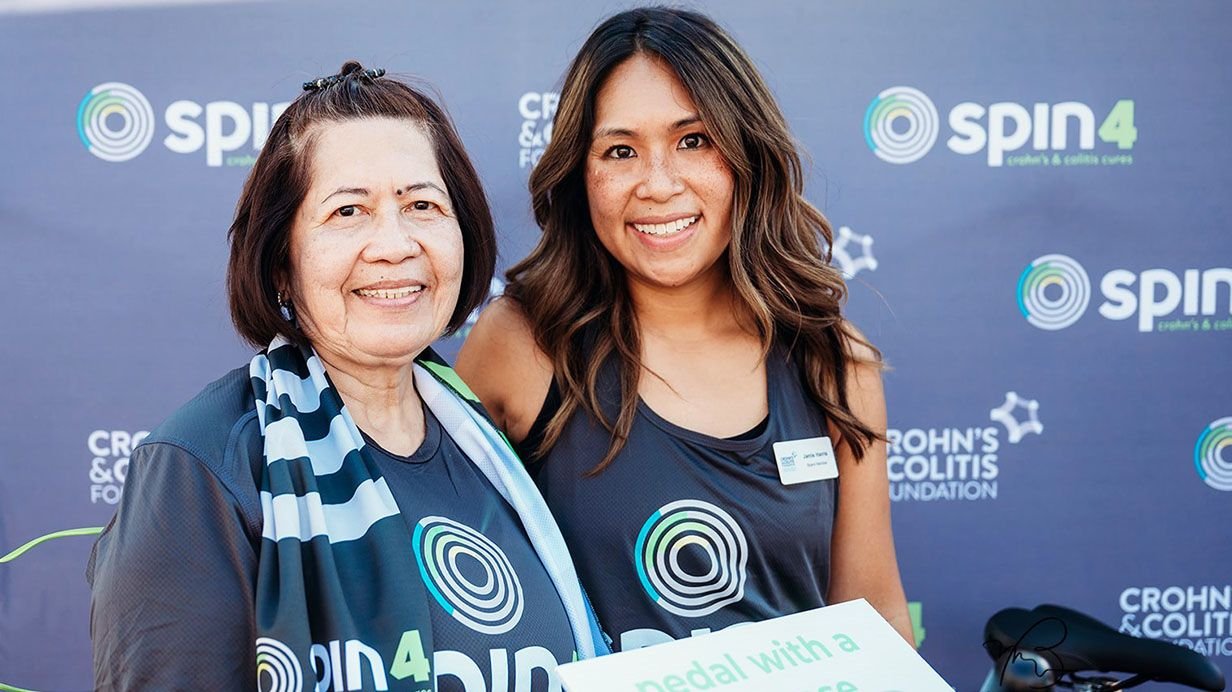
    • Jamie Harris was in her 20s when she was diagnosed with Crohn’s disease.
    • She shares her journey from symptoms and diagnosis to finding effective treatment to help raise awareness.
    • Harris wants others to know that persistent symptoms like frequent bathroom trips, fatigue, or abdominal pain aren’t always due to diet.

    In 2010, Jamie Harris was living her best life in her 20s. She was in graduate school pursuing her teaching certificate and dating the love of her life.

    “It was a fun time in my life…I went on a trip to London with my boyfriend, who now is my husband,” she told Healthline. “I went to the bathroom, and I didn’t know if it was from travel, but I had blood in my stool.”

    When she got home from the vacation, her symptoms continued, including an intense stomachache.

    After seeing her general practitioner, he told Harris to add more fiber and psyllium husk to her diet. However, the sharp pain in her stomach continued for a year. She also started losing weight.

    At this point, Harris was student-teaching and shared her concerns with one of her own teachers, who urged Harris to go to the emergency room.

    “They ran the blood tests and were like, ‘Wow, your white blood cell count is way elevated,’ and then they ran further tests, and then that’s when I got referred to a GI doctor,” Harris said.

    The GI doctor officially diagnosed her with Crohn’s disease, a chronic, relapsing inflammatory condition that can affect any part of the gastrointestinal tract.

    “Crohn’s disease can present as superficial or deep ulcers (canker sores), and if left untreated, it can progress to bowel damage, including a buildup of scar tissue—what we call strictures or fistulas—which are connections between one loop of bowel and another loop of bowel or a connection from the bowel to the skin,” Emanuelle Bellaguarda, MD, Gastroenterologist and Associate Professor at Northwestern University, told Healthline.

    Harris’s first year of navigating the diagnosis was difficult physically and mentally.

    “It was like I kind of went into a little depression. I’m supposed to be at the peak of my life, and it wasn’t that anymore,” she said.

    When Harris began experiencing symptoms, her mom, who was a registered dietitian for 40 years, suggested that she may have an intolerance to gluten.

    “I started cutting back on [certain] foods, and my mom told me to keep a food journal, which I did, but I felt like everything was hurting my stomach,” said Harris.

    She also tried the BRAT diet (Bananas, Rice, Applesauce, Toast) for a while.

    “And then I was just so limited because every time I ate, I felt like I would have a stomachache, so I did try to manage through diet, and then it’s kind of bad, but I just stopped eating because it was so painful, and that’s when I lost 20 pounds,” Harris said.

    While eating healthy is important for gut health and may improve symptoms such as diarrhea and bloating, Bellaguarda said there are no studies showing that diet alone can heal the inflammatory burden associated with Crohn’s disease or prevent its progression.

    Bellaguarda said treatment of Crohn’s disease depends on its presentation, a patient’s comorbidities, and prior medications.

    While doctors know more about Crohn’s disease today than they did 10 years ago, there is still no cure.

    “So, when we think about a treatment plan for Crohn’s disease, we focus on a two-step approach to therapy,” said Bellaguarda.

    The first step is to get patients well symptomatically and heal the bowel back to normal or stabilize the progression of the disease. The second step is the maintenance phase.

    “We continue the medication that worked to get them well as their maintenance therapy,” Bellaguarda said. “Fortunately, we do have many effective medications to get patients well and keep them well, including biologic agents such as Omvoh or small molecule agents such as JAK inhibitors.”

    Initially, after Harris was diagnosed, she tried different pill medications to manage her condition, which masked some symptoms.

    “I never felt fully 100%. And what doctors like to do is they won’t move you onto a new medication until one fails or they don’t see improvement,” she said.

    After two years of trying medications, she started getting infusion therapy. Today, she receives the infusion every six weeks.

    “Before, infusions would take like four to six hours [which felt] like the whole day. But now with the options, they’re a little bit faster, so I can go on with my life and day,” Harris said.

    She also exercises regularly and follows a Mediterranean diet, both of which help manage her symptoms.

    “I’ve had the disease for 16 years; I know my trigger foods,” said Harris. “I don’t like to mix a lot of ingredients, so it’s very, very plain, very bland, but there are times when you fall off the wagon.”

    “Sixteen years ago, I didn’t know anyone who had this disease, and it was very lonely. I felt isolated. I couldn’t relate to anyone,” she said.

    “Now that I’ve shared my story and I tell people and I fundraise for it, it’s more common than you think. It’s not really a sexy disease; not everyone wants to talk about bowel movements or stool. But there are millions of people who suffer from it, and I don’t want other patients to feel alone,” said Harris.

    She urges others to advocate for themselves if they feel like something isn’t right. To spread the message, she teamed up with the medicine company Lilly.

    “It took two years to get my diagnosis. I felt like I was suffering for all of that time, and sometimes I thought it was in my head, like, am I making this up?” she said.

    As real as the condition is, she said, those who have it can live a full life.

    “It’s not the end of your life. You will move on. I’ve always been a positive person, but there’s hope,” she said.

    Bellaguarda agreed. “We expect our patients to have a healthy, normal, and fulfilling life,” she said.

    When Harris was first diagnosed, she worried her boyfriend wouldn’t stay with her or that her life would be over. The uncertainty of whether treatment would work was also unsettling.

    “But now I try not to think like that. I hope there’s a cure in my lifetime, and I just try to live everyday life and be positive about it and [know that] life will go on,” Harris said.

    As a mom, she shares her condition with her daughter in hopes of normalizing it and showing that she can still thrive with Crohn’s.

    “I’m very open with my daughter that I have IBD,” she said. “We try to follow clean eating, so, of course, if I’m eating it, my daughter, by default, has to eat it, but it’s just about being healthy and listening to your body.”