Category: Health

  • GLP-1s Combined With Healthy Habits May Improve Heart Health in Diabetes

    GLP-1s Combined With Healthy Habits May Improve Heart Health in Diabetes

    Curvy female exercising in a parkShare on Pinterest
    Combining GLP-1 drugs with a healthy lifestyle may reduce cardiovascular risks in people with diabetes. Image Credit: Witthaya Prasongsin/Getty Images
    • A recent study found that people with type 2 diabetes who used GLP-1 receptor agonists (GLP-1 RAs) in combination with healthy lifestyle habits had a reduced risk of major adverse cardiovascular events.
    • The findings show that GLP-1 RAs, when combined with healthy habits, independently improved heart health, though to varying degrees.
    • The researchers noted that lifestyle interventions remain pivotal in diabetes management and can amplify the benefits of GLP-1 RAs.

    Type 2 diabetes is a growing health concern in the United States, overlapping with the obesity epidemic.

    According to research from 2017, the prevalence of diabetes will increase by 54% by 2030. This is an estimated 54.9 million people.

    A recent study published in The Lancet Diabetes & Endocrinology found that a combination of GLP-1 receptor agonists (GLP-1 RAs) and healthy lifestyle habits can reduce the risk of major adverse cardiovascular events (MACE) in people with type 2 diabetes.

    “Our findings underscore that, even in the era of highly effective GLP-1 pharmacotherapy, lifestyle habits remain central to diabetes management and cardiovascular risk reduction and can substantially amplify the benefits of modern medications,” Frank Hu, MD, Fredrick J. Stare Professor of Nutrition and Epidemiology and chair of the Department of Nutrition at the Harvard T.H. Chan School of Public Health, and corresponding author of the study, said in a press release.

    The researchers looked at the lifestyle habits, GLP-1 RA usage, and cardiovascular outcomes of over 98,000 adults who had type 2 diabetes and no previous history of cardiovascular disease.

    The researchers considered 8 healthy habits:

    The MACEs they considered were:

    The study found that using a GLP-1 RA and maintaining a healthy lifestyle significantly reduced the risk for MACE.

    “We know that GLP-1 receptor agonists can improve cardiovascular health in patients with diabetes. We also know that good lifestyle habits such as eating [a] heart-healthy diet, getting regular physical activity, and getting enough quality sleep, are all beneficial in controlling the risk factors that lead to heart disease,” Cheng-Han Chen, MD, board certified interventional cardiologist and medical director of the Structural Heart Program at MemorialCare Saddleback Medical Center in Laguna Hills, CA, who was not involved in the study, told Healthline.

    “It is thus not surprising that combining both GLP-1 receptor agonists and healthy lifestyle modifications can have additive beneficial effects.”

    Individuals who used a GLP-1 RA and adhered to between six and eight healthy habits showed a 43% lower risk of MACE than those who did not use a GLP-1 RA and adhered to three or fewer habits.

    Those who adhered to all eight healthy habits had a 60% reduced risk compared to those who adhered to only one or fewer. Finally, people who used a GLP-1 RA had a 16% lower MACE risk than those who didn’t.

    “From a public health perspective, the results underscore the continued importance of population-level investments and policy in promoting healthy diet, physical activity, sleep, stress management, and social connection, even in a modern drug era,” Hu said in the press release.

    “As novel therapies expand, scalable lifestyle interventions remain essential for reducing the overall burden of cardiovascular disease and other chronic diseases.”

    The researchers noted that the study had limitations.

    First, the results were based on observational data. This means that it was possible there was some residual confounding by socioeconomic status and other factors. However, these variables were accounted for during analysis.

    Additionally, the study population consisted predominantly of white male veterans.

    This may have limited the generalizability of the results. However, the findings were consistent across racial and ethnic groups and between males and females.

    “Keeping diabetes under control is a long-term process,” Chen said.

    “It is important to understand the composition of your food so that you can make the correct choices. We recommended getting regular physical activity. It is also important to avoid alcohol and tobacco, and to get enough quality sleep.”

  • Nicole ‘Snooki’ Polizzi Urges Cervical Cancer Screening After Diagnosis

    Nicole ‘Snooki’ Polizzi Urges Cervical Cancer Screening After Diagnosis

    Image of Nicole Polizzi at the MTV Video Music Awards in 2024Share on Pinterest
    Nicole “Snooki” Polizzi has shared her recent cervical cancer diagnosis on her social media accounts. Image credit: Dimitrios Kambouris/Getty Images
    • Nicole “Snooki” Polizzi has shared her recent cervical cancer diagnosis on her social media.
    • She emphasized the importance of routine Pap smears and early detection.
    • Cervical cancer is largely preventable through the HPV vaccine.

    Nicole “Snooki” Polizzi of “Jersey Shore” fame recently revealed that she has been diagnosed with stage 1 cervical cancer.

    On February 20, Polizzi, 38, posted on TikTok about the cone biopsy she had after a routine pap smear.

    “It came back stage 1 cervical cancer called adenocarcinoma,” the reality TV star said.

    “Obviously not the news I’ve been hoping for, but also not the worst news just because they caught it so early. Thank freaking God!”

    Cervical cancer is most frequently diagnosed between the ages of 35 and 64. Here’s what you need to know about getting screened.

    In her TikTok videos, Polizzi also stressed the importance of all females going in to get their routine pap smears (cervical screenings).

    “I’m 38 years old, and I’ve been struggling with abnormal pap smears for three or four years now, and now look at me,” she said.

    “Instead of putting it off because I didn’t want to go, because I was hurt and scared, I just went and did it. And it was there, cancer is in there. But it’s stage 1, and it’s curable.”

    She continued to tell people to get their appointments done. “Once you go to stage 2, then you have to do chemo… nobody wants to do that! It’s scary. So get your appointments done,” she encouraged.

    Diana Pearre, MD, board certified gynecologic oncologist at The Roy and Patricia Disney Family Cancer Center at Providence Saint Joseph Medical Center in Burbank, CA, agreed.

    “It is so important to get pap smears (cervical cancer screenings),” she told Healthline. “They allow us to screen women for HPV (the virus that causes cervical cancer) and identify cells that can become precancerous. In doing so, we can prevent many cases of cervical cancer before they transform to cancers.”

    Polizzi said that she was being transferred to an oncologist and would undergo a PET scan to be sure the cancer has not spread to other parts of her body.

    “After that, I’m gonna probably get the hysterectomy,” Polizzi added. She also noted that her doctor gave her the alternative of chemotherapy and radiation as treatment.

    “Obviously, I think the smart choice here is the hysterectomy. I’ll still keep my ovaries, which is a good sign. But yeah, gotta get the cervix and uterus out. It all depends on the PET scan,” she said.

    “I appreciate all of the love. Everything’s going to be fine. I’m going to tackle this and get it done,” Polizzi told her followers. “I gotta keep attacking this, and everything’s gonna be great.”

    While cervical cancer is common, it is also largely preventable.

    Nearly all cases of cervical cancer are due to long-lasting and persistent HPV infections.

    However, the HPV vaccine is a safe way to prevent the HPV infection and cervical cancer. The current recommendation is that anyone ages 11 to 26 should have the HPV vaccine.

    “It is so important to get this vaccine. Giving children this vaccine (boys and girls alike) can prevent HPV related cancers (cervical, head and neck, vulvar, vaginal) before the onset of sexual debut. It can also help women who already have cervical dysplasia, lowering the risk of severe dysplasia recurrence,” Pearre said.

    The vaccine dose schedule depends on your age when you receive it.

    The vaccine is not recommended for everyone over 26, but you can speak with your healthcare professional to see if it is right for you.

    “I recommend anyone ages 9 to 46 to consider getting the HPV vaccine if they have not done so,” Pearre said. “There are little to no side effects. It does not affect fertility, age at sexual debut, [or] menstrual patterns. It is one of the few vaccines (the other being the hepatitis vaccine) that can prevent cancer development.”

  • Aisha Tyler: My Dad’s Stroke Changed How I Viewed the Risks of Hypertension

    Aisha Tyler: My Dad’s Stroke Changed How I Viewed the Risks of Hypertension

    Aisha TylerShare on Pinterest
    Criminal Minds and Archer star Aisha Tyler is opening up about taking preventive health more seriously following her father’s stroke, and the healthy habits she’s adopted to boost her well-being. Aisha Tyler
    • Actor and director Aisha Tyler opens up about why high blood pressure is personal.
    • She teamed up with the CDC Foundation to raise awareness about hypertension and how to control it.
    • About half of Americans live with high blood pressure.

    Actor and director Aisha Tyler, best known for playing Dr. Tara Lewis in Criminal Minds and Lana Kane in Archer, is spreading the word about preventing high blood pressure, which affects nearly half of U.S. adults.

    “[My] father had a pretty major stroke several years ago, and it really made me start to focus a bit more closely on my own potential risk factors, including blood pressure,” she told Healthline.

    Because her dad was a fit and active person, the stroke was a shock.

    “[It] just made me realize that these factors don’t always reveal themselves in either lifestyle or in physical symptoms,” Tyler said.

    She teamed up with the CDC Foundation to launch Hypertension Bites, a national campaign designed to help adults better understand high blood pressure and the steps they can take to get it under control during midlife.

    Left uncontrolled, it is the leading risk factor for heart attack, stroke, aneurysm, aortic dissection, kidney failure, and dementia.

    “Over time, high blood pressure can cause chronic heart damage from excessive thickening of the heart muscle (left ventricular hypertrophy), eventually weakening the muscle and causing heart failure,” Bhavna Suri, MD, cardiologist at Manhattan Cardiology and contributor to LabFinder, told Healthline.

    When it damages the blood vessels in the eyes, it can lead to hypertensive retinopathy, resulting in blurred vision or complete blindness, she added.

    She also noted that it can “cause hardening of the arteries or atherosclerosis, leading to erectile dysfunction.

    Because the condition is typically asymptomatic and most people with high blood pressure feel fine, they frequently miss high blood pressure symptoms, said Suri.

    When symptoms related to high blood pressure, like headaches, dizziness, vision changes, or fatigue, occur, she said they are often attributed to stress, aging, or lack of sleep rather than hypertension.

    However, Suri said high blood pressure is treatable and controllable despite being a chronic condition that typically requires lifelong management.

    “While there is no ‘cure’ that makes it go away forever, many people successfully keep their blood pressure in a healthy range through a combination of lifestyle changes and medical treatment,” she said.

    This is the message Tyler is spreading through the Hypertension Campaign. Healthline spoke with her to learn more about her thoughts on preventive care, healthy aging, and how she balances work and life.

    This interview has been edited and condensed for clarity and length.

    I was so excited about this hypertension campaign because I felt like it gives people a really simple place to start. Have a visit with your doctor, find out what your numbers are, put a really simple plan in place [and] if you have to go on medication, medications are really effective, and they can help you control your numbers.

    [People often think] if you have a stroke or if you have a heart attack, there’s just nothing you can really do about it. It’s just something that’s a mystery. It runs in the family. But there’s just literally so many things you can do to mitigate that risk, and I wanted to try to demystify some of that for people.

    Sometimes people [also] think, “out of sight, out of mind,” but in the case of hypertension, what you don’t know could have a very detrimental effect on your life. So it’s just better to know. Knowledge is power.

    Tyler: Yes. I was a real no-guts, no-glory kind of person in my [younger years]. I was a competitive athlete, and I was very much like, “If it hurts, you’re just not pushing hard enough.”

    It’s been a philosophical adjustment now. I’m a real science-based person [and we know that] being well-rested isn’t just about good vibes. If I want to perform at my best level, I need to actually make rest a part of my routine.

    I used to be performing at a high level, pushing myself to collapse, and now I realize that’s not optimal. I feel better, I sleep better, I’m more fit now than I was 10 or 15 years ago. And that is entirely because I’ve changed the way that I take care of my body and my mind.

    Tyler: I try to get eight hours of sleep every day. Sleep is number one, and we know that sleep has such a big impact on all of your health factors, including preventing cognitive decline.

    I also take a walk every single day, sometimes two, if I can manage it. And they’re not strenuous, they’re just meant to reset the mind. It’s a really great time to think, solve a problem, or if you’ve had a stressful moment. I really focus on de-stressing as part of my work today.

    I listen to a lot of YouTube, too, and like optimization podcasts [that] focus on women’s health and optimizing women’s health.

    The more boring stuff is, I try to eat different vegetables. I don’t eat a lot of junk food. I have a glass of wine occasionally, but I try to eat healthy, so that those nights out feel more special and fun. Balance also makes those nights feel more special.

    Tyler: I really like being busy. It is my natural state. I am a workaholic. I’m not ashamed to say that out loud. As I get older, [my focus] is trying to find work balance because I think if you asked me 10 years ago, I would say I don’t have any. But the more balance I have in my life, the better I am at my job, the better I am at being creative and coming up with ideas.

    I also don’t apologize for being ambitious. Especially as a woman, we’re told, “Hey, don’t push so hard, stay in your lane, take it easy.” I feel like my ambition is what’s gotten me to where I am, and my work ethic has gotten me to where I am. And so, I embrace it, but I’m embracing it in a more balanced way than when I was younger.

    I definitely focus more than I ever have on my friendships and my relationships. There’s a lot of science around how friendships are what keep you active and connected as you get older, so I really focus on the people in my life that I care about, spending quality time with them, and connecting with them in a meaningful way. That has been a big priority as I’ve gotten older.

  • Ultraprocessed Foods As Addictive As Tobacco, Researchers Say

    Ultraprocessed Foods As Addictive As Tobacco, Researchers Say

    Image of hamburgers and french fries covered in sauceShare on Pinterest
    New research shows that ultraprocessed foods may be as addictive as cigarettes. Image Credit: Alexander Spatari/Getty Images
    • A recent review found that ultraprocessed foods (UPFs) may be as addictive as tobacco products.
    • The researchers found that UPFs are designed to heighten reward and accelerate the delivery of reinforcing ingredients.
    • The “addictive” quality of these foods means they drive compulsive consumption and disrupt appetite regulation.
    • The review authors suggest that ultraprocessed foods should be subject to regulations similar to those for tobacco products.

    Currently, there is no single universal definition of ultraprocessed foods. Some people define them as foods that contain ingredients you would not find in your kitchen cupboards, such as emulsifiers and additives.

    Many professionals use the NOVA classification to define ultraprocessed foods. This talks about foods that contain “formulations of ingredients, mostly of exclusive industrial use, typically created by a series of industrial techniques and processes.”

    “I agree with this study, as ultra-processed foods are specifically engineered to be highly appealing to most individuals,” Mir Ali, MD, bariatric surgeon and medical director of MemorialCare Surgical Weight Loss Center at Orange Coast Medical Center in Fountain Valley, CA, who was not involved in the research, told Healthline.

    Research from 2023 estimates that over 73% of the foods in the United States are ultraprocessed.

    “Cigarettes and UPFs [ultraprocessed foods] are not simply natural products but highly engineered delivery systems designed specifically to maximize biological and psychological reinforcement and habitual overuse,” noted the new study’s research team from Harvard, Duke, and the University of Michigan.

    The review synthesized findings from addiction, public health history, and nutrition in order to identify sensory and structural features that increase the reinforcing potential of both cigarettes and ultraprocessed foods.

    “Not everyone is ‘addicted’ to these foods, but for a meaningful minority, they trigger classic addiction-like patterns: strong cravings, loss of control, and continued use despite negative health effects,” said Michelle Routhenstein, preventive cardiology dietitian at EntirelyNourished, who was not involved in the study.

    “These foods are deliberately engineered with refined carbs, added fats, salt, and flavor enhancers to maximize reward and repeat consumption, and the industry uses aggressive marketing tactics, especially targeting children,” she told Healthline.

    The researchers focused on five key areas:

    • delivery speed
    • hedonic engineering, or designing foods to be irresistibly good
    • dose optimization
    • environmental ubiquity
    • deceptive reformulation, or “health washing”

    They found that, like cigarettes, ultraprocessed foods are fine-tuned to deliver the right dose of sugar.

    “Refined carbohydrates stimulate dopamine release via the vagus nerve, whereas fats do so through intestinal lipid sensing,” the researchers wrote.

    “… UPFs with high levels of refined carbohydrates and added fats are some of the most potently rewarding substances in the modern diet. Notably, this refined carbohydrate-fat combination is almost nonexistent in nature.”

    The way these foods rapidly deliver “feel-good” chemicals to the brain makes them potentially addictive, similarly to cigarettes.

    The review noted that while cigarettes are engineered to deliver nicotine quickly, ultraprocessed foods are engineered to rapidly digest and absorb, as they typically have little to no fiber. This makes it easier for the body to process fat and sugar more quickly.

    The researchers also explain that ultraprocessed foods give intentional flavor bursts that fade quickly and textures that melt in your mouth. This all helps to deliver more dopamine and encourages you to eat more.

    According to the review, both the tobacco and food industries have long used a strategy called “health washing.”

    This is where products are marketed and reformulated to create an illusion of reduced harm while preserving the core of their addictive properties.

    Health washing in the tobacco industry gained traction in the 1950s with the introduction of filters on cigarettes.

    These were marketed as protective innovations that would trap tar and particles before they reached the lungs. In reality, filters offer little meaningful benefit.

    However, people typically adapted by inhaling deeper or smoking more frequently, which offset any reduction in toxin exposure.

    The food industry has taken a similar approach. It uses labels like “low fat” or “sugar-free” to market ultraprocessed foods.

    However, these foods still contain the same highly reinforcing ingredient combinations. The issue is that these reformulations offer a superficial appearance of health while the product’s addictive structure and metabolic harms remain intact.

    The researchers noted at the end of their paper that food and tobacco are not the same thing.

    Still, they cautioned that certain ultraprocessed foods function like highly optimized consumables rather than actual food. They recommended that public health policy should reflect this reality.

    “Tobacco provides a warning, and tobacco control provides a source of hope,” the researchers wrote.

    Due to regulations, smoking rates in the United States have fallen and have “reshaped cultural views of tobacco and eroded trust in the industry.”

    “I believe increased education regarding the negative impact of ultra-processed foods is essential to reduce general consumption and improve public health. The strategies used to reduce cigarette consumption have been effective and may be a helpful model for ultra-processed foods as well,” said Ali.

    “I don’t think UPFs [ultraprocessed foods] should be regulated exactly like cigarettes, but they do warrant stronger, tobacco-inspired policies: marketing restrictions, clear front-of-package labeling, tighter standards on health claims, and limits in schools or hospitals,” added Routhenstein.

    The researchers reminded people that minimally processed and unprocessed foods have sustained human health for millennia.

    “Legal action against health damages and misleading health claims, restrictions on UPF advertising, taxation of nutrient-poor UPFs, markedly reducing UPFs in schools and hospitals, and clearer labeling of ultraprocessing could all serve as next steps,” they noted.

    “Policies that confront UPFs with the same seriousness that once applied to tobacco, while actively promoting real food, offer the most promising path out of the current crisis.”

    Routhenstein agreed and told Healthline that public policy should expand access to fresh, minimally processed foods. This is especially true in lower-income neighborhoods, she explained. Access could be expanded through subsidies, support for local markets and grocery stores, and school or workplace programs.

    “Making real food affordable and convenient reduces reliance on UPFs and addresses structural barriers that drive unhealthy eating patterns,” Routhenstein said.

  • People Who Eat More Red Meat May Have Higher Risk of Type 2 Diabetes

    People Who Eat More Red Meat May Have Higher Risk of Type 2 Diabetes

    Raw steak sitting on butcher's paper on a counter with other cooking ingredientsShare on Pinterest
    A recent study suggests that a higher intake of red meat may be associated with an increased risk of diabetes. Image Credit: VICUSCHKA/Getty Images
    • A recent study found that a person’s red meat consumption may increase their risk of type 2 diabetes.
    • The findings also suggest that consuming alternative proteins may help reduce the risk of diabetes.
    • Nutrition experts offer alternative protein options to red meat to help maintain overall health.

    Diabetes is a growing health concern in the United States. According to the Centers for Disease Control and Prevention (CDC), 40.1 million people had diabetes in 2023, and 115.2 million had prediabetes.

    The CDC also notes that among those with diabetes, 90% to 95% have type 2 diabetes.

    Type 2 diabetes can generally be prevented or delayed with lifestyle changes, such as diet, exercise, and weight management.

    A recent study published in the British Journal of Nutrition found that higher red meat intake was associated with a higher risk of diabetes.

    It also found that substituting red meat for other protein sources may help lower a person’s risk of developing diabetes.

    “This study adds to a consistent body of research showing that higher red meat intake is linked with higher rates of type 2 diabetes,” said Michelle Routhenstein, a preventive cardiology dietitian at Entirely Nourished, who was not involved in the study.

    “In this large NHANES analysis, those eating the most red meat had about 49% higher odds of having diabetes compared to those eating the least. When we see similar findings across different types of research, it strengthens the overall message,” Routhestein told Healthline.

    The study included 34,737 participants with an average age of 45.8. Among these, 10.5% had diabetes. Those who had the highest intake of total red meat consumed an average of 5.72 ounces per day.

    After the researchers adjusted for demographics, lifestyle, socioeconomic status, and other dietary habits, they found that higher red meat consumption was associated with increased diabetes risk.

    However, it is important to note that association does not establish a causal relationship. “While this type of study cannot prove cause and effect, the results closely align with long-term prospective studies that show a clear dose-response relationship, especially for processed red meat,” Routhenstein said.

    After repeated analyses, the researchers found that each additional serving of total red meat per day was associated with a 16% increased risk of diabetes. They also found that each serving of processed or unprocessed red meat gave a 10% higher risk of diabetes.

    “Red meat is generally defined to include beef, veal, pork, lamb, and game meat,” said David Cutler, MD, board certified family medicine physician at Providence Saint John’s Health Center in Santa Monica, CA, who was not involved in the study.

    “There are longstanding recommendations from nutrition and diabetes experts to limit red meat by consuming it only in low frequency and small amounts, choosing leaner cuts and avoiding processed meats, like bacon, ham, and sausages, altogether. I suggest no more than two servings of red meat per week, with a serving [being] about the size of your fist, 4 to 6 ounces,” Cutler told Healthline.

    Routhenstein elaborated by recommending no more than 1 serving per week of red meat.

    “If eliminating it right away feels overwhelming, a helpful first step is transitioning to leaner cuts such as sirloin, tenderloin, or 90–95% lean ground beef,” she said. “The goal is not total avoidance, but shifting red meat from a daily habit to an occasional choice.”

    The study analyzed how substituting red meat for other proteins may affect a person’s risk of diabetes.

    They found that participants who replaced one serving of red meat per day with plant-based protein sources, such as legumes, nuts or seeds, or soy products, showed a 14% reduced risk of diabetes.

    Participants who substituted dairy, poultry, or whole grains for red meat saw an 11% to 12% reduction in diabetes risk.

    This suggests that replacing red meat with plant-based proteins may be associated with a lower risk of diabetes. However, causality has yet to be established.

    “The strongest evidence supports plant proteins such as beans, lentils, chickpeas, tofu, and tempeh. These foods provide fiber, healthy fats, and plant compounds that improve insulin sensitivity and support blood sugar control,” said Routhenstein.

    “Importantly, this does not mean someone has to go vegan. The goal is not eliminating animal foods entirely, but shifting the balance of the plate,” she continued.

    Dietary habits are just one aspect that affects diabetes risk.

    “Reducing added sugar and ultra-processed foods, encouraging plant-based proteins and whole grains, and not forgetting to control weight and promote exercise will all contribute to decreasing the risk of developing diabetes,” Cutler said.

    Other risk factors for type 2 diabetes include:

    • having overweight or obesity
    • being 45 years or older
    • having prediabetes
    • having fatty liver disease
    • having a parent or sibling with type 2 diabetes
    • having a history of gestational diabetes or giving birth to a baby who weighed 9 lbs or more

    “Small, sustainable shifts such as swapping one red meat meal per week for lentils or fish, or choosing leaner cuts while reducing frequency, may help lower long-term diabetes risk. Progress comes from consistency, not perfection,” said Routhenstein.

  • Nearly 6 in 10 Women Will Develop Heart Disease, Stroke by 2050. What to Know

    Nearly 6 in 10 Women Will Develop Heart Disease, Stroke by 2050. What to Know

    Younger female checking blood pressure at homeShare on Pinterest
    Narly 60% of U.S. women could have at least one type of cardiovascular disease by 2050. Ana Luz Crespi/Stocksy
    • Researchers say the heart health of American women will decline over the next 25 years if current trends continue.
    • A new AHA scientific statement projects that 60% of U.S. women will have at least one type of cardiovascular disease, 25% will have diabetes, and 60% will have obesity by 2050.
    • The authors say these trends are driven by rising rates of conditions such as high blood pressure and diabetes.

    The American Heart Association (AHA) projects that the cardiovascular health of females in the United States will decline significantly over the next 25 years.

    In a scientific statement published on February 25 in Circulation, the association reports that nearly 60% of U.S. women will have at least one type of cardiovascular disease by 2050.

    The authors of the statement say the downward trend in women’s heart health will cut across all age groups, all ethnicities, and all types of cardiovascular disease.

    The authors also projected that rates of high cholesterol will decrease during the next quarter-century.

    The scientific statements come on the heels of a recent study suggesting that women typically have less artery-clogging plaque than men, but still face higher rates of cardiovascular events like heart attacks.

    The reports are part of the AHA’s campaign to educate women about cardiovascular disease during American Heart Month.

    “Cardiovascular disease is the leading cause of death for women and remains their number one health risk overall,” Stacey Rosen, MD, volunteer president of the AHA, executive director of the Katz Institute for Women’s Health, and senior vice president of women’s health at Northwell Health in New York City, said in a statement.

    Cardiovascular disease can affect women of all ages, with risk factors like high blood pressure driving the onset in younger females.

    “We know the factors that contribute to heart disease and stroke begin early in life, even among young women and girls,” Rosen said in a statement.

    “The impact is even greater among those experiencing adverse social determinants of health such as poverty, low literacy, rural residence, and other psychosocial stressors. Identifying the types of trends outlined in this report is critical to making meaningful changes that can reverse this course,” Rosen said.

    The AHA’s report noted that the expected increase in cardiovascular disease underscores the need for greater awareness and prevention strategies for U.S. women and medical professionals alike.

    “We have done a great job decreasing deaths from big cardiovascular events like heart attacks and strokes, but these data suggest that we need to really refocus our efforts on health, wellness, and prevention,” said first study author Karen Joynt Maddox, MD, a professor of medicine and public health and the co-director of the Center for Advancing Health Services, Policy & Economics Research at the Washington University School of Medicine in St. Louis, in a statement.

    Jennifer Wong, MD, a cardiologist and medical director of Non-Invasive Cardiology at MemorialCare Heart and Vascular Institute at Orange Coast Medical Center in Fountain Valley, CA, wasn’t involved in the scientific statement, but said it raises serious concerns.

    “The overall rise in cardiovascular disease, despite reductions in hyperlipidemia and improvements in diet, physical activity, and smoking rates, is unexpected and concerning,” Wong told Healthline.

    “The rising prevalence of risk factors such as diabetes and hypertension, along with the marked increase in obesity among girls, is alarming,” she said.

    The authors of the AHA scientific statement said they expect several health issues to emerge by 2050 if current trends continue. Among their predictions:

    • Nearly 60% of U.S. women will have high blood pressure. That compares with fewer than 50% today.
    • More than 25% of U.S. women will have diabetes, compared to about 15% currently.
    • More than 60% of U.S. women will have obesity, compared to about 44% today.

    The authors noted that older women will continue to have higher rates of cardiovascular disease. However, they said the rates among younger women will climb substantially. Among their projections:

    • Nearly a third of U.S. women ages 22 to 44 will have some type of cardiovascular disease by 2050, compared to 1 in 4 now.
    • More than a third of women ages 22 to 44 will have high blood pressure, an increase of 11%.
    • More than 1 in 6 women ages 22 to 44 will have obesity, a rise of 18%.
    • Diabetes rates for women in this age group will more than double, from 6% to nearly 16%.

    The authors added that the trends will be similar among girls ages 2 to 19. Among those predictions:

    • Nearly 32% of girls in this age group will have obesity by 2050, an increase of 12%.
    • More than 60% of these girls will have inadequate physical activity, and more than half will have unhealthy diets.

    “This trend in increased health risks among girls and young women is particularly disturbing, as it indicates they will be facing chronic health issues for most of their lives,” said Rosen.

    Concerns were also raised among certain ethnic groups. The authors’ predictions for 2050 include:

    • High blood pressure will increase the most among Hispanic women, rising by more than 15%.
    • Obesity will increase the most among Asian women, jumping by nearly 26%.
    • Health factors that increase heart disease risk will remain high among Black women, with 70% having high blood pressure, 71% having obesity, and 28% having diabetes.
    • About 40% of Black girls between the ages of 2 and 19 will have obesity.

    Nissi Suppogu, MD, a cardiologist and medical director of the Women’s Heart Center at MemorialCare Heart & Vascular Institute at Long Beach Medical Center in California, said all these predictions are disconcerting. Suppogu wasn’t involved in the scientific statement.

    “I am a little surprised by these projections because decades of ongoing hard work have gone into diagnosing heart disease and creating awareness about risk factors and improvements in cholesterol control, which is great, but the trend of worsening obesity, diabetes, and hypertension is disturbing,” Suppogu told Healthline.

    The report authors outlined a number of steps they said can be taken to reverse the rising trend of female cardiovascular disease. Among the recommendations:

    • Promote healthy choices in schools, community centers, pediatric clinics, and gynecology offices.
    • Health providers should prioritize long-term support for managing chronic conditions such as high blood pressure in females.
    • New research should be conducted, looking into how new obesity medications work specifically in females.
    • Treatment plans for long-term conditions such as atrial fibrillation (AFib) and heart failure should include factors unique to females.
    • Heart health programs tailored to Black women should be developed.

    They recommended a goal of reducing chronic health factors, such as high blood pressure, by 10%, and improving blood sugar and cholesterol management by 20%.

    “Society has come so far in medical advancements, but the same can’t be said for innovation and progress around cardiovascular health, wellness, and prevention,” said Joynt Maddox.

    “Every woman of every age should understand her risk of heart disease and stroke and be empowered to take action to reduce that risk,” added Rosen.

    Wong said it’s important for women to know their heart disease risks are different than men’s risks.

    “Traditional risk factors such as diabetes and smoking appear to confer a disproportionately greater increase in cardiovascular risk for women compared with men,” said Wong. “In addition, women are uniquely affected by sex-specific risk factors, including pregnancy-related complications such as preeclampsia and gestational diabetes.”

    “This is a harsh reminder that there is so much work to do in creating awareness about heart disease and risk factors,” said Suppogu. “Focus is on prevention starting very early on in a girl’s life and across various stages of life, focusing especially on pregnancy-related risk factors and changes with menopause as well.”

    There are several ways females can improve their heart health in their daily lives. Among them:

    “Women should address risk factors such as diabetes and obesity early and adopt preventive strategies — including a heart-healthy diet, regular physical activity, and adequate sleep — to reduce the likelihood of developing these conditions whenever possible,” said Wong.

    Suppogu recommended that females adhere closely to the AHA’s Life Essential 8 guidelines.

    “It is so important for every female to understand that coronary artery disease is preventable and treatable,” she said. “So, it is important that they are aware of the risk factors that cause it, so that they can focus on preventing these risk factors.”

  • ‘Grey’s Anatomy’ and ‘Euphoria’ Star Eric Dane Dies at 53 After ALS Diagnosis

    ‘Grey’s Anatomy’ and ‘Euphoria’ Star Eric Dane Dies at 53 After ALS Diagnosis

    Eric DaneShare on Pinterest
    US actor Eric Dane attends Prime Video’s “Countdown” premiere at the Harmony Gold theatre in Los Angeles on June 18, 2025. Image credit: VALERIE MACON/Getty Images
    • Actor Eric Dane has died from amyotrophic lateral sclerosis (ALS) at the age of 53.
    • He had first announced his ALS diagnosis only 10 months prior.
    • The actor became a strong advocate for research following his diagnosis.
    • The disease is not curable, but there are treatments that can slow its progression.
    • There are also treatments that can improve function and comfort for patients.

    Actor Eric Dane died on Thursday, February 19, 2026, after a “courageous battle” with amyotrophic lateral sclerosis (ALS), according to an announcement on his official Instagram account.

    “He spent his final days surrounded by dear friends, his devoted wife, Rebecca, and his two beautiful daughters, Billie and Georgia, who were the center of his world,” the post read.

    It additionally spoke of his advocacy for awareness and research.

    Although not mentioned in the post, Dane had partnered with I AM ALS and its Push for Progress initiative, which aims to raise money to accelerate research and expand access to promising new treatments.

    Dane also lobbied for the extension of the Accelerating Access to Critical Therapies for ALS Act. This law, which was passed in 2021, provided five years of funding for research and allowed early access to ALS treatments. It is set to expire in 2026, according to reporting from CNN.

    The 53-year-old star, best-known for his roles as Dr. Mark “McSteamy” Sloan on “Grey’s Anatomy” and Cal Jacobs in “Euphoria,” first revealed his diagnosis 10 months prior to his death.

    In an interview with People at the time, Dane said, “I feel fortunate that I am able to continue working and am looking forward to returning to the set of Euphoria next week.”

    However, it appears that he did not have as much time left as he had hoped. “[H]is illness progressed far more quickly than anyone could have imagined,” the announcement said.

    Rab Nawaz Khan, MD, a board certified neurologist who is a consultant at MyMSTeam, told Healthline that ALS is a progressive disease that damages motor neurons, the nerve cells that control voluntary movement.

    You might also hear it referred to as “Lou Gehrig’s disease,” due to it becoming widely known after it was diagnosed in baseball player Lou Gehrig.

    “The earliest symptoms are often focal weakness, like hand clumsiness, foot drop, tripping, trouble with buttons, or a change in speech clarity,” said Khan. “Many people also notice muscle cramps, twitching, and muscle thinning in the affected area.”

    As the disease progresses, weakness can spread to other regions, he noted, affecting walking, arm function, speech, and swallowing.

    Eventually, the person’s breathing muscles weaken, leading to symptoms such as poor sleep, morning headaches, and shortness of breath with activity.

    “Sensation is usually preserved,” Khan added, “so numbness and tingling are not typical ALS features, and a subset of patients can have changes in thinking or behavior.”

    Non-Hispanic white people are most likely to develop the disease. The agency additionally notes a poorly understood link between military service and ALS.

    Around 10% of all ALS cases are due to a genetic mutation, according to NINDS.

    Khan said that ALS is not yet curable, although there are treatments that can moderately slow its progression. There are also interventions that improve comfort and function.

    “Disease-targeted medications include riluzole and edaravone, which can slow decline in certain patients, and a gene-targeted therapy is available for a specific inherited form related to SOD1,” he explained.

    However, Khan said the biggest impact often comes from multidisciplinary ALS care, where breathing, nutrition, mobility, and communication are addressed early and proactively.

    “Noninvasive ventilation can improve sleep, energy, and quality of life when breathing muscles weaken, and cough assist devices help clear secretions,” he said.

    “Nutrition support, speech therapy, communication devices, physical and occupational therapy, and symptom-directed medications for spasticity, drooling, cramps, mood or pseudobulbar affect can meaningfully reduce day-to-day burden,” added Khan.

    Research is ongoing, however, and thanks to Dane’s efforts, it is gaining more attention than ever.

    Though ALS ultimately claimed his life, his work may help accelerate progress for those still living with the disease.

  • Why Some GLP-1 Users Say They’re Developing Scurvy

    Why Some GLP-1 Users Say They’re Developing Scurvy

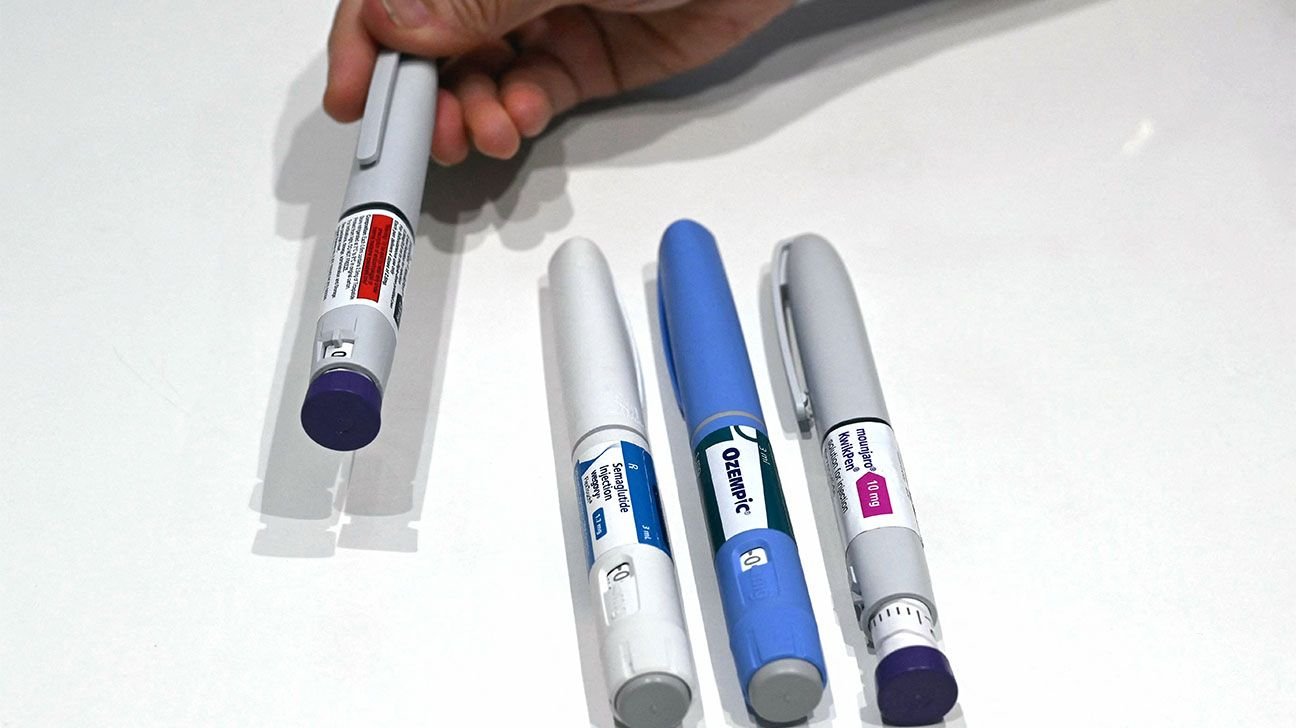
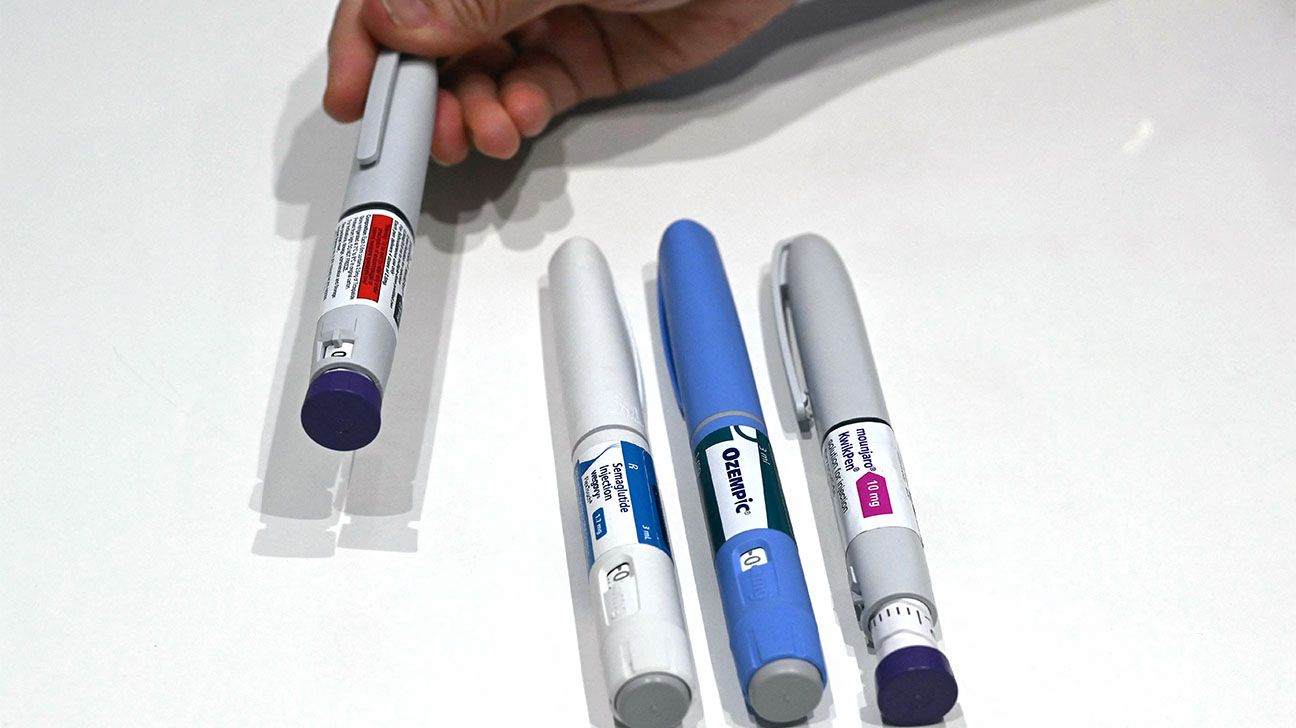
    A person holding a GLP-1 injector pen.Share on Pinterest
    Reports of people developing scurvy while taking GLP-1 medications are on the rise. Milles Team/Shutterstock
    • Reports of GLP-1 users developing scurvy have increased in recent months.
    • GLP-1 drugs can lead to malnutrition since they reduce appetite and food consumption.
    • People may also consume fewer vitamin C-rich foods, such as fruits and vegetables.
    • Proper meal planning and supplementation can help prevent scurvy.

    Maybe you’ve been using a GLP-1 medication for a while now, and you’ve started to notice that your gums are bleeding a bit, or you seem to be bruising more easily than usual? Could the drug be related to these unusual symptoms?

    It turns out that more and more people using these drugs are being diagnosed with scurvy, a severe deficiency of vitamin C.

    You might know scurvy as an 18th-century illness associated with long sea voyages, when fresh fruits and vegetables were in short supply. So, why is a disease associated with pirates and sailors now making a comeback in a time when these foods are readily available?

    The answer, experts say, has less to do with the medications themselves and more to do with what happens when appetite and consumption of certain foods fall dramatically.

    Here’s what’s known about the connection and how to protect yourself while staying on track with treatment.

    In an opinion published in the BMJ on July 21, 2025, Ellen Fallows noted the risks of prescribing GLP-1 medications to patients who already consume nutrient-poor diets, highlighting that malnutrition cases are already being reported in the U.S.

    Fallows additionally pointed out that, although obesity is often thought of as a case of being “over-nourished,” the opposite is frequently true, with muscle wasting and nutrient deficiencies being just as common in these individuals as in those who are underweight.

    When an already unhealthy diet is combined with caloric restriction, it can exacerbate the problem.

    Inflammation of the gastrointestinal tract and nutrient deficiencies caused by common diabetes medications, such as metformin, can also contribute to malnutrition, she said.

    According to Fallows, GLP-1 use is not just linked to vitamin C deficiency. It has been associated with severe thiamine and magnesium deficiencies, among several others.

    However, a lack of awareness of this issue is likely leading to both underdetection and under-reporting of malnutrition, she wrote, which may lead to less favorable patient outcomes.

    “Good quality wraparound care for patients taking GLP-1 agonists must go further than simple ‘dietary advice’ as recommended by the National Institute for Health and Care Excellence,” she advised. “It must include assessment of nutritional status before treatment to identify patients with malnutrition whose risks may only be mitigated with additional support.”

    Fiorella DiCarlo, RDN, CDN, of FiorellaEatsTV, told Healthline that GLP-1s slow gastric emptying and motility, which causes people to feel full and lose their appetite. However, they may end up not eating enough to properly nourish their bodies.

    “Some people end up eating 600-1000 calories per day without realizing it and thereby undereating vital nutrients and vitamins,” she said, explaining that this is what leads to deficiencies.

    When a person doesn’t consume enough vitamin C for an extended period, they can develop scurvy.

    “GLP-1 users report low appetite and early satiety, so fruits and veggies that contain Vitamin C are not consumed as often but rather replaced with toast, crackers, and processed food to accommodate GI issues like nausea instead,” said DiCarlo.

    She added that food aversions to acidic foods or raw vegetables can also complicate matters.

    “Vitamin C deficiencies cause weakened blood vessels, wounds that don’t heal, including acne and bleeding gums,” said DiCarlo.

    However, scurvy is reversible with a multivitamin or a 100- to 200-milligram vitamin C supplement, she said.

    According to DiCarlo, the best way to navigate the nutritional challenges of being on a GLP-1 medication is to work with a Registered Dietitian. These healthcare professionals are experts in nutrition and help you plan meals that best support your needs.

    “I advise building meals and snacks around protein and eating on a schedule to ensure proper intake throughout the day,” she said.

    DiCarlo further suggests getting plenty of fiber from fruit, vegetables, and legumes, as it can help counteract constipation associated with slow motility.

    These same foods are also rich in antioxidants and vitamins, which can help reduce your risk of deficiencies, she said.

    “The order the macros are eaten at a meal can be important too,” DiCarlo explained. “Begin with some protein, then vegetables to ensure that these nutrients are ingested first, particularly for those feeling fuller faster.”

    DiCarlo also emphasized the importance of drinking water to reduce your risk of dehydration.

    Concluding her comments, she said, “Eating while on a GLP-1 can be very challenging, and while weight loss will occur, the collateral damage from malnutrition can cause physical and psychological feelings that can affect quality of life.”

    However, as DiCarlo explains, proper planning and supplementation can help mitigate the risks.