
Category: Health

  • New Dietary Guidelines Highlight 9 Simple Ways to Lower Heart Disease Risk

    New Dietary Guidelines Highlight 9 Simple Ways to Lower Heart Disease Risk

    Plates of various foods on a table..Share on Pinterest
    The American Heart Association released updated dietary guidance suggesting that following 9 key steps may significantly improve cardiovascular health and reduce the risk of heart disease. Alexander Spatari/Getty Images
    • The AHA has released updated dietary guidance to reduce the risk of heart disease.
    • The new guidelines focus on flexibility and accessibility, no matter where you are.
    • They include nine essential features of a heart-healthy dietary pattern.
    • Experts advise starting with a couple of changes and then layering in more over time.

    The American Heart Association (AHA) has unveiled updated dietary guidance to promote cardiovascular health and reduce the risk of heart disease.

    This new scientific statement, released on March 31, 2026, in the journal Circulation, builds on previous recommendations and focuses on overall eating patterns rather than isolated foods or nutrients.

    It encourages healthy eating habits early in life and supports maintaining them throughout all stages of life.

    The updated guidance emphasizes that a heart-healthy diet is flexible, culturally sensitive, and adaptable to personal preferences.

    It also applies to all foods and beverages, no matter where they are obtained or consumed, whether at home, in restaurants, schools, or workplaces.

    The AHA says the goal is to make heart-healthy choices the easiest and most accessible options everywhere.

    The AHA highlights nine essential features of dietary patterns that promote cardiovascular health:

    Balance Energy Intake and Expenditure

    Maintaining a healthy body weight is critical. This means eating the right amount of calories to match your level of physical activity. Older children and adolescents should get 60 minutes of physical activity daily, while adults should aim for at least 150 minutes of moderate to vigorous activity weekly, along with muscle-strengthening exercises.

    Eat Plenty of Vegetables and Fruits

    A wide variety of whole or minimally processed vegetables and fruits is fundamental. They provide essential nutrients and fiber that support heart health. Frozen or canned options are acceptable if they don’t contain added sugars or sodium.

    Choose Whole Grains Over Refined Grains

    Whole grains like oats, brown rice, quinoa, and whole wheat contain all parts of the grain, offering fiber and nutrients. Regular consumption of whole grains is linked to lower risks of heart disease, stroke, and diabetes.

    Opt for Healthy Protein Sources

    Shift toward plant-based proteins such as legumes and nuts, which are rich in fiber and healthy fats. Regular fish and seafood consumption is also recommended for their omega-3 fatty acids. Choose low-fat or fat-free dairy over full-fat versions, and if consuming red meat, select lean cuts, avoid processed meats, and limit portion sizes.

    Replace Saturated Fats with Unsaturated Fats

    Use nontropical plant oils like olive, canola, and soybean oils instead of animal fats (butter, beef fat) or tropical oils (coconut, palm oil). This switch lowers harmful LDL cholesterol and reduces heart disease risk.

    Favor Minimally Processed Foods Over Ultra-processed Foods

    Ultra-processed foods — those heavily altered with added sugars, sodium, and preservatives — are linked to obesity, diabetes, and heart disease. Choosing whole, minimally processed foods supports better health.

    Limit Added Sugars

    Added sugars in beverages and foods contribute to obesity and heart disease risk. Minimizing intake is crucial throughout life. This includes avoiding sugary drinks and being mindful of sweeteners added during food preparation or processing.

    Reduce Sodium Intake

    Excess sodium raises blood pressure, a major risk factor for heart disease. Choose low sodium foods and use little or no salt in cooking. Increasing potassium-rich foods like fruits and vegetables can also help balance blood pressure.

    Be Cautious with Alcohol

    If you don’t drink, don’t start. If you do, limit your intake. Alcohol can raise blood pressure even at low levels and increase the risk of certain cancers. Binge and heavy drinking are especially harmful and should be avoided.

    These recommendations focus on adopting heart-healthy eating habits early and sustaining them through life to build a strong foundation for cardiovascular health.

    The guidance also aligns well with dietary advice for other chronic conditions, such as diabetes, cancer prevention, and kidney disease, offering broad benefits beyond heart health.

    Jodi Myers, MD, medical advisor at Amie, said the biggest mistake people make is trying to change everything at once. “Sustainability comes from stacking changes, not switching overnight,” she said.

    However, the easiest switch you can start with that will also have the greatest impact is to swap refined grains for whole grains (for example, eating brown rice and whole wheat bread instead of their white counterparts) and add a serving of vegetables.

    “Those two changes alone improve fiber intake, glycemic control, and micronutrient density without requiring you to learn new recipes,” said Myers.

    Next, you can begin consuming liquid plant oils, such as olive oil, rather than solid fats, and add two fish meals per week, she said.

    “The AHA specifically highlights minimally processed foods over ultra-processed ones, and I’d frame that practically,” she said. “[I]f you can’t identify the original food source by looking at the ingredient list, that’s your signal to find an alternative.”

    Myers also noted that the organization’s alcohol guidance has shifted to state that non-drinkers should not start drinking due to perceived health benefits.

    “For patients who do drink, I recommend tracking intake for one week before making changes,” she said. “Most people underestimate their consumption until they see the data.”

    Concluding her remarks, Myers added that the key is to treat these recommendations “as a direction, not a destination.”

    “You don’t need to be perfect on all nine keys to see cardiovascular benefit,” she said. “Even consistent adherence to four or five of them meaningfully reduces risk.”


  • Walking May Be More Effective When Combined With Strength Training, Other Activities

    Walking May Be More Effective When Combined With Strength Training, Other Activities

    Image of a person's feet walking up stairs outsideShare on Pinterest
    Walking is the most popular physical activity in the U.S., but experts say this might not be enough to maintain fitness levels. Image Credit: Luke Mattson/Stocksy
    • Researchers report that walking is the most popular leisure activity in the United States.
    • They note urban dwellers also like to run and lift weights, while rural residents also enjoy gardening and hunting.
    • Experts say those activities may not be enough for some people to maintain a higher fitness level, so additional exercise may be needed.

    Walking is the most popular leisure activity in the United States among both urban and rural residents, according to a new survey.

    Researchers reported that urban dwellers also tend to engage in running, weightlifting, and dance, while people in rural areas also enjoy gardening, hunting, and fishing.

    The researchers said the differences in leisure activity choices could reflect what people have access to or what is culturally supported in certain areas. They added that urban residents were more likely to meet physical activity guidelines than people living in rural regions.

    The researchers, however, noted that even among walkers, only 25% met combined guidelines for aerobic and muscle-strengthening physical activity. About 22% did not meet either guideline.

    The researchers reached their conclusions by analyzing telephone survey data collected from a national sample of 396,261 U.S. adults in 2019.

    They reported that 44% of respondents listed walking as the activity they spent the most time doing. The data closely matched another U.S. study from 2011.

    The new findings were published today in the journal PLOS One.

    The researchers said they hoped their study could help boost physical activity by encouraging people, as well as medical and fitness professionals, to tailor workouts to certain regions and demographics.

    “We see a need to continue to support our partners in small towns and rural places by creating physical, social, and cultural conditions that support physical activity,” said Christiaan Abildso, PhD, a physical activity specialist at West Virginia University and a lead author of the study, in a statement.

    Everyone needs to ask, ‘how does what we’re doing affect physical activity,’ in order to help get people more active, more often, in more places,” he added.

    Abildso listed several steps community leaders can take to improve fitness opportunities. Among the suggestions:

    • Create a wide shoulder on a country road for cycling and running.
    • Expand the national network of rail trails.
    • Help a senior center create a chair exercise program.
    • Create or improve green spaces such as parks.
    • Keep school facilities open to the public.

    “This study aligns with other studies on physical activity in the U.S. population,” said Michael Fredericson, MD, a professor of orthopedic surgery at Stanford Medicine in California. Fredericson wasn’t involved in the study.

    “This underscores the continued need to encourage easily accessible forms of exercise, such as walking, or more functional activities around the home, which are more doable for folks,” Fredericson told Healthline.

    There are numerous benefits to daily walking, a low-stress activity that can help people exercise with a minimal risk of injury.

    A daily walking routine can also improve mood and support long-term weight management.

    A 2023 review reported that walking 8,000 to 10,000 steps per day can provide substantial cardiovascular health benefits as well as psychological well-being.

    Gardening can also be considered a moderate physical activity that supports weight management and helps build strength. The time outdoors in a garden can also help your body produce vitamin D, which supports bone strength, calcium absorption, and immune function.

    Gardening may also support mental well-being by improving mood and reducing stress.

    “Walking and gardening can meet exercise recommendations for most people if performed at sufficient intensity and duration,” said Fredericson. “Still, hunting and fishing, unless there is a lot of walking/hiking, typically do not provide adequate moderate-to-vigorous physical activity.”

    The Centers for Disease Control and Prevention (CDC) recommends that adults get at least 150 minutes of moderate-intensity aerobic activity per week.

    The agency suggests that exercise could come in the form of brisk walking for 30 minutes a day, 5 days a week, or 75 minutes of vigorous-intensity aerobic activity each week, such as swimming laps.

    The CDC also states that adults need at least 2 days a week of muscle-strengthening activity.

    David Cutler, MD, a family medicine physician at Providence Saint John’s Health Center in Santa Monica, California, recommends people try to meet these minimal time standards in their fitness routines.

    “There should be greater emphasis for all adults to meet the minimum exercise guideline of 150 minutes per week,” he told Healthline.

    “Their exercise routine should include more than just aerobic exercise, like walking, running, biking, swimming, or dancing. There should also be time devoted to muscle-strengthening exercises of both the upper and lower extremities. This could be as simple as using hand weights and squats.”

    Agency officials note that the “exact amount of physical activity needed to maintain a healthy weight varies greatly from person to person.”

    Fredericson said a comprehensive weekly exercise program should contain four main components. Those are:

    He also suggested people can do “exercise snacks,” which consist of physical activity lasting 1 to 5 minutes performed periodically throughout the day. Those quick exercises can include stair climbing, brisk walking, and jumping jacks.

    “This approach has demonstrated high compliance rates and can significantly improve cardiorespiratory fitness, particularly in physically inactive adults,” Fredericson said.

    Cutler agrees a wide variety of exercise is the best approach.

    “Individuals should supplement walking with muscle-strengthening exercises like yoga or resistance bands, and higher-intensity activities such as running, dancing, or cycling,” he said. “Effective ways to increase activity include utilizing community infrastructure like rail-trails, joining senior center programming, and creating local, accessible activity spaces.”

    Core exercises should also be incorporated in a weekly routine,” he added. “These strengthen the muscles in your pelvis, lower back, hips, and abdomen, leading to improved stability, better posture, and reduced back pain.”

    Stretching exercises are also important for health aging, injury prevention, and overall fitness,” Cutler noted. “Evidence supports that consistent stretching increases range of motion, reduces joint stiffness, and enhances vascular health.”

  • Exercising Harder, Not Just Longer, May Lower Your Type 2 Diabetes Risk

    Exercising Harder, Not Just Longer, May Lower Your Type 2 Diabetes Risk

    Female jumping up to catch a large ball in a gym settingShare on Pinterest
    Research suggests that how hard you work out may be just as important as how long you work out. Image Credit: The Good Brigade/Getty Images
    • A few minutes of harder exercise each day may dramatically lower your risk of major diseases.
    • New research suggests exercise intensity, not just total minutes, plays a critical role in prevention.
    • Adding short bursts of vigorous activity to your day could be a simple, efficient way to improve long-term health outcomes.

    Exercise intensity, not just volume, is essential to reduce the risk of serious conditions, including type 2 diabetes, cardiovascular disease, and dementia, according to a new study.

    Physical activity guidelines tend to focus on how much, or total volume, people should exercise each week. For the average adult, that recommendation is about 150 minutes. Those recommendations emphasize duration but offer less guidance on how hard people should exercise.

    But a new study published on Sunday in the European Heart Journal found that people who get even small amounts of vigorous exercise each day may be less likely to develop eight major diseases.

    “In our study, even a small proportion of vigorous activity—just over 4% of total activity, which may translate to only a few minutes per day—was associated with meaningful health benefits,” Minxue Shen, PhD, a professor at Xiangya School of Public Health, Central South University, Changsha, China, and co-author of the research, told Healthline.

    Vigorous doesn’t mean extreme, but it should be enough to mean that you are breathing hard and can’t speak more than a few words at a time. Shen told Healthline that even everyday activities like carrying heavy groceries or climbing stairs quickly can be intense enough to count.

    For some diseases, both volume and intensity were important, but for others, like immune-related conditions, the benefit relied almost entirely on intensity.

    Although the study is observational, meaning it doesn’t establish a causal link between exercise intensity and specific health conditions, the results align with other research suggesting that there’s more to physical activity than just volume.

    The researchers used data from the UK Biobank, which includes de-identified health data for half a million adults living in the United Kingdom.

    For their analysis, they focused on two groups:

    • about 96,000 participants who had their physical activity objectively measured using wrist-worn fitness trackers
    • a much larger group of about 375,000 participants who self-reported their physical activity

    The fitness trackers continuously logged movement over a 7-day period, allowing researchers to estimate not only how much people moved but also how intense their activity was.

    Participants were on average 56 to 62 years old, and just over half were women. Researchers calculated each person’s total physical activity and the proportion that qualified as “vigorous” exercise, defined as higher-intensity movement such as running. Participants were followed for about 9 years in the device-measured group and over 14 years in the self-reported group.

    During that period, researchers tracked whether they developed any of eight major chronic conditions:

    Across both datasets, people who did a higher proportion of vigorous exercise had consistently lower risks of developing major diseases, even when their total amount of exercise was the same.

    “This study moves beyond the simple question of ‘How much exercise?’ and really examines how the intensity of that exercise matters,” said Denice Ichinoe, DO, an assistant professor in the department of family and community medicine at the Kirk Kerkorian School of Medicine at the University of Nevada, Las Vegas. Ichinoe wasn’t involved in the research.

    “In other words,” she adds, “moving more is essential, but how hard you move can further influence long-term health outcomes.”

    The relationship followed a dose–response pattern, meaning the more vigorous the exercise, the greater the benefit. However, the risk reduction plateaued once vigorous activity accounted for about 4% to 5% of total activity, suggesting there’s no need to go overboard with strenuous activity.

    In the group using fitness trackers, those who got more than 4% of their activity from vigorous exercise had substantially lower risk than those who did none. For example, they had about a 31% lower risk of major cardiovascular events, a 60% lower risk of type 2 diabetes, and a 63% lower risk of dementia.

    That pattern held across a wide range of conditions.

    Higher-intensity activity was linked to roughly 60% lower risk of type 2 diabetes, 63% lower risk of dementia, and 46% lower risk of death. Importantly, these benefits were evident even at relatively low levels of vigorous activity.

    The researchers also found that some diseases reacted differently to exercise.

    “We observed that different diseases showed different patterns—some were mainly influenced by intensity, while others were associated with both intensity and total activity,” Shen said.

    Reduction in risk for immune-mediated inflammatory diseases and dementia was driven almost entirely by exercise intensity. Meanwhile, for metabolic conditions like diabetes, both intensity and total activity mattered.

    Starting slowly, especially if you don’t regularly engage in intense exercise, is essential, according to Ichinoe.

    “The best exercise plan is one that is sustainable, progressive, and individualized,” she said.

    To this end, Ichinoe recommends a few simple steps to getting started:

    • First, aim for a regular routine of moderate-intensity exercise on most days.
    • Build on your success by adding 1-2 sessions of more vigorous activity per week.
    • Choose activities you enjoy. This is key for long-term adherence.
    • If you’re not sure about exercise intensity, use the “talk test”: moderate activity allows for conversation, but vigorous activity means you can only speak a few words at a time.

    Ichinoe points out that while vigorous exercise, especially short bouts, is probably ok for most people, there are some individuals who should approach it cautiously.

    Older adults who are not regularly active, especially those with balance issues, should consult with their doctor before starting a new fitness regimen. Individuals with known cardiovascular disease, diabetes, joint limitations, or unexplained chest pain or shortness of breath should also consult with their physician.

    Even if you don’t regularly exercise, there are simple ways to add a bit of vigorous exercise to your day.

    Walk faster for a few minutes, take the stairs quickly, or do a brief uphill walk,” Shen said. “Even just 15 to 20 minutes total spread across the week—a few minutes at a time—can provide meaningful health benefits.”

  • Women Who Stay Active During Midlife Have 50% Lower Risk of Early Death

    Women Who Stay Active During Midlife Have 50% Lower Risk of Early Death

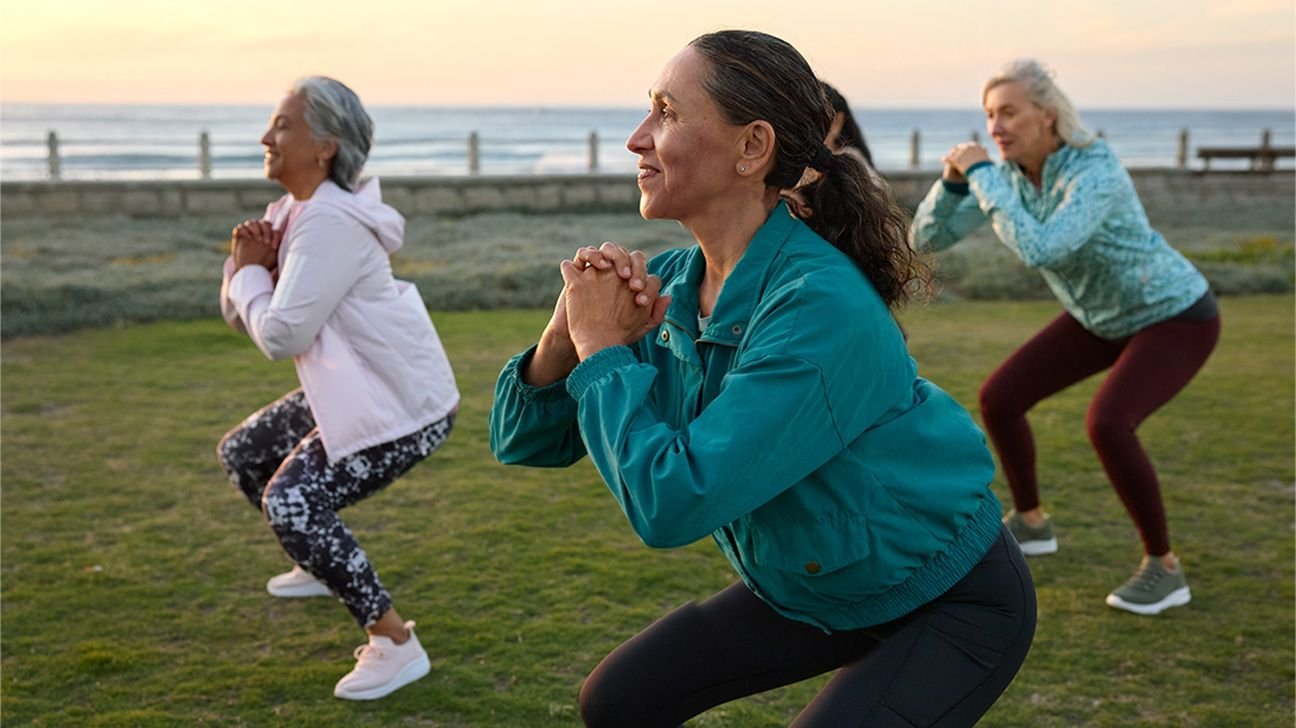
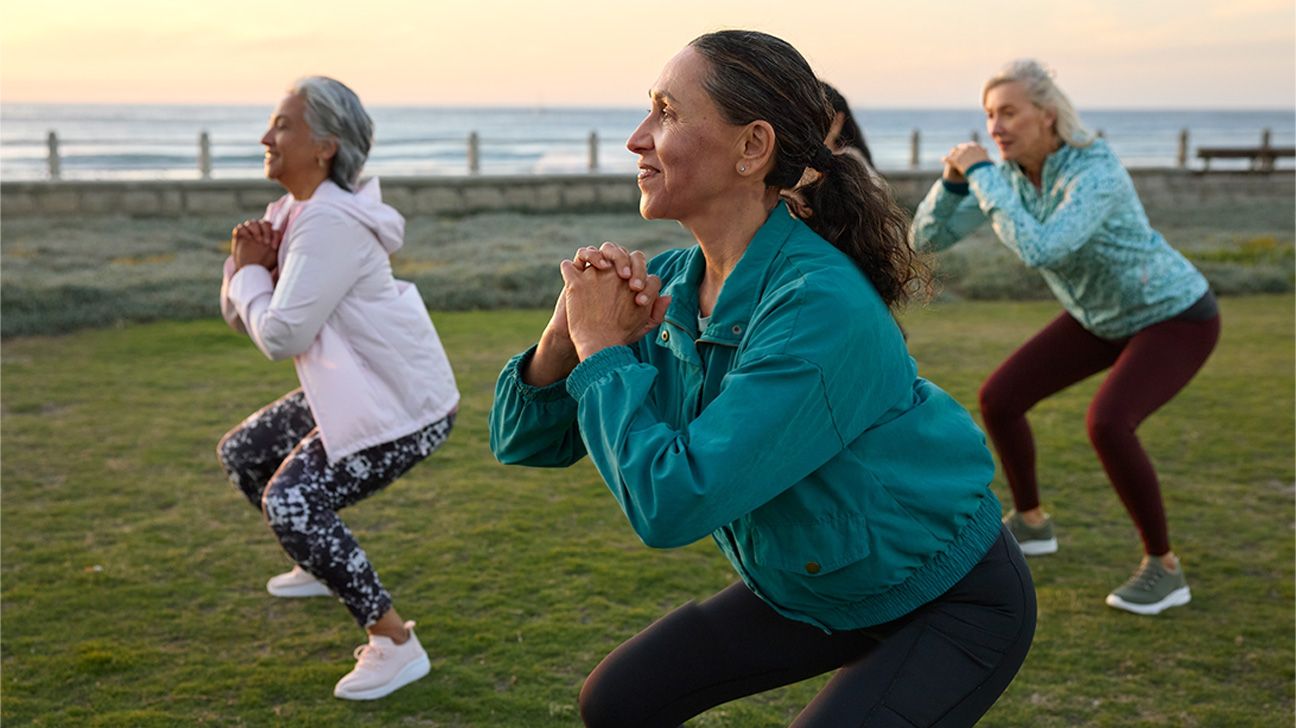
    Mature women exercising outdoorsShare on Pinterest
    Staying physically active during midlife can improve health and longevity. Morsa Images/Getty Images
    • A new study reports that midlife exercise can cut women’s risk of early death in half.
    • Women tend to lose muscle mass starting in midlife, which can affect health, but adequate exercise and sufficient protein intake can help preserve muscle mass.
    • The World Health Organization (WHO) advises 150 minutes of moderate-intensity exercise per week.
    • Experts recommend starting slow and building up to this level if you aren’t accustomed to exercise.

    New research highlights the importance of staying active for women throughout middle age and beyond.

    The findings, published on March 26 in PLOS Medicine, show that women who consistently followed physical activity guidelines in their 50s and 60s had a lower risk of dying prematurely.

    While it’s well established that regular exercise is good for health, this study emphasizes just how important it is for women as they age.

    The study examined over 11,000 Australian women born between 1946 and 1951, tracking their physical activity habits and health over 15 years.

    Instead of relying on a single snapshot of activity, the researchers checked in every three years to see how participants’ exercise routines changed or stayed the same.

    This long-term view allowed the researchers to compare those who consistently met the World Health Organization (WHO) recommendations for moderate-to-vigorous physical activity — such as brisk walking, swimming, or tennis — with those who did not regularly reach these levels.

    To make the study as reliable as possible, the researchers used a special approach called “target trial emulation.” This method tries to mimic what would happen if females had been part of a controlled experiment, even though the data came from observations of their real lives.

    The researchers also considered other factors that might influence health, such as age, smoking, diet, and body weight, to make sure the results focused on the impact of physical activity itself.

    The physical activity data came from surveys in which females reported how much time they spent walking, doing moderate exercise, or engaging in vigorous activities each week.

    The team focused on whether participants met the WHO’s recommendation of at least 150 minutes of moderate-to-vigorous activity per week.

    Women who stayed active at recommended levels through their 50s and 60s were roughly half as likely to die prematurely compared to those who didn’t meet the activity guidelines.

    This protective effect was seen for deaths from any cause, suggesting that consistent physical activity is a powerful contributor to better health and longer life.

    When looking specifically at deaths from heart disease and cancer, the results pointed in the same protective direction but were less certain due to fewer cases.

    This means that while the evidence is strongest for overall mortality benefits, physical activity likely also helps reduce the risk of major diseases such as cardiovascular conditions and cancer.

    The study also explored whether starting to meet physical activity recommendations later in midlife — such as beginning regular exercise at age 55, 60, or 65 — would offer similar benefits.

    The findings here were less clear, suggesting that while becoming active later in life is better than not at all, the greatest benefits come from being active consistently over time.

    The researchers noted some limitations, including that the activity levels were self-reported and that the findings might not apply to all females, especially those with health issues that prevent regular exercise.

    Still, the study’s design and large sample size provide strong support for the message that keeping active in midlife matters for longevity.

    Jennifer Timmons, MD, a longevity physician and the founder and medical director of Timmons Wellness, said that being active and maintaining muscle mass are the most important things women can do in midlife to promote health and longevity. Timmons wasn’t involved in the study.

    Without it, Timmons said, they could face significant health risks.

    “Having enough muscle mass allows you to continue doing the activities you love, such as walking, running, bending, and playing on the ground with your grandkids,” she told Healthline.

    Regular exercise also supports joint and bone health, helping prevent conditions like arthritis and osteoporosis. Physical activity also releases hormones called myokines, which interact with the hormonal system to improve health.

    “Having enough muscle mass even decreases your risk of dementia,” Timmons said, citing a study suggesting that females with more leg muscle experienced slower cognitive aging.

    Additionally, many women lose about 3–5% of their muscle mass each decade, starting around age 30.

    “It is essential to take steps to maintain muscle mass,” Timmons said. Physical activity, combined with adequate nutrition and sufficient protein intake, can be helpful, she explained.

    Jamie Bovay, DPT, founder of KinetikChain Denver and the author of “Adding Insight to Injury,” said the study aligns with the WHO’s guidelines for physical activity: 150 minutes of moderate-intensity exercise per week. Bovay wasn’t involved in the study.

    Moderate-intensity activity makes you breathe harder, increases your heart rate, and causes you to sweat.

    Vigorous-intensity activity, on the other hand, will have you breathing so hard that you can barely speak. It will also increase your heart rate more than moderate activity.

    Fitting in this much exercise may seem daunting, especially if you have multiple obligations, such as caring for family members.

    Bovay shared a few tips to help a regular exercise routine feel more manageable.

    First, he recommends following the 80/20 rule. “Perfection isn’t realistic, so find a workout you can do consistently 80% of the time and be ok when things aren’t perfect,” he told Healthline. “Stay consistent for long-term results.”

    Bovay said that the time of day that you work can make a big difference, too. You will have fewer distractions in the morning. Getting out in early morning sunlight can also benefit your circadian rhythm and sleep.

    He suggested using wearable fitness trackers to provide you with reminders and log your activity. “Knowing how close you are to your goals can help ensure you hit those goals,” he said. “Plus, what gets measured tends to improve.”

    It’s also helpful to realize that you don’t have to do those 150 minutes all at once, Bovay said.

    You can try incorporating “exercise snacks” into your day, starting with as little as 10 minutes total per day.

    “Maybe it is walking instead of taking that short car ride, or maybe it’s taking the stairs instead of the elevator,” Bovay said.

    “Practice getting off the floor, carrying heavy groceries, and standing on one leg or whatever else you would like to be able to do, but start training now,” Bovay said.

    If you invest in being active now, your older self will thank you, Bovay said.

  • 2 to 3 Cups of Coffee Daily May Help Lower Stress, Improve Mental Health

    2 to 3 Cups of Coffee Daily May Help Lower Stress, Improve Mental Health

    Pouring milk into a cappuccino Share on Pinterest
    Recent research found that drinking 2 to 3 cups of coffee a day may reduce the risk of stress and mood disorders. Image Credit: Andrew Cebulka/Stocksy
    • A recent study found that moderate daily coffee intake may help lower stress and reduce the risk of depression and anxiety.
    • The findings indicate that coffee’s protective qualities may be more effective in men.
    • In contrast, the researchers found that drinking large amounts of coffee each day may be associated with a higher risk of mood disorders.

    Recent research has found that drinking 2 to 3 cups of coffee each day may reduce your risk of stress, anxiety, and depression.

    The researchers found an association between the amount of coffee a person drinks in a day and their risk of developing both stress and mood disorders.

    The findings suggest that “a moderate intake of coffee might be beneficial for mental health,” according to the study, which was recently published in the Journal of Affective Disorders.

    This “J-shaped” association held across coffee types — ground, instant, and even decaffeinated.

    “These findings are consistent with the pharmacologic effects of caffeine, in addition to the possible benefits of polyphenols in coffee,” said Alex Dimitriu, MD, double board certified in psychiatry and sleep medicine, and founder of Menlo Park Psychiatry & Sleep Medicine. Dimitriu was not involved in the study.

    “A moderate amount of coffee has the benefit of boosting mood, energy, and resilience to stress. Keep in mind that in most studies, a cup is considered an 8-oz cup, which typically has about 80 to 100 milligrams (mg) of caffeine. Do not interpret the results of this study to drink 2 to 3 20-oz cups per day,” he told Healthline.

    Using data from the UK Biobank, the researchers analyzed information on 461,586 individuals who were all in good mental health at the start of the study period. The individuals were followed for an average of 13.4 years.

    The research team used self-reported coffee intake to compare with future health diagnoses.

    They found that there was a definite association between the amount of coffee a person drinks in a day and the individual risk of both stress and mood disorders.

    “Moderate coffee intake, around 2 to 3 cups per day, may be linked with a slightly lower risk of mood and stress issues. That said, this is very individualized,” said Michelle Routhenstein, preventive cardiology dietitian at Entirely Nourished. Routhenstein wasn’t involved in the study.

    “For some people, it can feel supportive, while for others it can worsen anxiety, sleep, and mood. It is not a treatment and does not prevent mental health conditions, so I view coffee as a small, optional part of a healthy lifestyle and tailor it based on how each person responds,” she told Healthline.

    The study showed that drinking 2 to 3 cups of coffee daily was linked to the lowest risk of mental health conditions. This was compared with drinking no coffee or drinking more than 3 cups per day.

    Drinking 5 or more cups of coffee each day was associated with a higher risk of mental health conditions.

    These findings were consistent across various types of coffee. However, a high intake of 5 or more cups of ground coffee was associated with a significantly higher risk of mood disorders. Moderate intake of instant coffee showed a slight inverse association with stress disorders.

    “Coffee consumption is a relatively small modifier to overall mental health effects when compared to your other ‘animal needs,’” Dimitriu said.

    “It is far more essential to get enough sleep, exercise, eat a healthy diet, get time in nature, and get time with friends and family. If what you are feeling has been going on for a while and feels like too much too often, please speak with a professional,” he added.

    Despite these promising benefits, the study does not show a causal relationship between coffee and mental health conditions. It only shows an association, which may warrant further investigation.

    The researchers accounted for various factors contributing to the study’s outcomes, including age, education, exercise habits, and underlying health conditions.

    They also looked at differences between sexes. The study found that the association between coffee intake and mood disorders was more pronounced in males.

    The research team also found that the J-shaped pattern for stress disorders was more pronounced in those who were over the age of 60 and those who got 7 to 8 hours of sleep each day.

    However, a person’s genetic capacity for metabolizing caffeine did not modify the association between coffee consumption and mental health outcomes.

    Still, moderate coffee consumption may offer plenty of benefits. Ask your doctor or a mental health professional if drinking coffee could help improve your health.

  • Mind-Body Practices Like Qigong, Yoga May Help Treat Hypertension

    Mind-Body Practices Like Qigong, Yoga May Help Treat Hypertension

    Baduanjin practitioners outdoorsShare on Pinterest
    Foreign trainees learn Baduanjin, a traditional breathing and stretching exercise, in Sanya, south China’s Hainan Province, Aug. 7, 2025. Image credit: Xinhua News Agency/Getty Images
    • A recent clinical trial found that a centuries-old mind-body practice known as baduanjin helped lower blood pressure in people with hypertension.
    • Similar to qigong, baduanjin is a low impact movement practice emphasizing mindful breathing.
    • Other mindfulness practices, such as yoga and meditation, have shown potential for managing blood pressure.
    • While larger studies on these effects are still needed, experts say mind-body practices help with stress management and complement first-line treatments for hypertension.

    It’s no secret that mindfulness practices like yoga and meditation offer numerous health benefits, from improved strength and flexibility to reduced stress and better heart health.

    The cardiovascular benefits of certain mind-body practices may even extend to blood pressure management.

    A recent clinical trial found that an ancient mind-body practice known as baduanjin effectively lowered blood pressure in hypertensive practitioners.

    Similar to qigong, baduanjin is a low impact wellness practice originating in China that incorporates slow, aerobic, and isometric movement patterns, mindful breathing, and awareness. The practice involves a standardized eight-movement sequence that takes about 10–15 minutes to perform.

    The researchers who conducted the trial found that, compared with other forms of self-directed exercise, practicing baduanjin 5 days a week led to a reduction in systolic blood pressure at a 3-month follow-up that was sustained for a year.

    These results are comparable to some first-line hypertension medications, the researchers say. The baduanjin regimen also yielded results similar, if not superior to, brisk walking. The findings were published in JACC, the flagship journal of the American College of Cardiology.

    Accessible exercises like baduanjin, the researchers say, offer an alternative to gym memberships or exercises requiring specialized instruction or equipment.

    “Given its simplicity, safety and ease at which one can maintain long-term adherence, baduanjin can be implemented as an effective, accessible and scalable lifestyle intervention for individuals trying to reduce their blood pressure,” senior study author Jing Li, MD, PhD, director of the Department of Preventive Medicine at the National Center for Cardiovascular Diseases in Beijing, China, said in a statement.

    Research on the cardiovascular benefits of mind-body practices is ongoing.

    A 2023 meta-analysis suggests that qigong may offer cardiovascular benefits in people with metabolic syndrome, which can lead to high blood pressure. The authors say that qigong may offer an alternative exercise option, but note that more high quality studies are still needed.

    “This meta-analysis found that qigong exercise appeared to have a beneficial effect on blood pressure,” said Cheng-Han Chen, MD, board certified interventional cardiologist and medical director of the Structural Heart Program at MemorialCare Saddleback Medical Center in Laguna Hills, CA.

    Chen wasn’t involved in the study.

    “This is a promising finding that should be investigated further, as high blood pressure is a known risk factor for heart disease,” he told Healthline.

    Jing explained that baduanjin is a subtype of qigong that includes coordinated breathing and physical movement.

    He told Healthline he started practicing baduanjin four years ago due to an illness, and the improvements in his health piqued his interest in studying the effects of this modality on blood pressure.

    “Baduanjin integrates slow, rhythmic movements (including aerobic, flexibility, and isometric resistance training), deep breathing, and focused awareness to harmonize body and mind,” said Jing.

    Jing explained that the combined physiologic and psychological effects of baduanin may contribute to the blood pressure-lowering results.

    Despite limited evidence on the effects of qigong on cardiovascular health, the results of the baduanjin study on blood pressure seem promising.

    “Our evidence supports doctors to recommend baduanjin for blood pressure management,” Jing said. “Since elevated blood pressure is the largest risk factor for cardiovascular disease. It is reasonable to consider baduanjin improves overall heart health.”

    A large body of evidence supports mind-body practices like yoga and meditation for overall health and well-being.

    Yoga for hypertension

    The benefits of yoga are well established, but lesser known are the effects the practice could have on hypertension, with limited studies requiring further investigation.

    A 2025 review found that yoga may help lower blood pressure in people diagnosed with prehypertension or hypertension. However, the authors note that larger high quality studies are still needed to confirm these findings.

    If you live with a cardiovascular condition or are at risk of developing one, ask your doctor which styles of yoga are best suited for your needs.

    “Yoga likely helps with blood pressure by helping to control stress,” said Chen. “This lowers sympathetic nervous system stimulation and promotes parasympathetic nervous system tone, which then lowers blood pressure. Any yoga that is gentle and relaxing should help to lower blood pressure.”

    Mindful breathing for hypertension

    A 2024 study found that mindful breathing for 15 minutes per day at a rate of 6 breaths per minute helped lower blood pressure in participants with hypertension, suggesting the practice could complement first-line treatments.

    However, the effects were short-lived, and the study examined only the effects of a guided meditation exercise delivered via consumer wearable devices.

    While larger studies on the effects of mindful breathing on hypertension are still needed, there is enough evidence to suggest a potential benefit if practiced regularly.

    “Both mindful deep breathing and meditation likely help with blood pressure by helping to control stress,” said Chen.

    “They can both be useful as parts of a long-term strategy to help control blood pressure. I advise all of my patients, and especially those with high blood pressure, to avoid stress as much as possible. Mind-body practices such as yoga and meditation can be very useful in helping patients to control their stress,” he said.

  • Kim Kardashian’s New Energy Drink Promises No Jitters. Does It Live Up to the Hype?

    Kim Kardashian’s New Energy Drink Promises No Jitters. Does It Live Up to the Hype?

    Close up of Kim KardashianShare on Pinterest
    Kim Kardashian has released a new energy drink with paraxanthine instead of caffeine. Image credit: Axelle/Bauer-Griffin/Getty Images
    • Kim Kardashian has launched a new energy drink called Update.
    • Instead of caffeine, the drink contains paraxanthine.
    • Paraxanthine is a compound naturally produced by the body when it breaks down caffeine.

    Kim Kardashian has launched a new energy drink called Update, which claims to have zero sugar, zero calories, and zero artificial flavors or colors.

    The drink is also caffeine-free and is powered by paraxanthine, a compound the body naturally produces when it breaks down caffeine.

    The promotional material for Update states that it “delivers smooth, steady energy without the jitters, crashes, or sleep disruption commonly associated with traditional energy drinks.”

    The new drink doesn’t rely solely on paraxanthine for energy. Update contains other ingredients commonly found in energy drinks and supplements, including alpha-GPC, often marketed for cognitive performance, and sucralose, an artificial sweetener.

    “It is important to speak to your healthcare provider about any supplement or energy beverage that you may be considering, even ones that are labeled ‘natural,’” said Jonathan Jennings, MD, board certified internist with Medical Offices of Manhattan.

    “Appropriate dosing is still being investigated, so it is important to follow recommended ingestion amounts,” he told Healthline.

    Avery Zenker, a registered dietitian at MyHealthTeam, said it’s important to prioritize a healthy lifestyle, quality sleep, regular exercise, a balanced diet, and mental hygiene, rather than rely on energy drinks for a boost.

    Healthline spoke with experts about paraxanthine in Kim Kardashian’s energy drink to learn more about this caffeine-free alternative.

    These interviews have been edited and condensed for clarity and length.

    Jennings: Paraxanthine is a breakdown product of caffeine. When you ingest caffeine, it is broken down in the liver into three metabolites that have different impacts on the body.

    Paraxanthine is the predominant breakdown component of caffeine. Theobromine and theophylline are the other metabolites, and [are] associated with the uncomfortable side effects of caffeine such as anxiety, nausea, diarrhea, and rapid heartbeats.

    Zenker: It’s tough to say which is “better” since there are numerous factors to consider. Both caffeine and paraxanthine have their pros and cons.

    Caffeine might be the better choice for some people, while paraxanthine may be optimal for others. There’s more research on the health impacts of caffeine, as well as more anecdotal evidence.

    Caffeine is more widely known due to its popularity in beverages around the world, such as coffee and tea. That said, paraxanthine has some promising emerging research.

    Paraxanthine may have some advantages compared to caffeine, such as equivalent or even stronger energizing effects with [fewer] side effects. More research is needed to determine more conclusive differences between caffeine and paraxanthine.

    Jennings: There are some preclinical studies that suggest that paraxanthine promotes alertness better and for longer periods of time than equal amounts of caffeine.

    Rodent studies have also demonstrated less toxicity at higher doses when compared to caffeine.

    Preliminary data suggest that the elimination of theobromine and theophylline may make paraxanthine more effective, better tolerated, and safer than caffeine.

    Zenker: There’s significantly more data for the health impacts of caffeine than paraxanthine. Both caffeine and paraxanthine are nervous system stimulants, which promote wakefulness.

    Research finds that both compounds produce similar effects on the nervous system, including increased blood pressure and adrenaline. They both block adenosine receptors, which is what makes you feel less tired.

    Caffeine is known to have potential side effects, especially when consumed in excess, such as anxiety and elevated blood pressure, while paraxanthine may have [fewer] side effects. Paraxanthine may have some additional benefits on cognition and nervous system function that caffeine alone doesn’t exhibit.

    Paraxanthine is one of the main compounds that’s created as caffeine is metabolized. Paraxanthine isn’t new, but it’s still not widely used in products as much as caffeine.

    Jennings: L-theanine is an amino acid found in tea leaves. There is some evidence that when combined with caffeine, it may enhance cognitive performance, focus, and improve alertness.

    Alpha-glycerylphosphorycholine ( A-GPC) is a compound essential in the production of neurotransmitter acetylcholine, which is important for nerve communication and muscle contraction. Supplementation with A-GPC is believed to assist with maintaining choline levels and aid in improving cognition.

    Methylcobalamin is the more bioavailable form of [vitamin] B12, which is essential for the body’s protection of DNA, support of brain cells, and immune functioning. There is data that suggests this form of B12 offers support to the body for longer periods of time.

    Zenker: L-theanine is known for its potential to improve attention and reduce anxiety, particularly when combined with caffeine. It has a calming effect that’s often described as relaxed yet alert. The dose of L-theanine matters, too. When the quantity of L-theanine isn’t listed on the label, it’s possible that it isn’t an effective quantity.

    Alpha-GPC is a form of choline, which is an essential micronutrient involved in nervous system function. It is generally considered safe, but some research has linked high intakes to health risks like increased risk of cardiovascular disease. Side effects at typical doses are uncommon but can include headaches, acid reflux, nausea, or dizziness.

    Vitamin B12 is an essential vitamin involved in energy production. Vitamin B12 helps the body convert the calories from food we eat into ATP, the body’s primary energy source.

    It is important for nervous system function, energy production, and red blood cell synthesis. Vitamin B12 is often included in energy drinks at high doses. Vitamin B12 is more likely to lead to noticeable energy increases in people with low B12 but not those with baseline normal levels. Vitamin B12 in energy drinks isn’t known to cause an immediate energy boost, but could improve energy over time in those with baseline low levels.

    Vitamin B12 is water-soluble, so excess intake is excreted through the urine and has a low risk of toxicity.

    Jennings: All the supporting ingredients have preclinical evidence suggesting significant benefits for cognition and alertness compared to caffeine. However, there is a lack of quality outcome-based human clinical trials for paraxanthine and L-theanine.

    Zenker: I’d first consider why you are looking for an energy drink in the first place. Having an energy drink once in a while is fine, but frequent reliance on them may suggest underlying issues to address.

    Energy drinks may make you feel better short term, but they don’t undo the adverse health effects of poor sleep, an imbalanced diet, or lifestyle deficits. Ideally, we don’t need to rely on energy drinks to feel energized.

    If you’re trying a new energy drink, start small. Don’t consume the whole thing quickly before you have time to assess how you feel. Individual tolerance to energy drinks can vary. Read the nutrition facts, ingredient lists, and content of active compounds like caffeine.

    Not all energy drinks are created equal, so if you do choose to consume one, make sure it’s aligned with your health priorities.

  • Eating the Same Meals Every Day Could Help You Lose More Weight

    Eating the Same Meals Every Day Could Help You Lose More Weight

    Three meals in glass containersShare on Pinterest
    A new study suggests that eating repeat “go-to” meals could aid weight loss. Image Credit: helpSKC/Stocksy
    • A recent study has found that eating the same meals each day could lead to greater weight loss.
    • The findings suggest that consistent caloric intake helps with weight loss.
    • The study doesn’t establish a cause-and-effect relationship, but it does show a correlation between having “go-to” foods, consistent calorie intake, and weight loss.

    Having the same “go-to” meals and eating a consistent amount of calories each day may help people to lose more weight, according to a new study.

    Participants who followed a routine eating pattern lost more weight during a 12-week behavioral weight loss program than those who followed a more varied diet.

    “There’s compelling evidence to consider here that consistency and predictability in eating may help some individuals eat better and lose weight — but it’s important to note the limitations, including self-reported data, a highly structured program environment, and an observational study design,” said Kristin Kirkpatrick, registered dietitian at The Cleveland Clinic Department of Wellness & Preventive Medicine and president of KAK Consulting. Kirkpatrick was not involved in the study.

    The study analyzed real-time, detailed food logs from 112 adults with overweight or obesity who were enrolled in a structured behavioral weight loss program.

    The participants tracked everything they ate each day using a mobile app. They also had daily weigh-ins using a wireless scale. To ensure the data reflected consistent habits, the researchers focused on the first 12 weeks of the program. This is a period when people are generally the most engaged and accurate in tracking their food habits.

    The researchers measured how routine each person’s diet was in two ways:

    • caloric stability, or how daily calorie intake fluctuated from day to day and between weekdays and weekends
    • dietary repetition, or how often individuals tracked the same meals and snacks over time

    The research team found that individuals who repeated the same foods rather than eating a wide variety of foods lost an average of 5.9% of their body weight. This is compared with a 4.3% loss among those with a more varied diet.

    “Consistency works best when the foundation is strong. If meals are nutrient-dense, they can reinforce high quality nutrition. But if they’re missing key nutrients, you may consistently fall short,” said Kirkpatrick.

    “In the real world, with travel, stress, and changing schedules, that level of consistency isn’t always realistic without structure or support,” she said.

    The study also found that greater consistency in calorie intake was associated with greater weight loss results. For every 100-calorie increase in daily fluctuation, individual weight loss decreased by around 0.6% during the study period.

    The findings suggest that simplifying food choices may help individuals to build sustainable, healthy habits, even in challenging food environments. This might include rotating “go-to” meals and maintaining a steady calorie intake.

    “Most people eat the same 20 to 30 foods repeatedly each week,” said David Cutler, MD, board certified family medicine physician at Providence Saint John’s Health Center in Santa Monica, CA. Cutler was not involved in the study.

    “It is not surprising that successful weight controllers limit their food choices as well. And certainly, limiting those foods to healthier choices and recognizing their calorie contents will assist in losing weight,” Cutler told Healthline.

    Despite the promising results, the study doesn’t show a cause-and-effect relationship, but rather a correlation. Factors such as motivation or self-discipline may also play a role in results.

    Still, the findings suggest that when it comes to weight loss, consistency may be more important than variety.

    According to the National Institute of Diabetes and Digestive and Kidney Disease (NIDDK), over 70% of adults in the United States have overweight or obesity.

    Not every process will work the same for everyone. Ask your doctor about the best way to lose weight based on your circumstances and health status.

    “The best place to start is with a truly personalized plan — ideally developed with a registered dietitian — that considers your preferences, labs, medications, genetics, and lifestyle,” said Kirkpatrick.

    “There’s no one-size-fits-all approach. The most effective plan is the one that works for you and your life,” she continued.

  • Extra 11 Minutes of Sleep, 5 Minutes of Exercise Lowers Cardiovascular Risk

    Extra 11 Minutes of Sleep, 5 Minutes of Exercise Lowers Cardiovascular Risk

    Hiker resting on tree outdoorsShare on Pinterest
    Simple lifestyle changes, such as getting a few extra minutes of sleep and exercise each day, can improve heart health. Ryan Tuttle/Stocksy
    • Researchers say that small changes in sleep, diet, and exercise can have a substantial impact on heart health.
    • They report that modest changes, such as 11 more minutes of sleep per night and 5 additional minutes of exercise per day, can lower the risk of serious cardiovascular events.
    • Experts say the findings are encouraging for people who can only make small adjustments to their daily lifestyle routines.

    Making small improvements in how much you sleep, what you eat, and how much you exercise can significantly reduce your risk of heart health issues, according to a new study.

    Researchers report that people who get 11 more minutes of sleep, add 5 minutes of physical activity to their daily routine, and eat a quarter-cup more vegetables per day can lower their risk of cardiovascular events, such as heart attack and stroke, by 10%.

    They added that people who have an optimal combination of lifestyle behaviors that include 8 to 9 hours of sleep per night, 42 minutes of moderate-to-vigorous physical activity per day, and a moderate diet quality score have a 57% lower risk of major cardiovascular events compared to people with the least optimal health profile.

    They noted that their research was an observational study, so it cannot establish a definitive cause-and-effect relationship between lifestyle habits and cardiovascular events. They recommended conducting intervention trials to confirm their findings.

    The researchers said their study could help people adopt simple lifestyle changes to improve heart health.

    “We show that combining small changes in a few areas of our lives can have a surprisingly large positive impact on our cardiovascular health,” said Nicholas Koemel, the lead study author and a research fellow and dietitian at the University of Sydney in Australia, in a press release.

    “This is very encouraging news because making a few small, combined changes is likely more achievable and sustainable for most people when compared with attempting major changes in a single behavior.”

    In this study, researchers examined data from more than 53,000 participants in the UK Biobank. The median age of the subjects was 63 years and nearly 57% were male.

    The Biobank data on sleep and exercise was gathered from wearable technology such as smartwatches. The information on diet was gleaned from self-reports from participants and measured on a 10-item diet quality score.

    The researchers concluded that even “modest differences” in combined behavior levels “were associated with meaningful reductions” in the risks of major cardiovascular events.

    Experts who weren’t involved in the study said the findings provide guidance for both individuals and medical professionals.

    “This is an encouraging finding that reiterates the importance of maintaining a healthy lifestyle in order to optimize our heart health,” said Cheng-Han Chen, MD, an interventional cardiologist and medical director of the Structural Heart Program at MemorialCare Saddleback Medical Center in Laguna Hills, CA.

    “This is a very encouraging study because it shows that even small lifestyle changes can have a meaningful impact on heart health,” added Jennifer Wong, MD, a cardiologist and medical director of noninvasive cardiology at MemorialCare Heart and Vascular Institute at Orange Coast Medical Center in Fountain Valley, CA.

    “Many people feel overwhelmed by the idea of completely changing their habits, but this research suggests that small, consistent improvements can still reduce cardiovascular risk,” she told Healthline. “These small changes help improve blood pressure, metabolism, inflammation, and overall heart function over time,” she said.

    The researchers noted that sleep, diet, and exercise are usually studied independently, but they said that these “behaviors are uniquely interdependent and have bidirectional impacts on one another.”

    The researchers explained that “poor sleep can disrupt the normal neurotransmission of appetite hormones, influencing food selection and driving an increase in total energy intake.”

    They added that “physical activity may improve sleep quality, while poor sleep may limit functional capacity due to fatigue.”

    “Diet quality is also interlinked, demonstrating a relationship with sleep onset and wake time as well as energy and regulation for normal physical activity,” the researchers wrote.

    Chen agreed that looking at all aspects of lifestyle behavior is a productive approach.

    “We already know that physical activity level, diet quality, and sleep quality are all important factors influencing our risk of cardiovascular disease,” he told Healthline. “While most research studies examine each factor in isolation, it is likely that there are synergistic benefits to improving multiple lifestyle factors at once.”

    Madeline Sterling, MD, an internal medicine specialist at Weill Cornell Medicine, echoed these sentiments.

    “This study offers an important step forward in terms of how we think about optimizing cardiovascular health,” she told Healthline. “It offers a window into key behaviors – sleep, physical activity, and nutrition – and how these influence peoples’ progression toward disease.”

    The American Heart Association (AHA) states that more than 940,000 people in the United States die each year from cardiovascular disease.

    According to the AHA, heart disease kills more people in the United States than any other cause. The AHA reports that there are more heart disease deaths than from cancer and accidental deaths combined.

    Past research has noted other risk factors for heart disease.

    A 2025 study reported that even occasional smoking can increase cardiovascular risks by 50%.

    A 2024 study listed inflammatory diets high in red meat, white flour, and sugar as a major risk factor for cardiovascular disease.

    In a 2026 study, researchers found that exposure to light during sleep is associated with a higher risk of heart disease.

    The AHA’s Life’s Essential 8 guidelines list eight ways to maintain good heart health. The lifestyle behaviors range from diet to exercise to sleep to cholesterol control to blood sugar levels.

    In addition, experts say heart health is vital at every age.

    A 2025 study reported that it’s even more important for adults 18 to 30 years of age to develop heart-healthy lifestyles to help prevent cardiovascular disease later in life.

    Experts say there are many ways to help reduce heart disease risk.

    Chen said that some people can make major changes in their daily lifestyle while others may need a slower, more incremental approach.

    “While modest lifestyle changes do reduce cardiovascular risk, the study also showed that larger ‘optimal’ changes reduce risk even further,” he said. “For people who may be intimidated or discouraged by having to make many large changes in their lifestyle at once, I would encourage them to start with ‘baby steps,’ as some improvement is better than none.”

    Wong agreed. “Bigger lifestyle changes will generally lead to greater health benefits, but what’s important here is that modest changes are still meaningful,” she said. “Small changes are often more sustainable, and they can be the first step toward larger improvements in long-term heart health.”

    “My advice is to start small and stay consistent: Add a short daily walk, aim for slightly better sleep, and try to include more vegetables in your meals. Over time, these small habits build momentum and can significantly improve cardiovascular health,” Wong continued.

    Sterling, who was the chair of an AHA committee that wrote a statement on Life’s Essential 8, follows a similar approach.

    “As a primary care doctor, I like to talk to patients about their cardiovascular health in the context of their current conditions and risk factors, but also considering their priorities, life circumstances, family history, work, resources, and environment,” she explained.

    “Nearly everyone can benefit from improving their health in some way and from lifestyle change. Small and steady progress across several behaviors can really make a difference,” Sterling said.

  • Higher Dose Wegovy Shot Could Help People Lose More Weight With GLP-1s

    Higher Dose Wegovy Shot Could Help People Lose More Weight With GLP-1s

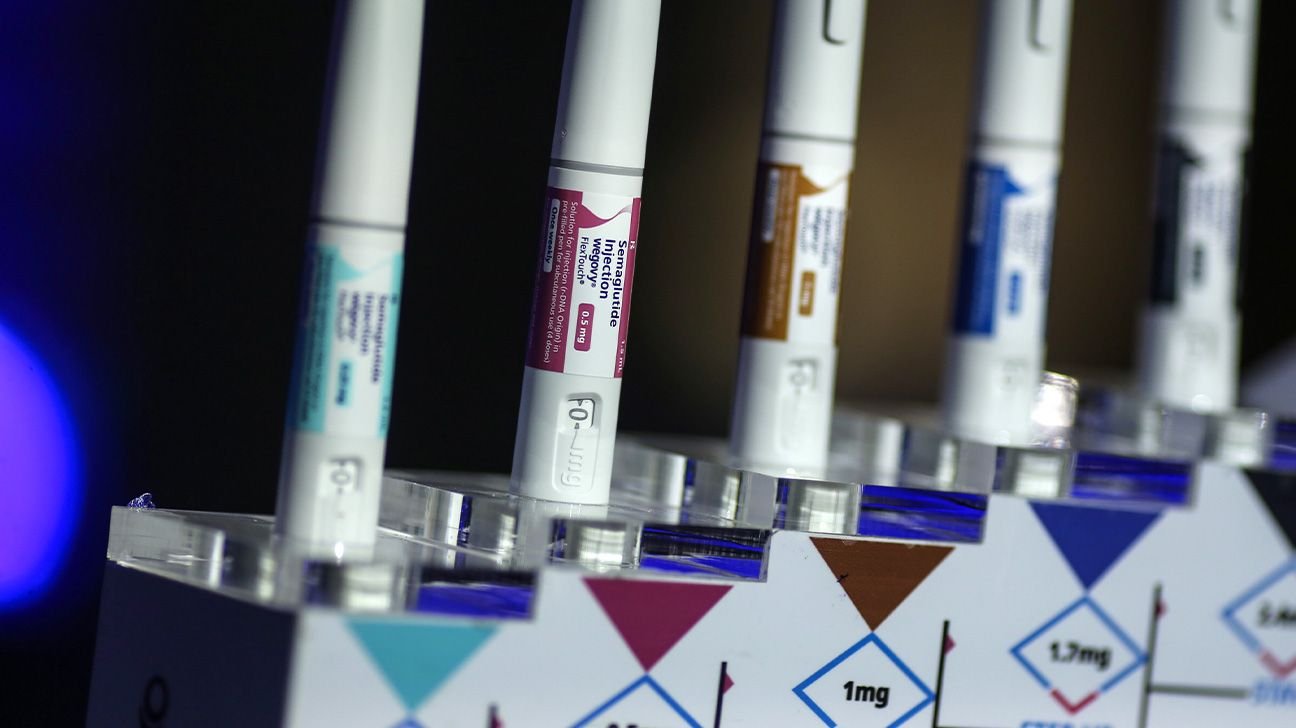
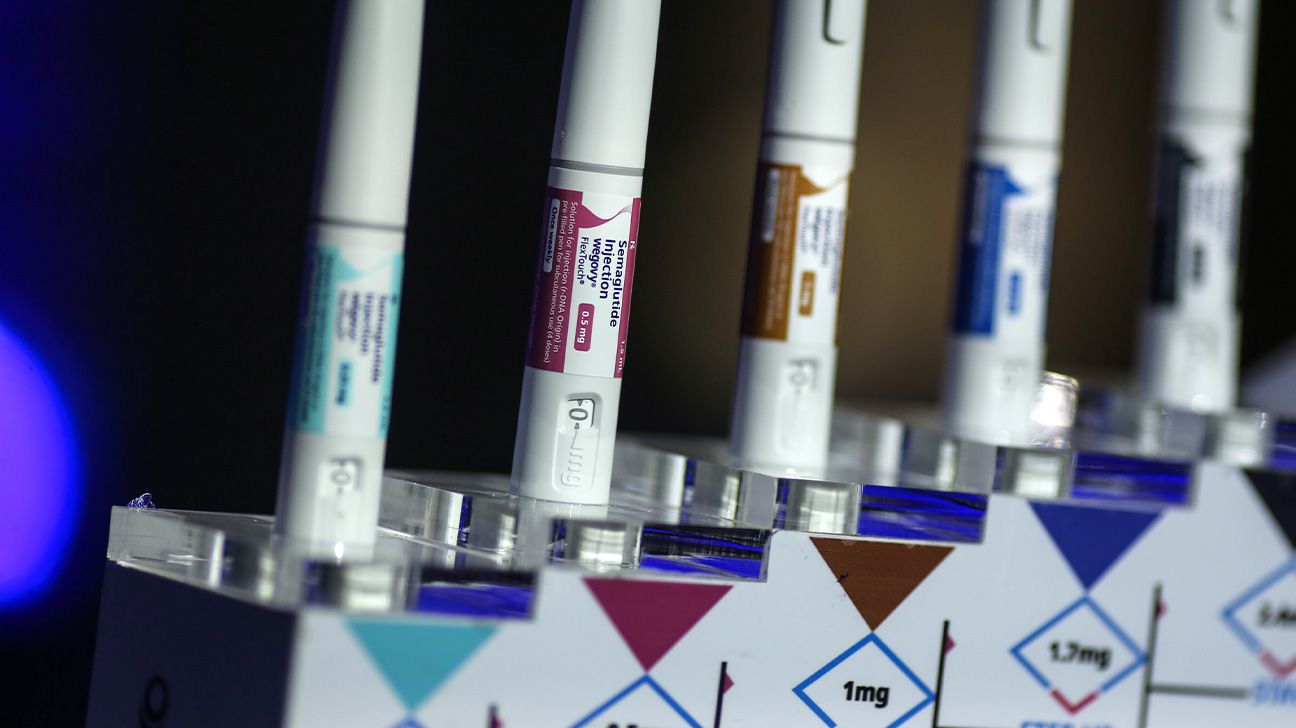
    GLP-1 pens in a displayShare on Pinterest
    The FDA has approved a higher dose of Wegovy, which promises greater weight loss. Image Credit: Bloomberg/Getty Images
    • The FDA has approved a higher dose version of the GLP-1 drug Wegovy for weight loss.
    • The new dose is 7.2 milligrams per weekly injection, compared to the original 2.4 milligrams per week.
    • A higher Wegovy dose could lead to greater weight loss, but it could come with side effects.

    The Food and Drug Administration (FDA) approved a new, higher dose version of the weight loss drug Wegovy on March 19.

    This new version, called Wegovy HD, will have a dosage of 7.2 milligrams, administered weekly by injection. Before the higher dose was approved, the weekly shot was 2.4 milligrams.

    Novo Nordisk developed the higher dose because, while the 2.4 mg shot has been effective, “some individuals do not reach their therapeutic goals” at that dose, according to a 2025 trial.

    “The new FDA is moving with unprecedented efficiency on products that advance national priorities,” said FDA Commissioner Martin Makary, MD, MPH said in a press release. “Today’s approval is another demonstration of what the FDA can accomplish when we try bold new things.”

    During the STEP UP phase 3b trial in 2025, the higher 7.2 mg dose of Wegovy gave an average weight loss of 18.7%. Around 1 in 3 participants saw at least a 25% weight loss.

    The FDA stated that the higher dose of Wegovy was supported by clinical data showing a safety profile consistent with the known side effects of semaglutide.

    “I’m cautiously optimistic,” said Meghan Garcia-Webb, MD, triple board certified in internal medicine, lifestyle medicine, and obesity medicine. Garcia-Webb wasn’t involved in the trial.

    “This has already been approved in the E.U. and the U.K. Overall, the safety data showed that serious adverse events were actually a little bit lower for the 7.2 mg group, but as always, we will have to see how this plays out in real clinical practice,” she told Healthline.

    The most common side effects of Wegovy include gastrointestinal effects, such as:

    • nausea
    • diarrhea
    • constipation
    • vomiting
    • abdominal pain

    Reports of altered skin sensations, such as sensitivity, pain, or burning, occurred more frequently at higher doses of Wegovy.

    However, these side effects generally resolve on their own or with a dose reduction.

    “Many times patients will have a flare-up of side effects when they increase a dose that subsequently improves over the following weeks to months,” said Garcia-Webb.

    Recent research found that there may be a higher risk of ischemic optic neuropathy (ION), or “eye stroke,” with higher doses of Wegovy, especially in males.

    ION can cause sudden vision loss or blindness.

    This higher risk may be due in part to the higher dose, which leads to greater systemic exposure and faster weight loss. This may affect the blood flow to the optic nerve.

    “There’s still a lot of research to be done related to the risk of NAION and semaglutide. It is wise to be especially cautious for patients who would be taking the highest dose,” said Garcia-Webb.

    “I always counsel patients to make sure their ophthalmologist is OK with them taking semaglutide if they have any pre-existing eye conditions,” she added.

    The FDA’s database relies on voluntary reporting. This means the numbers do not reflect how often the problem actually occurs.

    Still, the clear pattern seen with Wegovy and the higher risk in males suggests that doctors should monitor patients carefully, especially those receiving the higher doses for obesity.