

Category: Health

  • ‘Grey’s Anatomy’ and ‘Euphoria’ Star Eric Dane Dies at 53 After ALS Diagnosis

    ‘Grey’s Anatomy’ and ‘Euphoria’ Star Eric Dane Dies at 53 After ALS Diagnosis

    Eric DaneShare on Pinterest
    US actor Eric Dane attends Prime Video’s “Countdown” premiere at the Harmony Gold theatre in Los Angeles on June 18, 2025. Image credit: VALERIE MACON/Getty Images
    • Actor Eric Dane has died from amyotrophic lateral sclerosis (ALS) at the age of 53.
    • He had first announced his ALS diagnosis only 10 months prior.
    • The actor became a strong advocate for research following his diagnosis.
    • The disease is not curable, but there are treatments that can slow its progression.
    • There are also treatments that can improve function and comfort for patients.

    Actor Eric Dane died on Thursday, February 19, 2026, after a “courageous battle” with amyotrophic lateral sclerosis (ALS), according to an announcement on his official Instagram account.

    “He spent his final days surrounded by dear friends, his devoted wife, Rebecca, and his two beautiful daughters, Billie and Georgia, who were the center of his world,” the post read.

    It additionally spoke of his advocacy for awareness and research.

    Although not mentioned in the post, Dane had partnered with I AM ALS and its Push for Progress initiative, which aims to raise money to accelerate research and expand access to promising new treatments.

    Dane also lobbied for the extension of the Accelerating Access to Critical Therapies for ALS Act. This law, which was passed in 2021, provided five years of funding for research and allowed early access to ALS treatments. It is set to expire in 2026, according to reporting from CNN.

    The 53-year-old star, best-known for his roles as Dr. Mark “McSteamy” Sloan on “Grey’s Anatomy” and Cal Jacobs in “Euphoria,” first revealed his diagnosis 10 months prior to his death.

    In an interview with People at the time, Dane said, “I feel fortunate that I am able to continue working and am looking forward to returning to the set of Euphoria next week.”

    However, it appears that he did not have as much time left as he had hoped. “[H]is illness progressed far more quickly than anyone could have imagined,” the announcement said.

    Rab Nawaz Khan, MD, a board certified neurologist who is a consultant at MyMSTeam, told Healthline that ALS is a progressive disease that damages motor neurons, the nerve cells that control voluntary movement.

    You might also hear it referred to as “Lou Gehrig’s disease,” due to it becoming widely known after it was diagnosed in baseball player Lou Gehrig.

    “The earliest symptoms are often focal weakness, like hand clumsiness, foot drop, tripping, trouble with buttons, or a change in speech clarity,” said Khan. “Many people also notice muscle cramps, twitching, and muscle thinning in the affected area.”

    As the disease progresses, weakness can spread to other regions, he noted, affecting walking, arm function, speech, and swallowing.

    Eventually, the person’s breathing muscles weaken, leading to symptoms such as poor sleep, morning headaches, and shortness of breath with activity.

    “Sensation is usually preserved,” Khan added, “so numbness and tingling are not typical ALS features, and a subset of patients can have changes in thinking or behavior.”

    Non-Hispanic white people are most likely to develop the disease. The agency additionally notes a poorly understood link between military service and ALS.

    Around 10% of all ALS cases are due to a genetic mutation, according to NINDS.

    Khan said that ALS is not yet curable, although there are treatments that can moderately slow its progression. There are also interventions that improve comfort and function.

    “Disease-targeted medications include riluzole and edaravone, which can slow decline in certain patients, and a gene-targeted therapy is available for a specific inherited form related to SOD1,” he explained.

    However, Khan said the biggest impact often comes from multidisciplinary ALS care, where breathing, nutrition, mobility, and communication are addressed early and proactively.

    “Noninvasive ventilation can improve sleep, energy, and quality of life when breathing muscles weaken, and cough assist devices help clear secretions,” he said.

    “Nutrition support, speech therapy, communication devices, physical and occupational therapy, and symptom-directed medications for spasticity, drooling, cramps, mood or pseudobulbar affect can meaningfully reduce day-to-day burden,” added Khan.

    Research is ongoing, however, and thanks to Dane’s efforts, it is gaining more attention than ever.

    Though ALS ultimately claimed his life, his work may help accelerate progress for those still living with the disease.
  • Why Some GLP-1 Users Say They’re Developing Scurvy

    Why Some GLP-1 Users Say They’re Developing Scurvy

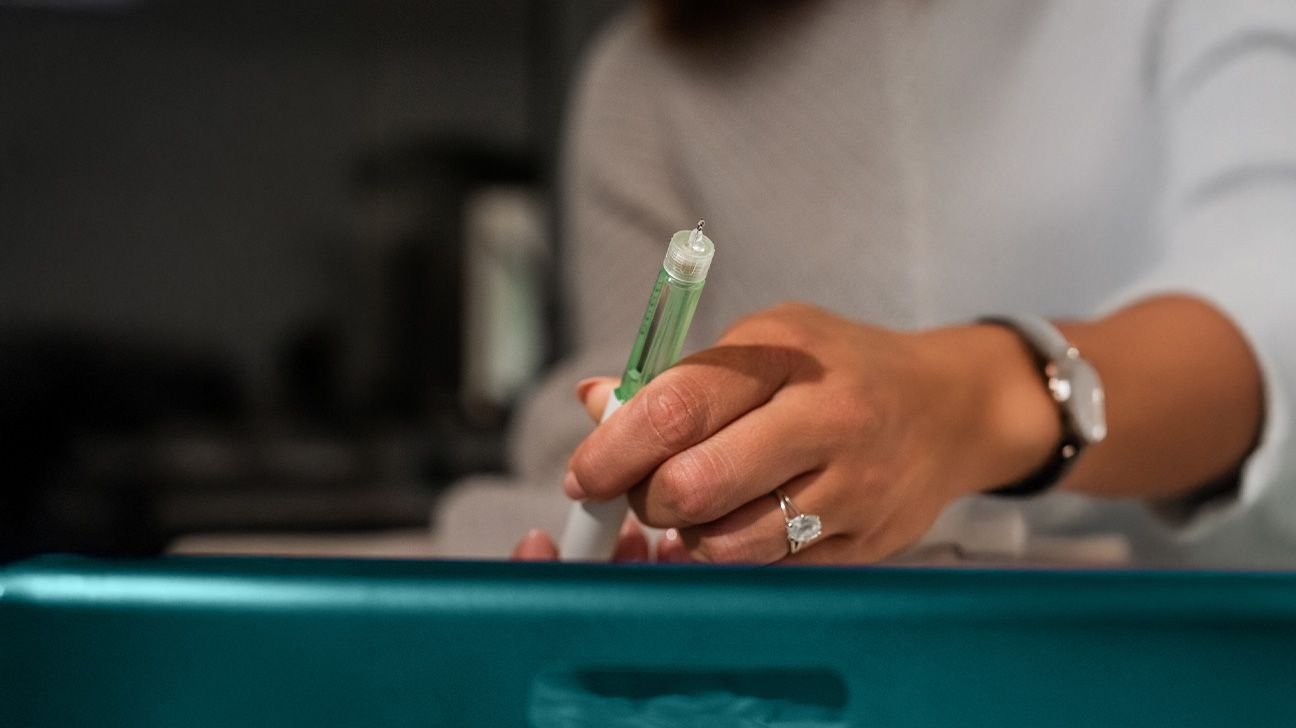
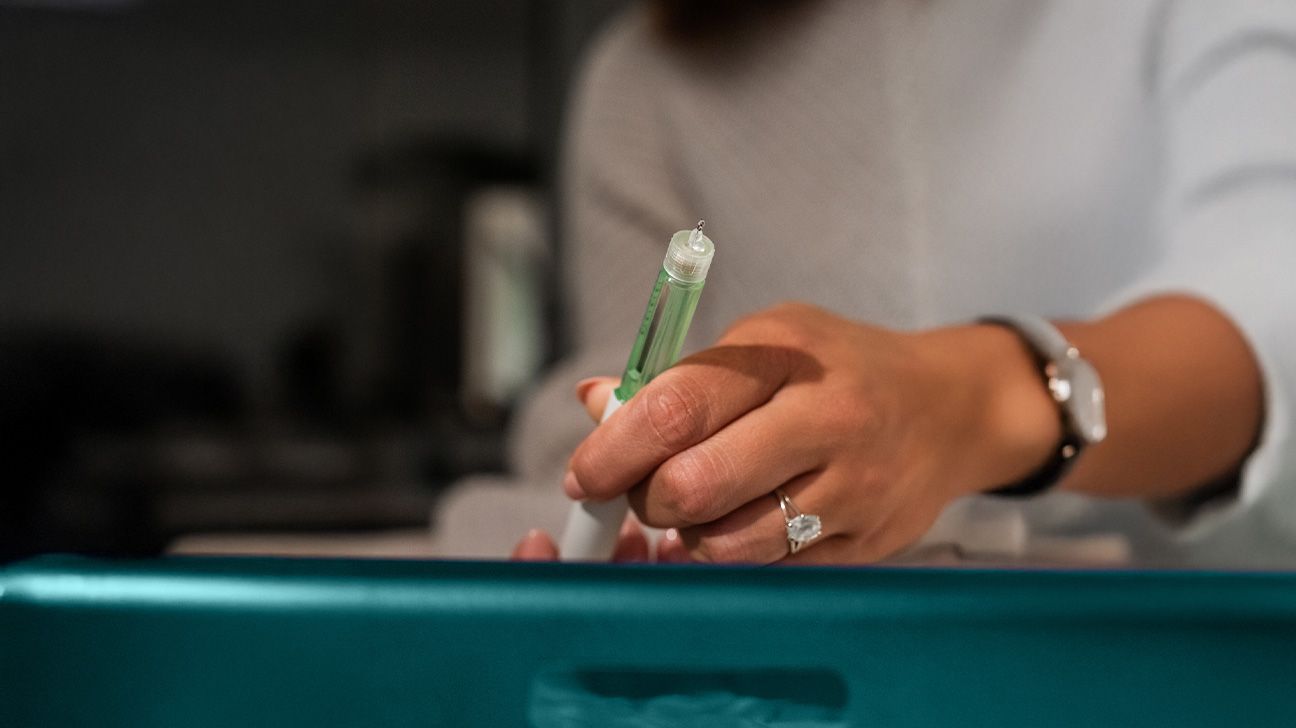
    A person holding a GLP-1 injector pen.Share on Pinterest
    Reports of people developing scurvy while taking GLP-1 medications are on the rise. Milles Team/Shutterstock
    • Reports of GLP-1 users developing scurvy have increased in recent months.
    • GLP-1 drugs can lead to malnutrition since they reduce appetite and food consumption.
    • People may also consume fewer vitamin C-rich foods, such as fruits and vegetables.
    • Proper meal planning and supplementation can help prevent scurvy.

    Maybe you’ve been using a GLP-1 medication for a while now, and you’ve started to notice that your gums are bleeding a bit, or you seem to be bruising more easily than usual? Could the drug be related to these unusual symptoms?

    It turns out that more and more people using these drugs are being diagnosed with scurvy, a severe deficiency of vitamin C.

    You might know scurvy as an 18th-century illness associated with long sea voyages, when fresh fruits and vegetables were in short supply. So, why is a disease associated with pirates and sailors now making a comeback in a time when these foods are readily available?

    The answer, experts say, has less to do with the medications themselves and more to do with what happens when appetite and consumption of certain foods fall dramatically.

    Here’s what’s known about the connection and how to protect yourself while staying on track with treatment.

    In an opinion published in the BMJ on July 21, 2025, Ellen Fallows noted the risks of prescribing GLP-1 medications to patients who already consume nutrient-poor diets, highlighting that malnutrition cases are already being reported in the U.S.

    Fallows additionally pointed out that, although obesity is often thought of as a case of being “over-nourished,” the opposite is frequently true, with muscle wasting and nutrient deficiencies being just as common in these individuals as in those who are underweight.

    When an already unhealthy diet is combined with caloric restriction, it can exacerbate the problem.

    Inflammation of the gastrointestinal tract and nutrient deficiencies caused by common diabetes medications, such as metformin, can also contribute to malnutrition, she said.

    According to Fallows, GLP-1 use is not just linked to vitamin C deficiency. It has been associated with severe thiamine and magnesium deficiencies, among several others.

    However, a lack of awareness of this issue is likely leading to both underdetection and under-reporting of malnutrition, she wrote, which may lead to less favorable patient outcomes.

    “Good quality wraparound care for patients taking GLP-1 agonists must go further than simple ‘dietary advice’ as recommended by the National Institute for Health and Care Excellence,” she advised. “It must include assessment of nutritional status before treatment to identify patients with malnutrition whose risks may only be mitigated with additional support.”

    Fiorella DiCarlo, RDN, CDN, of FiorellaEatsTV, told Healthline that GLP-1s slow gastric emptying and motility, which causes people to feel full and lose their appetite. However, they may end up not eating enough to properly nourish their bodies.

    “Some people end up eating 600-1000 calories per day without realizing it and thereby undereating vital nutrients and vitamins,” she said, explaining that this is what leads to deficiencies.

    When a person doesn’t consume enough vitamin C for an extended period, they can develop scurvy.

    “GLP-1 users report low appetite and early satiety, so fruits and veggies that contain Vitamin C are not consumed as often but rather replaced with toast, crackers, and processed food to accommodate GI issues like nausea instead,” said DiCarlo.

    She added that food aversions to acidic foods or raw vegetables can also complicate matters.

    “Vitamin C deficiencies cause weakened blood vessels, wounds that don’t heal, including acne and bleeding gums,” said DiCarlo.

    However, scurvy is reversible with a multivitamin or a 100- to 200-milligram vitamin C supplement, she said.

    According to DiCarlo, the best way to navigate the nutritional challenges of being on a GLP-1 medication is to work with a Registered Dietitian. These healthcare professionals are experts in nutrition and help you plan meals that best support your needs.

    “I advise building meals and snacks around protein and eating on a schedule to ensure proper intake throughout the day,” she said.

    DiCarlo further suggests getting plenty of fiber from fruit, vegetables, and legumes, as it can help counteract constipation associated with slow motility.

    These same foods are also rich in antioxidants and vitamins, which can help reduce your risk of deficiencies, she said.

    “The order the macros are eaten at a meal can be important too,” DiCarlo explained. “Begin with some protein, then vegetables to ensure that these nutrients are ingested first, particularly for those feeling fuller faster.”

    DiCarlo also emphasized the importance of drinking water to reduce your risk of dehydration.

    Concluding her comments, she said, “Eating while on a GLP-1 can be very challenging, and while weight loss will occur, the collateral damage from malnutrition can cause physical and psychological feelings that can affect quality of life.”

    However, as DiCarlo explains, proper planning and supplementation can help mitigate the risks.