Category: Entertainment

  • Nat Geo May Have Its Most Beautiful Wildlife Series Yet With ‘Africa Earth’s Wild Home’ — Watch Trailer (Exclusive)

    Nat Geo May Have Its Most Beautiful Wildlife Series Yet With ‘Africa Earth’s Wild Home’ — Watch Trailer (Exclusive)

    Bless the black rain frogs down in Africa.

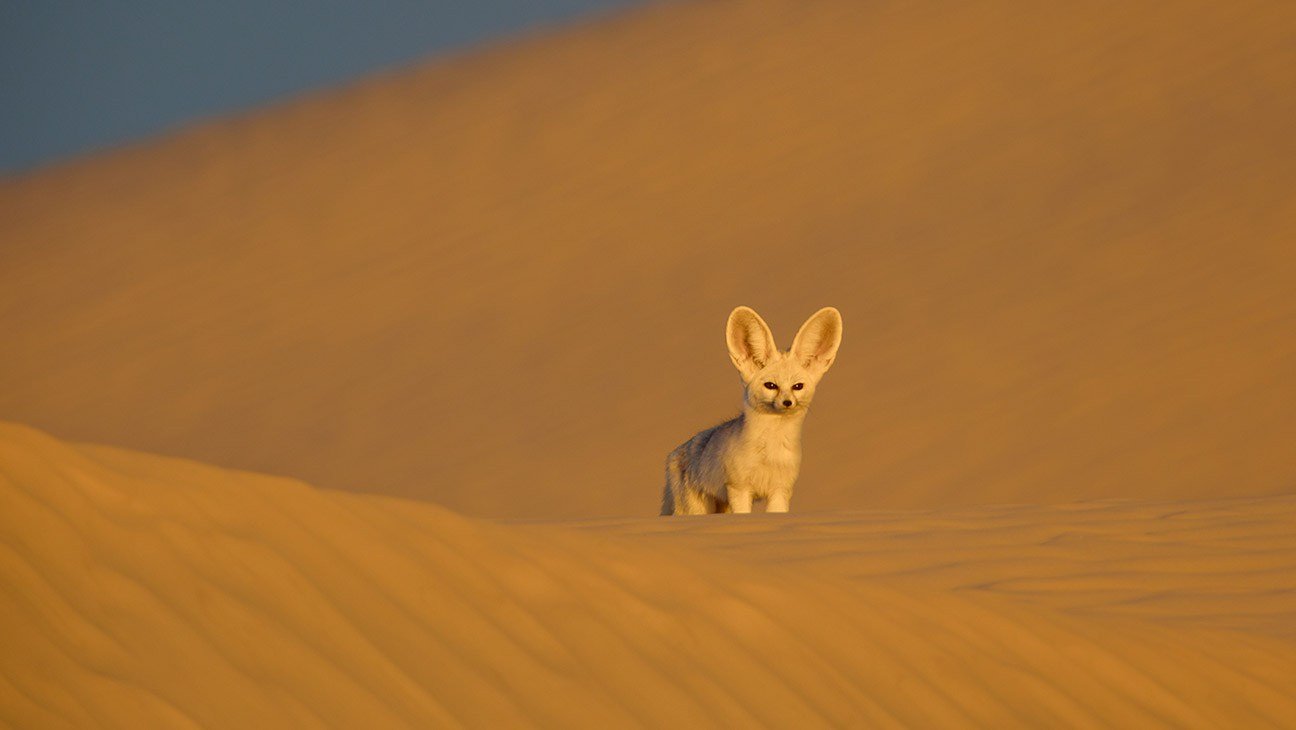
    National Geographic series Africa Earth’s Wild Home has captured the elusive amphibians — and other species — on camera for television for the first time ever. As gross as frogs are, the whole thing looks gorgeous.

    The Hollywood Reporter can exclusively unveil the trailer for Africa Earth’s Wild Home (below) as well as its premiere date, Oct. 2 at 8 p.m. ET (on National Geographic Channel; it will be available to stream the next day on Disney+ and Hulu).

    Wunmi Mosaku (Sinners, Loki, Lovecraft Country) executive produced and narrated Africa Earth’s Wild Home.

    The seven-part event series, presented by Rolex, uses “cutting-edge CGI to unearth the deep history and forces that shaped Africa’s natural worlds,” Nat Geo says. Africa Earth’s Wild Home is the beginning of the cable network’s “ambitious multi-year franchise that will document our planet continent by continent, at a moment when that planet is changing faster than ever.” The series took four years to film across nearly 30 countries.

    In addition to the black rain frog, Africa Earth’s Wild Home also captured hyenas in the Congo hunting elephants at night — bet you haven’t seen that before. There’s also footage of a rare wild African black panther as well as chimpanzees using unique tools to fish for algae. The monkeys sound like they’re about a decade from beginning us.

    Each episode of Africa Earth’s Wild Home concludes with an “Explorer Spotlight” featuring the scientists, photographers and National Geographic Explorers behind the discoveries — among them are Rolex National Geographic Perpetual Planet Explorers Steve Boyes, Gladys Kalema-Zikusoka, Matt Shirley and Ingi Agnarsson. (Nat Geo and Rolex have collabed on conservation for more than 70 years.) The event series’ finale switches focus from the wildlife to the humans fighting to protect it.

    “Africa is home to some of the planet’s most spectacular wildlife and dramatic landscapes, and Africa Earth’s Wild Home captures them through breathtaking, blue-chip landmark natural history storytelling,” said Courteney Monroe, president, National Geographic. “Across seven extraordinary episodes, the series reveals never-before-seen behaviors, explores the forces that shaped the continent and celebrates the remarkable ways life adapts and thrives. It also shines a light on the National Geographic Explorers, scientists and conservationists whose groundbreaking work continues to deepen our understanding of Africa and help safeguard its wild future.”

    Africa Earth’s Wild Home is produced by BBC Studios Natural History Unit for National Geographic. For BBC Studios NHU, Simon Blakeney is the executive producer. For National Geographic, Pam Caragol is the executive producer, Janet Han Vissering is senior vice president of Production and Development, and Tom McDonald is executive vice president of National Geographic Content.

    Watch the trailer, below:
  • Toronto’s Indigenous Film and Industry Slates Aim to Grow Audiences and Spark Biz by Reflecting the Diversity of Global Screen Culture

    Toronto’s Indigenous Film and Industry Slates Aim to Grow Audiences and Spark Biz by Reflecting the Diversity of Global Screen Culture

    With enticing acquisition titles, rising talent and supercharged industry presence at the market, the Toronto Intl. Film Festival’s 2026 Indigenous lineup delivers the creative and collaborative screen projects that are increasingly attracting global partners, buyers and audiences.

    “We’re seeing contemporary Indigenous cinema telling stories within broad historical or present-day contexts but without centering those aspects,” international programmer of U.K., Ireland, Australia and New Zealand and global Indigenous cinema Jason Ryle tells Variety.

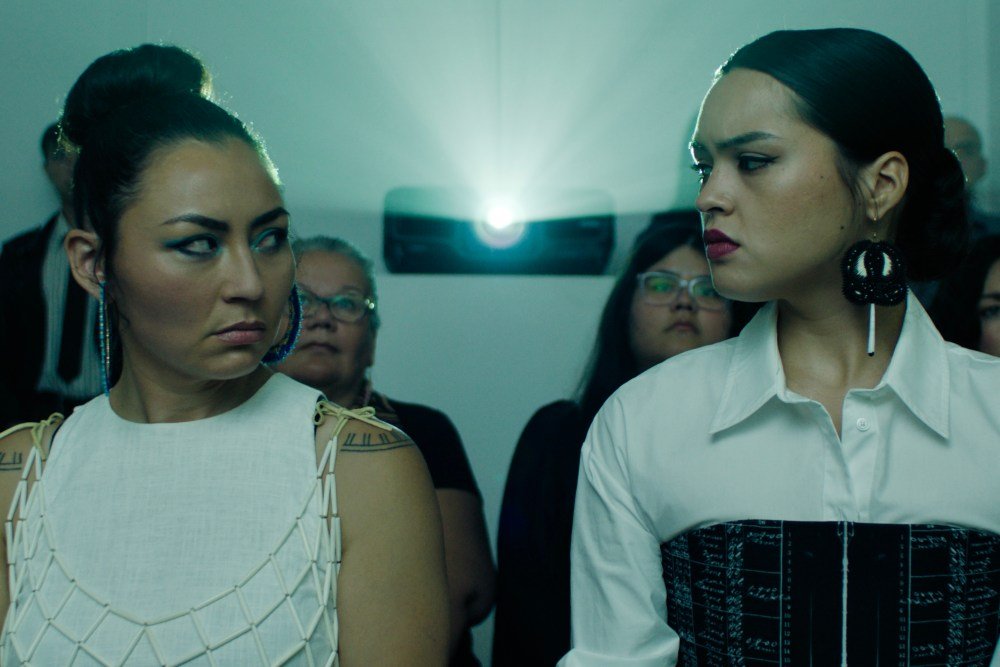
    For “How We Stand,” Marie Clements adapts her stage play about separated sisters — played by Amber Midthunder (“Prey”), Alyssa Wapanatâhk (“Little House on the Prairie”) and Isabel DeRoy-Olson (“Dark Winds”) — navigating 1970s political and cultural changes in L.A.

    “These are modern Indigenous young women trying to figure their way, just as we all do,” Clements says. “We learn who we are, and who we want to become, through living.”

    Nyla Innuksuk’s “In the Heart of the South,” one of three Indigenous titles in TIFF section Platform, is a sharp turn from her sci-fi horror “Slash/Back.” Set in the uptight art world, the films stars “North of North” series lead Anna Lambe as an Inuk filmmaker and Zorga Qaunaq (also “North of North”) as the estranged friend who arrives uninvited and rattles her plans.

    “It’s a sophisticated thriller that critiques arts institutions in Canada from the perspective of an Indigenous person,” says international programmer of Canadian features Kelly Boutsalis.

    “Brace Your Heart,” Amanda Kernell’s Sápmi-set Platform feature, follows a young woman who inherits her late father’s reindeer herd and is pressured to accept a local leader’s courtship. “Most of the actors, including the leads, are reindeer herders,” says Ryle. “Amanda has a gift for drawing out performances from people with the smallest suggestions.”

    Theja Rio’s “Angh” (Platform) centers on a Naga family in a Indo-Burma border village and what happens after the arrival of a Christian missionary. “As far as we can tell, this is the first feature from the Naga people, who are building their own screen culture, as is happening elsewhere in the world, with different means,” Ryle says. The film‘s DP is Adam Pietkiewicz, the recipient of the Variety Artisan Award at TIFF.

    In his social satire “God Bless You, Mr. Kopu,” Alex Liu casts Dimitrius Schuster-Koloamatangi (“Predator: Badlands”) as a Tongan man drifting from his family while working for an American traveling salesman.

    The cultures of queer sex workers, hockey players and hip-hop artists are expressed, respectively, in Justin Ducharme’ s chamber drama “Seventeen,” actor-director Cody Lightning’s underdog dramedy “Smudge the Blades” and Alexandra Lazarowich’s doc feature debut “Turtle Island Rap.”

    “My film explores why it’s hard to be a rapper or beat-maker, and why people still choose to become one,” Lazarowich tells Variety. “The artists are a snapshot of what’s happening in youth culture. The nuances of their Indigenous identity are reflected in the people listening to their music.”

    Leo Matthew Temela in “In Alaska,” courtesy of IJswater Films, Experimental Forest Films, Uuktumiaq Studios

    Inspired by a true story, “In Alaska” follows Woody (newcomer Leo Matthew Temela), a depressed teen who is pursued as an eco-terrorist by an FBI agent (Noomi Rapace) after accidentally shooting a hole in an oil pipeline.

    During an early stage, filmmaker Jaap van Heusden met Inuit actor-director Vinnie Karetak for script notes. They became co-writers and co-directors. “We had to be fearless to keep the heavy subject of suicide in the film and make sure it was never glorified,” Karetak says. “There is a deep sense of loss already from the previous generation that is handed down to human.

    “When it came to Inuit characters, we collaborated. We talked about every scene, every character, every extra.”

    Karetak, who acted in “North of North,” says people in the community where the show was flmed helped out on “In Alaska.”

    “We cast Vinnie’s dog, his son and one of his close friends,” van Heusden recalls.

    “And we used my ex’s snowmobile,” Karetak adds.

    Below are the Indigenous directors and their world-premiering features, screening in various programs at the 2026 Toronto International Film Festival.

    “2.6 Seconds: Death in the Outback,” dir. Darren Dale, Australia, English / Warlpiri (Primetime)

    “Angh,” dir. Theja Rio, India, Konyak (Platform)

    “Brace Your Heart” (Garrat Du Váimmu), dir. Amanda Kernell, Sweden / Norway / Denmark / Iceland / Bulgaria, Northern Sami / Swedish (Platform)

    “God Bless You, Mr Kopu,” dir. Alex Liu, New Zealand / Australia, English / Tongan (Centrepiece)

    “How We Stand,” dir. Marie Clements, Canada, English (Centrepiece)

    “In Alaska,” dirs. Jaap van Heusden and Vinnie Karetak, Netherlands / Canada, English / Inuktitut (Special Presentations)

    “In the Heart of the South,” dir. Nyla Innuksuk, Canada (Platform)

    “Seventeen,” dir. Justin Ducharme, Canada, English / Cree (Discovery)

    “Smudge the Blades,” dir. Cody Lightning, English (Centrepiece)

    “Turtle Island Rap,” dir. Alexandra Lazarowich, Canada, English / Diné (TIFF Docs)

  • Oscars: Australia Picks ‘First Light’ as International Feature Contender (Exclusive)

    Oscars: Australia Picks ‘First Light’ as International Feature Contender (Exclusive)

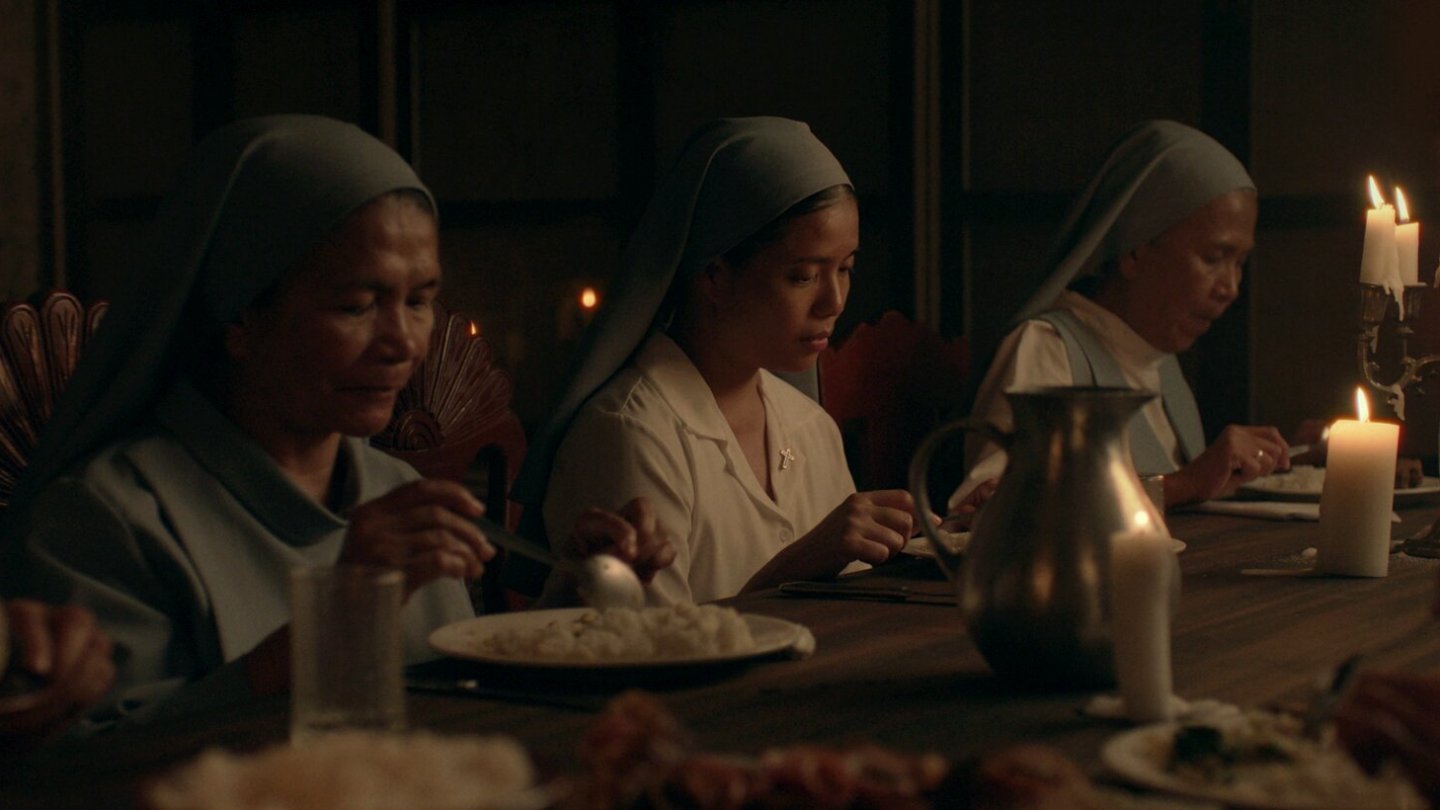
    Australia has selected James J Robinson’s feature debut First Light as its official submission for the Best International Feature Film category at the 99th Academy Awards, The Hollywood Reporter has learned exclusively.

    The first-ever Filipino-Australian co-production, First Light is the first Tagalog-language film ever submitted by Australia for the Oscars.

    The drama follows an elderly nun (played by Brilliante Mendoza regular Ruby Ruiz), whose life has been shaped by discipline, service and belief, who, after a young construction worker dies under suspicious circumstances, gets drawn into a world of crime and corruption. Maricel Soriano, Rez Cortez and Kidlat Tahimik co-star.

    Explaining their decision, the Australian Oscar selection committee called First Light “a meditative work about an aging woman who questions her faith as her world begins to crumble around her, leaving an indelible mark.” Robinson’s feature, they said, was “an impressive debut that is a shining example of Australian filmmaking.”

    First Light was produced by Gabrielle Pearson of Majella Productions and Christelle Lou Dychangco and Jane Pe Aguirre of Clou Media Productions. The film was released in cinemas in the Philippines by Clou Media Productions, and in Australian cinemas by Bonsai Films. Independent Entertainment are handling international sales.

    Robinson, a photographer-turned-director, brought his feature debut to the Melbourne Film Festival last year before traveling to Marrakech and the International Film Festival Rotterdam. First Light has been critically-well received, but, lacking a platform at one of the top-tier A-list fests, the film has been largely overlooked in the awards conversation so far.

    First Light is Australia’s eighteenth submission in the Best International Feature Film category. Only one Australian film, Bentley Dean and Martin Butler’s Tanna (2015) has ever been nominated for the Best International Feature Oscar. To date, no Australian film has ever won.

    The Academy of Motion Picture Arts and Sciences will announce the 15 films on the best international feature film shortlist on Dec. 15. The five nominees will be announced Jan. 21, 2027. The 99th Academy Awards ceremony will take place on March 14, 2027.

  • Alpha Violet Picks up Naëmi Ada’s ‘Body of Glass’ Ahead of San Sebastián (EXCLUSIVE)

    Alpha Violet Picks up Naëmi Ada’s ‘Body of Glass’ Ahead of San Sebastián (EXCLUSIVE)

    Paris-based sales boutique Alpha Violet has acquired international sales rights to “Body of Glass,” German filmmaker Naëmi Ada’s feature debut, ahead of its world premiere in San Sebastián’s New Directors competition.

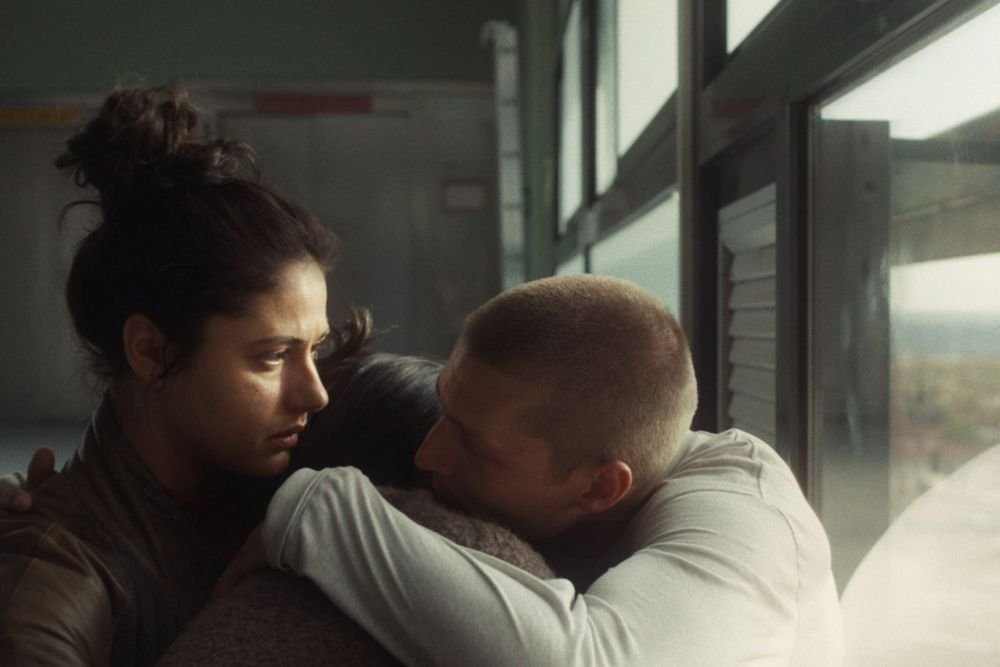
    A Germany-France co-production from Soilfilms and Soldats Features, the psychological drama stars Soma Pysall (HBO Max’s “Para – We Are King,” Disney+’s “City of Blood”) as Tian, a young dancer trying to break free from a violent, controlling relationship.

    After a violent incident with her partner and choreographer Felix, Tian flees their life in Marseille. Isolated and desperate for connection, she inserts herself into the grieving circle of a young man she never knew, becoming entangled in their mourning and affection while concealing a dangerous secret of her own.

    The cast also includes Élise Tilloloy (“The Price of Money: A Largo Winch Adventure”), Tom Rey (“Becoming Karl Lagerfeld”), Manuel Severin (“The New Look”) and Younès Boucif (“Standing Up”).

    Producers are Timothée Boullié, Victoria Braunholz, Ada, Silvana Santamaría, Pierre Cazenave-Kaufman, Amel Belghitri and Sinan Özarslan.

    “We were immediately struck by a film that refuses to make its characters easy to categorise as victim or perpetrator,” said Alpha Violet co-founder Virginie Devesa. “Its exploration of taking back control of your body and your life is bold, provocative and pushed to an extreme.”

    Devesa also highlighted the film’s physical dimension: “The body itself becomes a distinctive presence,” she said, adding that Alpha Violet believes “Body of Glass” will “spark a lot of conversation.”

    Naëmi Ada Courtesy of Alpha Violet

    Ada comes to the project from a background in contemporary dance. She trained at the Northern School of Contemporary Dance in Leeds before studying directing at Berlin’s German Film and Television Academy. In 2019, she was selected as a Sundance Ignite Fellow by the Sundance Institute.

    “Body of Glass” screens Sept. 19 in San Sebastián as part of New Directors.

    The 74th San Sebastián Film Festival runs Sept. 18-26.

  • Marie Clements on the Power of Indigenous Women’s Stories and Her Interview With Gloria Steinem: ‘We Have More in Common Than What Works To Divide Us’ (EXCLUSIVE)

    Marie Clements on the Power of Indigenous Women’s Stories and Her Interview With Gloria Steinem: ‘We Have More in Common Than What Works To Divide Us’ (EXCLUSIVE)

    Writer-director Marie Clements, who premiered “Bones of Crows” in 2022, returns this weekend to the Toronto Film Festival for the world premiere of her latest feature, “How We Stand,” as her new three-part documentary series, “Reclaim My Skin,” waits in the wings for its premiere next month at the Vancouver International Film Festival.

    Both projects reveal stories of Indigenous women and the power of their actions and voices to bring about necessary change in the world, their communities, and their own lives.

    “There’s a moment when you’re in the room with matriarchs when everything stands still,” Clement recently told Variety, talking about the doc series for the first time.

    “I had the honor to interview Gloria Steinem with Indigenous activists Louise Wakerakats:se Herne and Michelle Schenandoah together in New York last year—even at their most passionate they never spoke over each other,” she said. “They gave space and listened, acknowledging differences while also understanding that we have more in common than what works to divide us.”

    “Reclaim My Skin” is produced by Marie Clements Media, Screen Siren Pictures and Rezolution Pictures. The series was commissioned by British Columbia’s Knowledge Network in 2024.

    “How We Stand,” which Clements adapted from her 2011 stage play “Tombs of the Vanishing Indian,” reflects both harsh truths and positive currents of the eras in which it is set. It’s produced by Marie Clements Media and Screen Siren Pictures. Myriad Pictures is handling international sales. Photon Films is the Canadian distributor.

    Three young Oklahoma sisters and their single mother (Cara Jade Myers, “Killer of the Flower Moon”) travel to L.A. in a 1950s relocation program for Native Americans that promises jobs in big cities. But they were sold a bill of goods. After finding community in the city’s cemented riverways, a tragedy separates the sisters, whose lives take different paths on the shifting cultural landscape of 1970s L.A.

    “There’s a vibrancy to being alive at any time,” Clements said. “These are modern Indigenous young women who want to grab their futures. They are looking at the world and having a point of view that may or may not land, but are learning who they want to become.”

    That vibrancy is enhanced by casting of stellar screen stars in the roles of the adult sisters. Amber Midthunder (“Prey,” “Novocaine”) is a doctor who starts a new job at her white husband’s clinic, Alyssa Wapanatâh (“Peter Pan & Wendy”) plays an outspoken activist who starts auditioning for Native American roles in Hollywood movies, while Isabel DeRoy-Olson (AMC’s “Dark Winds”) has the role of a young women adrift and in distress after a traumatic experience she’s trying to figure out.

    “It was incredible to watch these actors lean in and embody these characters,” Clement says.

    The stage play was originally commissioned by the Native Voices series at the Autry National Center in L.A. Clements spent time looking through the Autry’s collections in its museums. A colleague’s aunt, who had lived 30 years in the city, told her about the so-called tombs of the riverways where Indigenous people used to meet.

    “It started me thinking about the underground – where we can go to be together? – as well as the underground policies that were happening at this time,” she continues.

    The screen adaptation allowed Clement to more deeply explore the worlds suggested in her play. “Starting in Oklahoma with the Technicolor beauty of childhood and this young family and the feeling of possibility – what might happen to a family when they’re given a chance?

    “But I was also interested in the systems that were happening at the time,” she continues. “We don’t always know that that our lives are being designed by something that we don’t have control of.”

    While her new film is set in the past, present and future realities ran through the creation and production of “How We Stand.”

    “I want things to change, I think we all want things to change,” Clement says. “And I found myself thinking about children who are being taken away from their families right now, because our families understand being separated and what that does to the core of a family for generations.

    “Whether it’s residential school or immigration policies, it’s a profound act to take a member of someone’s family, especially children, away from mothers and fathers. And we’re witnessing that in our time right now.

    “The fight in the ’70s was around women’s bodies and women’s rights. And that’s trying to be reversed as we speak, so it really does kind of hit you.

    “Things can feel downtrodden but, you know, there are cool women out there who are still working for change, and that is not going to change.”

    “How We Stand” has its world premiere at the Toronto International Festival on Sept. 13.

  • ‘RuPaul’s Drag Race UK’ Dropped by BBC

    ‘RuPaul’s Drag Race UK’ Dropped by BBC

    RuPaul’s Drag Race UK, you may now sashay away.

    After eight seasons, the beloved British spinoff of RuPaul’s franchise-spawning competition has been dropped by the BBC, with the broadcaster citing “significant financial pressures.” In April, the BBC announced a plan to cut 1,800 staffers in a bid to save £500 million ($678m).

    A representative told The Hollywood Reporter on Thursday: “As the BBC continues to navigate significant financial pressures and deliver the savings required of us, we have had to make some very difficult choices, none of which have been taken lightly.”

    The series currently runs on BBC Three and iPlayer. The rep continued that future shows — and its spin-off, RuPaul’s Drag Race UK Vs The World — will instead be broadcast on Wow Presents Plus, a platform owned by Drag Race UK production company World of Wonder.

    “The BBC is incredibly proud of all eleven series of this groundbreaking show and we would like to thank RuPaul, World of Wonder and everyone involved, both on and off screen,” the rep added. “We are certain that viewers will enjoy the eighth [season].”

    Since 2019, Drag Race UK has catapulted some of the biggest drag queens in Britain to stratospheric stardom, launching the careers of Baga Chipz, Bimini Bon-Boulash, Tayce and The Vivienne. Tia Kofi went on to become a member of the Eurovision presenting team, La Voix featured on EastEnders and Strictly Come Dancing, and Ginger Johnson won Celebrity MasterChef last year.

    The format involves amateur and professional drag queens competing in a series of challenges to win over judges RuPaul, Michelle Visage, Graham Norton and Alan Carr, and celebrity guest judges such as Jade Thirlwall, Lucy Punch, Hannah Waddingham, Andrew Garfield, Anne-Marie, Thandiwe Newton and Cat Burns.

    At its peak, per BBC News, the show averaged around 1.5 million viewers per episode. Viewers will be able to continue watching existing seasons of RuPaul’s Drag Race UK and RuPaul’s Drag Race UK Vs on BBC iPlayer.

  • Jimmy Kimmel’s Interview With James Talarico Heading to YouTube to Avoid FCC Hassle

    Jimmy Kimmel’s Interview With James Talarico Heading to YouTube to Avoid FCC Hassle

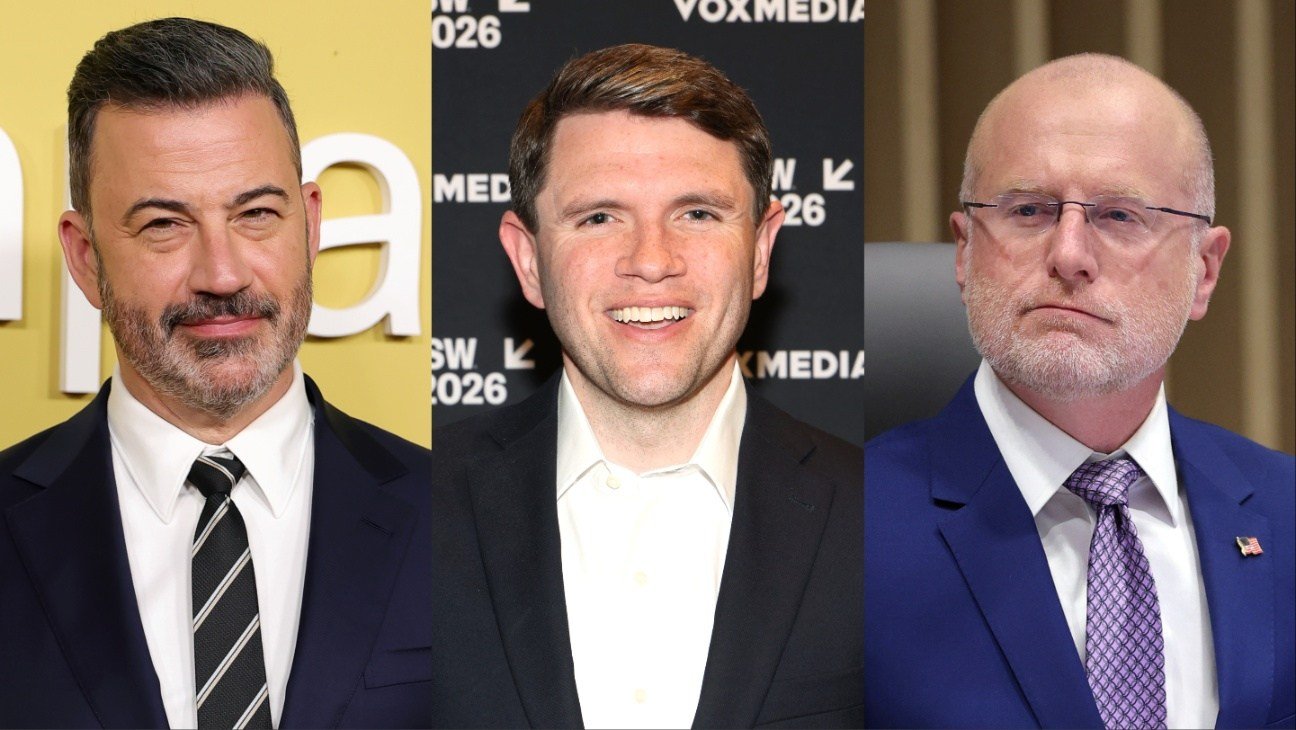
    Jimmy Kimmel‘s planned Thursday interview with James Talarico will not be aired on the ABC broadcast of Jimmy Kimmel Live! and will instead stream on the late night show’s YouTube channel.

    Kimmel made the announcement during his monologue on Wednesday’s episode of his late night show. Discussing the Texas senate race, Kimmel said that he would interview Democratic candidate Talarico on Thursday “under unusual circumstances,” and then alluded to ABC’s ongoing issues with the Federal Communications Commission.

    “You know, for a lot of years, for the whole 20-plus years of our show, in fact, I’ve been interviewing Americans who are running for office with no problem at all, just like Letterman did, Leno did, Arsenio, etc. etc., I’ve interviewed a lot of political candidates. From Hilary Clinton, to Ted Cruz to Donald Trump,” Kimmel said. “I interviewed Donald Trump when he was running for president in 2015, and at that time, when he was the one sitting next to me, he seemed to have no problem with the idea of talk show hosts interviewing candidates. In fact, he was very eager to come back for another interview, which he did just before he became the nominee in 2016. But for some reason, and I can’t seem to figure out what that reason is, something has changed.”

    “Now that [Trump is] president, his FCC has threatened me, threatened our show, threatened our network, ABC, our affiliates [and] our local stations based on simple traditional editorial decisions, guest bookings, it would seem, [that] they don’t like,” Kimmel added, referring to ABC’s ongoing battle with the FCC and in particular with the agency’s chair Brendan Carr.

    In September 2025, in the aftermath of the assasination of Charlie Kirk, Carr condemned Kimmel for comments he made during one of his monologues about Kirk’s death and the FCC chair intimated that regulatory action or license reviews for ABC affiliates could happen if Kimmel wasn’t made to apologize. After Kimmel was temporarily suspended over the matter, a firestorm engulfed ABC’s owner Disney. Kimmel became a cause celebre in Hollywood and he was eventually reinstated but that didn’t stop the FCC continuing to target ABC, Jimmy Kimmel Live! and the daytime talk show The View over claims they didn’t meet the agency’s equal time requirements. In August this year, ABC said it was suing the FCC over the agency’s efforts to challenge its broadcast licenses and the content of The View, saying that it is a free speech violation by the Trump administration.

    On Wednesday, Kimmel confessed that ABC’s ongoing issues with the FCC meant that the Talarico interview would instead air online. “Out of consideration for our local stations, especially our ABC affiliates in Texas who would have to deal with this nonsense, my interview tomorrow with James Terico will not air on television. It will be posted on YouTube instead. It will not be on TV. So if you want to learn about a candidate for the Senate tomorrow, you will have to go to the Jimmy Kimmel Live! YouTube channel where you will see it in its entirety. And thank goodness we have that because in the America we live in right now, that is the best that we can do until November.”

    This isn’t the first time an interview with Talarico has caused such consternation on late night television. In February, Stephen Colbert, the host of the now ended Late Show, revealed on air that lawyers for CBS blocked him from interviewing Talarico on broadcast, citing the FCC’s new guidance for political candidates on talk shows. The Late Show ran the Talarico interview on its YouTube channel, where it has been viewed 9.5 million times.

  • Serbian Sci-Fi Epic ‘Sanctuary,’ Starring ‘The Handmaid’s Tale’s’ Nina Kiri, Acquired for U.S. Distribution (EXCLUSIVE)

    Serbian Sci-Fi Epic ‘Sanctuary,’ Starring ‘The Handmaid’s Tale’s’ Nina Kiri, Acquired for U.S. Distribution (EXCLUSIVE)

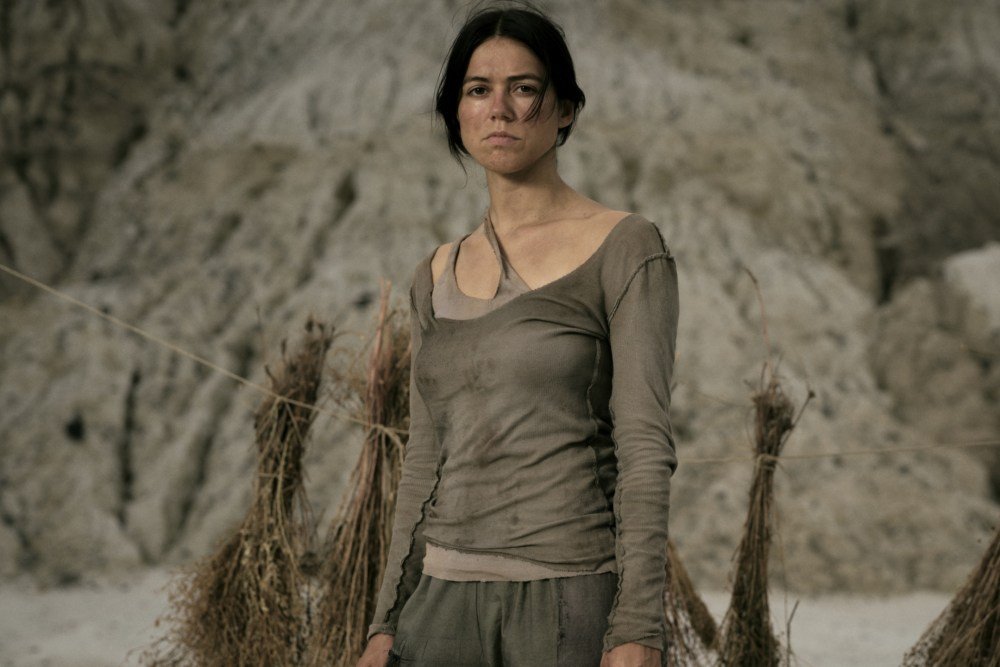
    Vertical has acquired U.S. distribution rights to “Sanctuary,” an English-language, post-apocalyptic thriller starring “The Handmaid’s Tale’s” Nina Kiri.

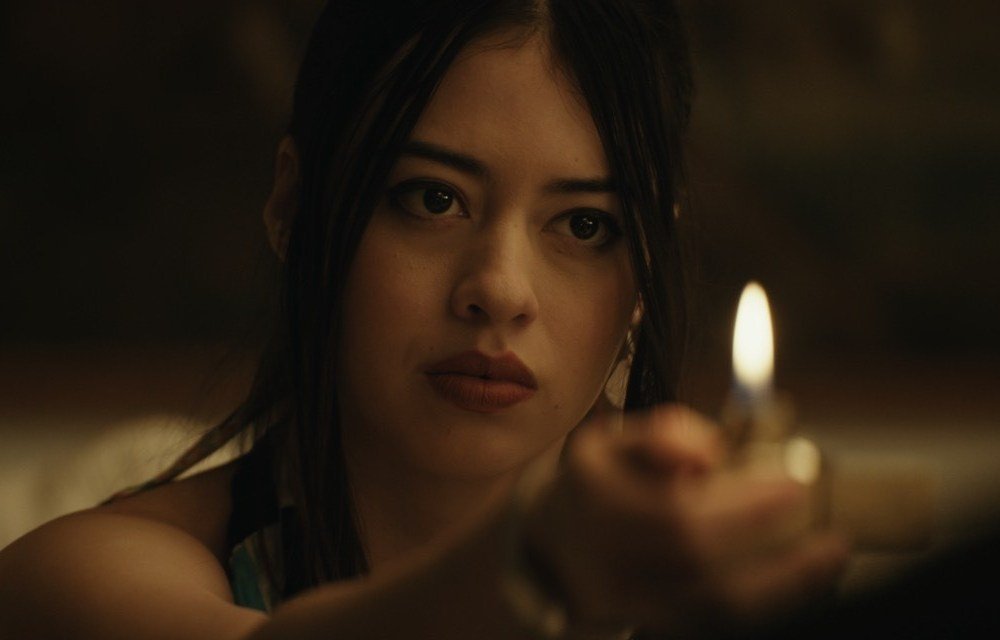
    According to the synopsis, “Sanctuary” is set on a post-apocalyptic Earth, where the discovery of a cryogenically suspended woman provokes fear in a desperate village, sending a young warrior and the mysterious woman on a quest for a lost city and answers that could restore humanity.

    Directed by Filip Kovačević (“Incarnation”), the film is produced by Đorđe Stanković, Filip Kovačević and Vukota Antunović for Void Pictures and TS Media, the production arm of telecommunications giant Telekom Srbija. It stars Kiri alongside Dutch actor Jonas Smulders (“Luka,” “Paradise Drifters”) and Serbia’s Darko Perić (“Money Heist”). World sales are being handled by Sublimity, which has also secured several other international deals.

    Kovačević, who previously directed the 2016 action thriller “Incarnation,” described “Sanctuary” as an attempt to give “a fresh take on dystopian sci-fi, with an original story that takes place in a distinct ‘semi-far future.’” 

    “The time is near enough so the events that led to the collapse of civilization are still relevant, but far enough that they have been shrouded in mystery and myth,” the director said. “The intent was to make an entertaining genre film that explores the cyclical nature of history and the individual’s role inside it.”

    Variety has been given access to an exclusive teaser for the film, which you can watch here:

    Producer Đorđe Stanković, of Belgrade-based Void Pictures, said that the filmmakers “set out to make an ambitious science-fiction film from Serbia that could speak to an international audience without losing its own identity.” 

    “Producing the film was an enormous undertaking, but also proof that genre cinema of this scale can come from this part of Europe,” he said. “We’re incredibly proud of what the team created and excited for the film to now begin its journey to audiences around the world.”

    Void’s Vukota Antunović added: “From the beginning, ‘Sanctuary’ was driven by a shared belief in the story and the world we were building. Bringing together an international and domestic cast and a remarkable Serbian crew allowed us to make something that feels both rooted here and genuinely global.”

    The ambitious, English-language feature marks a big swing for Telekom Srbija’s TS Media. In a statement provided to Variety, the company said that “Sanctuary” “represents a notable shift in scale and ambition for Serbian production.”

    “The film is also part of a wider strategic ambition: to move Serbian scripted production further into the international marketplace, not only as a filming destination but as a source of original IP, creative talent and globally marketable projects,” the statement read.

    “With experienced international actors, an English-language screenplay, U.S. distribution already in place and global sales representation, the project offers a case study in how production companies from smaller European markets can approach international genre filmmaking from day one.” 

    Commenting on the acquisition, Sublimity co-founder Alfredo Lara Orbezo said: “We’re thrilled to have secured key international distribution partners and a terrific U.S. home for a film of ‘Sanctuary’s’ scope and ambition. Its immersive world-building, remarkable production values and unforgettable performances carry the spirit of iconic sci-fi cinema.

    “Bringing this film to market alongside Telekom and Void Pictures has been an incredible journey, and we’re proud to share it with audiences worldwide soon.”

  • Telekom Srbija’s Content Head on Blueprint for Turning Serbian Production Powerhouse Into Global Player

    Telekom Srbija’s Content Head on Blueprint for Turning Serbian Production Powerhouse Into Global Player

    Telecommunications giant Telekom Srbija is looking to position itself as not only the leading production hub in Serbia but a regional juggernaut for the countries of the former Yugoslavia, exporting local content while attracting international productions to the Balkan nation.

    “Our next chapter is a deeper connection with our international partners, and presenting not only Telekom Srbija, but the whole Serbian creative industry, to the global market,” says the company’s chief multimedia and content officer, Aleksandra Martinović.

    Speaking to Variety from Belgrade, Martinović outlines Telekom Srbija’s blueprint for the coming years, building on its explosive growth in the past decade, in which the company has produced more than 300 titles, including more than 180 seasons of scripted drama. 

    That output was part of a production boom in a country that’s been the dominant hub of film and television production in the Balkan region since the break-up of the former Yugoslavia. In recent years, the Serbian industry has grown by leaps and bounds, thanks in large part to competition between the telecom heavyweight and rivals including United Media and public broadcaster Radio Television of Serbia.

    For Martinović, that period has witnessed a transition at Telekom Srbija from a “traditional ecosystem” for film and TV content to “a very open-minded and sophisticated regional production ecosystem in the last eight or nine years.”

    In some respects, that’s meant scaling back, with the company producing fewer shows that are nevertheless more suited for the global market. That includes bigger swings on series like the Serbian Spanish crime drama “Scar,” an ambitious co-production created by Plano a Plano and produced by Cicatriz A.I.E. and Dopamine, in association with RTVE, Prime Video Spain, Telekom Srbija, Canal Plus Poland and RTL Hungary; or the forthcoming romantic dramedy “Crosscurrents,” which is filmed in Montenegro and produced as a regional co-production with that country’s public broadcaster, RTCG. 

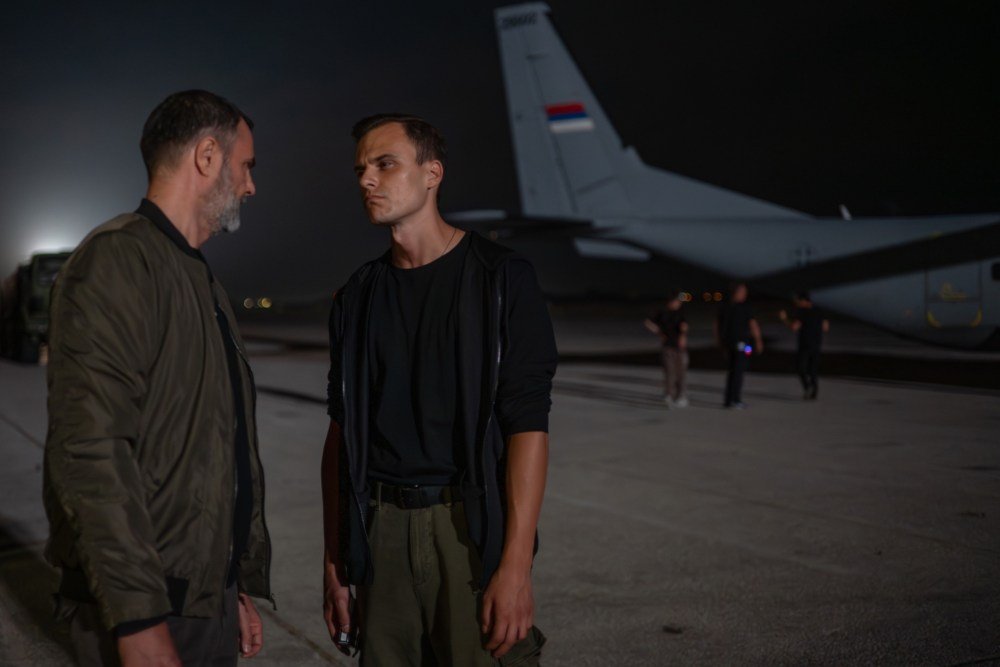
    Such series illustrate what Martinović characterizes as a strategy “to make choices more wisely and make choices more oriented to potential international partnerships and potential distribution to international markets.” One of the company’s most successful shows, the spy thriller “Civil Servant” (pictured), which is now entering its fourth season, has sold to Disney+ Hotstar in India, Brazilian streamer Globoplay, Telemundo and FlixLatino.

    Next up is perhaps the company’s biggest gamble to date: the English-language, post-apocalyptic thriller “Sanctuary,” featuring “The Handmaid’s Tale” star Nina Kiri.

    Martinović describes the film, which is directed by Filip Kovačević (“Incarnation”) and has been acquired for North America by Vertical, as “a huge risk and a huge challenge” for the company. “It’s very challenging, not only in the sense of authenticity, but also financing,” she says, adding that “international partners and distributors recognizing the value of that project” has been a boon for its backers.

    It also illustrates how Telekom Srbija is punching above its weight, according to Martinović. “We are completely aware that we come from a small country,” she says. “Having the kind of content which we were able to sell to HBO, Disney+ and others, for us is very important praise and proof [of what we can do].”

    Telekom Srbija’s Aleksandra Martinović

    Courtesy Telekom Srbija

    Along with its prolific production arm, TS Media, Telekom Srbija is betting big on its streaming platform, MOVE — described by Martinović as a “regional Balkan Netflix” — while also “investing more in every element of the production chain,” most notably with the acquisition earlier this year of the Belgrade-based Firefly Studios.

    “We have a [360-degree] approach regarding production,” says Martinović. “It’s production, distribution, offering infrastructure through our Firefly Studios, and, of course, selling our own content to international partners.”

    The Firefly purchase underscores Telekom Srbija’s ambition to become “a one-stop shop in this part of Europe,” Martinović says, highlighting Serbia’s 25% cash rebate on local spend and some of the most skilled and experienced crews in the region. Among the recent success stories to come out of the country is “Martin Scorsese Presents: The Saints,” the Fox Nation docudrama series executive produced and narrated by Scorsese and produced through Lionsgate Alternative Television. Parts of the project were filmed in Serbia, both at Firefly Studios and locations in and around Belgrade and Pančevo.

    This has been a tumultuous time in Serbia, which has faced roiling protests for nearly two years in the wake of a devastating train station tragedy that claimed 16 lives. The turbulence has spread to the country’s film and television industries, with many professionals claiming they’ve been shut out by state-backed media over their political beliefs.

    Martinović rejects such criticism. “We are completely aware of the social and political situation, but it doesn’t affect our general strategy,” she says. “We are fighting for the whole creative industry in Serbia. And we open the door for the whole creative industry in Serbia through international projects, through selling our own projects to international broadcasters, through trying to attract international partners…to come here and see what we have to offer. 

    “Not ‘we’ only as TS Media, but ‘we’ as the Serbian creative industry,” she continues. “We are fighting for all of us — not only for Telekom Srbija, but for all of us. Through Telekom Srbija, which is the biggest player, we are trying to [lift] our whole creative industry and to present them on the global scene.”

  • Inside Venice’s Unlikely Double Feature: A $300 Million Hitmaker and a New Generation of Smart Devices

    Inside Venice’s Unlikely Double Feature: A $300 Million Hitmaker and a New Generation of Smart Devices

    The success of Lan Hongchun’s Dear You has brought him to Venice this year, one stop on a global festival tour where the Chinese filmmaker has been sharing the story behind his movie’s unlikely rise to a $300 million hit back home.

    Lan’s small-scale but emotionally effective drama became a sensation on release earlier this year, tapping into themes of family and love that resonated in China — and are now resonating with the Chinese diaspora as the film finds a global release. Lan, who made Dear You for around $2 million, has been using his newfound platform to encourage audiences to take advantage of these favorable conditions and start creating themselves.

    “I feel like we’re in an era where creators have so many more channels at their disposal,” says Lan, speaking on the sidelines of Venice. “Whether it’s the equipment they use or the platforms to showcase their work, the options are incredibly diverse. That’s why I believe it’s a time full of opportunities for everyday creators.”

    Some of the latest examples of both the equipment — and the channels that are offering just that — have been front and center along the red carpet at Venice this year.  

    While the lion’s share of attention has obviously fallen, as usual, on the festival’s parade of stars — George Clooney and Maggie Gyllenhaal among them — Chinese smart device developers Honor has positioned two of its latest products behind the velvet ropes, hoping to turn the heads of a new generation of content creators as well as the talent.

    Honor is the “official imaging strategic partner of the international promotion program for Chinese-language films” at Venice this year, with the program’s organizers inviting Lan to the festival to help make the push. But Honor is also using the occasion to unveil their Magic9 Pro Max at a film festival for the first time, showing it off alongside the company’s new Robot Phone, which generated buzz both at Cannes back in May as well as in Shanghai in June.

    Developed through a creative collaboration between Honor, headquartered in the southern Chinese tech hub of Shenzhen, and the famed Munich-based camera and lens-makers Arri, both devices are designed to “push the boundaries of creation,” Honor says in a statement, while making “cinematic creation more accessible without compromising creative freedom.” Indeed, Honor calls the Robot Phone “a new species of smartphone.”

    Both devices are being marketed as portable cinema cameras, and they’ve been hard to miss along the red carpet. Magic9 Pro Max’s moss-green back and Arri logo makes it look like a smaller version of one of the German brand’s famed movie cameras, and the Robot Phone delivers exactly what it promises: a mechanical robotic arm with a gimbal system that stabilizes the movement of a 200MP camera.

    “The future is not simply about more pixels. It is about control. It is about empowering creators to capture beautiful images,” was the take from David Bermbach, chief product officer of Arri, in announcing the Magic9 Pro Max would feature at Venice. “Honor brings expertise in mobile imaging, powerful processing, and robotics. Arri contributes more than a century of trusted leadership in image science and professional production workflows. We come from different industries, but we share one ambition: to expand what creators can achieve with the tools they carry every day.”

    Lan Hongchun’s Dear You

    Damai Entertainment

    For tech heads, there’s a lot here to dig into. The Magic9 Pro Max is down for an official launch in late September and Honor says the device will “further showcase Arri imaging capabilities and bring professional-grade cinematic imaging to a new generation of mobile users.” The Robot Phone comes with features that include that 4DoF gimbal, AI Object Tracking and the AI SpinShot. The claim with that robotic arm is that it “can rotate up to 180 degrees and track movements automatically for smooth, cinematic shots.”

    For those less tech-savvy, the idea being pushed here is that these devices are light, portable and they produce cinema style content — “a serious tool in professional filmmaking,” according to  Bermbach.

    The Robot Phone’s appearance this year continues the hype being driven around the use of robotics in China. The country’s state-run media has been touting government investment in the field, with Morgan Stanley research predicting the industry will be worth $108 billion by 2028 — up from $47 billion in 2024. The technology has in the meantime been shifting away from the high-profile development of performative androids and into more everyday use in cameras and desktop computers.

    There’s a similar buzz around how the country has embraced AI — an industry currently worth around $175 billion — and has likewise expanded its use into the by-now ubiquitous hand-held devices that help organize and entertain us day by day.

    Honor has been introducing its devices to the public by rolling them out across a number of festivals so far in 2026. At Cannes in May, the China Night gathering was shown the Robot Phone’s features — including its robotic gimbal system, and the quality of content it can be used to produce. At the Shanghai Film Fest in June, the phone was used to make video portraits of the festival’s jury members.

    “Looking back at a century of imaging, every major leap has come from the evolution of both light capture and intelligent processing,” says James Li, CEO of Honor, when talking up the Arri collaboration in a press release back in August. “Hardware sets the foundation for image quality, while algorithms deliver the leap. But technology is only the foundation, what ultimately defines great imaging is aesthetics. A century of filmmaking has shown us the power of precise control over light and shadow, a deep understanding of color and emotion, and the ability to make every frame tell a story.”