Category: Entertainment

  • Who Will Take Home the Claret Jug? Here’s How to Watch The Open Championship 2026

    Who Will Take Home the Claret Jug? Here’s How to Watch The Open Championship 2026

    If you purchase an independently reviewed product or service through a link on our website, Variety may receive an affiliate commission.

    The final major championship of the 2026 golf season is here as the world’s best players head to Royal Birkdale in Southport, England, for the 154th playing of The Open Championship. Golf’s oldest major returns to one of its most historic venues, where players will compete for the coveted Claret Jug before the PGA Tour season shifts its focus to the FedExCup Playoffs.

    The tournament arrives with plenty of storylines, starting with defending champion and world No. 1 Scottie Scheffler, who enters The Open looking to build on his recent major success. Scheffler’s preparation took an unexpected turn last week at the Genesis Scottish Open, where he missed the cut for the first time since the 2022 FedEx St. Jude Championship.

    Scheffler will face a strong group of contenders, including Tom Kim whose coming off a victory at last week’s Genesis Scottish Open and Tommy Fleetwood, who returns to Royal Birkdale with a unique hometown connection, growing up just minutes from the course in Southport. The field also features several recent major champions looking to add another title to their resumes, including Rory McIlroy, Aaron Rai, and Wyndham Clark, all chasing the 2026 Claret Jug.

    Here’s everything you need to know about how to watch The Open Championship, including the full TV schedule and the best ways to stream every round without cable.

    The Open Championship Streaming Schedule

    Coverage of The Open Championship begins Thursday, July 16 and streams on Peacock, NBC and USA Network all weekend long. Here’s when and where to stream all four rounds of golf’s final major:

    Thursday, July 16: 1:30 AM – 4:00 AM ET on Peacock | 4:00 AM – 3:30 PM ET on USA Network
    Friday, July 17: 1:30 AM – 4:00 AM ET on Peacock | 4:00 AM – 3:30 PM ET on USA Network
    Saturday, July 18: 5:00 AM – 7:00 AM ET on USA Network | 7:00 AM – 3:00 PM ET on NBC
    Sunday, July 19: 4:00 AM – 7:00 AM ET on USA Network | 7:00 AM – 2:00 PM ET on NBC

    How to Stream The Open Championship for Free

    If you’re looking to watch The Open Championship without cable, you have several streaming options to choose from, including services that offer free trials and flexible streaming plans.

    Peacock is the official streaming home but you can also use Hulu + Live TV, which is one of the easiest ways to stream The Open Championship, with access to NBC and USA Network in its live channel lineup in eligible markets. Plans start at $89.99 per month and include access to Disney+ and ESPN, with a 3-day free trial currently available for new subscribers.

    SlingTV is one of the more affordable options for streaming USA Network coverage of The Open Championship. The Sling Blue plan includes USA Network, with plans starting at $45.99 per month.

    DirecTV’s Entertainment package includes local NBC channels. For a limited time, the plan is discounted to $59.99 for the first month (a $30 savings) and includes 90+ channels, including ESPN. New customers can also take advantage of a 5-day free trial.

    One of the most affordable ways to access Peacock is through a Walmart+ membership. New members can try Walmart+ for just $1 for 30 days and receive six months of Peacock Premium at no additional cost, making it a budget-friendly option for streaming the tournament and more NBCUniversal content.

    You can now access Peacock through YouTube Primetime Channels, YouTube’s à la carte storefront for individual streaming subscriptions. Unlike YouTube TV, there’s no base monthly fee — you only pay for the services you choose to add. Peacock Premium Plus is available through YouTube for $16.99 per month.

  • Lamorne Morris, Abby Elliott Join Heidi Gardner in Dramedy ‘The Swimming Lesson’ (Exclusive)

    Lamorne Morris, Abby Elliott Join Heidi Gardner in Dramedy ‘The Swimming Lesson’ (Exclusive)

    A dramedy feature starring Heidi Gardner and William H. Macy is getting ready to make a splash as it adds to its cast.

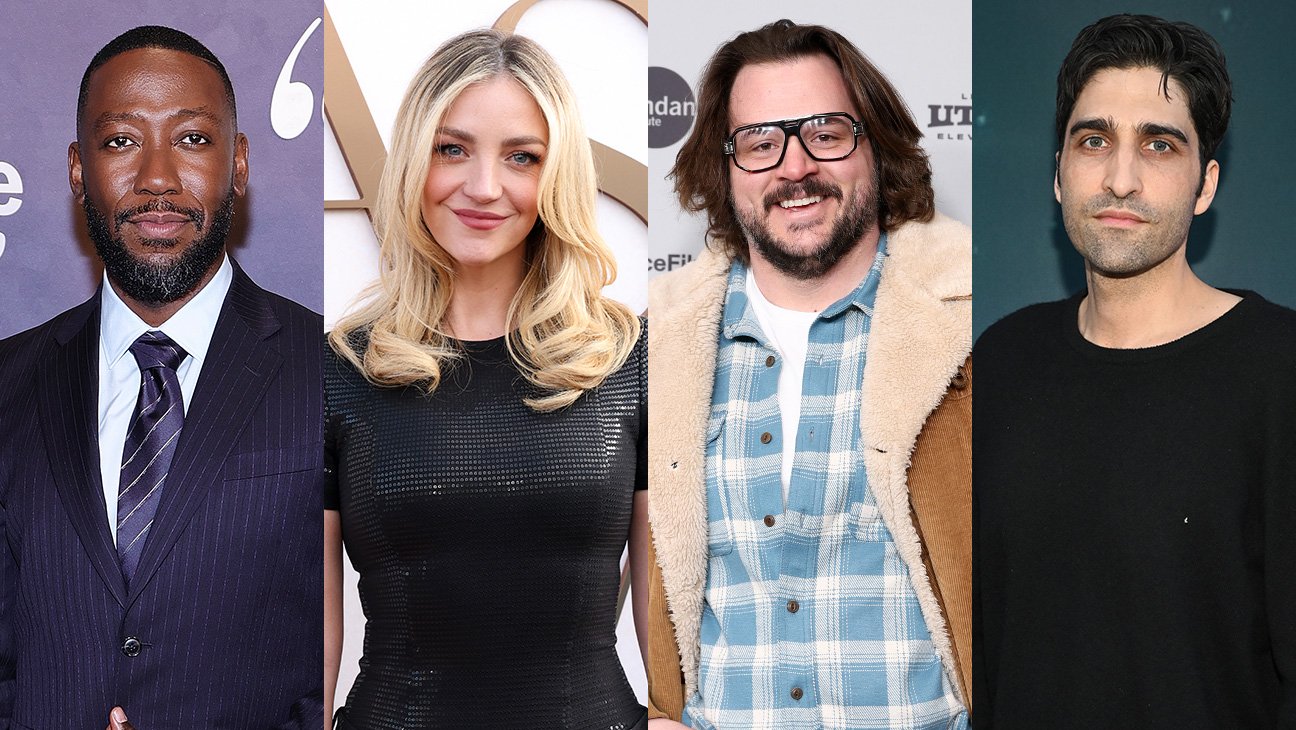
    Lamorne Morris (Spider-Noir, Fargo), Abby Elliott (The Bear, SNL), Michael Strassner (The Baltimorons) and Joey Bicicchi (Rudderless) have joined the cast of The Swimming Lesson, The Hollywood Reporter has learned. THR previously broke the news that Gardner and Macy will star in writer-director Casey Twenter’s indie film that is set to begin production next month in Gardner’s hometown of Kansas City.

    The Swimming Lesson centers on Tay (Gardner), a single mother who leaves behind her complicated life in Los Angeles to return to her childhood home. She winds up embroiled in a custody battle over son Albee, an autistic child who is obsessed with the ocean but terrified of swimming. Macy co-stars as Leonard, Tay’s foul-mouthed father whose blunt nature can sometimes disguise the fact that he remains loyal to his daughter and grandson.

    Morris will play charming swim instructor Caleb, while Elliott takes on the role of Vickie, the new wife of Tay’s ex. Additionally, Strassner plays Tay’s longtime friend Reiger, and Bicicchi portrays Albee’s newly sober father Steve.

    Newcomer Hudson Escudero makes his feature debut as Albee. The production prioritized casting an young autistic performer in the role to embody the character with lived experience.

    Heidi Gardner (left) and William H. Macy

    Nina Westervelt/Variety/Getty Images; Kristina Bumphrey/Variety/Getty Images

    Twenter marks his solo directorial feature debut with the project that he co-wrote with Jeff Robison. Twenter and Robison previously co-wrote the 2014 drama Rudderless, which was Macy’s directorial debut and landed distribution after premiering at Sundance.

    “From top to bottom, this is a murderers’ row of talent,” says Twenter. “This is a deeply personal story, and I’m beyond grateful that these actors have chosen to tell it alongside me. Their excitement for the material has been energizing from the start, and it has only strengthened my own belief in what we’re making.”

    The Swimming Lesson’s producers include Dan Koetting for KP’s Remain and Robison for Kindling Productions, along with Jen Greenstreet and Mandi Kearns for Just Like You Films. Mark Williams serves as director of photography, and Mateo Messina is composing the music. Spark Casting’s Stefanie Seifer and Hailey Giles are handling casting.

    Morris is represented by CAA, Entertainment 360 and The Lede Company. Elliott is repped by Paradigm Talent Agency and OPE Partners. Strassner is repped by Paradigm Talent Agency and Stride Management. Bicicchi is repped by Luber Roklin Entertainment. Escudero is repped by The Osbrink Agency, Rebel Creative Group and Campbell Agency.

  • Quentin Tarantino Plans to Retire After His Next Movie. Christopher Nolan Hopes He ‘Won’t Stay True’ to His Word

    Quentin Tarantino Plans to Retire After His Next Movie. Christopher Nolan Hopes He ‘Won’t Stay True’ to His Word

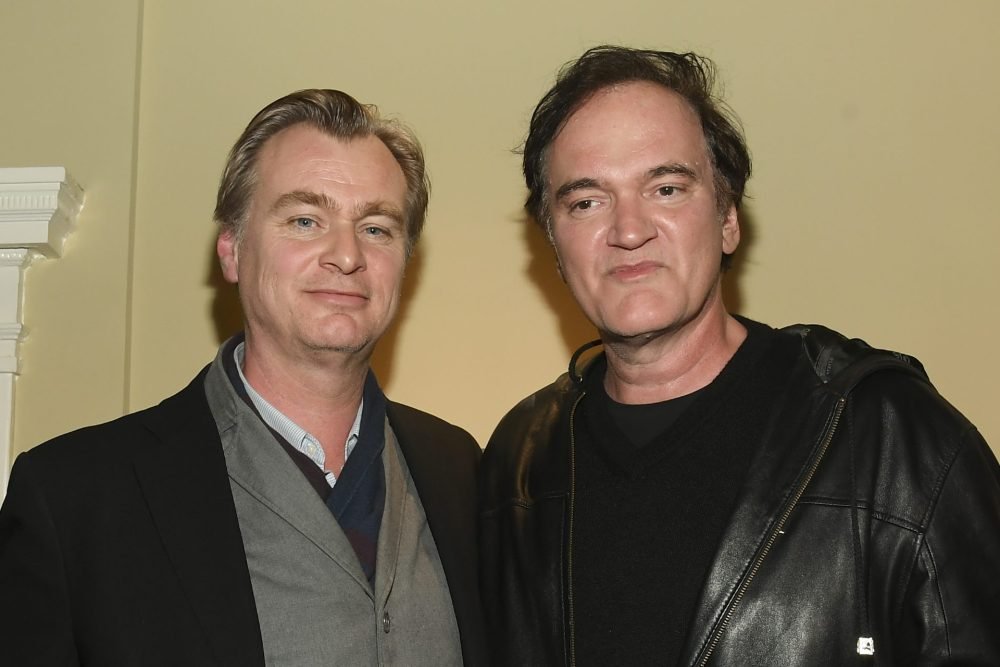
    If Quentin Tarantino remains committed to retiring from filmmaking after his 10th feature film, then whatever movie the Oscar winner decides to make next will be his swan song from the big screen. Christopher Nolan is disappointed.

    “I think it’s dangerous to look at it that specifically,” Nolan recently told The Telegraph about Tarantino’s long-discussed 10-movie retirement plan. “I mean, Quentin has his reasons, and I respect those enormously. But I’m hoping that he won’t stay true to them… I view every film that I do as the last I’ll ever make, and one day I will be right. So every time I want to put everything into the project at hand. I’m never thinking, ‘Well, I’ll save this for the next one.’ I don’t ever want to think like that. I want each movie to be everything.”

    Tarantino has spoken for years about his plan to retire after making 10 feature films (the “Kill Bill” movies count as one film in his eyes, as they were developed and shot as a single feature), saying he wants to leave behind a consistently strong and tightly curated body of work.

    “And do you believe him?” Nolan asked the “ReelBlend” podcast hosts in 2023 while promoting “Oppenheimer.”

    “Quentin’s point has always been that — and he never, very graciously, he’s never specific about the films he’s talking about or whatever — but he’s looking at some of the work done by filmmakers in later years and feeling that if it can’t live up to the heyday, it would be better if it didn’t exist,” Nolan explained at the time. “And I think that’s a very purist point of view. It’s the point of view of a cinephile who prizes film history.”

    “I’m not sure that I would trust my own sense of the absolute value of a piece of work to know whether or not it should have been brought into existence,” Nolan added. “I’m a big fan, as is Quentin, of films that maybe don’t fully achieve what they try to, but there’s something in there that’s a performance, or a little structural thing, or a scene, you know, that’s wonderful. And so, yes, I understand. I think he wanted to keep a sort of perfect reputation of something, but also kind of don’t want to take anything off the table.”

    Nolan and Tarantino’s friend and fellow filmmaker Paul Thomas Anderson has been a lot more blunt in his criticism of Tarantino’s 10-movie plan.

    “I know Quentin [Tarantino] likes to say, ‘I’m making 10 movies and then I’m quitting.’ But I could never do that,” Anderson said back in 2018. “I don’t know how he could say that, or how he could take himself seriously when he says that. This is what I want to do as long as I’m able to do it. As long as I’m able to do it, I’m going to do it. I think things can become peculiar when directors don’t act their age maybe, or seeing them try to keep up with the kids or trying to be hip. That’s never a good look.”

    As for what Tarantino has planned for his 10th and alleged final feature remains to be seen. There was a time when “The Movie Critic” was being prepped as his swan song, but Tarantino has since scrapped that screenplay. Even if Tarantino does retire, there are other artistic mediums through which he can continue to put out new content. He’s already authored a few books, and his new play, “The Popinjay Cavalier,” is set to open on London’s West End in 2027.

  • ‘Motor City’ Review: Potsy Ponciroli’s Audacious Thriller — a Scorsese Opera without Dialogue — Announces the Arrival of a Startling Voice

    ‘Motor City’ Review: Potsy Ponciroli’s Audacious Thriller — a Scorsese Opera without Dialogue — Announces the Arrival of a Startling Voice

    The needle drop as we know it was born in 1969, with the instantly iconic use of “Born to Be Wild” in “Easy Rider.” There were precedents, of course. The first use of a rock ‘n’ roll song in a movie was “Rock Around the Clock” played over the opening credits of “The Blackboard Jungle” (1955), and by any measure the godfather of the needle drop was Kenneth Anger, whose 28-minute-long 1963 bikers-and-drugs-and-Jesus-and-leather-queers-gone-pop “Scorpio Rising” — in my estimation, one of the 10 greatest films ever made — invented the ecstatic juxtapositions that inspired the premier cinematic poet of the needle drop, Martin Scorsese. Which filmmakers have given us the greatest needle drops? The answer is Scorsese (the aesthetic son of Kenneth Anger), Tarantino (the son of Scorsese), Paul Thomas Anderson (the son of Tarantino), and, from a very different track, the Michael Mann of “Manhunter” (a movie I’ll write about next week, when it’s released for its 40th anniversary).

    I zip through this history because there’s a needle drop in “Motor City,” the startlingly high-wire new crime thriller (it’s got love, violence, suspense — but no dialogue), that earns comparison to the work of all those other directors. And so I want to be clear that we aren’t simply talking about an ordinary needle drop but, rather, the visionary hypnotic kind.

    Set in Detroit in 1977, the film introduces us to John Miller (Alan Ritchson), an ex-con and Vietnam veteran who is burly and blockish enough to look like he’s halfway between Bruce Banner and the Hulk. But in his G.I. Joe haircut, he’s trying to walk the straight and narrow. We have seen that he’s in love with Sophia (Shailene Woodley), his live-in girlfriend, who he gets down on one knee to propose to (an offer she gratefully accepts). And we’ve witnessed a rather strange crime in which his vintage green ’70s muscle car was stolen…and then returned to him. By this point, we like Miller and Sophia well enough to want to see them happy.

    Then the familiar, deliberate plucking of an acoustic guitar comes on the soundtrack, and we recognize the intro to “The Chain,” the great Fleetwood Mac song from 1977. In a scene that unfolds in slow motion, a canister of tear gas is tossed into the couple’s home, tearing through their veil of domestic bliss. Police detectives burst in and demand to see Miller, who from what we can tell has done nothing wrong (in fact, he’s just completed his parole requirement). Outside, the cops, led by a dry sinister officer in a long black leather coat, order him to get on the ground, face down; Sophia comes out of the house and is placed in the back of a car, staring at all this through the glass. As the cops open the trunk of Miller’s car and fish out kilos of drugs, our mounting horror and dread is echoed, but oh so ironically, by “The Chain,” which is playing throughout all of this. The song is a slow build, one that finally explodes into that gorgeously melancholy up-tempo climax (“Cha-a-a-ain…keep us together!…Runnin’ in the shadow!”), and it elevates the fear and trauma of what we’re watching into the purest opera.  

    Staging a great needle drop isn’t the same thing as directing a great movie. But Potsy Ponciroli, the director of “Motor City” (which opens July 24), has an operatic temperament in a large way. He has made a stylized crime drama that’s full of pop music, and also full of naturalistic sound, so that it looks and feels more or less real, only the characters don’t converse. (They say an occasional throwaway word here or there.) Even when two of them are just seated in the booth of a diner, what passes between them is suggested by looks, gestures, and our ability to read the situation. The reason this works is that we’ve seen enough thrillers to be able to color in the essence of the dialogue ourselves; we don’t need to hear the words. And without them, we plug into the sheer presence of the actors. At times, “Motor City” is like a silent movie directed by Scorsese. It draws us in because it’s got a glittering underworld-opera surface, but also because the audience needs to use its noodle a bit to participate in the film’s telling.

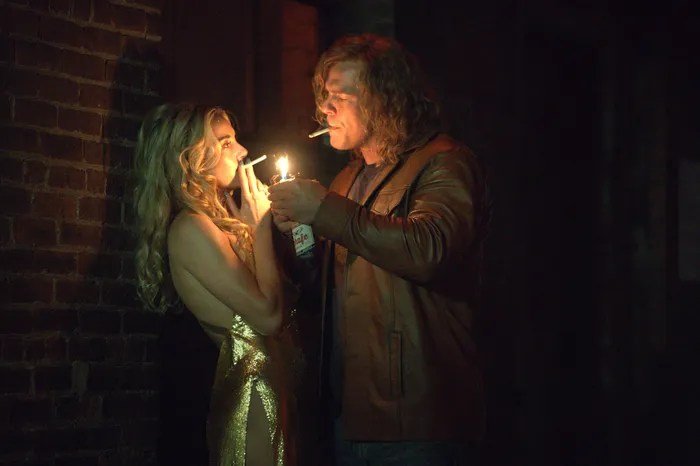
    “Motor City” offers up Detroit as a gritty and squalid place, a crumbling purgatory with a period rock vibe (posters of Styx and Zappa) that’s the perfect setting for crime drama. The sound of David Bowie’s “Cat People (Putting Out Fire),” heard in a revamped version (at this point, the song is a reference to a reference to a needle drop), sets the tone of dread-soaked rapture, and a flashback to what happens in the alleyway just outside a scuzzy club gives us all the drama we need. That’s where Sophia, hanging out of her dress like a ’70s “floozy,” first meets Miller, who resembles a party boy carved out of marble. The twist is that she’s already attached to Reynolds (Ben Foster), who looks like a dweeb — but is, in fact, an extremely wealthy and powerful drug kingpin. Miller wound up taking Sophia right out from under Reynolds’ controlling gaze. The cops come to Miller’s house because Reynolds, out for revenge, has set him up.

    A headline, glimpsed in a newspaper box, tells us that Miller has received a 25-year sentence for possession of narcotics. That’s what happens when you steal an underworld boss’s girlfriend. And now Reynolds has taken Sophia back. He comes to visit Miller in prison, giving him a photograph of himself and Sophia (they’re married now), with an inscription scrawled on the back: “You should have seen the honeymoon.” Ponciroli stages a powerful sequence, set to Donna Summer’s “I Feel Love,” that’s all about Miller’s jealous fantasies, and “Motor City” keeps tightening the screws of sadism and vengeance. It’s also got a diligent cop and a few canny twists, like one that hinges on a wedding ring. Written by Chad St. John, it’s a grungy piece of primal pop that recalls everything from “Drive” to David Lynch to the primitive low-budget ingenuity of “Dragged Across Concrete.”

    I was a fan of Ponciroli’s sneaky, stylish 2021 Western, “Old Henry,” starring Tim Blake Nelson as a varmint who wasn’t to be messed with. But “Motor City,” while it’s a less perfect film, demonstrates that Ponciroli has a talent I think could be explosive in a mainstream movie. If I were a producer or studio head, I would sign him up immediately. He brings out an expressiveness in his actors (that’s a big part of what makes the film work), and there’s an audacity to his choices that can feel rhapsodically right, as when he stages an intricate prison-escape sequence to the Moody Blues’ “Nights in White Satin.”

    That said, the last part of the movie falls off in a rather inexplicable way. Miller, having broken out of prison (with a dagger made of smelted candy), is going to get his revenge, but for some reason the movie’s needle drops drop out, replaced by a blandly orthodox suspense score. Did Ponciroli suddenly lose the rights to songs that he’d been planning to use? The trouble is, it feels like a violation of the film’s aesthetic, not to mention a colossally blown opportunity. I was greatly looking forward to scenes of ultraviolence set to the last songs on earth you’d imagine them being set to. And the epilogue, which takes place many years later, feels like a miscalculation. But “Motor City,” as its best, qualifies as a true immersive cinematic experience. It’s a movie almost entirely without words, but it speaks.

  • Denis Villeneuve and Artist Vija Celmins to Be Honored at LACMA’s Art+Film Gala

    Denis Villeneuve and Artist Vija Celmins to Be Honored at LACMA’s Art+Film Gala

    This fall’s edition of LACMA’s Art+Film Gala has a date and a pair of honorees.

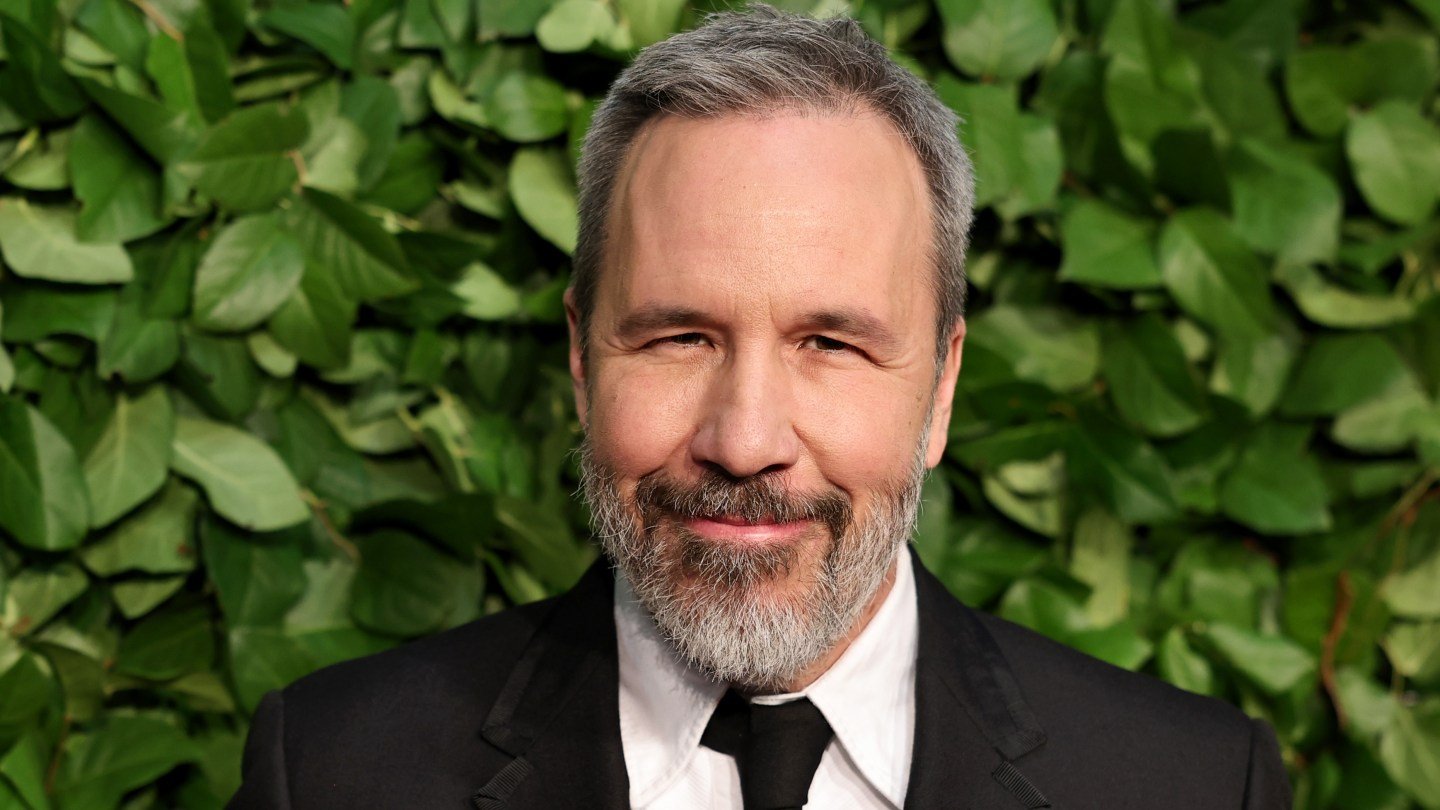
    The milestone 15th annual fundraiser will take place at the museum on Nov. 7, and will honor Vija Celmins from the art side and Dune visionary Denis Villeneuve for the film set.

    “This year, we are honoring two icons of visual creativity,” praised LACMA CEO Michael Govan, who also serves as Wallis Annenberg director. “Whether in painting, drawing, printmaking or other media, Vija Celmin’s exacting renderings of the natural world blend realism and imagination, resulting in sublimely beautiful works. Likewise, Denis Villeneuve’s meticulously crafted worlds give his films an unforgettable visual impact, from contemplative and cerebral stories to global blockbusters. It will be a privilege to honor both of these artists and their extraordinary careers in November.”

    Added Chow: “I’m excited to bring together an amazing group of people once again to recognize the incredible work of Vija Celmins and Denis Villeneuve, and to support LACMA’s art and film initiatives. I’m deeply grateful that our longstanding partner Gucci has returned as presenting sponsor. This event would not be possible without their continued generosity to the museum.”

    Gucci’s generosity is also on display on the red carpet, as many of the A-list guests who attend the museum are outfitted by the fashion house setting the stage for what is always a stylish night in Los Angeles. Proceeds from Art+Film are funneled to LACMA’s focus to make film central to the museum’s curatorial program while also supporting its broader mission with exhibitions, acquisitions, educational programming and more.

    Vija Celmins

    Laurie Lambrecht

    The shine for Villeneuve comes as he’s prepping for the release of the third installment of his blockbuster Dune franchise starring Timothée Chalamet, Zendaya, Robert Pattinson, Javier Bardem, Rebecca Ferguson, Anya Taylor-Joy, Florence Pugh, Jason Momoa, Josh Brolin and others. It comes out via Warner Bros. Pictures on Dec. 18. His other credits include Blade Runner 2049, Arrival, Sicario, Enemy and Prisoners. He’s set to direct the anticipated next James Bond installment for Amazon MGM Studios.

    Celmins is hailed for her work with natural imagery like ocean waves, desert floors and night skies. She paints, sculpts and draws, and has seen her work featured in exhibitions at major institutions like the Institute of Contemporary Art in Philadelphia, San Franscisco Museum of Modern Art, the Metropolitan Museum of Art in New York, Fondation Beyeler in Basel, Centre Pompidou in Paris and Menil Collection in Houston. She received a MacArthur Fellowship in 1997.

  • UTA Promotes James Wright Co-Head of Its U.K. Music Group

    UTA Promotes James Wright Co-Head of Its U.K. Music Group

    Global talent, entertainment, sports, and advisory company UTA has promoted James Wright to co-head of its U.K. music group. Wright will lead the London-based music team alongside long-standing U.K. co-head Neil Warnock, “steering the department’s short and long-term strategies and overall industry positioning.”

    Wright joined UTA in 2015 following the company’s acquisition of The Agency Group. Prior to that, he served as an agent at Elastic Artists. Before moving into the live music sector in 2009, Wright was A&R manager for Candid Records, where he signed acts, released records and launched an in-house live booking agency offering contracts to the label’s artists.

    “His formidable and eclectic roster spans pop, adult contemporary, jazz, electronic, and hip-hop, and includes artists such as Lizzo, Take That, John Legend, David Byrne, Jacob Collier, Underworld, The Marías, Rita Ora and Jon Batiste,” UTA said.

    UTA’s global music co-heads Sam Kirby Yoh and David Zedek said: “UTA’s global music business is built on collaboration across genres, disciplines and territories, and London is a cornerstone of that network. The team there is critical to everything from identifying the next wave of international touring talent to executing complex global runs for established stars. By elevating James, we’re investing further in London as a strategic base for our worldwide touring ambitions and unlocking even more opportunity for our artists.”

    Said Wright: “Leading the London music group with Neil at such a pivotal time is incredibly exciting. Our focus is on signing exceptional artists and continuing to build a team culture that is inclusive, collaborative and accountable, where a colleague’s win or an artist’s success genuinely feels like a win for everyone.”

    And Warnock added: “It’s been a privilege to watch James grow into not only a first-class agent but a thoughtful, trusted leader. His intelligence, self-deprecating humour and razor‑sharp instincts will be instrumental in shaping the next chapter of UTA’s global music business.”

  • ‘I Play Rocky’ Trailer: Anthony Ippolito Becomes Sylvester Stallone in This Inside Look at the Making of a Movie Classic

    ‘I Play Rocky’ Trailer: Anthony Ippolito Becomes Sylvester Stallone in This Inside Look at the Making of a Movie Classic

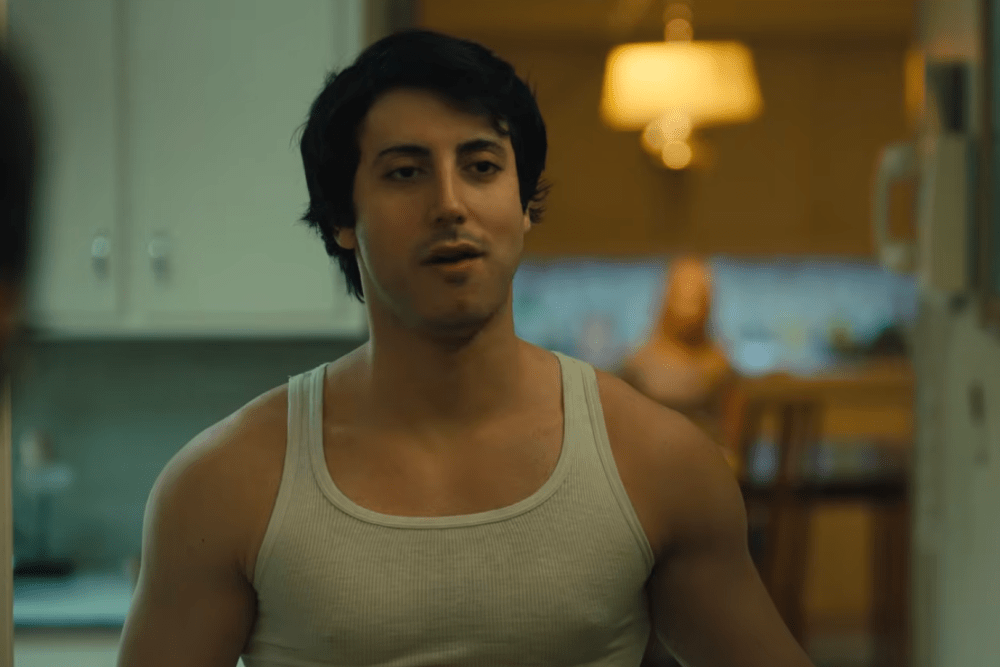
    Ever wonder how Sylvester Stallone became Rocky? Peter Farrelly’s upcoming biographical drama “I Play Rocky” will answer the question as “Grand Army” actor Anthony Ippolito takes on the role of Stallone in this behind-the-scenes dramatization of the making of the classic 1976 sports drama.

    The official synopsis for “I Play Rocky” from Amazon MGM reads: “The film tells the true story of Sylvester Stallone and his unshakable belief that he wasn’t just meant to write Rocky, he was meant to be Rocky Balboa.”

    The film’s supporting cast includes Stephan James as Carl Weathers, plus AnnaSophia Robb, Matt Dillon, Toby Kebbell, Tracy Letts Jay Duplass and Robert Morgan. Farrelly, who directed Best Picture winner “Green Back,” returns to more dramatic territory with “I Play Rocky” following his R-rated Amazon comedies “Ricky Stanicky” and “Balls Up.”

    Ippolito has experience playing acting icons of the 1970s. He starred as Al Pacino in the Paramount+ limited series “The Offer,” which recounted the making of “The Godfather.” Now he takes on the role of Stallone, who famously got “Rocky” made for under $1 million. The movie became the biggest box office hit of 1976 and won the Oscar for best picture. After cementing its place in Hollywood history, the original “Rocky” spawned several sequels as well as the “Creed” spinoff series.

    “I Play Rocky” opens in theaters this November from Amazon MGM. Watch the trailer below.

  • The Streaming Revolution No One Talks About: Viewers Are Getting Older

    The Streaming Revolution No One Talks About: Viewers Are Getting Older

    The notable thing about The Boroughs — other than Netflix’s quick decision to cancel the series — was the composition of its audience.

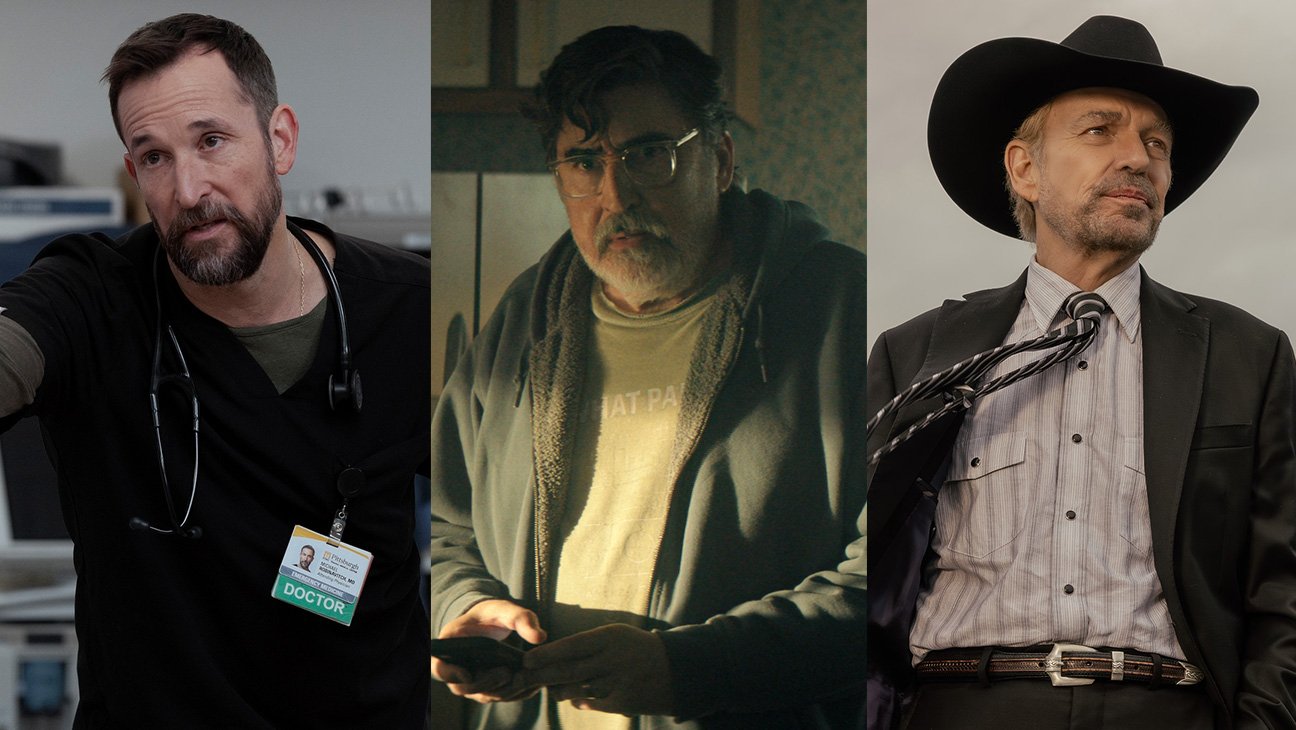
    The show, about a group of retirees stalked by something supernatural in their 55-plus community, drew about 4.05 billion minutes of watch time in the United States in its first four weeks, according to Nielsen’s streaming ratings — with a large portion of that coming from people over the age of 50. In The Boroughs‘ premiere week, people over 50 accounted for 57 percent of the show’s 1.2 billion viewing minutes. The percentage of younger viewers ticked up in subsequent weeks, the greatest concentration of viewers remained in the demographic similar to that of the on-screen characters, played by (among others) Alfred Molina, Geena Davis, Alfre Woodard, Clarke Peters, Bill Pullman and Denis O’Hare.

    To be clear, having an older-skewing audience was not the reason The Boroughs was canceled. It was a relatively expensive show, with eight-figure episodic budgets. Matt and Ross Duffer, the Stranger Things creators who executive produced the series, also left Netflix for Paramount earlier this year.

    One other thing: Having an audience that skews toward viewers 50 and older is pretty commonplace now. The median streaming viewer is still 15 to 20 years younger than the median network or cable viewer, but the gap has started to narrow some.

    In the first quarter of 2026, Paramount+’s Landman and Netflix’s The Night Agent, The Lincoln Lawyer and Virgin River all got 60 percent or more of their watch time from viewers 50 or older. That demographic also accounted for almost half of viewing time for HBO Max’s The Pitt and Netflix’s miniseries His & Hers.

    “It used to be unusual because older viewers made up a smaller percentage of the streaming population,” Brian Fuhrer, senior vp product strategy at Nielsen, told The Hollywood Reporter.

    Now? Not so much. “In 2008, 18- to 24-year-olds were going away to college, and between Netflix and other services, they were really streaming first,” said Fuhrer. “Now those 18- to 24-year-olds, they’re over 40 [or almost there]. It’s just the demography of an aging population.”

    Here are the the top 10 original series with the most watch time from viewers 50 and older in the first quarter of this year.

    The outlier on that list is Stranger Things, which had such a massive audience across all age groups that it ranks highly among older viewers as well. Notably, though, the percentage of viewing from people 50 and older is lower than any other show in the top 10. The Traitors and Fallout are in a similar situation, where large total audiences mean a sizable amount of viewing but relatively low percentages among the 50-plus demo.

    Looking at all titles (including library series and movies) brings in a few long-running network and cable shows — including Gunsmoke, the oldest series ever to make Nielsen’s weekly top 10 streaming rankings.

    In addition to early adopters getting older, streaming has also, obviously, become much more widely adopted among all age groups in the the past decade-plus. It now accounts for almost half of all TV use, per Nielsen, and that doesn’t happen just with younger viewers. Furher also noted that Disney, NBCUniversal and Paramount have all seen the percentage of their streaming users over 65 grow in the past three years; those viewers make up at least 10 percent of streaming viewing on the companies’ respective platforms. At Fox, thanks largely to free streamer Tubi, viewers 65 and older account for 20 percent of streaming viewing.

    More recently, Dutton Ranch, Paramount+’s latest Yellowstone spinoff, has also attracted a large set of 50-plus viewers. Over its first five weeks, the series drew 3.83 billion minutes of viewing, with about 2.4 billion of those minutes — 63 percent — coming from people 50 and older.

    “That’s by no means anything to be ashamed of,” said Fuhrer. “It’s commanding huge audiences, and it’s bringing a lot more people over.”

    One of the initial lures of streaming for writers and creators was that in an ad-free business, they wouldn’t have to worry about living and dying by weekly ratings or whether enough people in a certain age group were watching their show. Now that most streamers offer ad-supported versions of their product, there’s a non-zero chance that those platforms might start scrutinizing demographic data more closely. (And, while correlation is not causation, it’s hard not to notice that The Night Agent and The Lincoln Lawyer, two of the shows with the highest amount and percentage of 50-plus viewing last quarter, will be ending with their next seasons.)

    Furher, however, takes a more optimistic view: “I think it’s less ad sales driving cancellations than it is using the normal ways of analyzing programs [via demographics] helps these platforms make sure they’ve got content that’s engaging the broadest potential groups of of subscribers.”

  • Dave Kendall, Creator and Longtime Host of MTV’s 120 Minutes, Dies

    Dave Kendall, creator and former host of MTV’s “120 Minutes,” has died, according to a post from his friend and latter-day host of the show, Matt Pinfield. No caused of death or age were cited, although he was likely in his sixties.

    From scrappy beginnings, the show launched on March 10, 1986 and quickly became a high-profile platform for the rising wave of indie and left-of-center musicians that would soon be dubbed “alternative.” While Kendall, a British-born music journalist, was sometimes seen as an emissary of the “establishment” by the snooty intelligentsia of the indie-sphere, his knowledge of and passion for the music he presented was obvious and genuine.

    “At the beginning it was pure chaos,” he said in a SiriusXM documentary video on the show. “I wanted to play music that I thought was cool and original, but the programming department wanted to include all the videos that were in light rotation, folks like Michael Barnes and Jermaine Jackson.

    “I had zero experience as a tv producer,” he added.

    Regardless, Kendall was hired and his vision won out, and he made the show happen his way. The MTV management team realized he was onto something, and artists from Sonic Youth to the Mighty Lemon Drops and beyond received big looks on the show at a time when there was no email or internet, let alone social media and YouTube, and few televised outlets for that type of music.

    Originally its producer, Kendall hosted the show from 1989 until 1992 — ironically, just as the genres of music he’d championed were reaching peak popularity — and worked as a DJ and video host for SiriusXM and a number of outlets. In recent years he lived in Thailand and Indonesia, working as a correspondent for the Bangkok Post and championing environmental causes.

    “Dave was one of the true believers,” Pinfield wrote. “Long before alternative music found its way into the mainstream, he was there every week on ‘120 Minutes,’ introducing people to bands that would go on to define an era. He didn’t just host a show. He gave a home to music that deserved to be heard.

    “He loved the music, respected the artists, and connected with fans in a way that always felt authentic,” he concluded. “That’s a rare gift.”

  • ‘Toy Story’ Franchise Has Generated $51 Billion in Economic Activity, Study Finds

    ‘Toy Story’ Franchise Has Generated $51 Billion in Economic Activity, Study Finds

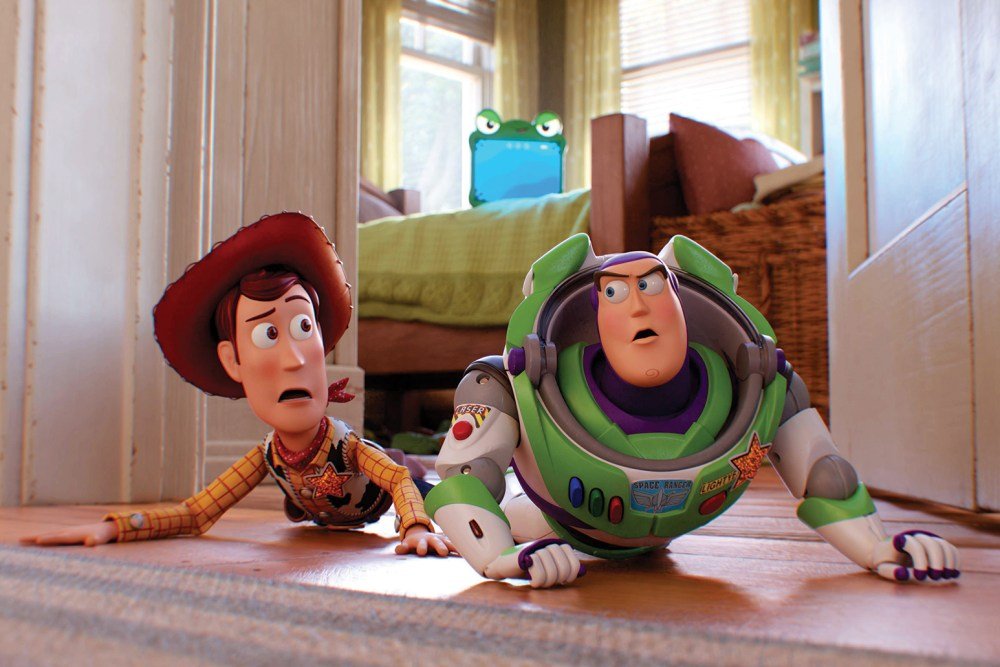
    “Toy Story” helped launch Pixar when it premiered in 1995. More than 30 years and four films later, the family franchise has become a revenue-generating juggernaut for the Walt Disney Company and the global economy. The series has added $51 billion in overall economic activity since its inception, according to a study that Disney commissioned from Steward Redqueen, an independent impact advisory firm.

    Much of that figure comes from consumer product sales, which Steward Redqueen argues lifts suppliers, retailers, small businesses and service providers. That includes everything from salaries to the sales of clothing, dolls and games touting “Toy Story” characters. It also factors in transportation, tourism, manufacturing, and utilities revenues related to seeing the movies, visiting theme park attractions and producing “Toy Story” merchandise. The report comes as “Toy Story 5” has dominated the box office since it was released in June, earning more than $880 million globally. In addition to ticket sales, the series is also the most streamed franchise on Disney+.

    In terms of direct economic impact for Disney, Buzz and Woody have generated $16.2 billion. That includes the sale of merchandise, movie tickets and home entertainment rentals. That figure is more than it cost the company to buy all of Pixar, Marvel and Lucasfilm combined (Disney shelled out $15.4 billion to purchase those brands).

    “This is our No. 1 animated franchise,” says Asad Ayaz, Disney’s chief brand officer. “I don’t think there’s many other franchises that have been embraced by audiences and critics over the course of three decades. People who were kids when the first movie came out are taking their own children to the new ‘Toy Story.’”

    The study also looks at the multi-generational impact of “Toy Story.” As Ayaz states, because the series has been part of the culture for so long, Millennials, who grew up with the characters, have driven the greatest impact with 74%. Gen Z and Gen Alpha account for 19% and 7% of the economic impact, respectively.

    Nearly $25 billion of the overall economic impact occurred in the U.S., Steward Redqueen reports, with California and Florida, where Disney has theme parks, as well as Texas, New York and Illinois listed as the states enjoying the biggest benefits from the franchise. The firm casts a wide net to capture those numbers. It estimates sales margins for downstream suppliers like manufacturers, retailers, and other distributors. So, for example, it factors in what movie theaters spend on popcorn providers, which allows those vendors to also earn profits, pay taxes and pay salaries.

    Steward Redqueen said to come up with its calculations it looked at consumer spending on the “Toy Story” franchise across movies, home streaming, consumer products, parks, experiences and music. It then separated those figures in terms of their direct and indirect impact. Direct impact captured the economic contributions directly generated by the franchise’s operations (such as the economic contributions supported by production of the movies). Indirect impact includes the economic contributions supported by the franchise through its suppliers and sales partners (distributors and retailers selling “Toy Story” products), as well as their respective suppliers. This is the first study of its kind that Disney has commissioned on one of its franchises.

    With “Toy Story 5” topping the box office, it seems like a sixth film is inevitable.

    “I’ll leave that up to the Pixar team,” Ayaz says. “I hope there is more. But what’s great about Pixar is that they wait until they have a story that is worth telling to make another movie.”