Category: Entertainment

  • ‘Furious’ Star Steve Way on the Beauty of ‘Disabled Love’ and the Difficulty of Navigating Hollywood Without a Team: ‘I Want an Agency to Whore Me Out’

    ‘Furious’ Star Steve Way on the Beauty of ‘Disabled Love’ and the Difficulty of Navigating Hollywood Without a Team: ‘I Want an Agency to Whore Me Out’

    It’s uncommon to meet an actor bold enough to call Ari Emanuel, the executive chairman of WME Group and one of the most powerful people in Hollywood, a “prick” on the record.

    But it’s also uncommon to interview an actor as unfiltered as Steve Way.

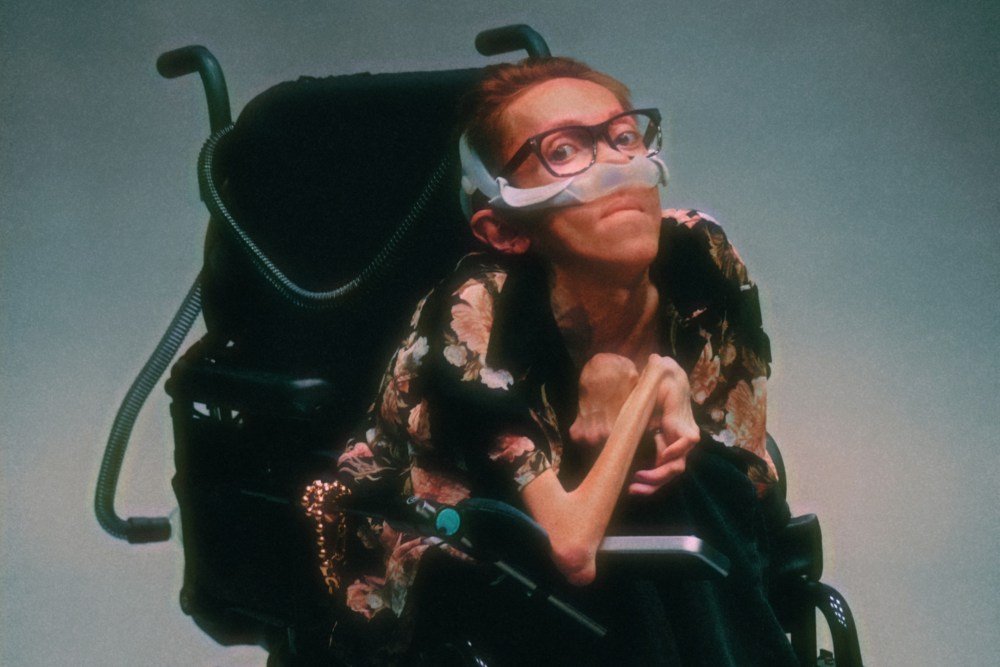
    “I want an agency to whore me out,” he says. “Let’s make a ton of money together. Let’s change the world.” I joke that I’ll pass along his exact words to all the big companies. “Just get Ari on the phone,” he retorts. “Ari loves me. Except he won’t hire me.” That’s when Way mutters the p-word — under his breath for plausible deniability, but certainly still with the intention of being heard, smirking at the sound of my laughter. This is one of the last things he says to me before we wrap up our interview. A light blue Labubu that he’s clipped to his motorized wheelchair gives a wink as he rolls away.

    It’s impossible to fault Way, 35, for his ire. That’s partially because it’s well delivered — he’s got 15 years of stand-up comedy under his belt — but mostly because he works in an industry that seems determined to shut out people like him. Best known for his recurring role in Ramy Youssef’s self-titled dramedy series, and now giving an impeccable supporting performance in Hulu’s “Furious,” Way has no agent or manager. “And we know why,” he says, referring to his chair, his ventilator and the muscular dystrophy diagnosis he received at age 4.

    “I don’t have representation. And it’s frustrating, because I used to,” Way says. With his first agent, he got “nothing. Just nothing.” He signed with someone new, who later jumped to another agency and didn’t bring Way with him.

    Left to right: Ramy Youssef, Steve Way and Bella Hadid in “Ramy” Season 3.

    Courtesy of Hulu

    Way spent years wondering whether he’d be able to book a project without the support of Youssef, a close friend since childhood. Then, with “Furious,” he received something actors spend their whole careers dreaming of: a role written expressly for him.

    “Furious” is helmed by Elizabeth Meriwether, the writer-producer famed for creating “New Girl” and “The Dropout,” whom Way first met in 2025 when they appeared together on a WGA panel about on-screen depictions of caregiving. “I did the panel really high,” Way admits. He’d been on a stand-up tour as Youssef’s opener, and needed to relax after all the travel. “We’re going down the line talking about what we’re working on. Full resumes. And it got to me, and I was like, ‘I’m unemployed. If anyone wants to put me in their stuff, [I’ll join] gladly,’” Way recalls. Meriwether took his stoned comments to heart. “Two months later, I got an email from her people saying she wrote a part for me. That was it.”

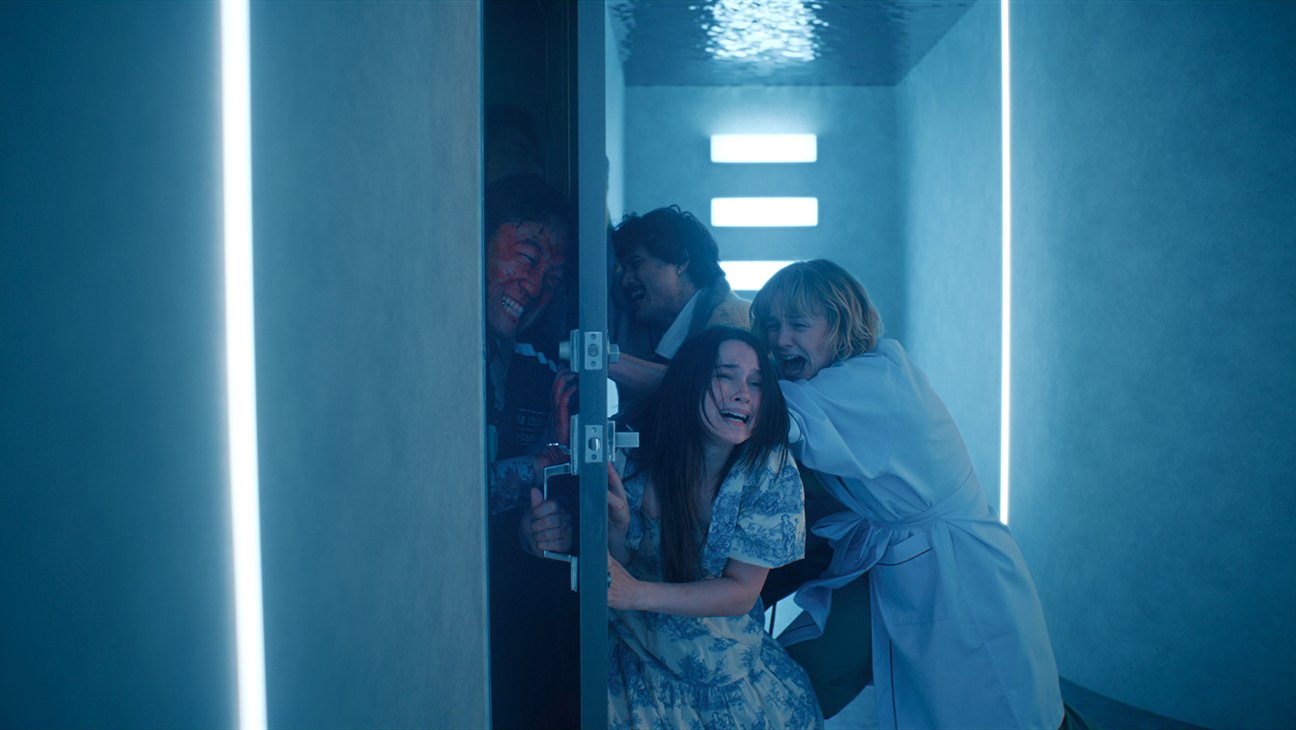
    Way stars in the series as the love interest of the serial killer played by Lola Petticrew. To everyone else, Catherine is a sociopath. But to Alden, she’s simply a kindhearted in-home health aide who perhaps has a few secrets. As she feeds and bathes him with a gentle touch and a warm gaze, he returns the favor by giving her the benefit of the doubt about her shady comings and goings. Wanting to make the most of the time he has left after learning from doctors that his health has seriously worsened, Alden later proposes to Catherine with his late mother’s engagement ring, then begins abetting her crimes.

    There’s a profound sadness to the role, but “Furious” still makes plenty of room for the humor Way is known for. He applauds Meriwether for writing a disabled character who confronts his mortality but still has an identity beyond that, including a sense of humor. “When I read my first line — ‘You little slut!’ — I thought, ‘How does Liz know I would say that?” he says, smiling. “Right away, I knew that she would do the character justice.”

    When Danny (Scoot McNairy), a cop, suggests that Catherine is using him, Alden is resolute. “I don’t fucking care,” he says. “You think love is only when people do everything that you want them to do. That’s fucked up.”

    Way intimately understands that sentiment. “Everything is transactional. And as a disabled person, it’s very empowering to understand that. Caregiving is a two-way street. It has to be in order to work.” And the concept, in his eyes, isn’t exclusive to the relationship between disabled people and their aides. “Society has told a lot of lies about disabled people, mostly that we’re a burden. It’s not true. And to understand that is to accept that everyone, at some point in their life, receives care.”

    “When you take the subway, you don’t do that alone. Someone’s driving,” Way continues. “When you get DoorDash, that’s a level of care. So when Alden says that to Scoot’s character, in a way, he’s trying to radicalize him. Like, ‘You don’t get it, man.’” Smiling, he offers a phrase borrowed from his friend Danny Kurtzman, a fellow actor-producer with muscular dystrophy. “’Disabled love is the best love.’ Because of how intimate it is. How close you have to be,” he says.

    Lola Petticrew and Steve Way in “Furious.”

    Courtesy of Disney

    In Way’s opinion, “Alden and Catherine have the best relationship in the show: They had to get everything [uncomfortable] out of the way first and set up boundaries to make sure they could handle it. Like, ‘What’s your history with this person who’s keeping you alive? What do I do for them?’ It’s delicate, but there have to be boundaries, because it’s easy for any caregiver to get burnt out. That was really fun to figure out.”

    “Furious” was everything Way would have hoped for in terms of disability accommodations, thanks to the help of an on-set accessibility coordinator. “She made sure I was OK and advocated for me when I was really in the zone. Not once did I ever feel unsafe or not taken care of. It allowed me to just focus on the character. I wanted to feel the love and trust, to find our routines. Like, how would she would shower me? But also something as delicate as: How do we sit across from each other? How do we face each other lying down in a bed?”

    There were still moments when Way found himself pushing against his limits, physically. “There were some scenes that were uncomfortable — lying down for any extended period,” he says. But the discomfort was worth it to him. “I was locked in. Nothing else mattered; I just turned it off. The only thing that matters is the art that we’re operating here. That was my temporary. Yeah, the art. That’s it. The right thing for art, you know. That’s something that I realized no one can take away from me.

    Before “Furious,” Way wasn’t sure if his three-season run on “Ramy” had been enough to prove his talents to the industry. “I was scared people wouldn’t take me seriously. One time could be a fluke,” he says. “But twice? I’m pretty good at this.”

    Courtesy of Disney

    There’s still a long road ahead. Twice, Way has worked with a studio to develop a series he would create and star in himself, but both Apple TV and NBCUniversal ultimately passed. “It’s about the inner workings of a facility for disabled people,” he says. “We want to have a full disabled cast and show what it’s like to live in one building with not enough caregivers, with an administration who has no idea what they’re doing, in a country that doesn’t treat us the best. I think a lot of people will relate to it, and they’ll see the absurdity in our day-to-day.”

    Slyly, he adds, “Shoutout Netflix!” — the streamer he hopes will be his next suitor.

    He’s gone through something similar with his stand-up comedy. He dreams of headlining his own tour. “It’s so hard to find accessible venues, but they’re out there. I gotta do my hour first, though,” he says. He’s already prepared — and taped — a full set he feels ready to show the world. He just hasn’t found a platform willing to help him turn it into a special. “Shoutout HBO!” he says.

    It’s par for the course at this point. “I’m numb to the noes,” Way says. “Because the noes have never stopped. And that’s OK. That’s just life; it’s no one’s fault. But it’s tough, because I have these big opportunities, and I don’t trust them.” With “Furious,” he tells me, he didn’t fully believe he’d get to be on TV again until his first day on set. “So when I hear that someone is interested in my show, I’ll take a meeting, but I don’t expect anything.”

    Still, he’s built more than he ever imagined for himself when he was younger. “I didn’t think I could have a career of any kind, because everyone told me I wouldn’t live long,” he says. “I almost died when I was 14, and I wasn’t supposed to live past 18. Then, when I was 25, my doctors told me I’m good. I was like, ‘Fuck! What now?’ I wasn’t good at anything besides telling jokes.”

    So he keeps telling them. “The only thing that’s gonna stop me is my heart,” he says.

    And he’s also starting to enjoy the effects of the opportunity Meriwether gave him in “Furious.” For the first time, Way has a publicist, which he says has been “wonderful.”

    “It’s nice to respond to emails for once instead of initiating them, which is what I do every day,” Way says. Without a team behind him, the burden of seeking out the few roles available to disabled actors falls on him alone. “It’s tiring,” he says. “Espresso helps. Vodka helps. But I can’t run on that stuff forever.”
  • ‘Lanterns’ Stars Kyle Chandler and Aaron Pierre Talk the Pilot Shocker, Early Fears and Season 2 Chances

    ‘Lanterns’ Stars Kyle Chandler and Aaron Pierre Talk the Pilot Shocker, Early Fears and Season 2 Chances

    [This story contains major spoilers for Lanterns’ “Pilot.”]

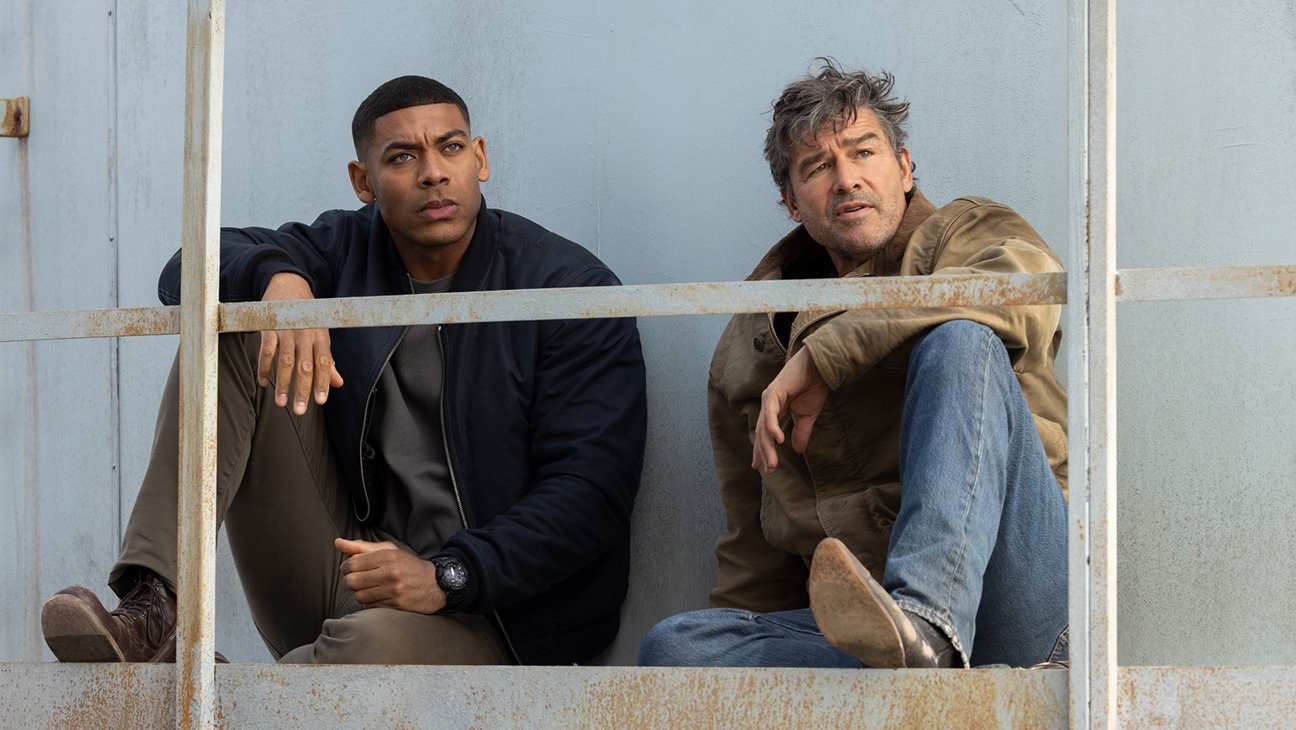
    The flash-forward that closes the Lanterns series premiere was bound to strike a familiar chord with Kyle Chandler completists. It’s reminiscent of another recent high-profile series in which one of his characters meets a prematurely shocking end. Chandler himself may have momentarily wondered whether he was being offered another Mayor of Kingstown-type opportunity. But showrunner Chris Mundy, together with co-creators Damon Lindelof and Tom King, quickly reassured him that this particular twist would more closely resemble the storytelling of Bloodline, the earlier series Mundy and Chandler had worked on together.

    The pilot — directed by James Hawes and co-written by Mundy, Lindelof, and King — establishes the DC/HBO series’ multi-timeline structure. It introduces childhood flashbacks, a primary timeline set in 2016 and a future 2026 timeline, one where Aaron Pierre’s John Stewart and Rushville, Nebraska sheriff Kerry Kane (Kelly Macdonald) investigate the murder of Chandler’s Green Lantern, Hal Jordan, on the same high-school football field where the three of them had worked another murder case a decade earlier. Like Bloodline’s own inciting murder, this series will gradually catch the audience up to speed as to how the ring-powered space cop wound up catching a bullet.

    For Chandler, the bigger challenge was block-shooting a nonlinear series without having all the scripts available at first. If you’re unfamiliar with shooting in blocks, it’s basically when a production films multiple episodes at the same time in order to shoot out a location.

    “The full storyline wasn’t in front of us; it was described to us. [Block-shooting] required a lot of faith and trust in the storyline,” Chandler tells The Hollywood Reporter. “As far as the way they started it out [with Hal’s death], I thought it was a clever way of doing it and making it a non-linear story. I like the way it came out. It gave us a chance to set up our own traps and to go against the material sometimes to reveal more, or less, later. So it’s like 3D chess.”

    Pierre, who’s already reprised the role of his aspiring Green Lantern in DCU architect James Gunn’s upcoming Man of Tomorrow, advanced through 2024’s audition process as his performance in Jeremy Saulnier’s Rebel Ridge was earning rave reviews. Yet unlike his fearless Green Lantern trainee, he still felt considerable apprehension just as his career was taking flight.

    “I immediately recognized the enormity of the opportunity and the gift that it is to engage with, first and foremost, this character and this world. And being the first live-action [John Stewart] is also something that I recognize the magnitude of,” Pierre says. “So it was very nerve-wracking, but I have a history and a habit of intentionally seeking out things that unnerve me.”

    Having never worked in the comic-book genre before, Chandler was surprised to find himself cast as a superhero at 60. So he soon became aware of the pressure to satisfy an already passionate fanbase with sky-high expectations.

    “Before I went to [San Diego] Comic-Con, a lot of people were saying, ‘Well, what are the true aficionados going to think of your presentation? You better do a good job.’ Luckily, I don’t pay attention to any of that. I don’t go on any of these web sites and read any of that stuff, so they can call me what they want and I won’t know,” Chandler shares. “But there was a little [concern of], How am I going to do this to please people? Then I finally realized, I can’t please anyone, so I have to do it myself. That gave me the freedom to be myself, and that gave me the freedom to make it as raw as I wanted it to be. Damn the torpedoes, let’s see what happens.”

    It’s a particularly strange time for the superhero industrial complex’s endeavors on TV and streaming platforms. One day, an acclaimed, Emmy-nominated series can be renewed, and the next day, it can be inexplicably un-renewed. At this current juncture, Mundy and Halt and Catch Fire co-creator Christopher Cantwell are provisionally breaking story in the season two writers room, but neither Chandler nor Pierre are getting ahead of themselves until they officially get the green light from the studio/network.

    “Whatever happens will happen. Whatever is meant to be will be,” Pierre says. “Of course, we would love to go again and again. We love this show. All of us poured so much into this that, whatever happens, we are at peace with it because we are just all so very proud of it.”

    Below, during a conversation with THR, Pierre also discusses how he balanced the contrast between John’s calm external presentation and his inner turmoil from childhood. 

    ***

    Aaron Pierre’s John Stewart and Kyle Chandler’s Hal Jordan in Lanterns

    Courtesy of HBO

    Aaron and Kyle, Kyle and Aaron …

    AARON PIERRE You were right the first time. 

    (Pierre and Kyle Chandler laugh. They’d already been ribbing each other prior to the start of this interview.)

    KYLE CHANDLER (Joking about Pierre’s physical advantage over him.) This guy is actually sitting on two phonebooks right now. That’s how little he is. He’s nervous for this interview. 

    PIERRE (Laughing and pointing to his upper body.) I’ve also got padding in here. 

    Kyle, I’ve been watching you since the days when a cat delivered your newspaper a day early on Early Edition, and that ordinary guy with a head start on tomorrow’s news was probably the closest you’ve come to playing a superhero. But is it safe to say that you never expected a bona fide superhero like Hal Jordan to come your way?

    CHANDLER It’s very safe to assume that, yeah. It’s safe to assume that I didn’t expect a script to come — and the likes of James Gunn and these guys [co-creators Chris Mundy, Tom King, Damon Lindelof] to ask if I wanted to be the Green Lantern. I was like, “Oh, I’m interested to read this.” And when I got done reading it, I realized, It is the Green Lantern, but it’s so much more. The script was so rich with opportunities to do so much more, and I saw that immediately.

    The writers based Hal on Chuck Yeager, including Sam Shepard’s Chuck Yeager in The Right Stuff. Sam happened to play your father on Bloodline, so did that aspect tip the scales for you at all?

    CHANDLER That wasn’t a consideration. The one thing that was a consideration was that I only now understand the intensity of these comic book universes: DC, Marvel and all the others. I went to my first Comic-Con recently, and I realize it now. Before I went to [San Diego] Comic-Con, a lot of people were saying, “Well, what are the true aficionados going to think of your presentation? You better do a good job.” Luckily, I don’t pay attention to any of that. I don’t have any social media. I don’t go on any of these web sites and read any of that stuff, so they can call me what they want and I won’t know. But there was a little [concern of], How am I going to do this to please people? Then I finally realized, I can’t please anyone, so I have to do it myself. That gave me the freedom to be myself, and that gave me the freedom to make it as raw as I wanted it to be. Damn the torpedoes, let’s see what happens. So it was a really enjoyable process.

    Aaron Pierre’s John Stewart and Kyle Chandler’s Hal Jordan in Lanterns

    Courtesy of HBO

    Aaron, Lanterns have to be fearless in order to get the job, but actors tell me all the time that the roles they want most are the ones that scare them. So what frightened you the most about this particular part? 

    PIERRE The enormity of it. I immediately recognized the enormity of the opportunity and the gift that it is to engage with, first and foremost, this character and this world. And being the first live-action [John Stewart] is also something that I recognize the magnitude of. So it was very nerve-wracking going into the audition process and the final callback, et cetera. But I have a history and a habit of intentionally seeking out things that unnerve me, especially as it relates to my career. I just got done doing One Flew Over the Cuckoo’s Nest on the main stage at the Old Vic in London, and that terrified me. [Writer’s Note: Pierre played McMurphy.]

    CHANDLER (Laughs.) When you told me that, I was like, “Are you crazy?” 

    PIERRE (Laughs.) You were terrified on my behalf. That’s the same stage that heroes of mine have been on — James Earl Jones and Vanessa Redgrave. So I just have a tendency to go toward that because that’s where evolution and growth are. So Kyle and I share that sentiment with a lot of the work that we choose to do.

    I never thought applesauce could be a source of trauma, but here we are. 

    PIERRE (Laughs.) 

    I’m honestly amazed by John’s composure considering his uniquely abusive childhood. How did you approach the psychology of someone who’s so composed despite going through all of that?

    PIERRE Oh brother, I love that question. That is such a great question. I really worked extensively on that particular element of John’s character. The question I would ask myself is: How do you make an interesting portrayal of somebody who is seemingly as cool as an ocean breeze, but internally, there is a tornado going on? And that’s something that I wrestled with throughout the process. I actually think the process of wrestling with it leaked into the character, and it’s what we get to see on the screen. It was so enjoyable. I love the opportunity and the gift to portray complex characters, as all of us are. When we have a lot of things going on, how do we manage and navigate that? So it was a joy and a privilege to portray John.

    Kyle, at the end of the pilot, I was briefly worried that you’d been Mayor of Kingstown’d again, but then I realized you’d actually been Danny Rayburn’d (Bloodline). The established multi-timeline will explore how Hal ended up on those bleachers in 2026. When you first learned of Hal’s death at the end of the series premiere, how did that first conversation go considering you recently died in another pilot?

    CHANDLER I asked the same question when I read the script. We block-shot this [season], and the scripts didn’t all come out until we had already started shooting. So the full storyline wasn’t in front of us; it was described to us. That made it difficult to block-shoot eight episodes of which you don’t have all eight episodes [in script form]. It required a lot of faith and trust in the storyline. As far as the way they started it out, I thought it was a clever way of doing it and making it a non-linear story. The way they stacked the cards at the end, it gave the editors a heyday to create new storylines or break storylines down or what have you. So, creatively, I think it was, for them, a joy. And yeah, I like the way it came out. It gave us a chance to set up our own traps and to go against the material sometimes to reveal more, or less, later. So it’s like 3D chess.

    [Writer’s Note: I also asked Lanterns showrunner Chris Mundy about whether Kyle voiced any initial concern until he heard the grand plan.]

    CHRIS MUNDY Kyle never mentioned [Mayor of Kingstown] or any concern. It was baked into what we were doing from the beginning, and it was just always part of what we were going to be doing. And Kyle knew. There’s a real freedom in that because we were all on the same page.

    Aaron Pierre’s John Stewart and Kyle Chandler’s Hal Jordan in Lanterns

    John P. Johnson/HBO

    The writing of season two is already underway in the event of renewal. Are you guys feeling optimistic? 

    CHANDLER I am very optimistic. I gave them my first two versions of scripts one and two, along with a packet of cash.

    PIERRE (Laughs.) Honestly, this was such a joy from beginning to end. Kyle and I speak often about the fact that maybe 15 percent of this season, maybe even less, was shot on the WB lot. The other 85 or 90 percent of it was shot on location, so we became a real traveling company. We became such a unit and such a team. Whatever happens will happen. Whatever is meant to be will be. Of course, we would love to go again and again. We love this show. All of us poured so much into this that, whatever happens, we are at peace with it because we are just all so very proud of it. The whole team, such as Jeff [Ferrero] in lighting, got so close. It’s a real family, and it was a real family effort. Kyle and I, along with a number of other amazing artists, are front-facing in regards to this project. But there is a town behind us, and we wouldn’t have been able to achieve this without them, not even close.

    CHANDLER What he says is so true.

    ***
    Lanterns is now airing new episodes on HBO/HBO Max every Sunday until Oct 4. 

  • As Live Shopping Blows Up, It’s a Bidding War for Auction-Fluencers

    As Live Shopping Blows Up, It’s a Bidding War for Auction-Fluencers

    Taylor Lally is a blue-eyed, burly, bespectacled man, with a beard about halfway to the the full Duck Dynasty look. And just past midnight on a Monday evening this summer, he’s hawking candy bars inside a purple-painted room no bigger than 300 square feet, with a disco ball hanging from the ceiling.

    It’s not exactly Willy Wonka and the Chocolate Factory. The thirty-something is an online auction maestro, broadcasting to a few dozen people competing to buy confections with the swipe of a finger. Mini auctions like this one on WhatNot, the liveshopping app, will help Lally cross one million dollars in sales this year, he said.  

    “We’re live for about four hours, but we’re here prepping for maybe four hours before and maybe two to four hours after,” he tells THR. “So we’re putting in like 12- to 16-hour days.”

    Lally began selling sweets on WhatNot last year, offering customers $20 boxes where they could pick individual candy items to buy. He nearly shut down the account because it didn’t yield enough money to justify the time he spent on the platform. But around six months ago, another WhatNot seller reached out with advice: try ultra-fast, single-item auctions. “This kind of totally changed how we do business,” he says. 

    WhatNot and other live shopping retailers are shedding their reputations as purveyors of baseball cards by expanding their digital aisles, benefitting niche auction-fluencers like Lally. In July, WhatNot — which continues to add new verticals like food and golf — raised hundreds of millions of dollars at a $20 billion valuation. Despite WhatNot’s first-mover advantage, a formidable rival has emerged in TikTok Shop, which allows sellers to go live and reach the app’s 100 million-plus user base. 

    Ashley Christenson, a livestreaming consultant, says Gen Zers are increasingly using TikTok to search for products, making it an attractive selling channel for retailers and a lucrative business for the social media giant. “The fact that now they can do that as a live experience is a natural evolution that makes a ton of sense for TikTok,” she says. 

    The evolution of live shopping from infomercial-like marathons to fast-paced micro sales has sparked bidding wars, so to speak, over popular auction-fluencers. TikTok representatives reached out to Lally and met with the creator multiple times, hoping to woo him to their WhatNot competitor. Joining another platform is something Lally will entertain because of WhatNot’s fee structure. “A big deal about WhatNot, which we can’t really get around, is a thirty-cent transaction fee, regardless of what we sell,” Lally says. “So it’s just negotiating those terms with TikTok.” 

    WhatNot’s bidding process — seconds-long auctions with more time added if customers bid — is now standard across other platforms like TikTok Shop. Many sellers start their auctions at $1 as a way to hook prospective bidders. “If you start something that’s $1 but it’s actually worth $50, people aren’t asking themselves, ‘Should I buy it?’ They’re asking themselves, ‘What am I willing to spend on it?’” said Kip Roland, a liveshopping seller and advisor.  

    Josh Luber, a co-founder of the online sneaker seller StockX, believes more retailers are poised to spin up live commerce platforms. But one company, he said, has a massive edge. “Ultimately, all marketplaces live and die on liquidity, and TikTok is going to have the most liquidity from day one,” he said. “It’s a question of can they convert them over to be consumers.”

    TikTok’s massive audience helped Roland reach 40,000 viewers when he decided to sell World Cup jerseys in June. Even though his account has only a smidge more than 13,000 followers, the social media behemoth boosted the auction to other TikTokers. “The algorithm recognized that people were staying for a long time, they were converting to buyers, they were engaging, and so it just pushed it to more and more and more people,” he says.

    For buyers, live shopping is more conducive to impulse buys — a Blu-Ray DVD or Pokémon trading card — than with more thoughtful purchases. But that doesn’t mean every livestream involves low-ticket items. On Super Bowl Sunday, Jimmy Donaldson, a.k.a. Mr. Beast, went live on WhatNot as part of a partnership with the company and gave away items like a Birkin bag and a Lamborghini. “Anytime Jimmy’s paying attention and testing something, it’s worth looking at,” says Christenson.

    Many live shopping creators prefer to narrate auctions behind the camera as opposed to becoming on-air hosts like Mr. Beast. But in a recent survey commissioned by Adobe, 30 percent of live shoppers said their purchasing decisions were driven in part by the identity of the host. Lally is doubling down on adding human faces to the mix by hiring another host for his account to fill more hours of the day. And earlier this year, eBay built a service for camera-shy sellers to hire livestream hosts.

    Despite big growth, it’s still early days for live shopping in the United States. WhatNot says it sold $8 billion worth of goods in 2025, but total e-commerce sales in America topped $1.3 trillion, according to data from the U.S. Census Bureau. Meanwhile, Chinese buyers spend hundreds of billions of dollars annually on live shopping. 

    As more buyers embrace live shopping, Christenson expects more creators to market goods as a way to make additional income. Their social media skills often make them natural salespeople. “They can talk to a chat, and entertain, and make people feel something,” she says. “Whether they’ve got five viewers or 500, they have the potential to sell something while live.”

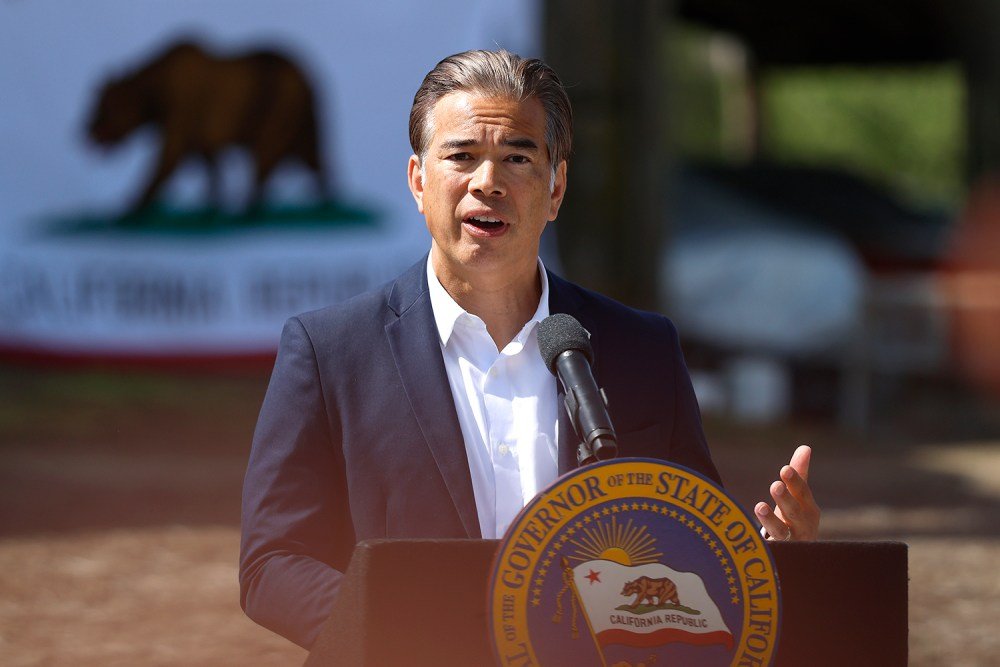
  • California A.G. Rejects $1.88 Billion Paramount Bond, Says Company Wants a ‘Do-Over’ on Merger Delay

    California A.G. Rejects $1.88 Billion Paramount Bond, Says Company Wants a ‘Do-Over’ on Merger Delay

    The California attorney general’s office fired back against Paramount’s request for a $1.88 billion bond on Monday, saying the company is seeking a “do-over” on its agreement to delay the Warner Bros. merger until an antitrust trial next March.

    In a statement, the A.G.’s office argued that Paramount is a “sophisticated” company that knew it would face regulatory review when it agreed to pay Warner Bros. shareholders a $7 million-per-day ticking fee, and that California should not be made to bear the burden of that decision.

    “Bottom line: Paramount went into this process with eyes wide open,” the office said. “They are lying in a bed of their own making, and once again, trying to blackmail us to get us to back down.”

    California Attorney General Rob Bonta is leading a 12-state coalition to block the merger on the grounds that it will reduce competition in the theatrical and basic cable markets. Last month, Paramount agreed to hold off on closing the deal until after the case is resolved at trial, or until next June, whichever comes first.

    But Paramount was hoping for an earlier trial date — ideally in November. In a motion filed on Monday, the company argued that it will be forced to pay $1.7 billion in ticking fees to Warner Bros. shareholders if the case drags out until June 1, plus another $190 million in financing costs.

    Paramount argues that the states and the Writers Guild of America — which has filed its own antitrust suit — should be required to post a bond to cover its losses arising from the delay in the event that the deal is ultimately approved.

    Judge Araceli Martinez-Olguin initially granted a 14-day restraining order to block the merger in July. In that order, she waived the requirement to post a bond, saying the states had shown they were acting in pursuit of “important public interests.”

    The states, the WGA and Paramount later entered a stipulation to delay the merger — the functional equivalent of a preliminary injunction — which did not include any bond requirement. Now that Martinez-Olguin has set the trial for March 2, Paramount is seeking to amend the agreement to include the $1.88 billion bond. Failing that, Paramount wants to dissolve the deal and allow the merger to close.

    “Paramount and Warner Bros. are two sophisticated companies who willfully decided to include a costly ticking fee as a provision in their merger contract. They knew this merger would undergo regulatory review; they knew it was not a done deal; and they chose to include it anyway,” the A.G.’s office said Monday. “What’s more, Paramount itself stipulated to the timing it is now protesting — they agreed to the dates and did not request a bond as a condition of agreeing not to close until after the trial, and potentially as late as June 2027.  Now, they’re trying to get a do-over.”

    In a statement on Monday, Paramount argued that the 12 states are defying a global consensus that the deal presents no issues of competitive harm and should be approved.

    “We remain confident that plaintiffs’ case is without merit and will defend our pro-competitive transaction in court,” the company said.

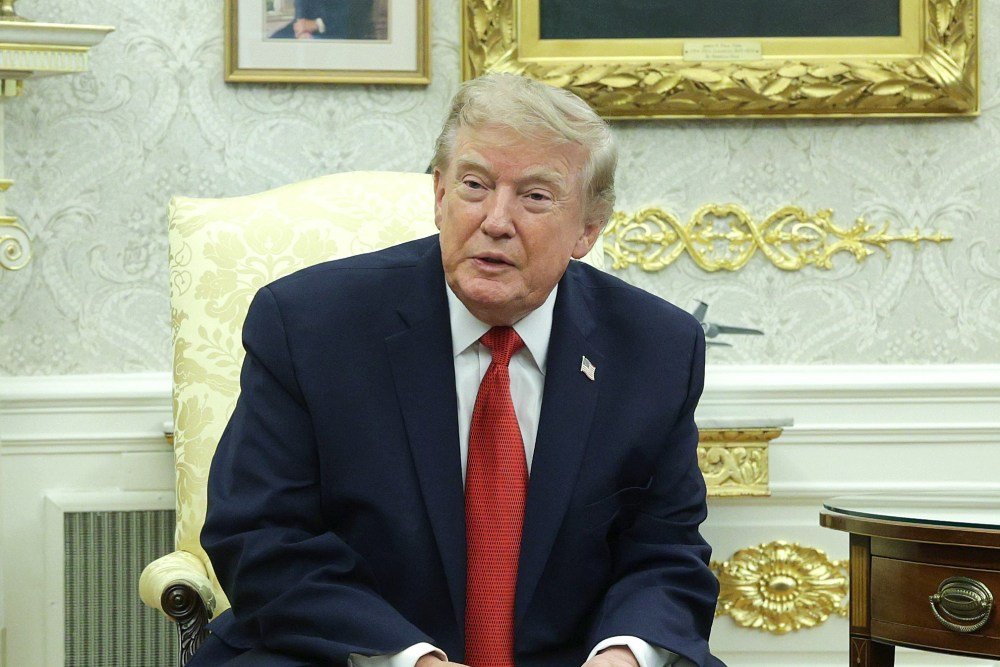
  • Donald Trump Attacks CNN’s Kristen Holmes for Asking if He Spoke to North Korean Dictator: ‘You’re a Loud, Boisterous Person. Be Quiet!’

    Donald Trump Attacks CNN’s Kristen Holmes for Asking if He Spoke to North Korean Dictator: ‘You’re a Loud, Boisterous Person. Be Quiet!’

    President Donald Trump grew angry at CNN‘s Kristen Holmes during a press briefing at the White House Monday, after she asked whether he had spoken with North Korean dictator Kim Jong-un.

    “Quiet,” Trump told Holmes, CNN’s senior White House correspondent, after she queried the president about if Jong-un had asked Trump to curtail U.S. military exercises with South Korea. “You’re a loud, boisterous person. You’re faking news!”

    In a social media post Sunday, Trump had said that “Based on my very good relationship with Kim Jong Un, of North Korea, I am not happy with the fact that the United States has, long ago, agreed to participate in Joint Military Exercises with South Korea” and that he would instruct Defense Secretary Pete Hegseth to “substantially reduce the Joint Military Exercises!”

    Holmes tried to follow up on her question to the president, saying, “I was trying to find out if you had been talking to Kim Jong-un, if he had asked you to scale back on those military exercises.” Trump, talking over her, said: “Be quiet! Be quiet! Be quiet! You’re a fake reporter and you report fake news.”

    Meanwhile, the White House lashed out at Holmes because during the same event, she asked Trump for his response to a remark by Georgia Sen. Jon Ossoff about one of Trump’s aides. Earlier in the day at a campaign rally, Ossoff said that Trump “doesn’t want to do the job. He wants to build his ballroom and travel with Natalie on their apparently defenseless flying palace gifted by the Emir of Qatar,” referring to Natalie Harp, the president’s executive assistant. Harp was among the small group of Trump officials who (along with the president) were secretly escorted off the Qatar-donated Air Force One to a smaller military aircraft in Turkey because of a threat from Iran.

    Following the exchange in the Oval Office, the White House’s Rapid Response 47 account on X wrote, “.@KristenhCNN is a disgraceful, humiliating embarrassment to her alleged profession. @POTUS hosts a hero lifeguard in the Oval Office and she uses it as an opportunity to take a cheap shot about one of President Trump’s staffers. These scumbags are the lowest of the low.” The press event Monday at the White House was meant to honor teenage lifeguard Ryder Williams, who rescued a 10-year-old boy at a beach in Santa Cruz, California, last month.

    The White House comms team followed that up with this comment: “.@KristenhCNN: Someday, your children will come across your disgusting and inhumane question. They will be sickened and embarrassed to have a parent be so callous and vindictive. It’s quite troubling.”

    In a statement responding to the White House attacks, CNN said, “Kristen Holmes is one of the most respected and accomplished journalists covering the White House. This afternoon, she did her job and asked the President of the United States a tough, relevant, and newsworthy question on behalf of the American people. Public officials are free to challenge reporting they disagree with, but personal attacks on journalists for asking questions are beneath the office and inconsistent with the principles of a free press. We stand firmly behind Kristen and reject these attacks in the strongest possible terms.”

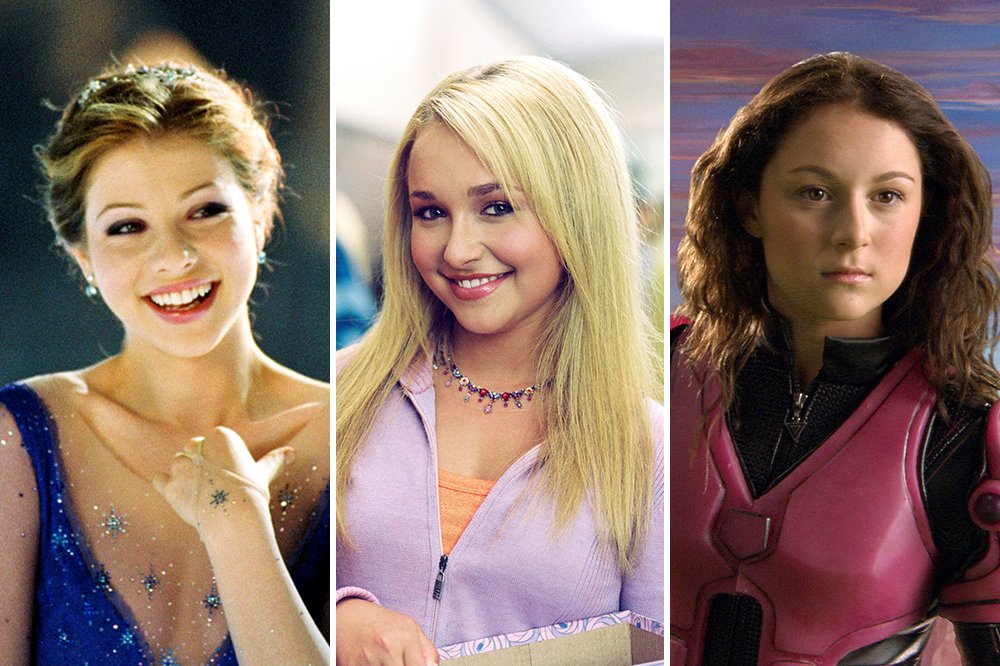
  • ‘Spy Kids’ Actor Alexa PenaVega Shares Heartbreak After Deaths of Fellow Child Stars Hayden Panettiere, Michelle Trachtenberg and Daveigh Chase: ‘Hug Your People Close Today’

    ‘Spy Kids’ Actor Alexa PenaVega Shares Heartbreak After Deaths of Fellow Child Stars Hayden Panettiere, Michelle Trachtenberg and Daveigh Chase: ‘Hug Your People Close Today’

    Alexa PenaVega’s “heart is heavy” after the death of Hayden Panettiere, most notably because it marks the third passing of a fellow child star in 2026. The “Spy Kids” actor noted in a statement on social media that she rose to fame with and grew up alongside the likes of Panettiere, Michelle Trachtenberg and Daveigh Chase. All three actors died in their 30s between February and August.

    “Hayden, Michelle, Daveigh… my heart is heavy today,” PenaVega wrote. “These aren’t just names from my childhood. They’re girls I grew up alongside, sharing a world that was exciting and also incredibly hard. We were kids navigating something so big, and not everyone had the foundation or support they deserved.”

    “Today, I’m grieving and holding their families close in my prayers and thinking of everyone still fighting battles we can’t see,” she added. “Hug your people close today.”

    PenaVega, Panettiere, Trachtenberg and Chase all came of age together in Hollywood in the 2000s. PenaVega’s breakout turn in 2001’s “Spy Kids” made her a regular at Hollywood premieres, where she was often photographed with her fellow child-turned-teen stars. Chase and PenaVega walked part of Disney’s “Freaky Friday” red carpet together in 2003 (one year after Chase voiced Lilo in the studio’s animated movie “Lilo & Stitch”), while PenaVega attended the premiere of Panettiere’s “Raising Helen” in 2004, among several other Hollywood encounters.

    Panettiere died on Sunday in Greenville, South Carolina, at the age of 36. Her death is currently under investigation, but there were “not any signs of foul play or suspicious circumstances,” according to police. She was beloved for the television series “Heroes” and “Nasvhille,” but she broke out as a Disney child star in “A Bug’s Life” and “Remember the Titans,” among other hit roles.

    Also beginning work as a child actor, Trachtenberg appeared in the ’90s Nickelodeon series “The Adventures of Pete & Pete” before starring in the family film “Harriet the Spy” in 1996 at the age of 10. As a teenager, she featured as Dawn Summers in “Buffy the Vampire Slayer” and later played Georgina Sparks on the teen drama “Gossip Girl.” Trachtenberg died in February at 39 years old due to natural causes, as a result of complications from diabetes mellitus.

    Chase, who voiced Lilo in “Lilo & Stitch” and starred in “The Ring,” died June 16 in Los Angeles at 35. The actor’s cause of death was AIDS, according to the coroner’s office. A secondary cause was listed as “chronic polysubstance use.” Chase’s father, John David Schwallier, told the New York Times that she had been homeless and had struggled with drugs since the age of 13.

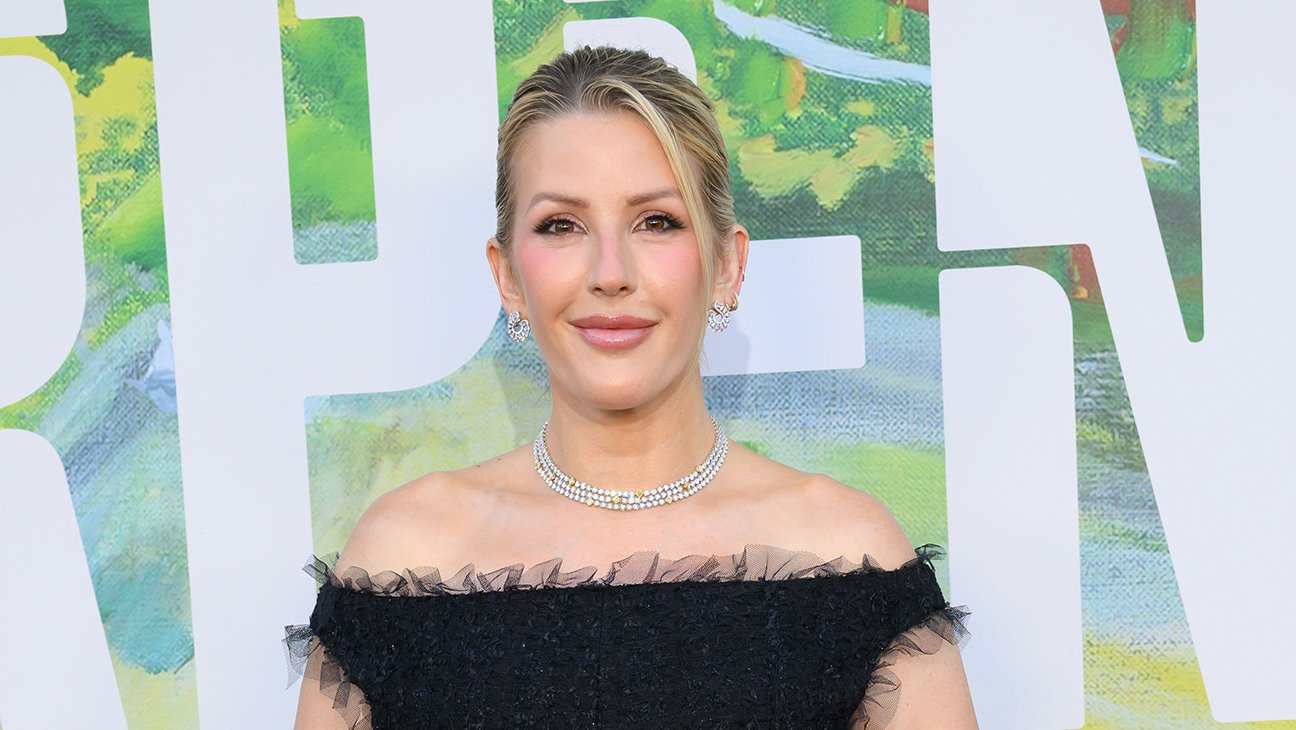
  • Ellie Goulding Sues Former Managers Over Ties to Live Nation

    Ellie Goulding Sues Former Managers Over Ties to Live Nation

    Ellie Goulding is suing her former managers at TaP Management over conflict of interest claims, alleging that the company failed to disclose business ties to Live Nation Entertainment.

    In the lawsuit, reviewed by Rolling Stone, Goulding claimed that TaP Management’s founders Ben Mawson and Ed Millett had frequently pushed the singer to work with Live Nation, while never disclosing that the company was a subsidiary of Live Nation. Mawson and Millett founded TaP in 2010, and Live Nation acquired a majority stake in the company in 2015 through parent company HNOE, per the lawsuit, then bought out the rest of TaP in 2019.

    [E]ach of the Defendants had a personal interest or duty in dealings between Ms. Goulding and companies in the Live Nation group, which was in actual or potential conflict with the interests of Ms. Goulding in securing the best commercial terms with whichever promoter, merchandiser, or other counterparty it was most advantageous for her to deal with,” the suit said, per Rolling Stone.

    Variety first reported the news of the suit.

    TaP is one of the more prominent management firms in the music business, representing Lana Del Rey along with the likes of Dermot Kennedy, Erin LeCount and Duffy among others. TaP has also previously managed acts including Dua Lipa and Hailiee Steinfeld.

    Mawson and Millett didn’t respond to request for comment.

    TaP is one of several artist management companies under the Live Nation umbrella, as the world’s largest concert promoter is also one of the biggest artist managers, representing about 360 artists as of 2025, according to the company’s latest 10-K report. (Live Nation itself is not a defendant in the case and didn’t respond to request for comment.)

    Back in June, Goulding signed with WME for touring. The pop star has her upcoming sixth album I Know Too Much set for release in September.

  • ‘Beef’ Isn’t ‘Veep.’ Its Emmy-Nominated Editor Explains Why That Matters

    ‘Beef’ Isn’t ‘Veep.’ Its Emmy-Nominated Editor Explains Why That Matters

    When two-time Emmy-winning editor Laura Zempel was cutting the second season of Netflix’s acclaimed limited anthology series Beef, she found inspiration in everything, from neo-noir cinema to her love of dogs.

    “Michael Mann is a huge influence on this season,” she reveals, specifically citing his Oscar-nominated film The Insider as a marker for how she approached the edit that has now earned her an Emmy nomination. It’s one of 16 nods Beef received this year; season one won eight.

    As with the first season, Beef mixes humor with theatrics, but it’s not a “hard comedy,” says Zempel. “You can’t cut it like Veep. If you try to cut Beef that way, it falls apart because you lose the tension.”

    Beef‘s second season sees Charles Melton and Cailee Spaeny play a young couple working at a lavish country club in Montecito, California. But the newly engaged pair’s worlds implode after they become embroiled in the marital breakdown of their bosses, played by Oscar Isaac and Carey Mulligan.

    A scene that exemplifies Beef‘s characteristic tension involves Isaac’s manager character, Joshua, and Spaeny’s resort worker, Ashley, chatting by a beverage cart. It’s a slower-paced, cat-and-mouse interaction where “the main thing that needs to come across is threat,” says Zempel.

    “You need to feel scared for Ashley because Josh is pushing her so hard. Sonny and Jake are so particular about that,” she adds, referencing showrunner Lee Sung Jin and executive producer Jake Schreier. “Every scene has a perspective character, and they design the scene around them.” It’s something Zempel credits with creating a deeper connection with the audience.

    “The shot sizes reflect that, so we’re closer on the perspective character. We’ll see the other person’s coverage over our perspective character’s shoulder, whereas the reverse on our perspective character will be clean,” she explains. “I’m always keeping in mind whose scene it is and if that changes. The scene starts as Josh’s scene, but once he walks away, it becomes Ashley’s, and the audience has to take in what the hell just happened.”

    One of Zempel’s favorite sequences was the season finale’s fight scene in a Korean spa. It’s a oner, so it couldn’t be cut. As a result, she leaned into the action and the audio. “I am very proud that people don’t realize it was a oner,” she says. “Sonny and Jake’s direction with the sound design was, ‘This is not John Wick.’ These people are bad at fighting so the thuds are funny. The little breaths, the cloth grabs and punches were all deliberate. It’s realistic and clumsy.”

    Although the editor initially cuts without music, Finneas O’Connell’s synthy score, a shift from season one’s “more percussive” soundtrack, had “more jagged edges” and felt “more handmade,” which influenced future passes, Zempel says, adding that it makes the second season feel “refined” and “more mature,” complementing the country club “poshness.”

    Similarly, Zempel’s love of dogs influenced her approach to scenes featuring Burberry, the dachshund owned by Mulligan’s and Isaac’s feuding characters.

    “Jones, who plays Burberry, is the most talented dog actor I have ever seen,” she says with a laugh. “He’s so darn cute in his little sweaters, and a bit of a scene-stealer.

    “Lilly Wild, my co-editor on the hospital episode where Burberry’s left alone in the house, is also a dog person, and so is Sonny,” she continues. “If there is a different rhythm to the dog scenes, it might be because our office is full of dog lovers. We may have given Jones a spotlight.”

    This story first appeared in an August stand-alone issue of The Hollywood Reporter magazine. To receive the magazine, click here to subscribe.

  • Theo Von Takes Break From Field of Dreams Game to Talk Road Trips, Staying Healthy And Loving Iowa

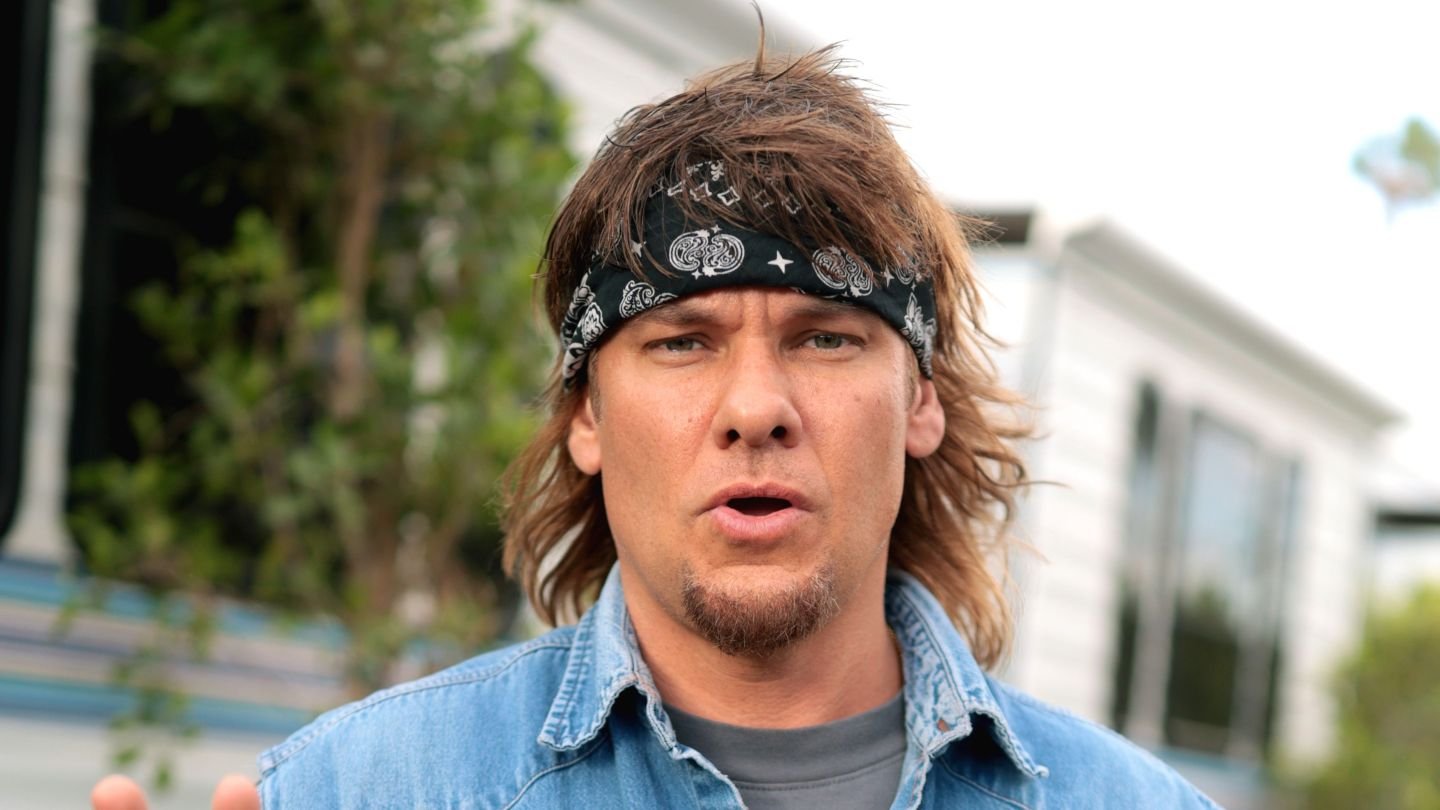
    Theo Von Takes Break From Field of Dreams Game to Talk Road Trips, Staying Healthy And Loving Iowa

    Theo Von is tearing through a bag of ballpark peanuts with shells scattered across the lap of his khaki cargo pants. At every inning changeover and break, he brushes them off to stand from his seat in section 106 of the Field of Dreams stadium in Dyersville, Iowa and accept every selfie request fielded across nine innings. And there were dozens and dozens.

    Aside from Philadelphia Phillies star Kyle Schwarber, who hit two home runs to help his team defeat the Minnesota Twins 7-1, the biggest star of last Thursday night was undoubtedly Von who made a surprise appearance to catch the MLB matchup amid a multi-state road trip he’s currently on with two pals. In every corner of the stadium — framed by meticulously arranged corn rows and blanketed by quotes from the 1989 film starring Kevin Costner — fans could be heard buzzing about Von’s presence or complimenting his wildly popular podcast, This Past Weekend, which regularly charts in Spotify’s top 10.

    Von embraces the attention. “I love Iowa,” he says. “I’ve been pretty fortunate where people are pretty friendly most of the time. And I like meeting people.” He was eager to talk to fans, and while he rarely does interviews outside of his own podcast or those run by close friends, he made an exception and accepted a request to speak with The Hollywood Reporter that was seamlessly facilitated by a rep for Netflix, which streamed the high-profile MLB game and remains home to two Von stand-up specials, 2016’s No Offense and 2021’s Regular People.

    With a parade of Phillies players in the batter’s box, Von kept one eye on the field while chatting with THR about why he was rooting for the Twins, his desire to get back onstage (and his dream venue in Iowa) and lessons learned from his first major Hollywood effort as a writer, producer and star of the feature film Busboys opposite David Spade.

    Thanks for the time. I was surprised to see you here in the stands. What made you come out for the game?

    My friends and I had planned to do a little bit of camper traveling around the country but we ended up only having about 10 days to do it. Part of the trip was to stop here in Iowa, and this [game] was one of the linchpins of our travel. So we got here, and we’re going to do some scuba diving in Lake Michigan and a few other things.

    What do you think of the game so far?

    This is good. I’ve been here before when it was just a regular field of dreams, I guess, maybe the field of lesser dreams. But this is great, man. I see some of the greats out here. You got Rollie Fingers out here, Andre Dawson, CC Sabathia, Andruw Jones, so many of the heroes I watched growing up. Seeing so many of the greats is wonderful, and people seem to be having a great time. And the game has had a lot of hits already.

    That’s what people want out of a game like this, lots of offense and big plays.

    Schwarber’s got two homers, dude.

    Who are you rooting for?

    I think I’m rooting for the Twins today. Yeah, I like Minnesota. They’ve had a tough go here and there. They got scammed by all those people from Somalia, and then their own government scammed them. So, yeah, I’m going to cheer for them. Plus, I got attacked in Philadelphia a couple years ago. Some guy hit me with a fucking car hubcap or whatever near Temple [University]. So, I’m not cheering for them right now.

    They’ve got to do some work to get back in your good graces?

    Yeah, at least send an apology email. If you get attacked in a city, the city should send you an apology email. What are we even doing?

    Tell me about your history with the Field of Dreams movie. Did you watch it growing up?

    Oh yeah, we watched it growing up, and I watched it on an airplane the other day because I knew we were coming here. I wanted to relight the candle a little bit. It’s a nice story about a father-son that really brings people together. I’ve run into some fathers and sons here at the ballpark today, so that’s been really cool and kind of heartwarming to see.

    It’s pretty heartwarming to see you engage with all of your fans here, too. I kept turning around from my seat to see the lines forming with people who wanted to meet you and take a photo. You’ve said yes to everyone. What’s the experience like for you of coming to a game like this to deal with the crowds of people who want your attention?

    I’ve been pretty fortunate where people are pretty friendly most of the time. And I like meeting people. I mean, one of the things that’s kind of important sometimes is to make sure my own attitude’s good before I leave home. If my attitude’s not good, then I shouldn’t take my attitude in a place where it can be easily affected. But I love Iowa. My mom went to college in Iowa.

    Where?

    She went to a small school, Copiah-Lincoln Community College, called Co-Lin. I just love it here, dude. I love coming here and getting to spend some time meeting people. I met a lot of good people, and sometimes you have a good conversation and you get to be a part of making someone’s day a little bit more chill or a little bit more interesting. You dap it up for a minute and say, “Hey.”

    With the popularity of This Past Weekend, you must not really be able to go anywhere these days without a similar reaction?

    Yeah, I meet a lot of people. Sometimes it’s good and sometimes there’s a part of life that I miss. You miss having the element of surprise sometimes. That’s not really what God has planned or whatever for right now. I’m sure there’ll be a time again where people don’t pay attention to me or whatever, and then I’ll wish it was the other way. So, I don’t wish it away right now. I think I long for a sense of … I don’t know. We all long for a sense of a little bit of Iowa. I think everybody wants a sense of how it feels to spend an afternoon in Iowa. Driving through the state the past two days, we’ve been driving past cornfields through the rain. We went fishing yesterday in some lakes. Everything’s been perfect. Honestly, I want to do a show in the Surf Ballroom [in Clear Lake, Iowa]. That’s one of my goals in the next few years.

    You had a big year on the movie front by writing, producing and starring in the movie Busboys with David Spade. What does that signal about what you want to do in Hollywood, or what did you learn from that experience?

    One thing I learned is that it’s hard to make a movie. It takes a lot of attention over a long period of time from writing to getting it done. I learned how to do it from top to bottom, thanks to David Spade helping me out. It was a good experience. I’m not just taking some time to think about what I want to do next. One thing I do know is that I want to be able to get back onstage. And then I want to focus on taking care of myself and getting myself to a healthier space to see whatever possibilities can come from that. I can be able to honor them and maybe complete them if it’s something I want to do.

    What do you mean by healthier space and how do you do that?

    Just making sure that I’m taking care of myself because it’s a lot of stress. Yeah, I feel good, but just sometimes it takes a mental toll. Sometimes I take on too much and do much touring with not enough breaks. You think you’re Superman sometimes but you find out you’re just a man.

    You mentioned getting back on stage. I would imagine that a time like right now, being on the road and meeting people, is good for material. Just living life.

    I think so. We drive around and just joke around. My friend got the fricking measles, dude. What a fricking loser dude. He has a disease from the 1800s or whatever. I’m definitely not borrowing his clothes anymore. But yeah, we’re just doing our best. There’ll be more to come. I hope that the best is yet to come.

  • CNN Has Prime-Time Anchors Locked In Ahead of Paramount Deal

    CNN Has Prime-Time Anchors Locked In Ahead of Paramount Deal

    Executives at Paramount Skydance have agreed to pay billions to acquire Warner Bros. Discovery, but they may have to do a little more work if they want to put their own stamp on the programming at CNN.

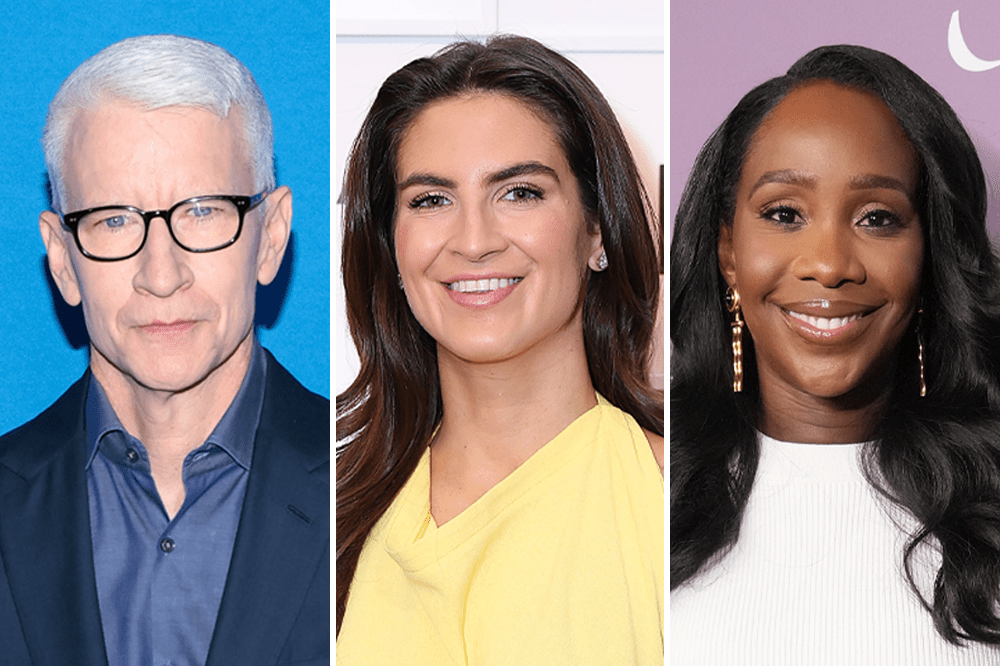
    CNN recently struck a new deal with Abby Phillip, anchor of the raucous 10 p.m. roundtable “NewsNight” that keeps al three of the anchors who host its primetime shows at the news giant for the foreseeable future, according to three people familiar with the matter.

    Anderson Cooper, who anchors the 8 p.m. slot on CNN, renewed terms last year and it’s widely understood that Kaitlan Collins, who leads the “The Source” at 9 p.m. is working under a contract that has a few more years on left on it. Phillip is the last of the troika to renew alliances with the Warner Bros. Discovery news outlet.

    A CNN spokesperson said the network does not comment on contracts with talent.

    CNN was likely dealing with each anchor’s renewal as individual contracts opened, rather than deliberately planning a move to slow down a new owner’s plans.

    Nonetheless, having contracts in place could mean that Paramount will have to do some additional maneuvering if it wants to rework CNN’s programming lineup or rearrange the anchors who fill it. To be sure, a network can easily move an anchor if it wants — CNN forced Don Lemon to move out of his late-night roost on the schedule in 2022 to an ill-conceived morning-show concept after Warner was put under the control of CEO David Zaslav — but the new contracts mean that the anchors have some guarantees about the money they are owed in case changes are made.

    CNN staffers have been on edge as the Paramount deal moved closer to consummation. There is palpable concern that Paramount CEO David Ellison will assign oversight of CNN to Bari Weiss, a digital entrepreneur and opinion writer installed last year as editor in chief of CBS News. Her tenure at the news division has generated significant scrutiny and controversy, and has included the ouster of top producers and correspondents at the long-running newsmagazine “60 Minutes,” viewed for years as one of the jewels of the CBS lineup. There are growing fears within CNN that the Paramount acquisition would spur programming and talent changes that could be seen as being made to placate the Trump administration, rather than holding it to account. Inside CNN, there is a strong concern that Paramount’s executives “don’t know or don’t care” about managing the news giant for profit or for the future, according to one staffer. 

    All three anchors have taken on responsibilities beyond their evening-host duties. Cooper hosts the Sunday deep-dive program “The Whole Story” as well as “All There Is,” a podcast that examines grief. Collins anchors a primetime show while also working as the network’s chief White House correspondent. Phillip also hosts a Saturday-morning program, “Table for Five,” which, like “NewsNight,” is presented in a roundtable format. Phillip recently took up digital duties, hosting the new program “Confessions and Obsessions,” which focuses more on guests’ personal interests than their political leanings.

    Signing Phillip to a new contract also means that CNN will likely rely heavily on the trio as the midterm elections approach. Elections can bring an injection of new viewership to news networks, as the drama around the race for federal office often lures people beyond CNN’s immediate crowd. CNN’s ad revenue is projected to increase about 4% to $510.4 million in 2026, according to Kagan, a market-research unit of S&P Global Intelligence, compared with $489.8 million in 2025.