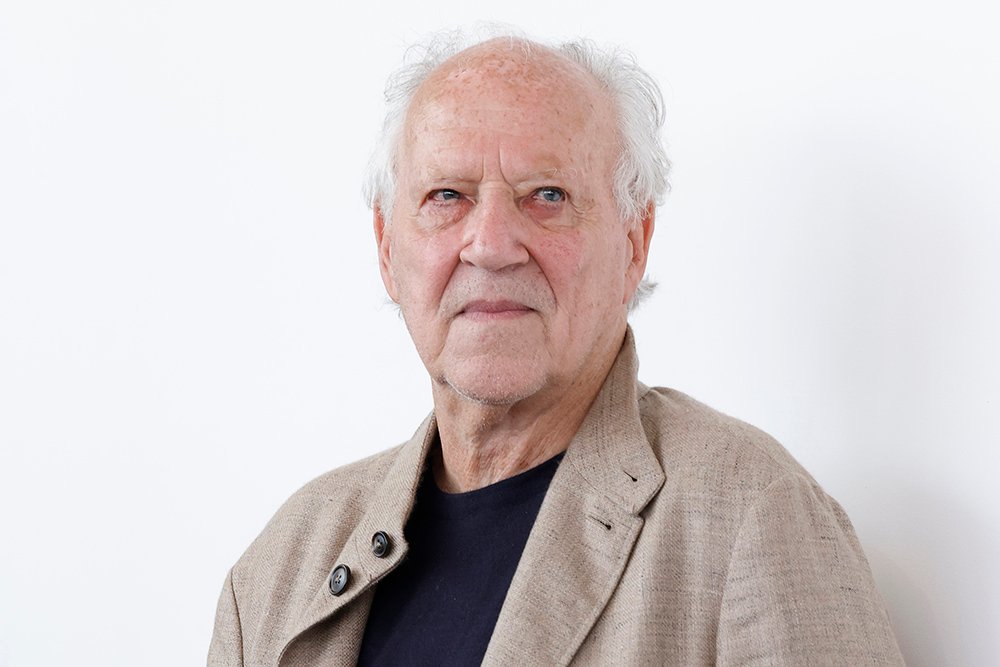
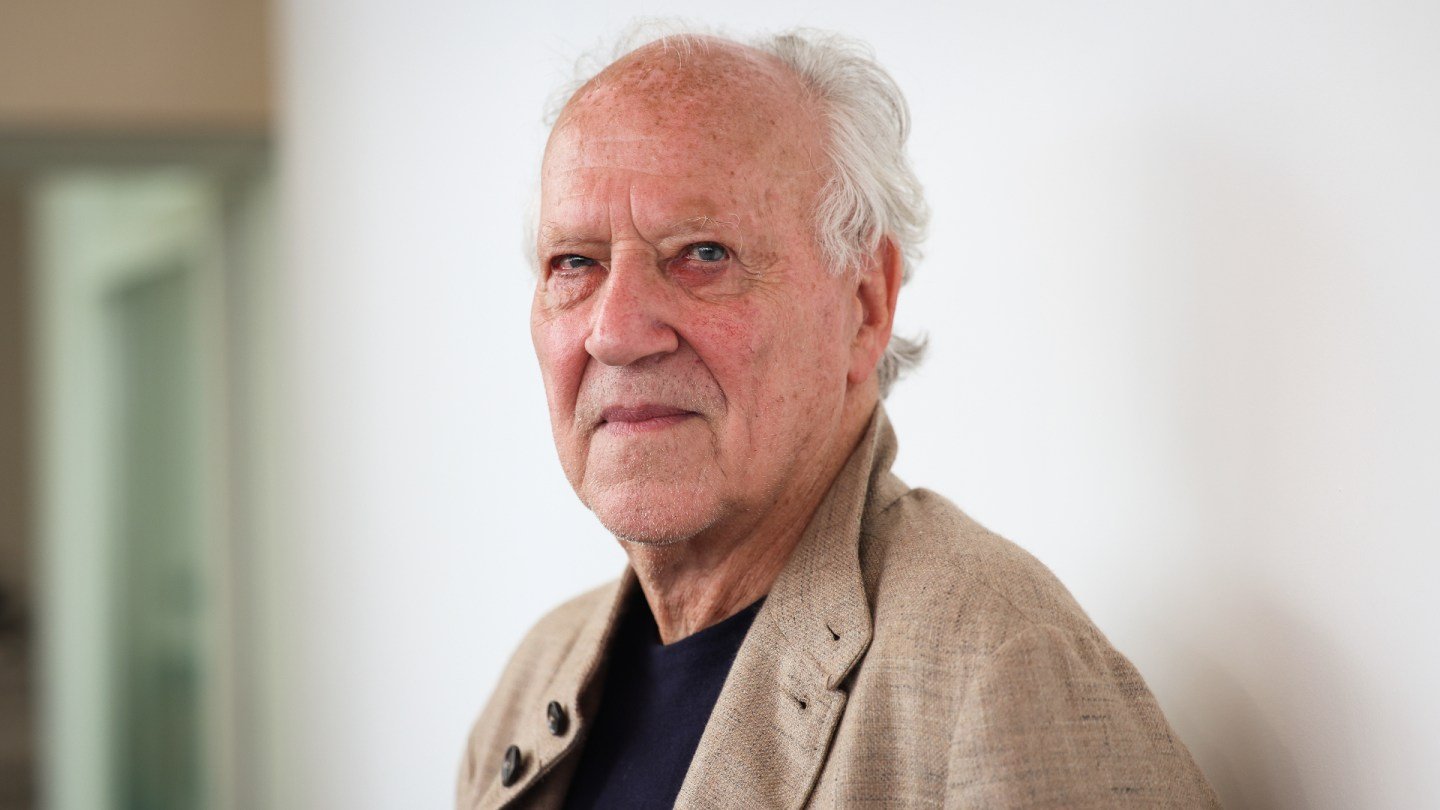
Prolific filmmaker Werner Herzog will receive the San Sebastián Film Festival’s prestigious Donostia Award during its 74th edition in September.
The German director will be honored at the Spanish festival’s opening gala and will screen his latest film “Bucking Fastard,” following its world premiere at Venice Film Festival.
“Over a career spanning six decades, Werner Herzog has become one of the most influential figures in contemporary cinema, building an extraordinary body of work ―around 80 films― shaped by obsession, extreme situations and the contradictions of human nature,” San Sebastián Film Festival said in a statement. “His films, both fiction and non-fiction, are populated by dreamers and conquerors confronted with extreme landscapes and forces beyond their control. Guided by his concept of ‘Ecstatic Truth,’ Herzog advocates a cinema that transcends the mere observation of facts to reveal a deeper, more poetic dimension of reality.”
Regarded as a pioneer of New German Cinema, Herzog’s credits include “Aguirre, the Wrath of God” (1972), “Fitzcarraldo” (1982), “Grizzly Man” (2005) and “Cave of Forgotten Dreams” (2010). He was nominated for a best documentary Oscar in 2008 for “Encounters at the End of the World” and has won prizes at the Cannes, Berlin and Venice film festivals.
Starring sisters Rooney and Kate Mara, “Bucking Fastard” tells the “unusual story of twins whose extraordinary bond leads them to speak in unison, love the same man and share the same dreams,” according to its official synopsis.
The San Sebastián Film Festival will take place from Sept. 18 to 26.
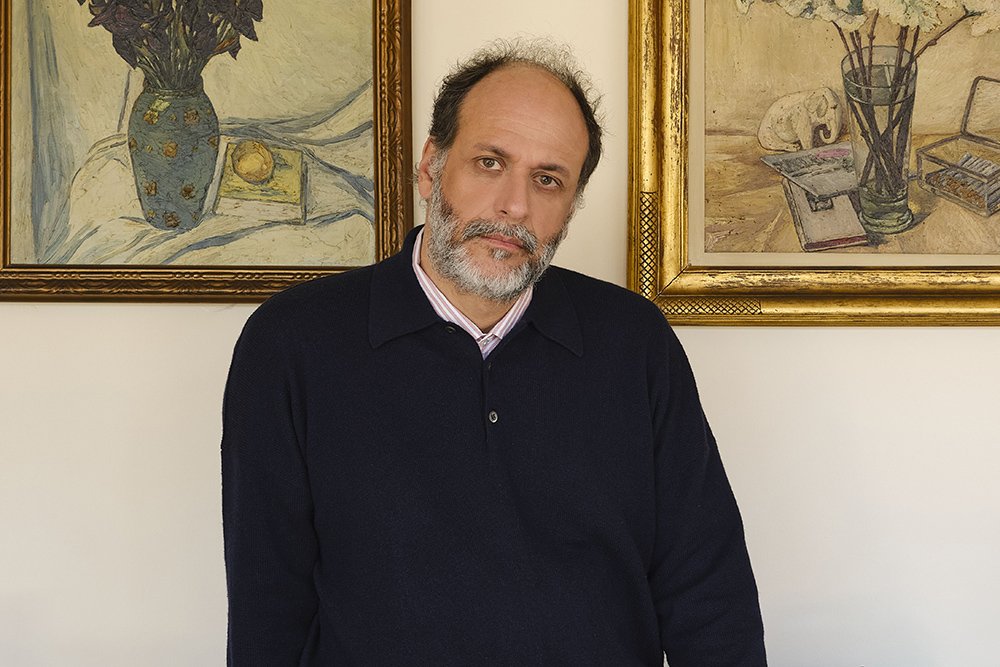
The Italian director, who is premiering his seven-hour Bernardo Bertolucci documentary “Joie de Vivre” at this year’s festival, is being honored as “a personality who has made a particularly original contribution to the contemporary film industry,” according to a press release. Guadagnino will be presented the award in a ceremony on Sept. 8 before the premiere of “Joie de Vivre.”
“It might seem like a rhetorical gesture to say I am honored to receive the Glory to the Filmmaker award, but it is the plain truth for many reasons,” Guadagnino said in a statement. “To be honored for one’s craft or life as a filmmaker is an ambition that no one who makes films could ever presume to imagine achieving — especially by joining a group of filmmakers who have received this prestigious honor before me and to whom I owe so much of my development. So, I want to emphasize once again what an honor it is to receive this award, especially from Alberto Barbera and La Biennale di Venezia. Thank you, thank you!”
Added Barbera: “The Glory to the Filmmaker Award celebrates in Luca Guadagnino an author who has managed to transform his curiosity into a form of creative freedom. Defying alignment with any single school or movement, he has established himself as a global director, capable of working with leading international actors and producers. He has navigated diverse genres — from melodrama to horror, coming-of-age to psychological thriller — while maintaining a consistent and recognizable voice, without ever losing a deeply Italian identity in portraying bodies, settings and history. His is a vital cinema that does not shy away from risk: nomadic, sensual, sophisticated yet widely accessible, where intellectual provocation and emotion, memory and modernity coexist brilliantly. Glory to the Filmmaker honors the originality of a vision that has succeeded in renewing the language of contemporary cinema, celebrating a career that has brought Italian auteurship into a true dialogue with the entire world.”
Guadagnino is no stranger to Venice Film Festival, and most recently presented his film “After the Hunt,” starring Julia Roberts and Andrew Garfield, at last year’s edition. His other credits include “Challengers,” “Bones and All” and “Call Me by Your Name,” and he recently wrapped “Artificial,” a drama about OpenAI founder Sam Altman (played by Garfield) that was dropped by Amazon MGM after they struck a deal with the tech company. The film was then picked up by Neon, which is planning a campaign for the upcoming awards season.
Starz saw total revenue slide again in the second quarter of 2026 — but the media company reported its first year-over-year growth in streaming revenue in 18 months. Company execs believe the business is turning around, and they’ve raised their outlook for adjusted OIBDA (operating income before depreciation and amortization) growth for full-year 2026 from low single-digits to mid single-digits.
Total revenue in the second quarter was $307.9 million, down 4% year over year. OTT revenue as reported was $221.3 million, up ever so slightly from $221.1 million in the year-earlier period. However, Starz said, streaming revenue would have increased 1.4% in the June 2026 quarter excluding $3 million of OTT revenue related to Canadian operations that was recorded in Q2 2025. (Starz transitioned its Canadian operations from a distribution partnership with Bell to a content-licensing model at the end of 2025.)
Net loss ballooned to $189.4 million, compared with a loss of $42.5 million in Q2 2025. Starz reported an operating loss of $175.5 million (vs. $26.9 million a year earlier).
Taking a big bite out of Starz’s earnings: The company took a restructuring charge of $147 million in the second quarter of 2026 in association with the termination of its pay-2 film output agreement with Universal Pictures in April. The wind-down of the Universal deal was previously announced by Starz president and CEO Jeff Hirsch, who cited “lower viewership than we originally projected.” In prepared remarks Friday, Starz CFO Scott Macdonald said, “We continue to expect this to be the final content restructuring charge of this magnitude going forward, which sets the company up for meaningfully lower restructuring activity from here.” Given the timing of Starz’s final cash payments to Universal in 2028, Macdonald said, “we believe 2029 is shaping up to be a significant year for free cash flow growth relative to the trajectory we see across 2026 through 2028.”
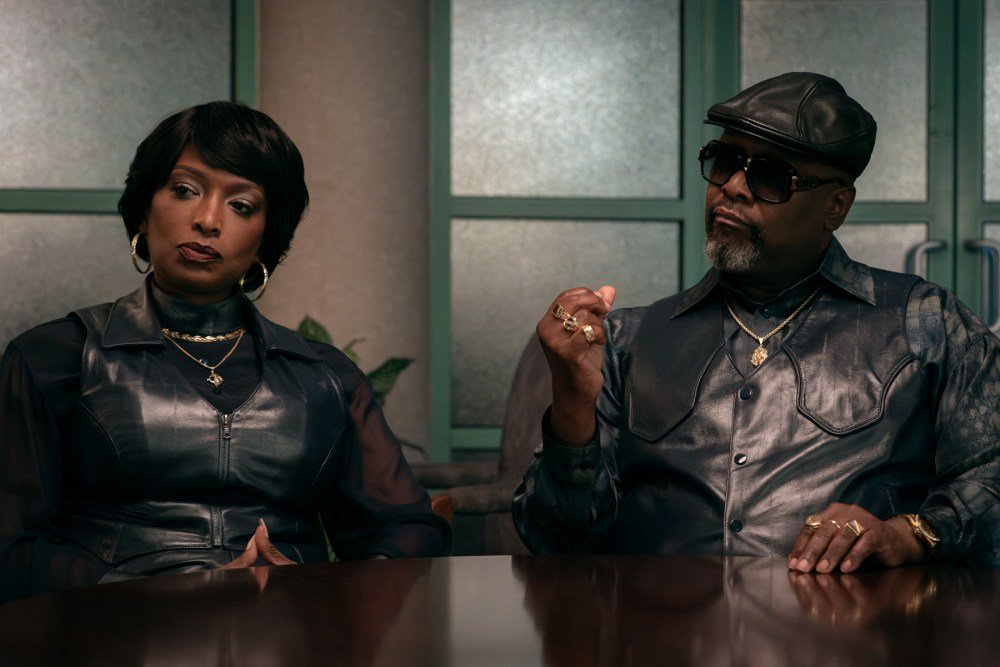
In Q2, Starz’s stop-performing titles were the finale of “Outlander”; the premiere of “Power Book III: Raising Kanan” Season 5 (pictured above); and “The Housemaid,” Lionsgate’s psychological thriller starring Amanda Seyfried and Sydney Sweeney, which debuted April 1 on Starz.
In prepared remarks, Hirsch said “Raising Kanan” Season 5 grew its audience from the first season five years ago, “a rare achievement in today’s television landscape.” In addition, he said, the July 31 premiere of “Fightland,” the boxing crime drama series produced by 50 Cent, was Starz’s No. 2 best-rated original IP launch of all time (after the Season 1 premiere of “BMF” in 2021).
“Our second-quarter results reflect the momentum we are building across the business and the strength of our content portfolio,” Hirsch said in a statement. “We delivered another quarter of strong audience engagement and OTT revenue growth, and the success of the ‘Fightland’ premiere validates our ownership strategy.”
Hirsch said the company’s improved visibility into the second half of the year and the early performance of “Fightland” have served to “increase our confidence that 2026 is shaping up to be a more significant inflection year for Starz than we initially anticipated.”
During the second quarter, Starz launched a new partnership with NBCUniversal’s Peacock that makes Starz available as an add-on subscription to the platform for the first time. And last week, Starz announced a new discounted bundle with Crunchyroll on Prime Video.
Upcoming programming coming to Starz includes the return of “P-Valley,” the continued expansion of the “Outlander” universe through “Blood of My Blood” Season 2, and the upcoming biopic “Michael” following its record-breaking theatrical run. Further out, Hirsch said, “we continue to build our owned content pipeline beyond ‘Fightland’ with the ‘Untitled Black Rodeo Show,’” which is starting production this month. and several other Starz-owned projects in development.
Adjusted OIBDA was $60 million for the quarter, ahead of Starz’s expectations and up from $33.4 million in the year-ago period. The company expects Q3 adjusted OIBDA to be in the mid-$30 million range. That “will be our lowest quarter of the year due to higher programming amortization” from the airing of “Raising Kanan” S5, “Fightland” S1 and “Blood of My Blood” S2 all during Q3, according to Macdonald. Starz expects Q4 to “finish the year strongly in the mid-60s.” As such, the company is raising 2026 adjusted OIBDA growth guidance from low single-digits to mid single digits, “and we remain confident in achieving our 20% adjusted OIBDA margin target in the back half of 2027,” the CFO said.
In the second quarter, Starz’s unlevered free cash flow was negative $15 million and equity free cash flow was negative $33 million “given the timing of content payments,” Macdonald said. Free cash flow still came in ahead of expectations, he added.
Cash content spend was $182 million for the second quarter. With the exit of the Universal agreement, Starz expects to report full-year 2026 cash content spend below $600 million.
Net debt was $566 million as of June 30, 2026, and adjusted OIBDA leverage ratio was 2.9 times. Starz has obtained commitments to increase its credit facilities by $100 million, comprised of a $67 million increase to its Term Loan A and a $33 million increase to its revolving credit. Even after incorporating the additional $67 million of debt, Starz continues to expect to end 2026 with adjusted OIBDA leverage of approximately 2.7 times.
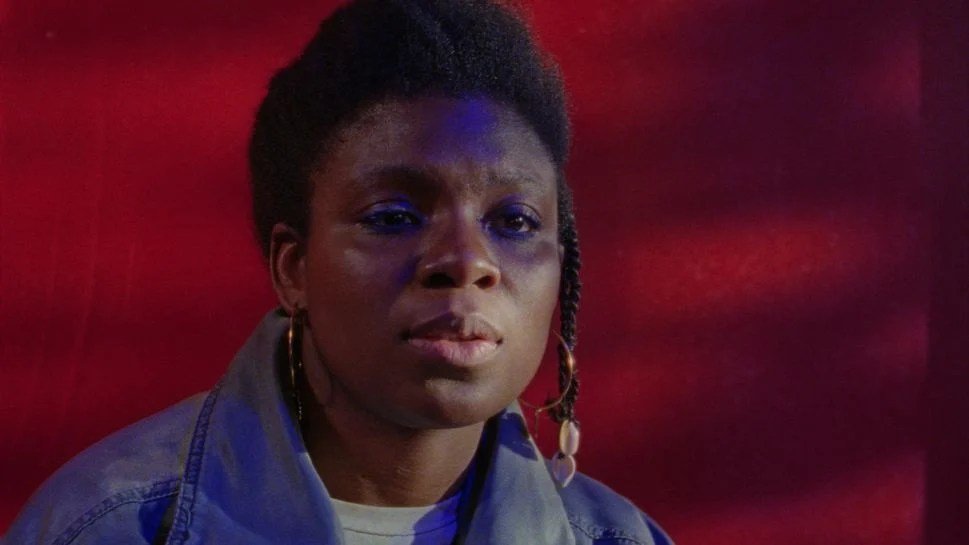
Six women roam the neon-lit city of Paris after dark. Over the course of a single night, their journeys intertwine reality, dreams and fiction. Whether at bus stops or corner shops, in restrooms or in bars, they give voice to their dreams, sexual desires and uncertainties about the future. Welcome to British filmmaker and artist Beatrice Gibson’s full-length feature debut, an experimental and “autofictional” film called, simply, At Night.
The movie will world premiere at the Locarno Film Festival on Saturday, Aug. 8, in the Filmmakers of the Present competition program of the Swiss fest’s 79th edition, which runs Aug. 5-15.
Written and directed by Gibson, At Night features cinematography by her long-time collaborator Ben Rivers and editing by Liyo Gong. The film is produced by Somesuch and Norte Productions.
“A filmmaker struggles to understand the film she is making,” a synopsis says about the women we meet in At Night. “A Black single mother refuses the categories imposed on her. A former sex worker reflects on her past. A poet gives up trying for a child.”
The film features an array of Gibson’s non-professional actor friends and influences as they discuss and explore such topics as sexuality, money, motherhood and mental health. “This isn’t simply a feminist story, but a love letter to friendships, relationships, and the quiet yet poignant stories women share together but rarely to an audience,” the press notes highlight.
A thread that runs through the movie is poetry, with U.S. poet Alice Notley reciting one of her own poems for the film, recorded just months before her death in 2025. Inspired by her writings and the texts of such other cult literary figures as June Jordan and Kathy Acker, Gibson takes us on nocturnal searches for answers.
‘At Night,’ courtesy of Night Films
Courtesy of Night Films Ltd.
“I was interested in the structure of the journey, of a woman just walking through the night,” explains Gibson. The idea for At Night came to her after she read two feminist takes on the epic quest narrative, namely Notley’s book-length poem, The Descent of Alette (1992) and Acker’s gender-flipped knight’s tale, Don Quixote, Which Was a Dream (1986).
But scenes and narratives also emerged from the creative’s thinking about the kinds of encounters and conversations that can only take place at night. “Who really occupies the night? And what kinds of labor take place there?” she wondered. That is why At Night also features “undervalued work done by those who keep the city fed, clean, and moving,” according to the press notes.
“My casting process is one I’ve developed over time and is folded into the writing process. I don’t follow the traditional structure in which I’m writing and then casting,” Gibson explains. Instead, she casts her characters first, thinking about who might produce an interesting performance, and then collaborates with them to develop the material.
“It’s a collectively written film, in many ways,” Gibson emphasizes. “People write their own material for their scenes, depending on what they want to develop.” She concludes: “It’s autofiction really, so generating that material is a delicate and sensitive process, and it takes a lot of time and revision. People need to feel comfortable with what they’ve authored, where it’s placed and with whom it’s in dialogue. It’s quite a deep process.”
No surprise then that it took six years to make At Night.
As with all of Gibson’s work, the film emphasizes a working process that is collaborative and improvisatory. “I’m utopian at heart,” Gibson says. “I wanted to make a film about trying to be together at a time when everyone is divided. Maybe it was a naive and misguided thing to do, although, that said, I would do it again.”
That theme of being together also applies to Gibson appearing in front of the camera in At Night. As for her decision to do so, she says she felt a responsibility to delve into her own sense of privilege: “I didn’t realize the extent to which race and class would play out during the process. That’s why I’m in the film,” she explains. “I wasn’t supposed to be initially, but I felt I had to take responsibility somehow, in relation to my positionality. I come from a deeper place of privilege than most of the characters in the film; there was critical tension in that, and I felt like I had to take responsibility for it and explore it.”
The relationships and shared thoughts, as well as the sights, sounds and rhythm of the film, are what At Night is really all about. You can watch an exclusive clip for the film, which THR can premiere, right here:
“Power. People. Data.” That is a core theme of this year’s program of Locarno Pro, the industry strand of the Locarno Film Festival, whose 79th edition is currently taking place in the Swiss lakeside city. But in which order should we think about these key concepts and buzzwords? Is it maybe people, power, data?
You may have your own thoughts, and the opening day of the 15th edition of Locarno Pro, led by Markus Duffner in his sixth year, showed that there are very different ways to think about the order of and relationship between the three. After all, a three-person panel shared three different approaches and thoughts.
Moderated by AC Coppers of The Catalysts, the panel featured Yasmine Talli, acquisitions manager at sales agent, producer and distributor mk2 Films, Andrea Occhipinti, president and founder of Italian producer and distributor Lucky Red, in which StudioCanal recently acquired a majority stake, Doris Ruth Eikhof, CEO of the University of Glasgow spin-out company Design Otherwise, which focuses on helping organizations to improve inclusion and diversity in the cultural sector.
Asked about how she thinks about the order of and relationship between the three words in focus of the discussion, Eikhof offered her take: power, data, people. “People will be people. They’ll be more or less wise or more or less flawed,” she explains. “So, we sort out the power structures first and the stories that we tell about ourselves – that’s what data really is. Then we have the best chance at creating a space in which everyone can prosper.”
Occhipinti had a different approach. “I’ll go with people first,” he said. “Judgment, sensitivity and experiences come first. Then comes power. And data is a very important tool that we have to use.”
And Talli shared this thought: people, data, power. “It’s probably true that people need to gather some data in order to keep power,” she explained.
A key topic the industry players were asked about was how much they make decisions about films based on conviction versus data and algorithms. “We don’t use algorithms to choose a film that we want to distribute or produce,” shared Occhipinti. “We go very much on instinct, sensitivity and experience. If there’s something that clicks in that film, in that story, even if data or comparables or whatever says don’t do it, often we have proved the contrary” is true.
He mentioned examples, too. “We saw a film like Ida [by Pawel Pawlikowski] – a Polish film, black-and-white,” Occhipinti noted. “We saw it twice. This cannot work, but we still thought it’s a great movie. Or [Barry Jenkins’] Moonlight.”
His takeaway was that there are clearly “movies that on paper are not going to be successful,” but conviction can trump data. Not that Lucky Red doesn’t look at data. As a distributor, the firm has a community that responds to films, which is a form of data, he told the panel audience. “We don’t know what they are looking for, but we test what they react to,” Occhipinti concluded.
How does mk2 make its decisions? Talli outlined a similar approach. “When we consider projects, …[we use] emotion, taste and the human aspects, but we also have what we want to believe gives us some more certainty that a film is going to work,” she said. “The things that we mostly pay attention to [include] the track record of a director, checking which festivals he or she attended with his or her previous work. The people around that director also matter. Who is the producer? The cast also gives a pretty big indication for us when we consider the potential in the international market,” mostly for English-language films.
Talli shared that mk2 is also looking at “comparables, films that have premiered in recent years that for some reason feel that they could be compared to the projects we are evaluating, not necessarily because the story is similar.” She explained that it is more of “a market comparison.”
All in all, at mk2, “it’s a process that actually involves a lot of people,” Talli concluded. “We have a pool of readers. If the readers are recommending something, then we go to the next level to people in the acquisitions team. So, it’s very much a group decision.”
The panel session was part of the 2026 StepIn kick-off event session, following a debate-inducing presentation by film industry data analyst Stephen Follows, who raised eyebrows with data points and hard truths in a presentation entitled “Fear, Lies, and the Illusion of Control.” Among the issues he covered were the likes of how many of this century’s 100 top-grossing films have a “nepo baby creative” and what low percentage of indie films generate a profit.
The fest’s highest honorary award, received last year by Jennifer Lawrence and veteran Spanish Esther Garcia, will be accompanied by a screening of the German filmmaker’s latest feature film, Bucking Fastard, which is competing in the upcoming Venice Film Festival.
“Over a career spanning six decades, Herzog has become one of the most influential figures in contemporary cinema, building an extraordinary body of work ―around 80 films― shaped by obsession, extreme situations and the contradictions of human nature,” said the San Sebastian Film Festival. “His films, both fiction and non-fiction, are populated by dreamers and conquerors confronted with extreme landscapes and forces beyond their control. Guided by his concept of ‘Ecstatic Truth,’ Herzog advocates a cinema that transcends the mere observation of facts to reveal a deeper, more poetic dimension of reality.”
The Donostia Award screening will take place at the Victoria Eugenia Theatre before the award ceremony at the city’s Kursaal venue. Starring Rooney Mara, Kate Mara, Orlando Bloom and Domhnall Gleeson, Bucking Fastard tells the unusual story of twin sisters whose extraordinary bond leads them to speak in unison, love the same man and share the same dreams.
Some of Herzog’s most iconic films include Aguirre, the Wrath of God (1972), Fitzcarraldo (1982), Grizzly Man (2005) and Cave of Forgotten Dreams (2010).
He has also published poetry and books of prose, such as Of Walking In Ice, Conquest of the Useless and, recently, The Twilight World, a novel. Herzog has staged about a dozen operas and even acted in films, among them Jack Reacher, The Mandalorian and guest roles in The Simpsons.
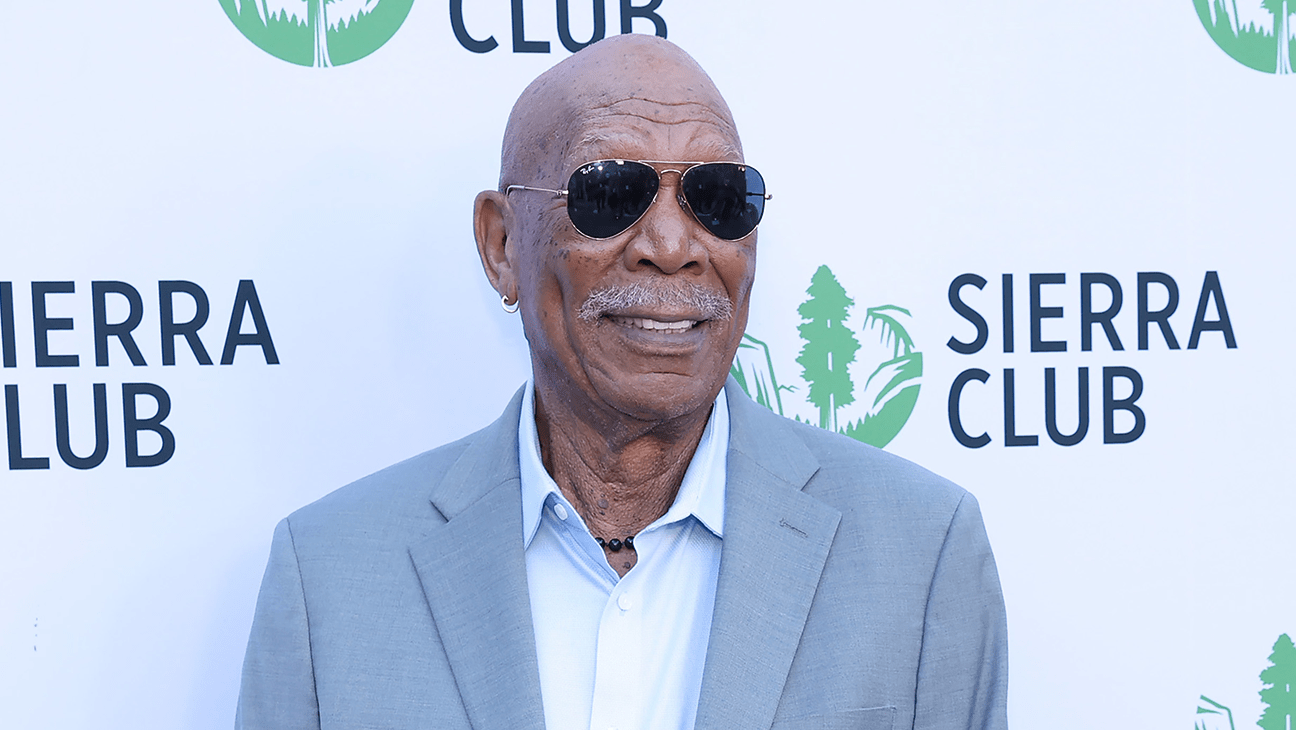
“If somebody offers you a job, it’s very nice if they’re offering you also an exciting script, but in reality, two or three things come into play,” Freeman shared. “What are they going to pay you? If they’re going to pay you enough, then you overlook some of the glitches in the script that happen to be there.”
“Sometimes you can mention things that are in the script that don’t quite work out for you and by and large, that gets worked out,” he added.
Freeman already has a long list of accomplishments, most notably his Academy Award win for best supporting actor for Million Dollar Baby, in addition to four other Oscar nominations across his career. He’s also known for his roles in Invictus, The Dark Knight, Se7en and Driving Miss Daisy, among many others.
But even at 89, Freeman has no plans of retiring from the industry or slowing down. “I’m like Clint Eastwood on that: Don’t let the old man in,” he said. “So, keep working. If you can get out of bed and don’t fall down when you do it, then you just count your blessings and keep moving. So, I’ll work as long as I can — as long as somebody says, ‘Do you want to do this part?’”
As for whether he has any other dream roles that he has yet to take on, Freeman quipped, “No. I’m pushing 90 now. So, the roles that I wished I had been able to play, Denzel Washington will play.”
Freeman most recently returned for Lioness season three, which premiered on Paramount+ earlier this week.
Spider-Man: Brand New Day is still catching new records as the Tom Holland-led movie continues its impressive start at the box office.
Sony Pictures announced Thursday that director Destin Daniel Cretton‘s film has landed the highest-grossing first week in domestic box office history. It has surpassed $500 million in North America in its first seven days, becoming the fastest film to reach that half-billion milestone by supplanting Avengers: Endgame, which hit the threshold in eight days after opening in April 2019.
Spider-Man: Brand New Day has notched records at a head-spinning pace, which includes scoring the best-ever domestic box office sums for a Monday and a Tuesday. Brand New Day became the second-fastest feature to cross the billion-dollar mark globally when Sony announced Tuesday morning that it reached the threshold in six days, bested only by Endgame.
Over the weekend, Brand New Day was in a neck-and-neck battle with Endgame for the biggest domestic opening weekend ever. On Monday morning, Sony confirmed that Spidey had indeed prevailed to claim the crown with $360 million, surpassing Endgame’s $357.1 million domestic start, although the latter’s $1.2 billion global launch still held the record for its worldwide opening weekend.
Spider-Man: Brand New Day also set records for the biggest Thursday previews and top Friday domestic sum, along with giving Sony its best-ever opening weekend. Hailing from producers Marvel Studios and Amy Pascal, it carries a $225 million production budget.
Zendaya, Sadie Sink, Jacob Batalon, Jon Bernthal and Mark Ruffalo also star in the new movie from Shang-Chi and the Legend of the Ten Rings filmmaker Cretton. It sees Marvel Comics’ signature hero enduring a lonely existence without his loved ones before an invisible enemy tracks him down.
“They’re not popular because they’re popular,” the exec emphasized. “They’re popular because they’re talented, and they deserve their popularity. They’re lovely, decent, grounded, good-valued people, and they work really hard. So they’ve earned every ounce of their success.”
Sony projects that Brand New Day will continue attracting audiences in the coming weeks as the summer starts winding down. Its second weekend will encounter fresh competition from such wide releases as One Night Only, Super Troopers 3 and Ice Cream Man.
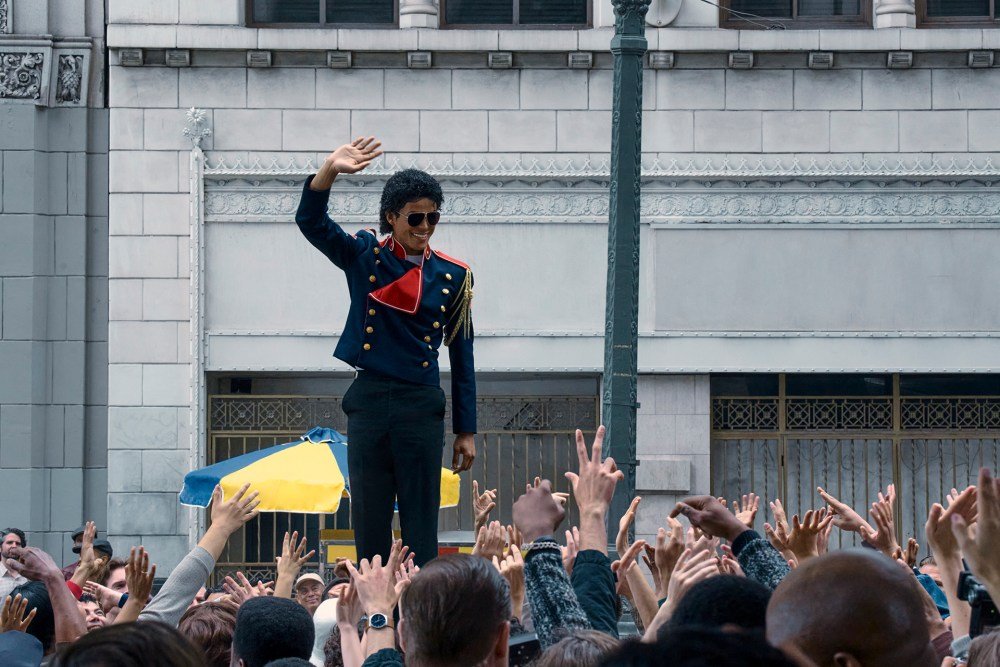
Lionsgate is working on the sequel to “Michael” and hopes to start rolling the cameras soon on the second biopic about Michael Jackson.
The studio hopes to begin production in late 2026 or early 2027, Lionsgate’s motion picture chief Adam Fogelson said on Thursday’s earnings call, with the hopes of releasing the final product at the end of next year or in the first half of 2028.
Although the studio waited to officially greenlight the follow-up film, this spring’s “Michael,” which became a box office juggernaut with $1 billion globally, ends with the words “His Story Continues” — making it clear that audiences hadn’t seen the last of the King of Pop.
Antoine Fuqua directed “Michael,” which chronicles the performer’s journey from the Jackson 5 to superstar status. The first film, starring the singer’s real-life nephew Jaafar Jackson, wraps up with 1987’s “Bad” tour. It’s unclear what period in Jackson’s life the second movie will cover, though the filmmakers can mine material including his hit album “Dangerous” as well as the multiple allegations of child sexual abuse that followed Jackson for the rest of his life.
Due to a last-minute legal dispute, “Michael” ended up omitting the most controversial aspects of Jackson’s life. The movie was supposed to address the molestation accusations, but those plans had to be scrapped after attorneys for the Jackson estate discovered a clause in the settlement with one of the accusers that barred the depiction of him in any movie. That forced the filmmakers to retool much of the story, though Fogelson said that some of the material that was cut could be used in the sequel.
“We have a number of sequences, particularly some big musical sequences, that were shot previously, that are almost sure to be incorporated,” Fogelson said on Thursday’s call. “We are mostly focused right now on how to make sure we can deliver, at the right price, the biggest, best sequel. That is what the audience is going to want and deserve after the experience we gave them the first time.”
Fogelson said he’s “not ready to give guidance on the budget yet” but said the company will be able to use some material that was previously shot.
If you purchase an independently reviewed product or service through a link on our website, The Hollywood Reporter may receive an affiliate commission.
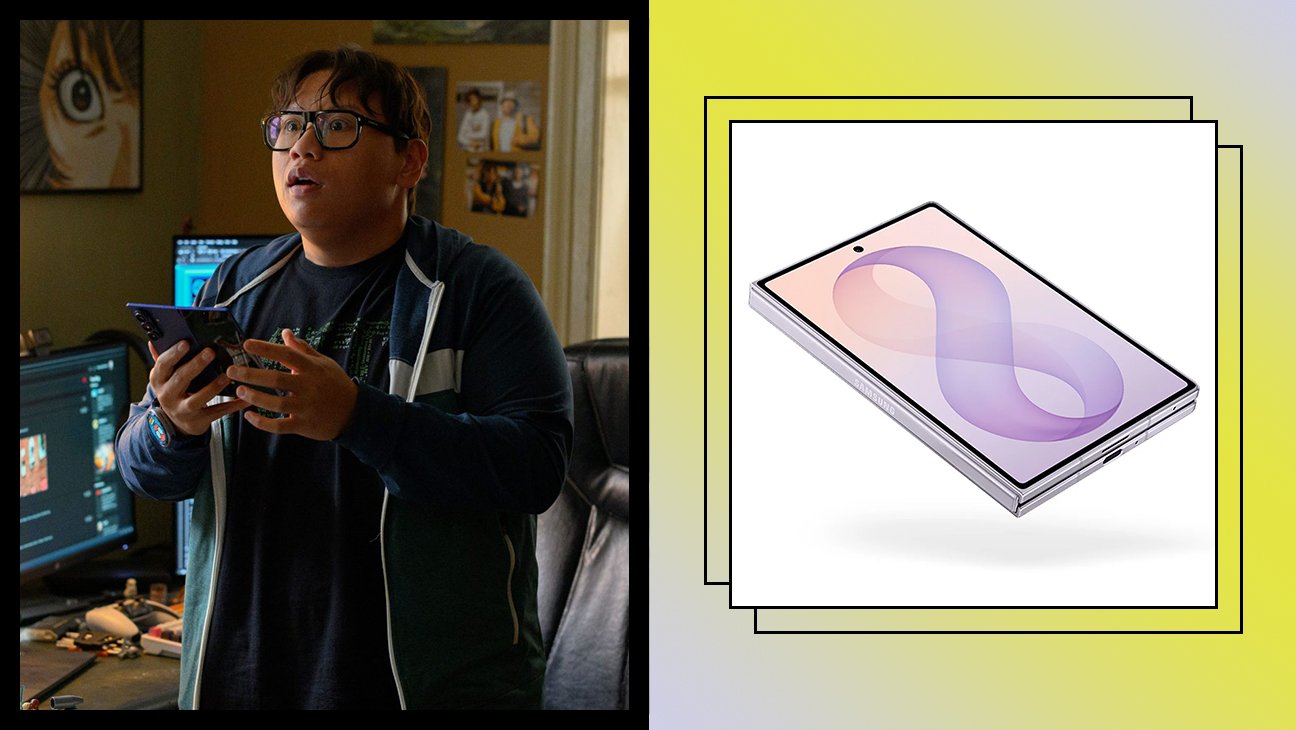
For context, the Galaxy Z series’ latest entries, Samsung’s most advanced foldables ever, have been available for pre-order since July 22 with an official Aug. 7 release date. As for the promotion, T-Mobile’s “Samsung Galaxy Z Fold8 on Us” offer is available to new and existing customers with device trade-in on the Experience Beyond plan. And while the Fold8 is the world’s lightest fold, for those who prefer a larger screen, opt for the Galaxy Z Fold8 Ultra for just $200 with device trade-in (regularly $2,100-plus). Customers who’d rather not trade in a device can still get $1,100 off the Ultra when activating a new line instead.
Prefer the new Galaxy Z Flip8, the world’s lightest and thinnest flip? Get it for just $100 (a savings of $1,100) with a new line or eligible trade-in on either the Experience More or Experience Beyond plans.