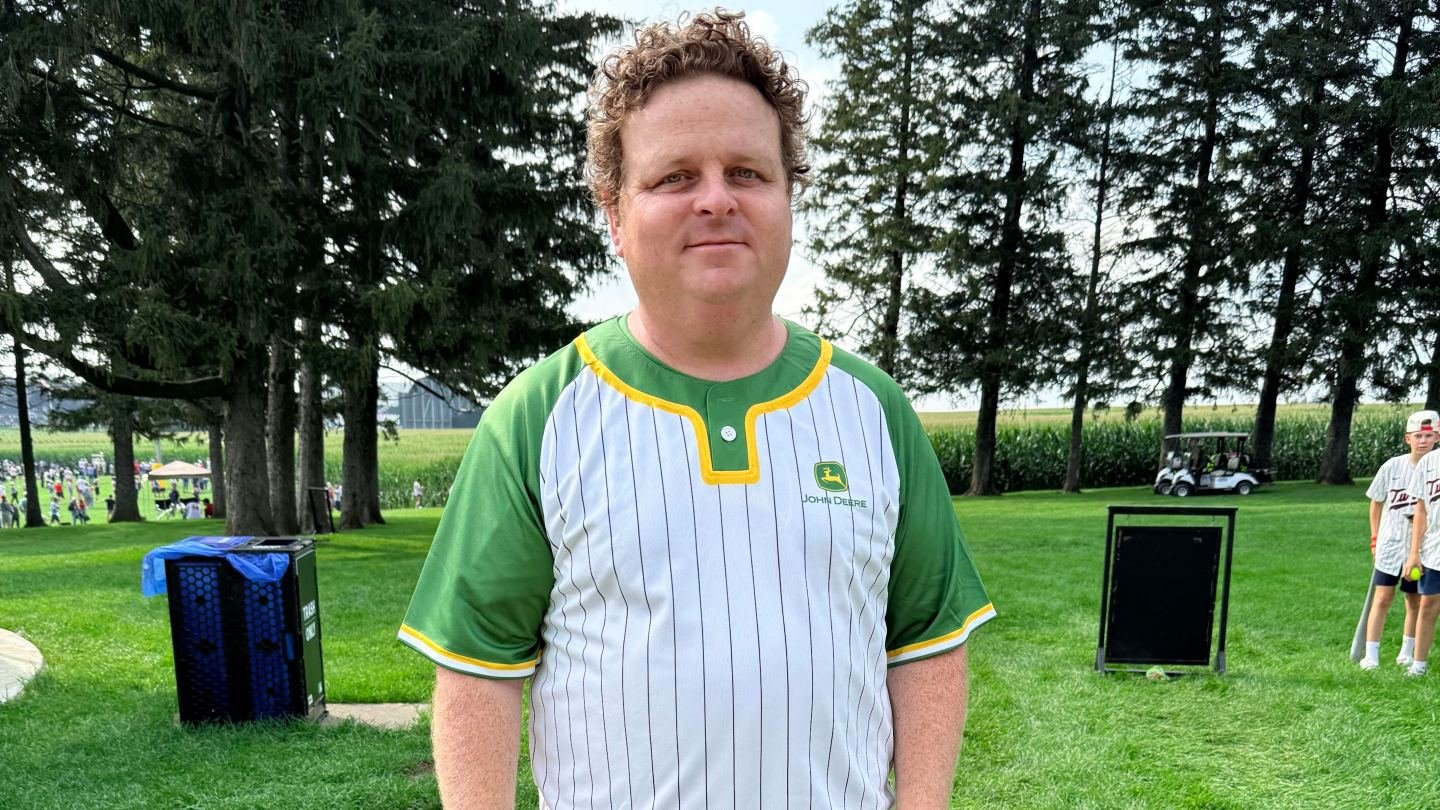
Patrick Renna touched down in Iowa last week to attend the MLB’s Field of Dreams game in Dyersville, Iowa featuring the Philadelphia Phillies and the Minnesota Twins. The interleague matchup, which streamed live on Netflix, took place inside a newly built stadium just a ball’s throw from the original movie site used for the 1989 sports classic starring Kevin Costner, Ray Liotta and James Earl Jones.
“Theo Von, baseball players, great food and there’s a baseball game to see tonight at the Field of Dreams — it’s spectacular. It’s once in a lifetime,” Renna told The Hollywood Reporter of the scene during a brief interview against the backdrop of the house used for filming. As Renna recapped his experience, a line of fans formed over his shoulder as people waited for a chance to take a photo with the actor best known for starring in another beloved baseball classic — The Sandlot.
In a chat with THR, Renna opens up on the nostalgic moment, being starstruck by the MLB commissioner and his recent reunion with his Sandlot pals on the series Dugout Dads.
How did it happen that you were able to be here for the game?
The [Sandlot] guys came out a couple years ago but I couldn’t make it for some reason, and I had such major [fear of missing out]. The fact that this [site] is still standing here is so epic, and they built a whole stadium. It’s great.
You’re wearing John Deere merch. Did they bring you out?
Yeah, they brought me out. I have a partnership with them that I’m doing here, and we shot a little fun thing in the cornfields. They brought me out for the game and I head home tomorrow.
Anything baseball must always kick up a lot of interest around you and the film. What is it like to be so closely associated to this sport?
It’s a great sport to be attached to — it’s America’s pastime so it’s really special. The sport itself is almost nostalgic when you think about it; the experience of families watching the game together in the stands with all the food. It’s cool and it’s humbling. It doesn’t get lost on us how lucky we are to have been part of something like [The Sandlot]. We have now three generations of people coming up to us saying, “You’ve been in our living rooms for 30 years.” To be able to provide that is special.
What’s the other most common thing people say when they come up to you?
“You’re killing me, Smalls.”
It’s nice to see you embracing it, taking all the photos and engaging with the fans. Some actors lean into it, while others might say, “I’ve done 30 years of other work since then.” But you really enjoy it?
Yeah. As an actor, you kind of always worry about the things that you’ve done that are negative and you think to yourself, “Oh god, I hope nobody sees it.” But the great thing about doing something negative is that nobody sees it. So, yes, I’ve been working for 30 years but I haven’t topped Sandlot and that’s OK. It still gives me something to shoot for and hopefully I do. There are major movie stars that don’t have a movie like Sandlot. There’s something there for people, and all the credit goes to the director, [David Mickey Evans], who write, directed and narrated it. It was lightning in a bottle for a movie to mean something and become so important to families. It’s mind-boggling to even be in it it because it’s not really about me or the guys. It’s bigger than all of us.
How hard is it to be an actor today?
I do more producing and directing now. I have Dugout Dads coming out in August, which I brought all the Sandlot guys back for. That was fun. I’m an actor in that. But I don’t go out often [for acting jobs]. If something comes to me because I’ve been doing this so long, that’s exciting to me and I’ll do it. So acting isn’t that hard for me today because I just don’t do it often. I’m on the other side mostly now.
Can you describe the atmosphere here? You’re getting a lot of attention and I just saw you hanging out with Theo Von.
Super nice guy. Also, the commissioner of baseball is here. I was so starstruck and wanted to meet him. Theo Von, baseball players, great food and there’s a baseball game to see tonight at the Field of Dreams — it’s spectacular. It’s once in a lifetime.
Who are you rooting for between the Philadelphia Phillies and Minnesota Twins?
I got no skin in the game. I’m just looking for a good ball game that is hopefully high-scoring and down to the ninth inning. Maybe the Phillies? Maybe the Twins? I don’t know really. It’s going to be a good game either way.
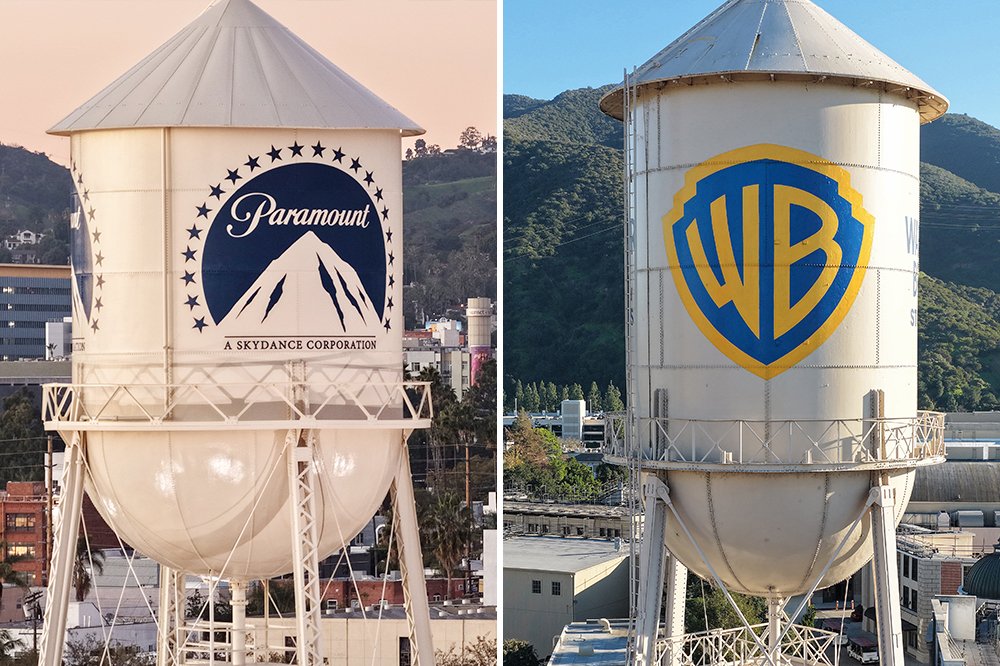
Paramount Skydance is demanding that the states suing to block its $111 billion deal for Warner Bros. Discovery post a nearly $1.9 billion bond ($1,884,726,092 to be precise about it), pending the outcome of the litigation.
In a statement Monday, the company, led by CEO David Ellison, says that the bond demand is based on settled federal law.
“Both the Clayton Act, the federal antitrust law upon which these suits are based, and other federal law expressly provide that plaintiffs are required to post a bond covering the potential harm from halting a transaction to litigate, so that if they lose, the injured party has a source of recovery for the damage caused,” the company said in a statement. “Here, every month of delay carries substantial and quantifiable financial consequences.”
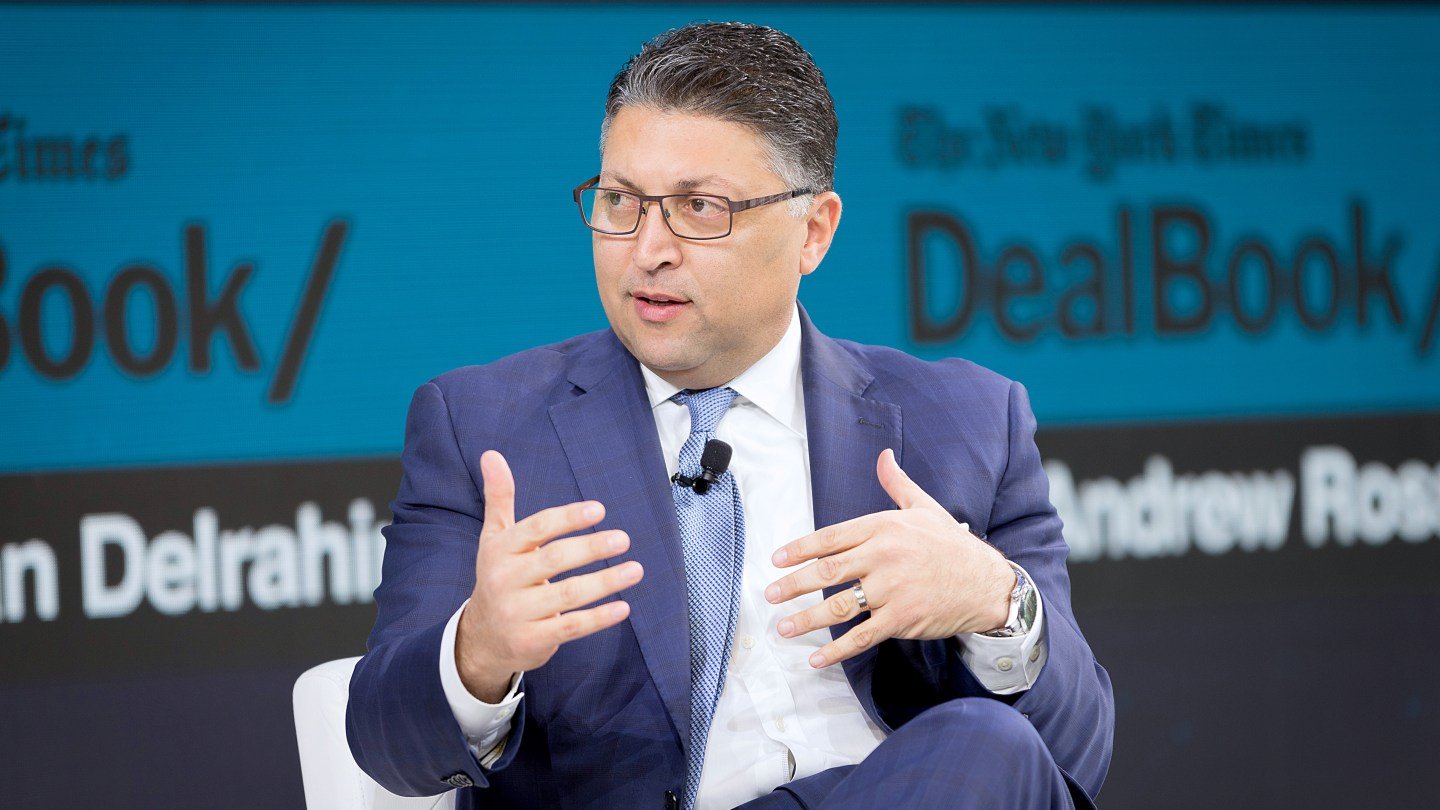
Paramount counts Makan Delrahim, was previously the chief antitrust enforcer in the U.S. during the first Trump Administration, as its head of legal affairs.
“Paramount is seeking a bond based on the straightforward calculation of the maximum potential ticking consideration and financing costs from this litigation,” the company states. “But these are not the only costs of delay. By virtue of what will be at least an eight-month delay in closing, there will be no integration and no ramped-up investment in content, production, and creative talent by the combined company. Of course, in addition, employees of both Paramount and WBD are also harmed by the uncertainties caused by the delay.”
Paramount has been playing a hardball public pressure campaign since the lawsuit was filed, with threats to leave the state of California (realistic or not), as well as accusations that partisan politics are at play. Hollywood is divided on whether the states and company should try and settle or follow through with the trial, further complicating the effort.
But the bond is a tangible ask, one that would put taxpayers on the hook in a high-profile case.
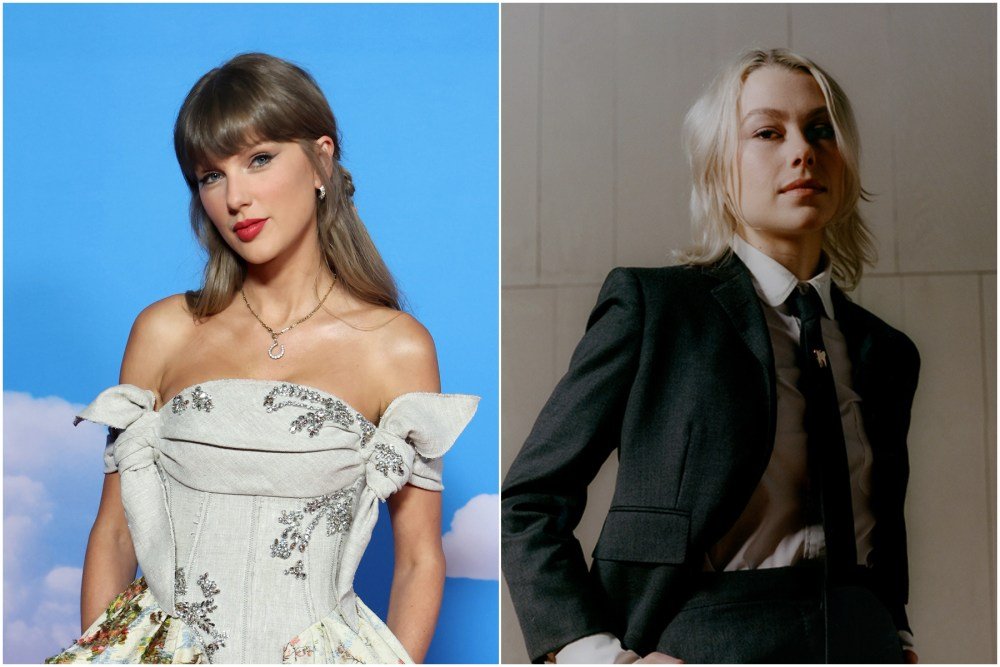
Swift, who previously featured Bridgers on her 2021 song “Nothing New,” took to Instagram Stories to congratulate her on her latest project. “It’s her birthday but she gave us a gift,” wrote Swift. “Haven’t been able to stop listening. This album is an absolute triumph in every way.”
She continued by praising the songwriting on “Lost Weekend” and wishing her a happy birthday. “To write about grief with such vulnerability and detail, and to trust the listener with this much honesty,” she continued. “Happy bday @phoebebridgers I love you!!”
Swift previously tapped Bridgers for “Nothing New,” a vault track included on “Red (Taylor’s Version).” During an interview with Billboard at the time, Bridgers reflected on the experience and described it as a “dream.” “I just am so excited to have people take it at face value the day that it comes out, because I got teary recording it. I just couldn’t be more excited,” she said. “I think that she is an incredible businessperson and an incredible writer. What she’s been able to build just from writing adeptly from a young age is insane.”
Bridgers would continue on to serve as an opening act on a handful of Swift’s Eras Tour shows in Nashville, Philadelphia and more in 2023. This past weekend, Bridgers and Swift attended the wedding of recording engineers Laura Sisk and Oli Jacobs in the U.K.
While the cause of death is unknown, it’s understood that an investigation is under way. The actress was 36 at the time of her death.
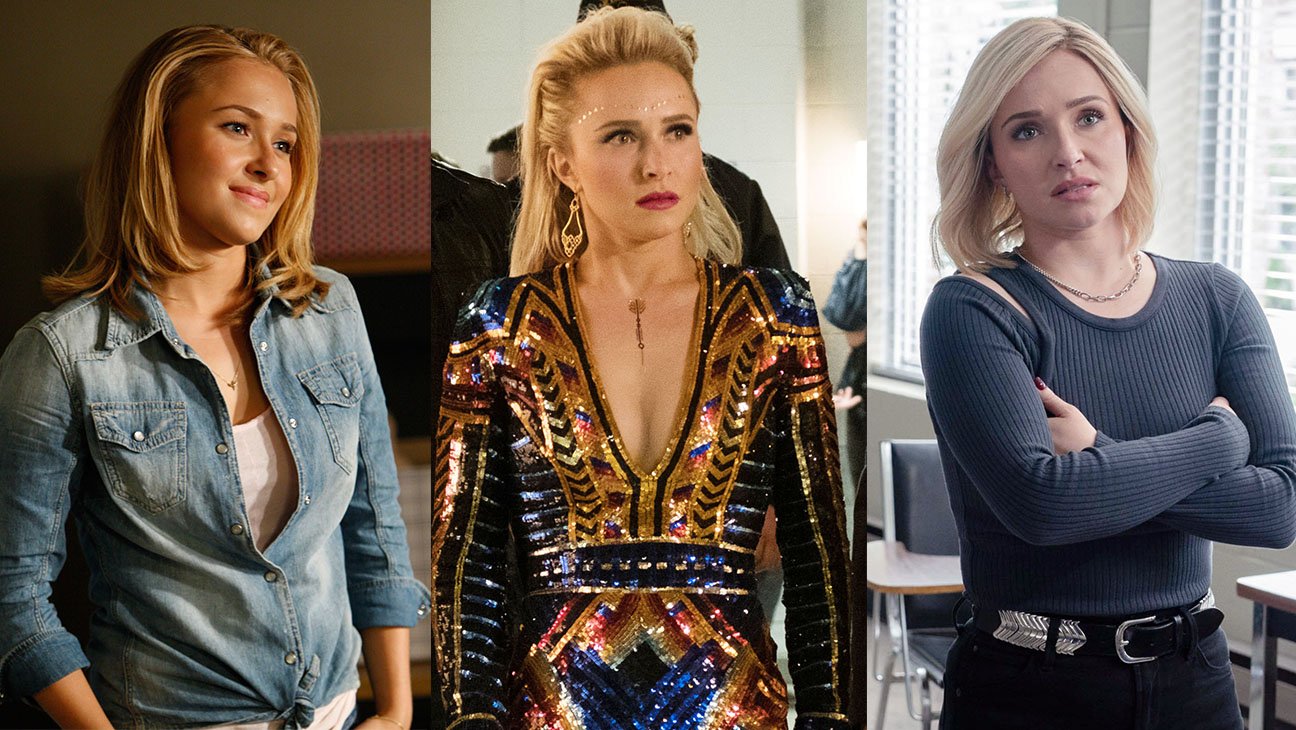
As fans flock to social media to pay tribute to the actress, The Hollywood Reporter has rounded up a list of her most memorable roles, from her early beginnings as a child actor on soap operas to her critically acclaimed performances in Heroes and Nashville.
One Life to Live (1994-97), Guiding Light (1996-2000)
While Panettiere got her start in acting at just 11 months, appearing in a Playskool toy train commercial, she really kicked off her career in 1994, when she landed the role of Sarah Roberts in soap opera One Life to Live, leaving the show in 1997. From 1996-2000, she appeared in another soap, Guiding Light, playing Lizzie Spaulding.
Panettiere was part of an all-star voice cast that included Dave Foley, Kevin Spacey, Julia Louis-Dreyfus, Phyllis Diller, Richard Kind, David Hyde Pierce, Joe Ranft and Denis Leary in this animated film, which followed an ant named Flik who is trying to protect his colony from a gang of grasshoppers. The actress voiced Dot, a friend of Flik. She was nominated for a Grammy in 2000 for best spoken word album for children for A Bug’s Life Read-Along.
Panettiere earned a Young Artist Award for playing Sheryl Yoast, the daughter of football coach Bill Yoast (Will Patton), who herself is obsessed with the sport. She has said that this film was her favorite acting experience. “This movie was my favorite movie to film,” she toldEntertainment Tonight in 2023. “What an incredible time in my life. … I mean, you have no idea how many times in my life I have wished and prayed — if I had wished to go back to any time in my life, it would be going back to Remember the Titans.”
Ally McBeal (2002)
Image Credit: 20th Century Fox Film Corp/Courtesy Everett Collection
In the fifth and final season of the legal dramedy, Panettiere played Madison “Maddie” Harrington, the long-lost daughter of Ally (Calista Flockhart). She appeared in 12 episodes of the series.
Ice Princess (2005)
Image Credit: Walt Disney/courtesy Everett Collection
Panettiere starred opposite Joan Cusack, Kim Cattrall and the late Michelle Trachtenberg in this ice-skating film, adapted from a story by The Princess Diaries author Meg Cabot. While the movie underperformed at the box office, it’s garnered a cult following in the time since its release.
Bring It On: All or Nothing (2006)
Image Credit: Universal Studios Home Entertainment / Courtesy: Everett Collection
Kicking off a series of cheerleader roles, Panettiere starred in the third film in the Bring It On franchise (this one released direct to DVD). The actress played Britney Allen, a rich girl who is dating the star quarterback. But Britney is in for a shock when her father loses his job and moves the family to a more culturally diverse and less affluent area of Los Angeles. (The cast also included Solange Knowles-Smith, who starred as Panettiere’s cheerleading rival, and Rihanna, who makes an appearance as herself.)
Panettiere was on Heroes for all four seasons of the show’s 2006-10 run. The show, featuring an ensemble cast that also included Milo Ventimiglia, Adrian Pasdar, Greg Grunberg and Ali Larter, followed a group of everyday folks who discovery they have superhuman abilities. Panettiere played high school cheerleader Claire Bennet, who discovers she has regenerating abilities. (Who can forget the infamous tagline promoting the show that focused on her character’s importance to the plot: “Save the cheerleader, save the world.”) The show became a cultural phenomenon, and the cast was even featured in Time’s “Person of the Year” issue as “People Who Mattered.” Panettiere won Teen Choice, Saturn and Young Artist Awards for her role. (The actress did not return for the 2015 miniseries revival, Heroes Reborn.)
Panettiere played yet another high school cheerleader in this Chris Columbus-directed teen rom-com, based on the novel by Larry Doyle. Her character, Beth Cooper, is wooed by school valedictorian Denis Cooverman (Paul Rust), who confesses he has a crush on her in his graduation speech.
Amanda Knox: Murder on Trial in Italy (2011)
Image Credit: Lifetime Entertainment Services
In this Lifetime TV movie, Panettiere starred in the title role, with the story based on real-life events. The real Knox was tried and convicted for the 2007 murder of her roommate, Meredith Kercher, in Italy, before being acquitted two years later. In 2013, that acquittal was overturned, and Knox was retried and convicted of murder a second time. In 2012, an Italian court acquitted her yet again. The movie shows the events leading up to Kercher’s death and the 2009 conviction. (Knox and her family unsuccessfully tried to block the airing of the movie.)
Panettiere played Kirby Reed in two films in the long-running franchise. Kirby is the best friend of OG character Sidney Prescott’s (Neve Campbell) cousin Jill (Emma Roberts). In Scream VI, it’s revealed that Kirby has become an FBI special agent who shows up to assist when the Ghostface murders start all over again, this time in New York.
Panettiere played ambitious, rising singer Juliette Barnes in the six-season series, set in the world of country music, which ran from 2012-18. Juliette began the series aiming to take over the crown of country music queen from Rayna (Connie Britton). The role earned her multiple awards and nominations, including two Golden Globe noms for best supporting actress and a Critics Choice Television Award nom for best supporting actress in a drama series.
THR Newsletters
Sign up for THR news straight to your inbox every day
SB19, BINI and Lea Salonga are among the artists leading the soundtrack. As previously revealed, H.E.R. and Katseye’s Sophia Laforteza also feature. The soundtrack will be released on Sept. 18 with the film set to open on Sept. 25.
The film follows H.E.R. and Liza Soberano as the voices of Jo and Raissa, two best friends who embark on one last adventure together. Their journey takes them into a night filled with shapeshifters, demons and witches, testing their friendship as they struggle to find their way out of a magical portal and return home.
The music in the film blends influences from the 1980s and ’90s, particularly drawing inspiration from Filipino and Filipino-American musical culture.
“Forgotten Island” also features a remixed version of INXS’ classic “Never Tear Us Apart,” sung by Katseye’s Sophia Laforteza, for an emotional moment between the two friends.
The film’s two female leads, H.E.R. and Soberano, are at the helm of the film’s title track “BRB.” Filipino boy band SB19 will cover the classic song “Mga Kababayan” by Francis M. Additionally, Ruby Ibarra and Carl Angelo perform “Salbahe Ako.”
The film is scored by composer Nathan Matthew David who leaned heavily on analog synths from that era. Speaking about the score, David said, “There are elements of ’80s pop and hip-hop. But when the girls stumble into the mystical portal and end up on the island of Nakali, “the story evolves, and so does the sound.”
He also introduces music and instruments from indigenous Filipino tribes, utilizing traditional Filipino instruments like chanters, the Las Piñas bamboo pipe organ, and a Filipino choir singing Tagalog phrases.
In the film, Salonga plays a dreaded Salonga’s mythical creature. For that, he used the talking gong, known as the indigenous gandingan, a traditional instrument of the southern Philippines.
How did directors Joel Crawford and Januel Mercado get Salonga to play a villain? Crawford revealed that they sent a pitch to see if she was interested. “We heard from her team right away.”
Salonga said yes, but the directors realized that, as amazing as the part was, they were concerned it wouldn’t be meaty enough for her. Mercado said, “She was already on the same page as us, understanding that the Manananggal didn’t need to speak a lot to be scary.”
“She elevated the material,” Mercado said. He went on to explain that Salonga found the voice for the character after listening to H.E.R. and Soberano. “She said, ‘I’ll change my voice so that it complements theirs. If they’re a little higher, then I’ll make the Manananggal deeper and speak from the gut.’” Salonga’s vocals are used throughout David’s score. The album can be preordered here. Check out the album art below.
Full tracklisting below.
*All tracks by Nathan Matthew David unless otherwise noted
BRB – H.E.R. & Liza Soberano
Pasakalye
Tayo Na
A Parallel World – BINI
Lola
Tadhana
Never Tear Us Apart (Performed by Sophia of KATSEYE) – Sophia Laforteza
Nakalimutan
Susmaryosep! Hay Naku! Maanghang!
Salbahe Ako – Carl Angelo & Ruby Ibarra
Ninakaw Sa Akin – Nathan Matthew David feat. Lea Salonga
Batiba
Sarimanok
Mga Kababayan – SB19
Bungi
King Truffle Wuffle
Prince Mermahn – Nathan Matthew David feat. Nico Santos
Jerk in the Box – H.E.R. & Liza Soberano
Double Up – Guapdad 4000 feat. P-Lo
Kapre
If We Remember
Magnanakaw – Nathan Matthew David feat. Lea Salonga
Hulihin
It Was You
Balik – Nathan Matthew David feat. Lea Salonga
All of Them
One Last Deal
Forgotten Friendship
I’m So Sorry, Apo
Without You
Memories Are Magic
Bahagi Mo – Nathan Matthew David feat. Lea Salonga
Paalam, Nakali
Jo and Raissa Suite
Ang Mananaggal Suite – Nathan Matthew David feat. Lea Salonga
Batiba Suite
A Parallel World (Amping Mix) – BINI feat. Lea Salonga
David Ellison’s Paramount Skydance asked the judge overseeing the antitrust lawsuits filed by 12 states and the WGA to force the plaintiffs to pony up a whopping $1.88 billion bond to cover the company’s losses related to the delay in its merger with Warner Bros. Discovery.
Paramount filed the motion Monday with Judge Araceli Martinez-Olguin, who has scheduled a trial start date of March 2, 2027. The $1.88 billion would be payable to Paramount in the event Paramount prevails in the antitrust litigation.
Paramount “hereby moves this Court for an order modifying the Stipulation and Order Not to Close, Dkt.170, to require dissolution of that order unless Plaintiffs post a $1,884,726,092.73 bond by September 30, 2026,” the company said in the motion.
In a statement to Variety, a representative for Paramount said, “Today, Paramount requested that the court enforce the statutory requirement that the plaintiffs post a bond in connection with their pending litigation, which blocks us from closing our merger with Warner Bros. Discovery.”
Variety has reached out to the California Department of Justice and the WGA for comment on Paramount’s motion.
The 12 states, led by California Attorney General Rob Bonta, sued in federal court in July to block Paramount’s $111 billion takeover of Warner Bros. Discovery. The states allege the proposed merger will illegally reduce competition in the markets for theatrical and blockbuster films, as well as basic cable TV. The Writers Guild of America filed its own suit, arguing that the deal also will illegally reduce the number of buyers for writers’ work.
Paramount agreed to put the merger on hold until the trial concludes, after Martinez-Olguin granted a temporary restraining order to pause the deal for 28 days. In granting the TRO, Martinez-Olguin waived a bond requirement because “Plaintiffs have demonstrated that Plaintiff States bring suit to enforce important public interests.”
Paramount execs were confident its deal for Warner Bros. would easily clear regulatory hurdles by the third quarter of 2026. Indeed, as a sweetener in its bid for WBD, Paramount added a provision that requires it to pay Warner Bros. Discovery shareholders a “ticking fee” amounting to roughly $7 million per day, starting Oct. 1, until the merger closes. That would total more than $1.2 billion by the time the trial is scheduled to conclude in March 2027.
Paramount is seeking a bond “based on the straightforward calculation of the maximum potential ticking consideration and financing costs from this litigation,” the company spokesperson said. “But these are not the only costs of delay. By virtue of what will be at least an eight-month delay in closing, there will be no integration and no ramped-up investment in content, production and creative talent by the combined company. Of course, in addition, employees of both Paramount and WBD are also harmed by the uncertainties caused by the delay.”
According to Paramount, the Clayton Act — the federal antitrust law on which the lawsuits by the states and WGA are based — and other federal laws “expressly provide that plaintiffs are required to post a bond covering the potential harm from halting a transaction to litigate, so that if they lose, the injured party has a source of recovery for the damage caused.” In the case of the Paramount-WBD merger, “every month of delay carries substantial and quantifiable financial consequences,” the company rep said.
California’s Bonta has said repeatedly that the states are focused on winning at trial rather than reaching a settlement, and that Paramount’s proposed conditions do not go nearly far enough to address the anticompetitive concerns raised in the lawsuit. Bonta has argued that “behavioral” remedies — such as promises to release a certain number of films — have proven ineffectual in the past, and has said that he is focused on structural changes that Paramount has been unwilling to make.
Bonta, asked about a potential settlement Monday on MS Now’s “State of Play With Peter Alexander,” said that “we prefer to resolve disputes in the boardroom, not the courtroom, if possible.”
“And so coming to the table in this case in good faith to sincerely discuss how to resolve this case has always been on the table and remains on the table,” Bonta said. “But Paramount, Warner Bros. breaking the law and expecting us to let them get away with it, that is not on the table and never will be on the table. And that’s essentially what they’re asking for right now.”
In Paramount’s statement Monday, the company spokesperson said, “We remain confident that plaintiffs’ case is without merit and will defend our pro-competitive transaction in court. We look forward to closing this transaction and delivering its benefits to consumers and entertainment industry workers in California, the United States and around the world.”
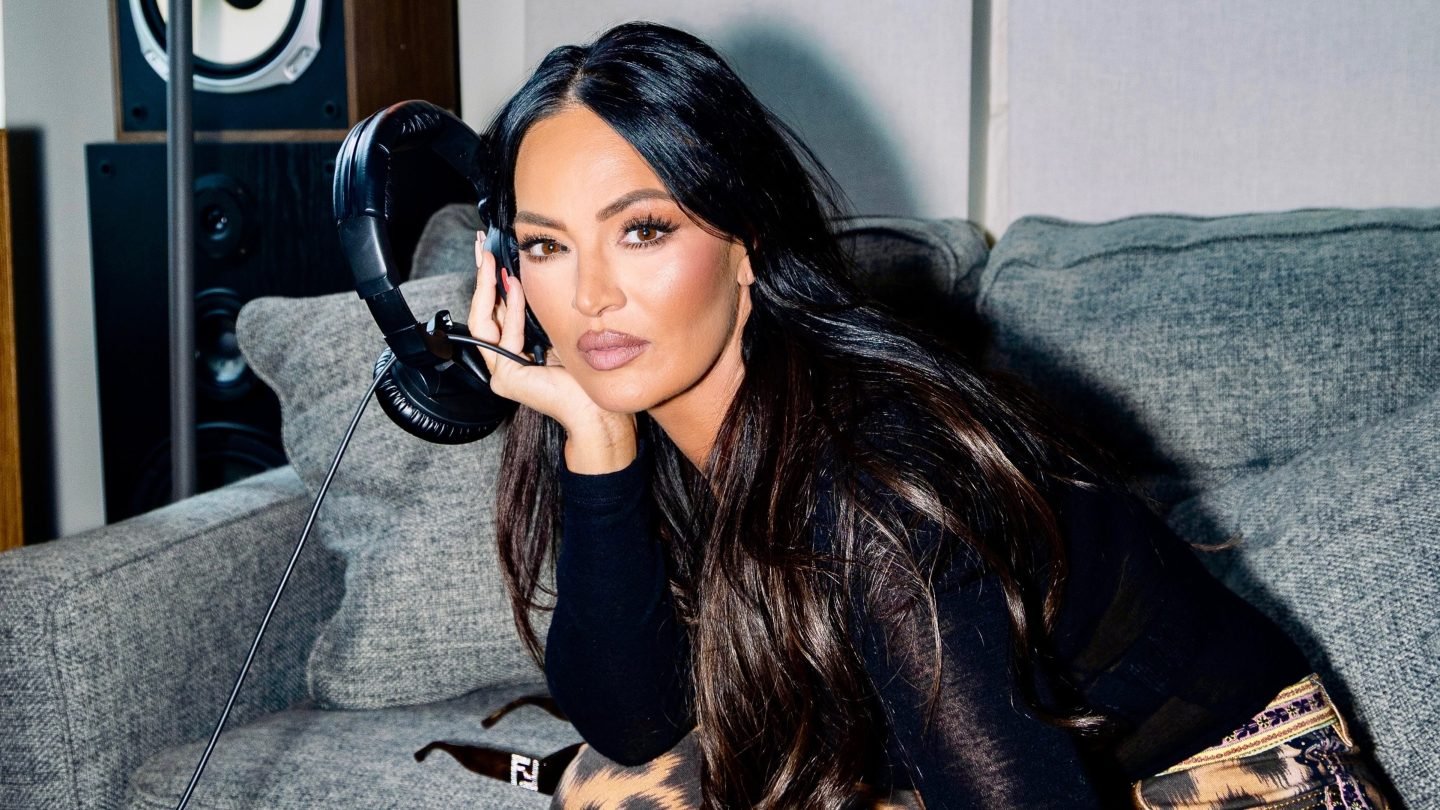
Lisa Barlow is preparing to release the highly anticipated follow-up to her first single “Baby Gorgeous.”
The Real Housewives of Salt Lake City star’s next track, entitled “Echoes of You,” will be out in September, The Hollywood Reporter can exclusively reveal.
“It’s in the same family as ‘Baby Gorgeous,’ it feels very Dua Lipa-esque,” she tells THR. “It’s this super sexy dance song. It has a lot of strings and this insane disco vibe, but very 2026.”
Barlow dropped “Baby Gorgeous” in early June, and she’s been “blown away” by the reception to the track, which embodies the idea of “this inner confidence that no one can take away from you.” Fans have gone crazy for the track online, which has been touching for the Housewife to take in.
“It’s about knowing you and being 100 percent you and finding your people, and walking with them… It’s literally the most empowering song,” she says. “Having people say, ‘These lyrics mean so much to me,’ some people really get it. They feel the mantras behind it… I’m in my pop star era, and I love it.”
But Barlow is anticipating an even better reaction to “Echoes of You,” which she says gives “Baby Gorgeous” a run for its money (and will be a part of a larger EP).
“I actually played it for my vocal coach this morning, and she’s like, ‘I didn’t think you could do better than ‘Baby Gorgeous,’ [but] you might have beat ‘Baby Gorgeous,’” she says.
Below, Barlow dishes on why she wanted to pursue music, shares details about her upcoming song “Echoes of You,” what artist she’d love to open for one day and teases the next season of The Real Housewives of Salt Lake City: “There’s stuff that is going to blow people away.”
***
What made you want to pursue music and put out a song?
I love singing. It started when I was really young in elementary school. My mom had six kids, and she’s like, everyone has to magnify their talents, and she knew I loved to sing, and she put me in community theaters. There was this road show community theater where you could do mixed up musicals and sing. My first solo was in fifth grade, and I still remember it by heart. It was the most epic feeling for me to be on a stage.
This year, I told [my husband] John [Barlow] — we go for walks, four mile walks every day, unless it’s a bad snowstorm in the winter — I was like, “I’m gonna start singing again, what do you think about that?” And he totally encouraged it. He’s like, “You need to start doing this. You love to sing.” He was so supportive that I had to just jump in. In our community, I had great connections, so I found the best producing team. I found another songwriter that I could really bounce ideas that I had off of, and I was like, “Let’s just go for this.”
What has taking in the reaction to “Baby Gorgeous” been like? People love it.
It’s addictive. The day it launched, I was in the middle of filming a commercial, and I don’t know if that was a blessing or a curse because I couldn’t log on. I couldn’t see what was happening on Spotify. I didn’t know what the reaction from fans was, I had no connection to anybody on social, so I just had to check out. And after 24 hours, when we saw how many streams we had on Spotify and the reaction to fans online, I was blown away.
The process for making “Baby Gorgeous” was so important to me. There’s so many songs that affect your mood. You listen to a song, and it can create nostalgic feelings, it can ensue feelings of sadness, or if you’re with your boyfriend or girlfriend or husband or wife or your partner, you could start to feel a certain way listening to music about your relationship. When we were creating “Baby Gorgeous,” I wanted it to be a pep talk. With one of my co-songwriters, I said, “Let me give you a pep talk, and this is going to be our song.” I was just telling him my mantras, how I live my life, what I do that’s different from everybody else, how I stay positive, and what I wish other people could hear. I learned how to play piano and flute the Suzuki method growing up, so I hear a lot of numbers with songs. I can hear a song in a movie or on the radio and sit down at the piano and basically figure out how to play it. So for me, I was like, It has to sound like this. It needs this energy in it.
I had one fan say, “What did you put in ‘Baby Gorgeous?’ It’s like crack.” I think it’s all the positivity about it. It’s about confidence. It’s about knowing you and being 100 percent you and finding your people, and walking with them, strutting with them. No one has the right to tell you who you are. They can think you’re one thing, but you know exactly who you are. It’s literally the most empowering song. If you wake up and you’re having a shit day, turn on “Baby Gorgeous.” It’ll change the whole mood.
Lisa Barlow
Matthew Dippel
This is not where your music journey is going to end. You have some news you want to reveal with us, so I want to give you the floor to do so.
I have a new song coming out very soon; the title is “Echoes of You.” It’s in the same family as “Baby Gorgeous,” it feels very Dua Lipa-esque. It is a timeless song. I feel like people will be singing it for decades. It is so fun. It is so sexy. Picture yourself going out and meeting the person that you are like, That’s my person. It’s the way you look at this person. It’s the energy you feel from this person. It’s how you would find them in any time, any space. It’s this super sexy dance song. It has a lot of strings and this insane disco vibe, but very 2026.
When I was writing it, I would be in the car and I’d have to pull over because the lyrics were just coming to me. It’s such a vibe, and the way it’s all come together with ease has been so amazing. It’s magnetic. People love “Baby Gorgeous,” [but] “Echoes of You” is going to give “Baby Gorgeous” a run for its money. When you hear the lyrics to my song, you’ll understand why it’s called “Echoes of You.” It’ll bring you in. It’ll make you feel euphoric. It gives you that confidence. It’s sexy. It’s moody. Very European dance feeling. I actually played it for my vocal coach this morning, and she’s like, “I didn’t think you could do better than ‘Baby Gorgeous,’ [but] you might have beat ‘Baby Gorgeous.’”
When can fans expect for this to come out?
September, and I think it’s a seasonless song, just like “Baby Gorgeous” is too. Andy Cohen just said [“Baby Gorgeous”] is the song of the summer. Fans have been calling it the song of the summer, which has been so amazing for me as a new artist. But it’s a seasonless song; it’s a timeless song. You can expect to hear [“Echoes of You”] in September. I think it’s going to blow people away.
The Salt Lake City trailer recently came out, and in it, there was this clip of you and Meredith, where you were singing the lyrics, “Hypocrisy and bullshit, bullshit, bullshit…”
“Hypocrisy and bullshit, bullshit.” You’ll see more of “Hypocrisy and Bullshit,” and it’s a vibe. I don’t want to give anything away, but let’s just say the whole room was singing it with me.
Is that another song that you’re going to release soon? Is that going to be a part of an EP?
It will be a part of an EP. It’s good. It’s a totally different vibe. That’s more a sick hip hop beat behind it. Everything that I do in songwriting, I don’t think a lot of people realize, like, I have a marketing company; I’m a creative, and [music] is a fun way for me to express my creative side. I’m really quick-witted, and you can feel it in my lyrics. The way things come together, I can create a vibe. And “Hypocrisy and Bullshit” is a total vibe. The crew was singing it. They’re still singing it. Whenever I go to confessionals, they’re like, “Hypocrisy and bullshit, bullshit.” But it’s kind of the theme of the season too.
That’s a good tease for Salt Lake.
You what I want to say about Salt Lake? Our trailer was amazing, but it gave nothing away. When I hear fans talking about what they think is going to happen this season, it is 180 from what you think is going to happen. There are parts of it that are spot on, and there’s other stuff that is going to blow people away. I think it’s one of our best seasons ever. I love the teaser. A lot of times, the trailer dropping gives away all the boom moments. Ours gave away, like, none. It’s so good. It’s a great season.
We’re also watching you on UltimateGirls Trip. What was your reaction when you got the call and learned that you were going to be representing Salt Lake City on this landmark girls trip?
I was doing Watch What Happens Live, and Andy [Cohen] came in my dressing room, and he’s like, “I want to tell you something so bad, but I can’t yet. But something big’s gonna happen.” And I’m like, “Andy, you have to tell me!” The winter before, we were in London together on a project for Bravo and Hayu, so I’m like, “Are we going back to London?” and he’s like, “It’s not London.” And I’m like, “Does it require travel?” And he’s like, “I’m not answering any more questions.” He halted, and my mind raced, and then I kind of put it to bed. But every now and then, I would be like, “What project is Andy talking about?”
So I get the call that I’m being asked to be on Girls Trip, I screamed. I was key in bringing Housewives to Salt Lake, so it felt like such an honor and big deal. It was almost like Bravo was giving me flowers. And then I get a text from Andy, and he’s like, “What are you thinking? How are you feeling?” And I’m like, “I am dying.” And he’s like, “I knew you would be so excited.” He’s been amazing throughout my whole vocal journey too. You’ll see how things transpire on RHOSLC with my music this season. But there’s one key moment where it’s a big deal for me, and offline in private, Andy sent me the sweetest message. It means so much to me that he checks in on those big deal moments.
With “Baby Gorgeous,” I just feel so grateful that people were open to me. They’ve gone from watching me sing “Away in a Manger” in my own cadence to where I am today, and it’s been so fun to have the fans use it as songs for their children, their dogs, for girls’ nights out, for magnificent moments. Having people say, “These lyrics mean so much to me,” some people really get it. They feel the mantras behind it, and that’s always really touching too. I’m in my pop star era, and I love it.
Lisa Barlow
Matthew Dippel
What else is next for Baby Gorgeous?
I really want to be on a big stage. That’s a goal of mine. That’s going to happen. We’ve joked around about it for years, but underneath it all, I knew I was going to do this. I love daydreaming. I think everybody should daydream. Like, turn your phone off, have silence, and really daydream. But when I close my eyes and see myself, I’m on a stage, and that’s what I’m going to be doing; performing. I want to open for someone major with my music. That’s next for me. I do have another project on Bravo that is epic that people are going to die over too.
Like, a series coming out?
Not quite a series, but I’m part of something really, really special, and I think fans are going to get to see me in such a different light. I’m very excited about it.
Who would be your dream artist to open for?
Dua Lipa. I love Raye. Listening to Raye sing “Ice Cream Man” and some of her beautiful songs, I love her. But Dua Lipa, I feel like she and I kind of have a very similar vibe. I think you’ll really hear it in my new song, “Echoes of You.” She’s someone I would love to open up for. Shiny, smooth hair girls forever. (Laughs.)
***
The Real Housewives Ultimate Girls Trip airs Sundays at 9 p.m. on Bravo, streaming on Peacock the next day; The Real Housewives of Salt Lake City premieres on Bravo on Wednesday Sept. 16.
Heated Rivalry producers Jacob Tierney and Brendan Brady say the queer hockey drama’s second season will lean on feeling over plot twists — and that fans already have most of the answers.
The producers behind HBO Max and Crave’s breakout queer romance Heated Rivalry are staying coy on specifics for season two — but not because there’s much left to hide.
“What’s so funny about the level of secrecy is like there’s a book — you can just look at it,” creator, writer and director Jacob Tierney said of the Rachel Reid novels, the Game Changers series, the show is adapted from. “It’ll tell you honestly, 90 percent of what you’d like to know is in that book.”
Season one of the series drew primarily from Heated Rivalry, Reid’s second Game Changers novel, which introduced the story of Shane Hollander (Hudson Williams) and Ilya Rozanov’s (Connor Storrie), two on-ice rivals who develop a passionate, secret, long-term romantic relationship. Tierney also folded in elements and characters from the series’ first book, which centers on Scott Hunter (played by François Arnaud) and Kip Grady (played by actor Robbie G.K.).
For season two, Tierney has said the show will continue Shane and Ilya’s story, drawing primarily from Reid’s sixth book, The Long Game, which finds the pair now in a committed relationship and learning to build a life together while still hiding their feelings from the public. Season two will also weave in the storylines from book five, Role Model, whose plot runs concurrently with The Long Game‘s timeline. Role Model focuses on Troy, a professional hockey player who is traded to the Ottawa Centaurs in Reid’s source material, and Harris, the team’s social media manager. It was announced earlier this month that Charlie Gillespie has been cast as Troy, with Justice Smith to play Harris.
Tierney was careful to note that even with two books’ worth of story now in play, the show isn’t built to withhold plot from its audience. “This is not the usual suspects. Like, we’re not trying to hide a villain from you… there are books, read them, and then make two guesses, three guesses, and I bet two of them will be right,” he said. “It’s really this show is not built on secrets. It’s built on feelings and sensation. It’s a very visceral show. It’s very sensual in that way, and it’s all in the execution of it.”
Tierney is sharing writing duties on season two with Mike Goldbach — whose credits include Mayfair Witches and On Becoming a God in Central Florida — as co-writer. “Mike is such a good writer, and he’s been so amazingly helpful to me,” Tierney said, “We’re very happy with where we’re at with the scripts. We’re really happy with this cast.”
He noted that, as with the casting of Williams and Storrie, the new additions were cast “to make sure that we’re putting couples together that we think are going to just shine on the screen.” Some fans of the books have pushed back on the casting, arguing it departs from Reid’s description of Harris as stockier and less conventionally athletic-looking than his book counterpart. Reid has pushed back on this, posting on Instagram: “Thinking about all the people last summer who told me the casting for Ilya and Shane was wrong and bad.”
The show also announced other key season two castings to expand the Ottawa Centaurs roster. Emily Hampshire and Priyanka were also cast in two roles which originate from Reid’s third novel, Tough Guy, which suggests, as many suspected, Tierney’s plans to incorporate the other novels in the Game Changers series. But so far, there’s been no announcement on casting for that book’s lead couple: hockey enforcer Ryan Price and aspiring singer (and hockey hater) Fabian.
There has been no mention yet of adding characters or plot lines from Common Goal, Reid’s fourth novel in the series. But Kyle Swift, one half of that book’s leading couple, made a brief appearance in the first season of Heated Rivalry, played by Matthew Finlan.
Asked what he’s most looking forward to going into the new season, Tierney pointed to trusting his own instincts amid a much bigger spotlight than season one drew. “I’ve never experienced fandom like this before, and I have to just trust myself the way I trusted myself last time,” he said. “I’m gonna try to make the best show I can make — that’s really all I can do. I can never make everybody happy at the same time. I hope I can make a majority of you happy, and I hope you also just cut me the slack to wait and see.”
Season two of Heated Rivalry began shooting this year and is aiming for a spring 2027 release on Crave and HBO Max.
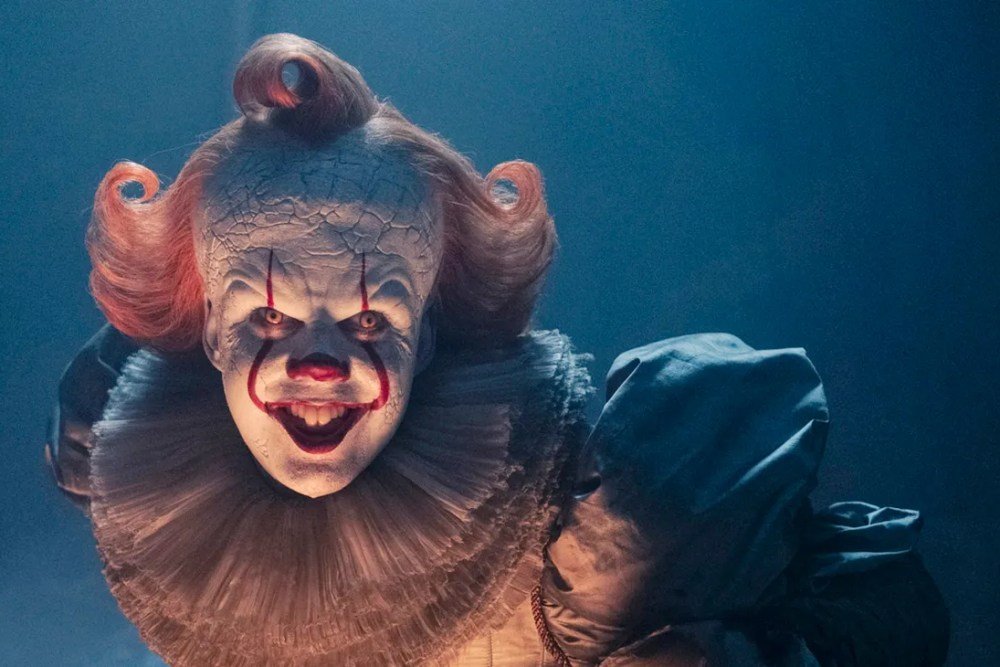
The show originally premiered on HBO Max on Oct. 26, 2025. It is based on Stephen King’s “It” novel and builds on the two-part “It” film reboot from 2017 and 2019. The show serves as a prequel to the films.
The first season is mostly set in 1962 in the fictional town of Derry, Maine, and details earlier experiences the town’s residents had with the evil shape-shifting clown, Pennywise. Season 2 goes back in time to 1935 and takes place during the Great Depression. Per the logline, the story “centers on the bloody massacre of the Bradley Gang, a group of bank robbers who stop in Derry to buy ammo and end up facing unimaginable horror.” The Bradley Gang Massacre is one of the interludes in King’s original novel.
The series was developed for television by filmmakers Andy Muschietti, Barbara Muschietti and Jason Fuchs, all of whom worked on the new “It” films. Brad Caleb Kane, who served as co-showrunner of Season 1 with Fuchs, is the sole showrunner of Season 2.
Casting has not yet been announced for Season 2, but the cast for Season 1 included Jovan Adepo, Taylour Paige, Chris Chalk, James Remar, Stephen Rider, Madeleine Stowe and Rudy Mancuso, with Bill Skarsgård reprising his role as Pennywise.
Andy Muschietti directed multiple episodes of the first season. He and Barbara Muschietti executive produce through their Double Dream production company along with Kane, Roy Lee, Dan Lin, Jamie Travis and Dhana Gilbert. It is produced by HBO and Warner Bros. Television.
Andy Muschietti told Variety earlier this month that a writers’ room had opened for Season 2, even though a renewal had not yet been formally announced. “There’s gonna be a lot of that depression-era hustling in the air in our characters. Everybody’s trying to get by and survive the circumstances. They are gonna do crazy things,” Muschietti said. “And of course, the social, cultural, horrible things that were happening in the era, too. We’re not going to skip those. [They are the] very center and the heart of our story.”
While Season 1 focused on the evil lurking underneath suburban comfort, Season 2 will have a different aesthetic. “In this case, on the surface, Derry is a graveyard almost. It’s a carcass of something because people are depleted, poor, tired, jobless, homeless. The kids don’t have a suburban, comforting life,” Muschietti said. “They’re in a very different situation. Some of them are orphans or runaways, and so the environment is pretty bleak. But there’s always the aspect of hope that is always there, burning, and it’s what keeps our new group going.”
The co-creator had previously told Variety of his three-season plan for “Welcome to Derry,” which would include an additional chapter on the book’s 1908-set interlude.
There are few genres that remain as evergreen and accessible as workplace comedies, especially since the average adult living in the U.S. will reportedly spend one-third of their lives at work.
“You are thrust into this very intimate setting where you have to work with people to accomplish something, but they’re not people you get to choose,” says Jury Duty Presents: Company Retreat showrunner Anthony King. “When you’re actually having to work with clients or on some kind of project with someone, but then also eat lunch with them, that switch leads to so many interesting dynamics that we can all relate to.”
The Comeback co-creator Michael Patrick King notes that workplace comedies were initially conceived as a cost-effective way to make TV. “It’s very economically sound to have six funny characters in the same set week after week [with] no CGI dragons, no cars in New York saying it’s 1950,” he says, adding that he has always been drawn to the idea of examining “family that isn’t family” in a tense environment. “The best version of a workplace comedy is an evolution where you fall in love with people that maybe you don’t even like, but they’re good at their job and you have to deal with them.”
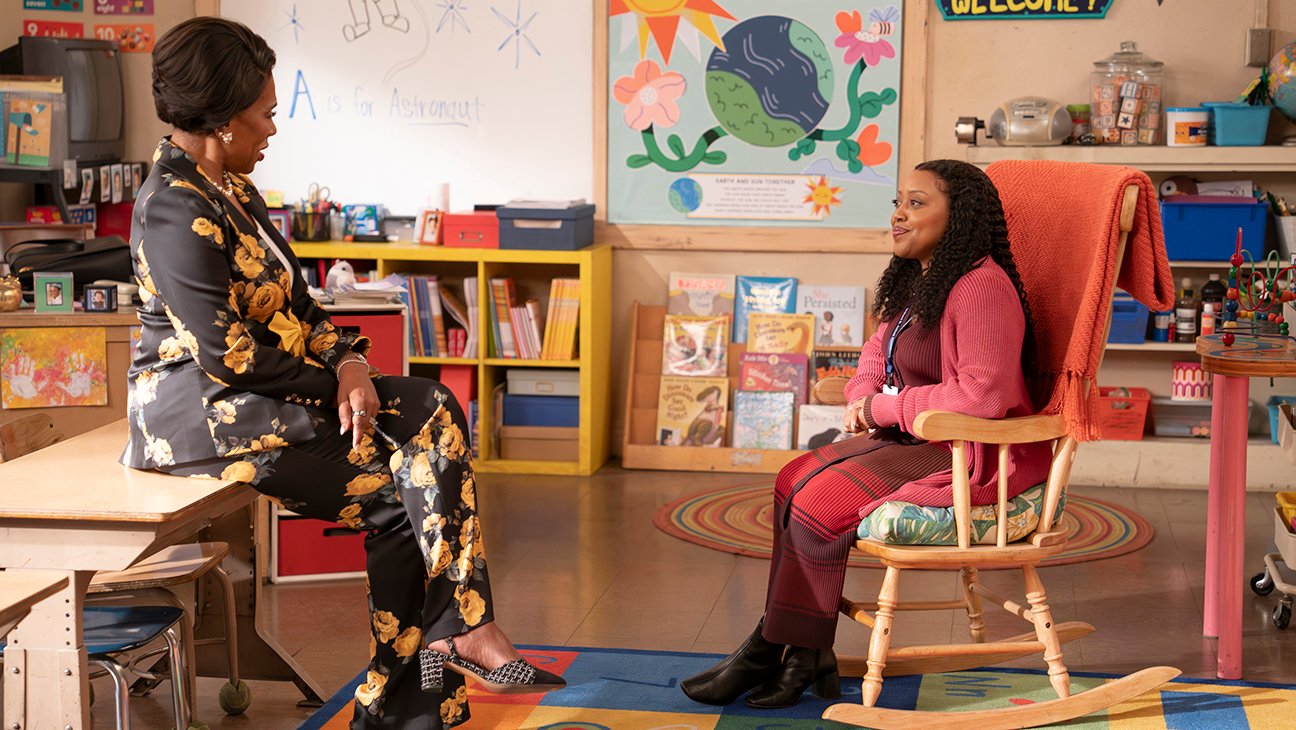
When Quinta Brunson first wrote the pilot for Abbott Elementary— which has become the genre’s defining hit of the decade — she was particularly interested in probing that thin line between the personal and professional to reveal the hearts of her eccentric ensemble. “Part of the fun is remembering that they’re people first,” Brunson says, noting that pulling her characters out of school or showing them outside of work hours allows viewers to uncover new layers that would have remained masked on the clock. “We keep that in mind to not pigeonhole them [and] instead show the full humanity of these people and how it connects to their job.”
The added complication for half of this year’s Emmy comedy writing nominees — Abbott, The Comeback and Company Retreat — was that the mockumentary format relies on characters who are acutely aware that they are being watched at all times, forcing writers to script a complex performance within a performance.
On Abbott, for instance, Brunson says that guest actors often struggle with “looking at the camera and talking and treating the camera as if it’s in the room.” Initially, Janelle James’ delightfully self-absorbed principal, Ava, was far more comfortable with the crew than the teachers. But over five seasons, Brunson points out, the staff has grown to treat the camera like any other well-acquainted co-worker.
By contrast, during the first season of The Comeback, Michael Patrick King says that “there was never a moment when Valerie,” played by co-creator Lisa Kudrow, “wasn’t aware of the camera.” Ultimately, “the tension of being aware of something, but not acknowledging it, made Lisa’s performance riveting but also made it so uncomfortable to watch, because you were aware there was a trapped character who knew what was happening,” he says. That tension remained until the end of season two, when Valerie “left the cameras behind” because the hospitalization of her close friend Mickey was “bigger to her than being on television.”
The third season, by design, mixes that familiar feeling of “Valerie trapped in front of a camera” with security footage of characters moving “like rats in a maze” being shown alongside private conversations where the handheld documentary-style aesthetic entirely drops away for classic single-camera coverage.
“In season three, the environment became so challenging to Valerie that she actually let go of trying to control the camera because there were too many other things to control,” Michael Patrick King says of his protagonist agonizing over starring in the first sitcom written by AI. “As Lisa said many, many times, there are cameras everywhere, so no one cares. There’s FaceTime walking down the street. Everyone’s curating their lives. You’re so comfortable seeing a camera that we actually even stopped acknowledging that it was there.”
The Company Retreat team similarly relied on a mix of visible and hidden cameras to heighten the believability of the world they built around their unsuspecting hero, Anthony Norman. But while the actors themselves are masterful improvisers, “the stories are very tightly scripted; there’s a lot of dialogue that’s provided,” Anthony King says. The difference, however, lies in the actors “having to just exist” within their roles to keep every moment feeling “real and natural.”
That illusion of spontaneity required rigorous preparation. During rehearsals, the team mapped out crucial story beats and potential contingencies. Once filming began, writers worked late into the night tweaking scenes for the next day, followed by secret morning meetings to keep the cast in sync. “It’s the most stressful set I’ve ever been on because you’re just constantly on edge,” Anthony King adds with a laugh. “But it’s also so thrilling because of the high-wire of it all. You’re getting to feel someone respond to what’s been written in real time.”
In comparison, Michael Patrick King reveals that The Comeback features “no ad- libbing.” Instead, Kudrow and the rest of the cast strictly adhered to the scripts to sustain the show’s fast-paced, carefully constructed satire. That high-wire precision paid off especially well in the final season, where he notes audiences began truly connecting with Valerie because “she became someone who showed herself as good at her job.
“The last monologue in the series is Valerie saying, ‘You might not always get the right job or whatever. Isn’t that what being a human is? You just keep going.’ We immediately went to ‘job or whatever’ because [being] an actress is a job; a television studio is a workplace,” Michael Patrick King adds. “So even in the last moment, we called it a job, not a part, because we wanted people to be able to relate to a person who goes to work and gets disappointed by what they don’t get and how they’re not seen. It may be a bigger part on The Comeback, but in the dynasty of workplace comedies, it’s really not getting the promotion.”
This story first appeared in an August stand-alone issue of The Hollywood Reporter magazine. To receive the magazine, click here to subscribe.