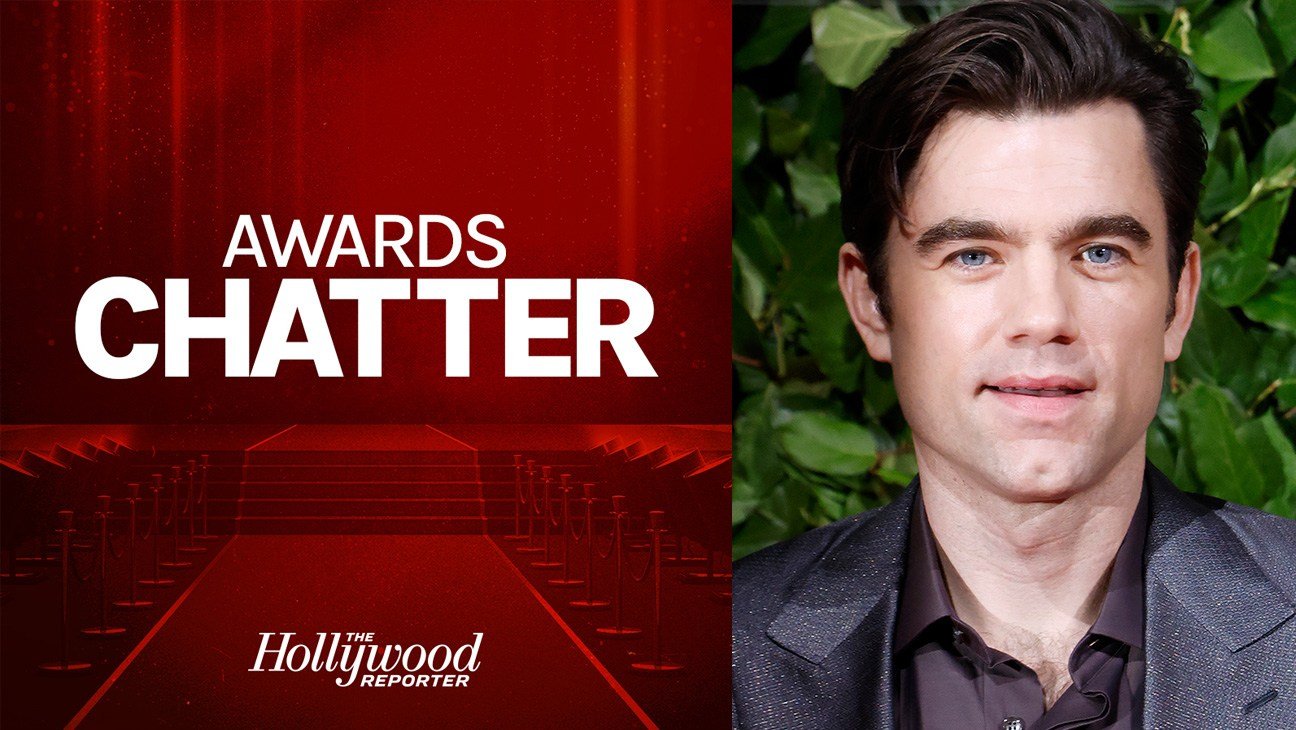
Patrick Ball, an actor who is quickly becoming one of Hollywood’s top young stars, first burst onto the scene in 2025 with the debut of HBO Max’s emergency room-set drama series The Pitt, on which he plays Dr. Frank Langdon, a senior emergency medicine resident. Langdon works under senior attending physician Dr. “Robby,” who initially regards him as a protégé, but later loses faith in him upon learning that he has been stealing prescription painkillers from the hospital in order to work through a back injury.
The show, which marks a reunion of ER star Noah Wyle, writer R. Scott Gemmill and showrunner John Wells, has found a large and loyal audience, garnered massive critical acclaim and last year, for its first season, was awarded five Emmys including best drama series. This year, for its second season, it has landed a field-leading 25 noms, including, in the category of best supporting actor in a drama series, one for Ball, who the TV Academy egregiously overlooked for his work on season one.
Over the course of a conversation at the LA offices of The Hollywood Reporter, the 36-year-old reflected on his path to acting and the years-long journey of personal and professional ups and downs that preceded him landing The Pitt; how his extensive theater background, professional uncertainty on his first major screen project and own battles with addiction (he’s now four years sober) have informed the way he plays Langdon; why, even while shooting season two and the forthcoming third season of The Pitt, he continued to act in theater in L.A. and in New York on Broadway, respectively; plus more.
Movie genres wax and wane over time in a way that can be borderline imperceptible. The Western did its slow fade through the 1960s, but it took a while to realize that it was heading into the sunset (and then, of course, it came back). On a less exalted level, I watched “Spa Weekend” and realized that the genre it’s in — the high-concept comedy with the concept in the title, the movie that puts out a vibe of “Look, I’m crass and dumb and obvious! And that’s why you like me!” — may now be entering its twilight zone.
Written and directed by Jon Lucas and Scott Moore, who made the brashly clever and likable “Bad Moms” (but were launched by their script for “The Hangover,” and in a way they’re still writing it), “Spa Weekend” is a comedy about four old friends who go on a deluxe spa getaway. The film has its minor-league version of a star cast (Leslie Mann, Anna Faris, Michelle Buteau, Isla Fisher), with Fisher cast against type as the Melissa McCarthy character — a foul-mouthed British trainwreck in ridiculously loud clothing who becomes the film’s bull in the aroma-therapy shop.
It’s all very standard, and the idea of putting the satirical screws to the New Age elitism of wellness culture certainly has potential. But watching “Spa Weekend,” you feel how tired and predictable the jokes are (it’s the script that needs a massage). And I’m talking about the “wild” jokes, like when the women take a raucous golf-cart ride through the spa grounds, or when a divorced couple work off their aggression by having a mud fight in a mud bath, or the moment when a session of “goat yoga” devolves — inevitably — into a Who let the goats out? free-for-all. It’s “anarchic” yet weirdly tame and expected. You watch these rote antics and think: Where are Barb and Star when you need them?
The four women are cardboard-cutout archetypes, played in amiable lightweight fashion. There’s Jane (Mann), a high-strung attorney and divorced single mother whose birthday weekend this is, and who is such an overscheduled control freak that she can only put a date with a man on her calendar three months in advance; Coco (Michelle Buteau), also divorced with two kids, who’s presented as a walking fount of anger issues (though if you call her on it, she’ll get angry at you for reducing her to the “angry Black woman”); Sophie (Anna Faris), a blonde mouse who’s been the personal assistant to a tyrannical boss for 10 years; and Fisher’s bawdy, antic, disheveled Mel, who the other three can’t stand, but as the movie explains — it becomes a central theme — every female friend group needs one person the others secretly hate.
I had mild hopes for “Spa Weekend” when it introduced the Solaris Eden Beach spa, a luxe white-on-white beachfront hotel that turns pampering into a form of exhibitionism. When Jane and her friends arrive at the front desk, they’re offered a choice of Champagne or hibiscus water, and the spa’s general manager is a guru named Shanti (Erika Keynatz) who glows with well-tended superiority. Then, of course, there’s Kai (Adam Demos), the hot Aussie yoga instructor who makes instant eye contact with Jane (“C’mon, Magic Mike,” says Mel, “let’s see your big ding-dong!”). About 45 minutes in, Jane and Kai run into each at the otherwise empty hotel bar, and Jane explains that she can see right through the posh pretense of the spa treatments — the spaced-out music and yoga that’s just “stretching,” the Goopy optics of it all. But it’s as if the movie had already seen through its own joke.
By all rights, Isla Fisher’s Mel should be the one making us laugh. I’ve always been a fan of this actor, and she gives a pinpoint performance as a dissolute narcissist who’s like a more unhinged Bridget Jones. But Fisher, in a weird way, gives too grounded a performance. She doesn’t have that spark plug of insanity in her DNA. (We don’t feel her unconscious need to destroy.) Or maybe the lines just aren’t crazy enough. Frankly, I had the same problem with “The Hangover,” a movie I always thought was more prechewed than it pretended to be. And you wish “Spa Weekend” found a way to give Leslie Mann, the film’s straight-arrow center of gravity, a bit more of a spin.
“Spa Weekend” is being distributed by Black Bear Pictures — a good company, only this sort of thing used to be the province of major studios, and now it’s being relegated to the indie and streaming market. (See this month’s “Super Troopers 3.”) Nothing wrong with that, of course. But it’s a sign that overly processed bad-behavior comedies like “Spa Weekend” are a form that’s running out of gas. What happens at the spa stays at the spa. But it might as well not, since we’ve seen it before.
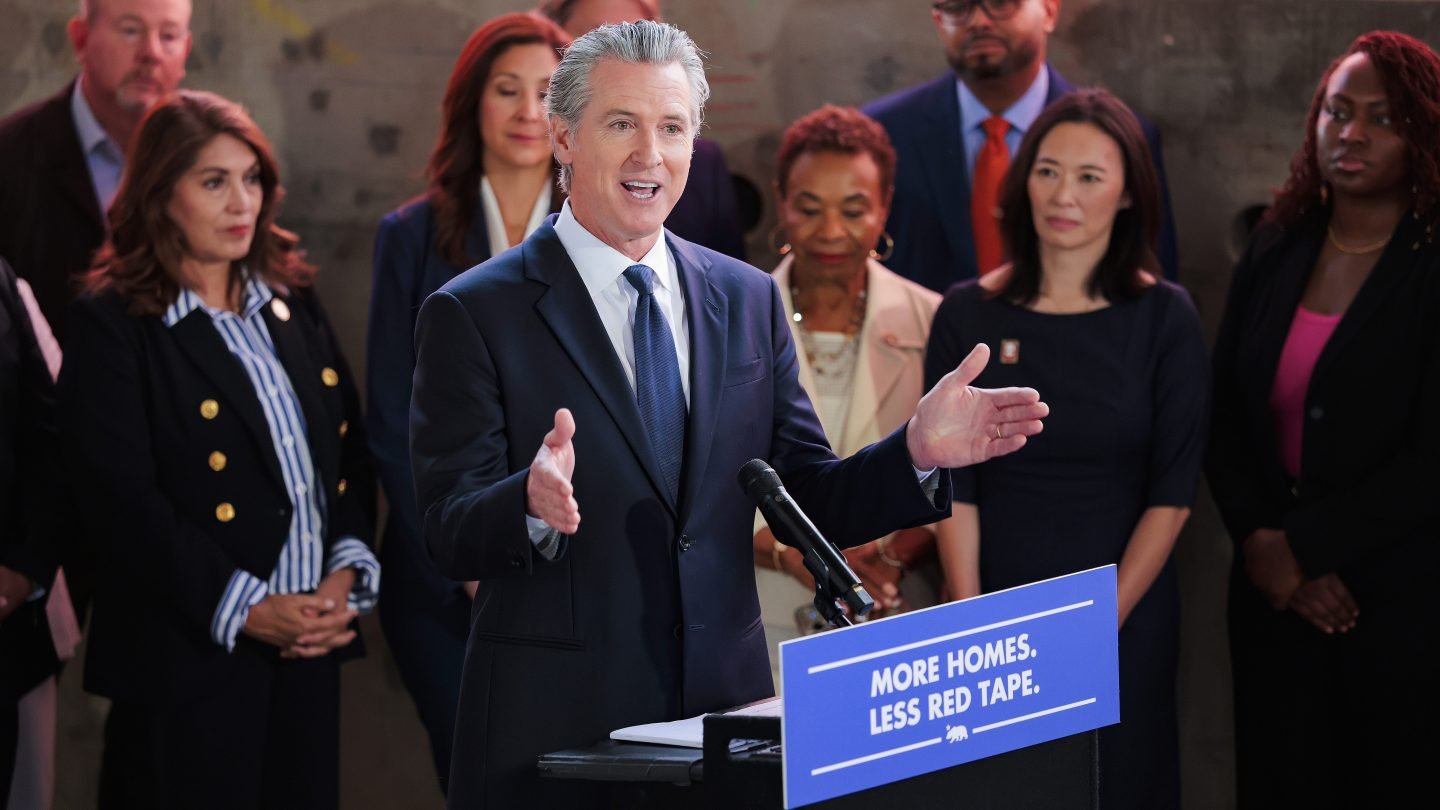
Gavin Newsom signaled his support on Friday for settlement talks in the antitrust suit seeking to block the Paramount-Warner Bros. merger.
When asked about his stance on the controversial merger and the antitrust suit from 12 states challenging it at a press appearance in San Francisco, the California governor gestured to remarks made by the state’s Attorney General Rob Bonta earlier in the week. “Look, I was appreciative, I think this week, earlier this week, you heard the attorney general himself say he’d prefer this settled in the boardroom, not the courtroom,” Newsom said. “So I think there’s some universal sentiment there, if that’s possible. The question is if that’s possible. And what’s the best deal, what’s the landing? And that has to be worked through.”
The governor suggested that talks were already happening to determine a way forward for the parties. “That’s a process that’s unfolding, I assure you, in real time,” he said on Friday. “I know there are many meetings that are going on and there’s a lot of conversation about what that could look like, but the attorney general is not just representing the state of California, he’s also part of this coalition with a dozen other states. So we also have to be mindful of that coalition as well.”
Newsom’s remarks followed a report in The Wall Street Journalon July 31 stating that the governor was concerned about the states‘ antitrust suit. The story reported that, wary of potential consequences for employment in California, Newsom had encouraged Bonta to find a solution out of court. At the time, the governor did not confirm or comment on the record about his stance.
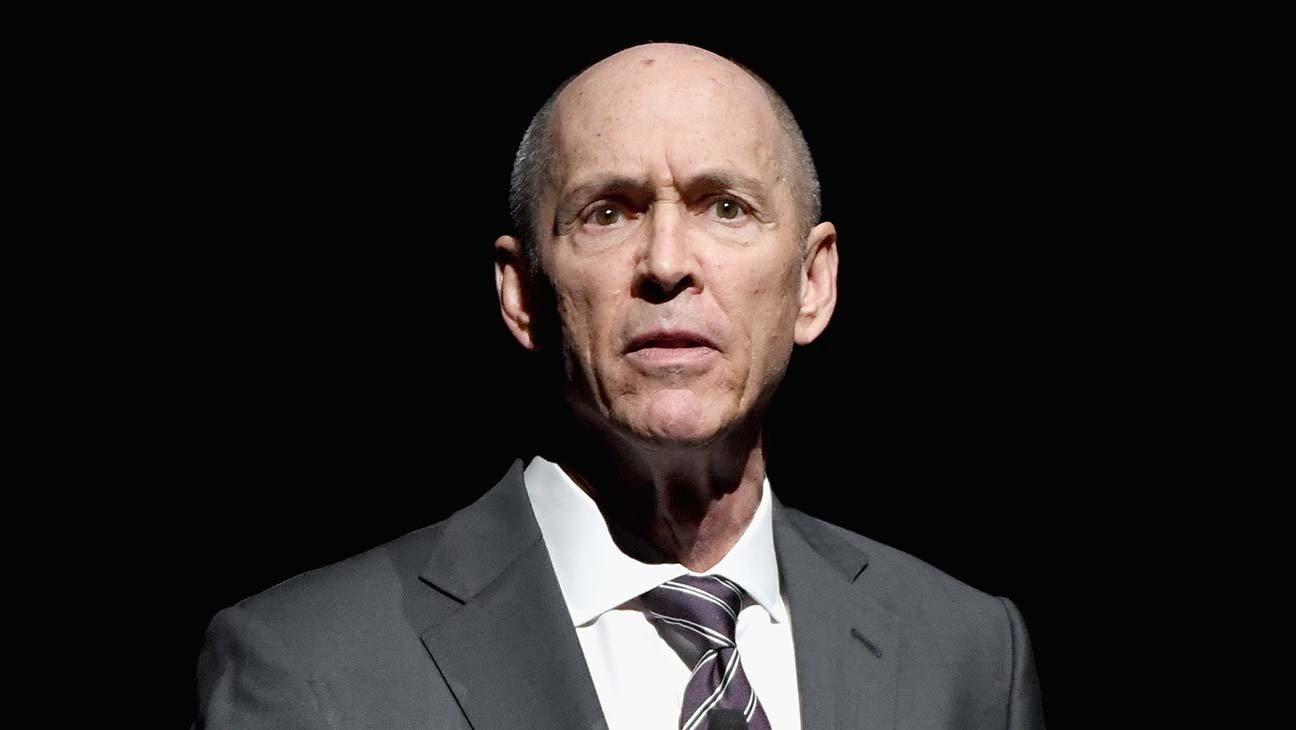
That changed on Friday. When asked about a recent threat made by Paramount Skydance CEO David Ellison to take one or two of Hollywood’s remaining historic studios out of California if the antitrust suit isn’t resolved by October, Newsom said he was taking the remarks “seriously.” He said, “We’re hoping that doesn’t happen. And I’m of the belief that they don’t want to see that happen. It’s not, I don’t think, in the company’s long-term interest, but I take it seriously.”
He added that he was talking to people on all sides of the debate, given the stakes for California. “I’m very mindful of what this means to the state, I‘m concerned about the state, our reputation,” the governor said.
His support for settlement talks puts him in the same camp as Xavier Becerra, the Democratic candidate for California governor in this year’s elections. It also aligns him with L.A. Mayor Karen Bass, who expressed her desire for both parties to “come to the table” and “work urgently to find common ground” on Thursday.
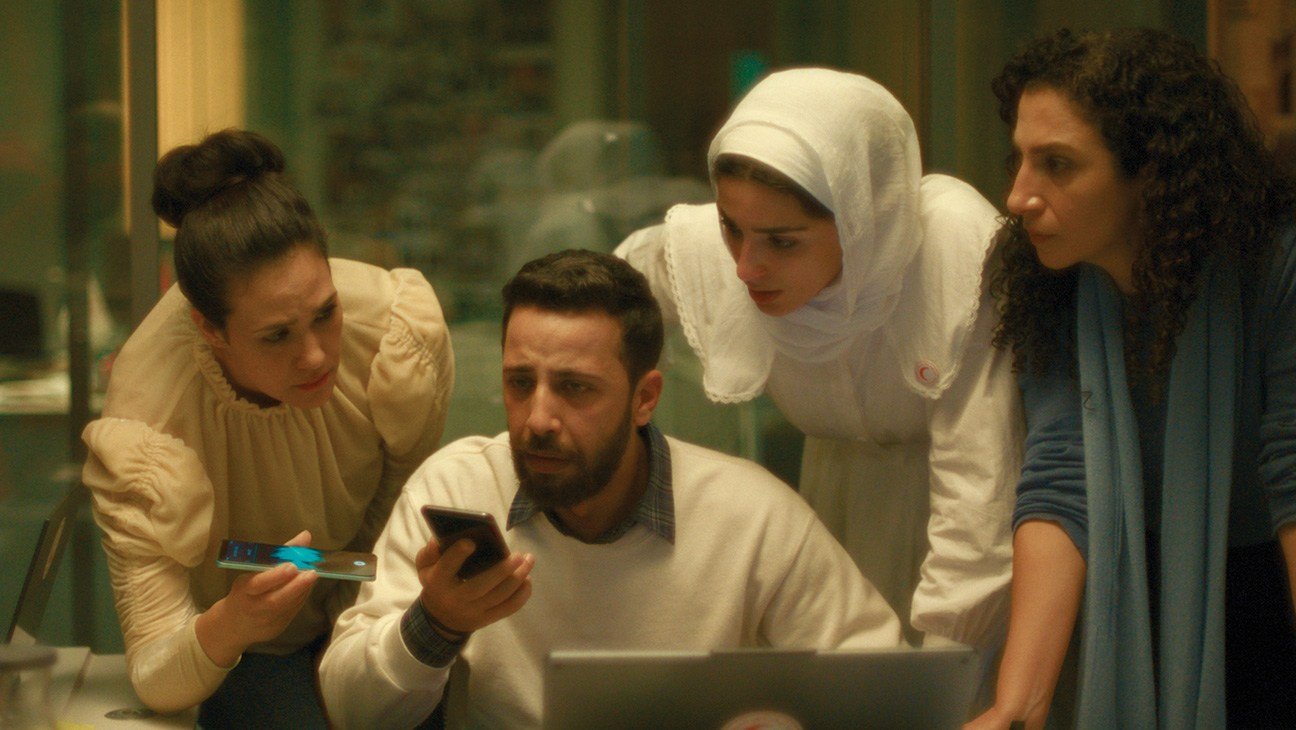
The director of the Oscar-nominated docudrama The Voice of Hind Rajab has criticized the Israeli military investigation announced this week into the death of the 5-year-old Palestinian girl, who was killed after Israeli forces fired on her family’s car in Gaza City.
“For more than two years, the evidence has been there: independent investigations, satellite imagery, ballistic analysis,” Ben Hania wrote. “And there was the most devastating evidence of all: Hind’s own voice, describing the Israeli tanks circling around her. What more did we need? Did we really have to wait for the accused to decide to investigate itself (yes, itself!) before these facts could finally be taken seriously?”
She added, “Look at the cases the Israeli military is choosing to speak about today: they are precisely the ones that international public opinion has made impossible to ignore. And what about all the others? Those whose names we will never know because their deaths never broke through the wall of international indifference? Meanwhile, the Israeli military continues to kill Palestinians in Gaza, while the occupation intensifies in the West Bank.”
Suggesting that Israel’s move to launch a criminal investigation into Rajab’s death is a “public relations operation,” Ben Hania wrote, “What is needed is justice (delivered by an independent authority) for Hind and for all the victims of the genocide in Gaza.”
Israel’s military this week said it fired at the Rajab family’s car and an ambulance dispatched to help them — all six people in the car and two paramedics were killed — as the family was trying to flee an Israeli invasion. The military has launched an investigation into its troops’ conduct.
Like Ben Hania, Rajab’s mother Wesam Hamada has also called for an independent investigation and questioned the delay on Israel’s probe.
“Why did the investigation and the acknowledgment of the shooting at Hind’s car and at the paramedics come only after more than two years?” Hamada told the Associated Press. “It’s an attempt to distract from what’s happening in Gaza and improve the (Israeli) army’s image to the world. That’s it.”
The voices of Rajab and her 15-year-old cousin Layan Hamada calling for help from January 2024 were released by the Palestinian Red Crescent Society and excerpted in The Voice of Hind Rajab.
When asked earlier this year if she thought there would someday be justice for Rajab, Ben Hania told The Hollywood Reporter, “I hope so, because we can’t live in a world without accountability. … I don’t have a crystal ball, but my hope is that this film can be part of the change. Because we can’t live in a world where just because you have the biggest gun, you rule the world. “
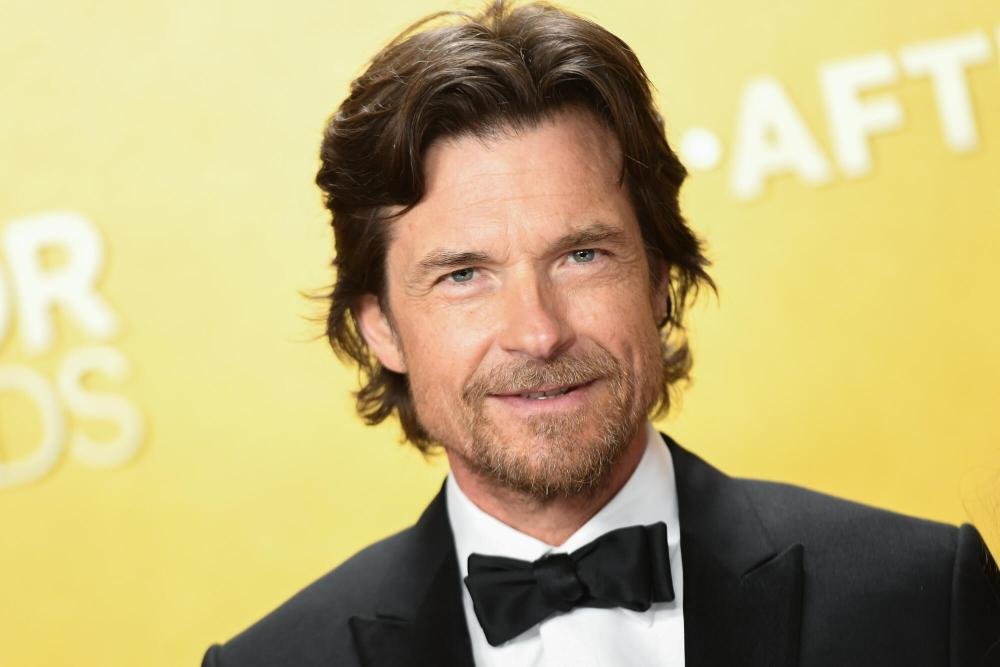
Jason Bateman is this year’s Emmy overachiever, nominated for lead limited series actor and limited series directing on Netflix’s “Black Rabbit,” and as both supporting actor and executive producer on another limited series, HBO Max’s “DTF St. Louis.” So where does the multi-hyphenate’s brain reside more in these days, as an actor or director?
“They are in both worlds at the same time, but they kind of always have been,” Bateman tells Variety‘s Awards Circuit Podcast. “That’s why I was so drawn to having the official job of directing. Acting at an early age became so comfortable for me that I was able to really observe all the incredible work going around me. All the technical work of the camera and sound and lighting and what might be happening with editing later. So I’ve always thought about all of that — what a team it takes.”
Bateman, of course, has been acting since he was a child — “Little House on the Prairie,” “Silver Spoons,” “It’s Your Move” and even “The Hogan Family” as a teen. But he also started looking at directing as a young actor.
“I’m enormously grateful that I’m still working in this industry in this town,” he says. “I mean, I’ve gained a lot of experience in this business, and one of the things that’s really clear to me is that the best people are not guaranteed employment.”
Bateman, of course, saw that firsthand in the lean years that came prior to “Arrested Development,” which set his career on a new, lucrative course that eventually included smashes like Netflix’s “Ozark,” his podcast “SmartLess” with buddies Will Arnett and Sean Hayes, and then most recently the back-to-back success of “Black Rabbit” and “DTF St. Louis.” Bateman talked about all that, as well as his next project — and he took the Awards Circuit Podcast 10 Questions Quiz! — on this edition.
Also in this episode, we look at the latest moves in the Emmy race as Phase 2 voting continues — and marvel at the variety special (prerecorded) category, which includes a showdown between Taylor Swift, Sabrina Carpenter and Ariana Grande. Listen below!
Is Bateman stunned at the Emmy surplus he’s been given this year with his four nominations? “Obviously you don’t do this work for the money or the accolades, but those things are really sort of exciting and helpful and practical,” he says. “When you do something and it comes together as well as these two projects did, it’s a little bit of magic. There are so many people that go into making these things and making them not fall flat on their face. It’s a miracle that any of these things work because the ball is constantly wanting to drop … I just feel so fortunate.”
Bateman also notes that he has the luxury of choosing projects and characters who have such a unique and interesting tone. Both Vince in “Black Rabbit” and Clark in “DTF” are tragic in their own ways. “Vince is just a disaster, kind of a broken, self-destructive guy,” Bateman says. “Clark’s main plot point for him is he wants to cheat on his wife. Yet they are both just heartbreakingly relatable, human and flawed, and they just don’t have the coping skills that most of the viewers have.”
Next up, Bateman just directed the film “The Cackling of the Dodos” for Netflix. “Sam Rockwell and Woody Harrelson brought me the script and said, ‘would you would you direct us in this?’ I didn’t even really need to read it, when you get that kind of call from those two guys. It’s a dark, dark comedy about these two guys who run a farm and they find a dead body in the grain bin and try to figure out how to get rid of it — and create a couple of more dead bodies doing it. It’s kind of like an old Coen Brothers-type of film.”
For Bateman’s first time in Variety, we found a clip from Nov. 16, 1979, announcing that he had signed with the Dorothy Day Otis/Jack Rose Agency. “I was around 10,” he remembers. “I remember getting an agent for the first time. That was really an interesting process. It was after this educational film, I’d done one of those little films, and then I was like, ‘well, Dad, I should get an agent and maybe do some commercials and try to work my way in.’ So he took pictures of me, and off we went.”
10 QUESTIONS WITH JASON BATEMAN:
1. Childhood nickname: “’Jayco.’ My dad used to call me that.”
2. Something you loved as a kid but can’t believe you were into it now: “I would play arcade games, 10 hours a day, and I think I’d still do that if I had the time. In fact, the first time I made some money, I got my parents to let me buy a Donkey Kong machine, like a real stand-up arcade machine, and we put it in the garage. And I just played it all day, all night.”
3. Go-to karaoke or sing-in-the-shower song: “I’m so horrified with the sound of my own voice singing. I don’t even sing in the shower. Not even alone. I don’t sing. I cringe myself right out of the water!”
4. Give me an alternate title for ‘Black Rabbit’: “One and One Make None.”
5. What’s your secret talent?: “If I properly ball up a piece of chewing gum, I can tilt my head straight back and hover it above my lips by blowing a stream of air.”
6. Favorite ice cream flavor: “I’m a cookies and cream guy.”
7. The one item you couldn’t live without: “Classical music takes me to a place where I think the best part of me lives, and where my best thinking and processing and planning comes from. I just love it for many reasons, and I think it started with my dad getting me into it like he did with movies and television. But then really seeing how classical music is used in film and television, from ‘2001’ or ‘Apocalypse Now’ or ‘Amadeus’ or any of the John Williams films. It’s incredible. I listen to classical music almost all day every day.”
8. What TV show in all of history do you wish you were a cast member of?: “Fawlty Towers.”
9. Fictional character you most admire: “I don’t know. That’s millions and millions of characters. I have to take a pass on that one because there would be many right answers for me.”
10. Your favorite piece of advice: “This sounds a bit earnest and probably a bit cliché, but it really is true, and something that’s so needed for anybody that’s got the kind of complicated thing of fame and having a public job. But in any position of leadership, doing unto others as you would you want them to do to you. When I meet somebody on the street, and I might not be in some great mood, or I’m with the family, or that’s still the one moment that they have. They may have been watching me do stuff for years on television or film, and want to say ‘hi’ and say that they like show X or movie Y. If I were to be short or dismissive of that, that’s louder than anything that they’ve watched. I try to remember that. I’m certainly far from perfect and far from consistent, but I try to be better every day.”
Variety’s “Awards Circuit” podcast, hosted by Clayton Davis, Jazz Tangcay, Emily Longeretta and Michael Schneider, who also produces, is your one-stop source for lively conversations about the best in film and television. Each episode, “Awards Circuit” features interviews with top film and TV talent and creatives, discussions and debates about awards races and industry headlines, and much more. Subscribe via Apple Podcasts, Stitcher, Spotify or anywhere you download podcasts.
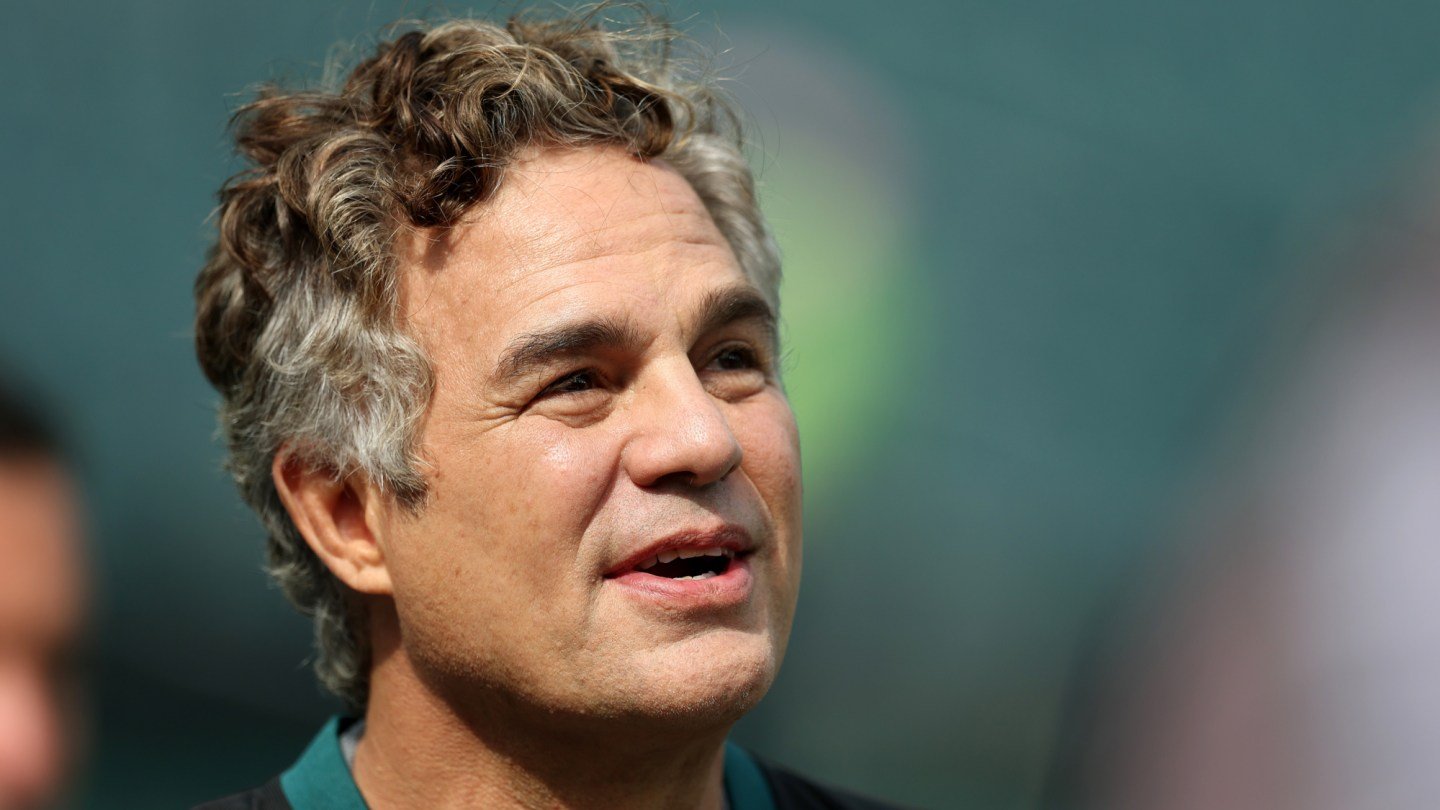
Mark Ruffalo has been a consistent opponent of Paramount’s $111 billion deal for Warner Bros., testifying against the merger to a Senate hearing, signing an open letter along with hundreds of actors opposing the buy and amplifying his message on social media consistently.
His latest missive took aim at Larry Ellison, the Oracle founder worth about $200 billion who’s the father of Paramount CEO David Ellison. Larry’s billions are a key backstop to help his son’s merger of the two historic Hollywood studios cross the finish line.
Ruffalo’s post on Instagram highlighted Oracle’s ties to the Israeli military, circulating a clip of former Oracle chief Safra Catz talking up Oracle’s tech at the Israeli-American Council National Summit in 2024 as it related to Israel’s war effort in Gaza. The executive spoke about “profoundly scary technologies” the company had built that could be deployed. The Marvel actor described the war as a “genocide” that “was built on an apartheid system of oppression powered by Oracle.”
Ruffalo’s implication to his audience was to link Oracle, the Ellisons and their media empire all together, saying that the moguls “are crushing workers and consolidating the wealth of the world for their own power and concentrated dominance.”
A spokesperson at Paramount took the normally unusual step of issuing a lengthy reply to Ruffalo’s comments, both calling for the temperature of the debate to be lowered while also deeming that actors’ remarks “antisemitic.”
“We are, as always, troubled when antisemitic tropes are invoked in purported service of a business dispute,” the Paramount rep stated. “Words like ‘genocide’ and ‘apartheid,’ applied to a corporate transaction, aren’t just wrong — they’re a bridge too far, and they cheapen the very real suffering those words are meant to describe. This doesn’t deserve a response in kind — and to be clear, we don’t tolerate prejudice of any kind, against anyone.”
The studio rep added, “This brings us to a moment to lower the temperature, not raise it. We’d rather build than further engage in such rhetoric. This simply exposes the true motivation of some who have advocated opposition to this transaction. On the other hand, our commitment to great content is matched by our commitment to acceptance – to every story, every storyteller, and no blacklists, no exceptions, for anyone.
The rep added, “We understand people feel strongly about this merger and are hopeful and expect that it will be judged based on the legal merits, not underlying bias. We’re asking for the same good faith we’re extending: less rhetoric, more understanding. Paramount’s future is being written for everyone who wants to make and watch great stories.”
Oracle, the Austin-based tech conglomerate, increasingly has become an AI power player as well as a stakeholder in TikTok’s U.S. operations. The far-reaching applications for its technology have come under increasing criticism from opponents of the Israel war in Gaza, as well as the Boycott, Divestment and Sanctions movement that has lobbied against companies doing business with Israel.
Mark Ruffalo’s caption referencing Oracle’s ties to the Israeli military.
Paramount has come out swinging against a Friday screed from Mark Ruffalo, in which the award-winning actor accused moguls David and Larry Ellison of “powering some of the most destructive and inhuman forces in the world.”
A spokesperson for the David Ellison-run enterprise said the company is “troubled when antisemitic tropes are invoked in purported service of a business dispute. Words like ‘genocide’ and ‘apartheid,’ applied to a corporate transaction, aren’t just wrong — they’re a bridge too far, and they cheapen the very real suffering those words are meant to describe. This doesn’t deserve a response in kind — and to be clear, we don’t tolerate prejudice of any kind, against anyone.”
Ruffalo took to Instagram with a years-old clip of Paramount board member Safra Catz discussing “really profoundly scary technologies” that Oracle used to assist the Israeli military following the Oct. 7 terror attacks. That 2023 event saw Hamas and other Palestinian militant groups kill 1,195 Israelis and foreign nationals and abduct 251 people. Ruffalo referred to Larry Ellison as a “classic Oligarch,” and warned of the danger of his son’s bid to combine Paramount with Warner Bros. Discovery. Referencing the Catz clip, Ruffalo encouraged his followers to “look how she revels in what we now have come to see as a genocide, which was built on an apartheid system of oppression powered by Oracle.”
Ruffalo was one of the earliest Hollywood figures to decry the proposed Warner Bros. Discovery and Paramount merger. Numerous industry sources have expressed concern over Ruffalo’s conflating the merger with anti-Israel sentiments.
Paramount said Ruffalo’s post “brings us to a moment to lower the temperature, not raise it. We’d rather build than further engage in such rhetoric. This simply exposes the true motivation of some who have advocated opposition to this transaction. On the other hand, our commitment to great content is matched by our commitment to acceptance – to every story, every storyteller, and no blacklists, no exceptions, for anyone.”
Paramount Skydance representatives are expected to meet on Monday with the California Attorney General’s office to discuss a potential settlement of the states’ antitrust case, according to two sources familiar with the situation.
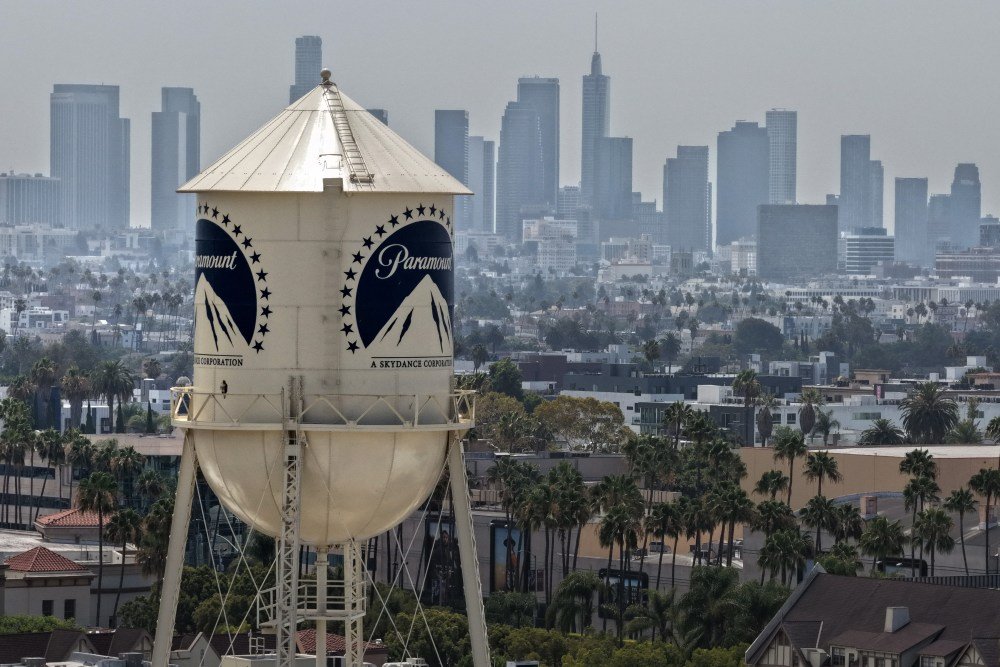
Paramount has been pushing hard for a deal to allow its $111 billion merger with Warner Bros. Discovery to close. The deal is currently on hold pending a March trial in federal court in Oakland.
Attorney General Rob Bonta has said he is open to settlement negotiations, but has also said that Paramount has thus far been unwilling to offer the kind of structural remedies that would be needed to satisfy the states’ concerns.
A Paramount spokesperson declined to comment.
Bonta led a 12-state coalition to challenge the merger in July, arguing that it would illegally contract the marketplace for theatrical distribution and basic cable. The merger would consolidate two of Hollywood’s five legacy studios and two of the top three cable programmers.
Under federal rules, the two sides will have to at least try to settle the case in front of a magistrate judge at some point. At a hearing this week, Judge Araceli Martinez-Olguin asked the parties to identify two potential magistrates who could oversee mediation by next Wednesday.
A parade of interested parties has recently come out in favor of a settlement, including the Directors Guild of America, IATSE, Los Angeles Mayor Karen Bass and Cinema United, the trade group representing theater chains.
“Earlier this week, you heard the attorney general himself say he’d prefer this settle in the boardroom, not the courtroom,” Gov. Gavin Newsom said Friday. “I think there’s some universal sentiment there, if that’s possible. The question is is that possible. And what’s the best deal? That has to be worked through. That’s a process that’s unfolding, I assure you, in real time.”
Paramount has pledged various commitments to try to get a deal done, including a promise to make 30 films a year for the next three years, and to keep them exclusively in theaters for at least 45 days. Bonta’s office, however, has argued that such behavioral remedies have proven impossible to enforce in the past.
The Writers Guild of America has filed its own lawsuit, which is set to be tried along with the states’ case next March. The WGA is also a party to the stipulation that puts the merger on hold until the trial, and would have be involved the parties are aiming to reach a global resolution. A WGA spokesperson did not respond to a request for comment.
Chris Aronson, former domestic distribution chief at Paramount Pictures, has sued the studio, alleging he’s owed millions of dollars in compensation after being let go last September as part of a round of layoffs shortly after its merger with Skydance Media.
Aronson’s attorney, Barry Kaufman, tells The Hollywood Reporter he filed the complaint with Superior Court of Los Angeles County on Aug. 20 but it hasn’t yet been formally processed yet before the document leaked online. “I have not even received back a conformed copy of the Complaint and the associated documents from the court confirming that it was accepted for filing,” Kaufman added. Aronson did not reply for comment.
In the complaint, Aronson claims that on Sept. 29 of last year — months into a new contract agreement inked in July that would have kept him at Paramount until Dec. 1, 2028 — he was summoned to a meeting with new Paramount co-chairs Dana Goldberg and Josh Greenstein.
The duo informed him that he was terminated “without cause,” the complaint states, and that Greenstein assured him that Paramount would “pay you everything you’re owed under your contract” and “added words to the effect that ‘you’re worth every penny.’” Aronson claims that he was also informed that Paramount intended to “downgrade the position” he was occupying.
As to that pay, “the remaining salary and incentive compensation under the agreement had an estimate value approaching $3.9 million,” Aronson’s complaint states, per the unprocessed court document confirmed by Kaufman to THR that leaked without a case number to Deadline. “When the value of lost employment benefits and related compensation components is included, Aronson’s projected economic damages exceed $4 million.”
Shortly after the timeline Aronson outlines, Paramount announced in November that it hired Shaun Barber, who spent 18 years at Lionsgate and Summit Entertainment handling such blockbuster franchises like John Wick, The Hunger Games and Twilight, as its new domestic distribution chief. Aronson stayed on until Dec. 1, when Barber took over that role.
At the time of his layoff, Aronson was 69 years old. The executive’s complaint states that as part of his termination process, he received disclosure data related to broader layoffs at the company and his own independently commissioned analysis found a statistical pattern of age discrimination. That included layoffs of 62 employees aged 40 years or older and 30 staffers under the age of 40. Aronson claims that Paramount’s HR department was aware of age-related impacts of its employment moves made for business strategy reasons.
Aronson, who had overseen the theatrical distribution efforts on titles like Top Gun: Maverick, as well as multiple Mission: Impossible, Sonic the Hedgehog and A Quiet Place installments, stayed with the studio through December of last year. He joined Paramount in 2019 after running distribution at 20th Century Fox prior to the Disney acquisition of Fox studio assets. His contract was renewed in 2022 by Paramount and again in 2025, months before he was terminated.
At the time of the September meeting, Paramount execs had “suggested and dangled the prospect of a future consulting relationship” that never materialized. Aronson had subsequently taken on a consulting role to Rentrak Theatrical, the box office data platform formerly known as Comscore Movies, a division that he once founded.
Aronson’s complaint says that Paramount not only terminated the role but “abruptly ended what reasonably appeared to be the final chapter of a distinguished career in theatrical distribution.” Paramount declined comment on the suit.
It’s been nearly 20 years since Keeping Up With the Kardashians premiered on E! and helped shift the reality TV genre. Now, after years of having her own life and family filmed, Khloé Kardashian is stepping behind the camera to put the spotlight on her closest group of friends with her new unscripted series, The Girls: A Khloé Kardashian Project.
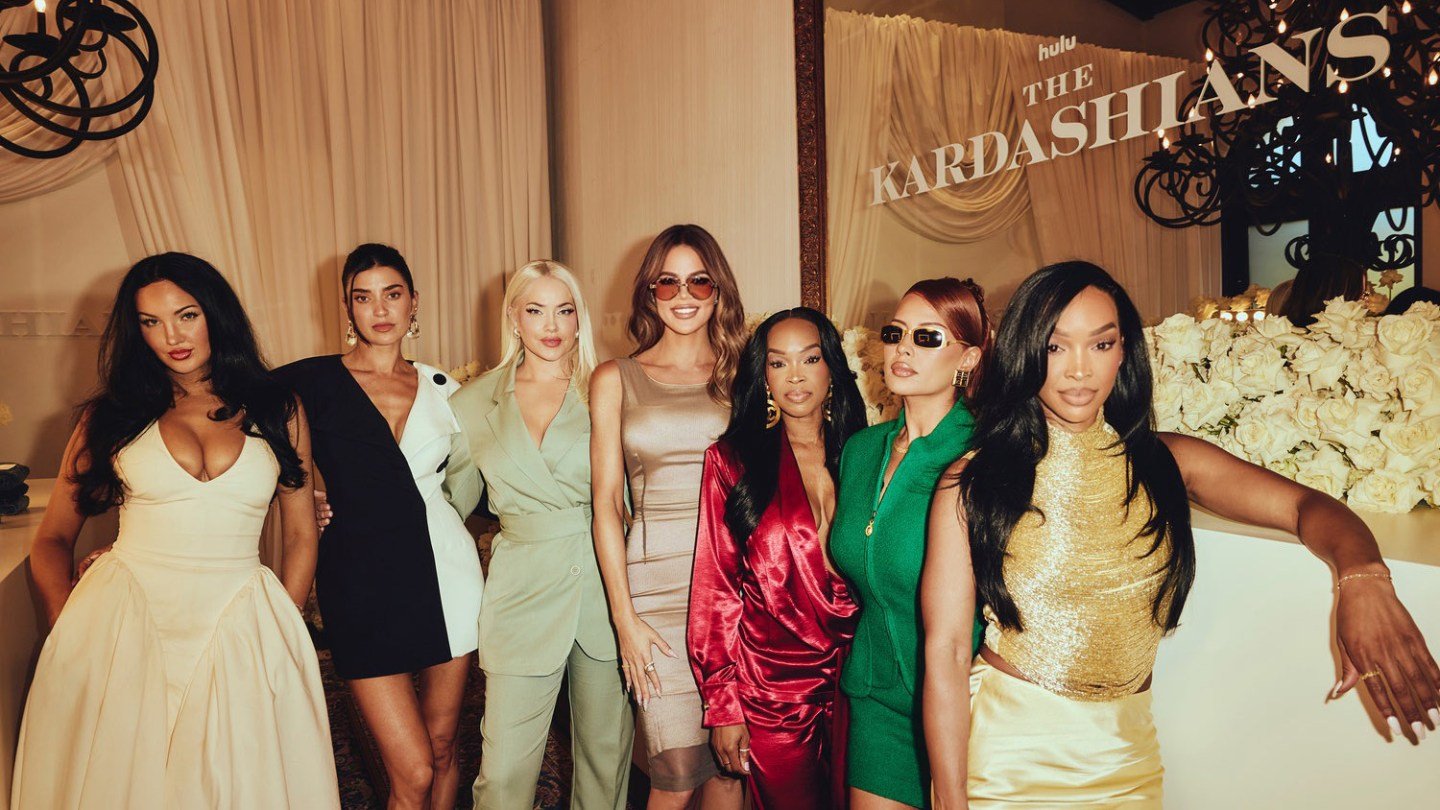
The cast includes six women: Nicole Williams English, Olivia Pierson, Khadijah Haqq-McCray, Natalie Halcro, Malika Haqq and Yris Palmer. While all have experience in front of the camera except Palmer, they bring different histories and relationships to the group. Malika and Khadijah are longtime friends of Kardashian’s, while Williams English, Pierson and Halcro previously starred together on WAGS, another E! reality series.
The show, which premiered Friday on Hulu and Disney+, follows the women as they navigate motherhood, marriage, dating, business and their friendships with one another. Kardashian serves as an executive producer and narrator and appears onscreen at times,= but intentionally doesn’t position herself as a main castmember.
Speaking with The Hollywood Reporter, Kardashian opens up about the drama that surprised her, balancing being a boss and a friend as an EP and why she doesn’t want The Girls to feel like another Kardashian spinoff. She also praises her sisters Kim Kardashian and Kylie Jenner’s acting era and what’s ahead for the third season of her podcast, Khloé in Wonder Land. The Hollywood Reporter can also exclusively reveal that season eight of The Kardashians will premiere in October.
***
What made you feel like this group of women deserved their own show and spotlight?
I knew they were comfortable in front of the camera. I also know that they genuinely like each other. At least some more than others, as I realized later. (Laughs.) So how we’ve all hung out, and what I didn’t really realize until we started filming was that there are definitely more little cliquey groups, or some hang out more one on one than others, and not all six have ever really hung out in depth this way. So if I’m having a birthday party or a kid’s birthday party, they’re always there.
Also, them being in my family, meaning all these girls are friends with different sisters in different ways, and they’ve all been around for so many years — at least a decade. I felt like this would be a great show. It’s an extension of us. They really are friends. They know where all the bodies are buried. They’re all really good girls. They all get along really well, so I thought. (Laughs.) How they have their own dynamics within each of the six of them is also really fascinating. Whenever I post them, people always have questions, so I’m like, OK, let’s let people see who they are because they’re such great, phenomenal women who have so much to offer and so much to show. People should know who they are.
You’ve spent so much of your life being filmed. What was it like to be on the other side of the camera and deciding what parts of your friends’ lives audiences get to see?
I left what parts of their lives up to them. But I did say, “When you do a reality show, the best thing to do is to be as open and transparent as possible.” Although they’re friends or acquaintances, when you’re doing a show with other people that aren’t family, those other people will probably want to expose you. (Laughs.) No matter how friendly you guys are. Because if someone feels like they are carrying more weight than the other, other people can get resentful.
I film with my sisters and family, and when we go through that where we feel like we’re doing more work than someone else, we get resentful, we’re frustrated and say our piece on camera. And the grace that family gives one another is also very different. So I made that very clear from the start: Be open. Some girls took that advice. Some girls didn’t. And you will see that unfold on camera.
These women are all been your close friends for years but not necessarily friends with each other. Some of them we’ve seen on reality TV beforewhile others are being introduced for the first time. Did you feel responsibility for putting them back into the spotlight?
I had moments in this where I sort of regretted doing any of this because of the fighting and drama and me being in the middle because I put them all together. I’m now the EP. I didn’t think I would be involved as much as I was trying to navigate them through certain things. I thought, Most of them are used to TV. They’re fine on camera. Some of them took so many years off that it was like they were starting over again. And the insecurities of when you watch, like, “Is this going to sound right?” Because they don’t get to watch the show before it airs, so everyone’s spiraling and freaking out.
Also, because I am friends with them, they do feel like they can call me and be like, “So and so said this about me, and I didn’t like that and to get these cameras back up.” It was so fucking middle school. I was so shocked that these girls acted like that. Some of them are more cliquey than others, which is totally fine, but they never spent this much time with one another, and that didn’t go well for a few of them. I felt bad, like, did I ruin some friendships with one another? I don’t know. I thought it would be a much more seamless process, and it wasn’t. But with all that being said, I think that would make for great TV.
Was there any particular friendship that had drama and surprised you?
I didn’t think Natalie and Yris would not get along the way they did, and there’s some contention between those two, which surprised me. They would butt heads a lot throughout the season, and it would be more continuous. I wasn’t expecting that to happen. (Laughs.)
Nicole Williams English, Olivia Pierson, Khadijah Haqq-Mccray, Natalie Halcro, Malika Haqq and Yris Palmer of The Girls.
Cristian Lopez/Disney
Were there any arguments or storylines that unfolded after cameras wrapped?
Oh my gosh, there’s a trip to Vegas that they take on camera, and there’s moments of that, and I should have known that maybe there’s some tension with them taking them to Vegas, where they’re partying. I just should have known that probably wasn’t going to go well. I just thought it was going to go really well, and there was definitely fighting there. We got a lot of it on camera, but we missed some. But they do make up for it, and there’s a lot of them. You still know exactly what happened. But even after the fact, I think everyone’s in their own heads.
I get it. Maybe the anxiety of not knowing what’s going to come out exactly, because you film so much and not knowing what’s going to make it air versus what won’t, that anxiety will probably eat away at anyone. So there’s a lot of phone calls, often like, “Are you sure I’m gonna look good, or did I say something like this? Did I do that?” I could never do that. So I empathize, but I really think everyone’s gonna love it.
With you appearing on the show and being an EP, there’s obviously a huge draw to it and a Kardashian connection. But you aren’t a main castmember, so was it important to you to make sure this felt like their show rather than another Kardashian spinoff?
Correct, and that’s exactly right. I’m in a certain amount of episodes, but I pop in and out because, in real life, I would be at those lunches, I would be doing those things. So I made sure to do what I would normally be doing with them, but I didn’t want to feel like a main character. I didn’t want it to feel like a Kardashian spinoff, like you said. I want them to have their own legs and to run with it. They’re that great of girls, and they can definitely carry the weight of the show. But I am also the narrator of the show, so it’s an extension of me for sure or my family.
I don’t want people to get confused and think it’s another Kardashian spinoff — it’s definitely not. This is all them. But in reality I am their friend, so I would be spending time with them. I think we did a really good job of me being around but not dominating.
Do any of your sisters or anyone in the family make an appearance on the show, or was it,like you said, that you wanted to keep it separate for this project?
Yeah, they do. Kylie does because Kylie and Yris are really great friends, so it’s literally just our organic relationships. And Kim does, because Kim, Natalie and Olivia are really great friends. If I remember correctly, my mom does, too.
I think it would be weird if they didn’t, because this is just how we interact with these girls. It could be as little as FaceTimes, but these are really people in our close circle that we speak to. I speak to some of them every single day. It’s not us dominating. We are very much in the background. It’s not like it’s going to be a Kylie episode. It’s more like her having a conversation with Yris — just a very natural type of thing.
You’ve been doing reality TV for almost 20 years. What did you learn from being on the other side of the camera that you maybe wish you had known when you first started?
I’ll be honest with you: I loved how green I was. In hindsight, I loved that we were told, You guys might not get a second season, so go big or go home. This probably won’t go anywhere. Kourtney and I specifically did not think about it. We just were like, “Fuck it, we’re gonna film whatever we want to do.”
We were just goofs. We weren’t overthinking. We never thought we were gonna be famous or be a star — nothing like that. And that’s what made everything work the way it did because you could smell that stuff. You know when someone’s putting on. You know when someone’s contrived. We were just who we were. I was 22 years old. And to be green, naive and not overthink anything. What a blessing.
I remember watching in season three of Keeping Up With the Kardashians that you took an acting class, and Kourtney went with you for support. With your sisters Kim and Kylie breaking into the acting world over the last couple of years, with American Horror Story, All’s Fair and The Moment, is acting something that still interests you? Is that something you still ever think about?
I’m literally traumatized from that whole experience. (Laughs.) We can blame season three for why I am so traumatized when it comes to acting. But I get asked to act all the time and to do these roles. I’m never gonna say never, but currently it’s not something I feel like makes my heart happy. It’s not like where my passion is with anything.
But, oh my God, do I remember that scene and that acting class and having to say the word “hat” in so many different tones. It was horrible! But I love Kim and Kylie’s acting era.
Are there any projects you can say you were approached for?
I don’t know anything specific, but I get asked all the time: “Would you ever do a movie?” People will say someone wants you for a movie, and I’m like, no, no, no. I have taken meetings with people who wanted to do a scripted series with me, and I just don’t know if it’s my thing.
I’m so honored and so flattered. But I also don’t want to do something that I don’t feel like I could give 100 percent with. I don’t think it’s fair to any production, any people that are working their butts off. It would have to be something I take classes in, really study and try to be the best I can be at it. It’s not something I would ever do, like, OK, acting sounds cool today. That’s just not who I am. I would have to take it seriously, and right now, I don’t know if I have the bandwidth to do all that extra stuff to give another workplace what they deserve out of me.
Do you see yourself producing more reality shows centered on outside your family? Is building a slate of shows something that you want to do?
I do. I mean, again, I want to be very passionate and intentional with everything that I do. But I do see that. I really do enjoy it. I think with your friends, it’s a different level of work involved because it does get very personal. But I still really enjoy it.
I like being a therapist in a way to people. (Laughs.) But businessly, I find it really cool, really creative. I like the ins and out of it all. So yeah, I could see myself doing more.
Kardashian on her Khloé In Wonder Land podcast with guest Dolly Parton.
Khloe Kardashian/YouTube/Screenshot
Season three of Khloé in Wonder Land is releasing later this year. What are you excited about with that? And do you have any more dream guests to appear? You’ve had some really great ones.
I’ve had some fabulous guests. I’m excited for this new season because it’s going to be longer, which means I have more room to diversify a bit and see what has stuck with my audience versus what has not. The biggest thing that I want to do is branch out a little bit more. Last season, I did a lot of family [episodes], which I still love doing. I think people love that with us. It may be nostalgic for them. But I want to branch out into a ton of different genres.
I do love conspiracies. I love all that crazy stuff. I still love self-help-type things. Other doctors that know how to break down whatever issues are so fascinating. I did something with Dr. Amen, and the amount of people that got all this positive knowledge from him made me feel so good because it’s almost like I was giving back to people that couldn’t afford to see him themselves or didn’t have access to his clinics. So that makes me feel good when I’m able to provide real information to people where they have a takeaway. Those obviously aren’t in every podcast episode, but I love when I’m able to do things like that.
I could go from a celebrity to a doctor to a conspiracy theorist, and I have more room to play. I love how all over the place it is, but that’s why it’s Khloé in Wonder Land because my brain is fascinated by anything and everything.