Donald Trump has been told to delete the AI generated video where he has put himself in the Yorkshire tiger attack which shows him playing with the animal.
William Chapman died of his injuries at the weekend (10 October) after he climbed into the tiger enclosure at Yorkshire Wildlife Park, he was declared dead at the scene and footage of the incident has been shared online despite police asking people not to do so.
The US president put his own spin on sharing the footage as he posted an AI video of him in Chapman’s place but the tiger plays with him instead of mauling him, and Piers Morgan has told him to take it down.
“This is appallingly tasteless. Delete it, President Donald Trump,” he wrote on social media as he reacted to Trump’s latest actions, joining those who have condemned the decision.
It seems Morgan is an agreement with others who have said it was ‘absolutely disgusting’ for Trump to post an AI mockup of a man’s death and put himself in it.
Piers Morgan has told Trump to delete the AI video (BRENDAN SMIALOWSKI/AFP via Getty Images)
Trump had shared the original clip which depicted the tiger attacking Chapman, having captioned it ‘don’t ever mess with nature’, and he has been called a ‘complete disgrace’ for doing so.
Chapman, 23, was hailed by his family as ‘bright, warm and engaging’, with them saying he had ‘suffered significant mental illness’ over the course of several years.
His family asked people to stop sharing ‘deeply offensive’ content of him being attacked by the tiger, saying in a statement yesterday: “The family are utterly devastated by their loss and are struggling to come to terms with what has happened.
“The publication and circulation of deeply offensive media content is causing them severe distress at an exceptionally vulnerable time. We ask people to stop doing this.
“The family are hopeful that the relevant authorities will do their upmost to get to the bottom of why our amazing son did what he did.”
William Chapman’s family have asked people not to share footage of him being attacked by the tiger (Handout)
Yorkshire Wildlife Park remains closed while they work with the authorities as part of their investigation, though they have confirmed that the tiger will not be put down.
Others in the park said they were quickly evacuated, and one said that Chapman had asked someone to take his photo by the enclosure with the tiger in the background.
One woman said that he had been ‘pacing around with his headphones in’ and then ‘climbed up onto the barriers’ before approaching the tiger.
A wallet holding 4,581.94 BTC sent its full balance, worth about $377 million, to five new addresses on Oct. 12 in a single transaction that paid a fee of 732 sats.
The coins arrived in March 2020, when they were worth roughly $40.5 million.
The address received 22 dust deposits since 2020, including 600 sats on Jan. 28, 2025 from a look-alike address matching its first three and last four characters.
A Bitcoin wallet that has held 4,581.94 BTC since March 2020 sent its entire balance to five new addresses on Oct. 12, moving about $377 million in a single transaction, according to blockchain data. The transfer confirmed in block 971,126 at about 18:37 UTC, with Bitcoin trading around $82,350.
Four of the receiving addresses got exactly 1,000 BTC each, and the fifth received 581.94 BTC. The transaction paid a fee of 732 satoshis, the hundred-millionth-of-a-bitcoin units known as sats, or about 60 cents. As of block 971,279 on Oct. 13, none of the five addresses has spent anything, and it is unclear who controls the wallet or where the coins are going.
The wallet received its coins on March 3, 2020, in a transaction that split a 5,081.95 BTC balance three ways, with 250 BTC going to each of two other addresses. At roughly $8,830 per Bitcoin, the 4,581.95 BTC that landed in the wallet was worth about $40.5 million. The value of the Bitcoin has nearly increased by 10X since then.
The wallet is an example of patience. The coins have sat through several market shocks since they arrived, starting with the COVID-19 crisis, which started shortly after the wallet got funded. During that time the stash went from about $40.5 million to about $17.6 million.
Tesla’s suspension of Bitcoin payments and China’s mining crackdown followed in May 2021, tanking the wallet from about $291 million at its April peak to $131 million by June. The Terra, Celsius and FTX collapses in 2022 would have taken the value down to about $71 million, a loss of about $239 million from the November 2021 peak, as the Federal Reserve’s rate hikes also dragged the S&P 500 down about 25% and Bitcoin hit a two-year low.
Trump’s tariff shock cut also crashed the markets. Bitcoin has since fallen 54% from a record $124,728 to $57,735 before recovering to its current price. The wallet’s value dropped from $571.5 million to about $265 million during that dip, but overall, hodling has resulted in almost 10X of net gains since day 1.
BitcoinBTC · USD
$81,989−1.23%
Oct 7Oct 9Oct 11Oct 12Oct 14
$84.2k$83.1k$81.9k$80.7k
24h HighHigh$84,025
24h LowLow$82,294
VolVol$1.3B
Market projectionsOdds by Myriad
→
The address has also collected dust, meaning transfers of a few hundred to a few thousand sats that cost almost nothing to send. Blockchain data shows 22 such deposits between August 2020 and May 2026, ranging from 546 to 6,953 sats, or less than $6 each at current prices. Sixteen arrived in batch transactions that paid out to between 87 and 610 addresses at once.
One deposit matches the pattern of address poisoning, in which an attacker generates an address that copies the first and last characters of a real one, hoping someone later copies it from a transaction history by mistake. On Jan. 28, 2025, an address beginning 18VpNbPc and ending pQ9x sent the wallet 600 sats, and it shares the first three and last four characters with the whale’s address.
The look-alike was funded in a Nov. 12, 2024 transaction that paid out to 1,401 outputs at once, and it was emptied after sending that one payment. Every other sender used a bc1 address, which looks nothing like the wallet’s legacy 18 address.
That said, this is not the first time dormant wallets move their coins. Back in July 2025, an entity moved 80,000 BTC that had sat for 14 years, worth $8.6 billion, the biggest daily movement of coins aged 10 years or more. Ten days later a Satoshi-era wallet sent 40,009 BTC, about $4.7 billion, to Galaxy, which later said it had executed a sale worth roughly $9 billion for a Satoshi-era client.
As of Oct. 13, the original address holds 23,288 sats in leftover dust, about $19, while the five receiving addresses hold the full 4,581.94 BTC.
Daily Debrief Newsletter
Start every day with the top news stories right now, plus original features, a podcast, videos and more.
Binance will discontinue Binance Pool, Pool Savings, Cloud Mining, Transaction Accelerator and related features at 07:00 UTC on Nov. 10.
Miners must point their hardware to another pool before the cutoff, and Pool Savings users must redeem their positions before the service ends.
The closure follows Binance’s July shutdown of its exchange NFT service and its June push into U.S. stocks and tokenized equities.
Binance will shut down its mining pool and several related services on Nov. 10, the exchange said in an announcement published Tuesday. The closure covers Binance Pool, Pool Savings, Cloud Mining, and Transaction Accelerator, along with Telegram hashrate alerts, email notifications, and the pool’s API.
“As part of our ongoing review of products and services, Binance will discontinue Binance Pool and related services on 2026-11-10,” Binance wrote. “All Binance Pool-related services will be discontinued. Binance Pool will begin disconnecting mining connections, and Binance Mining Pool Stratum URLs and mining endpoints will be disabled. Hashrate submissions and mining shares submitted after this time will no longer be accepted, processed, or credited.”
A mining pool combines the computing power of many miners and splits block rewards among them based on the work each one contributes. Cloud Mining let users buy hashrate, a slice of mining power, without owning any hardware, while Transaction Accelerator helped users push through Bitcoin transactions that were slow to confirm because of low fees or network congestion.
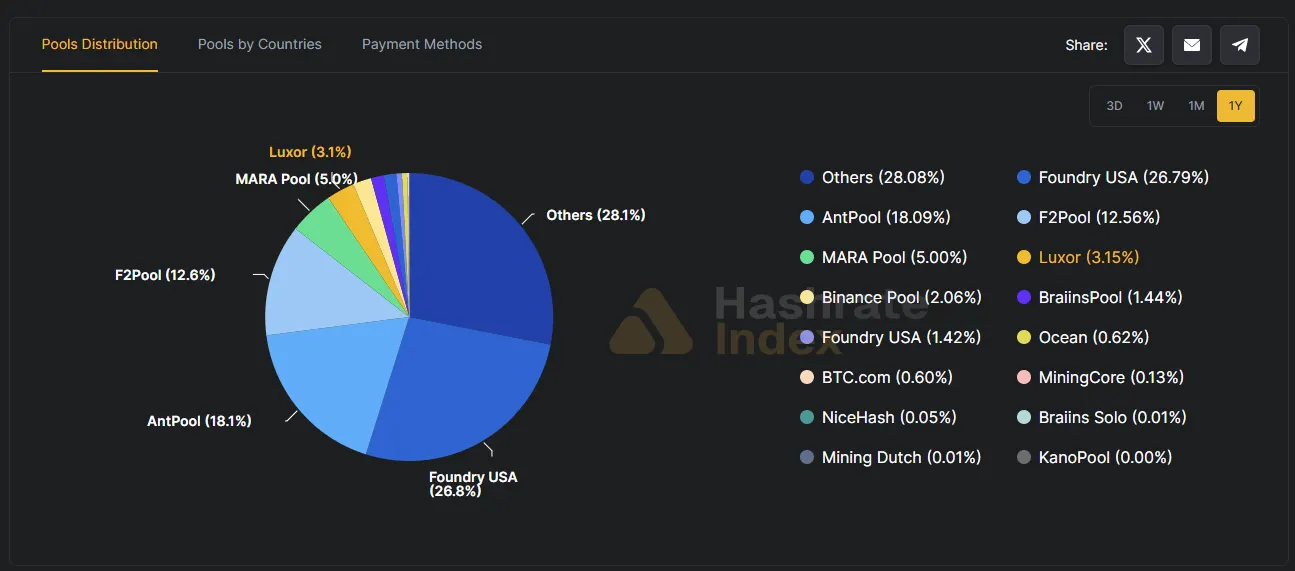
Binance pool launched in April 2020 and ranked ninth among Bitcoin pools at the end of 2025, with about 26 exahashes per second, or 2.3% of the network, according to Hashrate Index. One exahash per second equals a quintillion guesses every second at the puzzle that earns a block.
Image: Hashrate Index
The same report called Binance Pool the last pool still standing from the era when exchanges rushed into mining, with its relevance tied to Binance’s exchange and custody business rather than mining technology.
Seems like Binance, just as Satoshi Nakamoto, wants to move onto other things. The shutdown arrives as Binance expands into traditional finance. On June 1, the exchange opened access to more than 7,000 US stocks and ETFs for customers outside the United States, with zero commission and fractional purchases from $5, according to co-CEO Richard Teng. It also previewed bStocks, a coming feature that lets users mint tokenized versions of the shares they buy on the BNB blockchain.
Quantmap co-founder Ivan Patriki told Decrypt at the time that large exchanges are moving into equities because they no longer want to depend on crypto market cycles. Vytautas Mackonis, COO of RWA protocol ALCUM, told Decrypt the offering is more structurally complex than it appears, with Binance as the interface, Nest Trading as the broker-dealer, and Alpaca Securities as the custodian.
BitcoinBTC · USD
$81,952−1.27%
Oct 7Oct 9Oct 11Oct 12Oct 14
$84.2k$83.1k$81.9k$80.7k
24h HighHigh$84,025
24h LowLow$82,294
VolVol$1.3B
Market projectionsOdds by Myriad
→
Binance also closed its centralized NFT service on July 3, telling users to move their tokens to Binance Wallet, its self-custody wallet. Then-CEO Changpeng Zhao used the phrase “smooth sunsetting of old products” in 2023.
At 07:00 UTC on Nov. 10, Binance Pool will begin disconnecting miners and disable its Stratum URLs, the server addresses miners point their machines at to connect to the pool. Shares, the proofs of work that determine each miner’s payout, will stop being credited after that time, while those submitted earlier count toward final rewards. Binance said eligible outstanding rewards, balances and refunds will be processed afterward, subject to its product rules, account status and compliance checks.
Miners must point their hardware to another pool before the cutoff, and Pool Savings users need to unsubscribe or redeem their positions before the service ends. Binance said the pool will keep operating normally until the cutoff. Anyone expecting a final payout has until 23:59 UTC on Nov. 10 to finish any required identity verification. Binance Pool pages will stay viewable until 07:00 UTC on Nov. 24, after which they become permanently inaccessible.
Daily Debrief Newsletter
Start every day with the top news stories right now, plus original features, a podcast, videos and more.
The resurfaced theory that giant coconut crabs ate Amelia Earhart is linked to the idea that she and her navigator, Fred Noonan, survived an emergency landing on the uninhabited Pacific atoll of Nikumaroro Island in July 1937.
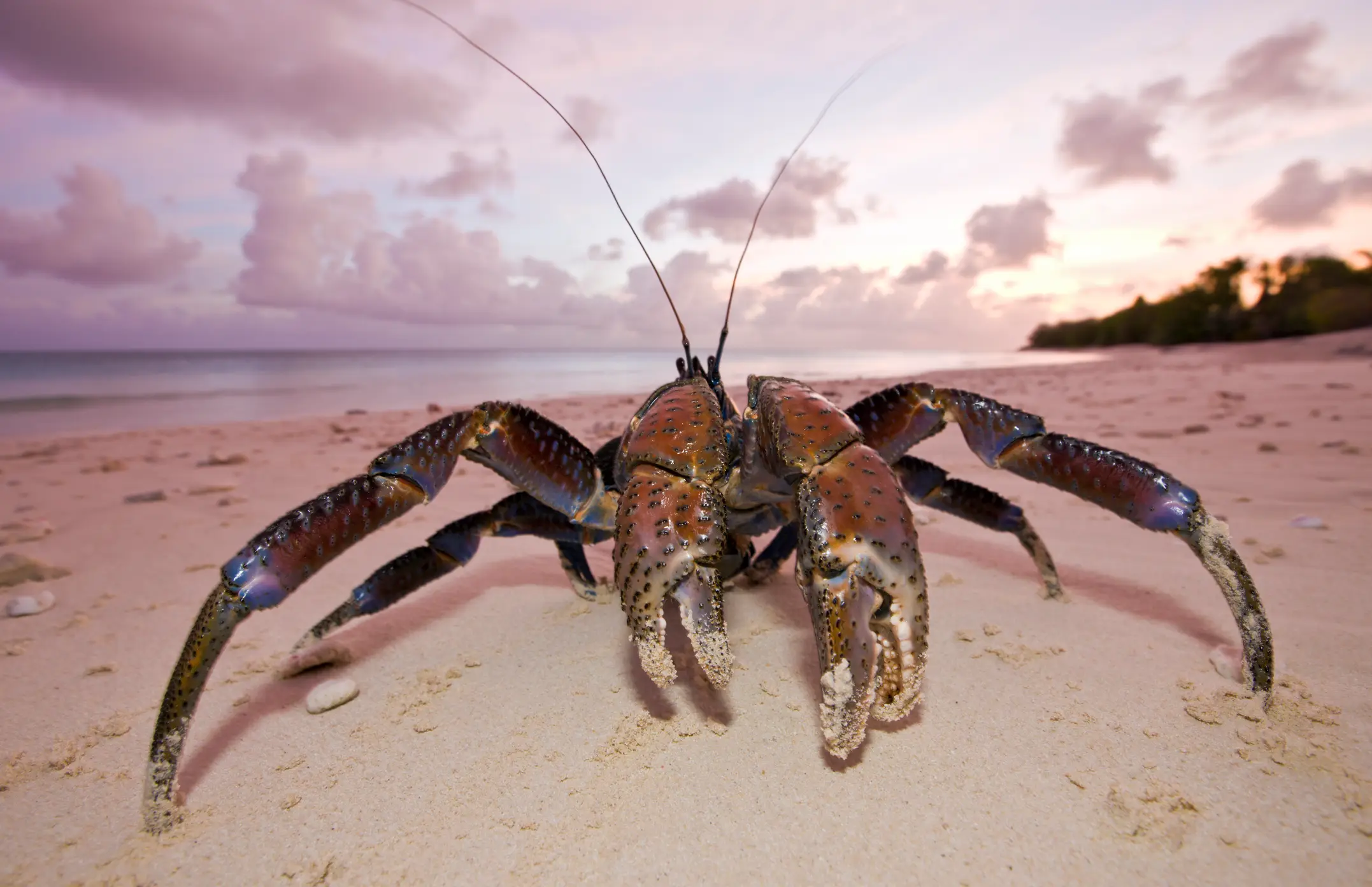
Coconut crabs are the world’s largest land-living arthropods and crustaceans, with leg spans up to 3 feet, weighing over 4 kg and a massive pinch force capable of cracking open coconuts.
Proponents of the theory suggest that if Earhart and Noonan landed on Nikumaroro, they may have died on the island, and the local population of aggressive, carnivorous coconut crabs dragged and scavenged their remains.
In 1940, a British officer discovered 13 human bones on Nikumaroro, which were later lost, along with a makeshift campsite, American-made artifacts and a section of a shoe.
‘Nikumaroro is the final resting place of Earhart’
Amelia Earhart and Fred Noonan shared a professional relationship as pilot and navigator (Bettmann)
It comes after a 2018 experiment using pig carcasses demonstrated that coconut crabs could strip a body’s flesh and scatter bones within a couple of weeks.
As of 2014, NASA notes that ‘for decades, forensic scientists, historians, and aviation aficionados have searched for evidence that Earhart landed the Lockheed Electra 10E on Nikumaroro’.
“British colonists in the late 1930s found human bones, a woman’s shoe, airplane parts, bottles of cosmetics, and a box that once contained a sextant (for navigation), among other items,” the space agency said.
The crabs have a massive pinch force capable of cracking open coconuts (Getty Stock Images)
“Later explorations have turned up evidence of campfires and of shells and fish, turtle, and bird bones that appeared to have been eaten.”
While the latest evidence suggests that ‘Nikumaroro is the final resting place of Earhart’, a Purdue University team is actively conducting a new investigation.
The 17-member expedition crew arrived at the remote Pacific atoll of Nikumaroro Island on Monday and have started setting up their staging operations.
‘It is incredibly rewarding to be this close’
A Purdue University team is investigating a satellite-detected object on Nikumaroro Island (Bettmann)
The team is on the island for five days to investigate the ‘Taraia Object’, an anomaly sitting in a shallow reef lagoon.
It was first spotted in satellite imagery in 2020, and historical researchers later confirmed it was also visible in aerial photographs dating as far back as 1938 – just one year after Earhart vanished.
Scientists are using specialized equipment, including sonar and magnetometers, to determine if this object is the submerged wreckage of Earhart’s missing Lockheed Electra 10-E aircraft.
“It is incredibly rewarding to be this close to completing our inspection of the Taraia Object and potentially solving, at long last, the outstanding mystery of the disappearance of Amelia Earhart and Fred Noonan more than 89 years ago,” said Rick Pettigrew, executive director of the Archaeological Legacy Institute (ALI) and leader of the expedition.
“You can see very clearly where the buys are on Cardano,” Sheldon said, adding that the market will start turning green again once the current phase ends.
His outlook comes as Cardano trades at $0.2346, according to CoinMarketCap data. $ADA has fallen 7.81% over the past week but remains up approximately 11% over the past month.
Sheldon Expects Cardano to Turn Green Within 10 Days
Sheldon expects the current market weakness to persist briefly before buyers regain control. He indicated that the recovery will arrive sooner if the market moves lower and reaches the buying zones he has identified.
“If things play out right, we should be done in the next seven to 10 days and we should be seeing green again,” he said.
The analyst added that a quicker move into these zones will accelerate the recovery. However, he did not provide specific price targets for $ADA or identify exact price levels for the buying areas in the available excerpt.
His comments suggest he sees the current decline as an accumulation phase rather than the start of a prolonged downturn. $ADA’s response to buying interest and cryptocurrency market conditions will determine the strength and timing of the recovery.
Notably, $ADA hit $0.2813 last week, marking a five-month high. However, the price quickly retraced from that level but has since found support around $0.23, and many analysts believe the rally will resume soon.
UPDATE: Crypto Banter’s Sheldon says “you can see very clearly where the buys are on #Cardano $ADA. I do think a lot of these tokens are going to be here for a week or two, and then start moving ridiculously.” pic.twitter.com/x8m5hPDBqJ
— Angry Crypto Show (@angrycryptoshow) October 13, 2026
CryptoUS Predicts a Solana-Type Comeback
Sheldon’s outlook follows comments from CryptoUS pundit George, who argued that Cardano will stage a recovery similar to Solana’s performance soon.
George noted that $ADA has repeatedly suffered deep declines during crypto winters before recovering. He also highlighted Cardano founder Charles Hoskinson’s continued involvement as a key factor supporting the project’s long-term resilience.
Solana provides a notable historical comparison. SOL fell to about $8.14 in 2022 after the FTX collapse, then climbed above $125 by 2023. It subsequently reached an all-time high of around $294 in January 2025.
That represented a gain of more than 3,500% from its December 2022 low to its peak. George sees Cardano following a comparable recovery path.
Meanwhile, $ADA will need to overcome its current price weakness and attract sustained buying demand to establish a similar trajectory.
$ADA Recovery Hinges on Its Next Move
At $0.2346, Cardano remains well below its previous all-time high of approximately $3.10. Its 11% monthly gain signals improved performance despite the weekly decline.
Sheldon’s seven-to-10-day forecast puts the focus on $ADA’s ability to stabilize and recover during the coming sessions.
Both analysts anticipate a Cardano comeback from different perspectives. Sheldon focuses on near-term buying zones and an imminent market turnaround, while George points to the prospect of a longer-term recovery modeled on Solana’s post-FTX rally.
Character.AI filed for voluntary Chapter 11 bankruptcy in Delaware on October 12 to sell itself under court supervision, and says the app will be wound down if no buyer keeps it running.
Disney is the opening bidder, offering $20 million for a non-exclusive perpetual license to some of the startup’s intellectual property, weeks after hiring its CEO as Disney’s first CTO.
The company pointed users attached to their AI companions toward mental health resources, just two weeks after launching two new chat models and a cheaper $4.99 subscription.
Character.AI, the app where millions of people spend hours chatting with AI versions of fictional heroes and made-up partners, has filed for bankruptcy.
The company announced Monday that it started a voluntary Chapter 11 process, a type of U.S. bankruptcy that lets a company keep operating while a judge supervises how its debts get paid or how its assets get sold. The case was filed in the U.S. Bankruptcy Court for the District of Delaware.
Character.AI isn’t trying to restructure its way back to health. It wants a court-supervised sale of all or substantially all of its assets, and if no bidder agrees to keep the service alive, the company said the platform “will be wound down”—corporate speak for switched off.
Disney Worldwide Services, a unit of the Walt Disney Company, signed on before the filing as the “stalking horse” bidder, according to Character.AI’s press release. In a bankruptcy auction, that is the opening offer that sets a floor every other buyer has to beat.
The media giant is offering $20 million for a non-exclusive, perpetual license to some of Character.AI’s intellectual property and certain legal claims, plus transition services run by former Character.AI employees it has already hired. Non-exclusive means Disney gets to use that tech forever, but so can whoever else ends up buying it, and other bidders can still top the offer.
The company expects the sale to close in late November or early December. Character Technologies Inc., the company’s legal name, estimated both its assets and its liabilities at $50 million to $100 million in its bankruptcy petition.
Three and a half years ago, Andreessen Horowitz led a $150 million funding round that valued Character.AI at $1 billion, with a16z partner Sarah Wang tweeting that “we are at the iPhone moment of AI.” Founded in 2021 by former Google engineers Noam Shazeer and Daniel De Freitas, the app lets anyone build a chatbot with a personality and share it with others.
BitcoinBTC · USD
$82,015−1.2%
Oct 7Oct 9Oct 11Oct 12Oct 14
$84.2k$83.1k$81.9k$80.7k
24h HighHigh$84,025
24h LowLow$82,294
VolVol$1.3B
Market projectionsOdds by Myriad
→
Google came calling in August 2024, rehiring both founders and part of the research team in a roughly $2.7 billion deal that also licensed Character.AI’s technology. Silicon Valley calls this kind of arrangement an acqui-hire, buying the talent without technically buying the company, and Character.AI later largely abandoned building its own large language models, the AI engines that generate the chatbots’ text.
Two months after the Google deal, Florida mother Megan Garcia sued Character.AI, its founders and Google, alleging that her 14-year-old son, Sewell Setzer III, died by suicide after becoming emotionally attached to a chatbot modeled on Game of Thrones character Daenerys Targaryen. More lawsuits from other families followed, and in September 2025 the Federal Trade Commission ordered Character.AI and six other tech companies to explain how they protect minors.
A month later, Character.AI banned users under 18 from open-ended chats with its characters, cutting off its core product for its youngest fans. In January, the company and Google agreed to settle lawsuits brought by families in Florida, Colorado, New York, and Texas.
In September 2025, Disney’s lawyers sent Character.AI a cease-and-desist letter, a formal legal demand to stop, over chatbots imitating Disney characters, and the startup took them down. This past September, Disney named Character.AI CEO Karandeep Anand its first-ever chief technology officer and said several of the startup’s engineers would join him.
Colin Adams, now Character.AI’s CEO, said the company spent the past year trying to sustain the business amid “significant legal, regulatory, and operational headwinds” before the board chose a court-supervised sale.
Besides the legal hurdles, the company was burning too much money without reporting enough revenue, reporting “an operating loss of approximately $8-9 million per month.”
Character AI also struggled to raise more capital, which ended up making the whole operation unsustainable. “Notwithstanding the progress that has been made with regulators and personal injury claimants and enhancements to platform safety, Character has faced challenges in obtaining new investment capital,” Character AI CEO Collin Adams said in a sworn statement.
On September 28, Character.AI launched two new models pitched as a big upgrade for roleplay (collaborative storytelling where the AI plays a character), and quick, text-message-style banter. It also rolled out a cheaper subscription called (c.ai) lite, priced at $4.99 a month or $2.49 a week.
Fourteen days later, the company was in bankruptcy court.
The app remains online for now, paid subscriptions stay active and billing is unchanged, according to the company, which also reminded users they can export their chats or delete their accounts.
Character.AI also linked to a support page for anyone struggling with the news, a tacit admission that for some users the app is not just entertainment. AI companions—chatbots designed to act as friends or partners that remember past conversations—can become a daily emotional anchor for people who talk to them for hours.
The page points users to Koko, a nonprofit offering free, anonymous mini-courses of five to 10 minutes on coping with stress and dark thoughts, and to a directory of free helplines staffed by real people. Its very first suggestion, however, is a conversation with a “supportive AI guide,” which is to say a chatbot to help people cope with losing their chatbots.
A February study of five AI companion communities, including Character.AI’s, found that users whose companions disappeared through model updates or platform shutdowns reported grief comparable to losing a person, and that platforms offered them no closure. OpenAI saw a version of this in February too, when it retired GPT-4o, a ChatGPT model many users found warmer than its successors, and users around the world publicly mourned it.
The bidding now plays out in Delaware’s bankruptcy court, with a sale targeted for late November or early December. If no buyer commits to keeping Character.AI running, the characters its users spent years building go offline with it.
Daily Debrief Newsletter
Start every day with the top news stories right now, plus original features, a podcast, videos and more.
The broader financial landscape shows that digital fraud remains a critical concern, particularly as new tactics continue to emerge and evolve. The report from the Bank of Thailand indicates a proactive approach to understanding these threats, which may influence regulatory frameworks moving forward. As digital transactions increase, so does the importance of implementing effective fraud prevention measures across the financial sector.
The Bank of Thailand is responsible for overseeing the stability of the financial system in Thailand, including regulatory frameworks that govern digital transactions. The recent report reflects its commitment to enhancing security measures against digital fraud, which has become a growing concern in the region. By collaborating with the Poey Ungpakorn Economic Research Institute, the bank aims to implement strategies informed by successful practices from other Asian nations.
Eyes on These Levels
As traders and financial institutions digest the insights from this report, they should monitor developments in regulatory frameworks aimed at enhancing digital security. The focus on collaboration and comprehensive defenses may lead to new policies that affect transaction protocols and user safety. Stakeholders can expect increased vigilance in monitoring fraud trends and adapting to evolving tactics, ensuring a safer financial environment for all.
This article is for informational purposes only and does not constitute financial advice.
Currently, Solana’s trading volume is not reported, indicating potential low liquidity at this moment. Despite this, the introduction of new rewards may lead to increased user engagement, potentially impacting future trading activity positively. Traders are advised to monitor on-chain metrics for signs of rising interest in the Solana ecosystem.
Solana is a high-performance blockchain platform designed for decentralized applications and crypto projects. By launching the updated Seeker Dashboard, Solana seeks to enhance its competitive edge and foster community engagement through innovative rewards and features. MegaPopGame’s involvement further exemplifies the collaborative efforts within the Solana ecosystem to drive user interaction.
What Comes Next
Traders should keep an eye on user engagement metrics following the Seeker Dashboard launch, as increased participation may signal greater demand for $SOL assets. Additionally, monitoring on-chain activity could reveal trends in user interactions and the impact of the new rewards on Solana’s overall network performance. The broader crypto market’s mixed signals may affect how quickly these changes translate into significant price movements.
The information provided is based on current announcements and projections, subject to change.
A civil servant taking home five salaries was contracted to work more hours that exist in a week, according to prosecutors.
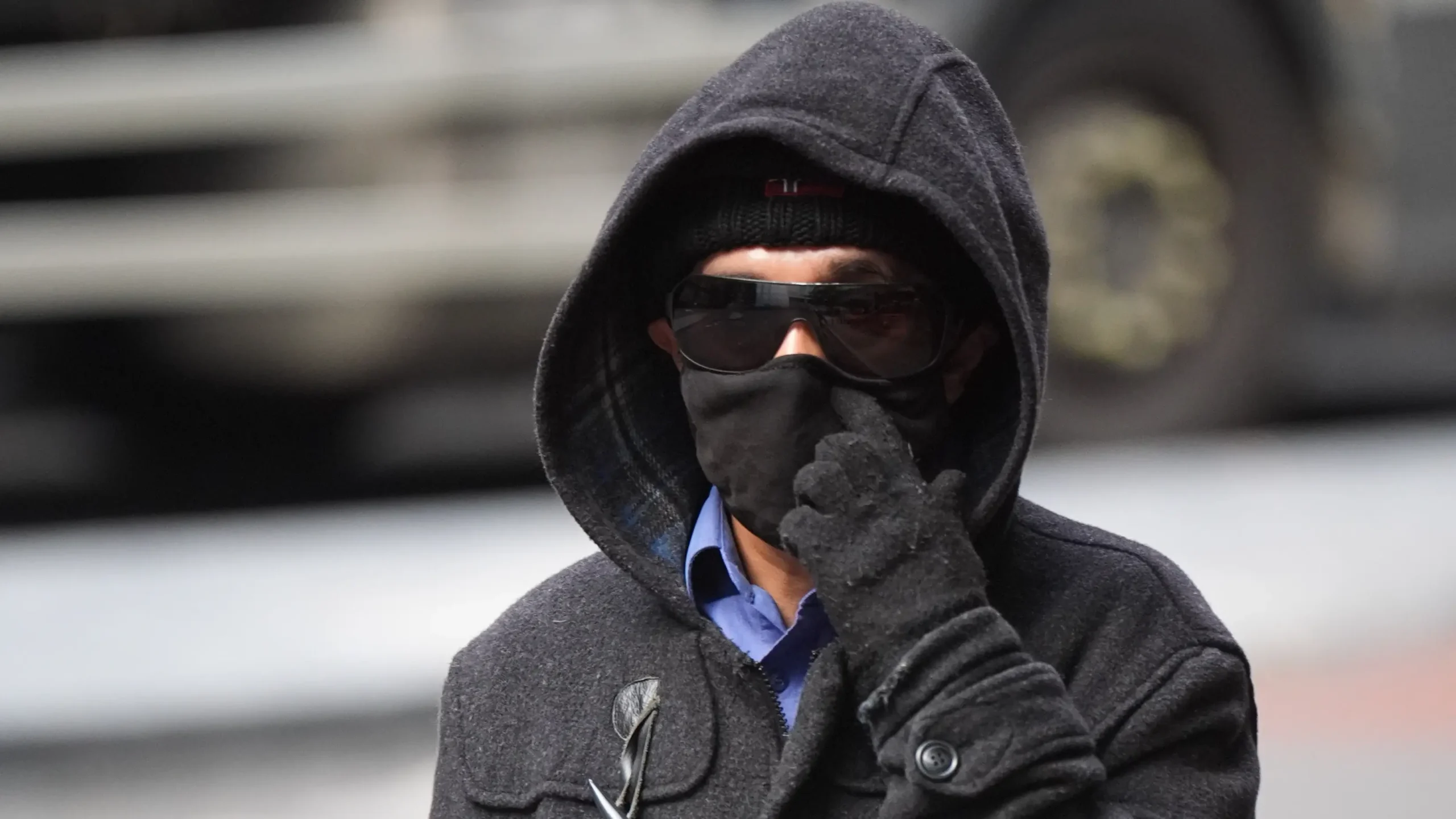
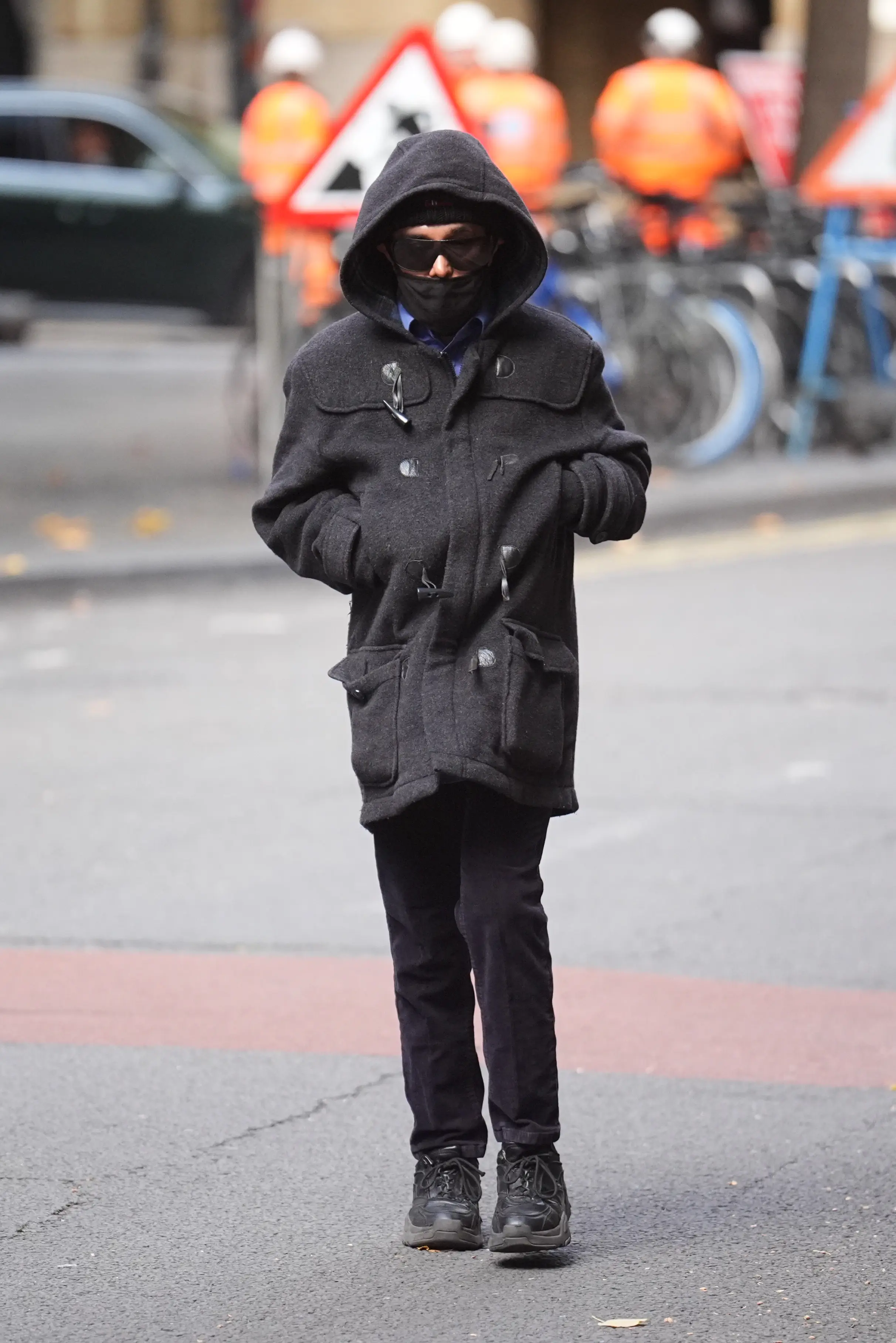
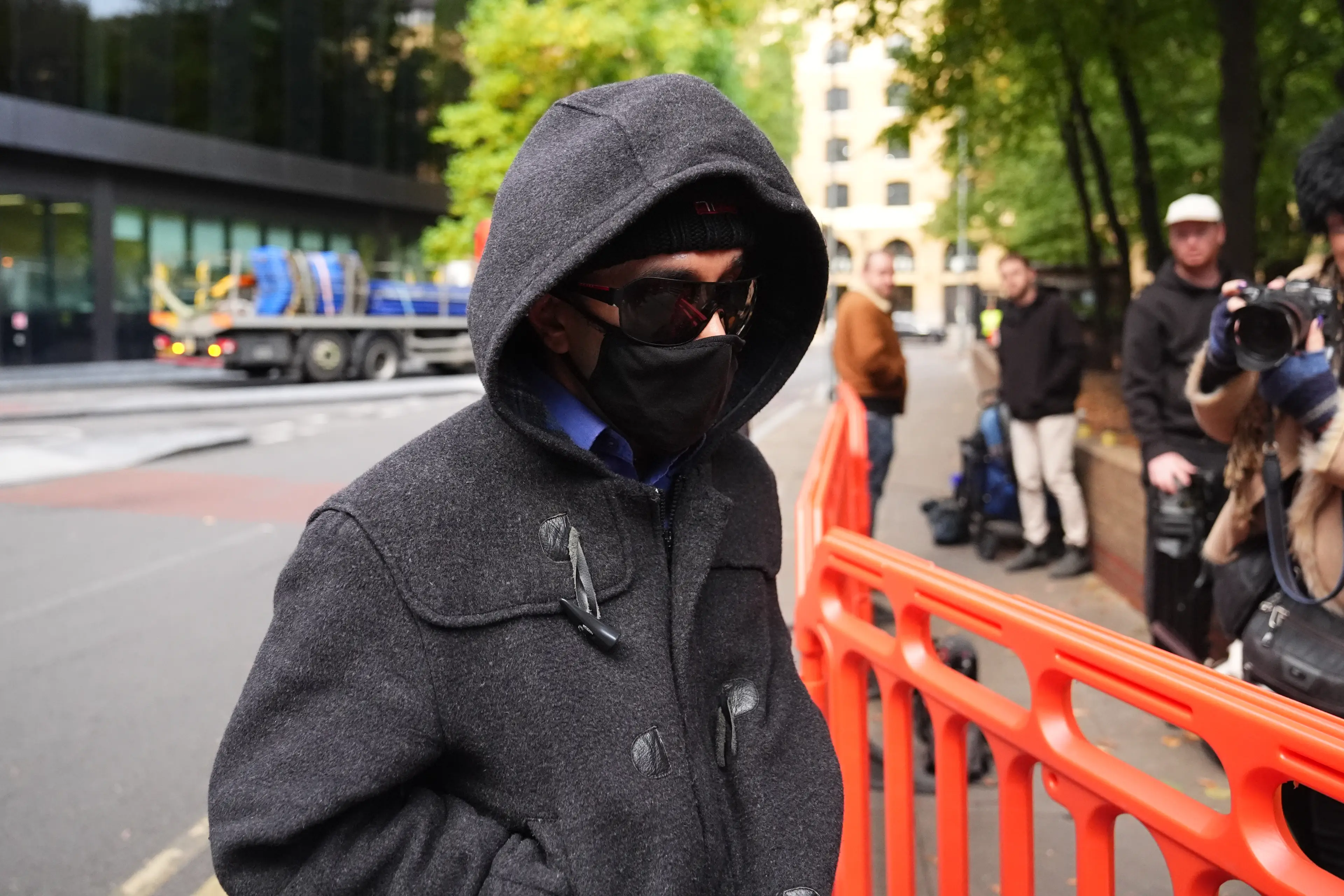
Kashim Chowdhury, from Whitechapel, east London, has been accused of lying about his employment status by pretending to work 183 hours a week for five jobs.
There are 186 hours in a week, making this physically impossible.
Jurors at Southwark Crown Court were told that the 55-year-old earned almost £350,000 from eight employers between February 2020 and September 2023.
Prosecutor Lucy Organ recalled a ‘laughable’ incident in May 2023 when Chowdhury allegedly put on white makeup during a video call to pretend that he was ill.
His UKHSA manager Aleesha Adams had arranged a video call to discuss his recent sick leave, as the court heard that Chowdhury had told employers he had to work from home to care for his ‘unwell’ mother.
Chowdhury appeared on camera ‘coughing and blowing his nose’, the court heard, while Adams said that his face appeared white, as his neck was a different colour.
Kashim Chowdhury denies nine counts of fraud (PA)
“There could be no doubt about it, the defendant had applied makeup to his face for this Teams meeting to try and pretend to his line manager that he was unwell,” she said.
“This almost laughable incident demonstrates, we say, quite how far the defendant was willing to go in his deceit.”
Chowdhury started working at Tower Hamlets Council in February 2020, followed by Defra in April 2021.
During 2022, he also worked for East London NHS Trust for four months. After leaving the council, he reportedly took further positions at the Department of Health and Social Care, UK Health Security Agency, Department for Business and Trade, Food Standards Agency and Home Office.
By May 2023, he allegedly held five full-time jobs simultaneously, totalling 183 contracted hours weekly.
The defendant denies nine counts of fraud.
Chowdhury has been accused of earning £350,000 from eight employers (PA)
Organ said that between March 2020 and September 2023, Chowdhury had over £300,000 in credits into his three bank accounts and nearly £250,000 in debits.
“He also made, the prosecution say, continuing implied false representations by having a full-time job and not revealing to his employers that he had other full-time employment,” she added.
“In fact members of the jury, you will hear evidence that at times he positively lied about his employment history and having other full-time jobs.
“He concealed that he had multiple simultaneous employments from his employers. As a result, he was paid for multiple full-time jobs at the same time.
“We say those jobs were obtained by false representation – fraud – and made a financial gain for himself from this fraud.”
Kathleen Zellner has been slammed over a social media post in which she declared that ‘the case is solved’, leaving her followers furious.
Zellner is known for her association with the Netflix series Making a Murderer, which follows the case of Steven Avery.
Avery was convicted of murder in 2007, after having previously been wrongfully convicted of sexual assault and attempted murder in 1985, for which he has since been exonerated.
The Netflix docuseries Making a Murderer followed Avery’s story since his 2007 conviction, and Zellner has taken him on as a client.
Zellner took to social media, sharing an article published by The Guardian which was reporting on a development on an entirely separate case about a Chicago police officer who was identified as the killer of an eight-year-old girl in a murder which happened some 65 years ago.
Sharing the reporting on the new development, she wrote: “Finally the case is solved!!”
However, many of her followers were left frustrated, as they had read the caption of the post and assumed at first that it was referring to Avery, when in fact it was referring to a different case entirely.
They took to the comment section below the post to share their frustration.
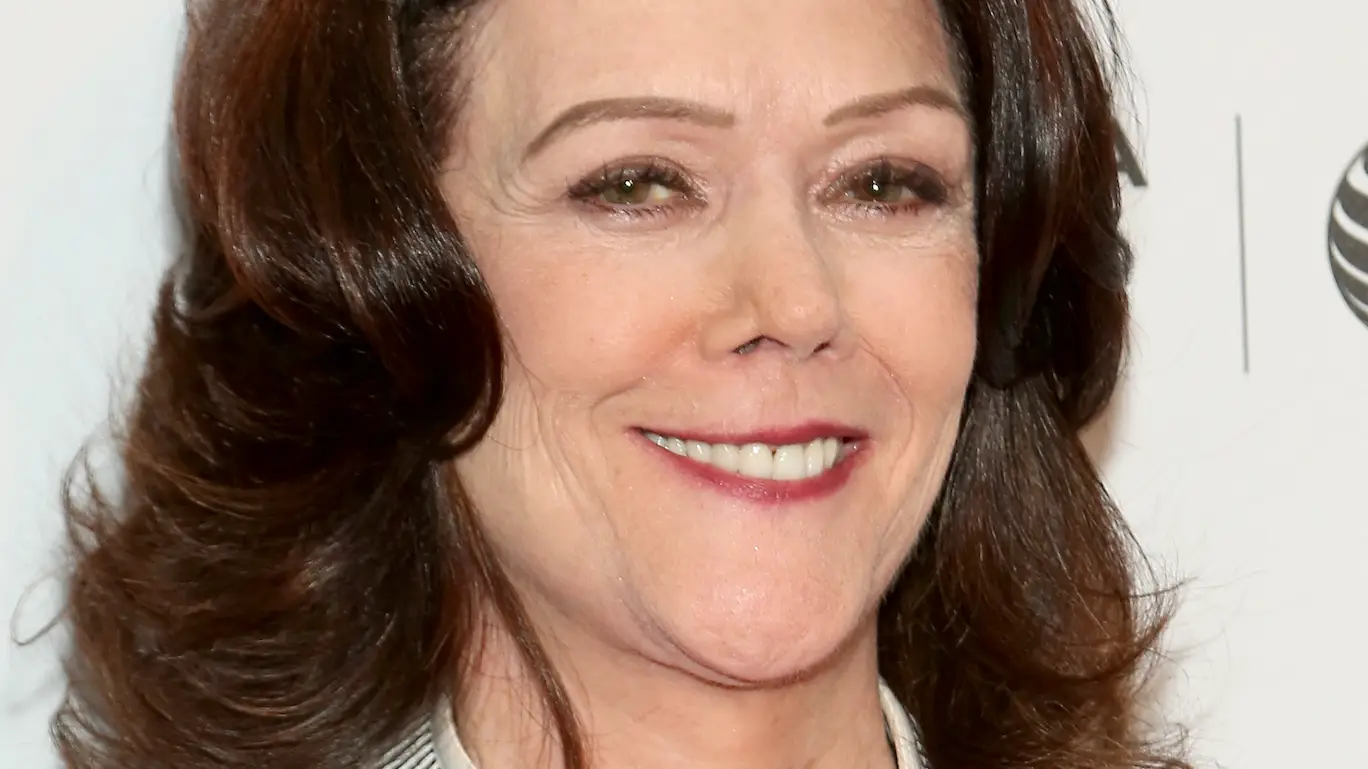
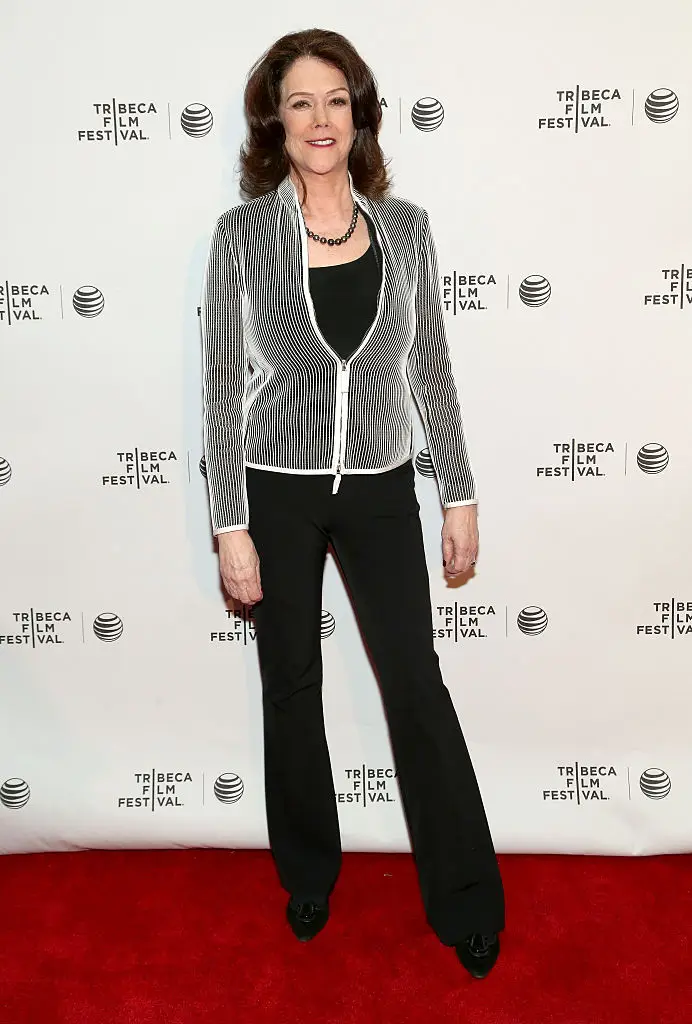
Zellner’s followers said they believed the post to be about the show (Monica Schipper/Getty Images for the 2015 Tribeca Film Festival)
“Expected better than clickbait from you,” wrote one. “Really thought it was about Steven Avery.”
Another drew attention to the same problem, writing: “Kathleen, this is great news for the guy involved in the story you shared but how does that link to Steven Avery??
“I almost sent this to my ex, because we watched it together!!! Christ on a bike!!”
Meanwhile a third wrote simply: “Doesnt [sic] have anything to do with Steven….”
The case in question was the murder of eight-year-old Gloria Kowalewicz in 1960, a case which had gone cold for decades.
However, on Monday Chicago police announced that they have now used newly-found DNA evidence, which has implicated a former detective with Chicago Police to the crime.
Thomas McInerney was identified as Gloria’s killer, more than 20 years after he himself had died, and long after he had retired from the Chicago Police Department.
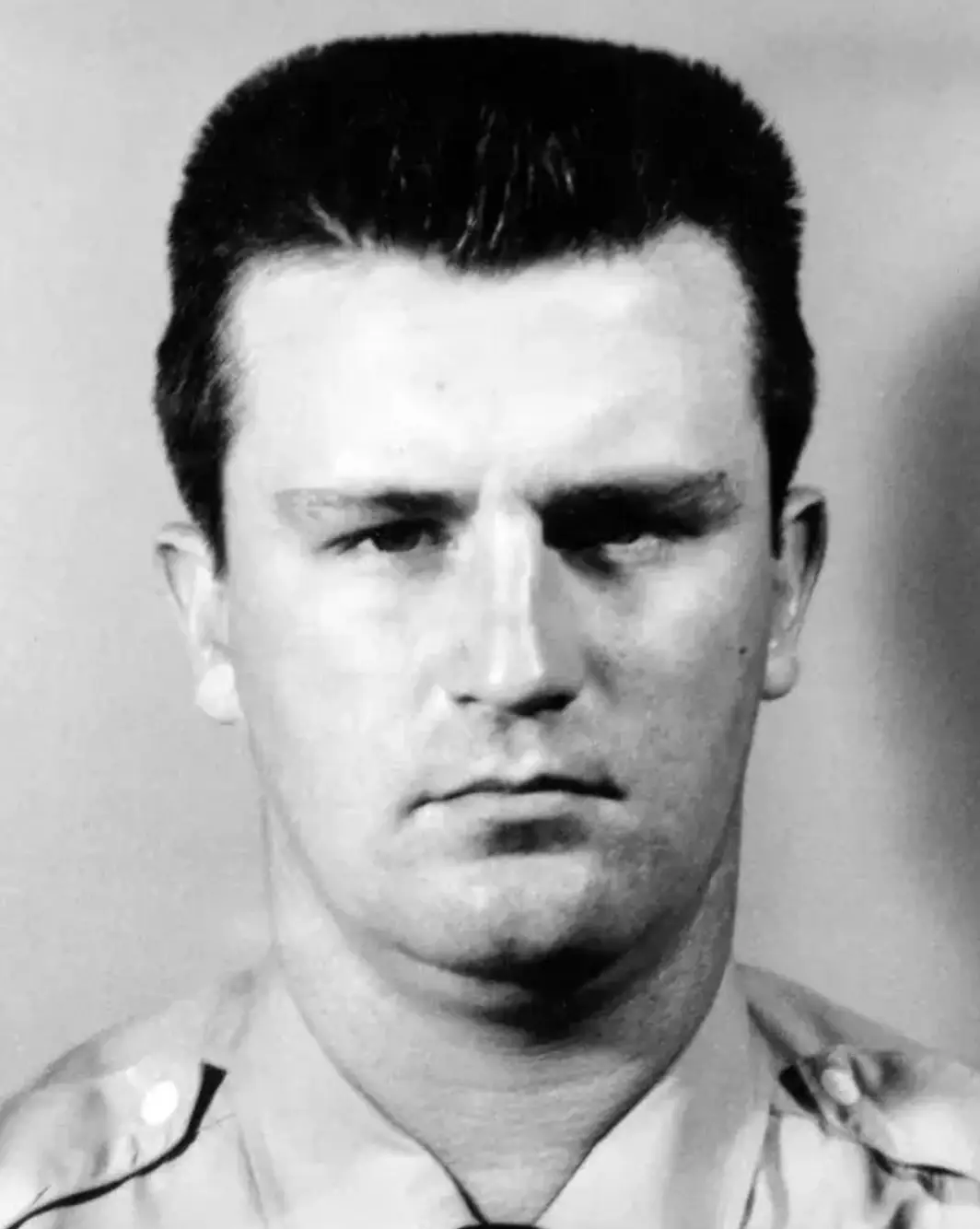
Thomas McInerney was connected to the killing in 1960 (Chicago Police Department)
“McInerney should have never worn the CPD star,” the statement said, “and it is devastating to accept that he was never identified and held accountable while he was alive.”
Depite this, the statement still shared a hope that the breakthrough would bring ‘measure of closure to all who knew Gloria and her story’.
The DNA evidence in question was obtained from a website that allows people to explore their genetic ancestry.
On 12 November 1960 Gloria had been walking from her home to a nearby church where she would attend mass, but she would never make it to church.
While she was on her way, Gloria was abducted and shot, with her body being discovered in a ditch located on an area of preserved forest south-west of Chicago.
McInerney had joined the Chicago Police in 1959, and had been about to turn 25 when Gloria was killed.
A statement from the FBI has also said that it will investigate whether McInerney’s DNA is a match to any other cold cases.