He also pointed to data centers’ job creation, noting demand for construction workers, energy infrastructure and AI compute hardware.
Moody’s estimates planned capital spending on U.S. data centers at $700 billion this year, rising to between $2.4 trillion and $2.48 trillion through 2030. Globally, spending is expected to reach $7 trillion by the end of the decade.
Any attempt to stifle that spending could have wide-ranging effects. The U.S. economy is already stressed on several fronts, including sticky inflation and rising bond yields.
A recession would matter for crypto traders too, since it typically reduces investors’ appetite for risky assets. Bitcoin proponents hail it as a haven, but it has historically faced selling pressure during broad-based risk aversion. At press time, the cryptocurrency traded near $81,200, down 0.8% since midnight UTC.
BlackRock’s iShares Bitcoin Trust (IBIT) is the world’s largest publicly listed bitcoin fund, with cumulative net inflows of $65.62 billion since its debut in January 2024, according to SoSoValue.
$40 trillion debt
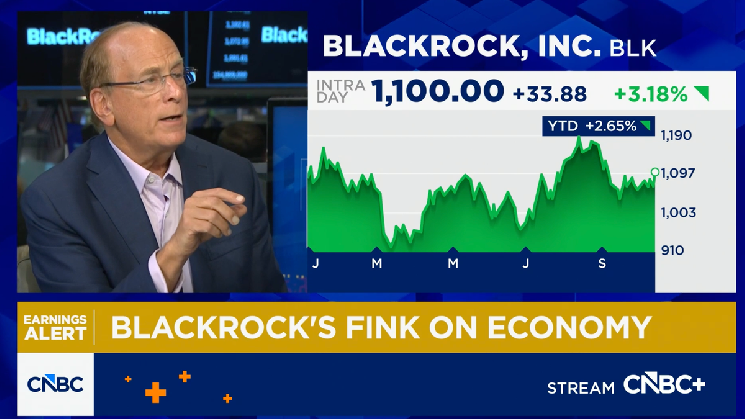
Fink also pointed to government borrowing. “U.S. deficits are starting to have a serious impact,” he said, noting the national debt has gone from $8 trillion in 2000 to $40 trillion in 2026.
“We grew $32 trillion in 26 years,” Fink said. “That’s a massive impact on demand for credit. The government is demanding more and more credit, and bond auctions are getting larger and larger.”
Thirteen years after Nickelodeon’s “Victorious” did its final curtain call, Netflix is returning to the Los Angeles-based performing arts school with a brand-new spinoff, “Hollywood Arts.” Created by Jake Farrow and Samantha Martin, the series follows Trina Vega (Daniella Monet reprising her role) as a struggling actress stuck in the shadow of her superstar sister, Tori (Victoria Justice). With zero acting gigs on the horizon and weary of taking handouts from Tori, Trina returns to Hollywood Arts for a substitute teaching position. Though she is in no way qualified for the job, Trina realizes she can inspire a new class of performers using her eccentric lessons and ideas. Hokey, over-the-top and full of garbled dialogue, “Hollywood Arts” is a near-carbon copy of its predecessor. Still, if Gen Alpha has similar tastes to Gen Z, the show will win over a new generation of kids while offering a Lisa Frank-esque idea of what high school could be.
The 12-episode first season opens amid Mr. Sikowitz’s (Eric Lane reprising his role) abrupt retirement. Blindsided, Principal Helen (Yvette Nicole Brown) comes in to tell his class she’s found a temporary instructor. Wearing impractical stilettos and clutching a massive Stanley cup, Trina is introduced to her new pupils. Qwest (Peyton Jackson) is a musician who has lied to his parents about being at Hollywood Arts on a basketball scholarship. There’s Oscar (Martin Kamm), the school’s biggest star, and his sister Emmy (Alyssa Miles), nicknamed Techie, who works solely behind the scenes as a stage manager and runs the school’s social media accounts. Finally, frenemies Jen (Erika Swayze) and Pepper (Emmy Liu-Wang) are constantly in competition with one another.
The teens are excited to get the deets on Trina’s sister, Tori, but they quickly realize that Trina has no real insight into the entertainment industry overall. The rest of the season is full of hijinks, crushes and the typical fare found in tween-targeted sitcoms. The series is light-hearted and unserious, just like the rest of the shows that were Nickelodeon and Disney Channel’s crown jewels in the early 2000s.
“Hollywood Arts” won’t gain many viewers with fully formed frontal lobes. Yet, Farrow, Martin and Vega nail the distinctiveness of being a millennial. Unlike previous kid-centered shows where the adults appear as frumpy old folks who bask in rigidity or live on a different planet, Trina is a thirtysomething who doesn’t have her life together, yet is stylish, upbeat and continuously striving to achieve her dreams. “Hollywood Arts” isn’t realistic, but depicting a young woman navigating the ups and downs of a life she couldn’t have predicted is a strong underlying trope rarely seen in children’s television programming. Like her students — specifically Emmy, who realizes her talent might be better served center stage — Trina is just trying to figure it all out.
Despite its over-the-top performances, the “Hollywood Arts” cast is talented. Belting out random songs while delivering high-level physical comedy and acting takes skill. Liu-Wang, specifically, has an incredible singing voice, and the ensemble works together like a well-oiled machine.
“Hollywood Arts” isn’t innovative, yet it fills a void for preteens who aren’t quite mature enough to watch YA series like Prime Video’s “Sterling Point” or Netflix’s “Crew Girl.” Recycling an old playbook (this time without the involvement of disgraced creator/producer Dan Schneider), Farrow and Martin deliver a silly, stylish, idealized version of high school to a new era of kiddos. But by centering Trina, they also present a version of adulthood that looks much more realistic than audiences may expect.
The BitMEX co-founder emphasized that he maintains his bullish view on Bitcoin and Ethereum, in line with this expectation. Hayes’ approach focuses on the impact of potential economic stimulus policies on financial markets, rather than price movements in the AI sector.
The main scenario highlighted in Hayes’ assessment was the possibility of large-scale financial bailout measures being implemented in the future. Such interventions are considered to potentially alter liquidity conditions in the markets and affect cryptocurrency prices.
However, Hayes specifically stated that he did not foresee a collapse in the AI sector. His remarks did not provide details on when or under what conditions any rescue package might be implemented.
Hayes’ optimistic approach to Bitcoin and Ethereum is based on the expectation of potential future liquidity expansion. However, there is no certainty that this scenario will materialize or lead to a rise in cryptocurrency prices.
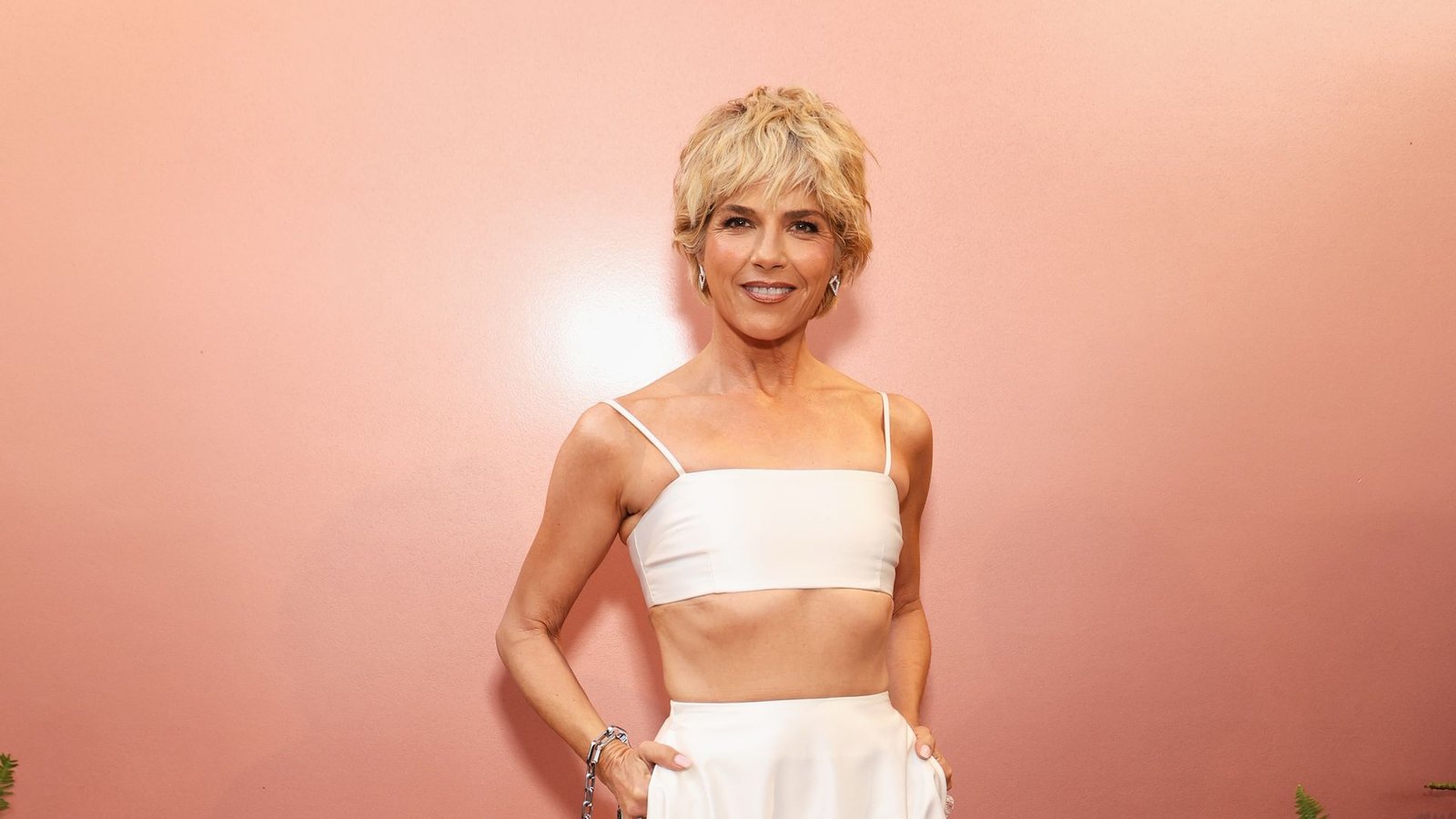
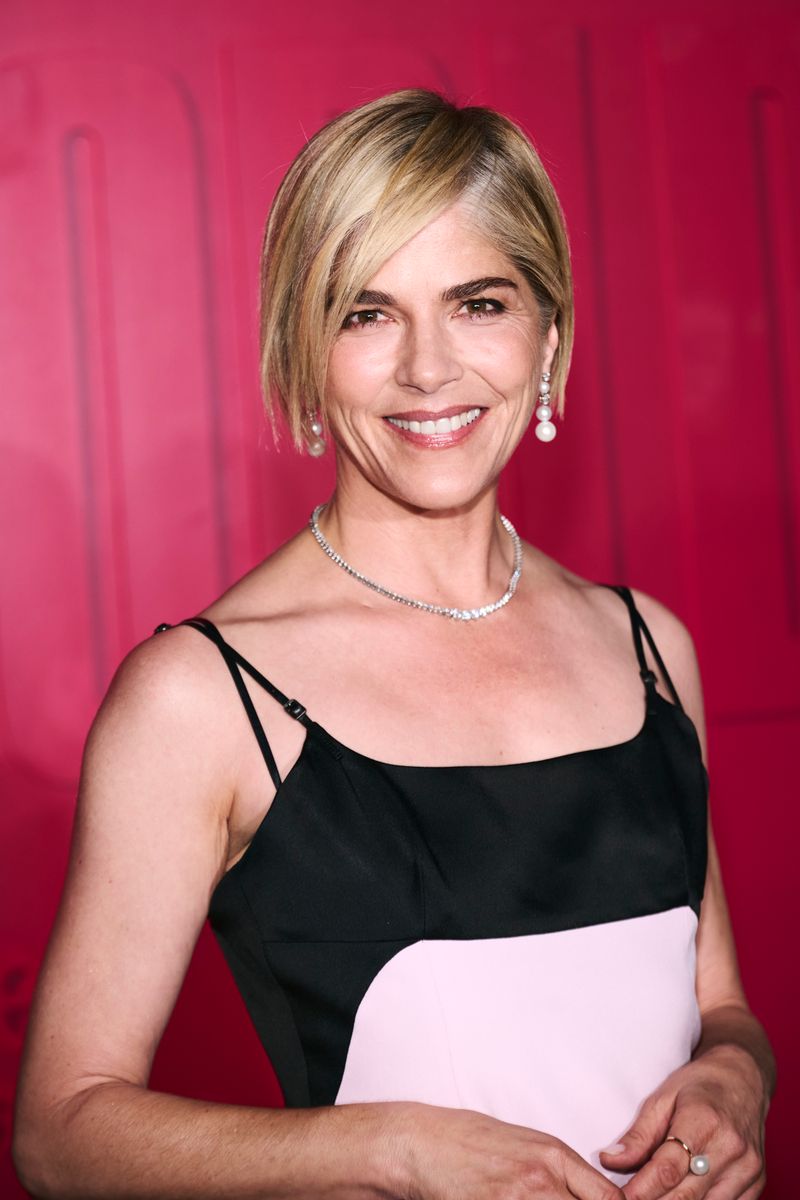
Actress Selma Blair appeared emotional in a New York City courtroom on Monday, October 12, 2026, after being arrested following an alleged disturbance aboard a Delta Air Lines flight from Los Angeles to New York.
The 54-year-old Legally Blonde and Cruel Intentions star pleaded not guilty to two counts of second-degree assault during her arraignment in Queens Criminal Court. The appearance came after allegations that she injured flight attendants and later assaulted a police officer and a nurse while receiving medical attention.
Blair, who has publicly discussed living with multiple sclerosis (MS), appeared tearful while standing before the judge in handcuffs, wearing jeans and a white hooded sweatshirt. Her attorneys argued that the incident was connected to a medical emergency rather than intentional violence.
You may also like
Continue reading
The courtroom appearance has raised questions about what happened during the flight, Blair’s health, and the legal consequences she could face.
Why Was Selma Blair in Court?
Blair appeared in Queens Criminal Court following her arrest at John F. Kennedy International Airport on Sunday, October 11. According to authorities, police responded to reports of a disruptive passenger aboard a Delta flight arriving from Los Angeles.
Selma Blair appears emotional in a New York courtroom after her arrest over an alleged airplane assault. Her lawyers reveal a possible medical emergency and next steps
Two flight attendants reportedly suffered injuries during the incident, with one requiring hospital treatment. Air traffic control communications referenced a bloody nose and bite marks, although the complete circumstances surrounding those injuries have not been publicly established.
Blair was also taken for medical evaluation.
According to a criminal complaint, the actress allegedly kicked a Port Authority police officer multiple times while being transported for treatment. Prosecutors also allege that she kicked a nurse in the chest at Jamaica Hospital Medical Center.
Selma Blair Appears Tearful as Lawyers Explain Her Medical Condition
One of the most significant moments during the arraignment came when Blair’s legal team addressed her medical history. Attorney Shawn Barnes argued that her behavior was unintentional and attributed the episode to a combination of missed medication, physical exhaustion, and an injury sustained during the flight. “This was not an intentional assault,” Barnes told the court, according to reporting cited by TV Insider.
Barnes explained that Blair had missed several doses of medication used to manage severe neurological symptoms associated with her condition.
He also said the actress had been working extensive hours before boarding the flight and had fallen and struck her head while aboard the aircraft. “These factors, coupled with the altitude, resulted in a state of severe confusion and disorientation,” Barnes told the court.
The explanation offered by Blair’s defense team has not been independently established as the medical cause of the incident.
Judge Says Selma Blair Will Not Receive Celebrity Treatment
During the hearing, Blair’s other attorney, Joshua Reitzas, appealed to the actress’s public reputation and her work as an advocate. “Consider her body of work and what she’s done for people,” he told the judge, according to courtroom reporting.
He described Blair as someone deserving of admiration, calling her “the gold standard.” However, Judge Indira Kahn made clear that Blair’s celebrity status would not influence how the court handled the case. “Ms. Blair should not get special treatment because she is a celebrity,” the judge responded.
The judge set bail at $20,000 cash or $60,000 bond, with a partially secured bond also permitted. Blair posted the cash bail and was released from custody. The court also ordered her to stay away from the nurse involved in one of the alleged assaults.
What Did Selma Blair’s Representatives Say About the Flight Incident?
Blair’s representatives issued a statement addressing her condition after the reported disturbance. “Selma experienced a medical emergency that led to the alleged conduct,” the statement said, as reported by CNN. The representatives added that Blair received immediate medical attention after the aircraft landed and was in stable condition.
Delta Air Lines also addressed the situation, reiterating its policy against disruptive or unlawful passenger conduct and emphasizing the safety of passengers and crew.
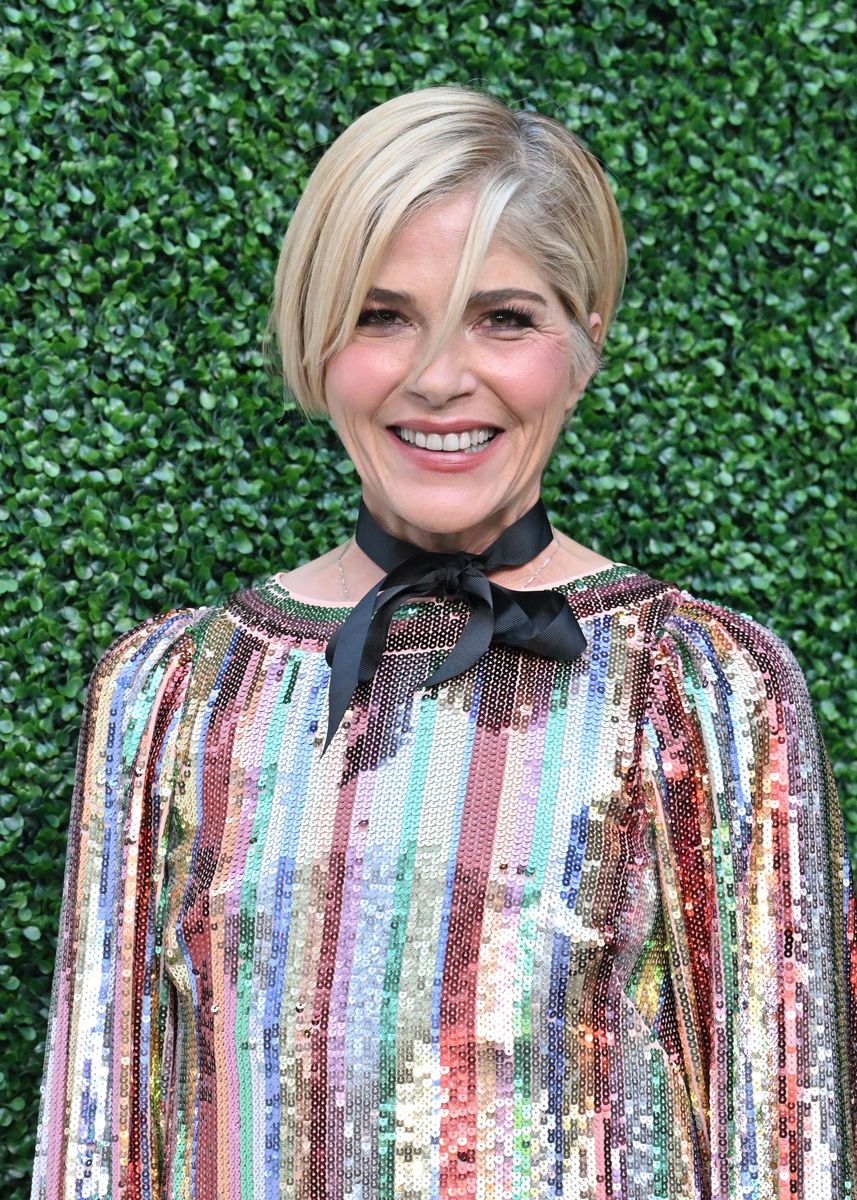
Selma Blair on September 23, 2026 in Beverly Hills, California.
The FBI is separately investigating the allegations involving conduct aboard the aircraft, which falls under federal jurisdiction.
What Happens Next in Selma Blair’s Court Case?
Blair is scheduled to return to Queens Criminal Court on January 19, 2027. She faces two state-level second-degree assault charges. Reports indicate that a conviction could carry a prison sentence of two to seven years, depending on the applicable sentencing circumstances.
Separately, the FBI issued a federal violation notice concerning allegations of assault aboard the aircraft. That matter is expected to be handled in federal court in Brooklyn, although no appearance date had been announced as of October 13.
For now, Blair remains out on bail while the legal proceedings continue.
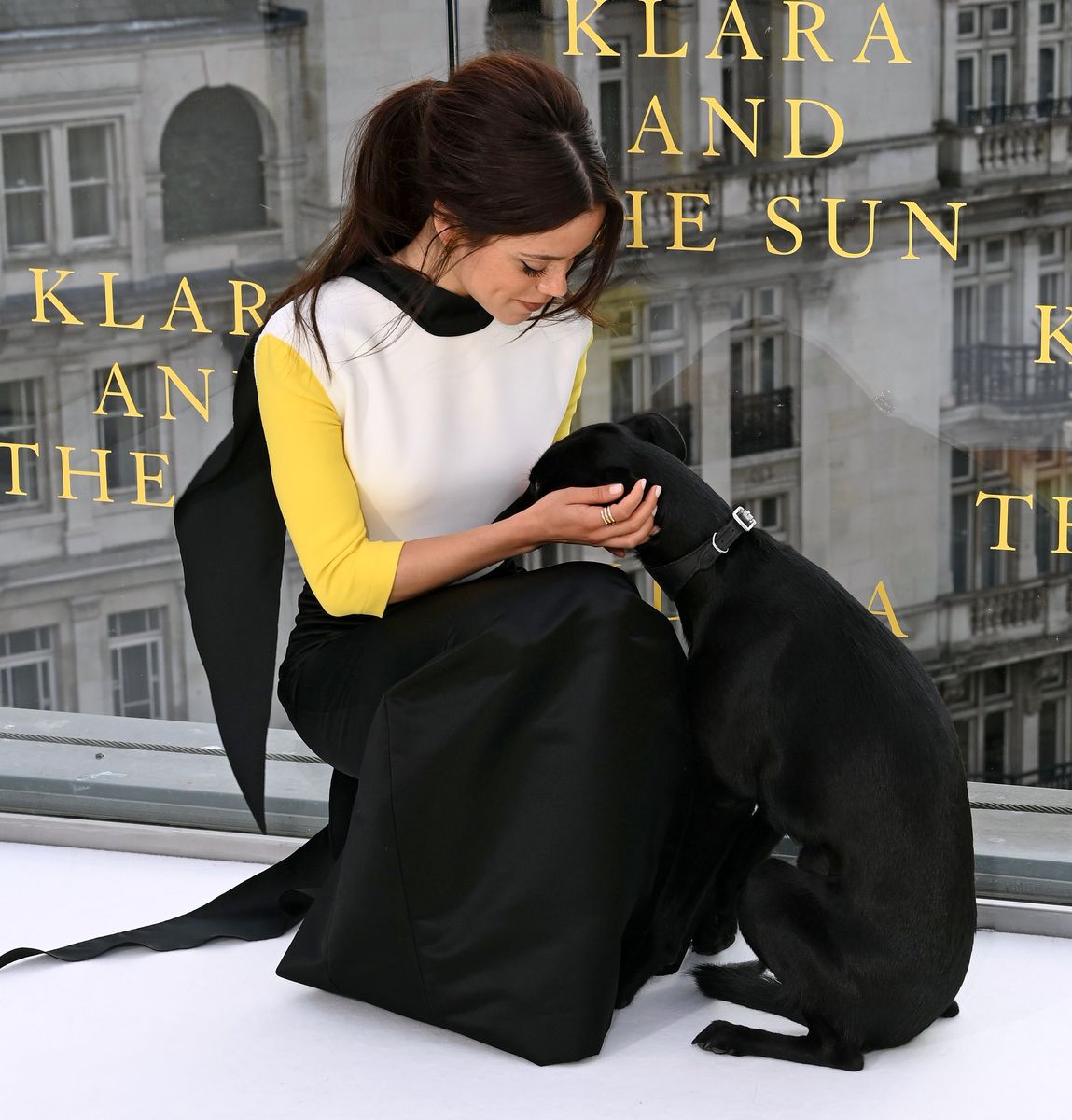
Jenna Ortega had an adorable companion sharing the spotlight during her latest London appearance. At the Klara and the Sun photocall at the Corinthia on October 14, the actress posed with Sig, turning a polished fashion moment into something considerably sweeter.
Ortega smiles as Sig steps into the spotlight at the Klara and the Sun photocall.
One photograph captured Ortega crouching beside the dog, gently cradling its face as it leaned toward her. In another, she smiled down as Sig walked across the photographers’ view, giving the photocall a charming interruption between the more formal poses.
Jenna Ortega crouches beside Sig, gently holding the dog’s face during a sweet moment at the London photocall.
A sunny addition to Jenna’s wardrobe:
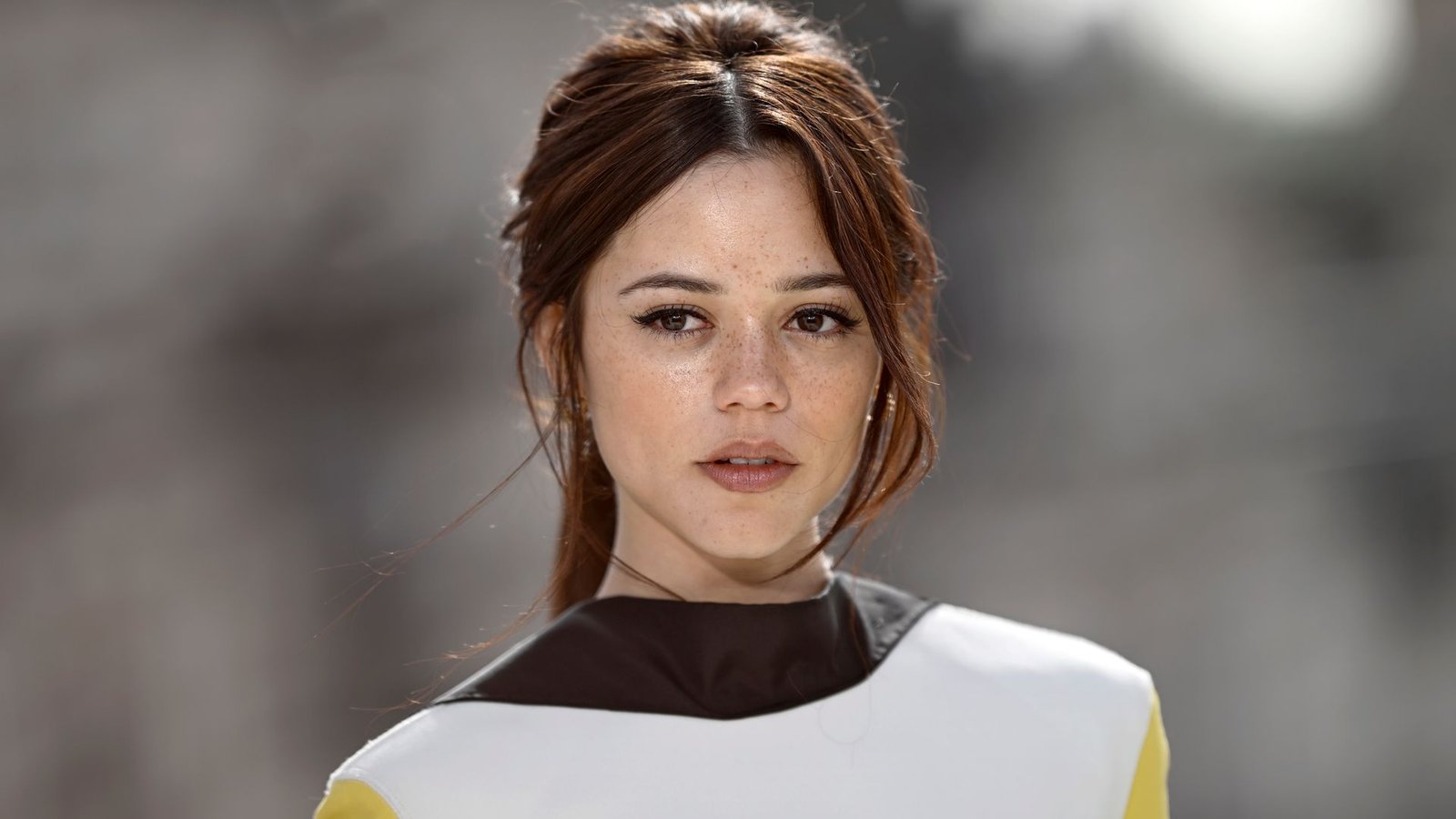
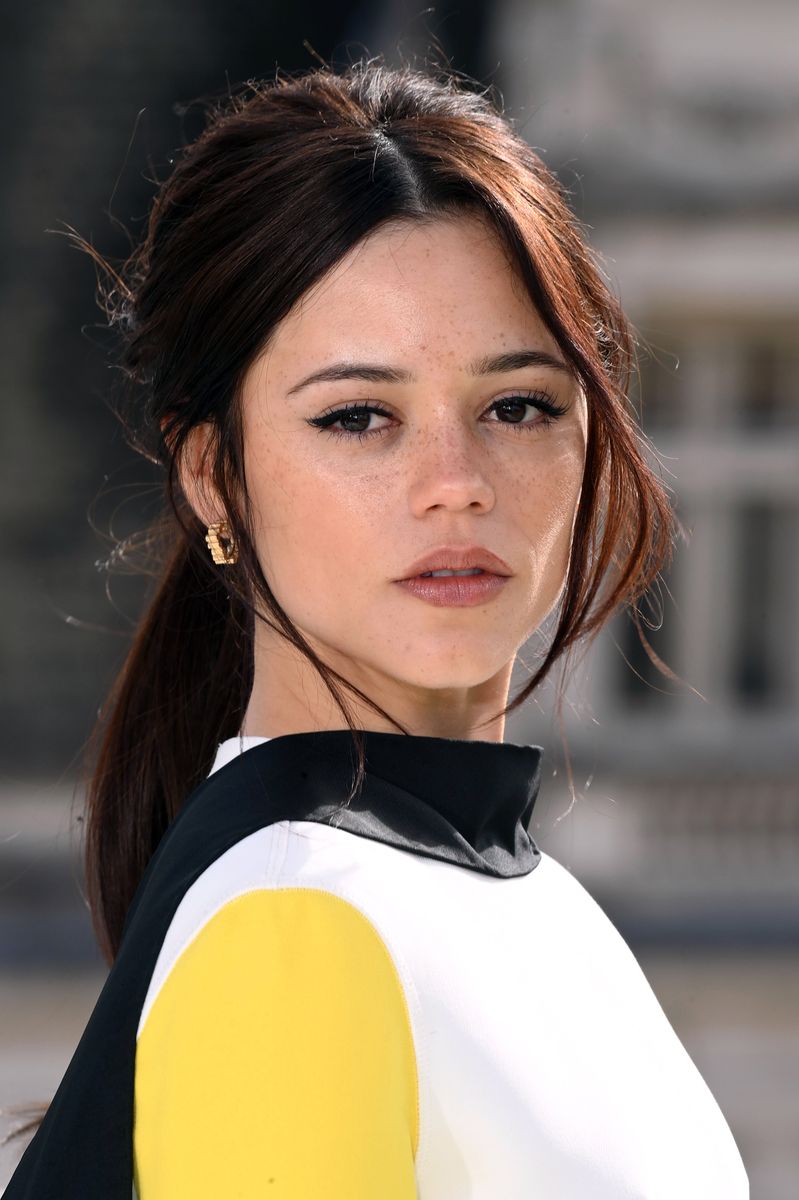
For the occasion, Ortega wore a Calvin Klein Spring 2027 ensemble that brought a bright touch to her familiar dark palette. A white top with yellow three-quarter sleeves was paired with a long black skirt, creating a clean, graphic silhouette.
A softly styled ponytail, winged eyeliner and gold earrings complete Ortega’s photocall look.
The combination balanced the casual feel of the top with the elegance of the skirt, which skimmed her figure before falling to the floor. A long black scarf wrapped around her neck added movement.
The yellow sleeves felt particularly fitting for the film’s title, although the rest of the styling retained the understated drama that suits Ortega so well.
Black platform shoes peeked beneath the hem, while small gold earrings and delicate rings provided subtle finishing touches.
Jenna Ortega pairs sunny yellow sleeves with a sleek black maxi skirt for her latest London appearance.
Her beauty look softened the outfit’s sharp contrasts. Ortega wore her hair in a ponytail with loose strands framing her face, pairing defined winged eyeliner with a muted rosy lip.The close-up photographs also showed her freckles, lending the makeup a fresh, natural finish.
Joining Amy Adams and Taika Waititi:
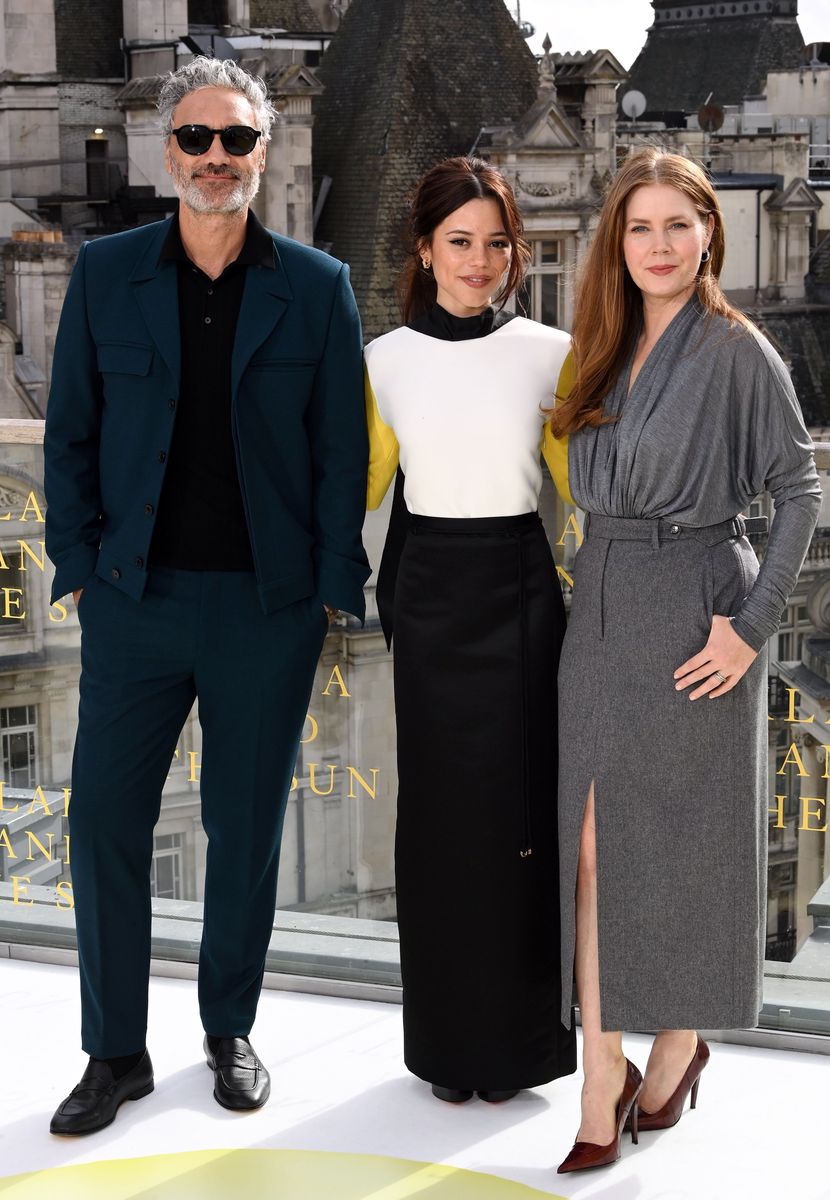
Ortega also posed alongside co-star Amy Adams and director Taika Waititi. Adams opted for a gray ensemble with a softly draped neckline, a defined waist and a front slit, finished with burgundy pointed pumps. Waititi wore a deep teal suit with a black shirt and sunglasses.
Jenna Ortega and Amy Adams pose together ahead of their film’s BFI London Film Festival screening.
Their appearance came ahead of the film’s October 15 screening at the BFI London Film Festival. Directed by Waititi and adapted from Kazuo Ishiguro’s bestselling novel, Klara and the Sun stars Ortega as Klara, an Artificial Friend who forms a bond with a teenage girl named Josie, played by Mia Tharia.
Director Taika Waititi joins Jenna Ortega and Amy Adams to promote Klara and the Sun in London.
Adams plays Josie’s mother, while the cast also includes Aran Murphy, Steve Buscemi and Natasha Lyonne. The film arrives in U.S. theaters on October 23. For its London photocall, however, the most affectionate interaction happened away from the scripted story, with Ortega taking a moment to give her four-legged companion some attention.
The Latin GRAMMYS are next month on November 12, in Las Vegas, bringing together artists across Latin music’s many genres for one of the biggest nights in entertainment. Argentina is represented across rock, alternative, urban music, electronic music, and tango. CA7RIEL & Paco Amoroso lead the country’s performers with seven nominations, while Milo J earned five, putting two Argentine acts among the most recognized artists in this year’s competition. From established names such as Fito Páez and Babasónicos to newer voices making their mark internationally, the list showcases the range of Argentina’s music scene.
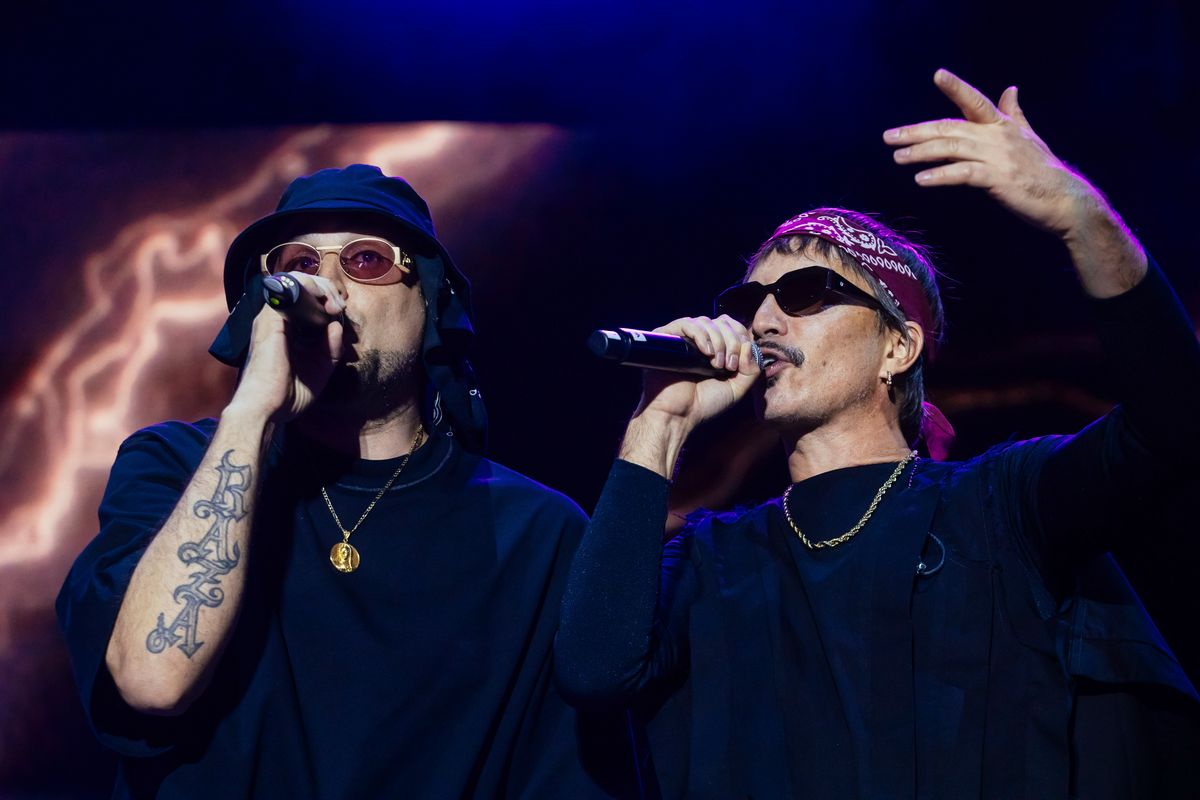
Grammy-winning duo CA7RIEL & Paco Amoroso, who met in grade school, are among the most-nominated acts, earning seven nods for their incredible album FREE SPIRITS. Their nominations include Record of the Year for “Ha Ha,” Album of the Year, Best Alternative Music Album, Best Electronic Music Performance for “Beto’s Horns – Fred Remix” with Fred again.., Song of the Year and Best Pop/Rock Song for “Hasta Jesús Tuvo Un Mal Día,” featuring Sting, and Best Long Form Music Video for FREE SPIRITS (The Film).
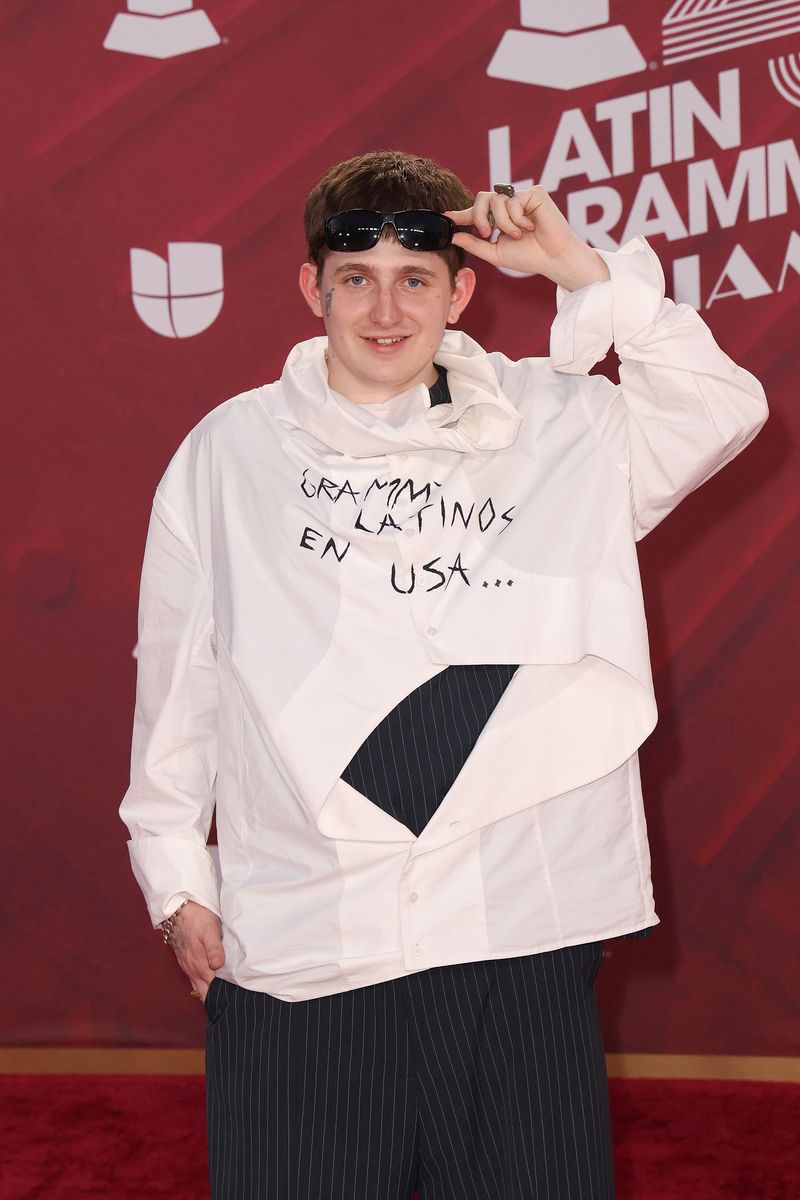
At only 19, Milo J is proving he could be one of the biggest stars in music. With his signature voice and range of sounds, heearned five nominations, including Album of the Year for La Vida Era Más Corta, which he started writing when he was 17. The Argentine rapper is also nominated for Record of the Year with “Niño,” Song of the Year for “Solifican12,” Best Urban Performance for “Gil” with Trueno, and Best Folk Album for his latest project.
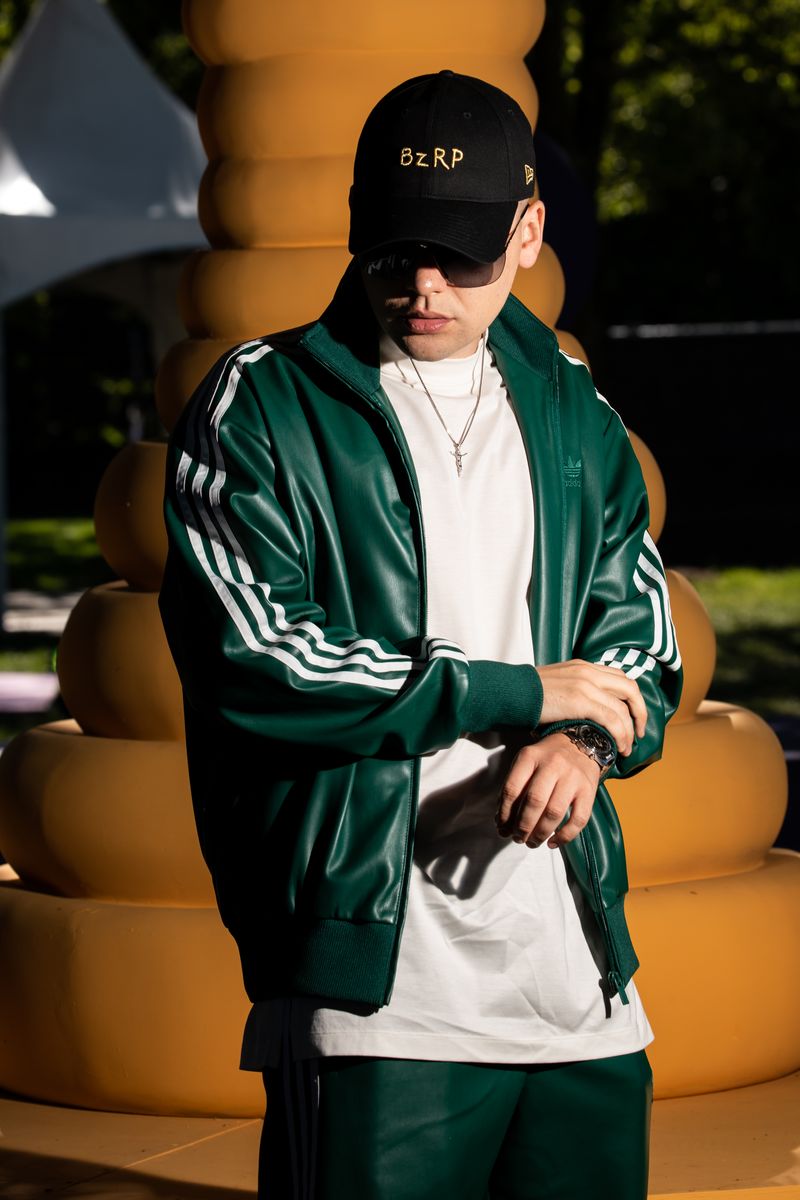
Bizarrap earned two nominations for his collaboration with Daddy Yankee, “Daddy Yankee: Bzrp Music Sessions, Vol. 0/66.” The track is up for Best Urban Performance and Best Urban Song, adding another major awards moment for the Argentine producer known for his sessions with some of the biggest names in Latin music.
Trueno is nominated for Best Urban Performance as a featured artist on Milo J’s “Gil.” The Argentine rapper has become a leading voice in Latin hip-hop, bringing his freestyle roots and sharp lyricism to an increasingly global audience.
1915
Argentine rock band 1915 earned a Best Rock Album nomination for Ceremonia. The recognition puts the group among the country’s rock acts represented at this year’s ceremony, alongside established artists and musicians continuing to push the genre forward.
Fito Páez is nominated for Best Rock Album for Shine and Best Rock Song for “Las Fuerzas Armadas Del Amor.” The Argentine singer-songwriter has spent decades shaping Latin rock, and his latest nominations add another chapter to his long-running relationship with the Latin Grammys.
Dillom earned a Best Rock Song nomination for “Rojo Profundo.” Known for his dark aesthetic and willingness to move between rap, rock, and alternative music, the Argentine artist continues to challenge expectations around the country’s urban scene.
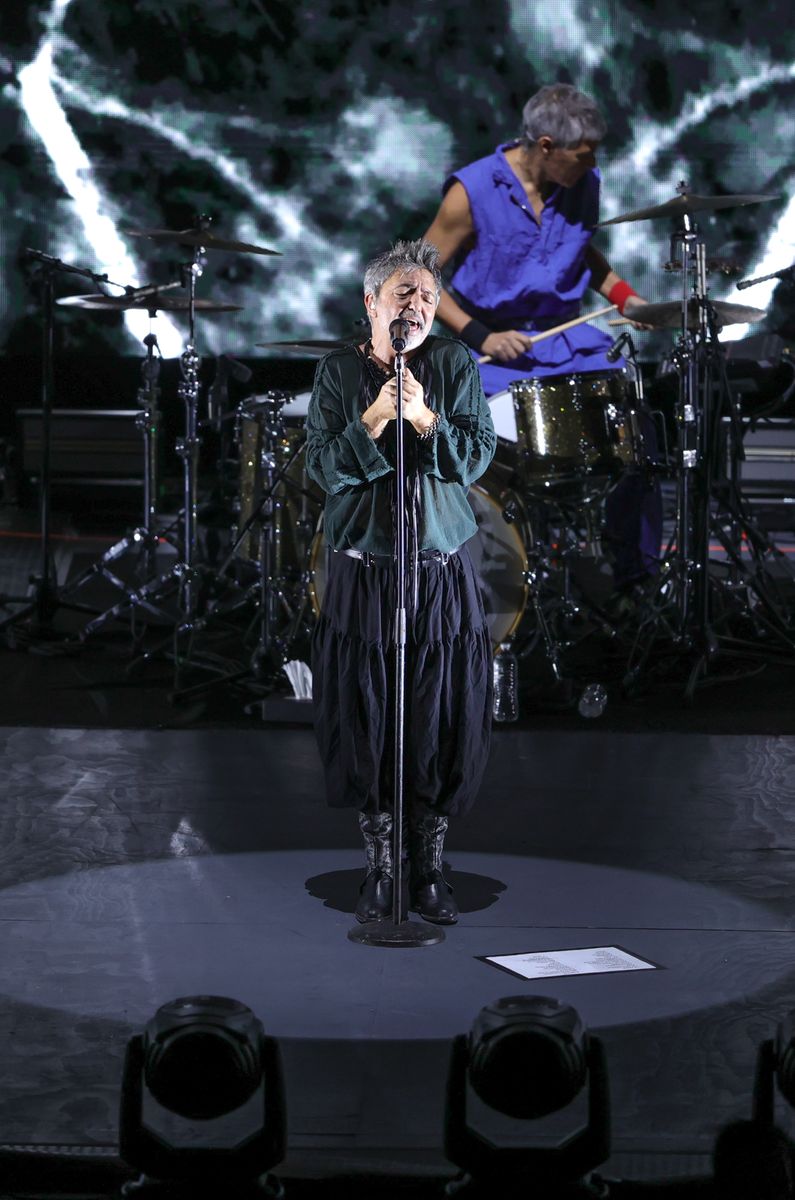
Emmanuel Horvilleur is nominated for Best Pop/Rock Album with Mi Año Gótico. The Argentine musician, who rose to prominence as part of Illya Kuryaki and the Valderramas, continues to explore a solo sound that blends pop, funk and rock.
SEVILLE, SPAIN РNOVEMBER 16: (L-R) Gabriel Orozco, Lucca Beguerie Petrich and Juan Mango of the band Usted Se̱alemelo attend The 24th Annual Latin Grammy Awards on November 16, 2023 in Seville, Spain. (Photo by Neilson Barnard/Getty Images for Latin Recording Academy)
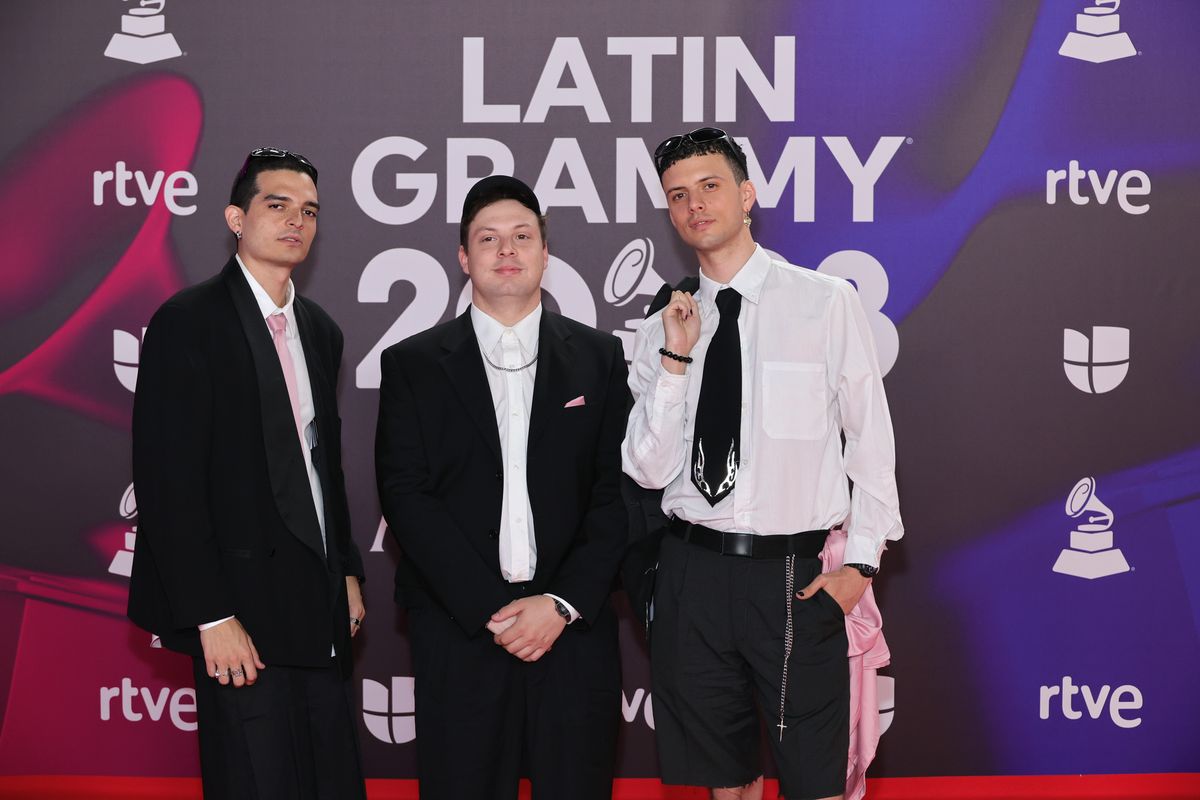
Usted Señalemelo earned a Best Pop/Rock Album nomination for Términos & Condiciones. The Argentine indie-rock band has developed a sound that moves between atmospheric rock and alternative pop, earning recognition alongside some of the region’s most established acts.
Babasónicos is nominated for Best Alternative Music Album for CUERPOS, Vol. 1. One of Argentina’s defining alternative-rock bands, the group continues to experiment with its sound while maintaining the distinctive identity that has shaped its career.
Dante Spinetta is credited as a songwriter on “El Reset,” nominated for Best Alternative Song. The Argentine musician has spent decades blending rock, funk, and hip-hop, both through his solo work and as one half of Illya Kuryaki and the Valderramas.
Born in Argentina and based in Spain, Nathy Peluso is nominated for Best Salsa Album with Malportada. Her music moves between salsa, hip-hop, jazz, and other Latin styles, making her one of the artists challenging conventional genre boundaries.
MADRID, SPAIN – JULY 05: Argentinian singer Yami Safdie performs onstage during day 3 of Rio Babel Festival 2026 at Auditorio Miguel RÃos on July 05, 2026 in Madrid, Spain. (Photo by Borja B. Hojas/Getty Images )
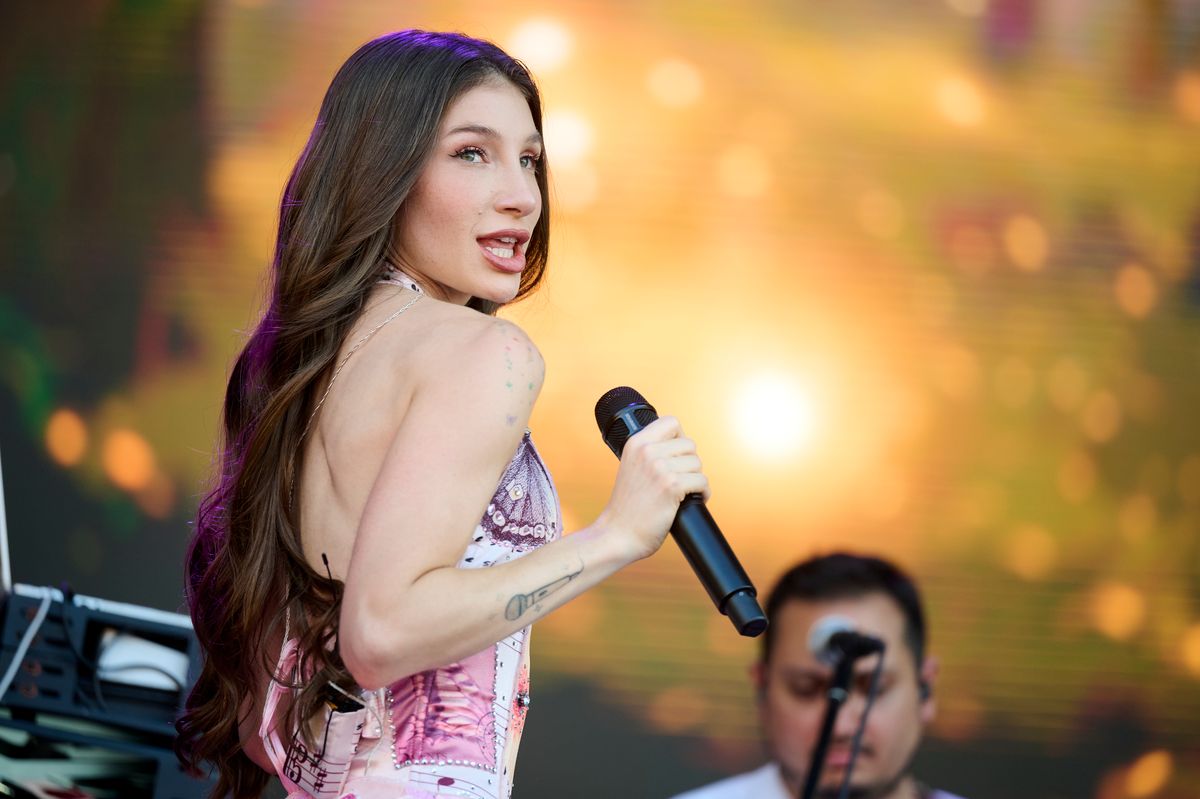
Yami Safdie is nominated for Best Traditional Pop Album for Querida Yo. The Argentine singer-songwriter has connected with audiences through emotionally direct pop and personal songwriting, bringing a newer generation of talent into the Latin Grammy conversation.
Peces Raros
Peces Raros earned a Best Electronic Music Performance nomination for “Circular,” featuring Nick Warren. The Argentine duo combines electronic production with live-band energy, making its nomination a notable moment for the country’s electronic music scene.
Argentine singer Emanuel Noir, of the band Ke Personajes, performs on stage during the 65th Vina del Mar International Song Festival in Vina del Mar, Chile, on February 25, 2026. (Photo by Javier TORRES / AFP via Getty Images)
Ke Personajes is nominated for Best Cumbia/Vallenato Album for Corazón Ausente. The Argentine group has become a recognizable name in contemporary cumbia, bringing the country’s tropical music scene into an international awards conversation.
Aníbal Berraute
Aníbal Berraute is nominated for Best Tango Album for Neopía. The recognition highlights the continuing presence of Argentine tango at the Latin Grammys, a genre deeply connected to the country’s musical identity.
Lidia Borda and Ariel Ardit
Lidia Borda and Ariel Ardit are nominated for Best Tango Album with Somos. Both artists are known for their work with traditional tango, bringing a classic Argentine sound to the international awards stage.
Pablo Jaurena
Pablo Jaurena earned a Best Tango Album nomination for Fueyerías. The Argentine bandoneon player and composer is recognized for his contributions to a musical tradition that remains central to the country’s cultural heritage.
Quinteto Astor Piazzolla
Quinteto Astor Piazzolla is nominated for Best Tango Album with Le Grand Tango. The ensemble continues the legacy of Astor Piazzolla, whose work helped transform tango through its incorporation of classical music and jazz influences.
Rafa Arcaute
Rafa Arcaute is credited as a producer and songwriter on CA7RIEL & Paco Amoroso’s FREE SPIRITS and “Hasta Jesús Tuvo Un Mal Día.” His work on the duo’s projects connects him to several of the pair’s nominations.
Federico Vindver
Federico Vindver is credited on FREE SPIRITS and “Hasta Jesús Tuvo Un Mal Día,” and earned an individual nomination for Producer of the Year. His work places him among the behind-the-scenes music creators recognized at this year’s ceremony.
Santiago Alvarado
Santiago Alvarado is credited as a producer and songwriter on Milo J’s La Vida Era Más Corta and “Solifican12.” His work connects him to the album and song nominations earned by the Argentine rapper.
Santiago Ruiz “Tatool”
Santiago Ruiz, known professionally as Tatool, is nominated for Producer of the Year. His production credits include Milo J’s La Vida Era Más Corta and Trueno’s “Turr4zo,” highlighting his work across Argentina’s urban music scene.
Mateo Sujatovich
Mateo Sujatovich, the frontman of Conociendo Rusia, is credited among the songwriters on Jorge Drexler’s “Ante la duda, baila,” nominated for Best Alternative Song.
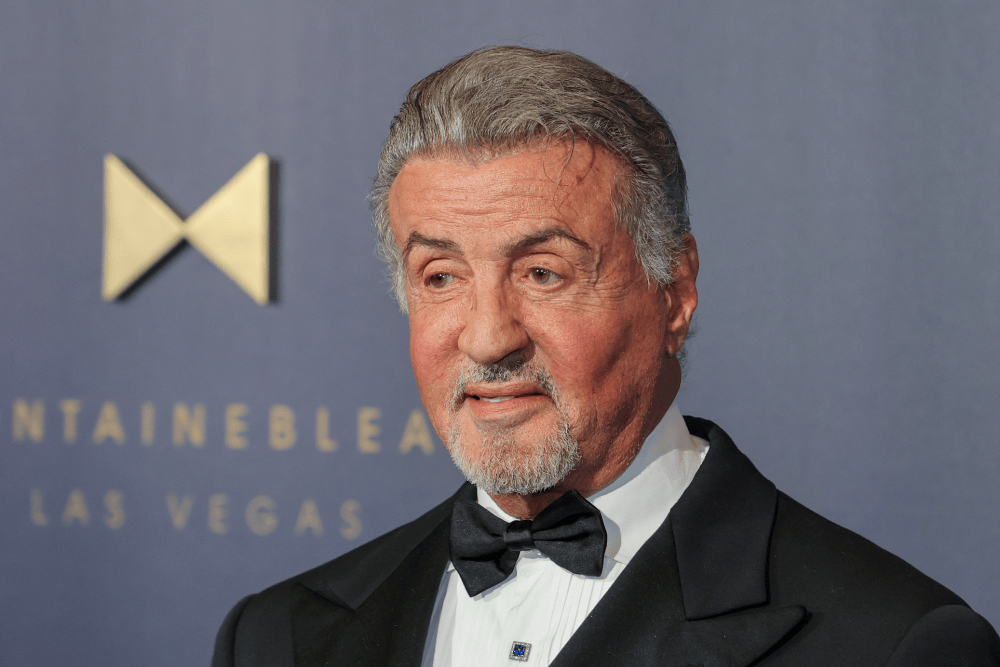
Sylvester Stallone is opening up about how decades of daredevilry have affected him—and why he considers himself an “idiot” for continuing to do his own stunts year after year.
In a recent interview with Fox News Digital, the “Rocky” actor said he has “millions, millions of regrets” about his action career. “I could literally spend a half hour talking about injuries, the amount, not even like one, I’m talking about 30 hours, 30 minutes of just individual ones, because it becomes compounded. I have been injured many, many times, but after ‘Expendables,’ I ended up with nine back operations, three neck fusions. Both shoulders ripped out, eye, you know, all kinds of lens put … it’s been brutal,” he said, adding that he’s never been “quite the same” since the surgeries.
Stallone starred in — and also directed — the action thriller “The Expendables” in 2010 alongside Jason Statham, Mickey Rourke and more. While filming a scene where Stallone got tackled by WWE legend Steve Austin, the stunt went wrong and left Stallone with dislocated shoulders and a fractured neck that required more than seven back surgeries. The “Rambo” actor needed a metal plate inserted into his neck and spinal fusions.
Stallone’s moral of the story is to “let other people do their job.” “Don’t be a stage hawk, or whatever you call it, a showboat. I know a lot of people are thinking about doing stunts … don’t. Don’t. Let the pro do it,” Stallone said. “You cannot beat gravity; when you hit the ground, you lose, and it’s going to come back.”
He continued, “I mean, just ask every football player in the world. So yeah, and people go, ‘Aren’t you proud of them?’ No. I think I’m an idiot for doing that. I’m proud that I broke myself in pieces. Like, duh, no.”
The actor shared a similar piece of advice ahead of the release of his memoir, “The Steps,” last month; Stallone told The New York Times that treating his body in the “masochistic” ways he did came “at a terrible price.” “If I could do it over again, I would say, ‘Let someone else carry the banner and don’t do your own stunts.”
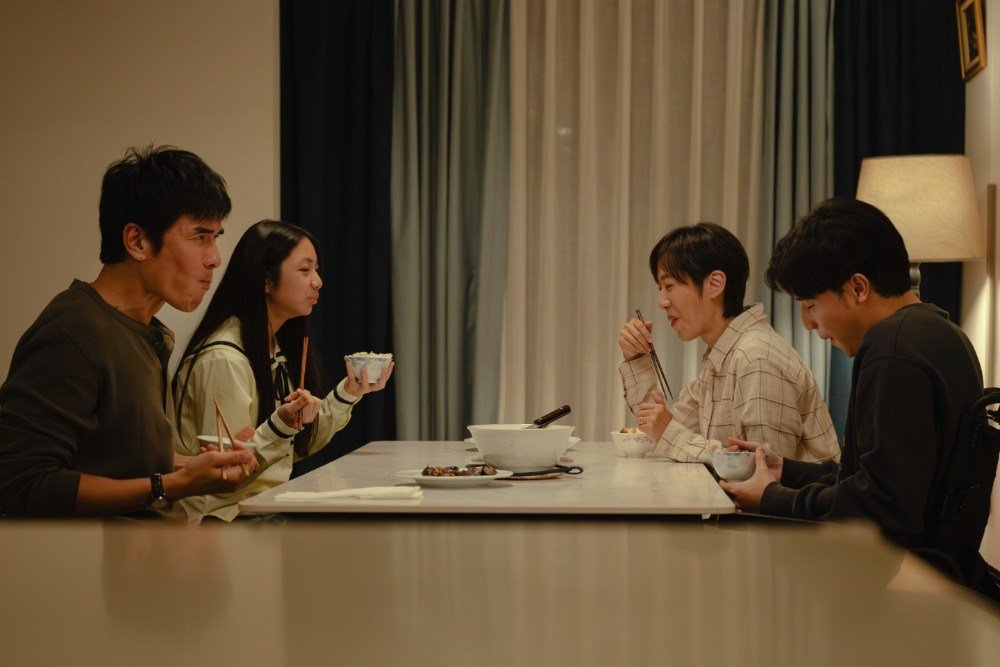
A high-speed traffic accident leaves a college student in a wheelchair for life, but that’s merely the starting point of the narrative in “To Be Ordinary,” a sensitive, slowly enveloping film with scant interest in disability-drama cliché — instead offering an expansive portrait of how the young man’s entire family is affected by his accident over the course of more than a decade. Spanning marital strife, economic upheaval, coming-of-age pains and moral crisis, Taiwanese writer-director Lee Yun Chan‘s fourth feature — her first since 2010’s “Dancing Without You” — has a lot of story to wrangle, but does so with a mostly delicate, empathetic touch, with a script that treats all individuals in this unhappy scenario with equal care and interest.
Since her last film, Lee has done mostly small-screen work — directing, among other things, the 2022 Disney+ series “Women in Taipei” — and if a certain televisual strain of melodrama occasional creeps into “To Be Ordinary,” the film’s sturdy formal restraint and expansive story scope should still serve it well in cinemas. Following its premiere as the only Taiwanese production in Busan’s main competition, the film will play at the Tokyo Film Festival later this month, opening theatrically in Taiwan in mid-November. Further festival play is likely, particularly in Asian-focused programs, and the film is accessible and moving enough for limited global distribution, though specialist streaming platforms may be its best bet.
Lee, who co-wrote the screenplay with “Women in Taipei” scribe Ginger Wang, wastes little time setting the story into motion, opening on a lovely, gliding nighttime tracking shot of 22-year-old Yu-jie (Junior Hsieh) on his moped, cruising the rain-slicked roads of suburban Taipei, as the grandiose strings of Cicada’s score conjure a false feeling of serenity. DP Ming Lee’s camera will certainly never be this free again; the reverie stops short when, at an intersection, Yu-jie is struck by a car, driven by the wealthy, elderly Mr Ma (Hsiu Shen Liang), who’s immediately beset with irremediable guilt.
Yu-jie survives the accident but soon learns, in hospital, that he’ll never walk again; a college student who has already started his own web design business, he accepts the bad news with remarkable stoicism, quickly adapting to life in a wheelchair and seeking ways to live the most normal, productive life possible — which includes a budding relationship with young hospital physiotherapist Yi-Han (Phoebe Chu).
If anything, the rest of his family has a harder time adjusting. His mother (Chang Shih Ying) and father (Weber Yang) were already at a fraught point in their marriage, and their son’s plight only drives them further apart, the situation exacerbated by Dad’s longtime unemployment. Meanwhile, Yu-jie’s younger sister Yu-ching (Pin Hsuan Chen), already facing the hormonal turmoil of early adolescence, feels sidelined by the tragedy — pressured to look after herself while, as her mother puts it, “there’s enough going on at home” — and begins to lash out.
At a pragmatic level, the family is aided by Mr Ma’s crushing conscience: In addition to the required legal settlement, he transfers ownership of his entire house to Yu-jie, and continues to contribute generously toward his medical bills and living expenses. But such generosity can itself become a burden of sorts to the benefactor, particularly as Mr Ma retreats into old age and ill health; avoiding drawing its characters along victims-and-villains lines, “To Be Ordinary” reserves compassion for all in this wretched turn of events, which gives it welcome dramatic complexity and maturity, particularly as the story spans 11 years of evolving consequences.
Thoughtful, closely-knit ensemble playing keeps the family dynamic believable even when the script takes a few convenient short cuts: Chen is especially affecting and volatile as a young woman growing up both as a kind of afterthought, and as a support system to her flailing parents. Lee directs proceedings with a handsome sobriety that befits the material, though between the persistently overcast visuals and the solemnly emotive writing, “To Be Ordinary” could stand an occasional injection of tonal surprise — an acknowledgement of the absurdity, hilarity or small domestic joys that sometimes disrupt hard times. Still, the film is never glib or unconsidered. There’s unassuming beauty in its even-handed, fair-minded worldview, and the space it gives its characters to reckon with sorrow, and find their own way out of it.
But after just three weeks with their “perfectly healthy” baby, the new parents were plunged into their worst nightmare. At their home on Nova Scotia’s South Shore, Lupine suddenly turned ill, and her parents took her to the nearby regional hospital. Doctors ordered that she be sent to Halifax’s children’s hospital, where she was taken into intensive care.
Five days later, she was gone.
A picture of Lupine Genest follows her dad’s bicycle as he travels around Nova Scotia’s highways and trails. (Paul Poirier/CBC)
Lupine was infected by Group B Streptococcus, or GBS, which led to sepsis and meningitis. GBS is a common bacterium that many adults carry without symptoms, but it causes life-threatening illness in babies.
Pregnant women are often screened for GBS, and if they test positive, they’re given a preventative round of antibiotics during labour. The antibiotics can protect newborns during the first week of life, but not beyond. For cases that begin later in infancy, such as Lupine’s, there is no means of prevention — yet.
Now, as Lupine would be turning six months old, Wedge and Genest are touring around Nova Scotia on their bicycles — working through their grief, raising money for the hospital that tried to save her, and spreading the word about a vaccine that’s in development.
“It’s a rare thing, what happened to Lupine, but I think when it happens to you, it doesn’t really matter that it’s rare and you just want something to change,” said Wedge.
“A cure,” added Genest.
A vaccine on the horizon
What makes GBS so dangerous is that it escalates very quickly, said Dr. Joanne Langley, pediatric infectious disease specialist at the IWK Health Centre — the children’s hospital where Lupine was treated.
“By the time you get the baby to care and start care, the baby has often become very unwell. And so even our best treatment will not catch up, in some cases.
“Preventing this disease is the best strategy,” she said.
Dr. Joanne Langley is an infectious disease specialist at the IWK Health Centre and investigator at the Canadian Center for Vaccinology. (Galen McRae/CBC)
Researchers have been trying to develop a vaccine against GBS since the 1970s, but Langley said no attempt has advanced as far as the current one, by Pfizer. Depending on how the current trial progresses, and on regulatory approvals, she said the vaccine could be widely available in the next few years.
“This will be just an overwhelming advance in the care of women and babies,” said Langley.
The World Health Organization says GBS causes about 150,000 stillbirths and infant deaths globally, each year, and vaccines could prevent more than 50 per cent of infant GBS cases. GBS can also lead to preterm birth, and a vaccine may lower that risk, too, according to the WHO.
Wedge and Genest say their baby girl, Lupine, was perfectly healthy for the first three weeks of her life. Then she suddenly turned severely ill. (Martha Wedge/Submitted)
In addition to preventing illness and death, Langley said the vaccine could also reduce the use of antibiotics in pregnant women who screen positive.
“That’s a good thing, because the normal bacteria that mom has on her skin and her vagina are all healthy and part of the newborn’s eventual microbiome,” she said.
Pfizer is testing the vaccine at more than 200 locations across the globe, including four in Canada.
Wedge said it feels like serendipity that the clinical trial started in Nova Scotia shortly after Lupine’s death.
“The more I learn about GBS, the more passionate I feel about making sure something is done to hopefully prevent other families from going through what we went through,” she said.
Alexandre Genest and Carly Wedge stand by their bicycles at Summerville Beach Provincial Park, N.S., in early October 2026. (Jake Foley/Submitted)
As she and Genest cycle along Nova Scotia’s rural roads and trails, they’re pulling a small trailer displaying Lupine’s picture, and sharing their journey on social media.
They said it’s been healing, talking to people about their daughter. At the same time, they’re trying to get people interested in the vaccine; they want to see the clinical trial get all the participants it needs. Locally, investigators are aiming to enroll 30 people.
“We’re trying to get the word out to as many people who might be interested as possible, to help them push the science forward,” said Wedge.
Langley said because of the newness of the vaccine, the risks are unknown. The current study is specifically meant to test its safety.
Langley said investigators have not seen any serious events associated with the shot, so far. She said another trial may be needed to test the vaccine’s efficacy in preventing disease.
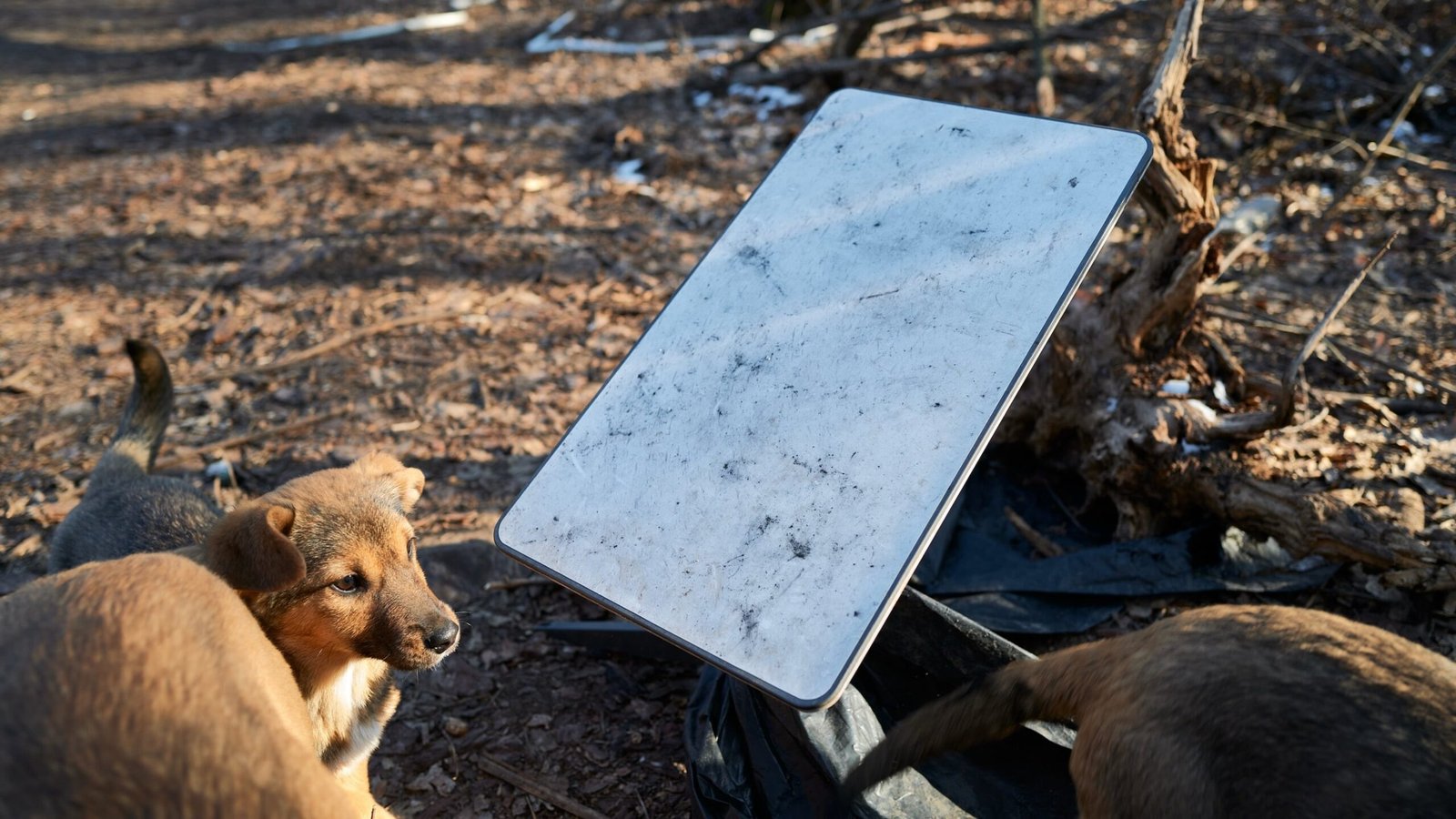
Starlink is facing political backlash over a sudden restriction in Ukraine that’s been blocking the country’s military drones from using the satellite internet service to help fight Russia’s ongoing invasion.
News of the restriction initially came from Serhii Beskrestnov, an advisor to Ukraine’s President Volodymyr Zelensky. “I confirm that tonight SpaceX has introduced a terminal Starlink speed limit during travel,” he posted on social media. The restriction was imposed on Starshield, the military and government version of Starlink, that the country has been relying on for wartime communications and military operations, including launching drone strikes.
According to Beskrestnov, the sudden restriction has blocked Starshield access on drones and other vehicles traveling over 100 miles per hour. “Our defense forces have not received any warnings about this restriction, and it has led to the failure of several missions. Obviously, this action cannot be a coincidence and is related to the current political situation,” he added.
The sudden restriction has sparked criticism against Starlink, SpaceX’s CEO Elon Musk and the Trump administration. The Deputy Prime Minister of Poland Radosław Sikorski even tweeted at SpaceX’s CEO, writing: “Hey, @elonmusk, big man, are you playing politics with your products again? As your European customers, we are watching you.”
But Musk is now responding, and indicating the White House ordered the restriction. “Starshield systems are owned and controlled by the US government. Any limits on speed or usage are decided by the US military and ultimately POTUS (President of The United States),” he wrote in a tweet.
Musk responded when Ukraine’s former defense minister Mykhailo Fedorov wrote his own tweet that said: “Starlink connectivity at speeds of up to 160 km/h is being restored. Removing Starshield’s speed limit entirely is now critical for Ukraine’s defense. Thank you @elonmusk. We hope for your continued support.” This suggests the speed restriction is still in place for the military-grade Starshield, but not for the consumer-focused Starlink.
Musk’s tweet elaborates a bit by adding: “Starlink is a commercial service owned and controlled by SpaceX. Usage of Starlink is limited to civilian or defensive activities and cannot be used for offensive military action, as doing so would be inappropriate for a commercial company.”
So far, the Trump administration hasn’t commented on the matter. But days earlier, President Trump went as far to say it was time for Ukraine to get a new president for failing to reach a peace deal with Russia. SpaceX’s CEO Elon Musk also seemed to agree with Trump’s criticism of Ukraine’s President, tweeting on Saturday: “Zelensky has gone too far.”
In the meantime. Ukraine’s President appeared in aninterview today with broadcaster Piers Morgan to say, “This decision will bring a lot of human losses,” when the country’s drones have also been used tointercept and stop attacks from Russia’s own Iranian-supplied Shahed drones.
Recommended by Our Editors
Oleg Kutkov, a hardware repair expert in Ukraine, also reports that stationary Starlink access remains available in the country. “On my regular service plan, the connection drops after 80 kp/h. This limit has been in effect since 2025,” he wrote.
The backlash occurs when Europe has long been concerned that SpaceX or even Musk himself could pull or restrict support for Starlink in Ukraine. “We will not enable escalation of conflict that may lead to WW3,” Musk said back in 2023 in initially defending his decision to limit Ukraine from using the satellite internet service to conduct drone strikes against Russia.
In 2025, Musk also tweeted: “My Starlink system is the backbone of the Ukrainian army. Their entire front line would collapse if I turned it off.” At the same time, SpaceX has also made efforts to prevent Russia from using Starlink in Ukraine, which has included imposing a restrictive “whitelist” earlier this year.
About Our Expert
Michael Kan
Principal Reporter
Experience
I’ve been a journalist for over 15 years. I got my start as a schools and cities reporter in Kansas City and joined PCMag in 2017, where I cover satellite internet services, cybersecurity, PC hardware, and more. I’m currently based in San Francisco, but previously spent over five years in China, covering the country’s technology sector.
Since 2020, I’ve covered the launch and explosive growth of SpaceX’s Starlink satellite internet service, writing 600+ stories on availability and feature launches, but also the regulatory battles over the expansion of satellite constellations, fights with rival providers like AST SpaceMobile and Amazon, and the effort to expand into satellite-based mobile service. I’ve combed through FCC filings for the latest news and driven to remote corners of California to test Starlink’s cellular service.
I also cover cyber threats, from ransomware gangs to the emergence of AI-based malware. In 2024 and 2025, the FTC forced Avast to pay consumers $16.5 million for secretly harvesting and selling their personal information to third-party clients, as revealed in my joint investigation with Motherboard.
I also cover the PC graphics card market. Pandemic-era shortages led me to camp out in front of a Best Buy to get an RTX 3000. I’m now following how the AI-driven memory shortage is impacting the entire consumer electronics market. I’m always eager to learn more, so please jump in the comments with feedback and send me tips.