Author: rb809rb

  • Payward taps Claude Mythos 5 for crypto security

    Payward taps Claude Mythos 5 for crypto security

    Payward, the parent company of cryptocurrency exchange Kraken, joined Anthropic’s Project Glasswing on Aug. 17 and gained restricted access to Claude Mythos 5 for defensive cybersecurity work.

    The company plans to use the artificial intelligence model to scan its software environments for vulnerabilities over the coming weeks. Findings will enter Payward’s existing security review process rather than automatically producing software changes.

    Payward also said it intends to disclose validated vulnerabilities affecting third party open source projects to their maintainers. The company did not identify its first scanning targets, publish a deployment schedule or disclose the cost of its Mythos 5 access.

    Payward will scan its software environments

    Payward said Claude Mythos 5 will examine all company environments for software weaknesses. Its infrastructure supports digital asset trading, custody and settlement services that remain available continuously.

    The announcement does not specify whether Mythos 5 will receive access to production systems, isolated copies of source code or controlled testing environments. Payward also did not describe how its security team will validate findings before approving fixes.

    Payward has joined @AnthropicAI’s Project Glasswing, and are actively incorporating Claude Mythos 5, Anthropic’s most capable model for finding and fixing software vulnerabilities, into our defensive cybersecurity work. pic.twitter.com/37qOkAIGeQ

    — Payward (@Payward) August 17, 2026

    False positives remain a practical concern when artificial intelligence systems review complex software. A model may identify unreachable code, duplicate an existing report or misunderstand how a component operates in production. Human review is therefore required before teams classify an issue as a vulnerability.

    The Ethereum Foundation reached a similar conclusion while testing AI security agents. As crypto.news reported, its researchers found that AI generated vulnerability reports still required independent human validation, particularly when agents examined complex protocol code.

    Payward cochief executive Arjun Sethi said AI could change the imbalance between attackers and defenders by reading code at greater scale.

    “A model can read every line of code the way an attacker would, at machine scale, so we find the flaw before anyone can build the exploit,” Sethi said.

    The statement describes Payward’s intended defensive advantage. The company has not yet published results showing how many valid flaws Mythos 5 found within its systems.

    Project Glasswing restricts access to vetted partners

    Anthropic launched Project Glasswing in April 2026 to give selected infrastructure providers and software maintainers early access to its strongest cybersecurity models.

    Initial participants included Amazon Web Services, Apple, Cisco, CrowdStrike, Google, JPMorganChase, Microsoft, Nvidia, Palo Alto Networks and the Linux Foundation. Anthropic later expanded the initiative to approximately 150 organizations across more than 15 countries.

    The company says participating organizations must meet security requirements before receiving access. Mythos 5 is not generally available because the same capabilities used to identify vulnerabilities can also help produce working exploits.

    As previously reported, Anthropic restored Mythos access only to vetted U.S. organizations after the U.S. government lifted temporary export restrictions. The safeguarded Claude Fable 5 model returned to wider availability.

    Payward said its access followed the U.S. decision allowing Mythos 5 to reach organizations that operate and defend critical infrastructure. Anthropic’s official model page confirms that access was restored for a set of U.S. organizations following government approval.

    Neither Anthropic nor the U.S. government has publicly designated every digital asset platform as critical infrastructure. Payward’s statement that such platforms “belong on that list” represents the company’s position rather than a formal government classification.

    Claude Mythos 5 carries defensive and offensive risks

    Anthropic describes Claude Mythos 5 as its most capable model for cybersecurity and biology research. The model can inspect code, identify weaknesses, suggest patches and assist approved researchers with testing exploit paths.

    Project Glasswing’s earlier Mythos Preview reportedly found more than 10,000 flaws classified as high or critical severity across widely used software. Anthropic’s coordinated disclosure dashboard showed 1,596 vulnerabilities reported across 281 open source projects as of May 22.

    Those figures are Anthropic’s measurements and do not mean every initial model finding was valid. Its dashboard recorded a 90.8% true positive rate among 1,900 candidates reviewed by external security firms.

    Anthropic said independent human triage remains the limiting stage. Only 97 listed findings had been patched upstream at the time of the dashboard update, while 88 had received a public advisory identifier.

    The model can also create exploit components and combine them into attack chains. Anthropic cited this dual use capability when explaining why Mythos 5 remains limited to approved partners.

    In related coverage, researchers found that Mythos class models could turn software flaws into working exploit chains. Wider access would therefore give attackers some of the same capabilities available to defenders.

    Open source findings will go to maintainers

    Payward said vulnerabilities discovered in shared third party code will be sent to the relevant project maintainers. It presented that process as a way to protect other organizations using the same software.

    The company did not publish a coordinated disclosure policy for the initiative. Important unanswered details include how long maintainers will have to patch flaws, which findings Payward may disclose publicly and how it will handle projects that do not respond.

    Responsible disclosure normally requires researchers to verify a vulnerability, contact the maintainer privately and allow time for remediation before releasing technical information. Premature publication can expose users before a patch becomes available.

    Payward has previously faced disputes over security research. As crypto.news reported, Kraken patched a deposit flaw that researchers used to withdraw nearly $3 million. The exchange later recovered the funds following a public disagreement with CertiK.

    That episode was unrelated to Project Glasswing, but it shows why clear testing and disclosure rules matter. AI scanning can increase the number of reported findings, creating additional work for security teams and maintainers.

    What happens next for Payward’s AI security rollout

    Payward plans to begin scanning its environments within weeks. The next verifiable updates would include confirmed vulnerabilities, completed patches or public disclosures coordinated with affected open source projects.

    No performance targets were announced. Payward did not say how frequently Mythos 5 will scan its systems or whether the model will review new code before deployment.

    Anthropic requires Mythos 5 customers to accept thirty day data retention for safety monitoring. Payward has not explained what code or system information will be submitted, how sensitive data will be separated or whether customer information falls outside the scanning process.

    For now, the confirmed development is Payward’s admission to Project Glasswing and planned use of Claude Mythos 5. Whether the model improves the company’s security will depend on the quality of its findings, human verification and the speed of subsequent patches.

  • Trump says talking to North Korea’s Kim makes the south safer

    Trump says talking to North Korea’s Kim makes the south safer

    US President Donald Trump has revealed North Korea’s leader Kim Jong Un has responded ‘very positively’ to a request for talks. Trump scaled back military exercises with South Korea at the last minute on Sunday, and says talking to Kim makes the region ‘safer’.

  • Hayden Panettiere’s Talent Never Got the Next Chapter It Deserved

    Hayden Panettiere’s Talent Never Got the Next Chapter It Deserved

    Hollywood likes child actors to be precocious, to convey an “old soul,” to give the impression of hidden depths that, if we’re being perfectly honest, you only occasionally see when you’re dealing with actual children.

    But precocity isn’t the same as maturity, and when young actors grow up, it isn’t always easy to make that transition — to go from being a child who performs in ways that are recognizably adult to being an adult who performs in ways that are recognizably human.

    From her earliest screen appearances, Hayden Panettiere excelled at precocity.

    I’ve already had debates today, in the aftermath of Panettiere’s tragic death at the age of 36, about whether or not Panettiere stole Remember the Titans from Denzel Washington and a cast of up-and-coming stars. It’s a very real debate. Not many actors could even debatably steal movies from Denzel Washington, much less actors who weren’t even 10.

    As Sheryl Yoast, football-obsessed daughter to Will Patton’s Bill Yoast, Panettiere plays what is a fairly common genre archetype: the adorable moppet raised by a sports-obsessed parent to talk about sports like a 50-something man at a barber shop. Almost all of her dialogue is written so that it would sound normal as part of a talk radio call-in show, but delightfully alien from a kid. Precocity! But in a movie in which almost every choice accentuates tear-jerking and other emotional manipulation, Panettiere’s performance is notable for how natural she makes a character who is presented as unnatural.

    It’s easy to watch Remember the Titans and understand why Ryan Gosling became a star or recognize the attributes essential to the ongoing careers of Donald Faison, Ryan Hurst and Ethan Suplee. It’s just as easy to recognize Panettiere’s screen presence, beyond her ability to elicit amusement at her character’s wise-beyond-her-years obsession with the gridiron.

    You can see the seeds, in that performance, of what made her so in-demand for projects like Ice Princess, Raising Helen and whichever Bring It On sequel she starred in. Television roles like her work on late-run Ally McBeal and even her guest appearances on Malcolm in the Middle pointed to a young actor who radiated energy, without necessarily promising that a mature actress would necessarily emerge.

    Countless capable child stars have done precocity, and then never anything else — or have never gotten the opportunity to try anything else.

    Part of why NBC’s Heroes worked as well as it did when it premiered in September 2006 is that the series treated Panettiere’s Claire not as a child, but as the person on whose shoulders the fate of the world rested. Some of the promotion of and reaction to Claire fetishized her youth and the cheerleader outfit and all of that, but that’s not what the show itself mostly did — and it certainly wasn’t what Panettiere played.

    Yes, the central mission of the first season was for the other characters to save Claire. But the internal struggle of an ordinary young woman discovering an extraordinary ability to heal, to face a dangerous world with a reduced capacity for feeling pain, was a complex and heroic thing on its own. It was an adult performance that the series only occasionally knew what to do with; after that first season, Heroes never lived up to its full potential and Panettiere didn’t always have as much to play or to play well.

    Being a young actor continuing to work as you grow comes with the risk that Hollywood won’t be prepared to let you age to that next level. But Panettiere’s second series lead role, in ABC’s Nashville, immediately pushed her out of “young” parts and into onscreen adulthood.

    The show, which launched in 2012, immediately introduced Panettiere’s Juliette as a diva, a bad girl, an adversary for Connie Britton’s Rayna James. But in the story of a young woman who started fighting for autonomy after years as a juvenile cog in the music industry, Panettiere found something relatable. Juliette did plenty of bad things in the early seasons of Nashville (and beyond), but Panettiere rarely played those choices as merely motivated by a hunger for success or power. Raised professionally on soap operas, the actress presumably knew what a soap opera villain looks and feels like, but Juliette was, instead, first and foremost an industry survivor.

    Nashville ended in 2018 and Panettiere wasn’t even 30. She’d been a child star and she’d been the anchor of two very different broadcast dramas — as a young adult and then an adult — showcasing very different sets of skills. She had achieved what seemed like the most difficult part of a professional evolution.

    She never starred in another television series. Other than her return to the Scream franchise in 2023, none of her film work had much visibility. Rather, there were reports about bad relationships and postpartum depression and other struggles chronicled in her memoir, This Is Me: A Reckoning.

    The career that felt hard-earned and hard-won from Remember the Titans through Nashville never got that next chapter, those next many chapters.

    I can’t conclude this piece without acknowledging: In the past few years, younger millennials have grieved the loss of a number of actresses whose onscreen growth paralleled their own. Panettiere, Michelle Trachtenberg, Daveigh Chase and others aren’t unified by any one thing — their deaths weren’t the same, their lives in the industry weren’t the same and their support systems weren’t the same. But I still feel comfortable saying this, because it shouldn’t be controversial: Hollywood needs to do better.

    Young people slip through the cracks in different ways in every walk of life and every part of the country, whether they have supportive parents, negligent parents or overly meddlesome parents. The challenges of life might be magnified for a movie star compared to a barista or grocery bagger or aspiring teacher, but demons are demons, exploiters are exploiters, heartbreak and addiction and depression don’t care how many people want to take your picture on a red carpet.

    And I know that many or most of Panettiere’s struggles came well after her child stardom, and many were outside of any Hollywood purview.

    But it’s incumbent on film and television studios, on record labels, on professional sports franchises to have better track records when it comes to protecting and nurturing young people. We’ve had too much evidence that, despite countless shameful documentaries and journalistic exposes, the industry treats kids as a renewable resource rather than a precious resource.

    I don’t have solutions or individuals to shame or, honestly, anything to add other than this obvious sentiment, and sadness.

  • Tupac Murder Trial Begins as Prosecution Calls Rapper’s Death “An Act of Revenge”

    Tupac Murder Trial Begins as Prosecution Calls Rapper’s Death “An Act of Revenge”

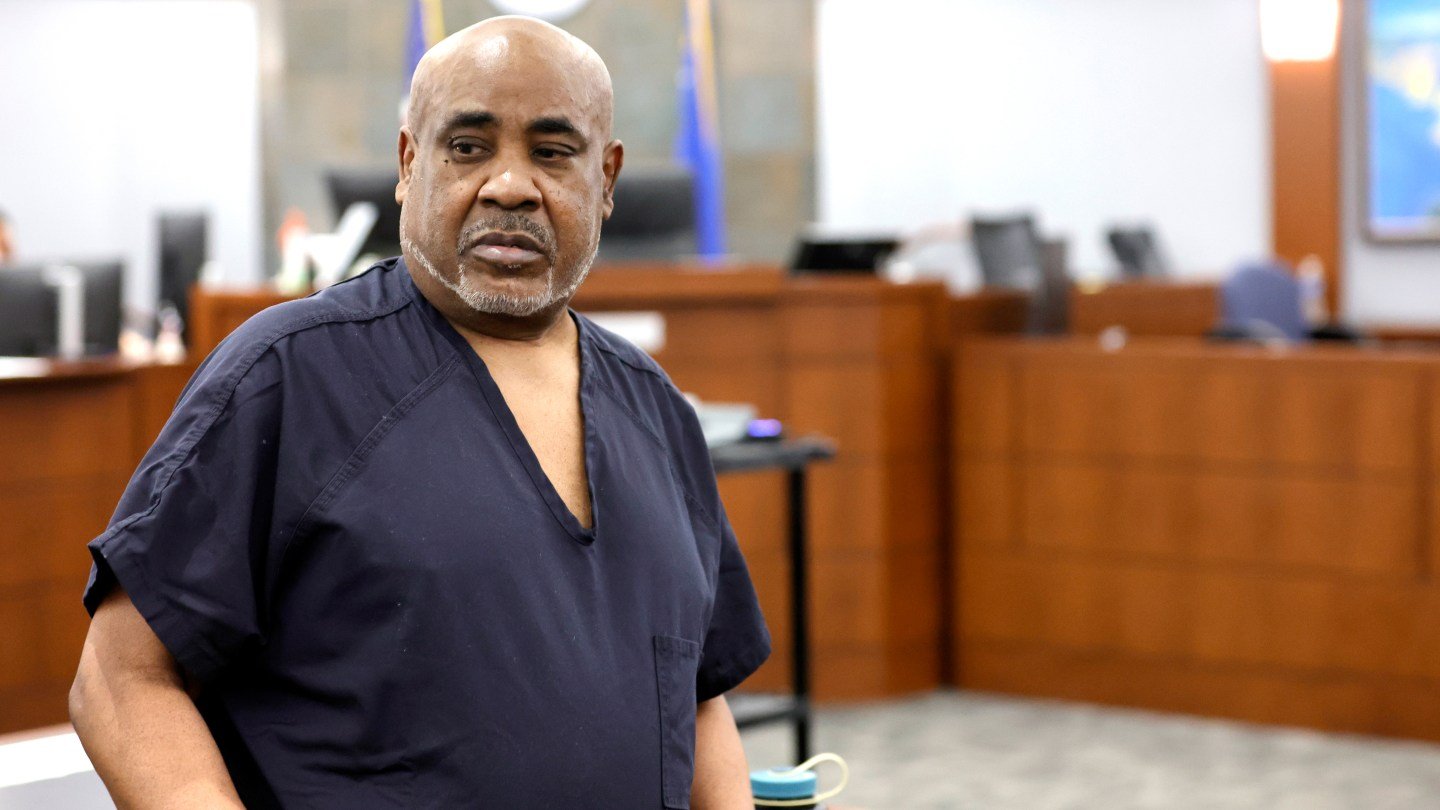
    A trial on the murder of hip-hop icon Tupac Shakur finally began in Las Vegas on Monday, three decades removed from Shakur’s death in a Las Vegas drive-by shooting, with Duane “Keffe D” Davis accused of orchestrating the killing.

    The prosecution and Davis’s defense gave their opening statements on Monday morning, with Chief Deputy District Attorney Binu Palal telling jurors that Davis arranged the murder in “an act of revenge,” as CBS News reported, after Shakur had attacked Davis’s nephew Orlando “Baby Lane” Anderson.

    Davis, who was arrested and charged with murder in 2023, is the only person to have ever been arrested in the infamous case. He published a memoir in 2019, Compton Street Legend, in which he said he provided the gun used in the crime, which has become a key piece of evidence in the prosecution’s case.

    “Let’s be clear, Duane Davis did not pull the trigger,” Palal said. “But he did plan the shooting in retaliation of the beating of his nephew. Remarkably, you will learn that from Duane Davis himself.”

    Davis’s defense attorney Michael Sanft, however, encouraged the jury during his opening statement to treat the memoir as fiction, with the New York Times reporting that Sanft referred to the memoir as “bullshit,” further saying Davis “was never charged for any of what he said during that time period, and it’s because they knew he was full of crap.”

    Several witnesses took the stand on Monday during the first day of the trial: Las Vegas police officer Garry Dale, who responded to the incident the night of the shooting; Ingrid Stokes, a woman in a nearby car when the shooting occurred; former homicide detective Brent Becker; and former LAPD police officer Fred Miller, one of the detectives who investigated the murder of Notorious B.I.G.

    Shakur’s murder has long been one of the most notorious unsolved cases in modern pop culture. He was shot in Las Vegas in 1996, riding in the passenger seat while Suge Knight drove. He died six days after the shooting.

    The case reflected how gang violence became intertwined with the fierce East Coast/West Coast Hip-Hop rivalry that developed in the ’90s. Shakur’s label Death Row was said to be affiliated with the Bloods, and Sean “Diddy” Combs’ Bad Boy Records with the crips. Davis was a leader of the South Side Compton Crips, and the defendant has previously said Combs had called for Shakur’s death. Combs, currently in prison, has consistently denied the claims.

    As the Times noted, during Dale’s testimony, he recalled being at the scene just after Shakur was shot, with Shakur declining to say who shot him, telling him, “No, we’ll take care of it.”

    During Becker’s testimony, as CNN reported, he recalled testimony from Knight, telling the court he was “timid” and that “I thought he lied to us. He just didn’t know anything.”

    Miller was the final witness of the day, and day one concluded with the jury reviewing an extensive audio interview with Davis.

    The trial will resume on Tuesday.

  • ‘Scream 4’ Casting Director Recalls Hayden Panettiere’s “Fierce Warrior Nature” Helping Her Land Role

    ‘Scream 4’ Casting Director Recalls Hayden Panettiere’s “Fierce Warrior Nature” Helping Her Land Role

    Among the performances for which Hayden Panettiere has been most fondly remembered in light of her death at age 36 are her memorable turns in the Scream franchise.

    Panettiere, who died Sunday, got her start as a child actress in projects like Remember the Titans before starring on such series as Heroes and Nashville and in features like Ice Princess and I Love You, Beth Cooper. In 2011, she originated the role of Kirby Reed in Scream 4 before reprising the character for 2023’s Scream VI after fans campaigned for her return.

    “The world is losing a very talented actress and beautiful soul who has shared and been revealing about her struggles along the way,” Nancy Naylor, who worked as a casting director for Scream 4, tells The Hollywood Reporter. “One hopes that there’s a happy ending, but it doesn’t always turn out that way in real life.”

    Hayden Panettiere (left) and Emma Roberts in Scream 4.

    Courtesy of Everett Collection

    Scream 4 marked not only Panettiere’s introduction to the beloved slasher series that filmmaker Wes Craven initiated with 1996’s original movie, but it also served as Naylor’s first and only project in the franchise. She worked with fellow casting directors Avy Kaufman and Rick Rosenthal on the sequel that saw the return of franchise mainstays Neve Campbell, Courteney Cox and David Arquette, along with the additions of series newcomers Emma Roberts, Mary McDonnell, Anthony Anderson and Alison Brie.

    “Hayden had been known from Heroes and had been working as a child actress, and the industry was aware of her,” Naylor recalls. “When her name came up, she seemed like a really terrific contender for the role of Kirby and a great contrast to Emma Roberts. They were just visually and energetically very different, and we thought they would be great together.”

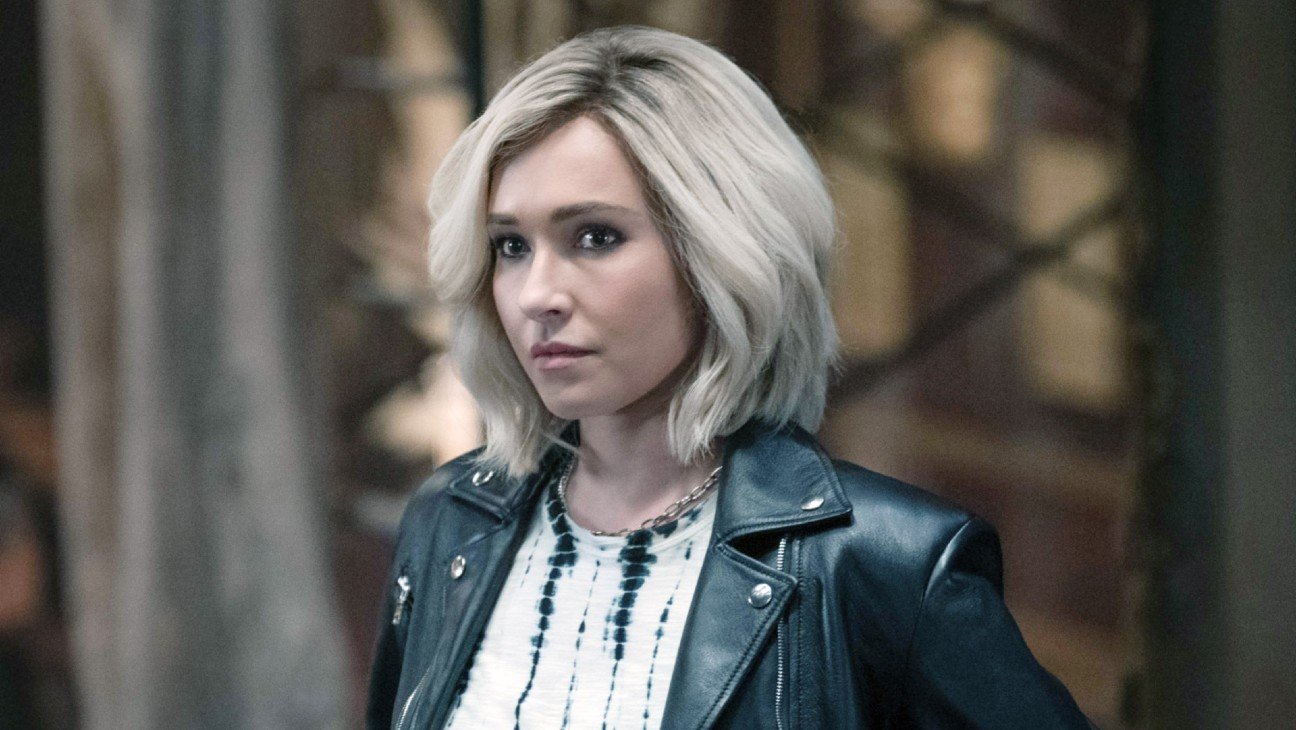
    In Scream 4, Kirby (Panettiere) is a horror-obsessed Woodsboro high school student and the best friend to Jill, who is played by Roberts and is the cousin of Campbell’s character, Sidney. Naylor recalls Panettiere’s positive energy when she landed the part: “I remember thinking she felt very happy. She was very excited to be in the mix and to get the role.”

    While reflecting on what made her stand out in the audition process, the casting director says, “It was her fierce warrior nature for the role. The character has this incredible scene where she’s on a phone call with Ghostface, and she has to save her friend and [rattle] off a giant list of genre films in a desperate hour. I knew that she would have the passion and the energy to make that scene so believable, so heartbreaking, so intense — and she absolutely delivered all of those qualities.”

    Dimension Films released Scream 4 in theaters on April 15, 2011, and it would go on to collect $97 million globally. Between the tepid commercial response and Craven’s subsequent passing in 2015, the franchise didn’t return to theaters until 2022’s Scream. With the series generating renewed buzz at that time, fans took to social media to push for Panettiere to return, despite Kirby appearing to be left for dead in Scream 4. The character came back for 2023’s Scream VI, in which she was working as an FBI special agent.

    “It made me happy that she had been so successful in Scream 4 and that fans were wanting to see more,” Naylor says. “I remember being a fan of Nashville and thinking she was just magnificent in that series, and it was so touching and such a different vibe from Scream. It showed me how incredibly versatile she was.”

    A number of castmembers from the Scream series have paid tribute to Panettiere, with Roberts posting, “You are so loved, and you will be forever missed.” Additionally, Arquette called her “such a brave and brilliant soul.” During a conversation with Entertainment Tonight in May, Panettiere deemed the role “one of my favorite characters to ever play” and said of Kirby, “She was brave and fierce and edgy.”

    Adds Naylor, “I was excited to see that Hayden’s journey continued in the franchise. She is really special and so lovely, and it’s just so tragic what’s happened.”

  • LISTEN: How Chris Carter Got a Second Shot at ‘The X-Files: I Want to Believe’ Film

    LISTEN: How Chris Carter Got a Second Shot at ‘The X-Files: I Want to Believe’ Film

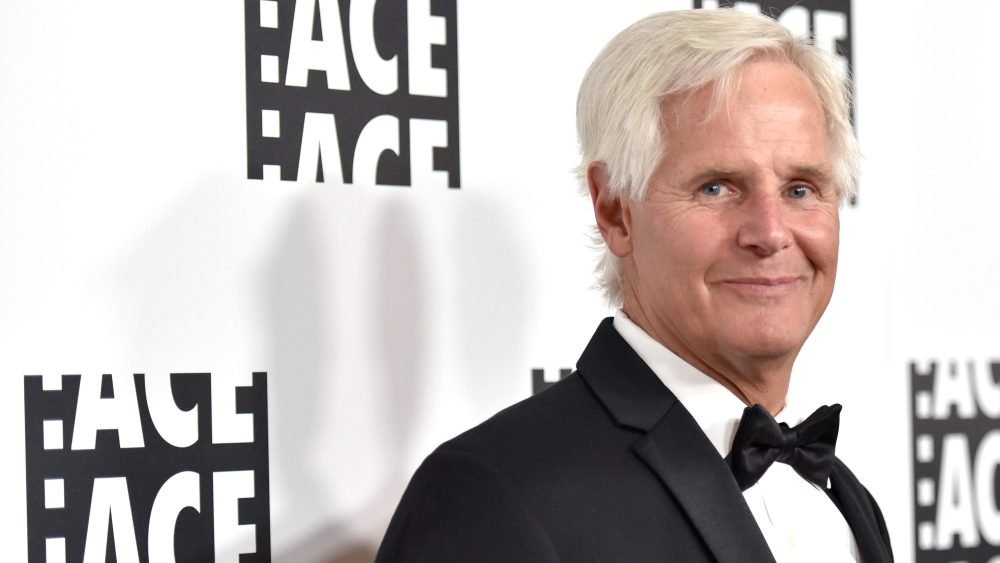
    On today’s episode of “Daily Variety” podcast, “The X-Files” creator Chris Carter explains to Variety’s Michael Schneider how he got the chance to do a director’s cut of his 2008 “The X-Files: I Want to Believe” feature film. The new cut dubbed “The X-Files: I Want to Believe: Vrach Frankenshteyn” debuted Aug. 14 on Hulu and Disney+ outside the U.S.

    Carter points out that his preferred cut is actually shorter than the original release, which ran 144 minutes, per IMDB.

    “I always felt like people didn’t see the movie I intended to make,” Carter says, noting that 20th Century Studios executive Steve Asbell helped get the director’s cut project off the ground. “I asked him, ‘Have you ever thought about doing a director’s cut?’ And it was really just offhand. And he said, ‘Why? Would you like to do one?’ I said, ‘I’d love to do one.’ I can tell you, though, the reason for doing the director’s cut for me is not to put all the stuff that was taken out, but to put the right stuff in that was taken out.”

    Carter discloses that for the original release in 2008, he was under a lot of pressure to ensure that the film would secure at PG-13 rating.

    “When we showed them our first cut, the studio freaked out. They said, ‘This is torture porn. And you can’t do this for a PG-13 movie.’ So we cut it back and we satisfied them. And then we gave it to the motion picture folks, and they said, this isn’t a PG-13 movie. And we cut it back even further,” Carter says. “So the movie you’re seeing is, by and large, the movie that my partner in crime, [writer-producer] Frank Spotnitz, and I set out to make. And we always set out to make a very scary movie on a very limited budget, which is kind of the way we made ‘The X Files‘ TV series.”

    Listen to Daily Variety on iHeartPodcasts, Apple Podcasts, Variety’s YouTube Podcast channel, Amazon Music, Spotify and other podcast platforms.

  • David F. Sandberg to Direct Horror Movie ‘Mommy’s Home’ For Lionsgate

    David F. Sandberg to Direct Horror Movie ‘Mommy’s Home’ For Lionsgate

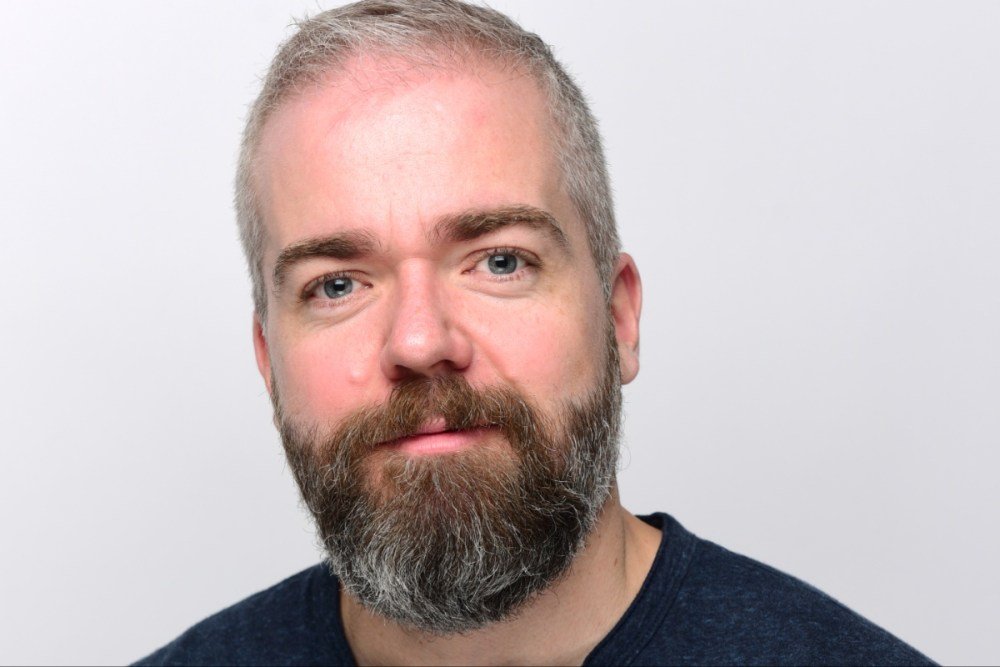
    David F. Sandberg has been tapped to direct a new psychological horror movie, “Mommy’s Home,” for Lionsgate.

    From screenwriter James Morosini, “Mommy’s Home” follows “a young dad whose family life becomes terrifyingly unhinged when his cryogenically preserved mom is unfrozen and sent to live with him,” according to an official logline.

    Sandberg is probably best known for writing and directing his viral YouTube short turned horror feature “Lights Out.” He also helmed “Shazam!” and its 2023 sequel. His most directing credit was 2025’s “Until Dawn,” a big-screen adaptation of the popular horror video game for Sony.

    Sandberg’s other upcoming projects include the sci-fi horror “Below” for Netflix and Atomic Monster as well as “A Little Slice of Hell” for Paramount.

    Morosini usually works in front of the camera as an actor, recently starring in “It’s What’s Inside” for Netflix and Steve Pink’s sci-fi thriller “Terrestrial.” “Mommy’s Home” marks Morosini’s second feature credit as a screenwriter, after penning, directing and starring in the 2022 dark comedy “I Love My Dad.”

    Producers for “Mommy’s Home” are Craig Flores, Dawn Olmstead and Anonymous Content. Sandberg and Lotta Losten also produce through their company Mångata. Executive producers include Nathan Kahane, Morosini, David Levine, Garrett Kemble and Ryan Schwartz. Scott O’Brien and Maria Ascanio are overseeing the project for Lionsgate. Dan Freedman negotiated the deal on behalf of the studio. 

    Sandberg is represented by CAA, Gotham Group, and Jackoway Austen Tyerman Wertheimer Mandelbaum Morris Bernstein Trattner Auerbach Hynick Jaime LeVine Sample & Klein. Morosini is represented by CAA and Eric Brooks and Matt Rosen at GGSSC.

    The InSneider was the first to report Sandberg’s involvement in “Mommy’s Home.”

  • Jane Street Unveils Nearly $1B Bitcoin ETF Position, Holding 15,394 BTC Exposure

    Jane Street Unveils Nearly $1B Bitcoin ETF Position, Holding 15,394 BTC Exposure

    • Jane Street reported $990 million in Bitcoin exchange-traded funds in its Q2 2026 Form 13F filing with the SEC.
    • The allocation is equivalent to 15,394 $BTC, concentrating $828 million in BlackRock’s iShares Bitcoin Trust (IBIT) ETF.
    • The company recorded over $40 billion in net trading revenue so far in 2026.

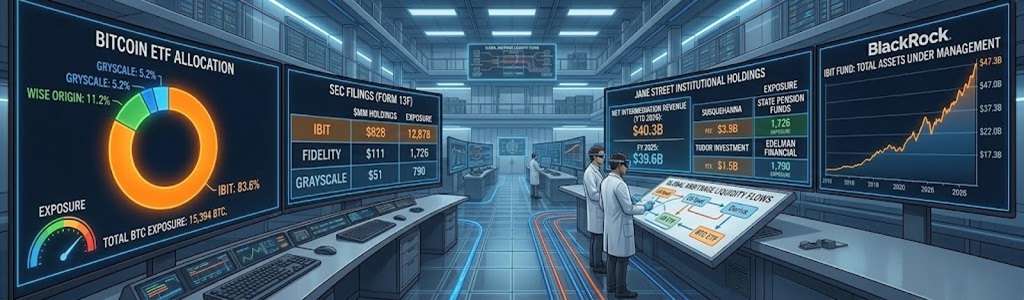
    Quantitative trading firm Jane Street reveals a nearly $1 billion position in Bitcoin ETFs, reaching an institutional holding equivalent to 15,394 $BTC during the second quarter of 2026.

    According to the regulatory filing submitted to the U.S. Securities and Exchange Commission (SEC), the firm accumulated $990 million distributed across major spot investment vehicles. Official documentation details that the majority of the capital went into the iShares Bitcoin Trust (IBIT) fund, managed by BlackRock, with an allocated sum of $828 million. The remainder of the position was structured through holdings in instruments such as Fidelity’s Wise Origin Bitcoin Fund and Grayscale’s Bitcoin Trust.

    The entity does not custody the cryptocurrencies directly in digital wallets. Its exposure operates strictly through shares of regulated exchange-traded vehicles listed on U.S. markets.

    Portfolio Structure and Institutional Financial Balance

    The data disclosed in Form 13F coincides with a period of high activity for the market maker. Financial reports from Bloomberg indicate that Jane Street generated over $40 billion in net trading revenue so far in 2026, surpassing the $39.6 billion achieved throughout the entire 2025 fiscal year.

    Despite the overall volume, the company faced approximate losses of $15 billion during July 2026. This monthly setback stemmed from adjustments in Asian equity positions and its exposure to funds linked to artificial intelligence infrastructure.

    Industry analysts point out that high-frequency trading firms use these instruments to execute liquidity arbitrage between the spot market and derivatives contracts. Data from the Fintel platform shows that other institutional participants, including Susquehanna International Group, maintain parallel stakes in cryptocurrency exchange-traded funds.

    BlackRock’s IBIT fund exceeded $47.3 billion in assets under management by mid-August 2026. According to SEC records, state pension managers and investment firms such as Tudor Investment Corporation and Edelman Financial also reported exposure to these financial derivatives in their recent quarterly filings.

    The next Form 13F filing window with the SEC closes in mid-November 2026, when institutional holdings for the third quarter of the year will be updated.

  • Monad Foundation’s $60M MON Buyback Offer: Most Early Investors Decline

    Monad Foundation’s $60M MON Buyback Offer: Most Early Investors Decline

    The Monad Foundation recently offered to purchase locked-up $MON tokens directly from early investors at a discounted price, but the majority of those eligible chose not to sell. According to the foundation, the total purchase size amounted to $60 million, and the $MON it acquired remains subject to the original four-year lockup period.

    Program Details and Rationale

    The program was designed to provide early investors with an exit opportunity if they needed to recover funds or had shifted their investment strategy. The foundation emphasized that it has never sold $MON, nor has it proposed or pursued any sales through over-the-counter trades. It also confirmed that it is not currently engaged in any related process.

    This move comes amid broader market conditions where token lockups and vesting schedules are under increased scrutiny from regulators and investors alike. By offering to buy back tokens at a discount, the foundation aimed to reduce potential selling pressure while giving early backers flexibility.

    Implications for the $MON Ecosystem

    The fact that most early investors declined the offer suggests a strong conviction in the project’s long-term prospects. It also signals that the existing lockup structure remains intact, which could be viewed positively by the market as it prevents sudden token dumps.

    Why This Matters

    For current and potential $MON holders, this development provides insight into the foundation’s financial management and its relationship with early backers. It also highlights the ongoing challenges projects face in balancing investor liquidity with token price stability.

    Conclusion

    The Monad Foundation’s buyback offer, though largely declined, underscores its commitment to supporting early investors while maintaining strict lockup discipline. As the project continues to develop, the market will be watching how these dynamics evolve.

    FAQs

    Q1: Why did the Monad Foundation offer to buy locked-up $MON?
    The foundation offered to buy locked-up $MON to give early investors an option to sell if they needed liquidity or had changed their investment strategy, while ensuring the tokens remain under the same lockup terms.

    Q2: What happens to the $MON the foundation acquired?
    The $MON acquired by the foundation remains subject to the original four-year lockup period, meaning it cannot be sold or traded until the lockup expires.

    Q3: Has the Monad Foundation ever sold $MON?
    According to the foundation, it has never sold $MON, nor has it proposed or pursued sales through over-the-counter trades, and it is not currently engaged in any such process.

  • Bitcoin Spot CVD Chart Analysis: Order Flow Insights for Aug. 18

    Bitcoin Spot CVD Chart Analysis: Order Flow Insights for Aug. 18

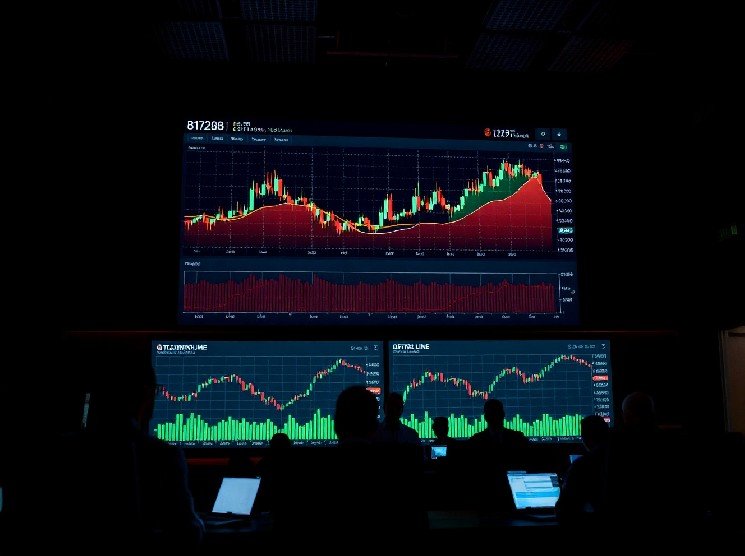
    On Aug. 18 at 9:00 a.m., the Bitcoin spot market displayed notable order flow activity, as captured by the cumulative volume delta (CVD) chart for the BTC/USDT trading pair. The chart, which tracks the balance between aggressive buying and selling, offers traders a granular view of market pressure at specific price levels.

    Understanding the Spot CVD Chart

    The spot CVD chart is a tool used by traders to analyze order book dynamics. It consists of two primary components: the volume heatmap in the upper panel and the cumulative volume delta in the lower panel.

    The volume heatmap visualizes trading volume at each price level, with brighter colors indicating areas where the price lingered or moved sharply. These zones often act as support or resistance levels, as they represent clusters of historical activity where traders have previously shown interest.

    The lower panel’s CVD indicator reflects the net volume of buy and sell orders, segmented by order size. The yellow line tracks orders between $100 and $1,000, while the brown line represents large orders between $1 million and $10 million. When these lines rise, it indicates increasing buying pressure; when they fall, selling pressure dominates.

    What the Aug. 18 Data Shows

    At the 9:00 a.m. snapshot, the CVD lines for both retail-sized and large orders were moving in tandem, suggesting a broad alignment in market sentiment. The volume heatmap indicated a concentration of activity around the $29,500–$29,800 range, which could serve as a pivot area for the session.

    Large-order flow, often associated with institutional activity, showed a slight uptick, hinting at possible accumulation. However, the overall CVD remained below its recent highs, indicating that sellers have not been fully overwhelmed.

    Implications for Traders

    For traders, the CVD chart provides a real-time read on whether buyers or sellers are in control. The current data suggests a cautious market, with no clear directional bias. The identified support/resistance zones from the heatmap can be used to set stop-loss or take-profit levels.

    It’s important to note that CVD is a lagging indicator, and sudden news events can quickly alter the order flow. Traders should combine this analysis with other technical tools and fundamental news for a comprehensive view.

    Conclusion

    The Bitcoin spot CVD chart for Aug. 18 at 9:00 a.m. reflects a market in equilibrium, with neither buyers nor sellers dominating. The volume heatmap highlights key price levels to watch, while the CVD lines offer insight into the behavior of different order sizes. As always, order flow analysis is one piece of the puzzle, and prudent risk management remains essential.

    FAQs

    Q1: What is the spot CVD chart used for?
    The spot CVD chart is used to analyze the net buying and selling pressure in the spot market by tracking cumulative volume delta. It helps traders identify potential support and resistance levels and gauge market sentiment.

    Q2: How does the volume heatmap work?
    The volume heatmap displays trading volume at different price levels, with brighter colors indicating higher activity. These areas often act as support or resistance because they represent price levels where significant trading has occurred.

    Q3: What do the yellow and brown lines represent in the CVD indicator?
    The yellow line tracks orders between $100 and $1,000, representing retail-sized trades. The brown line tracks large orders between $1 million and $10 million, which are often associated with institutional activity. Rising lines indicate buying pressure, while falling lines indicate selling pressure.